Connect with us
DAPA Banner
DAPA Coin
DAPA
COIN PAYMENT ASSET
PRIVACY · BLOCKDAG · HOMOMORPHIC ENCRYPTION · RUST
ElGamal Encrypted MINE DAPA
🚫 GENESIS SOLD OUT
DAPAPAY COMING

Business

Vedanta’s CopperTech Metals targets $3.6 billion valuation in US IPO

Published

on

Vedanta’s CopperTech Metals targets $3.6 billion valuation in US IPO
Continue Reading
Click to comment

You must be logged in to post a comment Login

Leave a Reply

Business

Bristol Harbour Festival could be axed amid rising costs

Published

on

Business Live

The free festival has been running for over half a century

A flyboard display by James Prestwood at Bristol Harbour Festival (Image: Paul Box, free to use by all partners)

A flyboard display by James Prestwood at Bristol Harbour Festival(Image: Local Democracy Reporting Service / Paul Box)

Bristol Harbour Festival could be facing the chop after next year, with growing concerns that current organisers may walk away due to mounting costs.

Advertisement

The warning comes after a report presented to city councillors revealed that one in four events scheduled for Bristol Harbour this year have been scrapped – 13 out of approximately 50 – owing to ‘challenging market conditions and fragility in the events sector’.

Yet the loss of the festival itself would undoubtedly be the most damaging blow of all.

When questioned by Cllr Kye Dudd (Labour, Southmead) about its future, Bristol City Council regulatory services and city events manager Jonathan Martin told the harbour committee: “The festival continues to be a challenge.

“Financially the current provider is in discussion with us about the continued viability of their involvement.

Advertisement

“The investment that Bristol City Council makes for Harbour Festival has remained static for over a decade, so in real terms that has decreased significantly.

“When we went through the tendering process we were able to call on the Business Improvement District (BID) to provide a financial contribution.

“But next year when we’re into contract extension [with organisers Proud Events], there is concern that they may not want to extend the contract.

“We’re okay for next year, it’s the contract extension [that is in doubt].”

Advertisement

Committee vice-chair Cllr Patrick McAllister (Green, Hotwells & Harbourside) said: “We should as a council keep an open mind as to whether it might be useful to put more subsidy in there.

“I know money is tight but this is nearly a 12:1 return on investment across the city, and this is the logic we should be approaching the BID with and saying you will be reaping the rewards of all the people in the city centre.”

Approximately 200,000 people flocked to last year’s festival, which injected almost £4.5m into the local economy.

This year’s spectacular runs from Friday, July 17, to Sunday, July 19, boasting significant changes, amongst them a fresh layout spanning from Thekla to Underfall Yard that ‘brings the city’s waterfront to the centre of the celebration’.

Advertisement

Visitors can expect dockside spectacles, floating performances, circus acts, live music and family entertainment throughout the weekend.

A report submitted by council officers to the then-cabinet in 2022 concluded that sweeping changes were necessary, as the event, which is free to attend and has been running for over half a century, had become too ‘white and middle-class’.

The document highlighted that many older and disabled people, families, and Black and Asian communities were put off by the sizeable crowds and a ‘drinking culture’.

It further noted that soaring costs had rendered the existing model ‘near impossible’ to sustain.

Advertisement

Bristol City Council commits £160,000 a year to the festival.

In 2023, Proud Events took over as organisers after securing a four-year contract awarded through a tender process run by the local authority.

That agreement expires following next year’s event, though a contract extension remains a possibility.

Proud Events has been contacted for comment.

Advertisement
Continue Reading

Business

How This Humble Fruit Has Added Value to Different Industries

Published

on

How This Humble Fruit Has Added Value to Different Industries

To most people, the banana is a simple, affordable piece of fruit that gets added to the grocery basket every week. Yet, the long history of this fruit has seen it create significant commercial products and services in unexpected ways.

The Banana as the Foundation of Global Food Logistics

With global trade estimated at over $25 billion, bananas represent a massive industry that connects growers, distributors and consumers across the world. The Cavendish banana alone has a global production volume of 50 million tons, according to the FAO of the United Nations, but how does it reach our tables in perfect condition?

The biggest challenge is that they are consumed all over the world, but can only be grown in specific regions. The combination of being highly perishable and having to travel thousands of miles to reach consumers means that the early fruit traders had to create a new way of sending them.

This led to the development of international cold-chain logistics. Refrigerated transport vessels were designed as a way to stop the ripening process from ruining the fruit before it arrived at its destination. They then had to create ripening rooms in local distribution centres to make sure that they were in full control of exactly when the bananas were ready to sell.

Advertisement

This BBC article explains the crucial role played by the banana industry in creating refrigerated boats. While Argentine beef and other products needed a similar solution for overseas commerce, it was the growing demand for the banana that is most commonly credited with providing the impulse for this innovation.

The Role of Bananas in Art and Entertainment

Few items of food have entered popular culture in the way that the banana has. From the iconic appearance on the Velvet Underground album cover designed by Andy Warhol in 1967 to their controversial appearance in conceptual art, bananas have somehow become viewed as being fun while also challenging corporate commercialism at times.

We have seen bananas used in performances by the likes of Josephine Baker and Harry Belafonte, too. The fact that bananas are so universally well-known and popular means that they work perfectly as an image that everyone instantly understands.

This also helps to explain why we find casino games like Even Bigger Bananas 2 slot on Betfair. With a large ape and other jungle creatures among the symbols, the bananas help to add to the atmosphere and make the reels more visually appealing. This is part of the Bigger Bananas range, where King Kong is the main character, but the bananas are a key part of the gameplay.

Advertisement

Other Uses for Bananas in Various Industries

Bananas have also been used as part of the process for creating sustainable textiles, heavy-duty packaging and even advanced electronics. Elements like the skin and the pseudo-stem have found distinct uses that have helped designers looking for sustainable and eco-friendly solutions to a range of problems.

Bananas will continue to be one of the world’s favourite fruits to eat and enjoy. However, by looking at these fascinating uses for it, we can also see how it has filtered into many aspects of life and various industries.

Advertisement

Continue Reading

Business

Thailand in Focus: A Comprehensive News Roundup

Published

on

Major Events in Politics, Economy, Tourism, and Society

Thailand is actively positioning itself as a premier investment destination with the launch of the new Thailand Fast Pass, designed to streamline the entry and operational processes for foreign investors.

Alongside this, the government is advancing its ambitious $30 billion Land Bridge project, a coast-to-coast corridor intended to rival the Malacca Strait as a major regional trade route. Analysts and industry observers continue to debate whether this infrastructure initiative can realistically challenge Malacca’s dominance, with some experts suggesting it may be a bridge too far for Thailand’s current port capacity. Reuters | Thailand Business News

Economic Development & Investment

Thailand is also making strides in the semiconductor industry, advancing plans to become ASEAN’s technology manufacturing hub, while the Stock Exchange of Thailand continues to attract capital inflows as funds shift away from Indonesia. The government is simultaneously cracking down on foreign nominee structures, particularly impacting villa buyers in Phuket and Koh Samui, and targeting a suspected 1 billion baht foreign nominee land network in Andaman provinces. Bloomberg | Thailand Business News

Advertisement

Tourism: Growth, Challenges & Competition

Thailand’s tourism sector is experiencing a record-breaking surge in 2026, with 7.49 million visitors already recorded, driving strong growth across Bangkok, Phuket, Chiang Mai, and beyond. Aviation growth and rising global travel demand are key contributors to this momentum. However, the country faces headwinds, including a 25% drop in Middle Eastern tourists, increased regional competition, and rising travel costs that are reshaping Asia’s tourism landscape. Travel and Tour World | Nikkei Asia

Vietnam is emerging as Southeast Asia’s fastest-growing tourism powerhouse, driven by policy reforms, expanded airline networks, and rising international demand — placing increasing competitive pressure on Thailand. Additionally, the southwest monsoon is disrupting beach tourism across popular Thai destinations, while Chiang Mai faces a sudden crackdown on foreign-owned businesses, hotels, and digital nomad operations, raising concerns among investors and long-stay travelers. Travel and Tour World | Eurasia Review

Cultural tourism received a significant boost from the Phi Ta Khon Festival in Loei province, generating an estimated 188 million baht in tourism revenue and reinforcing Thailand’s cultural heritage appeal. The Bangkok International Content Market has also been launched to position Thailand as Asia’s leading hub for creative content and media industries. Nation Thailand | The Hollywood Reporter


Expat Living & Relocation Trends

Thailand remains one of the world’s most attractive relocation destinations, drawing retirees, remote workers, and young families from across the globe. Retirees are particularly flocking to Chiang Mai in northern Thailand, attracted by affordable living, quality healthcare, cultural richness, and a well-established expat community. An Indian couple recently made headlines after sharing how relocating to Thailand offered them the same rent with a significantly better lifestyle. Business Insider | NDTV

Advertisement

Families from the United States have also spoken about the benefits of Thai life, noting less time rushing and more quality family time, while expats generally highlight the country’s affordability, food culture, and relaxed pace of living. One notable caveat raised by long-term residents is the lack of robust retirement savings infrastructure, which remains a concern for those planning to age in Thailand permanently. Business Insider


Geopolitics & Border Disputes

The Thailand-Cambodia maritime and border dispute continues to escalate, with Cambodia launching a UN-backed maritime conciliation process and Thailand firmly rejecting Cambodia’s border claims. Thailand has urged joint fact-finding efforts to avoid further escalation. The dispute also carries cultural dimensions, centered on Hindu temple sites that sit at the heart of the territorial conflict, drawing international attention to the region’s complex historical relationships. East Asia Forum | Hinduism Today


Law, Crime & Public Safety

Thailand is intensifying enforcement across multiple sectors. More than 1,200 medical cannabis inspections have been conducted nationwide as authorities tighten regulations following earlier liberalization policies. Additionally, Thai authorities busted an illegal Bitcoin mining operation, seizing 315 rigs across five provinces in northeastern Thailand. Ten Israelis were deported amid a broader crackdown on foreign-linked criminal activity, and two British tourists were hospitalized following a stabbing incident. Khaosod English | Crypto Briefing


Sports, Culture & Society

Thailand’s volleyball teams are performing strongly on the international stage. The women’s national team secured their first Volleyball Nations League 2026 victory, with star player Sasipapron Janthawisut leading the charge, though they subsequently fell 3-1 to Canada. The Thailand vs. Netherlands clash in Bangkok is generating significant excitement among local fans. Volleyball World | CBC

Advertisement

Thailand’s soft power is growing globally, with T-Pop music emerging as a potential rival to South Korea’s K-Pop phenomenon, and same-sex romance dramas from Thailand attracting millions of international viewers. The country mourned the passing of Princess Bajrakitiyabha, who died aged 47 after spending years in a coma, marking a moment of national grief. Bloomberg | The Guardian


Environment & Infrastructure

Thailand is preparing for worsening climate conditions, with a four-stage “Super El Niño” timeline warning authorities to brace for an intensifying crisis. Heavy rainfall warnings have been issued across multiple regions as the southwest monsoon strengthens. Meanwhile, a sunken train station on the WWII Death Railway has dramatically resurfaced from a reservoir, drawing global historical interest. A tunnel construction disaster in Chiang Rai — involving a deadly scaffolding collapse — has forced work suspension and triggered urgent safety reviews of infrastructure standards. AP News | Nation Thailand

Source : Google News – Search

Advertisement
Continue Reading

Business

Amid rising obesity, Europe must not import MAHA’s sweeping campaign against UPFs

Published

on

The growth hormone therapy market is undergoing rapid expansion, driven by advancements in biotechnology, increasing awareness of hormonal health, and a rising demand for treatments that enhance overall well-being.

As governments in high-obesity countries ramp up efforts to improve nutritional health, ultra-processed foods (UPFs) are increasingly in the firing line, giving policymakers a highly visible target through which to project resolve.

Leading the global anti-UPF movement, US Health Secretary and ‘MAHA’ architect, Robert F. Kennedy Jr., revealed earlier this month that his administration had drafted a UPF definition, with the ever-elusive criteria, now pending White House approval, expected in the coming months.

While projecting a sense of action, such attempts to define and regulate UPFs face a basic obstacle; namely, that there is still no broadly-agreed scientific definition, with researchers’ classification of foods as UPFs under the NOVA system varying widely. Even FDA nutrition official Claudine Kavanaugh recently conceded that scientists are still trying to determine whether health outcomes stem from a food’s processing levels or nutrient composition, stating that “there’s a lot of gray areas, given the conflicting information that’s out there.”

Given this major informational gap, public policy must resist the blunt, hasty interventions advanced under the MAHA model. As Washington pushes this agenda onto the global stage, and signs emerge that Europe may look to RFK Jr.’s approach for inspiration, Brussels should avoid the trap by pursuing precise, evidence-based regulation while building a multi-faceted prevention strategy for obesity, heart disease and related non-communicable diseases (NCDs).

EU’s urgent search for answers

Europe’s nutritional health challenge has become impossible to ignore. Today, nearly 60% of adults and almost one in three children in the WHO European Region live with overweight or obesity, while cardiovascular disease claims 1.7 million EU lives each year. NCDs sit at the point where individual health, quality of life and strained public finances collide, confronting Europe with a challenge its health systems cannot meet through treatment alone. Prevention must therefore become the organising principle, reshaping the conditions in which people eat, move, work and age, rather than reducing the target to a single convenient villain.

Advertisement

Unveiled in December 2025, the EU’s ‘Safe Hearts Plan’ rightly recognises the scale of the cardiovascular burden and pays lip service to effective prevention. Yet its food agenda risks echoing the RFK approach by putting UPFs in the policy crosshairs before establishing whether such a broad and contested category can support coherent, science-based regulation. Concerningly, Commissioner Várhelyi has praised the RFK Jr.’s anti-UPF, “#eatrealfood,’ campaign, while signaling a will to cooperate with the US on this issue “to turn shared ambition into concrete results.”

However, embarking upon this path of imitation is unlikely to deliver the anticipated benefits, as it lacks not only firm scientific grounding but also broad political buy-in. The Plan’s initial UPF approach quickly proved divisive, with an earlier draft, steered by EU Health Commissioner, Olivér Várhelyi, reportedly exploring EU-wide levies on ultra-processed foods, prompting broad criticism from various DGs primarily centred around the absence of sufficient evidence to back such a policy. This opposition did not fall on deaf ears, with the current version of the bloc’s heart health plan dropping the concrete commitment to a UPF tax and instead vaguely referring to “possible financial actions.”

UPF debate exposes Brussels’ wider policy choice

The Brussels debate over UPFs in the Safe Hearts Plan captures a wider choice now facing the Commission: whether to pursue visible but narrow interventions, or to build a genuinely preventive health agenda rooted in evidence, proportionality and practical support for healthier lives. While certain public health actors have welcomed the plan’s preventive ambition, they have also warned that it still lacks the stronger measures needed to turn that vision into reality, making it all the more vital that Europe’s response delivers prevention in practice rather than in theory.

The first flaw in the current backlash against UPF is that the category is too crude for the certainty now attached to it. A recent Healthy Eating Research report, highlighted by the Physicians Committee for Responsible Medicine, points to the same weakness, showing foods grouped as UPFs vary sharply in composition, use and nutritional profile. As Noah Praamsma rightly asserts, “we need to be more nuanced.” In short, when the science remains unsettled, policymakers cannot simply treat UPFs as a self-evident marker of risk.

Advertisement

Secondly, the processing label may be obscuring the real biological mechanisms at work. The authors of a recent Perspectives report argue that many effects attributed to UPFs can be explained by better-established factors such as calorie density, fibre and protein content, texture and eating rate, rather than processing itself. That matters because these are also the variables increasingly identified in research on the microbiome, satiety, metabolic health and how different foods interact with human biology. In other words, the real question is not simply how processed a food is, but what that food actually does in the body.

Moreover, even the classification system underpinning the UPF debate is far less robust than the politics and media headlines would lead one to believe. Crucially, the NOVA system attempts to describe a product’s degree of processing, not its healthiness or potential contribution to diet-related disease, yet even in this regard its limits have become apparent. Indeed, one European Journal of Clinical Nutrition study found low agreement among French food and nutrition specialists assigning foods to NOVA groups. If even experts struggle to apply UPF designations consistently, policymakers should be wary of building labels, taxes or restrictions around it.

High stakes for Europe’s anti-obesity agenda

For Europe, the danger is not only regulatory overreach, but consumer confusion. A recent Food Standards Agency survey found that, among people who had changed their diets for health reasons, eating less processed food had become a higher priority than cutting high-sugar products or eating more fruit and vegetables – findings which should worry public health officials. When processing becomes the dominant health signal, people may make well-intentioned but poorly informed choices, treating a vague industrial marker as more important than a food’s nutritional profile or overall diet quality.

Moving forward, Europe cannot afford to confuse anxiety with effective prevention, nor does it need to choose between complacency and overreach. With obesity still high and governments setting ambitious reduction targets, the evidence gap around UPFs should push EU and national leaders toward smarter regulatory action, not superficial definitions and labels.

Advertisement

If the Commission is serious about reversing the rise of obesity, heart disease and other NCDs, they must  instead invest in meaningful prevention measures capable of changing daily lives, from balanced diets, healthier school meals and more active cities to earlier screening, mental health support, less sedentary time and practical help to sustain healthier routines.

Advertisement
Continue Reading

Business

Form 4 Vicor Corporation For: 24 June

Published

on


Form 4 Vicor Corporation For: 24 June

Continue Reading

Business

Oil Slides to Pre-War Lows, Breaking Its Grip on Wall Street

Published

on

Oil Slides to Pre-War Lows, Breaking Its Grip on Wall Street

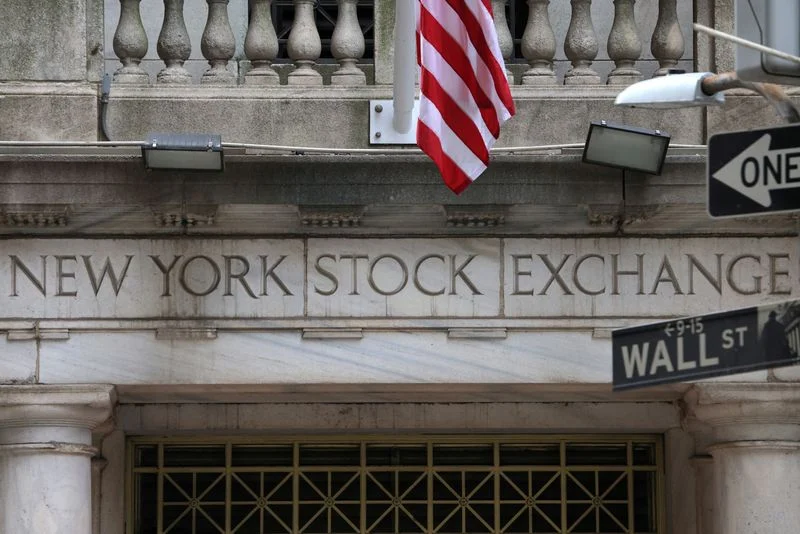
Oil Slides to Pre-War Lows, Breaking Its Grip on Wall Street

Continue Reading

Business

Baroness Mone among individuals sued to recover PPE Medpro millions

Published

on

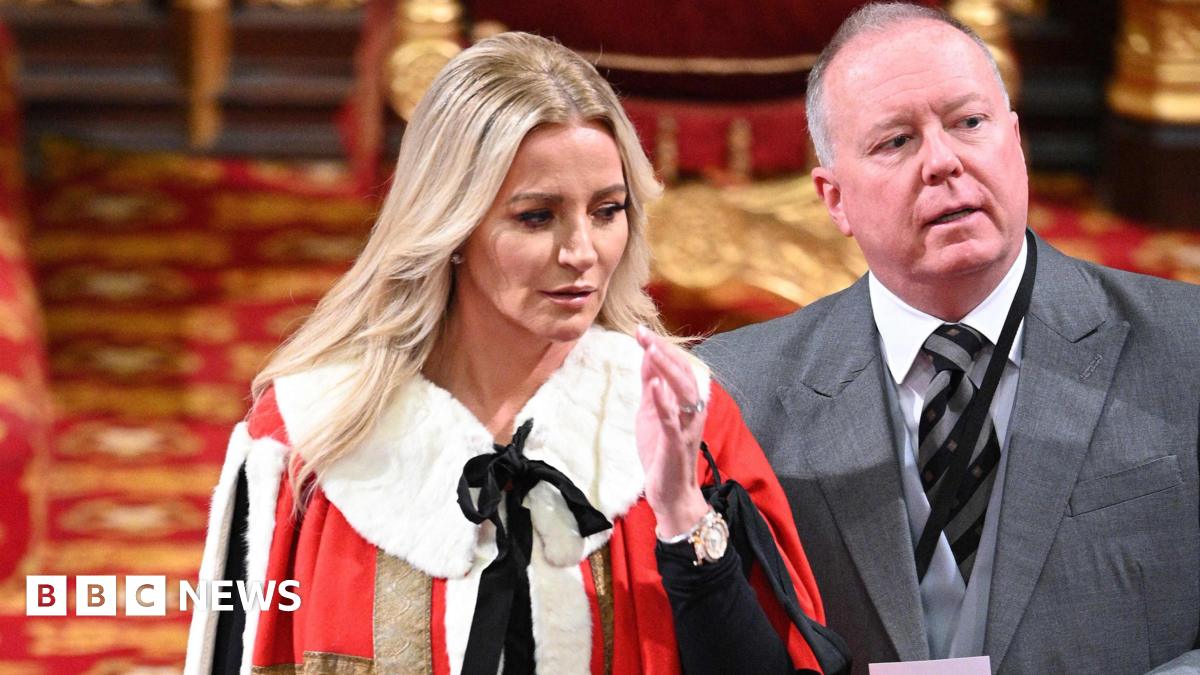
A woman with long blonde hair is dressed in a fur trimmed red and gold gown and her middle aged husband is in a grey three-piece suit. They are standing inside a regal looking room with red and gold carpets

Baroness Michelle Mone and her husband Doug Barrowman are among individuals being sued in an attempt to recover some of the millions owed to the government by his collapsed company, PPE Medpro, the BBC understands.

The government was awarded £122m plus interest from PPE Medpro last year, after a court ruled the firm had breached a contract to supply sterile surgical gowns during the pandemic.

The joint liquidators from the firm Interpath Advisory have launched a case against six individuals and five companies linked with the firm, after PPE Medpro was put into liquidation.

Mone and Barrowman have been approached for comment.

Advertisement

PPE Medpro was set up in 2020 during the Covid-19 pandemic as the government struggled to secure supplies of protective equipment to protect health workers during the acutest phase of the outbreak.

It won its first government contract to supply masks through a so-called ‘VIP lane’, after a recommendation by Baroness Mone, who sat in the House of Lords as a Conservative peer.

However by the end of 2022, the government sued the firm, claiming the medical gowns supplied did not comply with relevant healthcare standards.

Last year the High Court found in the government’s favour, ruling that PPE Medpro had failed to prove whether or not its surgical gowns, which were to be used by NHS workers, had undergone a validated sterilisation process.

Advertisement

While the government had won its case, it wasn’t immediately clear how it would get its money back. The company itself had less than £1m on its balance sheet, and was put into liquidation in December 2025.

But the Health Secretary at the time, Wes Streeting, accused PPE Medpro of putting “NHS staff and patients in danger with substandard kit whilst lining their own pockets with taxpayers’ money at a time of national crisis.”

He pledged to pursue the company with “everything we’ve got” to recover the money.

Barrowman and Mone were not directors of PPE Medpro – and for a long time they denied any connection with the firm.

Advertisement

However in 2023 Barrowman confirmed in a BBC interview that he was the ultimate beneficial owner of the company.

In the same interview, Mone admitted that she was a beneficiary of a trust which had received some of the profits from PPE Medpro.

The list of people being sued includes four former directors of PPE Medpro, including Arthur Lancaster, an accountant who is also a business associate of Andrew Mountbatten-Windsor. Lancaster has been approached for comment.

News of the case was first reported by the tax expert Dan Neidle.

Advertisement

It emerged last year that HMRC also put in a claim for £39m against PPE Medpro, for tax it says the company owed.

The Department for Health and Social Care said that the recovery of funds was a job for the appointed liquidators, and that it would not be appropriate for ministers to intervene – but that the government had been clear that it expects robust action to be taken. Interpath declined to comment.

The National Crime Agency is also conducting a separate, criminal investigation into PPE Medpro.

Advertisement
Continue Reading

Business

AOD: Elevated Valuation And Flawed Portfolio Structure

Published

on

AOD: Elevated Valuation And Flawed Portfolio Structure

AOD: Elevated Valuation And Flawed Portfolio Structure

Continue Reading

Business

TCW Emerging Markets Local Currency Income Fund Q1 2026 Commentary

Published

on

From Headlines To Portfolio Impact: Investing Through Geopolitical Risk

TCW is a leading global asset management firm with more than five decades of investment experience and a broad range of products across fixed income, equities, emerging markets, and alternative investments. TCW’s clients include many of the world’s largest corporate and public pension plans, financial institutions, endowments and foundations, as well as financial advisors and high net worth individuals.
Note: This account is not managed or monitored by TCW, and any messages sent via Seeking Alpha will not receive a response. For inquiries or communication, please use TCW’s official channels.

Continue Reading

Business

Pfizer dismissed from US states’ drug price-fixing lawsuit

Published

on

Pfizer dismissed from US states’ drug price-fixing lawsuit


Pfizer dismissed from US states’ drug price-fixing lawsuit

Continue Reading

Trending

Copyright © 2025