
Business
(VIDEO) Trump Deletes Controversial Video Featuring Clip Depicting Obamas as Apes Amid Widespread Backlash

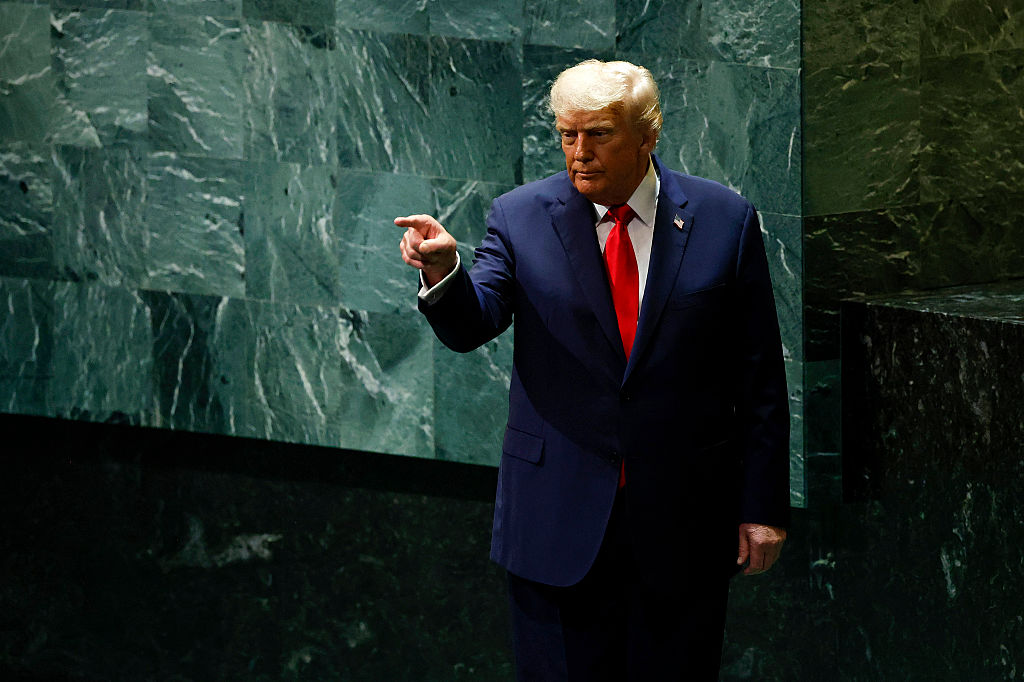
President Donald Trump on Friday removed a video from his Truth Social account that included a racist clip depicting former President Barack Obama and former first lady Michelle Obama as apes, following intense criticism from Democrats, Republicans and civil rights leaders. Trump declined to apologize, insisting he had not viewed the full video before it was posted and blaming a staff member for the error.

The roughly 62-second video, shared late Thursday night, promoted long-debunked claims of widespread voter fraud in the 2020 presidential election. At its conclusion, the footage abruptly shifted to a brief animated segment — apparently AI-generated — showing the Obamas’ faces superimposed onto cartoon apes dancing in a jungle setting. The clip played over the 1961 song “The Lion Sleeps Tonight” by The Tokens. The segment lasted only a few seconds before the video ended.
The post remained visible for nearly 12 hours before being deleted around midday Friday, as outrage mounted. White House officials initially defended the share, describing it as part of an “internet meme” portraying Trump as the “King of the Jungle” with various Democrats depicted as animals from “The Lion King.” Press secretary Karoline Leavitt said in an early statement that the content highlighted Trump’s dominance in politics.
Bipartisan condemnation came swiftly. Sen. Tim Scott, R-S.C., the only Black Republican in the Senate, called the depiction “the most racist thing I’ve seen out of this White House.” He urged Trump to remove the post and issue an apology, emphasizing that such imagery perpetuates harmful stereotypes.
Other Republicans, including Sen. Roger Wicker, R-Miss., labeled the content “unacceptable” and “racist,” calling for its immediate removal. Democrats, including House Minority Leader Hakeem Jeffries and Sen. Cory Booker, condemned the video as a continuation of dehumanizing rhetoric directed at the nation’s first Black president and first lady.
Civil rights organizations were among the most vocal critics. The NAACP described the imagery as invoking “centuries-old racist tropes used to dehumanize Black people,” tracing the comparison of Black individuals to apes or monkeys back to the era of slavery and segregation. The Southern Poverty Law Center noted that such depictions have historically served to justify discrimination and violence.
The Obamas did not immediately comment publicly. Representatives for the former president and first lady said they were aware of the incident but declined further statement at this time.
Speaking to reporters Friday afternoon outside the White House, Trump addressed the controversy directly. Asked if he would apologize, he replied, “No, I didn’t make a mistake.” He added that he had only seen the beginning of the video before it was posted by a staffer and was unaware of the offensive ending. “It was fine until that part,” he said, referring to the main election-related content.
Trump condemned the racist clip itself when pressed further, saying, “Of course I do,” but maintained that the error lay with the staff member responsible for the post. A White House official later confirmed the video was “erroneously” shared and had been taken down.
The incident occurred during the first week of Black History Month, amplifying criticism that the imagery was particularly insensitive. Historians and scholars have long documented how portrayals of Black people as primates were weaponized during the Jim Crow era and earlier to deny humanity and justify oppression.
The video appeared to originate from a longer meme shared on X (formerly Twitter) in October by a conservative account. That original clip depicted several prominent Democrats — including Rep. Alexandria Ocasio-Cortez, former Secretary of State Hillary Clinton and others — as various animals, with Trump as a lion receiving bows from the group. Trump shared only the portion featuring the Obamas as apes.
Social media experts noted that Truth Social, Trump’s platform, has fewer content moderation controls than mainstream sites, allowing such material to spread quickly among his followers before wider scrutiny. The post garnered significant engagement before deletion, with thousands of reposts and comments.
The episode marks a rare instance of the Trump White House walking back a social media share. Previous controversies involving Trump’s posts have typically been defended or ignored rather than removed. The deletion followed pressure from within his own party, highlighting the political risk of the content amid efforts to broaden appeal.
Public reaction was swift on social media and in traditional outlets. Clips of news coverage circulated widely, with commentators from across the spectrum decrying the imagery. Some supporters dismissed the backlash as overreaction to a “meme,” while others expressed disappointment.
The timing coincides with ongoing political tensions between Trump and Obama, who has criticized the current administration on issues ranging from democracy to foreign policy. Obama has remained active in public life through his foundation and occasional speeches.
White House aides said internal reviews would be conducted to prevent similar incidents. No disciplinary action against the staffer was announced.
The controversy overshadowed other developments in the administration’s early days, including policy announcements and international engagements. It also renewed discussions about the role of social media in amplifying divisive content and the responsibilities of public figures in vetting shared material.
As of Saturday morning, no further statements had come from Trump or the White House on the matter. The deleted post’s link now redirects to a generic Truth Social page.
The incident underscores persistent racial sensitivities in American politics, particularly around depictions of Black leaders. For many observers, it served as a reminder of how historical tropes can resurface in modern digital contexts, even at the highest levels of government.

Europe luxury stocks slide on Middle East tensions, demand jitters

According to Palviya, the Nifty is currently testing an important technical level. “If Nifty breaks above 24,400, it can trigger short covering and extend the rally towards 24,600–24,700,” he said, while advising investors that “buy on decline should be your strategy… as long as Nifty is holding above 24,100.” He added that Bank Nifty is also showing a similar structure, noting, “Bank Nifty may see further short covering above 56,800 and could scale up to 57,500.” The overall trend, therefore, continues to favor the bulls as long as key support levels remain intact.
On the sectoral front, Palviya pointed out that several pockets of the market are showing strength, though select segments offer better risk-reward opportunities. “FMCG basket is looking quite interesting… after a long consolidation, stocks are giving breakout,” he said. At the same time, he emphasized that “metal and capital goods sectors are more promising in terms of momentum,” with buying interest persisting even at higher levels. He also observed that “EMS stocks are also showing sign of buying interest,” indicating a broader participation in the rally.
Sharing stock-specific ideas, he highlighted opportunities in select counters. “PNB Housing Finance… has potential to extend gain, with target around 945 and stop loss of 915,” he said. On Mazagon Dock, he noted, “breakout of falling wedge formation… target of 2750 with stop loss of 2575.” These picks reflect a combination of technical breakouts and sustained upward trends.
Defence stocks, meanwhile, remained in focus throughout the week, supported by strong price action and continued investor interest. “Most of the defence stocks have done well… continuity of buying interest is there,” Palviya observed. He added, “Apollo Micro… breakout of long consolidation… above 270, it may move towards 310–315,” while noting that “Zen Tech… breakout after six-month consolidation… above 1600, target could be 1700–1750.” Summing up the space, he said, “overall, this basket is showing sign of buying interest… continuity of uptrend is clearly visible.”

With indices maintaining a pattern of higher highs and higher lows and multiple sectors contributing to the rally, the near-term outlook remains constructive. However, market participants are advised to remain cautious near resistance levels and continue to follow a disciplined approach. The underlying trend remains positive, with a clear preference for buying on dips as the market heads into the coming week.
Business
Why is stock market rising today? Sensex jumps 400 points, Nifty above 24,450. 5 key factors explained

Sensex gained more than 400 points to cross 78,900, while Nifty 50 jumped 119 points to 24,473, as of 12.48 pm. The sharp gains added nearly Rs 3 lakh crore to the total market capitalisation of all companies listed on BSE, pulling it up to Rs 468 lakh crore.
Zudio-parent Trent and State Bank of India (SBI) shares were the top gainers on the Sensex, jumping nearly 4% and 3% respectively. Asian Paints, Eternal, NTPC, Bajaj Finance, Power Grid, Adani Ports and ICICI Bank shares followed, rising 1-2%. On the other hand, L&T, Titan and Kotak Mahindra Bank shares dropped nearly 1% each to lead losses.
Even as India VIX, which measures volatility in the market, remained 5% higher at 18.12, broader markets erased all losses to move into the green, with Nifty Smallcap 100 and Nifty Midcap 100 indices rising up to 0.4%. Sectorally, the Nifty PSU Bank index gained around 2% to lead gains.
Here are the key factors pushing the Indian stock market higher today:
1) Rupee gains
The Indian rupee continued to gain against the US dollar, opening 0.1% higher at 92.8250 on Monday, against the previous close of 92.9250. The Indian currency has rebounded sharply after crossing the 95 mark earlier last month, as the war in the Middle East and the subsequent rally in oil prices raised worries over the possible impact on India’s macroeconomy.
“Overall, the rupee remains supported in the near term, but sustainability will depend on the outcome of geopolitical developments and crude price stability,” said Jateen Trivedi, VP Research Analyst, Commodity and Currency, at LKP Securities.
2) FIIs remain net buyers for third day
Foreign investors remained net buyers of Indian equities for the third consecutive session, purchasing shares worth Rs 683 crore during an extremely volatile session on Thursday. FIIs have bought Indian equities worth more than Rs 1,731 crore over the three days.
However, these purchases are negligible compared to the massive sell-off seen earlier. FIIs have remained net buyers for only four out of the last 32 sessions. They sold Indian equities worth more than Rs 1.6 lakh crore between March 2 and April 9.
After the massive sell-off, it is difficult to say whether the previous session’s slight net buying by foreign investors marks a decisive change in their behaviour or just the calm before another storm.
3) Oil prices sustain below $100 per barrel
After declining over the weekend amid expectations of easing tensions, oil prices rose following fresh escalations. Brent crude futures surged more than 5% to $95.17 per barrel, while WTI crude gained around 6% to $88.83 per barrel.
However, prices remain below the crucial $100 per barrel mark, which they had crossed for the first time since March 2022 following Russia’s invasion of Ukraine.
4) Asian markets in green
Asian markets remained in the green on Monday, with Hong Kong’s Hang Seng gaining more than 1%. South Korea’s Kospi gained around 0.4%, while China’s Shanghai Composite rose 0.75%. Japan’s Nikkei, meanwhile, was up 0.7%. European markets slipped into the red.
Wall Street had ended sharply higher on Friday, with the Nasdaq gaining more than 1.5% and the S&P 500 rising over 1% amid rising expectations of fresh peace talks between Iran and the US culminating in a long-lasting ceasefire in the oil-rich Middle East.
Why caution is warranted
Despite the optimism in the markets, caution is warranted. The US on Sunday said it had seized an Iranian cargo ship that tried to run its blockade, and Iran said it would retaliate, raising the possibility that the ceasefire between the two countries might not last even for the two days it is set to remain in force.
Additionally, Iran said it will not participate in the second round of negotiations after the previous round failed to culminate in a peace deal earlier this month in Pakistan.
“One cannot restrict Iran’s oil exports while expecting free security for others. The choice is clear: either a free oil market for all, or the risk of significant costs for everyone,” Iran’s First Vice President Mohammadreza Aref wrote on social media.
Meanwhile, Trump said his envoys would arrive in Islamabad on Monday evening, one day before a two-week ceasefire ends. A White House official said the US delegation would be headed by Vice President JD Vance, who led the war’s first peace talks a week ago, and would also include Trump’s envoy Steve Witkoff and son-in-law Jared Kushner. Pakistan, which has been acting as the mediator, seems to be preparing for the talks, although the ground for peace negotiations remains shaky.
With the de-escalation and escalation dynamic in the West Asian conflict continuing, the market will remain volatile in the near term, said VK Vijayakumar, Chief Investment Strategist at Geojit Investments. “With Iran hardening its position again, closing the Strait of Hormuz and threatening to retaliate to the US seizure of an Iranian ship ‘violating the US blockade’, there is potential for a flare-up of the conflict when the ceasefire ends on April 22. However, market signals do not reflect renewed concern over a flare-up of the conflict,” he said.
(With inputs from agencies)
(Disclaimer: Recommendations, suggestions, views and opinions given by the experts are their own. These do not represent the views of The Economic Times)
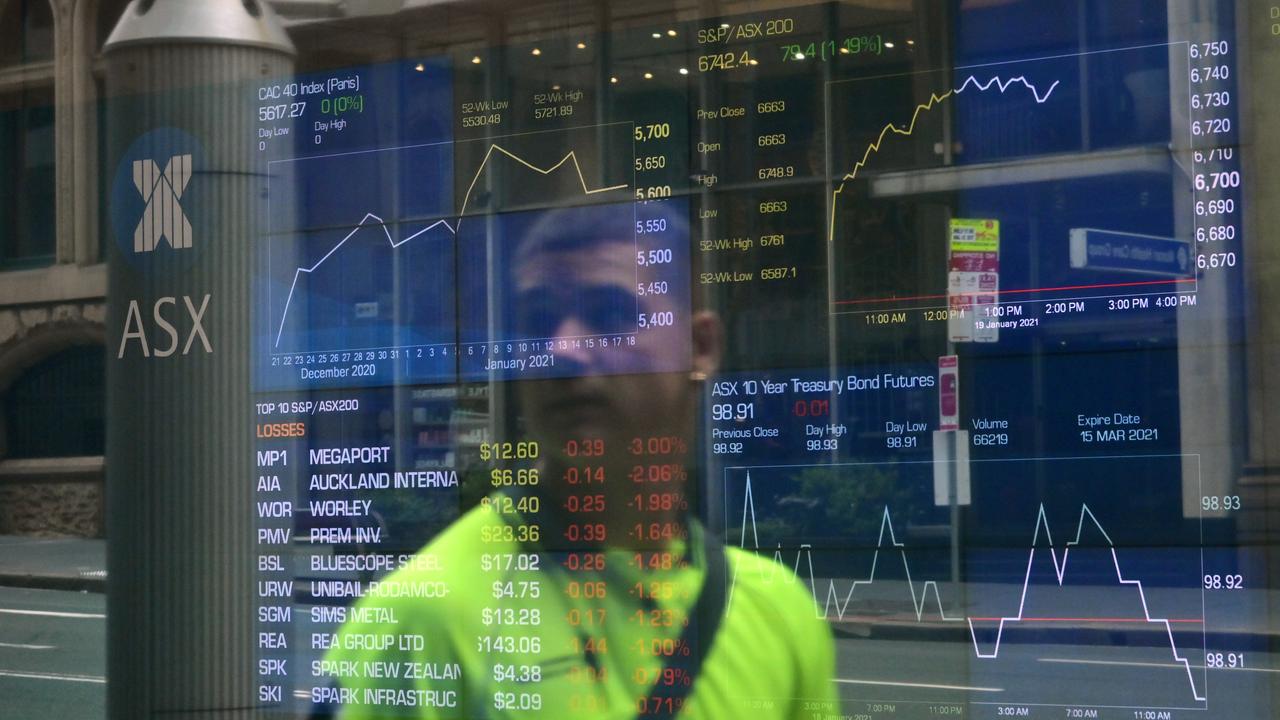
Australia’s share market has ended the session slightly higher despite an escalation of tensions in the Persian Gulf boosting oil prices and dragging on risk sentiment.

Speaking on the issue, Seth R Freeman from GlassRatner Advisory highlighted the broader implications of energy price volatility. “Oh, it is a major concern and more so it is priced in dollars, so it affects the entire global economy. And it drastically affects sentiment. This is becoming like a yo-yo, and we do not really know whose messaging we should be listening to, whether it is the government of Iran or the White House.”
Over the weekend, investors were inundated with a barrage of developments surrounding US-Iran relations, adding further complexity to market dynamics. Conflicting statements from both sides have kept traders on edge. Notably, crude prices, which declined on Friday, rebounded sharply by Monday morning—underscoring the fragile and reactive nature of the energy markets.
Freeman acknowledged the difficulty in navigating such an environment. “Well, it is certainly difficult to make a call, and we have to have some confidence in some of the forward-looking views on some of these major US stocks to maintain some stability here. But there are times to buy and times to sell, and times to maybe do nothing. And we just do not have clarity. The story seems to be changing every four to five hours. At the same time, we have consumers globally, and in particular emerging markets and other countries besides the United States, that depend on natural gas—even natural gas for cooking—and going back to oil, so much fertiliser is shipped through the strait from oil, so this is going to affect food prices ultimately.”
The uncertainty surrounding geopolitical developments has raised questions about whether markets are getting ahead of themselves. Despite ongoing tensions—including reported blockades and maritime incidents—equity markets have shown resilience, leaving many analysts puzzled.
Freeman pointed to the contradictions in political messaging as a source of confusion. “It is so hard to say. Here we are, we have a blockade. We are shooting at ships. Meanwhile, we are supposed to be having peace negotiations. Iran says there are no negotiations. I think for those who kind of think through this a bit, the messaging from the White House is very confusing because we were talking about regime change and the Iranian regime, and Trump is talking about blowing up Iran. Well, that hurts Iranians. We are not hearing about targeting the regime leaders anymore. And so, it is just very misguided, and it is just making it very difficult to decipher what the best moves are for the market. Meanwhile, it looks like these AI companies are going to continue to stay on a high-speed race, with continued support in those prices—and chip makers in particular.”
As markets balance optimism with uncertainty, the divergence between strong equity performance and volatile geopolitical signals suggests that investors may need to tread cautiously in the weeks ahead.
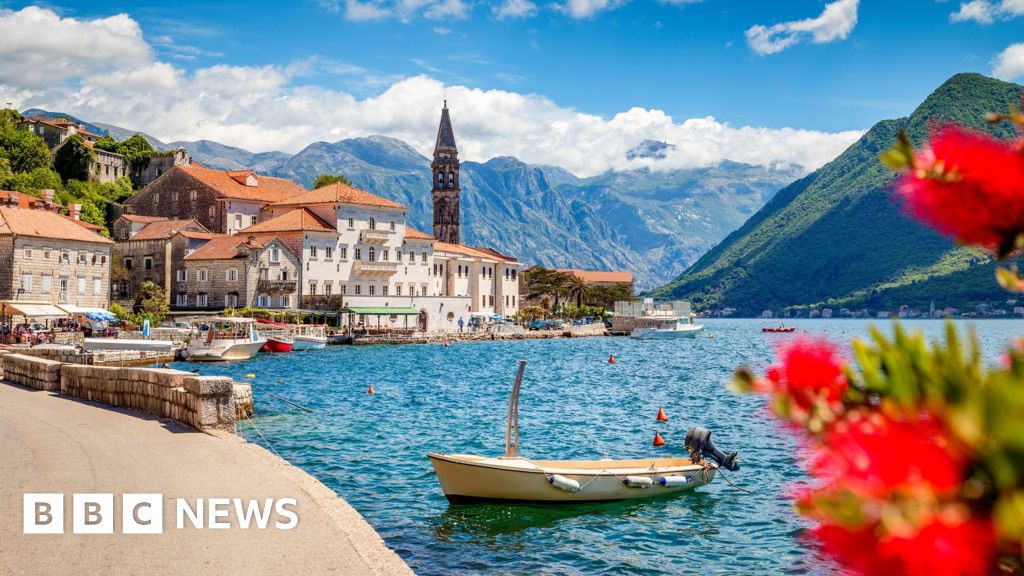
Montenegro and Albania are among the places rising in popularity for Britons seeking a holiday away from tourist traps.

Aristotle Capital Management is an independent/employee-owned investment management organization that specializes in equity and fixed income portfolio management for institutional and advisory clients worldwide.
Note: This account is not managed or monitored by Aristotle Capital Management, and any messages sent via Seeking Alpha will not receive a response. For inquiries or communication, please use Aristotle Capital Management’s official channels.
Business
Motorola Solutions: Relationships, LTS Contracts And Predictable Refresh Cycles To Drive Growth

Motorola Solutions: Relationships, LTS Contracts And Predictable Refresh Cycles To Drive Growth
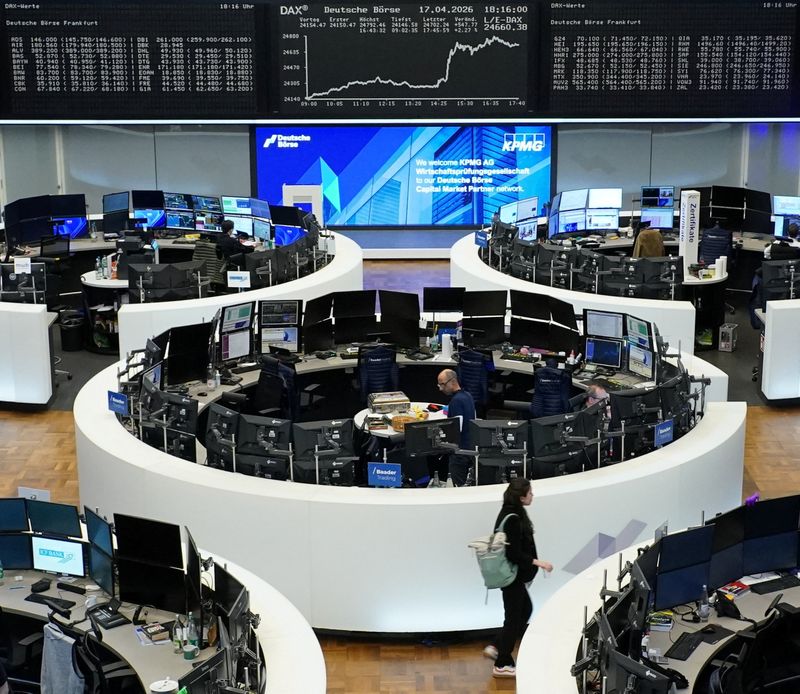

European shares set to open lower as hopes for US-Iran peace fade
Business
Australian Fuel Prices Ease as Supply Stabilises but Relief Remains Fragile Amid Global Tensions
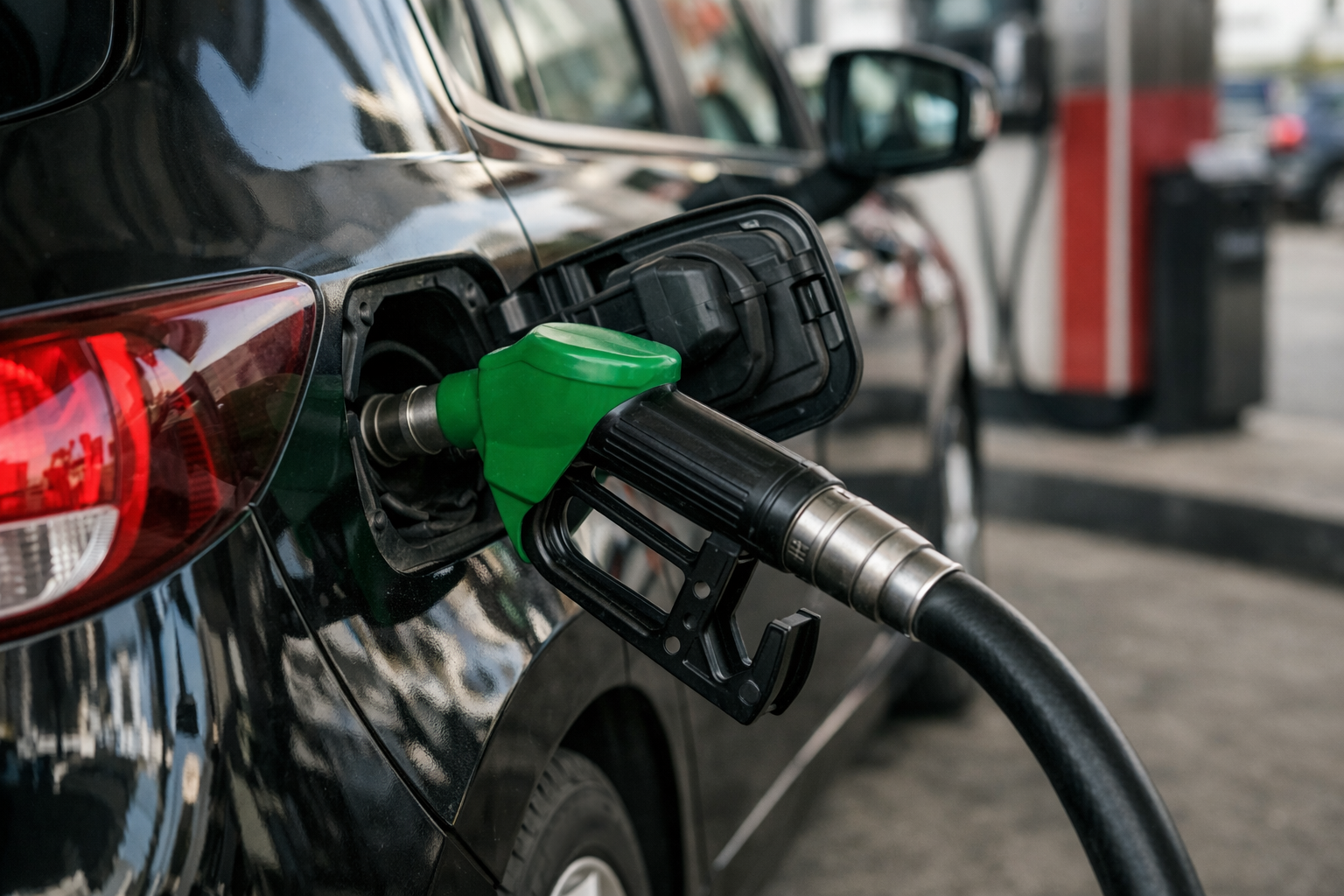
SYDNEY — Australian motorists are seeing modest relief at the bowser this week as national petrol prices continue to fall slowly following government intervention and improving fuel stocks, yet analysts warn that long-term price stability hinges on fragile developments in the Middle East and could take months to fully materialise.

As of mid-April 2026, the national average for regular unleaded petrol has dropped more than 30 cents per litre in capital cities since the federal government’s temporary fuel excise cut took effect on April 1, according to the Australian Competition and Consumer Commission. Retail prices in major centres now hover around 220 to 225 cents per litre, down from peaks near 240 to 260 cents in early April when supply fears from the Iran conflict drove sharp increases.
The excise halving, which reduced the tax by 26.3 cents per litre for three months until June 30, delivered immediate savings passed on by most retailers. An additional measure brought the total relief closer to 32 cents per litre in some areas. ACCC weekly monitoring to April 15 showed average retail petrol prices across the five largest cities falling by more than 30 cents since the cut, with diesel showing slower but noticeable declines in many locations.
“Fuel prices are tipped to fall further as the country boosts its reserves,” reported the Sydney Morning Herald on April 19, citing government figures on stabilising stocks. Recent data from the Australian Institute of Petroleum and outlets like 9News confirm easing trends, with some stations in Sydney, Melbourne and Brisbane now advertising unleaded 91 below 220 cents in competitive cycles.
The relief comes after a turbulent period triggered by conflict in the Middle East that disrupted shipping through key routes, including threats to the Strait of Hormuz. Australia, which imports about 80 per cent of its refined fuel from Asian refineries, faced a potential “supply cliff” in late March and early April. Wholesale prices surged, pushing diesel above 300 cents per litre in places and regular petrol to record averages near 238 cents nationally at one stage.
Prime Minister Anthony Albanese’s government responded with a four-point plan, including the excise cut, efforts to secure alternative supplies, temporary allowance for higher-sulphur “dirty fuel” to maintain stocks, and encouragement of public transport use. Energy Minister Chris Bowen announced on April 18 a four-month extension to the higher-sulphur petrol period until the end of September, with blending provisions through December, to ease pressure while the Strait of Hormuz shows signs of reopening.
“Petrol supplies nationwide, including diesel, are looking promising,” 9News reported on April 18, noting positive government figures on reserves but cautioning that external factors like the US-Iran situation remain beyond full domestic control. Opposition figures have criticised the handling, with some calling for stronger measures, while the government stresses that any international deals must translate into lower pump prices.
Brent crude oil prices, a key global benchmark, closed the week to April 18 around US$91-97 per barrel after volatile swings, down slightly in recent sessions but still elevated. International wholesale diesel and gasoline benchmarks have eased, helping Australian terminal gate prices trend lower. However, freight costs remain high due to rerouting concerns, adding upward pressure in some regions.
Diesel prices have proven more stubborn. While petrol benefited quickly from the excise reduction, diesel in some areas, particularly Western Australia, briefly exceeded pre-cut highs before moderating. National averages for diesel sat near 310-320 cents per litre in mid-April reports, with regional areas often facing higher costs due to transport distances. The ACCC continues to scrutinise diesel movements closely, noting slower downward adjustments compared with petrol.
Motorists in different states experience varying realities. In New South Wales and Victoria, competitive cycles in capital cities have driven prices as low as 216-220 cents at some independent and supermarket-affiliated stations. Perth frequently offers the cheapest unleaded among capitals, while Darwin and certain remote Northern Territory locations remain the most expensive, sometimes exceeding 230-250 cents. Apps like FuelCheck in NSW, FuelWatch in WA, and commercial tools such as PetrolSpy or Motormouth help drivers hunt for the best deals, with differences of 10-25 cents per litre common between nearby outlets.
The price volatility has rippled through the economy. Household spending rebounded in March partly due to inflated fuel costs, according to CommBank data, but consumer confidence plunged to near-COVID lows in early April surveys as families absorbed the hit. Retirees and fixed-income households reported tank fills jumping from $60-70 to over $100. Businesses, from delivery services to councils, faced surcharges or budget blowouts, with some road projects delayed due to bitumen and diesel cost increases of up to 40-50 per cent.
Farmers and regional communities feel the pinch acutely. Higher transport costs threaten fresh food prices, while logistics firms pass on levies. Easter travel plans were curtailed for many, with experts warning of reduced long-distance driving during holidays.
Government data shows retailers largely passed on the April 1 excise savings promptly, with most capital cities recording drops of 12-25 cents on the first day. However, margins tightened dramatically during the peak crisis, sometimes falling to just a few cents per litre above wholesale as stations competed fiercely.
Looking ahead, further falls are expected if global oil prices stabilise and shipping normalises. Analysts from AMP and others predict elevated fuel-related inflation could persist for at least six months. Brent crude volatility tied to geopolitical developments will remain the dominant factor. The government has signalled readiness to provide assistance in the Strait of Hormuz if needed, while emphasising defensive support roles.
For everyday drivers, tips include using price comparison apps, filling up mid-week when cycles often bottom out, opting for E10 where suitable to save a few cents, and maintaining efficient driving habits. Heavy vehicle operators benefit from the temporary removal of the heavy road user charge alongside the excise cut.
The Australian Institute of Petroleum and ACCC continue publishing weekly updates, with the next monitoring report expected to track ongoing adjustments. Fuel stocks are described as stabilising, reducing immediate outage risks that plagued some regional stations in March.
Yet caution prevails. A fragile opening in the Strait of Hormuz offers hope, but renewed tensions could reverse gains quickly. Domestic reserves provide a buffer, but Australia’s reliance on imports leaves it exposed to international shocks.
As prices ease this week, many Australians are breathing slightly easier at the pump. A full tank that cost well over $100 during the peak now saves $15-20 thanks to the combined effect of the excise cut and falling wholesale costs. Still, with averages remaining historically high compared to early 2025 levels, the cost-of-living pressure lingers.
Economists urge households to budget conservatively and consider fuel-efficient vehicles or alternative transport where possible. For the trucking industry and supply chains, sustained high diesel costs continue to influence everything from grocery deliveries to construction materials.
The Albanese government faces ongoing scrutiny over its crisis response, with calls for longer-term measures such as boosting local refining capacity or diversifying import sources. In the short term, the focus remains on monitoring pass-through of savings and preventing excessive margins.
Motorists checking their local stations on April 20 are likely to find unleaded 91 in the low 220s in most capitals, with some lucky finds below 210 cents during price wars. Diesel lags but shows signs of following downward.
While the immediate crisis appears to have peaked, the episode serves as a stark reminder of Australia’s vulnerability to global energy disruptions. Stabilising supplies and government interventions have delivered welcome relief, but true long-term price moderation depends on calmer international waters and strategic domestic planning.
For now, the trend is positive for wallets strained by months of volatility. Australians will watch global oil markets closely in coming weeks, hoping the current easing translates into sustained affordability at the bowser rather than another sudden spike.

CBeebies series Balamory returns today for 2026 revival
Europe luxury stocks slide on Middle East tensions, demand jitters

Solana DeFi Protocols Hit Critical Liquidity Levels After KelpDAO Security Breach


-

 Crypto World7 days ago
The SEC Conditionalises DeFi Platforms to Be Avoided for Broker Registration
-

 NewsBeat6 days ago
Trump and Pope Leo: Behind their disagreement over Iran war
-

 Fashion3 days ago
Weekend Open Thread: Theodora Dress
-

 Crypto World6 days ago
SEC Signals Exemption for Crypto Interfaces From Broker Registration
-

 News Videos5 days ago
Secure crypto trading starts with an FIU-registered
-

 Sports3 days ago
NWFL Suspends Two Players Over Post-Match Clash in Ado-Ekiti
-

 Crypto World6 days ago
SEC Proposes Certain Crypto Interfaces Don’t Need to Register as Brokers
-

 Business17 hours ago
Powerball Result April 18, 2026: No Jackpot Winner in Powerball Draw: $75 Million Rolls Over
-

 Crypto World2 days ago
Russia Pushes Bill to Criminalize Unregistered Crypto Services
-

 Politics2 days ago
Palestine barred from entering Canada for FIFA Congress
-

 Sports7 days ago
NWFL opens Pathway for new Clubs ahead of 2026 Season
-
 Business3 days ago
Creo Medical agree sale of its manufacturing operation
-
 Entertainment6 days ago
Brand New Day’ Footage Reveals the Devastating Impact of ‘Now Way Home’
-

 Politics22 hours ago
Zack Polanski demands ‘council homes not luxury flats for foreign investors’
-

 Tech5 days ago
Microsoft adds Windows protections for malicious Remote Desktop files
-
 Entertainment6 days ago
Karol G’s ‘Ultra Raunchy’ Coachella Set Gave ‘Satanic Vibes’
-

 Sports7 days ago
Aaron Judge says Yankees need to ‘simplify’ approach amid offensive slump
-
 Entertainment7 days ago
Pete Davidson Reveals ‘Brutal’ Mom Moment That Got Him Sober
-

 Entertainment6 days ago
How Babylon 5 Turned Brief Side Story Into Emotional Masterpiece
-
 Tech6 days ago
What was the first ransomware attack to demand payment in Bitcoin?
You must be logged in to post a comment Login