
Business
Vince Holding Corp.: Turnaround Story Continues – Cautious Buy



Business
US Senator Moreno says Ohio’s Miller should not serve in Congress, citing abuse allegations

US Senator Moreno says Ohio’s Miller should not serve in Congress, citing abuse allegations

Stone Fox Capital is an RIA from Oklahoma. Mark Holder is a CPA with degrees in Accounting and Finance. He is also Series 65 licensed and has 30 years of investing experience, including 15 years as a portfolio manager. Mark leads the investing group Out Fox The Street where he shares stock picks and deep research to help readers uncover potential multibaggers while managing portfolio risk via diversification. Features include various model portfolios, stock picks with identifiable catalysts, daily updates, real-time alerts, and access to community chat and direct chat with Mark for questions. Learn more.
Analyst’s Disclosure: I/we have a beneficial long position in the shares of SOFI either through stock ownership, options, or other derivatives. I wrote this article myself, and it expresses my own opinions. I am not receiving compensation for it (other than from Seeking Alpha). I have no business relationship with any company whose stock is mentioned in this article.
The information contained herein is for informational purposes only. Nothing in this article should be taken as a solicitation to purchase or sell securities. Before buying or selling any stock, you should do your own research and reach your own conclusion or consult a financial advisor. Investing includes risks, including loss of principal.
Seeking Alpha’s Disclosure: Past performance is no guarantee of future results. No recommendation or advice is being given as to whether any investment is suitable for a particular investor. Any views or opinions expressed above may not reflect those of Seeking Alpha as a whole. Seeking Alpha is not a licensed securities dealer, broker or US investment adviser or investment bank. Our analysts are third party authors that include both professional investors and individual investors who may not be licensed or certified by any institute or regulatory body.
Business
10 New Galaxy AI Features Samsung Has Built Into Its New Galaxy Z Fold 8 Foldable Phone Ahead of Launch

Samsung unveiled its Galaxy Z Fold 8 during a Galaxy Unpacked event in London on July 22, positioning the foldable phone as its most AI-integrated device to date ahead of its general availability date of August 5. Here are 10 new artificial intelligence features Samsung has built into the device.
1. My FanCam. This video-editing feature allows users to select a subject within a video and have Galaxy AI automatically track and follow that person throughout the clip. Users open the AI icon during editing, press the My FanCam button, and tap on the specific subject they want the software to detect and follow, a feature Samsung has positioned as particularly useful for concert footage, sports events or any recording involving multiple moving subjects.
2. Call Brief. This feature automatically summarizes phone calls, giving users a condensed overview of a conversation’s key points without requiring them to review a full transcript or recording, a tool designed to help users quickly recall important details from calls without needing to take detailed notes during the conversation itself.
3. Enhanced Now Nudges and Now Brief cards. Samsung has expanded its proactive, context-aware notification system with enhanced Now Nudges, which surface timely, personalized suggestions based on a user’s habits and daily patterns, alongside customizable Now Brief cards that summarize relevant information for a user’s day. As of July 2026, Now Nudge supports 16 languages, including Korean, English, French, Spanish, Italian, German, Polish, Portuguese, Japanese, Chinese, Thai, Vietnamese, Hindi, Arabic, Indonesian and Russian.
4. Photo Assist. Boosted by Galaxy AI, Photo Assist lets users move, resize or remove objects within a photo, or fill in background areas left behind after an object has been removed, streamlining photo touch-ups without requiring separate editing software. The tool also includes a Create section that allows users to make personalized edits using written text prompts, and lets users compare original and edited versions of a photo side by side to more easily track changes. Photo Assist currently supports 41 languages.
5. Gemini Intelligence integration. The Galaxy Z Fold 8 runs on One UI 9 and integrates Google’s Gemini Intelligence, an agentic AI assistant designed to handle more complex, multistep tasks across apps rather than responding only to single, isolated commands. TM Roh, CEO, president and head of Samsung’s Device eXperience Division, framed the broader push toward agentic AI as central to the device’s design philosophy. “As AI becomes more agentic, mobile devices will become the most personal entry point to experiences that understand and adapt to each user,” Roh said during the Galaxy Unpacked event. “By setting a new standard for foldables, we are once again advancing the premium mobile experience and opening the next era of intelligence to more people.”
6. Gemini Notebook. Formerly known as NotebookLM, Gemini Notebook is now built directly into the new foldables, taking advantage of the Fold 8’s larger inner display to let users drag photos, documents and recordings into a shared, side-by-side workspace rather than switching between multiple separate apps to organize research or notes.
7. Circle to Search. This feature lets users circle, highlight or tap on anything visible on their screen, whether within an app, a photo or a webpage, to instantly search for more information about it without needing to leave the app they are currently using or manually describe what they are looking at in a separate search query.
8. Live Translate. Building on Samsung’s existing real-time translation tools, Live Translate provides on-the-fly translation for conversations and calls, allowing users communicating across different languages to understand each other in real time through the phone’s built-in AI processing.
9. Samsung Health AI tools, including Energy Score and AI Health Coach. The device’s AI capabilities extend into Samsung Health, where Energy Score uses sleep, heart rate and activity data collected from a paired Galaxy Watch to generate a daily energy rating along with personalized recommendations. A companion AI Health Coach feature offers customized fitness and nutrition suggestions based on a user’s logged health data and stated personal goals.
10. On-device, privacy-focused AI processing. Rather than routing all AI tasks through external servers, Samsung has emphasized that sensitive data, including calls, voice recordings and notes, is processed directly on the device by default and does not leave the phone, a design choice the company has detailed in its published AI privacy policy. The Galaxy Z Fold 8’s Snapdragon 8 Elite Gen 5 for Galaxy processor includes a dedicated neural processing unit specifically built to handle this kind of on-device AI workload efficiently.
Samsung has said all of the Galaxy AI features included on the Galaxy Z Fold 8 will remain available at no additional cost, though the company has left open the possibility that future premium features or third-party AI model integrations could eventually introduce subscription-based pricing tiers.
The Galaxy Z Fold 8 itself features a 7.6-inch inner display, a 5.5-inch cover screen, and a redesigned hinge intended to reduce the visibility of the display crease that has historically been a point of criticism for book-style foldable phones. The device weighs 201 grams, which Samsung describes as its lightest foldable to date, and includes a 4,800mAh battery rated for up to 26 hours of continuous playback. The phone is available in 256GB, 512GB and 1TB storage configurations, with pricing starting at $1,899 in the United States for the base 256GB model. Samsung is also offering up to seven years of software updates for the device, extending the phone’s expected AI feature support well beyond the typical software lifespan of earlier smartphone generations.
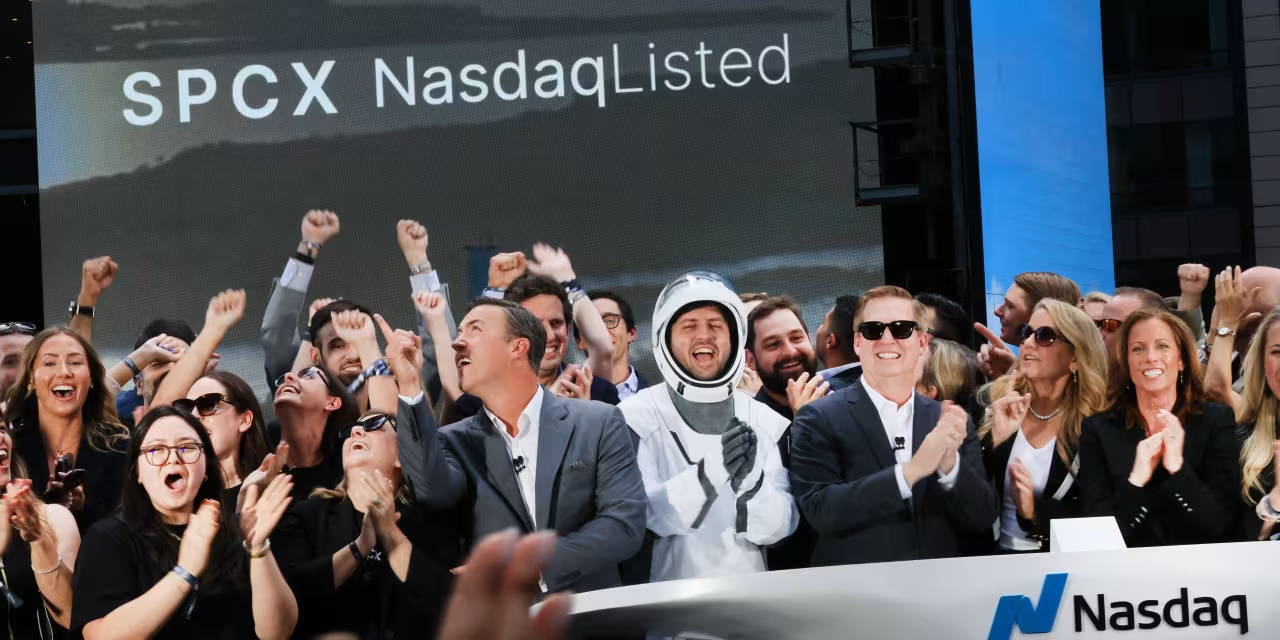
SpaceX’s Blockbuster Earnings Report Is Coming. What to Watch.
Business
Maryland Confirms Its First Human West Nile Virus Case of 2026 as Health Officials Urge More Caution
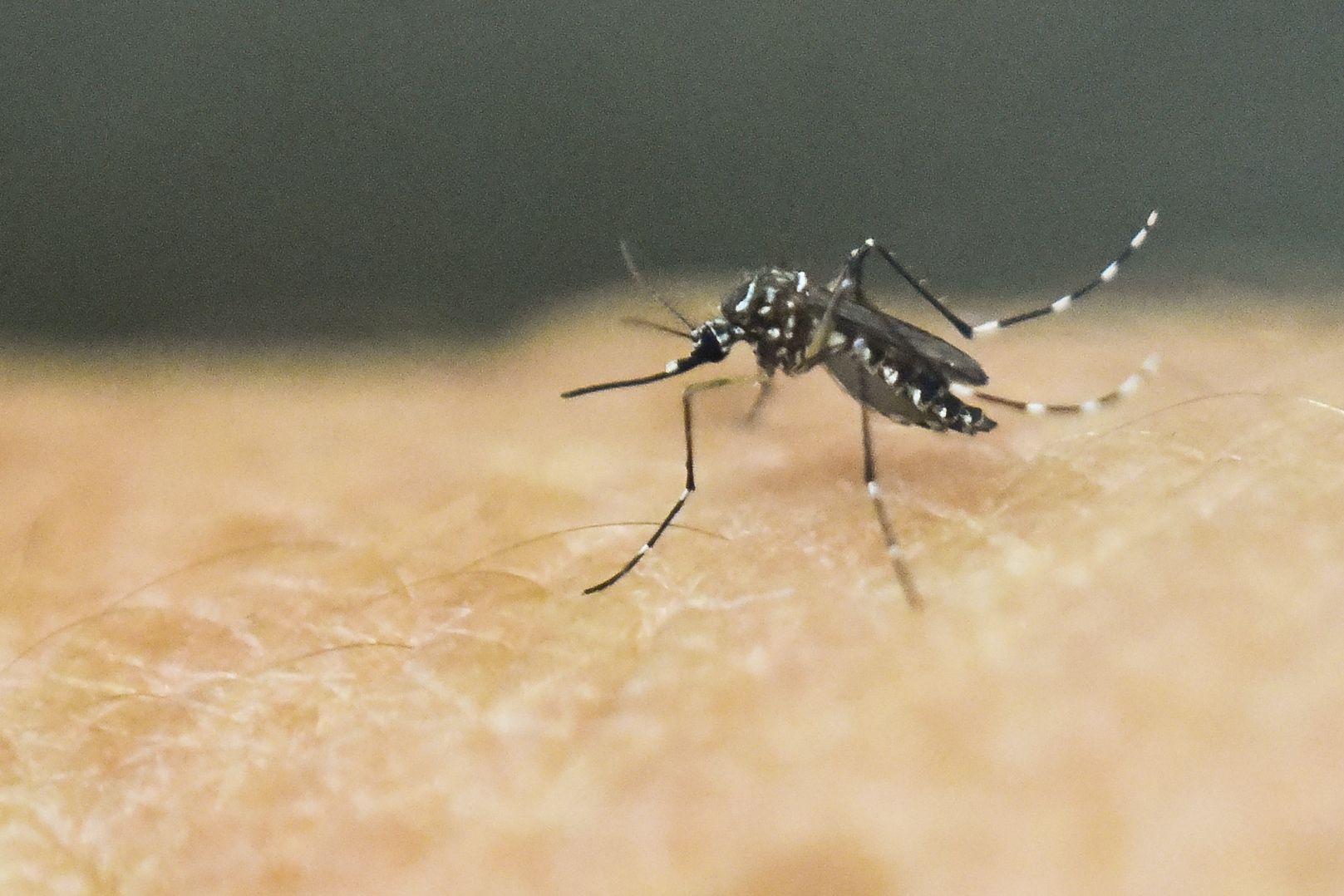
The Maryland Department of Health announced Friday that a resident has tested positive for West Nile virus, marking the state’s first confirmed human case of the virus so far this year.
West Nile virus is transmitted to humans through the bite of mosquitoes that have themselves become infected after feeding on birds carrying the virus. In rare cases, the virus can also spread from person to person through organ donation, blood transfusion, breastfeeding, or from a pregnant mother to her fetus, according to the Maryland Department of Health.
The disease primarily affects the nervous system, though most people who become infected never develop noticeable symptoms. Up to 80% of people infected with West Nile virus will show no signs of illness at all, according to state health officials. Among those who do develop symptoms, common signs include fever, headache and body aches, which may occasionally be accompanied by a skin rash and swollen lymph glands. Symptoms can last anywhere from a few days to several weeks in people who become symptomatic.
While most infections resolve without serious complications, certain populations face a higher risk of severe illness from West Nile virus. People older than 50 and those with underlying immunocompromised conditions are more likely to develop serious illness if infected, according to the Maryland Department of Health, making prevention particularly important for those groups during periods of active mosquito transmission.
Dr. Meg Sullivan, Maryland’s deputy secretary for public health services, emphasized that preventing mosquito bites remains the most effective way to protect against the virus. “Your best defense against West Nile virus is to protect yourself from mosquitoes, such as using insect repellent, covering exposed skin, and eliminating standing water near your home,” Sullivan said.
Standing water represents a particularly important target for prevention efforts, since mosquitoes require stagnant water to breed and lay eggs. Common sources of standing water around residential properties can include clogged gutters, unused flowerpots, birdbaths, discarded tires, and other containers capable of collecting rainwater, all of which can become breeding sites if left unaddressed during the warmer months when mosquito activity peaks.
West Nile virus was first identified in the United States in 1999 and has since become the most common mosquito-borne illness in the country, with cases reported annually across most states during the warmer months when mosquito populations are most active. The virus follows a seasonal pattern tied closely to mosquito activity, typically peaking during the summer and early fall before declining as temperatures cool and mosquito populations diminish heading into winter.
There is currently no vaccine available to prevent West Nile virus infection in humans, and no specific antiviral medication exists to treat the illness once contracted. Treatment for symptomatic cases generally focuses on managing symptoms through supportive care, such as rest, fluids and over-the-counter pain relief for milder cases, while more severe cases affecting the nervous system may require hospitalization.
Public health officials commonly recommend a range of preventive measures beyond the use of insect repellent and elimination of standing water. These include wearing long sleeves and pants during peak mosquito activity hours, typically dawn and dusk, using screens on windows and doors to prevent mosquitoes from entering homes, and ensuring that any outdoor water features, such as ponds or fountains, are properly maintained or treated to prevent mosquito breeding.
Maryland’s confirmation of its first human case this year adds the state to the broader pattern of seasonal West Nile virus activity tracked nationally by public health agencies each summer. Health departments across affected states typically continue monitoring both human case counts and mosquito surveillance data throughout the summer and early fall, using that information to guide local public health messaging and, in some cases, targeted mosquito control efforts in areas where infected mosquito populations have been detected.
With the state’s first confirmed case of the year now on record, Maryland health officials are expected to continue monitoring for additional cases throughout the remainder of the summer mosquito season, and have reiterated their guidance urging residents, particularly older adults and those with weakened immune systems, to take proactive steps to reduce their exposure to mosquito bites in the weeks ahead.
Business
Mamdani Faces Backlash After His Judicial Screening Panel Includes No Jewish Members, Groups Say Now
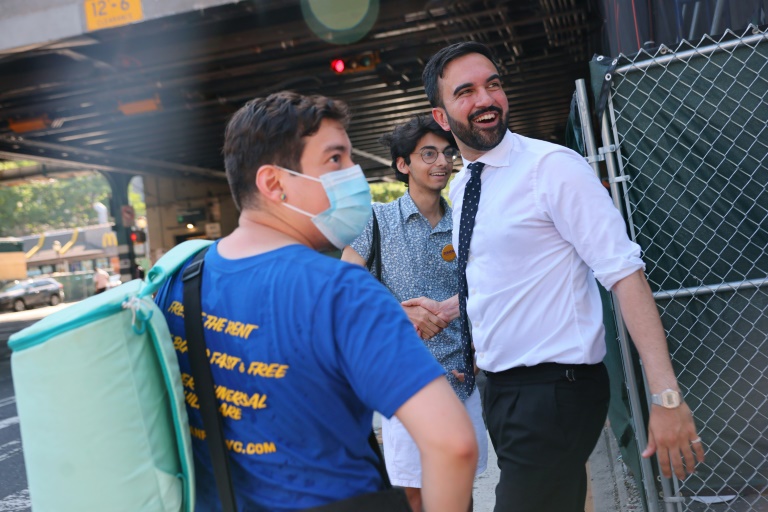
New York City Mayor Zohran Mamdani is facing criticism from Jewish legal organizations after his newly appointed judicial advisory panel was found to include no Jewish members, prompting demands from bar associations that the mayor correct what they described as a significant omission.
Mamdani’s office announced the 19-member Mayor’s Advisory Committee on the Judiciary on July 22, describing it as a “truly representative cross-section” of New York City’s legal profession. The panel is responsible for screening and recommending candidates for judgeships across the city’s five boroughs and multiple court types, including Criminal Court, Family Court and, on an interim basis, Civil Court. Four Jewish bar associations, backed by the Anti-Defamation League, said no Jewish attorney, law professor or former judge was included among the appointees.
Elizabeth Forspan, head of the Brandeis Association of Queens, a Jewish bar group, said the omission stood out given the committee’s long history. “It was shocking for us to learn that this all important committee that every mayor since 1978 has put together did not include a single Jewish attorney, law professor, former judge,” Forspan said.
In a joint letter sent to the mayor on July 27, the presidents of the Brandeis Association of Queens, the New York County Jewish Lawyers Guild, the Brooklyn Brandeis Society and the Bronx County Jewish Bar Association said they were “deeply disappointed” by the committee’s composition. “Excluding Jewish representation from this committee is neither reflective nor inclusive,” the letter said. “It follows a troubling pattern that has left many Jewish New Yorkers feeling increasingly marginalized.” The letter urged Mamdani to “correct this exclusion” and “reaffirm that Jewish New Yorkers are entitled to the same representation, respect and protection as every other community.” New York City is home to the largest Jewish population of any city in the United States, and Jews are heavily represented within the legal profession from which the committee traditionally draws its members.
The letter also pointed to the rejection of retired Appellate Division Justice John Leventhal, who is Jewish, during the committee’s vetting process, calling the decision “disconcerting” given what the groups described as a broader lack of outreach to Jewish attorneys. Mamdani spokesman Joe Calvello addressed that specific case directly, saying the mayor’s team declined to include Leventhal after learning the retired justice had served on the legal team representing Ghislaine Maxwell, the convicted associate of the late financier Jeffrey Epstein.
Mamdani forcefully denied that religion played any role in how the panel was assembled. “I did not ask for the religion of each of the person that was put forward,” he said during a press conference addressing the controversy. He said his broader commitment to diversity in judicial appointments includes the Jewish community specifically. “The thing that matters most to me is that in the judges that have been appointed and reappointed, that they do reflect that diversity of New York City, and that diversity includes Jewish New Yorkers,” Mamdani said.
Calvello separately pushed back on suggestions that the panel’s composition reflected discriminatory intent, telling reporters it was “false” to say the selection of committee members was “motivated by religion.” He noted that Mamdani has already appointed a dozen judges from a range of backgrounds during his time in office, including Jewish judges. Calvello did not specify whether other Jewish candidates had been considered for the advisory committee itself, and he did not directly dispute that none of the 19 appointees are Jewish.
The panel that drew criticism does include a range of other backgrounds. Its members include former prosecutors, former judges, law professors, public defenders and divorce attorneys, drawn from institutions ranging from CUNY to Ivy League law schools. Among them is Joseph Drayton, a partner at the law firm Proskauer Rose with decades of experience in commercial litigation, and Dianisbeth Acquie, a Harvard Law graduate who worked in the U.S. Attorney’s office for the Eastern District of New York before becoming assistant dean of judicial careers at Columbia Law School.
The controversy adds to broader tension between Mamdani’s administration and segments of New York’s Jewish community, which has largely centered on the mayor’s positions regarding Israel and related foreign policy issues. Critics cited in the bar associations’ letter also pointed to Mamdani’s prior omission of Jewish communities from a map of New York’s ethnic enclaves and his decision to revoke a definition of antisemitism previously used by the city that some Jewish groups had supported.
Under former Mayor Eric Adams, Jewish attorneys had held seats on the same judicial advisory committee. The panel’s composition carries practical significance beyond symbolism, since it directly filters the pool of candidates considered for judgeships handling a wide range of cases, from criminal matters to family court disputes.
As of the most recent reporting, Mamdani had not indicated any plans to alter the committee’s current membership in response to the bar associations’ letter, leaving the dispute unresolved as of early August.
Business
Coldcard Bitcoin Wallet Hack Grows to $75 Million as Firmware Flaw Drains Over 2,600 Wallet Addresses

Bitcoin held broadly steady above $64,000 this weekend even as security researchers revealed the scale of a major hardware wallet exploit continued to grow, with the total amount stolen from Coldcard wallet users climbing to roughly $75.1 million as investigators traced additional theft transactions tied to the same underlying firmware flaw.
The attack began late Thursday, July 30, with an initial 25-minute sweep that drained approximately 594 bitcoin, worth about $38 million at the time, from around 500 single-signature wallets secured by Coldcard hardware devices. Galaxy Research, a blockchain analytics firm, later identified a second, larger wave of theft transactions tied to the same attacker, ultimately tracking a combined total of 1,158.66 bitcoin, worth roughly $75.1 million, taken from 2,673 separate wallet addresses across two related sweeps.
The vulnerability responsible for the theft traces back to a firmware integration error introduced in Coldcard firmware version 4.0.0 in March 2021, according to security analysis published by Block, the fintech firm founded by Jack Dorsey. The flaw caused affected devices to bypass their dedicated hardware random number generator, the component specifically designed to ensure a wallet’s recovery seed cannot be predicted or reproduced by anyone other than the device’s owner, and fall back instead to a less secure, software-based method of generating that seed. According to Block’s analysis, the resulting seeds carried roughly 72 bits of entropy rather than the 128 bits normally expected, a weakness significant enough that an attacker with knowledge of certain non-secret device information could reconstruct candidate seed values and check them against public blockchain records to identify wallets holding funds.
Bitcoin Core developer instagibbs independently reproduced the underlying vulnerability using a fresh Mk3 device, confirming the affected code path described in Block’s research. Security researcher James O’Beirne warned that any user holding a single-key Coldcard Mk3 wallet generated between 2021 and 2023 without additional protections such as a passphrase, physical dice rolls or a multisignature setup should treat their funds as being at immediate risk.
Coinkite, the Canadian company that manufactures Coldcard hardware wallets, confirmed the vulnerability in a public statement and urged affected customers to move their funds to newly generated wallets as a precaution. The company said the issue specifically affects seeds generated on Mk3 devices running firmware version 4.0.1 or later, and separately disclosed that seeds generated on Mk4 and Mk5 devices before firmware version 5.6.0, and on Q devices before version 1.5.0Q, also carried reduced entropy compared to what the devices were designed to provide, though Coinkite said those device generations appeared unaffected by the actual theft. Coinkite has since released patched firmware addressing the underlying flaw, though the company and outside security researchers have stressed that a firmware update alone cannot fix a seed that was already generated under the vulnerable code, since the compromised randomness was baked into the wallet’s recovery phrase at the moment of creation. Anyone affected has been advised that generating an entirely new seed on updated firmware is the only reliable remedy.
Every wallet identified in the theft was a single-signature wallet holding more than 0.15 bitcoin, and many of the affected wallets had remained dormant for years before the attack. The creation dates of the compromised wallets spanned from 2021 to 2026, closely matching the period during which the flawed firmware had been publicly available as open-source code, a detail security researchers said indicates the attacker specifically targeted wallets based on when they were created rather than through any conventional hacking method such as phishing or malware.
Despite the scale of the theft, roughly $75 million and counting, Bitcoin’s overall market price showed little sustained reaction. The cryptocurrency closed out July 2026 up roughly 7% for the month, its strongest monthly performance since the current market recovery cycle began, and remained range-bound near $64,000 to $65,000 in the days following the exploit’s disclosure. Analysts have pointed to that resilience as a sign of continued underlying market confidence, even as the incident has drawn comparisons to the 2023 “Milk Sad” vulnerability, another widely publicized case in which weak random number generation compromised cryptocurrency wallet security.
Of the funds swept from the initial wave of theft, approximately 562 bitcoin was consolidated into a single address shortly after the attack and had not moved as of the most recent reporting, according to Block’s analysis, leaving open the possibility that authorities or blockchain investigators could eventually trace or freeze the stolen funds if the attacker attempts to move or cash out the consolidated holdings.
Bitcoin now enters August, historically the cryptocurrency’s weakest calendar month over each of the past four years, with the Coldcard incident adding a fresh layer of uncertainty to broader market sentiment already shaped by expectations around Federal Reserve interest rate policy and other macroeconomic factors heading into the fall.
Business
Inside Indian Creek Island, the “Billionaire Bunker” Where Bezos and Zuckerberg Both Own Their Homes
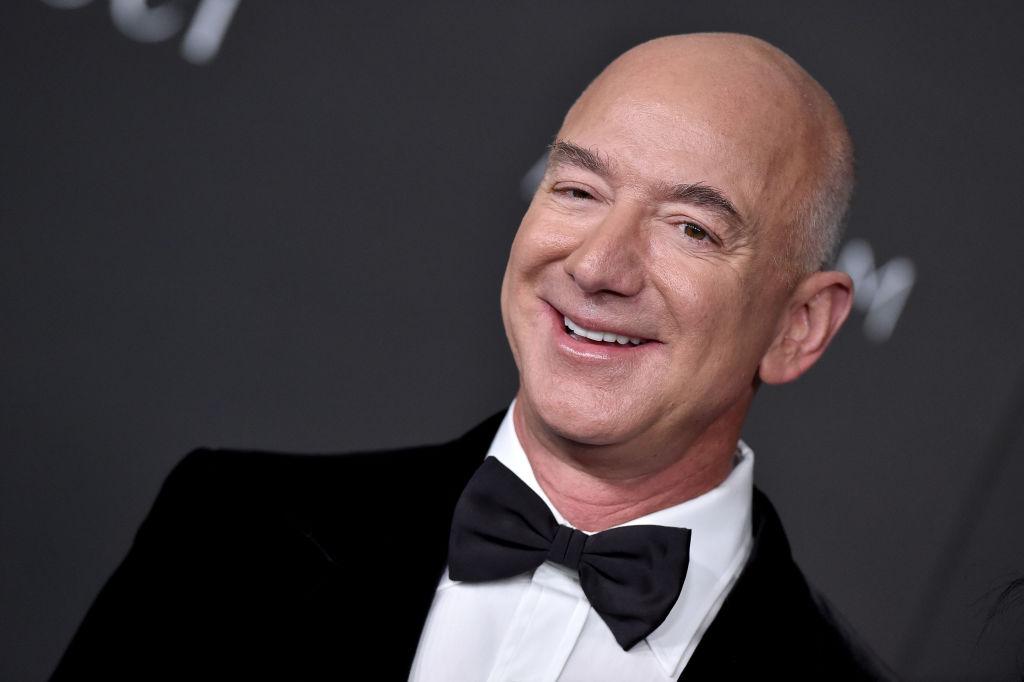
Hidden in Biscayne Bay just north of Miami Beach sits one of the most exclusive residential communities in the United States, a man-made island where the world’s wealthiest people are willing to spend tens or even hundreds of millions of dollars primarily for one thing: privacy, according to a report from Fortune.
Indian Creek Island, widely known by its nickname, the “Billionaire Bunker,” has become one of the most sought-after addresses among the world’s ultra-wealthy, counting Amazon founder Jeff Bezos and Meta CEO Mark Zuckerberg among its residents.
The island’s exclusivity stems in large part from its extremely limited housing supply. The roughly 300-acre island contains just 41 waterfront residential lots and a total population of only 84 residents, making it one of the smallest and most tightly restricted communities in the country. Properties on the island typically start around $60 million, according to the Fortune report, while newly constructed estates have commanded prices ranging from $150 million to $200 million. At the center of the island sits the private Indian Creek Country Club, home to an 18-hole golf course; membership reportedly requires a $500,000 initiation fee along with an extensive vetting and approval process.
Real estate experts told Fortune that the island’s appeal extends well beyond simple scarcity. Indian Creek functions as its own independent municipality, complete with its own local government and a dedicated police force that patrols both the land and the surrounding waterways around the clock. Access to the island is tightly controlled through a single guarded bridge, where visitors are required to identify themselves and may be subject to vehicle inspections before being allowed to enter. Unlike several other celebrity-populated islands in the greater Miami Beach area, sightseeing boats are also kept at a distance from Indian Creek’s shoreline, giving homeowners an unusual degree of seclusion from tourists and photographers seeking a glimpse of the island’s famous residents.
Bezos has assembled a substantial presence on the island, having acquired three separate properties on Indian Creek worth a combined total of more than $230 million. According to the Fortune report, Bezos is in the process of combining two adjoining waterfront parcels into a single, larger private estate, while continuing to live in another home he owns nearby on the island in the meantime. Zuckerberg has separately purchased a newly completed luxury mansion on Indian Creek, adding another prominent technology executive to the island’s roster of high-profile residents. Other well-known Indian Creek homeowners include retired NFL quarterback Tom Brady and Ivanka Trump, according to the Fortune report.
The growing concentration of ultra-wealthy buyers on Indian Creek reflects a broader boom underway across South Florida’s luxury real estate market more generally. A luxury real estate specialist quoted by Fortune said interest from ultra-high-net-worth buyers has continued accelerating even as activity has slowed across more affordable segments of the broader housing market. The report also noted that proposed policy changes elsewhere in the country, including California’s proposed 5% billionaire wealth tax, have prompted some wealthy individuals to explore relocating assets and purchasing property in Florida, a state that does not levy a state income tax, adding a tax-driven incentive to the island’s already substantial appeal among the ultra-wealthy.
Indian Creek’s combination of scarcity, security and discretion has helped set it apart even among the extremely limited pool of buyers capable of purchasing nearly any home in the world. With just a handful of waterfront estates available at any given time, strict controls governing who can access the island, and one of the most heavily protected residential environments anywhere in the country, the enclave has evolved well beyond a conventional luxury neighborhood, establishing itself instead as one of the most exclusive residential addresses available anywhere for the world’s wealthiest individuals.
The island’s history as a haven for the ultra-wealthy predates its current wave of technology billionaire residents, having long attracted prominent business figures, athletes and celebrities seeking a level of privacy and security difficult to replicate in more conventional luxury communities elsewhere in South Florida or beyond. The continued arrival of prominent new residents, including major technology executives like Bezos and Zuckerberg, has further cemented the island’s reputation over recent years as America’s premier address for individuals seeking to combine extreme wealth with an equally extreme level of personal privacy and physical security.
With demand for the island’s extremely limited inventory of waterfront lots continuing to grow, and broader economic and policy trends in states like California potentially pushing additional wealthy buyers toward Florida’s tax-friendly environment, real estate specialists quoted in the Fortune report suggested that Indian Creek’s already elevated property values and exclusivity are likely to continue climbing in the years ahead, further reinforcing the island’s position at the very top of the global luxury real estate market.
Business
10 Fun Facts About Ken Griffin’s Citadel, From a Harvard Dorm Room to a $70 Billion Wall Street Giant
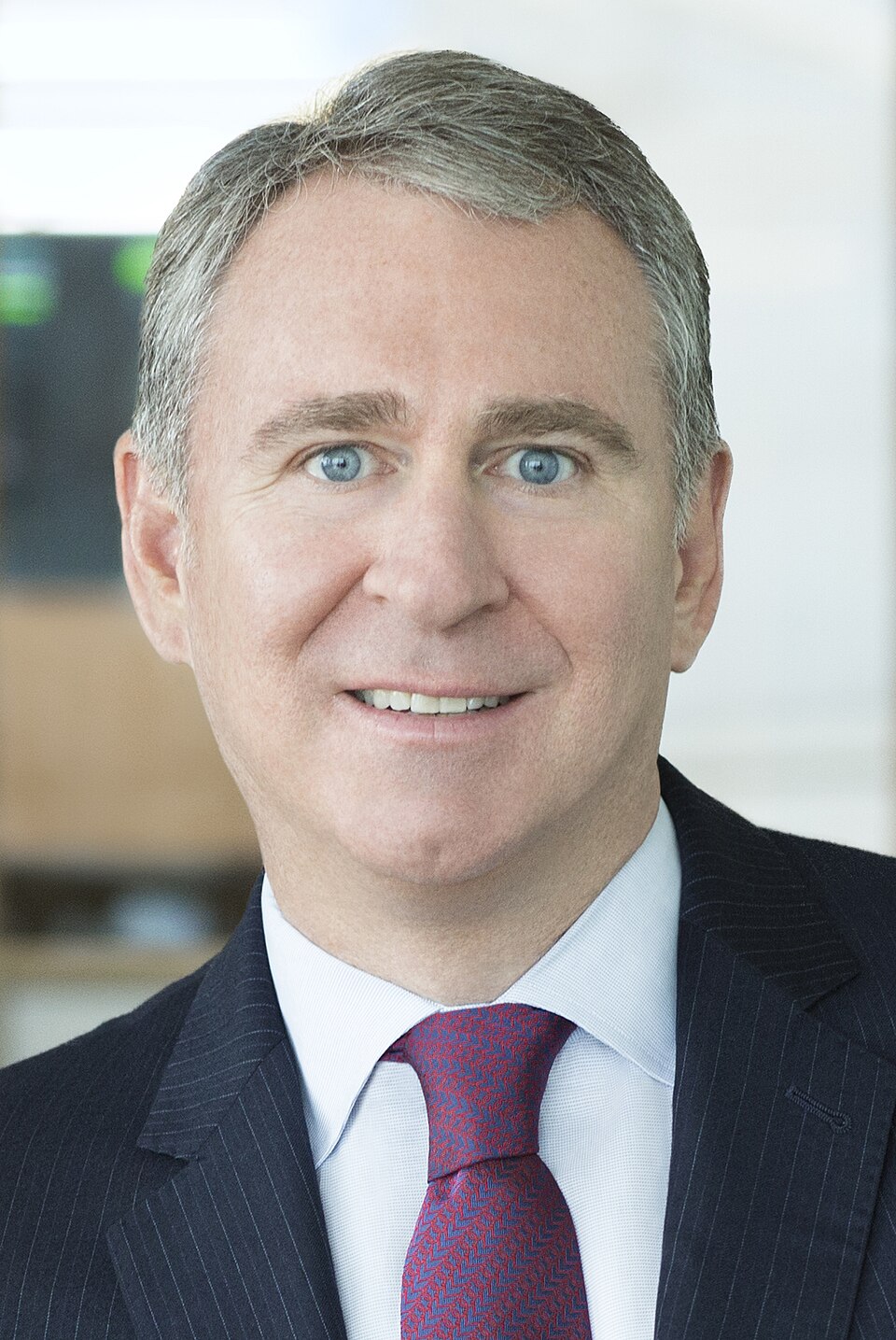
Ken Griffin has built Citadel into one of the most influential and profitable firms on Wall Street, spanning both a massive multi-strategy hedge fund and a separate market-making business that together have made Griffin one of the wealthiest people in the world. Here are 10 facts about the empire he built.
1. It started in a Harvard dorm room. Griffin began trading convertible bonds in 1987 while still an undergraduate at Harvard University, operating out of his dorm room with a computer, a fax machine and a telephone. He raised his initial trading capital, $265,000, from his mother, his grandmother and two non-family investors. By his senior year, he had grown that stake into $1 million in investor money using the same convertible-bond arbitrage strategy.
2. Citadel was officially founded on November 1, 1990. Griffin launched Citadel Investment Group with just $4.2 million in assets under management. He graduated from Harvard in 1989 with an economics degree, completing his studies in three years before formally starting the firm the following year.
3. Citadel’s flagship fund now manages tens of billions of dollars. As of mid-2026, Citadel’s hedge fund business managed approximately $67 billion to $69 billion in assets, according to figures reported by Bloomberg and other financial outlets, a dramatic expansion from the firm’s original $4.2 million starting base more than three decades ago.
4. The flagship Wellington fund has posted a strong long-term track record. Citadel’s primary multi-strategy fund, known as Wellington, has generated an annualized return of approximately 19% since its 1990 inception, according to figures reported by CNBC. The fund climbed 10.2% in 2025 alone, navigating a volatile year marked by sharp market swings and elevated trade tensions.
5. Citadel Securities is an entirely separate, and arguably larger, business. Beyond the hedge fund itself, Griffin also founded Citadel Securities, a major market-making firm that handles roughly 25% of all U.S. equity trading volume. The firm generated record trading revenue of $9.7 billion in 2024, with subsequent reporting indicating trading revenue climbed even higher, to $12.2 billion, in 2025.
6. Griffin retains overwhelming ownership of both businesses. Griffin’s personal ownership stake in Citadel’s hedge fund business is estimated at approximately 85%, based on regulatory filings and ratings reports cited by Bloomberg. His ownership stake in Citadel Securities is estimated separately at roughly 80%, according to a 2019 S&P Global Ratings report and subsequent analysis.
7. Griffin’s real estate portfolio includes some of the most expensive homes ever sold. Griffin has made headline-grabbing property purchases over the years, including a $238 million penthouse in New York City, which at the time of its purchase ranked among the most expensive homes ever sold in the United States, and a $106 million mansion in London. His broader real estate holdings span trophy properties in Miami, Palm Beach, the Hamptons and Hawaii, in addition to office properties associated with Citadel’s operations.
8. He has become one of the largest donors in Harvard’s history. Griffin, Citadel’s founder, donated $150 million to support need-based financial aid at his alma mater in 2014, which stood at the time as the largest single gift in Harvard’s history. In April 2023, he donated an additional $300 million to Harvard’s Faculty of Arts and Sciences, a gift significant enough that the university renamed its Graduate School of Arts and Sciences in recognition of the donation.
9. Citadel recently stepped in to stabilize a major AI-focused hedge fund. In a notable transaction reported this summer, Citadel acquired the bulk of the public equity portfolio belonging to Situational Awareness, a hedge fund founded by former OpenAI researcher Leopold Aschenbrenner, after that fund’s heavily AI-weighted holdings came under significant pressure amid a broader selloff in artificial intelligence-linked stocks.
10. Griffin has publicly voiced skepticism about parts of the AI investment boom. Speaking at the World Economic Forum in Davos in January 2026, Griffin said the artificial intelligence boom represents a mixture of genuine hype and, in his assessment, minimal productivity gains so far, a notably cautious public assessment from one of Wall Street’s most prominent and closely watched money managers.
Griffin’s overall personal net worth has been estimated in various reports throughout 2026 at figures ranging from roughly $45 billion to more than $51 billion, depending on the timing and methodology used by different financial publications, reflecting both the scale of his wealth and the inherent difficulty of precisely valuing a fortune built substantially on privately held business interests rather than publicly traded stock. Beyond his business and philanthropic activities, Griffin has also become a significant political donor over the years, contributing hundreds of millions of dollars to political candidates and causes, further extending his influence well beyond the trading floors and offices of the two firms he built.
Business
Wall Street Bets $26 Billion Against SpaceX Ahead of Its First Earnings and a Massive Share Unlock This Week

SpaceX has become the most heavily shorted large public company in the United States, with Wall Street investors wagering more than $26 billion that Elon Musk’s rocket and satellite company’s stock will keep falling after losing roughly half its value over the past month.
Short interest in SpaceX shares reached 219.3 million shares as of July 29, according to data compiled by S3 Partners, equal to roughly 34% of the company’s tradable float. That bearish position, worth approximately $24.6 billion as of that date, has continued climbing since, surpassing $26 billion according to more recent figures, and now exceeds the value of short bets placed against Tesla, the other major public company led by Musk. Short interest has grown dramatically since SpaceX’s debut, rising from just 23.3 million shares when the data was first reported on June 16 to more than nine times that level roughly six weeks later.
SpaceX completed the largest initial public offering in history on June 11, pricing 555.6 million shares at $135 and raising $75 billion, a figure that climbed to $85.7 billion once underwriters exercised their overallotment option. The offering was more than double the size of Saudi Aramco’s 2019 listing, which had previously held the record. Shares opened at $150 the following morning and closed their first trading session 19% above the offer price. Four days later, the stock touched an intraday high of $225.64, valuing the company at roughly $2.1 trillion and briefly making Musk the world’s first trillionaire.
The reversal since that peak has been steep. SpaceX and Tesla together shed a combined $1.2 trillion in market value during July alone. Notably, the stock’s decline continued even after Starship’s 13th test flight succeeded on July 25 in what analysts described as a near-flawless mission and one of the company’s clearest operational wins since going public, an outcome that would typically be expected to boost investor sentiment rather than coincide with a new low.
Short sellers have continued adding to their positions rather than locking in gains as the stock has fallen, even as their paper profits have grown substantially. Bloomberg estimated short sellers’ unrealized gains at $3.88 billion on July 15; a day later, when the stock first traded below its offer price, Ortex Technologies put the figure at $8.7 billion. By July 22, that estimate had climbed to $15.5 billion, meaning nearly $12 billion in paper gains accumulated within a single five-session stretch. According to S3 Partners, short sellers had booked approximately $7.3 billion in mark-to-market profits since the stock began trading in June, making SpaceX the second-most profitable short trade of 2026, trailing only Tesla.
Daniela Hathorn, a senior market analyst at Capital.com, attributed the stock’s decline to a combination of factors rather than any single catalyst. “The stock’s retreat seems to be a combination of profit-taking, valuation reassessment and the unwinding of extremely bullish positioning following one of the most anticipated listings in recent years,” Hathorn said, according to a Reuters report.
Two major catalysts loom in the days ahead that could determine whether short sellers extend their gains or face a sharp reversal. SpaceX is scheduled to report its first quarterly earnings as a public company on Aug. 4, followed two days later, on Aug. 6, by the expiration of the company’s initial post-IPO lockup period. At that point, approximately 911.5 million shares held by early investors, company executives and other insiders, worth roughly $116 billion, will become eligible for sale for the first time, a development that could flood the market with additional tradable shares and pressure the stock further if a meaningful portion of insiders choose to sell.
Ahead of those events, Morgan Stanley has warned that SpaceX is entering what the firm characterized as its most dangerous stretch since going public, citing the potential for approximately $100 billion in market value to become newly available for trading in the coming weeks. The bank has projected SpaceX will report second-quarter revenue of approximately $6.75 billion and an adjusted loss per share of 35 cents, while estimating Starlink’s global consumer subscriber base has reached approximately 12 million households.
Investors have grown more cautious partly because of concerns beyond SpaceX’s core rocket and satellite businesses. The company raised $25 billion through the bond market last month specifically to finance expansion of its artificial intelligence infrastructure, a move that added to broader market unease about aggressive AI-related capital spending across the technology sector, particularly given questions about how quickly that spending will translate into corresponding revenue growth, especially if interest rates remain elevated.
SpaceX is not alone in attracting heavy bearish bets this year. According to S3 Partners, several other major technology companies with significant artificial intelligence exposure, including Alphabet, Amazon, Microsoft, Nvidia, Broadcom and Micron, also rank among the year’s most heavily shorted stocks, reflecting broader investor concern about elevated valuations and heavy capital spending commitments tied to the AI infrastructure buildout across the sector.
Despite the scale of the current bearish positioning, most Wall Street analysts covering SpaceX have maintained largely bullish long-term ratings on the stock, even as they acknowledge that the combination of Thursday’s earnings report and the subsequent lockup expiration could inject significant additional volatility into the shares in the days immediately ahead.

BIP-110 Activation Frozen After Coldcard Exploit: Is the Soft Fork Dead?

The Devil’s Mouth: The Caves Could Lock Them Inside | Collider BTS

Overemploying to make $820K/year #money


-
 Sports7 days ago
Commonwealth Games boxing: Jadumani Singh seals dominant 5-0 win over Pakistan’s Sumama Rehman to enter quarter-finals | Commonwealth Games News
-

 Business4 days ago
Why Trees Belong on the Risk Register
-

 Fashion2 days ago
Weekend Open Thread: Wit & Wisdom
-

 Tech7 days ago
Intel is reversing course and bringing hyper-threading back to its server chips
-

 Politics2 days ago
Meta enters AI-training agreement with far-right ‘propaganda rag’ Newsmax
-

 Politics6 days ago
Luke Littler dismantles Gerwyn Price to retain title in Blackpool
-

 Crypto World1 day ago
MicroStrategy Post-Earnings CLARITY Act Push Could Add New Catalyst for Its Stock
-

 Politics5 days ago
The Part of the Electric Transition Nobody Wants to Discuss
-
 Entertainment5 days ago
‘Stargate’ Creator’s New Sci-Fi Series Returns for Season 3 Tomorrow
-

 News Videos7 days ago
BITCOIN JUST ENTERED THIS CRITICAL ZONE…
-

 Business5 days ago
Major shareholder moves on Canyon
-

 News Videos3 days ago
Bitcoin Enters the 3rd Stage of the Bear Market
-

 Crypto World2 days ago
XRP Ledger v3.3.0 brings five institutional features
-

 Crypto World5 days ago
Kraken Enables Retail Access to Jersey Mike’s IPO via Tokenized Shares
-

 Tech6 days ago
New macOS Sequoia & Sonoma security updates for older Macs
-

 News Videos5 days ago
Claude: Build Financial Dashboards in Minutes (2026)
-

 Politics3 days ago
Luke Littler’s dominance sparks GOAT debate
-

 Sports3 days ago
Seema Kaliramna Wins Discus Throw Bronze, Takes India’s CWG Medals Tally To 17
-

 Business5 days ago
Johnson & Johnson agrees to $5.5B settlement over talc cancer claims
-

 Crypto World9 hours ago
Crypto PAC spending tops $2M in Michigan House race
You must be logged in to post a comment Login