Connect with us
DAPA Banner
DAPA Coin
DAPA
COIN PAYMENT ASSET
PRIVACY · BLOCKDAG · HOMOMORPHIC ENCRYPTION · RUST
ElGamal Encrypted MINE DAPA
🚫 GENESIS SOLD OUT
DAPAPAY COMING

Business

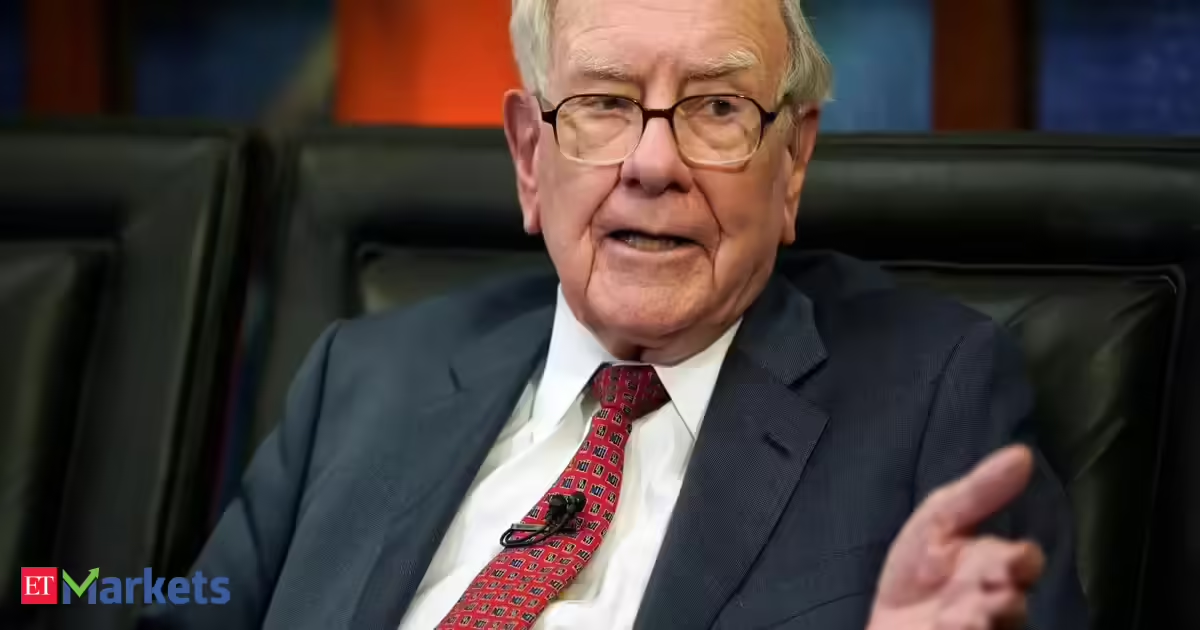
What is Warren Buffett’s best investment ever? It is not a stock

Published

on

What is Warren Buffett’s best investment ever? It is not a stock
When most people think of Warren Buffett, they picture timeless investing wisdom and decades of market-beating returns. Yet, in a revelation that often surprises many, Buffett says his greatest investments weren’t stocks, bonds, or even businesses.

In his 2010 annual letter to Berkshire Hathaway’s shareholders, Warren Buffett called his home “the third best investment” he ever made, after his two wedding rings. The market expert still lives in the five-bedroom, 6,570 square-foot stucco home he bought for $31,500 in Nebraska, US, back in 1958.

What tops Buffett’s list of best investments?

Buffett got married twice. The American investor married Susan Thompson back in 1952. After Susan’s death in 2004, he married Astrid Menks in 2006. The billionaire has repeatedly claimed his wedding rings and marriage licenses are the best investments in his life.

Advertisement

Benjamin Graham’s book ‘The Intelligent Investor’

Later in 2013, Buffett, in his annual letter, said that his mentor Benjamin Graham’s book ‘The Intelligent Investor’ was one of his top investments. “I can’t remember what I paid for that first copy of The Intelligent Investor. Whatever the cost, it would underscore the truth of Ben’s adage: Price is what you pay, value is what you get. Of all the investments I ever made, buying Ben’s book was the best (except for my purchase of two marriage licenses),” he wrote.
Back in 2000, Buffett told a group of MBA students at Columbia Business School that knowledge is like compound interest. “Read 500 pages like this every day. All of you can do it, but I guarantee not very many of you will do it,” he said, as quoted by CNBC.

Who was Benjamin Graham?

Buffett has repeatedly credited the book The Intelligent Investor by Benjamin Graham, whom he calls the father of value investing. Graham championed a disciplined approach centred on buying companies trading below their intrinsic value—businesses that offered high dividend yields, low price-to-earnings (PE) multiples, and strong long-term potential despite being overlooked by the market. His philosophy shaped Buffett’s own investment framework and continues to influence value investors worldwide.

He also taught investing for many years at Columbia Business School, where one of his students was the now-billionaire Warren Buffett.

Buffett’s frugal lifestyle

Buffett is known for his strikingly simple lifestyle and philanthropic values. The billionaire investor once treated fellow billionaire and Microsoft co-founder Bill Gates not at a fancy restaurant, but at his favourite McDonald’s — and that too using coupons.

Advertisement

Notably, Buffett is a regular at McDonald’s. While the billionaire is often asked about the ‘secrets’ behind his long and successful career, one lesser-known detail is how the stock market plays a role in his daily breakfast routine.

“One of the good things about this five-minute drive is that there’s a McDonald’s on the way,” he once revealed in a documentary, as cited by Business Insider. He explained how he decides which breakfast sandwich to buy. Every morning, Buffett tells his wife, Astrid, the exact amount of change to place in the centre cup holder of his car—typically $2.61, $2.95, or $3.17.

“When I’m not feeling quite so prosperous, I might go with the $2.61,” Buffett said. “That’s two sausage patties, which I put together, and then I pour myself a Coke. $3.17 is a bacon, egg, and cheese biscuit. But if the market’s down this morning, I’ll pass on the $3.17 and go with the $2.95.”

After buying his McDonald’s breakfast, Buffett eats it at his desk with a Coke. While prices have likely risen since the documentary was filmed, the logic remains the same.

Advertisement

(Disclaimer: Recommendations, suggestions, views and opinions given by the experts are their own. These do not represent the views of The Economic Times)

Continue Reading
Click to comment

You must be logged in to post a comment Login

Leave a Reply

Business

Luka Doncic Returns to Strict Diet That Transformed His Game Last Offseason

Published

on

Luka Doncic
Luka Doncic
Luka Doncic

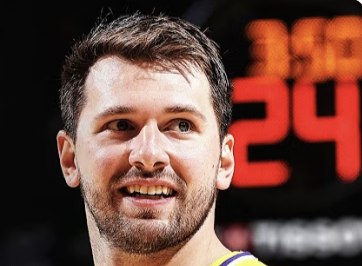
LOS ANGELES — Luka Doncic has already begun the same rigorous diet and training regimen that dramatically improved his conditioning and performance last offseason, multiple sources confirmed Thursday, signaling the Dallas Mavericks star-turned-Lakers leader is leaving nothing to chance as he prepares for a pivotal 2026-27 campaign following the team’s second-round playoff exit.

The Slovenian superstar, who joined the Lakers in a blockbuster trade before the 2025-26 season, is once again following a high-protein, low-carb plan combined with intermittent fasting and dual daily workouts under the guidance of his personal “Team Luka” of nutritionists, physiotherapists and trainers. The approach helped him shed significant weight and silence critics last summer, leading to one of the most productive seasons of his career before a Grade 2 hamstring strain sidelined him for the playoffs.

According to people familiar with the situation, Doncic restarted the program immediately after the Lakers’ elimination by the Oklahoma City Thunder, determined to enter next season in peak physical condition alongside LeBron James and a reconfigured supporting cast. At 27 years old and entering his prime, the move underscores his commitment to longevity and sustained excellence in a physically demanding league.

Last Year’s Transformation Sparked Career Year

Doncic’s 2025 offseason overhaul became one of the biggest storylines in the NBA. After years of questions about his conditioning and weight, he embraced a strict nutritional protocol that emphasized lean proteins, vegetables, healthy fats and timed eating windows. The results were visible from the first day of training camp: a noticeably leaner physique, improved quickness and greater stamina late in games.

That dedication translated into elite production. Doncic averaged 33.5 points, 8.3 assists and 7.7 rebounds per game across 64 contests, earning All-NBA First Team honors and finishing as a finalist for league MVP. His improved mobility allowed him to attack the rim more effectively and defend with greater intensity, silencing many longtime skeptics who had labeled him a liability on that end.

Advertisement

The hamstring injury in early April prevented him from joining James in the postseason, a frustrating end to what had been a promising first year in Los Angeles. Now fully healed, Doncic is wasting no time addressing the areas he believes cost the Lakers in the playoffs.

Current Focus and Lakers Expectations

Sources say the current program mirrors last year’s blueprint but with added emphasis on injury prevention and core stability. Daily sessions include mobility work, yoga, swimming and strength training tailored to protect his lower body while building functional power. Nutrition remains tightly controlled, with a heavy focus on anti-inflammatory foods and precise macronutrient timing around workouts.

Lakers coach JJ Redick and the front office have been briefed on the plan and fully support it. “Luka understands his body better than anyone,” Redick said recently. “When he commits to something like this, the results speak for themselves. We’re excited to see what he brings to camp.”

General manager Rob Pelinka has made it clear that building around Doncic and James remains the priority this offseason. With both stars healthy and motivated, the Lakers believe they can contend for a championship as early as next season. Doncic’s willingness to transform his body again is seen as a major positive signal by the organization and its fans.

Advertisement

Expert Analysis and Long-Term Outlook

Sports nutritionists and performance coaches say Doncic’s approach is smart but demanding. “Maintaining this level of discipline year after year is incredibly difficult at his age and with his schedule,” said Dr. Emily Chen, a sports dietitian who has worked with several NBA players. “The fact that he’s restarting it so quickly after the season shows real maturity and commitment to his craft.”

Analysts project that if Doncic can sustain the improved conditioning, his game could reach even greater heights. Already one of the league’s most skilled passers and scorers, better physical condition would allow him to play at a higher pace and defend more effectively over 82 games plus the postseason.

However, some caution that extreme dieting can carry risks if not managed properly, particularly for athletes with heavy workloads. Doncic’s team has reportedly consulted extensively with medical professionals to ensure the plan supports both performance and long-term health.

Fan and Media Reaction

The news has energized Lakers fans already dreaming of a healthier, more dominant Doncic next season. Social media platforms lit up with excitement, with many posting side-by-side photos of his transformation last year and speculating about even greater gains this time around. Hashtags like #LukaDiet and #BuiltDifferent trended briefly after reports emerged.

Advertisement

Media coverage has been largely positive, with analysts praising Doncic’s professionalism and work ethic. “This is what separates the good from the great,” said ESPN’s Tim MacMahon. “Luka doesn’t have to do this. He’s already a superstar. But he wants to be the best version of himself, and that’s why the Lakers traded for him.”

Skeptics remain, pointing to the difficulty of sustaining such strict regimens long-term and questioning whether the Lakers can build a true contender around two aging superstars. Yet even critics acknowledge that Doncic’s commitment sets a strong tone for the organization heading into a critical offseason.

Broader Implications for the Lakers

Doncic’s renewed focus comes at a pivotal time for the franchise. With James entering his 24th season at age 41, the window for contention is narrowing. A leaner, fitter Doncic could extend that window significantly while providing a bridge to the post-James era alongside Austin Reaves and younger pieces.

The Lakers are expected to be active in free agency and trades, targeting shooters and defenders who complement Doncic’s playmaking. His improved conditioning would make those additions even more effective, particularly in transition and late-game situations.

Advertisement

As training camp approaches in late September, all eyes will be on Doncic’s physical condition and how seamlessly he meshes with James in a full healthy season. If the diet delivers similar results to last year, the Lakers could emerge as serious title contenders in a wide-open Western Conference.

For now, Doncic’s decision to recommit to the strict regimen sends a clear message: he is not satisfied with individual accolades and wants to lead the Lakers back to championship contention. In a league where longevity and sustained excellence define legacies, his willingness to embrace discomfort again could prove decisive.

The basketball world will be watching closely over the coming months to see whether this latest chapter in Luka Doncic’s evolution produces another leap forward — both for the player and the franchise that bet big on his potential.

Advertisement
Continue Reading

Business

Eternal, HDFC Bank among 10 stocks which saw highest DII buying in Q4. How many do you own?

Published

on

Eternal, HDFC Bank among 10 stocks which saw highest DII buying in Q4. How many do you own?

Domestic institutional investors stepped up buying in several large-cap stocks during the March 2026 quarter, even as markets remained under pressure. Financials, technology, telecom and industrial names featured prominently among the top DII picks, with cumulative buying running into thousands of crores despite sharp declines in stock prices across the board. Check the full list.

Continue Reading

Business

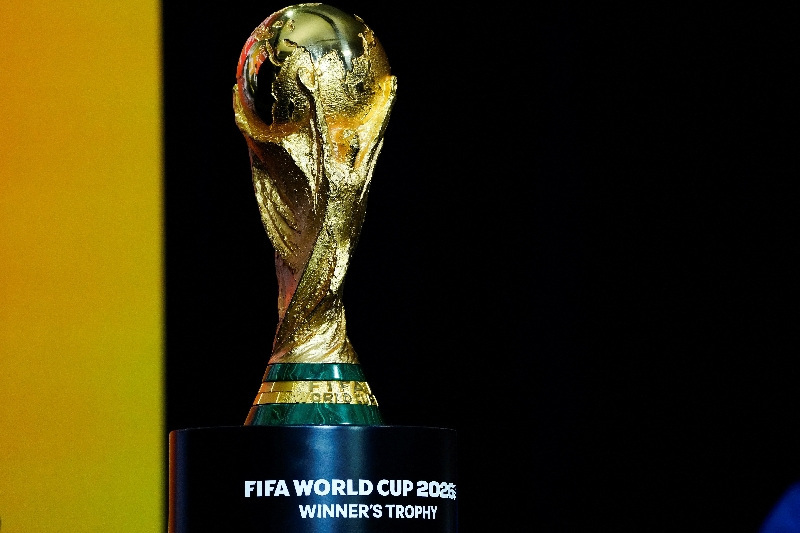
Soccer-FIFA officials to meet Iranian FA to discuss World Cup on Saturday, says source

Published

on

Soccer-FIFA officials to meet Iranian FA to discuss World Cup on Saturday, says source


Soccer-FIFA officials to meet Iranian FA to discuss World Cup on Saturday, says source

Continue Reading

Business

Reliance Industries, TCS, HDFC Bank among 10 companies with highest FII selling in Q4. Do you own any? – FII Selloff Deepens

Published

on

Reliance Industries, TCS, HDFC Bank among 10 companies with highest FII selling in Q4. Do you own any? - FII Selloff Deepens

One of India’s leading construction companies saw FII selling of 1.74 crore shares during the March 2026 quarter. The net sell value came in at Rs 6,631 crore, while the stock declined 14.19%.

(Disclaimer: Recommendations, suggestions, views and opinions given by the experts are their own. These do not represent the views of The Economic Times)

Continue Reading

Business

Mastering trading psychology in today’s volatile global market

Published

on

Mastering trading psychology in today’s volatile global market
In an environment where global uncertainty, rising crude oil prices, and fluctuating interest rate expectations are driving sharp market swings, the importance of trading psychology has never been greater. While investors often focus on data, valuations, and news flows, real success in markets increasingly depends on mastering one’s own mindset.

At its core, trading psychology refers to the emotional and mental state that influences decision-making—often determining success or failure more than strategy itself.

Why psychology matters more in current market

The present market backdrop is far from stable. Rising geopolitical tensions, inflation concerns, and currency volatility are creating sharp, unpredictable moves. Experts are advising caution and selective buying rather than aggressive risk-taking, highlighting the fragile sentiment in equities.

Advertisement

In such phases, emotions like fear and greed become amplified:

Fear triggers panic selling during corrections

Greed pushes investors to chase rallies at peak valuationsThis emotional cycle often leads to poor timing—buying high and selling low.

The Hidden Edge: Discipline Over Prediction

A critical insight from market behaviour is that even correct predictions don’t guarantee success. Poor risk management and emotional decisions can still lead to losses, as seen in real-world trading experiments.
This reinforces a key principle:
Markets reward discipline, not just intelligence.

Successful investors:

Advertisement
  • Stick to predefined strategies
  • Avoid impulsive trades
  • Focus on consistency rather than quick wins
  • Focus on Strengths, Not Mistakes

According to trading psychology research highlighted by noted clinical psychologist and investor Dr Brett Steenbarger, one of the most effective ways to improve performance is to identify and build on your strengths rather than obsess over flaws.

Every investor has unique strengths—whether it’s patience, research ability, or timing. The goal is to refine and align strategies around these strengths to create a sustainable edge.

The Trap of Overactivity in Volatile Markets

In uncertain times, many investors feel compelled to act constantly—buying, selling, and reacting to every headline. However, excessive trading often creates an illusion of control while eroding returns over time.

In fact, some of the best outcomes come from:

  • Sitting through volatility
  • Avoiding unnecessary trades
  • Letting long-term trends play out
  • Managing Market Psychology: Practical Framework

To navigate today’s markets effectively, investors should adopt a structured psychological approach:

1. Define a Clear Plan

Set entry, exit, and risk limits in advance to avoid emotional decisions.

Advertisement

2. Accept Losses as Part of the Game

Losses are inevitable—reacting emotionally only magnifies them.

3. Avoid Herd Behaviour

Markets often swing due to collective sentiment rather than fundamentals.

4. Control Position Sizing

Risk management is more important than predicting the next move.

5. Think Long-Term

Consistent, disciplined investing often outperforms short-term speculation.

Advertisement

The Bottom Line

In today’s uncertain and volatile market landscape, the biggest risk is not external—it lies within the investor. Emotional reactions, overconfidence, and impatience can derail even the best strategies.

Ultimately, successful investing is less about finding the perfect stock and more about cultivating the right mindset. Those who can remain calm, disciplined, and self-aware amid market noise are the ones most likely to build lasting wealth.

(Disclaimer: Recommendations, suggestions, views and opinions given by the experts are their own. These do not represent the views of The Economic Times)

Advertisement
Continue Reading

Business

NYC Mayor Mamdani seeks meeting with Ken Griffin after tax video backlash

Published

on

Mamdani praises Ken Griffin for police support despite billionaire feud

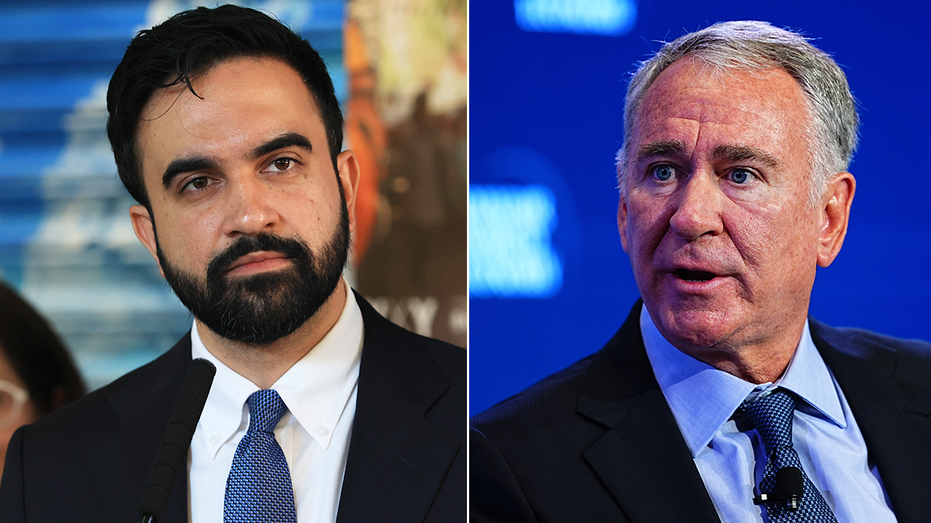
New York City Mayor Zohran Mamdani said Friday he has attempted to meet with billionaire Citadel CEO Ken Griffin after the hedge fund executive blasted the mayor’s viral “Tax the Rich” video targeting him.

Mamdani said a member of his team reached out to Griffin but had not received a response.

Advertisement

“We reached out to set up a meeting,” Mamdani said Friday. “We’re still waiting to hear.”

“That continues to be an open invitation, and it’s part of invitations that I’ve made to a number of business leaders across the city,” he continued. “I’m there to listen and there to have a conversation that goes beyond places of agreement, but perhaps places of disagreement to hear honest reflection and critique, without putting any precondition on the nature of that conversation.”

BILLIONAIRE SAYS MAMDANI’S ‘TAX THE RICH’ VIDEO OUTSIDE HIS NYC APARTMENT WAS ‘CREEPY’ AND ‘FRIGHTENING’

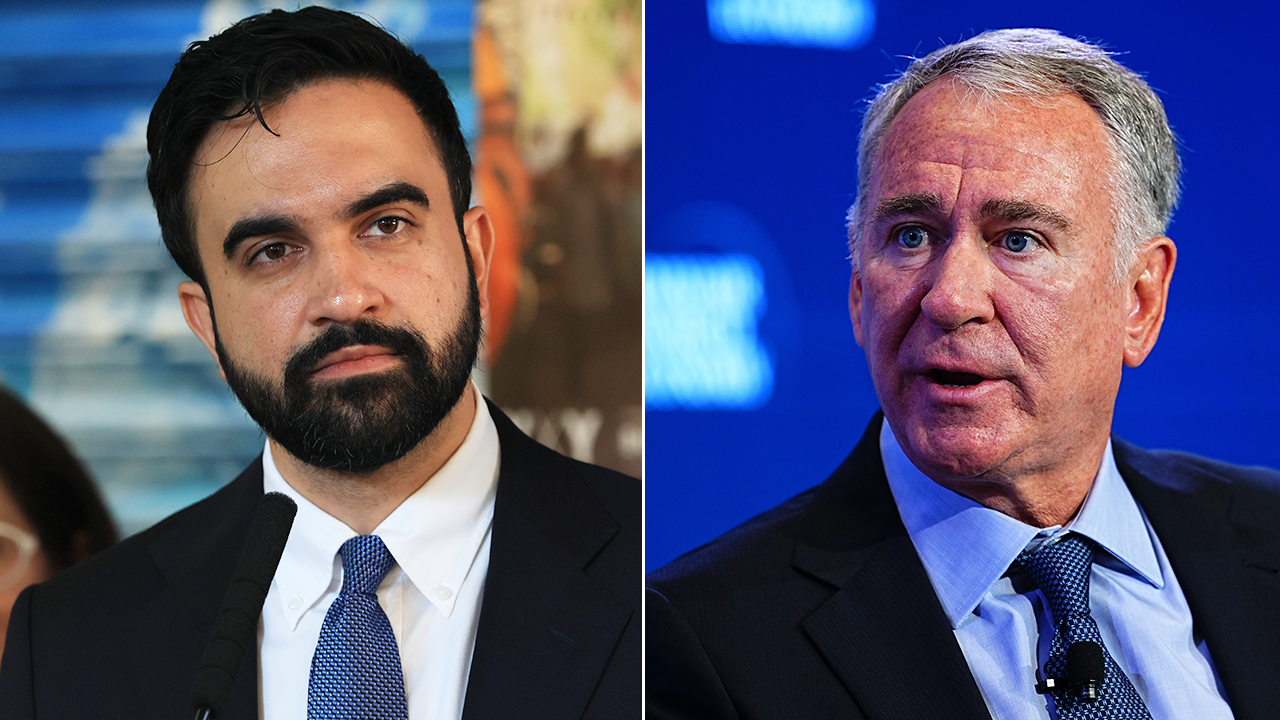
A side by side photo of New York Mayor Zohran Mamdani and Citadel CEO Ken Griffin.

On April 15 (Tax Day), NYC Mayor Zohran Mamdani posted a video outside Ken Griffin’s Manhattan penthouse promoting a new “tax-the-rich” policy. (Spencer Platt/Aaron Schwartz/Bloomberg/Getty Images / Getty Images)

The outreach comes after Mamdani posted a video on April 15 highlighting Griffin’s property while promoting a new pied-à-terre tax proposal.

Advertisement

In the video, the mayor — who has pledged to raise taxes on wealthy New Yorkers — stood outside Griffin’s 24,000-square-foot penthouse, which Griffin purchased in 2019 for $238 million, the most expensive residential sale in U.S. history.

Griffin later criticized the video, calling it a “creepy and weird” political advertisement.

A spokesperson for Griffin did not say whether he plans to meet with the mayor.

MAMDANI TAX BREAK PROPOSAL SPARKS FEARS AS BUSINESS LEADERS WARN OF ‘FRAGILE’ NYC ECONOMY

Advertisement
Citadel Founder and CEO Ken Griffin

Citadel Founder and CEO Ken Griffin called New York City Mayor Zohran Mamdani’s viral video singling out his Manhattan penthouse while announcing a new tax a “personal attack” and a “profound lack of judgment.” (Denis Balibouse/Reuters / Reuters)

“Ken cares deeply about New York City and welcomes thoughtful, serious conversations about the policies that can grow the city’s economy and create more opportunity for all New Yorkers,” the spokesperson said in a statement to FOX Business. “Reckless political theater serves no purpose and undermines the future of one of the world’s most important cities.”

In the April video promoting higher taxes on wealthy New Yorkers and a pied-à-terre tax on second homes, Mamdani singled out Griffin’s penthouse as an example of what he called a “fundamentally unfair system.”

“This is an annual fee on luxury properties worth more than $5 million whose owners do not live full-time in the city—like this penthouse, which hedge fund CEO Ken Griffin bought for $238 million,” Mamdani said in the video.

Speaking at the Milken Conference in Los Angeles earlier this month, Griffin said Mamdani’s “frightening” video reaffirmed his decision to “double down” on business in Miami.

Advertisement

MAMDANI THANKS SAME BILLIONAIRE HE TARGETED IN TAX VIDEO FOR NYPD MONEY

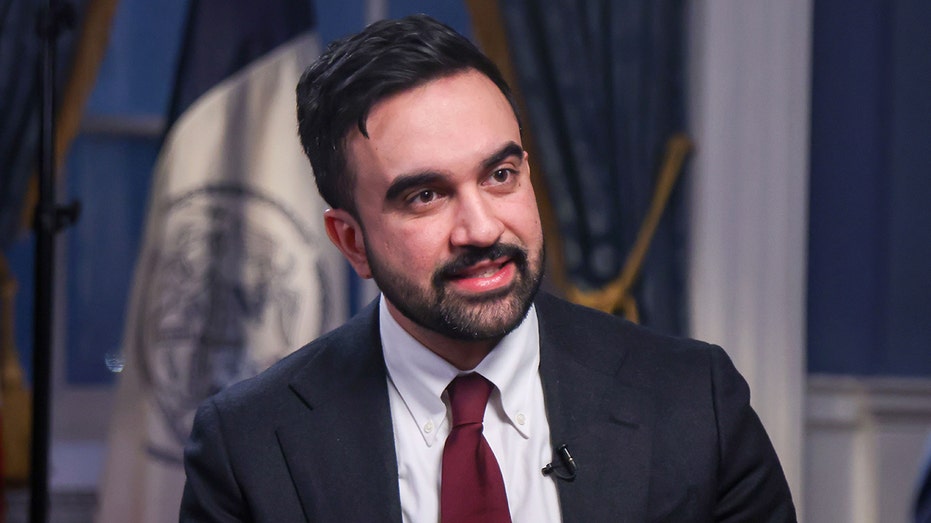
New York City Mayor Zohran Mamdani

New York City Mayor Zohran Mamdani said his team reached out to Citadel CEO Ken Griffin following criticism over a viral tax proposal video. (Michael Nagle/Bloomberg via Getty Images / Getty Images)

“Mamdani has made it very clear—New York does not welcome success,” Griffin said during the panel.

Citadel is currently building a new headquarters in Miami, and Griffin reiterated plans to expand the company’s presence in Florida, citing the state’s pro-business policies.

The mayor’s office previously told Fox News Digital that Mamdani “wants all New Yorkers to succeed,” including Griffin, whom it described as a major employer in the city.

Advertisement

GET FOX BUSINESS ON THE GO BY CLICKING HERE

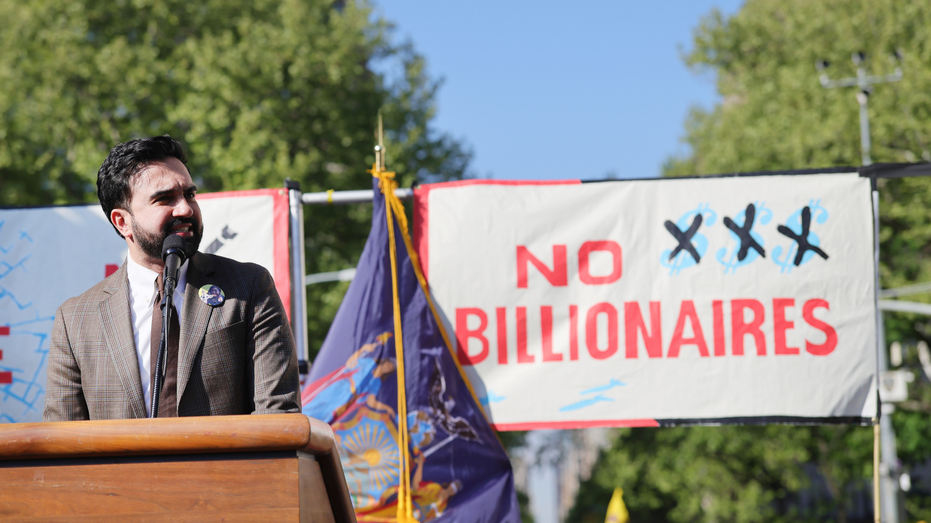
New York City Mayor Zohran Mamdani is seen speaking at an event in New York.

New York City Mayor Zohran Mamdani has previously criticized billionaires, including Ken Griffin, whom he recently thanked for supporting police. (Spencer Platt/Getty Images / Getty Images)

“That does not negate the fact, however, that our tax system is fundamentally broken,” the statement continued. “It rewards extreme wealth while working people are pushed to the brink.”

“The status quo is unsustainable and unjust,” it added. “If we want this city to become a place that working people can afford, we need meaningful tax reform that includes the wealthiest New Yorkers contributing their fair share.”

FOX Business’ Nikolas Lanum and Alexandra Koch contributed to this report.

Advertisement
Continue Reading

Business

Vale: Why I'm Not Buying This ~5x EBITDA Multiple Yet

Published

on

Vale: Why I'm Not Buying This ~5x EBITDA Multiple Yet

Vale: Why I'm Not Buying This ~5x EBITDA Multiple Yet

Continue Reading

Business

Gold at over one-week low as dollar, yields climb, Middle East tensions stoke inflation

Published

on

Gold at over one-week low as dollar, yields climb, Middle East tensions stoke inflation
Gold fell to a more than one-week low on Friday, as U.S. Treasury yields and the dollar climbed, while heightening inflation concerns due to the conflict in the Middle East reinforced bets for higher interest rates.

Spot gold was down 2.6% at $4,527.80 per ounce by 9:40 a.m. EDT (1340 GMT), its lowest since ‌May 5. Prices ⁠were ⁠down 4% so far this week.

U.S. gold futures for June delivery lost 3.2% to $4,535.

“There was a sell-off across the (precious metals) for a couple of reasons. The dollar is quite strong today. We’re also seeing not just a U.S. increase, but a global increase in (bond) yield rates,” said Edward Meir, an analyst at Marex.

Advertisement

Benchmark 10-year U.S. Treasury yields rose to a near ⁠one-year high, ‌increasing non-yielding bullion’s opportunity cost. The dollar was set for its highest weekly gain in two months, making greenback-priced gold more ⁠expensive for overseas buyers. [US/][USD/]


U.S. President Donald Trump said his patience with Iran was running out and left China with no major breakthroughs on trade or tangible help to end the war.
“The Chinese really didn’t offer much help in resolving the conflict, and we’re seeing crude oil move up, which reinforces the inflation narrative and that’s been very bearish for the metals,” he added. Crude oil prices have ‌risen more than 40% since the U.S.-Israel war on Iran began, leading to higher inflation globally. Central banks tend to hike interest rates during times ⁠of inflation, which in turn tends to dim non-yielding bullion’s appeal. [O/R]

Traders have largely priced out U.S. interest rate cuts this year while bets for a hike have risen, according to CME’s FedWatch Tool. [FEDWATCH]

Spot silver fell 8.7% to $76.26 per ounce, platinum lost 4.1% to $1,967.35, and palladium was down 1.9% at $1,409.75. All three were headed for weekly losses.

Silver fell as much as 9% earlier and was on track for its worst daily performance since March 3.

Advertisement
Continue Reading

Business

Crude oil surges 8% in a week to near $110 as Iran war tensions simmer again. Where are prices headed?

Published

on

Crude oil surges 8% in a week to near $110 as Iran war tensions simmer again. Where are prices headed?
Oil prices flared up as much as 8% this week, ending Friday’s session over 3% higher after remarks from U.S. President Donald Trump and Iran’s foreign minister weakened hopes of a near-term agreement to end ship attacks and seizures around the Strait of Hormuz.

Iranian Foreign Minister Abbas Araqchi said on Friday that Tehran has “no trust” in the United States and would engage in negotiations only if Washington showed seriousness. He added that Iran remains ready both for renewed conflict and for diplomatic solutions.

Crude oil price this week

Brent crude futures settled at $109.26 a barrel, rising $3.54 or 3.35%, while U.S. West Texas Intermediate crude ended at $105.42 a barrel, up $4.25 or 4.2%. For the week, Brent advanced 7.84%, and WTI gained 10.48%, as uncertainty surrounding the fragile ceasefire in the Iran war continued to keep markets on edge.

Advertisement

Trump, meanwhile, said he was losing patience with Iran and had agreed with Chinese President Xi Jinping that Iran cannot be allowed to develop a nuclear weapon and must reopen the Strait. Nearly one-fifth of the world’s oil and liquefied natural gas flows through the Strait of Hormuz, which serves as the main export route for Gulf producers including Saudi Arabia, Iraq and Qatar.

The rhetoric between Washington and Tehran turned increasingly confrontational once again. Although the ceasefire remains in place, expectations of a quick reopening of the Strait of Hormuz have diminished sharply.


Trump also concluded his visit to China. While Chinese President Xi Jinping did not publicly comment on discussions with Trump regarding Iran, China’s foreign ministry issued a statement saying, “This conflict, which should never have happened, has no reason to continue.”
Among the outcomes the market had been watching for from the U.S.-China summit, Trump said China agreed that Iran can’t possess a nuclear weapon. Tensions also flared between the two when Xi said the US and China’s relation could be in great jeopardy if the Taiwan issue wasn’t resolved.

Where are prices headed?

Analysts at Morgan Stanley said the global oil market is now in “a race against time,” warning that the factors limiting a sharper rise in crude prices may weaken if the Strait of Hormuz stays shut into June.

Despite disruptions impacting nearly 1 billion barrels of oil supply, crude prices are still below the highs reached in 2022 after Russia’s invasion of Ukraine. Analysts led by Martijn Rats said the market entered the current crisis with stronger supply buffers, while investors largely continue to believe the strait will eventually reopen.

Advertisement

Morgan Stanley added that higher U.S. crude exports and softer Chinese imports have so far helped shield the market from a deeper supply shock. However, the brokerage warned that a prolonged closure of Hormuz could once again tighten global supplies if disruptions continue beyond what either China or the United States can manage comfortably.

Haitong Futures said markets remain cautious and warned the ceasefire may only be temporary. The brokerage added that stalled negotiations between Washington and Tehran could trigger another escalation, pushing oil prices even higher.

Saudi Aramco CEO Amin Nasser said Monday that disruptions to shipments through Hormuz could delay the return of stability to oil markets until 2027, potentially affecting around 100 million barrels of oil supply every week.

(Disclaimer: Recommendations, suggestions, views and opinions given by the experts are their own. These do not represent the views of The Economic Times)

Advertisement
Continue Reading

Business

SAP SE (SAP) Shareholder/Analyst Call Transcript

Published

on

OneWater Marine Inc. (ONEW) Q1 2026 Earnings Call Transcript

SAP SE (SAP) Shareholder/Analyst Call May 13, 2026 11:00 AM EDT

Company Participants

Alexandra Kasper Steiger – Global Head of Investor Relations
Christian Klein – CEO & Member of Executive Board
Muhammad Alam – Lead product engineering & Member of Executive Board
Thomas Saueressig – Member of Executive Board
Malin Persson
Gina Vargiu-Breuer – Chief People Officer, Labor Director & Member of Executive Board
Sebastian Steinhaeuser – Chief Strategy Officer & COO and Member of Executive Board
Dominik Asam – CFO & Member of Executive Board

Advertisement

Conference Call Participants

Adam Wood – Morgan Stanley, Research Division
Toby Ogg – JPMorgan Chase & Co, Research Division
Jackson Ader – KeyBanc Capital Markets Inc., Research Division
Charles Brennan – Jefferies LLC, Research Division
Ben Castillo-Bernaus – BNP Paribas, Research Division
Johannes Schaller – Deutsche Bank AG, Research Division
Mohammed Moawalla – Goldman Sachs Group, Inc., Research Division
Michael Briest – UBS Investment Bank, Research Division
Frederic Boulan – BofA Securities, Research Division

Presentation

Advertisement

Operator

Good morning. At this time, we would kindly ask that you please take your seats and silence all devices as our program is about to begin. Thank you. Please welcome to the stage SAP Global Head of Investor Relations, Alexandra Steiger.

Alexandra Kasper Steiger
Global Head of Investor Relations

Advertisement

That was a little too fast. Good morning, everyone, and thank you for joining us at our annual financial conference. We hope you’re enjoying Sapphire so far and had a chance to walk the floor and explore all the exciting innovation here on display in Orlando. A warm welcome as well to those joining us virtually from around the world.

Today’s agenda offers a great chance to hear directly from our executive team, take a closer look at some of the key developments across our product portfolio and see how our technology and strategy are coming together here at SAP. As AI continues to

Advertisement
Continue Reading

Trending

Copyright © 2025