
Business
Which 2026 Foldable Wins for Thinness, Power or Battery?


Samsung’s Galaxy Z Fold 7 and Google’s Pixel 10 Pro Fold represent the pinnacle of 2026 book-style foldables, pitting Samsung’s ultra-slim design and raw power against Google’s superior battery life, cameras and pure Android experience in a head-to-head battle that has divided reviewers and buyers since both devices launched last year.

Released in July 2025, the Galaxy Z Fold 7 starts at $1,999 and quickly became known as the thinnest and lightest mainstream foldable yet. Google countered in October 2025 with the Pixel 10 Pro Fold at a more accessible $1,799 starting price. As of April 2026, both phones have received software updates, real-world testing and direct comparisons that highlight clear trade-offs rather than a single outright winner.
The most striking difference is physical design. Samsung engineered the Z Fold 7 to feel as close as possible to a traditional slab phone. It measures just 8.9mm thick when folded and an astonishing 4.2mm when unfolded, weighing only about 215-216 grams. Reviewers consistently praise how pocketable and comfortable it feels for all-day carry, describing it as transformative for first-time foldable users who previously found the category too bulky.
In contrast, the Pixel 10 Pro Fold remains noticeably thicker and heavier — over 40 grams more than the Z Fold 7 in many measurements. While still an improvement over earlier Pixel Folds, it does not match Samsung’s refinement in this area. Many testers say the weight difference becomes evident during prolonged use, especially when holding the device unfolded for media consumption or multitasking.
Display quality is competitive but favors Samsung slightly for everyday versatility. Both offer roughly 8-inch inner folding panels with 120Hz adaptive refresh rates and high peak brightness reaching 3,000 nits or more. The Z Fold 7’s 6.5-inch cover display features a taller 21:9 aspect ratio that many find more usable for one-handed operation compared with the Pixel’s 6.4-inch outer screen. Crease visibility has improved on both, but Samsung’s panel often edges out in outdoor visibility and color vibrancy according to side-by-side tests.
Performance leans toward Samsung. The Galaxy Z Fold 7 is powered by the Snapdragon 8 Elite for Galaxy, an overclocked flagship chip that delivers superior benchmark scores and smoother gaming. Paired with 12GB RAM (or 16GB on 1TB models), it handles demanding tasks like video editing and heavy multitasking with less thermal throttling. Google’s Tensor G5 in the Pixel 10 Pro Fold prioritizes AI efficiency over raw speed; it includes 16GB RAM standard and excels in on-device machine learning features, but falls behind in sustained performance for graphics-intensive games.
Battery life tells the opposite story. The Pixel 10 Pro Fold packs a larger 5,015mAh cell and routinely delivers longer endurance, often lasting well into a second day of moderate use. The Z Fold 7’s 4,400mAh battery is adequate for most users but frequently requires topping up by evening, especially with the inner display active. Charging speeds are modest on both — 25W wired for Samsung and 30W for Google — with wireless options available.
Camera systems showcase the brands’ traditional strengths. Samsung equips the Z Fold 7 with a 200MP main sensor that captures highly detailed shots and offers strong zoom capabilities. Reviewers note excellent low-light performance and natural colors in many conditions. Google’s Pixel 10 Pro Fold relies on computational photography magic, delivering cleaner, more vibrant and consistently color-accurate images, particularly in challenging lighting. While the Pixel’s hardware specs appear lower on paper, its AI-driven processing often produces more pleasing results for casual shooters and content creators. Video recording and specialized features like audio sync also tilt toward Google.
Software and multitasking represent another key divide. Samsung’s One UI 8 on Android 16 provides extensive customization, advanced split-screen and multi-window features that power users love. The Z Fold 7 feels optimized for productivity, with seamless app continuity when unfolding. Google’s stock-like Android experience on the Pixel 10 Pro Fold offers cleaner navigation, faster updates and deeper integration with Gemini AI tools. However, it lacks some of Samsung’s foldable-specific optimizations for heavy multitasking.
Durability and build quality favor Google in one important area: the Pixel 10 Pro Fold carries a full IP68 rating for dust and water resistance, making it more suitable for outdoor or dusty environments. Samsung’s Z Fold 7 improves on previous generations but stops at IP67/IP48-level protection in some reports. Both devices have enhanced hinge durability, though foldables in general still require careful handling.
Pricing and value depend on priorities. At $1,799, the base Pixel 10 Pro Fold undercuts the Z Fold 7’s $1,999 entry point and includes more RAM by default. Higher storage tiers widen the gap, with 1TB models pushing Samsung closer to $2,400. Trade-in deals and carrier promotions can narrow the difference, but Samsung commands a premium for its refined design.
Early 2026 reviews and user feedback reflect the split. Many who prioritize portability, performance and a premium feel lean toward the Galaxy Z Fold 7, calling it the best foldable for most people. Others praise the Pixel 10 Pro Fold for better battery life, cameras in real-world scenarios, durability and the pure Google experience at a lower price. Some buyers switch between both, using the Samsung for its slim profile and the Pixel for travel or photography.
Long-term software support favors Google, which typically delivers seven years of updates. Samsung has closed the gap significantly but still trails slightly in promised platform longevity. Both receive regular security patches and feature drops.
For buyers deciding in April 2026, the choice boils down to lifestyle. Frequent travelers or those who value a phone-like folded experience and top-tier performance should consider the Galaxy Z Fold 7. Users who need all-day battery, excellent computational photography, stronger dust/water resistance and seamless AI features may prefer the Pixel 10 Pro Fold.
Neither device is perfect. Foldables remain expensive, crease visibility persists to varying degrees, and repair costs are high. Yet both represent meaningful progress in making the category more practical for everyday users.
As the foldable market matures, Samsung continues to lead on hardware refinement while Google differentiates through software intelligence and value. The Galaxy Z Fold 7 currently holds a slight edge in most head-to-head reviews for its overall balance, but the Pixel 10 Pro Fold wins converts with its strengths in battery, cameras and affordability.
Prospective buyers should test both in-store if possible, as the feel of a foldable in hand often decides the winner more than specs alone. With trade-in programs and potential summer sales approaching, now remains an excellent time to evaluate which 2026 flagship foldable better suits individual needs.



Past cycles suggest these periods of disruption are often short-lived.
Business
MAFS 2026’s Bec Zacharia Reveals Danny Hewitt ‘Completely Cut Her Off’ After Brutal Final Vows

Married at First Sight Australia 2026 bride Bec Zacharia has opened up about the devastating end of her on-screen marriage to Danny Hewitt, revealing he “completely cut her off” days after Final Vows and left her so heartbroken she “didn’t get out of bed for six days.”

In an emotional exclusive interview published Tuesday, Zacharia described the breakup as “horrific” and “gut-wrenching,” saying she truly believed Danny was committed after weeks of private reassurances that he was falling for her. “It absolutely broke my heart,” she told reporters, detailing a brutal phone call in which Hewitt ended contact and made clear there would be no future together outside the experiment.
Zacharia, 32, and Hewitt, whose full name has been reported as Danny Hewitt in some coverage, were one of the more complex pairings of the season. Their journey included fiery arguments, a dramatic retreat exit, accusations involving other participants, and moments of apparent growth. Yet behind the cameras, the relationship unraveled quickly once the structured environment of MAFS ended.
According to Zacharia’s account, the couple reached Final Vows with her fully intending to continue the relationship. She expressed love and envisioned a real future. Danny, however, chose to end things on the day, delivering what she called a blindsiding rejection despite earlier off-camera comments suggesting he was developing genuine feelings. “I told him I loved him… and he dumped me,” she said. “I really believed him.”
Emotional Fallout and Radio Silence
The immediate aftermath proved crushing. Zacharia returned home in tears and spiraled into deep distress. “I bawled my eyes out the whole way home,” she recalled. For six straight days, she remained in bed, unable to face daily life as the reality of the rejection set in. “I didn’t get out of bed for six days,” she said, describing the period as one of profound heartbreak and emotional exhaustion.
Days later, a phone call from Danny delivered the final blow. In the conversation, he reportedly made it clear he was cutting off all contact and had no interest in pursuing anything further. Zacharia said the exchange left her feeling completely abandoned after investing emotionally throughout the experiment. Sources close to the production noted that Danny had privately reassured Bec multiple times that he wanted a future with her, even begging her to stay together during an earlier unaired breakup attempt following the “Grass is Greener” challenge.
Insiders told outlets including Refinery29 Australia and Chattr that Danny appeared more interested in the fame aspect of the show than in building a lasting romance. “He was clearly not into Bec from the get-go,” one source claimed, though footage and comments showed mixed signals, with Danny telling her off-camera that their connection was strong and that he saw potential.
Their Rocky MAFS Journey
Bec and Danny’s time on MAFS 2026 was marked by highs and lows from the start. Early episodes highlighted tension, including a retreat drama involving a controversial toast by Bec that sparked arguments with other brides like Gia Fleur. The couple temporarily left the retreat to escape the pressure, with Danny later explaining he wanted to protect Bec and give them space to recharge.
Despite the chaos, they returned and navigated commitment ceremonies with moments of vulnerability. Bec pushed for clarity and seriousness, at one point issuing an ultimatum about not proceeding to Final Vows with someone who was only a “maybe.” Danny, for his part, spoke about his discomfort with certain conversations and accused Bec of putting him in difficult positions.
An unaired incident reportedly saw Bec attempt to end things after a heated fight during the “Grass is Greener” challenge, only for Danny to reassure her and ask her to stay, promising he envisioned a future. Viewers saw glimpses of this dynamic, with Danny sometimes appearing hesitant while Bec fought for the relationship.
Final Vows represented the climax — and for Bec, the crushing end. While she chose to stay and continue, Danny reportedly rejected her, leading to the post-experiment silence and the painful phone call.
Broader Context in MAFS 2026 Season
Bec and Danny’s story fits a familiar MAFS pattern: intense emotions forged under the spotlight often fail to translate to real-world success. The 2026 season has featured its share of dramatic splits, with only a handful of couples — most notably Stella Mickunaite and Filip Gregov — reportedly still together and even engaged as of April 2026.
Other pairings, including Rachel Gilmore and Steven Danyluk, have also ended shortly after Final Vows, highlighting the gap between the experiment’s artificial environment and everyday life. Experts on the show, including those stepping in after the passing of relationship specialist Mel Schilling, emphasized communication and realistic expectations, themes that resonated in Bec’s reflections.
Zacharia has been open about her past, including calling off a previous wedding months before filming due to an unhealthy dynamic with her ex-fiancé. Her willingness to be vulnerable on MAFS drew both support and criticism from viewers, with some praising her directness and others questioning the intensity of certain moments.
Danny has addressed aspects of the drama in media appearances, including discussions about retreat tensions and accusations involving other cast members like Gia. He has described handling pressure differently from Bec and noted the challenges of the group environment.
Life After the Split and Public Reaction
Since the breakup, Zacharia has been spotted looking subdued in public, with insiders describing her as still processing the emotional toll. She has leaned on friends and focused on self-care, though the six-day bedridden period remains a raw memory of how deeply the rejection affected her.
Social media reactions to the latest revelations have been mixed. Many fans expressed sympathy for Bec, calling the apparent mixed signals from Danny unfair and praising her for speaking out. Others debated the couple’s on-screen chemistry, with some suggesting early red flags were visible in Danny’s body language and hesitation.
Danny has maintained a relatively low profile on the specifics of the Final Vows fallout in recent interviews, though he has participated in broader discussions about his MAFS experience. Neither has issued a joint statement, and their social media activity shows no signs of reconciliation.
As reunion episodes approach, viewers anticipate more insight into the couple’s final days in the experiment and the real reasons behind the split. Bec’s interview adds another layer to the ongoing narrative, underscoring the personal cost participants often pay long after cameras stop rolling.
In a season filled with explosive dinner parties, commitment ceremony tears and surprise twists, Bec Zacharia’s candid account of heartbreak serves as a reminder of the human side of reality television. “It absolutely broke my heart,” she said — words that have resonated with many who have followed the couple’s turbulent ride.
For now, Zacharia is focusing forward, while the MAFS 2026 cast continues to make headlines as the season draws toward its conclusion on Channel 9 and 9Now.
Business
US Strikes Military Targets on Iran’s Kharg Island as Trump Issues Stark Deadline to End War

U.S. forces conducted airstrikes on dozens of military targets on Iran’s strategic Kharg Island early Tuesday, a senior U.S. official confirmed, escalating pressure on Tehran just hours before President Donald Trump’s deadline for a deal to reopen the Strait of Hormuz and end the five-week-old conflict.

The precision strikes targeted military bunkers, storage facilities, air defense systems and other installations on the island — Iran’s primary oil export hub handling roughly 90% of the country’s crude shipments — but deliberately spared oil infrastructure, according to the official and White House sources. Iranian media reported explosions and smoke rising from sites on the island in the Persian Gulf.
The operation comes as Trump warned that failure to reach an agreement by 8 p.m. ET Tuesday could result in devastating strikes on Iran’s broader infrastructure, stating “a whole civilization will die tonight, never to be brought back again” if Iran does not comply. “I don’t want that to happen, but it probably will,” he added in a Truth Social post and White House remarks.
U.S. Central Command has not immediately issued a formal statement on the latest Kharg Island action, but officials described it as follow-up or “restrikes” on sites previously hit in March. No U.S. ground troops were involved, and the strikes were carried out from the air along the northern side of the island.
Strategic Importance of Kharg Island
Kharg Island, a small but vital outpost off Iran’s coast in the Persian Gulf, serves as the country’s “crown jewel” for oil exports. The island features extensive terminals, pipelines, storage tanks and supporting military facilities used by the Islamic Revolutionary Guard Corps (IRGC) to protect and project power in the region.
Earlier in the conflict, on March 13, U.S. forces struck more than 90 military targets there, including naval mine storage, missile bunkers and air defenses, while leaving oil facilities intact “for reasons of decency,” Trump said at the time. Tuesday’s action appears aimed at further degrading Iran’s ability to sustain operations in the Strait of Hormuz, through which about one-fifth of global oil passes.
Iranian state media, including Mehr News Agency, reported multiple large explosions on the island, with some accounts claiming U.S. and Israeli involvement. Tehran has not yet provided a detailed damage assessment, but officials previously vowed retaliation for any attacks on the facility, describing it as a red line.
The strikes occurred amid a broader U.S. campaign dubbed elements of “Operation Epic Fury,” focusing on neutralizing Iran’s nuclear ambitions, proxy networks and threats to international shipping. Trump has repeatedly framed the military pressure as necessary to force Tehran back to negotiations on favorable terms, including unrestricted oil transit and verifiable limits on its nuclear program.
Trump’s Escalating Warnings and Deadline
In remarks Monday and Tuesday, Trump ramped up rhetoric, threatening to destroy Iran’s electric generating plants, bridges, oil wells and possibly desalination facilities if no deal materializes. He claimed the U.S. military could “take out” much of the country in a single night and suggested regime change could open the door to a more moderate government.
The 8 p.m. ET deadline centers on reopening the Strait of Hormuz fully and agreeing to de-escalation measures. Trump has expressed optimism that “smarter minds” in Iran could prevail but warned that continued defiance would invite overwhelming force. “We will find out tonight one of the most important moments in the long and complex history of the World,” he posted.
Administration officials stressed that the goal remains a diplomatic resolution that ensures free navigation and prevents Iran from acquiring nuclear weapons. Defense Secretary Pete Hegseth and other Pentagon leaders have coordinated closely with regional allies, including Israel, which has conducted parallel strikes.
Broader Context of the Five-Week Conflict
The war erupted in early March 2026 after escalating tensions over Iran’s nuclear enrichment, attacks on shipping and support for regional proxies. U.S. and Israeli forces have conducted extensive airstrikes on Iranian military and nuclear-related sites, while Iran has launched missiles and drones at U.S. assets and allies, causing casualties and damage.
A previous round of Kharg Island strikes in March degraded IRGC capabilities but did not halt Iran’s efforts to disrupt Hormuz traffic through mines and other means. The U.S. has deployed additional Marines and naval assets to the region, raising speculation about potential ground operations, though officials emphasized Tuesday’s action remained aerial.
Oil markets reacted with volatility to the latest strikes and Trump’s deadline. Futures prices fluctuated as traders assessed risks to global supply. Analysts warned that sustained disruption or direct hits on export infrastructure could spike prices further, affecting inflation worldwide.
Iranian officials rejected the ultimatum, insisting talks cannot proceed under military pressure and demanding an immediate end to strikes. Foreign Ministry spokespeople called the actions “aggression” and threatened that “restraint is over” if red lines are crossed. Tehran has proposed its own frameworks but maintains it will defend its sovereignty.
International Reactions and Humanitarian Concerns
Gulf allies have expressed private worries about escalation and potential retaliation against their own infrastructure, while publicly supporting efforts to secure shipping lanes. European nations and the United Nations called for de-escalation and restraint to avoid a wider regional war.
Critics, including some U.S. lawmakers and international observers, raised concerns about civilian impacts and the legality of targeting dual-use infrastructure. The administration countered that all strikes have focused on military objectives and that allowing Iran a nuclear weapon poses a greater long-term threat.
Civilian casualties have been reported in various provinces from ongoing operations, though precise figures remain disputed. Humanitarian groups urged protection of critical infrastructure like desalination plants that supply drinking water.
What’s Next as Deadline Approaches
As evening falls on April 7, attention centers on whether Iranian leaders will signal concessions or if U.S. forces will execute further strikes. Trump has indicated active talks but prepared contingency plans for “complete demolition” if demands go unmet.
Pentagon sources described the military as ready for multiple scenarios, including intensified bombing campaigns lasting hours or days. No decision on seizing Kharg Island has been announced, though experts debate the risks and benefits of such a high-stakes ground operation.
For now, the strikes on Kharg Island serve as a tangible demonstration of U.S. resolve. They reinforce Trump’s “peace through strength” approach while raising the stakes dramatically ahead of the self-imposed deadline.
The coming hours could prove decisive in determining whether the conflict de-escalates through diplomacy or enters an even more destructive phase with profound consequences for the Middle East, global energy security and international stability.

A Delta Air Lines Airbus A350 airplane lands at Los Angeles International Airport after arriving from Atlanta on March 7, 2026 in Los Angeles, California.
Kevin Carter | Getty Images
Delta Air Lines raised its fee for checked bags by $10 for tickets purchased starting Wednesday, the third major U.S. carrier to increase prices as the industry grapples with a jump in jet fuel expenses this year.
“These updates are part of Delta’s ongoing review of pricing across its business and reflect the impact of evolving global conditions and industry dynamics,” the company said in a statement Tuesday.
The changes would bring the fee to check a first piece of luggage on a domestic or short-haul international flight to $45, and $55 for a second bag. A third bag would cost $200 to check.
Last week, United Airlines and JetBlue Airways increased their checked bag fees. Other carriers often follow such pricing moves.
Jet fuel in major U.S. cities was going for $4.69 a gallon on Monday, according to Airlines for America, citing Argus data, up nearly 88% since the U.S. and Israel attacked Iran on Feb. 28. The key Strait of Hormuz shipping channel has remained effectively closed over the past month, choking off global crude and refined fuel supplies.
Delta reports first-quarter results before the market opens on Wednesday, and investors are likely to question executives on how well they are covering the surge in fuel, airlines’ biggest expense after labor. Analysts have pointed to strong demand as a salve for high fuel, but it’s not clear that carriers will be able to cover the entirety of the fuel price run-up.


The Value Investor has a Master of Science with specialization in financial markets and a decade of experience tracking companies via catalytic company events. As the leader of the investing group Value In Corporate Events they provide members with opportunities to capitalize on IPOs, mergers & acquisitions, earnings reports and changes in corporate capital allocation. Coverage includes 10 major events a month with an eye towards finding the best opportunities. Learn more.
Analyst’s Disclosure: I/we have no stock, option or similar derivative position in any of the companies mentioned, but may initiate a beneficial Long position through a purchase of the stock, or the purchase of call options or similar derivatives in WOR over the next 72 hours. I wrote this article myself, and it expresses my own opinions. I am not receiving compensation for it (other than from Seeking Alpha). I have no business relationship with any company whose stock is mentioned in this article.
Seeking Alpha’s Disclosure: Past performance is no guarantee of future results. No recommendation or advice is being given as to whether any investment is suitable for a particular investor. Any views or opinions expressed above may not reflect those of Seeking Alpha as a whole. Seeking Alpha is not a licensed securities dealer, broker or US investment adviser or investment bank. Our analysts are third party authors that include both professional investors and individual investors who may not be licensed or certified by any institute or regulatory body.

A Geraldton-based airline has become the latest WA company to allegedly fall victim to the Anubis ransomware group, with the cyber criminals claiming to have exfiltrated 56 gigabytes of sensitive data.

Cantor Fitzgerald reiterates Surgery Partners stock Overweight rating
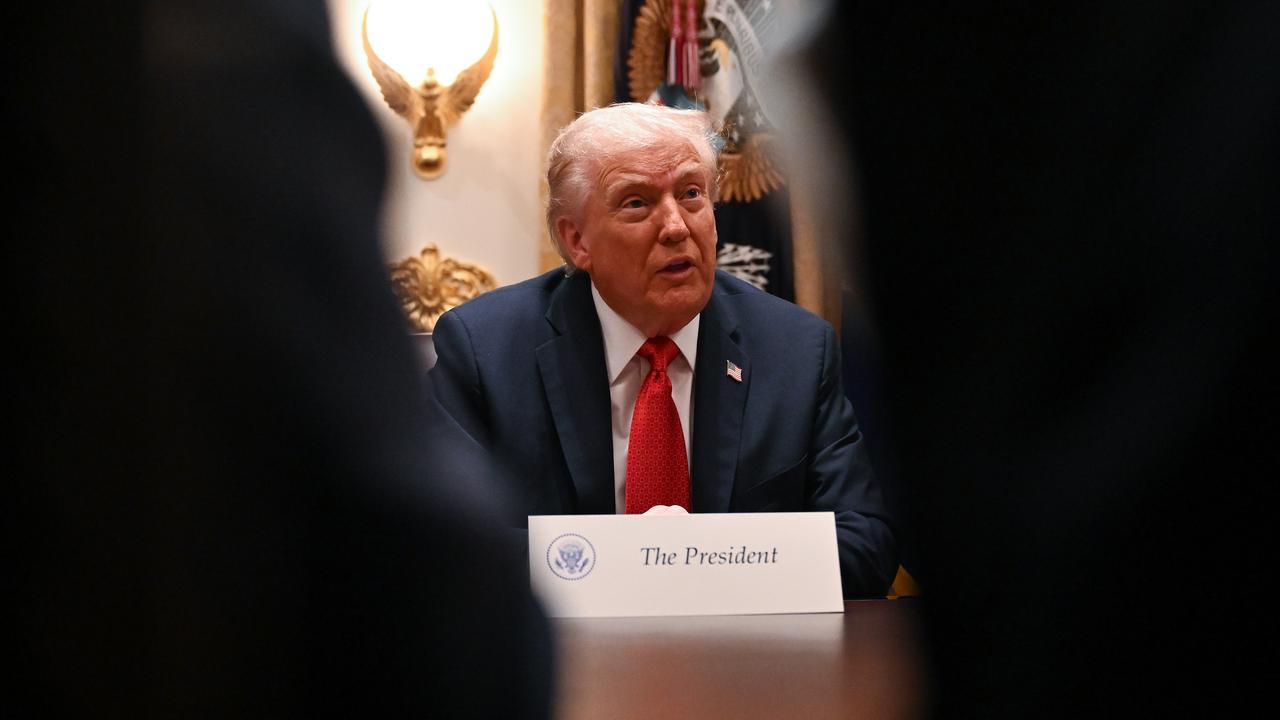
The local share market has backed off from an early rally, with oil prices inching higher before a US ultimatum to Iran to make a deal or face further attacks on civilian infrastructure.

The cap on Plan 2 and postgraduate loan interest rates comes amid a risk of rising inflation.
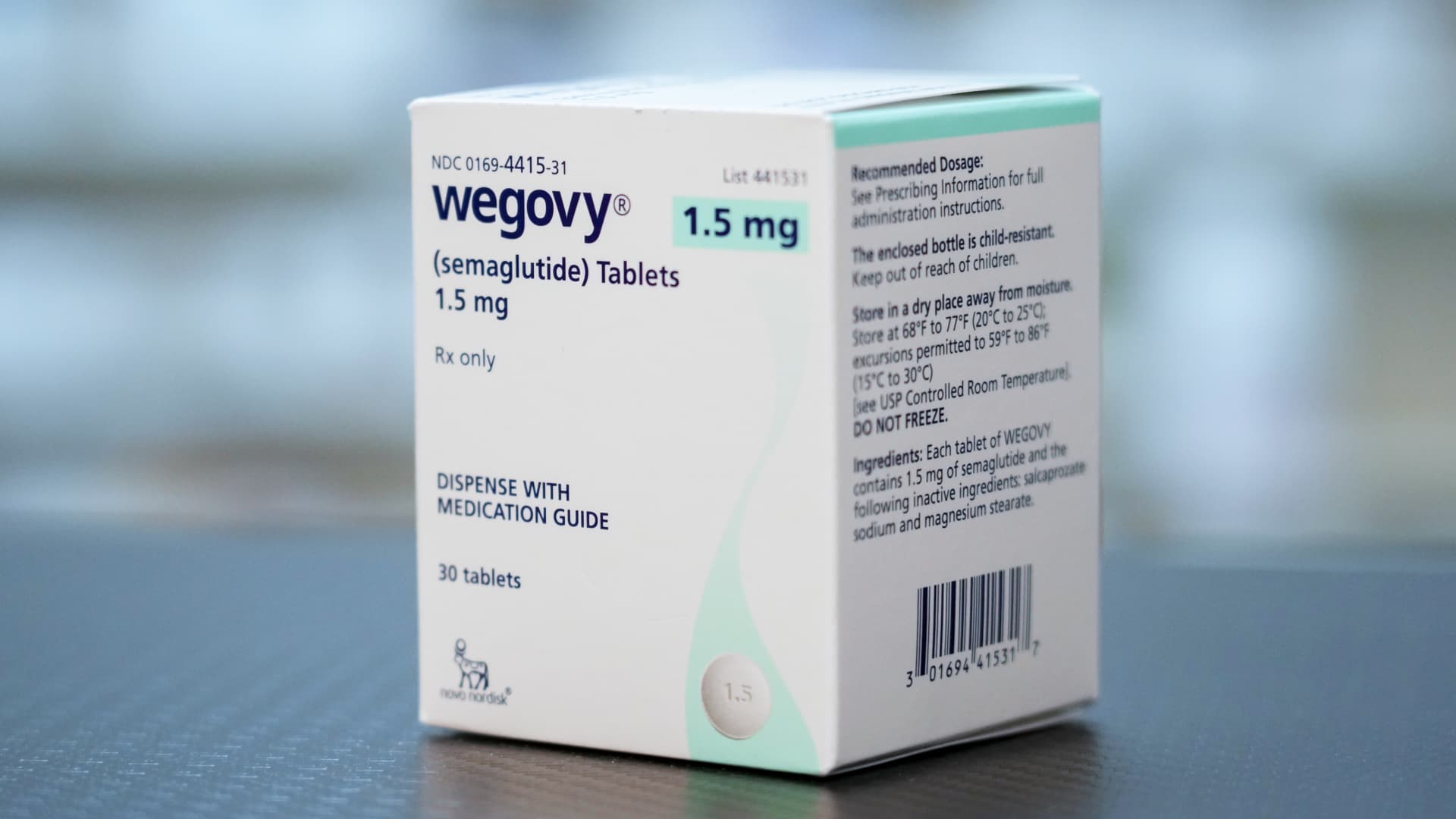

After years of trying to lose weight “the right way,” Jane Zuckerman realized that “putting in the work just wasn’t enough.”
Zuckerman, a 32-year-old data analyst based in Washington, D.C., said she lost 90 pounds in college and spent years cycling through nutritionists, therapy and strict routines — only to find herself at her heaviest after the pandemic, at 270 pounds.
Zuckerman said GLP-1 injections were out of the question, because she’s afraid of needles. But when the first GLP-1 pill for obesity became available in early January, Zuckerman called her doctor immediately, she said.
Almost a month after starting Novo Nordisk‘s new Wegovy pill shortly after it launched, she said, she had lost around 11 pounds.
Zuckerman is among tens of thousands of patients who drove an explosive demand for prescriptions for Novo’s pill just three months into its launch. Many of them share a common thread: They had long held off on using GLP-1s due to barriers such as high out-of-pocket costs for injections or a fear of needles.
That’s one of the earliest takeaways from the rollout: Novo’s pill appears to be expanding the obesity treatment market, largely drawing in new patients rather than converting existing ones from injections. CNBC spoke with five U.S. patients who recently started the pill following its launch, all of whom said they have not previously taken branded GLP-1 injections.
But it’s early days for the pill. Many patients have yet to reach higher doses of the drug, and their experiences vary. It will take more time to determine how effective the pill is in supporting patients’ long-term weight loss journeys, whether it helps keep users on GLP-1s for longer than injections do and whether demand for Novo’s product will hold in the face of fresh competition from Eli Lilly.
Novo has a head start in the pill arena over Lilly, which just won U.S. approval of its own GLP-1 drug for obesity last week. Analysts previously told CNBC they still expect that rival pill, called Foundayo, to capture a segment of the market, in part because it lacks the dietary restrictions that come with Novo’s oral drug.
Still, the Wegovy pill appears to have had the most explosive launch of a GLP-1 product yet. The latest number that Novo disclosed in February is that more than 600,000 prescriptions had been written since its launch, including for more than 3,000 patients in the first week.
Analysts at BMO Capital Markets attributed some of the early uptake to an “attractive” entry price of $149 per month and its connection to the well-known Wegovy brand. The pill carries one of the lowest cash prices for a GLP-1 therapy, ranging from $149 to $299 per month, depending on the dose.
Even so, the pill’s launch has done little to boost Novo’s stock price, as the Danish drugmaker is struggling to win back market share from Lilly in the broader obesity space and convince investors that its drug pipeline can help it grow beyond its existing products.
Novo is expected to report first-quarter sales, which will include the pill for the first time, in May. But sales of the overall Wegovy portfolio are expected to increase from $13.5 billion in 2026 to $18.9 billion in 2031, with the pill contributing $2.76 billion, according to a March GlobalData report.
Reaching new patients
The Wegovy pill is attracting patients with a fear of needles, which is estimated to affect up to 25% of U.S. adults. But the drug is also an alternative for those who have had difficulty accessing branded GLP-1 injections or other medications.
“There are a handful of patients that don’t want to be stung by the needle in the case of a vial and syringe, or stung by the price,” Jamey Millar, Novo’s head of U.S. operations, told CNBC in an interview last week. “We’re appealing to both.”
Dr. Eduardo Grunvald, medical director of the UC San Diego Health Center for Advanced Weight Management, said the main reason he’s prescribed the Wegovy pill to some patients is cost, since its cash prices are slightly lower than those of injections. But Grunvald said overall, obesity medicine specialists like him will still be inclined to prescribe injections over oral drugs, in part because the shots are more effective.
A box of Wegovy pills arranged at a pharmacy in Provo, Utah, US, on Thursday, Jan. 15, 2026.
George Frey | Bloomberg | Getty Images
Cost was a deciding factor for Amy Sawyer-Williams, who works at a theater company in Raleigh, North Carolina, and has gestational diabetes. In 2023, a few years after her son was born, she said, she began developing prediabetes and met the criteria for obesity. She said she would have started using GLP-1 injections sooner, but her insurance would not cover them for her.
That was long before Novo and Lilly slashed the cash prices of their obesity and diabetes injections.
The list prices of their shots are roughly $1,000 per month before insurance and other rebates, or discounts for cash-paying patients — a sum that has long prevented many others from starting and staying on treatment. Novo has committed to cutting the monthly list prices of its drugs in the U.S. by up to 50%, but that change won’t go into effect until 2027.
High prices also shut Sawyer-Williams out from taking the branded weight management treatment Contrave, pushing her to combine two generic medications to mimic the drug’s effects, she said. But earlier this year, she said, her endocrinologist recommended the Wegovy pill, in part due to its lower $149 per month pricing for the starting dose.
Sawyer-Williams became the first patient at her doctor’s practice and local Walgreens to take the pill, starting in mid-January, she said.
Some Wegovy pill users are patients who wanted to switch over from injections, said Dr. Heather Hofflich, a physician and endocrinologist at UCSD Health. She said she’s prescribed the pill for some people whose insurance stopped covering the injections but who want to continue treatment.
Hofflich said she has also prescribed the oral drug to patients who lost weight initially on a shot but are now trying the pill to maintain that progress.
Early progress
While it’s still early, some patients said they’re already benefiting from taking Novo’s drug.
Zuckerman was initially skeptical of how effective the product would be, because it’s an oral medication. But, she said, “I swear I felt the impact on the first day,” particularly decreased appetite and disinterest in food.
“Things that used to give me enjoyment, or things I used to binge on, they just don’t taste as good anymore, and I just don’t see the point in eating them, honestly,” Zuckerman said, listing coffee, cheese, bread and fries, among other food and beverages.
She said she dealt with nausea — a common side effect of the GLP-1 class — but that became more manageable after the first two weeks on the pill.
Zuckerman also said what matters more than the weight loss or food urges is how she feels: “My clothes are looser, I have more energy, I genuinely feel better.”
Cherie Marcus, 72, a retired fabric designer and theater editor based in Brooklyn, said she’s also seen gradual progress — even on the lowest 1.5-milligram dose of the drug. She said that over the last 30 years, after her daughter was born, she’s gained weight and seen her hemoglobin A1c — a key measure of blood sugar levels — creep up.
Marcus said she started the pill on Jan. 24, and has lost about a pound a week while taking the lowest dose for seven weeks. Patients typically increase their dosage after a month, but Marcus said she’s still taking the lowest strength as of early April.
But her weight has “leveled off” over the past few weeks, she said, so she will likely move to a higher dose if she stops losing weight entirely. Marcus sees herself taking the pill long term, with a goal of losing around 30 pounds.
Novo’s Millar last week said some patients may start on lower doses and “be perfectly fine with that,” hitting their own personal goals for weight loss. But the company is monitoring how many patients increase to higher doses of the drug, particularly the 9-mg and 25-mg versions.
Courtney Kim, a stay-at-home mom based in Pittsburgh, is among the patients taking the Wegovy pill who have yet to experience notable side effects.
While she doesn’t qualify as obese, Kim said, the “weight would just not come off” after she had her three children. She started the pill around mid-February after struggling to lose weight with the use of other prescription medications and supplements, she said.
Kim started at a weight of roughly 158 pounds and has so far lost nearly 7 pounds on the pill, she said. She recently started the 4-mg dose of the drug.
“It’s actually working, and I’m shocked that the weight is actually like coming off and staying off,” Kim said. “So far I’ve had a positive experience.”
Some patients wait and see
The early experience with the pill hasn’t been smooth for everyone. UCSD’s Hofflich said she had one patient who could not tolerate the pill due to its gastrointestinal side effects, which is a common issue with the injections, as well.
Another patient had to switch to an injection because the pill’s dietary restrictions — which involve taking it with a small amount of water and waiting 30 minutes before eating or drinking — did not fit into their lifestyle, Hofflich said. Two patients who haven’t seen progress on higher doses of the pill are switching to injections, she said.
Hofflich said other patients who haven’t seen progress on lower doses are starting to take higher doses to see if that will make a difference.
That includes a patient based in New Hampshire named Amy, who said she began taking the Wegovy pill in early February. She asked CNBC not to use her last name, for privacy reasons.
Amy said she initially considered a branded GLP-1 treatment two years ago after her weight crept up to 190 pounds, but her doctor said her insurance wouldn’t cover it. Amy then turned to cheaper, unapproved compounded versions of GLP-1s for a year and lost 30 pounds before stopping in November.
She said the two lowest doses of the Wegovy pill — 1.5 mg and 4 mg — “did absolutely nothing for me” over two months.
Novo’s cash discounts allowed Amy to pay roughly $300 total for a month’s worth of each dose, but she said she feels “frustrated” that she still feels hungry and has noticed no changes apart from side effects including constipation. Amy said her weight is “hovering” around 170 pounds.
“It just kind of felt like a waste of time,” she said.
Amy said she plans to start the 9-mg dose of the pill soon, hoping that she’ll begin to see the benefits of treatment. She said if that doesn’t work, she’ll discuss with her doctor whether to try the highest dose, 25 mg, or potentially turn back to compounded GLP-1s.
Meanwhile, Sawyer-Williams is restarting the lowest dose of the pill after pausing the drug due to gastrointestinal side effects. She said she was nervous about starting the pill, because she’s always had a sensitive stomach.
During her first three weeks on the 1.5-mg dose of the oral drug, she did not notice any weight loss, but experienced nausea if she didn’t eat, Sawyer-Williams said. She started to feel less interested in food by her fourth week, she said, but began taking the next dose, 4 mg, shortly after.
On the seventh day of taking that dose, Sawyer-Williams said, she experienced “the worst” nausea, vomiting and dehydration, which caused her to stop treatment.
“I wish I had just stayed on the 1.5” dose, she said. “I was really, really sick. Even when I quit the pill, I just couldn’t keep down water.”
Sawyer-Williams started at a weight of 177 pounds and lost five pounds overall after taking the drug, she said. She’s been off treatment for a few weeks, but started the lowest dose of the pill as of early April with new habits, including staying hydrated and starting to lift weights, she said.
“We’re going to just have to hope that it’s enough to help me,” she said, referring to the lowest dose.
Dr. Andrea Traina, Novo’s obesity medical director, recommended that patients who are struggling with side effects talk to their health-care provider about strategies to mitigate them. For example, she said some people may benefit from staying on a lower dose until they tolerate the drug better before increasing to a higher dosage.
“Treating obesity, just like most chronic diseases, is kind of a marathon, not a sprint,” Traina said in an interview. “So adding an extra month or two to help with tolerability upfront can help with kind of long-term success.”
Unanswered questions
Several questions remain about the long-term use of the pill, especially on higher doses, and it may not be the best obesity treatment for every patient, experts said.
Traina said each patient has an individual response, and they may respond well above or well below average in terms of weight loss and side effects. That can be tied to their genetics, environment or dietary habits, and experiences can vary slightly across certain populations and age groups, she said.
“It’s very tough to know why one patient’s responding to something and another isn’t,” Traina said, adding that it’s “one of the many benefits of having multiple treatment options available.”
Having an oral option at lower cash prices that “can be attainable for a larger population is a very good thing, to help us cure or alleviate this chronic disease state,” said UCSD’s Hofflich.
She said in the coming months, particularly with the rollout of Lilly’s new drug, “we’ll have many more stories and outcomes” of pills to evaluate, allowing for clearer comparisons between the two pills as well as injections.
Patients such as Zuckerman may offer an early glimpse of those who stand to benefit most from the pill — and the cases where it resonates.
“I was in this boat of seeing the pill as cheating and feeling like I had to lose the weight the hard way,” she said. “But that doesn’t work for everybody, and eventually I got to the point where I was like, do I want to be stubborn and try to do this the ‘right way,’ or do I want to die from being obese?”
“Jumping on the opportunity to the pill at this stage in my life was the right decision,” Zuckerman said.

4 Semi Truck Brands You Didn’t Know Were Owned By Volvo

When you get red envelope money

Ex-NUFC man Joey Barton denies attack outside golf club


-

 NewsBeat5 days ago
Steven Gerrard disagrees with Gary Neville over ‘shock’ Chelsea and Arsenal claim | Football
-

 Business5 days ago
No Jackpot Winner and $194 Million Prize Rolls Over
-

 Fashion4 days ago
Weekend Open Thread: Spanx – Corporette.com
-

 Crypto World6 days ago
Gold Price Prediction: Worst Month in 17 Years fo Save Haven Rock
-

 Business2 days ago
Three Gulf funds agree to back Paramount’s $81 billion takeover of Warner, WSJ reports
-

 Sports3 days ago
India men’s 4x400m and mixed 4x100m relay teams register big progress | Other Sports News
-

 Business3 days ago
Expert Picks for Every Need
-

 Business5 days ago
Login and Checkout Issues Spark Merchant Frustration
-

 Sports7 days ago
Tallest college basketball player ever, standing at 7-foot-9, entering transfer portal
-

 Crypto World7 days ago
Bitcoin enters the public bond market as Moody’s gives a first-of-its-kind crypto deal a rating
-
Crypto World6 days ago
Bitcoin stalls below key resistance as technical signals skew bearish
-

 Tech5 days ago
Commonwealth Fusion Systems leans on magnets for near-term revenue
-
Business2 days ago
No Jackpot Winner, Prize to Climb to $231 Million
-

 Politics7 days ago
Starmer’s centre has collapsed, and the left was right all along
-

 Fashion1 day ago
Massimo Dutti Offers Inspiration for Your Summer Mood Board
-
Tech7 days ago
AirPods Max 2 review: Familiar features & design, but needs more
-
Crypto World7 days ago
AI Memory Rout Wipes 9% Off Nvidia Stock: Chart Says More Pain Ahead
-

 Crypto World6 days ago
Why It’s Partnering, Not Issuing
-

 Crypto World6 days ago
Ripple rolls out enterprise crypto treasury platform for corporates
-
 Entertainment7 days ago
Sukihana & Snoop Learn Unborn Baby’s Gender (WATCH)
You must be logged in to post a comment Login