


Connect with us
DAPA Banner
DAPA Coin
DAPA
COIN PAYMENT ASSET
PRIVACY · BLOCKDAG · HOMOMORPHIC ENCRYPTION · RUST
ElGamal Encrypted MINE DAPA
🚫 GENESIS SOLD OUT
DAPAPAY COMING

Business

Which Wins for UK SMEs?

Published

on

FCA cuts car finance compensation bill by £2bn but raises average payouts

Every growing SME hits the same question sooner or later: do you buy the company car outright, or do you lease it? It sounds simple enough, but the answer depends on where your business is right now, how much spare capital you’re sitting on, and how you want your balance sheet to look in 12 months.

Get it wrong and you’ll either tie up cash you badly need or commit to monthly payments that don’t suit how your team actually uses vehicles. There’s a real case for leasing, and there’s a real case for buying. Let’s see how the two stack up where it matters most, so you can make the right call for your business.

What Buying Outright Actually Costs an SME

The Sticker Price

When you buy a car for the business, the sticker price is only the beginning. A mid-range saloon suitable for client visits and motorway miles will set you back somewhere around £30,000 to £40,000. That’s cash leaving the business on day one, and it’s cash you can’t use for stock, hiring, or marketing.

Depreciation

Then there’s depreciation. Most new cars lose roughly 15% to 30% of their value in the first year alone, and that rate doesn’t slow down much in year two. After three years, you could be looking at a vehicle worth 40% to 50% less than you paid for it.

If you’re an SME watching every pound, that’s a significant hidden cost that won’t show up on the invoice but will absolutely show up when you try to sell the car.

Advertisement

How Does Tax Factor Into It?

From a tax perspective, cars don’t qualify for the Annual Investment Allowance (AIA). However, if you buy a new and unused electric car or car with zero CO2 emissions before April 2027, you can claim 100% first year allowances, letting you deduct the full purchase price in the year you buy.

For other vehicles, capital allowances may be available depending on the type of car and its CO2 emissions. The rules can vary, so it’s worth checking the government’s guidance on capital allowances for business cars or speaking to your accountant.

How a Business Car Lease Works in Practice

With a business car lease, you’re paying for the use of the vehicle over an agreed term, typically between 24 and 48 months. You’ll put down an initial rental, which can be as low as only one month’s payment, and then pay a fixed amount each month until the contract ends. At the end, you simply hand the car back.

The monthly cost covers depreciation and finance charges, but because you never own the vehicle, you don’t carry the depreciation risk yourself. If the used car market drops, that’s the leasing company’s problem. Your cost stays exactly the same from month one to the final payment.

Advertisement

For VAT-registered businesses, there can be a benefit on lease rentals. Most companies who lease a qualifying car for business purposes can usually recover 50% of the VAT charged.

Cash Flow: Where Most SMEs Feel the Difference

This is where the comparison gets real. An SME with £35,000 in the bank could spend it on one car, or it could lease the same model for around £400 to £500 per month (depending on the car and contract terms) and keep that capital working.

Put differently, the initial rental on a lease might be £1,500 to £2,000. Compare that to paying the full purchase price and the difference is stark. That freed-up capital can go towards a new hire, a marketing push, or simply sitting in a reserve fund for quieter months. For businesses at a growth stage, liquid cash is often worth far more than an asset that loses value the moment it’s driven off the forecourt.

A Quick Side-by-Side

  • Upfront cost: Buying outright requires the full purchase price. Leasing requires an initial rental, typically ranging from one to twelve months’ worth of payments.
  • Depreciation risk: Falls on you when you buy. Falls on the leasing company when you lease.
  • VAT recovery: Usually limited to nil on a purchased car with private use. For VAT-registered businesses, usually up to 50% of the VAT on lease rentals may be recoverable, as noted above.
  • Mileage flexibility: Unlimited when you own the car. Capped within your lease contract.
  • End of term: With an outright purchase, you sell the car (and absorb any shortfall) or trade in. With a lease, you hand the leased car back and choose your next vehicle.

Points to Remember

A business that runs high-mileage vehicles and wants long-term ownership may find buying works well over time, though this will depend on the specific deal, maintenance costs, and how the vehicle holds its value.

That said, there’s no single correct answer. For most UK SMEs at a growth stage, leasing can offer a more predictable and cash-flow-friendly route to putting the right vehicles on the road. It removes the depreciation gamble and keeps capital where it’s needed most. The key is to match the funding route to where your business actually is right now, not where a brochure tells you it should be.

Advertisement

Important note: This article should not be considered tax advice. It’s important to speak to your accountant to understand exactly how this applies to your business.

Advertisement
Continue Reading
Click to comment

You must be logged in to post a comment Login

Leave a Reply

Business

Manipal Hospitals is said to plan $1 billion IPO in July

Published

on

Manipal Hospitals is said to plan $1 billion IPO in July
Manipal Health Enterprises Pvt., which runs the Manipal Hospitals chain, is likely to launch its initial public offering as early as next month, according to people familiar with the matter.

The Temasek Holdings Pte.-backed company has completed investor meetings and is targeting a valuation of about $10 billion, the people said, asking not to be identified as the information is private.

Deliberations are ongoing and details of the offering, including its size and timing, could still change, the people said. A representative for Manipal Hospitals didn’t immediately respond to requests for comment.

Manipal’s planned offering could be India’s first billion-dollar IPO of the year. A successful listing may also help build momentum after a slow start to equity capital markets, coming off two record-setting years. Companies in India have raised about $3.6 billion through first-time share sales so far in 2026.

Advertisement

Manipal Hospitals filed its draft prospectus with India’s market regulator in March. The proposed share sale includes a secondary offering of as many as 43.23 million shares, or about a 3.66% stake, by existing investors, as well as a fresh issue of shares worth about 80 billion rupees, according to the filing.


The company is working with advisers including Kotak Mahindra Capital Co., Axis Capital Ltd., and the local units of Goldman Sachs Group Inc., JPMorgan Chase & Co., Jefferies Financial Group Inc., UBS Securities and DBS Bank Ltd. on the potential listing, according to the prospectus.

Continue Reading

Business

Lionsgate Studios: With No Deal On The Table, This Stock Looks Expensive (NYSE:LION)

Published

on

Lionsgate Studios: With No Deal On The Table, This Stock Looks Expensive (NYSE:LION)

This article was written by

With combined experience of covering technology companies on Wall Street and working in Silicon Valley, and serving as an outside adviser to several seed-round startups, Gary Alexander has exposure to many of the themes shaping the industry today. He has been a regular contributor on Seeking Alpha since 2017. He has been quoted in many web publications and his articles are syndicated to company pages in popular trading apps like Robinhood.

Analyst’s Disclosure: I/we have no stock, option or similar derivative position in any of the companies mentioned, and no plans to initiate any such positions within the next 72 hours. I wrote this article myself, and it expresses my own opinions. I am not receiving compensation for it (other than from Seeking Alpha). I have no business relationship with any company whose stock is mentioned in this article.

Seeking Alpha’s Disclosure: Past performance is no guarantee of future results. No recommendation or advice is being given as to whether any investment is suitable for a particular investor. Any views or opinions expressed above may not reflect those of Seeking Alpha as a whole. Seeking Alpha is not a licensed securities dealer, broker or US investment adviser or investment bank. Our analysts are third party authors that include both professional investors and individual investors who may not be licensed or certified by any institute or regulatory body.

Advertisement
Continue Reading

Business

Jaguar Land Rover plans USA push as CEO says ‘no way’ petrol models will be phased out

Published

on

Business Live

Car giant wants to sell to ‘millionaires and billionaires’ in America

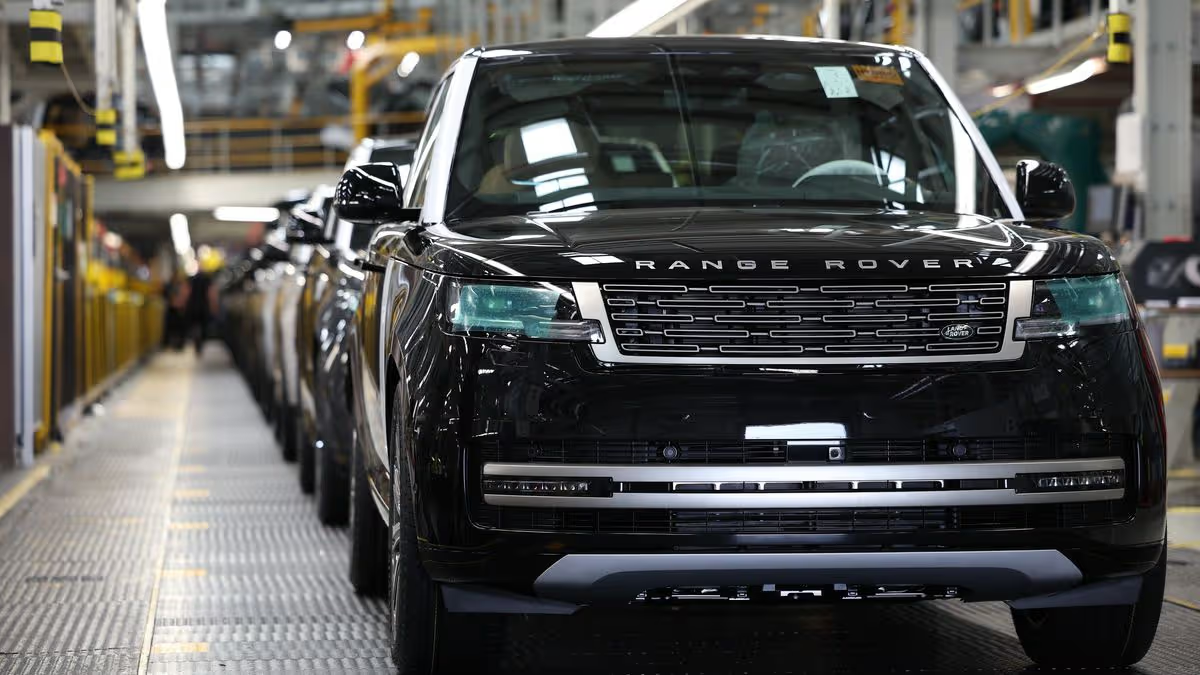
A Range Rover son the production lineat the Jaguar Land Rover automobile manufacturing plant in Solihull

A Range Rover on the production line at the Jaguar Land Rover plant in Solihull(Image: Adam Vaughan/EPA/Bloomberg via Getty Images)

Jaguar Land Rover (JLR) has announced plans to focus on wealthy North American buyers as it bids for ‘double digit’ revenue growth and tweaks its electric vehicle plans.

JLR this morning issued an update on its Reimagine strategy to transform the business amid the global shift to electric vehicles.

Advertisement

The West Midlands based group, which also has a large factory at Halewood in Merseyside, said today that it was targeting “medium-term double‑digit revenue growth by leveraging its House of Brands strategy to cater to different customer segments and diversify its sources of growth”.

JLR has accelerated its push into the electric vehicle market, but this morning its CEO PB Balaji said there was “no way” it would phase out petrol vehicles entirely as they were still in demand particularly in the US and the Middle East.

The company announced changes to its upcoming Range Rover, Defender and Discovery vehicle launches, with more hybrid options available alongside fully electric ones.

It said there would be more “flexibility” added to its electric vehicles built at Halewood, with more hybrid engine options, and more details on the latest Halewood-built Range Rover will be revealed later this year. Solihull-built Range Rover Electric and Range Rover Sport Electric models will be launched later this year and will include hybrid and full electric options.

Advertisement

JLR recently signed a Memorandum of Understanding with fellow carmaker Stellantis to explore product and technology development opportunities in the US. The company today confirmed that it would be focusing on the Defender brand in the US as part of that collaboration.

The group, which last year suffered a massive cyber attack that shut down production, added that it planned to drive cost reductions of £1.7bn over the next two years.

The company says that as well as its key markets in the UK, Europe and China, JLR will focus on the US. JLR said it planned to design exclusive vehicles for the US market to cater for the “extensive and increasing luxury opportunity there”.

PB Balaji, JLR CEO, said: “As we enter a critical business delivery phase of our Reimagine strategy, launching five new products over the next two years across our incredible House of Brands, now is also the time to evolve our plan to offer global markets greater propulsion choice to unlock growth and build resilience.

Advertisement
A look inside Jaguar Land Rover, Halewood

Inside Jaguar Land Rover, Halewood(Image: Jaguar Land Rover Halewood)

“To truly manifest the power of our brands, we will increase our focus on North America, our biggest market. The rising demand for luxury products coupled with the strong preference we see for our brands signals significant growth potential.

“Apart from accelerating our existing offerings, we are also exploring new high potential segments for our Defender brand, which will allow us to offer tailored luxury products and experiences for even more of our US clients. Our aspiration, in the coming years, is to grow our US business to the size of the entire JLR business as it exists today.”

The Financial Times also quoted Mr Balaji this morning as saying JLR would “give everything” to boost its sales to “millionaires and billionaires” in America.
Advertisement
Continue Reading

Business

Opening of Britain’s ‘dead-end’ motorway junction could be further delayed after ‘defects’ discovered

Published

on

Business Live

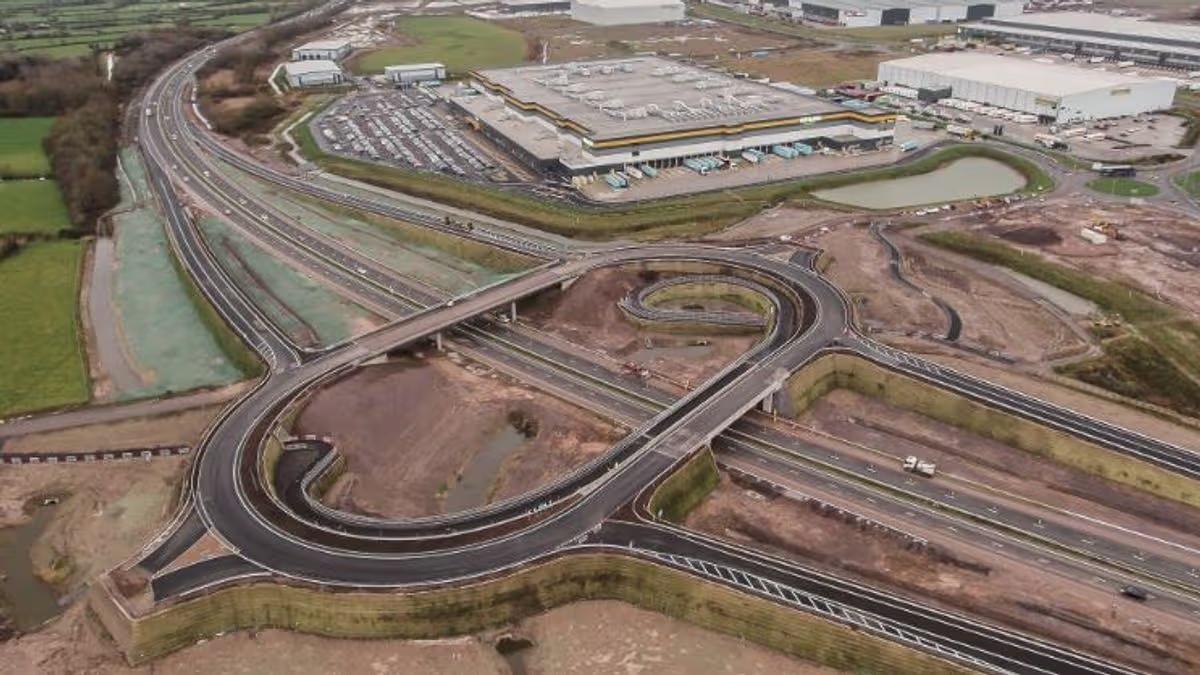
The M49 junction was built in 2019 and not one single vehicle has used it

The M49 junction near Bristol

The M49 junction near Bristol(Image: National Highway (formerly Highways England))

The opening of a £50m ‘dead-end’ motorway junction near Bristol that was built seven years ago and has never been used could face further delays, it has been announced.

National Highways completed the bulk of the work on the two-bridge junction off the M49 – a stretch of road between Avonmouth and Severnside – in 2019. But plans to link the junction with a nearby industrial estate used by companies such as Tesco and Amazon stalled after a dispute arose over who was responsible for building the connecting road.

Advertisement

Now “defects” have been identified at the junction, National Highways has revealed. The body responsible for England’s roads said it was looking at options for remedial work following an engineering survey carried out by independent specialists.

“Discussions with our contractor are ongoing,” National Highways said in a statement. “We expect this will impact the opening of the South Gloucestershire Council link road, which is in construction.

“We remain committed to opening the junction as this will benefit the regional economy and communities. For safety reasons these defects must be addressed before we can connect it to local authority roads.

“We realise how frustrating this news will be to communities and businesses and we are working with the council and other partners on next steps.”

Advertisement

A spokesperson for South Gloucestershire Council said the news was “incredibly frustrating”.

“We share the anger and disbelief felt by local residents and businesses,” they said. “The council has committed to deliver the link road to connect to the M49 junction, and we remain on track to do so by the end of 2026.

“However, the opening of the junction once the link road is complete is solely a matter for National Highways.”

Under plans by the local authority, work on the link road was expected to finish this year and open to traffic in early 2027 – eight years after the junction was originally built.

Advertisement

But, according to South Gloucestershire Council, National Highways has not confirmed a programme or timeline for resolving issues affecting the junction and does not expect to provide an update until the autumn of this year.

“This uncertainty is deeply concerning for residents in nearby communities, who are affected by significant numbers of large vehicles using local roads,” the council spokesperson said.

“The delay is also a problem for businesses in Severnside, an area we all want to see grow and which needs to be properly connected to the strategic road network as soon as possible, in order to attract the investment to create jobs.

“We are pressing National Highways to provide as much information as possible, as soon as possible, about how and when they will make the junction ready for traffic and when we can expect the link road to be connected to the motorway in the way we have long planned. We will continue to press for answers and share updates as soon as further information becomes available.”

Advertisement

When the M49 junction was first proposed, it was hoped it would create an economic boost for the region and ease congestion on local roads by connecting the Port of Avonmouth and the Avonmouth and Severnside Enterprise Area.

But the project, which secured another £7m from the Department for Transport last year, has been hampered by delays, much to the chagrin of local residents and businesses.

Landownership issues, disagreements over responsibilities and navigating ecological challenges have all contributed to slowing up the opening of the so-called “ghost junction”.

Peter Tyzack, local councillor at Pilning and Severn Beach parish council, and former chair of planning on South Gloucestershire Council, previously told Business Live the delays were “very frustrating”.

Advertisement

“I raised the issue in council meetings and other local meetings on numerous occasions and got no straight answers,” he said.

“I would ask about the approach road to the M49 junction and get told it was someone else’s responsibility. Local people are amazed it has taken so long.”

The land owner of the distribution park, Delta, has been contacted for comment.

Advertisement
Continue Reading

Business

US SEC poised to allow stock token trading in potential market shakeup

Published

on

US SEC poised to allow stock token trading in potential market shakeup


US SEC poised to allow stock token trading in potential market shakeup

Continue Reading

Business

Acting Labor Sec presses governors to target unemployment insurance fraud

Published

on

Acting Labor Sec presses governors to target unemployment insurance fraud

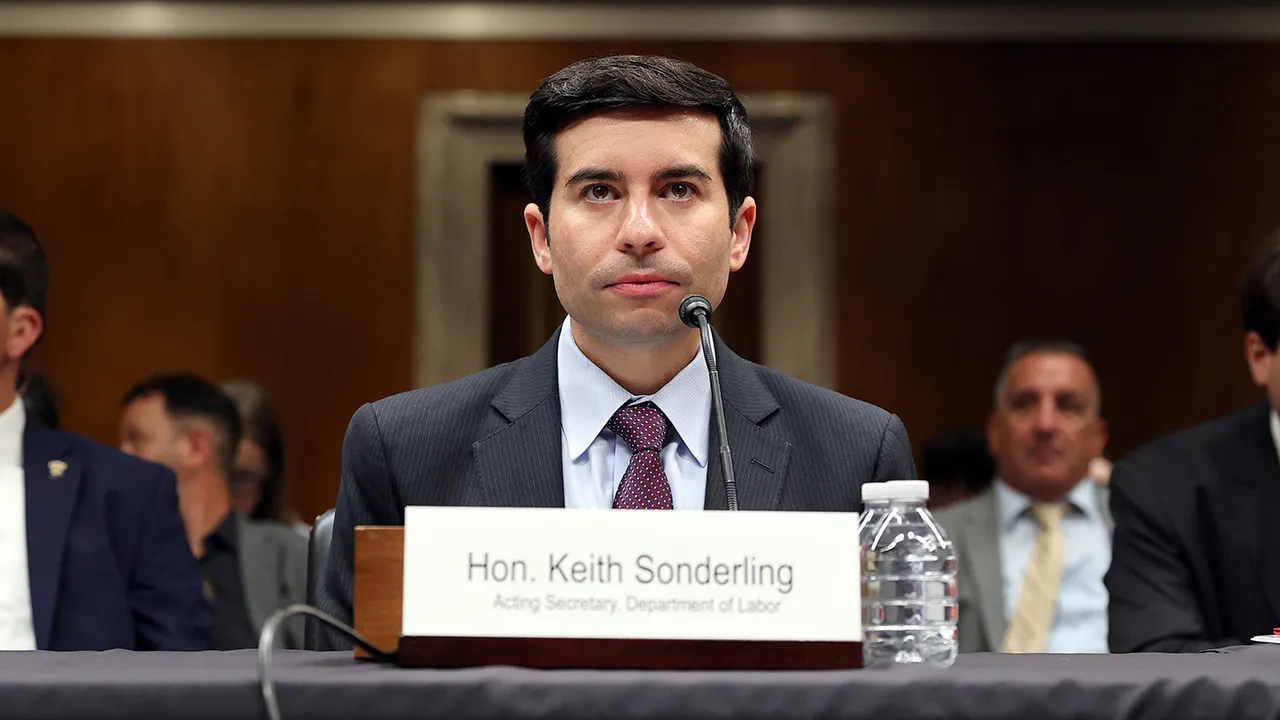
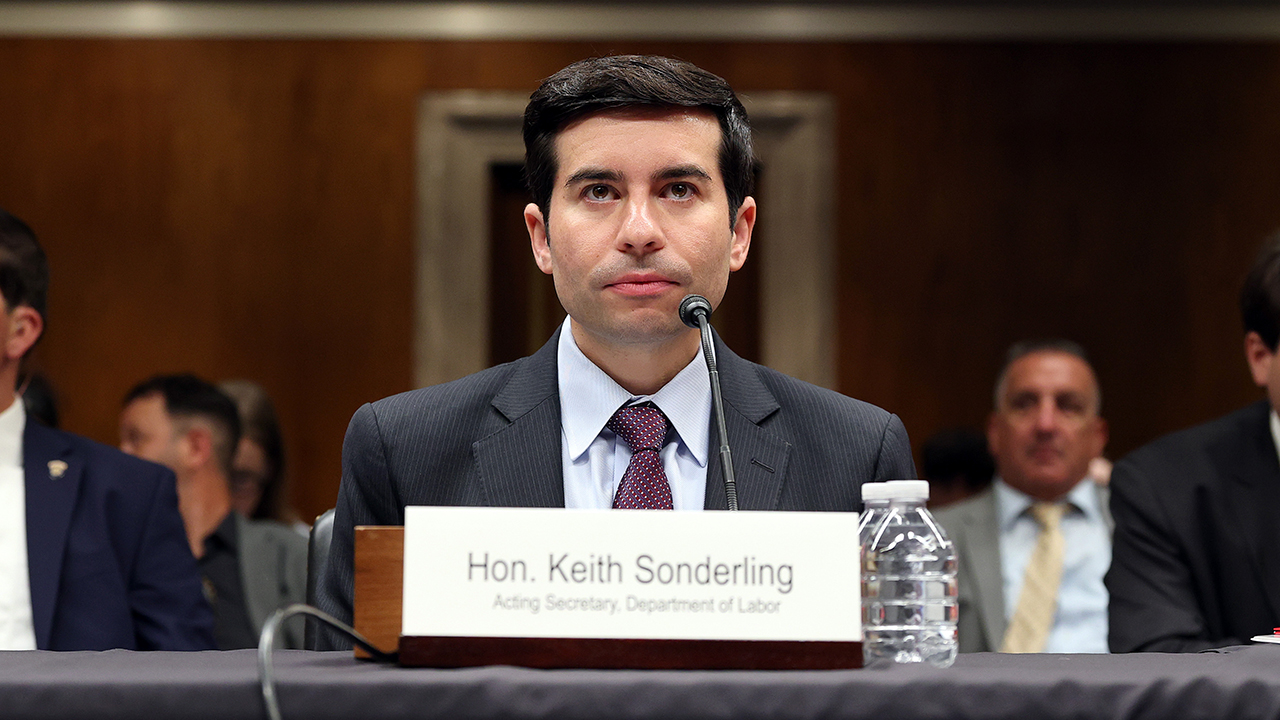
FIRST ON FOX — Acting U.S. Labor Secretary Keith Sonderling is sending letters to the governors of 53 U.S. states and territories demanding “immediate action” to combat fraud, waste and abuse within the unemployment insurance program.

“In the letters, the department announced its intent to crack down on rampant fraud and end mismanagement, improper payments, and corruption within the UI program. Acting Secretary Sonderling notified states that, in partnership with the Office of the Inspector General, the department will use every available enforcement tool — including withholding administrative funds from states for the first time in history — to ensure compliance in protecting UI system integrity and safeguarding taxpayer dollars,” a statement obtained by FOX Business reads.

Advertisement

“We are officially putting governors on notice,” Sonderling said in a statement. “The American people will no longer tolerate the blatant waste, fraud, and abuse of their hard-earned tax dollars — no state should allow it either. If states allow it, they will suffer the consequences. This department is no longer afraid to use every lever available to ensure taxpayer money is protected.” 

This is a developing story. Please check back for updates.

Advertisement
Continue Reading

Business

Form 6K TOYOTA MOTOR CORP/ For: 17 June

Published

on


Form 6K TOYOTA MOTOR CORP/ For: 17 June

Continue Reading

Business

CarMax Stock Rises. Used-Car Retailer Tops Earnings Estimates.

Published

on

CarMax Stock Rises. Used-Car Retailer Tops Earnings Estimates.

CarMax Stock Rises. Used-Car Retailer Tops Earnings Estimates.

Continue Reading

Business

European allies boost NATO force contributions, Rutte says

Published

on


European allies boost NATO force contributions, Rutte says

Continue Reading

Business

Shire of Ashburton council progresses $5m staff housing plan

Published

on

Shire of Ashburton council progresses $5m staff housing plan

A $5 million staff housing precinct will be built in Tom Price to help the local government bring staff to the Pilbara mining town.

Continue Reading

Trending

Copyright © 2025