
Business
Whose Injury Hits Team Harder in 2026 Playoffs?

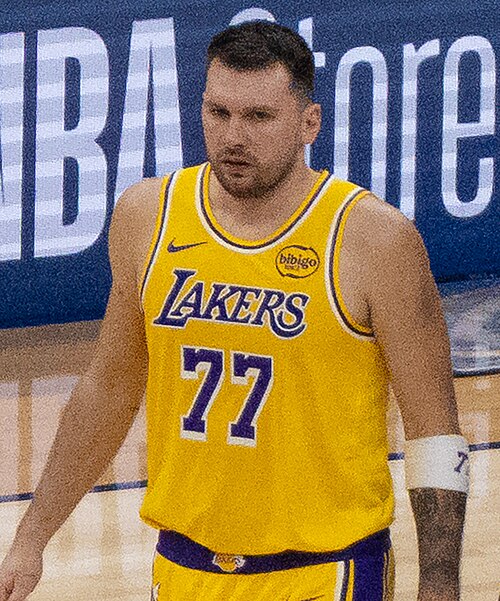
LOS ANGELES — As the 2026 NBA playoffs intensify, two generational superstars sit sidelined with significant injuries, forcing their teams to adapt on the fly. Luka Doncic’s Grade 2 hamstring strain with the Los Angeles Lakers and Victor Wembanyama’s concussion with the San Antonio Spurs raise the same urgent question: Whose absence is more damaging to their squad’s postseason hopes?

Doncic, acquired by the Lakers in a blockbuster trade with the Dallas Mavericks, suffered the injury April 2 in a blowout loss to the Oklahoma City Thunder. The Slovenian star has missed the end of the regular season and the opening round of the playoffs so far. Lakers coach JJ Redick has said Doncic is “out indefinitely” with no firm timeline, though he could begin on-court work soon and potentially target a return in the second round.
Despite the loss of their offensive engine — averaging around 30 points, eight assists and seven rebounds in recent seasons — the Lakers have thrived without him. They stormed to a 2-0 series lead over the Houston Rockets in the first round, with LeBron James, Marcus Smart, Luke Kennard and supporting cast stepping up in clutch moments. The team’s depth and experience have mitigated the blow, at least through the early series.
Wembanyama’s situation feels more precarious. The 7-foot-4 phenom exited Game 2 against the Portland Trail Blazers on April 21 after a scary fall, landing face-first on the hardwood following contact. Diagnosed with a concussion, he entered the NBA’s protocol and remains questionable for Game 3 on Friday in Portland. He logged just 12 minutes before exiting, as the Spurs dropped the contest to tie the series 1-1.

Concussion recovery follows strict guidelines: at least 48 hours before full participation testing, with gradual activity possible after 24 hours if symptoms do not worsen. Median NBA return time hovers around seven to nine days, making a Game 3 or even Game 4 return optimistic. Spurs coach Mitch Johnson has emphasized caution, prioritizing long-term health over rushing the franchise cornerstone.
Team Records Without Their Stars During the 2025-26 regular season, the Spurs posted a strong 50-14 mark with Wembanyama but went 12-6 without him — still competitive thanks to a deep young core featuring De’Aaron Fox, Stephon Castle and others. However, playoffs amplify the stakes. San Antonio finished with one of the West’s top seeds, but early results without Wemby highlight his irreplaceable two-way dominance.
Luka’s absence has historically hurt Dallas, but the Lakers’ supporting cast has proven more resilient so far. The Mavericks were 26-56 without him in prior contexts, underscoring his massive on-ball creation. Yet in Los Angeles, LeBron’s leadership and roster versatility have kept the ship steady through two playoff wins.
Impact on Offense and Defense Doncic’s injury removes a unique playmaking gravity. He orchestrates half-court sets like few others, drawing doubles and creating open looks. Without him, the Lakers lean more on isolation plays and LeBron’s facilitation. Their offense has dipped but remains functional, aided by strong three-point shooting from role players.
Wembanyama’s absence is multifaceted. He anchors the Spurs’ defense with elite rim protection and perimeter switching while stretching the floor on offense with 35+ point outbursts. His playoff debut in Game 1 featured a franchise-record 35 points. Losing that rim deterrence and scoring punch against a pesky Blazers team could prove decisive in a short series.
Broader Context and Long-Term Risks Doncic’s Grade 2 strain typically requires four to six weeks. He sought specialized treatment in Europe, a move aimed at accelerating recovery. Lakers insiders eye a possible return around early May, potentially for a second-round series. The team’s 2-0 lead provides breathing room.
Concussions carry unpredictable risks. Returning too soon heightens chances of second-impact syndrome or later lower-body injuries due to lingering balance or reaction deficits. Spurs medical staff will err on caution with their 22-year-old franchise pillar, who has already dealt with prior minor ailments this season.
Fan and League Reactions Social media buzzes with debate. Lakers fans celebrate the team’s resilience, crediting coaching and depth. Spurs supporters worry that an extended Wemby absence could lead to an early exit despite regular-season success. League-wide, both injuries underscore the physical toll of the modern NBA schedule and playoff intensity.
Analysts note the contrasting team constructions. The Lakers built a veteran-heavy group around stars, allowing better short-term injury absorption. San Antonio’s youth movement relies heavily on Wembanyama’s transcendent talent, making his health paramount for sustained contention.
Who’s Impact Is Greater? Early evidence suggests Wembanyama’s concussion is more immediately disruptive. The Spurs dropped Game 2 without him and face travel to Portland shorthanded. The Lakers, conversely, seized control of their series despite missing Doncic and Austin Reaves. Over a longer absence, however, Luka’s offensive gravity could weigh heavier if the Lakers advance deep.
Both teams emphasize patience. Redick and Johnson have echoed similar sentiments: health first, then performance. For contenders with championship aspirations, these absences test roster depth and coaching ingenuity.
As the series progress, updates on both stars will dominate headlines. Wembanyama traveled with the Spurs and showed positive early signs in protocol, but clearance remains uncertain. Doncic edges closer to on-court activity but stays sidelined for now.
The NBA postseason often hinges on availability. In this head-to-head injury showdown, Victor Wembanyama’s absence currently feels more crippling for San Antonio’s immediate hopes, while the Lakers have proven they can weather Luka Doncic’s storm — at least through the opening battles. The coming weeks will reveal whether these teams can sustain momentum or if the stars’ returns become necessary for survival.

Business
First Financial Bancorp. 2026 Q1 – Results – Earnings Call Presentation (NASDAQ:FFBC) 2026-04-25

Q1: 2026-04-23 Earnings Summary
EPS of $0.77 beats by $0.08
| Revenue of $272.70M (28.91% Y/Y) beats by $13.86M

Seeking Alpha’s transcripts team is responsible for the development of all of our transcript-related projects. We currently publish thousands of quarterly earnings calls per quarter on our site and are continuing to grow and expand our coverage. The purpose of this profile is to allow us to share with our readers new transcript-related developments. Thanks, SA Transcripts Team
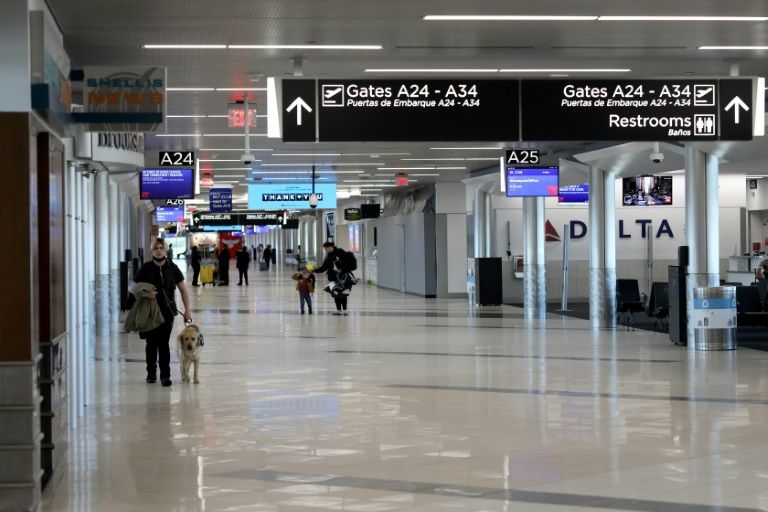
ATLANTA — Travelers at Hartsfield-Jackson Atlanta International Airport, the world’s busiest, are enjoying relatively smooth security screening on Saturday, April 25, 2026, with most TSA checkpoints reporting wait times under 30 minutes as spring travel demand remains manageable following recent peaks.

According to real-time data from the airport’s official tracker and Delta Air Lines’ wait time dashboard, the Main domestic checkpoint is currently showing approximately 30 minutes, while the North checkpoint stands at about 22 minutes. The Lower North checkpoint reports near-zero wait, and the South checkpoint, reserved primarily for TSA PreCheck passengers, is moving quickly at around 3 minutes. International screening at the Main checkpoint is even faster, with waits averaging just 6 minutes.
These short lines represent a welcome contrast to busier periods earlier this month when record spring break crowds pushed some checkpoints to 60 minutes or more. Airport officials had warned of potential record screening days in early April, but today’s lighter weekend traffic and improved staffing levels have kept operations flowing smoothly.
Hartsfield-Jackson processes millions of passengers monthly, and TSA officers are handling steady but not overwhelming volumes this Saturday. The airport recommends arriving at least 2.5 hours before domestic flights and 3 hours for international departures to account for check-in, bag drop and any unexpected delays. Those with TSA PreCheck or CLEAR can often clear security in under 10 minutes across most checkpoints.
The relatively calm security environment today comes after weeks of fluctuating wait times tied to spring travel surges and occasional staffing challenges. Recent improvements in TSA call-out rates and better scheduling have helped stabilize operations at ATL, which handles more passengers than any other airport globally.
For passengers arriving today, the Plane Train connecting concourses is operating normally, and parking availability remains good across most decks. Real-time updates are available on the airport’s website (atl.com/times) and through airline apps, which many travelers recommend checking before heading to the airport.
Industry experts note that ATL’s security efficiency has improved significantly compared to periods of heavy disruption. The combination of multiple checkpoints, dedicated PreCheck lanes and technology upgrades like credential authentication technology (CAT) has helped reduce average wait times even during moderate crowds.
Travelers are still advised to prepare for variability. While today’s waits are short, afternoon and early evening hours can see slight increases as more flights depart. Factors such as weather delays elsewhere in the system or sudden surges in international arrivals can occasionally affect domestic screening times.
For families, business travelers and international visitors, the current conditions make ATL more navigable than during peak periods. Parents with young children or passengers needing additional assistance are encouraged to use designated lanes where available. The airport’s customer service teams are also on hand to provide guidance.
Broader trends show U.S. airports managing spring travel better than in previous years, thanks to increased TSA staffing and technological improvements. However, Hartsfield-Jackson’s sheer volume means even moderate days can feel busy, underscoring the value of checking live wait times before departure.
Passengers flying today report positive experiences moving through security. Many note the efficiency of PreCheck lanes and the helpfulness of TSA officers. For those without PreCheck, arriving early remains the best strategy to avoid any last-minute stress.
As the day progresses, officials expect wait times to remain manageable through the evening. Travelers are reminded to stay hydrated, follow TSA guidelines on liquids and electronics, and use the airport’s free Wi-Fi while waiting if needed.
Hartsfield-Jackson continues investing in passenger experience improvements, including expanded food and retail options across concourses. The airport’s central location and extensive flight network make it a major hub, but efficient security screening plays a critical role in maintaining its reputation for handling high volumes effectively.
For anyone heading to ATL today or in the coming days, real-time tools provide the most accurate picture. With current short lines, most passengers should have ample time to reach their gates comfortably. The situation highlights how quickly conditions can improve at busy airports when demand aligns with capacity.
Whether traveling for business, leisure or family reasons, today’s lighter security wait times offer a smoother experience at one of the world’s busiest transportation hubs. Travelers are encouraged to monitor updates and plan accordingly for the best journey possible.

ATLANTA — The Weather Channel and its popular mobile app are largely operating normally Saturday, April 25, 2026, with no widespread outage reported, though some users continue to experience minor glitches including inaccurate forecasts and app loading problems amid high spring weather demand.

Monitoring sites like Downdetector show only scattered user reports over the past 24 hours, with the majority of complaints centered on the mobile app rather than the main website or television channel. Most users report normal functionality, with live radar, forecasts and severe weather alerts working as expected across the country.
The Weather Channel’s main website and streaming services appear fully operational, delivering real-time national and local forecasts without interruption. However, a small number of users on iOS and Android have reported the app displaying outdated information or failing to update radar imagery during periods of heavy traffic.
Company representatives have not issued a formal statement, but support channels suggest standard troubleshooting steps such as clearing cache, updating the app, or restarting devices often resolve temporary issues. The Weather Channel has faced occasional app-related complaints in the past during severe weather events when user volume spikes dramatically.
Today’s reports come as spring weather patterns bring active systems across parts of the United States. With severe weather possible in several regions, many users rely heavily on the app for timely alerts, making even minor disruptions particularly noticeable.
The Weather Channel remains one of the most trusted sources for weather information in the United States, reaching millions daily through its cable network, website and mobile applications. Its parent company, The Weather Group, continues investing in technology upgrades to improve reliability during peak usage periods.
For users encountering problems, recommended solutions include force-closing and reopening the app, checking internet connectivity, or accessing forecasts through the web version at weather.com. Most reported issues appear isolated and resolve quickly without broader service impact.
Industry experts note that weather apps face unique challenges due to massive data demands during active weather periods. Real-time radar processing, location services and push notifications require significant server resources, occasionally leading to temporary slowdowns even when core services remain online.
Despite occasional user complaints, The Weather Channel maintains high overall reliability ratings. Its integration with smart home devices, connected cars and television providers ensures multiple access points for critical weather information.
Travelers and outdoor enthusiasts are advised to cross-reference forecasts from multiple sources during active weather days. While The Weather Channel app is generally reliable, having backup options like the National Weather Service website or local TV stations can provide redundancy.
As spring transitions into summer, severe weather season will likely test streaming and app services further. The Weather Channel has historically performed well during major events, though user feedback helps drive continuous improvements in stability and accuracy.
For now, most customers can access current conditions, hourly forecasts and radar without significant issues. Those still experiencing problems are encouraged to reach out directly to The Weather Channel support for personalized assistance.
The situation highlights the growing importance of reliable weather technology in daily life. From farmers monitoring crops to families planning weekend activities, millions depend on accurate, timely information from platforms like The Weather Channel.
While today shows no major outage, the scattered reports serve as a reminder that even established services can face occasional hiccups. Users are encouraged to stay informed through official channels and prepare for variable spring weather conditions across the country.
Business
(VIDEO) Tornado Warnings Triggered Across Southeast Louisiana as Severe Storms Batter Region
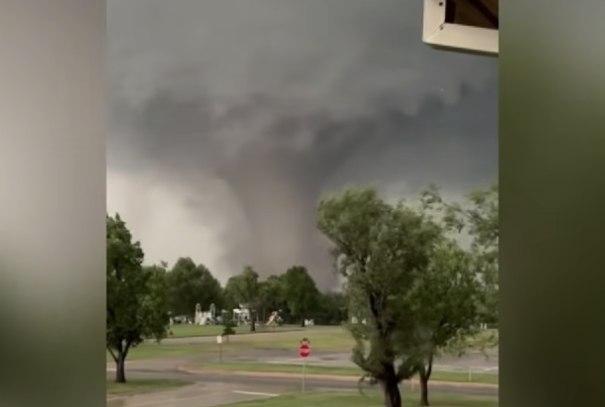
NEW ORLEANS — Tornado warnings swept across southeast Louisiana on Saturday morning, April 25, 2026, as a line of potent thunderstorms unleashed damaging winds, possible waterspouts and radar-indicated rotation, disrupting communities from the West Bank to the Northshore and prompting urgent safety alerts.

The National Weather Service in New Orleans issued multiple tornado warnings before noon as storms tracked southeast at 35-40 mph. One warning covered northwestern Plaquemines Parish, northeastern Jefferson Parish, southwestern Orleans Parish and west-central St. Bernard Parish until 12:45 p.m. CDT. Another targeted areas near the West Bank, with strong winds nearing 70 mph reported over parts of Jefferson Parish, including near TPC Louisiana.
Meteorologists tracked rotation in thunderstorms moving over the region, with one cell crossing Lapalco Boulevard on the West Bank. The Zurich Classic golf tournament at TPC Louisiana faced delays due to the severe weather. Special marine warnings also went into effect for Lake Pontchartrain, Lake Maurepas, Lake Borgne and coastal waters, citing waterspouts and gusts up to 40 knots that could endanger boaters.
No immediate reports of major structural damage or injuries surfaced in the early hours, but officials urged residents to take cover in interior rooms away from windows. Emergency management teams monitored the situation closely as storms continued into southern Mississippi.
The activity stems from an active spring weather pattern across the southern Plains and Mississippi Valley. Friday night into Saturday morning brought a marginal to slight risk of severe weather, with damaging winds as the primary threat, isolated large hail possible and a low-end tornado risk. Storms developed northwest of the area and marched southeast, tapping into instability overnight.
Forecasters noted medium confidence in how far the overnight complex would hold together, but it delivered gusty conditions and lightning across the Northshore and metro New Orleans between 2 a.m. and 6 a.m. before intensifying Saturday morning. A separate slight risk (level 2 of 5) looms for Sunday afternoon and night, mainly north of Interstate 10, with wind damage as the main concern.
Residents woke to thunder, heavy downpours and strong winds. In Baton Rouge, strong-to-severe storms moved in around 4:30 a.m., bringing frequent lightning. Similar reports came from Hammond, Slidell and Houma, where observations showed gusts, rain and mist.
Power outages affected thousands in prior recent severe events, though specific figures for Saturday remained unavailable early in the day. Local utilities prepared crews for potential restoration work.
This outbreak fits a broader pattern of severe weather this month. April 2026 has already seen multiple rounds of storms across Louisiana, with confirmed tornadoes in previous events. The National Weather Service has documented numerous tornado reports statewide in recent weeks, underscoring the heightened spring risk in the region.
Emergency officials reminded the public of safety protocols. “If you hear a tornado warning, take shelter immediately,” said a National Weather Service spokesperson. “Mobile homes and vehicles are especially vulnerable.”
For boaters, marine warnings highlighted sudden higher waves and the risk of waterspouts capsizing vessels. Life jackets were strongly recommended, with advice to seek safe harbor.
The storms follow a week of fluctuating threats. On Friday, severe potential included hail up to 1 inch and damaging winds exceeding 60 mph in some areas. While the overnight system weakened somewhat before reaching deeper into southeast Louisiana, morning intensification caught some off guard.
Meteorologist Zack Fradella with FOX 8 noted strong winds despite modest rotation on radar in one West Bank warning. Live coverage from stations like WWL-TV and WDSU tracked the cells in real time, updating viewers on warning expirations and new issuances.
As the line pushed east, warnings shifted toward St. Tammany Parish and into Mississippi. Forecasters expected gradual weakening through the afternoon, but additional scattered storms could pop up later Saturday.
Looking ahead, the weekend remains unsettled. Another round is possible Sunday, though tornado chances appear lower. Highs will climb into the mid-80s with muggy conditions fueling instability.
Louisiana’s geography — flat terrain, proximity to the Gulf and abundant moisture — makes it prone to such outbreaks. Tornadoes, while not always strong, can develop quickly in embedded supercells or quasi-linear convective systems like the one observed Saturday.
Communities in southeast Louisiana have faced repeated alerts this spring. Earlier in April, tornado warnings hit parishes including Washington, with radar confirming rotation near Bogalusa. Confirmed touchdowns have occurred in multiple events, damaging homes and infrastructure.
Residents are advised to review their severe weather plans. Have a designated safe spot, a weather radio or app with alerts, and an emergency kit. For those in flood-prone areas, monitor for heavy rain that could cause localized ponding despite the main threat being wind and rotation.
The Storm Prediction Center continues to monitor the broader pattern, with active weather expected through the weekend into early next week. While no major outbreak like those farther north materialized, the repeated warnings highlight the need for vigilance.
As skies clear later Saturday, temperatures will rebound, but the memory of morning sirens and swirling clouds will linger. Southeast Louisiana dodged significant impacts this time, yet the event serves as a reminder that tornado season demands respect and preparation.
Local officials reported no confirmed tornado touchdowns by mid-morning, but surveys will follow for any damage. Storm spotters and emergency responders remained active, documenting wind gusts and hail where reported.
In New Orleans proper, rain and lightning affected morning commutes, with some areas seeing reduced visibility. Drivers were urged to slow down and avoid flooded roads.
This story will be updated as more information becomes available, including any damage assessments or additional warnings. Stay tuned to local media and the National Weather Service for the latest.
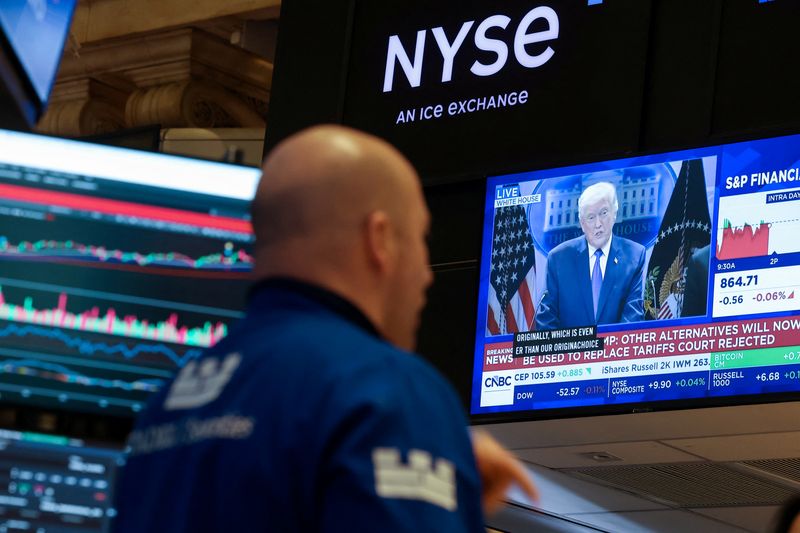

Trump bought at least $51 million in bonds in March, disclosure shows

JR Research is an opportunistic investor. I was recognized by TipRanks as a Top Analyst, and also by Seeking Alpha as a “Top Analyst To Follow” for Technology, Software, and Internet, as well as for Growth and GARP. I identify attractive risk/reward opportunities supported by robust price action to potentially generate alpha well above the S&P 500. My picks have consistently demonstrated market outperformance over time. My approach combines timely and sharp price action analysis with fundamentals as my foundation. I also tend to avoid overhyped and overvalued stocks while capitalizing on battered stocks with significant upside recovery possibilities. I run the investing group Ultimate Growth Investing which specializes in identifying high-potential opportunities across various sectors. My main ideas revolve around stocks with strong growth potential, and also well-beaten contrarian plays. I designed the group for investors seeking to capitalize on growth stocks with solid fundamentals, robust buying momentum, and appealing turnaround plays to generate alpha consistently. Learn more
Analyst’s Disclosure: I/we have a beneficial long position in the shares of NOW, IGV, PANW, CRWD either through stock ownership, options, or other derivatives. I wrote this article myself, and it expresses my own opinions. I am not receiving compensation for it (other than from Seeking Alpha). I have no business relationship with any company whose stock is mentioned in this article.
Seeking Alpha’s Disclosure: Past performance is no guarantee of future results. No recommendation or advice is being given as to whether any investment is suitable for a particular investor. Any views or opinions expressed above may not reflect those of Seeking Alpha as a whole. Seeking Alpha is not a licensed securities dealer, broker or US investment adviser or investment bank. Our analysts are third party authors that include both professional investors and individual investors who may not be licensed or certified by any institute or regulatory body.

Why I'm Still Very Bullish Into AMD Earnings
Listen on the go! A daily podcast of Wall Street Breakfast will be available by 8:00 a.m. on Seeking Alpha, iTunes, Spotify.
lucky-photographer/iStock via Getty Images
Up for a challenge? Test your knowledge on the biggest events in the investing world over the past week. Take the latest Seeking Alpha News Quiz and see how you stack up against the competition.
Wall Street’s major averages ended the week mixed, even as the S&P 500 (SP500) and the Nasdaq Composite (COMP:IND) jumped to new highs as the conflict in the Middle East continued to lack resolution while oil prices rose.
Earlier this week, U.S. President Donald Trump said the U.S. would extend its ceasefire with Iran until a coordinated plan for an end to the war, which would include Israel, was brought forward. However, he has left the ongoing blockade in place.
He also accused Iran of violating a ceasefire agreement after Iranian forces fired upon ships in the Strait of Hormuz, including a French vessel and a British freighter. Later, Trump ordered the U.S. Navy to “shoot and kill” any vessel found placing mines in the Strait of Hormuz with “no hesitation.”
Iran has said it will not participate in a second round of talks with the U.S., objecting to what it described as excessive and unrealistic demands from Washington. Also, Iran’s parliament speaker, Mohammad Bagher Ghalibaf, has reportedly stepped down as Tehran’s lead negotiator.
Lastly, Trump announced that the ceasefire between Israel and Lebanon will be extended for another three weeks after hosting the ambassadors of both countries in Washington.
Crude oil futures (CL1:COM) increased around 13.2% this week to settle around $94, and Brent futures (CO1:COM) also rose 17.2% to $105 per barrel as of post-market Friday.
In economic news, retail sales jumped more than expected in March, while February business inventories rose +0.4% MoM to $2,686.8B vs. +0.2% consensus, according to the U.S. Census Bureau.
Also, the AAII survey showed that bullish sentiment among individual investors surged, while bearish views declined. Lastly, the Consumer Sentiment Index was revised up in April to 49.8 from the initial 47.6 and 53.3 in March.
For the week, the S&P (SP500) gained +0.6%, while the tech-heavy Nasdaq Composite (COMP:IND) rose +1.5% and the blue-chip Dow (DJI) declined -0.4%. Read a preview of next week’s major events in Seeking Alpha’s Catalyst Watch.
Customs and Border Protection launched a tariff refund portal this week, with thousands of companies rushing to file claims for the duties they paid over the past year. It’s unclear how many of them will pass the benefit on to consumers, but retailers like Walmart (WMT) and Target (TGT) stand to receive billions in refunds, while the tech, media and telecom industry could get over $47B. Read more.
Seeking Alpha’s Calls Of The Week
Berkshire (BRK.B): Abel Arbitrage, Strong Returns Post-Buffett.
Star Bulk’s (SBLK) Updated Dividend Policy, Macro Tailwinds.
Trump’s Green Light – Cannabis Stocks (MSOS) Are Surging.
The Worst Is Now Over, Here’s Why It’s Time To Buy FSCO.
Orion Properties (ONL): Refinancing Risk Is Off The Table.
Enterprise Products (EPD) May See Limited Upside In 2026.
Enbridge (ENB): Moving To The Sidelines After A Great Run.
Locking In Gains – Sell Amazon (AMZN) On Anthropic Spike.
Campbell’s (CPB) Is A Sell Amid Troubling Core Inefficiencies.
Here’s Why It’s Time To Move On From Coterra Energy (CTRA).
Weekly Movement
U.S. Indices
Dow -0.4% to 49,231. S&P 500 +0.6% to 7,165. Nasdaq +1.5% to 24,837. Russell 2000 +0.4% to 2,787. CBOE Volatility Index +7% to 18.71.
S&P 500 Sectors
Consumer Staples +1.2%. Utilities +0.1%. Financials -1.9%. Telecom -0.8%. Healthcare -3.1%. Industrials -0.6%. Information Technology +3.1%. Materials +0.1%. Energy +3.2%. Consumer Discretionary -0.3%. Real Estate -1.4%.
World Indices
London -2.7% to 10,379. France -3.2% to 8,158. Germany -2.3% to 24,129. Japan +2.1% to 59,716. China +0.7% to 4,080. Hong Kong -0.7% to 25,978. India -2.3% to 76,681.
Commodities and Bonds
Crude Oil WTI +12.6% to $94.4/bbl. Gold -2.8% to $4,740.9/oz. Natural Gas -5.7% to 2.523. Ten-Year Bond Yield -0.2 bps to 4.31.
Forex and Cryptos
EUR/USD -0.36%. USD/JPY +0.47%. GBP/USD +0.12%. Bitcoin +2.6%. Litecoin +1.8%. Ethereum -1.4%. XRP +0.3%.
Top S&P 500 Gainers
Advanced Micro Devices (AMD) +25%. United Rentals (URI) +22%. Texas Instruments (TXN) +21%. Intel (INTC) +21%. ON Semiconductor (ON) +19%.
Top S&P 500 Losers
Charter Communications (CHTR) -24%. Tractor Supply (TSCO) -18%. lululemon athletica (LULU) -14%. Northrop Grumman (NOC) -14%. Lockheed Martin (LMT) -13%.
Where will the markets be headed next week? Current trends and ideas? Add your thoughts to the comments section.
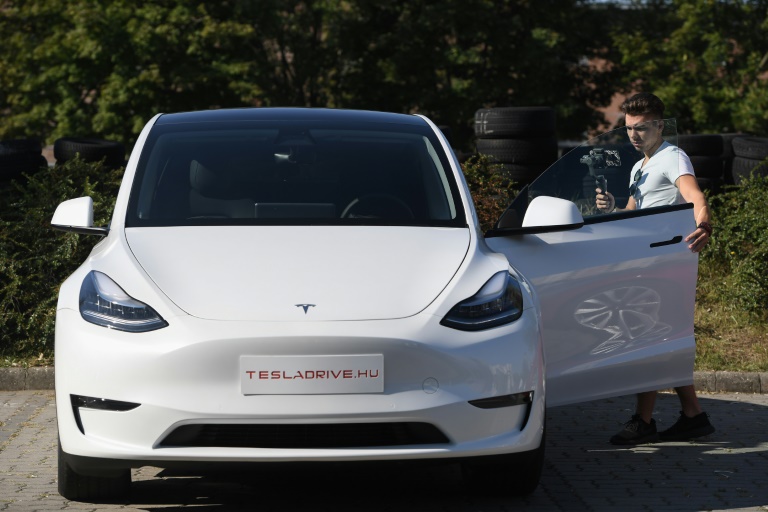
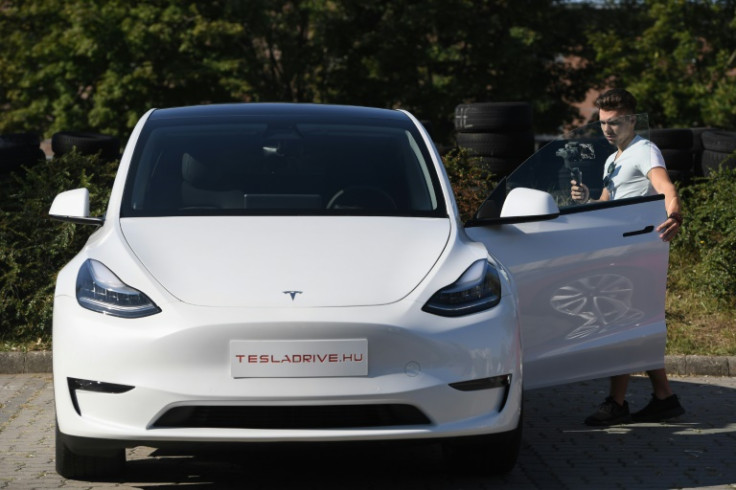
AUSTIN, Texas — Tesla Inc. has reclaimed the title of the world’s top seller of pure battery-electric vehicles in the first quarter of 2026, delivering 358,023 units and edging out Chinese rival BYD Co., which posted 310,389 battery-electric sales amid a sharp domestic slowdown.
AFP
The modest 6.5% year-over-year increase for Tesla marked a rebound after ceding the crown to BYD throughout 2025, when the Chinese automaker delivered more than 2.26 million battery-electric vehicles compared to Tesla’s 1.64 million. Yet the quarterly swing underscores a fiercely competitive global EV landscape where volume, technology, policy and geography will determine the ultimate winner.
Tesla’s Q1 performance, announced April 2, came despite producing 408,386 vehicles and building inventory, missing Wall Street expectations slightly and sending shares lower initially. Strong output from its Shanghai Gigafactory, which accounted for nearly 60% of deliveries, helped fuel the gain, particularly as China-made Model 3 and Model Y sales climbed in the world’s largest EV market.
BYD, meanwhile, saw its pure EV sales plunge 25.5% in the quarter. The Shenzhen-based company sold nearly 696,000 new energy vehicles overall when including plug-in hybrids — still nearly double Tesla’s volume — but faced headwinds from policy changes in China, including subsidy adjustments and new taxes that dampened demand. BYD’s total vehicle sales dropped about 30% year-over-year in March, marking the seventh consecutive monthly decline.
The duel between Elon Musk’s Tesla and BYD founder Wang Chuanfu’s empire represents more than a sales race. It pits Silicon Valley software innovation and autonomy ambitions against China’s manufacturing scale, vertical integration and aggressive pricing. Both companies dominate global EV conversations, but their paths to victory diverge sharply.
Tesla bets on premium branding, over-the-air updates, Full Self-Driving technology and future robotaxi revenue. Production of the Cybercab, Tesla’s purpose-built autonomous vehicle, has begun at Giga Texas, with volume ramp targeted soon. Musk has reiterated plans for unsupervised FSD rollout later in 2026, potentially unlocking massive network effects through a ride-hailing fleet. Energy storage deployments also surged, providing a buffer beyond vehicles.
BYD counters with breadth. It offers dozens of affordable models across sedans, SUVs and even commercial vehicles, leveraging its own blade batteries for cost and safety advantages. The company aims for 1.5 million overseas sales in 2026, expanding factories in Europe, Brazil and elsewhere to dodge tariffs. In Latin America, BYD has secured major orders and local production deals, capturing significant market share in Brazil, Argentina and Mexico despite rising protectionism.
Europe remains a key battleground. BYD is applying to join the European auto lobby while building capacity in Hungary and eyeing other sites to mitigate EU tariffs on Chinese EVs. In markets like Australia, BYD outsold Tesla in Q1. Yet Tesla maintains dominance in the United States, where BYD has no direct presence due to tariffs and market dynamics.
Analysts note the 2025-2026 shift reflects more than corporate prowess. China’s policy tweaks hurt BYD’s domestic pure EV numbers while benefiting Tesla’s export-heavy Shanghai output. Broader EV demand growth continues globally, but slowing in some segments as consumers weigh hybrids for range anxiety.
“Tesla’s lead in Q1 is notable but seasonal and policy-influenced,” said one industry observer. “BYD’s total new energy volume and export momentum position it strongly for the long haul.”
Financially, contrasts abound. Tesla’s margins benefit from software and energy, though vehicle gross profits face pressure. BYD reported record 2025 revenue exceeding Tesla’s but saw profits dip amid intense Chinese competition and price wars. Both invest heavily in R&D — Tesla in AI and robotics, BYD in battery tech and supply chain control.
The “global war” extends to supply chains, talent and regulation. Tariffs in the U.S., EU and Mexico complicate BYD’s exports, pushing localization. Tesla navigates union issues, regulatory hurdles for autonomy and competition from legacy automakers accelerating their EV shifts.
Longer term, many predict coexistence rather than outright victory. Tesla could lead in high-margin autonomy and premium segments, while BYD captures mass-market volume, especially in emerging economies. Global EV sales continue rising, with China, Europe and the U.S. setting ambitious targets, but hybrids gaining favor as a bridge.
Musk has acknowledged BYD’s competitiveness in recent years, moving past earlier dismissal. Wang has urged Chinese brands to “demolish old legends” on the global stage.
As 2026 unfolds, Tesla eyes Cybercab production scale and FSD breakthroughs. BYD pushes overseas factories and new models with advanced fast-charging. Sunday’s slight risk for more storms? No — this battle faces economic headwinds, interest rates, consumer sentiment and geopolitical tensions.
Neither side shows signs of slowing. Tesla’s Q1 rebound injects optimism for investors betting on tech differentiation. BYD’s scale and cost discipline reassure those favoring accessible electrification.
The winner may not be declared for years. In a world racing toward net-zero transport, both accelerate progress — Tesla through aspiration and software, BYD through execution and accessibility. For consumers, the real victory is choice and innovation at every price point.
Industry watchers will scrutinize Q2 figures closely. Tesla typically sees seasonal strength later in the year. BYD expects export growth to offset domestic softness. Additional rounds of tariffs or incentives could tilt the field again.
For now, Tesla wears the quarterly crown, but BYD retains the 2025 title and manufacturing muscle. The global EV war rages on, with no clear surrender in sight.
Business
Elon Musk’s case against ChatGPT maker OpenAI, Sam Altman set to go for trial; fraud claims withdrawn

The ruling was issued by U.S. District Judge Yvonne Gonzalez Rogers in Oakland, California.
Jury selection is scheduled to begin on Monday, and opening arguments are expected on Tuesday.
Musk had said dismissing his fraud and constructive fraud claims, which he proposed, would streamline the case and keep jurors focused on his goal of ensuring that OpenAI benefit humanity rather than be a “wealth machine.”
The case centers on Musk’s claim that OpenAI, Altman and Microsoft, one of OpenAI’s largest investors, conned him and the public by forming a for-profit entity in 2019, after he left OpenAI’s board.

OpenAI is preparing for a potential initial public offering that could value it at $1 trillion, Reuters has reported.
Musk is seeking $150 billion in damages, according to a person involved in the case, with proceeds going to OpenAI’s charitable arm.

James Bond Robs Son In-Law’s Bank In R-Rated Netflix Action Comedy

Liverpool fans hold up yellow cards in protest at ticket price rises

'Unstoppable' Gonzalez strike completes Man City comeback

Manchester United reach agreement with Casemiro over contract clause amid transfer speculation

US brings back mandatory military draft registration

Steven Gerrard disagrees with Gary Neville over ‘shock’ Chelsea and Arsenal claim | Football


-

 Business6 days ago
Powerball Result April 18, 2026: No Jackpot Winner in Powerball Draw: $75 Million Rolls Over
-

 Politics6 days ago
Zack Polanski demands ‘council homes not luxury flats for foreign investors’
-

 Fashion1 day ago
Weekend Open Thread – Corporette.com
-
Entertainment6 days ago
NBA Analyst Charles Barkley Chimes in on Ice Spice McDonald’s Fiasco
-

 Tech7 days ago
Auto Enthusiast Scores Running Tesla Model 3 for Two Grand and Turns It Into Bare-Bones Go-Kart
-

 Politics5 days ago
Gary Stevenson delivers timely reminder to register to vote as deadline TODAY
-

 Politics3 days ago
Making troops accountable for war crimes threatens US alliance, ex-SAS colonel warns
-

 Business3 days ago
Rolls-Royce Voted UK’s Most Iconic Trade Mark as IPO Register Hits 150
-

 Politics3 days ago
Disabled people challenge government SEND proposals over segregation concerns
-
 Crypto World5 days ago
Bank of Hawai’i (BOH) Q1 2026: Net Income Drops to $57.4M as Net Interest Margin Expands
-

 Politics3 days ago
Zack Polanski responds to home secretary’s taser threat
-
Politics3 days ago
Wings Over Scotland | How To Get Away With Crimes
-

 Politics3 days ago
Starmer handler McSweeney to be dragged from shadows by Foreign Affairs Committee
-
Crypto World7 days ago
Kelp DAO rsETH Bridge Hack Drains $292M as DeFi Losses Top $600M in Two Weeks
-

 Politics3 days ago
‘Iran is still a nuclear threat’
-

 Crypto World4 days ago
New York sues Coinbase, Gemini over prediction market offerings
-
 Crypto World4 days ago
Five Value Stocks with Recovery Potential in 2026: PayPal (PYPL), Nike (NKE), and More
-

 Business3 days ago
The Job Benefits Most Men Don’t Know to Negotiate
-

 Crypto World1 day ago
Michael Saylor says BTC winter is over. Market analyst disagrees, says bitcoin was in a pullback
-

 Politics6 days ago
Reform investigating candidate who ‘hates’ the NHS
You must be logged in to post a comment Login