

Business
Why Every Growing Business Needs a Strong Workplace Fire Safety Strategy


Business leaders spend significant time planning for growth, improving productivity, and managing financial performance. Yet one area that can often be overlooked until it becomes urgent is workplace safety.
Whether operating from an office, warehouse, retail unit, or industrial facility, every organization has a responsibility to protect employees, visitors, and physical assets from preventable risks.
Among the most important aspects of workplace safety is fire prevention and emergency preparedness. A single fire-related incident can disrupt operations, damage property, harm employees, and create significant financial consequences. As businesses continue to adapt to evolving regulations and workplace expectations, investing in comprehensive fire safety measures has become an essential part of responsible management.
Why Fire Safety Matters for Modern Businesses
Fire incidents can occur in virtually any workplace environment. Electrical faults, faulty equipment, unattended appliances, combustible materials, and human error remain common causes of workplace fires.
The consequences often extend beyond immediate property damage and may include:
- Business interruption
- Lost productivity
- Insurance complications
- Regulatory penalties
- Reputational damage
- Employee welfare concerns
For growing companies, these risks can be particularly significant because unexpected disruptions can affect both revenue and customer confidence.
A proactive fire safety strategy helps reduce these risks while demonstrating a commitment to employee wellbeing.
What Are the Key Components of Workplace Fire Protection?
Effective fire safety involves much more than installing alarms and hoping they are never needed.
A comprehensive strategy typically includes:
| Fire Safety Element | Purpose |
| Risk assessments | Identify hazards and vulnerabilities |
| Detection systems | Provide early warning |
| Emergency planning | Improve evacuation procedures |
| Staff training | Increase preparedness |
| Equipment maintenance | Ensure reliability |
| Fire suppression tools | Help control small incidents |
Each component plays an important role in creating a safer workplace environment.
Why Prevention Is Better Than Response
While emergency equipment is essential, preventing incidents remains the most effective approach.
Businesses can significantly reduce risk through:
- Regular electrical inspections
- Equipment maintenance programs
- Safe storage procedures
- Housekeeping standards
- Employee awareness training
- Hazard identification processes
Many workplace fires result from issues that could have been identified and addressed before they became emergencies.
Organizations that prioritize prevention often experience fewer incidents and lower long-term safety costs.
How Risk Assessments Improve Business Resilience
Fire risk assessments form the foundation of workplace fire safety.
These assessments help identify:
Potential Ignition Sources
Electrical equipment, machinery, heating systems, and cooking facilities can all present risks.
Fuel Sources
Paper, packaging, chemicals, textiles, and other combustible materials may contribute to fire spread.
Occupancy Considerations
Understanding how people use a building helps improve emergency planning.
Existing Control Measures
Assessments evaluate whether current protections remain effective and compliant.
Regular reviews ensure safety measures continue meeting the needs of a changing workplace.
Why Employee Training Is Essential
Even the most sophisticated fire safety systems rely on informed employees.
Training helps staff understand:
- Emergency procedures
- Evacuation routes
- Alarm protocols
- Hazard recognition
- Equipment awareness
When employees know how to respond during an emergency, evacuation processes tend to be faster and more organized.
Confidence and preparation can make a significant difference during high-pressure situations.
How Technology Is Transforming Workplace Safety
Modern businesses increasingly use technology to strengthen safety programs.
Examples include:
- Smart monitoring systems
- Connected alarm networks
- Automated testing solutions
- Digital compliance records
- Remote inspection capabilities
These technologies help organizations improve oversight while simplifying maintenance and reporting requirements.
The growing integration of safety technology reflects a broader trend toward proactive risk management across multiple industries.
Why Early Detection Saves Lives
One of the most critical factors during a fire emergency is time.
Early warning systems provide occupants with valuable time to:
- Identify danger
- Initiate evacuation procedures
- Contact emergency services
- Reduce exposure to hazardous conditions
This is particularly important because many fire-related fatalities result from smoke inhalation rather than direct flame exposure.
Reliable detection systems remain among the most effective safety investments available to businesses.
Understanding Hidden Workplace Hazards
While visible fire risks often receive attention, some threats are less obvious.
Combustion appliances, heating equipment, and poorly ventilated areas can sometimes create dangerous conditions without obvious warning signs.
A properly installed carbon monoxide detector helps identify the presence of this invisible and odorless gas before it reaches dangerous levels.
Workplaces that use fuel-burning equipment should consider monitoring systems as part of a broader health and safety strategy. Early detection can provide critical warning and support safer working environments.
What Role Does Emergency Equipment Play?
No fire safety strategy is complete without appropriate emergency response tools.
While prevention remains the primary objective, businesses must also prepare for situations where incidents occur despite precautions.
Emergency equipment supports:
- Initial incident response
- Occupant protection
- Damage limitation
- Regulatory compliance
The type of equipment required depends on the nature of the workplace and the risks identified through assessment processes.
Regular inspections help ensure equipment remains operational when needed.
Why Fire Extinguishers Remain Essential
Although modern buildings often include sophisticated alarm and suppression systems, Fire Extinguishers continue to play an important role in workplace safety.
When used appropriately by trained personnel, they may help control small fires before they escalate into larger incidents.
Different types are designed for specific hazards, including:
- Electrical equipment
- Flammable liquids
- Paper and wood materials
- Commercial kitchens
- Industrial environments
Selecting suitable equipment and ensuring proper staff training are essential for maximizing effectiveness.
Organizations should never assume that a single extinguisher type is appropriate for every workplace situation.
How Fire Safety Supports Business Continuity
Business continuity planning focuses on maintaining operations despite unexpected disruptions.
Fire safety contributes directly to this objective by helping businesses:
- Reduce operational downtime
- Protect critical infrastructure
- Safeguard employee welfare
- Minimize financial losses
- Improve insurance outcomes
Companies that invest in preparedness often recover more quickly from emergencies than those relying solely on reactive measures.
As organizations become increasingly dependent on technology and interconnected systems, resilience planning continues to grow in importance.
Creating a Culture of Safety
Strong safety performance is rarely achieved through equipment alone.
Successful organizations often cultivate a workplace culture where safety becomes part of everyday operations.
Characteristics of effective safety cultures include:
- Leadership commitment
- Employee engagement
- Open communication
- Continuous improvement
- Regular training
- Accountability at all levels
When safety is embedded into organizational decision-making, compliance and preparedness naturally improve.
Choosing Reliable Safety Partners
The effectiveness of a fire safety strategy often depends on the quality of products and expertise supporting it.
Businesses benefit from working with suppliers that offer:
- Industry knowledge
- Regulatory expertise
- Comprehensive product ranges
- Ongoing support
- Reliable compliance guidance
Within the UK safety sector, SafeLincs has established a reputation for helping organizations access a wide range of workplace safety solutions, including fire protection equipment, detection systems, and compliance resources. Their focus on education and practical safety guidance supports businesses seeking to strengthen risk management programs.
Access to expert advice can help organizations make informed decisions while navigating changing regulations and evolving workplace requirements.
How Regulations Continue to Evolve
Fire safety regulations continue to develop as governments and industry bodies seek to improve workplace standards.
Business owners should remain aware of:
- Inspection requirements
- Equipment maintenance obligations
- Employee training expectations
- Documentation standards
- Building-specific responsibilities
Regular reviews help ensure organizations remain compliant while adapting to operational changes.
Compliance should be viewed not simply as a legal requirement but as part of broader risk management and corporate responsibility efforts.
The Future of Workplace Fire Safety
Emerging technologies, increased regulatory focus, and growing awareness of employee wellbeing are shaping the future of workplace safety.
Key trends include:
- Greater automation
- Improved monitoring capabilities
- Data-driven risk management
- Enhanced employee training platforms
- Smarter compliance systems
Businesses that proactively embrace these developments are often better positioned to manage risks while supporting sustainable growth.
Conclusion
Fire safety remains one of the most important responsibilities facing modern organizations. Effective prevention, early detection, employee training, and emergency preparedness all contribute to safer workplaces and stronger business resilience.
By incorporating tools such as a carbon monoxide detector and maintaining appropriate Fire Extinguishers, businesses can strengthen their overall safety framework while protecting employees, customers, and assets.
As organizations continue to grow and evolve, investing in fire safety is not simply a compliance exercise—it is a strategic decision that supports continuity, reputation, and long-term success.


Form 4 Talkspace Inc For: 22 June
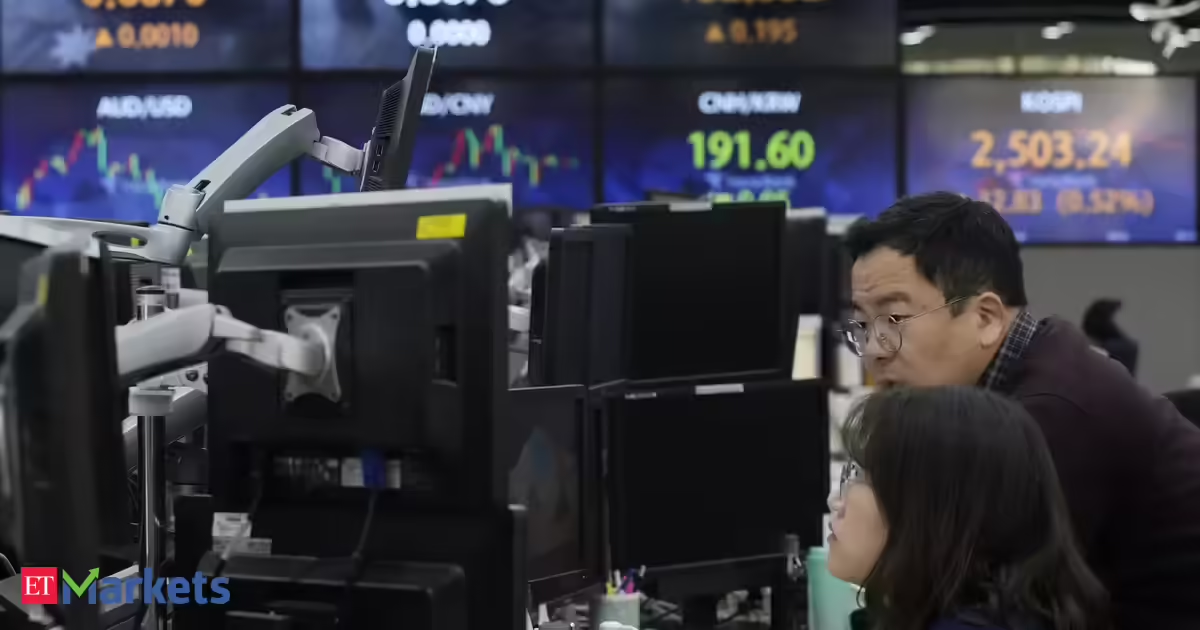
MSCI Inc.’s gauge of regional shares fell as much as 0.2% in early trading. S&P 500 futures also edged lower after a slide in megacap tech stocks and rising bond yields dragged the benchmark down 0.4% Monday. SpaceX shares slipped for a third straight day, shedding hundreds of billions of dollars in value. Brent crude prices rose slightly to trade above $78 a barrel.
The US issued a 60-day license allowing Iran to sell oil on the international market, giving Tehran an economic lifeline as the two adversaries are poised to continue discussions to reach a permanent peace deal.
Meanwhile, Vice President JD Vance described the first round of negotiations with Iran as “very, very good” and said Tehran had agreed to allow nuclear inspectors back into the country. But officials from the Islamic Republic, who also cited progress, challenged that claim, saying Vance’s assertion was “false and does not reflect reality.”
While geopolitical developments are likely to remain a key source of volatility in the near term, shifts in investor confidence regarding the durability of the AI rally may also lead to bouts of market swings, according to Ulrike Hoffmann-Burchardi at UBS Chief Investment Office.

Expectations that an agreement will be reached, as well as the revival of the AI trade and solid corporate earnings, have fueled a 14% advance in the S&P 500 Index this quarter. However, that trails the 26% surge in the MSCI Asia Pacific Index.
Treasuries fell on Monday as trading resumed following a US public holiday, even as oil prices turned lower Iran said there had been “major progress” in all-night discussions with the US. Strategists cited Federal Reserve Chairman Kevin Warsh’s hawkish messaging last week as one of the reasons for the selling pressure.In currency markets, the Japanese yen lingered near its lowest level since 1986 as investors weighed the prospects for a lasting US-Iran peace deal and the risk of intervention by Japanese authorities. The Bloomberg Dollar Spot Index was little changed after rising 0.2% on Monday.
SpaceX plunged 16% after saying it’s selling investment-grade bonds in what’s expected to be a massive borrowing spree. Its bond sale is the latest in a wave of deals from companies driving the AI boom. Alphabet, Amazon.com Inc. and others have raised more than $300 billion of debt tied to AI since November across multiple credit markets. The rocket firm is seeking to raise at least $20 billion, Bloomberg reported.
“The issue that stands out the most is the idea that the hyperscalers continue to receive an extremely low return on investment on their colossal level of spending on AI,” said Matt Maley at Miller Tabak. “Another big concern surrounds the issue of ‘circular investments,’ where companies invest in each other, while also committing to buying each other’s products.”
Elsewhere, Andy Burnham appears set to become the UK’s seventh prime minister in a decade after Keir Starmer laid out a timeline for his own departure and potential rivals backed a quick transition to the popular Manchester politician. While markets showed little reaction to the resignation, they were buoyed by reduced odds of a leadership contest that could have prolonged uncertainty.
BJ’s Restaurants director Ottinger sells $149,372 of common stock

Oklo: Almost Everything Has Changed Since My Sell Call – Almost
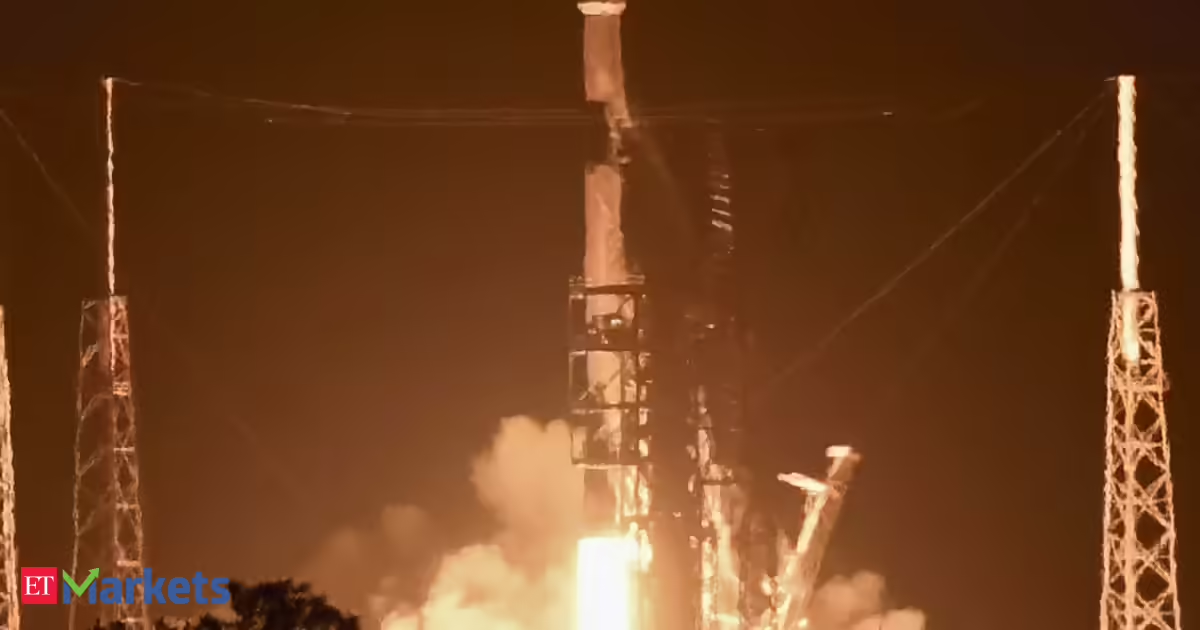
The stock fell 16% Monday to close at $154.60, the lowest level since the company’s first day of trading, pushing its three-day loss to 23% and erasing over $600 billion in value over that period. The company’s market capitalization now sits just above $2 trillion.
“Sellers are back in control. Anyone in the world who wanted to buy this has bought it already,” said Michael O’Rourke, chief market strategist at JonesTrading.
SpaceX’s first days of trading following its record $75 billion initial public offering were met with the type of volatility generally associated with new IPOs that have a low float — 4.2% of total shares outstanding were available to trade on day one — and high interest from retail investors. Still, even with Monday’s losses, SpaceX is the sixth-largest company in the world with shares about 15% higher than their $135 IPO price.
 Bloomberg
The rocket, satellite and AI conglomerate is seeking to raise at least $20 billion from the first bond offering, Bloomberg reported last week. SpaceX also inked a multibillion-dollar agreement to provide computing resources to Reflection AI, an AI startup, the company said Monday.
SpaceX’s embrace of artificial intelligence with the acquisition of Musk’s xAI in February meant investors closely watched the listing ahead of IPO prospects of competitors Anthropic PBC and OpenAI, both of which plan to go public as soon as this year with valuations expected to be around $1 trillion.
Retail trading in SpaceX, officially named Space Exploration Technologies Corp., was the strongest of any IPO in recent history, with the cohort buying net $405 million in the first five sessions according to Vanda Research. Retail investors bought more SpaceX last week than buying across all Magnificent Seven stocks combined, the data showed. On Monday, retail traders were still net buyers of SpaceX, but inflows were below last week’s levels, Vanda data showed. The stock was initiated with a recommendation of sector weight at KeyBanc Capital Markets, the first hold-equivalent rating according to data tracked by Bloomberg. Analysts led by Michael Leshock wrote that SpaceX is set to remain the leader in space-launch and adjacent verticals, but much of the long-term value is already captured in the stock price.
SpaceX “possesses significant disruptive growth avenues, though we believe this is reflected in current valuation and risk/reward appears balanced, in our view,” he wrote.
Form 4 CrowdStrike Holdings Inc For: 22 June

His company is one of several that makes sweat-analysing devices. In Epicore Biosystems’ case, that includes single-use sticky patches and sleeve-like wearables, which track the flow rate of sweat as it emerges from your skin, the sweat’s sodium (salt) content, and skin temperature, among other metrics.
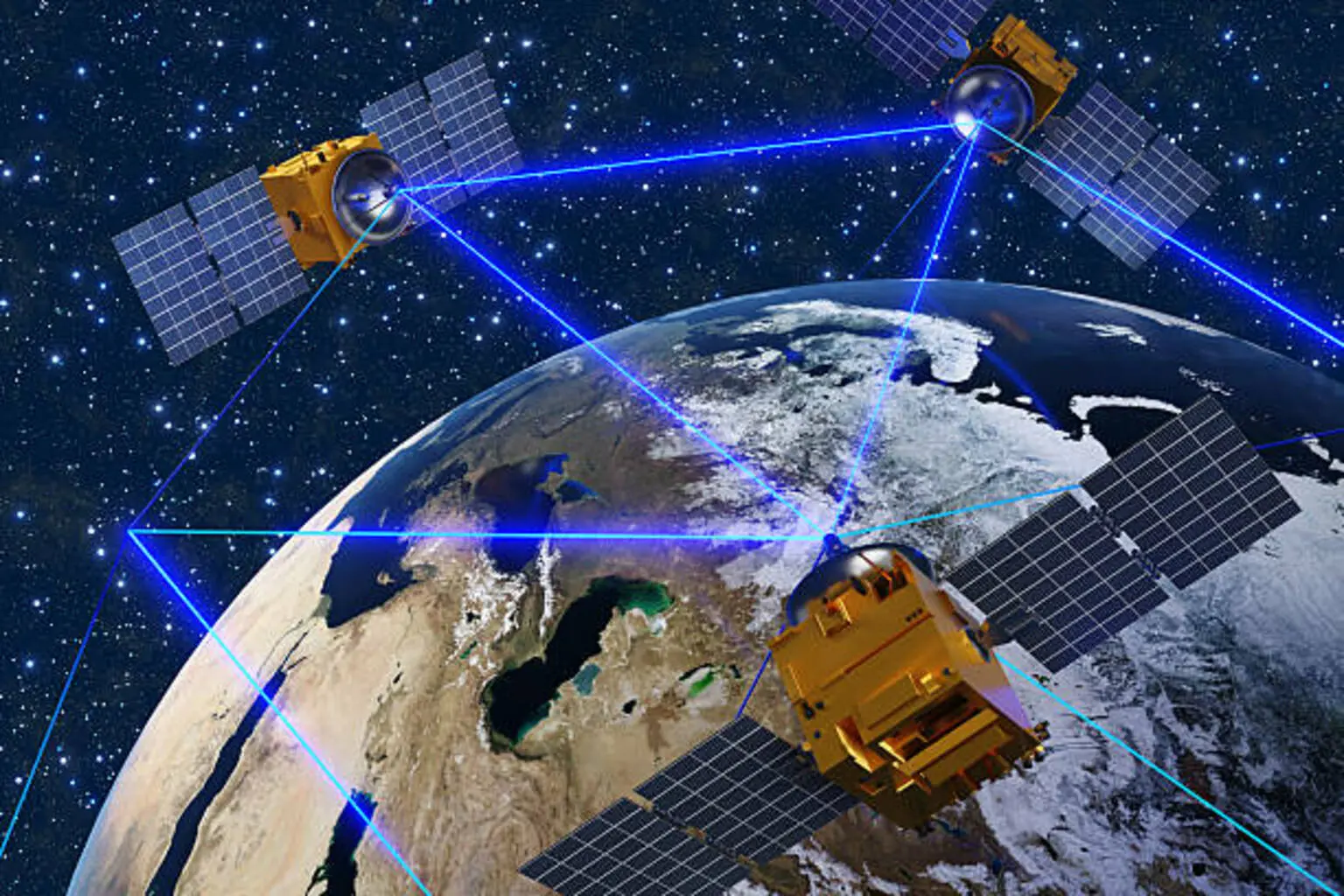
AST SpaceMobile: My Bet On The New Telecommunications Order
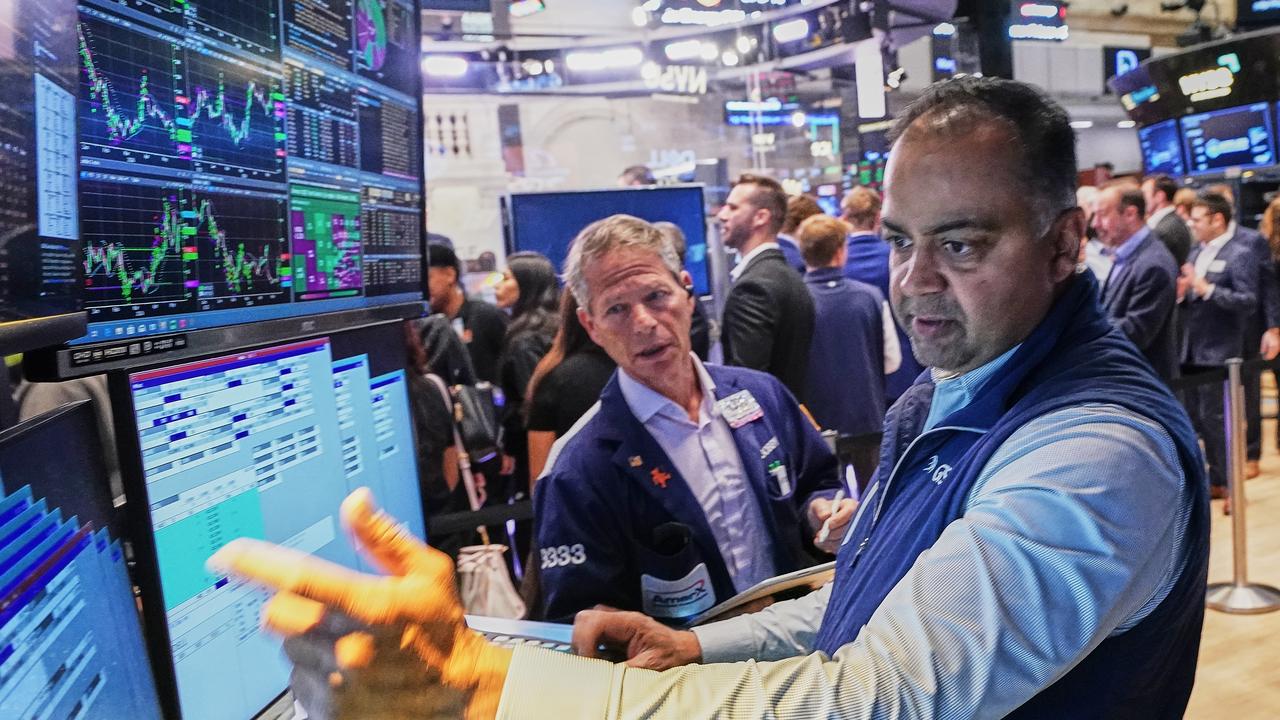
The S&P 500 and the Nasdaq have closed down, dragged by declines in the megacap technology stocks including Alphabet.

Wajarri-Nanda-Yamatji man Dwayne Mallard isn’t big on what’s implied by the word ‘leadership’. He prefers ‘stewardship’
Form 4 Talkspace Inc For: 22 June

Baillie Gifford Launches UK-Regulated Tokenized Bond Fund on Solana and Ethereum With BNY

3 Prime Video Series You Need To Binge Before the End of June


-

 Fashion3 days ago
Weekend Open Thread: Miami – Corporette.com
-
 Tech6 days ago
The Adder At The Heart Of Intel’s 8087 FPU
-

 Entertainment2 days ago
Renter of Home in Anne Heche Crash Denies Settlement With Son
-

 Tech13 hours ago
Microsoft accidentally kills epic Outlook email threads
-

 Business2 days ago
Soccer-U.S. defends Iran World Cup travel restrictions, says discussions ongoing
-

 Politics4 days ago
BBC Reporter Discusses Cross Party Criticism Of Trumps Iran Deal
-
 Business3 days ago
Wall Street Week Ahead: Investors see Micron earnings as pulse check of AI rally momentum
-

 Tech4 days ago
AWS enters the context layer race with a graph that learns from agents, not manual curation
-

 Crypto World3 days ago
HIVE shares jump as $220M AI deal speeds Bitcoin mining pivot
-
 Crypto World3 days ago
Can Charles Hoskinson Really Rescue Cardano?
-

 Crypto World3 days ago
Jake Chervinsky accuses CME of protecting derivatives monopoly
-

 Tech6 hours ago
Nearly 7,000 fake Amazon domains registered ahead of Prime Day 2026, researchers warn
-

 Business2 days ago
MHP SE 2026 Q1 – Results – Earnings Call Presentation (OTCMKTS:MHPSY) 2026-06-20
-

 Sports4 days ago
FIFA World Cup 2026: Canada beat 9-men Qatar 6-0 to register first ever win | FIFA World Cup 2026
-

 Politics3 days ago
Andy Burnham and the meaning of Makerfield
-
 Tech2 days ago
Signal’s Meredith Whittaker says AI chatbots ‘are not your friends’ and calls Copilot agents a backdoor
-

 Business4 days ago
Brexit cost 6% of UK economy, Bank of England company data suggests
-

 Crypto World5 days ago
Anthropic’s Dario Amodei Urged AI Unity at G7, Even as US Banned His Models
-

 Crypto World7 days ago
Robinhood opens AI-powered trading to all users, sending HOOD stock past $100
-
 Tech5 days ago
Weeks Of In-The-Field Testing And A Verdict
You must be logged in to post a comment Login