
Business
Why Global Oil and Gas Disruptions Have Long-Term Economic Impacts

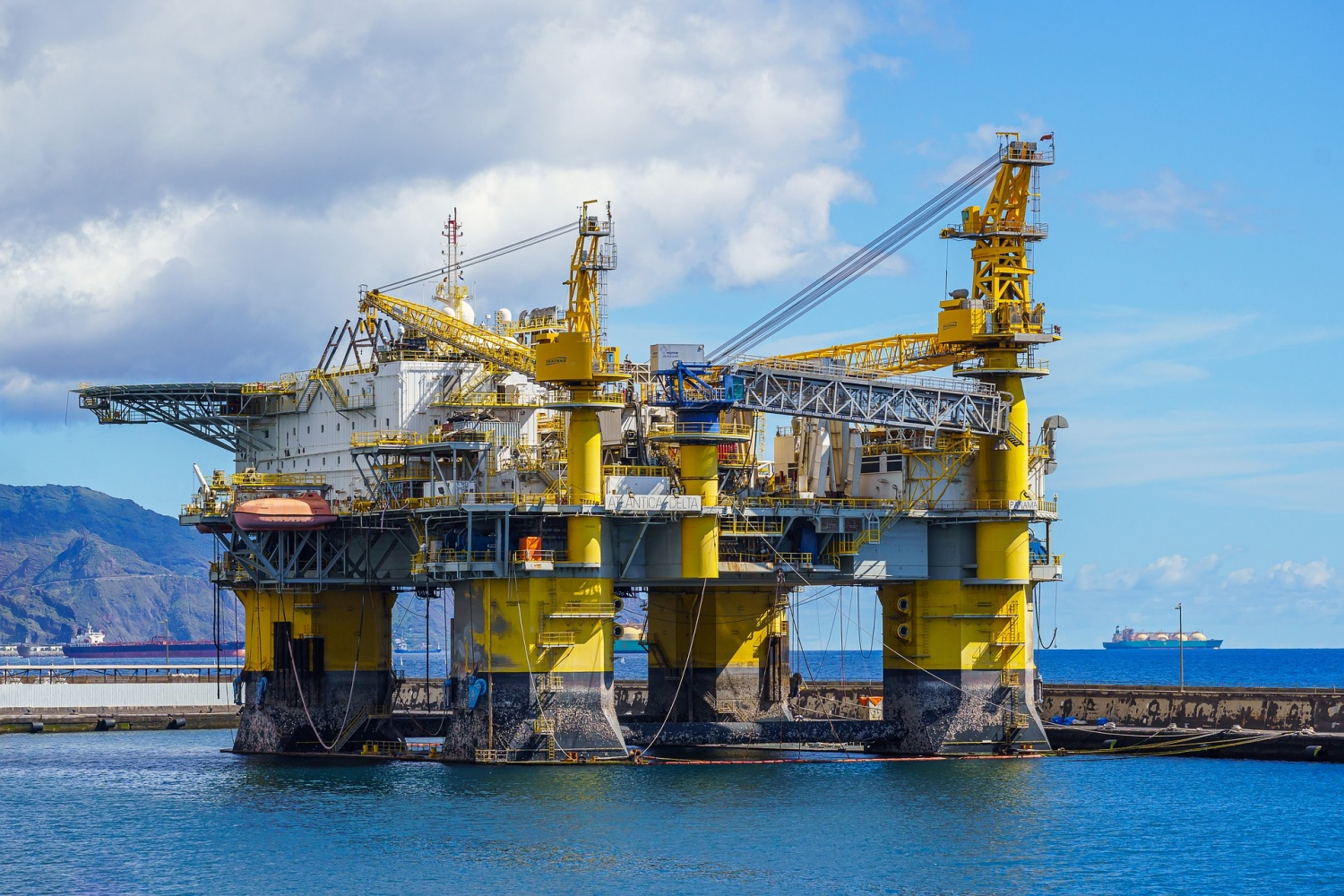
Global energy markets are under pressure again. A new conflict involving the United States, Israel, and Iran has pushed oil prices close to record highs and disrupted one of the world’s most important shipping routes.
Experts warn that this is not just a short-term spike. It could reshape economies for years.
The price of Brent crude oil has surged to around $120 per barrel, reminding many people of past crises. But this time, the situation is different.
The disruption is not just about politics or trade rules—it is about physical supply being cut off.
The Strait of Hormuz, a narrow waterway where a large share of the world’s oil passes, has seen major slowdowns in tanker traffic. This has reduced the amount of oil and gas reaching global markets.
One energy analyst explained the seriousness of the situation, saying, “This is the largest supply disruption in the history of the global oil market.” That statement captures why experts believe the economic effects could last longer than before.
Why This Crisis Is Different
In past energy shocks, like the 2022 crisis after Russia invaded Ukraine, supply chains adjusted.
Oil and gas were rerouted, and countries released reserves to calm prices. Over time, markets stabilized.
Today’s disruption is harder to fix. The problem is not just who sells energy—it is how that energy moves. When a key route like the Strait of Hormuz is blocked or limited, there are very few alternatives.
Pipelines that bypass the area can only carry a small portion of the usual supply. Ships also face delays and risks, making transport slower and more expensive.
Even when countries release oil from emergency reserves, it does not solve everything. The oil still needs to be shipped to where it is needed. With fewer tankers available and unsafe routes, delivery becomes a challenge.
How High Energy Prices Affect Everyday Life
When oil and gas prices rise, the effects spread quickly. Businesses that rely on energy—like factories, airlines, and shipping companies—face higher costs. These costs are often passed on to consumers.
This means higher prices for goods, plane tickets, and even food. Farmers, for example, depend on fuel and fertilizers, both tied to energy markets. When those costs go up, food prices can rise too.
At home, families feel the impact through higher electricity bills and fuel costs. Over time, people may spend less on other things because more of their money goes to energy. This slows down the overall economy.
Industries Under Pressure
Some industries are hit harder than others. Energy-heavy sectors like steel, cement, and chemicals depend on steady and affordable fuel supplies.
When prices stay high, these industries may reduce production or raise prices.
According to Aljareeza, transportation is also affected. Airlines pay more for fuel, shipping costs increase, and public transport may become more expensive.
While people still need to travel, long-term high prices can lead to fewer trips and changes in habits.
A Chain Reaction in the Global Economy
The longer the disruption lasts, the more serious the impact becomes. Countries that rely heavily on imported energy may struggle the most. Slower production, higher costs, and reduced spending can lead to weaker economic growth.
For energy-producing countries, the situation is also risky. If they cannot export their resources due to blocked routes or damaged infrastructure, they lose income and reliability. This can affect their role in the global market.
What Happens Next?
Markets may eventually stabilize, but not without consequences. Unlike past crises, this disruption highlights a major weakness: too much of the world’s energy passes through a few critical points.
As one expert noted, “The longer the disruption continues, the longer prices will remain high.”
This means the global economy may face a period of adjustment, with changes in energy use, trade routes, and investment.
In the long run, countries may look for new ways to secure energy—such as building alternative routes, increasing local production, or investing in renewable sources. But these solutions take time.
Originally published on vcpost.com


 Agencies
The divergence reflects private banks’ higher exposure to unsecured retail and MSME advances, which have been the primary source of stress across the sector. ICRA flags that the stress is increasingly concentrated in the MSME and retail segments, with the rural economy seen as bearing the brunt. The ongoing West Asia conflict adds a further layer of uncertainty, with potential job losses — particularly in the IT sector — flagged as a watch item for personal loan performance.
Business
Earnings call transcript: Sandfire Resources Q3 2026 sees record outcomes despite challenges

Earnings call transcript: Sandfire Resources Q3 2026 sees record outcomes despite challenges
Microsoft will make one of the largest investments in Australia’s artificial intelligence industry, pledging to spend $25 billion over three years to boost data centres, job training and cybersecurity defences.
Business
Threads Debuts ‘Live Chats’ For Users to Join During Live Events, Starting with the NBA Playoffs
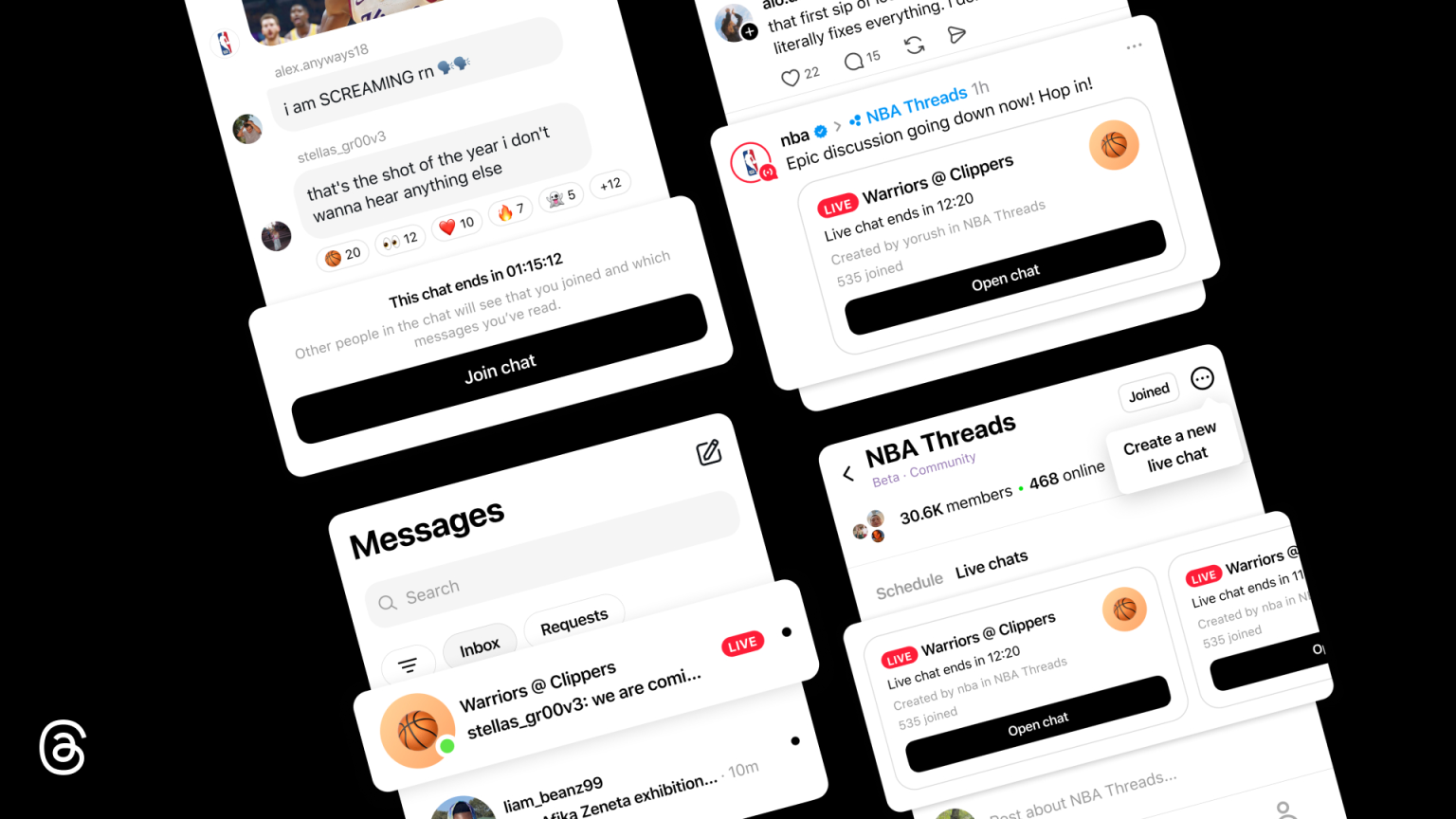
Meta is now giving Threads users a chance to engage in real-time conversations and discussions regarding a specific topic with “Live Chats,” a new feature that is now rolling out to the platform.
The new feature will initially see a limited run, beginning with the NBA Threads community to allow users discuss the ongoing first round of the NBA Playoffs.
Threads Debuts ‘Live Chats’ to Discuss Ongoing Events
Meta announced that it is rolling out a new feature called Live Chats to test its capabilities to deliver a new channel for Threads users to air out their comments or thoughts on a certain live event as they unfold.
According to Meta, the test will first make Live Chats available to the NBA Threads community, with members given the chance to host live chat sessions during different games in the NBA Playoffs.
The social media platform said that users may see a “live chat” as they scroll their feed, and they may choose to view it and take part by tapping “Join Chat.”
As many as 150 users are allowed to join a single Live Chat session, which includes engaging features like chats, reactions, poll votes, and more on the mobile platform.
Meta First Rolls Out Live Chats for the NBA Playoffs
The Playoffs season has gotten many users and fans riled up on online platforms like Meta’s Threads, and the company is now giving them the chance to air out their opinions and takes for others to read and respond to via this new Live Chats feature.
According to Meta, Live Chats are public, but hosts may choose to limit those who can send messages by setting the session to “invite-only.”
The test will launch starting April 23 for specific Playoffs games in the league, starting with the Cleveland Cavaliers and Toronto Raptors’ second first round game that is heading to the Scotiabank Arena.
Users may check out the specific schedules of Live Chat sessions on the NBA Threads community, hosted by designated Threads users.
Live Chats is one of the community engagement features of Threads, with the company previously launching a way for creators to promote and discuss their shows directly on the platform via the Threads for Podcasts feature.
Originally published on Tech Times
Business
Iran Claims ‘Impossible’ to Reopen Strait of Hormuz Due to ‘Flagrant’ Ceasefire Violations by US
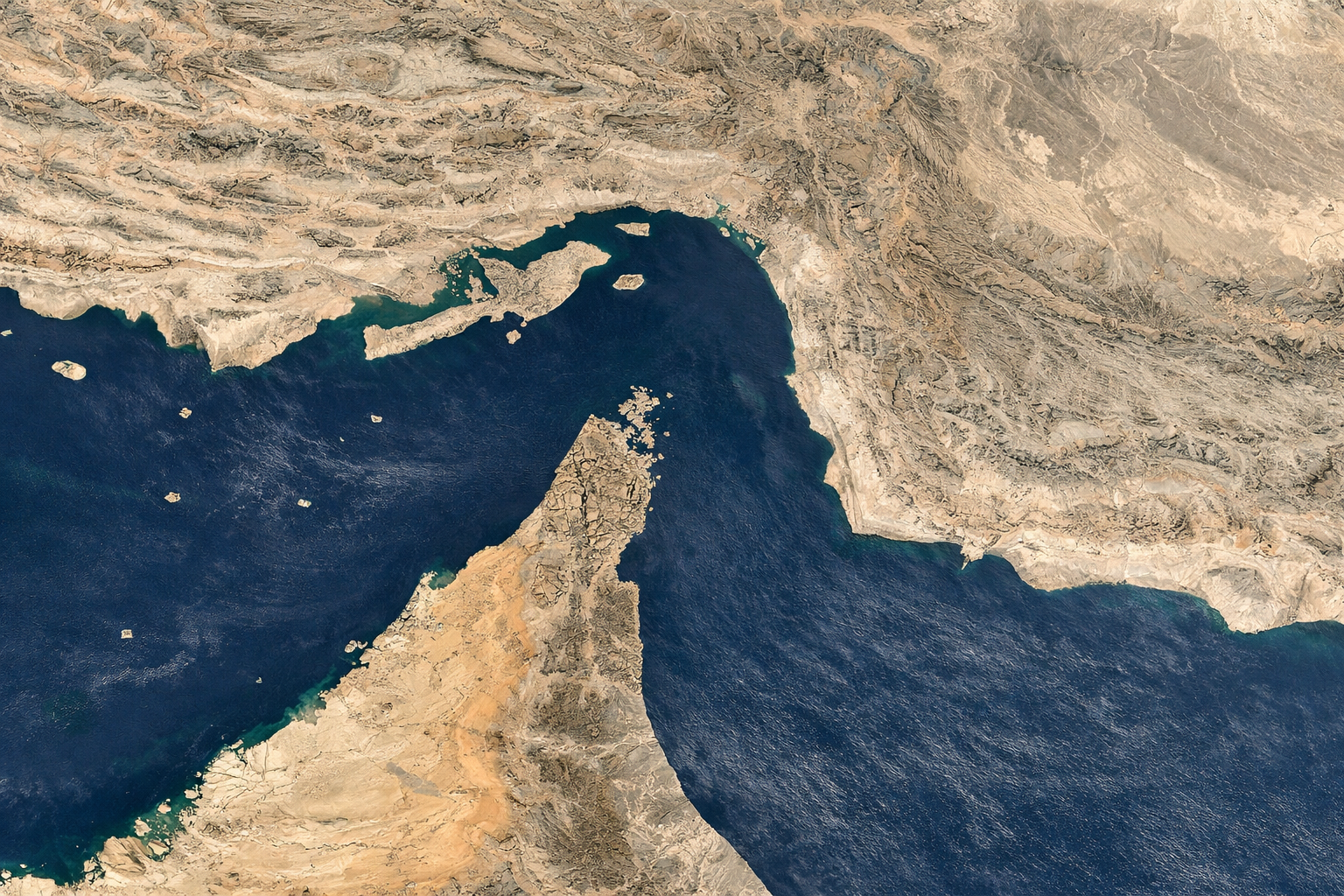

The speaker of the Iranian parliament has said that reopening the Strait of Hormuz is “impossible.”
Mohammad Bagher Ghalibaf blames this on the “flagrant” breaches of the ceasefire by the US government. US President Donald Trump previously declared that he was extending the ceasefire indefinitely.
Ghalibaf Claims ‘Impossible’ to Reopen Hormuz
According to a report by The Guardian, Ghalibaf took to social media to say that the US and Israel “did not achieve their goals through military aggression, nor will they through bullying.”
Ghalibaf counts the US naval blockade as breach of the ceasefire both parties agreed on. He likewise accused the US of “the hostage-taking of the world’s economy” and “Zionist warmongering.”
The report notes that Iran has seized two ships in the Strait of Hormuz. One is the Panama-flagged MSC Francesca, while the other is the Liberia-flagged Epaminondas. Iran has accused both ships of “attempting to exit the strait of Hormuz covertly.”
The Guardian notes that the Epaminondas is Greek-operated, leading to Greece’s foreign minister confirming that there had been an attack against a Greek-owned cargo ship.
Aside from the seizure of these two ships, Iran had also fired on a third ship in the strait, according to a report by 9News.
The report states that the Revolutionary Guard attacked a third ship, which has since been identified as the Euphoria. Iranian media has claimed that the Euphoria is now reportedly “stranded” on the Iranian coast.
Will Iran Participate in Any Peace Talks?
Iran’s Foreign Ministry spokesperson Esmail Baghaei has said that the country has not decided if it will participate in fresh peace talks initiated by the US.
Baghaei went on to accuse the US of “disregard and lack of good faith” in negotiations.
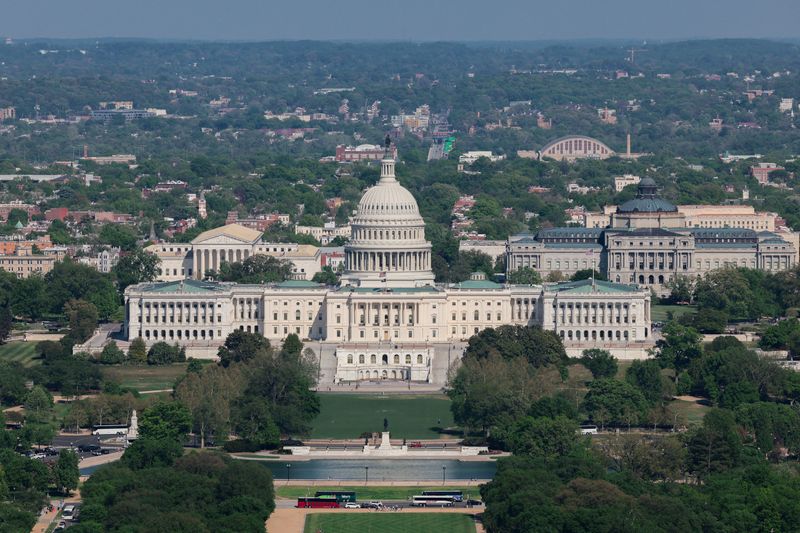

US Senate poised to advance ICE, border funding plan after marathon voting session

In the Nifty500 pack, seven stocks’ close prices crossed below their 200 DMA (Daily Moving Averages) on April 22, according to stockedge.com’s technical scan data. Trading below the 200 DMA is considered a negative signal because it indicates that the stock’s price is below its long-term trend line. The 200 DMA is used as a key indicator by traders for determining the overall trend in a particular stock. Take a look:
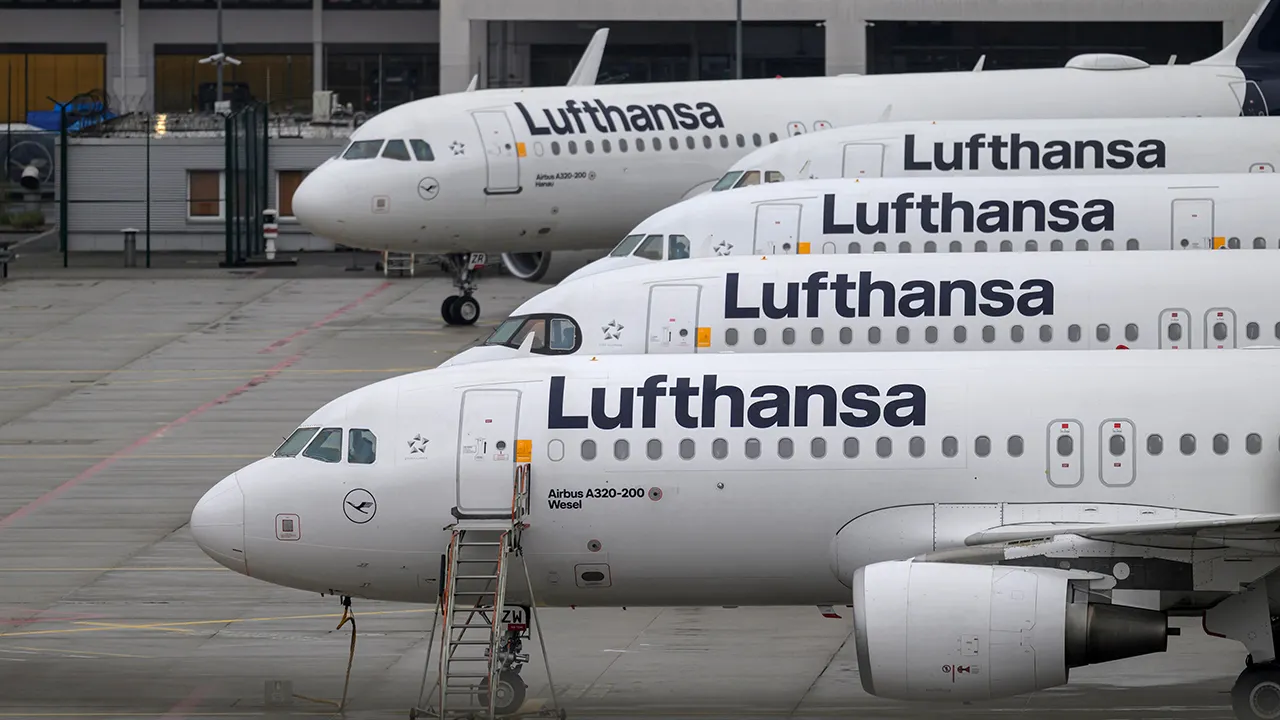
FOX Business’ Lauren Simonetti reports on Iranian attacks on cargo ships in the Strait of Hormuz, the impact on oil and and the economy on ‘Varney & Co.’
Lufthansa is cutting roughly 20,000 short-haul flights this summer, citing a spike in jet fuel prices that has rendered many routes “unprofitable” as the global aviation industry grapples with rising costs.
The German carrier said Tuesday the cuts, which will run through October, are expected to save about 40,000 metric tons of jet fuel. The airline noted that fuel prices have roughly doubled since the outbreak of the Iran war.
“In total, 20,000 short-haul flights will be removed from the schedule through October, equivalent to approximately 40,000 metric tons of jet fuel, the price of which has doubled since the outbreak of the Iran conflict,” the company said in a statement. “The schedule adjustments reduce the number of unprofitable short-haul flights across the Lufthansa Group network.”
TRUMP SAYS HE WANTS ‘SOMEBODY’ TO BUY SPIRIT AIRLINES, OPPOSES UNITED-AMERICAN MERGER
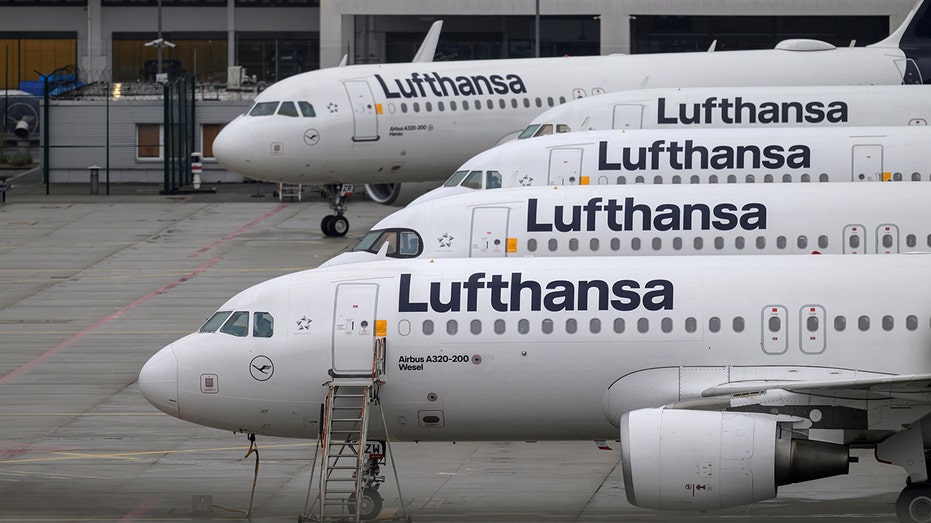
Lufthansa aircraft sit on the tarmac at Frankfurt Airport on April 13, 2026. (Hannes P Albert/picture alliance via Getty Images)
The move reflects a broader trend, as airlines worldwide adjust operations in response to surging fuel costs.
The energy market has seen increased volatility since the Iran war began and the flow of oil through the Strait of Hormuz has been severely constrained by the threat of Iranian attacks, impacting the availability of a key input in making jet fuel.
Other carriers are taking similar steps. Air Canada announced Friday it is suspending select U.S.-bound routes as jet fuel prices continue to climb.
AIR CANADA SCRAPS KEY US ROUTES AS FUEL COSTS SURGE AMID IRAN WAR
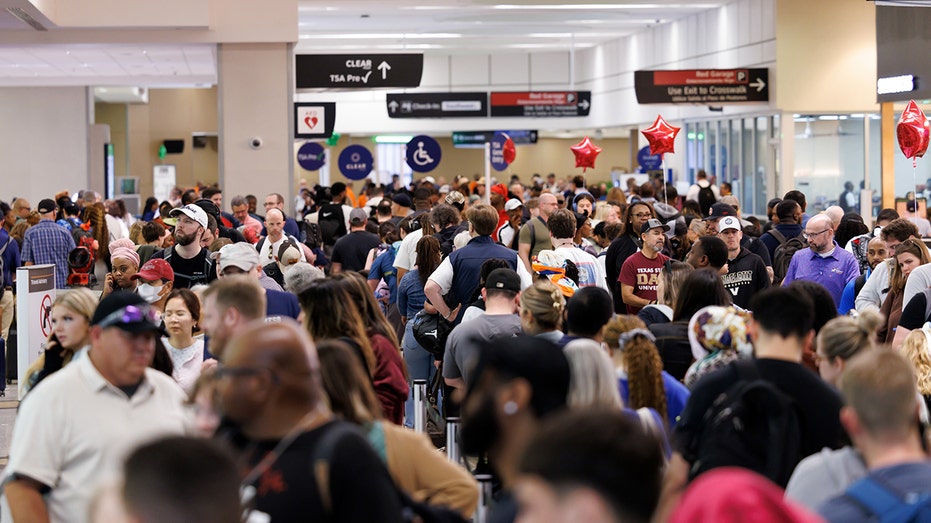
Travelers wait in line at a Transportation Security Administration (TSA) checkpoint at William P. Hobby Airport in Houston, Texas, on March 9, 2026. (Mark Felix/Bloomberg via Getty Images)
Delta Air Lines has also trimmed some summer routes, telling USA TODAY the adjustments are part of “normal planning.”
At the same time, several major airlines – including JetBlue, United, Delta and Southwest – have raised baggage fees in recent weeks.
“We’re seeing airfare increase across the board, from the full-service airlines to the budget carriers, from domestic flights to long-haul international,” Sean Cudahy, senior aviation reporter at The Points Guy, told FOX Business. “And it’s not just fares – almost every major U.S. carrier has hiked checked bag fees, too. This is really just a classic case of companies passing on costs to their customers, and it’s a big cost at that.”
SOARING JET FUEL PRICES THREATEN TO DRIVE UP SUMMER TRAVEL COSTS
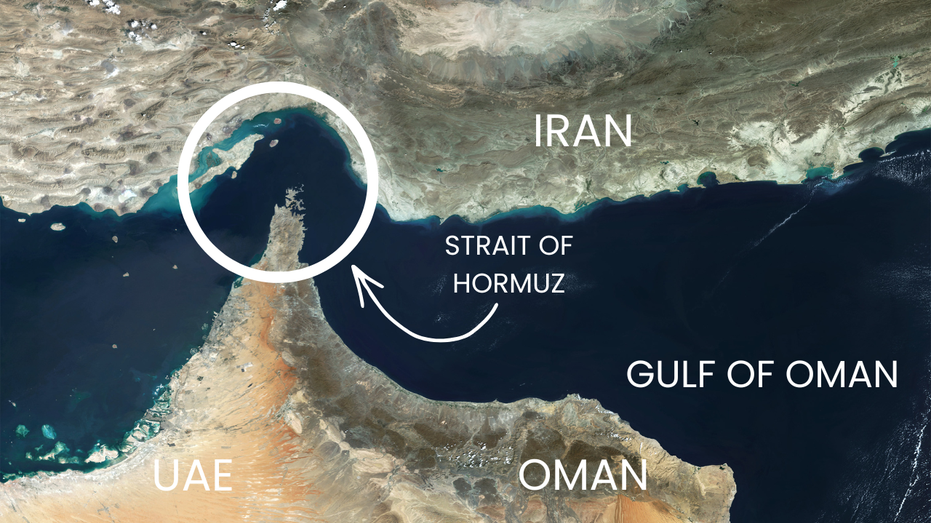
A satellite image shows the Strait of Hormuz, a key maritime passage connecting the Persian Gulf to the Gulf of Oman, vital for global energy supply. (Amanda Macias/Fox News Digital)
Jet fuel is typically airlines’ second-largest expense, according to Cudahy.
“Even if the Strait of Hormuz reopened tomorrow, you’d likely see lingering high fares for months to come. And those checked bag fees that just rose? Those almost never come back down once they go up,” he added.
GET FOX BUSINESS ON THE GO BY CLICKING HERE
FOX Business reached out to Lufthansa and Delta Air Lines for comment.
FOX Business’ Eric Revell and Bonny Chu contributed to this report.

LOS ANGELES — Mookie Betts continues to rehab a right oblique strain suffered on April 5 against the Washington Nationals, with the Los Angeles Dodgers taking a cautious approach to his return as the four-time World Series champion has already missed more than two weeks of action.

Manager Dave Roberts provided the latest positive but measured update Tuesday, confirming that Betts began a swing progression over the weekend. The star shortstop has been progressing through med ball throws and light throwing but has not yet started hitting in a game-like setting. Roberts emphasized that the team will not rush Betts, noting it will still “take a while” before he is back in the lineup despite the encouraging signs.
Betts, who turns 34 in October, has echoed the cautious tone. In recent comments, he said he is able to throw without issue and that running feels manageable, though he has not begun swinging a bat. He stressed the importance of avoiding the mechanical issues that arose from a previous oblique injury last season, when he pushed through discomfort and developed bad habits at the plate. “It’s just an oblique, and it’s going to take time,” Betts said, adding that the Dodgers are prioritizing full comfort with med ball work before advancing to hitting.
Oblique strains are notoriously tricky for position players, often requiring four to six weeks of recovery. While initial optimism suggested a shorter absence — Betts was placed on the 10-day injured list shortly after the injury — the timeline has extended. He remains eligible to return as early as mid-April in theory, but Roberts and the medical staff have made clear the 10-day IL stint was insufficient. Most projections now point to a return sometime in May, potentially after a rehab assignment, though no firm date has been set.
The injury has tested the depth of a star-studded Dodgers roster that entered 2026 with championship aspirations. Betts, a versatile defender capable of playing shortstop, second base and the outfield, has been one of the franchise’s most consistent performers since joining via trade from the Boston Red Sox. His absence has created opportunities for others, most notably Korean infielder Hyeseong Kim, who was recalled from Triple-A Oklahoma City to help fill the void.
Kim, signed by the Dodgers to a multi-year deal before the 2025 season, has seized the opportunity. In limited action since the call-up, the left-handed hitter has posted strong early numbers, including a batting average around .333 with a high on-base percentage, a home run and multiple stolen bases. Manager Roberts has praised Kim’s calm, patient approach at the plate and his growing comfort in the major leagues during his second year stateside.
The 27-year-old Kim has primarily seen time at second base and shortstop, providing defensive versatility while delivering contact hitting and speed on the basepaths. His low strikeout rate and ability to get on base have helped the Dodgers maintain offensive production despite missing Betts’ elite bat and leadership. In 2025, Kim showed promise as a utility player with a .280 average, modest power and double-digit steals in limited big-league time. Early 2026 performance suggests he could develop into a reliable everyday contributor if given consistent at-bats.
Still, replacing Betts fully remains a tall order. The veteran brings Gold Glove-caliber defense, switch-hitting power, speed and championship experience that few players can match. Kim’s profile leans more toward contact and speed than Betts’ well-rounded slugging and elite defense, but his hot start has eased some of the burden on the lineup. Roberts has indicated that if Kim continues performing well, he could earn a longer stay on the roster even after Betts returns, potentially creating a dynamic infield rotation.
The Dodgers have navigated the absence without major slippage, thanks to contributions from other stars like Shohei Ohtani, Freddie Freeman and the rest of a deep lineup. However, the team’s ability to sustain momentum will be tested further if Betts misses additional time into May. Oblique injuries can linger, and the Dodgers have signaled they would rather err on the side of caution to ensure Betts returns at full strength rather than risk a setback.
Betts has used the downtime for personal milestones as well. The father of three recently shared family updates, emphasizing the joy of fatherhood amid his recovery. His positive attitude and focus on smart rehabilitation have been noted by teammates and coaches.
For fantasy baseball managers and Dodgers fans tracking the situation, the key questions remain when Betts will resume baseball activities and how effectively Kim can hold down the fort. Early indications point to a gradual ramp-up for Betts, with swinging likely to begin soon followed by simulated games or a short rehab stint. A return in early to mid-May appears realistic if progress continues without setbacks.
Hyeseong Kim’s role will be pivotal in the interim. His ability to provide consistent offense and defensive reliability at premium infield positions gives the Dodgers flexibility. If Kim maintains a high on-base percentage and adds value on the bases, he could carve out a larger role in the long term, even in a crowded Dodgers infield that includes veterans and other young talents.
The broader picture for the Dodgers remains bright. Despite the injury, the team has stayed competitive in the competitive National League West. Depth has been a hallmark of their roster construction, allowing them to weather absences better than most clubs. Still, Betts’ unique skill set makes him difficult to replace entirely, and his return will be welcomed as the season intensifies.
As the calendar turns toward May, all eyes will remain on Betts’ daily progress and Kim’s continued production. The Dodgers will balance short-term needs with long-term health, aiming to have their star shortstop back healthy and contributing to another deep postseason run.
For now, the message from the organization is patience. Mookie Betts is progressing, but oblique strains demand respect. In the meantime, Hyeseong Kim is proving he belongs, offering a capable stopgap that keeps the Dodgers’ championship hopes intact.
Business
Oil Price Today (April 23): Crude oil prices cross $100 again as Iran war ceasefire talks show no progress. $120 in sight?

Adding to concerns, Iran seized two ships in the strait on Wednesday, tightening control over the passage. The U.S. has continued its naval blockade on Iranian trade, while Iranian parliament speaker and lead negotiator Mohammad Baqer Qalibaf stated that a full ceasefire would only be meaningful if the blockade is lifted.
Crude oil price on April 23
Brent crude futures slipped 15 cents to $101.76 per barrel, after closing above $100 on Wednesday for the first time in over two weeks. West Texas Intermediate futures also edged lower by 14 cents to $92.82.On Wednesday, both benchmarks had surged more than $3, supported by larger-than-expected draws in U.S. gasoline and distillate inventories, along with continued deadlock in diplomatic negotiations.

Although U.S. President Donald Trump extended a ceasefire following mediation efforts by Pakistan, tensions remain unresolved. Iran and the U.S. are still limiting vessel movement through the Strait of Hormuz, a critical route that previously handled about 20% of global oil and LNG flows before the conflict began in late February with U.S. and Israeli strikes on Iran.
Markets remain highly reactive to geopolitical signals, with price movements driven more by sentiment than any concrete improvement in supply. Limited vessel activity through the strait highlights the ongoing uncertainty. Even if tensions ease, a full normalization of flows is expected to take several months.
Macquarie estimates that crude prices could remain supported in the $85 to $90 range in the near term, with a gradual rise towards $110 as supply conditions improve. It also cautioned that prolonged disruptions through April could push Brent prices as high as $150 per barrel.
Analysts believe the market may be entering a phase of structurally higher prices. With the ceasefire viewed as temporary, a return to pre-conflict levels of $70 to $75 may not happen quickly. In the short term, prices are likely to move within a band of $80 to $85 on the downside and $95 to $100 and above on the upside.
Nuvama Institutional Equities added that an extended closure of the Strait of Hormuz, which carries around 20 million barrels per day, could drive crude prices into the $110 to $150 range.
(Disclaimer: Recommendations, suggestions, views and opinions given by the experts are their own. These do not represent the views of The Economic Times)

Immigration officer charged with assault after protest, DA says
Private banks to see a higher rise in NPAs than public peers in FY27

Solana Price Prediction: Can SOL Reach $600 After $1 Trillion Q1 and the Alpenglow Upgrade?

Manchester United reach agreement with Casemiro over contract clause amid transfer speculation

Steven Gerrard disagrees with Gary Neville over ‘shock’ Chelsea and Arsenal claim | Football

US brings back mandatory military draft registration


-

 Sports6 days ago
NWFL Suspends Two Players Over Post-Match Clash in Ado-Ekiti
-

 Fashion5 days ago
Weekend Open Thread: Theodora Dress
-

 Politics5 days ago
Palestine barred from entering Canada for FIFA Congress
-
Entertainment3 days ago
NBA Analyst Charles Barkley Chimes in on Ice Spice McDonald’s Fiasco
-

 Business4 days ago
Powerball Result April 18, 2026: No Jackpot Winner in Powerball Draw: $75 Million Rolls Over
-

 Tech4 days ago
Auto Enthusiast Scores Running Tesla Model 3 for Two Grand and Turns It Into Bare-Bones Go-Kart
-

 Politics4 days ago
Zack Polanski demands ‘council homes not luxury flats for foreign investors’
-

 Crypto World5 days ago
Russia Pushes Bill to Criminalize Unregistered Crypto Services
-

 Politics2 days ago
Gary Stevenson delivers timely reminder to register to vote as deadline TODAY
-

 Politics9 hours ago
Disabled people challenge government SEND proposals over segregation concerns
-

 Business17 hours ago
Rolls-Royce Voted UK’s Most Iconic Trade Mark as IPO Register Hits 150
-

 Politics9 hours ago
Making troops accountable for war crimes threatens US alliance, ex-SAS colonel warns
-
 Business6 days ago
Creo Medical agree sale of its manufacturing operation
-

 Crypto World5 days ago
Russia Introduces Bill To Criminalize Unregistered Crypto Services
-

 Politics10 hours ago
Starmer handler McSweeney to be dragged from shadows by Foreign Affairs Committee
-

 Politics10 hours ago
Zack Polanski responds to home secretary’s taser threat
-
Politics10 hours ago
Wings Over Scotland | How To Get Away With Crimes
-
 Crypto World4 days ago
Kelp DAO rsETH Bridge Hack Drains $292M as DeFi Losses Top $600M in Two Weeks
-

 Politics7 hours ago
‘Iran is still a nuclear threat’
-

 Tech7 days ago
Ford EV and tech chief leaving automaker
You must be logged in to post a comment Login