

Business
World Cup 2026 Opener Predictions, Lineups and Key Battles

TORONTO — Ghana and Panama meet for the first time when they open Group L play at the 2026 World Cup on Wednesday at BMO Field, with both sides seeking a positive start in a tough pool featuring England and Croatia.
The Black Stars, making their fifth World Cup appearance, arrive with questions after a turbulent buildup. Panama, in just its second finals, brings stability and ambition to claim its first-ever World Cup victory.
Ghana sits 73rd in the FIFA rankings, down from higher placements in recent cycles. The West Africans cruised through qualifying but failed to reach the last Africa Cup of Nations. Coach Otto Addo departed in April, paving the way for veteran Portuguese tactician Carlos Queiroz, who becomes only the third manager to lead a team at five World Cups.
Injuries have hampered preparations. Key absences include midfielder Mohammed Kudus due to a quad injury and defender Alexander Djiku. Thomas Partey faces visa issues for Canada and is unavailable. The squad relies on experience from players like Jordan Ayew and emerging talents such as Antoine Semenyo of Bournemouth.
Recent form offers little encouragement. Ghana has lost six of its last seven matches heading into the tournament, conceding heavily in several outings. World Cup history since the 2010 quarterfinal run remains modest, with just one win in the last seven finals games.
Queiroz aims for defensive solidity and organized attacking transitions. Predicted lineup in a 4-2-3-1: Lawrence Ati-Zigi in goal; Marvin Senaya, Jonas Adjetey, Jerome Opoku and Gideon Mensah across the back; Elisha Owusu and Caleb Yirenkyi in central midfield; with Antoine Semenyo, Inaki Williams, Abdul Fatawu Issahaku supporting Jordan Ayew up front.
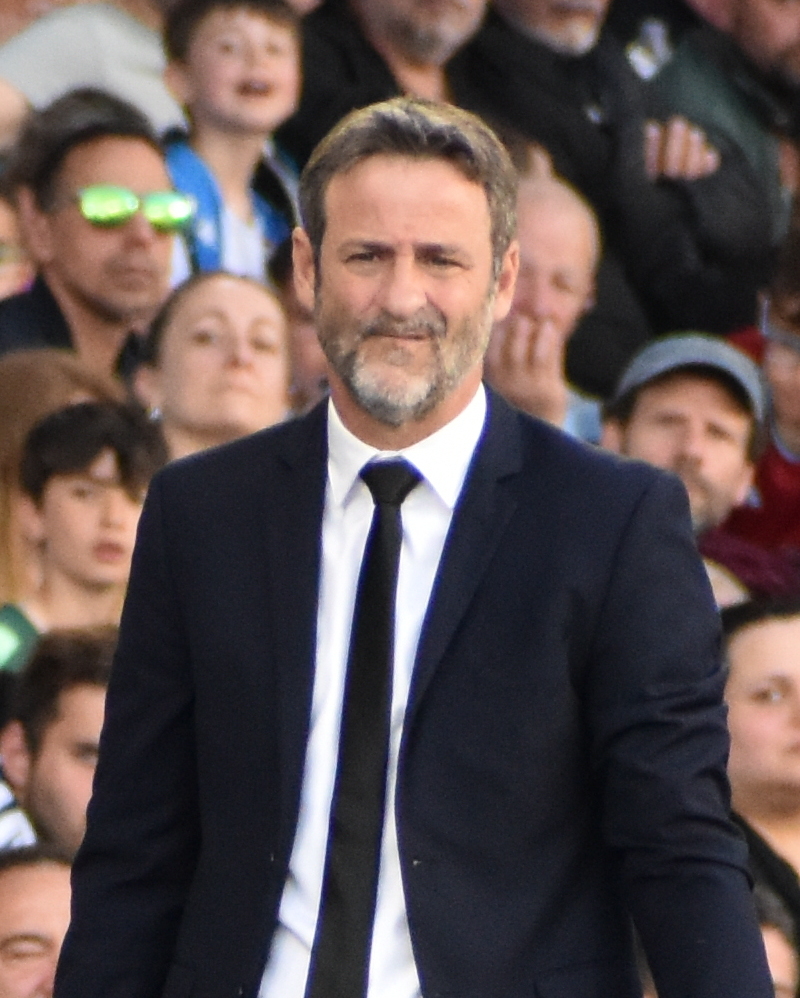
Panama, ranked 34th, enters with greater cohesion under Danish-born coach Thomas Christiansen, who has led the team for nearly six years. The Canaleros qualified as the sole Concacaf representative outside the co-hosts and showed marked improvement from their goalless 2018 debut.
Christiansen’s side emphasizes high pressing and tactical discipline. Veterans like Anibal Godoy and Amir Murillo provide leadership, while dynamic attackers including Ismael Diaz and Jose Luis Rodriguez offer threat. Adalberto Carrasquilla remains a creative hub when fit.
Panama has scored consistently in buildup matches and kept clean sheets in stretches of qualifying. The team failed to score in just one of its last 12 games and netted multiple times in three of the previous five.
Predicted Panama lineup (3-4-3): Orlando Mosquera; Andres Andrade, Jiovany Ramos, Carlos Harvey; Amir Murillo, Anibal Godoy, Cristian Martinez, Eric Davis; Jose Luis Rodriguez, Cecilio Waterman or Jose Fajardo, Ismael Diaz.
This marks the nations’ first senior meeting. Ghana holds a slight historical edge against Concacaf sides in World Cups but enters as modest favorites despite the ranking gap and form woes. Betting markets list Ghana around +105 to +120, with the draw near +245 and Panama at +240 to +300.
Tactical Outlook and Key Matchups
Queiroz’s Ghana will likely prioritize compactness to blunt Panama’s press. The Black Stars possess individual quality in attack through Semenyo’s pace and Ayew’s movement, but defensive injuries create vulnerabilities. Set pieces and transitions could prove decisive.
Panama thrives in organized disruption. Christiansen’s pressing system targets transitions, and the side’s defensive structure has improved significantly. Midfield control via Godoy and potential Carrasquilla involvement will be crucial against Ghana’s central pairing.
Both coaches stressed preparation challenges. Panama views this as an opportunity to make history, while Ghana must stabilize quickly against stronger opponents later in the group.
Group Context and Broader Implications
Group L presents steep challenges. A result here could provide crucial momentum or early pressure. England and Croatia are expected to battle for top spot, leaving Ghana and Panama to fight for third or advancement surprises.
Ghana’s proud football heritage includes that near-semifinal in 2010. Supporters back home and in the diaspora hope Queiroz can instill belief. Political figures and musicians have rallied around the team, reflecting national unity around the Black Stars.
For Panama, reaching the knockout stage would represent enormous progress. Christiansen has transformed the program’s mentality from participation to competitiveness. “We’re no longer being outplayed, we can beat them,” he noted earlier in the cycle regarding stronger foes.
Betting Angles and Predictions
Analysts split on the outcome. Some favor Ghana narrowly due to attacking talent, while others see value in Panama’s form and Ghana’s disarray. A 1-1 draw appears frequently in previews, reflecting cautious openers. Over 2.5 goals carries moderate appeal given both sides’ recent scoring patterns.
Key player to watch: Antoine Semenyo. His Premier League experience and direct style could exploit any Panama gaps. For the visitors, Ismael Diaz offers creativity on the flank.
The match kicks off at 8 p.m. local time in Toronto. Neutral venue dynamics and tournament atmosphere add layers, as both teams adjust to the World Cup stage pressure.
Ghana needs to reverse poor momentum swiftly. Panama arrives confident and organized, eager to spring an upset. Expect a tense, tactical affair with limited early openings as both sides gauge each other in this historic first encounter.
A positive result for either could reshape Group L dynamics and boost confidence for tougher tests ahead. Football fans worldwide will watch to see which underdog narrative gains traction on opening night.



Hillshire Reserve features five lunch meat varieties.

Form 4 Advanced Energy Industries Inc For: 17 June
Business
Raghuram Rajan’s warning to India after Hormuz shock: Build bigger oil reserves, diversify faster
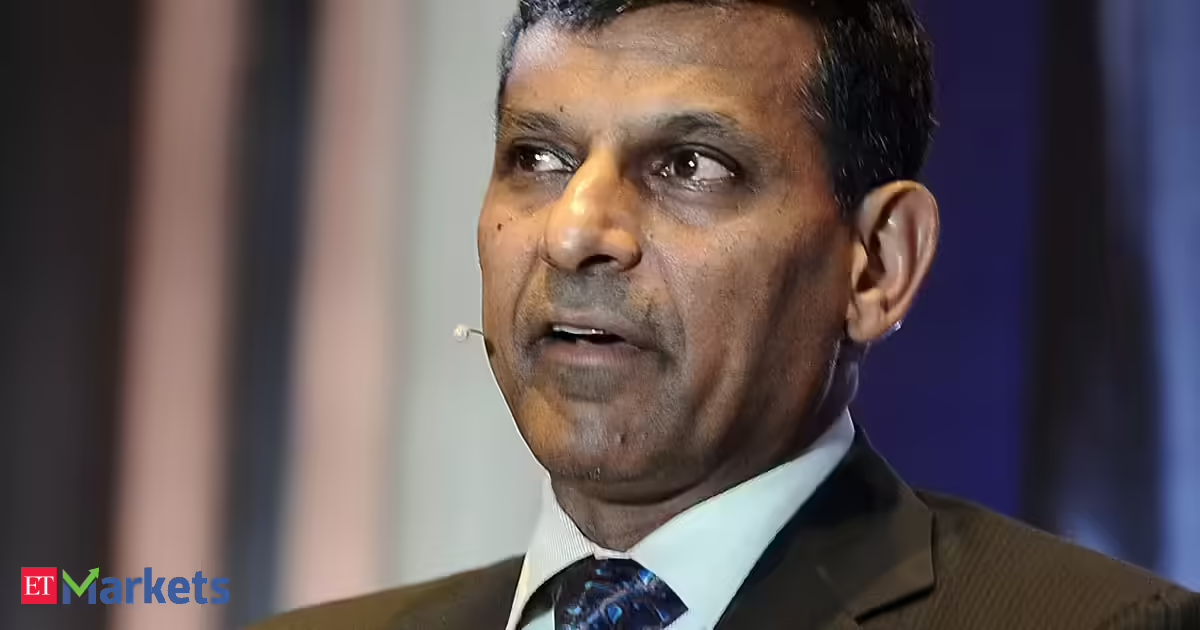
On energy security, Rajan was direct: a potential US-Iran peace deal does not erase the underlying vulnerability that the Hormuz disruption exposed. He noted that the strait accounts for a significant share of India’s crude, LNG and LPG imports, and said India needs a much larger strategic oil reserve than it currently has. Rajan also pointed to the need for flexible backup options, such as the ability to ramp up coal production the way China has, alongside a longer-term push toward renewables. He cautioned, however, that renewable energy carries its own supply-chain risk, since India still depends heavily on imported solar cells and wind components, and called for Indian industry to take a bigger role in building domestic alternatives — something he said hasn’t happened yet.
India needs to diversify import sources & export markets
On trade, Rajan said India is currently in a better position than earlier this year, when it faced steep tariff threats from the US. He flagged an incoming tariff tied to forced-labor concerns, set at 12.5%, slightly higher than the roughly 10% rates facing Pakistan and Bangladesh, but said the gap is manageable. A bigger risk, he said, is a separate “excess capacity” probe that could stack additional tariffs on top of the existing rate, something he hopes Indian trade officials can head off. His broader takeaway: India needs to diversify both its import sources and export markets to reduce exposure to any single shock.
Rajan also addressed the rupee’s sharp depreciation, which has fallen close to 14% against the dollar over two years. He linked the slide less to oil prices alone and more to a structural problem: India isn’t attracting enough foreign direct investment, even as remittance inflows remain strong. He questioned why domestic investment hasn’t matched the country’s strong headline GDP growth, calling it a gap between “the walk” and “the talk” that policymakers need to examine. If global oil prices hold near current levels — around $85 a barrel, assuming the ceasefire holds — Rajan said India’s current account position looks “relatively mild” rather than alarming, and even suggested policymakers may be overreacting by considering costly capital-inflow incentives like the FCNR(B) proposal.
Looking ahead, Rajan urged India to take a three-to-five-year view on critical commodity exposure, warning that the next vulnerability may not be oil but pharmaceutical inputs used to manufacture generic drugs. He called for building strategic buffers, domestic production capacity, and stronger ties with friendly supply countries — describing the recent shocks as a “wake-up call” that policymakers and industry should not let go to waste.

Treasury yields declined as investors turned cautiously optimistic about the prospect of reopening the Strait of Hormuz following the U.S.-Iran agreement.
Focus is also on the Federal Reserve’s first meeting under Chairman Kevin Warsh, with the announcement due Wednesday.
“The prospect of lower energy prices has also eased inflation concerns, contributing to softer Treasury yields,” Empire FX’s Crispus Nyaga said in a note.
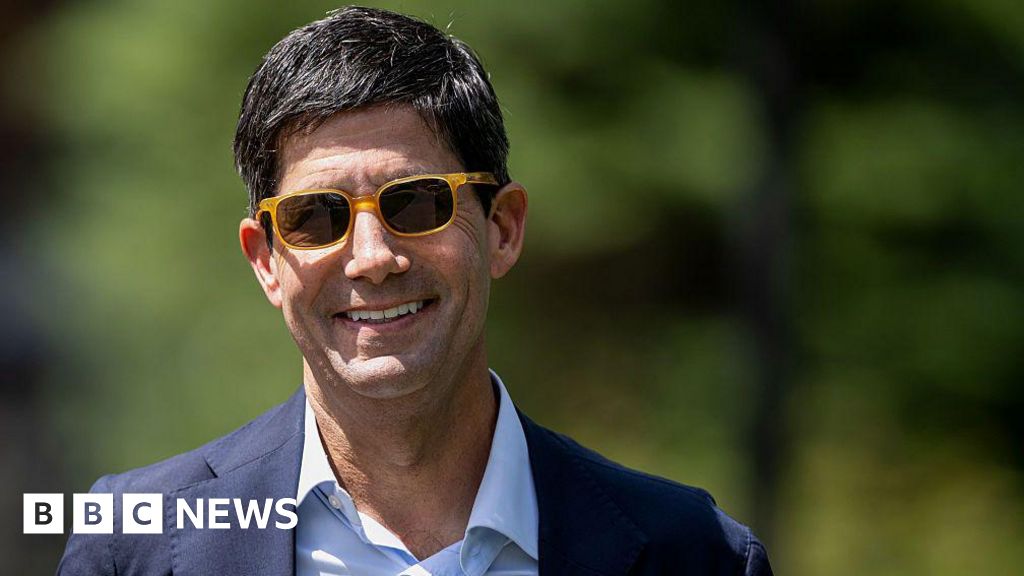
Inflation, the rate at which prices are increasing year over year, hit 3.8% in April. Trump’s decision to launch strikes on Iran, which resulted in it retaliating by shutting the key Strait of Hormuz shipping lane, has been largely blamed for the increase.
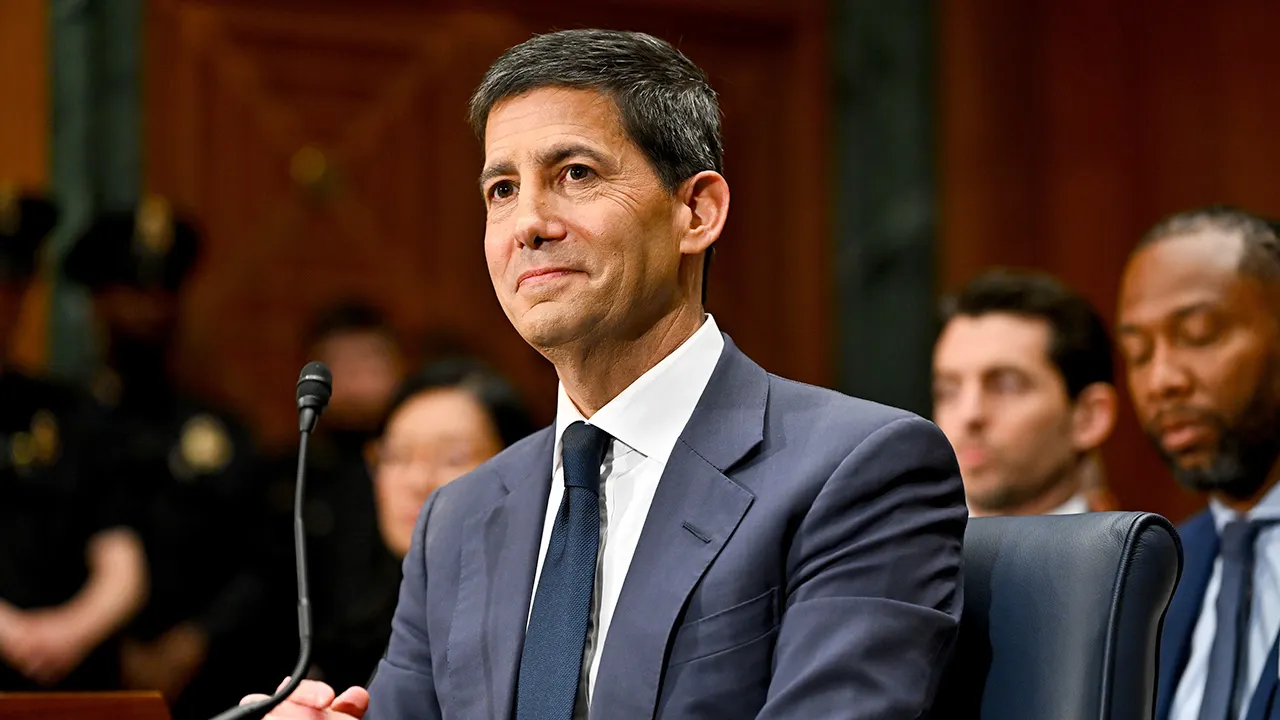
Warsh leads his first press conference on interest rates after becoming chairman of the federal reserve.
This is a developing story about the June 2026 FOMC interest rate decision and will be updated with further details.
The Federal Reserve on Wednesday announced that it will hold interest rates steady due to concerns about elevated inflation amid the war in Iran, as Fed Chair Kevin Warsh’s tenure leading the central bank begins in earnest.
Fed policymakers voted to leave the benchmark federal funds rate unchanged at its current range of 3.5% to 3.75%. The move follows the central bank’s decision to hold rates steady in January, March and April following three successive 25-basis-point rate cuts in September, October and December to close out last year.
The Federal Open Market Committee (FOMC), the central bank’s panel responsible for monetary policy moves, voted 12-0 to leave interest rates unchanged. Policymakers noted in the FOMC’s statement that inflation remains elevated above the central bank’s 2% goal, which it said was “in part reflecting supply shocks that have driven price increases in certain sectors, including energy.”
They also noted that job gains have kept pace with the workforce, while reiterating support for the dual mandate of price stability and maximum employment. Policymakers added that, “Economic activity is expanding at a solid pace despite elevated uncertainty that owes, in part, to the conflict in the Middle East.”
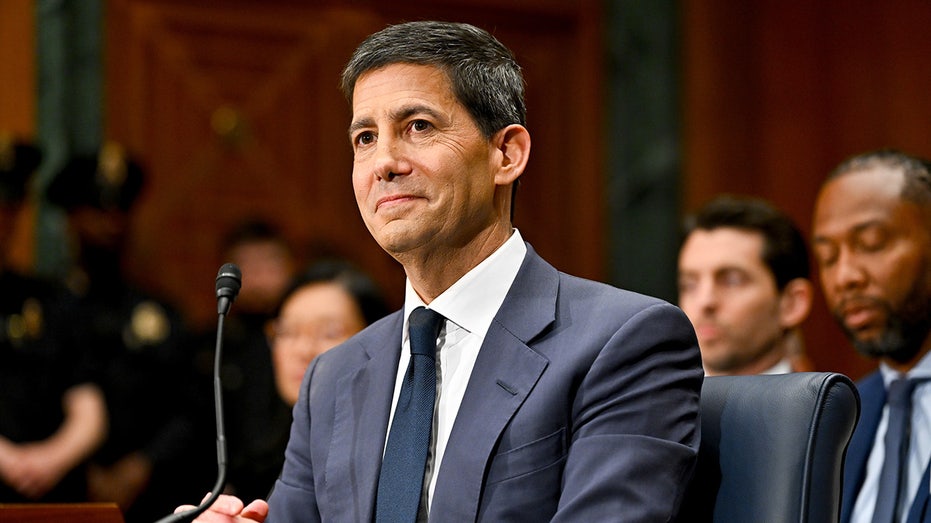
The FOMC’s June monetary policy meeting was the first led by Fed Chair Kevin Warsh. (Graeme Sloan/Bloomberg via Getty Images)
INFLATION IS SQUEEZING AMERICAN CONSUMERS AND THE FED’S LATEST REPORT SHOWS IT’S GETTING WORSE
The FOMC also released a summary of economic projections, also known as the dot plot, which showed that nine of the 18 voting members project an interest rate hike before the end of 2026, with six projecting two 25-basis-point hikes.
They see PCE inflation at 3.6% at year’s end, up from 2.7% in the March projection, with the unemployment rate at 4.3%, slightly lower than the prior estimate of 4.4%. They also see economic growth slowing, with the projection showing real GDP up 2.2% at the end of the year – down from a 2.4% prediction in March.
Fed Chair Warsh spoke to the media at his first post-meeting press conference on behalf of the FOMC. Warsh’s predecessor, Jerome Powell, remains a member of the Fed’s Board of Governors and a voting member of the FOMC.
“We recognize that inflation has been running well ahead of the Fed’s long-stated inflation goal of 2%. That’s been going on for more than five years. Persistently high prices are a burden for the American people, but the recent past need not be prologue,” Warsh said.
“I am pleased to report that members of the FOMC are unambiguous and unanimous – this committee will deliver price stability,” he added.
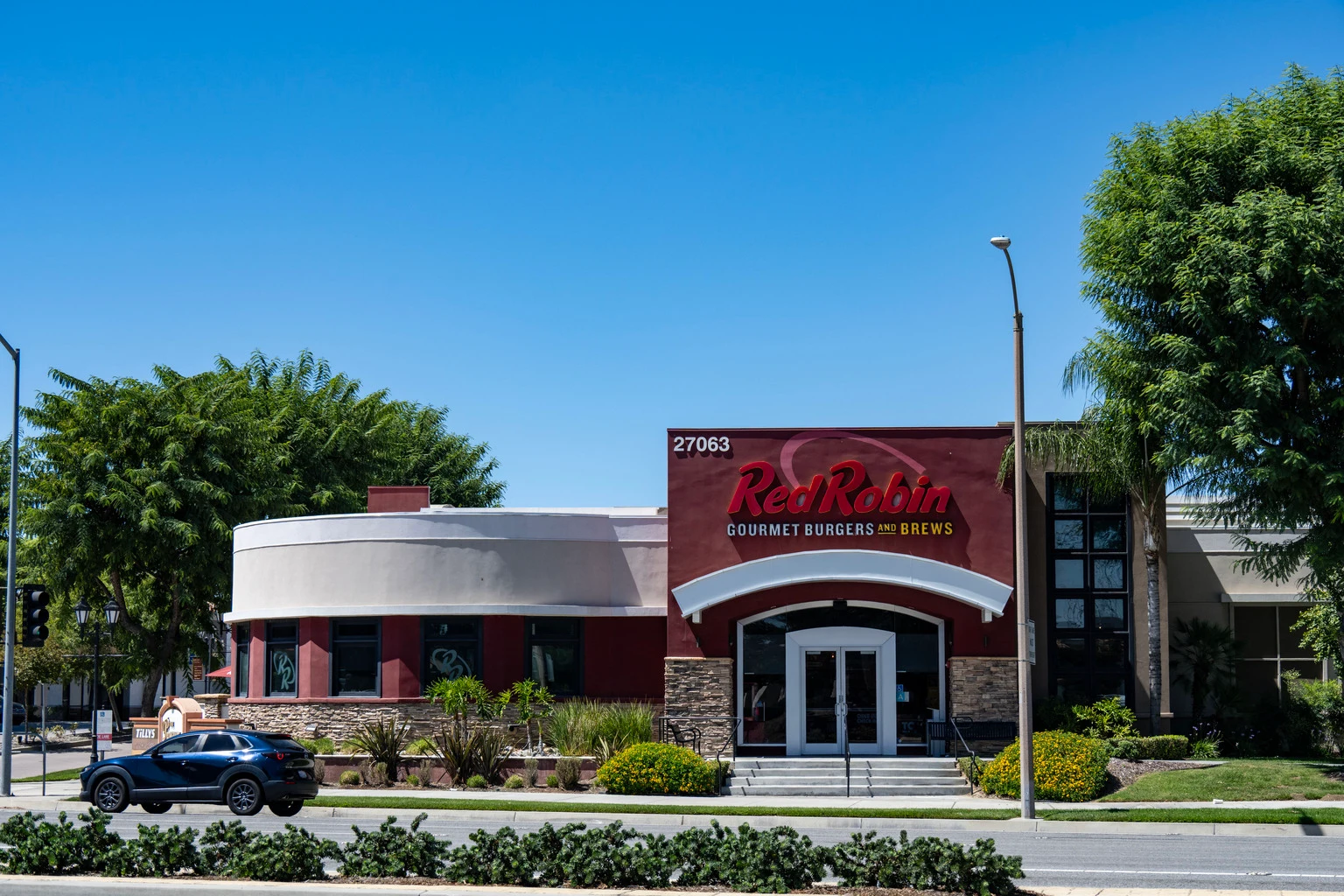
Red Robin Gourmet Burgers' Transformation Looks Irresistible (Upgrade)
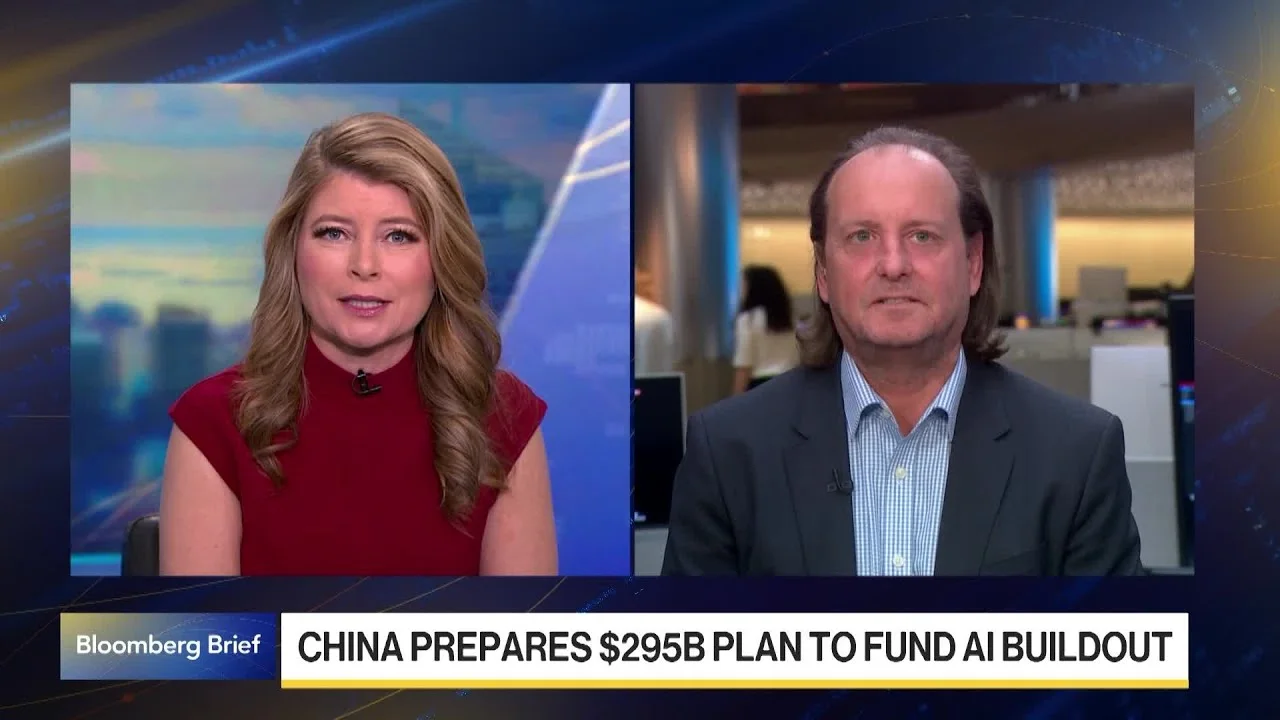
China plans to invest approximately 2 trillion yuan ($295 billion) over the next five years to develop data centers nationwide. This significant investment aims to bolster infrastructure, support digital growth, and enhance technological capabilities, positioning China as a major player in global data storage and management.
China is gearing up to invest a massive $295 billion to advance its artificial intelligence (AI) infrastructure and research. This ambitious initiative aims to position China as a global leader in AI technology by fostering innovation across industries such as healthcare, manufacturing, and transportation. The plan will support the development of core AI components, including chips, algorithms, and data centers, strengthening domestic capabilities and reducing reliance on foreign technology.
The government’s strategic funding is also geared toward talent cultivation and establishing cutting-edge research hubs. By bolstering AI development, China hopes to stimulate economic growth, create high-tech jobs, and enhance national security. This enormous investment signifies China’s commitment to becoming a dominant force in the rapidly evolving AI landscape and challenges other nations to keep pace with its technological ambitions.
Overall, China’s $295 billion AI buildout plan underscores its determination to harness artificial intelligence for economic and strategic advantages. As the country accelerates its technological investments, it aims to solidify its position as a global AI innovator, reshaping the future of digital transformation worldwide.
Other People are Reading


The Cup of Ambition line will feature three blends.

Hubert Marleau
Chairman & CEO
Ladies and gentlemen, I’m President declared of the assembly, and I will conduct this meeting in French and in English.
[Foreign Language] Ladies and gentlemen, good morning, and welcome to the — this Annual General and Special Meeting of the Shareholders of Nio Strategic Metals. My name is Hubert Marleau, and I have the pleasure of being the Chairman of the Board of Director and Chief Executive Officer of Nio Strategic Metals. I declare the assembly open.
I am accompanied by Jean-Sebastien Blanchette, our Chief Financial Officer; and Bruno Dumais, President and Chief Operating Officer, who will act as Secretary of this meeting; as well as the directors, Julie Lemieux, Christoph Ebeling, Hubert Vallee, Alexandre Triquet and Sylvain Menard.
[Foreign Language] For those of you who wish to address the assembly, we ask you to draw my attention by using the box provided for this purpose on the website. I would like to emphasize and remind you that only registered shareholders of the company as of May 13, 2026, or their proxy holders are entitled to ask question, propose and support resolution at this meeting. In order to follow a greater number of shareholders to participate in this meeting and to reduce the related costs, and we have decided to hold assembly by teleconference only. Shareholders were able to exercise their rights by filling out a proxy form in order to be used at the meeting, the proxy had to be received by the company’s transfer agent and registrar, Computershares Inc., on or before June 15, 2026. Please note that the voting will not be possible during this meeting.

Thank you, HelloFresh, for reminding us what gay liberation is about

World Cup one-day attendance record broken Tuesday

“Dangerous” AI models are coming no matter what


-

 Business3 days ago
No Jackpot Winner as $257 Million Prize Rolls Over to $269 Million Monday Draw
-

 Crypto World6 days ago
Oppenheimer backs SpaceX as $70 billion retail frenzy builds
-

 Fashion5 days ago
Weekend Open Thread: Tuckernuck – Corporette.com
-

 Crypto World6 days ago
Markets Rally as SpaceX IPO Looms Amid Iran Tensions and Inflation Surge
-
 Crypto World3 days ago
Zimbabwe Requires Crypto Businesses to Register Annually Under New FIU Regulations
-

 Tech5 days ago
NanoClaw integrates JFrog registries to secure AI agent downloads
-

 Crypto World5 days ago
Bitget enters Argentina’s regulated crypto market through PSAV registration
-

 Tech5 days ago
This Week In Security: Microsoft On Microsoft, Register Your Domains, Linux On ARM, And FreeBSD Joins The File Cache Club
-
 Tech6 days ago
Dutton Ranch star claims they ‘didn’t see any disruption’ on set following Chad Feehan’s exit from Yellowstone spinoff fueled by Taylor Sheridan clash rumors
-

 NewsBeat6 days ago
El Nino has formed in the Pacific and could set records, forecasters say
-

 Politics6 days ago
Politics Home | Healey Resignation Is “Colossal Failure Of Government”, Says Former Labour Defence Secretary
-
 Entertainment6 days ago
Donnie Wahlberg & More Heat Up Las Vegas at Circa’s Barry’s Downtown Prime
-
 Tech6 days ago
Opendoor Ends India Operations, Fueling a Bigger Conversation About AI and Outsourcing
-

 Politics6 days ago
Belfast burns, while Met chief points finger at Iran and Russia
-

 Sports6 days ago
First Time Since 1971: Australia Register Historic Low In ODI Cricket
-

 NewsBeat5 days ago
FBI searches office of Ohio voter registration group
-

 Business6 days ago
AT&T: Verizon's 27% Outperformance Sets Up A Solid Entry Point
-
 Tech6 days ago
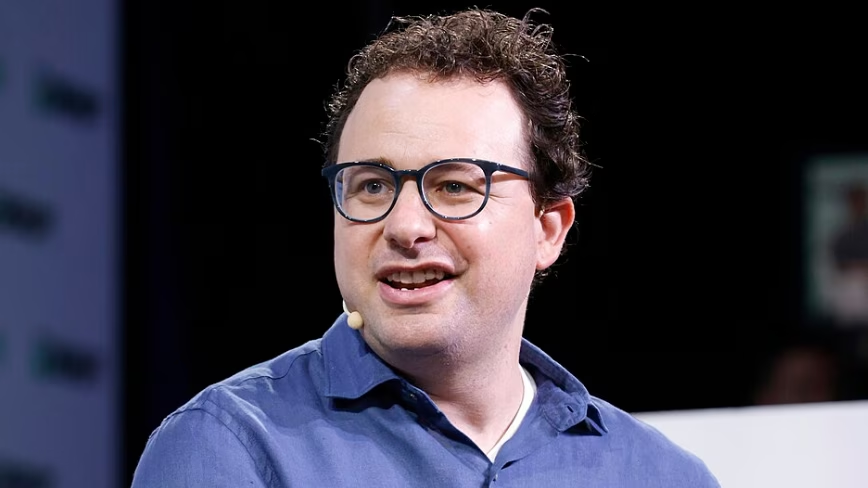
Anthropic is spending $150M to embed 1,000 AI fellows inside nonprofits. No degree required.
-
 Politics6 days ago
Modi thanks Trump for wishes as US attacks Indian seafarers
-
 Entertainment6 days ago
‘The Pitt’s Fan-Favorite Doctor Confirms Noah Wyle Gave His Blessing to Return [Exclusive]
You must be logged in to post a comment Login