
Crypto
UK Regulator Pushes Crypto Tokenisation as Next Phase of Capital Markets Overhaul


Cryptocurrency and the technology behind it are no longer a fringe curiosity for Britain’s financial regulator — they are becoming central to how the UK hopes to keep its capital markets competitive. In a speech delivered this week, the Financial Conduct Authority (FCA) made clear that tokenisation, artificial intelligence and digital assets are now core pillars of its multi-year reform programme, not side projects bolted onto traditional finance.
Jon Relleen, the FCA’s director of infrastructure and exchanges, told delegates at the Reform of the UK Public and Private Capital Markets Summit 2026 that the regulator has “been very busy” completing major elements of a long-running overhaul designed to ensure markets “work well for our economy and support growth.” Crucially, he singled out tokenisation — the process of representing traditional assets like shares, bonds or funds as digital tokens on blockchain-style infrastructure — as one of the fastest-moving frontiers the FCA is now preparing to regulate.
Why cryptocurrency infrastructure is entering the mainstream conversation
For years, cryptocurrency was treated by many regulators primarily as a consumer protection headache: a space rife with scams, volatile prices and speculative trading. The FCA’s own website still carries extensive warnings about crypto investment scams and maintains a public list of firms operating without authorisation. That caution hasn’t disappeared. But Relleen’s speech signals a parallel track, where the underlying technology of cryptocurrency markets is increasingly viewed as a legitimate tool for modernising how capital itself is raised, traded and settled.
This dual-track approach — tightening consumer safeguards while embracing the infrastructure — reflects a broader pattern seen across global financial regulation. Authorities are trying to separate the speculative trading culture that surrounds cryptocurrency from the distributed ledger technology that underpins it, betting that the latter can make markets faster, cheaper and more transparent without necessarily importing the volatility of coins like Bitcoin or Ether.
Trust and risk-taking as twin priorities
Relleen was explicit that reform cannot come at the expense of market integrity. “Trust, market integrity and high standards set the foundations for sustainable growth,” he said, while also stressing that regulators must “enable informed risk-taking.” That balancing act is especially delicate in the context of cryptocurrency-adjacent innovation, where enthusiasm for new technology has historically outpaced investor protections.
The FCA’s framing suggests it wants to avoid repeating past cycles in which cryptocurrency products were sold to retail investors with little understanding of the underlying risks, only for sharp price crashes or platform failures to follow. By building tokenisation into a broader, more deliberate reform agenda — alongside AI adoption and new markets for trading shares in private companies — the regulator appears to be trying to get ahead of the technology rather than reacting to it after problems emerge.
What reform could mean for everyday investors
For ordinary savers and investors, the practical implications of this shift may not be felt immediately, but they could be significant over time. Tokenised versions of traditional assets could, in theory, make it cheaper and faster to buy and sell investments, lower barriers to entry for smaller investors, and create new ways to trade assets that are currently illiquid, such as stakes in private companies.
At the same time, the FCA’s own consumer-facing warnings underline that cryptocurrency-linked products remain high-risk. The regulator continues to flag crypto investment scams as a priority concern and maintains tools allowing the public to check whether a firm is properly authorised before investing. Anyone tempted by new tokenised products emerging from this reform push would be wise to apply the same scrutiny long urged for conventional cryptocurrency investments: verifying authorisation, understanding volatility, and being wary of promises of guaranteed returns.
A multi-year programme nearing a turning point
Relleen described the FCA’s broader capital markets reform effort as having already completed “major aspects” of a multi-year programme, with more changes still to come. Tokenisation and artificial intelligence were named specifically as areas where markets and technology are evolving rapidly enough that regulation must adapt in real time rather than simply catching up after the fact.
This positions cryptocurrency-related innovation not as a one-off experiment but as an ongoing feature of how UK capital markets will likely operate in the coming years. Whether that translates into tangible benefits for everyday investors, or simply shifts where the risks sit, will depend heavily on how the FCA follows through on the detailed rules still to be written. For now, the message from one of Britain’s top financial regulators is unambiguous: cryptocurrency-based tokenisation has moved from the margins of policy discussion to the centre of the UK’s plan for economic growth.
Explore more on this topic with Vexel Search.
WordUp Morning
Ten stories, both sides of each, in five minutes. Free, every weekday at 7am, plus a Saturday weekend edition.
We'll email you a link to confirm. Unsubscribe any time.

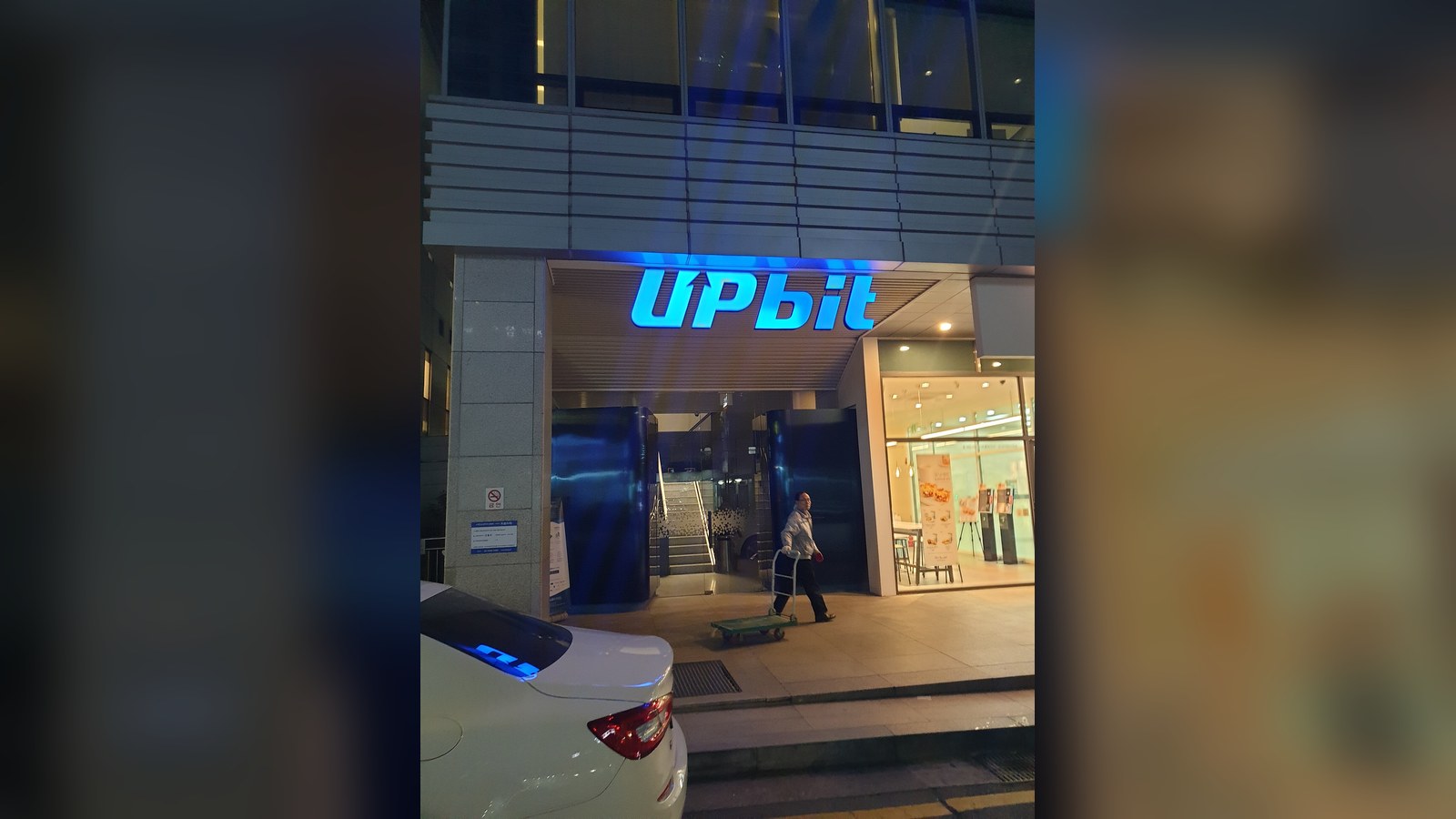
South Korea’s two largest crypto exchanges, Upbit and Bithumb, suspended CYBER transfers in the early hours of Sunday, November 22, after the Cyber project reported suspicious activity on its cross-chain bridge. The cause has not been established, and the project has not confirmed a final loss figure.
What Cyber says happened
In a statement on November 21, Cyber said it had spotted unexpected minting of CYBER tokens on Solana. That was followed by a transfer of CYBER out of the bridge’s Ethereum lockbox. An incident advisory cited by one report put the Solana minting at roughly 5.21 million CYBER before the Ethereum movement. Cyber, formerly known as CyberConnect, runs an Ethereum layer-2 network built for social applications.
The team said it was still working out which assets and bridge routes were affected. It urged users to stop using the bridge and not to deposit CYBER to exchanges while the review continues. That advice shaped what happened next.
How the exchanges responded
Upbit posted its notice at 2:08 a.m. Korea Standard Time, and Bithumb followed ten minutes later. Upbit’s restriction names the Ethereum network specifically. Bithumb referred to CYBER without naming a network. Both cited the Enforcement Decree of South Korea’s Virtual Asset User Protection Act, Article 17, item 2(b), as their legal basis.
Bithumb said trading would continue but warned customers about possible price swings while transfers are frozen. It gave no reopening date, saying only that deposits and withdrawals will return once network stability is secured and a new announcement is made. Withdrawal requests filed before the cutoff but not yet completed will go through system checks and be processed in sequence. Deposits sent before the freeze may appear late if network confirmations are delayed. Upbit added that its deposit-return process would be paused and that registering new withdrawal addresses might not work during the interruption.
A regulatory backdrop that favors caution
The timing is notable. Days earlier, South Korea’s Financial Services Commission announced plans to let exchanges halt deposits and withdrawals when hacking is merely suspected, rather than waiting for a confirmed breach. The CYBER suspensions look like that approach in practice: the exchanges acted within hours of the project’s warning, before any cause or loss had been pinned down.
It also follows a similar episode earlier this month. GOPAX suspended trading, deposits and standard withdrawals after receiving a hacking threat, even though it said no breach had occurred. Bithumb’s decision to leave trading open while freezing CYBER transfers suggests exchanges are choosing from a range of responses depending on the risk they see.
What remains unknown
Much is unresolved. Cyber has not said how the unauthorized minting happened, whether the Ethereum outflow was linked to it, or how much value left the bridge. The 5.21 million figure describes tokens minted on Solana and should not be read as a confirmed loss. Until the project publishes findings, it is unclear when CYBER transfers will reopen. Holders should expect delays and follow notices from their exchange and from Cyber.
The incident also lands amid a run of security problems in crypto. Chainflip recently confirmed a $12 million hack and offered the attacker a 10% bounty. Cross-chain bridges, which hold assets on one network while representations circulate on another, remain a recurring weak point.
Explore more on this topic with Vexel Search.
File photo: Upbit Entrence.jpg by Altostratus, CC BY 4.0, via Wikimedia Commons.
WordUp Morning
Ten stories, both sides of each, in five minutes. Free, every weekday at 7am, plus a Saturday weekend edition.
We'll email you a link to confirm. Unsubscribe any time.

The Senate has passed the DEATH BETS Act, a bill that would bar federally regulated prediction markets from offering contracts tied to war, terrorism, assassination and deaths, and it now heads to the House. The vote came Thursday and was a voice vote, so no individual tallies were recorded, after senators adopted an amendment by unanimous consent.
What the DEATH BETS Act would change
Sen. Adam Schiff, a Democrat, introduced the bill in March. It would amend the Commodity Exchange Act so that exchanges registered with the Commodity Futures Trading Commission could not list or clear contracts tied to the covered events. The ban reaches contracts that reference US military operations. It also covers contracts that, when listed, can reasonably be expected to settle primarily on an individual’s death.
The bill also gives the CFTC authority to identify comparable activities that should fall under the prohibition. That means the agency could extend the ban to contract types the text does not name, though the sources do not say how it would use that power.
The insider-trading concern behind the bill
The legislation grew out of worries about trading on nonpublic information. According to reports cited by Cointelegraph, six Polymarket traders earned about $1 million betting on the timing of US strikes against Iran. Several of those wagers were reportedly placed only hours before the first reported explosions in Tehran. That timing led to suspicion that some traders had access to privileged information. Those are reported suspicions, and the sources do not describe any finding of wrongdoing.
When he introduced the bill, Schiff argued that letting people profit from violent events could encourage the misuse of classified information, threaten national security and create incentives for violence.
What happens next
The House must still pass the measure before it can go to President Donald Trump for his signature. The sources do not indicate when, or whether, the House will take it up. Cointelegraph also lists a separate proposal from US lawmakers to offer whistleblowers up to 30% rewards in prediction market cases. That suggests Congress is looking at enforcement as well as at which contracts may be listed, though the sources give no detail on that proposal.
For prediction market operators, the Senate vote is a notable signal. A bill like the DEATH BETS Act would cut off a category of contracts that critics see as ethically fraught and especially vulnerable to insider information, and it would do so in law rather than through exchange policy. Its fate in the House will show whether that concern has support beyond the Senate.
One note on scope: the headline topic also mentions a JPMorgan view on how bitcoin’s price decline is pressuring miners. The source material provided here covers only the Senate action, so there is no verified detail on JPMorgan’s analysis to report.
Explore more on this topic with Vexel Search.
WordUp Morning
Ten stories, both sides of each, in five minutes. Free, every weekday at 7am, plus a Saturday weekend edition.
We'll email you a link to confirm. Unsubscribe any time.
A wrapped Monero token called XMR1 has lost more than 99% of its value after an attacker took control of its deployer account and sold part of the haul for roughly $13.5 million, according to a Decrypt report published November 20, 2026. The incident shows how quickly a wrapped asset can fall apart when the keys behind it are compromised.
What the available reporting says happened
XMR1 is issued by Wagyu. Per Decrypt, an attacker moved 5.2 million of the tokens out of the project’s deployer account and then sold only a fraction of them, bringing in about $13.5 million. The headline of the report puts the loss at $13 million, so the exact figure depends on rounding and on how it is counted. Selling that volume into the market was enough to send the price down by more than 99%.
Decrypt’s headline also says the hack has been blamed on a web host. The material available for this article does not explain what that means in practice. It does not say how the host was allegedly involved, whether the host has responded, or who made the accusation. Those details remain unconfirmed here, and the claim should be treated as an allegation until Wagyu or independent investigators lay out their findings.
Why a wrapped Monero token is a special case
Monero is built around privacy and does not natively work with smart-contract platforms. A wrapped Monero token tries to bridge that gap by creating a token on another blockchain that is meant to represent real XMR. Holders are therefore trusting that the token’s issuing infrastructure is secure and that the representation holds up. When an attacker controls the deployer account, that trust can break immediately.
The reported details fit that pattern. The attacker did not need to break the underlying Monero network. Taking over the account that deployed the token was enough to move millions of units and sell them into available liquidity. The 99% price drop suggests that buyers had little capacity to absorb the sale and that confidence in the token disappeared once the theft became known.
What remains unclear
Several important questions are not answered by the material available:
- How the attacker gained access to the deployer account, and what role the web host allegedly played.
- What happened to the unsold portion of the 5.2 million tokens.
- Whether any of the proceeds can be traced or recovered.
- Whether Wagyu plans to compensate holders or relaunch the token.
- Whether the token remains redeemable for real Monero, and what backing, if any, is left.
Until those points are clarified, anyone holding XMR1 faces an unclear situation. The only firm facts are the size of the sell-off and the collapse in price. The cause, the responsibility and any path to recovery are still open, and readers should look for updates from Wagyu and from security researchers tracking the attacker’s funds.
Explore more on this topic with Vexel Search.
WordUp Morning
Ten stories, both sides of each, in five minutes. Free, every weekday at 7am, plus a Saturday weekend edition.
We'll email you a link to confirm. Unsubscribe any time.

The Glamsterdam upgrade, Ethereum’s next big step toward higher capacity, may not reach the main network until as late as May 2027. That is the outcome if developers decide to rewrite its gas pricing rules to protect existing applications. Discussions at the Nov. 19 All Core Developers meeting showed that the best case is a mid-January launch and the worst is a delay of several months.
Why the Glamsterdam upgrade hit a wall
The trouble centers on two gas repricing proposals, EIP-8037 and EIP-8038. They change what the network charges for operations that touch its permanent database, such as creating new state or reading stored data. One example is the base cost of creating a smart contract. It would jump from 32,000 gas to 183,600, an increase of roughly 474% before other execution and storage costs.
The bigger worry is that some deployed contracts were written with assumptions about how much gas an operation consumes. Once those figures change, the contracts could fail or behave in ways their authors never intended. Security firm ChainSecurity raised the alarm in October, and developers then postponed the Hoodi testnet fork that had been planned for Oct. 26.
The scale of the exposure is still being measured, and the sources give different figures. Ethereum Foundation developer Marius van der Wijden has warned that as many as 15,000 programs could be affected. ChainSecurity has reported about 200 compatibility findings, three of them high severity. Earlier work identified 13 real-world examples of potentially affected contracts and eight contract invariants that the changes could disrupt.
Fixes are underway, but the clock is the problem
Ethereum Foundation developer Rahul Kothari told the meeting that the Foundation, ChainSecurity and security firm Dedaub had contacted at least 50 affected companies. The three high-severity cases have been fixed or should be by mid-December. Projects with medium-severity issues have given completion dates stretching to Jan. 10.
That makes mid-January the earliest realistic mainnet window if the current specifications stay. Meeting chair Ansgar Dietrichs thought late January or early February more plausible. The schedule shifts again with a decision to change the rules:
- Keep the current specs: mid-January at the earliest, with late January or early February seen as more realistic.
- Decide in January, then keep the specs: late February or early March.
- Adopt revised specs: April or May, because client teams would need time to build and test the changes.
A tentative Hoodi testnet date of Dec. 16 or 17 has been floated, and the mainnet date depends on how that test goes. No final decision has been made.
The case against changing course
Most execution clients appear to favor staying the course. Geth, Nethermind, Reth and ethrex backed keeping the existing rules. Erigon preferred modifications, while Besu voiced reservations but said it could proceed under the current approach.
The caution is easy to understand. Fixing the rules for one group of contracts can break another. “Every spec change could, again, break new invariants that we are not aware of breaking yet,” researcher Toni Wahrstätter told the meeting. The risk is that a rewrite resets the testing clock without ending the compatibility problem.
What’s riding on the timing
The Glamsterdam upgrade matters because it supports Ethereum’s scaling plans. One stated goal is to make room for a much higher gas limit, potentially from about 60 million to 200 million gas per block. A delay does not mean that plan has failed. It means the team has chosen to find these problems before they reach live applications. The earlier validator-deposit vulnerability that developers fixed shows that kind of testing can catch real flaws.
The next developer meeting, expected on Nov. 26, may bring more clarity on the testnet schedule and the status of the affected contracts.
Hegotá could shrink as post-quantum work accelerates
The same meeting also touched on Hegotá, the fork planned after Glamsterdam. Developers discussed cutting its scope to speed up the move to post-quantum cryptography. Several argued that trimming features would help little unless it also shortened the timeline.
EIP-8151, which is meant to protect accounts migrating to post-quantum security, has its own compatibility questions. A preliminary review found a potentially large number of existing contracts that could be affected, which complicates its inclusion. Client teams are expected to submit their positions before talks resume in about two weeks.
For now, the Glamsterdam upgrade has no confirmed mainnet date. A May 2027 launch is possible only if developers rewrite the specifications. If they keep them and the fixes land on schedule, activation could come as early as January.
- Ethereum’s Glamsterdam upgrade could slip to May 2027 over compatibility concerns (cointelegraph.com)
- Ethereum’s Glamsterdam Upgrade Could Slip Into 2027 As 15,000 Smart Contracts Face Disruption (bitcoinist.com)
- Here’s why Ethereum’s Glamsterdam upgrade could be delayed until May 2027 (crypto.news)
Explore more on this topic with Vexel Search.
WordUp Morning
Ten stories, both sides of each, in five minutes. Free, every weekday at 7am, plus a Saturday weekend edition.
We'll email you a link to confirm. Unsubscribe any time.
Crypto
MoonPay Files for a National Trust Bank Charter as GENIUS Act Deadline of Jan. 18, 2027 Nears


MoonPay has applied for a national trust bank charter, a step that would bring its stablecoin and custody operations under direct federal supervision. The crypto payments company filed with the Office of the Comptroller of the Currency (OCC) on Tuesday, according to an OCC filing cited by Cointelegraph.
The proposed entity, MoonPay National Trust Bank, would be headquartered in Miami Beach, Florida. It would be a non-depository institution, meaning it would not take traditional customer deposits or make loans. Instead, it would focus on stablecoin issuance and redemption, reserve management and digital asset custody.
Why a national trust bank charter matters for MoonPay
MoonPay is not starting from scratch. The company already supplies stablecoin issuance infrastructure to businesses, including support for branded digital dollars. A federal charter would let it offer those services through a regulated banking subsidiary rather than relying solely on its current setup.
The timing lines up with the coming implementation of the GENIUS Act, which takes effect on Jan. 18, 2027. The law sets federal standards for stablecoin issuers, including requirements on reserve backing and redemption. A company that manages reserves and processes redemptions for others has an obvious incentive to be positioned under that framework early.
A crowded line of crypto charter applicants
MoonPay is entering a busy field. Cointelegraph reports that Rain, Modern Treasury and Block are among the crypto and payments firms also seeking federal trust bank charters. Two of the industry’s biggest names are further along. Coinbase’s charter took effect earlier this month, and Circle received final OCC approval in July.
Decrypt describes the trend as a rush, and notes that it is drawing growing political scrutiny. That scrutiny is already visible in court.
Community banks push back
In October, the Independent Community Bankers of America sued the OCC. The group argues that the regulator exceeded its authority by allowing non-depository trust banks to carry out activities traditionally associated with commercial banks. The lawsuit puts the OCC’s approach at the center of a dispute over where the line between a trust bank and a full-service bank should fall.
For MoonPay, the outcome of that case could matter as much as the OCC’s decision on its own application. The sources do not say when the agency might rule on the filing, and approval is not guaranteed. What the application does show is that firms in the sector increasingly see a national trust bank charter as the route to operating inside the federal system as stablecoin rules take hold.
If MoonPay’s bid succeeds, the company would join Circle and Coinbase as a crypto-native firm with a federal charter. That would deepen the overlap between crypto and traditional banking oversight, which is the very overlap community banks are contesting.
Explore more on this topic with Vexel Search.
WordUp Morning
Ten stories, both sides of each, in five minutes. Free, every weekday at 7am, plus a Saturday weekend edition.
We'll email you a link to confirm. Unsubscribe any time.
Crypto
Solana Foundation’s CoinGecko Majority Stake Could Bring Trading to a Platform With 18M Users
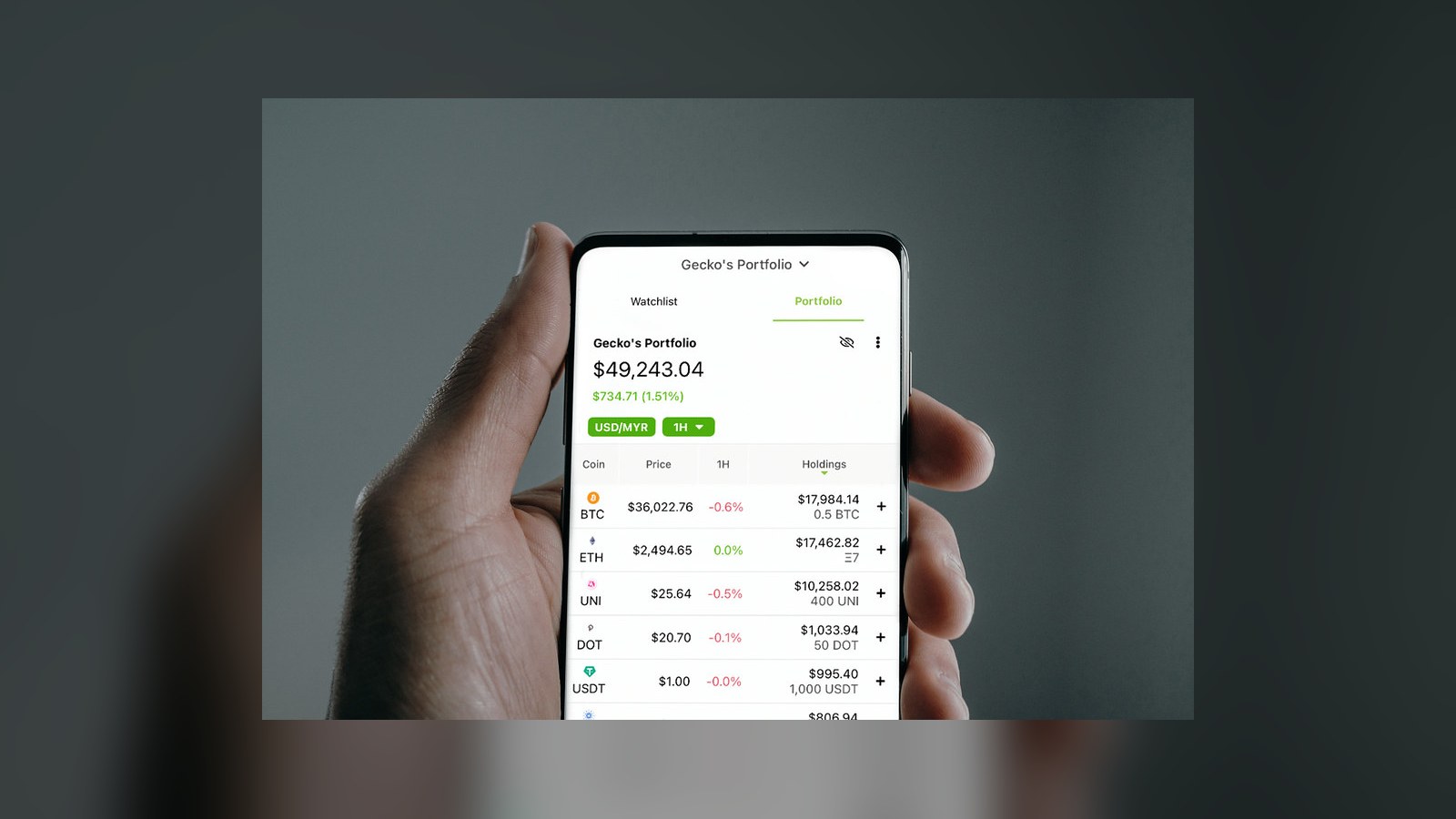
The Solana Foundation has taken a CoinGecko majority stake, giving the blockchain’s nonprofit backer control of one of the crypto industry’s best-known market data platforms. Vibhu Norby, the foundation’s chief product officer, disclosed the arrangement on Tuesday, November 17. Bitcoinist reported that it was announced during the Breakpoint conference in London.
The price and the exact size of the holding have not been made public. Cointelegraph said it asked both organizations about the size of the deal and had not received a reply when it published.
What the CoinGecko majority stake is meant to do
According to the reports, the investment has two strands. The first is a data push. CoinGecko says it will strengthen its infrastructure and widen coverage of tokenized real-world assets and derivatives. The second is a product push. Norby said the foundation plans to work with CoinGecko on “new on-platform trading & DeFi experiences with Solana,” and CoinGecko says it will build onchain trading and market intelligence tools.
The trading element is still a plan. Bitcoinist noted that it remains something under exploration, not a confirmed feature launch. The outlet said any Solana-powered trading could eventually appear across CoinGecko’s website, its mobile app and its GeckoTerminal platform. That would let users find an asset, watch its price and possibly trade it without leaving the platform.
Scale, and a gap in the numbers
The sources describe CoinGecko’s audience in different ways. Cointelegraph, citing the company’s About page, said the site, founded in 2014, averages more than 10 million monthly users and over 200 million monthly page views. Bitcoinist cited figures of 18 million registered users, more than 50 million monthly sessions and an API that supports about 180,000 crypto applications and businesses.
These figures measure different things, such as registered accounts, monthly visitors and sessions, so they are not necessarily in conflict. Either way, they point to a large reach among retail users and developers.
Independence promises and open questions
The obvious question is whether a data provider can stay neutral when a single blockchain’s foundation controls it. CoinGecko has addressed this directly. It says its methodologies will stay transparent and publicly accessible, that it will keep serving the wider crypto ecosystem, and that its website, app and API will keep running as usual.
Bitcoinist drew a comparison to Binance’s 2020 purchase of rival CoinMarketCap, an example of how much strategic value exchanges and ecosystems place on the sites where users first look up prices. That comparison is the outlet’s framing, not a claim from either party. Ownership of such a platform does not automatically change what it shows. But the way a site ranks and presents assets can shape which tokens people notice, which is why the independence assurances will be watched.
What remains unknown
Several details are still missing. The CoinGecko majority stake has no disclosed valuation, no stated ownership breakdown, and no timeline for the trading features. It is also unclear how any Solana-linked trading would sit alongside CoinGecko’s coverage of other blockchains.
For now, the deal shows Solana’s backers moving beyond core network infrastructure toward the places where users discover and follow crypto assets. Whether that turns CoinGecko into a trading venue, or leaves it mainly a data service with new tools attached, will depend on what the companies release next.
Explore more on this topic with Vexel Search.
File photo: Coingecko Crypto Portfolio by PiggyBank Canada, CC BY 2.0, via Flickr (Openverse).
WordUp Morning
Ten stories, both sides of each, in five minutes. Free, every weekday at 7am, plus a Saturday weekend edition.
We'll email you a link to confirm. Unsubscribe any time.

Cathie Wood’s ARK Invest used a rough Monday session to rotate some money out of Nvidia and into crypto stocks, according to the firm’s daily trade disclosures for November 16. The moves were large enough to draw attention, though they are easy to over-read.
ARK sold 543,092 Nvidia shares across its ARK Innovation ETF (ARKK) and ARK Next Generation Internet ETF (ARKW). At Nvidia’s closing price of $156.14, that works out to roughly $84.8 million. Actual proceeds may differ, because the disclosures list share counts rather than execution prices. Decrypt reported that the trim came ahead of Nvidia’s earnings.
Where the money went: Block, Circle and Coinbase
On the buying side, ARK added three companies tied to digital assets and payments. Block was the biggest purchase, at 277,523 shares worth about $23 million. ARK also bought 180,534 shares of stablecoin issuer Circle (about $10.4 million) and 53,760 shares of Coinbase (about $6.4 million). Together that comes to nearly $40 million.
All three stocks fell that day. Block slipped 1.92%, Coinbase dropped 6.11% and Circle lost 7.29%. ARK was buying into weakness rather than waiting for a rebound.
Reading the rotation carefully
It would be a mistake to treat the trades as a wholesale pivot from artificial intelligence to crypto. ARK had bought more Nvidia earlier in November and still holds a substantial position. In the same session it picked up about $52 million of SpaceX shares, which was larger than any single crypto purchase. It also cut its Bullish holdings and sold units of its Ethereum and Solana staking ETFs.
The firm’s daily disclosures also do not show whether the Nvidia proceeds funded any particular purchase. ARK’s November 17 newsletter described Block as an AI company, a sign of how blurry the line between fintech and AI has become. Taken together, the trades look like selective rebalancing rather than an all-in bet on crypto.
What it means for crypto markets
Buying shares in these companies is not the same as buying Bitcoin. Block, Circle and Coinbase respond to earnings, regulation, equity-market sentiment and their own business results, which can diverge from token prices. ARK’s purchases are not direct demand for cryptocurrency. They do show that a prominent institutional investor was willing to add exposure to businesses that depend on digital-asset adoption, even as sentiment was soft.
One session also cannot establish a strategy. ARK adjusts its allocations often, and a single day’s trades say little about where it is heading.
What the sources don’t cover
The source material for this report covers only ARK’s trades. It contains nothing on Coinbase launching onchain loans in New York, so that claim is not addressed here and should be confirmed with Coinbase’s own announcements or other reporting.
Explore more on this topic with Vexel Search.
File photo: Cathie Wood ARK Invest Photo by Caroline Wood, CC BY-SA 4.0, via Wikimedia Commons.
WordUp Morning
Ten stories, both sides of each, in five minutes. Free, every weekday at 7am, plus a Saturday weekend edition.
We'll email you a link to confirm. Unsubscribe any time.
A Binance court order from Abu Dhabi Global Market (ADGM) is the exchange’s latest move to claw back crypto frozen after what it describes as a record $6.3 billion hack, though almost nothing about the order’s reach has been made public. Reuters reported the development on Wednesday, citing a statement from Binance deputy general counsel Dugan Bliss.
Bliss confirmed the order but gave no details on its terms. Neither Binance nor Reuters said which assets it applies to, or how much of the stolen money it could affect. Reuters described ADGM as Binance’s main financial regulator. In his statement, Bliss said the company would keep using “every lawful tool available” to trace, freeze and recover stolen assets and to support partners in returning funds where possible.
What the Binance court order does and doesn’t tell us
The gaps are significant. Without knowing the order’s scope, it is impossible to say whether it covers the stablecoins frozen by issuers, other tokens, or something else. Reuters also did not say how the ADGM action fits alongside the U.S. Justice Department’s separate efforts. For now, the order is best read as a signal of legal intent rather than a measurable recovery.
Where the frozen money sits
Binance’s own incident report says about $2.85 billion of the stolen tokens were frozen or intercepted after the Oct. 29 attack. That is roughly 45% of the $6.34 billion the exchange says was affected. Most of it is held by stablecoin issuers. Tether says it froze more than $1.5 billion in USDT within 30 minutes of the attack, and Circle says it froze about $1.1 billion in USDC in coordination with law enforcement.
Circle added that it does not determine who owns frozen assets and leaves that question to law enforcement and the courts. That makes legal orders like the one in Abu Dhabi potentially important: freezing money and deciding who gets it back are separate steps.
U.S. authorities are also involved. The Justice Department says it has obtained court authority to seize or restrain more than $1.2 billion of the stolen crypto, as part of more than $2.7 billion that government and private-sector efforts have frozen. Criminal Division head A. Tysen Duva said the department helped “immediately halt about half of this historic breach.”
How the attackers got in
According to Binance, the intrusion was a slow-burn operation. A tampered software installer compromised one engineer in June. In September, another engineer was approached by a fake recruiter and persuaded to run a bogus interview assignment that installed malware. From there, the attackers reached an internal wallet-signing service and drained Binance hot wallets across multiple blockchains on Oct. 29.
Binance lists among the thefts 233.46 million XRP, about 970,500 SOL and 18,270 BTC. The FBI has attributed the theft to North Korea’s TraderTraitor group, and Binance has said the same. Pyongyang denies involvement.
Blockchain analysts said the attacker tried to outrun the freezes by swapping stablecoins into ether over about 20 minutes, but the issuers moved faster.
Why bitcoin is harder to recover
That race highlights a structural weakness. Tether and Circle can block tokens they issue, but bitcoin has no issuer. The stolen BTC is therefore outside those freezes and can be stopped only if it reaches an exchange or service willing to block it. Any recovery strategy, including a Binance court order, will face this difference between issuer-controlled tokens and decentralized assets.
Binance says it can absorb the hit
Binance says it has already replaced the affected assets with company funds, drawing on part of its SAFU emergency fund and its corporate treasury. Withdrawals resumed in phases earlier this month, and Reuters reported that the exchange aims to reopen all remaining networks and assets by the end of this week.
Speaking to Reuters at the Singapore FinTech Festival, Asia-Pacific head SB Seker said Binance plans to expand into five Asian markets in 2027 and does not need to raise new funds. He said talks are under way with five or six markets, three at a mature stage, with details due in the first quarter. Seker described the cost of replacing the stolen tokens as “statistically” not large for the company. “We can take the impact and we can weather it without any change to the way we operate,” he said.
The key questions now are what the Binance court order actually covers and whether it leads to funds changing hands. Until Binance or the court discloses more, the figures that matter remain the ones tied to freezes already in place, not recoveries.
- Binance Says It Won Court Order to Recover Frozen Hack Funds (Bitcoin Magazine)
Explore more on this topic with Vexel Search.
File photo: 5 years birthday Binance cake in Paris – 2022-07-08.jpg by Bretwa, CC BY-SA 4.0, via Wikimedia Commons.
WordUp Morning
Ten stories, both sides of each, in five minutes. Free, every weekday at 7am, plus a Saturday weekend edition.
We'll email you a link to confirm. Unsubscribe any time.

Wells Fargo’s latest 13F filing puts the Wells Fargo bitcoin ETF position at 49.6 million shares of BlackRock’s iShares Bitcoin Trust (IBIT), valued at $2.35 billion on Sept. 30. That is more than double the 24.4 million shares it reported three months earlier. The numbers are a quarter old, though, and the bitcoin market has fallen hard since.
What the Wells Fargo bitcoin ETF filing shows
The Form 13F, filed Monday, lists 49,577,094 IBIT shares spread across five Wells Fargo units. The June 30 filing showed 24,396,222 shares worth $812.2 million. The share count rose about 103%, while the reported dollar value rose about 189%. The gap comes from IBIT’s price, which climbed from $33.29 to $47.34 over the quarter, a gain of roughly 42%.
The price rise does not explain the whole jump, since the share count itself more than doubled. The filing does not say when the purchases happened. IBIT closed Monday at $36.79, so the same shares are now worth about $1.82 billion, roughly $520 million less than the filing’s figure.
Mostly client money, not a bank bet
The headline figure invites the reading that Wells Fargo bought billions in bitcoin exposure for itself. The breakdown points the other way. The largest block, about 32.5 million shares worth roughly $1.54 billion, sits under Wells Fargo Clearing Services, the brokerage behind Wells Fargo Advisors. Another 9.5 million shares are under Wells Fargo Advisors Financial Network, and about 7.4 million are under Wells Fargo Bank.
Galaxy Research’s Alex Thorn said about 85% of the IBIT holdings were booked through the two brokerage businesses. He called them “client positions not prop bank or trading business holdings.” A 13F covers any securities over which a firm has investment discretion, and at a large bank that includes managed customer accounts. The filing alone cannot show which clients bought or why.
The bank’s trading arm did report IBIT options. It held calls on 717,200 shares and puts on 540,000, both below the midyear levels of 1.12 million and 845,000. The reported values reflect the underlying shares rather than premiums paid, and they may serve as hedges.
Bitcoin exposure and a cut to Strategy
Using BlackRock’s figures of 801,033 BTC held against about 1.41 billion shares outstanding, the IBIT stake works out to indirect exposure to roughly 28,070 bitcoin, about 3.5% of the fund. Galaxy counted 30,553 BTC-equivalent across all of Wells Fargo’s spot bitcoin ETFs, up from 15,917 BTC. On that basis it described the bank as the largest institutional holder of bitcoin ETFs. These figures describe fund shares, not coins the bank controls.
Wells Fargo also added to smaller funds. Its Grayscale Bitcoin Mini Trust holding rose to 3.09 million shares ($114.1 million), and its Bitwise fund holding rose to 1.6 million shares ($72.6 million).
It trimmed its exposure to bitcoin treasury company Strategy (MSTR). Its long position fell about 33%, to 1,339,018 shares worth $205.0 million, from 1,994,253 at midyear. Its Strategy puts were nearly halved, to 795,000 shares from 1.52 million. Strategy closed Monday at $103.03, against $153.09 at the end of September.
Why the timing matters
The filing reaches readers after a rough stretch for spot bitcoin funds. Bitcoin has dropped from above $83,000 to the low $60,000s, touching about $62,000 over the weekend before trading near $64,000 on Monday. IBIT lost roughly $2.35 billion in an 11-session outflow streak that began Oct. 30. Monday brought about $76.5 million of inflows, which ended that run.
The filing cannot say whether Wells Fargo or its clients bought, held or sold during that slide. The next round of 13Fs, covering the fourth quarter, is due in February. For context, JPMorgan reported $540 million in bitcoin ETFs in its own third-quarter filing last week, so Wells Fargo’s IBIT stake alone is more than four times that.
The takeaway is less about one bank’s conviction than about distribution. Bitcoin exposure is increasingly reaching investors through ordinary brokerage and advisory accounts. Whether those clients stayed invested through the autumn sell-off is a question the February filings may begin to answer.
Explore more on this topic with Vexel Search.
File photo: Exterior of a modern Wells Fargo bank branch in Athens, Georgia 01.jpg by Harrison Keely, CC BY 4.0, via Wikimedia Commons.
WordUp Morning
Ten stories, both sides of each, in five minutes. Free, every weekday at 7am, plus a Saturday weekend edition.
We'll email you a link to confirm. Unsubscribe any time.
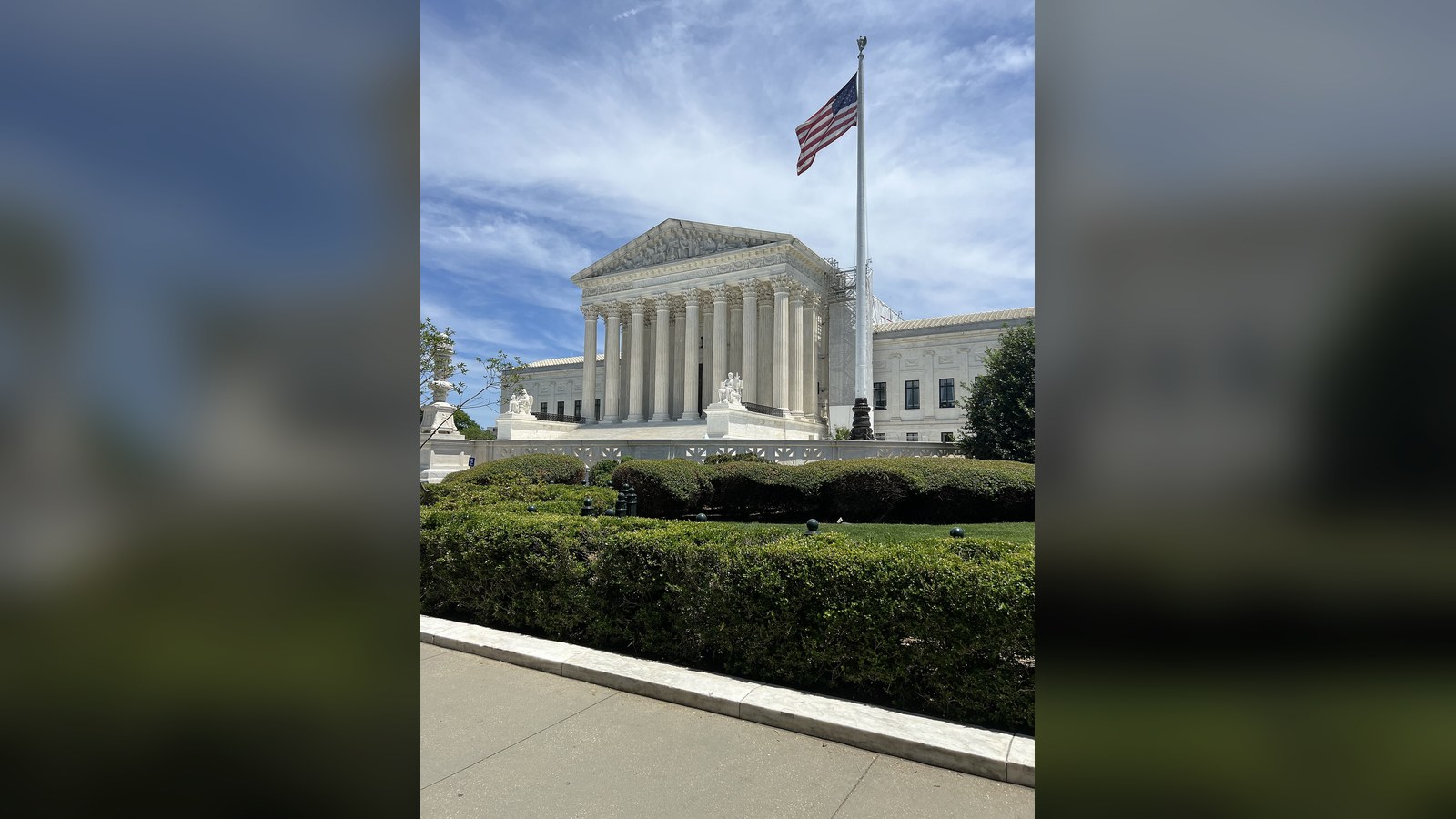
The U.S. Supreme Court has declined to hear Custodia Bank’s challenge to the Federal Reserve, ending the Wyoming crypto-focused bank’s long attempt to win a Fed master account through the courts. The justices listed the case, Custodia Bank, Inc. v. Federal Reserve Board of Governors, as “certiorari denied” on Monday’s order list. The denial gave no ruling on the merits, but it leaves in place a lower-court decision that Reserve Banks may turn away applicants even when those applicants are legally eligible.
What a Fed master account is, and why it matters
A master account is an account held at a Federal Reserve Bank. It is the gateway to Fedwire and other central bank payment services. A bank without one must route money through a correspondent institution, which means depending on a competitor or intermediary for basic functions. For a young bank built around digital assets, that dependence can be decisive.
Custodia is a Wyoming special purpose depository institution. The charter bars it from making loans and requires it to hold customer dollar deposits fully reserved in liquid assets. The bank applied to the Federal Reserve Bank of Kansas City in October 2020. According to the account in Bitcoin Magazine, the Kansas City Fed confirmed in January 2021 that Custodia was legally eligible and said it saw “no showstoppers.”
From “no showstoppers” to denial
Things changed while the application sat pending. In August 2022, the Fed’s Board of Governors published guidelines for evaluating master account requests. Institutions that are neither federally insured nor supervised by a federal banking agency fell into “Tier 3,” which generally gets the strictest review. Custodia landed there.
On January 27, 2023, the Kansas City Fed denied the request. It described the bank’s business model as “unprecedented” and “narrowly focused on crypto-asset activities,” and concluded the risks were “highly likely” to be inconsistent with safe and sound banking. The Board rejected Custodia’s separate application for Fed membership the same day.
A divided appeals court and a closed door
Custodia had already sued in June 2022 over the delay. A federal district judge in Wyoming ruled in March 2024 that the Federal Reserve Act gives Reserve Banks discretion over master accounts. On October 31, 2025, a divided Tenth Circuit panel affirmed, 2-1. The majority read the statutory language that a Reserve Bank “may receive” deposits as discretionary. It treated a 1980 provision saying Fed services “shall be available” to nonmember banks as a pricing rule rather than a guarantee of an account.
The dissenting judge disagreed sharply. “We are bound by the ordinary language of the statute and, in my view, shall means shall,” he wrote, arguing the 1980 law “mandates access to the Fed’s payment services for all nonmember depository institutions.” In March 2026, the full Tenth Circuit declined to rehear the case, though three judges voted to grant. In that later dissent, Judge Tymkovich said that being denied a master account is “akin to a death sentence.”
Custodia’s petition to the Supreme Court, filed in July, asked whether the Monetary Control Act gives regional Reserve Bank presidents discretionary authority to deny master accounts to legally eligible nonmember banks. The Board and the Kansas City Fed opposed review. The justices considered it at their November 13 conference and turned it down.
What the denial means for crypto banks
The immediate effect is narrow but significant: Custodia has no remaining court route to force the Fed’s hand. The wider consequence is that holding a state charter, even one that makes a bank eligible on paper, does not secure a Fed master account. Crypto-focused banks and others with novel charters have little judicial recourse, at least within the Tenth Circuit, if a Reserve Bank says no.
Because the Supreme Court did not take the case, it also did not resolve the statutory question. The interpretation the Tenth Circuit adopted stands, while the dissenting view that the 1980 law creates an access right remains unaddressed at the nation’s highest court. Critics of the Fed’s approach have framed it as part of a broader pattern of banks cutting off crypto firms, which they call Operation Choke Point 2.0.
As of the time of Bitcoin Magazine’s report on Monday morning, neither Custodia nor its chief executive, Caitlin Long, had commented on the decision.
Explore more on this topic with Vexel Search.
File photo: Building of the United States Supreme Court.jpg by 颐园居, CC BY-SA 4.0, via Wikimedia Commons.
WordUp Morning
Ten stories, both sides of each, in five minutes. Free, every weekday at 7am, plus a Saturday weekend edition.
We'll email you a link to confirm. Unsubscribe any time.

Ohio Baby Shower Shooting: 3 Dead, 1 Hurt as Man, 29, Held Without Charge

Alcaraz Seals First ATP Finals Title and Joins Federer, Agassi and Djokovic in an Elite Club

Sheila Mangubat Death at 35: ’90 Day Fiancé’ Star Dies in the Philippines, Ex-Fiancé Says


-

 Sports3 days ago
Premier League Legal Costs: 18 of 20 Clubs Back Cover for Board if Man City Sponsors Sue
-

 Tech & AI5 days ago
Jensen Huang Return Unlikely: Nvidia’s Board Isn’t Considering It as Stock Sits 10% Down
-

 Business & Hustles2 days ago
Pensions dashboard to launch summer 2027, with 75 million records already connected
-

 Business & Hustles6 days ago
Instagram Amazon Affiliate Links: Creators Can Now Tag 30 Products Per Reel, and Meta Takes No Cut
-

 Tech & AI6 days ago
Vulcan rocket failure destroys 40 Amazon Leo satellites and ends ULA’s 20-year clean record
-

 Crime6 days ago
Depardieu drops appeal: 18-month suspended sentence stands after first public apology
-

 Business & Hustles4 days ago
TG Jones Sale Launched 18 Months After Takeover, With Up to 150 Shops Set to Close
-

 Sports7 days ago
Hendon match abandoned seven minutes into first game since Ezekiel Williams’ death
-

 Crypto6 days ago
Supreme Court Rejects Custodia’s Fed Master Account Bid, Ending Last Legal Path
-

 Business & Hustles6 days ago
Nvidia earnings and Anthropic IPO loom as FTSE 100 slips to 10,881.55 and Nasdaq falls 1.4%
-

 Crime6 days ago
Life sentence for Dublin school knife attack that lasted just 15 seconds and sparked riots
-

 Sports4 days ago
Alonso Dakar Rally return: Aston Martin sends 3 cars into a 12-stage, 6,805km test
-

 Gaming6 days ago
Pokémon Pokopia’s Apples to Applin Event: 80 Syrupy Apples Unlock Every Reward
-

 Entertainment6 days ago
Joker’s Wild Reboot Brings Howie Mandel and a $50,000 Jackpot to CBS Stations in Fall 2027
-

 Gaming4 days ago
Expedition 33 Leads GTA 6 in Game Awards Nominations, but Its Narrative Lead Has Already Left Sandfall
-

 Gaming4 days ago
Ocarina of Time Remake Sells 1 Million Physical Copies in a Week, and 3 Tips for Starting Your Adventure
-

 Gaming4 days ago
New Zealand trick lets GTA 6 players start up to 18 hours early, but PS5 owners may have to buy it twice
-

 Crypto6 days ago
Quantum-Safe Ethereum: Buterin Backs leanPCS as Signatures Balloon From 65 Bytes to Up to 6,000
-

 Sports7 days ago
Wenger Rejects Fifa Presidency Run, Leaving Uefa Until Wednesday to Find a Rival to Infantino
-

 Crime7 days ago
No One Hurt in Xbox Studio Shooting as Suspect Is Taken Into Custody Two Days Later
You must be logged in to post a comment Login