

Crypto World
Analyst Sees Pivotal Trend Test


Bitcoin (BTC) gave up the $80,000 level over the weekend and now faces a historically significant battle around $74,000-$75,000. This zone has repeatedly served as a critical support floor over the past two years, and analysts say the next test could be pivotal for the ongoing bear market.
Analyst Ardi notes that the $74,000-$75,000 region has anchored BTC’s price action in multiple phases. In 2024, the zone helped cap a seven-month consolidation, and in early 2025 it provided support before Bitcoin ascended to cycle highs near $126,000. As BTC approaches this crucial band after posting a 5.78% weekly correction to roughly $77,900, the weight of the zone is reinforced by several major price pivots formed there across different timeframes.
Key takeaways
- BTC is testing a long-standing support band around $74k-$75k after dipping below $80k, a level that has repeatedly defined price stability in recent years.
- Analysts see the next retest of this zone as potentially decisive for the current bear market, given its historical role as a support anchor across multiple cycles.
- The Bitcoin market-signal framework known as the bull-bear structure index has shifted back to bearish territory after BTC failed to sustain above $82k, signaling renewed selling pressure.
- On-chain activity highlights a shift of long-term holders’ coins to exchanges, with a rising share of older BTC moving on-chain and toward selling, amplifying near-term downside risk.
- If BTC can hold the $70k-$75k neighborhood, traders see potential for a relief rally toward the mid-to-high $80k range; a break below the zone could widen the downside toward $50k-$60k.
Critical price zone under scrutiny
As BTC approaches the $74,000-$75,000 corridor, market observers emphasize the zone’s weight as a potential fulcrum for the bear market. Ardi explains that this area has repeatedly functioned as a technical anchor, shaping strategic decisions for traders looking for the next directional impulse. The recurrence of pivotal pivots near this level across multiple timeframes adds to the sense that a robust defense here could extend the downtrend, while a durable hold might set the stage for a fresh leg higher once demand returns.
Bitcoin’s recent price action—trading around $77,900 after a weekly decline—puts the market in a position where a decisive hold in the $74k-$75k zone could calm near-term downside risks and pave the way for new momentum if buyers reemerge. The narrative hinges on whether buyers can sustain a floor in this band or if sellers gain the upper hand and drive BTC into deeper correction territory.
Bearish signals strengthen as price stalls above $82k
Market signals tracking BTC’s structural balance offer a sobering read. Bitcoin researcher Axel Adler Jr. notes that the Bitcoin bull-bear structure index turned bearish again after BTC failed to maintain a run above $82,000 earlier this month. The metric aggregates six indicators—spanning ETF demand proxies, trader activity, exchange flows, and short-term momentum—to gauge whether buyers or sellers currently control the market. A positive reading points to buyer dominance, while a negative one signals growing selling pressure.
The bullish tilt proved fleeting. The index turned positive for less than three trading days, around early May when BTC flirted with $82,000. By May 17, the reading had collapsed to -23.49, underscoring a swift reversal toward seller control. This shift aligns with a broader view that fading upside momentum could be accompanied by renewed selling pressure, particularly if price fails to sustain critical levels.
On-chain dynamics reinforce this sentiment. CryptoQuant data show more BTC flowing onto exchanges from investors who bought BTC six to twelve months ago, a cohort that typically sits on significant unrealized losses when prices retreat. The analysis notes the average cost basis among this cohort sits around $110,851, suggesting many holders are vulnerable to realizing losses as prices pull back.
Historically, this reflects investors locking in major losses and exiting the market, creating severe spot-market selling pressure.
Additionally, the share of older coins moving to exchanges spiked to about 10.54%, far above the usual sub-1% threshold. Easy On Chain highlighted this pattern as a potential sign that longer-held positions are being liquidated, adding to near-term selling pressure and challenging the odds of a rapid rebound until demand returns.
For context, recent coverage around Bitcoin’s price action has also looked at potential near-term traps and the broader supply/demand balance. A linked analysis from Cointelegraph discussed a bullish trap around the mid-$70k range, underscoring how fragile the market’s immediate upside can be when tested at key levels.
What happens next: scanning the two likely paths
Traders are watching the $70,000 level as a more decisive floor. Alex Wacy, another market observer cited in the coverage, framed the possible outcomes as a bifurcation: holding the $70k zone could underpin a return to the $85,000–$90,000 range, rekindling bullish expectations if demand reasserts itself. Conversely, losing the $70k area—and notably breaking below the $74k-$75k support band—could open a path toward deeper losses, potentially targeting the $50,000–$60,000 region if the selling pressure persists and momentum fails to recover.
These scenarios reflect a market navigating a delicate balance between macro uncertainty, fading upside momentum, and shifting on-chain behavior. If buyers manage to stablize above the pivotal zone, workflow from traders, funds, and miners could align toward a renewed attempt at higher highs, possibly drawing in fresh participation and forcing a reappraisal of risk in a market that has struggled to sustain meaningful rallies since mid-2024.
The broader context remains important. The interaction between price action, on-chain movements, and market sentiment indicators suggests a market that could see either a short-lived relief rally or a renewed leg lower depending on whether buyers respond decisively around the $74k-$75k zone. As always, traders will be parsing every retail and institutional signal, while analysts emphasize that a broad macro backdrop—ranging from central bank policies to global risk appetite—will continue to shape BTC’s trajectory.
Readers should monitor the next price action near the $74k-$75k support and the $82k threshold for momentum. The next few weeks could reveal whether the bear market finds a durable floor or slides further as longer-term holders reassess risk and exit positions into strength or weakness in the spot market. For ongoing analysis and updates, keep an eye on market commentary that connects price levels with on-chain signals and fund flows, as these elements collectively illuminate the risk-reward landscape for Bitcoin in the near term.
Related reading: BTC price ‘bull trap’ at $76.5K? Five things to know in Bitcoin this week

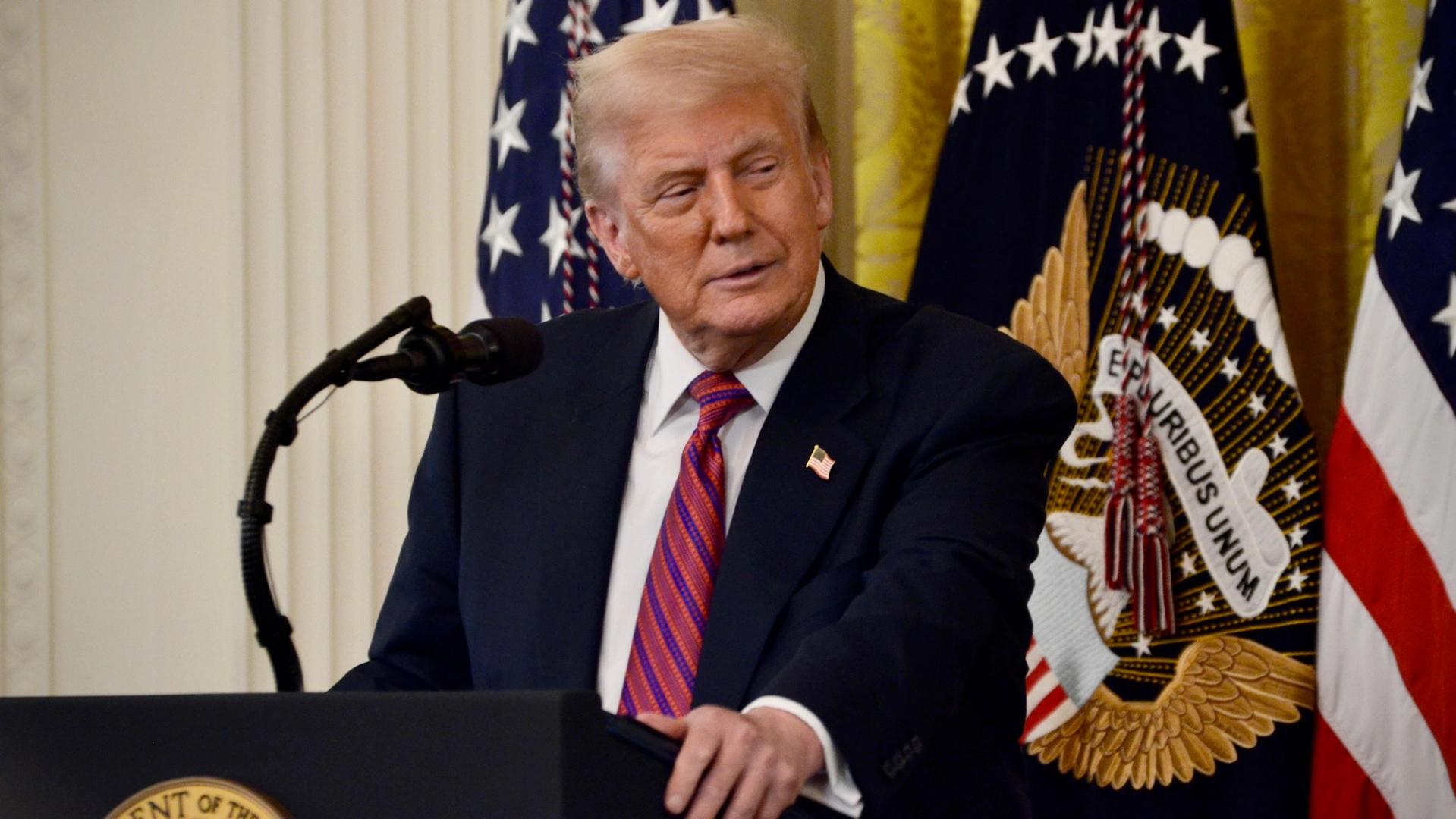
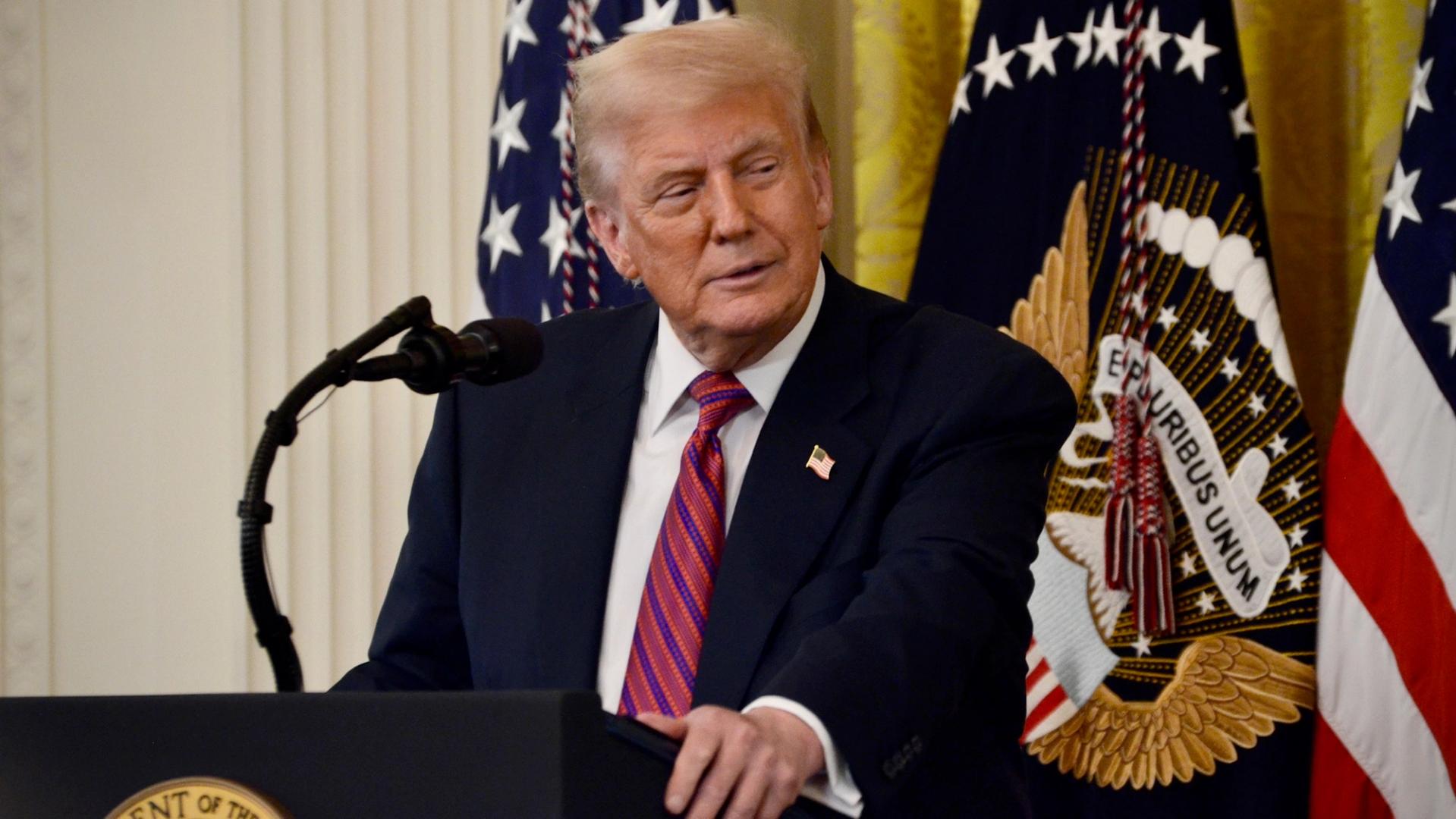
The CBDC limit expires at the end of 2030, though there was little chance that a Fed digital currency would have been executed by then. There’s been limited appetite at the central bank, where its previous leadership — even before the arrival of Trump’s newest Fed chair, Kevin Warsh — had long said that such an effort would require backing from the White House and congressional authorization. There’s never been wide support for a CBDC in Congress.
But the idea — strongly opposed by the crypto industry for its potential to compete with privately issued stablecoins — has been pursued in other jurisdictions, such as Europe and China, and it became a popular political target for U.S. politicians. So Republicans managed to slip it into the unrelated housing legislation, after previously trying to include it in a range of bills including the Foreign Intelligence Surveillance Act.
Despite the overall housing bill’s popularity, Trump took an unexpected, last-minute stand against signing it, for which he’d previously scheduled a ceremony and had a stage erected. He declared that he wouldn’t sign anything until lawmakers approved a bill that would impose new proof-of-citizenship and identity checks on voters — an effort without sufficient current support to pass in Congress.

A bipartisan U.S. housing bill that includes a ban on central bank digital currency (CBDC) issuance is poised to become law without President Donald Trump’s signature, as the allowable window for action runs out.
According to the timeline described in the article, the 21st Century ROAD to Housing Act was on Trump’s desk for 10 days (excluding Sundays) as of early Friday, which is the maximum time the president can let a bill sit without either vetoing it or signing it. The U.S. Constitution provides that a bill becomes law automatically if the president does not take action within that period. Trump previously canceled a signing ceremony for the bill on June 24, and on Friday he reiterated that he would not sign it.
Key takeaways
- The 21st Century ROAD to Housing Act is set to become law automatically if the president does not veto it within the constitutional timeframe.
- Inside the housing package, lawmakers included language barring the Federal Reserve from issuing or creating a CBDC—or a substantially similar digital asset—until Dec. 31, 2030.
- Trump said on Friday he would not sign the bill, but he did not specifically address the CBDC ban in that post.
- The episode renews questions about how Trump’s approach to unrelated legislation could spill over into major digital-asset bills under debate in the Senate.
Trump declines to sign, but the bill still moves forward
In a Friday social media post, Trump confirmed that he would not sign the housing bill. He criticized the Republicans in Congress who supported the legislation, calling their actions “dumb,” and urged the Senate to focus instead on another measure, the SAVE America Act.
That voting bill would require individuals to provide proof of U.S. citizenship in person to register. The article notes that it has faced widespread criticism, including claims that it could disenfranchise citizens who are already eligible to vote.
Even with Trump’s stated intention not to sign, the legal mechanism tied to the presidential desk time matters for investors and policy watchers: if Trump does not veto the bill by the end of the constitutional window, it will become law without a signature. Senator Elizabeth Warren, who co-sponsored the bill, pointed to this dynamic, saying the “good news” is that it would become law anyway.
What the housing bill changes for CBDC policy
The housing act’s digital-asset language is the portion most closely watched by the crypto community. The measure includes restrictions that prevent the Federal Reserve from issuing or creating a CBDC—or any digital asset considered “substantially similar”—until Dec. 31, 2030.
The article says many analysts viewed the CBDC ban as a political concession designed to help build support across parties. Importantly, Trump’s Friday post criticizing the housing bill did not mention the CBDC provision, leaving unanswered how directly the administration aligns with the restriction in practice—at least for now.
For developers and market participants, a multi-year prohibition aimed at a central bank-issued token model can affect expectations about the direction of U.S. financial infrastructure. While it does not replace broader digital-asset legislation, it narrows the range of actions available to the Federal Reserve during the window specified by the law.
Could the same hesitation affect the Senate’s crypto agenda?
Beyond the housing vote, the article raises a broader policy question: whether Trump’s unwillingness to sign legislation—when it clashes with his preferences—could create similar uncertainty for major digital-asset bills in the Senate.
In May, Trump said he wanted to “future-proof” digital asset regulations. Yet his decision not to sign the housing bill, which is not directly a crypto bill, has led to speculation about the treatment of other proposals moving through Congress.
One centerpiece mentioned is the Digital Asset Market Clarity (CLARITY) Act. The article states that many observers consider it among the most significant efforts to shape digital-asset regulation. It also reports that the bill has already passed the House and cleared two crucial Senate committees.
According to the article, Republican leaders expect CLARITY to head to the full Senate for a floor vote in July, once lawmakers return from state work periods on Monday. That schedule would place the bill in a politically sensitive window—especially if Trump’s approach to signing legislation remains skeptical or conditional.
The article also highlights that Trump’s relationship with the crypto industry has already complicated negotiations between Democrats and Republicans over market-structure rules. It points to disclosures that Trump earned more than $1.4 billion in income from his crypto ventures in 2025, including memecoins and the family’s World Liberty Financial platform.
While those details don’t prove how any specific bill would be treated, they underscore why digital-asset policy is closely tied to political optics as well as regulatory substance.
Why this matters to crypto stakeholders now
The CBDC restriction embedded in a housing law is a reminder that digital-asset policy can advance through unexpected legislative channels, not only dedicated crypto bills. Even if the broader U.S. regulatory framework for tokens and exchanges remains under development, targeted provisions can still shape expectations about central bank involvement and the future design of dollar-linked digital products.
At the same time, the question raised by this episode—whether major legislation could face presidential resistance—has immediate relevance for CLARITY and other crypto-focused proposals expected to reach the Senate floor. Crypto market participants typically watch the path to a floor vote and the likelihood of final passage; presidential sign-or-veto dynamics add another layer of uncertainty even when the legislative calendar looks favorable.
In the near term, readers should watch two things: whether Trump attempts a veto on the housing bill (which would prevent the CBDC ban from taking effect), and how the Senate proceeds with the CLARITY Act as lawmakers prepare for a July floor vote. The gap between congressional momentum and presidential willingness—highlighted by this housing case—may be the key variable for crypto policy over the next legislative cycle.

Kraken is rolling out a new set of AI-powered financial tools inside its mobile app, aiming to shift the experience from manual trading workflows to goal-based investing guidance. The update is built around users setting financial objectives and preferences up front—so the app can tailor recommendations and the on-screen experience around what they are trying to achieve.
In its announcement, Kraken described the core system as “financial intelligence” that monitors markets, spots investment opportunities, and suggests trades. Importantly, it positions the technology as decision support rather than fully automated execution: every recommendation must be reviewed and approved by the user before any transaction is placed.
Key takeaways
- Kraken’s mobile update uses AI to align trading recommendations with user-defined goals like home purchases, retirement savings, and emergency funds.
- The “financial intelligence” layer recommends trades and updates, but Kraken says it does not execute transactions autonomously.
- According to CNBC, Kraken also incorporates user risk tolerance, funding preferences, and financial profile to generate reviewable portfolio suggestions.
- Kraken’s launch follows broader moves across crypto by exchanges and fintech firms adding AI agents and conversational workflows, including tools that still require user approval.
Goal-based investing with user control
Kraken’s approach starts with how users set expectations. Rather than forcing customers to navigate complex trading screens, the redesigned app prompts them to specify financial goals and preferences. From there, Kraken says the system tailors the interface and recommendations to those objectives.
Examples Kraken highlighted include buying a home, saving for retirement, and building an emergency fund. The emphasis on goals matters because it potentially reframes investing from “choose an asset and execute” to “define an outcome and get guidance that fits it,” which could be especially relevant for less experienced users who struggle to translate long-term needs into day-to-day trading decisions.
Kraken also clarified the operational model of its AI tooling. While it continuously monitors markets and identifies opportunities, it requires a user’s explicit approval before any trade is submitted. That distinction—recommendation versus execution—may help address a key concern with AI in finance: reducing the risk of unintended trades while still offering more timely, personalized guidance than static forms or generic alerts.
How the app generates suggestions
CNBC reported that Kraken’s app uses information from its market monitoring system alongside user-specific inputs such as risk tolerance, funding preferences, and financial profile to create a suggested portfolio. The user is then able to review and adjust the proposed allocation before investing.
After a user invests, the app shifts from one-time advice to ongoing support. It provides personalized portfolio updates and additional investment suggestions tailored to what the user holds, again with the expectation that the user remains in control of whether to proceed with any action.
In an interview with CNBC, Kraken chief data officer Kamo Asatryan framed the purpose of the technology as narrowing the gap between retail users and the exchange’s most active traders. He said the system is designed to deliver everyday investors “the same market awareness” as high-frequency traders—using continuous monitoring and opportunity identification paired with recommendations that can be expressed in plain language.
“[T]here’s an opportunity for everyday people to become high-frequency traders and do so using plain English,” Asatryan said, according to CNBC.
Kraken joins a wider push for AI agents in crypto
Kraken’s rollout lands as exchanges and fintech platforms increasingly explore AI-driven interfaces that let users analyze markets, manage portfolios, and interact via conversation-like flows. The broader theme across the industry is not just automation, but “agentic” assistance—systems that can interpret a user’s intent, prepare actions, and streamline the steps between analysis and execution.
Earlier this year, OKX launched a beta marketplace where AI agents can transact autonomously, complete onchain tasks, and build blockchain-based reputations. In the same timeframe, Coinbase introduced a tool described as enabling AI agents to make payments and trade cryptocurrencies on behalf of users using its x402 payments protocol.
Activity reports suggest adoption is already taking shape. Chainalysis reported last month that agentic payment activity on Coinbase’s Base network surpassed 100 million transactions. While Chainalysis said transaction growth has stabilized, it also noted that higher-value transfers have become more common—an indicator that usage may be maturing beyond initial small-scale experiments, even if the overall pace of transactions is less explosive than earlier periods.
Other platforms are also leaning into conversational investing and AI-assisted trading workflows. On Friday, Revolut launched an upgrade to its Revolut X exchange that allows customers to connect AI assistants—including Claude, Gemini, Cursor, and OpenClaw—to analyze markets, backtest trading strategies, and place orders through natural-language prompts. Like Kraken’s model, Revolut’s approach requires users to review and approve every trade before execution.
The key question: when does “help” become automation?
What differentiates Kraken’s update from the most autonomous agent narratives is the explicit requirement for user approval. That control layer may be a practical compromise: it can preserve trust and reduce operational risk, while still giving users a more personalized and potentially faster way to evaluate opportunities.
At the same time, the industry is clearly moving toward workflows where users express intent in simpler terms and software translates that intent into trading and portfolio actions. For investors and traders, the near-term watch items are likely to be transparency and usability: how recommendations are explained, how risk factors are reflected, and how consistently the app updates guidance after portfolio changes.
For builders, the broader implication is that AI agents in finance are increasingly being packaged as user-facing product layers rather than back-office experiments—often paired with human approval gates that keep execution responsibility with the customer.
As Kraken begins deploying these tools in its mobile app, the next phase will likely reveal how quickly users adopt goal-based investing workflows, and whether the guidance becomes meaningfully better aligned with individual outcomes over time. Readers should also watch for additional details on how Kraken communicates recommendation logic and manages edge cases where market conditions or user preferences conflict.
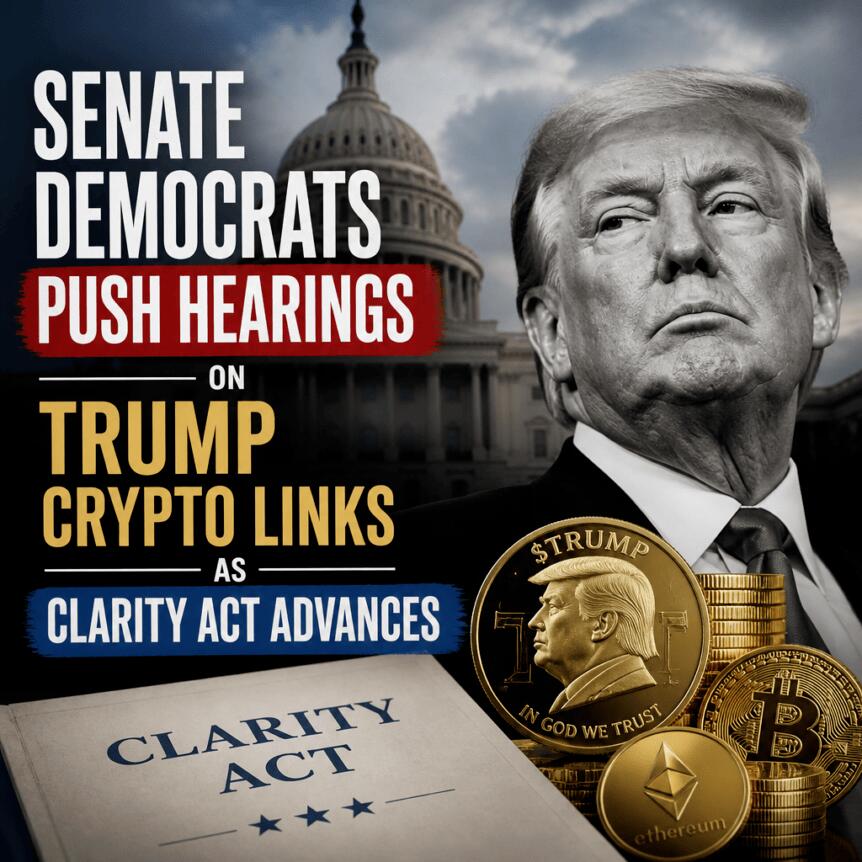
Five Democratic senators are urging committee hearings focused on potential national security risks tied to President Donald Trump’s cryptocurrency holdings as lawmakers advance the Digital Asset Market Clarity (CLARITY) Act.
In a notice released Friday, the Democratic ranking members of five Senate committees and subcommittees asked their counterparts to examine the 2025 financial disclosures filed by Trump, which include reported earnings of about $1.4 billion connected to crypto ventures such as his memecoin activity and his family’s World Liberty Financial platform. The senators argued the disclosures raise “concerns” that Trump could push for crypto legislation that benefits the very sector in which he holds financial interests—an issue now central to the CLARITY debate.
Key takeaways
- Five Democratic Senate ranking members asked for committee hearings on national security implications of Trump’s crypto holdings.
- The request is tied to Trump’s 2025 financial disclosure, reported to show roughly $1.4 billion in crypto-related earnings.
- Democrats say they want scrutiny of potential influence from the United Arab Emirates or other “unknown third parties.”
- CLARITY’s Senate path depends on overcoming a procedural hurdle—60 votes to advance beyond a filibuster—meaning bipartisan support will likely be necessary.
- The hearing push coincides with momentum on a separate measure that would bar the Federal Reserve from issuing or creating a CBDC until Dec. 31, 2030, following Trump’s decision not to sign.
Democrats seek hearings tied to financial disclosures and national security
The Friday notice calls on committee leaders to hold hearings that specifically investigate the national security implications of Trump’s cryptocurrency holdings. In the senators’ framing, the inquiry should include “the influence of the United Arab Emirates or unknown third parties on President Trump’s actions.”
The lawmakers also connected the request to their broader concern about whether the administration’s personal exposure to the crypto industry could distort the legislative process. Their argument centers on the timing of the reported financial gains and the Senate’s consideration of the CLARITY Act, which is expected to face a vote this month.
While oversight and hearing authority typically depend on party control, the Democrats’ position in both the House and Senate minority limits their ability to compel hearings without cooperation from Republicans. Still, because Senate procedures require 60 votes to end a filibuster and move most bills forward, the political reality is that some level of cross-party agreement will likely be required for CLARITY to advance.
CLARITY faces a procedural bind over ethics provisions
As Senate Democrats press for additional scrutiny, the legislative math remains complicated. According to the article, Senate Democrats have signaled they are prepared to withhold support for CLARITY unless ethics provisions are clarified. The underlying tension is straightforward: lawmakers are weighing a market-structure bill against concerns that conflicts of interest have not been adequately addressed.
On the other side, some Senate Republicans continue to push for CLARITY. For example, Cynthia Lummis has urged passage of the bill, even as the Democratic stance hardens around ethics conditions.
House leadership also appears to view the issue as politically fraught. French Hill, who chairs the House Financial Services Committee and helped the bill pass in the House in 2025, reportedly said that Trump’s crypto ties make legislation “more complicated.” That comment underscores a pattern common in contentious election-year oversight debates: the bill can clear chambers, but the remaining gatekeeping often shifts to the Senate where procedural thresholds and ethics negotiations carry outsized weight.
For investors and market participants, the hearing request may be more than symbolic. Committee scrutiny can affect bill timelines, the willingness of members to compromise on language, and the scope of enforcement or compliance expectations attached to any final version of CLARITY. Even without changes to core market-structure goals, the politics of ethics can determine whether regulators ultimately receive clear, durable legislative authority—or whether the effort stalls until new negotiating conditions emerge.
CBDC ban legislation moves in parallel as Trump declines to sign
The hearing demand arrives as another crypto-adjacent policy fight appears to be nearing a separate milestone. A bill barring the Federal Reserve from issuing or creating a central bank digital currency (CBDC) until Dec. 31, 2030 is expected to become law on Saturday after Trump canceled the signing ceremony for a bipartisan housing bill containing the CBDC ban and did not veto the legislation. The measure is set to become law automatically after 10 days.
This parallel track matters because it illustrates how US crypto policy is developing along two distinct lines. CLARITY focuses on market structure and how digital asset rules may be formalized through legislation. Meanwhile, the CBDC provision aims to limit federal central-bank issuance—an approach that can resonate with crypto advocates wary of state-issued digital currencies, even while the broader market-structure framework remains unresolved.
Together, these developments show a pattern of legislative motion despite political friction: lawmakers can still move certain provisions through the process, even as conflicts about ethics and oversight intensify around other parts of the agenda.
What to watch next in the CLARITY and oversight process
Next, the Senate’s ability to secure sufficient votes for CLARITY will likely depend on whether ethics language and oversight concerns can be addressed to satisfy enough members across party lines, while the promised committee hearings—if approved—could shape the bill’s trajectory and the scrutiny applied to any final text.

After years of lobbying aimed at winning a clearer regulatory footing, the U.S. crypto industry is pressing toward the CLARITY Act—an effort to reshape crypto market structure legislation—while lawmakers weigh competing concerns from advocates and law enforcement.
With Senate negotiators working toward a possible floor vote ahead of Congress’s August recess, the political question has shifted from whether legislators are paying attention to digital-asset arguments to whether the industry’s election-season momentum and financial resources will be enough to carry the bill over the finish line.
Key takeaways
- The CLARITY Act is nearing a potential Senate floor vote, but remaining controversy—particularly around Section 604 / the Blockchain Regulatory Certainty Act—keeps the outcome uncertain.
- Crypto advocates describe their lobbying effort as the most “sophisticated” it has ever been, combining sustained lawmaker engagement with election-focused political activity.
- Public Citizen reported that crypto-related political spending reached $189 million so far ahead of the 2026 midterms, framing the debate over “buying influence” versus responding to anti-crypto politics.
- Major law enforcement groups are moving in different directions: the Major County Sheriffs of America (MCSA) shifted to neutrality, while other attorneys and groups warned that broad exemptions could weaken oversight and accountability.
- Analysis from Brogan Law suggests that while Fairshake-backed candidates won most decided races, many were not as tightly contested as headlines imply, pointing to more nuanced campaign strategy effects.
CLARITY gains momentum—yet Section 604 remains the pressure point
For proponents, the debate around the CLARITY Act increasingly looks like an incremental narrowing of political resistance. A key signal came on July 3, when the Major County Sheriffs of America (MCSA) said it moved from opposing the bill to a neutral position after discussions focused on Section 604, also known as the Blockchain Regulatory Certainty Act.
Coinbase CEO Brian Armstrong described the MCSA development as “huge” in a post on X, underscoring how much the industry appears to value law-enforcement-adjacent endorsements as lawmakers move closer to a vote.
That same day, the National Organization of Black Law Enforcement Executives (NOBLE) became the first major law enforcement body to endorse the legislation.
Still, the bill’s path remains complicated. The Blockchain Regulatory Certainty Act / Section 604 is drawing sustained concern from public safety and oversight advocates. In late June, acting U.S. Attorney General was warned by four other attorneys and law enforcement groups representing 70,000 members collectively, according to reporting tied to an International Consortium of Investigative Journalists (ICIJ) investigation. Their argument: the bill’s broad exemptions could create gaps in oversight and accountability that “sophisticated criminal actors may exploit.”
For investors and policy watchers, the practical takeaway is that the CLARITY Act’s coalition is improving—but not solidifying. The legislation is now in the phase where small wording differences and targeted carve-outs can determine who endorses it, who continues to oppose it, and ultimately whether leadership can secure the votes required for passage.
Why the crypto lobby’s political operation is drawing scrutiny
Alongside the legislative calendar, the crypto industry’s political infrastructure has become a major storyline of its own. In a June 25 X thread, Kristin Smith—president of the Solana Policy Institute and former CEO of the Blockchain Association—said crypto advocacy is “the strongest and most sophisticated it has ever been.” She cited bipartisan negotiations, ongoing meetings with lawmakers, and what she characterized as a winning campaign to support “champions” in Congress.
Public Citizen has framed that effort in far more contentious terms. In a report referenced by Reuters, the consumer advocacy organization said crypto’s political spending reached $189 million so far in the run-up to the 2026 midterms. The report’s implication is that industry spending is attempting to influence elections and policy agendas, while critics argue this is a bid to buy votes and legitimacy.
Industry figures reject that characterization. Colin McLaren, head of government relations at the Solana Policy Institute, told Cointelegraph that the infrastructure did not form overnight and pointed to several groups as key contributors to moving pro-crypto legislation forward, including Fairshake, Cedar Innovation Foundation, Stand With Crypto, and the Blockchain Association. McLaren argued that these groups helped build relationships inside Congress and provided lawmakers with “resources and cover” to legislate without fear of electoral backlash.
Fairshake: campaign spending versus what it can realistically change
No organization illustrates the crypto lobbying shift more clearly than Fairshake, a crypto-backed political action committee (PAC) funded by major industry players including Coinbase, Ripple, and Andreessen Horowitz. A PAC, according to the Federal Election Commission, raises and spends money to support or oppose candidates and political causes under federal election rules.
During the 2026 U.S. congressional primary cycle, Fairshake and affiliated PACs reportedly spent tens of millions of dollars backing candidates viewed as favorable to digital assets and opposing those considered hostile to the sector. Cointelegraph previously reported that in May, affiliated PACs spent more than $20 million supporting Republican congressional primary candidates in Georgia, Alabama, and Kentucky—where some figures included more than $7 million backing Rep. Andy Barr in Kentucky’s Senate primary. Coverage also noted follow-on spending in Democratic contests, including millions of dollars in Maryland and New York.
McLaren argued this approach is having real effects. He told Cointelegraph that some candidates appeared to be behind in polling before crypto-linked ads ran, and then won—adding that the industry appears willing to take electoral risks rather than only supporting low-uncertainty outcomes.
But analysis by Brogan Law journalist Veronica Irwin complicates the “wins equal influence” narrative. In a June 30 analysis published on Brogan Law, Irwin reportedly reviewed Fairshake’s involvement in 40 decided races and compared Federal Election Commission filings with polling data and election results. The analysis found that Fairshake-backed candidates won in 38 of those contests, but many races already tilted strongly toward the eventual winner prior to the PAC’s involvement. Using her methodology, only 16 races appeared competitive enough that Fairshake spending could plausibly have changed the outcome.
Irwin’s broader point was not that Fairshake lacks influence, but that the strategy may be more sophisticated than simple headline-level coverage suggests. She told Cointelegraph that popular accounts often read like “just the press release,” implying the PAC is “buying up all of the elections outright,” when the reality could involve a wider campaign approach enabled by the industry’s large financial resources.
That opens up a key question readers should watch: whether Fairshake’s greatest effect is directly flipping outcomes in tight races—or shaping expectations among politicians and voters so that being seen as crypto-friendly carries less political risk.
Legislation still depends on coalitions, not just advertising
Even if campaign spending can help candidates gain office, moving a market-structure bill through Congress typically requires more than winning elections. The CLARITY Act’s progress reflects months of negotiation involving lawmakers, industry participants, and outside stakeholders.
As MCSA shifted to neutrality rather than continued opposition, the message appears to be that coalition-building remains essential—especially for issues tied to financial crime concerns, consumer protection, and law enforcement roles. That pattern is visible in how Section 604 has become a focal point: even groups moving toward neutrality can still want assurance that accountability mechanisms won’t be diluted.
Ron Tarter, founder of RockWallet and a former attorney, told Cointelegraph that adoption is the foundation, lobbying translates adoption into policy engagement, and campaign spending acts as an accelerant. In his view, the political approach works because it layers different forms of pressure and influence rather than relying on one tool alone.
Irwin also suggested that crypto’s political advantage doesn’t come solely from ad budgets. She told Cointelegraph that for many voters, crypto doesn’t rank among the “top-five issues.” That creates what she described as a “sweet spot” where politicians can adopt more pro-crypto positions with limited downside, while lobbying and campaign support can make that shift more durable.
McLaren offered a final framing: the industry “played defense for years,” then decided to engage more directly at the ballot box and build an apparatus designed to advocate for regulatory clarity.
As Senate negotiators move toward potential floor action, the industry will likely focus on tightening the coalition around remaining disputes—especially around Section 604—while opponents continue pressing for assurances on oversight and accountability. The next milestone to watch is how quickly the bill’s support broadens among skeptics once the language questions are fully resolved, or whether those concerns ultimately narrow the paths to the votes needed for passage.


Apple has sued OpenAI, accusing the ChatGPT maker of running a scheme to steal trade secrets tied to its unreleased hardware. The complaint also names two former Apple employees central to OpenAI’s device push.
The filing marks OpenAI’s second major legal fight in a month. Just weeks earlier, the company shook off trade secrets claims from Elon Musk’s xAI, only to face a far larger accuser.
Why Apple Sued OpenAI
Apple filed the suit on July 10 in the U.S. District Court for the Northern District of California. It names OpenAI, its io Products hardware unit, and two former Apple staff as defendants.
Apple was blunt about the scope.
“At every level, from members of its Technical Staff to its Chief Hardware Officer, and in coordination with business partners, OpenAI has been stealing Apple’s trade secrets and confidential information,” Apple made the claim in its complaint.
Follow us on X to get the latest news as it happens
That chief hardware officer is Tang Tan. He led design for the iPhone, Apple Watch, and AirPods before leaving in early 2024. Apple says he had job candidates bring parts such as batteries and logic boards to interviews.
The suit also accuses former engineer Chang Liu of keeping a work laptop after leaving. He allegedly exploited a bug to reach Apple’s cloud storage and download dozens of files. Apple says more than 400 of its former staff now work at OpenAI.
Apple wants an injunction barring OpenAI from using the secrets, plus damages to be set at trial. It adds to a run of Big Tech legal battles over talent.
A Second Legal War for OpenAI
OpenAI just escaped a similar fight, when a judge dismissed xAI’s trade secrets suit with prejudice on June 15. Weeks before that, a California jury needed under two hours to reject Musk’s mission-betrayal suit as filed too late.
The dispute now caps a bruising year of clashes over competing AI models. OpenAI’s hardware push traces to its purchase of Jony Ive’s startup io, a roughly $6.5 billion deal last year.
Apple, by contrast, brings deeper pockets and decades of hardware secrets to defend. The fight also shadows OpenAI’s looming IPO plans.
The two remain partners today, with ChatGPT built into Apple’s devices and a GPT-5 upgrade due this year. OpenAI had not publicly answered the allegations by press time. The coming filings should show how much of Apple’s evidence survives scrutiny.
The post OpenAI Back in Another Legal War Weeks After Beating Elon Musk appeared first on BeInCrypto.


In a wide-ranging conversation on CoinDesk Spotlight, Schultz laid out a view of Meta’s future in which agentic commerce is not a product category but an inevitability.
“We think it might be the next tier of business for our entire company,” he told host, Sam Ewen.
The Agentic Economy Is Already Here, But It’s Unevenly Distributed
Schultz framed the agentic economy the same way science fiction author William Gibson framed the future: already present, not yet mainstream.
“We are building business agents for all businesses,” he said. “We have over a million weekly active businesses with Meta agents[…] from basically nothing at the start of the year.”
The use case he outlined was deliberately mundane: coordinating a child’s birthday party. Agents booking times, checking calendars, finding venues, communicating with other parents’ agents, all on WhatsApp. The point of the mundane example is that it scales. If agents can handle low-stakes logistics, they can handle supply chain negotiations, financial settlements, and cross-border commerce.
“You write that example large,” Schultz said, “and then if you’re us, you hope that you do it over WhatsApp”
The payments layer inside that vision is stablecoins.

Crypto exchange Kraken is adding AI-powered financial tools to its mobile app as exchanges increasingly compete to offer personalized investing tools beyond basic trading features.
According to a company announcement, users will begin by setting financial goals and preferences, allowing the app to tailor its interface and recommendations around those objectives rather than requiring customers to navigate complex trading tools. The company said the redesigned platform will help users pursue goals such as buying a home, saving for retirement or building an emergency fund.
Kraken said its “financial intelligence” continuously monitors markets, identifies investment opportunities and recommends trades, but does not execute transactions autonomously. Every recommendation requires the user’s approval before a trade is placed, with the company positioning the technology as a decision-support tool rather than an automated trading system.
According to CNBC, the app then uses that information, along with a user’s risk tolerance, funding preferences and financial profile, to generate a suggested portfolio for users to review and adjust before investing. Once invested, it provides personalized portfolio updates and investment suggestions tailored to each user’s holdings.
Speaking to CNBC, Kraken chief data officer Kamo Asatryan said the technology is designed to give everyday investors the same market awareness as the exchange’s most active traders by continuously monitoring markets, identifying opportunities and recommending trades.
“[T]here’s an opportunity for everyday people to become high-frequency traders and do so using plain English,” he said.
Related: Bitcoin miners’ AI pivot faces investor scrutiny over insider sales
AI agents spread across crypto platforms
Crypto exchanges and fintech firms are increasingly embedding AI into their trading platforms, allowing users to analyze markets, manage portfolios and place trades through conversational interfaces.
In June, OKX launched a beta marketplace where AI agents can transact autonomously, complete onchain tasks and build blockchain-based reputations. In the same month, Coinbase introduced a tool that lets AI agents make payments and trade cryptocurrencies on behalf of users using its x402 payments protocol.
Adoption is also accelerating. Last month, Chainalysis reported that agentic payment activity on Coinbase’s Base network had surpassed 100 million transactions. The report found that while transaction growth has stabilized, higher-value transfers have become more common, suggesting AI-driven payments are moving beyond micropayments and early experimentation.

Source: Coinbase
On Friday, fintech firm Revolut launched an upgrade to its Revolut X exchange, allowing customers to connect AI assistants, including Claude, Gemini, Cursor and OpenClaw, to analyze markets, backtest trading strategies and place orders through natural-language prompts. Like Kraken’s platform, users must review and approve every trade before execution.
Magazine: Bitcoin’s quantum dilemma: Bigger blocks or STARK proofs?


Ledger’s Donjon security team has disclosed a hardware attack that can reset the password on a Tangem wallet card.
Summary
- Ledger researchers reset Tangem card passwords using a targeted laser pulse against secure element firmware.
- The attack requires physical possession, specialist skills, invasive preparation and laboratory equipment costing around $250,000.
- Tangem called everyday risk virtually nonexistent but advised users to keep their wallet cards physically secure.
The method could allow an attacker to sign transactions and move funds linked to the card.
However, the attack requires physical possession of the wallet, specialist knowledge and laboratory equipment worth about $250,000. Tangem said those conditions make the risk to ordinary users “virtually non-existent.”
Laser attack bypasses Tangem password check
According to Ledger Donjon’s technical report, researchers used a nanosecond laser pulse against a specific area of the card’s secure element. The pulse disrupted a check inside Tangem’s firmware during a password reset command.
Tangem cards normally require the current password before accepting a new one. A recovery process can also reset the password when a user has another backup card linked to the same wallet.
The researchers said their attack bypassed the check that confirms whether the card had entered an approved recovery state. This allowed them to set a new password without knowing the original password or holding a backup card.
Ledger Donjon repeated the process on three cards. After the initial research, each test reportedly took about two hours to prepare and complete. The team disclosed the flaw to Tangem on Feb. 10.
Current Tangem cards cannot receive a patch
Ledger said the issue affects Tangem cards currently in circulation. The cards do not support firmware updates, meaning Tangem cannot distribute a software patch to devices already held by customers.
To perform the attack, researchers cut open the plastic card and removed shielding to expose the chip. They then rewired the device to custom equipment before carrying out power analysis and laser fault injection.
The invasive preparation damages the physical card. Ledger Donjon said an attacker could not secretly perform the procedure and return the card in its original condition.
“What this means for users: there’s no patch, but the attack is physical and invasive,” the researchers said. They added that the main risk applies when a card becomes lost or stolen.
Tangem disputes practical risk to users
In its response on X, Tangem did not dispute that the laboratory team completed the attack. However, it questioned whether the findings represent a practical threat to customers.
Tangem said the method needs “physical possession of the card, expensive laboratory equipment, and highly specialized expertise.” It described the everyday risk as “virtually non-existent.”
The company also noted that Ledger Donjon operates within Ledger, one of Tangem’s main hardware wallet competitors. Tangem said readers should consider that commercial relationship when assessing the report.
Still, Ledger’s researchers said the issue shows that an EAL6+ certified secure element does not protect against every attack. The certification covers the chip’s resistance to physical threats, but security also depends on the firmware running inside it.
Physical control remains the main safeguard
The disclosed attack does not work remotely. An attacker cannot use it through the Tangem mobile app, an internet connection or an NFC interaction alone.
Tangem users can reduce exposure by keeping every card secure and treating a lost card as a security event. Moving funds to a new wallet would remove the risk linked to a missing device.
The finding follows earlier research into Tangem’s security. Ledger Donjon previously disclosed an Android genuine-check bypass and a separate brute-force method targeting the card’s authentication process.
As reported by crypto.news, Ledger researchers also found a MediaTek chip flaw that could expose passwords and wallet data on some Android devices. Unlike the Tangem card attack, MediaTek later issued a patch for the affected mobile chips.
The latest Tangem finding remains limited by cost, access and technical difficulty. However, users whose cards remain in their possession are not exposed to the physical attack described by Ledger Donjon.
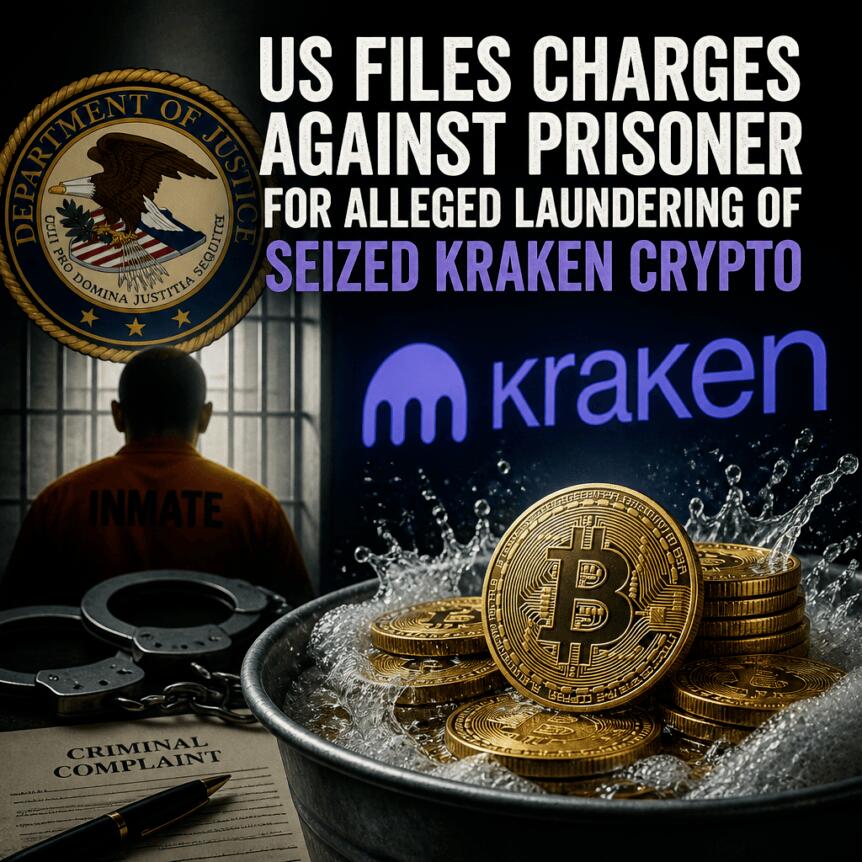
U.S. prosecutors have brought fresh criminal charges against Rossen Iossifov, a Bulgarian national already serving a federal prison sentence, alleging he helped move and launder roughly $290,000 in cryptocurrency tied to a court forfeiture order. The Department of Justice says the alleged conduct took place in January 2024, after a federal court had ordered the assets forfeited following Iossifov’s earlier conviction.
According to the DOJ, the crypto was stored in a Kraken account registered to Iossifov that had been restrained during the investigation. Prosecutors allege that he and others withdrew and transferred the assets using mixing services and crypto exchanges to obscure the trail—before the government could take possession.
Key takeaways
- Federal prosecutors say Iossifov attempted to remove about $290,000 in crypto subject to a forfeiture order after his 2021 conviction.
- The DOJ alleges the funds were moved through mixing services and exchanges, which prosecutors view as steps to defeat seizure.
- Authorities previously linked Iossifov to laundering millions in crypto tied to an online auction fraud network.
- If convicted, the latest charges carry a maximum penalty of 25 years, underscoring how forfeiture-related violations can trigger new cases.
Why forfeiture-evading conduct can lead to new charges
The DOJ’s announcement frames the alleged conduct as more than simple asset movement. Prosecutors contend that once a court orders forfeiture and investigators restrain the relevant holdings, efforts to relocate those assets can become a separate criminal matter—potentially even when the defendant is already serving time for related offenses.
In this case, the government alleges the crypto at issue was held in an account registered to Iossifov on Kraken, and that it had been restrained during the underlying investigation. The DOJ did not state in its Thursday filing how the account was accessed or whether the government ultimately recovered the transferred funds.
That detail gap matters for investors and builders monitoring enforcement trends: while the DOJ alleges illicit steps, the public record so far leaves open operational questions such as whether the defendant maintained control through authorized access, exploited weaknesses in account controls, or used intermediaries to move assets.
The allegations and the alleged laundering path
Prosecutors said Iossifov conspired in January 2024 to withdraw and transfer cryptocurrency that a federal court had ordered forfeited. The DOJ alleges the transactions involved illicit mixing services and crypto exchanges, steps prosecutors say were intended to conceal the origin and destination of the funds.
Mixing is frequently cited by law enforcement in crypto laundering cases because it can increase the difficulty of linking incoming funds to outgoing transfers. In the DOJ’s account, the mixing-and-exchange flow is treated as a tactic to keep assets out of reach of government seizure.
The indictment also includes counts tied specifically to avoiding forfeiture, including removing property to prevent seizure, aiding and abetting, and conspiracy to commit money laundering. Prosecutors previously described similar behavior in earlier portions of the case, including the use of crypto rails to convert and move criminal proceeds.
How this fits into Iossifov’s broader criminal history
The new charges follow Iossifov’s prior conviction. According to the DOJ, he was previously convicted of racketeering conspiracy and money laundering conspiracy connected to an online auction fraud network that victimized at least 900 Americans.
Prosecutors said he owned and operated RG Coins, a crypto exchange that converted criminal proceeds into cryptocurrency and cash for the fraud network. Earlier evidence referenced by prosecutors indicated that Iossifov laundered nearly $5 million in crypto in less than three years.
After the earlier case, a court ordered Iossifov to pay more than $2.6 million in restitution and to forfeit cryptocurrency assets. The latest criminal filing adds alleged conduct aimed at frustrating that forfeiture process. In other words, the government is not only pursuing the original wrongdoing, but also the alleged efforts to preserve proceeds by attempting to move restrained assets.
Wider enforcement pressure on laundering infrastructure
The Iossifov case arrives amid broader international scrutiny of cryptocurrency infrastructure used to conceal illicit funds. On Thursday, Interpol said a wallet linked to a suspected romance-scam money launderer processed more than $122 million in ten months, using cross-chain swaps to shift proceeds tied to online fraud.
Interpol described the effort as part of a larger operation involving 97 countries and territories. That operation reportedly resulted in 5,811 arrests and the interception of $293 million in assets connected to fraud and money laundering.
While the Iossifov matter is specific to U.S. forfeiture and the alleged movement of restrained assets, these parallel enforcement efforts highlight a recurring theme in crypto crime prosecutions: governments increasingly target not only the original fraud but also the tools and workflows used to obscure fund flows—particularly when investigators can identify wallets, exchanges, and service patterns.
What happens next for the defendant and the case
An indictment is an allegation, and Iossifov is presumed innocent unless proven guilty. Still, the DOJ’s filing signals that attempts to relocate assets subject to a forfeiture order can draw additional prosecution, potentially compounding exposure well beyond the original sentence.
Readers should watch for whether the government can demonstrate how the Kraken holdings were accessed or controlled despite being restrained, and whether any transferred funds were recovered or linked back to the alleged mixing-and-exchange transactions—details that could shape both the evidentiary record and the broader lessons for compliance around custodial accounts and forfeiture freezes.

Autonomous AI Russian 'Molniya' drone could be using the Nvidia Jetson Orin platform by exploiting a common COTS loophole

State Pension Age warning as MPs demand Universal Credit boost

Fire Insurance For Small Businesses In The Philippines


-
 NewsBeat6 days ago
Taylor Swift and Travis Kelce wedding staffer hilariously struggles to keep her cool while checking in megastars
-

 Fashion4 days ago
Open Thread: What Great Books Have You Read Recently?
-

 Fashion2 days ago
Loro Piana Fall 2026 Enters Houston’s Art Scene
-

 News Videos4 days ago
Whats Hidden Inside This Cash Register? #treasure #reselling #money
-
 Tech4 days ago
Anthropic’s new “J-lens” reveals a silent workspace inside Claude that mirrors a leading theory of consciousness
-

 Business4 days ago
AXT Shares Jump Nearly 14% as Semiconductor Materials Maker Rebounds on AI-Linked Indium Phosphide Demand
-

 Sports3 days ago
Joshua Pacio ‘more complete’ ahead of ONE rematch vs Malachiev
-

 Crypto World5 days ago
South Africa proposes crypto tax guidance under existing rules
-
 Crypto World4 days ago
SK hynix (000660.KS) Stock Dips as $28B Nasdaq ADR Offering Drives AI Memory Expansion
-

 News Videos4 days ago
Best Time to Enter Small Caps Right Now? Another Bull Run? | Financially Free
-

 Tech6 days ago
Lenovo laptops are now shipping with YMTC SSDs, a sign of Chinese NAND entering the mainstream
-
Sports3 days ago
We have punished the disrespect
-

 News Videos4 days ago
Avoid entering in FOMO #bitcoin #cryptocurrency #trading #scalping
-

 Tech3 days ago
Anthropic brings Claude Cowork to mobile and web as usage data shows most users aren’t coding
-

 Crypto World4 days ago
$1,000 Credit Alert! BlockDAG X Exchange Pre-Registration Now Officially Open, Polkadot Dips & Zcash Rebounds
-

 Tech6 days ago
Neuralink Threads Its Way Straight Through the Brain’s Armor
-

 Crypto World4 days ago
Binance lists Strategy’s STRC stock as company expands Bitcoin funding
-

 Sports7 days ago
Game #88: Marlins at A’s Game Thread
-
 Crypto World6 days ago
Bitcoin Miner IREN Falls After $700 Million CEO Stock Award
-

 Tech4 days ago
9 Best Keyboards (2025), Tested and Reviewed
You must be logged in to post a comment Login