
Crypto World
Chinese State Hackers Double Attack Volume After Adopting AI, Report Shows



Chinese state-affiliated hackers now run twice as many attacks as they did before handing mundane work to DeepSeek and open-source artificial intelligence (AI) systems, according to Taiwanese threat intelligence firm TeamT5.
Attribution remains imprecise. The firm cannot tie every intrusion to a specific system, though it said that DeepSeek remains a popular choice among hackers.
Why Cheap AI Beats Frontier Models for Attackers
The finding inverts a common assumption that the risk of offensive AI lies mainly with the most advanced systems. Instead, operators are now scaling output using relatively weaker tools.
Cost and permissiveness drive that choice. Moonshot’s Kimi K3 is more powerful. Yet, TeamT5 has logged no incidents involving it and considers its running costs prohibitive for hackers.
Charles Li, chief analyst at TeamT5, framed the trade-off directly.
“DeepSeek is the AI of choice for Chinese hackers because it’s relatively powerful with very low cyber guardrails. Western models are highly sought-after but their guardrails are much more strict and require a lot more effort to bypass,” Li said.
Follow us on X to get the latest news as it happens
How Hackers Use AI
TeamT5 obtained scripts and logs, placing DeepSeek across multiple attack stages. A group called Grimfengxi used it to generate exploit code. Teleboyi used it to gather 1,000 IP addresses and map a target’s domains.
Huapi hit a Taiwanese company’s email system with a Chinese model that researchers believe was DeepSeek. Western tools appear too.
TeamT5 said a group tracked as Slime22 breached a Taiwanese technology firm’s systems, installed Kali, and directed Claude Code to run lateral movement. Operators bypassed safeguards by claiming to be engineers conducting authorized tests.
Meanwhile, CyCraft traced a 10-person Chinese startup selling intrusion software for 300,000 to 500,000 yuan, or roughly $44,500 to $74,000. At least four hacking groups bought it. The company also used ChatGPT during an attack.
A spokesperson for OpenAI said the firm is committed to identifying, preventing, and disrupting attempts to abuse its models.
Meanwhile, Chinese groups are not alone in this shift. North Korea’s Kimsuky is also testing local models.
Anthropic reached a broader conclusion in June, finding that AI now handles advanced attack work for hackers who lack the skill to do it themselves.
Subscribe to our YouTube channel to watch leaders and journalists provide expert insights
The post Chinese State Hackers Double Attack Volume After Adopting AI, Report Shows appeared first on BeInCrypto.


TIME and Statista have launched the 2026 list of Best Employers, based on independent employee surveys conducted in countries around the world. In India, Statista gathered 760,000 evaluations from employees across a wide range of sectors. These surveys asked open-ended questions about employees’ willingness to recommend their own employer and their willingness to recommend other employers in the same industry. The top 500 employers, ranked based on these results, were named India’s Best Employers 2026.
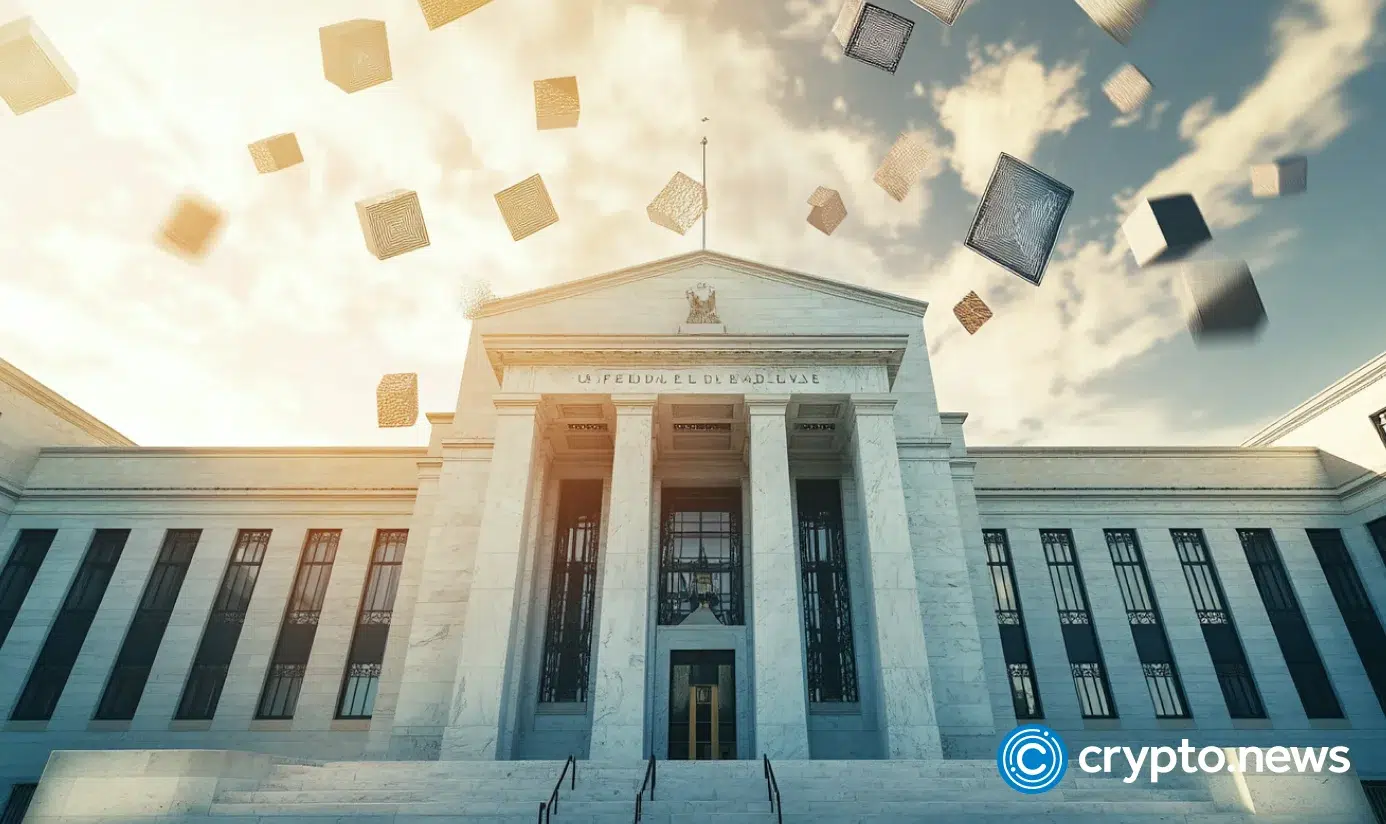
The symposium theme is “Financial Innovation: Implications for Payments and Policy.” Warsh divested a dozen blockchain positions before taking office. He appointed Marc Andreessen to co lead the Fed’s AI task force. Friday’s speech could move crypto markets on policy content alone.
Summary
- The 2026 Jackson Hole Economic Policy Symposium runs August 27 to 29 with the theme “Financial Innovation: Implications for Payments and Policy,” the first time digital payments and financial technology have been the organizing center of the event.
- Fed Chair Kevin Warsh’s personal portfolio disclosed in his April 2026 ethics filing included stakes across more than a dozen blockchain protocols and DeFi ventures, all divested upon confirmation.
- Warsh appointed Marc Andreessen to co lead the Productivity and Jobs task force alongside Stanford economist Charles I. Jones and Microsoft Xbox CEO Asha Sharma, drawing attention from crypto investors despite the panel’s AI focus.
- Bitcoin broke $80,000 on August 25 as the crypto market rallied more than 20 percent for the week, with traders positioning ahead of Friday’s keynote.
- The stablecoin market has grown past $230 billion in outstanding tokens, JPMorgan is running dollar pegged deposit tokens on a public blockchain, and the GENIUS Act provides the first federal framework for payment stablecoin issuance.
Every Fed chair gets one first Jackson Hole speech. It sets the tone for their tenure, signals their priorities, and reveals how they think about the economy’s most pressing structural questions. Kevin Warsh’s first keynote arrives at a moment when the stablecoin market exceeds $230 billion, when tokenized deposits are settling real transactions on public blockchains, and when the United States is building its first comprehensive stablecoin regulatory framework under the GENIUS Act. The theme he chose tells you what he considers the structural question: “Financial Innovation: Implications for Payments and Policy.”
This is not the typical Jackson Hole speech about inflation forecasts and interest rate guidance. It is a speech about whether programmable money changes how monetary policy works. For crypto markets, the distinction matters more than the content.
Why the theme matters
Jackson Hole themes are chosen years in advance by the Federal Reserve Bank of Kansas City in consultation with the Fed chair. The 2026 theme, “Financial Innovation: Implications for Payments and Policy,” is the first in the event’s history to place digital payments and financial technology at its organizing center. Previous themes have addressed inflation, labor markets, monetary policy frameworks, and global trade. None has centered on the mechanics of how money moves. The theme reflects a genuine central banking problem. Stablecoins, tokenized deposits, and faster payment rails have become practical tools in global finance fast enough to outrun regulatory frameworks. Central banks are still determining whether and how programmable money alters the transmission of interest rate policy. When the Fed raises rates, the traditional mechanism works through bank deposits and money market funds. If a growing share of dollar denominated value sits in stablecoins that do not pay interest, the relationship between the federal funds rate and broader financial conditions changes in ways that monetary economists are only beginning to model. The symposium is expected to draw participation from central banks working through CBDC frameworks and regulators overseeing stablecoin and tokenized asset markets globally. The academic papers presented alongside the keynote will address payment system architecture, the macroeconomic effects of instant settlement, and the regulatory challenges of cross border digital payments. For the first time, these are not fringe topics at Jackson Hole. They are the organizing principle.
Who Kevin Warsh is
Warsh took office as Fed chair on May 22, 2026, after Senate confirmation on a 58 to 42 vote. He previously served as a Federal Reserve governor from 2006 to 2011, where he was the youngest governor in the Fed’s history and gained a reputation for skepticism toward quantitative easing. After leaving the Fed, he became a fellow at the Hoover Institution and served on the boards of several technology companies. His April 2026 ethics filing revealed personal investments across more than a dozen blockchain protocols and DeFi ventures, all of which he pledged to divest upon confirmation. The filing drew immediate attention because no previous Fed chair had disclosed crypto holdings of any kind. Warsh did not discuss the positions publicly, but the disclosure confirmed that he entered office with direct experience as a crypto investor, not just as a policymaker observing the space from a distance. The experience matters because Jackson Hole speeches are not scripted by staff. The chair personally shapes the framing, the priorities, and the analytical lens. A chair who held DeFi positions understands yield farming, liquidity pools, and protocol governance in a way that a chair whose exposure was limited to policy briefings does not. Whether that understanding leads to supportive or skeptical language on Friday is the open question.
The Andreessen appointment
On July 9, Warsh announced five independent task forces to examine Fed communications, balance sheet policy, inflation frameworks, economic data, and the impact of artificial intelligence on productivity and employment. Marc Andreessen, co founder of Andreessen Horowitz (a16z), was appointed to co lead the Productivity and Jobs task force. Andreessen Horowitz is one of the largest investors in both AI companies and crypto startups. The firm’s crypto portfolio includes investments in Coinbase, Uniswap, Compound, and dozens of other protocols and infrastructure companies. None of the task force announcements mention crypto, digital assets, or stablecoins directly. The mandate is to study how AI and emerging technologies reshape economic growth and labor markets. But the appointment is being read by crypto markets as a directional signal. The reasoning: Warsh could have chosen any technology leader for the AI task force. He chose one whose firm has deployed billions into crypto infrastructure. Even if the task force never addresses digital assets, the selection reveals Warsh’s comfort level with the technology ecosystem that includes crypto as a core component. The task force will present preliminary findings to the Board of Governors in early 2027. If those findings reference digital payment infrastructure, tokenized assets, or blockchain based settlement, the crypto policy signal strengthens. If they remain narrowly focused on AI productivity effects, the appointment was about AI, not crypto, and the market read was premature. The broader composition of Warsh’s task forces also matters. Alongside Andreessen, Warsh appointed Doug McMillon, CEO of Walmart, to co lead a separate task force on communications. The combination of Silicon Valley venture capital and corporate retail in the Fed’s advisory structure signals a chair who views the economy through the lens of technology adoption and consumer facing innovation, not just banking system mechanics. This philosophical orientation may shape how Warsh frames financial innovation at Jackson Hole: as a consumer benefit driven by competition, rather than as a systemic risk requiring containment. Five task forces examining five aspects of Fed operations, none explicitly addressing digital assets, but all touching infrastructure that digital assets intersect with: communications (how the Fed signals to increasingly automated markets), balance sheet policy (how Treasury purchases interact with stablecoin reserve demand), inflation frameworks (whether digital payment efficiency is disinflationary), data (whether blockchain data should supplement traditional economic indicators), and AI productivity (whether tokenized labor markets alter employment dynamics). The crypto market is reading the subtext, and at Jackson Hole, subtext becomes text.
What Warsh might say about payments
The symposium theme constrains the keynote to financial innovation and payments. Within that frame, several topics carry crypto market implications.
Stablecoin oversight. The GENIUS Act creates a federal framework for payment stablecoins. Warsh could endorse the framework, signal that the Fed wants additional supervisory authority over stablecoin issuers, or express concern about systemic risk from a $230 billion market that operates outside the traditional banking system. Each of these positions moves markets differently.
Tokenized deposits. JPMorgan’s Kinexys platform and the Clearing House tokenized deposit network represent bank driven innovation that operates within existing regulatory perimeters. Warsh praising tokenized deposits while being cautious about stablecoins would signal a preference for bank mediated innovation over crypto native alternatives. The reverse would signal openness to non bank competition in payments.
CBDC position. Previous Fed leadership under Jerome Powell adopted a cautious “study but do not commit” approach to a digital dollar. Warsh has not publicly stated his CBDC position since taking office. A Jackson Hole speech is the natural venue to define it. Any language that explicitly deprioritizes a Fed CBDC in favor of private stablecoin innovation would be the most bullish possible signal for the crypto market.
Interest rate transmission. The most technically consequential topic is whether stablecoins alter monetary policy transmission. If a growing share of dollar value sits in non interest bearing stablecoins, rate changes have less impact on financial conditions. Warsh acknowledging this dynamic publicly would validate a thesis that crypto economists have advanced for years but that the Fed has not previously engaged with at the chair level.
How Jackson Hole has moved crypto before
Jackson Hole speeches do not typically address crypto directly. But they move crypto markets indirectly through their effect on dollar liquidity expectations, interest rate outlooks, and risk appetite. In 2024, Jerome Powell’s Jackson Hole speech signaled that rate cuts were approaching, triggering a broad risk asset rally that lifted bitcoin roughly 6 percent in the 48 hours following the speech. The mechanism was straightforward: lower rates increase the relative attractiveness of non yielding assets like bitcoin by reducing the opportunity cost of holding them. In 2022, Powell’s hawkish Jackson Hole speech crashed risk assets, with bitcoin falling approximately 10 percent as markets repriced the likelihood of aggressive rate hikes. The speech contained no mention of crypto, but the macro signal was sufficient to trigger a sell off. Warsh’s 2026 keynote has the potential to move crypto on both macro and policy channels simultaneously. If the speech signals rate flexibility (macro bullish) while endorsing stablecoin innovation (policy bullish), the combined effect would be more powerful than either signal alone. If the speech signals rate rigidity while expressing concern about stablecoin systemic risk, the reverse applies. The key difference from previous Jackson Hole speeches is that the theme itself is about financial innovation. Warsh does not need to mention crypto or stablecoins in passing; the topic is central to the entire symposium. Any language about digital payments, programmable money, or non bank payment innovation will be parsed for crypto market implications in real time.
The XRP and institutional backdrop
The timing of Warsh’s keynote coincides with a period of record institutional activity in crypto markets that directly relates to the payments innovation theme. XRP ETF trading volume hit an all time high of $125 million on August 20, the same week Ripple CEO Brad Garlinghouse appeared at the Wyoming Blockchain Symposium alongside SEC Chairman Paul Atkins. JPMorgan’s Kinexys platform completed a live cross border tokenized Treasury redemption on the XRP Ledger in under five seconds. These are not speculative experiments. They are live transactions settling real financial instruments on public blockchains, the exact category of financial innovation that the Jackson Hole theme addresses. If Warsh references tokenized settlement, cross border payments, or institutional adoption of blockchain rails in his keynote, the connection to this week’s market activity becomes explicit. Bitcoin spot ETFs absorbed $2.2 billion in six consecutive days of inflows, with total assets approaching $100 billion. Solana staking ETFs crossed $1 billion in cumulative inflows. The institutional infrastructure for crypto has reached a scale that central bankers can no longer characterize as experimental or marginal. Warsh’s speech arrives at a moment when the data supports either endorsement or caution, and the direction he chooses will define how the Fed engages with digital asset markets for the remainder of his tenure.
The rate question underneath the innovation theme
Jackson Hole speeches nominally focus on their stated theme, but markets always listen for rate signals embedded in the broader narrative. The federal funds rate sits at 4.75 to 5.00 percent. Core PCE inflation, the Fed’s preferred measure, has been declining but remains above the 2 percent target. GDP growth has been resilient. The labor market shows signs of cooling but has not deteriorated sharply. Warsh inherits a policy stance that many market participants consider too tight given the progress on inflation. He has not yet chaired an FOMC meeting that cut rates. A Jackson Hole speech that frames financial innovation as a source of productivity growth and disinflationary pressure would implicitly support the case for rate cuts by suggesting that technology driven efficiencies are helping bring inflation down without requiring further monetary restriction. The opposite framing is also possible. Warsh could argue that financial innovation creates new risks, that stablecoin growth introduces unmonitored leverage, and that the Fed needs to maintain its current stance until the regulatory framework catches up with market developments. This framing would be hawkish on both rates and crypto policy simultaneously. The correlation between rate expectations and crypto prices has been persistently positive in 2026. Lower rates push capital toward risk assets, increase the relative appeal of non yielding assets like bitcoin, and loosen financial conditions in ways that benefit leveraged trading. A speech that is dovish on rates and supportive of financial innovation would be a dual catalyst. A speech that is hawkish on rates and cautious on innovation would be a dual headwind.
The global central banking audience
Warsh’s keynote is not delivered in isolation. Jackson Hole brings together central bankers from dozens of countries, many of whom are further along in their digital currency strategies than the United States. The European Central Bank has advanced its digital euro to the preparation phase. The Bank of England is consulting on a digital pound. The Bank of Japan has completed technical experiments with a digital yen. China’s digital yuan has been in live circulation since 2020. For these central bankers, the question is not whether digital money exists but how it interacts with monetary policy. Warsh’s speech will be received differently by an ECB official who has committed to a CBDC than by a Singaporean regulator who has embraced private stablecoins. The diversity of the audience means that Warsh cannot simply endorse or reject digital innovation. He must articulate a position that engages with the full spectrum of approaches, from central bank issued digital currencies to purely private stablecoin networks. This global context shapes what Warsh can say about the United States approach. If he endorses private stablecoins as the preferred model for dollar denominated digital payments, he is implicitly arguing that the United States does not need a CBDC because private sector innovation has already solved the payment efficiency problem. If he signals interest in a Fed digital dollar, he is implicitly positioning the United States alongside the ECB and the Bank of England in the CBDC camp, which crypto markets would read as competitive pressure on private stablecoins.
What the market is pricing
Bitcoin broke $80,000 on August 25 after rallying more than 20 percent for the week. The crypto market added approximately $400 billion in market capitalization in seven days. Bitcoin spot ETF inflows hit $2.2 billion in six consecutive days, the strongest streak since October 2025. The rally preceded the Jackson Hole speech, not followed it. This suggests the market is positioning for a broadly favorable outcome, whether that means a dovish rate signal, a supportive payments innovation statement, or both. If Warsh delivers a speech that matches or exceeds these expectations, the rally extends. If the speech is narrowly technical without clear policy signals, the positioning may unwind as a “sell the news” event. Options markets show elevated implied volatility for bitcoin through August 29, with the at the money implied volatility for weekly options approximately 15 percent higher than the 30 day average. The skew favors calls, indicating that options traders are paying more for upside protection than downside, consistent with bullish positioning ahead of a catalyst.
What would prove this thesis wrong
Two conditions would undermine the “Jackson Hole matters for crypto” thesis. First, if Warsh delivers a purely academic speech about payment system architecture without any language that can be interpreted as policy direction, the crypto market may conclude that the Fed views financial innovation as a technical topic rather than a policy priority. Second, if the speech includes language cautioning against the systemic risks of stablecoins or explicitly endorsing a Fed CBDC, the market would reprice the Warsh era as less crypto friendly than his personal portfolio history suggested. The most likely outcome falls between the extremes. Warsh will probably acknowledge that private stablecoin innovation has outpaced regulatory frameworks, signal that the Fed prefers a supervisory role over direct issuance, and avoid specific rate guidance. This middle ground is mildly bullish for crypto but not a catalyst for a breakout move beyond what the market has already priced. The risk for traders is not a hostile speech. It is a forgettable one. If Warsh delivers technically competent remarks about payment system architecture without any language that reveals his personal views on digital assets, the market loses the information it was pricing in. A speech that signals nothing is more damaging to the current rally than a speech that signals mild caution, because it removes the catalyst without replacing it with an alternative narrative.
What to watch
Friday morning keynote timing. Warsh speaks Friday, August 28. Markets typically react within minutes of key phrases being reported by wire services. The crypto market trades 24 hours, meaning the reaction begins immediately and does not wait for equity market open.
Stablecoin language. Any mention of stablecoins, payment tokens, or private digital money in the keynote text will be the most closely parsed language. Endorsement of the GENIUS Act framework would be explicitly bullish. Calls for additional Fed oversight would be moderately bearish.
CBDC positioning. If Warsh deprioritizes a Fed digital dollar in favor of private sector innovation, stablecoin tokens and crypto broadly rally. If he revives the digital dollar discussion, the market may interpret it as competitive pressure on private stablecoins.
Rate guidance. Any signal about the September FOMC meeting embedded in the speech moves all risk assets, crypto included. The federal funds rate currently sits at 4.75 to 5.00 percent. Markets are pricing approximately 40 percent probability of a cut in September.
Post speech Q and A. Jackson Hole includes a discussion period. Unscripted comments in response to questions from other central bankers and economists often contain more directionally useful information than the prepared text.
When is Kevin Warsh’s Jackson Hole speech?
Kevin Warsh delivers his keynote address on Friday morning, August 28, 2026, at the Jackson Hole Economic Policy Symposium hosted by the Federal Reserve Bank of Kansas City. The symposium runs from August 27 to 29.
What is the 2026 Jackson Hole theme?
The theme is “Financial Innovation: Implications for Payments and Policy.” It is the first Jackson Hole theme to place digital payments and financial technology at its organizing center.
Did Kevin Warsh own crypto before becoming Fed chair?
His April 2026 ethics filing disclosed stakes across more than a dozen blockchain protocols and DeFi ventures. He pledged to divest all positions upon confirmation and took office on May 22, 2026.
Why did Warsh appoint Marc Andreessen to a Fed task force?
Warsh appointed Andreessen to co lead the Productivity and Jobs task force studying how AI and emerging technologies reshape economic growth. While the mandate does not mention crypto, Andreessen Horowitz is one of the largest investors in both AI and crypto infrastructure.
How does Jackson Hole affect crypto prices?
Jackson Hole speeches move crypto markets primarily through their effect on dollar liquidity expectations and interest rate outlooks. In 2024, Jerome Powell’s dovish signal lifted bitcoin approximately 6 percent. The 2026 speech has additional potential to move markets on payments policy content due to the financial innovation theme.
What might Warsh say about stablecoins?
The keynote could endorse the GENIUS Act framework for private stablecoin oversight, signal that the Fed wants additional supervisory authority, or express concern about systemic risk from a $230 billion stablecoin market. Each position carries different market implications.
Will Warsh talk about a digital dollar?
His CBDC position has not been publicly stated since taking office. Jackson Hole is a natural venue to define it. Any language deprioritizing a Fed CBDC in favor of private stablecoin innovation would be the most bullish possible signal for crypto markets.
Should crypto traders watch Jackson Hole this year?
The financial innovation theme makes this the most crypto relevant Jackson Hole in history. Unlike previous years where crypto implications were indirect (through rate signals), the 2026 theme places payments, stablecoins, and digital innovation at the center. The keynote text, discussion period, and academic papers will all carry potential market signals. This is educational analysis, not investment advice.
Disclaimer. This article was written on August 26, 2026. All figures reflect data available on that date and may have changed. This is educational analysis and does not constitute investment advice. Monetary policy decisions and financial innovation frameworks are subject to change.
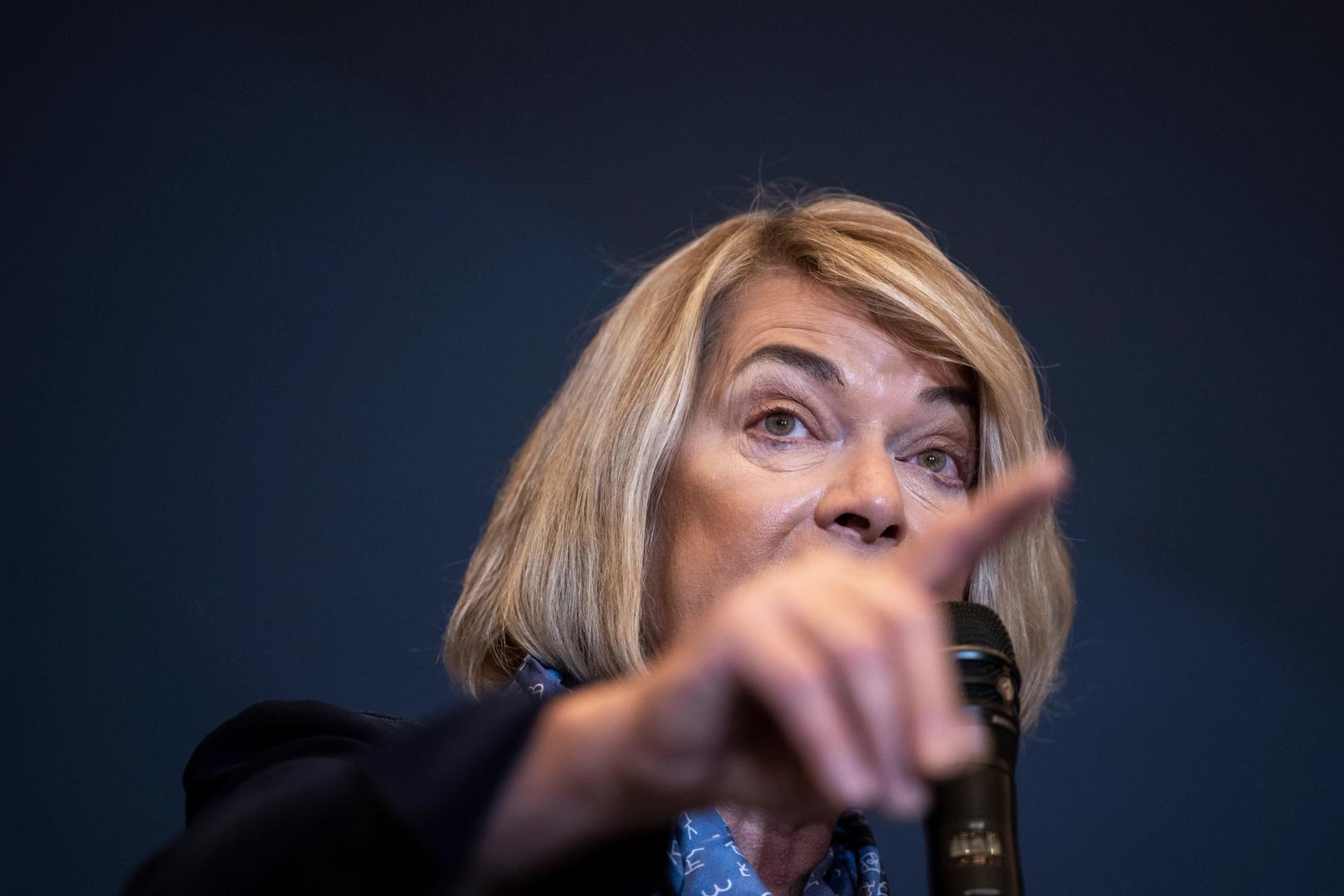
The evidence doesn't support the banks' case against stablecoin rewards


Tokenized deposits could reduce U.S. banks’ capacity to hold long-term interest-rate exposure by $700 billion under one modeled scenario, according to research published Aug. 25 by Dallas Fed economists Rosie Levy and Srini Ramaswamy.
Summary
- Dallas economists estimate 10% greater rate sensitivity could reduce banks’ duration capacity by $700 billion.
- A 10% shorter deposit life could reduce maturity transformation capacity by approximately $580 billion systemwide.
- The estimates measure ten-year equivalent interest-rate exposure, not deposits predicted to leave banking institutions directly.
- Tokenization may let depositors and AI agents move funds instantly toward banks offering higher yields.
- Banks could respond with higher deposit rates, larger liquidity buffers or additional wholesale debt issuance.
The figure does not represent $700 billion of deposits expected to leave banks or an equivalent guaranteed decline in lending. It measures a possible reduction in banks’ duration risk appetite, expressed as the equivalent exposure to ten-year Treasury securities.
The authors also stated that their views should not be attributed to the Federal Reserve Bank of Dallas or the Federal Reserve System.
Tokenized deposits could make bank funding less stable
Tokenized deposits are ordinary commercial bank deposits represented on a blockchain or another distributed ledger. They can support automated payments, programmable transactions and around-the-clock settlement while remaining liabilities of the issuing bank.
Their speed could weaken the practical barriers that make deposits relatively stable. Customers seeking higher yields could move money between institutions faster than they can through many existing banking systems.
“Instant settlement would allow deposit holders who prioritize yield to switch banks almost instantaneously,” the economists wrote.
Smart contracts could automatically transfer balances when another institution offers a better rate. Agentic artificial intelligence could theoretically monitor yields and initiate those transfers without requiring customers to act manually.
The authors did not predict how broadly depositors would use such automation. They described large-scale adoption as uncertain and evaluated what could happen under specific assumptions.
The $700 billion estimate measures duration capacity
Banks use relatively stable deposits to finance mortgages, business loans, securities and other longer-term assets. Although customers can withdraw demand deposits at any time, aggregate balances often remain with banks for years.
This behavioral stability gives deposits an effective duration. Banks also measure deposit beta, which shows how closely the interest rates they pay customers move with market rates.
Using Federal Reserve H.8 balance-sheet data, the economists estimated that U.S. banks held approximately $7 trillion of long-term interest-rate exposure on July 15. About $5.8 trillion, or 80%, was supported by the duration characteristics of deposits other than large time deposits.
Their analysis found that a 10% increase in deposit rate sensitivity could reduce banks’ duration risk capacity by $700 billion, assuming deposits have an average life of four years.
A separate scenario found that reducing average deposit life by 10% could lower maturity transformation capacity by approximately $580 billion.
These are back-of-the-envelope estimates based on assumed durations and aggregate balance-sheet matching. They are not forecasts of actual loan losses, deposit withdrawals or bank failures.
Banks could raise rates or hold more liquid assets
Banks could respond by offering higher deposit rates, reducing the incentive for customers to switch. That approach would increase funding costs and compress lending margins.
Institutions could also hold more reserves and government securities instead of long-term loans. Another option would involve issuing additional term debt to preserve existing lending levels.
Greater reliance on expensive wholesale debt would “likely adversely impact the cost of credit,” the authors estimated.
Research using Brazil’s Pix system provides an early comparison. A Central Bank of Brazil study found that increased instant-payment usage led banks to hold more liquid assets, particularly government bonds, while reducing the share of loans on their balance sheets.
The Brazilian findings do not establish that U.S. tokenized deposits will produce identical results. Pix is an instant-payment network rather than a tokenized deposit system, and the two markets operate under different banking structures.
U.S. banks continue building tokenized networks
Large American banks are moving forward with tokenized deposit infrastructure despite the possible funding risks. The Clearing House announced a shared network supporting automated workflows, interoperability and 24/7 settlement.
Bank of America, Citi, BNY, Wells Fargo and other institutions support the project. As crypto.news reported, JPMorgan and major competitors are building shared tokenized deposit infrastructure intended to connect blockchain activity with regulated commercial bank money.
Community and regional banks are also entering the sector. Thirty-nine state banking associations recently formed BankChain Alliance, which is targeting a nationwide blockchain launch during 2027.
The design of these networks will determine how easily deposits can move between institutions. Interoperability could improve payments while also increasing competition for funding, making deposit behavior, liquidity rules and bank-size differences central issues for regulators.

XRP trades at $1.43, pulling back after a move in a striking on-chain trajectory of the month. Ripple, the XRP parent company, is also in the news with active addresses on the XRP Ledger exploding.
Santiment data cited by Finbold shows active addresses rocketing from 47,180 to 356,070 between August 10 and August 24, a 650% surge in just two weeks. The figure is a number that “dwarfs the network’s recent daily averages,” while analyst Ali Martinez flagged the same spike on X as a signal worth watching closely.
Earlier August data had already shown daily active addresses climbing to 33-35% month-over-month, with new address creation essentially flat. This means that existing holders are driving the surge.
That distinction matters. Rising engagement from an existing base reads differently than a wave of fresh speculative money, and it’s landing at a moment when XRP is consolidating just under a resistance band that’s proven stubborn all month.
Discover: The Best Crypto to Diversify Your Portfolio
Can XRP Price Hit $1.60 Amid Ripple Exploding News?
XRP briefly tapped $1.76 last week before stabilizing near $1.50, and now sits at $1.43 after a mild 24-hour retreat. The asset added over $31.27 billion in market cap in seven days, pushing valuation to above $90 billion before stabilizing.
The level that matters now is $1.55-$1.60, the resistance band multiple outlets flag as the line XRP needs to clear to confirm the Ripple network-activity news. A break above could open a retest of the recent $1.76 high.

The base case has price grinding sideways in the $1.40-$1.55 range while the market digests whether address growth is signal or noise. Failure to hold above the psychological $1.00-$1.30 support zone would invalidate the bullish setup entirely, though that scenario looks distant given the current structure.
Our research desk is blunt about the risk here: rising active addresses correlate with higher participation, but there’s no guaranteed causal link to price. Traders watching this setup should track whale transaction flows alongside the $1.55 breakout attempt.
Trade XRP on Bybit and Get a Chance to Win Our $1,000 USDT Airdrop
Maxi Doge Targets Early Mover Upside as XRP Tests Key Levels
XRP holders who bought the dip near $1.00 are sitting comfortably. But at a $90 billion market cap, doubling from here requires an enormous amount of fresh capital. This is a mathematical reality that caps near-term upside even if the $1.55 breakout confirms.
Not just that, this has also pushed a chunk of trader attention toward earlier-stage plays where the math works differently. Maxi Doge ($MAXI) is leaning hard into that appetite.
MAXI brands itself as a “240-lb canine juggernaut” built around 1000x-leverage trading culture, complete with holder-only trading competitions and leaderboard rewards funded by a dedicated Maxi Fund treasury.
The presale has raised $4.8 million at a current price of $0.0002835, with 65% APY staking rewards live for early buyers.
Research Maxi Doge directly before deciding.
Discover: The Best Token Presales
The post Ripple News: Network Activity Jumps, Will XRP Follow? appeared first on Cryptonews.
Futures for the Dow Jones Industrial Average and the other major stock indexes traded mixed Wednesday as Wall Street reacted to a key inflation report. Meanwhile, investors awaited Nvidia (NVDA) earnings, due after the close on the stock market today. Ahead of Wednesday’s open, Dow futures flirted with the break-even point, as S&P 500 futures dipped 0.1%. Nasdaq-100 futures declined…
Copyright ©2026 Investor’s Business Daily, LLC. All rights reserved. 87990cbe856818d5eddac44c7b1cdeb8
Cardano’s native token has been on a tear over the past several days, but its rally stalled today (August 26) as the broader market pulled back a bit.
While most analysts remain bullish on the asset, some believe a double-digit decline from the current levels could also be on the horizon.
Bulls vs. Bears
ADA has soared by 22% over the past two weeks, following the market’s revival prompted by the monetary changes announced by the US Treasury Department, among other factors.
At one point, the asset rocketed to a three-month high above $0.25, but the past 24 hours have delivered a correction. As of press time, ADA trades at around $0.21, representing a 6% decline on a daily scale and is among the biggest losers within that timeframe.
X user SBlockSpy noted that the token got rejected around $0.22 and is closely monitoring the pullback. They claimed that the move shows sellers are active and predicted a deeper downtrend to as low as $0.164 if the dump continues. At the same time, the analyst believes that if buyers step up here, they might trigger an initial surge to $0.24, then $0.30.
Rand Group also recently chipped in. Earlier this week, the X user highlighted ADA’s strong breakout, claiming it has breached the main downtrend resistance. However, they remain uninterested in the asset until it consolidates above the $0.25 resistance.
For their part, More Crypto Online cast doubt on whether a certain “B-wave” pullback has begun, adding that as long as ADA holds above $0.157, the upside momentum remains and could push the price to the $0.314-$0.404 range.
Entirely Optimistic Forecasts
It is important to note that other popular X users stand firmly on the bullish side. Earlier this month, Lucky told their nearly two million followers that ADA is among their “hot picks,” envisioning a short-term ascent to almost $0.50. The last time the token traded that high was in November last year.
CW is another optimist. The analyst opined that ADA has broken through a major resistance line and transitioned into a bullish trend.
“The long downtrend is over. The real bull market has begun,” they added.
The post Cardano (ADA) Slips 6% in 24 Hours: Healthy Correction or the Return of the Bears? appeared first on CryptoPotato.
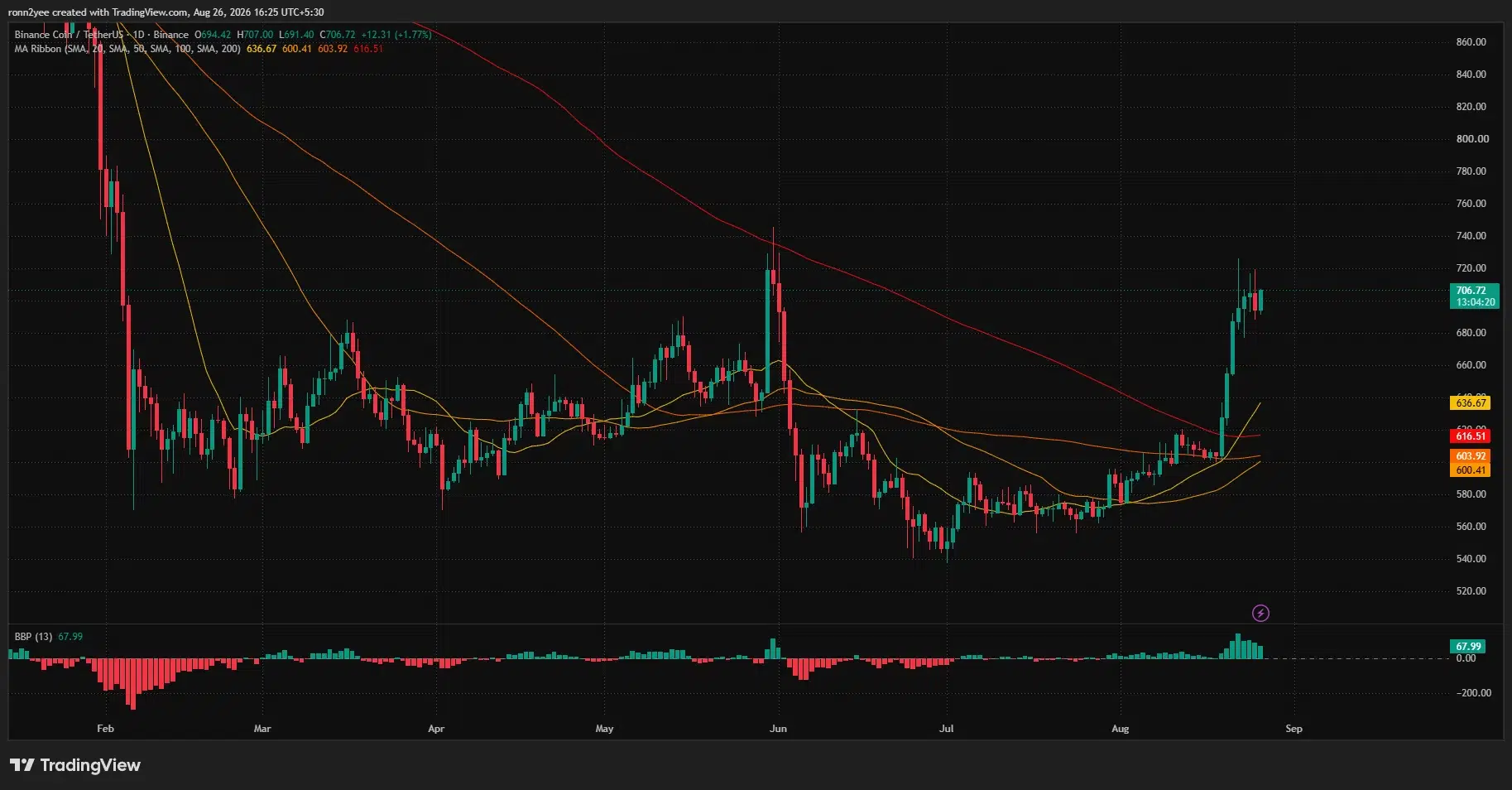
BNB price traded near $707 on Aug. 26 after gaining nearly 13% from its Aug. 20 opening price, with technical charts showing strong momentum but growing resistance between $712 and $725.
Summary
- BNB price rose from $626.47 on Aug. 20 to about $707 on Aug. 26.
- The daily price remains above all four major moving averages shown on the chart.
- 4-hour Bollinger Bands place immediate resistance near $712.50 and support near $687.
- Analysts identified $725 and $745 as the main levels needed to extend the rally.
BNB price consolidates after its weekly breakout
According to data from crypto.news, BNB (BNB) price was trading at $706.72 on Aug. 26, up 1.77% during the current daily session. The token has gained approximately 12.8% from its Aug. 20 opening price of $626.47.
BNB reached an intraday high near $725 on Aug. 22 before buyers lost momentum. Price has since consolidated between roughly $685 and $720, suggesting traders are deciding whether the weekly surge can develop into a larger breakout.
The latest move followed a rapid expansion from the $600 area, where BNB had traded before breaking above several moving averages. Although the price has pulled back from its weekly high, it has held most of its gains and returned above the psychological $700 level.
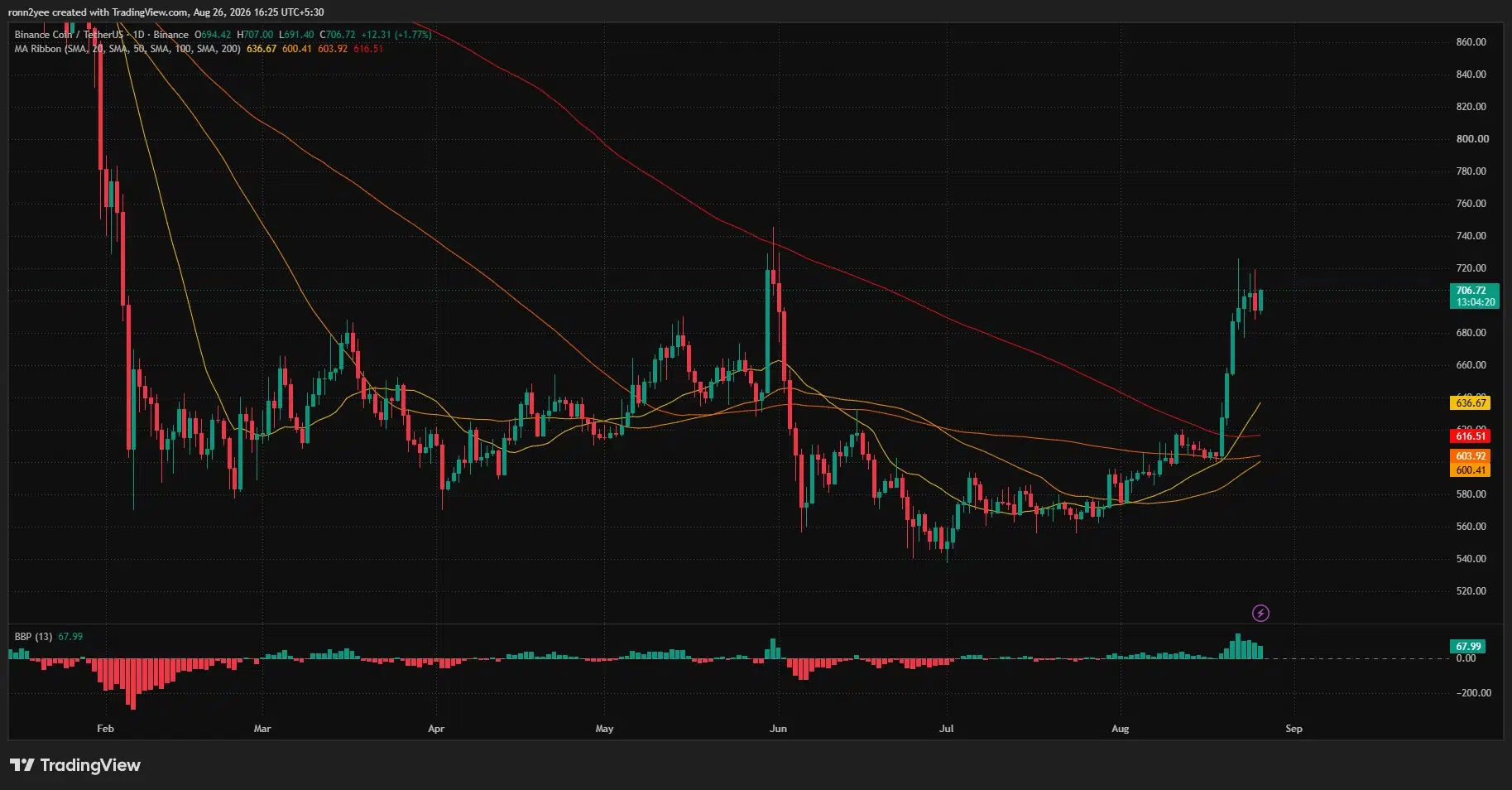
Daily momentum also remains positive. The bull-bear power indicator printed a positive reading of 67.99, although its bars have declined from their recent peak. The change suggests buyers remain in control but are no longer pushing the market with the same force seen during the initial breakout.
Moving averages support the bullish BNB structure
BNB’s daily chart shows the price trading above its 20-, 50-, 100-, and 200-day simple moving averages. The 20-day average sits at $636.67, while the other three averages are grouped between approximately $600 and $617.
The wide gap between the current price and those averages shows how quickly BNB advanced. It also leaves the token exposed to a deeper pullback if buyers cannot defend the newly established support zones.
The 200-day moving average, shown near $616.51, is particularly important because BNB had traded below it for much of the preceding decline. The break above that level changed the medium-term structure, but maintaining the bullish setup will require price to avoid a sustained return below the $600–$617 cluster.
On the 4-hour chart, BNB is trading slightly above the Bollinger Band midpoint at $699.94. The upper band stands at $712.51, while the lower band is near $687.36.
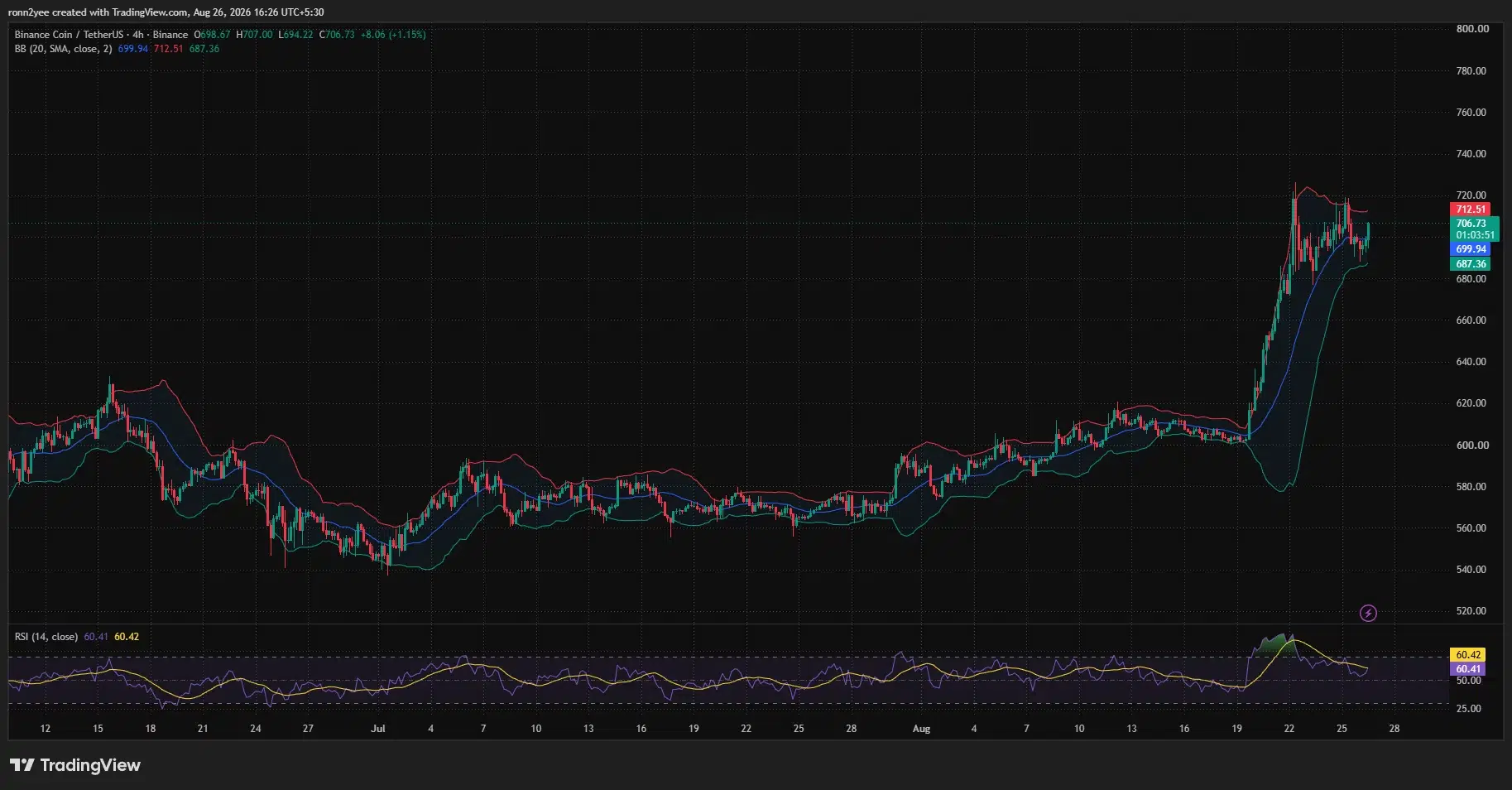
A 4-hour close above the upper band could signal another expansion toward $720–$725. Failure to hold the midpoint would raise the likelihood of a retest of $687, where the lower band overlaps with recent intraday support.
BNB’s 4-hour relative strength index has cooled to 60.41 after entering overbought territory during the initial rally. The lower reading removes some of the earlier overheating without pushing momentum into bearish territory.
Liquidation levels surround $680 and $725
CoinGlass’s three-day BNB liquidation heatmap shows concentrated leveraged positions on both sides of the current price.
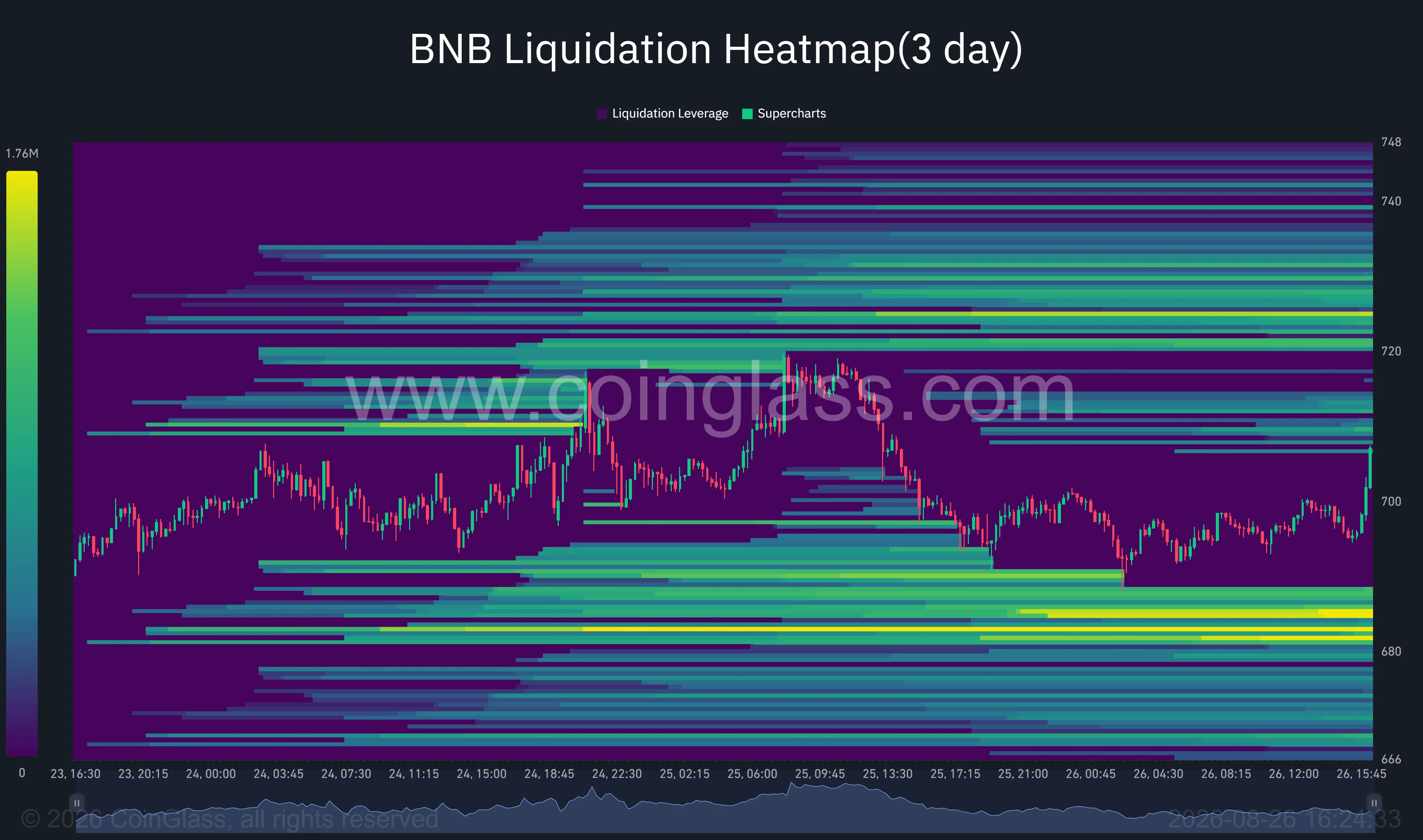
The closest major overhead liquidity appears around $724–$726, broadly matching the resistance visible on the price charts. A move into that area could force short positions to close, adding market buy orders and supporting a brief extension of the rally.
Additional liquidation bands appear between $730 and $745. However, liquidity maps identify areas where leveraged positions may be vulnerable; they do not guarantee that price will reach those levels.
Below the market, the strongest visible concentration sits around $680–$685. A loss of $695 and then $687 could draw BNB toward that cluster, potentially accelerating losses as leveraged long positions are closed.
The heatmap therefore places BNB between two competing liquidity areas. The $724–$726 zone is the nearest upside target, while the $680–$685 area represents the clearest downside risk if the consolidation breaks lower.
Analysts focus on the $725 and $745 barriers
Crypto analyst Bitcoin Professor said BNB had gained nearly 18% over the seven-day period measured in his Aug. 25 chart and identified $710–$725 as the key resistance range.
“A clean breakout above $725 could accelerate the bullish momentum,” the analyst said.
Bitcoin Professor added that short-term momentum could weaken if BNB loses the $690–$695 area. That warning aligns with the 4-hour Bollinger Band midpoint near $700 and the lower band around $687.
A separate analyst using the name Einstein said BNB had broken its descending trendline and was approaching a major breakout area.
“Weekly close above $745 = breakout confirmation,” Einstein said, identifying $960 as the first major target if that confirmation occurs.
The analyst also described $537 as the wider structural support level. However, that level sits far below the nearer support areas shown on the daily and 4-hour charts, making $687, $637, and the $600–$617 moving-average cluster more relevant during the current setup.
The forecasts represent analysts’ interpretations and do not establish that BNB will reach either $745 or $960.
BNB needs a close above $725 to extend the rally
The immediate bullish case depends on BNB holding $699–$700 and closing above the $712–$725 resistance region. A confirmed breakout would expose $745, which marks the larger resistance level identified by Einstein and overlaps with the upper section of the liquidation map.
The bearish case begins with a 4-hour close below $687. Such a move would weaken the recent consolidation and place the $680–$685 liquidity cluster at risk. Below that area, the 20-day moving average near $637 would become the next major technical reference.
For US traders, BNB remains available through some trading venues, but access varies because Binance.US operates separately from Binance’s global exchange and offers a more limited market. Traders should confirm platform availability and local restrictions before acting on the setup.
BNB’s broader structure remains bullish while price holds above the breakout area, but the declining short-term momentum and nearby resistance make the next confirmed close more important than an intraday move above $720.
Disclosure: This article does not represent investment advice. The content and materials featured on this page are for educational purposes only.

Ethereum trades at $2,450 as it continues probing the $2,500 price ceiling it’s failed to convincingly break for the third straight session. At the same time, the Crypto Fear and Greed Index hit 74, its highest print since October 5, 2025.
That earlier October reading? Bitcoin set an all-time high the very next day. But this time, the setup looks shakier: a US Treasury decision to double long-end debt buybacks triggered a short squeeze that liquidated $2.74 billion and wiped out 172,202 traders in a single session.
That disconnect between price and conviction is exactly what traders need to understand before chasing ETH through resistance. Institutional holders aren’t panicking, but they aren’t piling in yet.
Discover: The Best Crypto to Diversify Your Portfolio
Can Ethereum Price Punch Above $2,500 This Week?
ETH sits at $2,450, with intraday action ranging between $2,410 and $2,470 in a tight band that puts $2,500 within reach but not yet conquered. Volume remains elevated, with Coingecko clocking roughly $18.6 billion in 24-hour turnover, or about 6% of ETH’s market cap, signaling real participation rather than a thin, low-liquidity drift.
Pivot data pegs immediate resistance at $2,470–$2,490, with the psychological $2,500 level sitting just above that cluster. Support holds near $2,455 and $2,445, with a deeper floor at $2,440 if momentum fails.

For the Ethereum price to run, it needs a clean close above $2,500, which opens room toward $2,530–$2,540, extending the week’s ~28-30% run. ETH might also grind sideways in the $2,440–$2,490 channel while the market digests the Fear and Greed spike.
However, a rejection at resistance sends price back toward $2,440 support, especially if broader sentiment cools further from its current 65 reading.
Trade Ethereum on Bybit and Get a Chance to Win Our $1,000 USDT Airdrop
Bitcoin Hyper Targets Early Mover Upside as Ethereum Tests Key Levels
ETH holders sitting on a 28-30% weekly gain have earned the right to feel good. But here’s the uncomfortable math: at a $2,450 price point and a market cap north of $295 billion, doubling from here requires nearly $300 billion in fresh capital.
The math data is not a knock on Ethereum, but it’s the reality of scale. Early-stage infrastructure plays don’t carry that gravitational drag, which is why traders rotate capital toward presales precisely when majors stall at resistance like this.
Bitcoin Hyper ($HYPER) is building the first Bitcoin Layer 2 with native SVM integration, aiming for execution speeds faster than Solana itself while inheriting Bitcoin’s base-layer security. The pitch: fix Bitcoin’s three structural weaknesses, like slow settlement, high fees, and zero programmability, without abandoning the network’s trust model.
The project has raised $33 million at a current token price of $0.0136852, with staking rewards available for early participants. Its decentralized canonical bridge and low-latency processing layer are the technical backbone of the pitch.
Research Bitcoin Hyper before the presale closes.
Discover: The Best Token Presales
The post Ethereum Price Hits $2,500 Resistance Wall as Fear and Greed Reaches Extreme Levels appeared first on Cryptonews.
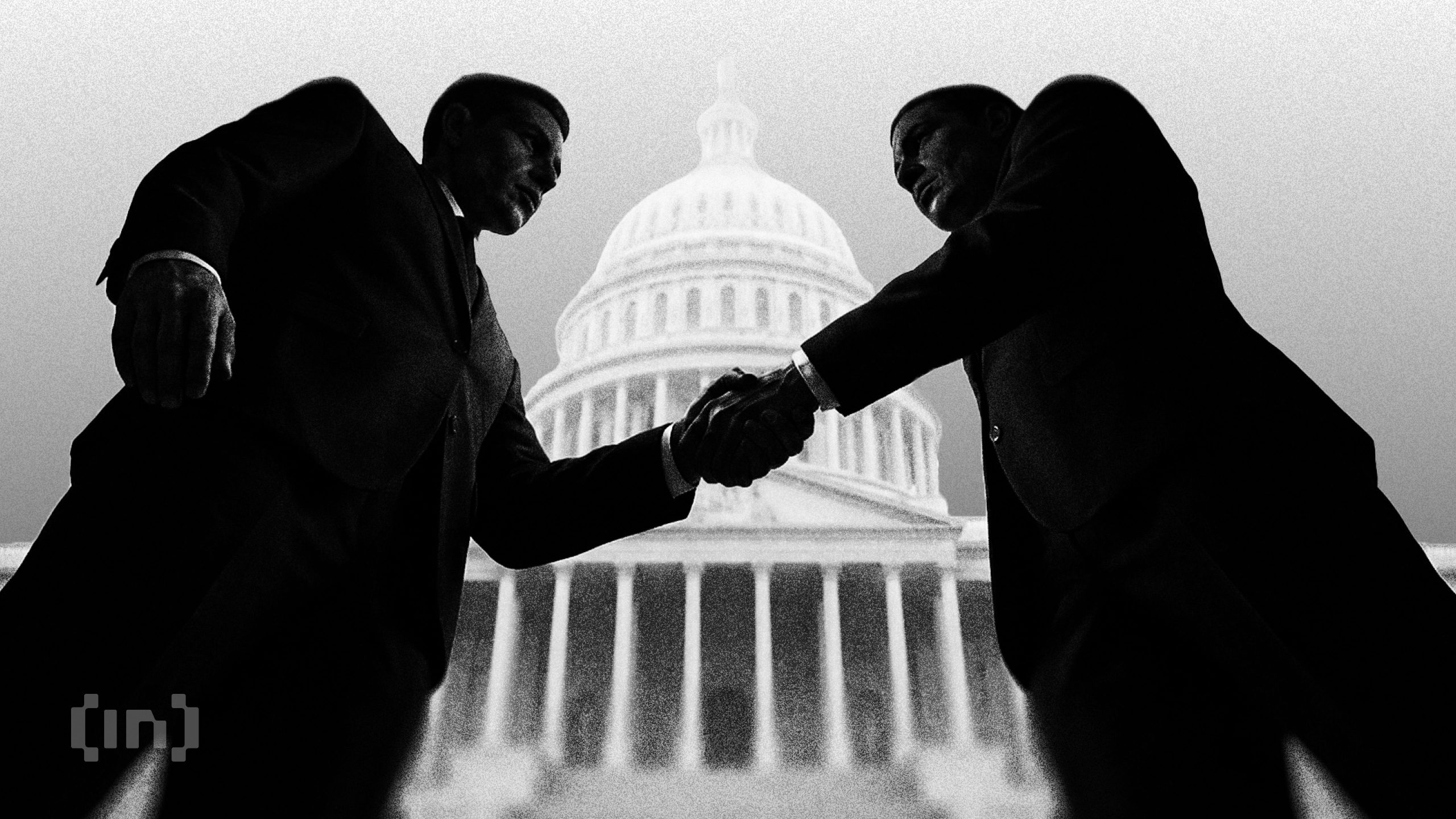

A federal judge has adjourned Roman Storm’s Tornado Cash retrial to April 26, 2027, as the developer’s pending motion for acquittal is weighed.
Judge Katherine Polk Failla signed the two-page order on August 25 in the Southern District of New York. The later date came at Storm’s own request rather than from prosecutors.
Why the Tornado Cash Retrial Slipped to 2027
Storm requested a date in late April 2027 from the court, according to the order. Failla granted it, citing his pending motion for acquittal. Storm still has a Rule 29 motion for acquittal pending. His lawyers want the guilty verdict thrown out, arguing prosecutors never presented enough evidence to support it.
Meanwhile, the judge excluded time under the Speedy Trial Act through April 26, 2027. The Speedy Trial Act is a US federal law that requires the government to bring a criminal defendant to trial within a specified period rather than allowing a case to remain pending indefinitely.
“The ends of justice would be served by excluding time under the Speedy Trial Act through April 26, 2027, and that this would outweigh the interests of the public and the defendant in a speedy retrial,” the order read.
Follow us on X to get the latest news as it happens
Failla amended the pretrial schedule at the same time. Government expert disclosures are due on February 5, 2027, and defense disclosures are due on March 5, 2027.
Daubert motions and motions in limine are due March 30, 2027. A final pretrial conference is set for April 20, 2027.
A jury in the Southern District of New York found Storm guilty on August 6, 2025, of conspiring to operate an unlicensed money transmitting business. Prosecutors had pushed for a retrial on two unresolved charges, proposing an October 2026 start date.
Subscribe to our YouTube channel to watch leaders and journalists provide expert insights
The post Roman Storm Won’t Face a Tornado Cash Retrial Until 2027 appeared first on BeInCrypto.

India’s Best Employers of 2026
Wings Over Scotland | This Other Earth

Awoniyi Scores and Assists as Coventry Beat Plymouth 4-2 in EFL Cup





-

 Fashion5 days ago
Weekend Open Thread: Madewell – Corporette.com
-

 Business4 days ago
Musk’s Tesla, SpaceX Confirm $16.8 Billion ‘Terafab’ Chip Plant as World’s Largest Building in Texas
-

 Crypto World4 days ago
anatomy of crypto’s biggest liquidation event since 2021
-

 Crypto World2 days ago
A $30 Billion AI Fund Implodes, Now the SEC Is Investigating Wall Street’s Role
-

 Politics4 days ago
6 months on, Irish renters crushed by effects of government housing bill
-

 Crypto World14 hours ago
SpaceX stock could rise 75% to $240, JPMorgan says
-
 NewsBeat4 days ago
The ‘Lucky Dip Gang’ causing carnage for clicks: After five thugs were killed speeding in the wrong direction on a motorway, GUY ADAMS investigates a sick new trend… and why police aren’t even allowed to pursue them
-

 Business3 days ago
Mystery AI Model ‘Ox Alpha’ Draws Developers With Free Access as Chinese Lab Origins Remain Debated
-

 News Videos6 days ago
Don’t Leave Your Financial Future To Chance | August 19, 2026
-

 Business7 days ago
Marvell Shares Jump 7% as Google Chip Deal Confirms Custom AI Silicon Partnership, Analysts
-

 Business6 days ago
Five Below: Kids Discount Retailer Reaps Rich Rewards
-

 Business2 days ago
Moderna CEO warns China is pouring state money into mRNA technology
-

 Business5 days ago
UK firms in critical financial distress rise 9% to 53,756
-

 Business2 days ago
NVIDIA Stock Drops Nearly 2 Percent to $210 on Seventh Losing Day Ahead of Critical AI Earnings
-

 Sports3 days ago
Deshaun Watson fires back at Browns fans after being booed: ‘It’s a disrespectful thing’
-

 Fashion7 days ago
Jimmy Choo Autumn 2026 collection
-
 Entertainment7 days ago
10 Most Perfect Fantasy Shows of the Last 25 Years
-

 Tech6 days ago
OpenAI confirms ChatGPT is down as logins and signups fail
-

 Crypto World6 days ago
Optimism-funded team's deciding vote shifts $49 million in OP tokens away from users
-

 Business6 days ago
PayPal and Venmo now accepted for tuition at several universities
You must be logged in to post a comment Login