
Crypto World
Circle’s CRCL Stock Hints at 25% Gains as Market Overreacts to CLARITY Act

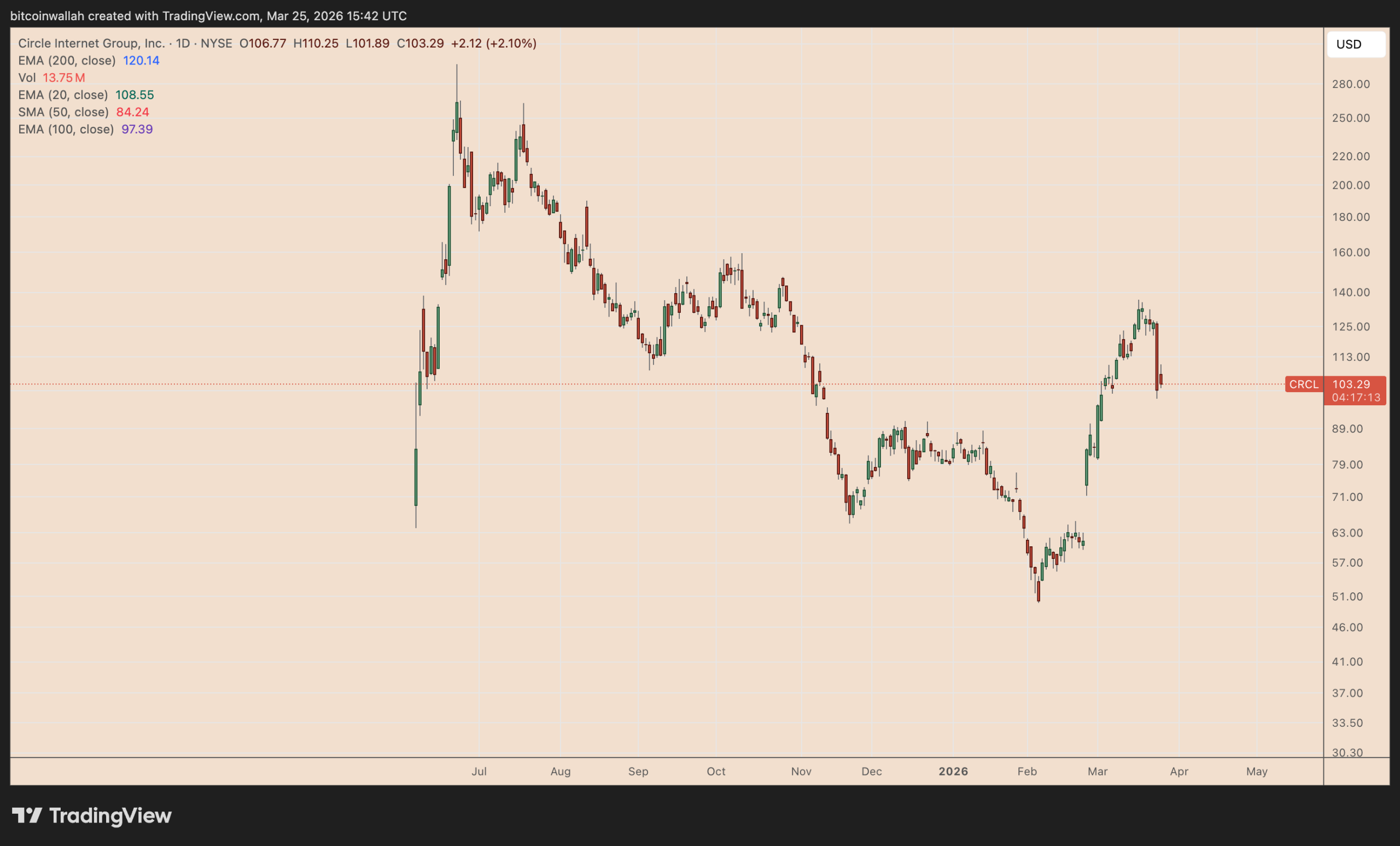
Circle Internet Group’s CRCL stock is showing signs of a potential 25% rebound after the market may have reacted too aggressively to fears surrounding draft CLARITY Act language tied to stablecoin yield restrictions.

Key takeaways:
-
CRCL is attempting to stabilize above a major support confluence near $100.75.
-
Analysts say draft CLARITY Act language may hurt distributor incentives more than Circle’s core reserve-income model.
CRCL stock holds support, opening path to $130
From a technical perspective, CRCL is trying to base near an important support cluster around $100.75, where the 100-day exponential moving average (100-day EMA) aligns with the 0.236 Fibonacci retracement level.

That confluence held even as the stock suffered a brutal 20% single-session decline, a sign that dip buyers stepped in around a historically relevant area on the chart.
The stock could rebound toward the 0.382 Fibonacci retracement level near $130 in the coming weeks if CRCL continues to hold the current floor, representing roughly 25% increase.
The bullish setup also gains some support from institutional buyers. Ark Invest bought about $16 million worth of Circle shares during the plunge on Tuesday, showing that some investors viewed the sell-off as an opportunity.

Still, the setup remains conditional. A decisive break below the $100.75 support confluence would weaken the rebound case and shift downside focus toward the 50-day EMA near $84.25.
That level also aligns with a pullback target shared by independent TradingView analyst Jackie.
CLARITY Act doesn’t affect Circle yield
CRCL fell after traders worried that draft CLARITY Act language could limit stablecoin-linked yield incentives and slow USDC growth.
But Bernstein kept its $190 price target, saying the proposal does not affect Circle’s ability to earn yield on reserves or pay distribution partners such as Coinbase, Binance, or OKX. Ark Invest’s Lorenzo Valente made a similar point.
I think people are misunderstanding what’s happening here.
The new draft of the CLARITY Act does not prohibit issuers from paying distributors such as @coinbase , @binance , or @okx . The discussion around yield is really about retail holders, meaning the end users who actually… https://t.co/hmXpIRyooi
— Lorenzo Valente (@LorenzoARK) March 25, 2026
Circle’s model is simple: it takes the cash backing its stablecoins, invests it in deposits and short-dated US Treasurys, earns yield on those reserves, and shares part of that income with partners.
In 2025, for instance, Circle earned about $2.64 billion in reserve income from roughly $75.3 billion worth of USDC reserves. It doesn’t pay yield directly to USDC holders but to its distribution partners.
Bernstein added that if yield competition becomes harder across the sector, Circle’s market position could actually improve.
Related: Circle taps African fintech Sasai to expand USDC adoption in cross-border payments
Presenting similar arguments, Bitwise said Circle’s market valuation may reach about $75 billion by 2030, almost three times its current worth.

This article does not contain investment advice or recommendations. Every investment and trading move involves risk, and readers should conduct their own research when making a decision. While we strive to provide accurate and timely information, Cointelegraph does not guarantee the accuracy, completeness, or reliability of any information in this article. This article may contain forward-looking statements that are subject to risks and uncertainties. Cointelegraph will not be liable for any loss or damage arising from your reliance on this information.



Disclosure: This article does not represent investment advice. The content and materials featured on this page are for educational purposes only.
Crypto scams surge as AI-powered fraud and fake exchanges exploit urgency and weak user verification.
Summary
- Crypto scams surge as fake exchanges and AI fraud exploit urgency, costing users billions in stolen funds.
- Not all exchangers are equal — grey-zone platforms pose risks with unclear rules, weak support, and opaque processes.
- Safe crypto use starts with verification; users must assess risk, payment methods, and urgency before transactions.
The crypto exchange market looks deceptively simple until funds are drained. Fake websites are cheap to clone, brands are easy to mimic, and when in a hurry to beat a price move, proper checks often feel like a waste of time. That’s exactly why scammers love urgency.
Crypto fraud isn’t just a headline anymore — it’s a multi-billion-dollar machine. According to Chainalysis’ 2026 Crypto Crime Report, scams and fraud schemes stole an estimated $17 billion in cryptocurrency throughout 2025. Impersonation attacks jumped more than 1,400% year-over-year, while AI-powered scams delivered up to 4.5 times higher returns than traditional operations. The message is clear: a polished site and quick replies no longer mean safety.
The danger goes beyond outright scams. There are plenty of grey-zone exchangers — services with vague rules, no real support, and zero transparent process. The fix is simple: stop trusting, start verifying. Look for the signals that actually cost money and time to fake — clear policies, stable support channels, and a repeatable transaction flow.
Before anything is verified: Know the risk profile
“Exchanger” means different things to different people in crypto. There are classic web exchangers where a request is created and funds are sent straight through the site. Then there are OTC desks that handle cash or bank transfers offline. Aggregators only show ratings and don’t touch the money themselves. And finally, hybrid models that start online but finish with a bank wire or in-person meeting.
Each type carries its own risks: temporary custody of funds, address spoofing, chargeback threats, or even having to verify physical cash. Before a user checks a single thing, they need to lock down their own parameters — how much they are moving, how fast they need to move it, and which payment method they’re using. The bigger the amount or the tighter the deadline, the stricter the verification needs to be. In crypto, the more convenient something feels, the more it usually works against someone.
Red flags that show up before money moves
Pricing bait
If the rate looks 2–3% better than what is seen on CoinMarketCap, Kraken, or Binance for the exact same pair and payment method, treat it as a yellow flag. A legitimate service will say the exact net amount someone will receive after every fee — upfront. Vague answers or sudden rate changes once a user has started are classic bait-and-switch moves.
Communication pressure
Pushy messages like “act now or the rate disappears,” offers to jump to Telegram or WhatsApp, or sudden changes to wallet or card details after confirmation — these are textbook red flags. Address substitution is still one of the easiest and most effective ways to lose funds.
Process chaos
If every step feels improvised, the network isn’t clearly specified, or addresses arrive only as screenshots, that’s poor operational maturity. Predictable, documented flows cut manipulation risk dramatically.
Technical and identity signals
Lookalike domains (one extra letter, different TLD), inconsistent branding across pages, or zero external presence are instant warnings. Phishing and impersonation remain among the top fraud techniques, according to the FBI’s Internet Crime Complaint Center.
Wallet addresses should be locked into the order, not floating in chat. If the service can’t confirm the exact network or changes details without formal approval, walk away.
Support and accountability
No official support channels, everything running through a single private account, or zero response-time guarantees — these scream low accountability. Professional services publish escalation procedures upfront.
How to read reviews without getting fooled
Reviews can help, but they’re easy to game. Pay attention to how they spread over time (steady growth beats sudden explosions), specific details (city, transaction type, exact timing), and consistency across platforms like Trustpilot, Reddit, and forums.
Identical phrasing, pure marketing slogans, or 200 new five-star reviews in a week are classic manipulation signs. Treat reviews as one data point among many — never the only one.
Proof points: Signals that are expensive to fake
The real test isn’t how pretty the website is — it’s how clearly the service explains what happens when things go wrong. Does it spell out fees, cancellation rules, wrong-network procedures, and dispute steps?
Services that publish these policies openly make their entire process auditable. Repeatable steps — fixed rate locking, clear confirmation points, documented receipt verification — show real operational maturity.
Stable brand presence (long domain history, consistent contacts, the same tone everywhere) and proper multi-channel support with published SLAs are equally hard to imitate.
Practical 10-minute verification workflow
- Compare the offered rate against 2–3 market references.
- Ask for the exact net amount that’ll be received after all fees.
- Check domain age and brand consistency (WHOIS or SecurityTrails works great).
- Read the policies and full transaction flow.
- Scan review patterns across multiple platforms.
- For anything over $5k–10k, run a quick 1–5% test transaction first.
Apply this checklist to any platform. Services with clear, published steps and policies — like 001k.exchange — stand out immediately against random or temporary exchangers.
Real-world micro-scenarios
- Last-minute wallet change like “We updated the address — here’s the new one.” Risk level: critical. In a safe process the address is locked in the order and any change requires official confirmation.
- Review explosion: 200 new five-star comments in a week. Could be a campaign, artificial hype, or a short-lived project. Always cross-check six-month history and proof points.
- Unclear net amount: Rate shown, but fees only appear at the end. Simple fix: insist on the final net figure before anything is sent.
Conclusion
In crypto, polished websites and fast replies are cheap. A transparent, repeatable process is not.
Red flags tell someone when to stop. Reviews help them ask smarter questions. Proof points show them what’s actually real.
The strongest signal isn’t trust — it’s verifiability. Run the checklist, and quickly separate professional exchangers from the rest. Platforms that publish clear steps, policies, and support rules set the benchmark worth measuring everything else against.
Disclosure: This content is provided by a third party. Neither crypto.news nor the author of this article endorses any product mentioned on this page. Users should conduct their own research before taking any action related to the company.
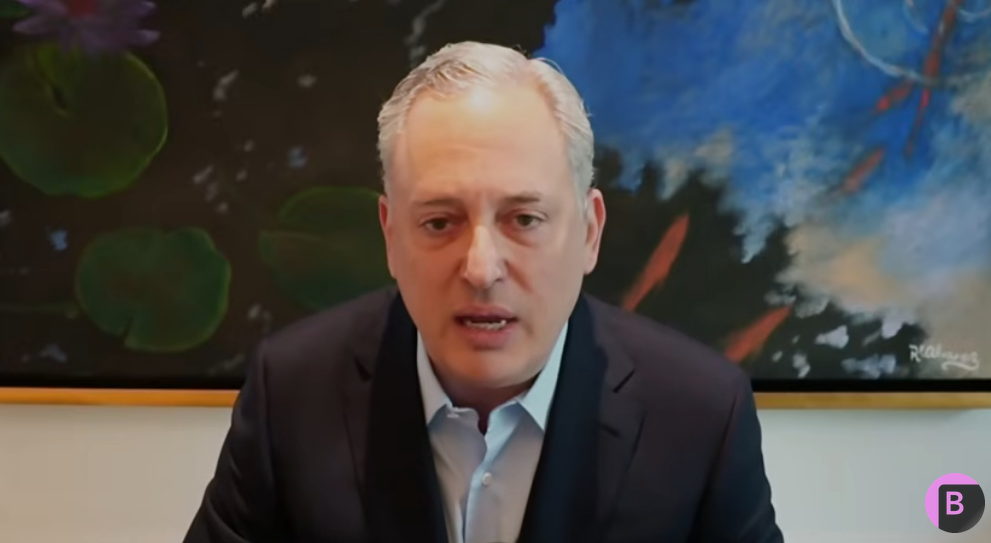
David Sacks, a venture capitalist who became a special White House official under US President Donald Trump last year, has wrapped up his 130-day tenure as crypto and AI czar but will continue to shape policy in a new role.
“We’ve now used up that time,” Sacks told Bloomberg on Thursday, noting that he will continue making policy recommendations across a broad range of tech industries as co-chair of the President’s Council of Advisors on Science and Technology (PCAST).
Sacks has been an influential figure in the White House since Trump’s appointment in 2025, acting as the president’s key adviser on technology.
The new role will overlap with his previous role as crypto and AI czar, noting that he and other members would “study issues together” before issuing official recommendations to regulators.

As the crypto and AI czar, Sacks helped the President’s Working Group on Digital Asset Markets release a 166-page report in July, which outlined recommendations on how the crypto industry should be regulated.
More recently, on March 20, Sacks helped the Trump administration put out an AI framework that seeks to empower AI innovation and workplace development while protecting children and intellectual property rights.
Sacks also played a role in the passage of the stablecoin-focused GENIUS Act in July and continues to push for crypto market structure legislation, such as the CLARITY Act.
A report from Fox Business, quoting a senior adviser to the president, said Sacks will continue serving as AI and crypto czar while taking on a broader portfolio.
“David will always be his crypto and AI czar, but to the admin more broadly, this new role will allow him to advise on a broader range of critical tech issues,” they said.
PCAST may be more AI-focused than crypto
PCAST will consist of 13 tech leaders spread across AI, crypto, health care and quantum computing.
Among the members joining Sacks are Nvidia’s Jensen Huang, Meta’s Mark Zuckerberg, AMD’s Lisa Su, Oracle’s Larry Ellison, Andreessen “a16z” Horowitz’s Marc Andreessen and Dell Technologies’ Michael Dell.
The only crypto-native member is Fred Ehrsam, who co-founded Coinbase with CEO Brian Armstrong in 2012 before co-founding crypto-focused VC Paradigm in 2018.
Related: SEC is no longer a ‘cop on the beat’ on crypto, says US lawmaker
Sacks said a primary focus of PCAST is to ensure America’s AI strategy is aligned between the federal and state governments:
“The problem that we’re seeing right now is that you’ve got 50 different states regulating this in 50 different ways, and it’s creating a patchwork of regulation that’s difficult for innovators to comply with.”
“So what the president has called for is one rulebook,” he added.
Magazine: Big Questions: Can Bitcoin save you from the dreaded Cantillon Effect?
Sharp late-session selling and rising leverage suggest a bigger move is coming, with downside risk building.
Wall Street, Manhattan, New York.
Andrey Denisyuk | Moment | Getty Images
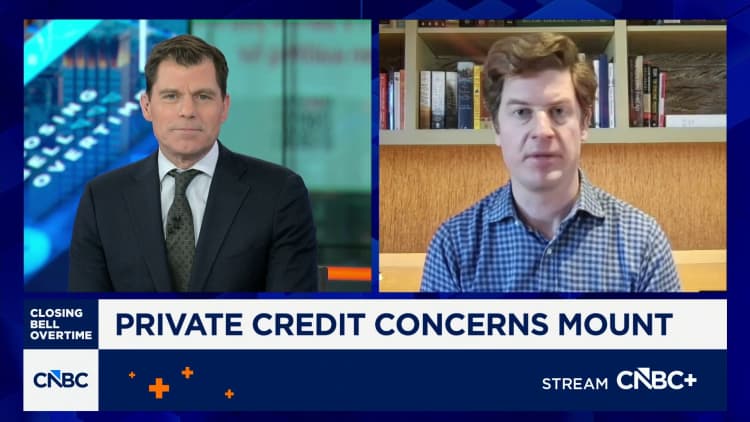
Wall Street banks may finally be getting a long-awaited opening to claw back market share from private credit lenders.
After a decade in which private credit lenders grew rapidly and took over a large share of financing for leveraged buyouts, signs of strain in that sector, along with easing bank rules, may now be shifting the balance.
“This is an opportune time for banks to regain market share from private credit funds,” Moody’s chief economist Mark Zandi told CNBC in an email.
“Interest rates have declined and banking regulation has eased. Private credit lenders are also struggling with the fallout from their previously aggressive lending,” he highlighted.
Private credit’s rapid ascent was fueled in part by banks’ retreat. Following the Federal Reserve’s aggressive rate hikes and the 2023 banking crisis, lenders tightened underwriting and pulled back from riskier deals. Borrowers, particularly private equity firms, increasingly turned to direct lenders offering faster execution and looser terms.
The tug of war is just starting. The rules have been relaxed, so it’s only natural that banks want to get back some of their market share in private credit.
Jeffrey Hooke
Johns Hopkins Carey Business School
At its peak, the shift was dramatic. According to PitchBook data, banks’ share of buyout financings above $1 billion fell to just 39% in 2023, down from about 80% in the five years prior. That share has since recovered to just over 50% in 2025.
And the tide may be turning further.
Private credit is facing mounting challenges. Years of aggressive lending are starting to backfire, as higher interest rates make it harder for heavily indebted borrowers to repay loans and increase default risks. Investor demand for liquidity is also rising, with some clients seeking to pull money after years of locking up capital.
Moody’s Zandi expects the sector to “experience more credit problems in the coming months,” citing fallout from geopolitical tensions, higher borrowing costs and structural pressures in industries such as software. Consumer and healthcare borrowers may also come under strain.
Regulatory changes offering tailwinds
Over the medium term, regulatory changes could also further tilt the playing field.
“Our anticipation of deregulation from the Trump administration includes a likely weakening of the Basel III Endgame implementation, with the U.S. Treasury explicitly aims to redirect business lending back into the banking sector,” Shannon Saccocia, chief investment officer at Neuberger Berman, told CNBC via email.
The Basel III “Endgame” framework is a regulatory overhaul finalized in 2017 in the wake of the 2008 global financial crisis. It was designed to standardize how large banks calculate risk and to establish a capital floor that requires lenders to hold more reserves against loans, particularly higher-risk corporate and leveraged lending.

That has made bank lending less competitive versus private credit funds in recent years, said market veterans.
A weakening or reversal in the Basel III Endgame will raise competition for private credit lenders, Saccocia added, a stance echoed by other market veterans.
“Banks should quickly fill any void left by more cautious private credit lending, said Zandi, pointing to a more favorable regulatory backdrop and improving funding conditions for traditional lenders.
Recent Federal Reserve proposals to adjust the regulatory capital framework could “position banks to be more competitive on the lending front in hopes of regaining at least some share of their original commercial banking foothold,” noted Lukatsky.
Recent deals, such as the multi-billion-dollar leveraged loan financings for Electronic Arts and Sealed Air, signal a strong appetite among banks to execute “jumbo” transactions when market conditions allow.
Private credit still competitive
However, private credit’s grip is far from broken just yet. Direct lenders continue to compete aggressively, offering unitranche loans that bundle different types of debt into one package at a single interest rate.
Blackstone and Ares, for example, were among 33 lenders that reportedly provided about $5 billion in financing to back investment firm Thoma Bravo’s acquisition of logistics company WWEX Group, underscoring how private credit firms can still fund large buyout deals even as banks begin to re-enter the market.
Pitchbook’s global head of credit and U.S. private equity Marina Lukatsky noted that the expected rebound in buyouts and dealmaking has yet to materialize this year, as uncertainty around trade policy, interest rates and geopolitics has slowed activity. With fewer deals taking place, demand for financing has declined across both banks and private credit.
For banks to make a meaningful comeback, borrowing costs in syndicated loans, which are large loans arranged by banks and funded by a group of lenders, need to become more competitive, she added. Additionally, large buyout activity needs to pick up, and the broader economic outlook needs to improve.
Crucially, private credit retains structural advantages that are difficult for banks to replicate, including speed, certainty of execution and flexible conditions, which some borrowers may continue to value in volatile markets, noted some experts.
That said, a comeback is on the cards.
“The tug of war is just starting,” said Jeffrey Hooke, senior lecturer in finance at Johns Hopkins Carey Business School
“The rules have been relaxed, so it’s only natural that banks want to get back some of their market share in private credit.”


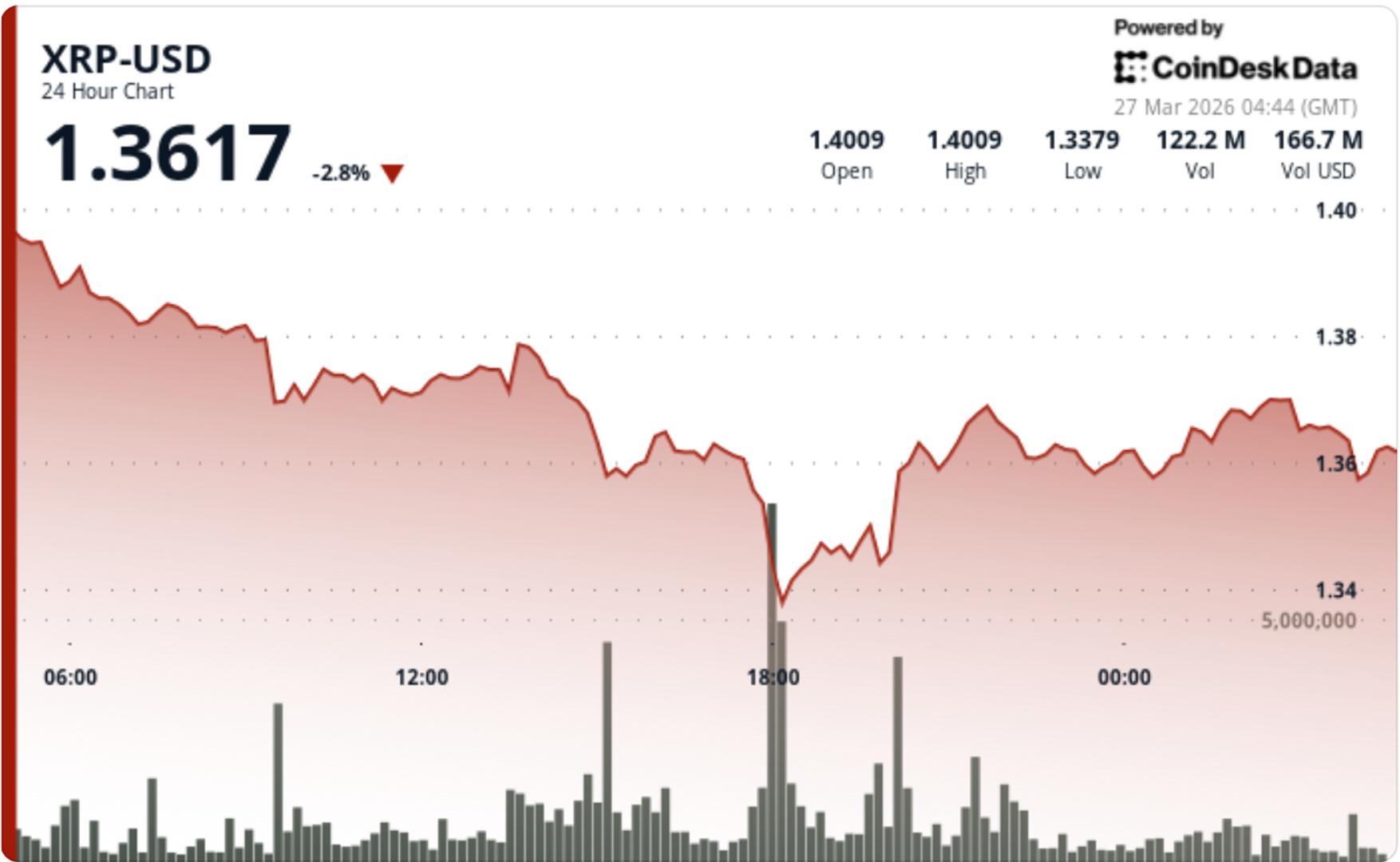
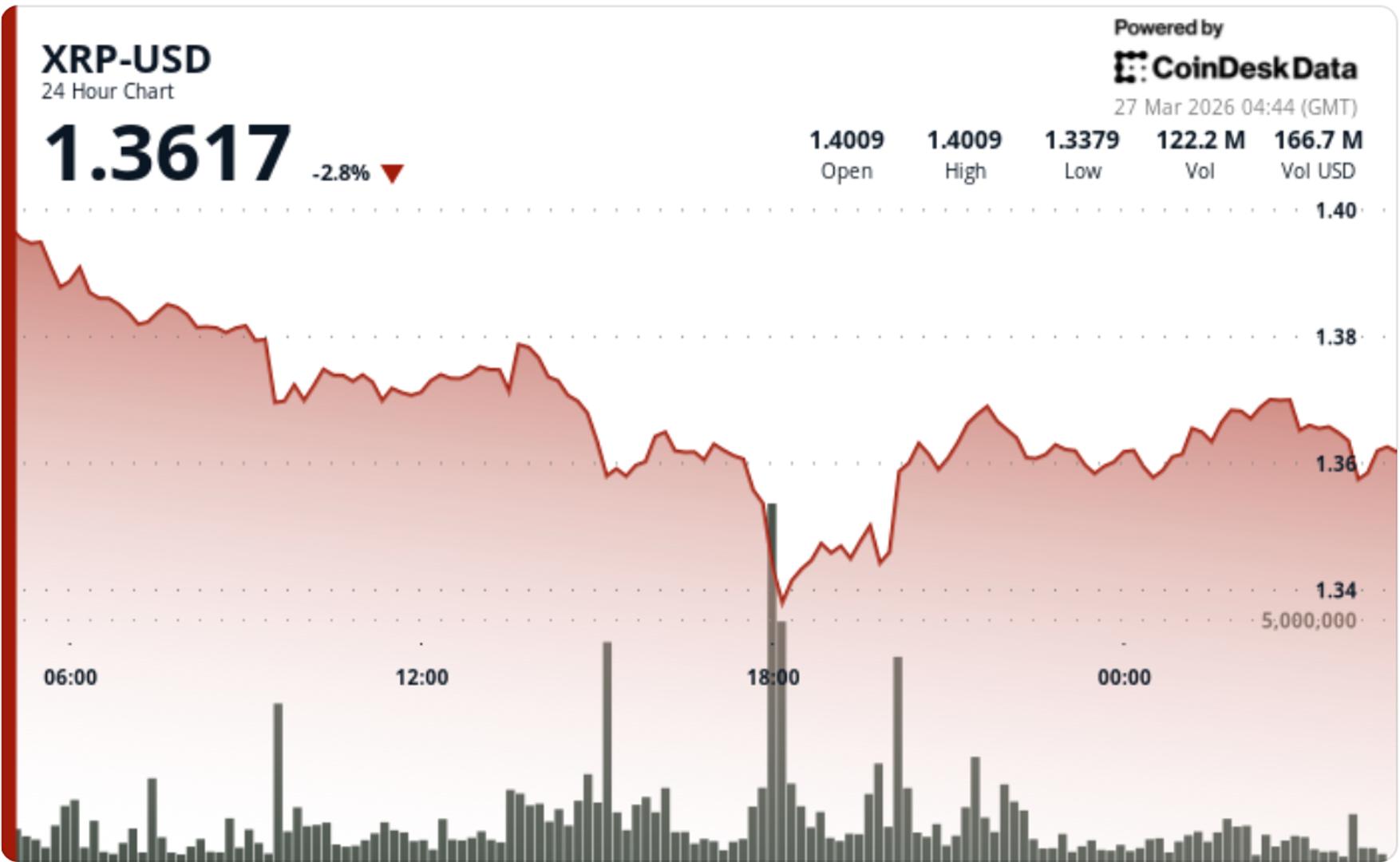
Bitcoin fell to $68,507 on Friday morning, down 3.2% over the past 24 hours and 2.7% on the week, after a familiar pattern played out for the fifth consecutive week: a de-escalation headline followed immediately by an escalation headline.
U.S. president Donald Trump extended his deadline for Iran to reach a ceasefire deal by 10 days and said talks were going “very well.” Brent crude dipped 1.3% to $106. Then the Wall Street Journal reported the Pentagon is looking at sending up to 10,000 additional ground troops to the Middle East, and whatever relief had built evaporated.
The broader crypto market shed nearly 1% to a total cap of $2.4 trillion. Ether dropped 4.6% to $2,050, back below the level it’s been fighting to hold all month. Solana fell 5.3% to $85.93. XRP lost 2.8% to $1.36, now down 6.5% on the week. BNB slid 2.3% to $626. Dogecoin dropped 2.8% to $0.091. Tron was the only major in the green at 1.2% daily and 2.4% weekly.
Asian equities fell 0.6% on Friday after Wall Street hit its lowest level since September on Thursday. South Korean tech stocks led losses, with Samsung and SK Hynix dragging the KOSPI down 2.3%. Taiwan dropped 1.2%. The war’s fifth week is producing the same pattern as the first four, where headline-driven whipsaws that leave everyone stopped out and the underlying trend unresolved.
FxPro chief market analyst Alex Kuptsikevich noted that the crypto market cap is approaching its 50-day moving average but still holding above it, which he called “a bullish sign.”
The market “must make an early decision,” he said, “either break through the uptrend line from early February or confirm the 50-day MA as support and break the downtrend.”
The institutional data beneath the price action tells a different story from the daily selloff.
Bitcoin ETFs have attracted $2.5 billion over the past month, according to Bloomberg, offsetting nearly all the outflows that had been ongoing since January. BlackRock’s bitcoin ETF has ranked among the top 2% of all ETFs by inflows year-to-date. Net bitcoin outflows from exchanges last month signaled a shift toward accumulation, with investors buying coins and withdrawing them to self-custody.
BlackRock itself offered a notable framing this week, saying that large investors are concentrating in bitcoin and ether while shunning the broader altcoin market.
The 10-day extension on the Iran deadline pushes the next binary event to early April.


Retail investors are reportedly the largest cohort in Strategy’s high-yield, low-volatility “Stretch” shares, which have been used to buy more than $1 billion worth of Bitcoin this year.
Around 80% of the owners of Strategy’s “Stretch” perpetual preferred shares (STRC) are owned by retail, said Strategy CEO Phong Le on Wednesday.
“Retail investors prefer low-volatility, high-yield digital credit,” he added.
The figure suggests that retail investors are still interested in exposure to Bitcoin, even though it is down about 45% from its all-time high.
Strategy’s executive chairman, Michael Saylor, has been stepping up sales and marketing of Stretch following the drop in Bitcoin and company stock, pitching the shares as a way to get exposure to BTC without the volatility.
In March, Strategy used around $1.2 billion from at-the-market sales of STRC to buy Bitcoin, though it switched back to using the sale of common stock in its most recent buy.
“Normally, the hardest thing in the world to do is to sell a new credit instrument to a retail investor,” Saylor said Thursday at the 2026 Digital Asset Summit in New York.
“11% is a big number.”
“Am I offending you if I call it a money market fund?” – @SullyCNBCDigital Credit is redefining yield.
Today we discussed Stretch $STRC on @PowerLunch. pic.twitter.com/oirw3PGZBi— Michael Saylor (@saylor) March 26, 2026
Speaking on CNBC’s “Power Lunch” on Thursday, Saylor said, “the idea is to create an onramp for people who believe Bitcoin is going to be around for the long term, but they can’t handle the volatility in the near term.”
He added that Stretch strips the first 10% to 11% of annual Bitcoin (BTC) returns and passes it to the credit investor. STRC is “way overcollateralized,” but Strategy is betting that Bitcoin will rise more than 11% per year, and “our equity holders are going to make a fortune,” while credit investors are happy with 11%, he said.
Related: Strategy halts Bitcoin buying via STRC: Will BTC price dip again?
Strategy’s common stock (MSTR) is down 19% this year and almost 71% from its July 2025 all-time high of $456, according to Google Finance. The Stretch shares, meanwhile, pay annual dividends of about 11.5%, higher than US Treasurys, which currently yield about 4%.
The investments are perpetual derivatives, meaning they do not have a maturity date, so Strategy never has to pay investors back like a bond, and they can be held indefinitely, earning dividends. The dividend rate is variable and adjusts monthly with market conditions.
The goal of these adjustments is to keep the trading price anchored near $100, making it behave more like a high-yield savings account than a volatile stock or crypto asset.
Saylor looks to double down on Stretch
In February, the company said it would rely more on its preferred stock sales to acquire Bitcoin.
It went further this week, revealing plans via a Securities and Exchange Commission filing on Monday to raise up to $21 billion by selling Strategy stock and another $21 billion from Stretch, via new at-the-market programs.
Magazine: Nobody knows if quantum secure cryptography will even work
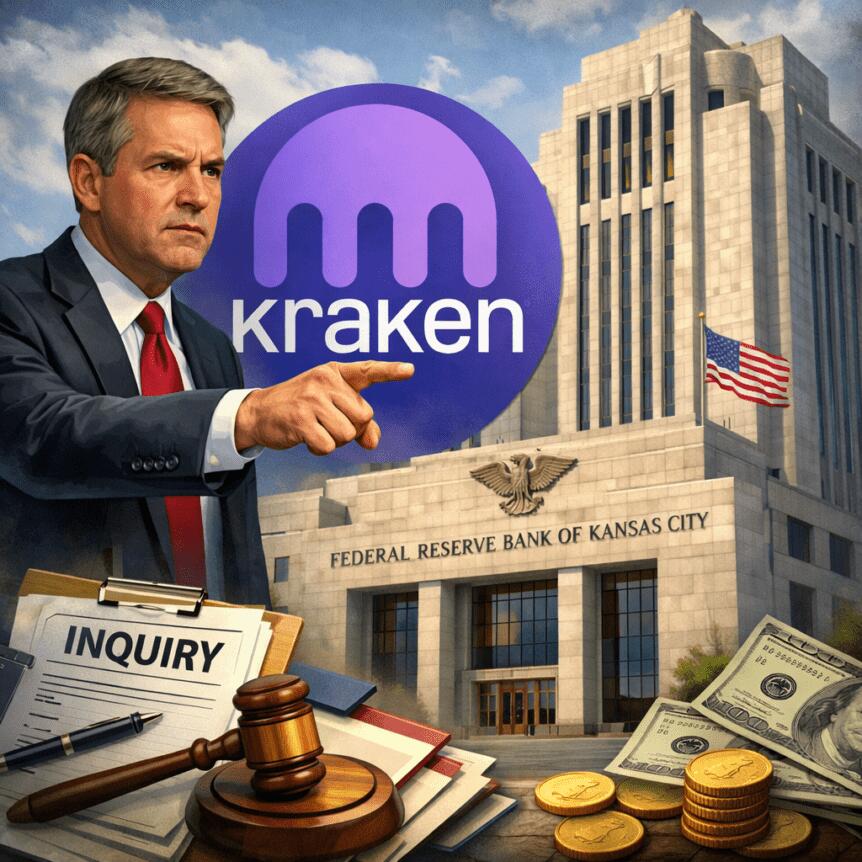
In a move that underscores how closely U.S. regulatory rails and crypto-native services are converging, Representative Maxine Waters, the ranking Democrat on the House Financial Services Committee, is demanding details from the Federal Reserve Bank of Kansas City about Kraken Financial’s newly approved limited-purpose master account. The inquiry, sent in a letter this week, seeks clarity on what the approval means in practice, what Fed services Kraken can access, any conditions or restrictions, and how anti-money laundering and consumer protection measures were evaluated.
Kraken’s banking arm was granted a limited-purpose master account by the Federal Reserve Bank of Kansas City earlier this month. The development is widely viewed as a watershed moment for the U.S. crypto industry, signaling that several crypto-related firms have pursued entry to the Fed’s master accounts for years, a pathway that could bring them onto the same payments rails used by banks and credit unions.
Waters notes in her letter that the Kansas City Fed’s announcement does not disclose specific information about Kraken’s access to the full spectrum of Federal Reserve financial services due to the confidentiality of information provided by applicants. She asks Fed President Jeff Schmid to respond by April 10 with a detailed account of what the master account entails in practice, including which services Kraken can tap and the safeguards in place.
“Answers to these questions are critical to ensuring that the process of approving Federal Reserve Bank account access is conducted consistently with the law, with impartiality, and in a manner that continues to foster a safe and efficient payment system,” Waters wrote. The letter frames the issue as one of ensuring policy, regulatory, and consumer protections keep pace with rapid innovation in payments, tokenization, and related technologies.
Key takeaways
- Kraken Financial received a limited-purpose master account from the Federal Reserve Bank of Kansas City, a move that could grant direct access to Fedwire and other payment rails.
- Waters has called for a public, detailed accounting by April 10 to clarify what Kraken can access, the conditions attached, and the AML and consumer protections considered in the decision.
- The Fed’s disclosure emphasizes confidentiality around business information supplied by applicants, complicating public assessments of the potential systemic implications.
- Kraken is not alone in seeking Fed master accounts; other crypto firms have pursued similar access, including Custodia Bank, Anchorage Digital Bank, and Ripple’s Standard Custody & Trust Company.
- Political and regulatory dynamics around crypto access to the U.S. financial system remain contentious, with advocacy groups and lawmakers pushing for more transparency and safeguards.
Kraken’s milestone and what it could mean for the payments landscape
Access to Fedwire via a master account would effectively place Kraken on a direct, regulator-backed payments infrastructure—an alignment that could reduce settlement frictions and settlement risk for digital-asset businesses. The potential to operate on rails that are already deeply embedded in the U.S. banking system has long been viewed as a crucial step toward broader mainstream participation by crypto services.
However, the Fed’s decision to withhold granular details about the scope of Kraken’s access signals the tension between opening gatekeeping infrastructure to innovative firms and preserving safety, soundness, and compliance standards. Waters’ letter frames this as a broader governance question: how to administer access to critical financial infrastructure in a way that is lawful, evenly applied, and capable of supporting a safe and efficient payments ecosystem as digital assets evolve.
The timing also matters. The master-account pathway has been a long-pursued objective for several crypto companies, reflecting a broader industry push to compete on an even footing with traditional financial providers. The Reuters-laden narrative of the sector’s progress has often highlighted the friction between innovation and regulatory frameworks—an area Waters has repeatedly signaled she intends to scrutinize more closely.
Broader context: who else is pursuing master accounts
Kraken isn’t the only crypto-focused entity Eyeing master-account access in the United States. The industry has seen sustained interest from several high-profile firms. Custodia Bank filed petitions and pursued legal avenues to renew its bid for a master account in late 2025, drawing scrutiny and debate over how such access should be regulated. Anchorage Digital Bank also applied for a similar arrangement in the preceding year, while Ripple and its subsidiary Standard Custody & Trust Company have been among other contenders exploring the pathway.
These efforts collectively reflect a longer trend: incumbents and disruptors alike are seeking a way to bridge digital-asset services with the core payments framework that underpins the U.S. financial system. The implications extend beyond individual firms to how regulators balance competition, risk management, and consumer protection as newer technologies reshape the payments landscape.
Regulatory tension and the political stance on crypto
Waters’ stance on crypto is well-documented across public statements and voting records, a point highlighted by advocacy groups that monitor policymakers’ crypto positions. Stand With Crypto has labeled her as “strongly against crypto,” citing multiple statements and votes unfavorable to crypto legislation, including debates over the Digital Asset Market Structure and relevant regulatory acts. The group’s barometer underscores how policy alignment—and potential shifts in regulatory posture—will influence how the master-account initiative unfolds in practice.
In the past, Waters has signaled concern about the pace of crypto enforcement and oversight, including calls for hearings related to the Securities and Exchange Commission’s approach to crypto regulation. A recent note from the group referenced a broader debate about whether enforcement and oversight are keeping pace with innovation, a theme that directly intersects with the master-account discussions and the governance surrounding access to critical financial infrastructure.
For investors and builders, the central question is what kind of guardrails will accompany any future access to Fed rails. Will the process remain tightly bound to existing banking standards and AML/counterparty risk controls, or will new, crypto-specific frameworks emerge to address novel uses of programmable money and tokenized assets? The current inquiry from Waters adds a notable layer of oversight, signaling that transparency and formal legal grounding will be prerequisites for broader access going forward.
Related reporting from Cointelegraph and related coverage underscored that the master-account pathway has attracted attention precisely because it could alter the efficiency, reliability, and cost of operating crypto-dependent services in the United States. As the regulatory conversation evolves, observers will be watching not only for the next public disclosures but also for any updates to the regulatory framework that may accompany expanded access to the Fed’s payments rails.
What comes next
The next phase hinges on the Federal Reserve Bank of Kansas City’s response to Waters’ questions by the stated deadline and how much detail the Fed is able or willing to disclose about Kraken’s access. Beyond that, the broader ecosystem will be watching whether the Fed’s master-account program expands to additional applicants and how other agencies coordinate with the Fed to maintain a consistent, risk-based framework for digital-asset firms seeking access to core payments infrastructure.
As always, the evolving landscape will be shaped by regulators, lawmakers, and industry participants—each weighing the benefits of faster, more integrated payments against the imperative to protect consumers and preserve financial stability. Readers should stay alert to subsequent disclosures from the Kansas City Fed, any formal responses from Kraken, and broader regulatory developments that could redefine how crypto companies interact with the U.S. financial system.
The unnamed “Big Four” firm that Tether selected to audit its $185 billion dollar-pegged USDT stablecoin is KPMG, the Financial Times reported Thursday, citing people familiar with the matter.
Tether has also engaged PwC to prepare its internal systems ahead of the audit, marking the most concrete step yet toward full financial scrutiny for the world’s largest stablecoin issuer. CoinDesk has contacted Tether for comment on the matter.
CoinDesk reported earlier this week that Tether had said it had entered a formal engagement with a Big Four auditor, but the stablecoin issuer did not identify the firm. CFO Simon McWilliams said at the time that Tether was “already operating at Big Four audit standard” and that “the audit will be delivered.”
All this comes as the El Salvador-based company prepares for a U.S. expansion and a potential fundraising round. The Financial Times previously reported that Tether faced investor hesitation in efforts to raise $15 billion to $20 billion at a $500 billion valuation, with concerns centered on pricing and regulatory risk.
The audit push lands at a pivotal moment. USDT, with roughly $185 billion in circulation, functions as the reserve currency of crypto markets and a major buyer of U.S. Treasury bills, linking digital assets to traditional financial systems at scale.
A full financial statement audit would go well beyond the monthly attestations currently published by BDO Italia, requiring a detailed review of assets, liabilities, internal controls and reporting systems.
That level of disclosure has long been a sticking point for critics, as Tether has faced persistent questions about its reserves since its launch in 2014 and historically fought transparency.
In 2021, CoinDesk filed a FOIL request with the New York Attorney General’s office seeking documents on USDT’s reserve composition. Tether fought the release in court and lost twice.
The documents, received after a two-year legal battle in 2023, revealed that Tether held the vast majority of its $40.6 billion in reserves at Bahamas-based Deltec Bank as of March 2021, with heavy exposure to commercial paper issued by Chinese and international banks, including Agricultural Bank of China, Bank of China Hong Kong, and ICBC.
Tether’s move toward greater transparency aligns with a shifting regulatory backdrop in the United States as crypto as a whole becomes a mainstream asset class used by Wall Street.
The GENIUS Act, signed into law last July, established the first federal framework for stablecoins in the U.S., under which Tether has already launched a compliant dollar-pegged token, USAT.
Ondo price jumped 8% following its partnership with Franklin Templeton to launch new tokenized ETFs on the blockchain.
Summary
- Ondo price rose 8% after announcing a partnership with Franklin Templeton to launch tokenized ETFs accessible via crypto wallets.
- The move expands access for global investors and strengthens Ondo’s position in the tokenized real-world asset market.
- A falling wedge breakout signals potential upside, though mixed indicators show that resistance near $0.30 remains a key level.
According to data from crypto.news, Ondo (ONDO) price rallied 8% to a weekly high of $0.27 on Friday, March 26, before rolling back to $0.26 at the time of writing.
Ondo price jumped after it revealed its partnership with Franklin Templeton to bring tokenized versions of the asset manager’s ETFs. The five ETFs, which include exposure to U.S. stocks, bonds, and gold, would be tradable round the clock from crypto wallets, thus distinguishing them from traditional market hours that limit trading.
With these tokenized offerings, non-U.S. investors can now access these assets directly, thus increasing the potential investor base.
The collaboration with the asset manager that holds nearly $1.7 trillion in assets under management increased the visibility and credibility of the token while also increasing the expectation of more widespread adoption by institutional investors.
Ondo Finance currently oversees over $2.7 billion in tokenized assets as it continues to expand in the real-world asset sector. Just days ago, the platform revealed it had added another 60 tokenized US stocks and ETFs to its platform, raising the total number of available assets to over 250 across Ethereum, Solana, and BNB Chain.
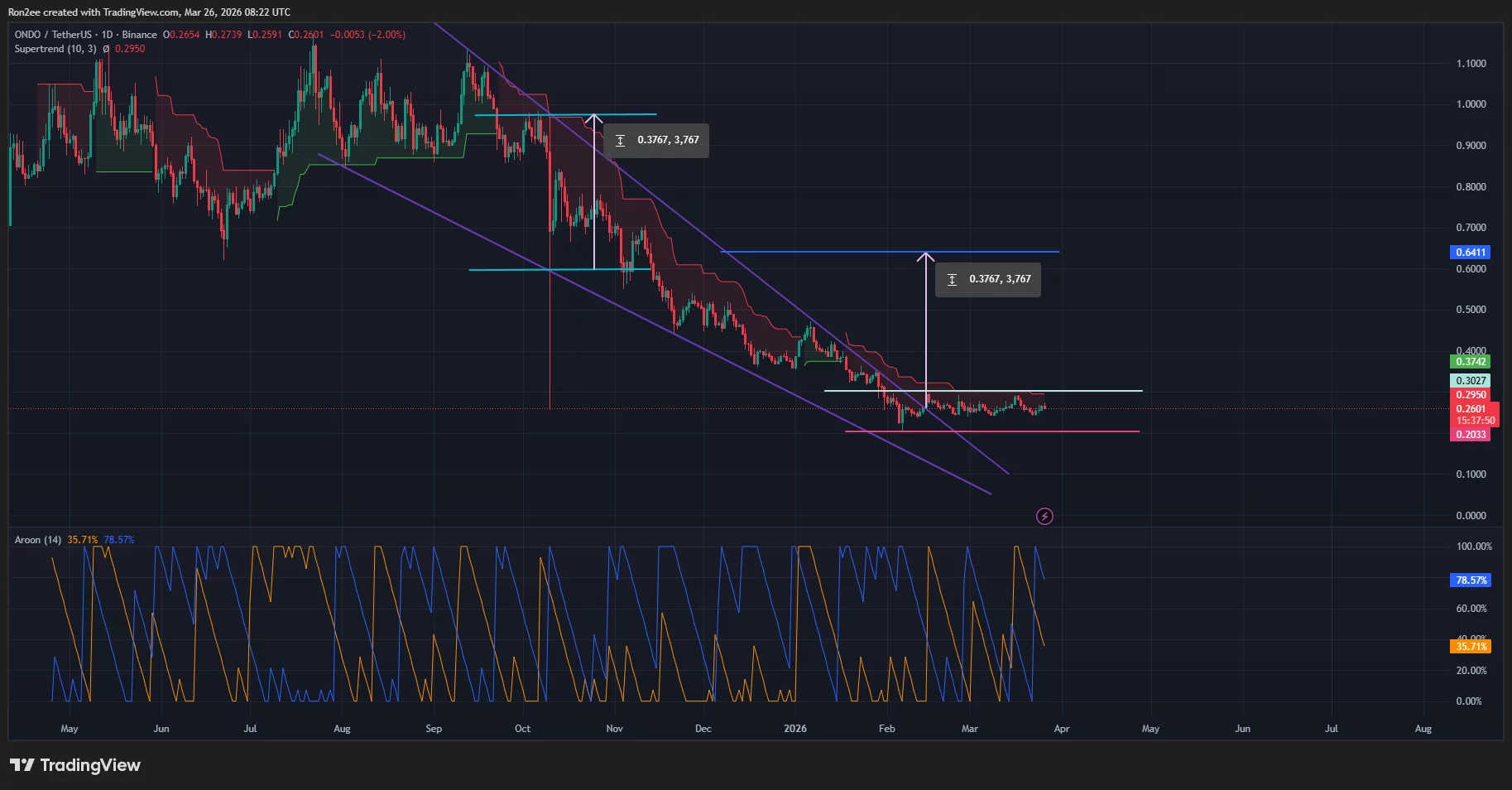
On the daily chart, Ondo price has broken out of a falling wedge pattern, a popular bullish reversal pattern formed of two descending and converging trendlines. When an asset breaks out of the upper trend line of the pattern, it typically tends to rally sustainably over multiple following sessions.
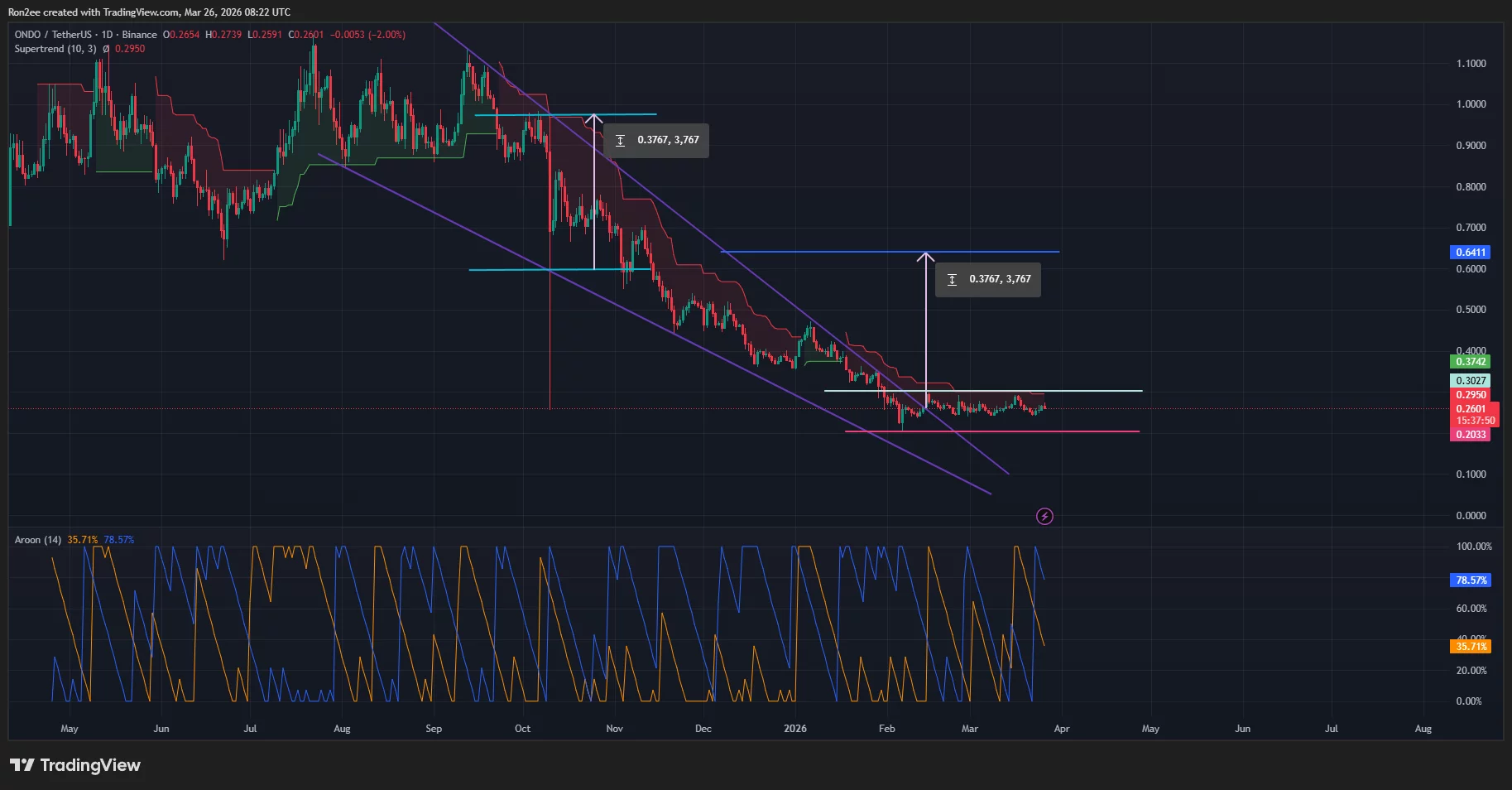
In Ondo’s case, the token could rally, surpassing $0.50 to nearly $0.64, a target calculated by adding the height of the wedge at its widest point to the breakout price level where the breakout occurred.
However, technical indicators seem to present a diverging perspective. The Supertrend has flashed a red signal, suggesting that the market trend was still bearish at the time of writing. The Aroon Down at 78.57% was also far higher than the Aroon up at 35.71%, a sign that selling pressure largely outweighed buying momentum.
For now, the most important resistance level to watch is $0.30, a level where the price has faced stiff resistance since early February. If Ondo surges past this barrier, it could potentially ignite a rally towards the target at $0.50.
On the contrary, a drop below the Feb. 6 low of $0.20 could invalidate the current breakout and lead to further downside momentum.
Disclosure: This article does not represent investment advice. The content and materials featured on this page are for educational purposes only.


US lawmakers have opened a new front in the fight over prediction markets. A bipartisan House bill now aims to stop top federal officials and their families from trading on government-related outcomes, as pressure also builds around sports and war-linked contracts.
Summary
- PREDICT Act would bar Congress, presidents, appointees, spouses, and dependents from government-related prediction market trades.
- Lawmakers tied the proposal to concerns that insiders could profit from war and policy events.
- Separate Senate and House bills also target sports contracts as pressure grows on platforms nationwide.
Representatives Adrian Smith and Nikki Budzinski introduced the Preventing Real-time Exploitation and Deceptive Insider Congressional Trading Act, or PREDICT Act, on March 25, 2026.
The bill would bar members of Congress, their spouses and dependent children, the president, the vice president, and political appointees from trading on political events, policy decisions, and other government actions on prediction markets.
The proposal also sets penalties for violations. Reports on the bill say the measure would impose a civil fine equal to 10% of the contract’s value and require any profit to go to the US Treasury. Budzinski said recent market activity raised questions about whether people with inside knowledge could benefit from these trades.
Budzinski said, “we’ve seen instances of little-known traders making massive profits” on events tied to war and government funding fights. Smith said public service must not become “a pathway to profit.” Their comments placed the bill within a wider debate over access to sensitive information in Washington.
That debate has grown in March. On March 17, Senator Chris Murphy and Representative Greg Casar introduced the BETS OFF Act, which would ban wagering on government actions, terrorism, war, assassination, and events where a person knows or controls the outcome. Murphy’s office said unusual trading before military actions involving Iran and Venezuela raised fresh concerns.
Congress is also moving against sports-related contracts. On March 23, Senators Adam Schiff and John Curtis introduced the Prediction Markets Are Gambling Act. Their bill would stop CFTC-registered entities from listing contracts that resemble sports bets or casino-style games.
Schiff said, “Sports prediction contracts are sports bets.” Curtis said the products belong under state control, not federal regulators. Their offices said sports event contracts now trade across all 50 states, even where local law restricts gambling.
Platforms face state action and new rules
The industry is also under pressure outside Congress. On March 20, a Nevada judge temporarily blocked Kalshi from offering event contracts in the state without a license. The case forms part of a wider fight over whether these products are financial tools or unlicensed gambling.
At the same time, Kalshi and Polymarket have tightened their own rules. Kalshi barred political candidates from trading on their own campaigns, while Polymarket revised its rules to block trades by users with confidential information or direct influence over an outcome.

The Cambridgeshire property hotspot where prices are on the rise

GAC’s First Overseas Service Brand Launches at Bangkok Motor Show, Thailand Action 2.0 Commences

red flags, reviews, and proof points


-
 Crypto World6 days ago
NIO (NIO) Stock Plunges 6.5% as Shelf Registration Sparks Dilution Worries
-
 NewsBeat2 days ago
Manchester United reach agreement with Casemiro over contract clause amid transfer speculation
-

 Fashion6 days ago
Weekend Open Thread: Adidas – Corporette.com
-

 Politics6 days ago
Jenni Murray, Long-Serving Woman’s Hour Presenter, Dies Aged 75
-

 Crypto World5 days ago
Best Crypto to Buy Now: Strategy Just Spent $1.57 Billion on Bitcoin During Fear While Early Investors Quietly Enter Pepeto for 150x Potential
-

 Crypto World5 days ago
Bitcoin Price News: Bhutan Sells $72 Million in BTC Under Fiscal Pressure, but the Smart Money Entering Pepeto Sees What the Market Does Not
-

 News Videos1 day ago
Parliament publishes latest register of MPs’ financial interests
-

 Sports4 days ago
Remo Stars and Kano Pillars Strengthen Survival Hopes in NPFL
-

 Sports4 days ago
Gary Kirsten Accuses Pakistan Cricket Board Of ‘Interference’, Mohsin Naqvi Responds
-

 Tech4 days ago
Give Your Phone a Huge (and Free) Upgrade by Switching to Another Keyboard
-

 Business5 days ago
No Winner in March 21 Drawing as Prize Rolls to $133 Million for Next
-

 Sports6 days ago
2026 Kentucky Derby horses, odds, futures, preview, date: Expert who nailed 12 Derby-Oaks Doubles enters picks
-

 Tech4 days ago
AI enters the chat: New Seattle dating app relies on tech to facilitate meaningful human connections
-
Business6 days ago
Columbia Sportswear enters $500 million credit agreement with JPMorgan Chase
-

 Tech5 days ago
Today’s NYT Connections Hints, Answers for March 22 #1015
-

 News Videos4 days ago
Ch 9 Financial Management Part 1 | Detailed One Shot | Class 12 Business Studies Boards 2026
-

 Business8 hours ago
Instagram, YouTube Found Responsible for Teen’s Mental Health Struggle in Historic Ruling
-

 Business5 days ago
Will Duke Basketball Win It All? Duke Basketball Enters Second Round as Third Favorite to Claim NCAA Title
-

 Business7 days ago
(VIDEO) BTS Drops ‘ARIRANG’ Album Today, Marking Epic Post-Military Comeback With Live Concert
-
 Crypto World6 days ago
Small-cap Russell 2000 enters correction territory
You must be logged in to post a comment Login