
Crypto World
EU Targets Russian Crypto Exchanges, CBDC, and Stablecoins


The European Commission on Thursday unveiled the 20th package of sanctions against Russia, expanding a broad set of measures aimed at limiting Moscow’s ability to finance its war in Ukraine. The bloc’s new rules tighten crypto-related restrictions and reinforce existing financial controls as Brussels seeks to curb Russia’s cross-border activity through digital assets.
Among the most consequential elements, the commission announced a total sectoral ban on exchanges with any Russian crypto asset service provider and on decentralized platforms enabling crypto trading that could be used to bypass sanctions. In addition, the bloc prohibited the use of stablecoins pegged to the Russian ruble and the central bank digital currency (CBDC) that is under development by the Russian central bank.
The commission framed the move as part of a broader push to press Russia to enter negotiations on terms acceptable to Ukraine, stressing that each additional day of Russian attacks translates into further Ukrainian civilian suffering. The package was issued following a meeting between European Commission President Ursula von der Leyen and Ukrainian President Volodymyr Zelenskyy to review ongoing support for Kyiv amid Moscow’s military campaign.
The European Commission has argued that Russia has become increasingly reliant on cryptocurrencies for international transactions as traditional channels come under sanctions. The bloc cited cases where crypto channels are used to bypass restrictions, referencing stablecoins tied to the ruble market and crypto operators linked to Belarus as examples of where enforcement efforts may be directed.
Related: Russia introduces bill to criminalize unregistered crypto services
Key takeaways
- The European Commission’s 20th sanctions package imposes a comprehensive ban on exchanges with Russian crypto asset service providers and on decentralized platforms that could enable evasion of sanctions.
- Stablecoins pegged to the ruble and a Russian CBDC under development are banned from use within the EU’s financial system.
- Brussels frames crypto restrictions as a tool to pressure Russia toward negotiations and to curb crypto-facilitated sanctions evasion.
- Officials point to Russia’s growing reliance on digital assets for international transactions, with references to stablecoins such as those pegged to the ruble and to Belarus-linked crypto operators.
- The move follows high-level discussions between EU leadership and Ukraine’s president, underscoring continuing EU commitment to Ukraine’s security and economic resilience.
EU sanctions and the crypto frontier
The 20th sanctions package broadens a long-running strategy to isolate Russia financially and operationally. By barring interaction with any Russian crypto asset service provider and blocking decentralized platforms that could facilitate crypto trading for sanctioned entities, the European Commission aims to close loopholes that might allow Moscow to move value across borders despite traditional restrictions.
The ban on ruble-pegged stablecoins and on the CBDC under development signals Brussels’ concern that digital-native instruments could be weaponized to bypass controls. While stablecoins anchored to stable assets are often marketed as governance-neutral payment rails, the EU’s position suggests a preference for preserving the integrity of sanction regimes over permitting cross-border crypto liquidity that could undermine those regimes.
In remarks accompanying the package, the commission emphasized the broader political objective: to keep pressure on Russia to engage in negotiations that align with Ukrainian interests. The EU’s stance also aligns with a transferral of attention toward the enforcement front, where regulators are increasingly tasked with tracking crypto flows that cross borders and evade traditional supervision.
The commission’s narrative also alludes to Russia’s reported pivot toward crypto in response to sanctions. While the EU did not quantify the shift, officials described scenarios where digital assets are used to settle cross-border trades that would otherwise be restricted by conventional financial channels. In several instances, the discussion pointed to stablecoins and crypto firms that operate in or near Russia’s orbit, including entities connected to Belarus, as areas of heightened focus for enforcement action.
Crosswinds beyond Europe: Iran, crypto and enforcement scrutiny
As Western powers monitor potential sanctions evasion via digital assets, the United States has witnessed renewed scrutiny around Iran and crypto. Lawmakers have questioned whether Iran could be leveraging cryptocurrencies to circumvent restrictions amid broader regional tensions and ongoing sanctions. In recent coverage, Reuters and other outlets have reported that U.S. investigators have looked into the possibility of crypto channels supporting Iranian entities in sanctioned activities.
Within the crypto industry, there have been notable tensions around enforcement and compliance. A separate report highlighted internal personnel shifts at a major exchange amid questions about how the platform communicates with and informs executives about sanctioned transactions involving Iran. These developments underscore the pressure on crypto firms to balance rapid growth with rigorous sanctions compliance and risk controls.
Related: U.S. DOJ probes Binance over alleged Iran sanctions evasion
What this signals for investors and builders
The EU’s latest package reinforces a clear expectation: crypto markets and service providers operating in or with Russia must adhere to traditional sanction disciplines, even as the crypto ecosystem grows more integrated with cross-border finance. For traders and institutions, the move could tighten liquidity channels that previously bridged gaps created by Western sanctions, potentially increasing the cost and friction of sanctioned-entity transactions.
For builders, the emphasis on preventing circumvention highlights the importance of robust sanctions screening, transparent provenance of funds, and on-chain analytics that can distinguish legitimate activity from attempts to mask sanctionable flows. As policymakers worldwide sharpen their tools, the line between legitimate innovation and regulatory risk will continue to shape product design, governance models, and compliance tooling in the sector.
Finally, the evolving discourse around Iran and crypto underscores a broader regulatory convergence. As the U.S. and European authorities intensify scrutiny of digital assets in sanction regimes, exchanges, wallets, and infrastructure providers are likely to face increasing demands for real-time compliance data and auditable controls. Investors should watch how enforcement patterns evolve in the coming months, and how regional differences in sanctions policy interact with evolving crypto technologies.
The story remains dynamic. Readers should monitor forthcoming regulatory updates from Brussels and other capitals, as well as performance indicators from cross-border crypto markets, to gauge how sanction-driven constraints intersect with the broader push toward regulated digital finance.

Crypto World
WhiteBIT and FC Barcelona announce five-year agreement to drive global innovation in sport

Disclosure: This article does not represent investment advice. The content and materials featured on this page are for educational purposes only.
WhiteBIT and FC Barcelona sign five-year deal to advance fan engagement and digital finance innovation.
Summary
- WhiteBIT signs five-year deal with FC Barcelona to expand crypto integration across teams and fan engagement systems.
- The two have partnered to build real-world crypto use cases through sports, education, and fan experiences.
- WhiteBIT becomes official crypto exchange partner of FC Barcelona, linking digital finance with global sports innovation.

WhiteBIT, the largest European cryptocurrency exchange by traffic, and FC Barcelona have entered a landmark five-year agreement through 2030, bringing together two global leaders to shape the future of fan engagement, digital finance, and sport.
This partnership is a strategic alliance between category leaders, where crypto meets one of the most influential sports institutions in the world to set new standards for how technology integrates into global fan ecosystems.
As the Official Cryptocurrency Exchange Partner of the club, WhiteBIT will take on an expanded role across FC Barcelona’s men’s first team, women’s team, and basketball team, as well as partner with the Barça Innovation Hub. Together, the partners will move beyond visibility to execution — developing real-world crypto applications designed to scale across the sports industry.

At the core of the collaboration is a shared ambition: to turn crypto into a practical, everyday tool for millions of fans worldwide. The partnership will introduce new initiatives in fan engagement, digital education, and interactive experiences — bridging the gap between technology and global audiences.
Commenting on the partnership, Manel del Río, CEO of FC Barcelona, said:
“Continuing to count on WhiteBIT as a partner over the next five years reinforces FC Barcelona’s commitment to strategic alliances with globally leading companies. This renewal highlights the strength and appeal of our brand, as well as our ability to connect with innovative sectors. In this case, the cryptocurrency sector, a growing field with significant strategic potential for the coming years.”
Volodymyr Nosov, President and Founder of W Group, which includes WhiteBIT:
“Our mission is to support the mass adoption of crypto by bringing technology to everyone, everywhere. Together with Barça, we are taking crypto beyond the industry and into everyday life—creating experiences that millions of fans can actually use. This is how adoption happens.”
A new identity for everyday crypto payments
WhiteBIT and FC Barcelona will introduce an FC Barcelona–themed design for the WhiteBIT Nova debit card, allowing fans to personalize their card with the club’s visual identity while using it for everyday payments using crypto.
The new card skin will combine the functionality of the WhiteBIT Nova card with an exclusive FC Barcelona look. In addition to the design update, the card will provide added benefits for fans, including special features and future partner advantages linked to the collaboration.

Over the past three years, the partnership between WhiteBIT and FC Barcelona has become a reference model for bringing web3 into real-world utility. The new agreement builds on this foundation, scaling joint initiatives in fan engagement, education, and digital activations into more integrated, long-term projects within the club’s ecosystem.
Disclosure: This content is provided by a third party. Neither crypto.news nor the author of this article endorses any product mentioned on this page. Users should conduct their own research before taking any action related to the company.


Consensys and Joseph Lubin pledge up to 30K ETH to DeFi United’s rsETH rescue stack, shoring up Aave and DeFi after Kelp DAO’s $293M exploit left deep collateral holes.
Summary
- Consensys and Joseph Lubin will commit up to 30,000 ETH to DeFi United’s rsETH recovery stack.
- The support is pivotal to repairing collateral damage from Kelp DAO’s $293 million exploit.
- Aave has warned that, without this backing, the recovery “would be difficult to advance.”
Ethereum infrastructure firm Consensys and its founder Joseph Lubin have joined the DeFi United recovery initiative, pledging up to 30,000 ETH to help repair rsETH collateral after the Kelp DAO bridge exploit drained roughly $293 million from the ecosystem on April 18. The coordinated rescue effort centers on restoring backing for rsETH positions that were used across major lending markets, including Aave, where cascading liquidations and frozen markets followed the hack.
In a governance update tied to the rsETH incident, contributors to Aave described the Consensys and Lubin commitment as “critical to the recovery plan,” adding that “without this support, the current recovery process would be difficult to advance” given the remaining collateral shortfall. The DeFi United framework, first outlined in an Aave DAO recovery proposal, combines protocol donations, credit lines, and treasury support into a unified playbook for handling systemic collateral failures after large-scale exploits.
DeFi United shores up rsETH after record Kelp DAO exploit
Kelp DAO’s rsETH adapter bridge was exploited for about 116,500 rsETH—worth $293 million at the time—making it the largest DeFi hack of 2026 so far, as noted by security firms and coverage from exchanges including MEXC and aggregators like U.Today. Rather than dumping rsETH on the market, the attacker used the tokens as collateral across Aave, Compound v3, and Euler to borrow an estimated $236 million in ETH and WETH, forcing protocols to pause markets and freezing users’ collateral until a recovery path could be agreed.
To close the deficit, the DeFi United coalition has already secured 14,570 ETH in pledges from ecosystem protocols such as EtherFi, Lido, and Ethena, while Mantle has extended a credit facility of up to 30,000 ETH, according to a recent outline of the plan. Aave DAO is separately weighing a proposal to contribute 25,000 ETH from its own treasury, structured as an “anchored” contribution that will not be scaled back even if further donations arrive, with any excess instead used to repay borrowed capital and limit Aave’s long-term exposure.
Strategic advisory on the recovery architecture is being provided by Sharplink, the digital asset treasury firm chaired by Lubin, which has helped design multi-tranche funding structures and collateral backstops in previous Ethereum ecosystem initiatives. Consensys, meanwhile, is leveraging its position as a core Ethereum infrastructure provider behind products such as MetaMask and Linea to coordinate stakeholder communication and ensure that rsETH users, impacted protocols, and donors share a consistent roadmap for unlocking frozen positions over time.


Israeli regulators have approved the launch of BILS, a shekel-pegged stablecoin issued by local virtual exchange Bits of Gold.
Summary
- BILS became one of Israel’s first shekel-pegged stablecoins after approval from the country’s market regulator.
- Bits of Gold will hold BILS reserves in Israel through designated and separate local accounts.
- The approval follows a two-year Solana pilot as Israel moves to regulate stablecoin activity.
The approval came after a two-year pilot program on the Solana blockchain. The Capital Market, Insurance and Savings Authority granted the approval in a Monday notice. The move places BILS among the first stablecoins linked directly to the Israeli shekel.
According to the announcement, BILS reserve assets will be kept in Israel through designated and separate accounts. This structure aims to support oversight as the country builds rules for digital assets.
The project forms part of a wider push by the Israel Tax Authority and the Finance Ministry to regulate crypto activity. That effort includes allowing selected stablecoin operations under local supervision.
Bits of Gold says BILS links shekel to crypto markets
Bits of Gold founder and CEO Youval Rouach said the stablecoin would connect the Israeli currency with blockchain-based financial services.
“BILS creates a direct bridge between the Israeli shekel and the global digital assets economy, enabling real-time payments, on-chain trading and programmable financial applications based on a regulated local currency,” Rouach said.
The launch also follows rising use of stablecoins in global crypto markets. As of press time, the stablecoin market was valued at more than $320 billion, with U.S. dollar-pegged tokens such as Tether’s USDT leading the sector.
Stablecoin rules remain under review in the U.S.
Israel’s approval comes as other markets continue to debate stablecoin rules. In the United States, lawmakers are still discussing a digital asset market structure bill covering stablecoin yield, tokenized equities, and ethics concerns tied to President Donald Trump’s crypto links.
The bill has remained stalled in the U.S. Senate since July 2025. It still needs a markup from the Senate Banking Committee before it can move toward a possible vote.
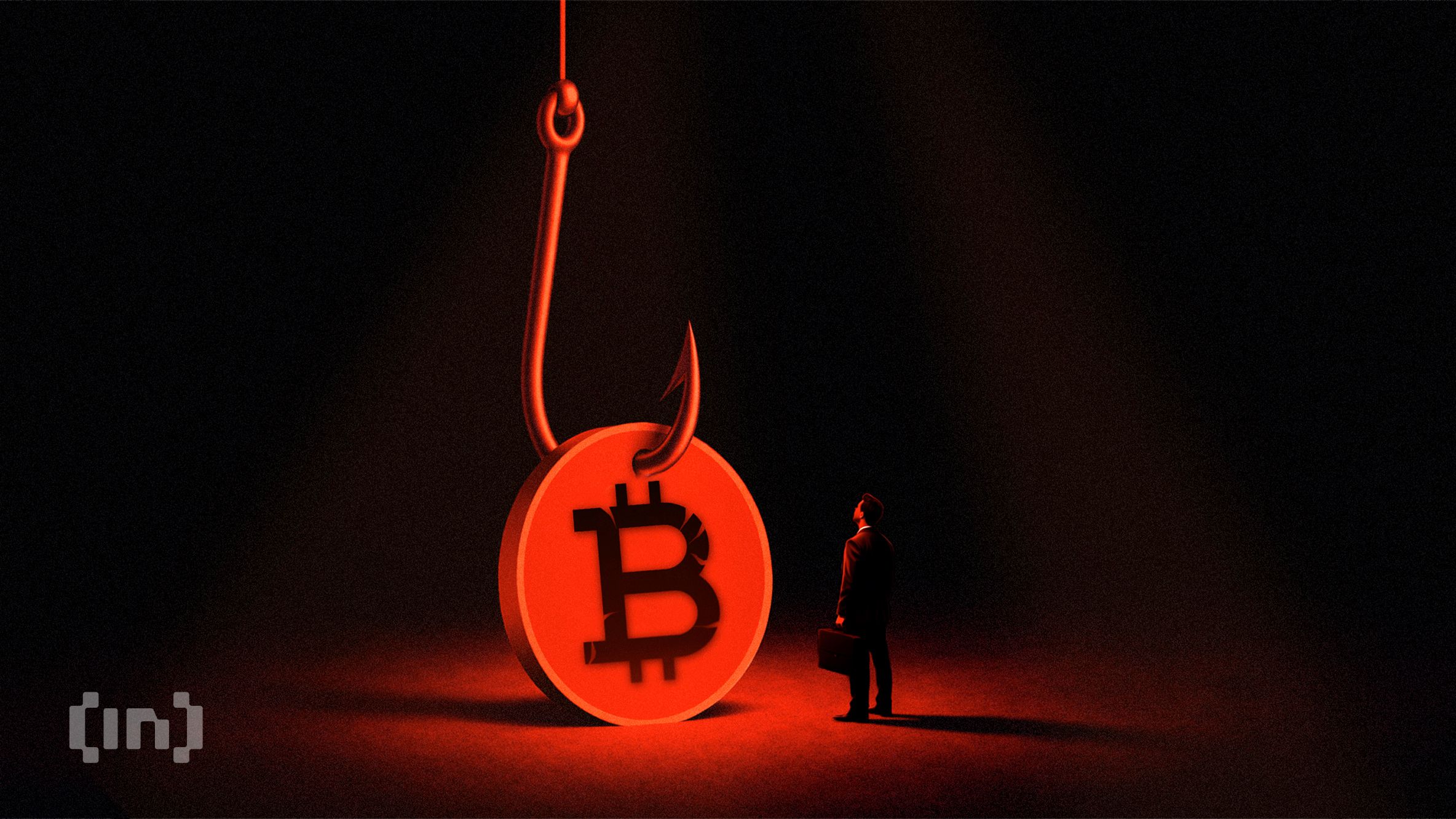
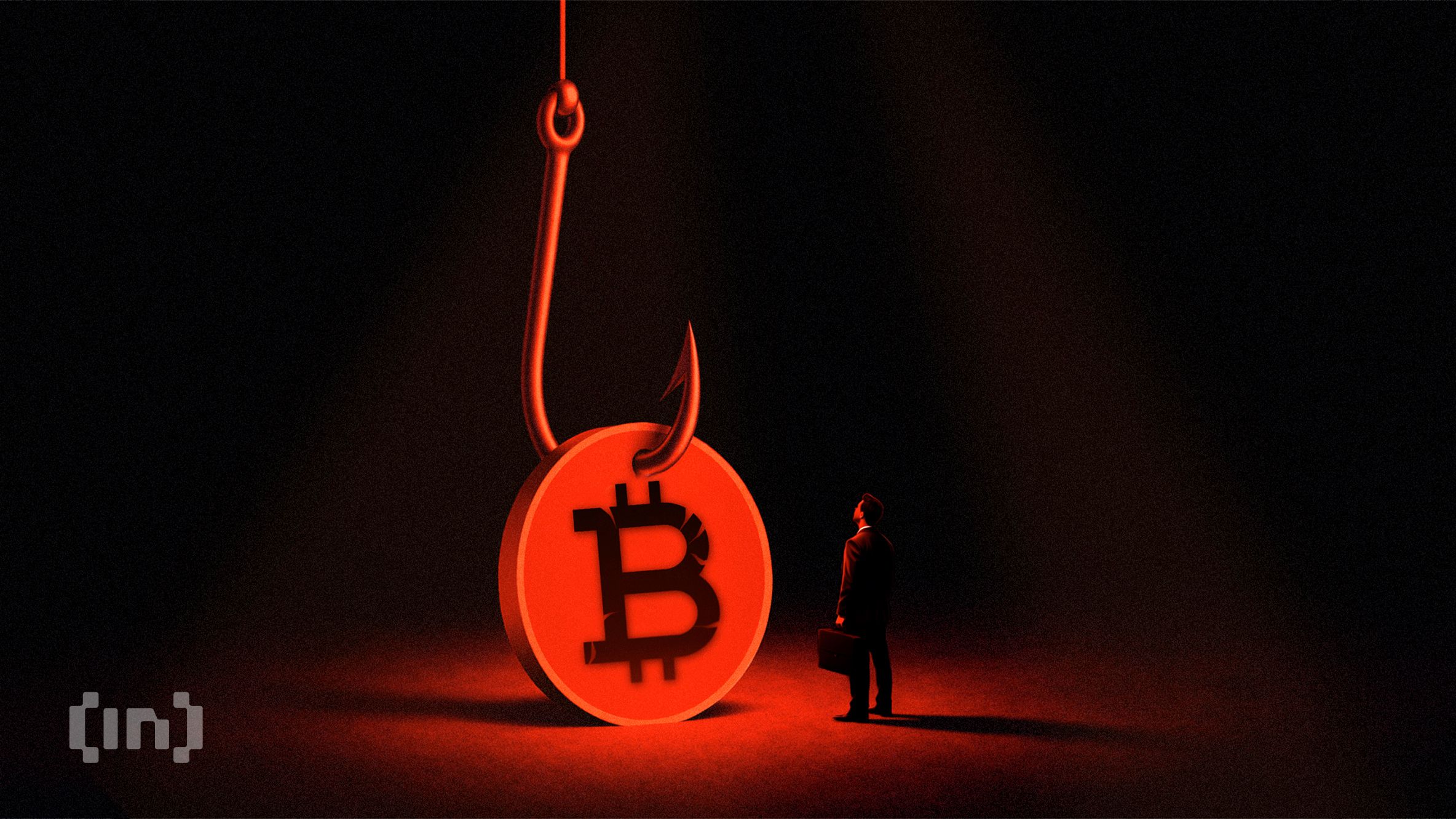
Paul Sztorc, co-founder and CEO of LayerTwo Labs and a Bitcoin developer, has unveiled plans for eCash, a hard fork scheduled to launch in August 2026.
The plan’s treatment of coins linked to Satoshi Nakamoto has sparked backlash across X.
What Sztorc Proposed for the Bitcoin eCash Hardfork
In a post, Sztorc revealed that eCash’s L1 node will be a “near-copy of Bitcoin Core.” The chain will use SHA-256d mining with a one-time difficulty reset.
“I am helping create a **new Bitcoin Hardfork** — dropping this August, called ‘eCash’. Your coins will split. For example, if you have 4.19 BTC, then you will get 4.19 eCash. You may sell your eCash — or keep it. Or ignore it!” Sztorc wrote.
Follow us on X to get the latest news as it happens
The Layer 1 (L1) network will activate Sztorc’s BIP300 and BIP301 proposals via soft fork. Seven drivechains are already in development, including Truthcoin for prediction markets and CoinShift as a decentralized exchange (DEX).
Other L2s include BitNames for identity, BitAssets for non-fungible tokens (NFTs), and Photon for quantum resistance. The team will also release a coin-splitter tool.
Sztorc framed eCash as a permanent fix, unlike the 2017 Bitcoin Cash (BCH) split, which focused on increasing the block size. A notable aspect involves the planned allocation of a portion of coins attributed to Satoshi Nakamoto.
“Satoshi has 1.1M coins in the so called patoshi pattern. We will be manually reassigning some of these coins (fewer than half) to investors today. This will no doubt be a controversial decision. But I think it is necessary, and in fact, ideal,” he added.
In a separate post, the developer clarified that the process does not involve taking any BTC linked to Satoshi Nakamoto. Instead, it would assign 600,000 newly created eCash tokens to Satoshi on the forked chain, less than the 1.1 million coins typically attributed to those holdings, but more than allocations seen in other networks.
“Our coins are not named BTC; they are named eCash. BTC balances are untouched by eCash. To move BTC, you always need BTC software + the BTC private key. We lack both.” he noted. “It is fun to virtue signal about property rights, I get it. But be careful who you listen to and who you get your information from — in the heat of the moment, it may not be reliable!”
Subscribe to our YouTube channel to watch leaders and journalists provide expert insights
Community Calls Satoshi Coin Reassignment
Nonetheless, the plan has already drawn pushback from parts of the crypto community. Commenting on X, Caffè Satoshi urged “extreme caution when receiving this eCash.”
Others were more critical of the distribution model. Podcast host Peter McCormack argued that any attempt to take coins linked to Satoshi Nakamoto is both “theft” and “disrespectful.”
“Taking Satoshi’s coins is a major flaw in this. All the rest is great. Satoshi’s property being taken sets a horrible precedent that will kill your narrative,” another user added.
Follow us on X to get the latest news as it happens
Satoshi Nakamoto’s Bitcoin holdings have long been a source of philosophical tension within the Bitcoin community. Even in debates around potential quantum threats, opinions remain sharply divided.
Some argue the coins should be burned to mitigate future risks, while others oppose any intervention, maintaining that such actions would undermine Bitcoin’s core principles of decentralization and immutability.
The post Critics Push Back Against Developer’s Plan to Reassign Satoshi’s Coins in eCash Fork appeared first on BeInCrypto.


Bitcoin is down 3% in Asian morning trading, holding near $77,000 as markets brace for a week packed with macro catalysts. The move appears driven more by caution than a shift in sentiment.
In a note to CoinDesk, Singapore-based Enflux, a market maker, said traders are reluctant to push bitcoin higher ahead of Wednesday’s rate decision and a cluster of data releases later in the week, including GDP, PCE inflation, and the Employment Cost Index. Together, those prints will shape expectations for when, or if, the Fed can begin cutting rates in the second half of the year.
For now, the biggest constraint is oil. Brent crude remains above $100, complicating the inflation outlook and raising the bar for a dovish signal from Fed Chair Jerome Powell.
According to Enflux, the market is operating under two competing assumptions: that geopolitical tensions will eventually ease, but any resolution will not arrive quickly enough to influence near-term policy. That combination has effectively priced out rate cuts for June (Polymarket bettors give a 95% chance of ‘no change’) and created a more ambiguous backdrop for risk assets.
In that environment, bitcoin has struggled to break above key technical levels. The cryptocurrency is trading roughly 4% below its short-term holder cost basis near $80,700, a level often viewed as a proxy for marginal buyer conviction.
Moving decisively above it would likely require a clear signal from the Fed that oil-driven inflation will prove temporary. Absent that, Enflux expects bitcoin to trade tentatively into Thursday’s data releases, with a sharper move more likely tied to the macro prints than to the Fed statement itself.
Looking beyond this week, a less visible force may also be shaping bitcoin’s next moves. The Wall Street Journal reported Monday that OpenAI has missed key revenue targets, raising questions about the pace of AI demand.
Listed BTC mining companies have taken on significant debt while also selling portions of their treasuries to pivot to hosting AI data centers – a venture believed to be more profitable than mining.
A slowdown in this pivot could, in theory, slow selling.
When demand for compute is strong, miners have both the incentive and the financing to keep building, often leading to continued BTC sales to fund capex and service debt.
But if OpenAI’s miss signals that AI growth may not keep pace with those expectations, the dynamic becomes more complex. A slowdown in AI expansion could ease that miner-driven selling over time, removing a source of supply.
The problem is timing: sell pressure on semiconductor and data stocks, because of weaker tech and risk appetite, would likely bring down the crypto market, while any relief from slower miner selling would come later.
In that sense, the AI story only reinforces Enflux’s broader point. The market is stuck between competing macro forces, and any slowdown in AI demand adds another layer of uncertainty without immediately resolving the ones that matter most for price.
For now, that keeps bitcoin trading in the same narrow band, waiting for a clearer signal.


Circle Ventures snaps up AAVE days after a $293M KelpDAO exploit, shoring up Aave’s bad‑debt shock while Washington weighs a landmark US stablecoin bill.
Summary
- Circle Ventures’ purchase of Aave’s $AAVE token is being framed as “direct support for DeFi infrastructure.”
- The move lands days after Aave absorbed fallout from a $293M KelpDAO exploit and over $170M in bad debt.
- The deal comes as Circle positions itself around a looming U.S. stablecoin bill that could reshape its core USDC business.
Circle Ventures’ decision to accumulate $AAVE tokens sparked immediate debate on Crypto X after CoinDesk described the move as “direct support for DeFi infrastructure,” with the post drawing roughly 2,200 impressions within minutes.
The venture arm of stablecoin issuer Circle is using its own balance sheet to backstop exposure to Aave, just days after the lending protocol was pulled into the $293M KelpDAO exploit that left it with nine-figure bad debt and rattled confidence in DeFi risk models.
The bet lands as Circle jockeys for position around a landmark U.S. stablecoin bill moving through Congress, a framework the company has called a “defining moment for the future of money and the internet financial system.”
In a blog post on the GENIUS Act, Circle said the legislation “signals strong bipartisan support for responsible innovation and sends a clear message that the U.S. will lead in the regulation of dollar-backed payment stablecoins,” underscoring why the firm has an interest in keeping blue‑chip DeFi venues healthy.
Circle’s DeFi signal in a post-hack market
The KelpDAO incident on April 18 saw attackers drain about 116,500 rsETH — worth roughly $293M — via a LayerZero-linked bridge, with on-chain sleuths calling it the largest DeFi exploit of 2026 so far.
Binance researchers estimated that Aave V3 alone is now facing around $177M in bad debt tied to frozen rsETH collateral, while total bad debt across affected protocols has topped $280M.
As risk assets sold off and users rushed to unwind leverage, Aave froze rsETH markets and scrambled to contain contagion, prompting Circle’s chief economist to propose sharply raising the USDC borrowing rate cap “to restore liquidity following the Kelp DAO exploit.”
That intervention, combined with Circle Ventures’ $AAVE purchase, is being read by traders as an institutional vote of confidence in Aave’s long‑term solvency and its central role in the DeFi lending stack.
Stablecoins, Congress, and DeFi optics
The timing also matters in Washington. As Congress advances the GENIUS Act, a bill Circle says will provide “a regulatory foundation that puts consumer protection, financial integrity, and U.S. competitiveness at the forefront,” the company now has a visible stake in demonstrating that the DeFi venues around USDC can weather even the largest exploits.
Institutional demand for tokenized treasuries and stablecoin rails has already helped push RWA deposits in DeFi lending protocols past roughly $840M, according to a recent CoinDesk “Crypto for Advisors” column, and Circle’s latest move suggests it wants Aave firmly in that institutional flow.
If $AAVE recovers alongside the broader DeFi market, Circle’s treasury play may double as both a political signal and a profitable trade on the next wave of on‑chain credit.


Solana is ramping up its preparations for the post-quantum era, with the team disclosing that the migration plan has been thoroughly researched, understood, and is set to roll out when the threat arrives.
Although the quantum threat is still years from materializing, the foundation announced that core developer teams Anza and Firedancer have converged on a post-quantum scheme known as Falcon.
Solana Locks In Post-Quantum Signature Plan
Solana uses Ed25519, an elliptic-curve signature scheme for transaction authorization. Like Bitcoin’s secp256k1, it would be vulnerable to Shor’s algorithm on sufficiently advanced quantum computers.
Notably, Falcon is a high-performance, lattice-based digital signature algorithm. It is also one of the signatures selected by the US National Institute of Standards and Technology (NIST).
This efficiency is particularly important for Solana, since the network’s high-throughput design leaves minimal headroom for cryptographic overhead.
The fact that Anza and Firedancer arrived at this conclusion independently lends additional weight to the approach. Both developers have published their initial Falcon implementations on GitHub.
“The alignment around Falcon reflects extensive research around Solana’s quantum resiliency. While no change is required today or likely anytime soon, there is a clear, well-researched plan that can be activated if and when the time comes. The migration work is manageable, the transition can happen quickly when the time is right, and network performance is not expected to see a meaningful impact,” the blog read.
Follow us on X to get the latest news as it happens
Solana isn’t acting alone in this space. In November 2025, Algorand Foundation’s protocol team carried out the first post-quantum transaction on Algorand, deploying the Falcon signature scheme directly on mainnet.
How the Solana Migration Plan Unfolds
Meanwhile, Solana’s current quantum roadmap lays out a clear three-step path forward. First, researchers will continue evaluating Falcon and alternative schemes.
Second, if the quantum threat becomes credible, newly created wallets will adopt the post-quantum scheme. Finally, existing wallets will be migrated over to the new standard.
The progress isn’t limited to core developer efforts, either. The broader ecosystem has already rolled out working tools, with Blueshift’s Winternitz Vault running live for more than two years. Google Quantum AI even highlighted it in a 2026 paper as a leading example of “proactive post-quantum work in the industry.”
Other major networks are also racing to stake their claim in the post-quantum era. Justin Sun announced that TRON will activate a quantum-resistant network on its mainnet in Q3 2026, positioning it to become the “world’s first quantum-resistant network.”
Subscribe to our YouTube channel to watch leaders and journalists provide expert insights
The post Solana Developers Back Falcon Signature Scheme to Counter Quantum Threats appeared first on BeInCrypto.
Crypto World
The 5 leading free cloud mining platforms to watch in 2026 (easy for beginners to join)


Disclosure: This article does not represent investment advice. The content and materials featured on this page are for educational purposes only.
Cloud mining grows in 2026 as investors seek low-cost access to Bitcoin, Dogecoin, and Litecoin mining.
Summary
- BTCEcosystem gains attention in 2026 with cloud mining, daily settlements, and no-hardware Bitcoin mining access.
- Cloud mining demand rises as BTCEcosystem offers flexible plans, renewable energy farms, and beginner-friendly entry.
- The platform stands out with ASIC-powered mining, free trial access, and automated crypto rewards for new users.
As we enter 2026, cloud mining remains a highly prominent method of participation within the cryptocurrency market — particularly appealing to users who wish to venture into the mining sector without incurring the substantial costs associated with hardware acquisition and operational maintenance. As the digital asset market continues to mature, investors are constantly seeking more convenient, low-barrier entry points to capture potential returns.
In contrast to establishing a traditional, self-managed mining farm, cloud mining aggregates computing power resources and delivers them as a service. This model enables users to participate in the mining of major assets, such as Bitcoin, Dogecoin, and Litecoin, without the need to purchase mining rigs or navigate complex technical intricacies.
“Hashrate-as-a-Service” is progressively emerging as a vital bridge connecting users directly to blockchain infrastructure.
Based on a multi-dimensional assessment encompassing operational background, computing power sources, and market performance, platforms such as BTCEcosystem, BitFuFu, NiceHash, ECOS, and Binance Cloud Mining have distinguished themselves in 2026. Collectively, they exemplify the industry’s ongoing transition from a model of “heavy asset deployment” toward one characterized by “lightweight services and ecosystem-centric operations.”
1. BTCEcosystem — One of the most anticipated cloud mining platforms of 2026.
BTCEcosystem is a professional cloud mining service platform founded in 2022 and headquartered in Australia. Its mining facilities are primarily located in North America and Northern Europe; by utilizing renewable energy systems, it achieves an optimal balance between operational efficiency and sustainability.
The platform primarily offers mining services for Bitcoin, Litecoin, and Dogecoin. Its streamlined operation process eliminates the need for users to deploy mining rigs or handle technical issues, making it ideal for users who wish to participate in mining with a low barrier to entry.
Regarding contract configurations, BTCEcosystem offers various packages ranging from $100 to $60,000, with terms ranging from 1 day to 35 days, catering to users seeking moderate trial investments and those making substantial capital investments.
Key features of BTCEcosystem:
- New users receive a $15 bonus upon registration, plus a free trial of mining.
- Supports daily automatic settlement.
- No additional electricity or maintenance costs required.
- Utilizes advanced ASIC mining hardware.
- Powered by renewable energy sources, including hydro, wind, and solar.
- Equipped with SSL encryption and DDoS protection.
- Features a real-time earnings dashboard for easy monitoring of mining performance.
- Supports multiple contract types, including BTC, LTC, DOGE, BCH, etc.
Affiliate Program: Join the affiliate program and earn up to 4.5% commission rewards.
Why is BTCEcosystem attracting so much attention?
BTCEcosystem strikes a relatively good balance between ease of use, operational convenience, and profit transparency. It offers a low barrier to entry for beginners, while providing ample room for expansion through higher-level contracts for experienced users.
Furthermore, its short-term contracts and automatic settlement mechanism make the platform a particularly attractive option in the 2026 cloud mining market.
Whether users seek flexible short-term returns or prioritize stable long-term rewards, they can find options on the platform that meet their needs.
2. BitFuFu — A hashrate platform backed by Bitmain
BitFuFu’s ability to capture market attention is largely attributable to its strategic partnership with Bitmain. As a globally renowned manufacturer of ASIC mining hardware, Bitmain provides BitFuFu with hardware-level support, thereby granting the platform significant advantages in terms of equipment resources and infrastructure.
Platform Features
- Primarily supports Bitcoin and select other crypto assets
- Offers hashrate-based contract solutions
- Ensures a high degree of data transparency
- Operates a global network of mining facilities
Best suited for users looking to enter a mature and well-established mining ecosystem.
For investors who prioritize professional-grade configurations, hardware performance, and support from mainstream platforms, BitFuFu is a platform well worth considering.
3.NiceHash – Known for its hashrate marketplace model
Unlike traditional platforms that rely on fixed-term contracts, NiceHash is more like a hashrate marketplace. Users can directly buy and sell hashrate on the platform without purchasing pre-set mining packages.
Key Features of NiceHash
- Supports multiple mining algorithms
- Revenue is typically settled in Bitcoin.
- Hashrate can be purchased on demand, offering high flexibility.
- Integrated wallet service is available.
- Emphasis on user-driven configuration and market-based selection.
NiceHash is a unique and compelling platform for users who do not want to be bound by fixed timeframes and seek greater operational freedom.
4. Binance Cloud Mining – A mining solution integrated with your trading account
Binance Cloud Mining leverages the Binance ecosystem to provide users with a more direct and seamless connection between cloud mining activities and their trading accounts. For users already managing assets and trading on Binance, this integration offers a more convenient user experience.
Key Features
- Primarily focused on Bitcoin mining
- Package pricing is based on hash rate, offering relatively flexible pricing.
- Direct connection to your Binance wallet
- Provides smoother asset liquidity and withdrawal processes
For existing Binance users, choosing Binance Cloud Mining makes it easier to get started and facilitates subsequent asset management operations.
5. ECOS – A cloud mining service focused on long-term stability
Headquartered in Armenia, ECOS benefits from the region’s relatively favorable regulatory and energy environment. In addition to its core cloud mining business, the platform integrates a range of complementary tools, including wallets, trading functions, and investment management features.
Platform Overview
- Primarily offers Bitcoin mining services.
- Contract prices start at $100.
- Contract terms typically range from 6 to 50 months.
- Provides wallets and investment management tools.
- Ideal for users who prefer a long-term, stable operating model.
For investors seeking a cloud mining solution with longer-term sustainability and greater predictability, ECOS is a platform worth considering.
Summary
BTCEcosystem stands out among numerous platforms thanks to its overall superior performance, including its Australian operations, daily settlement mechanism, flexible contract models, and support for cryptocurrencies such as BTC, LTC, and DOGE. Furthermore, its ease of use, commitment to clean energy, and user-friendly registration experience make it a worthwhile option.
For users prioritizing long-term contracts, Binance Cloud Mining and ECOS are worth considering; for users more accustomed to exchange ecosystems, Binance Cloud Mining offers greater convenience. For users seeking greater flexibility, NiceHash provides a platform model different from traditional cloud mining, while BTCEcosystem is an ideal platform for a free trial.
In conclusion, if investors are looking for a cloud mining platform that combines transparency, flexibility, and ease of use in 2026, BTCEcosystem remains a worthwhile option to consider.
Disclosure: This content is provided by a third party. Neither crypto.news nor the author of this article endorses any product mentioned on this page. Users should conduct their own research before taking any action related to the company.

Bitcoin miner MARA Holdings has unveiled the MARA Foundation, a new initiative announced at the Bitcoin 2026 conference in Las Vegas. The foundation is positioned to bolster the health of the Bitcoin network and the communities that rely on it as a tool for financial sovereignty, governance, and resilience.
According to MARA, the foundation will pursue measures to harden Bitcoin against security threats, including quantum computing, while expanding access to self-custodial Bitcoin and providing a suite of educational resources. It also aims to foster a robust and healthy fee market for Bitcoin transactions, reinforcing what MARA calls the core properties that make Bitcoin sound, durable money.
Key takeaways
- The MARA Foundation launches with an initial $100,000 contribution pool and a public-vote mechanism to determine grant recipients among three Bitcoin-focused nonprofits.
- The foundation’s stated mission encompasses security hardening (including quantum threat preparedness), broader self-custody access, education for developers and policymakers, and support for a healthy Bitcoin fee market.
- The initial grant recipients are 256 Foundation (open-source Bitcoin mining platform), Libreria de Satoshi (Latin American Bitcoin education), and SafeNet (a community-operated, Bitcoin-powered wireless network for underserved communities).
- The move comes amid a broader industry shift as miners explore AI and high-performance computing to diversify revenue, a backdrop underscored by a notable decline in Bitcoin hashrate since September.
- MAR A’s emphasis on global reach highlights the Global South, where Bitcoin is increasingly seen as a tool to counter financial oppression and hyperinflation, according to the foundation.
Foundation aims and the vote to fund change
At the core of MARA’s announcement is a commitment to reinforce Bitcoin’s security and accessibility. The foundation said it intends to implement measures that “harden Bitcoin against security threats,” with quantum computing singled out as a particular area of focus. In addition to security hardening, MARA highlighted plans to widen self-custody access to Bitcoin and provide an array of educational resources, spanning technical development and policy considerations.
Beyond security and education, MARA said it wants to nurture a more robust fee market for Bitcoin transactions. The framing emphasizes Bitcoin’s potential as a durable, censorship-resistant money and a tool for financial sovereignty across diverse communities.
To seed the foundation’s activities, MARA opened a $100,000 contribution fund and invited the public to vote on how the money should be allocated. The three candidates are:
- 256 Foundation — an open-source Bitcoin mining platform focused on community-driven development.
- Libreria de Satoshi — a Latin American Bitcoin education initiative aimed at expanding literacy and access to Bitcoin concepts.
- SafeNet — a Bitcoin-powered, community-operated wireless network designed to serve underprivileged communities.
In presenting the fund, MARA emphasized a broader mission: to enable “financial sovereignty worldwide,” with a particular focus on the Global South — including parts of Africa and Latin America — where Bitcoin is increasingly deployed as a hedge against hyperinflation and restrictive financial regimes. The foundation framed its work as supporting communities that use Bitcoin to strengthen local economies and broaden access to sound money, alongside a door-to- policymaker engagement and developer resources.
Context: a miner-led shift and network health
The MARA Foundation’s launch mirrors a larger industry moment, as corporate Bitcoin miners diversify beyond traditional operations into AI and high-performance computing to pursue higher-revenue opportunities. This trend has coincided with fluctuations in network activity; notably, Bitcoin’s overall hashrate has declined by about 28.8% since September, according to data tracked by CoinWarz. The drop reflects both cyclical dynamics in mining and the competitive pressures that come with expanding workloads beyond pure hashing.
Industry observers have framed these shifts as a potential pivot point for Bitcoin’s ecosystem: more capital and institutional attention on governance, security, and education could bolster long-term network health even as miners hunt for new business lines. MARA’s initiative aligns with a growing expectation that corporate actors will take more deliberate steps to support Bitcoin’s infrastructure, user protections, and educational outreach.
In related discourse, industry coverage has spotlighted ongoing conversations about quantum resistance and post-quantum improvements for Bitcoin and other blockchains, underscoring that security planning remains a live, forward-looking concern for developers, miners, and policymakers alike. For readers seeking broader context, technology thinkers have recently proposed concrete pathways for quantum-resilient designs within the ecosystem.
Global south focus and educational outreach
A distinctive thread of MARA’s announcement is its emphasis on the Global South. The foundation said its mission includes expanding access to sound money and strengthening local economies in regions most affected by financial oppression and currency volatility. By pairing funding with educational initiatives, MARA aims to equip both Bitcoin developers and policymakers with tools to navigate security implications, governance questions, and practical adoption challenges in diverse markets.
Educational resources are envisioned as a bridge between technical advancement and real-world impact, enabling communities to better understand, deploy, and safeguard Bitcoin in environments with varying levels of infrastructure and regulatory maturity. The initiative signals a trend toward more structured corporate philanthropy in the Bitcoin space, anchored by concrete projects with measurable community benefits.
Related reading: industry coverage on quantum resistance roadmaps and the broader debate around post-quantum upgrades for major networks.
Overall, the MARA Foundation’s launch underscores a broader conviction within the crypto sector: that Bitcoin’s longevity hinges not only on price or mining capacity, but on security, access, and education that empower users worldwide to participate in sound money and financial sovereignty.
Readers should watch the outcome of the community vote and the subsequent rollout of funded projects, as well as any further steps the foundation announces to engage developers, educators, and policymakers in shaping Bitcoin’s resilient future.


Strategy acquired 3,273 Bitcoin for approximately $255 million on April 27, its fourth purchase in April 2026, lifting total holdings to 818,334 BTC worth roughly $63.7 billion.
Summary
- Strategy bought 3,273 BTC at an average of $77,906 per coin on April 27, funded entirely through at-the-market sales of MSTR Class A common stock.
- Total holdings now stand at 818,334 BTC acquired for $61.81 billion at an average cost of $75,537 per coin, representing 3.9% of Bitcoin’s 21 million hard cap.
- The company has achieved a BTC Yield of 9.6% year-to-date in 2026, with $26.47 billion in MSTR shares still available for future equity-funded purchases.
Strategy acquired 3,273 Bitcoin for approximately $255 million on April 27, according to a Form 8-K filing with the US Securities and Exchange Commission. Yahoo Finance reported that the purchase was made at an average price of $77,906 per coin and funded entirely through the sale of 1,451,601 MSTR Class A common shares via the company’s at-the-market equity offering program. “As of 4/26/2026, we hodl 818,334 BTC acquired for approximately $61.81 billion at approximately $75,537 per bitcoin,” executive chairman Michael Saylor said on X.
Strategy Bitcoin Holdings Cross 818,000 BTC With April Accumulation Pace Accelerating
The April 27 purchase is Strategy’s fourth acquisition in April alone. As crypto.news reported, the company added 34,164 BTC for $2.54 billion just the prior week between April 13 and April 19, its third-largest single purchase on record. That purchase used proceeds from both MSTR stock sales and issuances of STRC, its Stretch preferred stock. The latest $255 million buy diverges from that pattern, having been funded solely through MSTR common stock sales with no STRC component. Strategy’s 818,334 BTC represents 3.9% of Bitcoin’s fixed 21 million supply, a concentration that Saylor has consistently framed as a long-term structural bet rather than a trading position.
The Equity Funding Machine Behind Each Purchase
Strategy’s Bitcoin accumulation model operates through a continuous cycle of equity issuance. As crypto.news documented, the company purchased 17,994 BTC for $1.28 billion in early March 2026 using proceeds from 6.3 million MSTR shares sold and 3.7 million STRC shares issued. As of the April 27 filing, $26.47 billion in MSTR shares remain available under the current program, providing significant runway for continued accumulation without needing to raise new capital facilities. The company’s cumulative cost basis of $61.81 billion against a current market value of approximately $63.7 billion implies roughly $1.9 billion in paper gains at current Bitcoin prices near $77,000.
What Saylor’s Accumulation Pace Signals for Bitcoin Markets
As crypto.news tracked, Saylor argued in March that there is a systematic time delay between when Strategy buys Bitcoin and when markets price in the supply tightening that follows. Four April purchases totaling well over $3 billion in a single month represent one of the most concentrated accumulation periods in Strategy’s history, arriving precisely as Bitcoin tests multi-month highs above $78,000 and spot ETF inflows hit an eight-day streak. Whether the market reprices the compounding supply removal ahead of the FOMC meeting on April 28 and 29 will be the next near-term test of Saylor’s thesis.
Strategy has not announced any change to its long-term target of accumulating Bitcoin toward one million BTC, and Saylor’s Sunday tracker post carrying the phrase “the beat goes on” has become the company’s standard pre-announcement signal to markets.

Lonely Island member says SNL host made him ‘feel very uncomfortable’

General Motors (GM) earnings Q1 2026

WhiteBIT and FC Barcelona announce five-year agreement to drive global innovation in sport

Manchester United reach agreement with Casemiro over contract clause amid transfer speculation

US brings back mandatory military draft registration

Steven Gerrard disagrees with Gary Neville over ‘shock’ Chelsea and Arsenal claim | Football

#motion #wifimoney #money #spread #millionaire #hustle

Aries Spears: I Hate Floyd Mayweather’s Personality, It’s All About Money (Part 12)

COMO SE PROTEGER DO COLAPSO DO DINHEIRO (ANTES QUE SEJA TARDE) | Crypto Never Sleeps #48
-

 Fashion3 days ago
Weekend Open Thread – Corporette.com
-

 Tech12 hours ago
Register Renaming | Hackaday
-
 Crypto World2 days ago
Hyperliquid $HYPE Rally Builds Momentum as AI Sector Enters Prove-It Phase
-

 Politics5 days ago
Making troops accountable for war crimes threatens US alliance, ex-SAS colonel warns
-

 Politics5 days ago
Disabled people challenge government SEND proposals over segregation concerns
-

 Business4 days ago
Patterson-UTI Energy, Inc. (PTEN) Q1 2026 Earnings Call Transcript
-

 Business6 days ago
Rolls-Royce Voted UK’s Most Iconic Trade Mark as IPO Register Hits 150
-
 Crypto World7 days ago
Five Value Stocks with Recovery Potential in 2026: PayPal (PYPL), Nike (NKE), and More
-
 Sports2 days ago
IPL 2026: Ruturaj Gaikwad registers slowest fifty of the season, enters all-time unwanted list | Cricket News
-

 Politics5 days ago
Starmer handler McSweeney to be dragged from shadows by Foreign Affairs Committee
-

 Politics5 days ago
Zack Polanski responds to home secretary’s taser threat
-
Politics6 days ago
Wings Over Scotland | How To Get Away With Crimes
-

 Crypto World6 days ago
New York sues Coinbase, Gemini over prediction market offerings
-

 Politics7 hours ago
Drax board avoid their own AGM, accused of greenwashing & environmental racism
-
Entertainment7 days ago
Sydney Sweeney cameo cut from “The Devil Wears Prada 2”, source explains why (exclusive)
-
 Business6 days ago
HCL Tech share price tank over 9% after weak Q4. JPMorgan, HSBC & 3 others cut target price
-

 Crypto World6 days ago
Crypto’s great hope in Senate’s Clarity Act still has a path to survive tight calendar
-

 Fashion7 days ago
Kilkenny Design New Beauty Arrivals for Spring 2026
-

 Politics5 days ago
‘Iran is still a nuclear threat’
-
 Sports5 days ago
Tim Bradley names the current best in the world: “Better than Inoue and Usyk”
You must be logged in to post a comment Login