

Crypto World
Federal Reserve holds rates steady in first decision under Chair Kevin Warsh

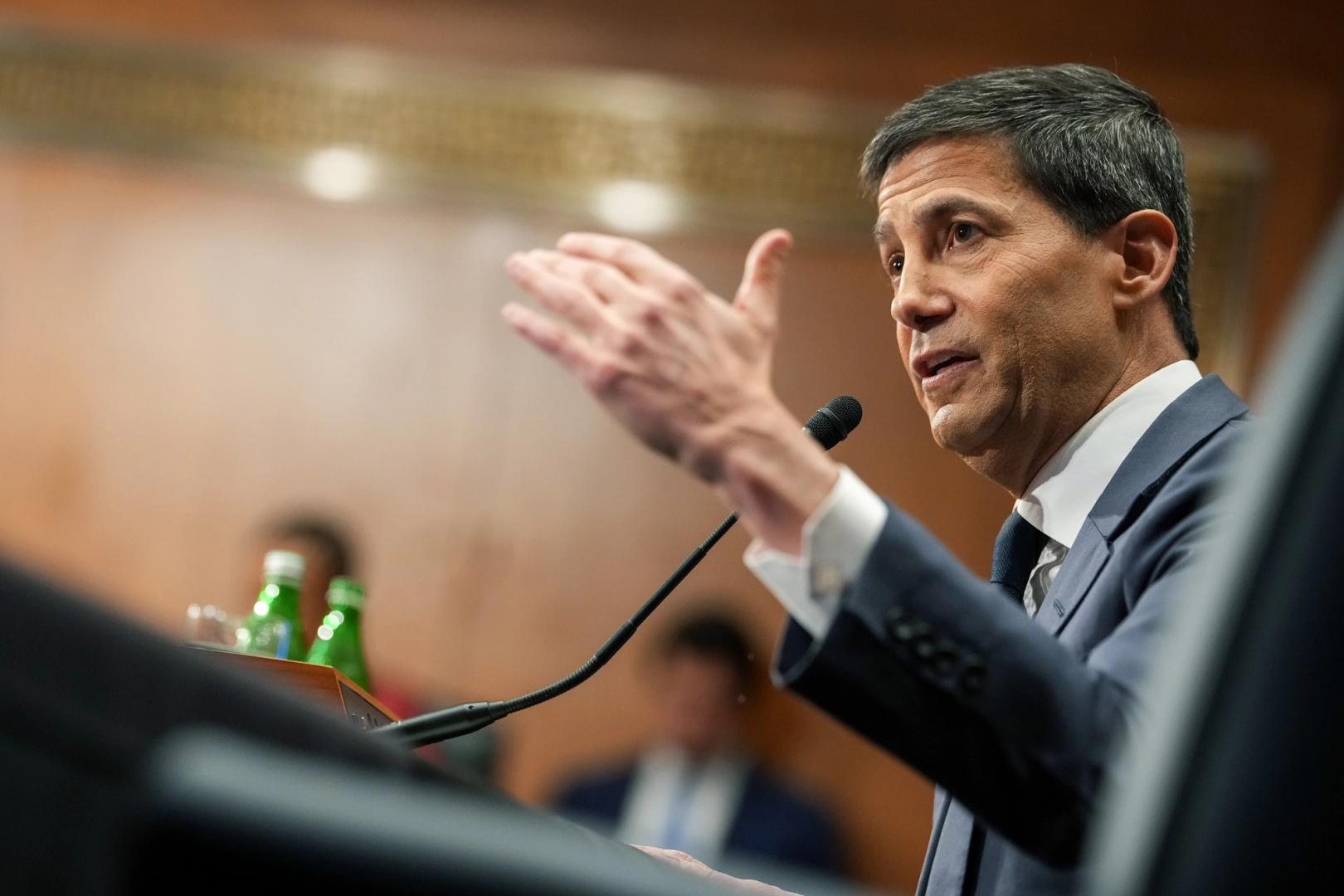
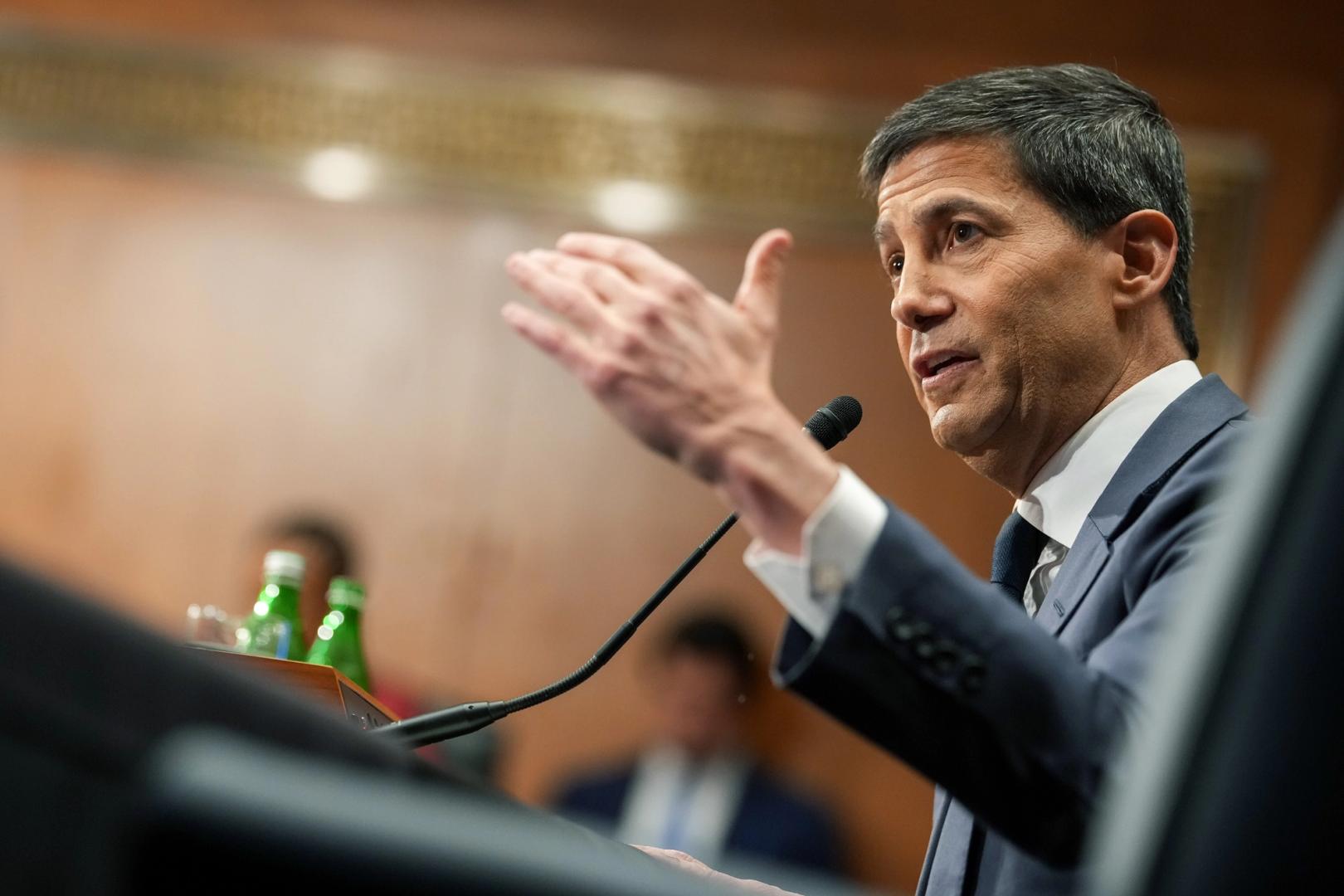
The Federal Reserve left its benchmark fed funds rate range unchanged at 3.50%-3.75% on Wednesday, a move markets had expected nearly unanimously.
“Economic activity is expanding at a solid pace despite elevated uncertainty that owes, in part, to the conflict in the Middle East,” the press release said. “Inflation remains elevated relative to the Committee’s 2 percent goal, in part reflecting supply shocks that have driven price increases in certain sectors, including energy.”
“The Committee will deliver price stability,” it added.
Policymakers are increasingly lean towards a rate hike this year, expecting the fed funds rate at 3.8% at the end of 2026, versus a 3.4% in the March projection. Easier monetary policy will not come anytime soon as they expect rates at 3.6% for 2027 and 3.4% in 2028, both higher than their previous guidance.
They also see higher inflation, with personal consumption expenditure (PCE) rising 3.6 this year and core PCE inflation at 3.3%, compared to a forecast of 2.7%-2.7% in March.
Trading around $66,000 earlier, bitcoin fell to $64,800 in the minutes following the decision, and recently stabilized around $65,300. The S&P 500 and Nasdaq 100 both dropped nearly 1%, erasing earlier gains.



The first US spot Litecoin ETF has been trading for nearly eight months, and the price of the underlying asset has barely moved. Litecoin sits near $45, down roughly 89% from its $400-plus peak, even as Canary Capital's LTCC fund and a parallel SEC/CFTC commodity classification cleared the last… Read the full story at The Defiant
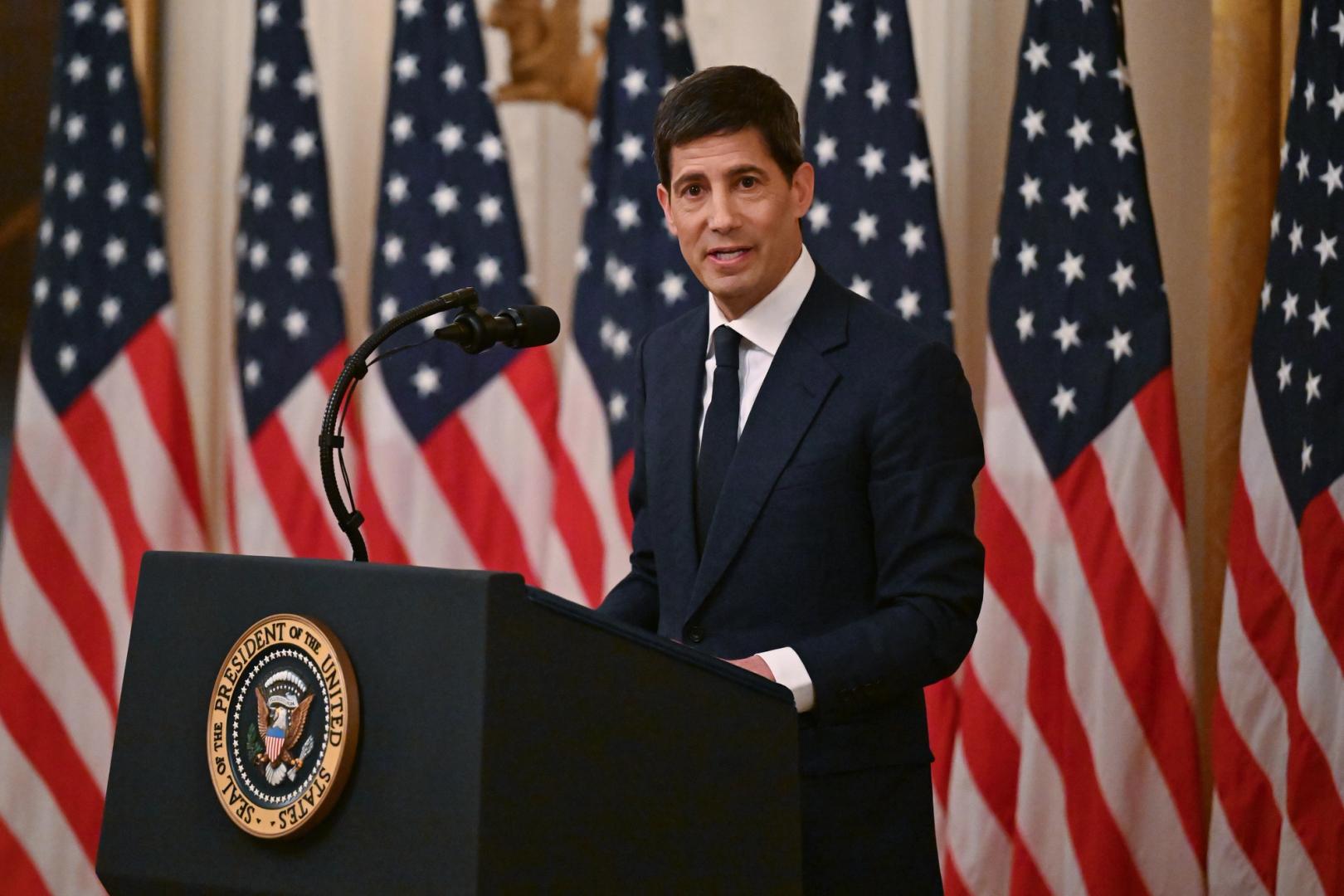
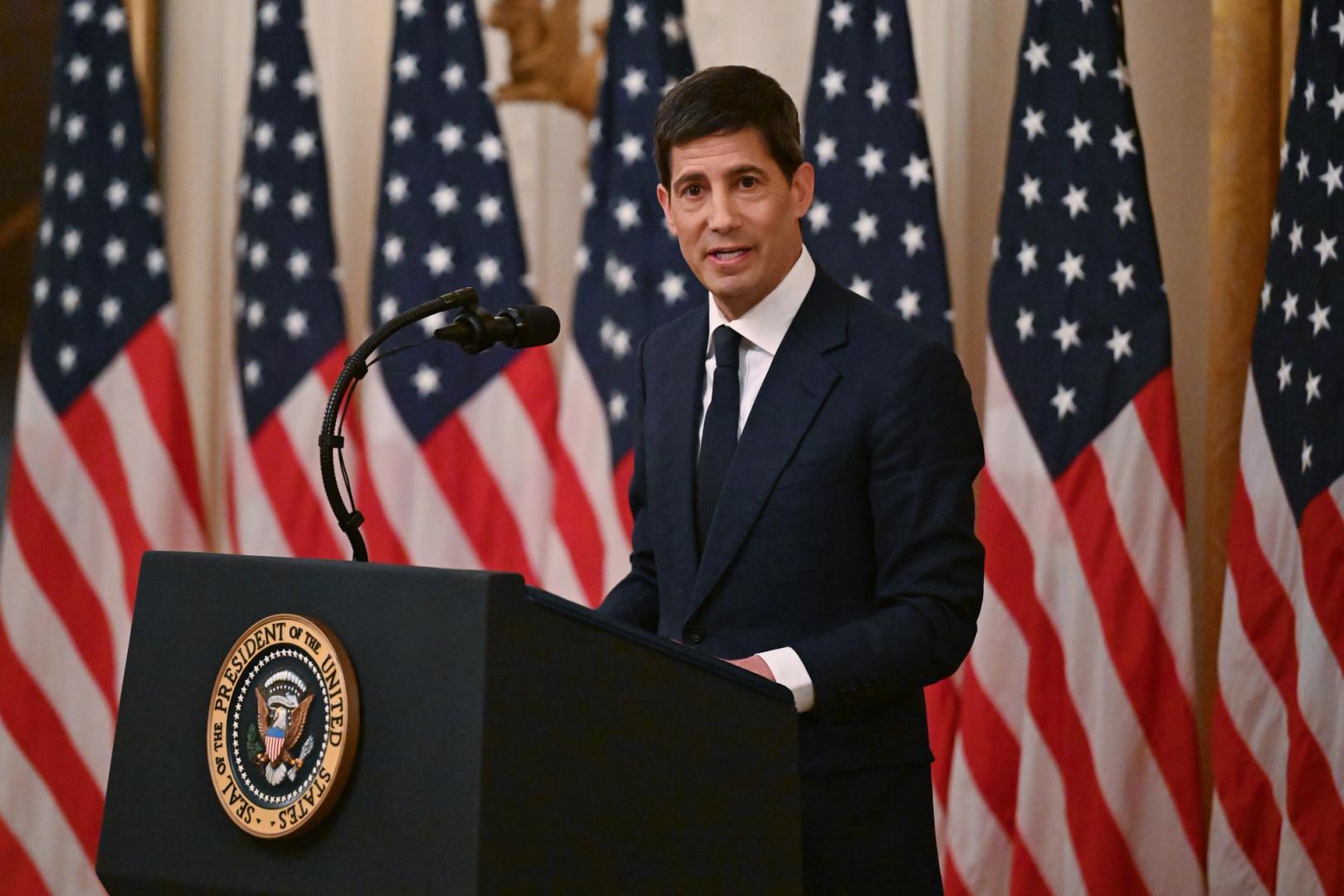
That philosophy could influence Wednesday’s meeting. Bank of America said there is a chance Warsh declines to submit his own projections to the Fed’s Summary of Economic Projections, or SEP, a move that would highlight his long-standing criticism of the central bank’s forecasting process.
“If you’re not very good at something, you should do less of it,” Warsh said at a State Street conference last year, according to the Journal. “These forecasts have been abysmal. My dots wouldn’t be perfect either, so I wouldn’t give them.”
The SEP’s “dot plot,” which shows where policymakers expect interest rates to move, has become one of the most closely watched pieces of Fed communication. Bank of America, in line with the market, expects this week’s projections to show rates remaining unchanged through 2026 before modest cuts in 2027 and 2028.
The investment bank also expects policymakers to acknowledge rising inflation risks while signaling a lower willingness to look through price shocks than in recent years.
Warsh’s first press conference as chair is likely to attract the most scrutiny. Bank of America expects him to strike a patient tone, arguing that recent inflation pressures linked to geopolitical events, such as the conflict involving Iran, may prove temporary, while avoiding any signal that rate cuts are imminent.
Crypto World
Mexican billionaire with 70% of his investment portfolio in bitcoin says it’s better than real estate
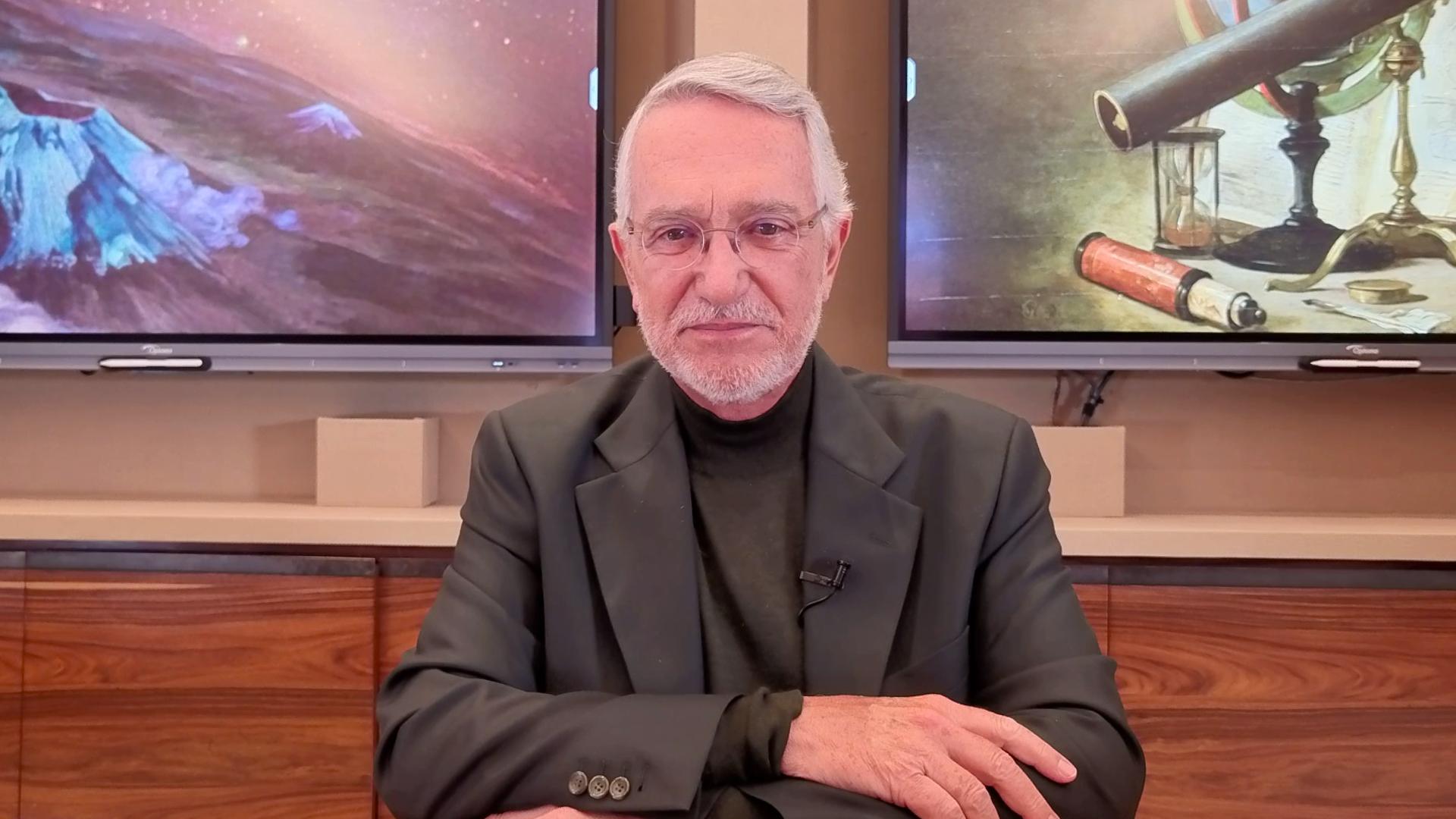
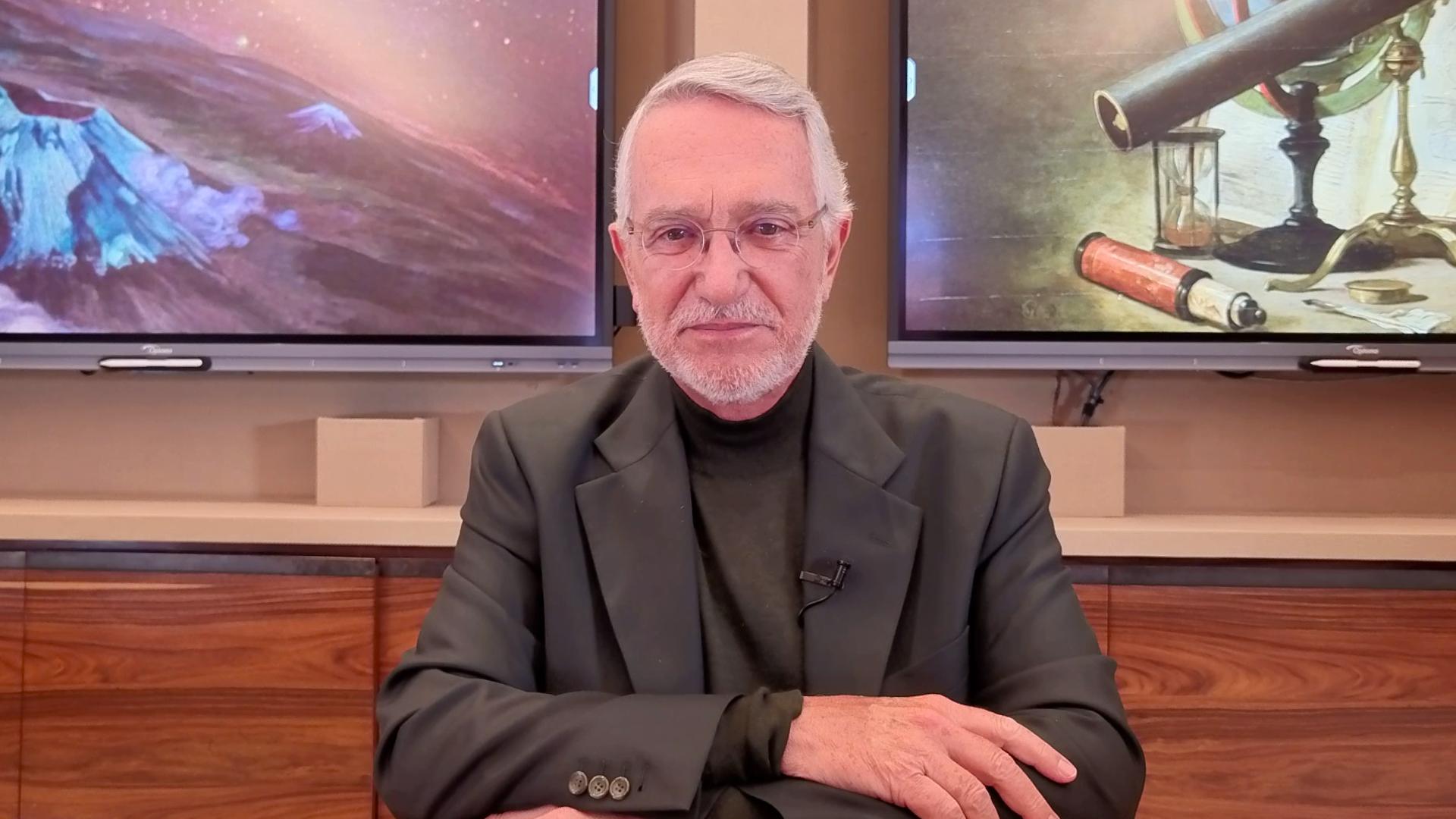
“For most people, the biggest investment, their nest egg, is their home equity. Find a way to transform that into some kind of bitcoin exposure to a larger or to a smaller degree,” he said. “So then you can bet on the asset of the house appreciating, the house asset appreciating, and the bitcoin asset appreciating.”
Salinas points to bitcoin’s long-term appreciation relative to real estate as evidence for his view. In January 2016, the price of bitcoin hovered around $400. A house in Central London sold for an average price of $1.6 million or 4,000 bitcoin. With home prices remaining basically unchanged ten years later, that same purchase would require less than 30 bitcoin.
For Salinas, that comparison illustrates why he believes bitcoin outperforms traditional stores of value such as real estate over the long term.
“It’s an asymmetrical bet to the upside,” he said. “The more people find out about bitcoin, the more demand there will be.”
The ‘fiat fraud’
Salinas, who has emerged as a potential presidential candidate in Mexico for the 2030 election, traces his deep belief in fiat devaluation to a time long before digital currency even existed. Back when then-President Richard Nixon severed the U.S. dollar’s direct convertibility into gold, ending the gold standard.

TLDR:
- The Fed voted 12-0 to hold rates at 3.5–3.75%, but raised inflation forecasts and slowed its rate-cut outlook.
- Bitcoin fell 2.2% to $64,150 while Ether dropped 3.6%, with XRP and Solana each losing around 3%.
- The GMCI 30 dropped 2.6%, pushing its year-to-date decline to nearly 36% across the broader market.
- Warsh ditched Powell’s forward-guidance style, opting for shorter, fact-based statements with no market direction.
Crypto markets retreated Wednesday after the Federal Reserve held interest rates steady but delivered a hawkish policy outlook.
The Federal Open Market Committee voted 12-0 to maintain its target rate at 3.5% to 3.75%. The decision came during Kevin Warsh’s first meeting as Fed chair.
Updated projections pointed to slower rate cuts ahead, rattling risk assets across the board. Bitcoin, Ether, and several altcoins fell between 1% and 3% following the announcement.
Markets React to a Hawkish Policy Signal
Bitcoin traded near $64,206 as of writing, down roughly 2.54% over the prior 24 hours. Ether shed 2.8%, while XRP and Solana each declined around 3% according to CoinGecko data. Hyperliquid’s HYPE token, which hit a new all-time high just a day earlier, pulled back 1.5% to $72.
The GMCI 30, tracking the 30 largest cryptocurrencies by market cap, dropped roughly 2.6%. That move extended its year-to-date decline to nearly 36%. Traditional safe-haven assets weren’t spared either, with gold sliding 2.2% and silver shedding a sharper 4%.
Matt Mena, senior crypto research strategist at 21Shares, framed the broader picture: “Taken together, the picture is one of a crypto market absorbing a hawkish macro backdrop while rotation and genuine demand continue to surface in the strongest names.”
The rate hold itself was broadly anticipated and mostly priced in before the meeting. What caught markets off guard was the tone of the updated Summary of Economic Projections, which flagged persistent inflation concerns despite easing geopolitical tensions and softer energy prices.
Warsh Charts a New Course for Fed Communication
Wednesday’s meeting marked more than just a rate decision—it offered the first look at Warsh’s communication style as chair.
His policy statement was notably shorter than those issued under former chair Jerome Powell. It also dropped the forward-guidance language that Powell used consistently throughout his tenure.
Warsh described the new format as focused on presenting “the facts” rather than steering market expectations. That approach aligns with his long-standing skepticism toward forward guidance, which he has argued ties the Fed’s hands unnecessarily.
Mena addressed the weight of the occasion directly: “The Fed’s decision to hold rates was fully expected, but it carried unusual weight as the first meeting chaired by Kevin Warsh.”
He added that “the real signal came from the updated projections,” pointing to revised forecasts that suggest policymakers remain wary of inflation pressures despite some easing on the energy front.
The committee’s updated dot plot marked a meaningful shift from March projections. Policymakers now see a slower path toward lower rates than they did just three months ago.
That pivot, combined with Warsh’s leaner communication style, set a more cautious tone for markets heading into the second half of 2026.



Audits are accomplishing exactly what they are designed to do — discovering errors in the code. And they’re working. Fewer attacks than before take advantage of faulty code to steal platform funds.
The problem, however, is that we’re seeing a growing disconnect between what audits examine and what attackers actually exploit. Today, the industry’s largest losses don’t actually originate from traditional smart contract vulnerabilities. Rather, they come from compromised private keys, governance manipulation, insider compromise, malicious dependency updates and operational failures.
As brilliant as they are at identifying code vulnerabilities, traditional audits cannot prevent a developer from falling victim to a phishing campaign. The best code in the world can still sit atop vulnerable operational infrastructure.
In fact, our research shows that, when measured by financial damage, these operational exploits are often far more devastating than code vulnerabilities themselves. The industry has invested enormous resources into reducing smart contract risk, but the costliest attack vectors remain comparatively under-defended. It’s like the industry is still focused on defending against the last generation of attacks, whereas malicious actors have moved on to different strategies.
Audits alone create a dangerous illusion of safety
Platforms frequently advertise the number of audits they have completed, the reputation of the firms they hired, or the volume of findings identified during review. These have become shorthand indicators for whether a project is safe.
Moody’s Ratings is rolling out its credit ratings to Solana (SOL), allowing issuers of tokenized bonds and other fixed-income securities to embed the firm’s assessments directly into blockchain-based assets.
The move, announced Wednesday in partnership with Solana-focused tokenization specialist Alphaledger, expands Moody’s Token Integration Engine (TIE) to a major public blockchain after its first deployment earlier this year on the institutional-focused Canton Network (CC).
The move builds on a pilot project completed last year, when they demonstrated how municipal bond ratings could be attached directly to tokenized securities on Solana.
Tokenization — the process of creating blockchain-based versions of traditional assets — has become one of the fastest-growing areas of finance. Asset managers including BlackRock, Franklin Templeton and Apollo have launched tokenized funds and credit products, while Boston Consulting Group and Ripple estimate the market could reach $18.9 trillion by 2033.
As tokenization gains traction, financial firms are increasingly focused on bringing the infrastructure surrounding traditional assets onto blockchain rails. That includes ownership records, pricing data, compliance information and credit ratings.
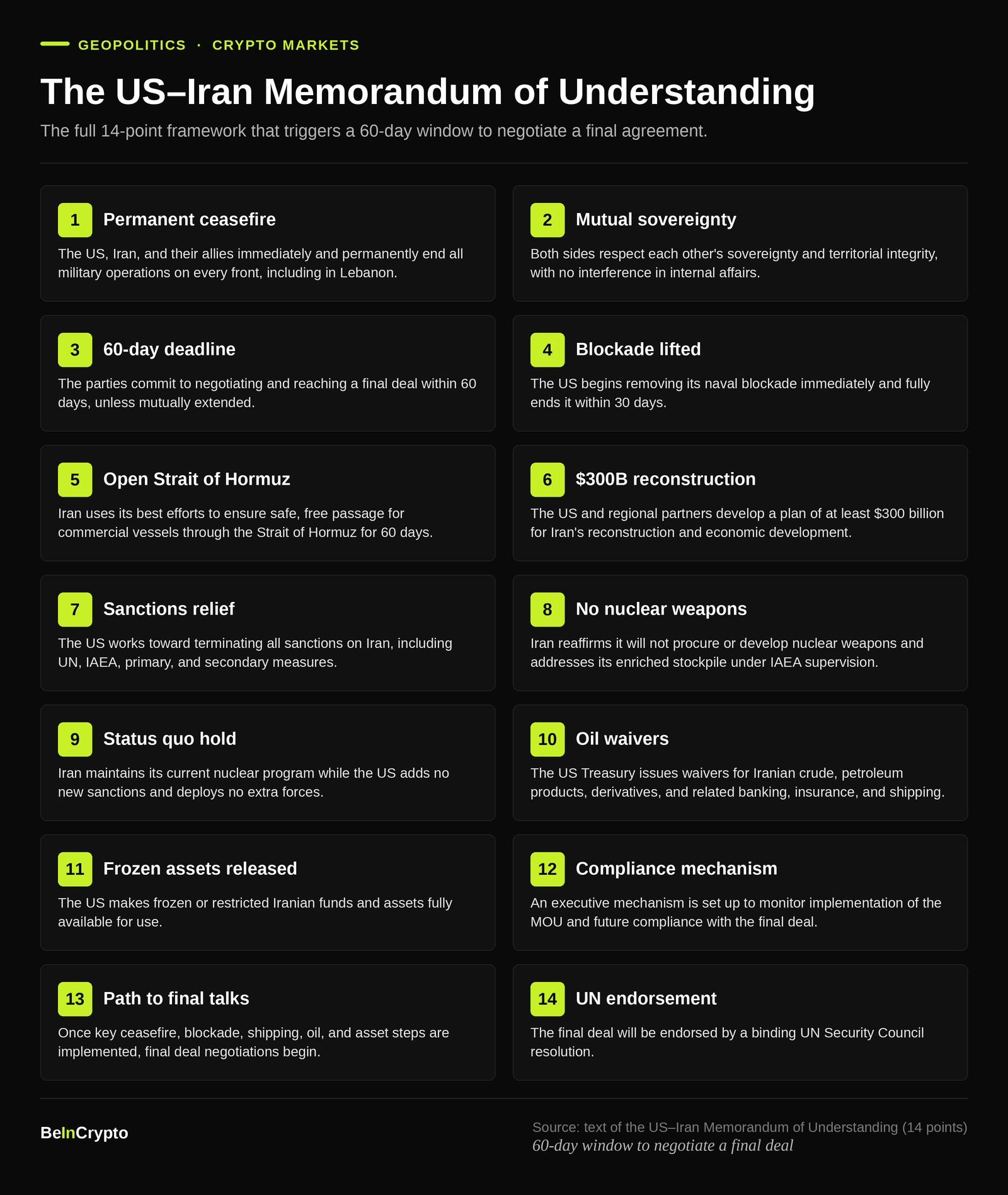
President Donald Trump said the stock market drove his decision to back the Iran deal, calling it “more brilliant than anybody” as equities hit record highs after Sunday’s ceasefire agreement.
The U.S. president said share prices rose each time peace looked likely and fell whenever talks stalled, treating the market as a live referendum on his Middle East strategy.
A Market Read on the Iran Deal
Trump made the comments at a G7 conference in France, hours after announcing the Sunday agreement with Iran.

He cast the rally as proof the deal was working, and as the reason he chose negotiation over more bombing.
According to Trump, the market reacted to every signal coming out of the talks.
“The stock market is quite brilliant. Every time we said something amazing like we are going to settle, it would go up. Every time we said something negative … it would go down very big.”
Follow us on X to get the latest news as it happens
The framing fits a long pattern. Trump has treated equity indexes as a real-time scorecard for his presidency since his first term, and here he used them to justify ending the strikes.
Record Highs and a Resilient Stock Market
The numbers gave him cover. The S&P 500 closed at a record 7,554.29 on June 15, up 1.65%, while the Dow added 468.77 points for its own record finish near 51,671.
The Nasdaq jumped 3.07%. Oil has fallen roughly 20% from its 2026 peak as a Hormuz reopening came into view, easing the inflation pressure Trump blamed on the conflict.
“The stock market surged to record highs, picking up thousands of points over the last short period of time.”
He also argued the market held up better than he feared during the strikes on Iran, a move that briefly rattled stocks and oil.
“I thought the stock market would go down 25% or 30%. The stock market a week ago before we started this was higher than when we started, which tells you we have a very resilient economy.”
Trump returned repeatedly to a historical yardstick, naming the one predecessor he said he never wanted to resemble.
“He raised taxes too fast and raised interest rates too fast, all at the same time. And it caused the Great Depression.”
Herbert Hoover sat in the White House during the 1929 crash that opened the Great Depression.
For Trump, rising markets were the proof he had dodged that fate.
What it Means for Crypto
Trump predicted the gains would continue as energy prices fall and Hormuz traffic resumes.
“Trillions of dollars will be made by the world, and the stock market will … continue to rise.”
Crypto sits on the same risk curve. Bitcoin (BTC) trades near $64,200 after slipping more than 2% in a day, pressured once the Federal Reserve cooled rate-cut bets, a turn that punished leveraged shorts.

The token had popped above $67,000 on the ceasefire headlines before fading.
Analysts warn Bitcoin still trades as a high-beta risk asset tethered to equity sentiment.
The post Trump Finally Reveals Why He Backed Iran Deal appeared first on BeInCrypto.
Crypto World
Chairman Warsh abstains from giving rate forecast as several members signal a hike in 2026
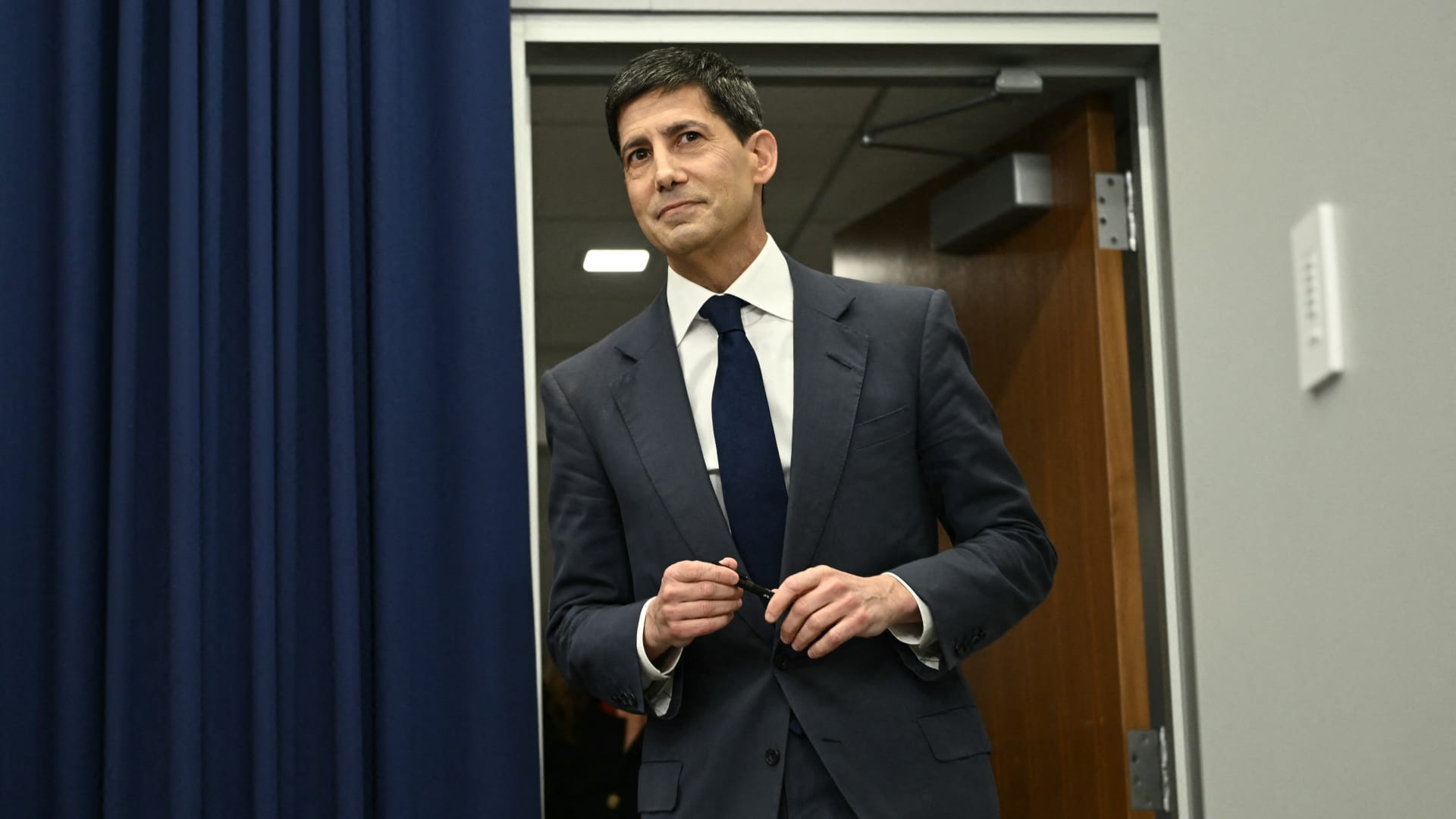
US Federal Reserve chairman Kevin Warsh arrives for a press conference in Washington, DC, on June 17, 2026.
Brendan Smialowski | Afp | Getty Images
The Federal Reserve’s latest projections pointed to one rate increase in 2026, though the outlook was complicated by the absence of a forecast from Chairman Kevin Warsh.
Nine of 18 officials projected that the federal funds rate would end 2026 above its current range of 3.5% to 3.75%. However, the outlooks missed one participant, and Warsh confirmed in the news conference after the Fed meeting that he refrained from offering any forecast of his own.
The median projection now calls for the federal funds rate to end 2026 at 3.8%, up from 3.4% in the Fed’s March summary and a quarter percentage point above the current target range. The central bank left interest rates unchanged at the conclusion of Wednesday’s meeting, the first gathering under Warsh.
“I did not submit a dot for me. It’s not helpful in the conduct of policy,” Warsh said in the news conference.
Warsh, who just took over as Fed chairman, has signaled a desire to overhaul the central bank’s communications strategy, contending that officials may provide too much forward guidance and place excessive emphasis on mapping out the future path of monetary policy.
The Fed’s policy statement also underwent a far more extensive rewrite than is typical. In recent years, changes have often been limited to a handful of words or sentences, but Wednesday’s statement was dramatically pared down.
The Fed chief said Wednesday that the central bank plans to review its communications practices by year-end, including news conferences, the dot plot, meeting schedules, transcripts and minutes, and said he was “open-minded” about potential changes.

Matter Labs is reshuffling its team as the company moves to a permissioned privacy chain called Prividium.
The layoffs will include senior engineers, designers, and operators who are no longer aligned with the new direction.
Founder Explains Layoff Decision.
Alex Gluchowski, the company’s CEO, confirmed the news on social media, noting that the decision followed the company’s 2024 shift toward building products for regulated financial institutions.
“Today we reduced the size of the Matter Labs team. This was my decision, and I want to explain it,” he wrote.
According to him, Prividium has since become Matter Labs’ main focus, with the firm now fully committed to building tools that help businesses move on-chain.
The founder added that as the project developed, the company gained a clearer understanding of what customers needed, which heavily influenced the direction of Prividium and the type of talent required to move it forward. As a result, some roles that made sense during earlier stages of building were no longer the best fit for the firm’s current priorities. This, he said, is what prompted the restructuring decision.
The firm’s website states that Prividium is an Ethereum-based blockchain platform for financial institutions and fintech companies that gives organizations a way to do transactions securely while being compliant. Additionally, the product is built on a privacy-focused, permissioned Layer-2 blockchain powered by zero-knowledge technology.
“To everyone leaving, thank you for what you built here, and for the standard you set,” he concluded.
Alex said the move wasn’t a reflection on the employee’s abilities and contributions, adding that the engineers, designers, and operators impacted were some of the best he has worked with. The workers who left have also reportedly been offered financial help and support as they go through the transition.
Community Remains Divided Over Job Cuts
The community’s reaction to the news has been mixed, with some excited about the project and others asking where the $450 million that Matter Labs raised to develop the product had gone.
“Could you please explain? You raised $450 million in investment to develop the product. Where’s the money? And why are you asking for more and laying people off?” they wrote.
Meanwhile, this isn’t the first time the firm has had to let go of its employees. The company also downsized its team in the midst of a pivot toward privacy-focused tools in 2024, with the firm saying that the restructuring was necessary to align its workforce with new priorities rather than a short-term cost-cutting measure.
The post ZKsync Creator Announces Layoffs as It Pivots to Permissioned Privacy Chain appeared first on CryptoPotato.


Privacy-tech firm Zama said Wednesday it is launching the first DeFi yield product for Confidential USDC, opening deposits June 23 through a vault built on Morpho and curated by Steakhouse Financial. The product extends fully homomorphic encryption from simple token transfers into a productive… Read the full story at The Defiant

Litecoin Spot ETF Sits at $9M as Altcoin-ETF Era Tests Its Demand Thesis
The Vikings’ Speedy WR is Still Jockeying for Position Despite 3rd Round Investment

Microsoft Working To Patch ‘RoguePlanet’ Zero-Day


-

 Business3 days ago
No Jackpot Winner as $257 Million Prize Rolls Over to $269 Million Monday Draw
-

 Fashion5 days ago
Weekend Open Thread: Tuckernuck – Corporette.com
-

 Crypto World6 days ago
Oppenheimer backs SpaceX as $70 billion retail frenzy builds
-

 Crypto World6 days ago
Markets Rally as SpaceX IPO Looms Amid Iran Tensions and Inflation Surge
-
Crypto World3 days ago
Zimbabwe Requires Crypto Businesses to Register Annually Under New FIU Regulations
-

 Tech5 days ago
NanoClaw integrates JFrog registries to secure AI agent downloads
-

 Crypto World5 days ago
Bitget enters Argentina’s regulated crypto market through PSAV registration
-

 Tech5 days ago
This Week In Security: Microsoft On Microsoft, Register Your Domains, Linux On ARM, And FreeBSD Joins The File Cache Club
-

 NewsBeat6 days ago
El Nino has formed in the Pacific and could set records, forecasters say
-
 Tech6 days ago
Dutton Ranch star claims they ‘didn’t see any disruption’ on set following Chad Feehan’s exit from Yellowstone spinoff fueled by Taylor Sheridan clash rumors
-

 Politics6 days ago
Politics Home | Healey Resignation Is “Colossal Failure Of Government”, Says Former Labour Defence Secretary
-
 Entertainment6 days ago
Donnie Wahlberg & More Heat Up Las Vegas at Circa’s Barry’s Downtown Prime
-
 Tech6 days ago
Opendoor Ends India Operations, Fueling a Bigger Conversation About AI and Outsourcing
-

 Politics6 days ago
Belfast burns, while Met chief points finger at Iran and Russia
-

 Sports6 days ago
First Time Since 1971: Australia Register Historic Low In ODI Cricket
-

 NewsBeat5 days ago
FBI searches office of Ohio voter registration group
-

 Business6 days ago
AT&T: Verizon's 27% Outperformance Sets Up A Solid Entry Point
-
 Tech6 days ago
Anthropic is spending $150M to embed 1,000 AI fellows inside nonprofits. No degree required.
-

 Politics6 days ago
Modi thanks Trump for wishes as US attacks Indian seafarers
-
 Entertainment6 days ago
‘The Pitt’s Fan-Favorite Doctor Confirms Noah Wyle Gave His Blessing to Return [Exclusive]
You must be logged in to post a comment Login