

Crypto World
Hyperliquid Whale Refuses to Close HYPE Short Despite Being Down $22M

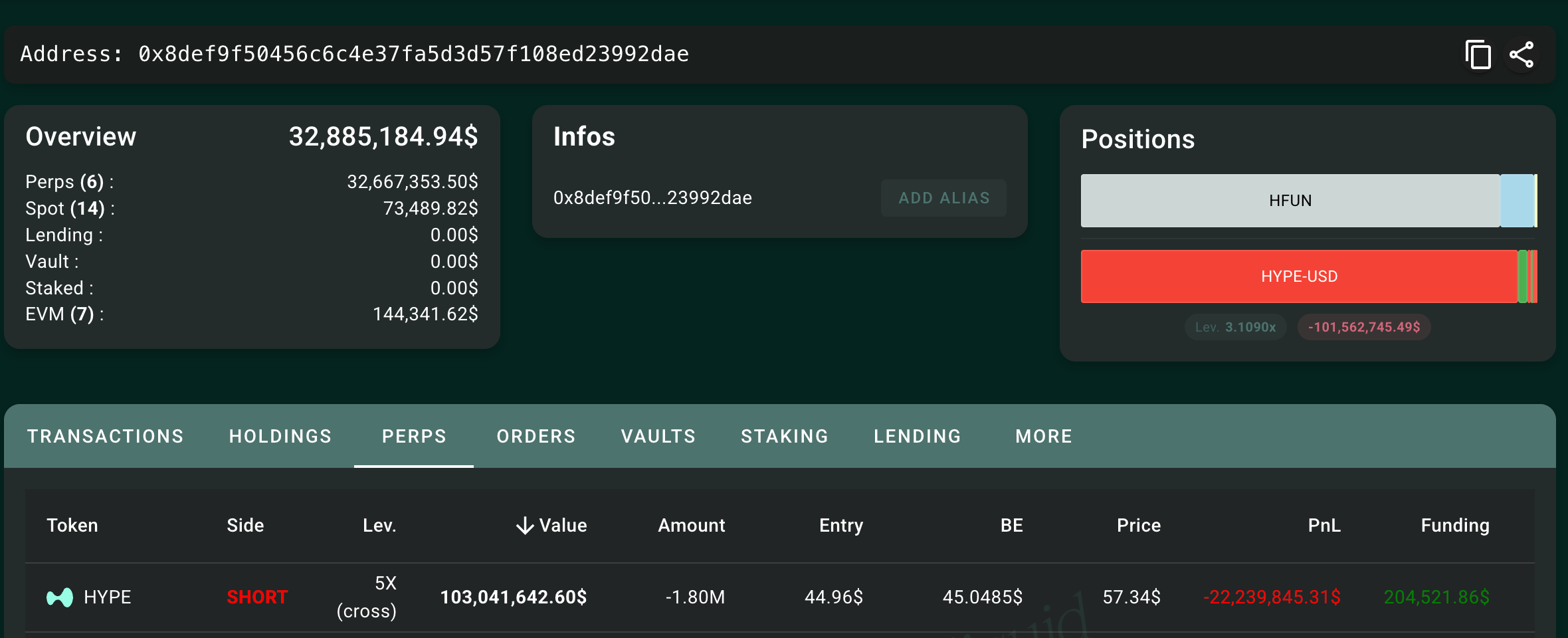
A Hyperliquid (HYPE) whale is refusing to close a massive short position even as the token’s rally leaves the trader sitting on more than $22 million in unrealized losses.
Key takeaways:
- HYPE’s 134% year-to-date rally, rising ETF inflows and fresh whale accumulation may deepen squeeze pressure on the short seller.
- Technical setups suggest a potential 20% pullback toward $51.5–$45.
HYPE whale increases short exposure to over $100 million
As of Thursday, the wallet ‘0x8ef…’ held a 5x cross-margin short on 1.80 million HYPE, worth about $102.98 million, with an entry price near $44.96, according to HypurrScan data.
With HYPE trading around $57.30, the position was down roughly $22.18 million. The trader had earned about $204,522 in funding, but that barely offset the growing losses as HYPE rallied nearly 8% intraday.
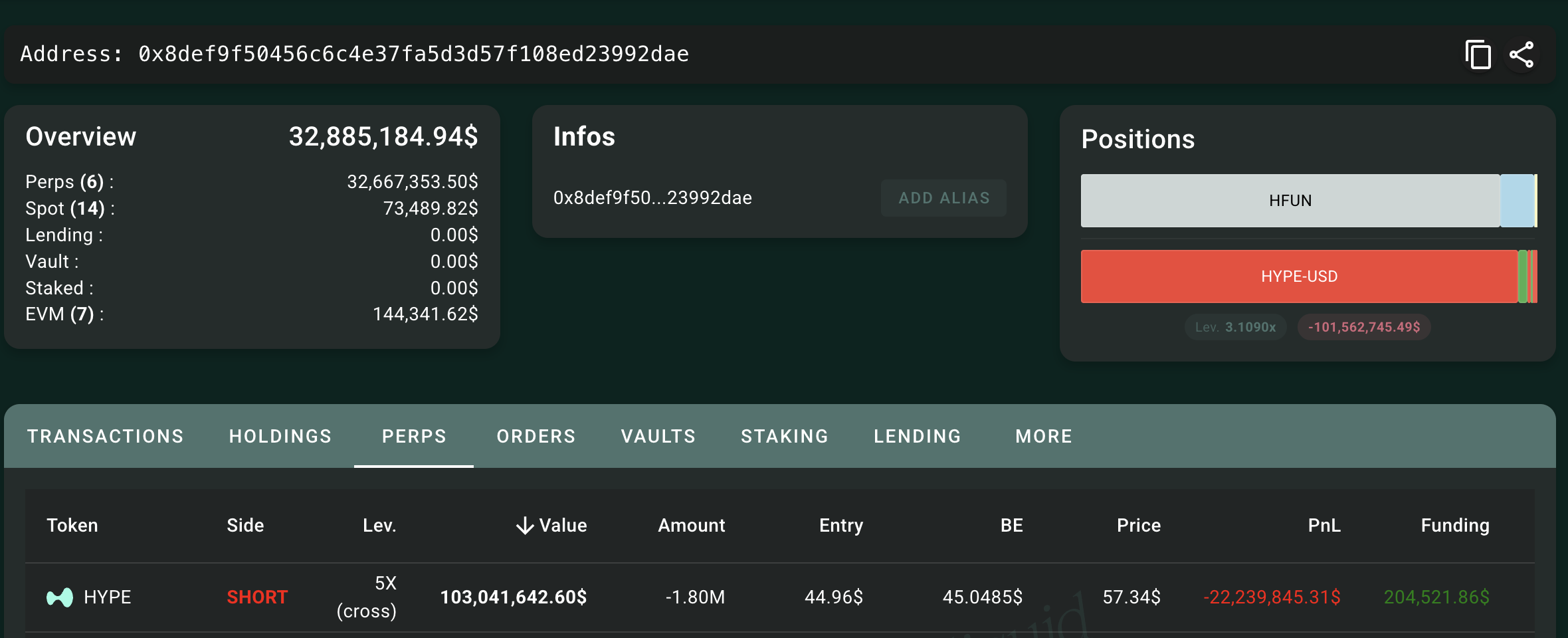
HYPE whale’s perpetual positions dashboard. Source: HypurrScan
The short exposure was worth about $95 million earlier on Thursday, suggesting the whale has increased its exposure despite mounting losses. It risks liquidation if the HYPE price rises to around $69.
Strong HYPE accumulation may deepen whale’s losses
HYPE has emerged as one of the best-performing cryptocurrencies so far in 2026, up about 134% compared to the crypto market’s 16% drop.
A huge chunk of those gains surfaced in May as market attention turned to newly launched US spot HYPE ETFs and Coinbase’s role as the official treasury deployer for USDC on Hyperliquid.
Since the May 12 launch, these ETFs have attracted $58.73 million amid a steady increase in daily inflows, according to data resource SoSoValue.
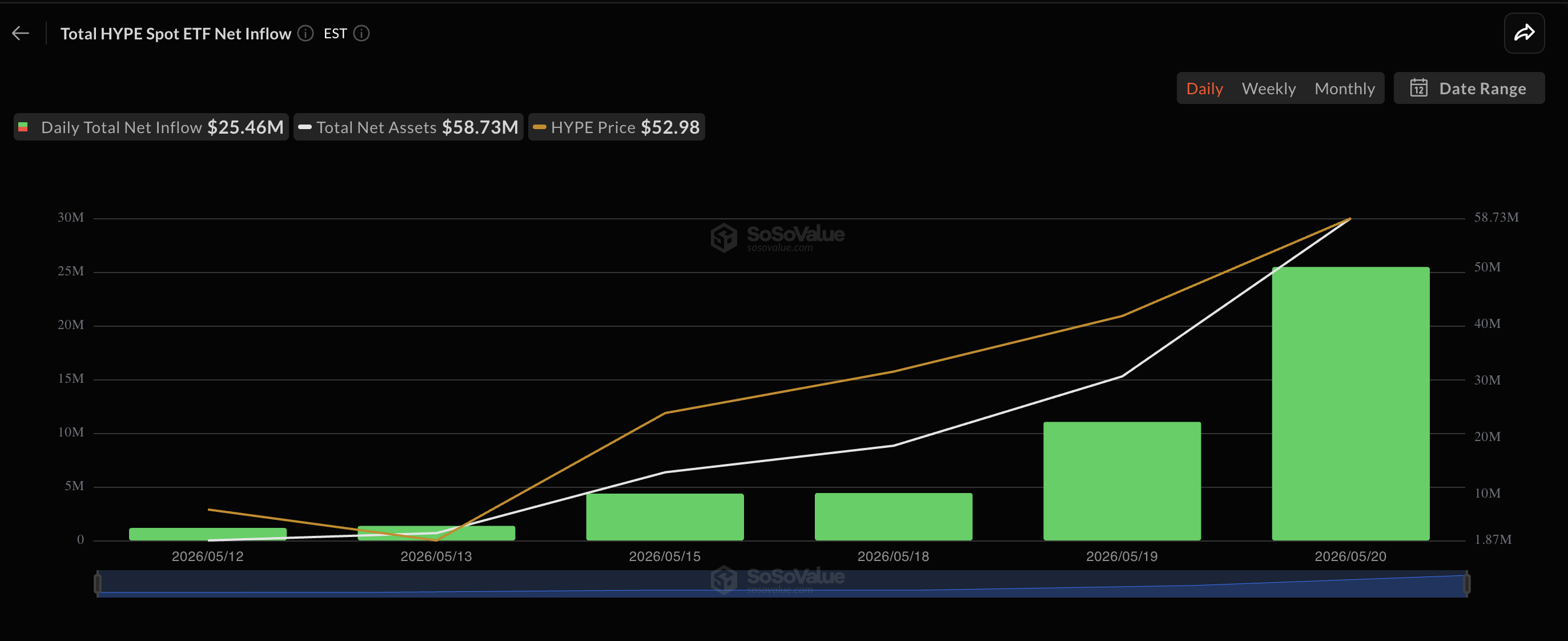
US spot HYPE ETFs net inflows. Source: SoSoValue
A wallet linked to Galaxy Digital bought 158,100 HYPE worth $8.8 million in two hours, while a new wallet withdrew 536,247 HYPE worth $29.87 million from Coinbase over two days, according to data resource Arkham Intelligence.
Together, they accumulated or withdrew around 694,500 HYPE, valued at nearly $38.67 million. Such moves may deepen losses for the already underwater short seller.
Related: Hyperliquid eyes 55% price rise after Silicon Valley investor’s ‘massive HYPE buy’
As of Thursday, Hyperliquid had witnessed $36.33 million in liquidations on a 24-hour rolling basis, according to CoinGlass. Shorts accounted for $34.29 million, or about 94% of the total, while long liquidations were only $2.03 million.
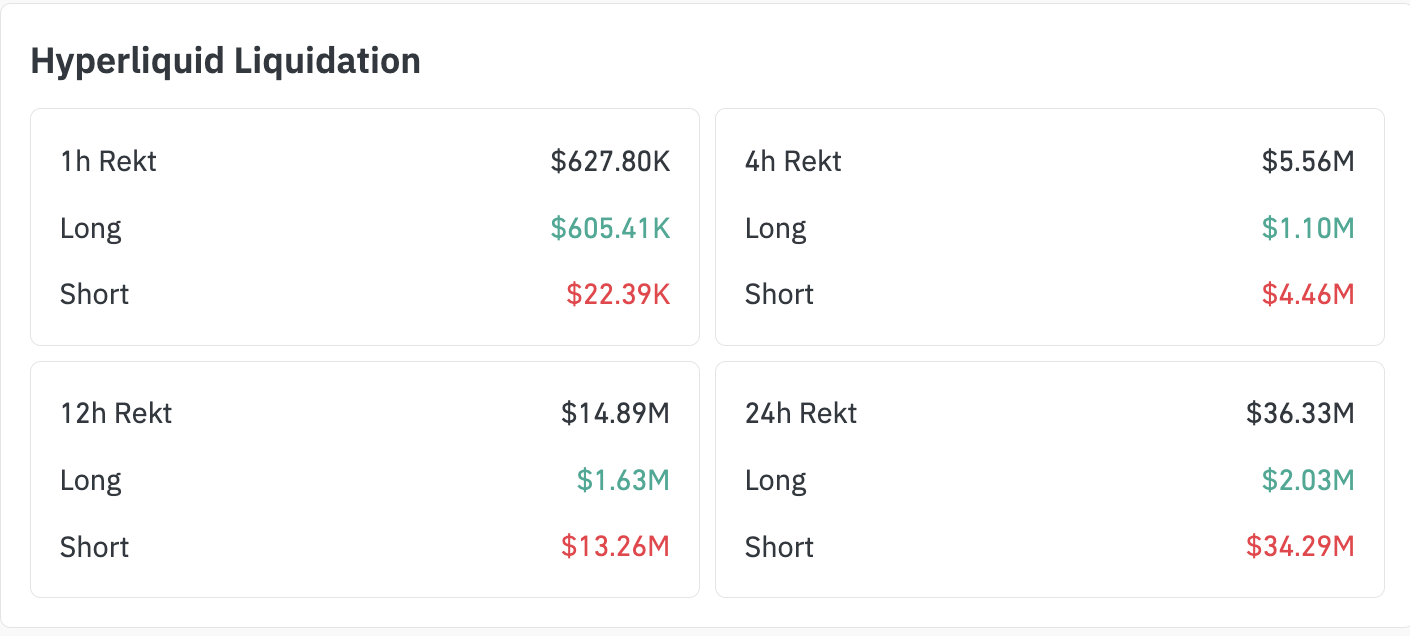
Hyperliquid liquidation data. Source: CoinGlass
That shows HYPE’s rally is heavily driven by forced short covering, increasing squeeze risk for the underwater whale if prices keep rising.
HYPE technicals hint at a 20% correction
HYPE’s rally is showing signs of upside exhaustion as the price tests the upper boundary of its ascending channel.
That resistance zone sits near $59–$60, the same area that marked HYPE’s September 2025 record high before plunging by over 65%.
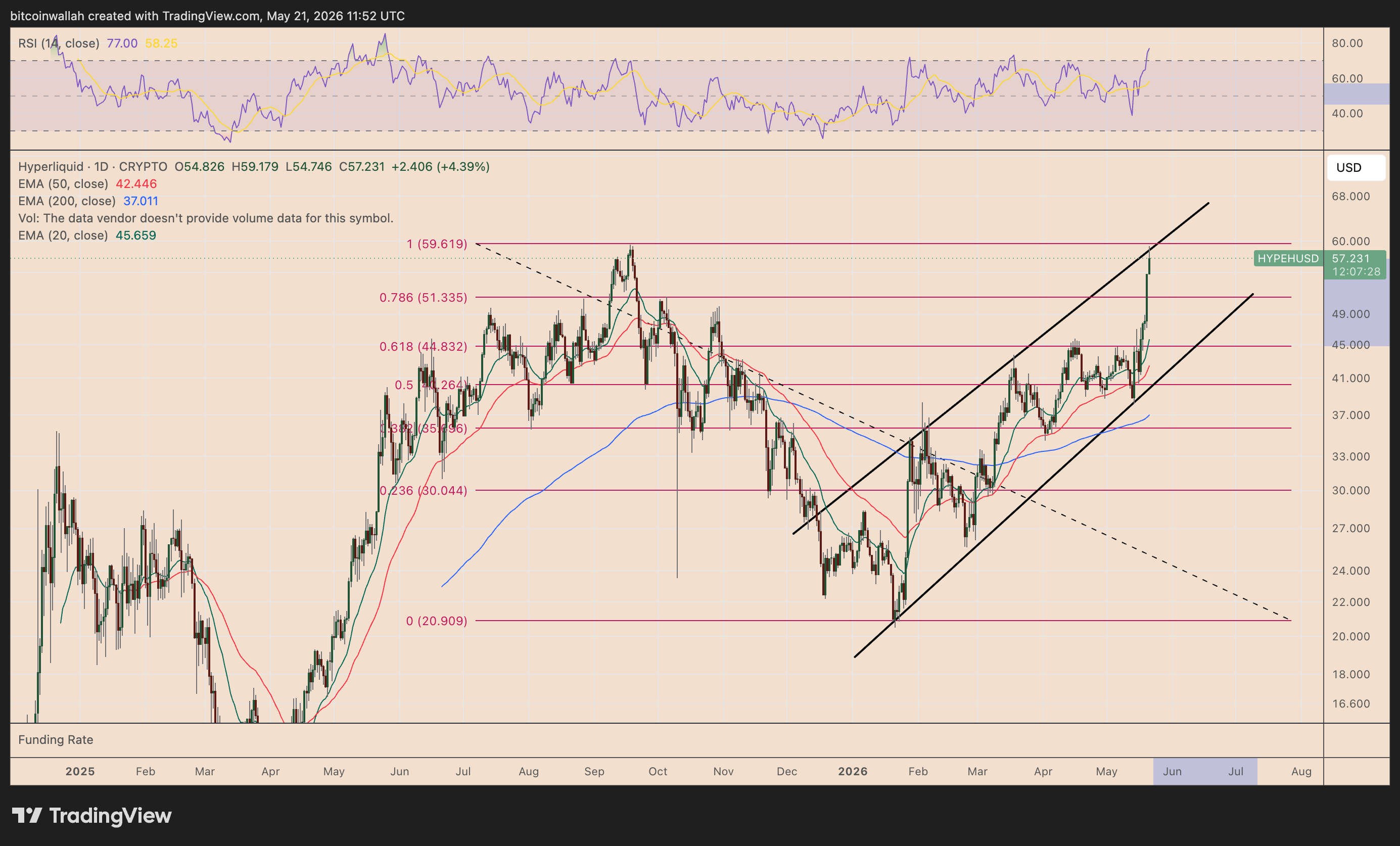
HYPE/USD daily chart. Source: TradingView
Its daily relative strength index (RSI) has also climbed to around 77, the highest level since May 2025, putting HYPE firmly in overbought territory.
A pullback from this resistance confluence could send HYPE toward the 0.786–0.618 Fibonacci retracement range, near $51.5–$45. This range aligns with the channel’s lower trend line.
In other words, HYPE price risks a decline of up to 20% from current levels if traders start taking profits near the channel top.
The short seller would recover roughly $10.4 million–$22.1 million from current levels, though the trade would only turn profitable below the $44.96 entry price, excluding funding and fees.

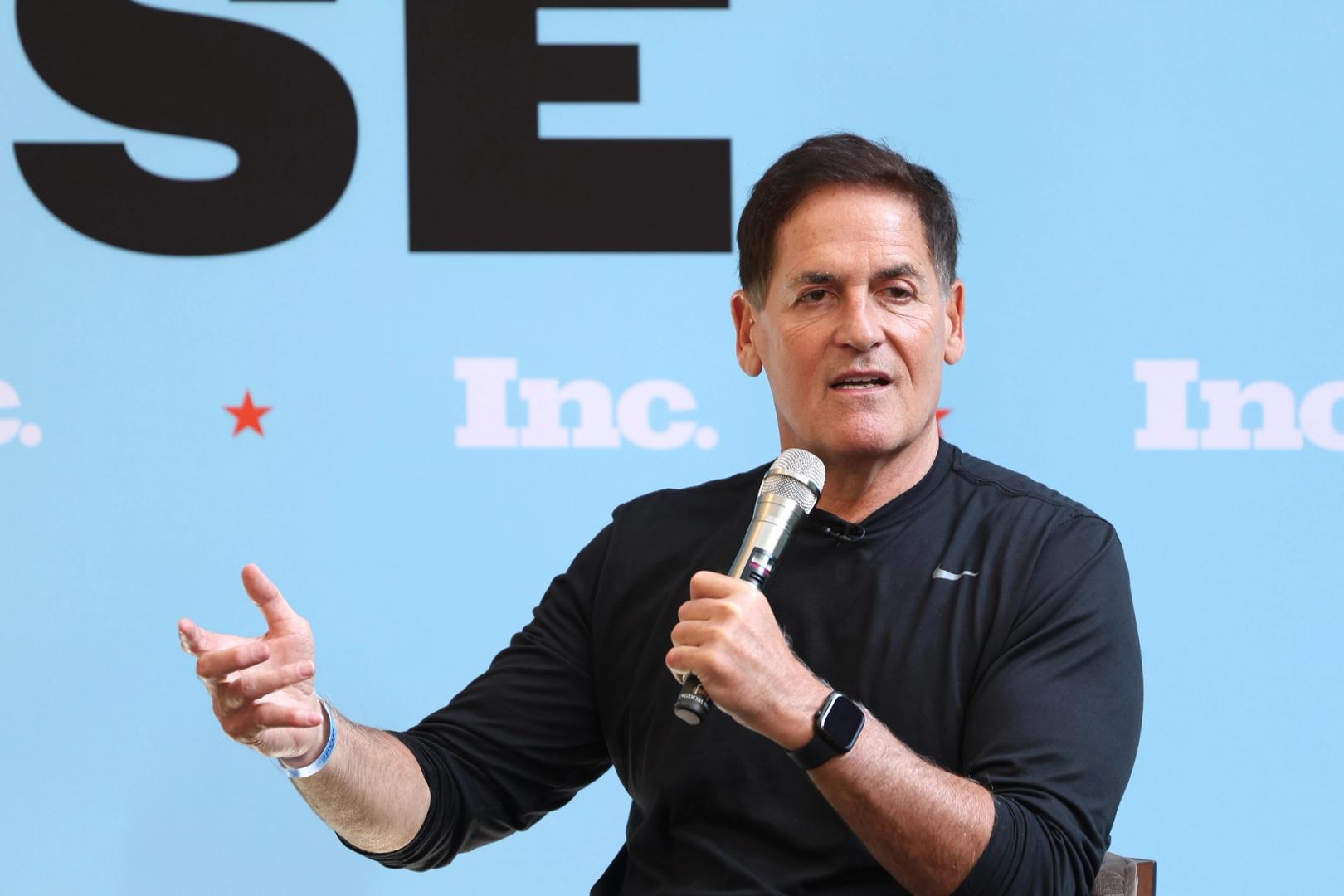
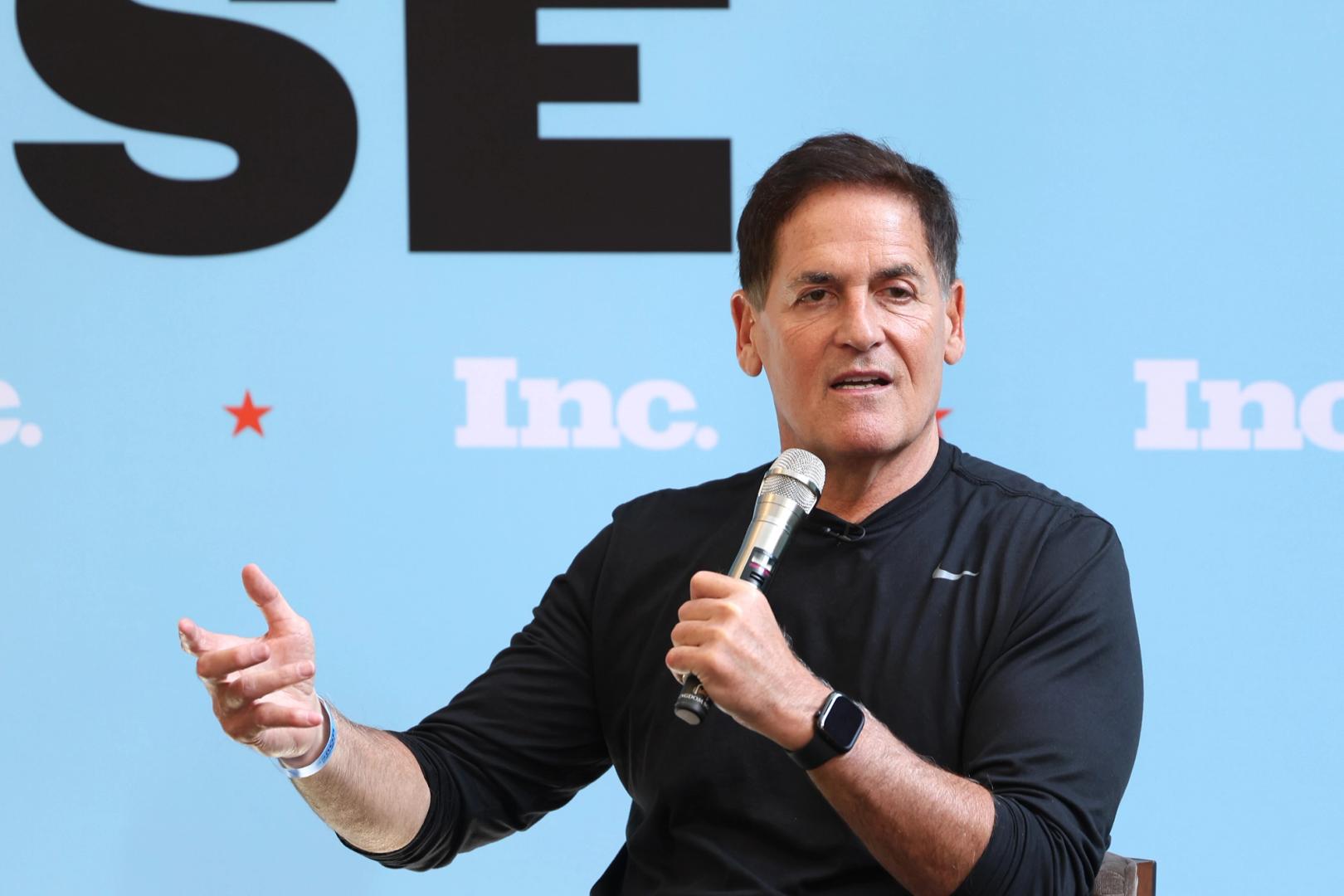
Billionaire investor Mark Cuban said he has sold most of his bitcoin holdings after losing confidence in the cryptocurrency’s role as a hedge against weakening fiat currencies and geopolitical instability.
Cuban, who’s net worth is about $10 billion, said bitcoin’s price behavior during the recent Iran conflict challenged one of the core reasons he owned the asset during an episode of sports podcast “Portfolio Players,” where he mainly discussed professional sports and his ownership of the Dallas Mavericks.
“When all this shit hit the fan with the Iran war, bitcoin was always the best alternative to fiat currency losing its value and I always thought it was a better version of gold than gold. Well, gold just blew up… bitcoin dropped. And every time the dollar dropped, bitcoin should’ve gone up … and it just didn’t do that,” Cuban said.
The comments mark a notable shift for Cuban, who for years had publicly defended bitcoin as a superior version of gold because of its fixed supply and decentralized structure.
In a 2021 interview with “The Delphi Podcast,” Cuban said his crypto portfolio consisted of roughly “60% bitcoin, 30% Ethereum and 10% the rest.” At the time, he argued bitcoin’s scarcity made it a stronger store of value than gold and said he had “never sold it.”
Cuban also compared blockchain technology and smart contracts to the early internet era, at the time, particularly praising Ethereum (ETH) for enabling decentralized finance applications and NFTs.
His latest remarks suggest that enthusiasm has cooled, at least towards bitcoin.
“Not the hedge I expected it to be, and that was really disappointing, and so I’d say I’m more disappointed in bitcoin, not as disappointed in Ethereum and the rest … garbage,” Cuban said.
The criticism comes as investors continue debating bitcoin’s role in global markets. Supporters often describe the asset as “digital gold” that can protect wealth during inflation, geopolitical instability or weakness in traditional currencies. Yet bitcoin has frequently traded more like a high-risk technology asset, rising and falling alongside broader investor appetite for risk.
Gold prices recently climbed amid heightened geopolitical tensions and concerns around the U.S.-Iran conflict, while bitcoin struggled to maintain momentum despite a weaker dollar.
Cuban’s comments also reflect a broader divide within crypto markets. While some investors remain focused on bitcoin as a macro hedge, others increasingly see value in blockchain networks such as Ethereum that support trading, payments and tokenized financial applications rather than functioning primarily as stores of value.
Crypto World
Bankless reportedly axes most of team in silence as co-founder declares ‘end of first era’


Bankless is facing backlash after reportedly laying off most of its staff without a public announcement, even as co-founder Ryan Sean Adams declared the “end” of the media brand’s first era on X.
Summary
- Crypto user @0x_Lucas says Bankless laid off most of its team with no public statement.
- Co-founder Ryan Sean Adams wrote that “the first era of Bankless has ended.”
- Critics say founders are posting unrelated content instead of helping affected staff.
According to ChainCatcher, citing posts on X, crypto community member @0x_Lucas said Bankless has “allegedly laid off most of its team members,” claiming the media brand has not issued a public statement or expressed gratitude to help affected employees find new roles. In his posts, 0x_Lucas criticized the founders for continuing to publish unrelated content while remaining silent about the cuts, arguing that Bankless owed at least a basic acknowledgement and support to the people it had just let go.
At the same time, Bankless co‑founder Ryan Sean Adams posted that “the first era of Bankless has ended,” describing the moment as the conclusion of his six‑year collaboration with co‑host David Hoffman exploring crypto, DeFi and Ethereum. Adams’ remarks, shared in a reflective X thread, framed the change as a generational shift rather than a straightforward downsizing, emphasizing how far the show had come since its early days and hinting at a new, undefined chapter.
Bankless itself has not issued an official statement confirming or denying the reported layoffs, nor has it published a blog post or newsletter addressing the alleged restructuring as of publication time. Episodes continue to appear in the Bankless podcast feed, and the main Bankless site has instead focused on regular content such as its recent “17 Trends for Crypto’s 2026” piece, giving the impression of business as usual even as rumors of cuts spread.
X backlash over silence and “unrelated content”
The anger from former staff and community members is not about the existence of layoffs per se—media and crypto firms have been shedding staff for two years—but about how Bankless appears to be handling them.
In his posts, 0x_Lucas accused the founders of “not even bothering” to publicly thank or spotlight the departing team, arguing that a brand built on community owed its people more than private emails and quiet removals from internal tools.
He also called out what he described as “unrelated” posting from the founders, criticizing the decision to ship new content and personal reflections while staying silent about job losses and declining to use their platform to highlight affected employees for potential employers. That critique resonated on X, where users contrasted Bankless’ coverage of past industry layoffs—including pieces on Binance, Consensys and other firms—with its apparent unwillingness to subject itself to similar scrutiny.
The episode lands amid a broader wave of crypto and tech layoffs in 2026, from Coinbase’s latest cuts to ongoing staff reductions across exchanges, trading firms and infrastructure startups. For a brand that leaned heavily into “community” rhetoric and sought to position itself as the narrative voice of DeFi, the optics of a quiet cull amplified by disgruntled insiders is reputationally damaging, regardless of the balance sheet rationale.
If the reports are accurate, Bankless has effectively amputated much of the team that turned a podcast into a broader media operation—writers, producers, editors and ops staff who helped build newsletters, video content and research products around the core show. In practical terms, that likely means a narrower focus on the flagship podcast and select high‑leverage projects, with less capacity for daily news, deep‑dive analysis or side ventures.
More broadly, the Bankless saga underlines how fragile crypto media businesses remain even late in this cycle. Ad revenue is volatile, sponsor budgets are tied to token prices and trading volumes, and the collapse of easy VC money has left many outlets exposed when traffic or sponsorships dip. As covered in prior crypto.news reporting on crypto media layoffs and creator‑driven brands, projects built around personalities rather than institutions often end up treating everyone else as expendable when the macro turns.
Until Bankless issues a formal statement, the full story will remain partly speculative. But the core facts—that a co‑founder has publicly declared the “end of the first era,” that credible insiders allege most of the team is gone, and that there has been no transparent communication to the audience—paint a clear enough picture: whatever comes next, it will not be the same Bankless that helped narrate the last bull market.
A wave of departures from the Ethereum Foundation has intensified calls from community leaders for a new, well-funded organization built around boosting ETH's price, a mission critics say the nonprofit was never designed to pursue. At least eight senior EF researchers and leaders have announced… Read the full story at The Defiant
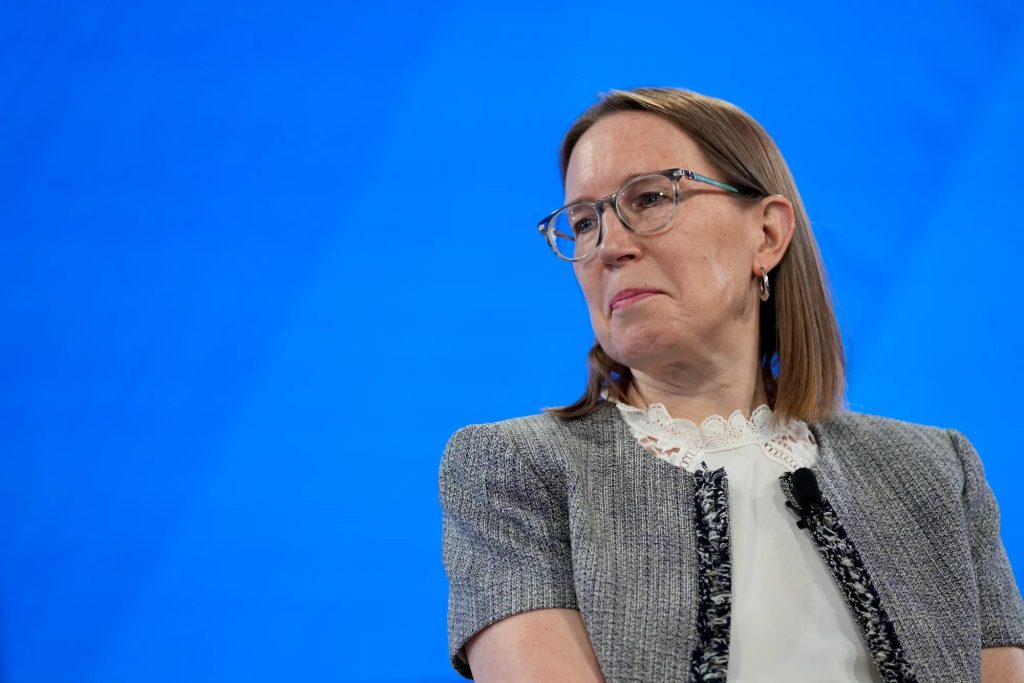
The most reliably pro-innovation and crypto voice inside the SEC is leaving, and the unfinished regulatory agenda she leaves behind is longer than most observers want to admit.
Stablecoin rules remain unwritten. Tokenization frameworks are still in roundtable phase. Exchange registration requirements for digital assets have no clear statutory home.
The commission that must resolve all of it will do so without the commissioner who spent eight years insisting those questions deserved answers instead of subpoenas.
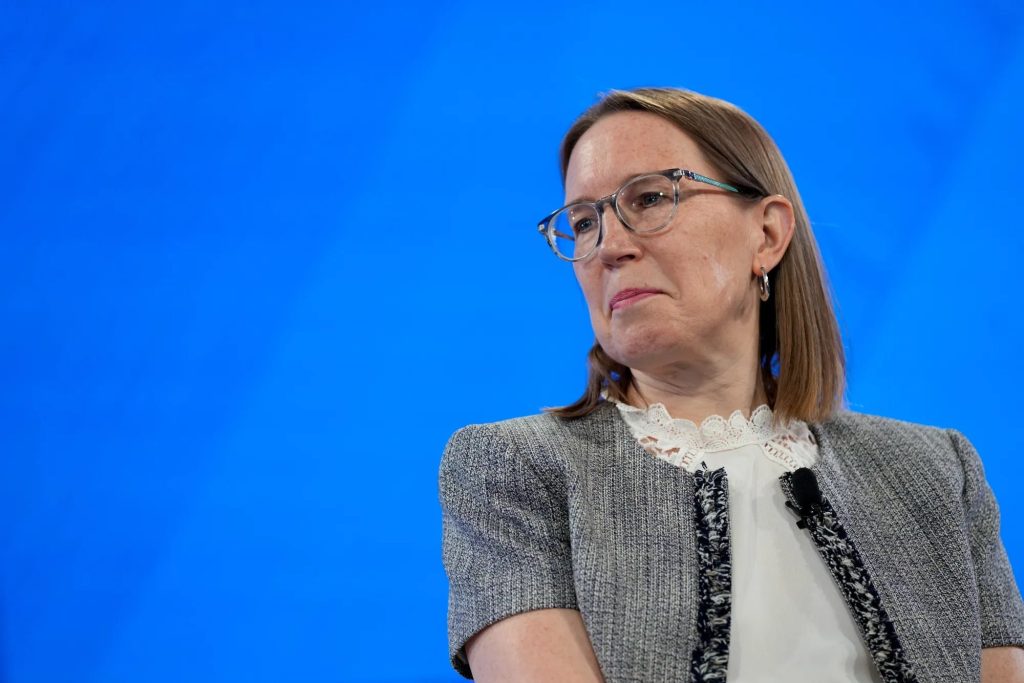
Hester Peirce, known across the industry as “Crypto Mom”, will join Regent University School of Law as an associate professor in November 2026, closing a tenure at the SEC that began in January 2018.
Virginia-based Regent University announced the appointment on May 19, alongside the hire of former Solicitor of Labor Gregory F. Jacob.
Peirce publicly signaled in March 2025 that she would not seek another nomination after her second five-year term expired in June 2025; she has served in a holdover capacity since. Her November start date at Regent aligns precisely with that exit plan.
Discover: The best crypto to diversify your portfolio with
Peirce’s Regulatory Record: How Eight Years of Dissent Shaped the SEC Crypto Posture, and What “Regulation by Enforcement” Actually Cost the Industry
The mechanism here is worth understanding precisely. Under former chair Gary Gensler, the SEC did not publish rules governing token offerings, DeFi protocols, or crypto exchange registration.
It pursued enforcement actions instead, a pattern Peirce explicitly named as regulation by enforcement and criticized in dissents dating back to 2020.
Her objection was structural, not political: enforcement actions create case-specific legal outcomes, not the durable, industry-wide guidance that allows compliance at scale.
Peirce dissented in multiple high-profile crypto enforcement matters, including the 2021 DeFi Money Market settlement, arguing that some targeted projects “were not frauds but failed experiments” and that the commission’s approach “imposes significant costs and creates uncertainty.”
She also championed a token safe harbor giving development teams up to 3 years to reach network decentralization before securities registration applied, a proposal the full commission never adopted but that market lawyers used as a reference framework for structuring token launches.
Her dissenting record on spot Bitcoin ETFs is arguably her most consequential legacy. For years, Peirce publicly criticized the SEC’s repeated refusals, calling the agency’s posture “a paternalistic and lazy approach to innovation.”
The 2024 approvals, which she framed as “long overdue”, are widely credited in part to the legal and political pressure her sustained dissents created. That is the practical import of an internal dissenter with a consistent, documented record: the dissents become the roadmap that outside counsel and courts eventually follow.
Most recently, Peirce led the SEC‘s Crypto Task Force, launched in January 2025, which has held public roundtables, rescinded prior bank custody guidance, and added named industry members to advise on tokenization frameworks and exchange rules. The task force represents the institutional architecture she built in her final period, and it will now operate without her.
Discover: The best pre-launch token sales
The post SEC ‘Crypto Mom’ Hester Peirce to Depart: What Her November Exit Means appeared first on Cryptonews.
Asset tokenization platform Securitize is moving ahead with a SPAC merger on Nasdaq, aiming to accelerate its expansion beyond stablecoins into a broader universe of tokenized securities.
Summary
- Securitize plans to go public via a merger with Nasdaq-listed SPAC Cantor Equity Partners II (CEPT)
- CEO Carlos Domingo says the company is already profitable in asset tokenization
- The firm wants to use its public listing to issue and trade more tokenized assets beyond stablecoins
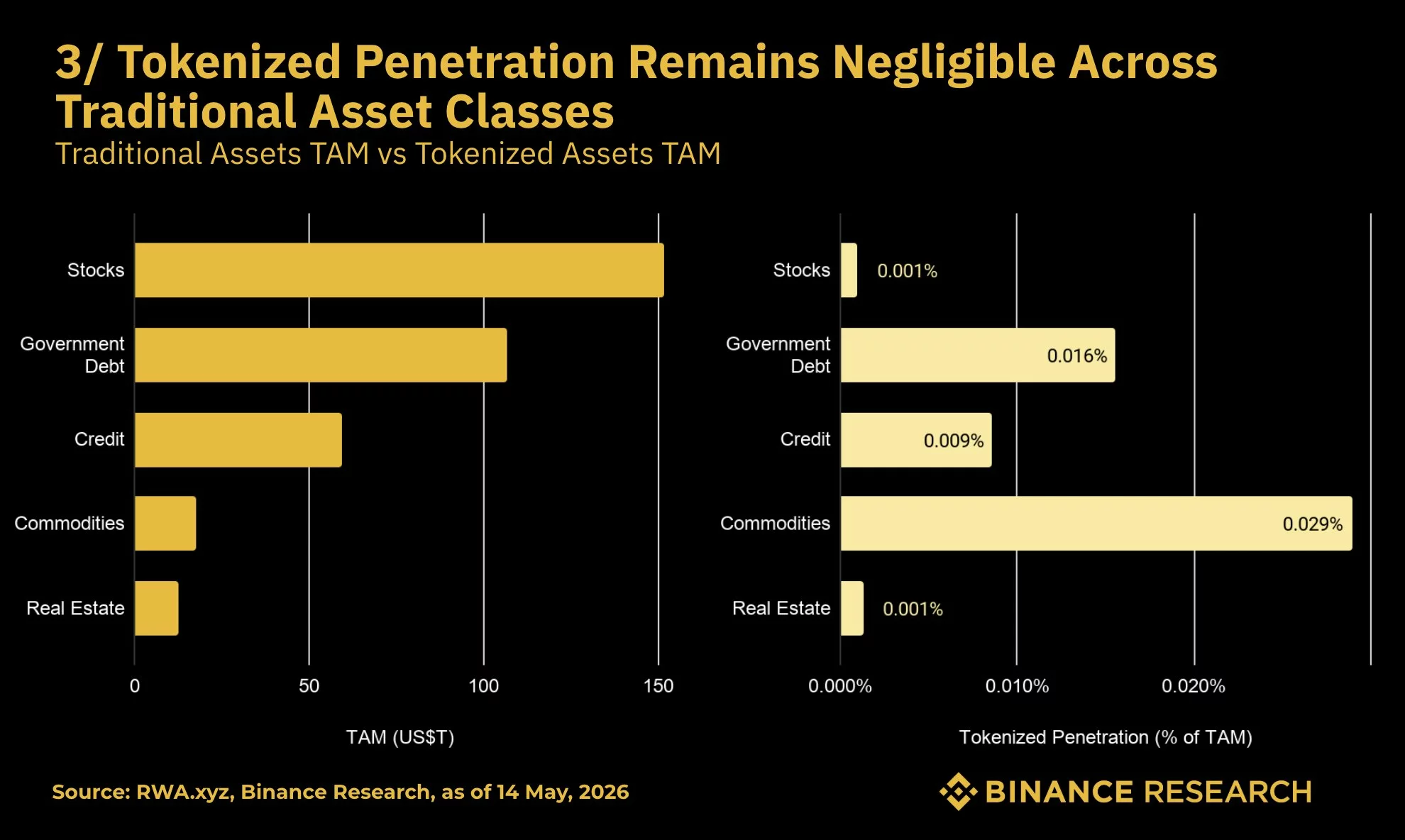
Securitize’s efforts to “tokenize the world” just took an added-value turn, with the company doubling down on efforts to assemble on-chain securities infrastructure operational at scale.
The company is advancing a business combination with Cantor Equity Partners II, a Nasdaq-listed special purpose acquisition company sponsored by an affiliate of Cantor Fitzgerald and trading under the ticker CEPT.
The deal, first announced in late 2025, would see Securitize become a publicly traded company on Nasdaq under the ticker SECZ once the merger closes, but recently the company has described in greater detail how exactly that would play out.
Over a recent investor call, Securitize co-founder and CEO Carlos Domingo said the company has already reached profitability in the asset tokenization business, driven by partnerships with large financial institutions. Therein, Domingo emphasized that Securitize intends to use the SPAC transaction to “accelerate,” in what he called the desire to create expand the fund’s mission align more closely with their core vision.
The issue looking ahead seems to be how to trade more assets in tokenized form beyond the stablecoin and money market fund products that have dominated the early wave of tokenization, Domingo noted.
SPAC structure and listing roadmap, how does it function?
Under the merger agreement, Cantor Equity Partners II will combine with Securitize at a pre‑money valuation of around $1.25 billion, according to earlier coverage by CNBC and Securitize’s own press materials.
The transaction is expected to deliver up to roughly $465 million in gross proceeds if there are no redemptions, Domingo noted in the recent investor call, including about $240 million from the SPAC’s trust and $225 million from private investment in public equity (PIPE) commitments from investors such as Borderless Capital and Hanwha Investment.
In January 2026, Securitize Holdings, Inc.—the post‑merger “Pubco”—publicly filed a Form S‑4 registration statement with the U.S. Securities and Exchange Commission, formalizing the deal and detailing the combined company’s projected financials.
The filing notes that Securitize expects to be debt‑free on a pro forma basis post‑merger and is projecting around $110 million in revenue and $24 million in net income for 2026, according to an earlier X post from Domingo summarizing the investor deck.
Completion of the SPAC transaction still hinges on customary closing conditions, including SEC clearance of the S‑4, shareholder approval from CEPT investors, and satisfaction of Nasdaq listing requirements. Until those boxes are ticked, Securitize remains private, though it is already positioning itself as a de facto public‑market candidate in the tokenization sector.
Expanding beyond stablecoins into tokenized securities, how can Securitize buld it?
Securitize has built its reputation on tokenizing real‑world assets particularly private market securities and funds rather than on issuing generic utility tokens.
The company acts as a registered transfer agent and digital asset securities platform, and it has been a key infrastructure provider for high‑profile tokenization deals, including BlackRock’s BUIDL tokenized money market fund and KKR’s tokenized feeder funds.
Domingo has argued that tokenization’s real value lies in “upgrading” traditional assets to programmable, blockchain‑native formats that can improve access, fractional ownership, and secondary market liquidity.
During that same recent interview, he framed the SPAC listing as both a capital raise and a signaling device, saying that becoming a public company while simultaneously tokenizing its own equity on chain demonstrates how Securitize intends to operate at the intersection of traditional capital markets and on‑chain finance.
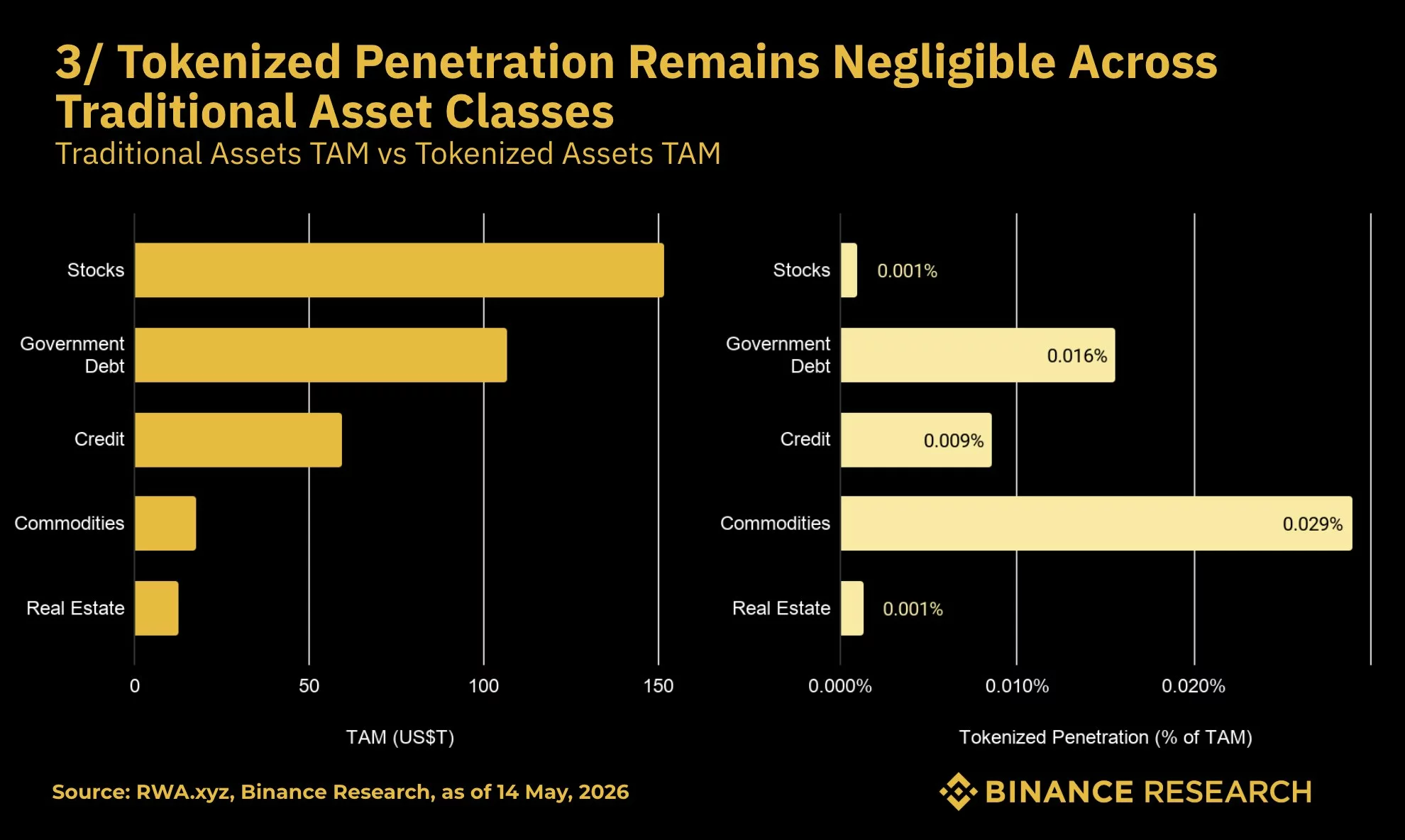
The firm’s strategy is explicitly broader than stablecoins. While stablecoins and tokenized treasuries have proven highly profitable for issuers, Securitize is betting that everything from private credit and equity to real estate and funds will eventually be issued and traded as digital tokens, and it wants to become the default stack for that transition.
What the SPAC means for tokenization
If the CEPT deal closes, Securitize would become one of the first large, pure‑play tokenization platforms listed on a major U.S. exchange, joining a small group of blockchain‑native firms that have used SPACs to reach public markets.
For that broader tokenization narrative to work, a successful listing with real revenue and profitability would be a significant proof of concept that on‑chain securities infrastructure can sustain a public‑company balance sheet.
It would also give public‑market investors a direct way to express a view on asset tokenization as a theme, rather than just buying tokenized funds or blockchain equities indirectly exposed to the space.
In parallel with other developments, such as Börse Stuttgart’s Seturion platform and a16z’s thesis that finance is undergoing a “cloud‑style” migration to on‑chain infrastructure, it seems that Securitize’s planned SPAC listing underscores that tokenization is no longer a thought experiment but a capital‑intensive, institutional business trying to scale.


Pump.fun, a Solana-based token launch platform, has introduced USDC-paired liquidity pools as an alternative to its existing SOL-paired bonding curve mechanism. The move comes as SOL price changes pushed bonding curves to their limits, with starting market caps dropping to approximately $2,000 and… Read the full story at The Defiant
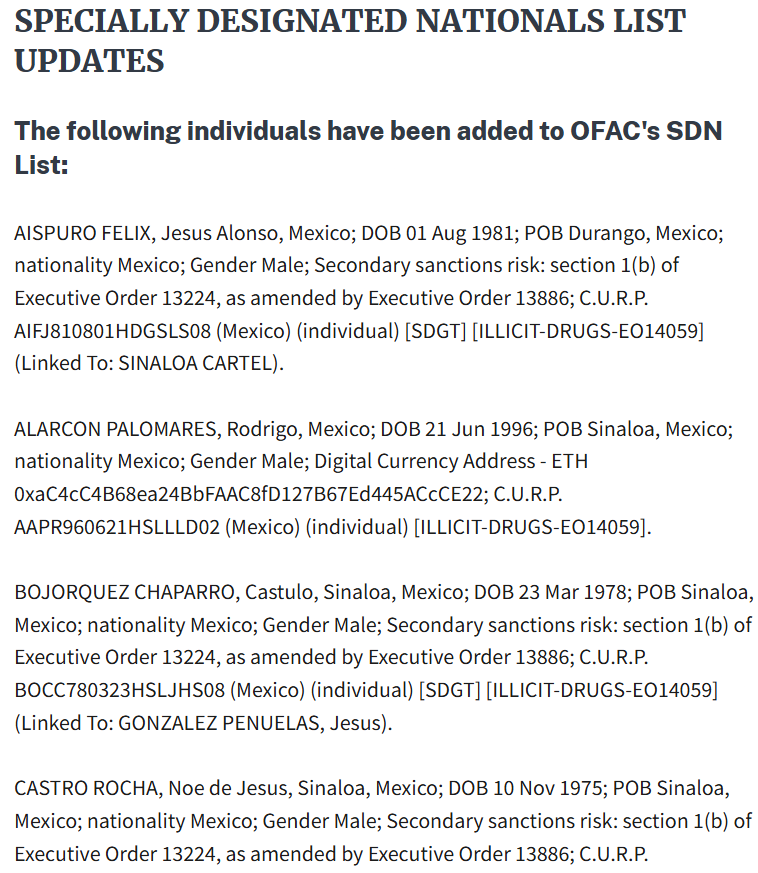
The US Department of the Treasury’s Office of Foreign Assets Control (OFAC) sanctioned six Ethereum addresses tied to a Sinaloa Cartel-linked money laundering network that allegedly converted drug proceeds into cryptocurrency.
OFAC added the addresses to its Specially Designated Nationals list (a US sanctions list of people, entities and assets subject to blocking restrictions) on Wednesday as part of sanctions against 11 individuals and two entities connected to two Sinaloa Cartel financial networks.
Treasury said one network, led by Armando de Jesus Ojeda Aviles, collected bulk cash in the US from fentanyl and other drug sales before allegedly converting the money into cryptocurrency for transfer to the cartel in Mexico.
The action highlights how cartel-linked money laundering networks are using digital assets alongside cash couriers and front businesses, raising sanctions compliance risks for crypto exchanges and other virtual asset service providers.
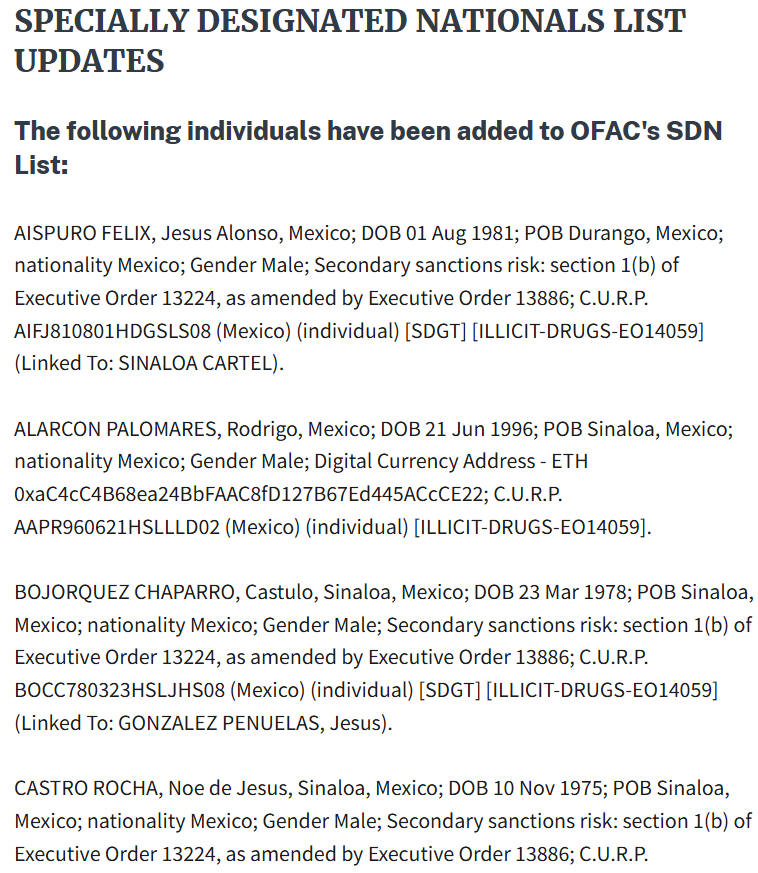
OFAC adds six new Ethereum addresses to sanctions list. Source: OFAC
Cartel cash moved into crypto
The Sinaloa Cartel is allegedly using blockchain technology to launder its illicit fiat money proceeds, according to OFAC.
Cointelegraph contacted OFAC for more details surrounding the Sinaloa Cartel’s money laundering operations.
Related: Kelp DAO attacker moves $175M in Ether after exploit: Arkham
Treasury did not identify which crypto platforms or protocols were allegedly used by the network. The listed Ethereum addresses, however, create sanctions exposure for exchanges, wallet providers and other crypto firms that screen blockchain transactions.
Looking at some of the biggest cryptocurrency hacks, attackers laundered the majority of the $1.4 billion stolen during the Bybit hack, or about $1.2 billion, through THORChain, swapping funds from Ether to Bitcoin, according to Bybit co-founder and CEO Ben Zhou.
Attackers behind the recent $293 million Kelp DAO hack also primarily used THORChain to swap the Ether for Bitcoin, generating about $910,000 in fee revenue for the protocol, Cointelegraph reported on April 23.
Magazine: 53 DeFi projects infiltrated, 50M NEO tokens could be ‘given back’: Asia Express
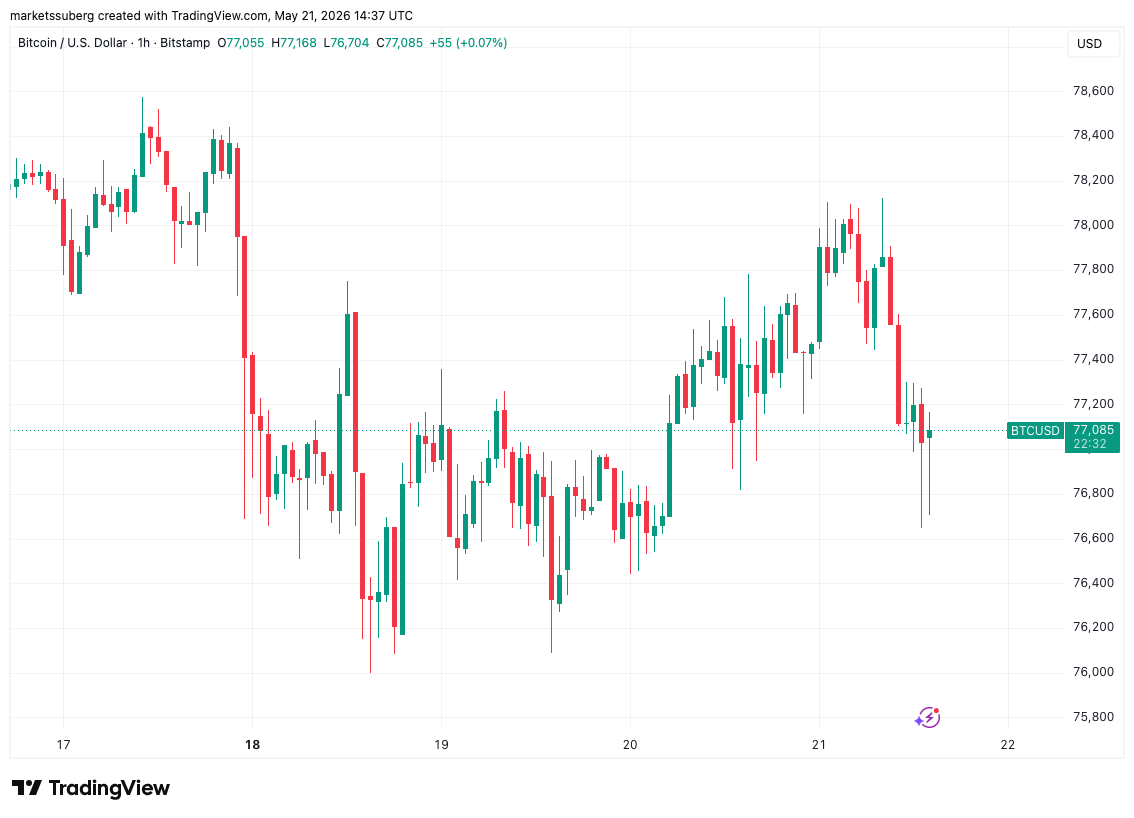
Bitcoin (BTC) focused on $77,000 on Thursday as analysis eyed a minimum 5% BTC price move.
Key points:
- Bitcoin waits for a breakout move as it circles the $77,000 mark.
- Analysis sees risk in shorting price at current levels, with bears in the firing line.
- Macro hurdles keep risk assets down across the board, while US bond yields cool.
Trader sees 5% BTC price move “soon”
Data from TradingView showed BTC price action sticking to a narrow range, with leveraged positions on either side of spot.
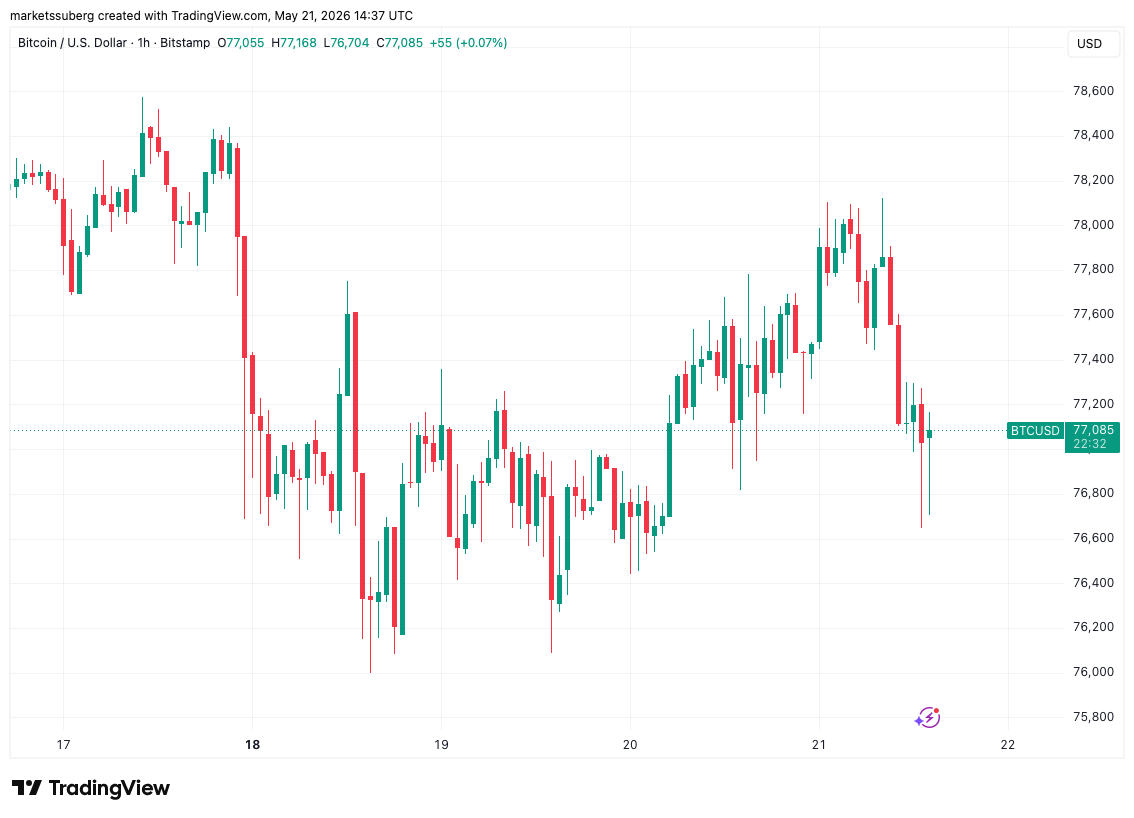
BTC/USD one-hour chart. Source: Cointelegraph/TradingView
“Some big clusters right around price. Most notably: the ~$78K area and the $76.5K-$77K area in the short term,” trader Daan Crypto Trades wrote in his latest analysis on X.
“Price has been in a pretty tight price range the past few days so expecting some larger 5%+ move to occur here soon again.”
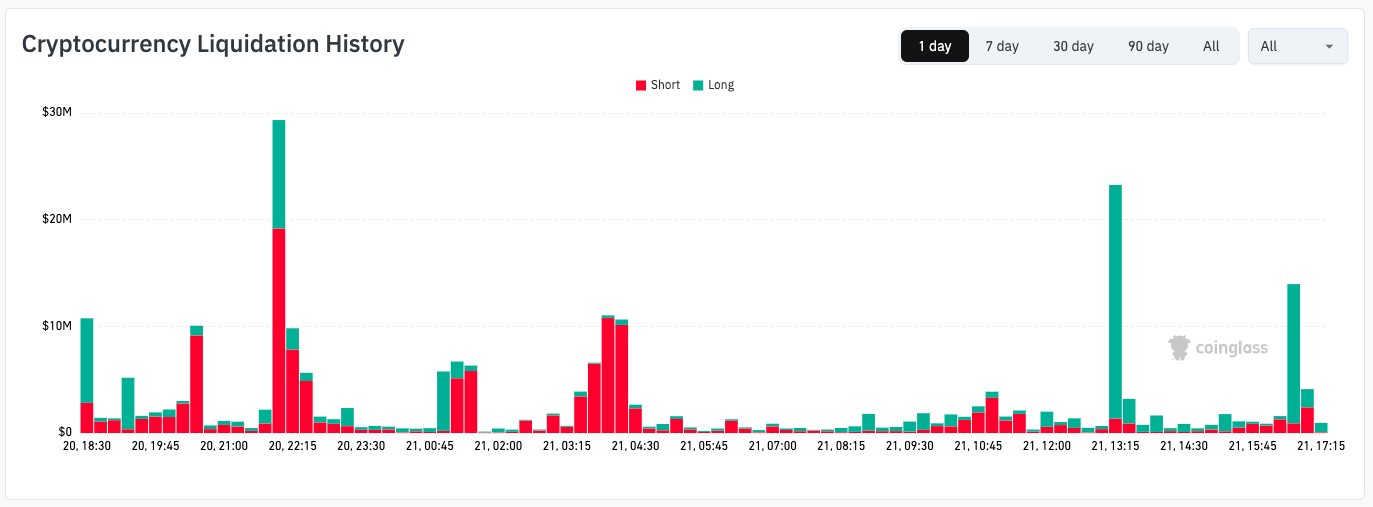
Crypto liquidation history (screenshot). Source: CoinGlass
Data from CoinGlass revealed that short positions had taken the majority of losses across crypto over the 24 hours to the time of writing.
“Bears on $BTC are getting SQUEEZED in real-time,” X analytics account Cryptic Trades commented.
“While the price is going up, the Open-Interest has dropped by over 12K. This is exactly why you don’t short a BULLISH BACKTEST.”
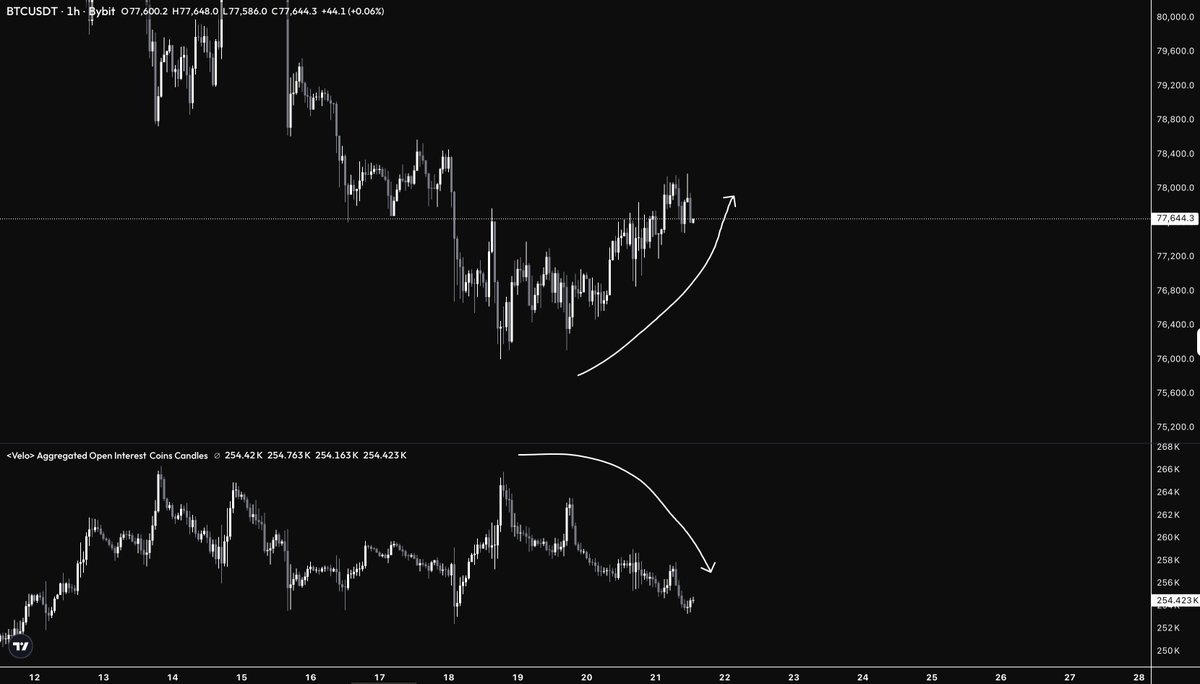
BTC/USDT one-hour chart with open interest data. Source: Cryptic Trades/X
Cryptic Trades remained optimistic about BTC market strength despite the loss of various support levels in recent days. Holding above $74,000, it continued, was the “most likely outcome.”
“Shorting here, or hedging your spot holdings simply doesn’t make sense from a technical perspective, because the market structure remains intact,” it argued.
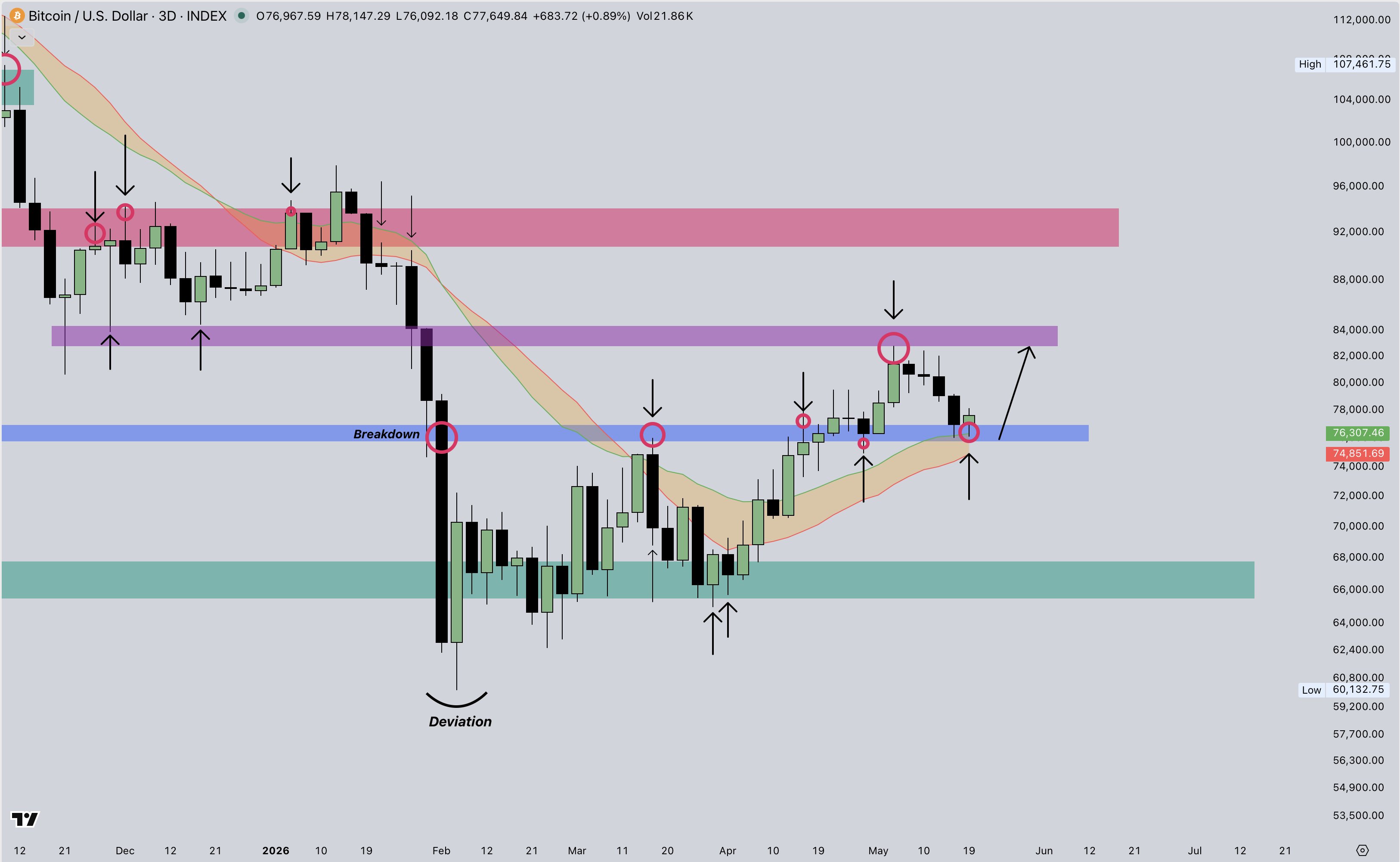
BTC/USD three-day chart. Source: Cryptic Trades/X
Oil returns to triple figures on Iran cues
Bitcoin and other risk assets faced familiar macro headwinds on the day, with WTI oil prices heading back above $100 per barrel.
Related: BTC price ‘bull trap’ at $76.5K? Five things to know in Bitcoin this week
The US-Iran war remained the key catalyst amid mixed reports over uranium enrichment and a permanent toll on oil traffic through the Strait of Hormuz.
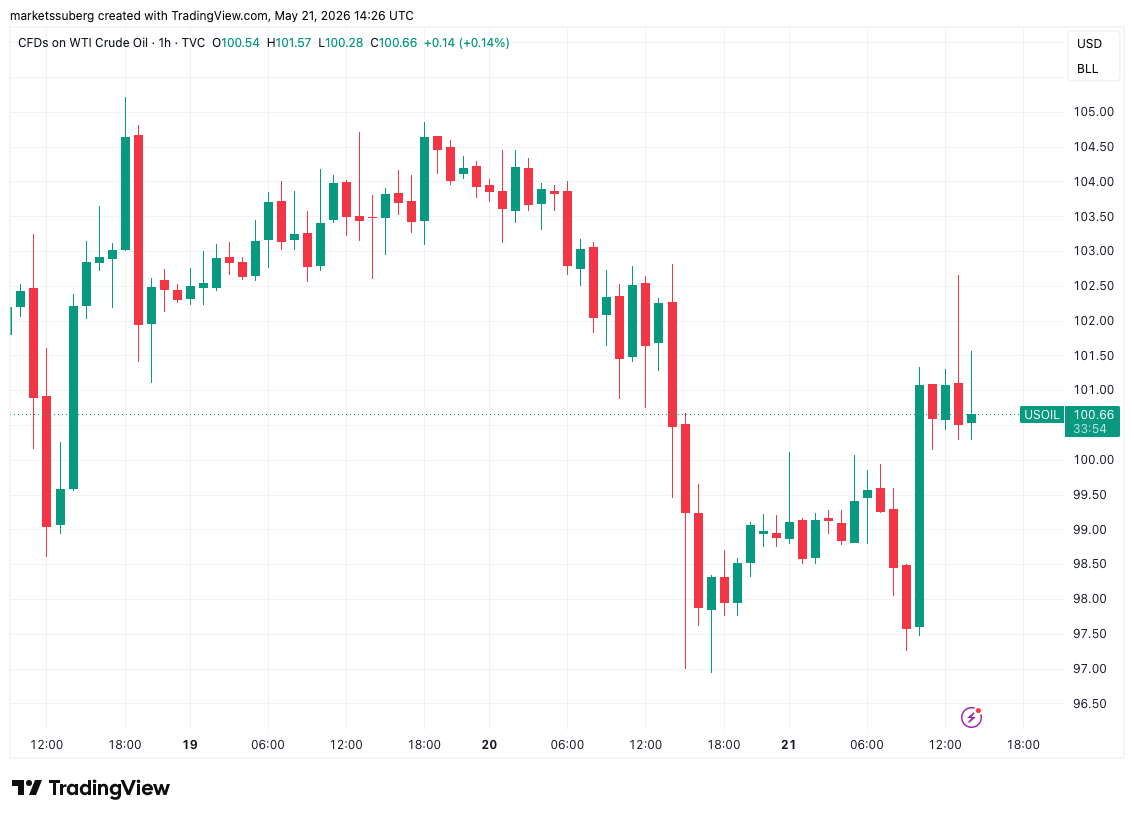
CFDs on WTI crude oil one-hour chart. Source: Cointelegraph/TradingView
The day prior, US President Donald Trump had sent oil and US bond yields lower with hints that an Iran peace deal was near.
“It’s the same recipe, if this trend is prolonged and the deal is likely finalized, you’ll see yields continue to fall even more, especially in Japan,” crypto trader and analyst Michaël Van de Poppe responded.
“If those yields come down –> risk-on assets to rally even higher.”
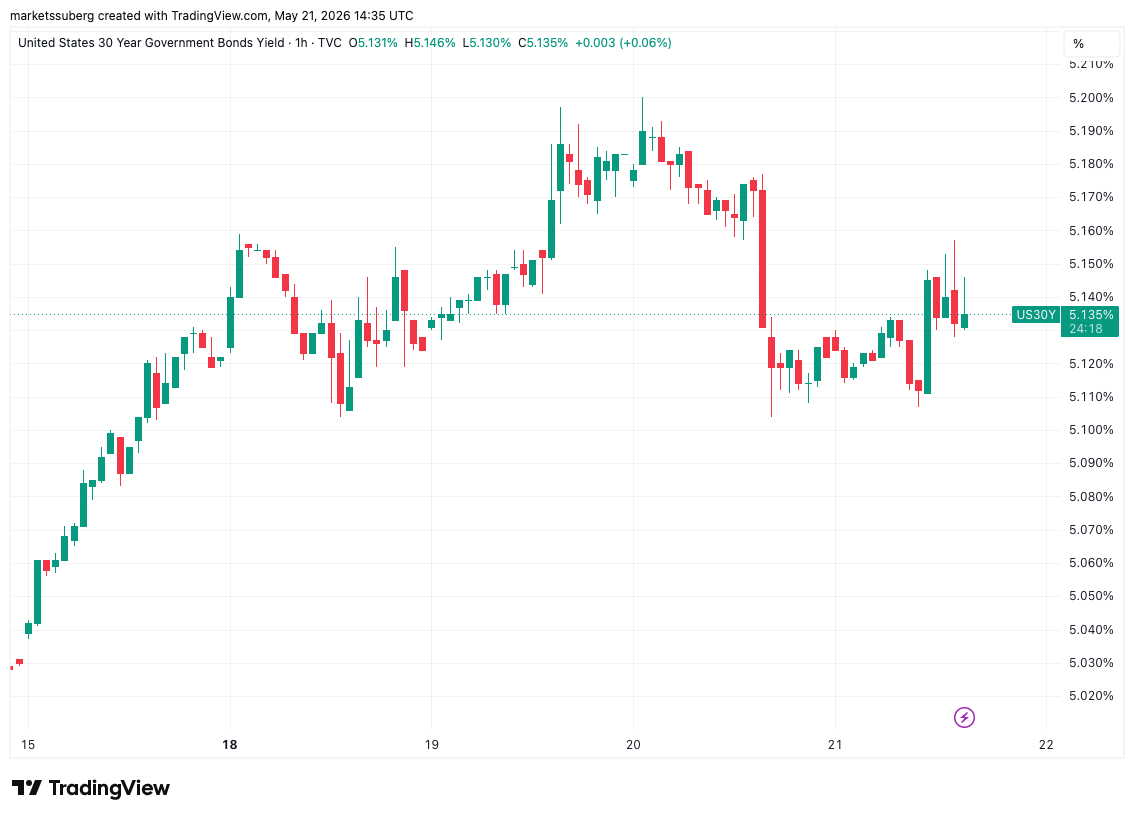
US 30-year treasury yield one-hour chart. Source: Cointelegraph/TradingView


In today’s newsletter, Sarah Cummings from Morgan Stanley Investment Management provides insights and considerations when assessing crypto exchange-traded funds.
Then, in “Ask an Expert,” Ryan Tannahill from iA Private Wealth USA, answers questions about borrowing against bitcoin assets.
Assessing Crypto ETPs in an Evolving Market
When evaluating exchange‑traded funds (ETFs), investors typically focus on factors such as fees, liquidity and tracking. Spot bitcoin exchange‑traded products (ETPs) introduce additional dimensions of due diligence that investors may be less accustomed to assessing. First launched in January 2024, these vehicles — structured as grantor trusts under the 1933 Act — seek to track bitcoin performance using a designated pricing benchmark. Understanding how their structure, custody arrangements and benchmarks operate is central to evaluating these products.
Core ETF considerations
As with any ETF, headline costs and trading characteristics matter.
Fees and waivers. While fee compression has occurred since the first spot bitcoin ETPs entered the market, expense ratios still vary meaningfully across products. Investors may wish to distinguish between gross and net expense ratios, particularly where fee waivers are in place. Such waivers may be subject to asset thresholds or expiration dates that could affect costs over time.
Liquidity and execution. Trading volume, bid/ask spreads, and overall fund liquidity remain important inputs when assessing the total cost of ownership. However, because bitcoin itself is a highly liquid underlying asset, onscreen fund liquidity may not fully reflect execution quality. In practice, similarly priced execution may be achievable across products despite differences in visible trading activity. Engaging with a trust sponsor or liquidity provider ahead of a trade may help manage execution costs.
Tracking and fund design. Given their single‑asset, passive structure, spot bitcoin ETPs tend to exhibit limited sources of tracking error. Expense ratios are typically the primary driver, with lower‑fee products generally expected to track more closely over time. In‑kind creation and redemption mechanisms may also support tighter tracking by reducing frictional costs.
Considerations specific to crypto ETPs
Beyond traditional ETF metrics, several factors are more specific to crypto‑based products.
Digital asset custody. Holding bitcoin requires specialized custody arrangements, a relatively new function within asset servicing. While early infrastructure was largely developed by crypto‑native firms, traditional custodians have increasingly entered the space. Custody practices, regulatory status and bankruptcy protections can differ across providers, making it prudent to understand how and where digital assets are held.
Sponsor profile. The issuer’s background may also warrant consideration. Crypto‑native sponsors and traditional financial institutions may operate under different regulatory frameworks and governance standards, which can influence risk management, operations and investor protections.
Benchmark methodology. The growth of digital asset products has led to the emergence of new benchmark providers. Evaluating a benchmark’s construction—such as exchange inclusion criteria, pricing methodologies and review processes—can be important. A poorly designed benchmark may diverge from broader bitcoin pricing, potentially affecting tracking outcomes.
Bringing it together
In a developing asset class, the structure and design of an ETP can be as consequential as the exposure it seeks to provide. Beyond headline fees, evaluating custody frameworks, sponsor profiles, benchmark methodologies and execution characteristics may help investors better understand potential costs and risks. As the market for crypto ETPs continues to evolve, a disciplined and holistic due diligence process remains essential.
– Sarah Cummings, executive director, ETF Strategist, Morgan Stanley Investment Management
Important risks and disclosures.
Ask an Expert
Q: Do I need to move my bitcoin to get a loan against it?
In many cases, yes — centralized lenders typically require custody of your bitcoin for the loan’s duration. However, structures vary across platforms, so it’s worth understanding who holds your assets and how they’re protected before committing.
Q: What’s the main risk advisors should flag?
Margin calls. If bitcoin drops sharply, clients may be forced to post additional collateral or face liquidation — often at the worst time. That forced sale can also trigger a taxable event, compounding the loss.
Q: Should I do this instead of selling some of my position?
It depends on conviction. If you believe bitcoin appreciates, borrowing preserves that upside while meeting liquidity needs. But if you’re uncertain about the position, adding leverage isn’t the answer — sometimes a clean sale is the simpler move.
– Ryan Tannahill, Investment Advisor Representative, iA Privabecoming
Keep Reading
- The U.S. Senate Banking Committee advanced its crypto market structure bill, the Clarity Act, to the Senate floor on Thursday, bringing it a step closer to passing it into law.
- Japan’s Financial Services Agency recognizes foreign-issued stablecoins as electronic p.yment methods under domestic law, effective June 1.
- Bank of England Deputy Governor Sarah Breeden says the BoE will publish draft stablecoin rules next month and finalize them by year-end.

Kraken’s operator Payward has moved closer to a formal UAE launch after receiving preliminary authorization from Dubai’s Virtual Assets Regulatory Authority (VARA). The company announced that the preliminary VARA nod came alongside a broker-dealer, investment and management licence from the regulator, signaling an expanding footprint in the Gulf region.
Kraken said the preliminary approval was granted on Thursday, with the full launch date yet to be confirmed. At market introduction, the exchange plans to offer AED funding, a full slate of trading services including margin and over-the-counter (OTC) capabilities, and access to Kraken Prime for institutional clients. This aligns with the firm’s stated objective of serving both retail and professional participants in the UAE.
“Kraken’s UAE expansion aligns with our prior regulatory footprint in the region and reinforces the UAE’s position as a regional hub for digital-asset activities,” Kraken’s spokesperson noted. The company also referenced earlier regulatory progress in the UAE, including its 2022 approval to operate within Abu Dhabi’s financial free zone framework under ADGM.
According to Kraken, the development fits a longer strategy to create a robust and compliant presence in the Middle East, leveraging a UAE licensing regime that is widely viewed by market participants as among the most mature in the region. The firm’s public messaging about the UAE expansion was shared in its official blog post linking the VARA authorization with its broader UAE ambitions.
Dubai’s VARA register has grown to include 49 active crypto firms across exchange, broker-dealer, custody and lending activities, illustrating the city’s push to establish a regional digital-asset services ecosystem. Notable names on the public register include Binance, Crypto.com, OKX, Deribit and HashKey, a reflection of Dubai’s strategy to attract global operators under a centralized regulatory framework. Kraken and its parent Payward do not yet appear on the regulator’s public list. The most recent update to the register shows CoinCorner obtaining approval to offer virtual-asset broker-dealer services on May 5.
Dubai’s regulatory posture continues to attract crypto firms despite geopolitical frictions in the region. Industry executives frequently point to regulatory clarity as a key differentiator when choosing where to establish or expand operations, especially versus jurisdictions that are perceived as more fragmented or uncertain. The UAE’s approach to licensing, oversight and risk management stands as a core reason why major institutions are weighing Dubai as a base for regional activity.
In the framing of the expansion, Kraken co-CEO Arjun Sethi was quoted as saying, “Dubai wrote a rulebook for crypto before most jurisdictions even acknowledged the asset class. That clarity is why real liquidity and institutional capital now sit in the UAE.” This sentiment underscores the broader narrative that regulatory certainty can translate into measurable access to liquidity and client demand for compliant operators.
Related coverage notes that the UAE’s licensing environment for crypto and government-related payments has been evolving, reflecting a broader policy push to integrate digital assets into a regulated financial ecosystem. For context, Crypto.com has previously secured a UAE license tied to government crypto-payments initiatives, illustrating a wider corporate migration toward Dubai’s structured regime for digital assets.
Key takeaways
- Kraken receives preliminary VARA authorization to operate in the UAE, paired with a broker-dealer, investment and management licence, signaling imminent market entry.
- The launch plan includes UAE dirham funding, margin trading, OTC services and access to Kraken Prime for institutional clients.
- Dubai’s VARA public register comprises 49 active crypto entities, with several major global platforms already listed; Kraken/Payward are not yet on the public register.
- The UAE’s regulatory framework is cited by industry participants as a key driver of liquidity and institutional participation in the region.
- Regulatory clarity in Dubai is positioned as a differentiator from jurisdictions perceived as more fragmented or uncertain, especially in the context of cross-border crypto operations.
Kraken’s UAE regulatory footprint and market entrance
The preliminarily cleared status from VARA, complemented by a broker-dealer, investment and management licence, marks a tangible milestone for Kraken’s regional strategy. The UAE has pursued a centralized, rule-based approach to digital assets, seeking to align exchange operations, custody, and ancillary services under a single regulatory umbrella. Kraken’s stated plan to offer AED-denominated funding and a full suite of trading services—including limited leverage through margin facilities and OTC desks—is aimed at meeting the demands of both sophisticated traders and institutional clients seeking compliant access to the region’s liquidity pools.
While the company’s announcement confirms the regulatory green light for a UAE-based operation, it also signals a transition phase for the broader market: operators are navigating a dual objective of rapid onboarding and rigorous risk controls. The 2022 ADGM license previously granted to Kraken under Abu Dhabi’s Global Market framework remains a foundational element of the firm’s regional compliance architecture, illustrating a layered regulatory engagement that some market participants view as a blueprint for cross-jurisdictional operations within the UAE.
From a compliance perspective, the combination of VARA’s licensing and ADGM’s established framework could facilitate a more predictable operating environment for foreign crypto firms. For banks and institutional clients, the UAE’s approach may translate to clearer AML/KYC processes, standardized onboarding, and defined capital and reporting regimes—elements that are increasingly essential for regulated market participation in digital assets. Observers note that such clarity can reduce counterparty risk and enable more robust risk governance structures for institutional participants looking to engage with UAE-based venues and counterparties.
Dubai’s regulatory landscape: a growing registry and policy implications
Dubai’s VARA registry’s expansion to 49 active firms demonstrates a sustained regulatory effort to formalize digital-asset activities across exchange, broker-dealer, custody and lending services. The selection of prominent global operators—such as Binance, Crypto.com, OKX, Deribit and HashKey—illustrates a deliberate strategy to attract marquee players while maintaining oversight through a centralized licensing framework. Kraken’s current absence from the public register highlights the ongoing process of formal listing and public disclosure, even as the regulatory apparatus enables market access through provisional approvals.
The UAE’s regulatory stance interacts with global policy trends in meaningful ways. As global markets grapple with the harmonization of crypto regulation, Dubai has pursued a dual strategy: enabling regulated market access for established operators while imposing stringent compliance requirements that align with international norms on AML/KYC, customer protection and financial stability. This approach has implications for licensing pathways, cross-border service provisioning, and the management of systemic risk within digital-asset ecosystems. In practice, firms seeking to operate in Dubai must navigate a layered regime that includes VARA licensing, potential cross-licensing with other UAE authorities, and ongoing supervisory reporting obligations.
Industry participants have emphasized that such regulatory clarity can facilitate legitimate liquidity flows and institutional capital retention within the UAE. The emphasis on a formal rulebook and predictable oversight may influence where firms choose to base regional operations, how they structure product offerings, and how they coordinate with local banks and custodians to support regulated digital-asset activities. For regulators, the UAE model raises considerations about enforcement, cross-border cooperation with other jurisdictions, and the balance between innovation incentives and financial integrity safeguards.
Dubai’s position in the broader policy and market structure
Even as regional tensions in the wider Gulf arena have unsettled some investors and events, Dubai’s ongoing development of a regulated digital-asset ecosystem continues to attract firms seeking greater regulatory certainty. The UAE’s approach to licensing and oversight is often contrasted with jurisdictions where rules are perceived as less transparent or rapidly changing. In this context, the maturation of VARA and the broader UAE regulatory architecture could influence international discussions on crypto policy and influence how other jurisdictions design licensing regimes to attract legitimate activity while addressing financial crime risks.
Looking ahead, observers will be watching for the timing of Kraken’s full launch in the UAE and whether the firm’s public registration status will align with its regulatory approvals. The degree to which VARA’s supervision will integrate with other UAE financial authorities, and how cross-border service provision will be governed, remains an area of interest for compliance teams, legal professionals and institutional desks monitoring evolving regulatory risk in the region.
Crypto market participants and policymakers alike may continue to assess how Dubai’s regulatory architecture helps reconcile the pace of product innovation with the need for robust governance. As Dubai consolidates its status as a regional crypto hub, the coming quarters will test the durability of a framework designed to attract global operators while maintaining a high standard of regulatory oversight.
Closing perspective: The UAE’s regulatory path for digital assets remains a defining factor for industry entrants. Kraken’s preliminary VARA authorization illustrates how a structured licensing environment can enable a measured market entry, with ongoing developments likely to shape cross-border collaboration, compliance practices and institutional access in the Middle East’s expanding crypto ecosystem.

Quiz to shut all 37 stores by end of June after administration

Sebi proposes changes to pre-open listing session of IPOs for better price discovery

Mark Cuban says he sold most of his bitcoin after losing faith in hedge narrative


-

 Crypto World6 days ago
BloFin War of Whales 2026 Grand Prix opens registration for $5M trading championship
-

 Fashion6 days ago
Weekend Open Thread: Theory – Corporette.com
-

 Crypto World6 days ago
E-Estate Announces 1 Year Live: Washington DC Summit as Real Estate Tokenization Enters Its Next Phase
-

 Tech6 days ago
Tech Moves: Microsoft AI leader jumps to OpenAI; former AI2 exec joins Meta; and more
-

 Tech6 days ago
Google reimburses Register sources who were victims of API fraud
-

 Business6 days ago
H&R Real Estate Investment Trust (HR.UN:CA) Q1 2026 Earnings Call Transcript
-

 Sports6 days ago
Napoleonic enters 2026 Doomben 10,000 field via Abounding withdrawal
-
 Crypto World6 days ago
BeInCrypto 100 Institutional Awards Nomination: KAST for Best Digital Assets Neobank and Best Digital Assets Fintech
-
 Crypto World6 days ago
Bitcoin Battles US Bond Nerves With BTC Price Dip Toward New May Lows
-

 Crypto World6 days ago
ICE and CME urge US regulators to curb Hyperliquid energy trading
-
 Crypto World6 days ago
Wall Street’s Boldest Gold Prediction Has Russians Rushing to Buy
-

 Fashion5 days ago
On the Scene at Gucci’s Cruise Show in New York City: Mariah Carey, Kim Kardashian, Lindsay Lohan, Iman, and More!
-

 Politics7 days ago
DWP PIP Timms review continues to be an absolute farce
-

 Crypto World6 days ago
IREN closes $3 billion convertible notes deal amid AI infrastructure expansion
-

 Fashion5 days ago
Trending Western Style Vests Perfect for Summer
-

 Entertainment6 days ago
David Letterman Returns to Late Show, Blasts Cancellation
-
 Crypto World7 days ago
Lido Finance Selects Chainlink CCIP as the Official Cross-Chain Infrastructure for wstETH Security
-

 Fashion5 days ago
Amazon Sundays: Memorial Day Hosting
-

 Fashion6 days ago
Creative Ideas for Custom T-Shirts
-

 Politics5 days ago
Watch: far-right flag-fanatics run over victim, attack locals – Setup By the Left wing for your entertainment
You must be logged in to post a comment Login