

Crypto World
Michael Saylor’s Strategy (MSTR) booked massive Q1 loss as BTC tumbled

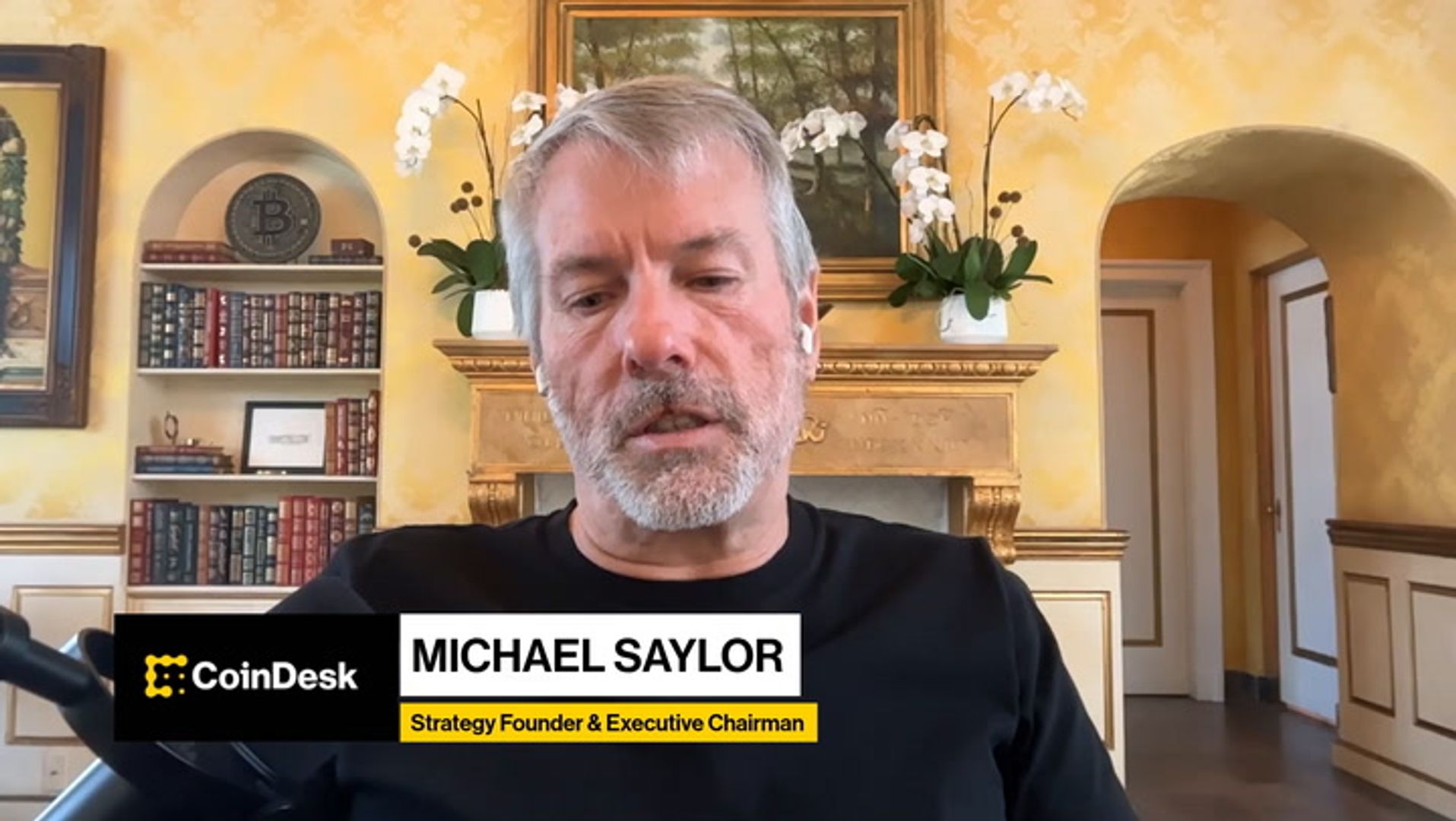
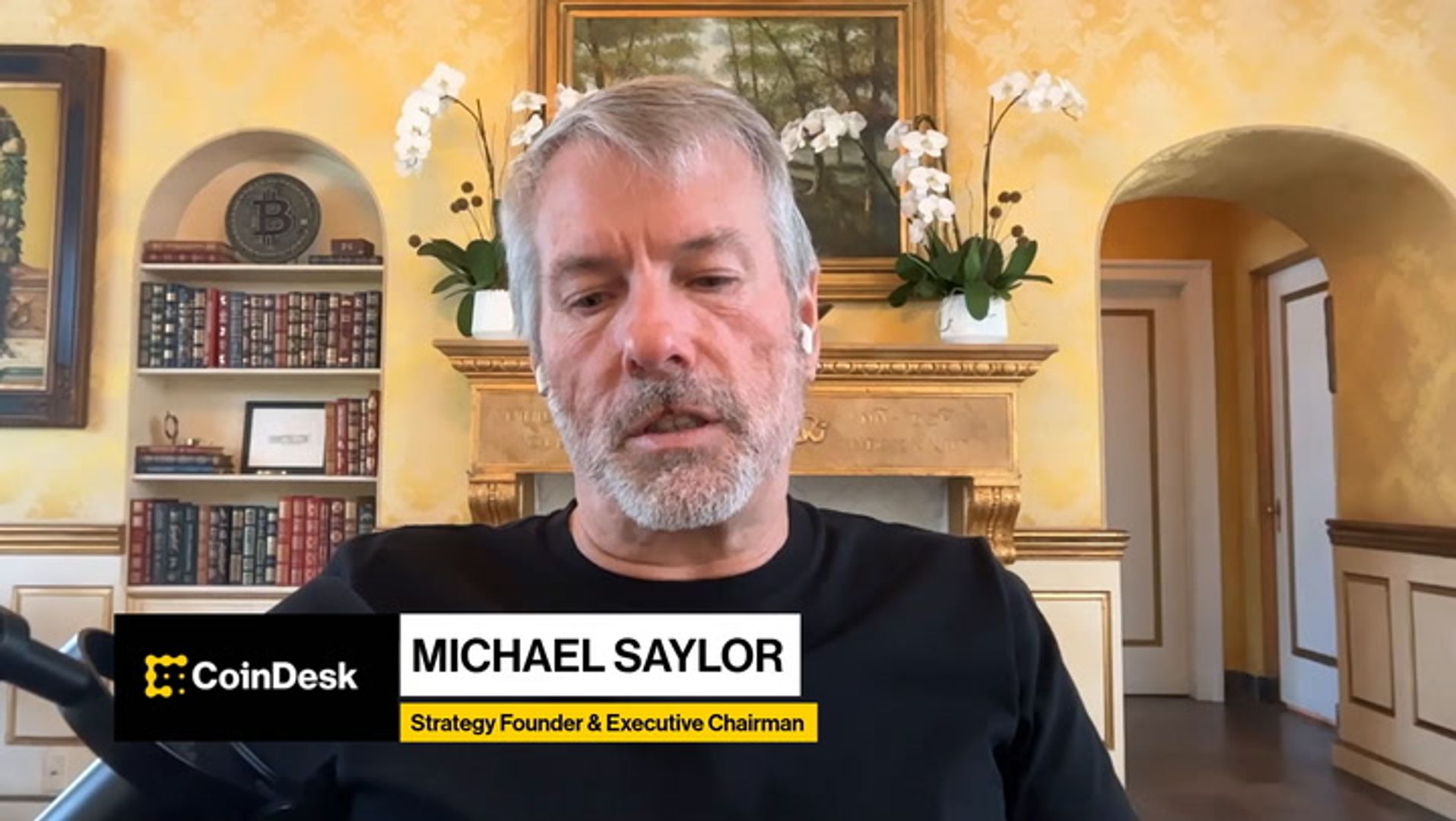
Strategy (MSTR) reported a net loss of $12.54 billion in the first quarter of 2026, as bitcoin fell from around $87,000 on Jan. 1 to roughly $68,000 by March 31.
Since the start of the second quarter, bitcoin has rebounded to above $80,000, while Strategy has continued to accumulate coins at a rapid pace, potentially setting the company up to post a sizable profit in the April-June period.
Led by Executive Chairman Michael Saylor, the company, the largest corporate holder of bitcoin, currently owns 818,334 BTC, acquired at an average price of $75,537.
Strategy ended the first quarter with $2.25 billion in cash, enough to cover approximately 18 months of preferred stock dividends.
MSTR shares are higher by nearly 20% year-to-date, though they remain lower by more than 50% on a year-over-year basis.
With first-quarter results largely expected and likely long ago priced in, investor focus will shift to the 5 p.m. ET earnings call, where Saylor and his leadership team are likely to outline their strategy.

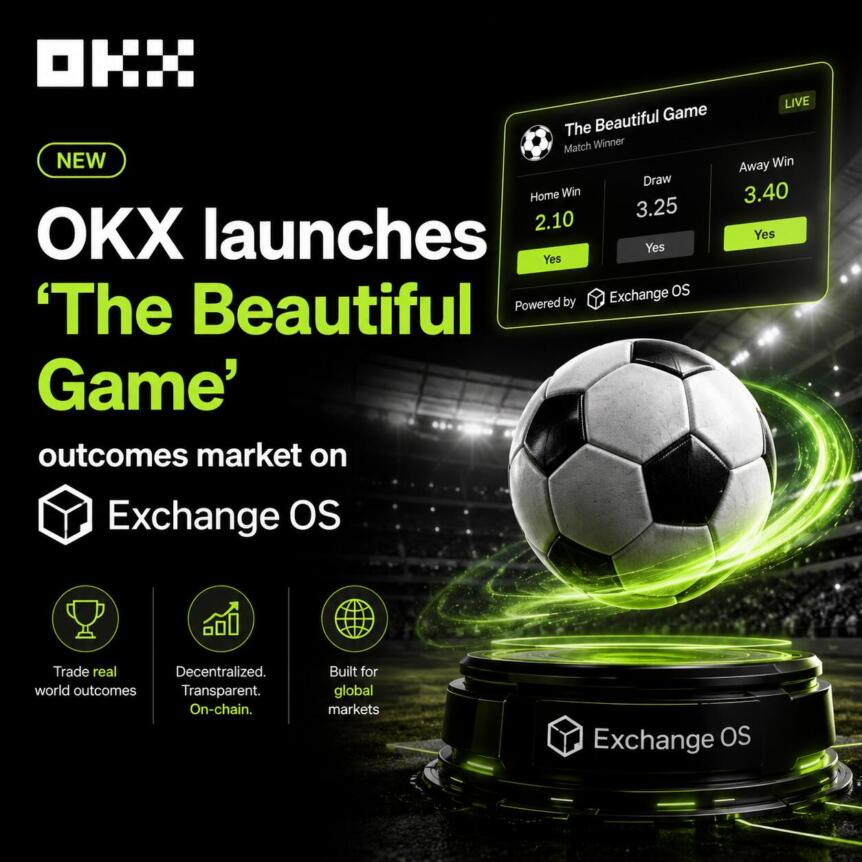
OKX debuts World Cup-focused outcomes market built on new Exchange OS protocol
OKX has launched The Beautiful Game, a free-to-play outcomes market that lets users predict winners across all World Cup fixtures and compete for a portion of a multi-BTC prize pool. The product is powered by Exchange OS, OKX’s recently introduced open protocol that the company says provides matching and settlement infrastructure at the protocol layer.
The contest runs through July 20, 2026 and is open to eligible users of the OKX mobile app in markets where the promotion is permitted. OKX says the leaderboard-based tournament will distribute rewards proportionally at the end of the competition. Participation mechanics include daily check-ins, position commitments on matches, referral incentives and other platform activity that feed into players’ scores.
The launch comes alongside a company survey of 2,000 self-identified football fans who trade cryptocurrency, which found a substantial tilt toward crypto assets over sporting triumphs among respondents. Among the headline results: roughly three quarters said they would rather receive 1 BTC than see their favored national team win the World Cup. The survey also reported that a majority associate football more closely with crypto than other sports, and that many respondents see overlapping skill sets between sports prediction and crypto trading.
What Exchange OS adds — and why it matters
Exchange OS is presented by OKX as a permissionless infrastructure layer that sits on top of its X Layer EVM-compatible layer two. According to the company, the protocol handles trade matching and settlement so that third-party builders can deploy spot, perpetual, or prediction-market exchanges without rebuilding the low-level infrastructure.
If adopted, that pattern could reduce engineering overhead for teams hoping to launch market venues and accelerate experimentation in onchain trading products. OKX says deployers will retain control over listings, branding and user experience while relying on Exchange OS for the underlying operations.
From a market perspective, platforms that abstract matching and settlement into a shared protocol may increase interoperability and liquidity, but they also raise questions about centralization, governance and the extent to which responsibility remains with the protocol operator versus individual deployers.
Survey findings underscore a growing crossover between sports fandom and crypto
The OKX survey is notable for quantifying the overlap between football interest and crypto activity among a self-selected cohort of trading fans. Key figures include:
Preference for crypto rewards: Approximately 76% of respondents said they would choose 1 BTC over their favorite team lifting the World Cup trophy.
Emotional tradeoffs: About 23% indicated they would be more upset by their national team being eliminated than by a 20% loss in their crypto portfolio.
Perceived skill overlap: A large share—reported at 84%—said the cognitive skills that support trading, such as probabilistic thinking and pattern recognition, also apply to predicting football outcomes. Nearly half said their match calls would outperform their trading performance over the same time period.
These results suggest that gamified prediction products aimed at sports fans can tap into an audience already familiar with trading concepts and risk tolerance. For exchanges and app-based platforms, seasonal sports events like the World Cup offer predictable spikes in engagement and a natural promotional window for onboarding users.
Regulatory and operational considerations
Outcomes and prediction markets operate in a crowded regulatory landscape. Different jurisdictions treat these products as gambling, financial instruments, or unregulated entertainment, depending on local law and the structure of the offering. OKX’s release emphasizes region-by-region eligibility and the absence of required payments to participate, which reflects standard compliance precautions.
Even so, operators deploying similar markets will need clear legal strategies, robust user protections and transparent terms to limit exposure. Financial regulators and gambling authorities have in the past scrutinized platforms that offer monetary returns from event-based predictions. Projects that combine onchain settlement with centralized control over listings may attract additional regulatory attention.
Market implications and what to watch
For OKX, The Beautiful Game serves multiple purposes: it promotes app usage during a global sporting event, showcases Exchange OS as a layer for builders, and reinforces the company’s positioning at the intersection of trading and consumer engagement. The product’s free-to-play design lowers the barrier to entry and helps sidestep some payout and licensing complications that accompany real-money betting in regulated markets.
Observers should monitor several metrics and developments to assess the launch’s wider impact: user sign-ups and retention tied to the tournament, the rate at which external builders adopt Exchange OS, any regulatory inquiries in key markets, and whether similar products proliferate among incumbent exchanges and decentralized platforms.
Ultimately, OKX’s move illustrates the continued blending of sports fandom and crypto-native product design. If the protocol-layer approach to matching and settlement gains traction, it could reshape how prediction markets and niche exchanges are launched — but it will also test operator readiness for regulatory scrutiny and the operational demands of higher-volume, event-driven traffic.
Disclosure: The information in this article is based on company announcements and a survey published by OKX. It does not constitute investment advice.
The online gambling industry is no longer defined by a single style of platform. For years, players had to pick a side. On one end were the traditional operators built on regulated markets and familiar payment methods. On the other were the crypto-first casinos that grew quickly by offering speed and a more modern feel. Bet365 leads the first group. Stake.com leads the second. Both have huge user bases, and both have shaped what players expect from an online casino in their own way.
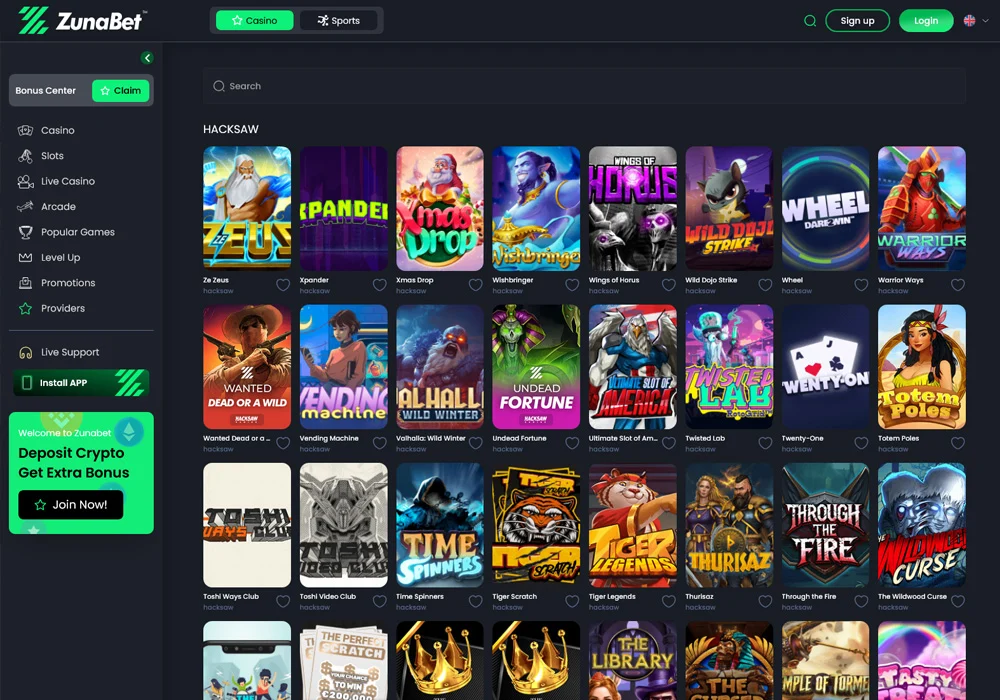
A new name is now showing up in conversations about which platform to try next. ZunaBet launched in 2026 with a crypto-first build, more than 11,000 games, a full sportsbook, and a loyalty program built around dragons. This article takes a closer look at how Stake.com and Bet365 compare, and why ZunaBet has quickly become one of the most talked-about new platforms in the space.
The Two Giants Players Already Know
Stake.com has built one of the strongest names in crypto gambling. It supports Bitcoin, Ethereum, and other major coins, and its brand grew on the back of a fast platform, a clean interface, and a sportsbook that gave esports as much weight as traditional sports. Major sponsorships with sports teams and well-known creators have made Stake one of the most visible names in the space. For a lot of crypto-savvy players, it is the first stop.
Bet365 took a very different route. It started in UK sports betting and turned into one of the largest gambling operators in the world. The sportsbook is the core of the platform, with deep markets and one of the best live betting setups around. Casino games, poker, and live dealer products came later. Payments stick to cards, bank transfers, and a small list of e-wallets. Bet365 only operates in regulated markets, where it works inside strict local rules.
Both platforms have earned their spot. Stake fits players who want speed, crypto support, and a modern feel. Bet365 fits players who want a regulated, fiat-based experience tied to a long-established brand. The space in between, where crypto meets a massive library and a fully developed sportsbook, is exactly where newer platforms are starting to break through.
A Quick Look at ZunaBet
ZunaBet runs under Strathvale Group Ltd and operates on an Anjouan gaming license. The team behind it has over 20 years of combined industry experience, but the platform itself is brand new and built from scratch for a crypto-first audience.
The size of the library catches the eye right away. ZunaBet carries 11,294 games from 63 providers. The list of studios includes Pragmatic Play, Hacksaw Gaming, Yggdrasil, BGaming, and Evolution. Slots take the largest share, while RNG table games and live dealer rooms cover the rest. Few crypto casinos come close to that kind of variety.
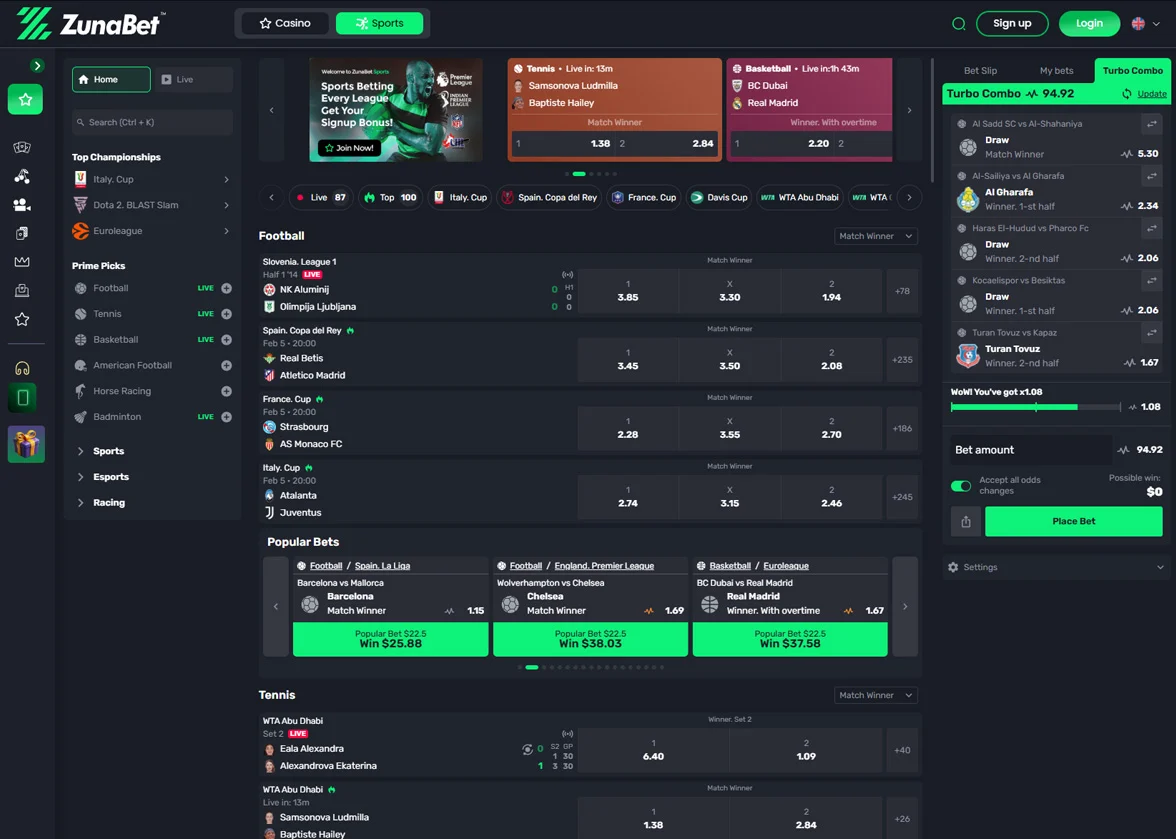
The sportsbook gets the same level of attention. It covers football, basketball, tennis, NHL, and other major sports with deep markets. Esports get equal focus, with markets on CS2, Dota 2, League of Legends, and Valorant. Virtual sports and combat sports finish out the lineup. Players move between casino games and sports bets in one account, without bouncing between sites.
Crypto vs Traditional Money
Payments are where the three platforms separate most clearly.
Bet365 runs entirely on traditional banking. Cards, bank transfers, and a few e-wallets handle nearly every transaction. These methods are familiar but slow. Withdrawals can take a few business days. Some banks flag or block gambling-related payments. Players in certain regions are stuck with very limited options.
Stake.com is crypto-first and supports a healthy list of cryptocurrencies. Withdrawals move quickly, fees stay low, and the whole flow feels lighter than going through a bank.
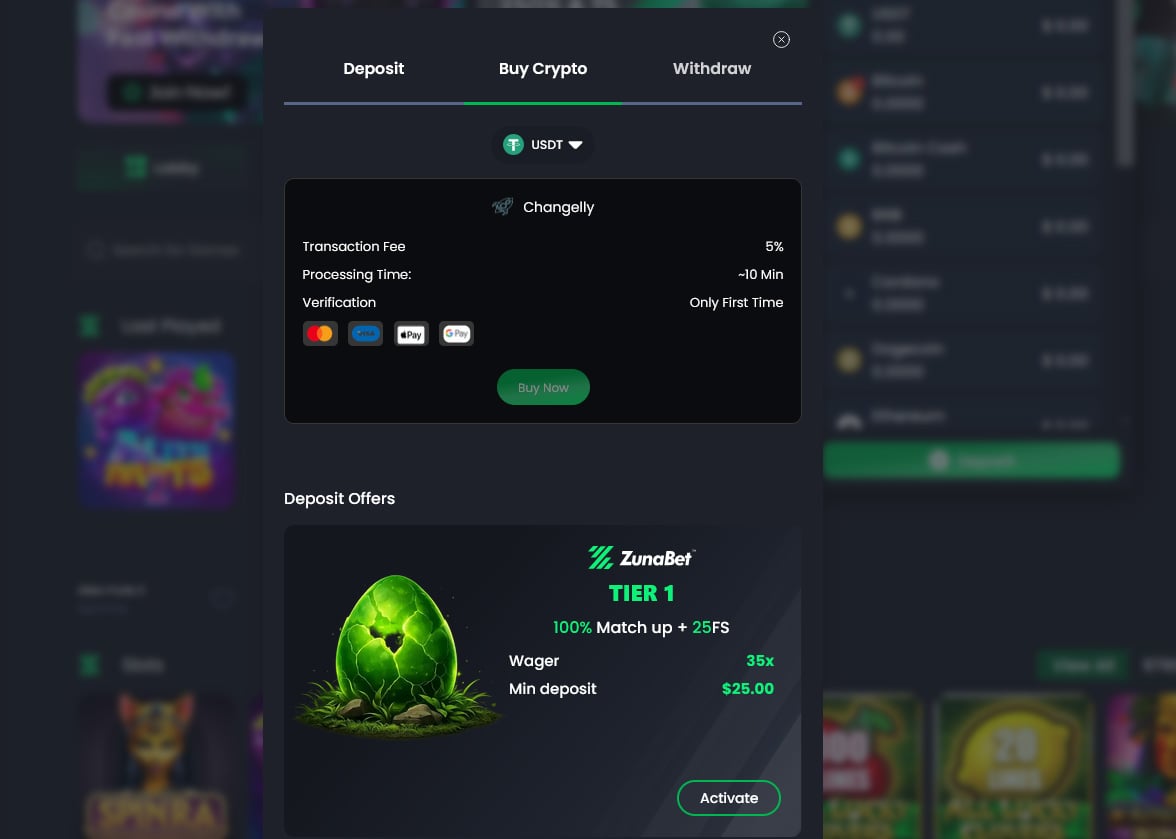
ZunaBet pushes the crypto-first model even further. It supports more than 20 cryptocurrencies, including Bitcoin, Ethereum, USDT on multiple chains, Solana, Dogecoin, Cardano, and XRP. There are no platform processing fees, and withdrawals usually clear in minutes. Anyone with a wallet and an internet connection can play, no matter where they live. That kind of access is hard to match with bank-based systems.
For players who already use crypto in their daily life, this setup feels natural. Gambling becomes one more use case for the same digital wallet they already use for trading, payments, or savings.
Loyalty Programs: A Real Point of Difference
Each platform handles loyalty in its own way.
Bet365 uses a standard rewards system. Players earn points based on wagering and unlock perks like cashback and free spins. It works, but it follows the same template most traditional VIP programs use.
Stake.com runs a more modern rewards model with rakeback, weekly bonuses, and rank-based perks. It is especially popular with active players and has played a big role in the brand’s fast growth.
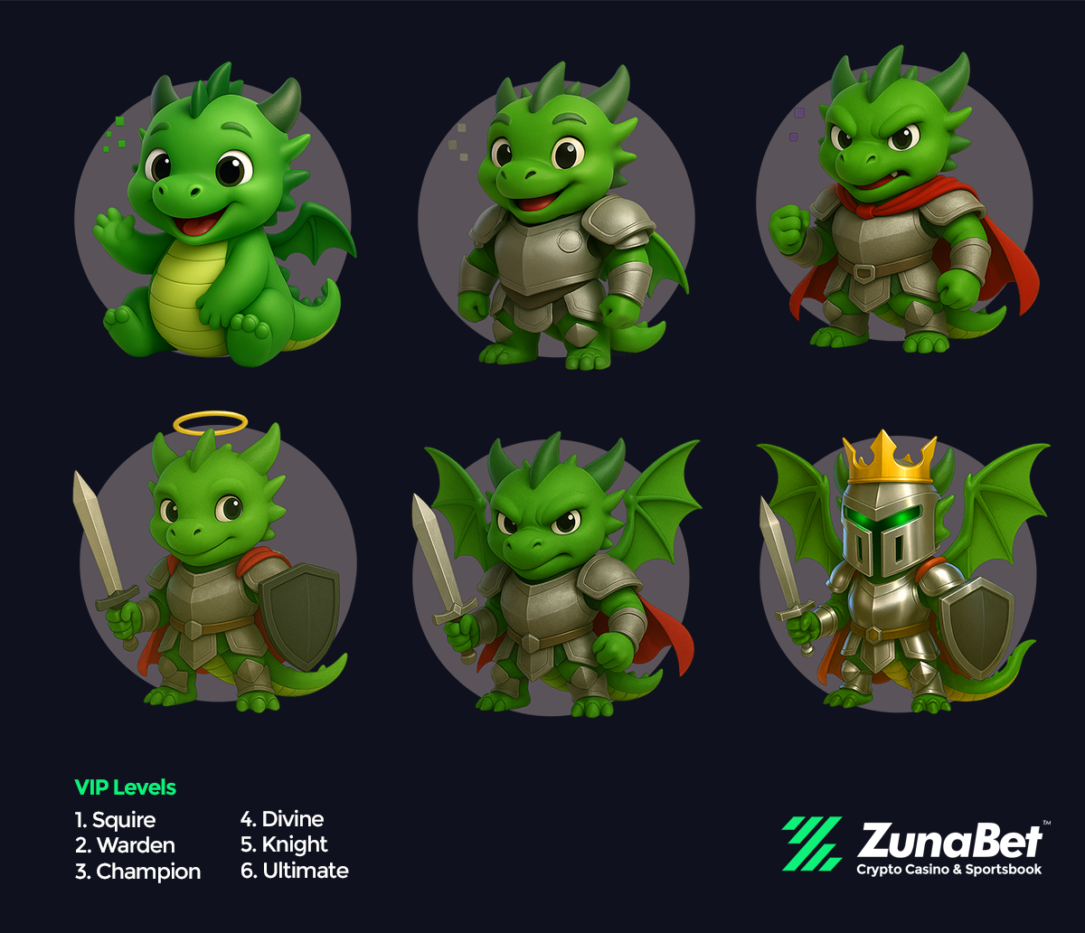
ZunaBet built something with more personality. Its loyalty system runs on a dragon evolution theme with six tiers: Squire, Warden, Champion, Divine, Knight, and Ultimate. Each tier brings better rakeback, starting at 1% and reaching 20% at the top. Higher tiers also unlock more free spins, with up to 1,000 available at the highest level. VIP club access, double wheel spins, and a mascot named Zuno tie everything together.
The 20% rakeback at the top tier is one of the highest in the industry. The bigger draw is how the progression feels. Climbing through dragon tiers is closer to leveling up a character in a video game than tracking points on a card. That kind of design lines up well with how younger players already engage with the apps and games they use outside of gambling.
The Welcome Offer
The welcome bonus is one of the easiest ways to compare platforms. Bet365 offers welcome bonuses tied to a single deposit, usually with wagering rules that take effort to clear. Stake.com puts less focus on a big upfront bonus and leans more on ongoing rewards and rakeback for active players.
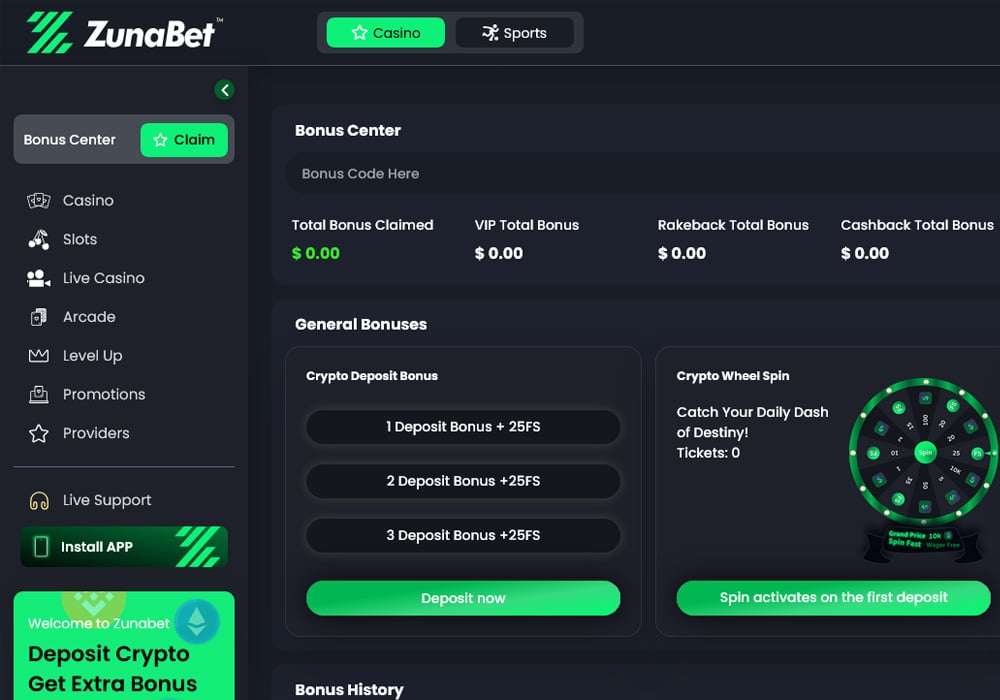
ZunaBet leans hard into the welcome package. It spreads the offer across three deposits, with a total value of up to $5,000 plus 75 free spins. The first deposit gets a 100% match up to $2,000 plus 25 spins. The second adds a 50% match up to $1,500 plus 25 spins. The third closes things off with another 100% match up to $1,500 plus 25 spins. Combined, that works out to a 250% bonus across the first three deposits, which is well above the industry average.
Why ZunaBet Feels Built for the Next Generation
The strength of ZunaBet is in how the pieces fit together. Crypto-first payments. A massive game library. A real sportsbook with deep esports coverage. A loyalty program with character. Each piece points to the same kind of player. Someone who already lives online, manages money in digital wallets, follows esports, and wants a casino that feels modern and a bit fun.
Stake.com appeals to a similar group with its own style. Bet365 serves a more traditional side of the market. ZunaBet sits between those two worlds and combines the speed of crypto casinos with the size, depth, and design that newer players expect from a 2026 platform.
A Look at What Is Ahead
Stake.com and Bet365 are not going anywhere. Both have strong brands, large user bases, and proven products. They will keep serving the players who prefer their approach.
But the bigger picture is shifting. Crypto has gone mainstream. Esports betting is now a major category. Players want speed, choice, and platforms that feel alive instead of stuck in an older model. ZunaBet was built with those expectations in mind from day one rather than added on top of an older system. It is still a young platform, but it has already become one of the most talked-about launches of 2026. For players asking which platform to check out next, ZunaBet is fast becoming the easy answer.
Disclaimer: This is a Press Release provided by a third party who is responsible for the content. Please conduct your own research before taking any action based on the content.

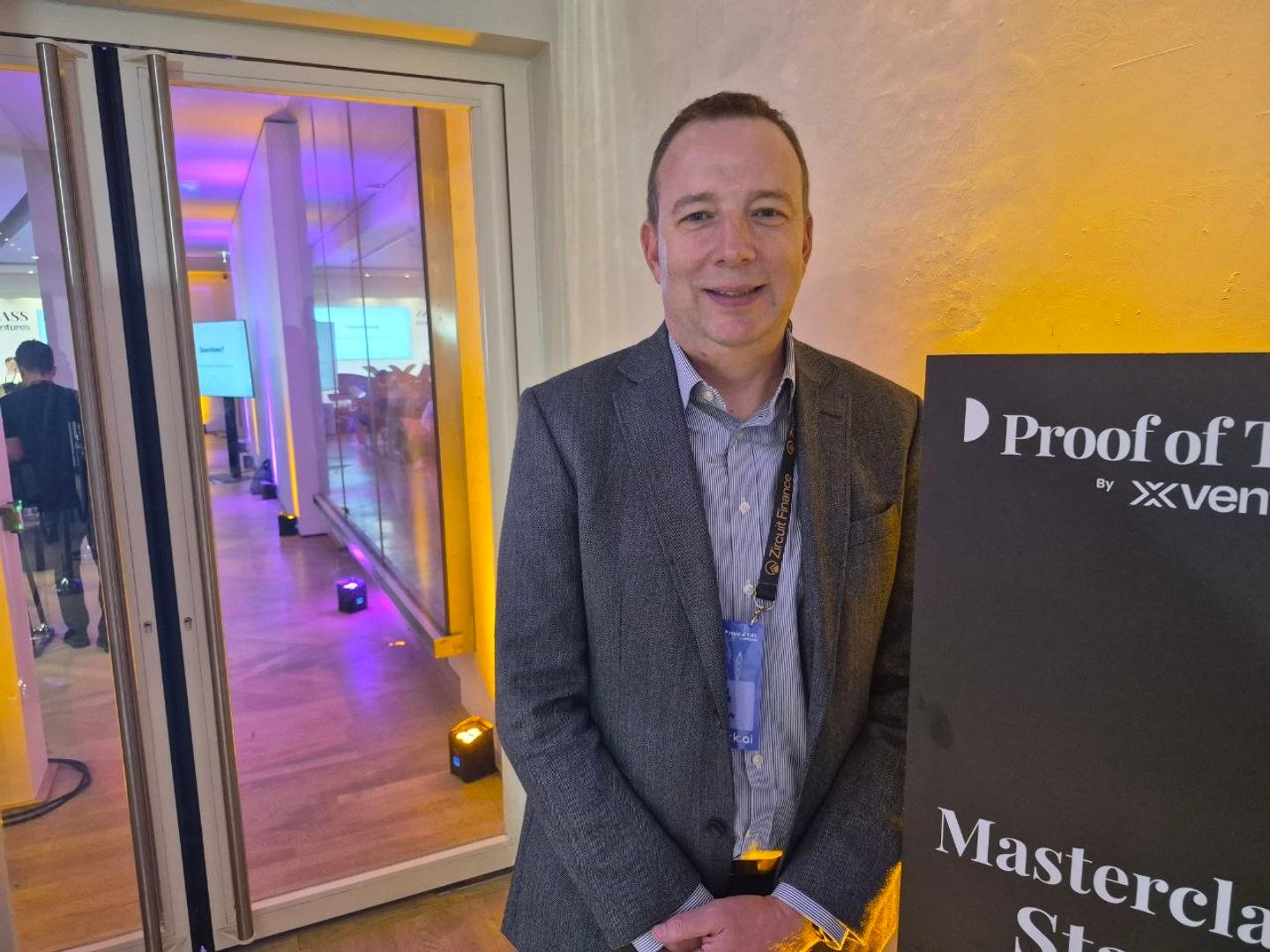

Julian Sawyer, CEO of Zodia Custody, described Standard Chartered’s ongoing acquisition of the firm as a “major validation” that highlights a growing reality in mainstream finance: legacy banks cannot build institutional-grade digital asset custody safely or efficiently without proper software.
Instead of treating crypto as an isolated sector, Sawyer noted that the industry is hitting a maturity point where the underlying blockchain infrastructure is moving toward real-world asset tokenization and stablecoin payments.
“This is the maturity point of where custody of the blockchain…is moving from crypto to other assets, stable coins and tokenization,” he said in an interview with CoinDesk on Wedneday. “If you’re going to do that, you need trust. Trust is what banks do.” Because these financial use cases require absolute trust, global banks are moving to acquire established platforms to gain immediate scale and secure bank-grade tech.
Sawyer noted that client’s interest in their infrastructure software has scaled dramatically. “Every single bank is going to need to know how to hold digital assets,” Sawyer said.
“The big guys are absolutely looking, and everybody else who’s thinking about stablecoins… thinking about tokenization needs to have an answer. So the market is huge.”
Standard Chartered acquisition
Sawyer confirmed that Standard Chartered’s full acquisition of the firm is on track to target a signing at the end of June and complete by the end of August.
He declined to disclose the purchase amount or valuation. In 2023, Zodia announced a $36 million funding round led by SBI Holdings. Market estimates place the custodian’s annual revenue at roughly $34.6 million. Market estimates place the custodian’s annual revenue at roughly $34.6 million with a current total funding of roughly $46 million.
He said that under the acquisition agreement, Standard Chartered’s existing digital custody business in Dubai, Luxembourg, and Hong Kong will merge with Zodia Custody and ultimately fold into Standard Chartered under its brand, meaning Zodia Custody will not exist in the medium term.
Concurrently, a new entity called Zodia Solutions will carry forward the software and infrastructure side of the business, backed by existing bank shareholders including Northern Trust, Emirates NBD, and National Australia Bank.
“This is a major validation,” Sawyer said, detailing the systemic impact of the consolidation. “Every bank in the world is going to do something with digital assets…they are going to need to know and have some technology to be able to hold those assets.”
Global regulation
Institutional integration is forcing a regulatory convergence worldwide. When asked whether the U.K. is holding back from becoming the crypto hub it aspires to be due to internal friction between the Bank of England, the Treasury, and the Financial Conduct Authority (FCA), Sawyer acknowledged the shifting tides.
“I guess I’m old enough to remember when the FCA was ahead of the market and people did come to the UK to set up,” Sawyer noted. “I think one of the fascinating parts of our industry is that each jurisdiction, each government, is moving at a different pace .”
He highlighted the “huge progress” in Asia and Singapore, as well as new regulations in Hong Kong and Abu Dhabi. “The message I would have is this is a very evolving ecosystem and that regulators and the participants need to continue to evolve.”
While some industry participants worry that Wall Street giants will completely take over the sector, Sawyer suggests the crypto industry is naturally moving toward banking due to compliance laws like Know Your Customer (KYC) and Anti-Money Laundering (AML).
“The crypto industry is moving towards banking because of the law,” Sawyer stated.
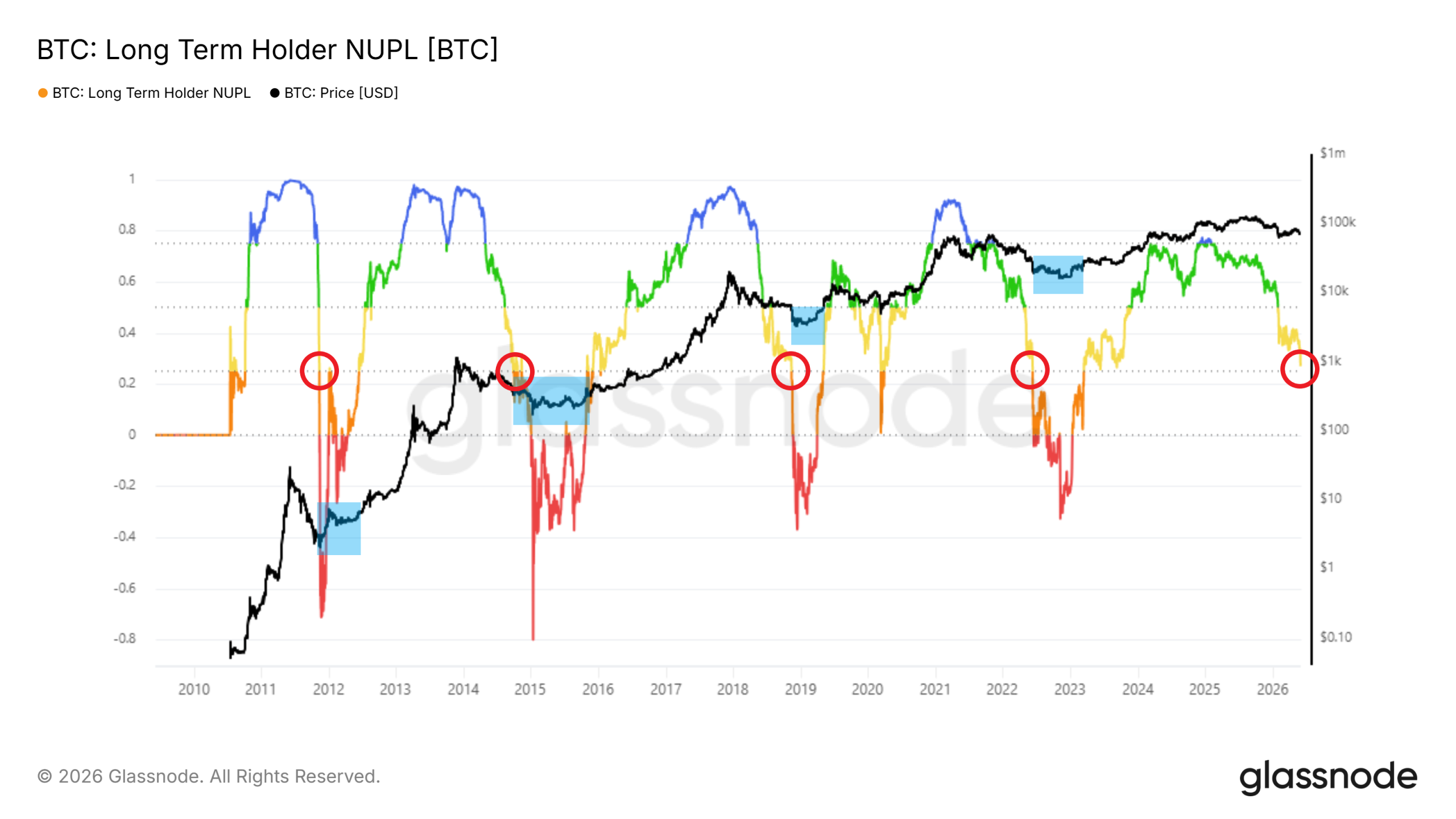
Bitcoin (BTC) trades near $67,002, and on-chain data from Glassnode shows the long-term holder cohort is signaling more downside before this bear market prints a cycle low.
Three Glassnode charts point in the same direction. Holders carrying coins for over 155 days appear stressed. Yet they have not reached the pain levels that historically marked the floor of past Bitcoin cycles.
Long-Term Holder NUPL Slides Into the Historical Bottom Zone
Bitcoin Long-Term Holder Net Unrealized Profit and Loss (LTH NUPL) sits near 0.25 (red circle). That reading marks the upper edge of the orange band that has framed every prior cycle floor.
Historically, every prior touch of this zone aligned with the lowest BTC prices of the cycle (blue zones). The 2012, 2015, 2019, and 2022 bottoms all formed inside the orange band.

Meanwhile, the signal has not flipped to accumulation yet. NUPL must push deeper into the orange or red band, similar to past cycle bottoms.
Long-Term Holder Supply Just Hit a New All-Time High
While NUPL signals near-term pain, the supply held by long-term holders has quietly printed a fresh all-time high. The cohort now controls roughly 15 million BTC, the highest figure on record.
This pattern repeats in every cycle. During the mid-phase of a Bitcoin bear market, long-term holders absorb coins from short-term sellers.
They then distribute that supply into the next uptrend, often months or years later. The current rhythm of accumulation suggests the cohort sees value here, even as price corrects further.

However, this same setup confirms the broader market is still in the bearish leg. Long-term holders rarely sell into weakness. The current selling pressure is coming from a younger, less conviction-driven cohort.
BTC Price Could Test $56,000 Before True Capitulation
The third Glassnode chart frames the magnitude question. Bitcoin LTH Relative Unrealized Loss sits at 15.5%. Roughly 15 cents of every dollar in long-term holder portfolios is underwater.
Cycle bottoms in 2019 and 2022 pushed this metric above 50%. Therefore, the distance between today’s reading and that historical floor signals the bear has further to run. Glassnode wrote on X:
“At $69.5k, LTH Relative Unrealized Loss sits at 15.5%. For every dollar long-term holders’ bags are worth today, they are carrying roughly 15 cents in unrealized loss. At cyclical extremes, that number has exceeded 50 cents on the dollar. Stress is present, but the long-term holder base remains far from the levels of pain that have historically marked cycle lows.”

A drawdown into the $56,000 zone would lift relative unrealized loss toward 30 to 40%. That area marks a critical long-term support cluster and would put on-chain stress in line with early phases of past capitulations.
A deeper flush to the $44,000 area cannot be ruled out if NUPL slides into the red zone. Reclaiming $105,000 would invalidate this bearish thesis by pushing long-term holders back into broad profit. Such a move would echo the rare signal seen at past cycle reversals.
BTC trades down 11.6% over the past week and 36.3% over the past year. Based on long-term holder data, the path of least resistance points lower before higher.
The post Every Bitcoin Bottom Since 2012 Hit This Zone: We’re Not There Yet. appeared first on BeInCrypto.
Crypto World
Stablecoins Shift From Consumer Payments to Business Infrastructure as B2B Adoption Surges
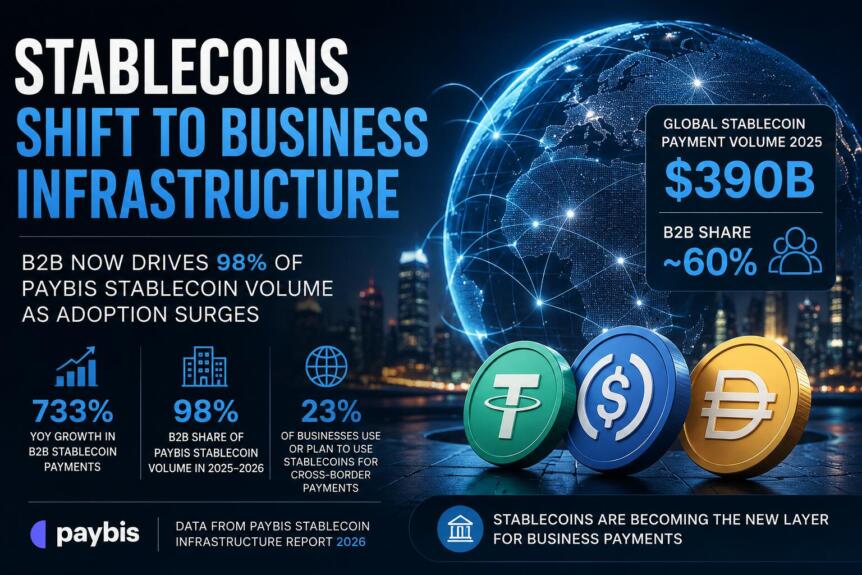
New research released by Paybis at Money20/20 Europe suggests that stablecoins are rapidly evolving from a crypto-native tool into a core component of business payment infrastructure, with B2B transactions now accounting for the overwhelming majority of stablecoin payment volume.
According to the company’s latest Stablecoin Infrastructure Report, business adoption is accelerating across cross-border settlements, treasury management, supplier payments, and international payouts. The findings challenge the long-standing narrative that retail checkout payments would become the primary use case for stablecoins.
B2B Stablecoin Payments Reach Critical Scale
The report cites market research indicating that approximately $390 billion in stablecoin payment volume was processed globally in 2025, with around 60% originating from business-related transactions. B2B stablecoin payments reportedly grew by 733% year-over-year, highlighting increasing demand for faster and more efficient international payment rails.
Paybis’ internal transaction data reflects a similar trend. Stablecoins represented just 12% of crypto transaction volume on the platform in 2023. By April 2026, that figure had climbed to nearly 86%, making stablecoins the dominant asset category processed through the company’s infrastructure.
Even more notable is the shift in customer composition. B2B transactions accounted for approximately 36% of Paybis stablecoin volume in 2023, increasing to more than 70% in 2024 and reaching nearly 98% throughout 2025 and the first months of 2026.
The company reported a cumulative $2.81 billion in stablecoin transaction volume between 2023 and 2026.
Cross-Border Payments Drive Adoption
The strongest adoption appears in sectors that regularly move funds across borders and require efficient settlement mechanisms.
According to Paybis, the largest B2B stablecoin categories since April 2024 have included:
- Digital Goods
- Virtual Assets Businesses
- Technology Companies
- Retail and E-commerce
- Financial Technology Firms
Together, these sectors represented more than three quarters of the platform’s B2B stablecoin activity.
For many businesses operating internationally, traditional payment systems continue to present challenges related to settlement delays, banking fees, liquidity management, and operational complexity. Stablecoins are increasingly being evaluated as an alternative settlement layer capable of reducing friction while improving transaction speed and transparency.
Businesses Still Misunderstand Stablecoin Costs and Settlement Speed
Despite growing adoption, the report highlights a significant knowledge gap among business decision-makers.
In a survey of more than 1,000 respondents, only 53% correctly believed that international stablecoin transfers settle almost instantly. The remaining participants expected settlement times ranging from one hour to an entire day.
Similarly, fee expectations varied considerably. While stablecoin payment costs are generally considered competitive compared with traditional international payment methods, survey participants were almost evenly divided between expecting very low fees and significantly higher costs.
The findings suggest that education and implementation clarity remain major obstacles to broader enterprise adoption.
Stablecoins Becoming Financial Infrastructure
Commenting on the findings, Konstantins Vasilenko, Co-Founder and CBDO of Paybis, said:
“Stablecoins have moved from a crypto niche to business infrastructure. B2B is now the overwhelming majority of volume on our platform, driven by companies that need faster cross-border settlement and treasury movement.”
Vasilenko believes the next phase of growth will depend less on awareness and more on integration.
Businesses increasingly want access to stablecoin-based settlement without having to manage complex blockchain infrastructure themselves. As a result, regulated providers offering compliant on-ramp, off-ramp, treasury and payment solutions may play a key role in accelerating adoption.
Looking Ahead
While stablecoins still represent a relatively small portion of global payment activity, current market data suggests they are finding product-market fit in specific business workflows where speed, cost efficiency and cross-border accessibility are critical.
As regulatory frameworks continue to mature and enterprise infrastructure improves, stablecoins may become an increasingly common component of international business payments rather than simply a cryptocurrency use case.
With major industry discussions taking place this week at Money20/20 Europe in Amsterdam, the debate is no longer whether stablecoins can be used for payments, but where they deliver the greatest value. Current data increasingly points toward business adoption rather than consumer checkout experiences.
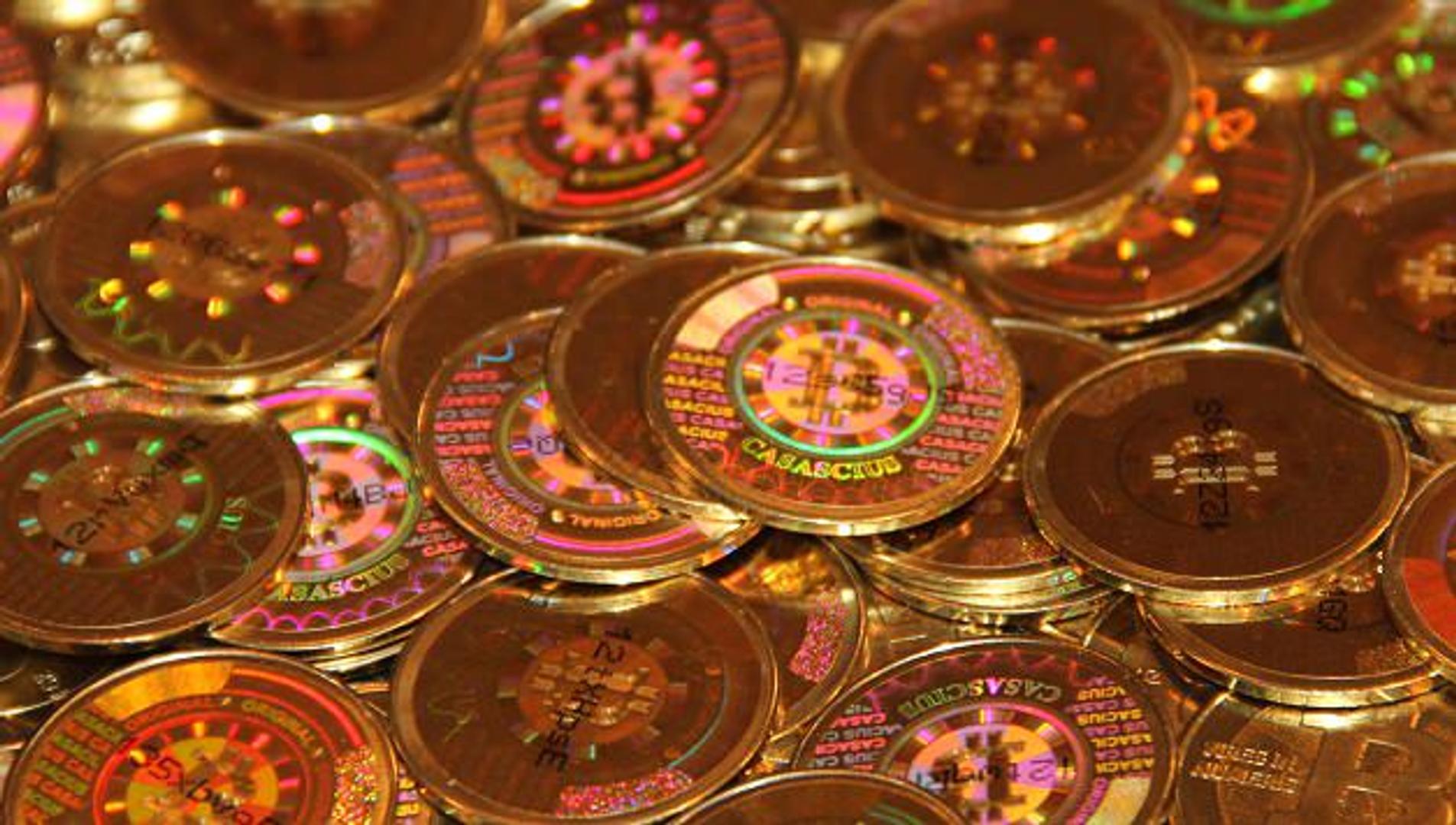
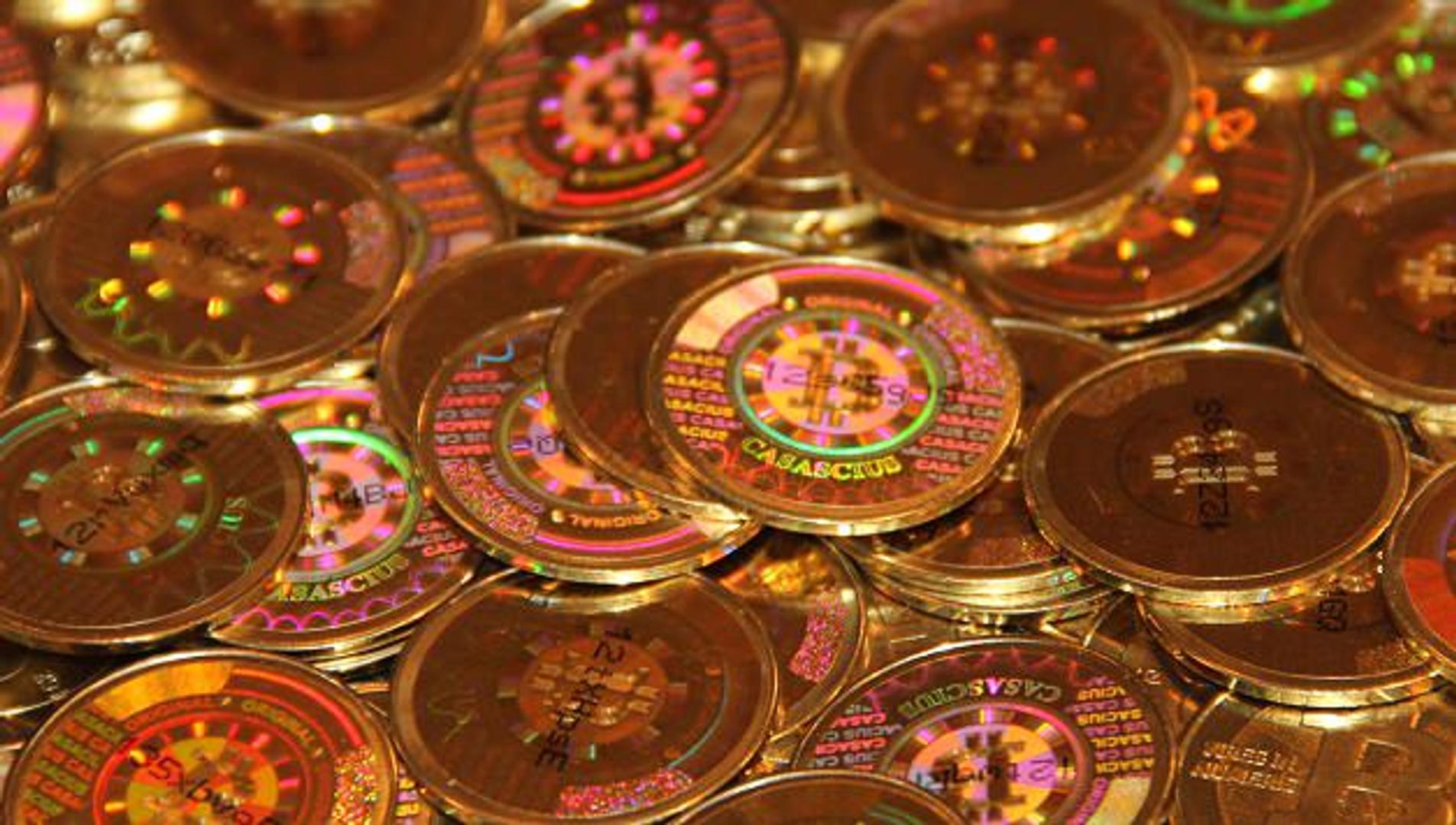
A physical bitcoin from the legendary 2011-2013 Casascius mint had its hologram seal removed on Wednesday and the 25 BTC stored inside, worth $1.70 million at current prices, transferred to a new wallet.
Casascius coins were physical tokens created by software engineer Mike Caldwell in denominations of 0.5, 1, 5, 10, 25, 100 and even 1,000 BTC. Each coin had its receiving bitcoin address printed on the outside, with the matching private key concealed under a tamper-evident hologram on the back.
🪙 CASASCIUS COIN REDEEMED — S1-COIN-25 (25 BTC face) swept for 25.0000 BTC ($1.78M)
A physical Casascius bitcoin from the 2011-2013 mint has been peeled and the private key swept on-chain.
Address: 1tLPQwd6wjvZpreivwHsEuU2ceSv6zaon
Also in our DB: Noah Doe #38977 ·…— Galaxy Research (@glxyresearch) June 3, 2026
Holders could spend the bitcoin at any time by peeling the hologram and importing the private key into a wallet, a one-way move that destroyed the coin’s collectible status.
Caldwell halted production in late 2013 after the U.S. Financial Crimes Enforcement Network advised him he was operating as a money transmitter without a license.
Intact-hologram Casascius coins continue to occupy an unusual category in collectibles markets. Each piece holds real bitcoin at face value and commands a numismatic premium for the physical artifact when sold intact in collector markets. Thousands of Casascius coins remain unredeemed across all denominations, trackers show.
Caldwell minted fewer than 20 of the 1,000-BTC denomination pieces, most of which are still intact and would each now hold the equivalent of roughly $66 million in bitcoin. While the project inspired a wave of physical-bitcoin successor mints including Lealana, Denarium and BTCC, Casascius remains the most collected by a wide margin.
Peeling a Casascius is a one-way trade with real economic stakes. Intact Series 1 large-denomination coins typically command a premium over their face bitcoin value, meaning the Wednesday redemption converted what could have been a higher-priced collectible back into pure bitcoin.
The redemption, recorded in Bitcoin block 952,159, arrives during a week of unusual activity at the dormant end of Bitcoin’s UTXO set, with a 2011-era wallet moving 35 BTC after 15 years of dormancy.
Kraken-affiliated Payward Services has unveiled a tokenized IPO program that would give retail investors access to U.S. public offerings.
Summary
- Kraken users and xStocks Alliance members will soon be able to access U.S. IPO shares at the offering price through a new tokenized equities program.
- Payward Services said allocated IPO shares will be backed 1:1 by the underlying stock and distributed as tokenized assets on listing day.
- Bernstein Research estimates the tokenized real-world asset market has reached $51 billion, while xStocks has processed more than $30 billion in volume.
According to Payward Services, customers of Kraken and selected members of its xStocks Alliance will soon be able to register interest in upcoming U.S.-listed IPOs before companies begin trading on public markets. Eligible investors who receive allocations will obtain tokenized shares on listing day at the IPO offering price.
The company said the shares will be backed 1:1 by the underlying stock, which will be held in custody by a regulated entity. Payward Services said the structure is designed to give retail investors access to allocations that have traditionally been available mainly to institutional clients and high-net-worth investors.
Coming months after Kraken expanded its presence in regulated financial markets through acquisitions and new product launches, the initiative adds another offering tied to tokenized versions of traditional assets.
In late 2025, Kraken acquired xStocks operator Backed Finance, while more recently the exchange outlined plans to introduce regulated Bitcoin perpetual futures in the United States through infrastructure obtained from its Bitnomial acquisition.
Retail investors to submit IPO interest before listings
Under the process outlined by Payward Services, participating exchanges will open an indication-of-interest period several weeks before a company’s public debut. During that period, customers can submit non-binding requests to purchase shares within the expected pricing range.
After collecting demand from participating platforms, Payward Services said it will coordinate with an underwriting syndicate before final allocations are determined on the day the company lists publicly.
Once allocations are finalized, the shares will be converted into tokenized assets and distributed through partner exchanges. According to Payward Services, investors will be able to gain exposure to newly listed companies without opening accounts with traditional brokerage firms.
Mark Greenberg, global head of Payward Services, said access to IPO pricing has historically depended on geography and wealth.
“Going public should mean public to everyone. Now a retail investor in Medellín, Madrid, or Malaysia can have similar access to a U.S.-listed IPO, and Payward Services’ xStocks infrastructure is finally making that possible for the masses.”
First offerings expected within weeks
In its announcement, Payward Services said the first tokenized IPO opportunities are expected to become available to Kraken users and other xStocks Alliance participants in the coming weeks. The company added that additional launch partners and markets are expected to join over time.
At a time when financial firms continue testing blockchain-based versions of traditional assets, Bernstein Research estimated that the tokenized real-world asset sector has reached $51 billion after growing 42% this year.
Payward Services also disclosed performance figures for its tokenized equities network. According to the company, xStocks processed more than $30 billion in transaction volume during its first year, including over $6 billion settled on-chain, while serving more than 125,000 holders worldwide.
Those figures arrive as exchanges and financial institutions continue competing to bring conventional market products onto blockchain infrastructure, with tokenized stocks, funds, and other regulated assets becoming an increasingly active area of development.
Crypto World
How to convert XRP, BTC into $1200 daily passive income during a crypto market downturn


Disclosure: This article does not represent investment advice. The content and materials featured on this page are for educational purposes only.
XRPPower unveils AI-driven digital asset platform focused on automation, transparency, and data traceability.
Summary
- XRPPower combines AI-driven analytics and automated management tools to offer a digital asset platform focused on transparency, traceability, and operational efficiency.
- The company says it follows international compliance practices, incorporates risk-management frameworks used by major consulting firms, and monitors evolving financial regulations.
- XRPPower highlights security measures including 2FA, encryption, DDoS protection, KYC verification, AML controls, and real-time risk monitoring to protect users and platform operations.
In the recent volatile cryptocurrency market, more and more investors are realizing that relying solely on price increases to generate profits is becoming increasingly difficult. The market’s sharp fluctuations not only test investors’ patience but also place immense psychological pressure on many long-term holders.
A Bitcoin investor from the United States shared his experience: he bought 10 BTC at nearly $100,000 during the market peak in 2025, expecting the price to continue rising. However, as the market corrected, the price of Bitcoin fell to around $70,000, resulting in a significant reduction in his account assets. This is not an isolated case; many cryptocurrency investors have experienced similar market volatility and are beginning to rethink how to achieve stable returns in bear markets and volatile market conditions.
Entering 2026, with the rapid development of fintech and artificial intelligence, the digital asset industry is undergoing a new transformation. XRPPower combines an AI intelligent analysis system with automated management technology to launch a brand-new digital asset service model. The platform prioritizes transparency, data traceability, and process verification. Through an intelligent system, it reduces human interference, providing users with a more convenient and efficient experience.
How to join XRPPower and experience its AI-powered intelligent profit model?
1. Register an Account
2. Choose a Contract Plan
The platform offers various contract plans with investment periods ranging from $100 to $100,000. Users can choose a suitable profit model based on their needs and financial plans.
3. Activate the Contract
Users can use XRP, BTC, and other mainstream cryptocurrencies to pay contract fees and activate the contract.
4. Earn Profits
Once the contract becomes active, profits will be automatically credited to the account balance according to platform rules. Users can choose to withdraw directly or continue participating in other contract plans for more profit opportunities.
5. Invite Friends
Invite friends to register and join XRPPower to earn up to 3% + 2% team rewards. As the team grows, users can continue to enjoy corresponding reward benefits.
XRPPower platform security and compliance guarantees
1. International compliance management
Headquartered in London, UK, XRPPower continuously monitors global digital financial regulatory developments and references international financial industry compliance standards to constantly improve its platform operation system, providing users with a safer and more transparent service environment.
2. International audit and risk control
The platform references the risk management concepts of internationally renowned institutions such as PwC, Deloitte, EY, and KPMG to continuously improve internal management, operational transparency, and risk control levels.
3. Multi-layered security protection system
XRPPower employs bank-grade data encryption technology, multi-factor authentication (2FA), an enterprise-grade DDoS protection system, and a real-time risk monitoring mechanism to comprehensively protect user accounts, data, and assets.
4. User security and privacy protection
The platform strictly implements KYC identity authentication and AML anti-money laundering management mechanisms and has established a comprehensive data security and privacy protection system, committed to creating a safe, stable, and reliable digital service platform for global users.
About XRPPower
To date, XRPPower has attracted users from numerous countries and regions worldwide. The platform consistently adheres to the core development principles of security, transparency, and innovation, providing users with a more stable and convenient digital service experience through a continuously improving security system, intelligent technical support, and a global service network. In the future, XRPPower will continue to focus on user needs, continuously driving technological innovation and ecosystem development to help more users seize the development opportunities of the digital economy era.
Join XRPPower now and embark on a new digital journey, letting action create value and opening up more possibilities for the future.
For more information, visit the official website and download the mobile app.
Disclosure: This content is provided by a third party. Neither crypto.news nor the author of this article endorses any product mentioned on this page. Users should conduct their own research before taking any action related to the company.
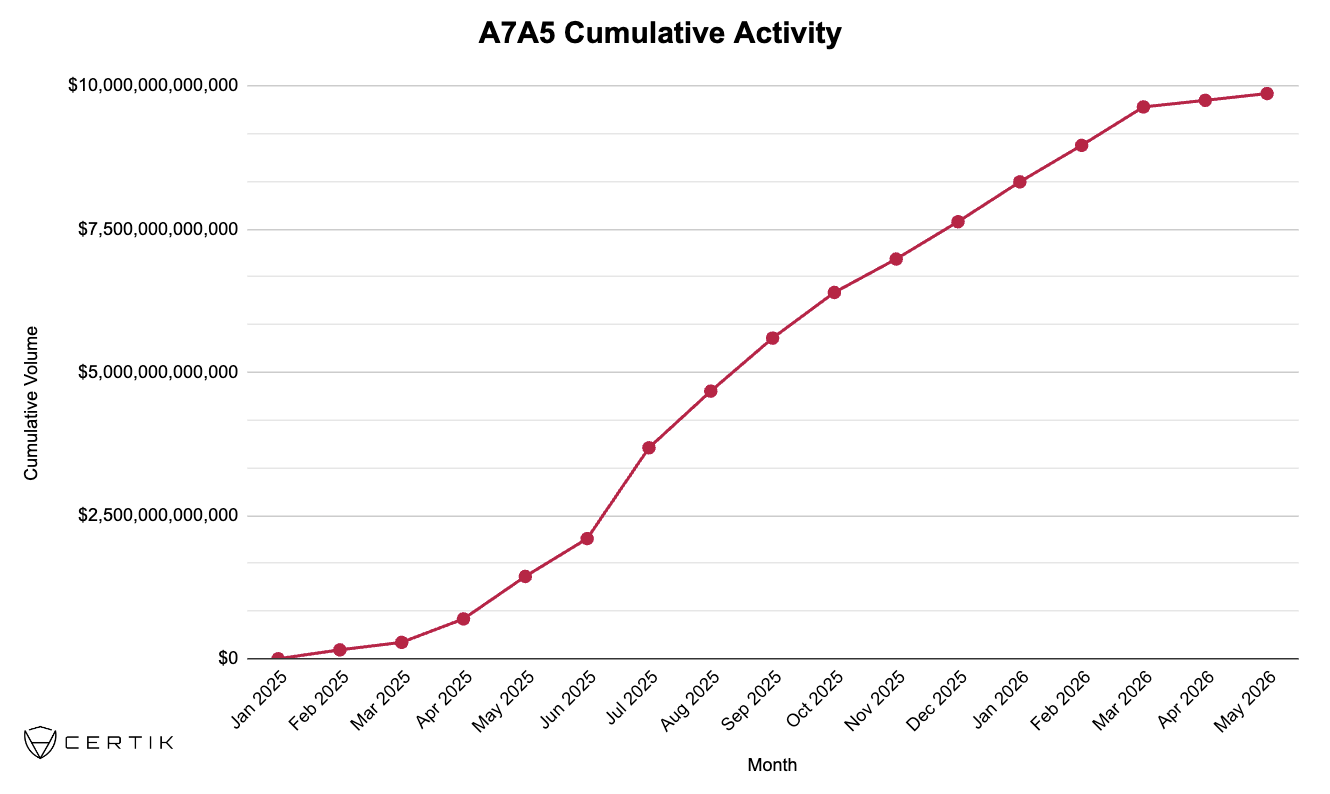
The Russian ruble-backed A7A5 stablecoin continued to grow despite Western sanctions, processing more than $110 billion in cumulative onchain transactions, according to CertiK.
CertiK said A7A5 processed over $110 billion in cumulative onchain transactions, captured about 43% of the global non-US dollar stablecoin market, and that its holder count rose from 13,000 to 29,000 wallets between February 2025 and May 2026.
The security company described A7A5 as one of the clearest examples of a sanctions-evasion stablecoin ecosystem, linking it to Russian cross-border settlement companies.
The growth highlights the limits of Western sanctions against blockchain-based payment systems, including the European Union’s 19th sanctions package, adopted on Oct. 23, 2025, which prohibited transactions involving A7A5 from Nov. 12. CertiK said the reserve structure places key assets outside direct Western enforcement reach.
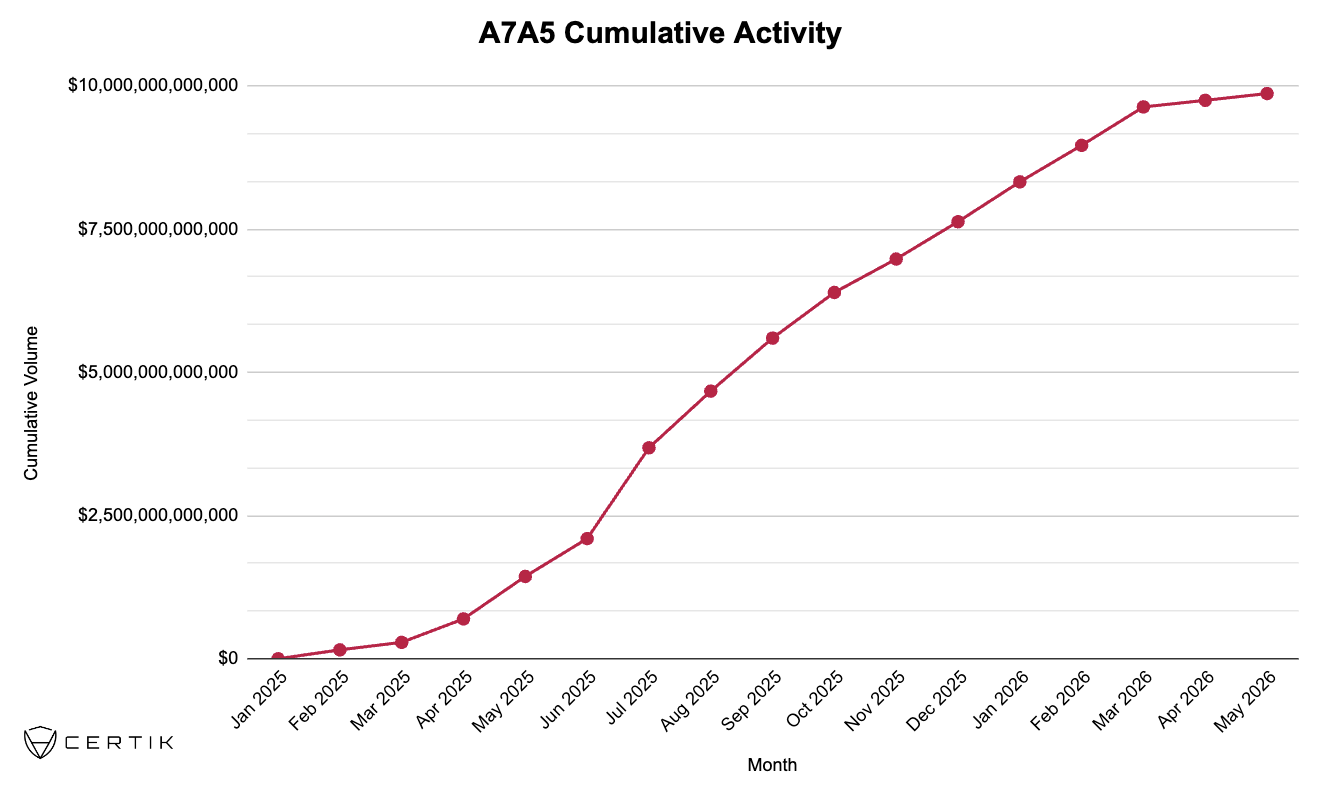
A7A5 cumulative activity, all-time chart. Source: CertiK
A7A5 was issued in January 2025 by Old Vector LLC, a Kyrgyz entity acting on behalf of the Russian cross-border-settlement firm A7 LLC, which is co-owned by Moldovan-Russian oligarch Ilan Shor and Russian state-owned defense sector lender Promsvyazbank.
Russian authorities later recognized A7A5 under the country’s digital financial asset framework.
The stablecoin recorded $11.2 billion in trading volume across A7A5/RUB and $6.1 billion in A7A5/USDT trades, primarily through Grinex, which is the successor to Garantex, the platform that previously functioned as a laundering venue for Conti, Black Basta, LockBit and some illicit funds attributed to North Korean-linked actors, including $30 million from the 2022 Horizon Bridge hack sent to Garantex in February 2023.
US Secret Service seized the Garantex domain in March 2025, while Tether froze approximately $28 million in USDt (USDT) held by Garantex-controlled wallets.
A7A5 was designed to replicate some of USDT’s stablecoin utility while keeping issuance, reserves and freezing authority outside Western-controlled infrastructure.
Related: Recovery hopes fade as Kelp DAO hacker launders nearly all $220M in stolen funds
Can Western sanctions curb A7A5’s circulation?
The creators of the ruble-backed stablecoin have designed it without a centralized kill switch, meaning that the smart contracts responsible for wallet and fund freezes are controlled entirely by its Russian and Kyrgyz developers, according to Jonathan Riss, OSINT and blockchain intelligence analyst at CertiK.
The stablecoin’s reserves also sit in Central Asian banking networks, predominantly in Kyrgyzstan and in the Russian banking system, meaning that the funds are outside the reach of Western sanctions.
A7A5 also relies on a distributed distribution model through decentralized finance (DeFi) liquidity pools such as Curve and Uniswap to prevent getting frozen by centralized exchanges, CertiK’s Riss told Cointelegraph, adding:
“While Western regulators cannot directly rewrite the Ethereum or Tron blockchain to erase A7A5, the EU’s 19th package and parallel US/UK actions target the physical and digital choke points.”
The stablecoin’s creators designed A7A5 with careful consideration of the above three “immunities” to evade sanctions that crippled their previous evasion methods, such as Tether’s USDT, Riss said.
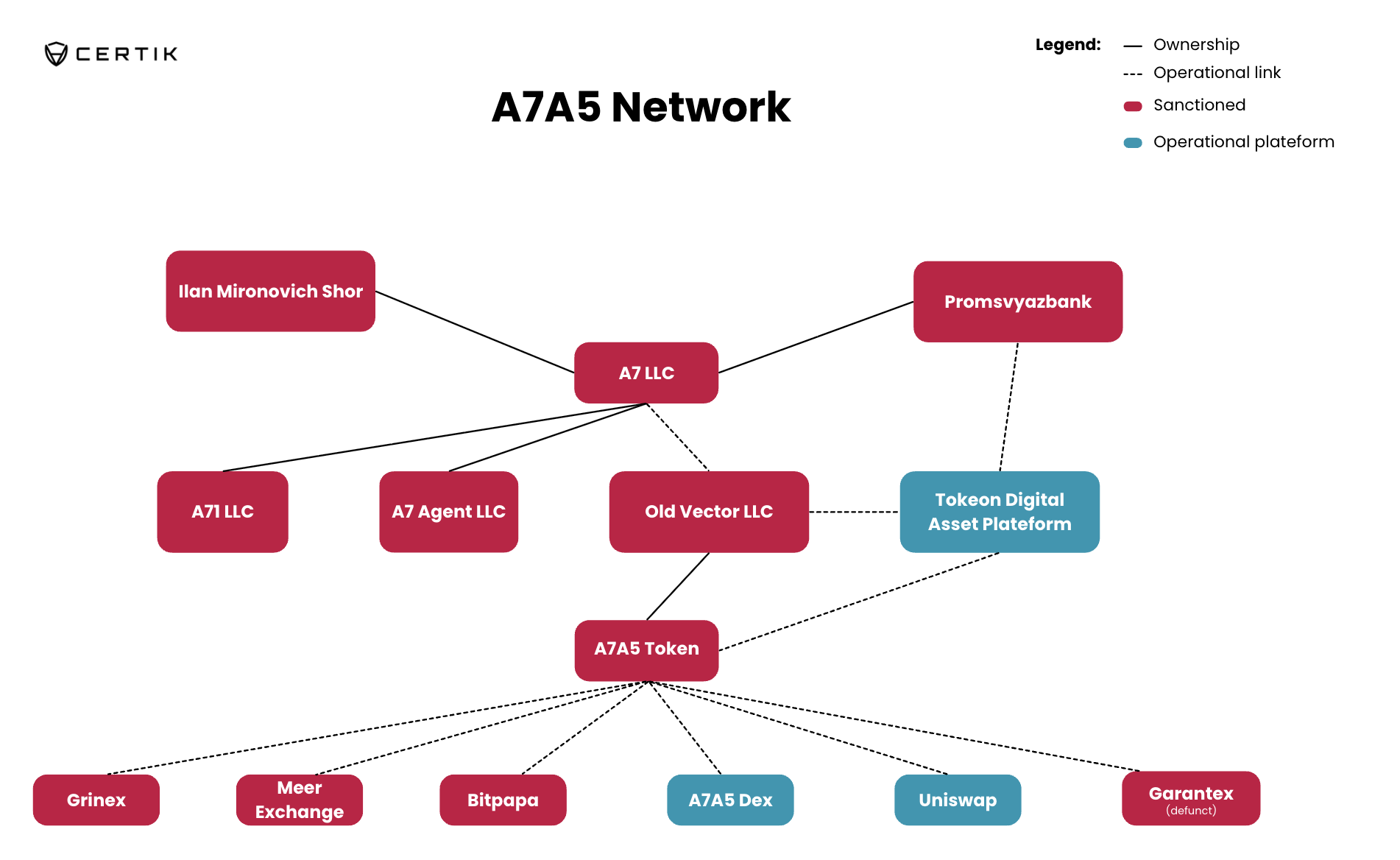
A7A5 network chart. Source: CertiK
Shor owns 51% of A7 LLC as the majority owner. He served as a former Moldovan parliament member until 2017, when he was convicted by a Moldovan court in connection with a 2014 theft of around $1 billion from three Moldovan Banks. He fled Moldova in 2019 and obtained Russian citizenship.
He was sentenced in absentia to 15 years in prison in 2023. He currently resides in Moscow.
Magazine: The legal battle over who can claim DeFi’s stolen millions


Strategy’s (MSTR) recent bitcoin sale has had an outsized impact on market sentiment, but Wall Street bank Citi says spot bitcoin exchange-traded fund (ETF) flows are the primary driver of BTC prices.
Markets were rattled after Strategy disclosed the sale of a small portion of its bitcoin holdings, marking a rare departure from Executive Chairman Michael Saylor’s long-standing “buy and hold” approach. The largest cryptocurrency has slumped 9% since Sunday and earlier Wednesday dropped to the lowest since March.
The sale should not have been a surprise, the bank said. Executive Chairman Michael Saylor mentioned plans to dispose of certain tax-disadvantaged bitcoin holdings as part of a portfolio optimization effort during its first-quarter earnings call. A bigger issue is the lack of investor demand.
“Recent flows have been negative, and the chances for the passage of a U.S. market structure bill (a potential catalyst for renewed investor interest in our view) are diminishing,” analyst Alex Saunders wrote in the Tuesday report.
Saunders said spot bitcoin exchange-traded fund (ETF) flows remain the primary driver of BTC prices, estimating they account for about 45% of weekly return variation. The ETFs have experienced a record 11 straight days of net outflows, which, he said, signals a broader lack of investor demand for the cryptocurrency.
The report also warned that the chances of a U.S. crypto market structure bill passing this year appeared to be declining, reducing the likelihood of a near-term catalyst for fresh investor inflows.
Combined with bitcoin’s underperformance relative to equities, the fading legislative outlook is likely to keep sentiment muted absent regulatory progress or renewed concerns about fiscal sustainability, the report added.
Read more: Bitcoin faces outsized quantum threat as computing breakthroughs accelerate, Citi says
UPDATE (June 3, 14:10 UTC): Adds BTC performance this week, ETF outflow streak record)

OKX launches ‘The Beautiful Game’ outcomes market on Exchange OS

England’s record at World Cups over the last two decades is built on painful exits.

Simply Explaining Financial Questions EVERYONE Has



-

 Tech5 days ago
Waymo dominates autonomous vehicle registrations as Tesla trails behind
-

 News Videos5 days ago
This is BROKEN! INSANE 5x MONEY CAR WASH WEEK! The NEW GTA Online UPDATE Today! (GTA5 New Update)
-
 Tech4 days ago
SpaceX just won a second Golden Dome contract. This one is $4.16 billion.
-

 News Videos5 days ago
SHE IS KILLING XRP!!! WATCH URGENT AND ACT FAST
-

 Business2 days ago
Jade Biosciences, Inc. (JBIO) Discusses Positive Interim Results From JADE101 Phase I Healthy Volunteer Study and Development Plans Transcript
-
 NewsBeat5 days ago
FIRST NIGHT REVIEW: Take That bring the Circus back to life in spectacular sun-soaked style
-
 Crypto World5 days ago
CFTC Has Approved the First Regulated Bitcoin Perpetual Contract in the U.S.
-

 Business4 days ago
Is the Spurs Phenom Already Better Than Prime Diesel?
-
 NewsBeat5 days ago
Novak Djokovic v Joao Fonseca LIVE: French Open latest scores and results after Jannik Sinner’s shocking collapse
-
 Crypto World5 days ago
Snowflake (SNOW) Stock Rallies on Strong Q1 Results and AI Product Growth
-
 Entertainment5 days ago
Weak ‘Supergirl’ Box Office Tracking Amid Milly Alcock Backlash
-

 Business4 days ago
Demand Conditions Improve In Chemicals Sector In April 2026
-
 Crypto World5 days ago
MicroStrategy Moves $30 Million in BTC to Coinbase Prime: Is the Bitcoin Sell-Off Already Here?
-

 Politics4 days ago
The House | Inside Andy Burnham’s Makerfield Campaign: “Nobody Thinks This Is In The Bag”
-
 Entertainment4 days ago
One of the Greatest Sitcoms of All Time Shoots Up Apple TV’s Charts 11 Years Later
-

 Tech5 days ago
This Week In Security: Ubiquiti Fixes, And FreeBSD Joins The Club You Don’t Want To Join
-

 Entertainment5 days ago
Maddox Jolie-Pitt Legally Requests to Drop Brad’s Surname
-
 Entertainment4 days ago
Britney Spears Shares Troubling Update After Hard Year
-
 Crypto World1 day ago
Seagate (STX) Stock Surges to Record High on AI Boom and Legal Settlement
-
 Entertainment5 days ago
Bruce Willis’ Generosity Resurfaces Amid His Dementia
You must be logged in to post a comment Login