
Crypto World
Mounjaro Is Now Approved to Lower the Risk of Heart Events

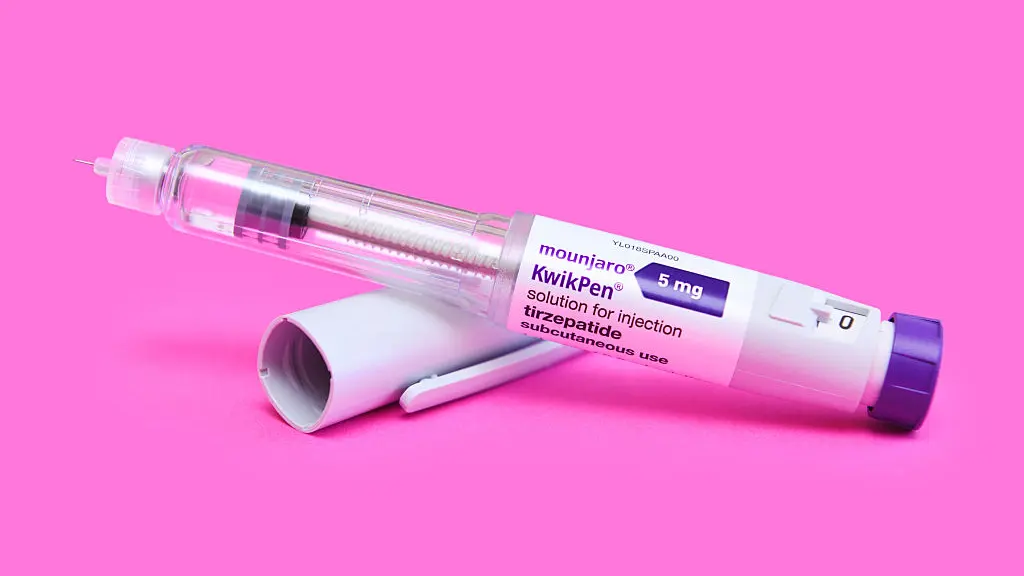
“This study was in patients with Type 2 diabetes, in whom the No. 1 cause of death is cardiovascular disease,” says Dr. Rachel Batterham, senior vice president of medical innovation and external engagement for cardiometabolic health at Lilly. “So reducing that risk is critically important.”
Batterham says Lilly decided to compare Mounjaro’s potential in reducing heart risk to an existing drug, Trulicity, that already reduced heart risk to see if Mounjaro would have any additional benefit. “We set ourselves a very high bar,” she says.
But the study design means that the heart benefit results cannot be directly compared to Mounjaro’s competitor drug, Ozempic, from Novo Nordisk. Ozempic, which is approved to treat diabetes, and Novo Nordisk’s Wegovy, approved to treat overweight and obesity, are both approved to lower the risk of heart disease risk by 20%. Lilly is, however, currently conducting a study tracking people who don’t have Type 2 diabetes who take the weight-loss version of their drug, Zepbound, for heart events. In that study, says Batterham, the researchers will be looking at whether Zepbound can prevent second heart events from occurring in people who have already had one, as well as whether the drug can prevent first heart events from occurring.

Bitcoin and Ethereum have picked up momentum over the past two weeks after months of choppy prices. Both posted significant gains during this period, and their rise has brought fresh movement to the market.
But data highlighted contrasting exchange inventory trends between the world’s two largest cryptocurrencies.
Different Exchange Trends
According to Santiment’s latest findings, there is a clear divergence in exchange balances for Ethereum and Bitcoin since June. ETH balances on exchanges fell by roughly 1.4 million coins during the period, from about 7.69 million on June 3 to 6.28 million on August 27. The outflow continued even as the leading altcoin’s price climbed. Another 275,000 coins were withdrawn after August 19, which pushed exchange holdings to their lowest level.
ETH has gained about 30% since August 16, indicating that the withdrawals happened during the price rise rather than a decline.
Bitcoin, on the other hand, moved in the opposite direction over the same 12 weeks. Santiment found that exchange balances increased by around 0.25% and remained near the upper end of their recent range. Its price, meanwhile, rose by 26%.
The relative strength has led to a bullish outlook from crypto analyst Credible Crypto, who believes Ethereum could reach $20,000 in the next few years. His thesis is based on the altcoin’s five-year trading range, its weaker performance against BTC, and the potential for capital to rotate into higher-risk assets.
Speaking on the No Bs Crypto podcast, Credible Crypto explained that ETH has traded between roughly $1,500 and $5,000 for about five years, and has reached both ends of the range several times. He considers $10,000 a basic target, as doubling the previous range high near $5,000 would take the asset to that level. A larger expansion of the range could push the price to $8,000 or $9,000 before other factors are taken into account.
This target depends heavily on Bitcoin’s performance. If it stays around $80,000 and the ETH/BTC ratio returns to its previous high of 0.156, he expects the altcoin to rise above $12,000. A BTC price of $100,000 would put ETH above $15,000, while a move beyond Bitcoin’s previous high near $126,000 could take Ethereum to $20,000 or higher.
Nine-Day Inflow Streak
On the institutional side, CryptoPotato previously reported that institutional demand has reached its strongest level since October 2025 for US-based spot Bitcoin and Ethereum ETFs. The funds have recorded nine consecutive days of inflows.
BTC funds have attracted more than $3.5 billion in capital so far, while ETH products have secured $1.66 billion.
Meanwhile, if you want to check out some major Ethereum predictions, you can take a look at our video below.
The post 1.4M ETH Gone From Exchanges Since June as BTC Moves in Reverse appeared first on CryptoPotato.
Crypto World
Kalshi takes legal blow in court ruling confirming state powers over prediction markets


This latest U.S. appeals court ruling sets up a rift between federal courts on event contracts, suggesting the U.S. Supreme Court may need to settle the matter.


A Bitcoin wallet linked to convicted Irish drug dealer Clifton Collins has transferred 500 BTC worth about $39.56 million to Coinbase Prime after the coins were reportedly inaccessible because their private keys had been lost.
Summary
- 500 BTC, worth approximately $39.56 million, was sent to Coinbase Prime.
- The transfer came from a group of wallets linked to Clifton Collins’ 6,000 BTC stash.
- Irish authorities had recovered 1,500 BTC from the wallet group by July.
- A Coinbase Prime deposit does not confirm that the transferred Bitcoin has been sold.
Collins-linked Bitcoin has moved to Coinbase Prime
Lookonchain said in an Aug. 28 X post that Bitcoin connected to Collins was “moving again,” with 500 BTC reaching Coinbase Prime. The blockchain tracker valued the transaction at $39.56 million when it reported the transfer.
At the stated value, each Bitcoin was worth about $79,120. Lookonchain associated the transfer with a group of wallets that once held approximately 6,000 BTC and were thought to be inaccessible after their private keys disappeared.
The blockchain data identifies movements between labeled addresses, but Lookonchain did not provide evidence that Collins personally controlled the sending wallet or directed the transaction. Irish authorities had already gained access to several wallets in the same group, making it possible that the latest activity involved seized assets under official control.
Coinbase Prime serves institutions, companies, and government agencies through custody and trade execution services. Although Bitcoin sent to the platform could be sold, the deposit alone does not show whether the coins were liquidated, placed in custody, or moved as part of an asset-management process.
No statement from Ireland’s Criminal Assets Bureau, An Garda Síochána or Europol accompanied the latest transaction at the time of Lookonchain’s report. Without an official notice, the purpose of the transfer and the party that authorized it remain unconfirmed.
How authorities recovered the lost Bitcoin
Collins acquired about 6,000 BTC in late 2011 and early 2012 with proceeds from cannabis sales, according to earlier reports cited by Irish authorities and blockchain intelligence firms. Bitcoin traded at around $5 during parts of that period, putting his estimated purchase cost near $30,000 before the holdings later rose to hundreds of millions of dollars.
Rather than keeping the balance in one place, Collins reportedly divided the coins among 12 wallets containing roughly 500 BTC each. He printed the private keys on a sheet of paper and concealed it inside the aluminum cap of a fishing rod case stored at a rented property in County Galway.
Following his arrest in 2017, the property was cleared, and the fishing equipment was believed to have been taken to a waste facility. With the paper no longer available, the Bitcoin appeared unreachable even after the assets became subject to seizure proceedings.
Access began returning in March 2026, when Irish authorities announced that they had opened one of the wallets with help from Europol’s European Cybercrime Centre. As reported in March by crypto.news, the recovered wallet held 500 BTC and sent the coins to Coinbase Prime after years without activity.
Ireland’s Criminal Assets Bureau said Europol provided “highly complex technical expertise and decryption resources” for the operation. Neither agency disclosed the method used to open the wallet, leaving the technical details of the recovery outside the public record.
A second 500 BTC wallet became accessible by May, increasing the amount recovered from the Collins-linked group to 1,000 BTC. Earlier coverage of the seizure reported that the second batch followed a different route, reaching a Binance deposit address linked by Arkham Intelligence to market maker Wintermute rather than Coinbase Prime.
Previous recoveries reached 1,500 BTC
By early July, the Criminal Assets Bureau had secured another wallet with support from Europol, taking the known recovery to 1,500 BTC. A third 500 BTC recovery reduced the amount still associated with dormant addresses to about 4,500 BTC at the time.
The bureau said its July operation again involved the European Cybercrime Centre. Europol hosted operational meetings in The Hague and supplied technical and decryption support, according to the agency’s statement cited in the earlier report.
Lookonchain separately observed a 500 BTC deposit to Coinbase Prime around the same period, valuing that transaction at approximately $30.85 million. The Aug. 28 transfer carried the same number of coins but a higher dollar value because Bitcoin was trading at a higher price.
While the latest movement may represent access to another wallet, neither Lookonchain nor an Irish agency confirmed that authorities had completed a fourth 500 BTC recovery. Counting it as an additional seizure before an official statement would therefore go beyond the available evidence.
The original structure of 12 wallets, each holding about 500 BTC, explains why the observed transactions have repeatedly appeared in equal-sized batches. Public blockchain labels can connect addresses with known entities, though such labels do not always identify the person or agency controlling the private keys at the time of a transfer.
Coinbase Prime also handles U.S. seized assets
Coinbase Prime’s role gives the story a direct point of comparison for U.S. readers because American agencies also use the platform to manage forfeited cryptocurrency. The U.S. Marshals Service selected Coinbase Prime in 2024 to provide custody and trading services for certain seized digital assets.
In July 2026, wallets attributed to the U.S. government transferred nearly $297 million in Bitcoin and Ether to the platform. The transaction included about 3,940 BTC worth $244 million and approximately 30,000 ETH valued at $53 million, according to government wallet data.
Coinbase offers custody, financing, and execution through its institutional platform, so government deposits do not establish that a sale has occurred. U.S. agencies may transfer digital assets to consolidate holdings, satisfy a court order, return funds to verified victims, or prepare assets for disposal where legally permitted.
President Donald Trump’s March 2025 executive order created a Strategic Bitcoin Reserve for forfeited BTC held by the federal government. The order states that Bitcoin placed in the reserve should not be sold, while allowing agencies to follow court orders and meet restitution or law-enforcement obligations under existing law.
Ireland operates under its own asset-recovery system. The Criminal Assets Bureau pursues property considered to be proceeds of crime, while Europol can supply technical support to member states during investigations. Irish officials had not publicly identified the legal or operational purpose of the Aug. 28 Coinbase Prime transfer when Lookonchain flagged the transaction.


Bullish has provided USD.AI with a $100 million stablecoin debt facility to fund loans secured by graphics processing units used in artificial intelligence infrastructure.
Summary
- Bullish will supply $100 million in stablecoin liquidity for GPU-backed loans.
- USD.AI offers non-recourse financing secured solely by computing hardware.
- Bullish plans to list sUSDai and support trading through a market-making program.
- Bullish shares have gained about 45% over the past month.
Bullish said in a Friday announcement that the facility will give USD.AI capital to finance operators purchasing high-performance computing equipment, extending the exchange operator’s exposure to tokenized assets and AI infrastructure.
Developed by Permian Labs, USD.AI connects stablecoin liquidity with companies seeking funds to buy GPUs. Instead of evaluating claims against a borrower’s entire business, the platform issues non-recourse loans secured by the computing hardware purchased with the financing.
Bullish Head of Tokenization Thomas Cowan said the company used USD.AI’s onchain records when assessing the facility. Bullish had already invested in the platform before agreeing to provide the new debt financing.
“Our commitment to USD.AI reflects a conviction we’ve believed since our first investment in the protocol: that credible, well-structured real-world assets belong onchain.”
Bullish facility expands USD.AI’s GPU loan capacity
Under the arrangement, USD.AI will use the $100 million facility to originate loans for middle-market AI infrastructure operators. Ownership of the financed hardware provides the collateral, while the loan does not create a claim against the operator’s other corporate assets, according to the announcement.
Such a structure separates the loan from the borrower’s main balance sheet, but repayment still depends on the income and resale value generated by the underlying computing equipment. GPUs can lose value as newer models enter the market, making loan terms, collateral checks and repayment schedules important parts of the financing process.
USD.AI has already completed large transactions involving recent Nvidia hardware. In June, the protocol announced a $98.1 million loan backed by 2,304 Nvidia B300 GPUs, while investors fully funded another $34 million facility secured by 768 Nvidia B200 units.
Combined, the two disclosed loans involved 3,072 GPUs and more than $132 million in financing. The latest Bullish facility gives the protocol another source of stablecoin liquidity as it adds loans for operators building data centers and AI computing clusters.
Permian Labs CEO David Choi said demand for computing equipment has created a distinct lending category.
“Compute is becoming a credit market in its own right,” Choi said, adding that Bullish’s facility would allow USD.AI to finance more infrastructure and develop trading markets for compute-backed debt.
According to USD.AI, its financing is settled onchain and gives capital providers exposure to loans backed by income-producing computing equipment. The company describes the funding as non-dilutive because operators do not have to surrender an ownership stake when borrowing.
sUSDai listing will create a secondary trading market
Alongside the lending facility, Bullish plans to introduce sUSDai across several trading pairs on its institutional exchange. A dedicated market-making program will provide orders for the token once trading begins, according to the companies.
USD.AI uses sUSDai as its yield-bearing token, giving holders exposure to returns generated from the protocol’s credit operations. Listing the asset would allow holders to trade the position instead of relying only on the repayment period of the underlying loans.
Bullish expects the program to improve secondary liquidity and price discovery for GPU-backed debt. The companies did not disclose the planned trading pairs, launch date or market-making budget in Friday’s announcement.
At the same time, Bullish and USD.AI are expanding a research project focused on ways to finance capital spending in the AI sector. The work will combine Bullish’s experience operating institutional markets with USD.AI’s lending structure, according to the announcement.
Tokenized exposure to computing hardware has appeared elsewhere in the crypto market. In August 2025, Injective introduced an Nvidia GPU derivatives market that allowed traders to gain exposure to rental prices for Nvidia H100 processors.
Aethir and Injective also launched a tokenized GPU marketplace in December 2024, using blockchain-based products to provide access to computing capacity. Unlike those trading and rental products, USD.AI’s model centers on secured loans issued to infrastructure operators.
Bullish deepens an existing USD.AI relationship
The $100 million facility follows Bullish Capital’s $4 million investment in USD.AI in September 2025. Cowan said onchain transparency allowed Bullish to review the protocol using the institutional underwriting standards applied elsewhere across its business.
Bullish operates spot and derivatives markets for professional investors and supplies the liquidity supporting the new facility.
In Europe, Bullish operates under the European Union’s Markets in Crypto-Assets framework as an authorized crypto asset service provider offering spot trading and custody. Its U.S. presence expanded after the company obtained a New York BitLicense in September 2025, when crypto.news reported that Bullish shares gained nearly 6% following the approval.
The license allowed Bullish to serve eligible customers in New York and arrived about one month after its public listing. Regulatory approval in the state added to the company’s U.S. operations, although Friday’s announcement did not specify whether sUSDai would be offered to American customers or describe any access limits.
Bullish stock rebounds after steep post-IPO decline
For U.S. investors, the transaction adds AI infrastructure lending to the businesses tied to NYSE-listed Bullish shares under the ticker BLSH. Any financial effect will depend on the facility’s terms, loan performance, and contribution to Bullish’s results, none of which the companies disclosed.
Bullish completed its New York Stock Exchange debut in August 2025 after pricing shares at $37. The offering raised about $1.03 billion, while the stock opened at $90 during its first trading session.
Earlier coverage of the Bullish public offering reported that the company entered the market at a valuation of about $5.4 billion after pricing above its original range. BlackRock-managed funds and accounts linked to ARK Investment Management had indicated interest in purchasing up to $200 million of stock.
Despite its recent recovery, BLSH remains more than 60% below its $90 opening price, according to Yahoo Finance data. The shares traded around $33 on Friday after gaining approximately 45% during the preceding month.
Other U.S.-traded crypto companies also advanced over the same period. Bitcoin treasury company Strive gained about 88%, Bitcoin miner Canaan rose roughly 55%, and USDC issuer Circle added close to 40%.

Justin Sun has taken his breakup with Chinese actress Jing Tian to court. The TRON founder is suing her and her parents to recover roughly $4.5 million.
The filing landed alongside a sprawling personal essay Sun posted on X, which drew more than 33 million views in a day. Binance founder Changpeng Zhao (CZ) has since called for restraint.
How Justin Sun and Jing Tian Ended Up in Court
The two met in Hong Kong and dated through late 2025. Sun proposed on a Maldives island in January, then wired the 30 million yuan to two accounts held by her parents.

By late February, the relationship had moved to California. Jing Tian checked into a Laguna Beach resort ahead of an egg retrieval procedure, part of a surrogacy plan Sun says she raised herself.
The Tron founder writes that she phoned him on the 8th day and named a price of $50 million before proceeding. He says he ran his cash position through Claude AI, was told to refuse, and went quiet. She hung up and left.
Together with the bride price his lawyers are now chasing, that figure puts the dispute at $54.5 million.
“If I had given her the money that day, would she have stayed?” wrote Justin Sun.
He later told Hong Kong outlet The Standard that he still cannot say whether the machine’s judgment, or his own, was right.
Jing, 38, has now fired back without directly addressing Sun’s individual claims.
“I will never sell my love for money,” Jing Tian wrote on Weibo, adding that she believes the courts will ultimately establish the truth.
Her studio has similarly said the dispute should be handled through legal proceedings.
Why CZ Called Him Out
CZ drew a line between marketing and personal damage. Hard promotion is fair, he wrote. Wrecking a career is not.

Follow us on X to get the latest news as it happens
The framing matters. Zhao read the essay as a marketing exercise rather than a confession, and drew the line at reputational damage. This time his sparring partner is not Star Xu, the OKX founder whose long-running clash with CZ has flared repeatedly this year.
The post Justin Sun Says His Girlfriend Asked for $50 Million. AI Told Him No appeared first on BeInCrypto.
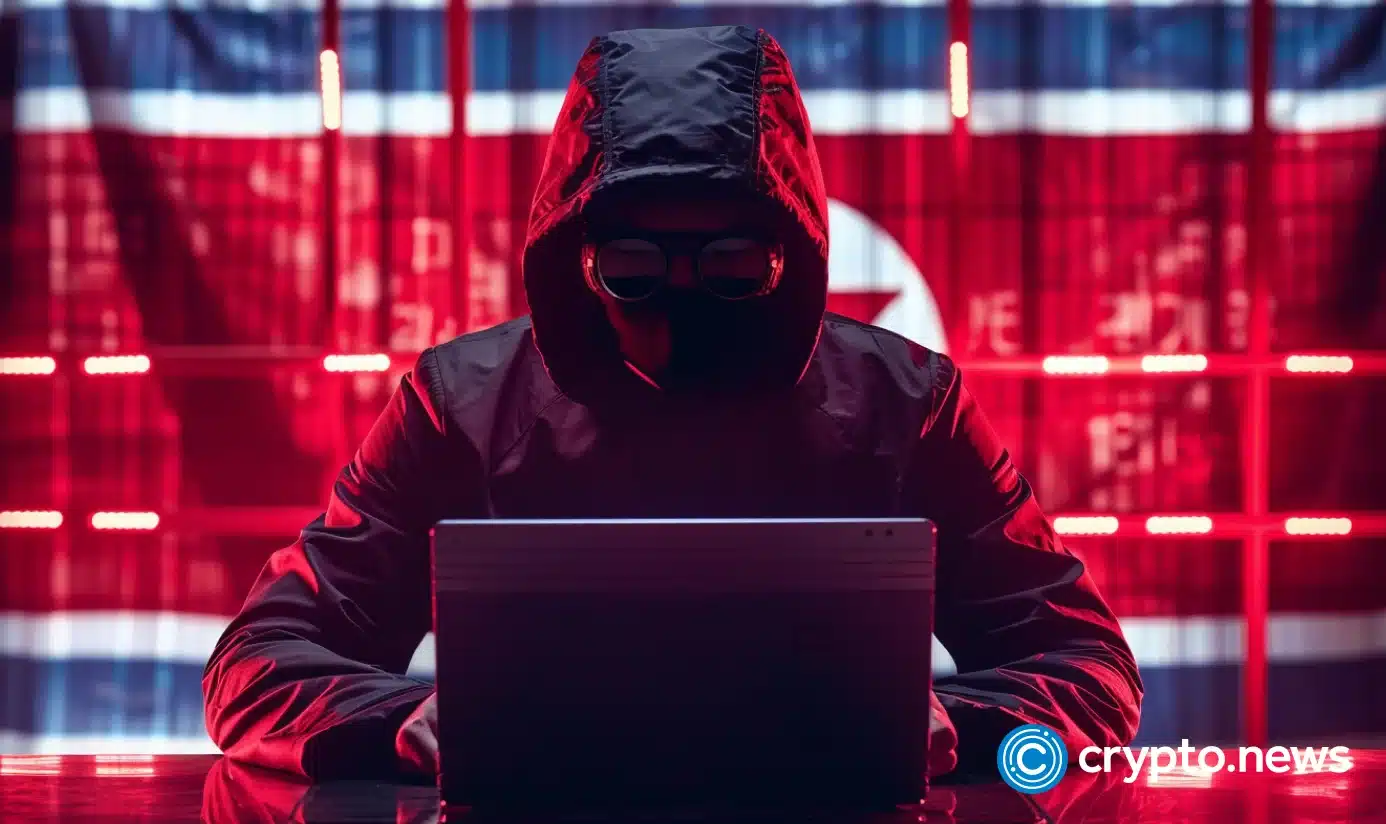
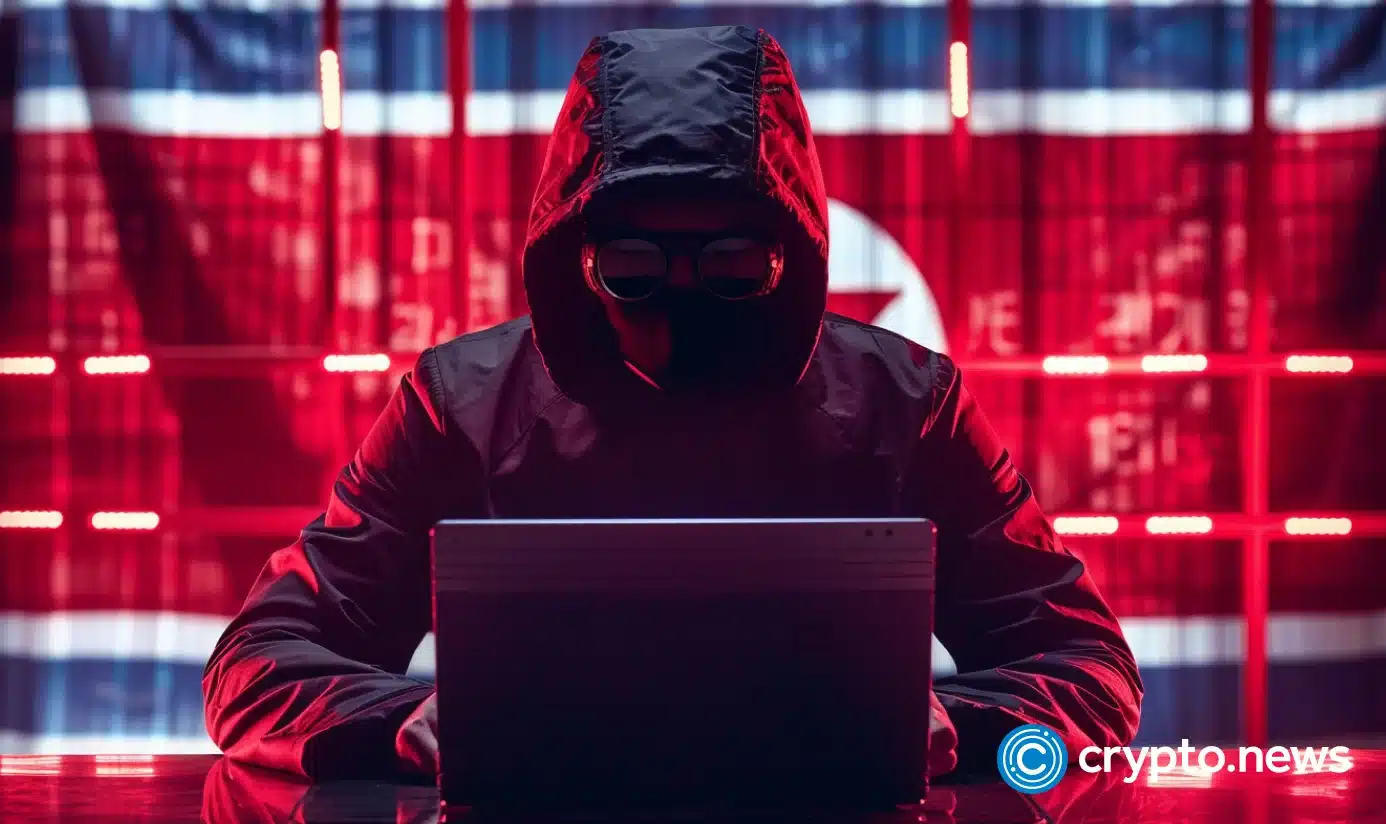
North Korea-linked Lazarus Group has transferred 244.148 Bitcoin worth about $19.42 million, bringing fresh attention to wallets associated with one of the crypto industry’s most active hacking operations.
Summary
- Lazarus Group transferred 244.148 BTC worth about $19.42 million, according to Lookonchain.
- The transaction’s destination and connection to any earlier theft remain undisclosed.
- Another Lazarus-linked wallet moved 262.2 BTC to a new address earlier in August.
- U.S. sanctions generally prohibit Americans from dealing with property linked to the Lazarus Group.
Lazarus Group moves 244 BTC between wallets
Lookonchain reported the transfer in an Aug. 28 X post, saying wallets attributed to Lazarus Group had become active again and moved 244.148 BTC about an hour before its alert.
Bitcoin traded at roughly $79,500 when the analytics account published its estimate, placing the transaction’s value at $19.42 million. Lookonchain did not identify the receiving address in the text of the post or say whether the Bitcoin moved to an exchange, mixer, or another wallet controlled by the group.
Without a disclosed destination, the transaction alone does not show that Lazarus sold or attempted to cash out the Bitcoin. Public blockchain records confirm when funds move between addresses, but connecting those addresses to an organization usually depends on labels and analysis supplied by investigators or blockchain intelligence firms.
The Aug. 28 transaction followed another large Bitcoin movement attributed to the group earlier in the month. On Aug. 12, Lookonchain said Lazarus transferred 262.2 BTC, then valued at approximately $16.64 million, from an identified wallet to a newly created address.
At the time, the analytics account described the transaction as a wallet-to-wallet transfer rather than a sale. Taken at their reported dollar values, the two August movements involved more than $36 million in Bitcoin, though no source has confirmed that the transactions came from the same balance or served the same purpose.
Past wallet activity shows why the destination matters. In March 2025, five unknown addresses received a combined 44.07 BTC worth about $3.76 million from wallets attributed to Lazarus, according to earlier on-chain reporting. The transactions reduced the tracked wallet’s holdings to 13,441 BTC at the time.
Bybit theft left Bitcoin across thousands of addresses
As crypto.news previously reported, Bybit sued North Korea and Lazarus Group in a Washington, D.C., federal court on Aug. 7, seeking to recover assets tied to the exchange’s $1.5 billion theft.
The lawsuit also named North Korea’s Reconnaissance General Bureau, or RGB, which the U.S. Treasury identifies as the country’s main intelligence agency. A federal judge issued a preliminary injunction that blocked unidentified defendants from transferring, selling, or disposing of certain assets connected to the case.
Bybit filed the civil action separately from ongoing U.S. criminal investigations. A preliminary injunction preserves the identified property while litigation continues and does not amount to a final decision on ownership or liability.
The FBI attributed the February 2025 Bybit attack to North Korean actors operating under the TraderTraitor name. According to the agency, the attackers converted part of the stolen holdings into Bitcoin and other assets before spreading them across thousands of addresses on several blockchains.
In its public alert, the FBI said it expected the assets to be moved again and eventually exchanged for government-issued currency. The bureau asked exchanges, bridges, decentralized finance services, blockchain analytics companies, and node operators to block transactions involving the addresses it identified.
By April 2025, Bybit CEO Ben Zhou said 27.6% of the stolen funds could no longer be tracked, according to an August report on North Korea’s attack methods. The same report said the distribution of assets across many Bitcoin wallets had made blockchain tracing more difficult.
Lookonchain has not connected the latest 244.148 BTC transfer directly to the Bybit theft. No government agency or blockchain intelligence company cited in the available reporting has publicly identified the source of the coins involved in the Aug. 28 movement.
Lazarus-linked attacks continued into 2026
Chainalysis estimated that North Korean hackers stole at least $2.02 billion in cryptocurrency during 2025, an increase of 51% from the previous year. The firm placed the country’s cumulative crypto theft at no less than $6.75 billion by the end of that period.
According to its December 2025 report, North Korean operations accounted for 76% of the value lost through attacks on crypto services during the year. Chainalysis said the attackers carried out fewer confirmed incidents but extracted larger amounts from successful breaches.
The firm also found that North Korean operators had increasingly targeted companies through impersonation and employee access. Some actors posed as job applicants to enter crypto businesses, while others pretended to recruit for known Web3 and artificial intelligence companies, according to Chainalysis.
Activity attributed to Lazarus continued in April 2026 when attackers drained approximately 116,500 rsETH, worth about $292 million, from KelpDAO’s LayerZero-based bridge. LayerZero attributed the attack with preliminary confidence to Lazarus Group’s TraderTraitor unit.
Chainalysis later said the attackers compromised infrastructure that supplied blockchain information to LayerZero’s verification system. By feeding false data to the system, they caused an Ethereum contract to release assets even though no matching token burn had occurred on the source network.
Rapid intervention blocked a second attempted theft worth about $95 million, according to Chainalysis. The Arbitrum Security Council also froze more than 30,000 ETH that investigators connected to the attacker’s downstream transactions.
By June, the KelpDAO attacker had moved approximately $220 million in unfrozen assets through privacy services, according to subsequent tracking data. The routes included THORChain, Wasabi, Tornado Cash, and Umbra, while around $1.7 million remained in the original wallets.
U.S. sanctions restrict dealings with Lazarus Group
The U.S. Treasury’s Office of Foreign Assets Control sanctioned Lazarus Group in September 2019 under an executive order targeting the North Korean government. OFAC identified Lazarus, Bluenoroff, and Andariel as state-controlled hacking groups connected to the RGB.
Under the designation, property belonging to Lazarus that enters the United States or comes under the possession or control of a U.S. person must be blocked and reported to OFAC. Treasury regulations also generally prohibit Americans from conducting transactions with sanctioned entities unless the agency authorizes them.
Treasury said Lazarus had targeted governments, financial institutions, media companies, manufacturers, infrastructure operators and cryptocurrency businesses through cyber theft, espionage and malware attacks. The department linked the group to the 2014 Sony Pictures breach and the WannaCry ransomware attack that affected computers across at least 150 countries.
U.S. authorities have also acted against services used to process funds tied to the group. In 2022, the Treasury sanctioned the virtual currency mixer Blender.io after saying it had handled more than $20.5 million from the roughly $620 million Ronin Network theft. The FBI later attributed the Ronin attack to Lazarus Group and APT38.
In August 2023, the FBI separately warned crypto companies about movements involving Bitcoin stolen by North Korean TraderTraitor actors. The agency said the group could attempt to cash out more than $40 million in Bitcoin and published six wallet addresses for private companies to examine.

Solana validators have approved a change to the network’s token supply schedule that accelerates how quickly inflation is reduced. In finalized governance results, the “Double Disinflation” proposal (SGP-0002) won 67% support, with 25.16% voting against and 7.84% abstaining, based on the participation of 60.7% of eligible stake.
The decision increases Solana’s annual disinflation rate from 15% to 30% while keeping the network’s long-term inflation target at 1.5% unchanged. That adjustment is expected to shorten the time to reach “terminal inflation” from about 5.7 years to roughly 2.8 years, according to Solana Compass reporting.
Key takeaways
- SGP-0002 passes: 67% of voting stake supported doubling Solana’s disinflation rate to 30%.
- Participation matters: 60.7% of eligible stake voted, setting the approval turnout for the first binding governance cycle.
- Terminal inflation arrives sooner: Solana Compass estimates ~2.8 years versus ~5.7 years under the prior schedule.
- Lower projected issuance: The change implies about 18.9 million fewer SOL to be issued over the next six years.
- Trade-offs for staking: Faster supply reduction may also reduce staking rewards for validators and delegators compared with the earlier plan.
What validators approved and what it changes
The approved proposal, identified as SGP-0002 (“Double Disinflation”), modifies how Solana reduces inflation over time. Per the finalized vote results published on Solana’s governance portal, the annual disinflation rate is set to rise from 15% to 30%, with Solana’s long-term inflation target remaining at 1.5%.
Practically, that means the network expects to reach its terminal inflation rate considerably faster. Solana Compass reported that the new schedule would bring the 1.5% target in about 2.8 years rather than the previously estimated ~5.7 years.
Impact on issuance, dilution, and staking economics
Supply changes tend to reshape incentives across the ecosystem, and SGP-0002 is no exception. Along with the timing shift, the proposal is expected to reduce future SOL issuance. The article’s figures cite an estimate of 18.9 million fewer SOL issued over the next six years, which would lower dilution pressure for existing holders.
At the same time, faster disinflation can also change the staking payoff profile. The updated approach is expected to reduce staking rewards for validators and delegators relative to what the slower schedule would have produced—an important consideration for participants who rely on rewards as part of their broader returns.
First binding governance cycle: Constitution passes, other fee proposal rejected
SGP-0002 was voted on as part of Solana’s first binding governance process. Alongside the supply change, the process also approved a proposed Solana Constitution, while rejecting a separate proposal related to resource and inclusion fees.
This broader package matters because it shows how Solana’s governance framework is being tested not only on monetary policy, but also on the rules that shape how future decisions are made and how the network structures certain operational costs.
Major voters were split—Kraken’s position shifted during the vote
Finalized governance data show that even large participants did not uniformly align behind the supply change. Figment—reported as the largest voter shown in the finalized dataset with 17.1 million SOL staked—voted entirely against SGP-0002, while other major stakeholders such as Helius and Jupiter overwhelmingly supported the measure.
Another notable development was Kraken’s changing stance. Solana Compass reported that Kraken initially voted against SGP-0002 at 12:33 UTC, which temporarily pushed support below the required threshold. By the end of voting, more than 90% of Kraken’s roughly 8.9 million SOL voting stake backed the proposal.
For investors and delegators, these splits highlight a key dynamic: while the final outcome was clear, major market participants evaluated the supply schedule trade-offs differently during the process.
Governance decision arrives alongside ETF momentum
Solana’s governance vote also landed as US-listed Solana investment products continue to pull in capital. According to an X post by Bloomberg ETF analyst Eric Balchunas, Bitwise’s Solana ETF recently surpassed $1 billion in assets, becoming the first Solana ETF to reach that milestone.
The post also claimed that US Solana ETFs have accumulated roughly $1.7 billion in cumulative net inflows, with little sustained outflow since launch, even as SOL’s performance earlier in the year lagged relative to broader expectations.
While ETF flows are not directly tied to validator voting, both developments reflect the same underlying question for Solana: how governance outcomes around monetary policy can influence long-term holder incentives at the same time that traditional investment access expands.
Next, market participants will likely watch how the faster path to 1.5% terminal inflation affects staking yields and validator incentives over time, and whether future governance proposals continue to settle contentious economic questions with similar turnout and stakeholder alignment.
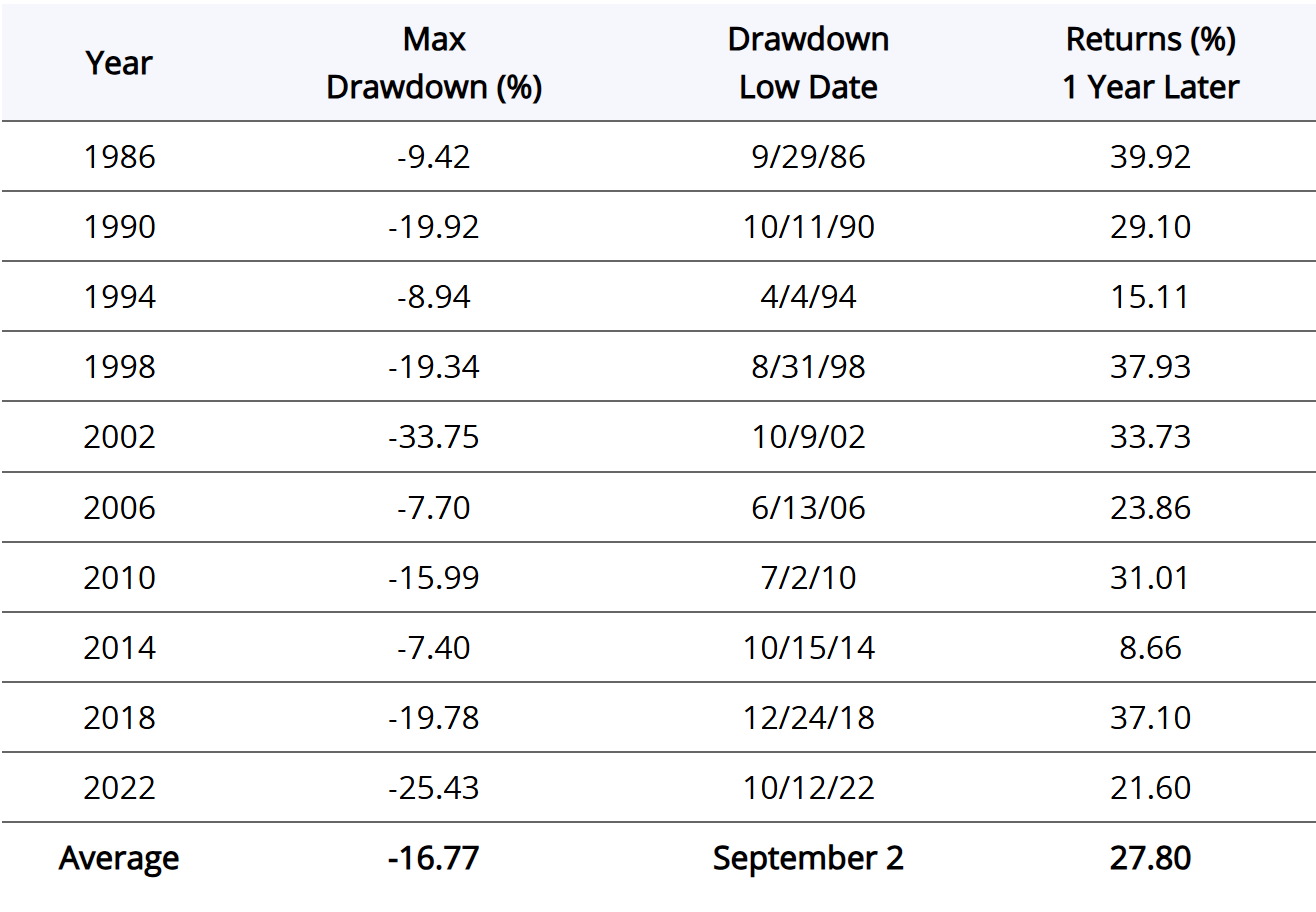
September has a bad reputation on Wall Street, especially during US midterm election years. Across the last 10 midterm cycles, the average stock-market low arrived on September 2.
By the time stocks reached those lows, they had fallen an average 16.77% from their previous high.
Bitcoin is entering the same period near $77,500, while US stocks remain close to record highs and long-term bond yields stay unusually elevated. The question now is whether 2026 follows the old pattern.
Midterm Lows Cluster in Early September
Hartford Funds studied 10 US midterm election years between 1986 and 2022. Every one saw stocks suffer a sizeable drop from their yearly high.

The damage varied enormously. Stocks fell 33.75% in 2002, while the biggest drop in 2014 was just 7.40%. The actual lows also occurred at very different points in the year.
So September 2 is a historical average, not a deadline for the next crash. And so far, 2026 has refused to follow the usual script.

The Fed is Debating a Rate Hike, Not a Cut
The macro setup has flipped since the spring, with Fed Chair Kevin Warsh using his first Jackson Hole speech on Friday to put prices first.
His own figures explain why, as the Fed chair said the PCE price index rose 3.7% over 12 months, while the six-month pace ran hotter at 4.1%. Inflation is not just high, it is accelerating.
Bonds add credence to the outlook, with the 30-year Treasury yield touching 5.28% on August 21 and closing August 26 at 5.17%. As of this writing, it stood at $5.20, with the effective fed funds rate at only 3.63%.

Fed presidents Hammack, Kashkari, and Logan already voted for a hike in July. The minutes showed officials fear repeated supply shocks keep delaying inflation’s return to target.
Kalshi traders now put September Fed hike odds at 53%, against roughly 48% for a hold.
Bitcoin Meets the Calendar at $80,000
Bitcoin just booked its record weekly dollar gain, adding $14,775 as spot ETF buying hit its fastest pace since October 2025. The rally then stalled at Bitcoin’s $80,000 ceiling.
BTC still trades 37% below its $126,080 peak from October 6, 2025. The wider crypto market slipped 0.80% on Friday to about $2.66 trillion.

Precedent argues for caution, because the last time the Fed tightened into a midterm autumn, Bitcoin’s last hiking cycle dragged it down roughly 65% to a $15,500 low in November 2022.
Meanwhile, dealer hedging offers a thin floor, as the SPY, the fund tracking the S&P 500, traded at $770.20 against a gamma flip at $767. Below that line, hedging stops cushioning drops and starts feeding them.
Still, the record cuts both ways because across those same 10 midterm cycles, the S&P 500 gained 27.80% on average in the year after the low.
The question is whether Bitcoin has to find that low first.
The post Bitcoin, Bonds, and Stocks Enter a Dangerous September Pattern appeared first on BeInCrypto.
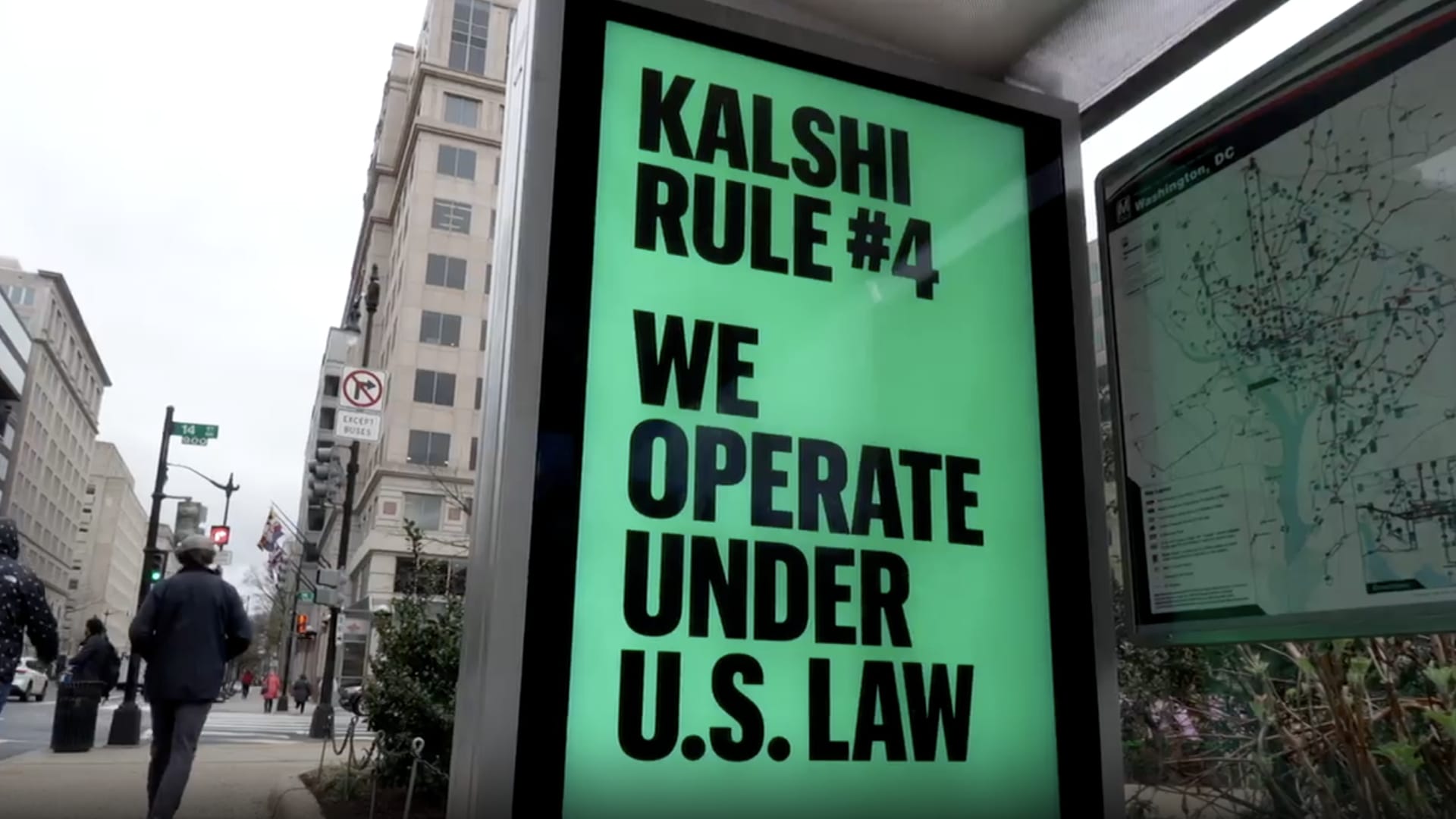
A Kalshi advertisement seen in Washington D.C. on March 27, 2026.
Paul Lester | CNBC
The Ninth Circuit Court of Appeals rejected prediction markets platforms’ requests for injunctive relief against the Nevada Gaming Control Board, concluding that sports-related event contracts are not a derivative regulated by the federal government.
The court rejected appeals by Kalshi and Crypto.com, two prediction market platforms, to stop Nevada from halting their operations which the state claims are gambling offerings outside of the gaming control board’s framework. The court also ruled against Robinhood’s request for injunctive relief. That firm also features event contracts on its trading platform.
Under scrutiny were the platforms’ sports-related event contract offerings, which 44 states argue are nothing more than sports betting. However, the platforms — and their federal regulator, the Commodity Futures Trading Commission — claim all event contracts, no matter the topic, are swaps. Swaps are a type of derivative under the purview of the CFTC, and the agency asserts that it has the exclusive jurisdiction to regulate all event contracts.
The CFTC has even sued nine states to defend what it believes is its sole right to make rules for prediction markets.
But the ninth circuit rejected that argument. “The sports event contracts were not ‘swaps’ because they were sports bets,” the court said in its opinion against Kalshi.
The Nevada Attorney General’s office said the ruling was a major victory.
“Kalshi sought to sidestep Nevada’s gaming laws by claiming its sports wagering products were federally regulated financial instruments beyond the reach of state regulators,” deputy communications director for the office Alcinia Whiters said in a statement. “The Ninth Circuit rejected that argument and made clear what we have maintained from the beginning: sports betting does not become something else simply because a company calls it an ‘event contract’ … Our office is proud to have defended Nevada’s authority.”
“The Ninth Circuit rejected that argument and made clear what we have maintained from the beginning: sports betting does not become something else simply because a company calls it an ‘event contract.’
In a statement to CNBC, a CFTC spokesperson said that the court understood that swaps are exclusively regulated by the commission, but said it was wrong to believe that sports-related event contracts don’t fall under that definition.
“A derivative contract structured as a swap is a swap regardless of the underlying subject matter — the only exceptions in statute are onions and movie box office receipts,” the spokesperson said in a statement. “The Ninth Circuit erred today when it invented a new and atextual exception to the CEA,” referring to the Commodity Exchange Act, the law that details which event contracts the CFTC is allowed to permit and reject.
Legal experts have widely expected that the question of sports-related event contracts, and whether state gaming regulators or the CFTC has the right to regulate them, will eventually reach the Supreme Court.
That now appears very likely, as the ninth circuit’s decision contradicts a ruling from the Third Circuit Court of Appeals in early April. In that case, the third circuit ruled that only the CFTC has the jurisdiction to regulate sports-related event contracts.
The Commodity Futures Trading Commission (CFTC) headquarters in Washington, DC, US, on Thursday, Aug. 20, 2026.
Daniel Heuer | Bloomberg | Getty Images
“This is a classic circuit split,” said Joshua Mitts, a professor at Columbia Law School. Circuit splits are when federal appeals courts rule differently on the same topic. “Ultimately, this is the kind of legal controversy or legal difference of opinion which will make its way to the Supreme Court.”
In a statement, Robinhood said it plans to appeal the decision. “Every eligible customer should have access to these markets, which are federally regulated by the CFTC and offered through our CFTC-registered Futures Commission Merchant,” a spokesperson said.
Kalshi and Crypto.com did not immediately respond to requests for comment.
Meanwhile, shares of two online sportsbooks, DraftKings and Flutter Entertainment — the parent company of FanDuel — rose in response to the ruling. Both stocks have been hit in the last year over concerns of prediction markets disrupting the industry, and the companies have rushed to get their own prediction market exchanges online.
DraftKings jumped 7%, while Flutter was up more than 6%.
Disclosure: CNBC and Kalshi have a commercial relationship that includes customer acquisition and a minority investment.
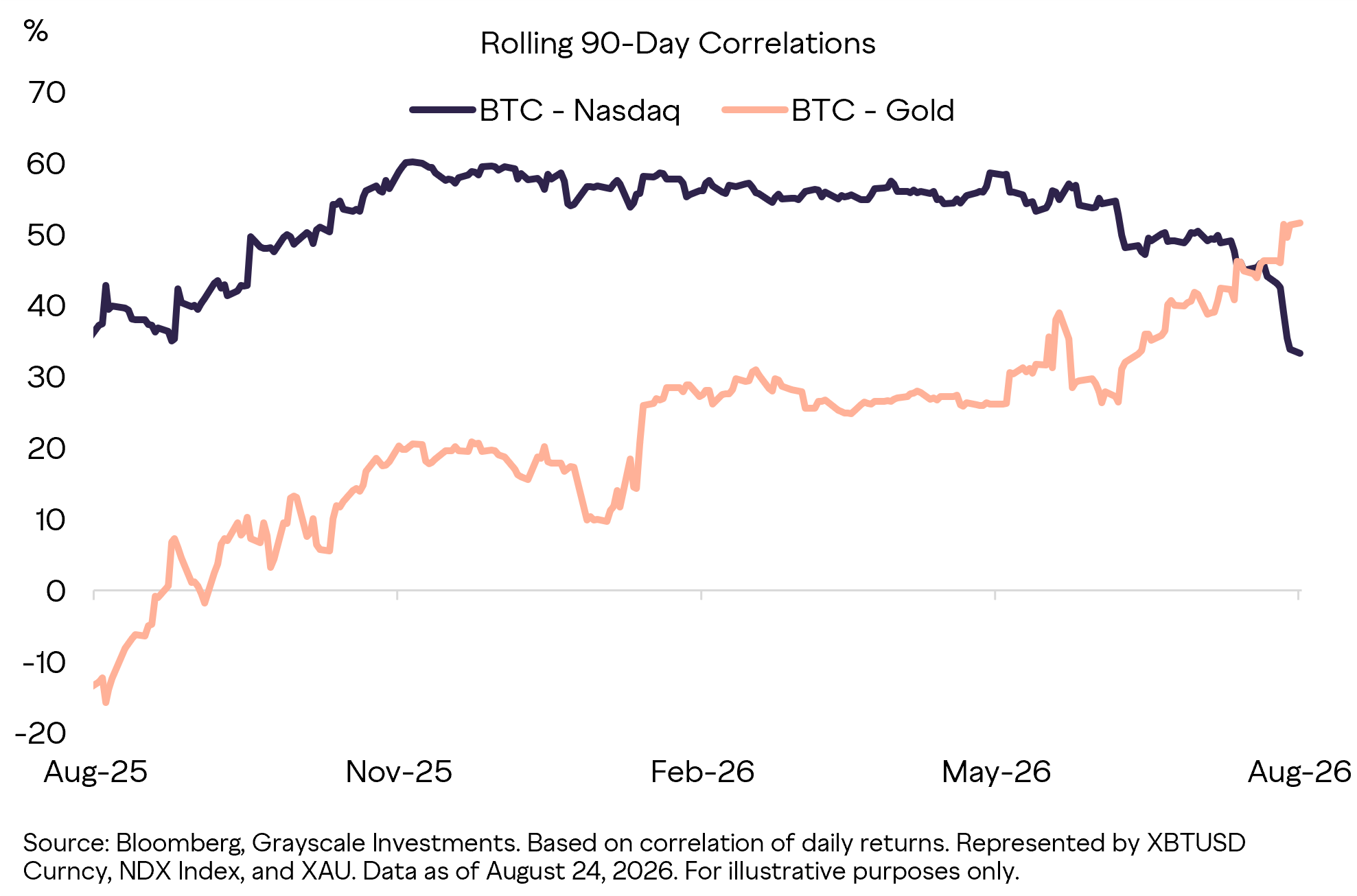
Grayscale’s research arm warned this week that Bitcoin’s correlation with gold has climbed above 50%, a shift the asset manager frames as the return of the debasement trade.
The finding marks a sharp reversal from recent years, when Bitcoin frequently traded in step with growth stocks rather than hard assets.
How Grayscale Measured Bitcoin’s Shift Toward Gold
In a recent note, Grayscale Head of Research Zach Pandl reported that Bitcoin’s 90-day correlation with gold rose from near zero at the start of the year to above 50%. Over the same period, its correlation with the Nasdaq 100 slipped from more than 60% to roughly 33%.
Pandl said the shift may reflect renewed investor focus on Bitcoin’s scarcity, monetary independence, and role as a store of value, according to Grayscale’s ongoing research series. He stopped short of offering any specific price target tied to the finding.
“…As fiscal imbalances grow and investors reassess the long-term purchasing power of fiat currencies, Bitcoin can serve as a scarce, liquid alternative alongside gold. That combination of scarcity and differentiated return drivers can make Bitcoin a compelling addition to a modern diversified portfolio,” Grayscale Head of Research said.
Follow us on X to get the latest news as it happens.

The debasement trade refers to the argument that hard, supply-capped assets tend to appreciate as fiat currencies lose purchasing power over time.
That framing has gained traction as US federal debt has passed $40 trillion, with persistent fiscal deficits renewing attention on scarce alternatives to cash.
Why the Gold Correlation Shift Matters
Gold has already been on an extended bull run this year, reinforcing the narrative that investors are rotating toward traditional hedges against currency weakness.
Bitcoin’s rising correlation with gold, rather than tech stocks, suggests at least part of that flow may now be extending into digital assets as well. Pandl argued that Bitcoin and other scarce digital assets may be entering a more favorable market regime under these conditions.
Grayscale’s broader research this year has repeatedly linked Bitcoin’s price action to the debasement trade, including a January note that described the asset’s disconnect from currency weakness amid regulatory uncertainty.
“…Unchecked government debt growth undermines the credibility of fiat currencies and drives investors to seek out alternative stores of value like physical gold and certain cryptocurrencies—in digital assets we think the so-called “debasement trade” will primarily benefit Bitcoin, Ethereum, and Zcash…,” Pandl noted.
The finding, however, describes a company’s research view rather than a realized market outcome. Correlation measures how assets have moved together in the past, not where prices will head next, and a 90-day rolling window can shift quickly if market conditions change.
Bitcoin’s relationship with both gold and stocks has changed meaningfully within a single calendar year before, and Grayscale itself has highlighted periods when Bitcoin tracked tech stocks far more closely than precious metals.
Subscribe to our YouTube channel to watch leaders and journalists provide expert insights.
The post Bitcoin Price is Moving Like Gold, and Grayscale Says It's No Coincidence appeared first on BeInCrypto.

The Crazy Taxi Remake Revives the Dreamcast Era’s Zany Energy

Person injured in crash between police vehicle and car as busy Scots road closed

IREN: AI Pivot Continues





-

 Crypto World3 days ago
SpaceX stock could rise 75% to $240, JPMorgan says
-

 Crypto World22 hours ago
Bitcoin’s 22% rally now needs real demand to outlast Treasury liquidity boost
-

 Business6 days ago
Musk’s Tesla, SpaceX Confirm $16.8 Billion ‘Terafab’ Chip Plant as World’s Largest Building in Texas
-

 Crypto World7 days ago
anatomy of crypto’s biggest liquidation event since 2021
-

 Crypto World4 days ago
A $30 Billion AI Fund Implodes, Now the SEC Is Investigating Wall Street’s Role
-

 Crypto World2 days ago
Warsh Jackson Hole keynote puts financial innovation first
-

 Politics6 days ago
6 months on, Irish renters crushed by effects of government housing bill
-

 Crypto World3 days ago
Did Trump Just Move SpaceX Stock With One Truth Social Post?
-

 Business21 hours ago
Salesforce Stock Soars 19% as Blowout Earnings and Agentforce AI Growth Silence Software Skeptics
-

 Business5 days ago
Mystery AI Model ‘Ox Alpha’ Draws Developers With Free Access as Chinese Lab Origins Remain Debated
-
 NewsBeat7 days ago
The ‘Lucky Dip Gang’ causing carnage for clicks: After five thugs were killed speeding in the wrong direction on a motorway, GUY ADAMS investigates a sick new trend… and why police aren’t even allowed to pursue them
-

 Business2 days ago
Walmart takes aim at younger shoppers with new fashion brand
-
 Crypto World7 days ago
Nvidia Stock Suffers Longest Losing Streak Since 2022: Will Q2 Earnings End It?
-

 Business4 days ago
Moderna CEO warns China is pouring state money into mRNA technology
-

 Business7 days ago
Will Tesla Stock Be Higher or Lower a Year From Now? Here’s What Wall Street Analysts Are Saying
-

 Business4 days ago
NVIDIA Stock Drops Nearly 2 Percent to $210 on Seventh Losing Day Ahead of Critical AI Earnings
-
 NewsBeat2 days ago
Lindsay Clancy jury braces for closing arguments as judge tells court: ‘You’ve heard all the evidence’ – Live updates
-
 Crypto World5 days ago
$92 Billion Nvidia Earnings Could Make or Break the AI Trade
-

 Tech7 days ago
Unitree’s New Superman Robot Claims to Outjump and Outrun Every Human, Usain Bolt Included
-

 Sports6 days ago
Deshaun Watson fires back at Browns fans after being booed: ‘It’s a disrespectful thing’
You must be logged in to post a comment Login