
Crypto World
Robinhood Chain Bridges $70M+ ETH in First Week, Data Shows


Ether is already seeing tangible activity from Robinhood’s newly launched layer-2 network. According to Token Terminal, more than $70 million worth of ETH has been bridged to Robinhood Chain within its first week, underscoring how quickly large user platforms can route on-chain liquidity into an Ethereum scaling environment.
Robinhood Chain launched on July 1 as an EVM-compatible, Arbitrum-based layer-2 that uses ETH as its native gas token. The network also positions itself as “AI-native and purpose-built for real-world assets,” while Robinhood continues expanding tokenized stock offerings to customers across more than 120 countries—an effort that has contributed to growing interest in blockchain rails for traditional market exposure.
Key takeaways
- Token Terminal reports over $70 million of ETH bridged to Robinhood Chain in the first week, signaling fast liquidity onboarding.
- DefiLlama data shows Robinhood Chain TVL at 46,748 ETH (about $83 million at current prices), with Thursday inflows alone totaling 31,855 ETH (about $55 million).
- Early usage appears ETH-denominated, with Uniswap founder Hayden Adams saying most activity uses ETH as the primary trading and settlement “base pair.”
- Analysts argue the structure could create recurring ETH demand via gas usage on an Arbitrum-based network tied to Ethereum settlement.
- Even with bullish network metrics, ETH remains in a weak price regime, trading near multi-year bear market lows after a sharp decline from its 2025 peak.
ETH inflows accelerate after Robinhood Chain’s launch
Robinhood Chain’s first-week numbers suggest the network is attracting meaningful capital flow almost immediately. Token Terminal said the amount of Ether bridged to the chain surpassed $70 million within seven days of launch. In a Thursday post, Token Terminal also argued that if adoption continues, the chain could become “a meaningful new source of demand for ETH.”
The mechanism matters for Ethereum watchers. Robinhood Chain uses ETH as the gas token, meaning everyday on-chain activity on the network directly connects to ETH consumption. Unlike layer-2 designs that rely on alternative gas assets, an ETH-native setup aligns the economics of user transactions with the asset traders typically benchmark on.
On-chain engagement: users, revenue, and locked value
Token Terminal’s view of network performance extended beyond bridged amounts. It reported that Robinhood Chain reached 194,000 daily active users within its first week, while daily revenue grew to $39,000—an annualized run rate of roughly $14 million at the time of reporting.
DefiLlama’s protocol page for the Robinhood Chain bridge shows figures broadly consistent with the “fast start” narrative. It placed total value locked at 46,748 ETH, worth around $83 million based on prevailing market prices, and recorded Thursday inflows of 31,855 ETH (about $55 million). While TVL can be influenced by multiple factors, the magnitude of daily inflows is notable for a chain so early in its lifecycle.
Hayden Adams, Uniswap founder, added another useful datapoint: he said most activity on Robinhood Chain is ETH-denominated. In his description, ETH functions as the base pair for trading, the highest volume asset, and the gas token used to pay for blockspace. He also said ETH is burned on Ethereum layer 1 to cover data storage fees, tying part of the L2’s operational cost back to the mainnet.
Why investors are watching the “L2 flywheel”
The recurring-demand argument is at the center of the bullish reaction from several quarters. Andri Fauzan Adziima, research lead at Bitrue Research Institute, told Cointelegraph the early volume “validates the L2 flywheel” and characterized it as a “meaningful new demand sink.” His broader point was that when ETH is the native gas token on a high-velocity Arbitrum-based network, transactions can translate into ongoing, measurable demand while capital remains locked and a large user base gets onboarded.
“By using ETH as the native gas token on this high-velocity Arbitrum L2, every transaction I track creates direct, recurring demand while locking capital and onboarding Robinhood’s massive user base.”
Tim Sun, a senior researcher at HashKey Group, similarly framed the development as structurally positive for ETH. He emphasized that Robinhood Chain’s use of ETH for gas is the most direct benefit: as bridged assets, wallet activity, and on-chain transactions increase, new demand for ETH is generated.
Sun also pointed to a larger strategic implication. He said the deeper significance is not only how much gas is consumed, but that Robinhood is building its own on-chain financial ecosystem within the Ethereum network. In his view, this reinforces Ethereum mainnet’s role as the settlement layer and liquidity foundation for tokenized assets.
This matters because much of Ethereum’s long-term value thesis is tied to its function in real-world asset tokenization. The article from RWA.xyz cited in the source indicated that Ethereum and its layer-2 ecosystem together hold more than 50% market share in that segment, and the Robinhood Chain launch could further strengthen Ethereum’s position if it successfully attracts tokenized RWA usage at scale.
Tokenized assets meet an institutional-grade user pipeline
Robinhood’s involvement provides an important angle for the market: distribution. The platform has offered tokenized stocks to customers in more than 120 countries, reflecting sustained demand for tokenized exposure to US equities. If tokenized assets continue moving onto blockchains, networks that integrate ETH-based settlement and on-chain execution can capture both trading and transaction demand.
The tension for Ethereum traders is that network fundamentals do not always translate into immediate price action. ETH prices ticked up on Friday to $1,775, but it still trades near multi-year bear market lows—down 64% from its August 2025 peak, according to the figures referenced in the source. That means the key question for participants is whether early technical traction evolves into durable usage that can influence broader market expectations.
Bulls argue Ethereum’s growth path rests on multiple stacked drivers, including RWA tokenization, agentic AI payments, institutional adoption, and ongoing scaling upgrades. The source also pointed to Glamsterdam, expected before the end of 2026, as a network upgrade that could increase layer-1 capacity—an important piece of the scalability puzzle for any ecosystem hoping to absorb additional tokenized asset demand over time.
For now, the focus should stay on measurable signals: whether Robinhood Chain’s ETH-denominated activity sustains beyond the initial launch window, how TVL and daily revenue trend week-to-week, and whether tokenized asset usage meaningfully increases the number of users interacting with on-chain contracts.



Bitmine said it now holds about 4.8% of Ether’s circulating supply as it pursues its 5% acquisition target.
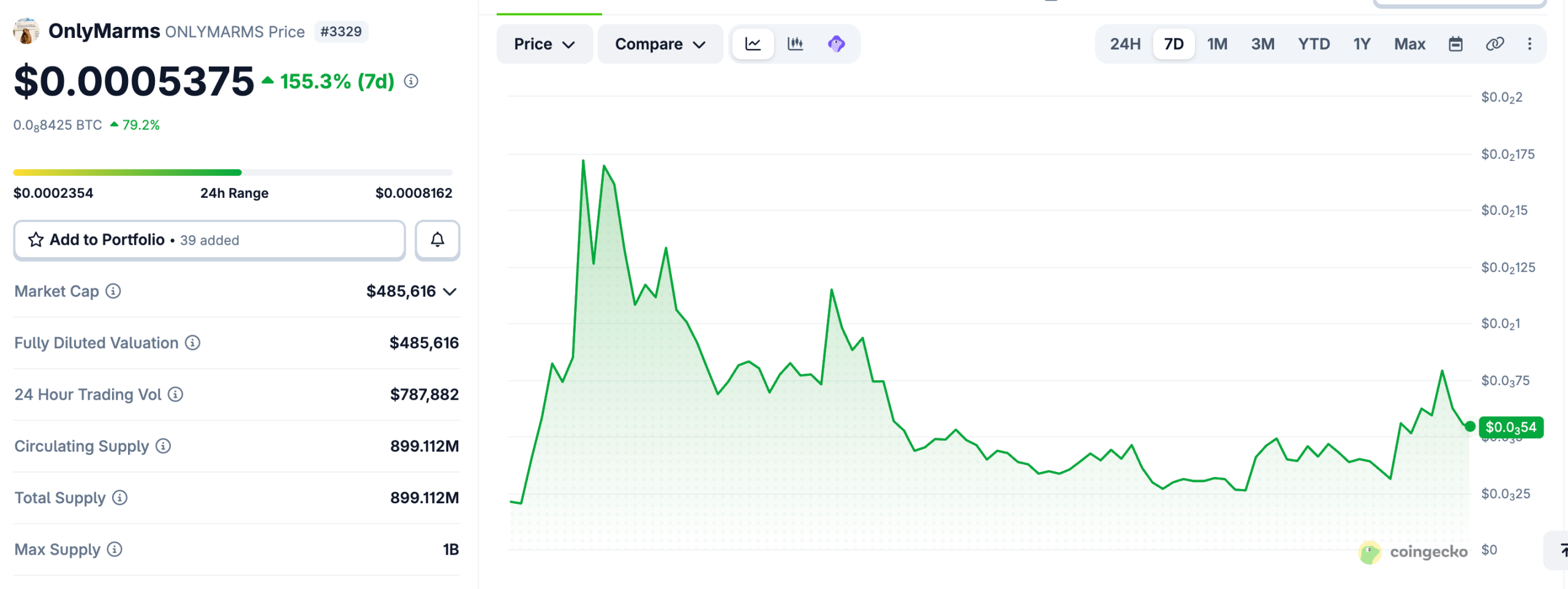
A Solana meme coin tied to a 64-year-old marmot study has outraised its own OnlyFans campaign in just days.
Researchers launched the OnlyFans page this spring after a major grant renewal fell through. A Pump.fun token followed soon after, and it now brings in more money for the project.
Where the Money Problem Started
The Marmot Adaptive Dynamics (M.A.D.) Lab at the Rocky Mountain Biological Laboratory (RMBL) tracks yellow-bellied marmots near Crested Butte, Colorado. It has continued since 1962, making it one of the longest wildlife studies in the world.
Daniel Blumstein, an ecology professor at the University of California, Los Angeles (UCLA), runs the project. He told NPR that a National Science Foundation (NSF) grant denial had reduced their teaching assistants.
Julien Martin, a University of Ottawa professor who co-runs the study, later joined the fundraising push.
“We’ve made about $4,000 on OnlyFans, and people are looking at the content and enjoying it… Turns out, it’s even bigger than this.”
Daniel Blumstein, NPR
That figure has since grown. The lab’s Marmot Project Instagram account put OnlyFans donations at more than $6,000, after OnlyFans took its 20% cut. The Daily Bruin reported the update this week.
The account has been live since June. Signing up required convincing OnlyFans that a human, not a marmot, controlled it.
The lab has tried other fundraising ideas too. A Crested Butte brewery released a Marmot Tears IPA in July. The team is also planning a Fat Marmot Week event in August.
The Token Pulled Ahead
However, one of the more successful endeavors is a community-launched token called OnlyMarms on Pump.fun, a platform that lets anyone create a Solana-based token in minutes. Martin signed up on Pump.fun himself to claim the token’s creator fees for the lab.
The M.A.D. Lab‘s own project page puts total crypto donations at more than $14,000 so far. That is more than double what OnlyFans has generated for the same cause.
OnlyMarms itself is trading near $0.0005, up more than 70% in 24 hours. It peaked above $0.002 in late July, according to CoinGecko data.

That kind of swing mirrors other viral animal tokens. A raccoon token’s viral rally and the broader animal meme coin trend both produced billion-dollar market caps in 2024.
Whether the Fees Keep Flowing
The size of that gap still raises an open question. Researchers cannot yet say whether Pump.fun fees are a repeatable funding source or a one-time spike. Meme coin volume usually fades once attention moves on.
Analysts have also flagged meme coin profit structures as a concern. Profits often favor infrastructure and early holders over the causes tokens claim to support.
That adds uncertainty to how much of OnlyMarms’ volume reaches the lab long term. Blumstein said the lab is also continuing to pursue traditional grant funding.
For now, the marmot study relies on both channels. OnlyFans built the early audience, and the token turned that attention into faster funding.
The post Solana Memecoin OnlyMarms is Outraising OnlyFans Subscriptions for a Marmot Study appeared first on BeInCrypto.
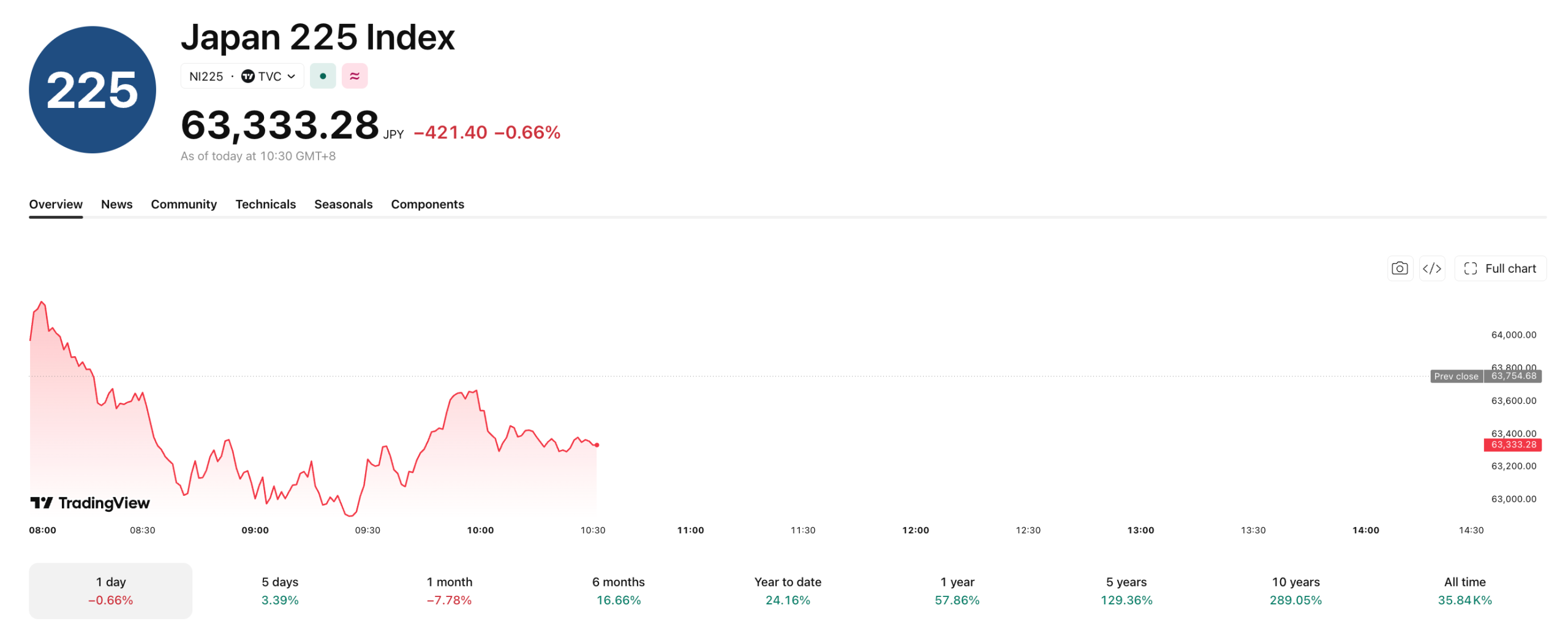
Japan’s Nikkei 225 barely budged Tuesday despite a historic joint US-Japan intervention to prop up the yen. But Kioxia Holdings’ earnings miss suggests the real pain has not landed yet.
Tokyo and Washington intervened to halt months of yen weakness, and Kioxia posted disappointing guidance days later. Markets have absorbed both events calmly so far, but the underlying risks, a possible BOJ rate hike and a currency still primed to strengthen, remain unresolved.
A Muted Reaction So Far
The Nikkei 225 slipped slightly, 0.6% to around 63,300 on Tuesday. That extended Monday’s 1.4% drop.
Both moves look mild next to the selloff traders feared. Tokyo and Washington had just confirmed their first coordinated yen-buying operation in decades.

Kioxia Holdings actually rose slightly on Tuesday. But others in Japan, like SoftBank Group and Advantest, declined as chip stocks led the pullback.
The move follows Kioxia’s 65% plunge from June highs. That slide had already fueled speculation over shareholder payouts before Friday’s earnings.
The yen has settled near 155 to 157 per dollar. It gained as much as 3.8% over two sessions last week, when Finance Minister Satsuki Katayama and Treasury Secretary Scott Bessent confirmed the joint action.
Why Kioxia Still Faces Pressure
Kioxia’s fiscal first-half operating income guidance missed analyst estimates on July 31. The company announced a three-for-one stock split and a share buyback the same day, but neither measure addressed the earnings shortfall itself.
A stronger yen deepens that problem. Kioxia is an export-heavy memory chipmaker, so it loses value on overseas sales whenever the currency strengthens. That adds currency drag to an outlook it already cut.

The timing makes things worse. Global memory chip prices are still swinging, and the wider AI chip trade has wobbled all through July. Korean rivals SK Hynix and Samsung Electronics posted their own sharp moves during that stretch.
The bigger risk sits with the Bank of Japan. The central bank held rates at 1% last week but left the door open to a hike. Bessent has repeatedly pushed Governor Kazuo Ueda toward tightening further.
The BOJ’s next policy meeting in September is the trigger point traders are watching. A hike would widen room for further yen strength. Officials have also signaled they will intervene again if the currency slides back toward its recent lows.
That combination puts Kioxia in a tough spot. It already missed its own guidance, and the currency it depends on looks primed to keep rising.
Whether Kioxia’s slide deepens may depend less on its own numbers. It may hinge more on what the BOJ decides in six weeks.
The post Japan Stocks Shrug Off Yen Shock, But Kioxia Signals More Pain Ahead appeared first on BeInCrypto.
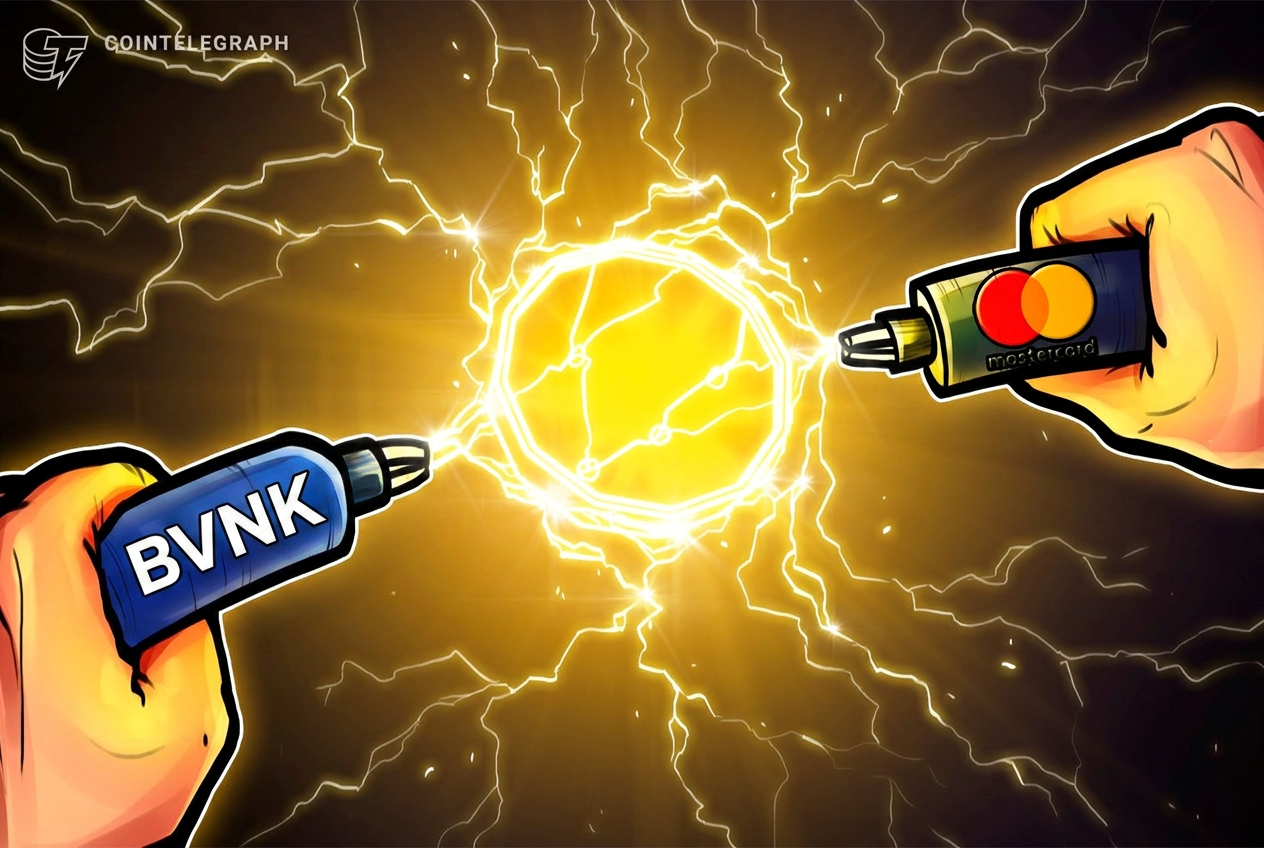
Mastercard said the tie-up would help banks, fintechs and enterprises expand stablecoin payments, payouts, settlement and treasury services.

Romance scams remain a persistent threat in Asia, with Hong Kong police reporting a concentrated spike in cases tied to fake “crypto investment” schemes. Between July 24 and July 30, authorities logged 25 romance-linked fraud reports, totaling about $9 million in losses, according to the Hong Kong Police Force.
In one reported case, an insurance agent lost $3.3 million after being persuaded by a fabricated online boyfriend to invest through a fraudulent crypto application—an approach scammers have increasingly used to mimic legitimate trading platforms while manufacturing returns on screen.
Key takeaways
- Hong Kong recorded 25 romance-linked fraud cases in a single week (July 24–July 30), with combined losses near $9 million.
- Scam operators build long relationships via dating and messaging apps, then push victims toward a fake crypto trading app showing false profits.
- Hong Kong’s HashKey Exchange said JPMorgan Chase approved its move to open a client money account.
- Malaysia withdrew support for Malaysia Blockchain Week after controversy over an after-party tied to an influencer with adult-content history.
- Several regulatory and industry shifts across Asia—stablecoin rulemaking in South Korea and Bitget exiting Japan—signal continued policy tightening alongside operational changes.
Hong Kong’s romance scams: from chat rooms to fake trading apps
Hong Kong police say scammers often initiate contact through dating platforms or messaging apps, then spend weeks or months developing trust. Only after victims become emotionally invested do criminals introduce the idea of cryptocurrency investing.
Fraudsters then direct victims to a website designed to resemble a genuine trading application. The platform typically displays rising balances and “profits” to encourage additional deposits. The fraud usually becomes clear only when victims attempt to withdraw funds and find that transfers are blocked or accounts cannot be accessed.
Police reported that, in the case involving an insurance agent, the scam escalated to $3.3 million—demonstrating how quickly these schemes can move from initial persuasion to large-value transfers. The broader week-long total of $9 million suggests the pattern is not isolated, but part of an active criminal campaign.
Regional compliance signals: HashKey gets JPMorgan client money approval
While Hong Kong grappled with scam activity, the city also saw a separate development that touches on institutional readiness: HashKey Exchange said it received approval from JPMorgan Chase to establish a client money account, per statements from the company’s parent group.
HashKey framed the approval as a step forward in enabling client money handling within its regulated operating framework. For investors and counterparties, client money arrangements are often a practical building block for institutional confidence—especially for firms dealing with custody-like responsibilities and segregation expectations.
That said, the scam reports underscore a different reality for retail users: even where regulated exchanges expand capabilities, criminals can still exploit individual naivety through counterfeit apps and social-engineering tactics.
Malaysia Blockchain Week support pulled over OnlyFans-linked after-party backlash
Malaysia’s crypto sector faced reputational and administrative pressure after the government withdrew support for Malaysia Blockchain Week. Organizers said the decision followed controversy related to an after-party featuring an influencer previously known for adult content.
Earlier coverage noted that Malaysia Blockchain Week was linked to promotional materials circulating online, after which event organizers apologized to the Ministry of Digital and the Malaysia Digital Economy Corporation. Organizers then reportedly canceled the performance and removed references to the event from its website.
The episode highlights a recurring tension for blockchain conferences: while policy conversations often focus on regulation and technology, broader public scrutiny and political optics can still shape whether governments are willing to publicly back industry gatherings.
China: warning over Bitcoin extortion scams using publication name
In China, a state-affiliated outlet—reported as China Business Journal—warned that fraudsters were impersonating the publication to extort companies. According to the newspaper, scammers demanded Bitcoin payments while claiming they had uncovered damaging information through “undercover investigations.”
The warning described use of a Proton Mail address for contacting businesses, along with threats to publish alleged material unless companies paid in Bitcoin. This is another example of how crypto payments are increasingly used as a tool in non-crypto-specific crimes: the asset acts as the settlement mechanism for intimidation rather than part of a legitimate investment process.
The same broader period included other reported crypto-related developments, including police academy research claiming an AI system capable of detecting illegal crypto transactions with nearly 90% accuracy, and arrests tied to crypto money laundering connected to telecom fraud.
South Korea moving toward stablecoin regulation as tax debate continues
South Korea’s policy roadmap remains under construction, with a reported plan by the Financial Services Commission to draft a consolidated Digital Asset Basic Act alongside the ruling Democratic Party. The reported draft scope includes stablecoin issuance and circulation, digital asset business rules, exchange entry requirements, disclosures, internal controls, and standards for system resilience.
At the moment, South Korea’s Parliament is considering multiple separate bills related to digital assets and stablecoins. Disagreements have reportedly prevented the country from finalizing elements of the next-stage crypto legislation.
Separately, the opposition’s effort to repeal planned crypto taxes has moved to a committee. The government has said the changes would take effect on January 1, 2027, even though adjustments had been postponed on three prior occasions.
For market participants, the key practical takeaway is that stablecoin policy may be consolidated—but the timing and political hurdles remain uncertain. Traders and issuers should watch for how lawmakers reconcile competing approaches between regulation needs and tax policy, especially as monthly stablecoin flows have reportedly continued to move offshore.
Singapore and Japan: restructuring pressures and account exit timelines
Singapore-based prime brokerage FalconX has reportedly cut capacity amid a prolonged crypto market slump. Bloomberg reported that FalconX laid off about 10% of its global workforce while preparing for a longer downturn, including a strategic shift in Singapore toward crypto derivatives trading.
The report also said FalconX planned to withdraw its license application with the Monetary Authority of Singapore, while maintaining a broader Asian footprint and expanding its European business. The company’s reported headcount prior to layoffs—approximately 350 across the United States, the United Kingdom, Singapore, and Hong Kong—signals how consequential these decisions can be for regional market infrastructure.
In Japan, Bitget announced it would stop providing services to residents of the country and begin account restrictions on November 1. The exchange said it stopped accepting new registrations from Japan residents, and that any positions still open by December 31 would be forcibly closed.
For Japanese users, such forced-closure timelines are particularly important because they reduce the window for risk management actions like rebalancing, exit planning, and compliance checks with alternative services.
What to watch next
Across Asia, enforcement and policy developments are unfolding alongside industry reshaping—yet the Hong Kong romance-scam figures and other extortion warnings show that social-engineering fraud remains a live risk. Investors and users should stay alert to “too-good-to-be-true” returns shown inside unfamiliar apps, while tracking how stablecoin and exchange-related rules evolve in South Korea, Singapore, and Japan.


Aswath Damodaran, known as Wall Street’s Dean of Valuation, says the next AI shakeout will hit smaller companies hardest. He says the Magnificent Seven have the cash flow and balance sheet strength to survive it.
In a new interview, Damodaran pointed to falling returns on invested AI capital at Meta, Alphabet, and Microsoft. He called the drop remarkable given the companies’ size.
Small AI Names Carry More Risk
The Magnificent Seven, Nvidia, Microsoft, Alphabet, Amazon, Meta, Apple, and Tesla, have spent tens of billions on AI infrastructure. Damodaran says their cash flow and debt capacity keep them out of trouble.
Smaller, less capitalized AI firms lack that same cushion, he warns. He points to the Situational Awareness hedge fund collapse as a sign of how quickly AI sentiment can shift.
“So I think when you see a shakeout in the AI space, it’s not so much the Mag-7 we should be watching, but the lesser companies.”
– Aswath Damodaran, NYU Stern School of Business
Falling Returns on AI Investment
The concern goes beyond mood. Damodaran tracks marginal return on invested capital, or income gained per new dollar of capex.
At Meta, Alphabet, and Microsoft, that ratio has fallen sharply even as spending keeps climbing. Damodaran says the size of the drop stands out given how large these firms already are.
The pattern echoes strain already hitting chipmakers after Micron’s sharp share drop rattled the memory sector. Not everyone reads the slowdown as a warning sign, though.
Tom Lee, for one, called the same AI capex fear signal bullish rather than alarming. He argues that widespread doubt about the AI trade suggests the cycle still has room to run.
Damodaran warns that unless hyperscalers post earnings that match their spending, a different kind of Big Tech will emerge. It would be more capital intensive and deliver lower returns.
Whether the correction spreads beyond niche AI names remains unclear. Much may depend on whether hyperscaler spending keeps outpacing earnings growth in the coming quarters.
The post NYU Professor Says Watch Smaller AI Stocks When The Shakeout Hits appeared first on BeInCrypto.


Standard Chartered-backed Anchorpoint Financial has pushed the public rollout of its Hong Kong dollar stablecoin HKDAP into August after the project missed its previously expected second-quarter and end-of-July timelines.
Summary
- Standard Chartered expects to announce the launch of its Hong Kong dollar stablecoin HKDAP during August after missing earlier rollout targets.
- Anchorpoint said public blockchain testing has continued as it prepares HKDAP for cross border payments and tokenized asset use.
- The stablecoin will be distributed through approved partners under a B2B2C model instead of being issued directly to end users.
- Anchorpoint plans to reveal its authorized distributors after announcing the commercial launch of HKDAP.
According to the local media outlet the Hong Kong Economic Journal, Standard Chartered Hong Kong and Greater China and North Asia CEO Mary Huen said an announcement related to HKDAP is expected within August, adding that work on the licensed stablecoin has continued since Anchorpoint received its issuer license from the Hong Kong Monetary Authority in April.
The latest update follows earlier local media reports that the project would be announced before the end of July. Anchorpoint, backed by Standard Chartered (Hong Kong), HKT and Animoca Brands, was among the first two companies to receive a stablecoin issuer license under Hong Kong’s Stablecoins Ordinance.
HKDAP announcement has moved into August
While the launch has taken longer than initially anticipated, Huen said development has continued in the months following regulatory approval. According to the report, Anchorpoint has been testing public blockchain infrastructure to support additional use cases beyond basic issuance, with cross-border payments forming one of the priorities.
She said businesses continue to face practical challenges in international settlements because traditional payment systems are not available around the clock and often involve higher costs. The stablecoin is intended to provide another settlement option for enterprises operating across borders.
Earlier company statements said HKDAP will be issued in phases under Hong Kong’s licensing framework. Anchorpoint has also said each token will be backed one-to-one by Hong Kong dollar reserves held in segregated accounts in line with HKMA reserve requirements for fiat-referenced stablecoins.
During technical preparations, Anchorpoint completed an Ethereum mainnet transfer test in May alongside licensed virtual asset platform OSL Group and trading platform PantherTrade. Participants in the trial said the transaction demonstrated issuance, transfer and settlement using production-ready infrastructure rather than a regulatory sandbox.
HKDAP distribution will rely on approved partners
The latest report also provides more detail on how the stablecoin will reach users after issuance.
According to Huen, Anchorpoint will continue with a business-to-business-to-consumer distribution model instead of providing HKDAP directly to retail customers. Under that structure, the issuer will appoint recognized distributors, which will then make the stablecoin available to their own corporate and institutional clients.
The intended customer base includes small and medium-sized enterprises, traders, service providers, fund companies and individual users. Cross-border settlement remains the primary application, while tokenized assets have also been identified as another intended use case.
Huen said distributor agreements will be signed after Anchorpoint formally announces the stablecoin launch.
Market reports have previously identified OSL Group and HashKey Exchange as potential early distributors because both operate licensed virtual asset trading platforms in Hong Kong. Huen did not confirm those reports, saying Anchorpoint itself will announce the distributor list when it is ready, after which participating firms will introduce their planned applications for HKDAP.
Public blockchain testing has continued
Apart from the launch schedule, the report indicates that technical work has continued behind the scenes.
According to Huen, testing on public blockchain networks has been progressing to expand how HKDAP can be used, particularly for cross-border transactions. Earlier statements from Anchorpoint said deploying the stablecoin on Ethereum would allow interoperability with existing wallets, exchanges and decentralized finance applications while remaining subject to Hong Kong’s regulatory requirements.
The Ethereum mainnet trial completed in May formed part of those preparations before commercial issuance. Participants involved in the test said the exercise validated both the project’s technical design and compliance processes under production conditions.
Anchorpoint previously said HKDAP would initially follow its B2B2C rollout before expanding to additional use cases over time.
Hong Kong continues building its regulated stablecoin market
HKDAP is one of the first stablecoins being launched under Hong Kong’s regulated issuer framework.
The Stablecoins Ordinance requires issuers of fiat-referenced stablecoins to obtain approval from the HKMA and comply with reserve, disclosure and customer asset requirements. Before the first licenses were granted, Bloomberg reported that regulators had received interest from dozens of prospective applicants but planned to issue only a limited number of approvals during the initial round.
Anchorpoint secured one of those licenses in April alongside HSBC. Standard Chartered had previously disclosed plans to issue a Hong Kong dollar-backed stablecoin through the joint venture before the regulatory approvals were finalized.
Activity around Hong Kong’s regulated stablecoin market has also expanded outside the banking sector. In May, Kraken agreed to acquire Hong Kong-based payments company Reap Technologies for $600 million.
Reap develops stablecoin-powered infrastructure for cross-border business payments, corporate cards and settlement services, with the company describing stablecoins as a tool for reducing payment costs and removing intermediaries in international transactions.
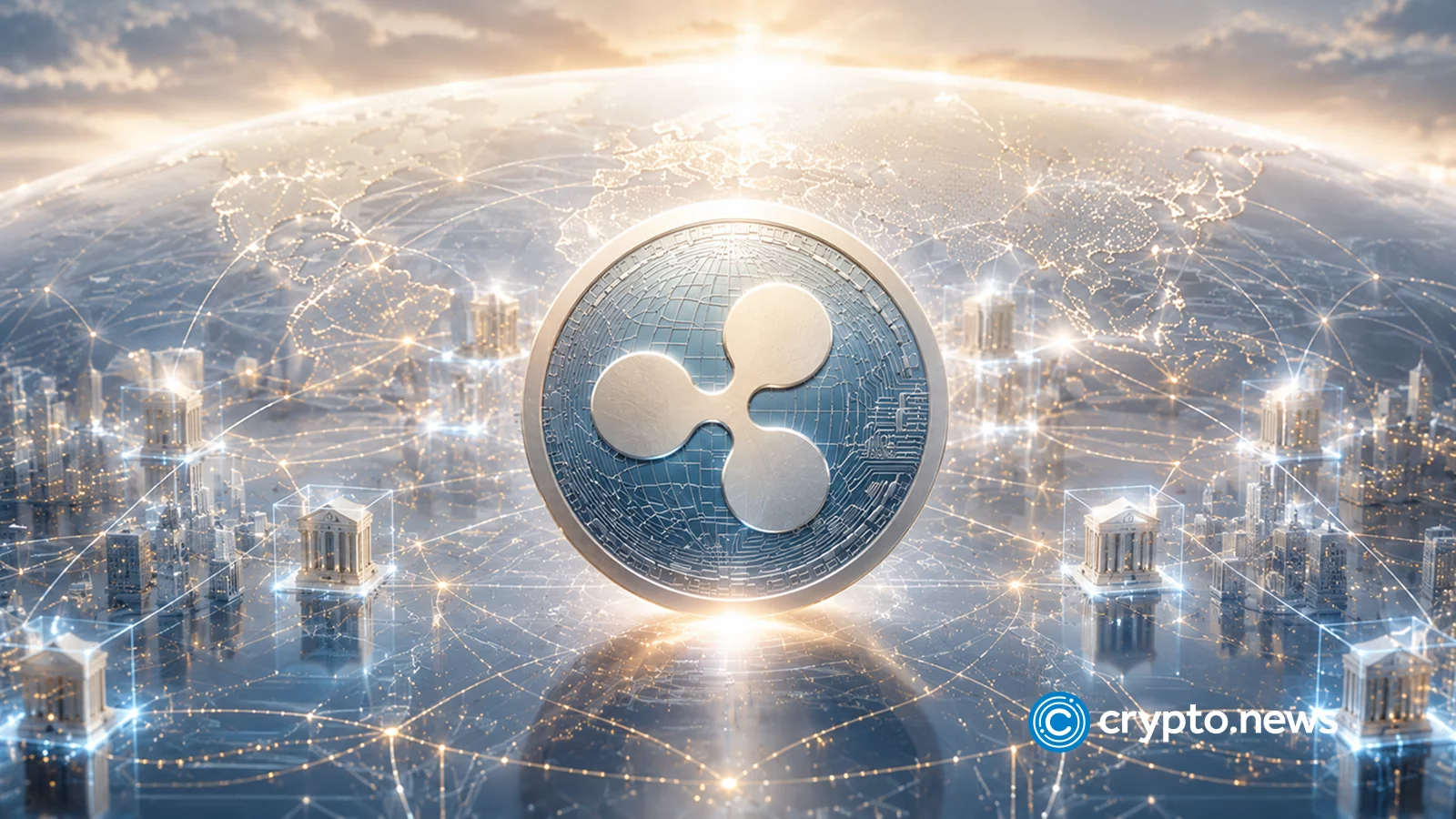
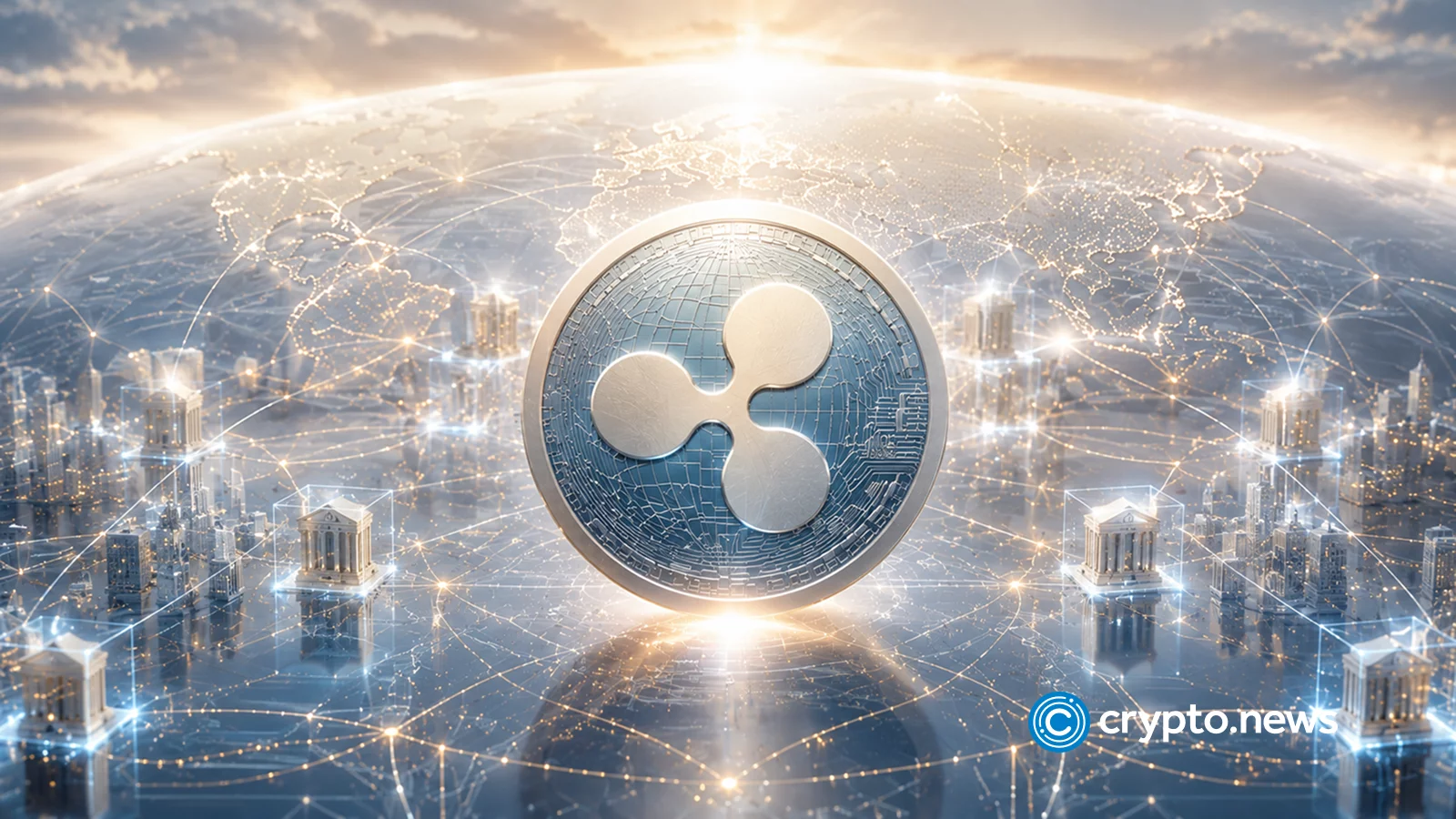
Ripple announced strategic investments in ZILO and Licuido on Aug. 3, adding two United Kingdom based firms to its digital capital markets strategy on the XRP Ledger.
Summary
- Ripple invested in ZILO and Licuido to expand tokenized fund infrastructure on the XRP Ledger.
- ZILO launched an integrated platform combining traditional transfer agency with digitally native asset issuance capabilities.
- Licuido will use Ripple’s backing to scale issuance, trading and collateral mobility through XRPL infrastructure.
- RLUSD will serve as the cash leg for delivery versus payment settlements involving tokenized funds.
- Ripple disclosed no investment amounts, leaving financial terms and resulting ownership stakes unknown to investors.
The company said the deals will add transfer agency, token issuance, trading and collateral mobility tools to its institutional infrastructure.
Ripple did not disclose either investment amount, the ownership stakes received or financial targets for the partnerships. Both companies separately confirmed the funding. ZILO also launched an integrated digital assets and transfer agency platform on Monday, while Licuido said Ripple’s backing would help scale its infrastructure on XRPL.
Ripple investments fill two gaps in tokenized funds
ZILO supplies transfer agency and fund administration technology. Its new platform lets institutions manage conventional fund units and tokenized share classes within one operating system. The company says it can support issuance, settlement, reconciliation, payments, corporate actions and regulatory reporting without requiring a separate technology stack for digital assets.
Licuido covers another part of the process. Its platform handles token issuance, distribution and secondary trading, with tokenized fund units designed for use as collateral. Its regulatory position needs careful wording. Licuido Markets Limited is an appointed representative of Sapeno Partners LLP, which the Financial Conduct Authority authorizes and regulates.
The FCA explains that a principal firm sets an appointed representative’s permitted activities and remains responsible for that business. Licuido is therefore not presented on its website as a directly authorized FCA firm.
ZILO said its configuration tools translate fund rules, share classes and jurisdictional requirements into onchain logic. It also records legal ownership as assets move, a function that transfer agents normally perform within conventional fund systems. Licuido says its legal structure links each token to one for one fund ownership, although that claim will depend on the documents and regulatory treatment applied to each product.
RLUSD will settle the cash side of fund trades
Ripple plans to use RLUSD as the cash leg for delivery versus payment transactions. In that model, the tokenized asset and payment settle together on XRPL rather than moving through separate systems at different times. Ripple says tokenized funds could then become collateral from issuance onward.
Ripple reports that XRPL has processed more than four billion transactions since 2012, supports more than seven million active wallets and is maintained by 120 independent validators. These figures describe general ledger activity rather than institutional tokenized fund usage.
The companies have not published transaction volumes, named new clients or shown that the combined system is operating at scale. Ripple executive Nigel Khakoo called the investment sector a “substantial opportunity” over the next decade. That statement is a company forecast, not a verified measure of future adoption or savings.
Aviva and DBS show where the stack may be used
As crypto.news previously reported, Aviva Investors launched a tokenized share class of its U.S. Dollar Liquidity Fund on XRPL on July 29. The move brought a partnership announced in February into production. Ripple said ZILO and Licuido are among the partners supporting issuance, distribution, custody and further uses for Aviva’s tokenized fund structures.
The broader model also resembles Ripple’s work with DBS and Franklin Templeton. In related coverage, crypto.news reported that DBS listed Franklin Templeton’s sgBENJI money market fund token beside RLUSD and planned to explore lending and repurchase transactions using tokenized units as collateral.
Those projects give Ripple existing institutional settings in which ZILO’s records and Licuido’s market tools could be tested. However, Ripple has not confirmed that the two companies will support every Aviva, Franklin Templeton or DBS product.
What happens next for Ripple’s capital markets push
The next steps depend on technical integrations and client launches. ZILO said it is providing Ripple with a digital transfer agency solution, but neither company published a deployment date. Licuido also said it would expand its collateral marketplace on XRPL without giving a launch schedule or naming participating asset managers.
Future disclosures will need to show which funds use the combined stack, what regulated activities Licuido performs under its principal firm, and whether RLUSD gains measurable settlement volume. Until then, the investments expand Ripple’s available infrastructure, but they do not establish adoption, revenue or liquidity outcomes.


New York filed the most aggressive state action against the prediction market industry two days after the Second Circuit denied Kalshi emergency relief on July 29. The suit arrived with a coordinated announcement from the AG and the Governor, counts spanning multiple bodies of state law, a $36 billion damages demand, and a motion to shut down operations in the state immediately.
Summary
- New York Attorney General Letitia James and Governor Kathy Hochul sued KalshiEX on July 31, 2026, in Manhattan Supreme Court, seeking at least $36 billion in compensatory damages, triple-gains penalties, and $100,000 per unauthorized sports wagering offer.
- The state filed simultaneously for a temporary restraining order to halt all Kalshi event contracts in New York immediately, citing evidence that investigators placed real wagers from New York accounts without obstruction.
- Kalshi, valued at roughly $22 billion with annualized volume of approximately $178 billion, calls the suit “political theater” and argues that its CFTC registration as a designated contract market means exclusive federal oversight.
- A bipartisan coalition of 38 state attorneys general has already filed an amicus brief supporting Massachusetts in a parallel case, signaling that the enforcement wave extends far beyond the 13 states with active litigation.
- A bipartisan Senate proposal to ban sports event contracts would eliminate roughly 90 percent of Kalshi’s volume, making the legislative and litigation tracks existential for the same company at the same time.
The damages figure is roughly 1.6 times Kalshi’s reported valuation. It is the number every major outlet led with, and it tells you what New York thinks this case is about. This is not a cease-and-desist. It is a revenue-extraction action against a company the state believes processed billions in unlicensed wagers over multiple years without paying a dollar in gaming taxes.
The question the case forces is whether a federal derivatives license protects a platform from state gambling enforcement. Kalshi says yes. New York says the answer has always been no. The 37 other attorneys general lining up behind Massachusetts suggest New York will not be the last to file.
What the complaint actually alleges
The core claim is that Kalshi is running an unlicensed gambling business in New York. The AG says the platform lets users place wagers on uncertain future events, from Super Bowl outcomes to reality TV winners to election results, without a Gaming Commission license and without paying state gaming taxes. New York treats these as bets, not derivatives, regardless of CFTC registration.
The complaint goes further. It alleges Kalshi allows users aged 18 to 20 to place bets, violating New York’s 21-and-older minimum for mobile sports betting. It alleges the platform offered wagers on games involving New York college teams, a separate violation under state law.
The AG’s investigators placed test wagers from New York accounts as evidence. Four “Yes” contracts on a UConn-Michigan basketball game at $1.14 in April 2026. Ten contracts on the winner of “Big Brother” in July 2026. Both transactions completed without any obstruction.
The filing introduces a count under the federal Interstate Wire Act, alleging Kalshi used wire communications to transmit bets across state lines. This is significant because it widens the legal exposure beyond state gambling statutes into federal criminal law. Even if Kalshi’s CFTC registration were found to preempt state gambling law, the Wire Act is a federal statute. The state is arguing that Kalshi violates it regardless of preemption.
The $36 billion and the restraining order
The headline remedies include a permanent injunction, a TRO, a full accounting of every customer bet and loss, forfeiture and disgorgement of all gains deemed illegal, restitution, penalties of three times Kalshi’s gains under Penal Law Section 80.10, and fines of $100,000 per unauthorized sports wagering offer under the Racing Law.
The per-offer fine structure matters on its own. Kalshi users bet over $1 billion monthly in 2025, with 90 percent of that volume on sports according to figures cited in the AG’s own release. Each unauthorized sports offering carries the $100,000 fine. At that volume, per-offer penalties alone could run into the hundreds of millions.
The TRO is the near-term threat. If granted, Kalshi would need to suspend operations in New York while the case proceeds, potentially for years. A TRO hearing can happen within days or weeks. The underlying lawsuit could take years. That asymmetry is the point. New York does not need to win the case to hurt Kalshi. It needs to win the restraining order.
The preemption argument and why it is weaker than Kalshi says
Kalshi’s defense rests on a single proposition: the CFTC registered it as a designated contract market, and that registration preempts state gambling law. The Commodity Exchange Act does contain a preemption clause. It bars states from imposing requirements on CFTC-registered exchanges that conflict with federal law.
The problem for Kalshi is that the preemption clause has limits. States retain their general police powers, including the power to enforce criminal gambling statutes. The CEA preempts state laws that regulate the same activity the CFTC regulates, meaning the trading of futures and options on designated contract markets. It does not automatically immunize a platform against state criminal law when the state claims the activity is not a derivative at all but an illegal wager.
New York is making exactly that argument. The AG is not saying Kalshi’s CFTC registration is invalid. The AG is saying it is irrelevant. The state treats event contracts as gambling contracts, full stop, and no federal derivatives license converts gambling into commodity trading under New York law.
The Second Circuit’s July 29 denial of emergency relief, while procedural, suggests the appellate court was not persuaded that Kalshi would suffer irreparable harm in the absence of a stay. That is not a ruling on the merits. But it is a signal that the courts are not treating federal registration as an automatic shield.
The 38-state coalition and what comes next
New York is not operating alone. Thirty-eight state attorneys general have filed an amicus brief in the parallel Massachusetts case supporting the argument that state gambling laws apply to prediction markets regardless of federal registration.
That coalition includes states with active sports betting markets and states without them, Republican attorneys general and Democratic ones. The breadth matters because it signals that the enforcement wave is not a partisan project. It is a states’ rights argument about gambling regulation, and it has bipartisan support among the officials who would bring the next round of suits.
The 13 states with active litigation represent the first wave. If New York prevails on the TRO or on the merits, the remaining 25 coalition members have a template. Each state has its own gambling statutes, its own damages provisions, and its own political incentives. A state with a regulated sports betting market, collecting licensing fees and tax revenue, has a direct financial interest in shutting down an unlicensed competitor.
Kalshi’s response has been consistent. It calls the suits political theater, points to its CFTC registration, and argues that only federal courts can decide whether event contracts are derivatives or gambling. The company has not announced any plan to geoblock New York users or restrict sports contracts. That decision will be forced if the TRO is granted.
Congress is moving on the same question
The litigation exists alongside a separate legislative track that could eliminate the product entirely. A bipartisan Senate proposal would ban sports event contracts on CFTC-registered exchanges. If enacted, the ban would remove roughly 90 percent of Kalshi’s volume based on the AG’s own figures.
The proposal has support from senators who otherwise favor crypto market-structure legislation, creating an unusual dynamic in which Kalshi’s allies on general derivatives regulation are the same lawmakers seeking to ban its largest product. The CLARITY Act negotiations have run parallel to the sports-contract debate, and several senators have indicated they would support CLARITY only if the sports ban is included.
For Kalshi, the litigation and legislative tracks threaten the business from opposite directions. The state suits attack the legality of the current product. The Senate proposal would ban the product even if the courts find it legal. The company needs to win both fronts to survive in its current form.
The gambling tax problem nobody is discussing
Buried in the New York complaint is an argument that prediction market platforms owe state gaming taxes on every transaction processed within the state’s borders. New York collects a 51 percent tax rate on mobile sports betting revenue. If event contracts are gambling, that rate applies.
The revenue implications are not trivial. Kalshi processed over $12 billion in New York wagers in 2025, according to the state’s estimates. At a 51 percent tax rate on platform revenue (the operator’s cut, not the full volume), the back taxes alone could run into hundreds of millions before the treble-damages multiplier.
Other states with legal sports betting collect their own tax rates, ranging from 10 percent in some jurisdictions to over 50 percent in others. If the gambling classification holds, every state with a gaming tax has a claim against every prediction market that accepted bets from its residents. The tax liability is not hypothetical. It is the mathematical consequence of the classification argument.
The CFTC’s silence
The CFTC has not intervened in any of the state lawsuits. The agency registered Kalshi, approved its event contracts over internal dissent, and has said nothing publicly about whether it believes state gambling laws are preempted by that registration.
The silence is notable because the CFTC could file amicus briefs in the state cases arguing for federal preemption. The agency has the legal authority and the institutional interest. A ruling that state gambling laws override CFTC registration would undermine the agency’s authority over a product category it explicitly approved.
The most likely explanation for the silence is political. The current commission has one confirmed commissioner and four vacancies. Taking a public position in a politically charged case about sports gambling while operating at minimal capacity carries risk with no obvious institutional reward. The commission may also be waiting for Congress to resolve the question legislatively through the sports-contract ban, which would make the preemption question moot.
What to watch
- TRO hearing date. If New York secures the restraining order, Kalshi must decide within days whether to geoblock New York or appeal. The hearing could come within weeks.
- Second Circuit briefing schedule. The denial of emergency relief was procedural. The underlying appeal on preemption will produce the first circuit-level ruling on whether CFTC registration shields platforms from state gambling enforcement.
- Senate sports-contract ban markup. If the ban advances alongside or as part of CLARITY, 90 percent of Kalshi’s volume becomes illegal regardless of how the courts rule.
- State AG filing cadence. Watch for the next state to file after New York. The 38-state coalition has the template. Each new filing multiplies the damages exposure and the compliance cost.
- Kalshi’s geoblocking decisions. If the company begins restricting access in specific states, it is conceding ground on the preemption argument in practice even while contesting it in court.
Frequently asked questions
Can Kalshi continue operating in New York while the lawsuit proceeds?
Only if the court denies the TRO. If the restraining order is granted, Kalshi must suspend New York operations immediately. The TRO hearing could happen within weeks of filing.
Does CFTC registration protect Kalshi from state gambling laws?
Kalshi argues yes. New York and 38 state attorneys general argue no. No appellate court has ruled on the merits. The preemption question is the central legal issue in every pending state case.
Why is the damages figure $36 billion?
The number reflects the total volume of wagers New York alleges were placed by state residents, multiplied by the treble-damages provision under state penal law. The final amount depends on a full accounting of Kalshi’s New York operations.
How many states are suing prediction markets?
Thirteen states have active litigation. Thirty-eight attorneys general have filed an amicus brief supporting the gambling classification in the Massachusetts case.
What happens to open positions if Kalshi is blocked in New York?
Kalshi would need to settle or transfer open positions for New York users. The mechanics depend on the terms of the restraining order and Kalshi’s own procedures for restricted jurisdictions.
Could Congress resolve this before the courts do?
Yes. The bipartisan Senate proposal to ban sports event contracts would remove 90 percent of Kalshi’s volume legislatively, making the state court cases partially moot on the sports contracts while leaving non-sports contracts unaffected.
Are other prediction market platforms at risk?
Any platform offering event contracts to US users faces the same state-law exposure. Polymarket, which operates offshore, faces different jurisdictional questions but the same underlying classification debate.
What is the Interstate Wire Act argument?
New York alleges Kalshi used wire communications to transmit bets across state lines, invoking a federal criminal statute that operates independently of the preemption question. This count survives even if CFTC registration preempts state gambling law.
Disclaimer: This article is for informational purposes only and does not constitute legal, financial, or investment advice. The legal proceedings described are ongoing. Outcomes remain uncertain. Published August 3, 2026.

HONG KONG
Romance scams in Hong Kong net $9M in a single week
An insurance agent in Hong Kong was fleeced out of $3.3 million after her fake online boyfriend convinced her to invest in a fraudulent crypto application.
There were 25 similar romance-linked fraud cases reported to Hong Kong police between July 24 and July 30, which collectively defrauded lonely hearts of $9 million.
Scammers typically connect with victims through dating or messaging apps and sometimes spend months building a rapport before dropping the idea of investing in crypto.
They direct victims to a site that appears to be a legitimate trading application. It displays fake profits to encourage victims to invest more and more funds. Victims typically realize they have been scammed when they are unable to withdraw funds.
Hong Kong news in brief
— Hong Kong-licensed cryptocurrency exchange HashKey Exchange received approval from JPMorgan Chase to open a client money account, its parent company said.
— A Vietnam-linked scheme called Fun Coffee that promised annual returns of up to 222% has imploded in Hong Kong. Authorities say it was a virtual currency scam.
MALAYSIA
Malaysia withdraws support for Blockchain Week after OnlyFans controversy
Fresh from booting out the Network School over hosting Israelis, Malaysia’s Government withdrew its support for Malaysia Blockchain Week over an after-party featuring an influencer previously known for adult content.
A conservative social media scandal erupted after promotional material for an after party featuring local DJ and actress Siew Pui Yi circulated.
She built up a large following on OnlyFans, but hasn’t been on the platform since 2022. That said, don’t go searching for her name on X if you are at work, as some pretty NSFW content shows up. She now 22 million followers on Instagram. Event organizers cancelled the performance.

Source: Javith
CHINA
Chinese newspaper warns of Bitcoin extortion scam using its name
China Business Journal, a state-affiliated newspaper, has warned that fraudsters have been impersonating the publication to extort companies by demanding Bitcoin in exchange for suppressing damaging reports.
The newspaper said scammers used a Proton Mail address to contact businesses, falsely claiming they had uncovered negative information through undercover investigations and threatening to publish the material unless paid in Bitcoin.
China news in brief:
— Researchers from China’s national police academy claim to have invented a new AI system that can detect illegal crypto transactions with nearly 90% accuracy.
—China detained 16 people for crypto money laundering tied to telecom fraud.
SINGAPORE
FalconX cuts 50% of Singapore staff amid prolonged crypto market slump: Report
Crypto prime brokerage FalconX has laid off 10% of its global workforce as it prepares for a prolonged downturn in the cryptocurrency market, Bloomberg reported Monday.
Citing people familiar with the matter, the publication reported FalconX is slashing staff and reshaping its strategy in Singapore by focusing on crypto derivatives trading. It plans to withdraw its license application with the Monetary Authority of Singapore. The company intends to maintain its presence in Asia while expanding its European business.
FalconX employed about 350 people across the United States, the United Kingdom, Singapore and Hong Kong before the layoffs.
Singapore news in brief
— Hashkey Holdings has signed an agreement to potentially acquire Singapore’s APEX, which is one of just three firms in the city state to hold both a brokerage and exchange license from MAS.
SOUTH KOREA
South Korea plans stablecoin rules as opposition pushes crypto tax repeal
South Korea’s Financial Services Commission (FSC) reportedly plans to draft a consolidated Digital Asset Basic Act in conjunction with the ruling Democratic Party.
The proposal would reportedly cover stablecoin issuance and circulation, digital asset business rules, exchange entry requirements, disclosures, internal controls and system-resilience standards.
At the moment, 10 separate digital asset and stablecoin bills are pending in Parliament, while disagreements have prevented South Korea from settling key elements of its second-stage crypto legislation.
Separately, the opposition’s bill to abolish Korea’s planned crypto taxes has moved to a committee. The Government this week vowed the changes would go into force on January 1 2027 despite being postponed on three other occasions.

Seoul, Source: Pexels
South Korea news in brief
— A report from Hashed and the Solana Policy institute recommends that South Korea should allow greater flexibility for stablecoin issuers, provide interim licensing guidance and phase in stablecoin regulation, before completing its Digital Asset Basic Act.
— South Korean cryptocurrency exchange Bithumb said Monday it plans to apply for a preliminary listing review in 2027 and complete an initial public offering in 2028.
—South Korea saw 560.3 billion won ($367 million) in stablecoin outflows to overseas exchanges in June, extending the country’s streak of monthly net stablecoin outflows to 18 consecutive months.
—South Korean police have formed a 41 member crypto tracing and investigations unit focused on cracking down on drug trafficking via Telegram groups.
—A fake Flare Network staking scheme defrauded $8.5 million from 71 investors.
JAPAN
Bitget to exit Japan, close remaining positions after Dec. 31
Crypto exchange Bitget said it will stop providing services to residents of Japan and phase in account restrictions.
The exchange announced Monday that it had stopped accepting new registrations from residents of Japan, while account restrictions will begin Nov. 1. Any positions still open on Dec. 31 will be forcibly closed.
Japan news in brief:
— Japanese game developer Gumi is launching an $18.3 million crypto asset fund on Saturday with SBI Financial Services and backing from Daiwa Securities Group and other investors. The fund will invest primarily in Bitcoin and major altcoins, using staking, portfolio rebalancing and hedging strategies.
— Concerns over US Treasury markets were behind the US decision to intervene in the Japanese yen last week.
INDIA
News in brief:
— A Madras High Court Ruling has recognized cryptocurrency as “property” that is capable of being the subject of trust obligations.
— Binance APAC Head SB Sekar argues that India needs to develop its own rupee backed stablecoins to reduce dependence on USD backed coins like USDT and USDC.
Cointelegraph publishes long-form journalism, analysis and narrative reporting produced by Cointelegraph’s in-house editorial team with subject-matter expertise. All articles are edited and reviewed by Cointelegraph editors in line with our editorial standards. Some articles contain affiliate links, from which Cointelegraph may earn a commission. These relationships do not influence which products we review or our editorial conclusions. Content published in here does not constitute financial, legal or investment advice. Readers should conduct their own research and consult qualified professionals where appropriate. Cointelegraph maintains full editorial independence.

The Anbernic RG SP Will Be Available On August 5

Ratan Tata’s Timeless Money Advice That Can Change Your Financial Future | Smart Investing, Savings
Iran-US war latest: Trump says Tehran has ‘last chance’ to make deal and Strait of Hormuz could open tomorrow

Renter of Home in Anne Heche Crash Denies Settlement With Son

No Jackpot Winner as $257 Million Prize Rolls Over to $269 Million Monday Draw

Weekend Open Thread: Staud – Corporette.com
Ratan Tata’s Timeless Money Advice That Can Change Your Financial Future | Smart Investing, Savings

786 Black Money Counting Machine #money #bank #currency #786 #note #trending #youtube #shorts

THIS BITCOIN MOVE WILL BE DEVASTATING!!
-

 Business5 days ago
Why Trees Belong on the Risk Register
-

 Fashion3 days ago
Weekend Open Thread: Wit & Wisdom
-

 Politics3 days ago
Meta enters AI-training agreement with far-right ‘propaganda rag’ Newsmax
-
 Entertainment6 days ago
‘Stargate’ Creator’s New Sci-Fi Series Returns for Season 3 Tomorrow
-

 Crypto World3 days ago
MicroStrategy Post-Earnings CLARITY Act Push Could Add New Catalyst for Its Stock
-

 Politics7 days ago
The Part of the Electric Transition Nobody Wants to Discuss
-

 Business6 days ago
Major shareholder moves on Canyon
-

 Crypto World3 days ago
XRP Ledger v3.3.0 brings five institutional features
-

 News Videos5 days ago
Bitcoin Enters the 3rd Stage of the Bear Market
-

 Crypto World6 days ago
Kraken Enables Retail Access to Jersey Mike’s IPO via Tokenized Shares
-

 Politics6 days ago
Reform UK betrays West Mids residents by running from party pledges
-

 Politics4 days ago
Luke Littler’s dominance sparks GOAT debate
-

 News Videos6 days ago
Claude: Build Financial Dashboards in Minutes (2026)
-

 Sports4 days ago
Seema Kaliramna Wins Discus Throw Bronze, Takes India’s CWG Medals Tally To 17
-

 Crypto World3 days ago
New York sues Kalshi over prediction market gambling
-

 Business6 days ago
Johnson & Johnson agrees to $5.5B settlement over talc cancer claims
-

 Crypto World2 days ago
Crypto PAC spending tops $2M in Michigan House race
-

 Business4 days ago
Trump Announces Hamas Disarmament Agreement as Iran Strikes Kuwait Air Base and US Attacks Pause Overnight
-

 Tech6 days ago
Gemini can now summarize the messiest comment threads in Google Docs
-

 Tech2 days ago
ESET tracks rise in malicious AI skills and adaptable malware
You must be logged in to post a comment Login