
Crypto World
Tennessee Imposes Crypto Kiosks Ban, Effective July 1


Tennessee Governor Bill Lee signed into law a bill that effectively curtails the deployment of cryptocurrency kiosks and ATMs in the state, setting a rapid compliance timeline for operators. House Bill 2505, enacted on April 13, reclassifies the installation of a crypto kiosk as a Class A misdemeanor beginning July 1, exposing operators and hosting venues to penalties of up to 11 months and 29 days in jail and a $2,500 fine for violations.
Industry data show Tennessee is home to more than 570 crypto kiosks and ATMs, with operators including Bitcoin Depot and CoinFlip active in the state. Market data reflected the regulatory development, as Bitcoin Depot’s Nasdaq-traded shares closed down roughly 6.9% on Monday, per Yahoo Finance, underscoring investor sensitivity to policy shifts affecting the on‑ramp sector.
The Tennessee measure sits within a broader pattern of state‑level actions aimed at crypto kiosks, particularly after episodes in which residents reported scams and other illicit activity linked to these machines. A Massachusetts town recently moved to ban the machines, and Minnesota’s State Senate advanced legislation that could extend a statewide prohibition.
“Virtual currency kiosks have become a gateway for scammers to exploit Tennesseans, especially our seniors, with little hope of recovering their money once it’s gone,” said Tennessee House Speaker Cameron Sexton, the sponsor of the bill.
Key takeaways
- HB 2505, signed by Governor Lee, bans the installation of cryptocurrency kiosks in Tennessee starting July 1, making violations a Class A misdemeanor with penalties up to 11 months and 29 days in prison and a $2,500 fine.
- Current data indicate Tennessee hosts more than 570 crypto kiosks and ATMs, operated by players such as Bitcoin Depot and CoinFlip.
- Bitcoin Depot’s stock performance reflected the regulatory environment, with shares down about 6.9% on the day of the law’s enactment.
- This move is part of a wider U.S. crackdown, with Massachusetts and Minnesota weighing or advancing restrictions on crypto kiosks in recent weeks.
- Federal data underline the risk environment: the FBI’s 2025 Internet Crime Report highlighted crypto and AI scams as costly, with more than 13,000 complaints about crypto ATMs and kiosks and losses topping $389 million.
Legislation tightens the screws on crypto on-ramps in Tennessee
The core of HB 2505 is a redefinition of what constitutes permissible activity around crypto-onramps within the state. By classifying the installation of a crypto kiosk as a Class A misdemeanor starting July 1, Tennessee suppliers and venues hosting these machines face meaningful criminal exposure for enabling such services. The policy rationale, as cited by supporters, centers on safeguarding residents—particularly seniors—from scams facilitated by kiosk-based crypto transfers. The bill’s sponsor, House Speaker Cameron Sexton, characterized the measure as a necessary response to escalating concerns about consumer protection in the digital currency space.
Industry landscape and market reaction
With more than 570 kiosks and ATMs reported in Tennessee, operators have built a sizable footprint in the state. The presence of major players like Bitcoin Depot and CoinFlip underscores the commercial importance of these machines even as regulators move to constrain their proliferation. The immediate market response—Bitcoin Depot’s stock decline on the day of the bill’s signing—illustrates the sensitivity of public markets to state regulatory shifts that could affect the economics of kiosk deployments, maintenance, and consumer trust.
Beyond Tennessee, the regulatory weather in the United States is increasingly heterogeneous. Massachusetts, for example, has seen local jurisdictions weigh bans on crypto kiosks, and Minnesota’s legislature has considered measures to ban or restrict the machines at the state level. Operators and investors alike are watching how these state-level actions might converge or diverge, potentially pushing the sector toward more centralized or alternative on-ramp channels.
Regulatory backdrop and the risk landscape for kiosk operators
The crackdown on crypto kiosks is taking place against a backdrop of rising enforcement activity in the broader crypto and digital‑asset sector. The FBI’s 2025 Internet Crime Report underscored that crypto and AI‑related scams were among the costliest threats to Americans online. The report documented more than 13,000 complaints tied to crypto ATMs and kiosks, resulting in losses of at least $389 million. Authorities point to scam modalities that exploit social engineering, including impersonation of family members or authorities to induce transfers to crypto wallets, highlighting why regulators view on‑ramp points as high-risk channels for illicit behavior.
The Tennessee measure also aligns with a broader policy trajectory that treats crypto kiosks as a potential vector for fraud, money laundering, and other illegal activities. As policymakers weigh additional restrictions, the on‑ramp sector could experience accelerated consolidation, relocation, or pivot toward regulated, compliant configurations that emphasize consumer protections and transparent fee structures. The coming weeks will likely determine which operators, if any, reconfigure their footprints in Tennessee and how other states respond to similar concerns.
For readers watching policy developments, the immediate question is how many more jurisdictions will introduce bans or tighter controls on crypto kiosks and what alternative on-ramps will emerge to serve users while balancing safety and innovation. The next regulatory moves in Minnesota, Massachusetts, and other states will be telling indicators of the sector’s trajectory in 2026.

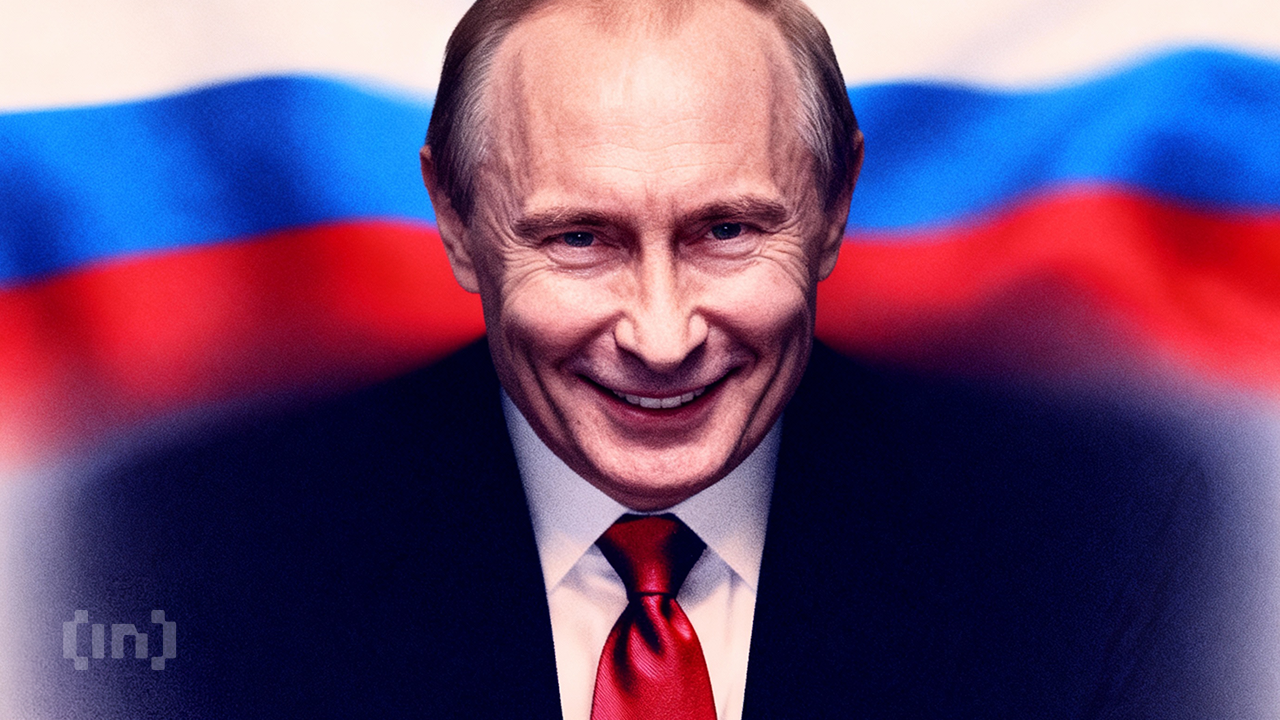
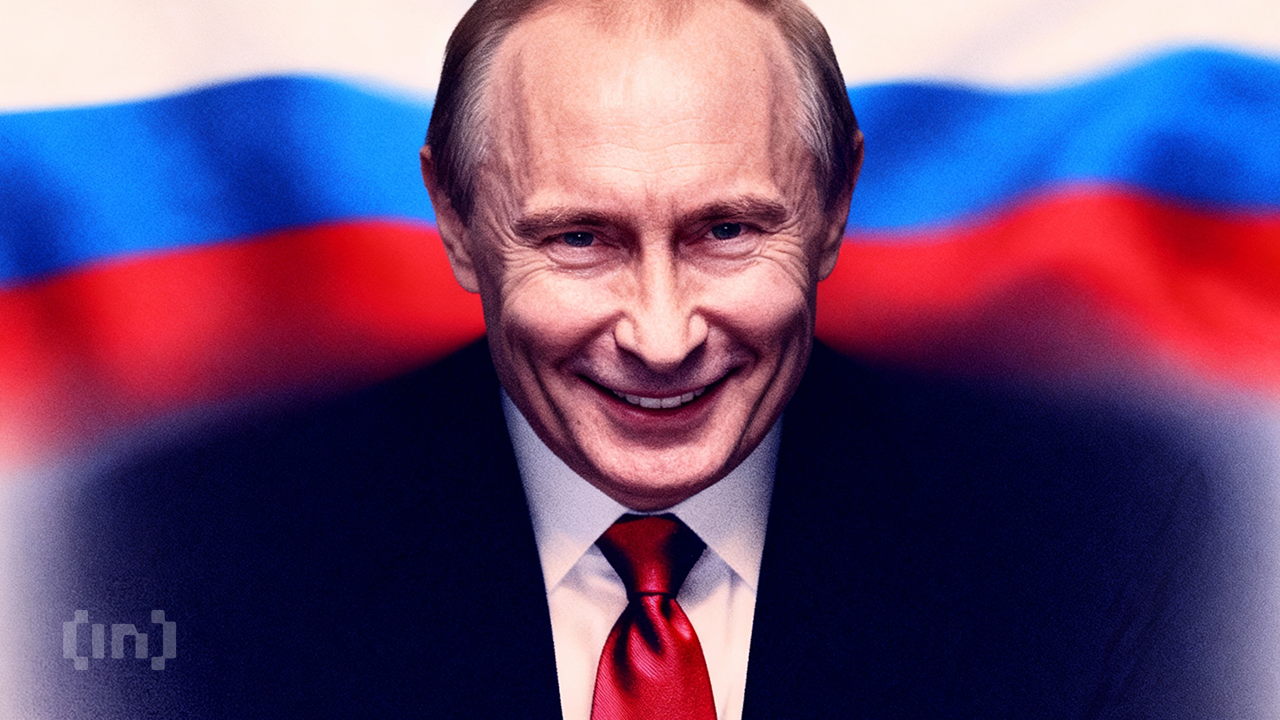
The $500 million superyacht Nord, linked to sanctioned Russian billionaire Alexey Mordashov, transited the Strait of Hormuz over the weekend. The crossing has drawn fresh scrutiny to gaps in Western sanctions enforcement.
The 142-meter Lürssen-built yacht sailed openly from Dubai to Muscat between April 24 and 26. It broadcast its position via the automatic identification system while commercial shipping stalled at both ends of the chokepoint.
Sanctions On Paper, Not At Sea
Mordashov has carried United States, European Union, and United Kingdom sanctions since 2022 over his close ties to Vladimir Putin.
The designations cite his roughly 77% stake in Severstal, Russia’s largest steelmaker. They also target his interests in Bank Rossiya and state-aligned media.
The yacht itself has never been seized. Public registries do not list Mordashov as the owner. Shipping records instead tie Nord to a Russian firm controlled by his wife, Marina Mordashova. The structure is widely seen as a buffer against Western asset freezes.
Reuters reported the vessel departed a Dubai marina at around 1400 GMT on April 24. It crossed Hormuz the next morning and reached Muscat early Sunday. MarineTraffic data tracked the route in real time.
Selective Passage Through Hormuz
Hormuz traffic has collapsed since the United States imposed a maritime blockade on Iranian ports on April 13.
Daily transits have fallen from roughly 140 vessels to single digits. Hundreds of tankers now wait at both ends of the strait.
Iran has granted preferential passage to Russia-linked vessels under a 2025 cooperation pact, according to reporting from The Independent.
Nord followed an Iranian-declared safe lane south of Larak Island while bound for Oman. The route placed it outside the US enforcement focus on Iranian-port traffic.
The crossing illustrates how layered ownership structures and aligned host states insulate sanctioned Russian assets from coordinated Western action.
Broader maritime restrictions continue to tighten elsewhere across the Gulf.
The post Sanctioned Russian Billionaire’s $500 Million Yacht Slips Through Hormuz Blockade appeared first on BeInCrypto.

BitMine Immersion Technologies, the Ether treasury company backed by Fundstrat’s Tom Lee, expanded its ETH holdings for a second straight week, purchasing an additional 101,901 ETH last week. The new addition lifts BitMine’s ETH stash to roughly 5.08 million and pushes its overall crypto-and-cash reserves to about $13.3 billion, according to market tracking and disclosures cited by industry observers.
The ongoing accumulation comes even as the firm sits on sizable unrealized losses tied to its ETH tranche, highlighting the risk-reward calculus involved in large-scale crypto treasury management during periods of elevated volatility.
The latest buy follows an earlier move of 101,627 ETH a week prior, which Cointelegraph described as the largest accumulation by BitMine since December 2025. That earlier purchase was noted by Cointelegraph as a notable uptick in sustained treasury buying during a period of price fluctuations for Ether.
In addition to the hard-layer exposure, BitMine’s public disclosures show a substantial gap between the book value of its ETH holdings and the current mark-to-market value. Unpacked, the company’s unrealized losses on the ETH treasury exceed $6.5 billion, based on total investments around $17.6 billion. The figure underscores how recent Ether price swings have amplified the drag on balance sheets even as the company continues to deploy capital into ETH.
The stock market side of BitMine reflects a separate pressure. BMNR, the NYSE-listed ticker for BitMine Immersion Technologies, has declined more than 20% year-to-date, according to Yahoo Finance data. That performance contrast—strong buy activity in the treasury alongside a downbeat equity mood—illustrates the divergent paths crypto-focused corporates can navigate when asset prices and broader risk sentiment diverge.
Nevertheless, BitMine has not stood idle on the yield front. The company reports staking roughly 3.7 million ETH, a step that generates rewards by contributing to Ethereum’s security and transaction validation process. In a market where price moves dominate headlines, staking offers a potential ongoing income stream that can help offset some near-term declines, though it does not fully shield balance sheets from drawdowns during sharp downturns.
Context for these moves is crucial. Ether’s price action in recent weeks has offered a glimmer of stabilization after a wave of declines through March. Ether rebounded above $2,400 last week after a dip to around $1,800 earlier in the year, according to TradingView data cited by Cointelegraph. Even with the rebound, Ether remains well below its year-to-date highs, and the asset remains roughly 23% lower on the year. The broader market backdrop—an improving tilt in risk assets alongside still-fragile sentiment—helps explain why treasury players like BitMine are doubling down on holdings amid volatility.
Analysts and market observers point to the tension at play in large crypto treasuries: the upside of accumulating strategic reserves during price weakness versus the downside of mark-to-market losses when markets turn against those accumulations. The yield from staking provides a counterpoint to this risk, but it does not replace the need for discipline in capital deployment or risk management. For investors and managers alike, the question remains how much longer these large-scale purchases can continue if Ether’s price remains volatile or if regulatory and macro conditions shift meaningfully.
BitMine’s approach also highlights a broader question for corporate and institutional treasuries in crypto: when does ongoing accumulation begin to tilt the balance toward longer-term strategic positioning vs. the immediacy of mark-to-market volatility? The company’s leadership—backed by notable figures such as Fundstrat’s Tom Lee—appears to envision a thesis where continued accumulation is part of a multi-year strategy, but the path is clearly defined by price cycles, staking yields, and the evolving risk landscape.
Additionally, observers are watching how such treasury strategies interact with the broader market’s liquidity environment. As Ether price cycles evolve, the ability of large holders to realize or offset losses may hinge on liquidity, staking rewards, and the pace at which new capital can be deployed without triggering outsized price impact. In this context, BitMine’s ongoing purchases and staking activity provide a real-world case study in how corporate crypto reserves can navigate a choppy market while pursuing yield-generation opportunities.
What comes next remains uncertain. If Ether continues its tentative stabilization alongside a broader improvement in risk appetite, BitMine and peers may press further into accumulation, potentially signaling institutional confidence in Ethereum’s long-run fundamentals. Conversely, renewed volatility or macro headwinds could test the durability of this strategy and the capacity of treasuries to sustain large, mark-to-market losses while maintaining growth of reserves and yield streams.
As investors weigh these developments, market watchers will monitor Ether’s price trajectory, staking yields, and corporate treasury disclosures for signs of how risk-taking is evolving in crypto-native balance sheets. The coming weeks will be telling in whether BitMine’s strategy proves resilient amid ongoing price swings or whether the unrealized losses will force a re-evaluation of appetite for heavy ETH exposure.
Watch next for how Ether’s price action interacts with treasury strategies across the sector, and whether BitMine’s continued purchases will influence market sentiment or simply reflect a broader risk posture among crypto-linked enterprises.
References: Wu Blockchain reported the latest ETH purchase; Cointelegraph noted the prior week’s 101,627 ETH as the largest accumulation since December 2025; Dropstab data cited unrealized losses topping $6.5 billion on a roughly $17.6 billion ETH portfolio; Yahoo Finance tracks BMNR stock performance; Ether price context drawn from TradingView data via Cointelegraph.
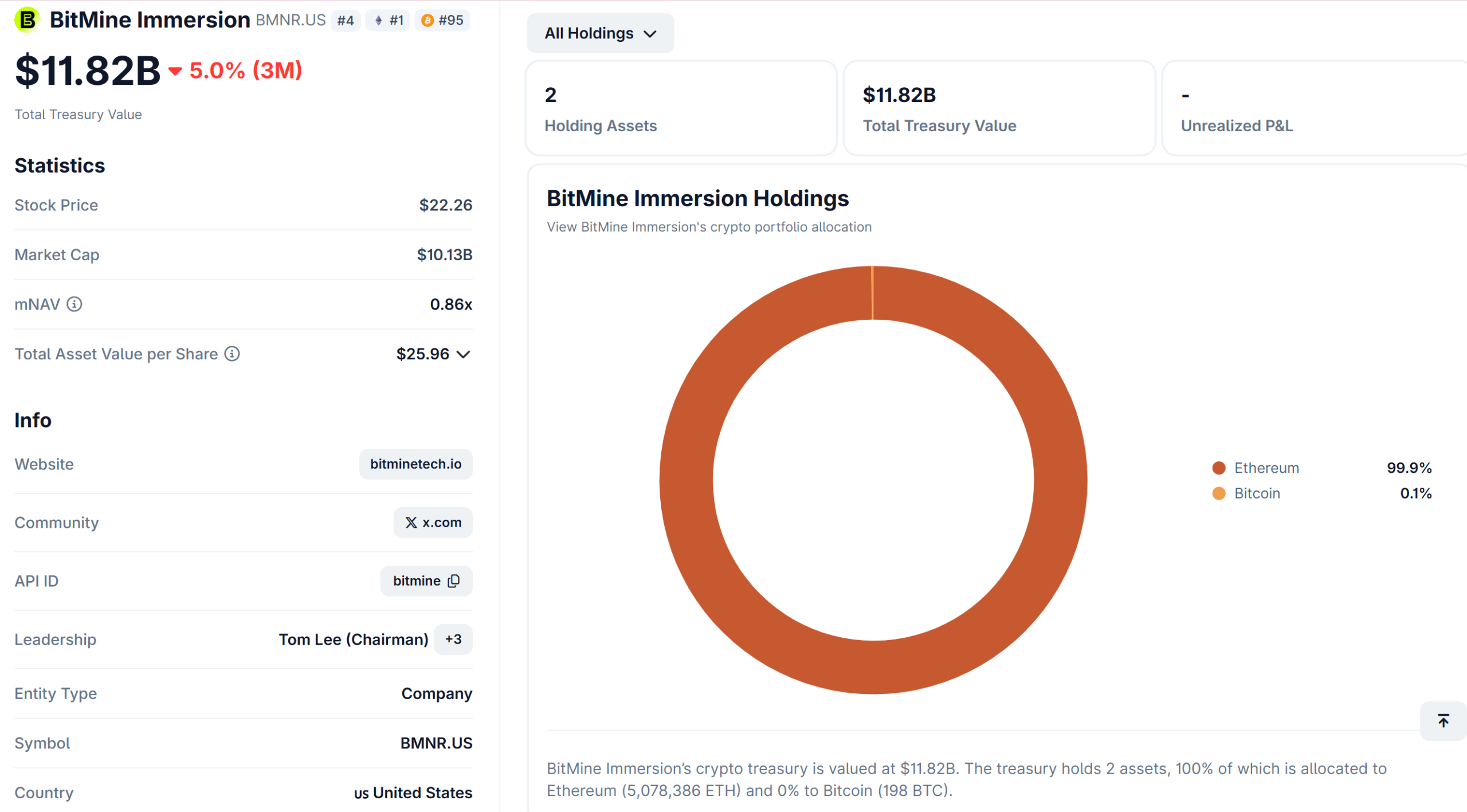
MicroStrategy and BitMine Immersion Technologies are racing toward different crypto accumulation targets. BitMine has pulled ahead. The Ether treasury is 16% short of its goal, while Strategy still trails by roughly 18%.
BitMine crossed 5 million Ether (ETH) on April 27, a milestone that puts it 84% of the way to 5% of all ETH. Strategy holds 818,334 Bitcoin (BTC) and is 181,666 tokens short of 1 million.
Race to Corporate Crypto Dominance
BitMine, chaired by Tom Lee, holds 5.078 million ETH worth roughly $11.5 billion at $2,314 per coin. The company adds $940 million in cash, $200 million in Beast Industries, and $91 million in Eightco Holdings. Total assets reach $13.3 billion.
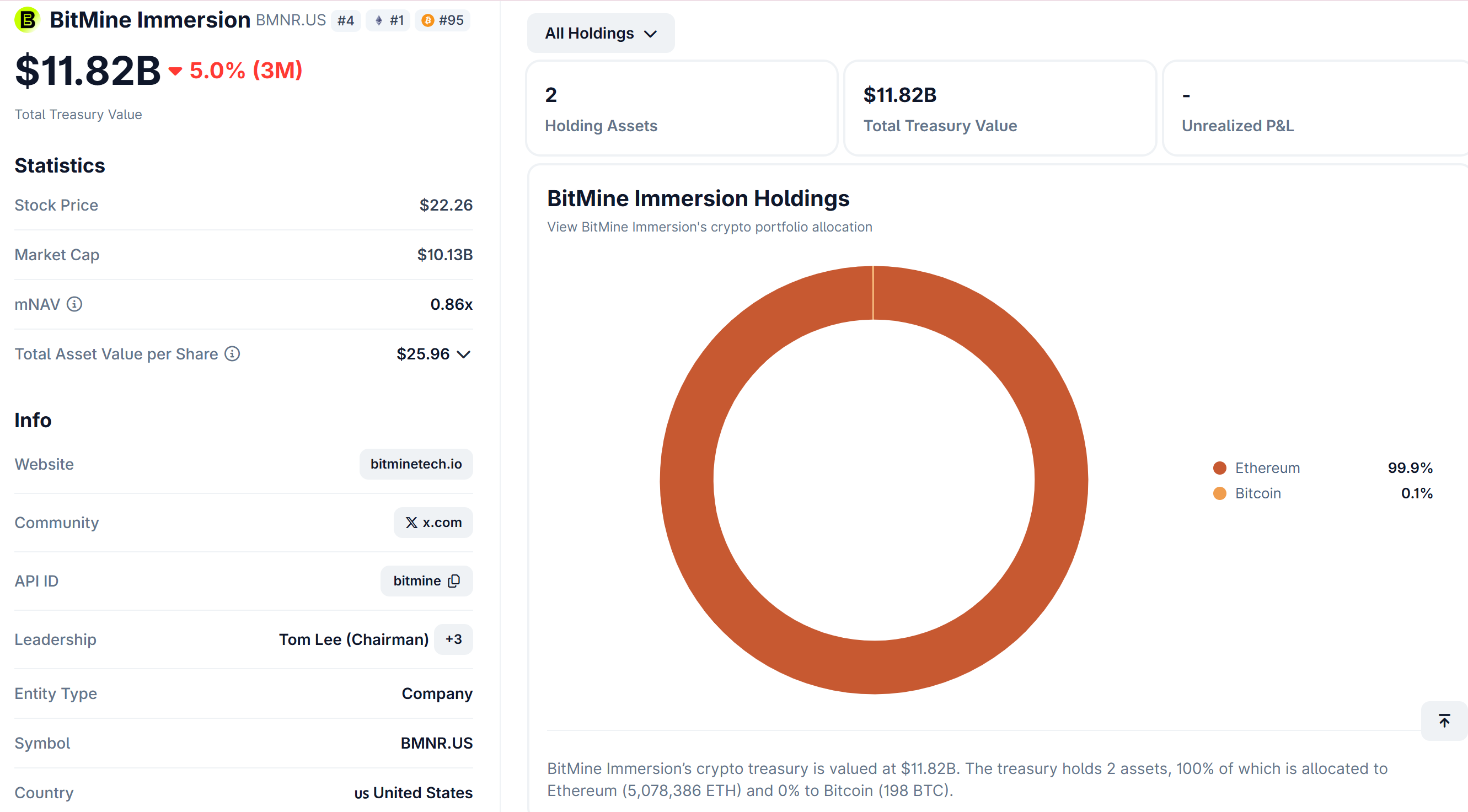
MicroStrategy, led by Executive Chairman Michael Saylor, has paid an average of $75,537 per BTC. Its cost basis sits at $61.81 billion. The latest weekly purchase added 3,273 BTC for $255 million at $77,906 per coin.
BitMine Has the Shorter Runway
BitMine needs about 1 million more ETH to reach its 5% of supply goal. At current prices, that means roughly $2.4 billion in additional buying.
Meanwhile, MicroStrategy needs nearly $14 billion at $77,000 per BTC. The dollar gap is almost six times (6x) larger. BitMine could close that gap with a single quarter of capital raising at recent run rates.
The funding model differs. MicroStrategy raises capital through STRC perpetual preferred shares and at-the-market equity sales.
The company carries $8.25 billion in debt and $13.53 billion in preferred stock. Annual dividend obligations sit at $1.49 billion on a non-yielding asset.
BitMine generates yield. The company stakes 3.7 million ETH through its Made in America Validator Network (MAVAN) platform at roughly 3%.
That produces $264 million in annualized revenue. Full staking would push rewards toward $363 million a year.
Are Bitcoin and Ethereum the Ultimate Winners in Any Scenario?
MicroStrategy reaching 1 million BTC would lock up 4.76% of Bitcoin’s capped supply under one corporate roof.
“Based on their 2026 average weekly buys, they will have 1 Million Bitcoin by December of this year. 1M BTC is 4.76% of the ending total supply once fully mined. Why do I buy MSTR? Duh,” remarked one investor.
Persistent absorption at that scale shrinks the float available to spot markets. That could pressure BTC higher in tight liquidity conditions.
However, BitMine controlling 5% of Ethereum carries a different effect. Most of those coins remain staked, removing them from the circulating supply while reinforcing network security.
The combined accumulation and staking lockup may amplify ETH price sensitivity to fresh demand.
“If just 3-4 more institutions follow BitMine’s playbook, we’re looking at a supply crisis that makes 2021 look tame…319K ETH removed + staking lockup = deflationary pressure accelerating…$15K ETH by December isn’t optimistic. It’s mathematical inevitability if this institutional FOMO spreads. Smart money is positioning NOW. Retail will chase at $8K+,” wrote investor and technologist Paul Barron.
Tom Lee has framed Ether as a store of value and collateral for tokenized finance. He points to its outperformance versus the S&P 500 since geopolitical tensions escalated.
The growing demand for tokenization and AI-driven blockchain infrastructure adds to the case.
BitMine trades $845 million a day on the NYSE main board, ranking 129th among US-listed equities. The investor roster includes ARK Invest’s Cathie Wood, Founders Fund, Pantera Capital, Galaxy Digital, and Kraken.
Strategy’s MSTR, on the other hand, sits at a 1.25x premium to net asset value.
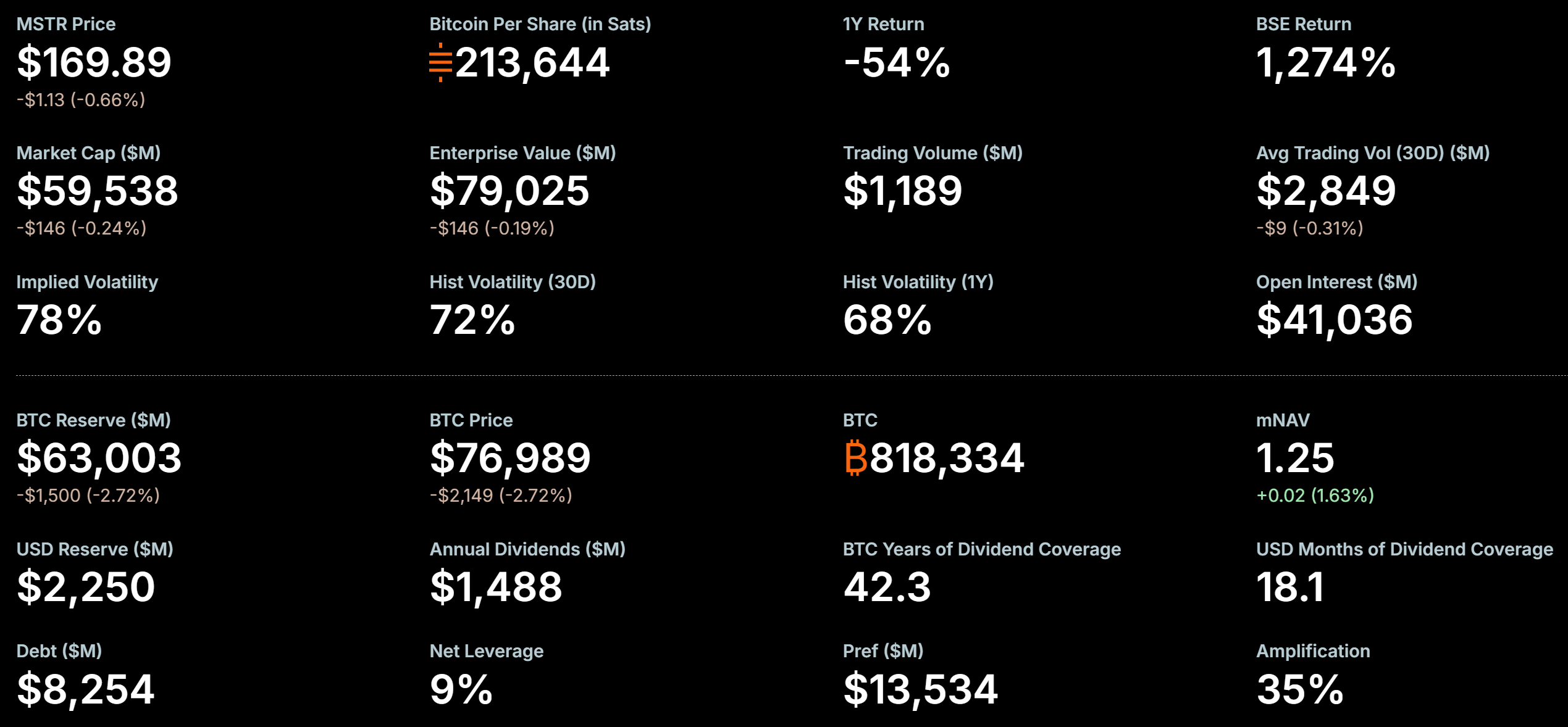
BitMine looks set to cross the line first if its current pace and capital access hold.
While this could mean ETH outperforms BTC, it depends on how cleanly both treasuries fund the final stretch.
The race may also test whether Saylor’s pace of 5,250 BTC a week remains repeatable over the next eight months.
The post MicroStrategy vs Tom Lee’s BitMine: Who Hits Target First? appeared first on BeInCrypto.
Key takeaways:
- Persistent spot market accumulation from Bitcoin ETFs and Strategy provided a price floor for Bitcoin and threatens to trigger a short squeeze.
- Negative funding rates and cautious options skews could trap bears if the Federal Reserve policy shifts or high oil prices trigger higher inflation.
Bitcoin (BTC) price sustained levels above $76,000 for the past week, distancing itself from its year low at $60,500. The recent bullish momentum came as crude oil prices jumped above $100 and the S&P 500 hit new trading highs, but futures market data may point to a short-term rally-ending outcome for Bitcoin.
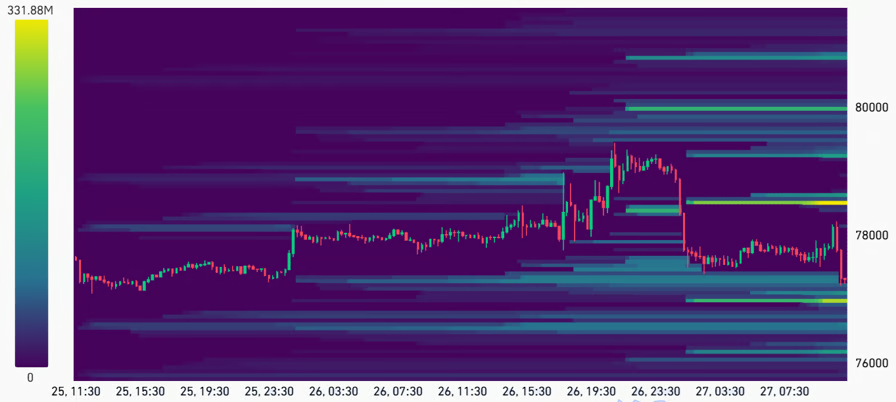
A total of $1.4 billion in leveraged short positions near $80,000 has been built over the past 48 hours, according to CoinGlass data, and Bitcoin’s rejection at $79,500 has raised alarm.
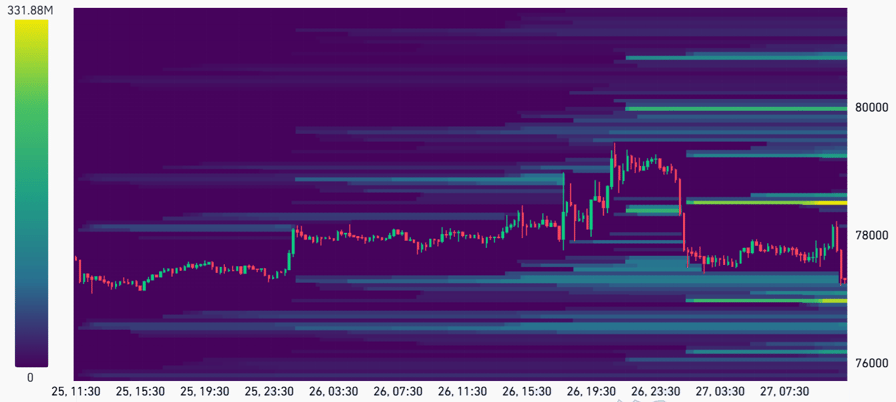
Estimated Bitcoin futures liquidation levels, USD. Source: CoinGlass
Federal Reserve decision, inflation data may push Bitcoin above $80,000
The lack of investors’ appetite for bullish Bitcoin leverage has been evident, but a bear trap could spring if the US Federal Reserve adopts a less restrictive monetary policy or if investors anticipate higher inflation, which would reduce the expected net returns from fixed-income assets.
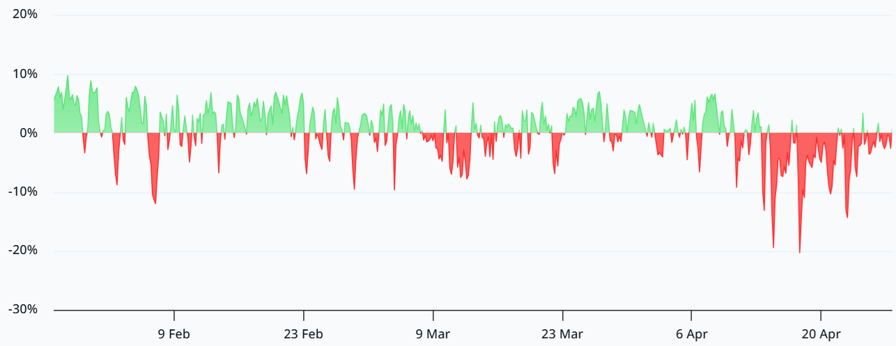
Bitcoin perpetual futures annualized funding rate. Source: Laevitas
The Bitcoin perpetual futures annualized funding rate has remained mostly negative over the past two weeks, a typical sign of growing bearish confidence. Curiously, this happened while Bitcoin’s price jumped to $78,000 from $72,000 on April 9 and most of those bets are at a loss at $76,700. A rally above $80,000 would likely force traders to close their positions.
Data show investors are no longer anticipating interest rate hikes from the Fed, even as Brent crude prices have reclaimed the $100 level. The pressure from high energy prices has a cascading impact on inflation expectations, but the Fed is also concerned with the weakening job market and economic growth.
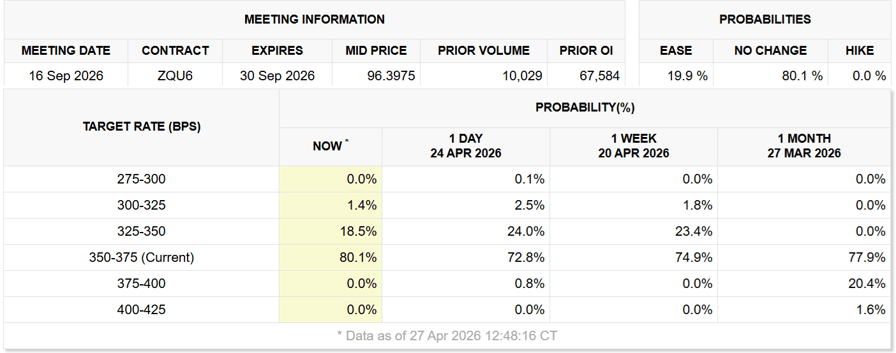
Implied target rate probabilities for Sept. 16 Fed meeting. Source: CME FedWatch tool
US government bond futures contracts presently indicate 20% odds of interest rates decreasing by September, marking a complete turnaround from one month prior. Traders realized that the Fed is in a tough spot, hence the 3.95% yield on 5-year US Treasury became less appealing. An interest rate cut exerts upward pressure on inflation.
Sustained spot Bitcoin buying supports BTC’s bullish momentum
Bitcoin’s bullish momentum has been driven by the spot market, evidenced by Strategy (MSTR US) adding $255 million in BTC between April 20 to April 26 and the $824 million net inflows into US-listed Bitcoin exchange-traded funds (ETFs). Bitcoin buyers continued to accumulate despite the failed attempts to hold above $79,000.
Related: Critical Bitcoin trend change in works, but analysts say daily close above $80K required
To determine if professional Bitcoin traders are effectively leaning bearish, one should assess the options markets.
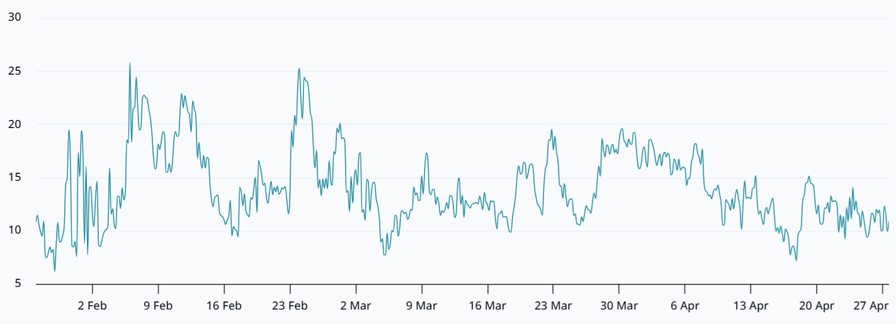
Bitcoin options 30-day delta skew (put-call) at Deribit. Source: Laevitas
The Bitcoin options delta skew shows put (sell) options trading at an 11% premium relative to call (buy) options, consistent with a bearish market. Whales and market makers are uncomfortable with downside risk, which reinforces the thesis of a potential bear trap if Bitcoin reclaims $80,000 in the near term.
Further Bitcoin bullish momentum remains far from certain, but as long as spot market demand remains strong, the pressure on short positions may continue to mount. If the current accumulation trend persists alongside a softening of Federal Reserve policy, the resulting liquidity squeeze could easily propel the price well beyond the $80,000 resistance level.


Bitmine crossed 5 million Ethereum tokens on April 27 after buying 101,901 ETH for approximately $236 million, making it the first company in history to hold more than 5 million ETH and the world’s largest corporate Ethereum treasury by a wide margin.
Summary
- Bitmine bought 101,901 ETH for approximately $236 million in the week ending April 26, pushing total holdings to 5,078,386 ETH worth roughly $12 billion at $2,369 per coin.
- The firm now controls 4.21% of Ethereum’s total circulating supply of 120.7 million tokens, 84% of the way to its stated 5% target.
- About 3.7 million of those tokens are actively staked through Bitmine’s MAVAN platform, generating approximately $264 million in annualized staking revenue.
Bitmine ETH holdings officially crossed the 5 million token milestone on April 27 after the company announced total holdings of 5,078,386 ETH as of April 26, purchased at a price of $2,369 per coin. “Bitmine ETH holdings crossed 5 million this past week,” chairman Thomas Lee said. “This is a major milestone as the company moves towards acquiring 5% of the ETH supply.” The latest 101,901 ETH buy was the largest single-week purchase since mid-December 2025.
Bitmine ETH Treasury Reaches 4.21% of Total Ethereum Supply
The 5 million ETH threshold was reached approximately 10 months after Bitmine pivoted from bitcoin mining to a digital asset treasury strategy in June 2025. As crypto.news reported, the company was carrying an estimated $3.5 billion in unrealized losses in February 2026 with average ETH entries around $3,960, but continued accumulating through the drawdown. At $2,369 per coin, the 5,078,386 ETH position is worth approximately $12 billion. Combined with 200 Bitcoin, $940 million in cash, and equity stakes including a $200 million position in Beast Industries and $91 million in Eightco Holdings, total company assets reach $13.3 billion. The firm ranks second among global crypto treasuries overall, behind only Strategy’s 818,334 BTC position worth $63.7 billion. Tom Lee said ETH has outperformed the S&P 500 by 1,696 basis points since the Iran conflict began on February 28, calling it “the ultimate wartime store of value” and attributing its resilience to two structural demand drivers: Wall Street tokenization and agentic AI systems requiring neutral public blockchains.
MAVAN Staking Platform Generates $264 Million Annually
About 3.7 million ETH, or 73% of Bitmine’s total holdings, are now actively staked through MAVAN, the company’s Made in America Validator Network, which launched in March 2026. As crypto.news documented, Bitmine had been building toward this staking infrastructure since January 2026, with the MAVAN platform designed to serve not only Bitmine’s own treasury but also institutional clients, custodians, and ecosystem partners seeking validator infrastructure. At full deployment, the company projects $363 million in annual staking revenue at a 3.033% seven-day yield. Annualized revenue from the current 3.7 million staked ETH already stands at approximately $264 million. As crypto.news tracked, Bitmine’s staking program began in earnest in late December 2025 when the firm made its first major validator deposit of $352 million, laying the operational foundation for what is now the world’s largest corporate Ethereum staking operation.
The Institutional Backing Behind Bitmine’s Accumulation
Bitmine’s investor roster reflects the depth of institutional conviction behind its ETH thesis. As crypto.news noted, the company’s shareholders include ARK Invest’s Cathie Wood, Founders Fund, Pantera Capital, Kraken, Digital Currency Group, Galaxy Digital, and Bill Miller III, alongside Lee himself as a personal investor. The firm uplisted to the New York Stock Exchange main board on April 9, 2026, and has been trading at an average daily dollar volume of $845 million over the five days ending April 24, ranking it 129th among all 5,704 US-listed stocks. BMNR shares showed no movement in pre-market trading following the 5 million ETH announcement, reflecting a market that has largely priced in the accumulation pace.
Bitmine said it remains committed to reaching its “Alchemy of 5%” target, requiring approximately an additional 225,000 ETH to close the gap between the current 4.21% position and the 5% goal.
Prediction markets are supposed to be the internet’s truth machine. They offer a place where real money forces honest thinking. Yet, they have a structural vulnerability.
Hype, fear, and confirmation routinely push the odds of absurd outcomes far higher than reality warrants. Recognizing this truth, a small minority of level-headed contrarians have sniffed out a predictable, exploitable pattern.
Betting Against the Crowd
Vitalik Buterin was notably the first public figure to confirm this trend. In January, the Ethereum co-founder revealed in an interview that he had made $70,000 on Polymarket by using this tactic.
Buterin explained that he had spent $440,000 on a series of events contracts, which he described as “crazy and irrational predictions.” His strategy worked, yielding him a comfortable 16 percent return.
What stuck was the simple thought process behind his bets. The idea is to find the most absurd and highly unlikely polls that have gained the most traction and go against the current.
On prediction market platforms, these types of contracts are easy to find.
In fact, in the past year, the volume on irrational markets has grown substantially. A more politically charged news cycle and an expanding user base with a higher appetite for speculative bets have driven much of that growth.
This is where human psychology comes into play. When a story dominates the news cycle, people instinctively treat its emotional intensity as evidence of its likelihood.
A threatening tweet from a president, a congressional hearing about UFOs, or a pundit screaming about economic collapse all create a feeling of imminence that has nothing to do with actual probability.
The result is an emotionally charged outcome that gets systematically overpriced.
The Polls That Defied Common Sense
Prediction market polls range from anything from crypto to politics and sports to culture. Some of them are straightforward, aiming to forecast who will be the next Democratic presidential nominee or this year’s LaLiga winner.
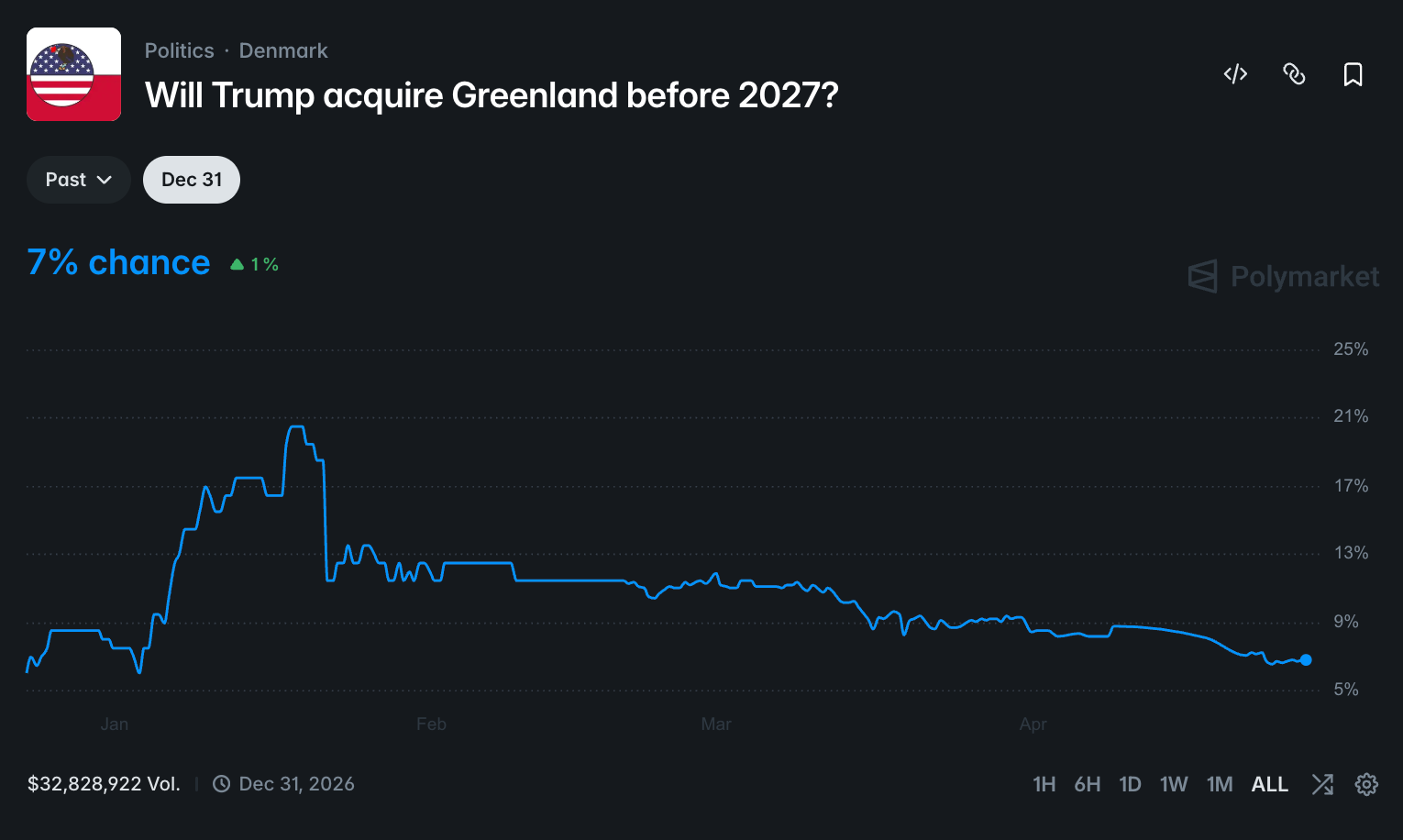
Others verge on the side of absurdity. So far this year, there’s been an abundance of them. One surfaced at the beginning of the year during the height of Trump’s face-off with his European allies over the sovereignty of Greenland.
Bettors began flocking to Polymarket to predict how soon the United States would acquire the island. Though the odds remained low, they reached a 21 percent ceiling around the time Trump posted on social media, threatening to take Greenland by force.
Though not impossible, a scenario where Trump invades Greenland is highly unlikely. Such a move would mean attacking a NATO ally and potentially fracturing the entire Western alliance. The consequences would be catastrophic.
Despite this, the traction the polls received was alarming. One of them, which is still active and seeks to predict whether Trump will acquire the island before the end of 2026, has generated nearly $33 million in trading volume.
Polls predicting that Trump would win the Nobel Peace Prize also surged in trading. Amid public remarks by the president himself touting the award, many bettors placed their money on that outcome, with some odds reaching 14 percent. Buterin bet against them, arguing they were fueled by sentiment rather than logic or actual probability.
Other contracts were equally driven by hype, varying from predicting whether the US government would confirm alien life to whether the US dollar would completely collapse before the end of the year. Despite their low probability, many received positive bets in the double digits.
How the News Warps Judgment
These behaviors have a name in behavioral economics. They’re a known phenomenon called narrative bias.
When applied to the psychology of prediction markets, they represent the tendency to treat how dramatic or emotionally gripping a story feels as a measure of how likely it is to actually happen.
The more a scenario dominates headlines, the more plausible it feels, regardless of whether the underlying facts support it.
Eric Zitzewitz, an economics professor at Dartmouth College who studies prediction markets, noted in an October interview with Ipsos that politics and sports are particularly fertile ground for this type of distortion.
He even pointed out that this is a necessary factor for the industry to function. Without them, informed traders –like Buterin– have no one to trade against.
“For markets to work you need either people to be overconfident or willing to lose money on average because it’s fun,” he said.
Confirmation bias makes the problem more acute.
Bettors who already believe Trump is an unconventional disruptor are more likely to find the Greenland invasion plausible. Those primed by years of UFO discourse are more likely to treat a congressional hearing as a breakthrough.
When a market’s odds start climbing, the movement itself becomes a signal.
Much like a meme coin caught in a hype cycle, newcomers interpret the crowd’s enthusiasm as collective wisdom and pile in, driving odds even higher. At that point, the market stops reflecting probability and starts reflecting momentum.
The pattern is consistent and repeatable enough that a small group of disciplined traders has built entire strategies around exploiting it. Buterin is the most prominent, but he is not alone.
The Science Behind Boring Bets
Domer, one of Polymarket’s biggest bettors and a former professional poker player, has won $400,000 in bets on the platform by employing a similar brand of contrarianism.
His most striking win came when he bet $100,000 that Cardinal Robert Francis Prevost would become the next pope. At the time, the market gave Prevost only a 5 percent chance.
Domer pulled off similar moves before, correctly predicting Sam Bankman-Fried’s 25-year prison sentence and Sam Altman’s 2023 firing as OpenAI CEO.
Across hundreds of bets, the edge holds– and there’s data to back up why.
Polymarket publishes on its own accuracy page that 73.3 percent of all resolved markets on the platform end in “No.”
Most questions are framed around specific events that materialize by a deadline, meaning the status quo has a built-in advantage.
An engineer named Sterling Crispin confirmed this tendency by building a bot that automatically buys ‘No’ on every non-sports market it finds. His success rate was nearly identical to Polymarket’s own data. According to his findings, 73.4% of all bets on the platform do not occur.
The contrarian edge, then, is not some obscure secret. It only exists because human irrationality is a permanent feature of these markets, rather than a bug to be fixed.
The post Vitalik Buterin Reveals the Easy Money Strategy for Prediction Markets appeared first on BeInCrypto.

Israel’s Capital Market, Insurance and Savings Authority has approved Bits of Gold’s BILS, a stablecoin pegged to the Israeli shekel, following a two-year pilot on the Solana blockchain. The development marks a regulatory milestone for Israel’s crypto sector, signaling a move to integrate stablecoin activity within a regulated domestic financial framework and aligning with broader efforts by the Tax Authority and Finance Ministry to oversee digital assets.
According to the regulator’s announcement, BILS will be backed by reserve assets held in Israel in designated and separate accounts. The project sits within a wider government initiative to regulate crypto activity and pave the way for select stablecoin operations within the country’s financial system.
“BILS creates a direct bridge between the Israeli shekel and the global digital assets economy, enabling real-time payments, on-chain trading and programmable financial applications based on a regulated local currency,” stated Bits of Gold founder and CEO Youval Rouach.
As context, Cointelegraph notes that the global stablecoin market remains substantial, with a market capitalization exceeding $320 billion, led by USD-pegged coins such as Tether’s USDT. The Israeli launch comes as the shekel trades at roughly 0.34 USD in recent figures, reflecting the currency’s ongoing macro dynamics during this regulatory milestone.
Key takeaways
- The Capital Market, Insurance and Savings Authority approved Bits of Gold’s BILS stablecoin after a two-year Solana-based pilot.
- Reserve assets backing BILS will be held in designated and separate Israeli accounts, signaling strong local oversight.
- The approval aligns with Israel’s regulatory push led by the Tax Authority and Finance Ministry to sanction certain stablecoin activities within a regulated framework.
- BILS is positioned as a regulated conduit between the shekel and global digital-asset markets, enabling real-time payments, on-chain trading and programmable finance.
- In a broader policy context, US regulatory developments on stablecoins and market structure continue to influence how cross-border stablecoins are treated and integrated into traditional financial systems.
Regulatory approval and pilot background
The two-year Solana pilot demonstrated the technical feasibility and risk controls necessary for a shekel-linked stablecoin within a regulated environment. The regulatory authority’s decision to authorize BILS reflects a calibrated approach to digital assets, balancing innovation with investor protection, financial stability and compliance requirements. Bits of Gold described the move as a meaningful step toward broader adoption of digitized, regulated local currency instruments.
From a policy standpoint, the approval signals a purposeful alignment with Israel’s ongoing regulatory reforms in the crypto space. The government has signaled that certain stablecoin activities can be accommodated under a robust oversight regime, provided they meet reserve, disclosure and governance standards designed to protect users and the integrity of the financial system.
Reserve architecture and regulatory oversight
The BILS framework requires reserve assets to be held within Israel in designated and separate accounts, reinforcing segregation and transparency for token holders. This arrangement is intended to support auditability, liquidity management and regulatory compliance, including potential AML/KYC requirements applicable to stablecoin issuers and custodians. The design underscores a broader trend toward formalizing stablecoins through domestic regulatory infrastructure rather than relying solely on private backstops.
As part of the regulatory narrative, Israel’s Tax Authority and Finance Ministry have been active in shaping the contours of crypto regulation, seeking to normalize stablecoin activity where appropriate while imposing stringent governance standards. The Israeli approach may influence future licensing pathways and supervisory expectations for crypto firms, exchanges and custodians operating within or engaging with the local market. In broader terms, the case of BILS resonates with global discussions around how stablecoins tied to national currencies could integrate with conventional payment rails and banking services, a topic increasingly relevant for cross-border settlement and liquidity management.
Global policy context and implications for institutions
Israel’s move sits within a shifting regulatory landscape for stablecoins worldwide. In the United States, lawmakers continue to debate provisions within a digital asset market structure framework, including questions around stablecoin yield, tokenized equities and potential ethics concerns linked to public office figures’ involvement in the industry. The legislation, effectively stalled in the Senate for months, underscores the complexity of harmonizing financial innovation with prudential safeguards and enforcement authorities. The ongoing policy dialogue in the United States compounds the relevance of Israel’s approach, particularly for institutions seeking cross-border operations or multi-jurisdictional compliance programs.
For banks, exchanges and institutional participants, the Israeli precedent could influence licensing considerations, onboarding standards and the integration of stablecoins with domestic payment systems. The coexistence of a regulated local-currency stablecoin with a transparent reserve framework may offer a model for other jurisdictions seeking to balance innovation with formal oversight, while also illustrating the friction points that arise when aligning national rules with evolving global standards such as the European Union’s MiCA framework and related AML/KYC expectations.
Overall, the BILS milestone highlights how a regulated, country-specific stablecoin can function as a bridge between fiat and digital-asset ecosystems, with implications for regulatory design, financial stability, cross-border settlement and the future of central-bank–adjacent digital currencies within market infrastructure.
Looking ahead, observers will monitor how the BILS framework evolves under ongoing supervision and how it interacts with cross-border payments, banking relationships and the broader regulatory harmonization intended to support compliant innovation in the crypto economy.
Senator Thom Tillis lifted his blockade of Kevin Warsh’s Federal Reserve nomination on April 27 after the Department of Justice dropped its criminal investigation into current Fed Chair Jerome Powell, clearing the path for a Senate Banking Committee vote on Wednesday.
Summary
- Tillis announced April 27 he would no longer block Warsh’s nomination after the DOJ closed its Powell investigation and redirected oversight to the Fed inspector general.
- The Senate Banking Committee is scheduled to vote on Warsh’s nomination Wednesday, with a full Senate vote expected before Powell’s term expires on May 15.
- Warsh’s confirmation would make him the most crypto-literate Fed chair in history, with prior venture investments across DeFi, stablecoins, Layer 1 networks, and prediction markets.
Warsh confirmation prospects cleared decisively on April 27 when Senator Thom Tillis told NBC’s Meet the Press that he is “prepared to move on with the confirmation of Mr. Warsh” after the Department of Justice dropped its criminal investigation into Fed Chair Jerome Powell over alleged cost overruns on the Fed’s headquarters renovation. The Senate Banking Committee confirmed it will vote on Warsh’s nomination on Wednesday, with a full Senate floor vote expected to follow before Powell’s term expires on May 15.
Warsh Confirmation Clears Its Last Major Obstacle
Tillis had blocked Warsh since January, arguing that the DOJ investigation of Powell was a “bogus and vindictive prosecution” that threatened the Fed’s independence. The block was enough to deadlock the 13-to-11 Republican-majority Banking Committee, as even one Republican defection would have stalled Warsh’s path forward. On Friday, US Attorney for DC Jeanine Pirro announced her office was closing the investigation and handing oversight of the Fed renovation project to the Fed’s inspector general, who had already been conducting a review since last July. CNBC reported that Tillis received assurances from DOJ officials that the probe was “completely and fully ended” and that any future investigation would require a criminal referral from the inspector general, not an executive-branch decision. “I needed to feel like they were not using DOJ as a weapon to threaten the independence of the Fed,” Tillis said. As crypto.news reported, Warsh had already pledged at his April 21 confirmation hearing that he would act as “an independent actor” and had made no commitments to the White House on interest rate decisions.
Why Warsh’s Confirmation Matters for Crypto Markets
Warsh is positioned to become the most crypto-literate Fed chair in the institution’s history. As crypto.news documented, his financial disclosures revealed indirect stakes across DeFi lending, decentralized derivatives, Layer 1 and Layer 2 networks, prediction markets, and Bitcoin payments infrastructure through venture fund structures. He has publicly described Bitcoin as having a positive disciplinary effect on economic policy and told senators at his April 21 hearing that “digital assets are already part of the fabric of our financial services industry.” As crypto.news tracked, Bitcoin climbed approximately 10% to trade near $78,000 in recent weeks as the Warsh confirmation odds improved, with analysts describing him as the most constructive possible outcome for crypto from a Fed chair appointment. Polymarket confirmation odds had fallen to 28% while Tillis held his block, but are expected to surge sharply following Sunday’s announcement.
The Race Against Powell’s May 15 Deadline
The timeline is compressed. Powell’s term as chair expires on May 15, and the Senate historically has rarely confirmed a Fed chair nominee in less than three weeks. The Banking Committee vote on Wednesday must be followed by a full Senate floor vote, and Democratic opposition remains unified. Senator Elizabeth Warren called Warsh a “sock puppet” and said no Republican claiming to care about Fed independence should support moving the nomination forward. As crypto.news noted, the FOMC is also scheduled to meet on Wednesday, with markets expecting rates to remain unchanged for the third consecutive meeting. If Warsh is not confirmed before May 15, Powell has indicated he plans to remain in place as a voting member of the Fed’s board until January 2028, providing continuity even if the confirmation timeline slips.
Acting Attorney General Todd Blanche confirmed Sunday that the investigation is now in the hands of the Fed inspector general and that the DOJ would only reopen a probe if the IG uncovered evidence of criminal conduct and made a formal referral.
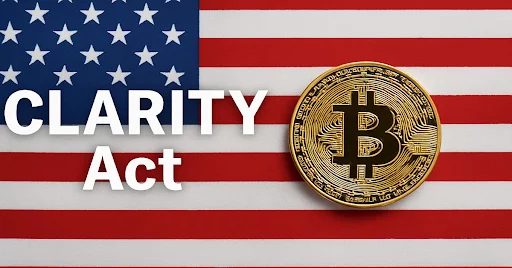
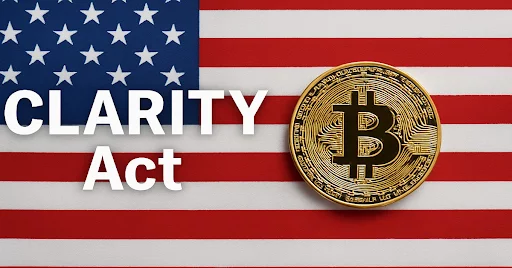
More than 120 crypto organizations including Coinbase, Ripple, Kraken, and Andreessen Horowitz sent a joint letter to the Senate Banking Committee on April 23 demanding an immediate CLARITY Act markup, as the bill’s end-of-May deadline tightens and prediction market odds fall below 50%.
Summary
- A coalition of 120-plus organizations led by the Crypto Council for Innovation and the Blockchain Association sent the most coordinated industry letter yet demanding a CLARITY Act markup.
- Senate Banking Committee Chairman Tim Scott has still not scheduled a markup, with the Warsh confirmation hearings having consumed most of the committee’s April calendar.
- Senator Bernie Moreno warns that if the bill does not clear by end of May, it could be shelved until 2030, while Polymarket now prices passage odds at approximately 46%.
The CLARITY Act faced the most coordinated industry pressure yet on April 23 when more than 120 organizations posted a joint letter via the Blockchain Association demanding the Senate Banking Committee schedule an immediate markup. As 247 Wall St. noted, Chairman Tim Scott has still not put the markup on the Banking Committee’s calendar, with the Kevin Warsh Fed chair confirmation process having consumed most of the committee’s April operational time.
CLARITY Act Industry Ultimatum Comes With a Hard Deadline Attached
As crypto.news reported, the letter was submitted by the Crypto Council for Innovation and the Blockchain Association and signed by Coinbase, Ripple, Kraken, Circle, Uniswap Labs, Andreessen Horowitz, Chainlink Labs, OKX, Paradigm, and Galaxy Digital, along with advocacy groups, state blockchain associations, and university chapters of Stand With Crypto. The letter addresses the six remaining issues the coalition wants resolved: a clear SEC and CFTC oversight boundary, protection for non-custodial software developers, stablecoin activity rewards permitted while passive yield is banned, simplified digital asset disclosure rules, prevention of a state-by-state regulatory patchwork, and a predictable federal baseline that keeps capital and innovation onshore. Senator Bernie Moreno has publicly warned that if the bill does not clear the Senate floor by the end of May, digital asset legislation may not advance before the midterm election cycle closes the window, possibly until 2030.
What the CLARITY Act Delay Has Already Cost
As crypto.news documented, every week of Banking Committee inaction shrinks the operational window to a point where 2026 passage becomes structurally implausible. Congress breaks for Memorial Day recess on May 21, leaving fewer than four working weeks in May after the Warsh confirmation hearing ends. The bill must still pass a Banking Committee markup, clear a 60-vote Senate floor threshold, be reconciled between the Banking and Agriculture Committee versions, reconciled with the House text from July 2025, and signed by the president. JPMorgan analysts described passage by midyear as a positive catalyst for digital assets. Standard Chartered set an $8 XRP target contingent on the bill passing, with 247 Wall St. noting that most analysts forecast XRP could hit between $5 and $10 by late 2026 if the CLARITY Act clears. Polymarket currently prices passage odds at approximately 46%, down sharply from 82% earlier in the year.
Novogratz Says It Gets Done in May
Galaxy Digital founder Mike Novogratz said in a podcast this week that he believes the CLARITY Act will reach committee in early May and could land on Trump’s desk by June. “So this is going to get done,” Novogratz said. “It probably gets done in May.” That reading is more optimistic than Polymarket’s current pricing and more optimistic than Galaxy Research’s own 50-50 odds assessment, but it reflects the underlying conviction held by most industry participants that the bill’s substance is settled and that the only remaining variable is whether the Senate Banking Committee can find time on its calendar. Tillis’s decision to drop his block on Warsh’s confirmation on April 27 removes the single biggest competing item from the Banking Committee’s schedule, potentially opening a direct path for a CLARITY Act markup in the first week of May.
The Senate Banking Committee has not announced a markup date as of publication, but Tillis’s block removal and the Warsh confirmation vote scheduled for Wednesday have cleared the committee’s most pressing competing obligation.


Florida Attorney General James Uthmeier announced a criminal investigation into OpenAI on April 21, alleging that ChatGPT advised the accused Florida State University shooter on what gun to use, what ammunition to load, and what time to arrive on campus to encounter the most people.
Summary
- Florida AG James Uthmeier opened a criminal investigation into OpenAI on April 21, with prosecutors reviewing over 200 ChatGPT messages entered into evidence in the case against accused FSU shooter Phoenix Ikner.
- The investigation is issuing subpoenas seeking OpenAI’s internal policies on user threats and its cooperation procedures with law enforcement dating back to March 2024.
- OpenAI stated ChatGPT is not responsible for the shooting, noting it shared Ikner’s account information with law enforcement after the attack and continues to cooperate with authorities.
OpenAI Florida probe opened on April 21 when Attorney General James Uthmeier announced at a Tampa press conference that his office has launched a criminal investigation into OpenAI and ChatGPT over their alleged role in the April 2025 shooting at Florida State University, in which Phoenix Ikner, 21, shot and killed two people and wounded five more near the student union on the Tallahassee campus. “My prosecutors have looked at this and they’ve told me if it was a person on the other end of that screen, we would be charging them with murder,” Uthmeier said. “If that bot were a person, they would be charged as a principal in first-degree murder.”
OpenAI Florida Investigation Enters Uncharted Legal Territory
According to NPR, more than 200 AI messages from ChatGPT have already been entered into evidence in the criminal case against Ikner, who has pleaded not guilty to two counts of first-degree murder and seven counts of attempted first-degree murder, with his trial scheduled to begin October 19. NPR reported that Ikner allegedly consulted ChatGPT for advice on what type of gun to use, what ammunition paired with it, and what time to arrive on campus to encounter more people. Uthmeier acknowledged the investigation is entering uncharted territory. “We are going to look at who knew what, designed what, or should have done what,” he said. The Office of Statewide Prosecution has subpoenaed OpenAI seeking its policies and internal training materials related to user threats of harm and its procedures for cooperating with and reporting crimes to law enforcement, covering the period from March 2024 onward. OpenAI spokesperson Kate Waters said in a statement that the company “reached out to share information about the alleged shooter’s account with law enforcement after the shooting and continues to cooperate with authorities,” adding that “ChatGPT is not responsible for this terrible crime.”
A Second Legal Front Opens as the Musk Trial Begins
The Florida investigation lands as OpenAI faces its most significant legal exposure in the company’s history. The Musk v. OpenAI civil trial opened on the same day in federal court in Oakland, with Elon Musk seeking to force the company back to nonprofit status and strip CEO Sam Altman of his position. As crypto.news reported, a finding against OpenAI in the Musk lawsuit could trigger cascading effects on the company’s planned IPO and the SoftBank funding commitment, which was already at risk of shrinking from $30 billion to $20 billion if the structural conversion faced legal interference. The Florida criminal probe adds a dimension the Musk lawsuit does not: potential state-level criminal liability for the outputs of a live commercial AI product, a question no major AI company has ever faced in a US criminal proceeding.
What the Case Signals for AI Governance and Safety Regulation
The Florida probe follows a parallel civil investigation already opened by Uthmeier’s office into the same ChatGPT-FSU shooting connection, and attorneys for one victim’s family have announced plans to sue OpenAI separately. OpenAI is also facing a lawsuit from the family of a victim in a February 2026 mass attack in British Columbia, where the accused shooter had previously discussed gun violence scenarios with ChatGPT before being banned from the platform, only to evade detection and create another account. As crypto.news documented, AI tools across US law enforcement are being adopted at a pace that has consistently outrun the accountability frameworks meant to govern them, raising structural questions about who bears legal responsibility when AI-generated outputs facilitate real-world harm. As crypto.news tracked, the same concern about AI misuse has already shaped the crypto security landscape, with CertiK researchers warning that AI-enabled phishing, deepfakes, and automated exploit tools are accelerating the pace of sophisticated attacks beyond what traditional defenses can contain.
Under Florida law, anyone who aids, abets, or counsels someone in the commission of a crime and that crime is committed may be considered a principal to that crime, which is the legal foundation Uthmeier is using to explore potential criminal liability for OpenAI.

Best Independent Retailer in York finalists revealed

Trump not happy with latest Iran proposal to end the war, US official says

Sanctioned Russian Billionaire’s $500 Million Yacht Slips Through Hormuz Blockade

Manchester United reach agreement with Casemiro over contract clause amid transfer speculation

US brings back mandatory military draft registration

Steven Gerrard disagrees with Gary Neville over ‘shock’ Chelsea and Arsenal claim | Football


-

 Fashion3 days ago
Weekend Open Thread – Corporette.com
-

 Tech9 hours ago
Register Renaming | Hackaday
-
 Crypto World2 days ago
Hyperliquid $HYPE Rally Builds Momentum as AI Sector Enters Prove-It Phase
-

 Politics5 days ago
Making troops accountable for war crimes threatens US alliance, ex-SAS colonel warns
-

 Politics5 days ago
Disabled people challenge government SEND proposals over segregation concerns
-

 Business4 days ago
Patterson-UTI Energy, Inc. (PTEN) Q1 2026 Earnings Call Transcript
-

 Business6 days ago
Rolls-Royce Voted UK’s Most Iconic Trade Mark as IPO Register Hits 150
-
 Crypto World7 days ago
Five Value Stocks with Recovery Potential in 2026: PayPal (PYPL), Nike (NKE), and More
-
 Sports2 days ago
IPL 2026: Ruturaj Gaikwad registers slowest fifty of the season, enters all-time unwanted list | Cricket News
-

 Politics5 days ago
Starmer handler McSweeney to be dragged from shadows by Foreign Affairs Committee
-

 Politics5 days ago
Zack Polanski responds to home secretary’s taser threat
-
Politics5 days ago
Wings Over Scotland | How To Get Away With Crimes
-

 Crypto World6 days ago
New York sues Coinbase, Gemini over prediction market offerings
-
Entertainment7 days ago
Sydney Sweeney cameo cut from “The Devil Wears Prada 2”, source explains why (exclusive)
-
 Crypto World6 days ago
Crypto’s great hope in Senate’s Clarity Act still has a path to survive tight calendar
-
 Business6 days ago
HCL Tech share price tank over 9% after weak Q4. JPMorgan, HSBC & 3 others cut target price
-

 Fashion7 days ago
Kilkenny Design New Beauty Arrivals for Spring 2026
-

 Politics5 days ago
‘Iran is still a nuclear threat’
-
 Sports5 days ago
Tim Bradley names the current best in the world: “Better than Inoue and Usyk”
-

 NewsBeat2 days ago
LK Bennett closes all stores after entering administration
You must be logged in to post a comment Login