

Crypto World
Tokenisation Could Cut Costs as UK Advances Stablecoin Rules

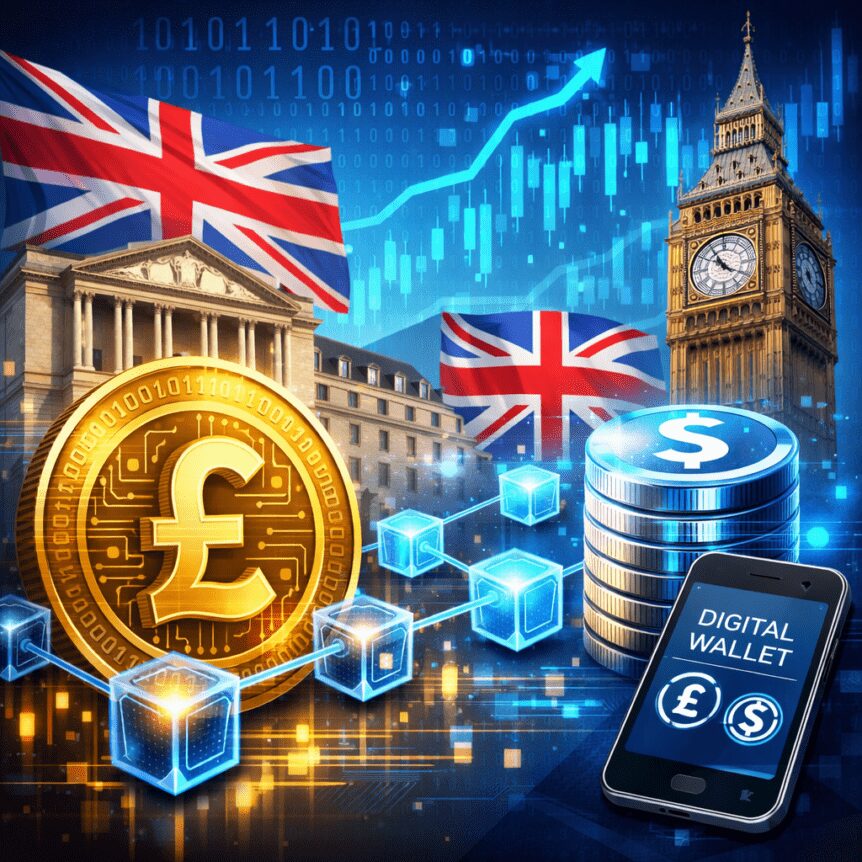
London’s financial policy circle is signaling a sharper focus on digital money, with senior Bank of England officials outlining how tokenization could drive lower costs, faster settlement, and greater competition in payments and markets. The remarks come as policymakers pursue a framework that nurtures innovation while preserving financial stability, and as the BoE signals changes to the settlement backbone that could underpin a broader digital-asset ecosystem.
Deputy Governor Sarah Breeden, speaking during City Week in London, described tokenization—the digital representation of assets and money on distributed ledgers—as a conduit to more efficient payments and markets, provided that trust and interoperability are embedded in the design. While central bank money remains the anchor of the monetary system, Breeden stressed that private-sector innovations such as tokenized deposits and regulated stablecoins are increasingly visible, and that policy must accommodate these developments without undermining resilience.
Breeden articulated a balanced vision: alongside traditional bank deposits, the public should be able to transact with tokenized bank deposits, regulated stablecoins, and potentially a retail central bank digital currency (CBDC). In her view, market competition across a broader technology and business-model spectrum should translate into lower costs and enhanced user functionality. The Bank’s transcript of the speech frames tokenization as a path to modernization, not a wholesale replacement of existing money or payment rails.
The BoE has signaled that its thinking is being refined through close collaboration with industry, government, and regulators to craft a framework that supports innovation while safeguarding financial stability. This stance aligns with ongoing industry engagement as policymakers reassess the UK’s stance on digital assets and the role of private money within an anchored monetary system.
Key takeaways
- Tokenization as a catalyst for efficiency: Representing assets and money on digital ledgers could improve payment efficiency and market functionality, contingent on robust trust, interoperability, and risk controls.
- Central bank money remains the anchor: The BoE emphasizes that sovereign money will continue to underpin the monetary system even as tokenized deposits and regulated stablecoins gain traction.
- Settlement infrastructure evolving toward near-continuous operation: The BoE proposed extending the operating hours of RTGS/CHAPS to near 24/7 to support cross-border payments and securities settlement amid growing tokenization activity.
- Regulatory recalibration for stablecoins and digital assets: The Bank is reconsidering its approach to pound-denominated stablecoins, with a focus on reducing friction for early adopters while maintaining safeguards against financial instability.
Tokenization, interoperability and the anchor role of central bank money
The Bank of England’s policy direction treats tokenization as a potential enabler of more efficient and resilient financial markets, not as an immediate replacement for established systems. By representing real assets and public money on auditable digital ledgers, tokenization could streamline settlement cycles, reduce counterparty risk, and broaden access to payment services. However, officials insist that any transition must preserve trust in the monetary framework and ensure interoperability across platforms and providers.
Breeden underscored a pragmatic stance: central bank money remains the universal reference point, while private innovations—such as tokenized deposits and regulated stablecoins—could coexist with traditional products. The policy objective is clear, she said: unlock higher competition, deploy a wider set of technologies, and deliver better outcomes for users without compromising safety or financial stability. The emphasis on interoperability signals a preference for cohesive standards and governance that can survive cross-border and cross-platform interactions.
From a regulatory perspective, the emphasis on a coordinated framework has implications for banks, payment firms, and digital-asset counterparties. Institutions seeking to deploy tokenized products would need to demonstrate robust risk management, reliable reserve backing where applicable, and clear compliance with AML/KYC requirements. The BoE’s approach appears to favor an openness that invites innovation while maintaining robust oversight—a stance that resonates with global policy debates on digital money and regulatory harmonization.
According to Cointelegraph reporting linked to the Bank of England’s public communications, policymakers are engaging with industry to align innovation with safety standards. The takeaway for compliance teams and financial institutions is that tokenization is moving from pilot-test scenarios toward practical deployment, but only within a carefully designed regulatory envelope that preserves monetary stability and consumer protection.
Extending settlement hours: modernizing core settlement services
In a parallel move to modernize the settlement framework, the BoE proposed extending the operating hours of its core settlement infrastructure, with near-continuous availability. The plan aims to better accommodate tokenized assets and evolving digital-asset workflows, supporting more efficient cross-border payments and the settlement of securities as technology-enabled assets become more prevalent.
The proposal comes after remarks from Breeden that the monetary framework should not only accommodate innovation but actively support it. By offering longer settlement windows, the BoE intends to reduce friction for users and for industry participants operating in a rapidly digitizing market environment. The change would entail thoughtful risk controls and governance to ensure resilience during extended operations and to maintain the integrity of the settlement rails that underpin the UK financial system.
The policy direction aligns with a broader objective to position the United Kingdom as a competitive hub for digital-asset activity. A more flexible settlement timetable could enable smoother cross-border activity and make the domestic settlement system more attractive to international participants seeking predictable, regulated access to UK rails. For institutions, this shift implies updated operational risk frameworks, new liquidity management considerations, and enhanced reconciliation processes to cope with a longer window of activity.
Policy signals since Breeden’s City Week remarks indicate a willingness to adapt the UK’s regulatory and operational posture to a digital-money era. The BoE has also indicated that its stance on stablecoins—particularly pounds-denominated variants—has evolved in recent months as policymakers seek to balance industry engagement with prudent prudential considerations. The extended-hours proposal complements this approach by reducing settlement friction for those experimenting with or deploying tokenized deposits and related products.
Regulatory recalibration, stablecoins, and market-structure implications
The BoE’s evolving stance on stablecoins reflects a broader effort to calibrate risk while enabling practical use cases for digital assets. Officials have signaled a more flexible approach to reserve and backing requirements than previously proposed, emphasizing industry consultation and the need to avoid unnecessary barriers to adoption. The reexamination of consumer holding limits and other prudential safeguards is aimed at lowering friction for early adopters, provided robust safeguards are in place to maintain financial stability and consumer protection.
The CBDC conversation also features prominently in the Bank’s public discourse. The BoE’s CBDC Academic Advisory Group acknowledged that a retail CBDC is not strictly necessary to preserve monetary uniformity but could play a valuable supporting role as cash usage declines. This nuanced view reflects a policy environment that weighs the benefits of a potential digital-retail instrument against the complexities of design, privacy, access, and monetization of monetary policy transmission.
For institutions, the regulatory landscape remains a central factor in how and when to engage with tokenized products. Licensing regimes, compliance frameworks, and oversight expectations will shape the pace and manner of participation in digitized markets. While the UK signals openness to innovation, the emphasis remains squarely on resilience, risk management, and a coherent supervisory pathway that can adapt to evolving technologies and business models.
From a systemic perspective, the BoE’s actions illustrate how a major financial center is reconciling innovation with oversight. The move to 24/7 settlement capabilities, coupled with an adaptable stance on tokenization and stablecoins, signals a policy framework designed to attract institutional participation while maintaining rigorous standards for stability and consumer protection. This approach could influence the global regulatory narrative, encouraging other jurisdictions to pursue parallel reforms that balance fintech advancement with prudential safeguards.
Closing perspective
As tokenization and digital-money frameworks become more central to policy discussions, the Bank of England’s course suggests a staged, risk-conscious evolution of the UK’s financial plumbing. Institutions should monitor regulatory updates, settlement-infrastructure proposals, and the ongoing dialogue around stablecoins and CBDC to anticipate changes in licensing, compliance requirements, and operational preparedness. The overarching question remains whether the balance between innovation and stability can be maintained as these technologies mature and scale.


According to Cointelegraph, Japan’s ruling Liberal Democratic Party (LDP) has greenlit a policy pathway to accelerate automated financial infrastructure through artificial intelligence and blockchain technology. The policy proposal, issued by the LDP Policy Research Council as part of the “Next Generation AI and Onchain Finance Initiative,” envisions using blockchain to settle payments across retail and wholesale channels, while enabling AI to autonomously execute economic activities. It also calls for clarifying the legality of yen-pegged stablecoins as part of a broader regulatory framework.
In a translated statement accompanying the publication, the council asserted that expanding blockchain adoption will be pivotal to constructing the infrastructure required to keep Japan at the forefront of AI-enabled finance. The document underscored the potential to deepen international cooperation, particularly with Asian economies that maintain strong economic ties with Japan, should Japan lead in creating a secure and trusted on-chain payments infrastructure.
“In Japan, the expanded adoption of blockchain technology will play a crucial role in establishing the necessary infrastructure to ensure that the nation remains ‘chosen by AI’,” the council stated, adding: “If we can take the lead among nations in establishing a secure and trusted payment infrastructure for on-chain transactions, we can anticipate deepening cooperation in various forms — such as by providing expertise and services — particularly with Asian countries that share strong economic ties with Japan.”
On the public record, LDP member Seiji Kihara reflected on the plan via X, describing the release as laying out the “big picture” of the initiative. He emphasized that the critical work now lies in the follow-up steps needed to translate the vision into concrete policy and implementation efforts.
Key takeaways
- The LDP Policy Research Council approved a forward-looking framework to integrate AI and on-chain finance, outlining use cases for autonomous AI-driven economic activity and on-chain payment settlements in Japan’s retail and wholesale sectors.
- The initiative places a spotlight on clarifying the legal status of yen-pegged stablecoins within Japan’s financial infrastructure, signaling a push to define digital currency instruments within existing regulatory boundaries.
- The plan positions Japan to seek regional leadership in secure, trusted on-chain payments, with potential collaboration and service provision to Asian partners that are economically entwined with Japan.
- Regulatory backdrop continues to evolve: Japan’s government earlier amended a law to classify crypto assets as financial instruments, following a period of consideration around guidelines that could enable crypto-backed exchange-traded funds.
- Industry dynamics in the domestic crypto market may be shifting toward consolidation, as evidenced by SBI Holdings’ indication of interest in acquiring a stake in Bitbank, a move with implications for market structure and regulatory oversight.
Policy framework for AI-enabled on-chain finance
The initiative represents a deliberate attempt to map a national blueprint for AI-enabled, blockchain-based financial infrastructure. By envisioning a system in which blockchain settlement mechanisms underwrite retail and wholesale transactions, and AI autonomously executes economic activities, the LDP aims to reduce friction in payments and broaden the scope of programmable finance. The emphasis on on-chain settlement is notable for potential implications across settlement latency, interoperability, and operator liability—areas that typically attract scrutiny from regulators and compliance teams as digital assets gain traction in mainstream finance.
The document also contemplates a clarified legal environment for yen-linked stablecoins. While not a full endorsement of any particular instrument, the emphasis on certainty around legal status is aimed at addressing risk vectors that concern banks, payment providers, and exchanges seeking to participate in a regulated ecosystem. In this context, the plan aligns with broader policy conversations about how digital currencies interface with traditional monetary frameworks and payment rails.
The leadership’s framing of the initiative as a collaborative path to “be chosen by AI” underscores Japan’s intention to position itself as a testing ground for secure, trusted on-chain operations. The aspirational tone reflects a governance approach that seeks to balance innovation with regulatory clarity—an essential consideration for financial institutions, technology providers, and market participants seeking clarity on permissible activities, licensing requirements, and cross-border compliance expectations.
As part of the broader regulatory landscape, observers may note that Japan has been methodically adjusting its stance on digital assets. In April, the government amended a law to classify crypto assets as financial instruments, following earlier signals about potential guideline changes that could enable crypto-linked exchange-traded funds (ETFs) in the near term. While the specific contours of any future ETFs remain under consideration, the trend signals a move toward formal recognition of digital asset instruments within Japan’s financial regulatory framework. For exchanges and asset managers, these developments—together with the LDP plan—could influence licensing trajectories, product approvals, and the scope of permissible client disclosures and risk controls.
Industry consolidation and market structure implications
Concurrent with the policy discourse, corporate activity within Japan’s crypto sector is shifting. On May 1, SBI Holdings disclosed that it was weighing a stake acquisition in Bitbank, one of the country’s digital-asset platforms. If negotiations advance and receive the necessary approvals, the move would constitute a notable consolidation: a major financial services player seeking to acquire or integrate a digital asset exchange. Market participants, incumbents, and regulators alike will be watching how such moves interact with the evolving regulatory regime—particularly regarding licensing, AML/KYC regimes, governance standards, and consumer protections for exchange users.
The consolidation narrative, set against a backdrop of regulatory clarity and a push for more sophisticated financial infrastructure, could influence competitive dynamics, capital allocation, and partner ecosystems for banks, payment processors, and other fintechs operating in Japan. It also raises questions for cross-border firms and foreign participants seeking to operate in Japan’s crypto market, underscoring the importance of aligned compliance programs, transparent governance practices, and robust risk management frameworks to navigate any shifts in market concentration.
Closing perspective
Japan’s LDP policy initiative marks a deliberate step toward integrating AI and blockchain into a formal financial infrastructure plan, with explicit attention to regulatory clarity around stablecoins and on-chain settlement. As the government advances this agenda, market participants should monitor the regulatory dialogue, licensing developments, and potential cross-border cooperation that could reshape the competitive landscape for digital assets and financial technology in Japan and the broader Asia-Pacific region.
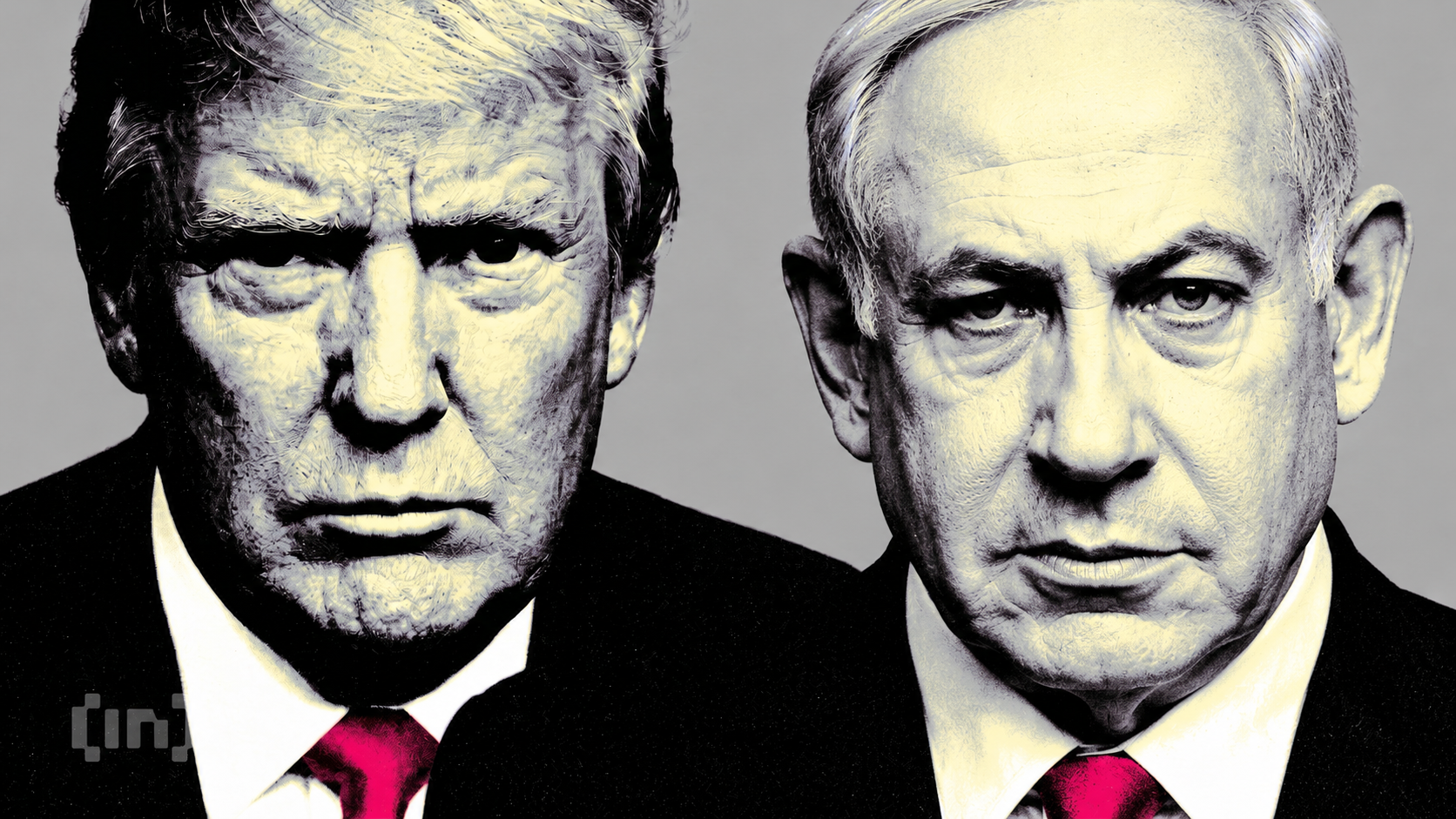

Iran’s parliament is reviewing a bill that would obligate the state to pay €50 million (about $58 million) to anyone who kills US President Donald Trump, Israeli Prime Minister Benjamin Netanyahu, or US Central Command (CENTCOM) leader Admiral Brad Cooper.
Lawmaker Ebrahim Azizi announced the proposal on Iranian state television, framing it as retaliation for the February 28 strikes that killed former Supreme Leader Ayatollah Ali Khamenei. The legislation is titled “Reciprocal action by military and security forces of the Islamic Republic.”
Reciprocal Action Bill Targets Three Leaders
Azizi chairs the parliament’s National Security and Foreign Policy Committee. He told state TV that the named officials must be “subjected to reciprocal action” and described the act as a religious duty for any “Muslim or free person.”
“Just as our Imam was martyred, the president of the United States must be dealt with by any Muslim or free person,” the Jerusalem Post reported, citing Azizi.
Parliamentarian Mahmoud Nabavian confirmed the bill is heading to a vote and warned of a “devastating” response if Iran’s new Supreme Leader, Ayatollah Mojtaba Khamenei, is targeted next.
The proposal has not yet cleared committee review. Any passed law would still need Guardian Council approval before taking effect.
Could Crypto Rails Enter the Picture?
Iran is among the world’s most heavily sanctioned economies, raising questions about how a state-backed reward of this size would actually be delivered.
Tehran has previously leaned on alternative settlement channels, including digital assets, to move value outside the dollar system.
The “Blood Covenant” group, which researchers say operates under regime tolerance, reportedly raised more than $40 million in pledged bounties on Trump after US strikes on Iranian nuclear sites last June.
The funding mechanics of that effort have not been fully disclosed.
Follow us on X to get the latest news as it happens
Whether crypto rails could carry any future state-linked payout remains speculative. The bill specifies no payment method, but Iran’s documented stablecoin use for sanctioned trade keeps the question open.
Trump and Tehran Trade Public Threats
Daniel Cohen, a research fellow at the International Institute for Counter-Terrorism in Israel, told the Jerusalem Post that the bill looks more like propaganda than operational planning.
He described the move as “psyops” aimed at signalling defiance after the February strikes weakened Tehran’s leadership.
Cohen warned that open, state-endorsed rhetoric could still inspire lone actors even without a functioning payout.
Trump has matched Tehran’s rhetoric with his own. In a January 2026 interview, he framed any Iranian attempt on his life as a trigger for total retaliation.
“I have very firm instructions, anything happens, they’re going to wipe them off the face of this earth,” The Hill reported, citing Trump.
The Justice Department charged an Iranian national in 2024 over an alleged Revolutionary Guard plot against Trump. Defense Secretary Pete Hegseth said in March that an Iranian official planning a separate attempt was killed in a US airstrike.
Whether the bill clears parliament will signal how far Iran’s hardline establishment is willing to formalize threats that until now have lived in clerical statements and unofficial fundraising.
The next committee session is the moment to watch.
Subscribe to our YouTube channel to watch leaders and journalists provide expert insights
The post Iran Parliament Weighs $60 Million Bounty Bill Targeting Trump and Netanyahu appeared first on BeInCrypto.
Crypto World
Zerohash pursues new funding at more than $1.5 billion valuation after Mastercard drops investment plans


Crypto infrastructure providers are drawing renewed investor interest as Wall Street deepens its push into digital assets.
Crypto World
Even a mountain of T-bills won't save Tether and Circle from a sudden liquidity crisis, expert says
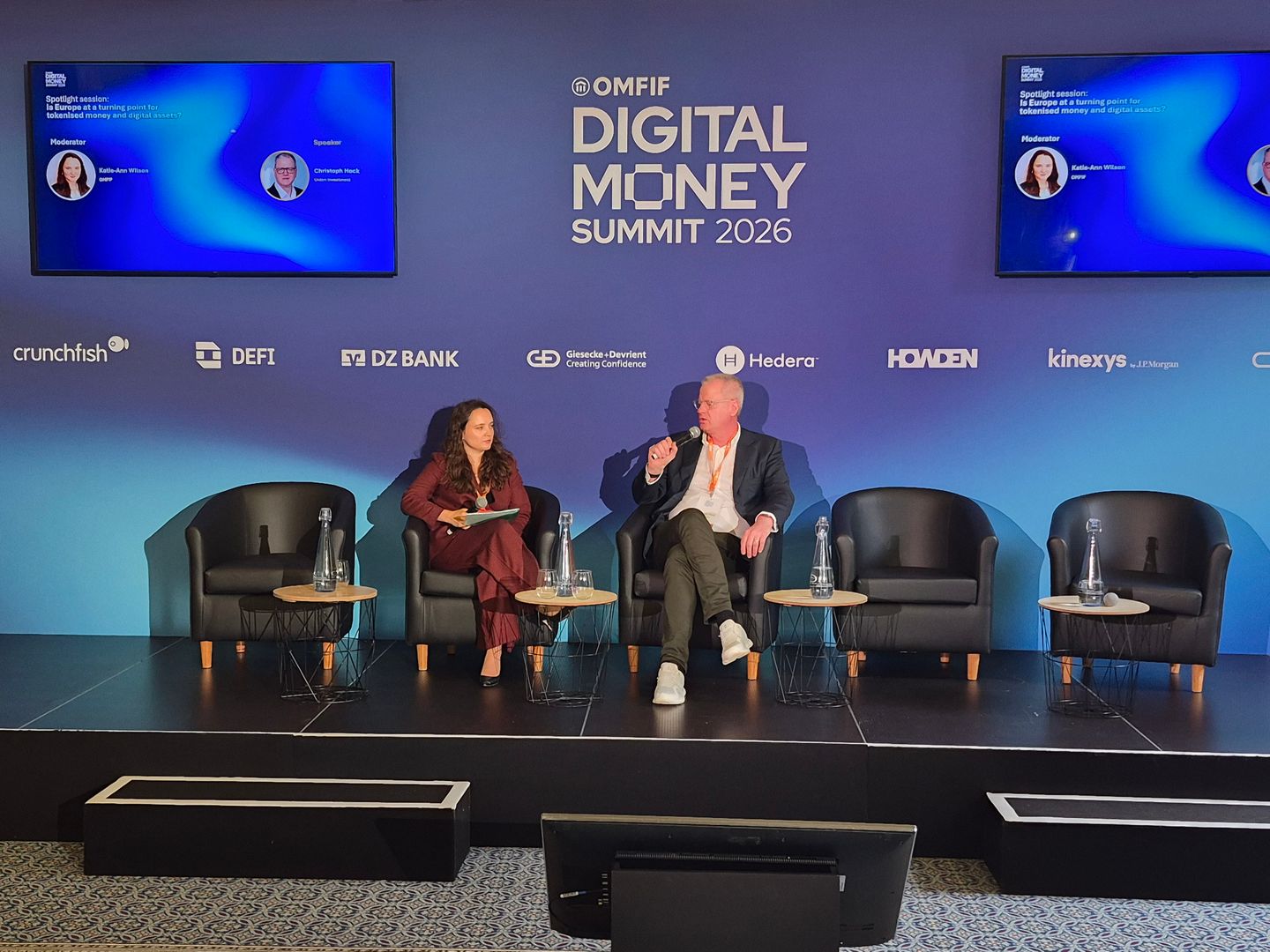
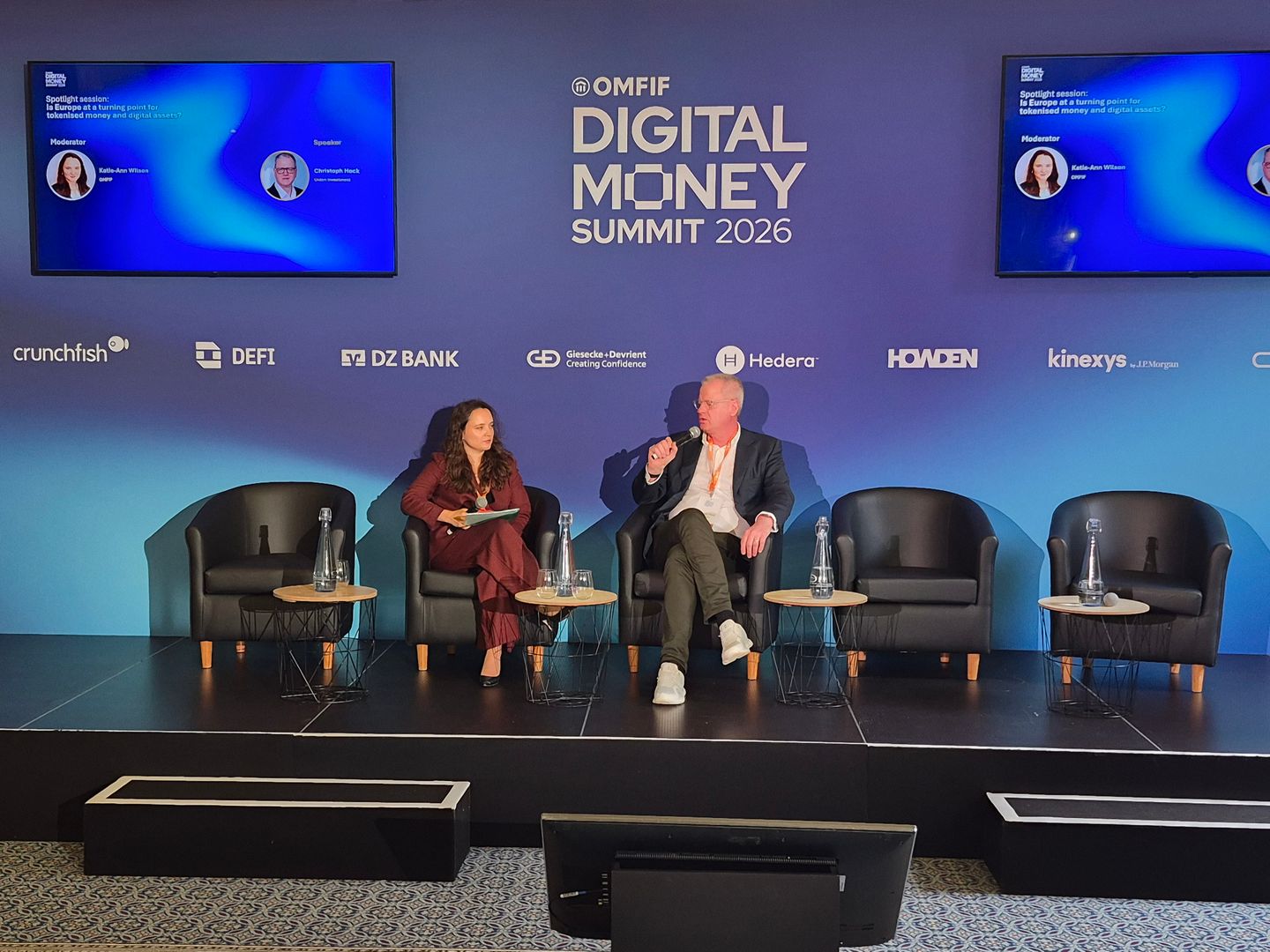
The head of digital assets and tokenization at one of Germany’s largest asset managers said that USDT and USDC are not stablecoins, from his perspective.


Lolli launched automatic Bitcoin cashback for users who link eligible debit or credit cards, partnering with commerce network Kard.
Summary
- Lolli partnered with Kard to enable automatic Bitcoin cashback for its 600,000 account holders on linked Visa and Mastercard debit and credit cards across Kard’s merchant network.
- Users earn Bitcoin rewards automatically on qualifying purchases with no extensions, codes, or checkout changes required, with rewards deposited directly to their Lolli wallet.
- Bitcoin earned can be withdrawn via the Lightning Network or used within the Thesis Bitcoin stack, including spending through Bitrefill and other integrations.
Lolli announced on Tuesday that it has partnered with independent commerce media network Kard to launch card-linked Bitcoin cashback rewards for its more than 600,000 accounts.
Users who link eligible Visa or Mastercard debit or credit cards through the Lolli app automatically earn Bitcoin on qualifying purchases at thousands of merchants — including Dropbox, Hydro Flask, and Stanley 1913 — with no extensions, codes, or checkout steps required.
“Lolli’s audience is one of the most distinctive consumer cohorts in the rewards space,” said Kard CEO Ben Mackinnon. “We’re excited to power infrastructure that lets them earn bitcoin in the background of their everyday spending, and to give our merchants a meaningful new channel into that audience.” The move marks Lolli’s biggest product upgrade since its acquisition by Bitcoin venture studio Thesis last July.
Lolli Bitcoin cashback removes friction from earning rewards
Cards are linked through Plaid inside the Lolli app, with Bitcoin rewards from qualifying purchases sent automatically to the user’s Lolli wallet. Rewards can then be withdrawn via the Lightning Network or used within the broader Thesis Bitcoin stack, including spending through Bitrefill. The feature requires no browser extension and works on both online and in-person purchases at any participating merchant.
Thesis co-founder Matt Luongo said the partnership fulfils the original acquisition goal: “Our users link a card once, and bitcoin shows up in their wallet from spending they were already going to do.” Lolli has previously raised $28.3 million in total funding.
Kard’s commerce media network reaches over 47 million cardholders and uses first-party transaction data to match offers to spending patterns. As crypto.news documented in its best crypto cards guide, consumer appetite for crypto-linked payment products has grown steadily in 2026 alongside broader regulatory clarity.
Why card-linked rewards expand Bitcoin adoption
Most Bitcoin cashback products require users to either spend crypto directly or use a dedicated crypto-branded card. Lolli’s model asks users only to link an existing card and shop normally, with Bitcoin accumulating passively in the background. That design removes every barrier to Bitcoin acquisition for users who want exposure without managing wallets or changing spending habits.
The Bitcoin price at roughly $77,000 at time of writing means cashback earned today represents a real-time market acquisition, with the potential for appreciation over time.
Separately, Revolut’s launch of its first physical crypto card this week, as crypto.news reported, underlines the broader trend of fintech platforms competing to make Bitcoin and crypto rewards a standard feature of everyday consumer spending in 2026.
Crypto World
This bitcoin bear market is different with 'uniquely pessimistic' traders limiting downside, K33 says


The research firm said bitcoin traders remain unusually defensive, reducing the risk of the kind of leverage-driven collapse seen in prior downturns.
Crypto World
Bitcoin News: Iran Integrates Bitcoin for Shipping Insurance: Sovereign Settlement Rail

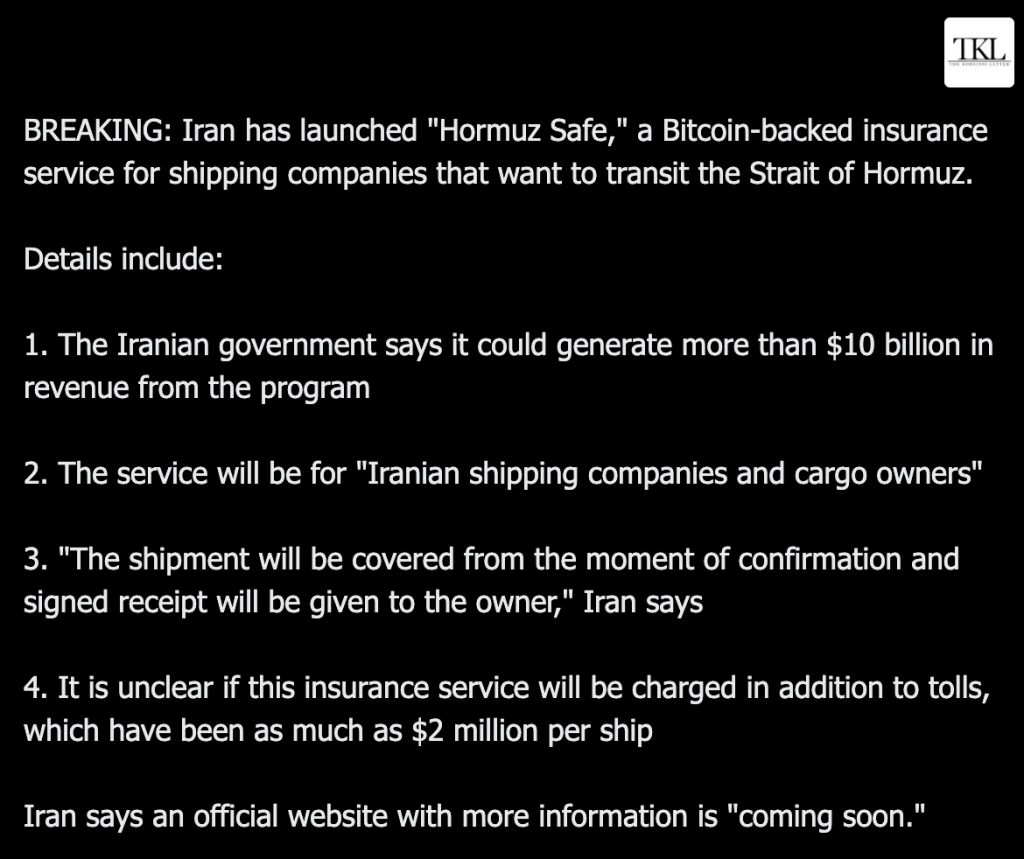
Bitcoin News: Iran has launched a Bitcoin-settled shipping insurance program called Hormuz Safe, developed under the Ministry of Economy and Financial Affairs, allowing vessel operators to pay premiums and receive claims entirely in BTC through a system that activates coverage immediately upon blockchain confirmation.
The program targets the Strait of Hormuz, the chokepoint handling roughly 20% of global seaborne crude, and represents the most structurally significant sovereign Bitcoin integration in the sanctions-evasion context to date.
The strategic implication is not incremental. Iran is not simply accepting Bitcoin for a single transaction, it is constructing a self-contained trade settlement loop that replaces SWIFT, USD-denominated premiums, and bank-backed claims processing in one move.
The unanswered question is whether any international shipping company will publicly use it, and whether that moment triggers OFAC secondary sanctions enforcement.
JUST IN:
Iran launches Bitcoin-backed insurance service for shipping companies wanting to transit the Strait of Hormuz. pic.twitter.com/kFHz14ZJfB
— Watcher.Guru (@WatcherGuru) May 18, 2026
Discover: The best pre-launch token sales
Bitcoin News: How Hormuz Safe Actually Works, and Why the Insurance Mechanism Is the Real Story
The mechanism here is worth understanding precisely. Traditional maritime shipping insurance runs through Lloyd’s of London-style syndicates and P&I clubs, all of which operate on USD or major fiat rails with counterparty exposure to Western correspondent banks.
For any vessel owner operating near Iran, that structure creates dual exposure: the physical risk of the transit and the financial risk of triggering bank-level secondary sanctions just by purchasing coverage.
Hormuz Safe eliminates the second exposure by settling entirely on-chain. When a shipping company pays the premium in Bitcoin, the system issues a signed digital receipt to the vessel owner, and coverage activates immediately after blockchain confirmation, no intermediary bank, no SWIFT message, no USD clearing.
The sanction resistance built into this model is not incidental; it is the product.

Reports circulating across research desks indicate the Ministry of Economy had been developing the framework since late April 2026, and that initial coverage is focused on Iranian shipping companies and cargo owners before any broader rollout.
That narrower scope matters, it means the first phase is less about onboarding international partners and more about proving the claims infrastructure works at a sovereign level before marketing sanction-resistant coverage to third-party operators.
The Kobeissi Letter has described the move as a deliberate effort to deepen crypto’s role in energy trade, while also flagging the obvious compliance risk for any non-Iranian entity that participates.
Those are not the same thing: using Bitcoin for domestic Iranian logistics and offering Bitcoin-settled insurance to international tankers transiting Hormuz carry categorically different OFAC exposure profiles.
The program’s initial domestic focus suggests Iran understands this distinction and is sequencing accordingly.
Iran’s government has framed Hormuz Safe as a potential $10 billion revenue source, though no official timeline has been attached to that figure.
For Bitcoin’s market structure, this is a non-speculative demand source. Each premium payment is a real-economy BTC transaction tied to trade settlement, not a leveraged long or an ETF inflow.
As Bitcoin trades near two-week lows following a drop from $82,000 to $76,900, a 6% decline driven by ETF outflows and derivatives selling pressure, sovereign adoption events like this represent the floor-building utility thesis that long-term holders reference against short-term price weakness.
Discover: The best crypto to diversify your portfolio with
The post Bitcoin News: Iran Integrates Bitcoin for Shipping Insurance: Sovereign Settlement Rail appeared first on Cryptonews.


Ethereum dropped another 10.2% this week, with the ETH/BTC ratio sinking toward 0.0275, and market maker Wintermute is now flatly calling ETH “not the right asset for this macro” as yields and inflation grind higher.
Summary
- Wintermute says ETH is “not the right asset for this macro” as real yields rise and inflation re-accelerates.
- ETH has slid 10.2% this week, with the ETH/BTC pair pressing 0.0275 amid underperformance in both spot and derivatives.
- The firm also warns that being outright long BTC here is a bet that institutions will ignore rising Treasury yields and come back in size.
According to a note shared via industry channels and summarized by WuBlockchain on X, Wintermute says Ethereum’s (ETH) latest 10.2% weekly slide continues a pattern of underperformance “across both spot and derivatives markets,” with the ETH/BTC ratio pressing 0.0275 as traders rotate away from smart-contract beta into safer corners of the crypto complex. The firm’s verdict is blunt: “ETH is not the right asset for this macro,” citing an environment of rising Treasury yields, renewed inflation concerns and a market that is rewarding hard-asset narratives and cashflow clarity over long-duration tech bets.
Wintermute’s macro read is that crypto is now trading more like a high-beta extension of equity and credit risk, and that the current regime—re-accelerating inflation prints, stickier real yields and crowded trades in AI and growth stocks—is hostile to assets whose payoff is far out on the horizon. Ethereum, whose core bull case rests on future fee growth from DeFi, real-world assets, and L2 activity, fits that “long duration” profile, and the lack of a decisive on-chain usage surge leaves it particularly vulnerable when discount rates move higher. Recent technical work has been pointing to a choppy, range-bound ETH with only “measured optimism” toward levels like $2,300, warning that bearish MACD and fragile support around the low-$2,000s could make the path higher messy at best.
On Bitcoin, Wintermute is hardly pounding the table either. The firm cautions that being outright long BTC at current levels is effectively a macro bet that institutional investors will step back into spot and ETF markets despite higher yields and a still-uncertain inflation trajectory—something it thinks may be “difficult” until markets fully digest the shifting backdrop and the AI trade shows signs of cooling. In earlier reports, Wintermute argued that AI-linked equities and tokens have been “continuously absorbing available market funds,” leaving crypto in “high-volatility, low-spot-demand price discovery” as U.S. selling and ETF outflows bite.
That view dovetails with the firm’s broader 2026 outlook, where it has already declared the classic four-year crypto cycle “over” and replaced by a regime dominated by institutional capital flows and product rails such as ETFs and digital asset trusts. In that framework, neither halving narratives nor incremental protocol upgrades are enough; what matters is whether ETF mandates broaden, whether big allocators decide to treat BTC as macro collateral again, and whether secondary-market and token-launch activity (“DAT activity”) actually picks up.
For now, Wintermute’s message is that crypto is stuck in an awkward macro cross-current: liquidity exists, but it’s choosing AI and equities; yields are rising, making long-duration crypto bets less attractive; and structural inflows into both BTC and ETH are muted. In that mix, ETH’s combination of duration, still-unproven fee growth and fading narrative momentum makes it, in their words, “not the right asset for this macro,” while even BTC longs are, in effect, fading the bond market and betting that institutional risk appetite turns back toward digital assets before something in traditional markets snaps.
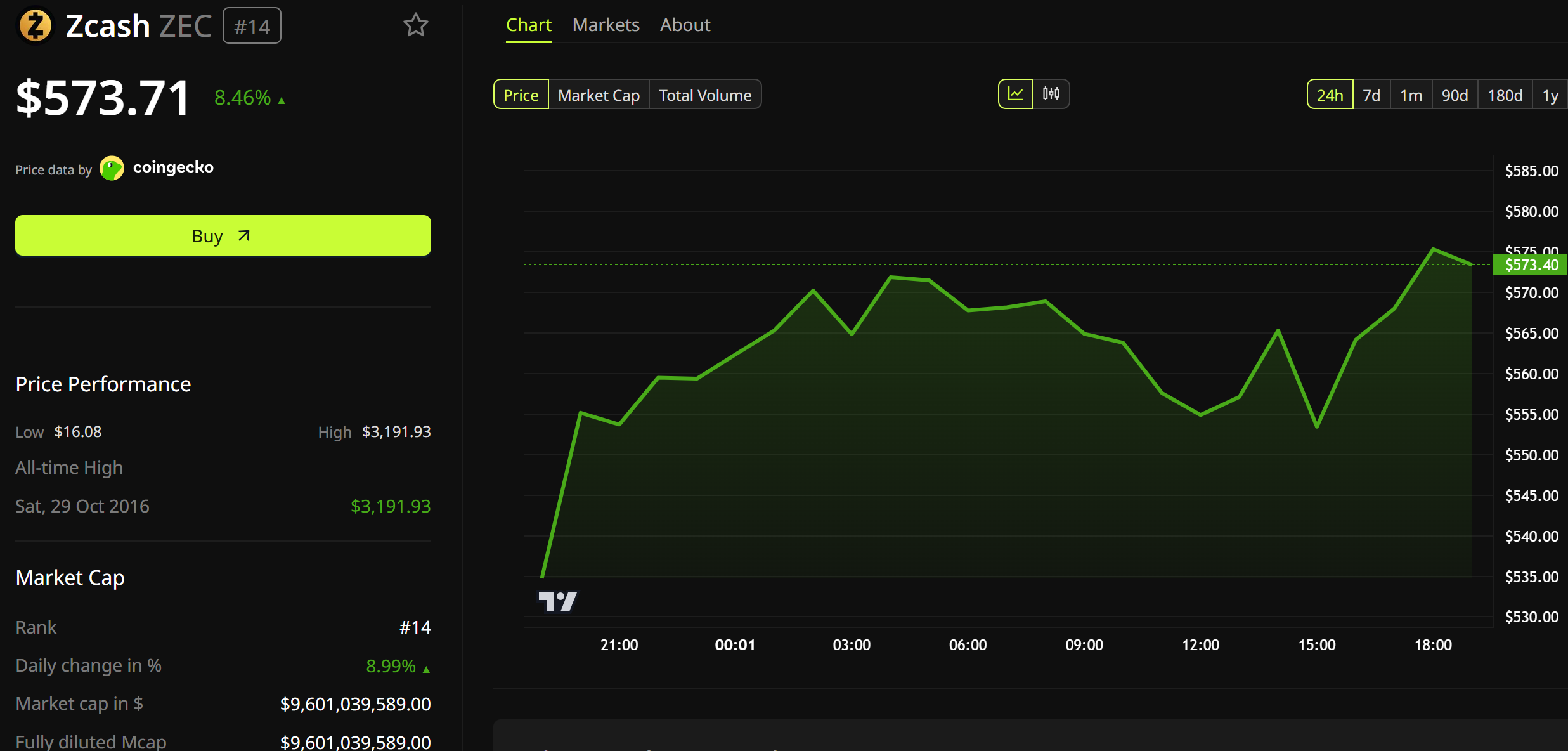
Zcash (ZEC) jumped near $580 on Tuesday after the US Securities and Exchange Commission (SEC) closed its Zcash Foundation investigation. A Q1 report also revealed a $36.7 million Foundation treasury.
The token gained nearly 10% over 24 hours. ZEC drew privacy traders back into a name battered by Electric Coin Company staff exits earlier in 2026.

The bounce extended a rally that has unfolded since institutional flows returned to the privacy sector earlier in 2026.
Follow us on X to get the latest news as it happens
Zcash SEC Investigation Closes Without Penalties
The Foundation said in its Q1 2026 report that the SEC concluded its review of the nonprofit. The agency informed leadership that it does not plan to recommend enforcement action.
The probe began on August 31, 2023, when staff served the Foundation with a subpoena. The case was filed as “In the Matter of Certain Crypto Asset Offerings,” designated SF-04569.
“We are pleased to announce that the SEC has concluded its review and informed us that it does not intend to recommend any enforcement action or other changes against Zcash Foundation regarding this matter,” Zcash Foundation noted.
The closure was formally communicated in January. It removes a regulatory overhang that had followed Zcash for over two years.
Foundation officials said the nonprofit cooperated fully throughout the process. No penalties, fines, or required changes were attached to the outcome.
The decision aligns with a broader pullback in SEC crypto cases seen since 2025. Several other projects, including Aave, OpenSea, Robinhood, Gemini, and Ondo, have seen probes closed without charges in recent quarters.
Foundation Discloses $36.7 Million Treasury
The same quarterly disclosure showed about $36.7 million in liquid holdings at the end of March. ZEC accounted for roughly 58.6% of the balance.
The Foundation also held Bitcoin, U.S. dollar reserves, and a small ether position. Average monthly operating expenses ran near $272,500.

That position gives the nonprofit a multi-year runway to keep funding engineering work. The cash buffer matters because most Electric Coin Company contributors left during a governance dispute.
The Q1 report stressed that blocks continued to settle, transactions cleared normally, and user privacy stayed intact through the transition.
Engineering output remained active in the period. The Foundation shipped several Zebra node releases and advanced the Z3 stack. FROST multi-party signing also progressed, while work continued on NU7, the next planned network upgrade.
Grayscale recently flagged Zcash as one of its preferred private-asset names. The endorsement drew fresh attention from larger allocators.
Traders watching the next leg will track NU7 timing and Foundation spending discipline. They will also weigh whether the SEC’s retreat from crypto cases holds through the next rule cycle.
Subscribe to our YouTube channel to watch leaders and journalists provide expert insights
The post Zcash Price Surges 10% Amid 2 Major Developments appeared first on BeInCrypto.
The United States and the broader global economy are facing an increasingly fragile macroeconomic backdrop. U.S. inflation has risen to 3.8% year-over-year, per April consumer price index (CPI) data, and real wages have turned negative with long-term Treasury yields climbing to multi-year highs.
Amid a hostile macro environment, bitcoin (BTC) has pulled back and erased the gains from its early-month rally. This correction is further driven by weakening institutional demand and outflows from spot exchange-traded funds (ETFs).
Weakening Institutional Demand
According to this week’s Bitfinex Alpha report, the U.S. macro backdrop has shifted toward a “higher-for-longer inflation environment.” Market expectations for Federal Reserve rate cuts have been removed, with rate hikes becoming a more likely scenario as the year progresses.
With the possibility of renewed tightening rising, bitcoin is losing momentum and becoming more vulnerable to exogenous shocks and to a high-for-longer interest rate regime. Unfortunately, this development comes at a time of deteriorating liquidity conditions – the worst since February.
Analysts said the two primary engines of marginal demand, which are spot ETFs and yield-bearing products like Strategy’s STRC, are currently under duress. ETFs ended their six-week inflow streak last week, recording almost $1 billion in net outflows. On-chain capital flows currently sit at $2.8 billion, far below the $10 billion historically associated with durable bull phases.
“As market sentiment transitions from acute fear toward persistent uncertainty, analysts say the validity of the current recovery now hinges almost entirely on whether fresh net capital continues entering the market,” analysts explained.
Market Vulnerable to Further Downside
As Bitfinex warned two weeks ago, the Bitcoin market is not positioned for sustained upside. Despite the rally toward $82,000, institutional conviction has remained insufficient to absorb macro shocks and rate volatility, leaving the market vulnerable to further correction. Bitcoin is already trading at a two-week low, reflecting a significant structural problem that could worsen due to hostile macro conditions.
At the time of writing, BTC was trading around $76,700, roughly 6.5% below its weekly opening of $82,160. While the asset is testing levels near the monthly open, analysts expect the price to fluctuate between $72,000 and $80,000. Net capital flows, as measured by the Realized Cap 30-Day Net Position Change, will determine whether the broader recovery structure remains intact in the coming weeks.
The post Bitcoin Faces Correction as Institutional Demand Weakens Amid Macro Pressure: Bitfinex appeared first on CryptoPotato.

Japan Ruling Party Pushes AI, Blockchain for Financial Infrastructure

Young and the Restless TWIST: Matt Clark’s Redemption Path Revealed!

Health board issues update after water outage left A&E unable to accept patients

Manchester United reach agreement with Casemiro over contract clause amid transfer speculation

US brings back mandatory military draft registration

Steven Gerrard disagrees with Gary Neville over ‘shock’ Chelsea and Arsenal claim | Football

What you prefer 1000 Guyana or 2$ #shots #travel #nyc #money #guyana #usa #giveaway #like

Sacrifice for Success: Disney Trip vs. Financial Freedom #shorts

who has financial propble please try this mantra and type one time in comment ” Om Hanumante namah “
-

 Crypto World4 days ago
BloFin War of Whales 2026 Grand Prix opens registration for $5M trading championship
-

 Fashion4 days ago
Weekend Open Thread: Theory – Corporette.com
-

 Crypto World4 days ago
E-Estate Announces 1 Year Live: Washington DC Summit as Real Estate Tokenization Enters Its Next Phase
-
Crypto World7 days ago
Bitcoin Suisse expands with Digital Asset License and Investment Business Act Registration Approval in Bermuda
-

 Tech5 days ago
Tech Moves: Microsoft AI leader jumps to OpenAI; former AI2 exec joins Meta; and more
-

 Politics7 days ago
Pakistan to enter Chinese capital market as war inflation bites
-

 Crypto World7 days ago
Bitcoin Suisse expands with Digital Asset License and Investment Business Act Registration Approval in Bermuda
-

 Crypto World5 days ago
Google’s Gemini AI Predicts Incredible Solana Price by the End of 2026
-

 Tech4 days ago
Google reimburses Register sources who were victims of API fraud
-

 Business4 days ago
H&R Real Estate Investment Trust (HR.UN:CA) Q1 2026 Earnings Call Transcript
-

 Sports4 days ago
Napoleonic enters 2026 Doomben 10,000 field via Abounding withdrawal
-
 Entertainment5 days ago
Zara Larsson Has Blunt Response To Chris Brown Diss
-

 Politics7 days ago
Palestine’s flag becoming a regular sight at European football stadiums
-
 Crypto World6 days ago
Two AI Tokens Lead May Rally, But Risks Are Rising
-

 Fashion7 days ago
The Best-Kept Makeup Secret for a More Defined Face
-

 Crypto World4 days ago
BeInCrypto 100 Institutional Awards Nomination: KAST for Best Digital Assets Neobank and Best Digital Assets Fintech
-

 Fashion3 days ago
On the Scene at Gucci’s Cruise Show in New York City: Mariah Carey, Kim Kardashian, Lindsay Lohan, Iman, and More!
-
 Tech7 days ago
Why AI is making typography a boardroom conversation
-

 Politics7 days ago
The 81 MPs (so far) who have demanded tick-like Starmer out
-
 Crypto World7 days ago
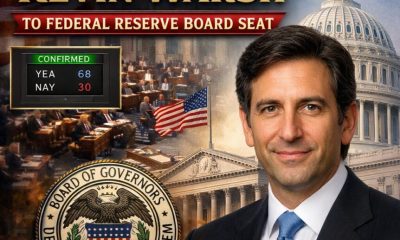
Senate Approves Kevin Warsh to Federal Reserve Board Seat
You must be logged in to post a comment Login