
Crypto World
Uniswap’s UNI jumps 15% as governance vote to expand fee switch gains momentum

UNI climbed roughly 15% over the past 24 hours, outperforming bitcoin’s 4.7% gain and ether’s 8.5% rise, as investors reacted to a Uniswap governance vote aimed at broadening the protocol’s revenue capture across multiple layer-2 networks.
If approved, the proposal would expand the so-called fee switch to eight additional chains and replace the current pool-by-pool model with a tier-based v3 system that activates fees across all liquidity pools by default.
Fee switch is the mechanism that redirects a portion of the platform trading fees to the protocol treasury itself from liquidity providers. This captured fee revenue is then used for UNI token buybacks, burns and treasury growth, establishing a direct link between the platform’s trading volume and UNI’s market value.
A single governance decision is about to add $27M in annualized revenue to Uniswap.
Since the first UNIfication proposal passed, collected protocol fees have already enabled $5.5M+ in UNI burns ($34M annualized). So, what kind of impact could expanding this to eight additional… pic.twitter.com/GjEJbJ0S8b
— Entropy Advisors (@EntropyAdvisors) February 25, 2026
Some estimates suggest the change could add roughly $27 Million in annualized revenue on top of the approximately $34 Million already being generated and used to burn UNI, marking one of the most significant shifts in Uniswap’s token economics since fees were reintroduced late last year.
The governance proposal, split into two onchain votes due to transaction limits, would turn on protocol fees across multiple blockchains. It also introduces a new v3OpenFeeAdapter that applies protocol fees uniformly across liquidity pools based on their fee tier, rather than requiring governance to activate pools individually.
The change would make protocol fee capture automatic for all new v3 pools, reducing manual intervention and potentially broadening revenue collection across long-tail trading pairs.
Since the first phase of the fee switch rollout late last year, Uniswap has already burned more than $5.5 Million worth of UNI, implying an annualized pace of roughly $34 Million at current levels.
The rally comes as crypto markets broadly rebound, with bitcoin up around 4–5% and ether gaining roughly 8% over the same period.
Still, the long-term impact will hinge on whether higher protocol fee capture affects Uniswap’s competitiveness for liquidity on layer-2 networks, where fee-sensitive traders and market makers can migrate to alternative venues.
After years of generating trading volume without meaningful token-holder income, recent quarters show the protocol beginning to retain revenue.
In Q1 2026, Uniswap recorded roughly $3.12 million in gross profit, according to DeFi Llama data, compared with effectively zero in prior periods.
The change follows the gradual activation of the fee switch late last year, which redirected a portion of trading fees toward UNI burns.
If passed, the vote would cement Uniswap’s transition into a cross-chain revenue-generating protocol, with UNI burns increasingly tied to aggregate trading activity beyond Ethereum.

Crypto World
BTC price holds near $75,000 as short-term holders look for profit opportunities: Crypto Markets Today
Bitcoin is still hovering near $75,000 as it hits a wall of supply while institutional demand remains steady, with traders weighing progress in U.S.-Iran peace talks during a two-week ceasefire.
The CoinDesk 20 (CD20) index rose around 1.9% in the past 24 hours, compared with bitcoin’s 1%, amid reports of a ceasefire extension, improving risk sentiment.
The increases come alongside a softer U.S. dollar, which slipped to a near six-week low, and easing Treasury yields, conditions that often support crypto prices by lowering the relative appeal of holding cash. Gold also gained, pointing to a market balancing risk appetite with hedging demand.
Still, the backdrop remains tense. The U.S. blockade of Iranian ports and Iran’s threats to disrupt shipping routes in the Persian Gulf and nearby waterways continue to cloud the outlook for the global economy.
Energy supply shocks have already begun feeding into inflation expectations, a factor that could shift central bank policy and ripple into crypto markets.
Onchain data also show bitcoin supply tends to appear when prices reach key cost-basis levels for short-term holders. That’s around $76,800, a level that could act as resistance as investors cash out when breaking even.
Derivatives positioning
- Crypto futures open interest (OI) has risen 2.5% in the past 24 hours even as trading volume dropped 16% and liquidations fell 48% to $220 million.
- The divergence suggests traders are adding or holding positions despite a slowdown in activity, pointing to a buildup of exposure without strong conviction. The sharp decline in liquidations indicates reduced volatility and fewer forced exits.
- Among the biggest tokens, XRP and DOGE stand out with OI increases of at least 3%, showcasing a bullish combination of positive perpetual funding rates and OI-adjusted cumulative volume delta (CVD).
- DOGE has the most positive 24-hour CVD, indicating that buyers have been more aggressive in lifting offers and driving trades.
- On decentralized exchange Hyperliquid, perpetuals tied to commodities continue to do solid business and now account for 30% of the platform’s total notional open interest.
- Bitcoin and ether’s 30-day implied volatility indexes, BVIV and EVIV, continue to hover below their 200-day averages, indicating market calm.
- In the BTC options market, the one-week implied volatility is now trading cheaper relative to realized or actual volatility. In other words, short-dated options are now cheap. This kind of setup often has traders taking bullish volatility bets via straddle/strangle strategies that involve buying both call and put options.
- The Deribit-listed bitcoin and ether options continue to show a bias for puts. The persistent demand for downside hedges indicates that the sustainability of recent rally is still being questioned.
Token talk
- CoW Swap, a decentralized exchange aggregator tied to CoW Protocol, on Tuesday suffered a domain name system (DNS) hijacking attack that redirected users to a malicious site and drained funds from connected wallets.
- The breach did not touch the protocol’s smart contracts or back-end systems. Instead, attackers used social engineering to gain control of the project’s domain registrar, allowing them to reroute traffic from cow.fi to a cloned interface designed to capture wallet approvals.
- Losses appear limited to affected users rather than the protocol itself. Onchain data points to at least $1 million drained, including a single wallet that lost 219 ETH.
- The COW token fell about 2.6% that day, with trading volume spiking as news spread. Prices continued to drift lower in the following sessions, and are now 11% lower.
- CoW DAO reclaimed control of the cow.fi domain little over half a day ago, but sentiment for the protocol doesn’t appear to have improved. The token is down another 6% since then.
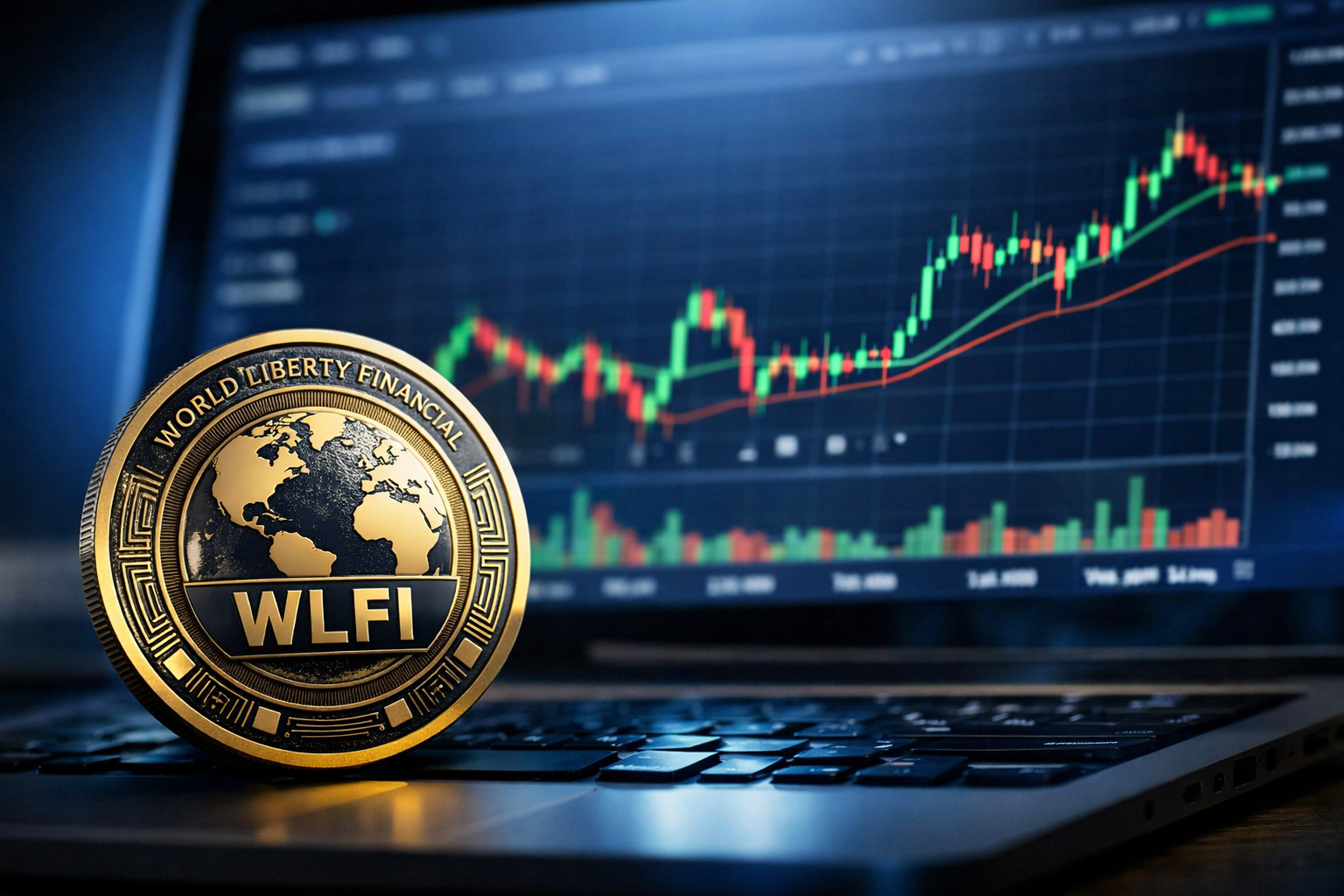

- World Liberty Financial is reshaping WLFI token supply.
- About 4.52 billion insider tokens may be burned if the vote passes.
- WLFI token price stays volatile, driven by governance vote expectations.
World Liberty Financial’s WLFI token has been in the spotlight after a major governance proposal that is expected to reshape the token’s supply structure.
The proposal centres on unlocking 62.28 billion tokens over time while also burning about 4.52 billion tokens tied to insider allocations.
The market reaction has been quick, mixed, and heavily driven by speculation rather than steady trend building.
At the time of writing, WLFI traded around $0.081, slightly higher on the day by about 1%.
However, the broader picture is less stable. Over the past week, the token has dropped more than 10%, and losses extend beyond 20% over the past month.
Despite occasional intraday recoveries, the overall trend still reflects sustained pressure from earlier selloffs.
A major shift in WLFI’s token structure
The core of the current debate is the proposed restructuring of a large portion of WLFI’s supply.
Roughly 62.28 billion tokens that were previously locked will no longer remain in indefinite restriction.
Instead, they would be released gradually over a multi-year period, estimated between four and five years.
This change is important because it replaces uncertainty with a defined timeline.
Investors will no longer have to guess if or when a large amount of tokens might enter circulation at once.
Instead, the release becomes structured and predictable, which reduces the fear of sudden supply shocks.
Alongside this unlock plan is a separate but closely connected mechanism: a burn of approximately 4.52 billion tokens.
This burn is targeted mainly at insider allocations, including team and advisor holdings, and is expected to take effect only if participants accept the new governance terms.
The combination of these two moves creates a balancing effect. On the one hand, more tokens are gradually introduced into the system.
On the other hand, a portion is permanently removed from supply expectations.
This dual approach is designed to ease concerns around dilution while still improving liquidity over time.
Market reaction driven by speculation and vote expectations
The market response to the proposal has been far from calm.
WLFI has seen sharp bursts of trading activity, including sudden volume spikes that suggest short-term speculation rather than long-term positioning.
In one instance, trading activity surged dramatically within a short window, showing how sensitive the token is to governance-related headlines.
Price action has also been closely tied to broader crypto sentiment.
Recent strength in the wider market has provided temporary support, helping WLFI hold small gains even as its medium-term trend remains weak.
Still, these gains have not been strong enough to reverse the overall downward structure that has been in place for weeks.
Whale activity has added another layer of volatility.
Large holders have been seen both selling into strength and accumulating during dips, creating a choppy and unpredictable price environment.
This kind of behaviour is typical when traders are positioning ahead of a major governance decision rather than reacting to long-term fundamentals.
Short-term WLFI token price outlook
In the short term, WLFI’s direction appears tightly linked to the outcome of the ongoing governance vote.
If support around $0.078 holds and the proposal gains approval, WLFI could attempt another move toward the $0.084 area, which has acted as a near-term resistance zone.
This scenario would likely be driven by renewed confidence in the tokenomics restructuring and reduced fear of uncontrolled supply expansion.
However, if the vote fails or sentiment weakens, the downside risk becomes more visible. A break below $0.078 could open the door to a retest of recent lows near $0.072.

In that case, selling pressure could accelerate as traders unwind short-term positions built around the proposal hype.
Beyond short-term volatility, the proposal signals a deeper restructuring of WLFI’s economic model.
By turning previously locked tokens into a structured vesting system, the project is attempting to replace uncertainty with long-term predictability.
The 4.52 billion token burn adds another layer to this strategy, acting as a signal of commitment from insiders while also reducing perceived excess supply pressure.
Combined with a multi-year unlock schedule, the goal is to smooth out future token distribution rather than allowing large, sudden changes in supply dynamics.
The S&P 500 Index tracks the performance of 500 large US companies and is widely used as a benchmark for equity markets. Market participants typically gain exposure through instruments such as CFDs, futures, or ETFs. CFD trading enables positioning on both rising and falling price movements without ownership of the underlying assets. This article covers how the index is structured, what moves the S&P 500, and how traders commonly approach S&P 500 CFDs in practice.
What Is the S&P 500 Index?
The S&P 500 Index is a stock market index that tracks 500 of the largest publicly traded companies in the United States. It covers approximately 80% of available US market capitalisation and serves as a benchmark for the performance of US equities.
S&P Dow Jones Indices manages the index and selects constituents through a committee. Companies must meet criteria including a minimum market capitalisation of $22.7 billion, adequate liquidity, and sector representation. The index is rebalanced quarterly in March, June, September, and December, and constituent changes can happen at any time.
The S&P 500 uses a float-adjusted market-cap weighting system. Each company’s influence on the index depends on the total market value of its publicly available shares. Larger companies carry more weight than smaller ones. As of early 2026, the top 10 constituents, including NVIDIA, Apple, Microsoft, and Amazon, accounted for over 37% of the entire index.
That concentration matters for traders. When a stock like NVIDIA, weighted at over 7%, moves by 2% in a session, it shifts the index far more than a smaller constituent moving by the same amount. Traders watching the S&P 500 often pay close attention to these heavily weighted names, as their price action can drive the direction of the index on any given day.
How Is the S&P 500 Calculated and Why Does Weighting Matter?
The S&P 500 weights each company by its float-adjusted market capitalisation, meaning only shares available for public trading count towards a company’s influence on the index. A company with a larger public float and higher share price carries more weight than a smaller one.
To calculate the index value, the combined float-adjusted market caps of all 500 companies are added together and divided by a number called the divisor. The divisor is adjusted whenever structural changes occur, such as stock splits, spin-offs, or constituent swaps, so that these events do not create artificial jumps in the index level. It keeps the index continuous over time.
This structure also creates a built-in momentum effect. As a company’s price rises, its weighting in the index increases automatically, giving it even more influence over the index’s direction. The reverse happens during selloffs. That’s why recent extended rallies in a handful of large-cap technology stocks have pulled the S&P 500’s sector balance and intraday price action heavily towards big tech names.
What Moves the S&P 500 Index?
Federal Reserve policy, macroeconomic data, corporate earnings, and geopolitical developments are the main drivers of S&P 500 price movements.
Interest rate decisions from the Federal Reserve tend to have the most direct impact. Lower rates reduce borrowing costs for companies and make equities more attractive relative to bonds. Higher rates do the opposite. Even the tone of a Fed statement or press conference can shift sentiment within minutes.
Inflation data, particularly the Consumer Price Index (CPI), influences the market because it shapes expectations about future rate moves. Labour market reports carry similar weight. A stronger-than-expected Nonfarm Payrolls (NFP) print can push the index lower if traders interpret it as a reason for the Fed to keep rates elevated.
Corporate earnings round out the fundamental picture. During earnings season, which occurs four times a year, results from heavily weighted companies like Apple, Microsoft, and NVIDIA can move the index on their own. Sector leadership also shifts over time. In recent years, technology stocks have driven much of the index’s direction, but rotations into financials, energy, or healthcare occur as economic conditions change.
Geopolitical risk, including trade policy shifts and military conflicts, adds another layer of volatility. They affect bond yields and the US dollar. Rising 10-year Treasury yields compete with equities for capital, while a stronger dollar pressures the earnings of S&P 500 companies that generate a large part of their revenue internationally.
Releases traders commonly watch include:
- Federal Reserve interest rate decisions and meeting minutes
- CPI (inflation)
- Nonfarm Payrolls (first Friday of each month, 8:30 am ET)
- Quarterly earnings from top-weighted constituents
S&P 500 Trading Instruments: CFDs, Futures, ETFs
Market participants typically access the S&P 500 through three main instruments: contracts for difference (CFDs), futures, and exchange-traded funds (ETFs). Each works differently in terms of capital requirements, costs, and flexibility.
S&P 500 futures are standardised, exchange-traded contracts that provide exposure to the forward value of the S&P 500, with central clearing and high institutional liquidity. Each contract has predefined specifications, including contract size, tick value, and fixed expiry dates, after which positions must be rolled or settled – a distinct feature of S&P 500 futures vs CFDs and ETFs.
Pricing is determined directly on regulated exchanges and reflects real-time expectations of market participants, with margin requirements set by the exchange rather than a broker. As a result, they are typically used for hedging, macro positioning, and short-term trading around key data release.
S&P 500 ETFs are exchange-traded funds that aim to replicate the performance of the S&P 500 by holding a basket of its constituent stocks, offering direct, unleveraged exposure to the underlying market. Unlike derivatives, ETFs are traded on stock exchanges in the same way as individual shares, with pricing driven by net asset value and market demand, and without features such as overnight financing charges or contract specifications like expiry.
If you’re wondering, “Can you short the S&P 500 with ETFs?”, it is possible to gain short exposure through inverse ETFs and leverage can be embedded in certain products. However, standard S&P 500 ETFs are typically used for longer-term positioning, portfolio diversification, and capital allocation rather than short-term, margin-based trading. However, you don’t have to invest in ETFs, you can trade CFDs on index or ETF.
CFDs are derivative contracts that track the price of the underlying asset without requiring ownership of them. Traders can take both long and short positions, meaning they can take advantage of rising or falling prices. CFDs typically offer leverage, which means a smaller initial capital controls a larger position. There is no fixed expiry date, though overnight funding costs (swaps) may apply when positions are held past the daily close.
At FXOpen, you can trade CFDs on the S&P 500 (US SPX 500 mini) and other global indices from the US, Europe, and Asia with zero commission* and ETF CFDs, including SPDR S&P 500 ETF Trust (SPY), with tight spreads* and low commissions*. All trading instruments are available through the TickTrader trading platform.
CFD and ETF trading differ in several ways, particularly around leverage and short-selling access.
S&P 500 CFD Trading Process
Trading the S&P 500 via CFDs typically follows a structured workflow. Below is a common approach used by some traders when exploring how to trade S&P 500 CFDs.
1. Choosing between a cash index CFD or a futures-based CFD.
The cash-style CFD typically offers tighter spreads and closer tracking to the spot level of the S&P 500, but incurs daily overnight funding costs when positions are held beyond the trading day.
In contrast, a futures-based CFD reflects the price of the underlying futures contract, where the cost of carry (interest rates and expected dividends) is already embedded in the price. As a result, it does not involve daily funding charges, but has a fixed expiry date and may require rollover into the next contract for longer-term positions.
Futures on the S&P 500, such as E-mini contracts, are typically cash-settled at expiry, meaning no physical delivery of underlying shares takes place.
2. Defining a directional bias using technical or fundamental analysis.
Traders commonly form a view on the index direction before engaging with S&P 500 trading, guided by chart-based analysis, such as support and resistance levels, or a fundamental view based on upcoming earnings or central bank policy.
3. Marking upcoming event risk on the calendar.
Fed decisions, CPI releases, NFP prints, and major earnings dates can all trigger sharp moves. Many traders note these dates in advance and adjust their approach accordingly, either by reducing position size or waiting until after the release.
4. Setting an entry level, stop-loss, and target before placing the trade.
Pre-defining these levels is a common practice in CFD trading. Stop-loss and take-profit levels are typically based on technical levels or a fixed risk-to-reward ratio.
5. Sizing the position relative to account equity and stop distance.
Position sizing determines how much capital is at risk. Some traders risk a fixed percentage of the trading account per trade, often between 1% and 3%.
6. Monitoring overnight funding costs, spreads, and margin requirements.
Holding S&P 500 CFD positions overnight may incur a swap charge. Spreads can also widen during low-liquidity periods, such as the daily maintenance break or ahead of major data releases. Traders typically keep margin usage in check to avoid margin calls during volatile moves.
S&P 500 Trading Conditions and Risk Considerations
S&P 500 CFD trading concentrates around the US cash session and key data releases, while leverage, gap risk, and overnight funding costs are the main risk factors traders typically account for.
Market Sessions and Liquidity Patterns
The New York session runs from 9:30 am to 4:00 pm ET, this is when trading volume and liquidity peak. The first 30 minutes after the open and the final 30 minutes before the close tend to produce the sharpest price moves, as institutional order flow concentrates at these times.
Outside the standard session, S&P 500 CFDs are available to trade for nearly 24 hours on weekdays, tracking the underlying futures market. Liquidity thins during the overnight period, particularly between the US close and the Asian open. Spreads often widen during these quieter hours.
The European-US overlap, roughly 8:00 am to 11:30 am ET, typically brings a second wave of activity as London-based participants trade alongside New York. US macroeconomic releases at 8:30 am ET, including NFP and CPI, frequently trigger volatility before the market even opens.
Risk Factors in S&P 500 CFD Trading
Leverage is the most prominent risk in US 500 CFD trading. While it reduces the capital needed to take a position, it also amplifies losses at the same rate it amplifies gains. A small adverse move in the index can result in a loss larger than the initial margin if risk controls are not in place.
Stop-loss orders are used by traders as a risk management tool, but they do not guarantee execution at the specified price during fast-moving markets. Gaps, where the price jumps past a specified stop level between sessions, can occur after major news events or over weekends.
Overnight funding costs accumulate on positions held past the daily close. These are calculated based on the position direction and prevailing interest rates, typically resulting in a charge for long positions, while short positions may receive a credit, depending on market conditions and broker pricing.
Comparison of the S&P 500, Nasdaq 100, and Dow Jones
The S&P 500, Nasdaq 100, and Dow Jones Industrial Average differ primarily in composition, weighting methodology, and sector exposure, making each index reflect a distinct segment of the US equity market and respond differently to macroeconomic and earnings-driven developments.
The Nasdaq 100 tracks 100 of the largest non-financial companies listed on the Nasdaq exchange. Its heavy concentration in technology stocks, which make up more than half the index, means it tends to move more aggressively during tech-driven rallies and selloffs.
The Dow Jones Industrial Average takes a more concentrated approach, comprising just 30 large, established US companies, often viewed as industry leadersю It is less diversified than broader indices and tends to reflect the performance of a select group of mature, globally recognised corporations rather than the wider US equity market.
The S&P 500 sits between the two in terms of breadth and sector balance. With 500 constituents across all 11 GICS sectors, it offers the widest representation of the US economy among the three.
S&P 500 vs Nasdaq 100 vs Dow Jones
Each index responds differently to the same catalyst. A Fed rate cut, for example, tends to have a larger impact on the Nasdaq 100 because growth and technology stocks are more sensitive to interest rate changes. The DJIA, with its tilt towards mature, dividend-paying companies, typically reacts less sharply. The S&P 500 falls somewhere in between, given its broader mix.
The Bottom Line
The S&P 500 gives traders broad exposure to the US equity market through a single instrument. CFDs offer a way to take positions on both rising and falling prices, with leverage and near 24-hour access on weekdays. Understanding what drives the index, how weighting affects price action, and how sessions influence liquidity can support your market analysis.
Wondering how to trade the S&P 500 index via CFDs alongside forex, commodities, and share CFDs? You may consider opening an FXOpen account and gain exposure to US SPX 500 mini (the FXOpen version of S&P 500 E-mini futures) with zero commission* and SPDR S&P 500 ETF Trust (SPY) with tight spreads*.
FAQs
What Is the S&P 500 Index?
The S&P 500 is a stock market index that tracks 500 large US companies across all major sectors. It covers approximately 80% of available US market capitalisation and uses float-adjusted market-cap weighting, meaning larger companies have more influence on the index’s value.
Can You Trade the S&P 500 With CFDs?
Yes. CFDs allow traders to speculate on S&P 500 price movements without owning the underlying shares. Positions can be taken on both rising and falling prices, and leverage reduces the capital required. At FXOpen, you can trade the US SPX 500 mini (SPXm) index and SPDR S&P 500 ETF Trust (SPY) CFDs with low commissions* and tight spreads*.
What Factors Influence S&P 500 Price Movements?
Federal Reserve interest rate decisions, inflation data, labour market reports (NFP), GDP figures, and corporate earnings are the primary drivers. Bond yields, US dollar strength, and geopolitical events such as trade policy changes also affect sentiment and index direction.
When Is S&P 500 Market Activity Typically Highest?
Liquidity peaks during the US cash session from 9:30 am to 4:00 pm ET. The first and last 30 minutes of that session tend to see the sharpest price moves. Macroeconomic releases at 8:30 am ET may also generate high volatility.
What Is the Difference Between Trading the S&P 500 and Investing in It?
Trading the SPX 500 online typically involves short-term positioning around price movements, often using leveraged instruments like CFDs or futures. Investing usually means buying and holding ETFs such as SPY or VOO over longer periods to gain exposure to the index’s long-term performance.
Can Positions on the S&P 500 Be Taken in Both Directions?
Yes. CFDs and futures allow traders to go long if they expect the index to rise or go short if they expect it to fall. ETFs are primarily used for long positions, though some inverse ETFs exist for short exposure.
*Additional fees may apply.
This article represents the opinion of the Companies operating under the FXOpen brand only. It is not to be construed as an offer, solicitation, or recommendation with respect to products and services provided by the Companies operating under the FXOpen brand, nor is it to be considered financial advice.

Key Highlights
-
Verizon builds enhanced 5G infrastructure to manage unprecedented World Cup data traffic
-
Advanced fiber and wireless systems enable worldwide broadcast transmission
-
Tournament venues receive significant network upgrades for improved fan connectivity
-
Network enhancements designed to support emergency services and operational efficiency
-
Host cities benefit from lasting digital infrastructure improvements beyond the event
Verizon (VZ) stock closed trading at $45.03, reflecting a 0.99% decline, with pre-market activity showing further softness at $44.98, indicating modest near-term bearish sentiment. Despite market headwinds, the telecommunications leader is pushing forward with significant infrastructure initiatives connected to major international sporting events. The company’s comprehensive involvement in FIFA World Cup 2026 places it at the forefront of managing unprecedented connectivity requirements.
Verizon Communications Inc., VZ
Massive Network Buildout Targets Tournament Demands
The telecommunications provider is implementing comprehensive 5G and fiber optic upgrades throughout competition venues and surrounding municipalities ahead of FIFA World Cup 2026. Network capacity expansions are specifically designed to accommodate extraordinary data consumption expected during tournament matches. Projections indicate individual matches will generate upwards of 50 terabytes of data traffic within stadium boundaries alone.
Verizon has strategically positioned thousands of compact antennas beneath seating sections to maximize signal coverage and transmission speeds. The telecommunications giant has additionally established approximately 140 small cell installations and provisional network sites throughout adjacent neighborhoods. These technical enhancements target uninterrupted connectivity during transit periods, fan festival activities, and mass congregation events.
The company has substantially increased accessible 5G spectrum allocation across tournament facilities to optimize network performance. This strategic expansion is projected to multiply available network capacity by a factor of five. Consequently, attendees will maintain access to instant content delivery, mobile commerce platforms, and social networking applications without service degradation.
Cutting-Edge Systems Enable Broadcasting and Tournament Management
The carrier is constructing a robust, high-throughput network foundation to facilitate international broadcasting activities throughout the competition. This technological framework will enable consolidated data handling and ultra-high-definition content distribution to audiences globally. The architecture is specifically engineered to provide dependable connectivity for the International Broadcast Center’s operations.
Verizon is implementing dedicated private 5G networks throughout stadium facilities to enable mission-critical systems. These specialized networks will facilitate referee-worn camera systems and instantaneous data analysis platforms. They deliver the ultra-low latency performance essential for real-time broadcast production and streamlined operational workflows.
The company is leveraging 5G Fixed Wireless Access technology for provisional network deployments across tournament sites. This approach enables accelerated connectivity establishment for commercial spaces, supply chain operations, and fan interaction areas. Network slicing capabilities will ensure critical applications receive bandwidth priority during maximum usage timeframes.
Infrastructure Investments Benefit Communities and Emergency Services
The telecommunications provider is committing resources to enduring infrastructure enhancements within host communities that extend beyond tournament requirements. These improvements target enhanced internet accessibility for educational institutions, medical facilities, and municipal services. The company frames these capital investments as contributions to a permanent digital transformation.
Verizon Frontline is equipping public safety organizations with specialized communication infrastructure. The dedicated platform guarantees dependable connectivity for emergency personnel throughout high-attendance events. It facilitates streamlined coordination among emergency response agencies during matches with maximum crowd capacity.
Verizon is assisting local enterprises through its Digital Ready initiative across host municipalities. The program delivers technological resources, educational workshops, and connectivity infrastructure to handle elevated customer volume during tournament periods. These support mechanisms aim to enable businesses to effectively process increased patron interactions and enhance payment processing capabilities.
Verizon’s comprehensive FIFA World Cup 2026 partnership underscores its strategic focus on large-scale digital infrastructure implementation. Although recent stock movement indicates modest downward pressure, the company maintains momentum in expanding network capabilities. These strategic initiatives strengthen its competitive standing in advanced connectivity solutions and international event support operations.

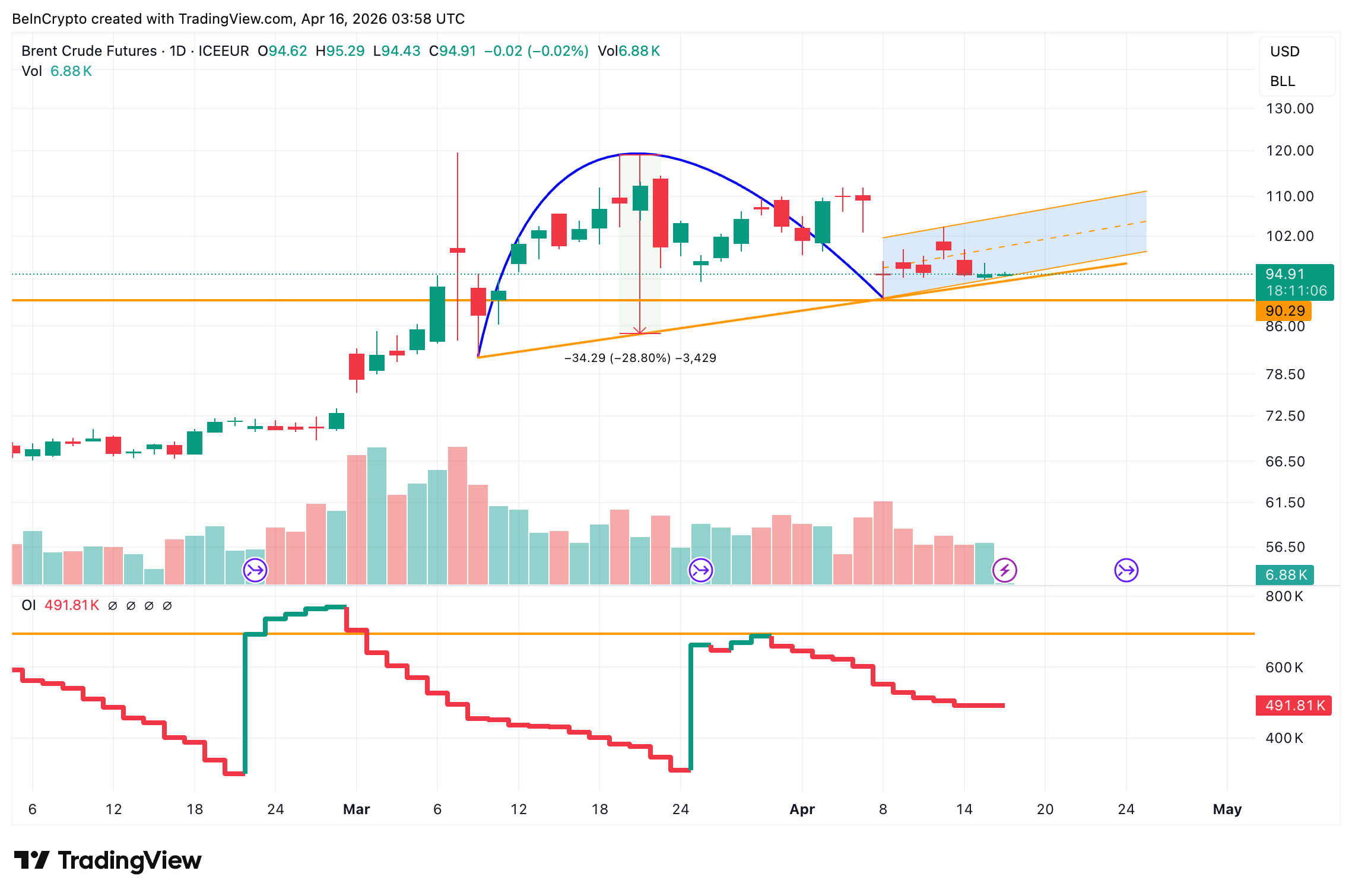
Brent crude oil price trades near $94.92, trapped inside the handle of an inverted cup-and-handle pattern. The pattern measured a 28.8% decline from its March peak.
The recent bounce looks constructive on the surface. Yet three signals beneath the price chart suggest the rally is running on fumes. Volume is declining, open interest is collapsing, and options traders are buying upside calls not out of conviction but as conflict insurance.
An Inverted Cup and Handle Forms as Volume and Open Interest Collapse
Oil price has been declining since Brent peaked in mid-March. The rounded top that formed between early March and late March created the cup portion of an inverted cup-and-handle pattern, a bearish continuation structure.
The drop from the cup’s peak to the neckline measures 28.8%, a drop projection if the price corrects further and breaks below it. However, since hitting a war low at around $90.29, Brent has bounced into a rising channel with a 5% bounce. That channel is forming the handle of the pattern.
However, the bounce has no conviction behind it. Volume has declined steadily throughout the handle formation. The most recent candle printed just 6.88K contracts, well below the levels seen during the cup’s formation.
Open interest, the total value of outstanding futures contracts, tells a sharper story. OI peaked above 700,000 during the March rally. It has since collapsed roughly 30% to 491,810. Money, or rather traders, are actively leaving oil futures.
Want more insights like this? Sign up for Editor Harsh Notariya’s Daily Newsletter here.
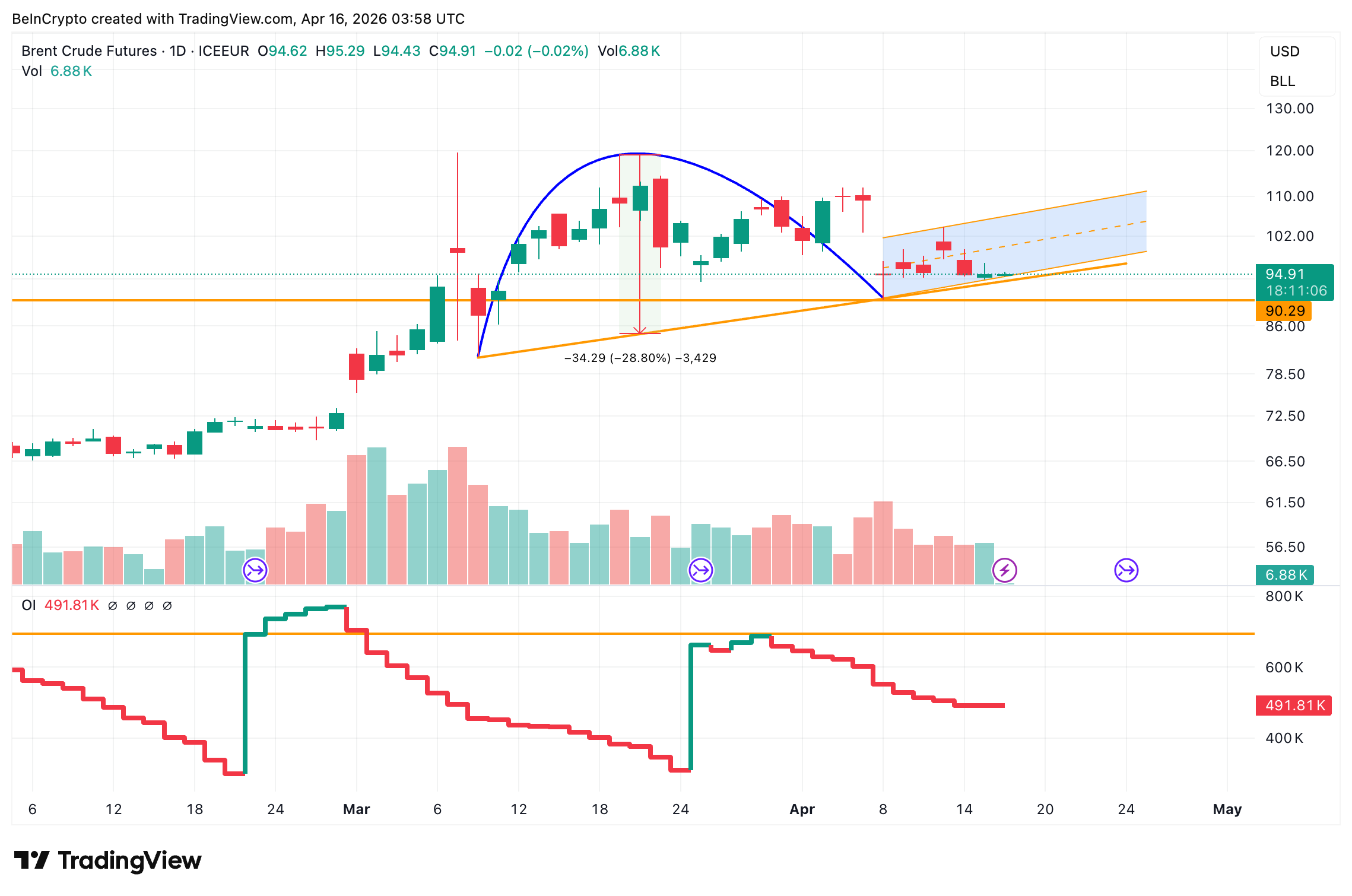
The declining volume and collapsing OI together confirm that the bounce is happening on shrinking participation. Institutional capital is exiting, not entering.
BNO Options Show Conflict Insurance, Not Bullish Positioning
Options data on the United States Brent Oil Fund (BNO), an ETF that tracks Brent futures, adds another layer. On April 15, the put-call volume ratio stood at 0.13. The open interest ratio sat at 0.25. Both readings are heavily call-skewed.
That might appear bullish at first glance. However, the context changes the interpretation. These are likely conflict hedges, not directional bets. Traders appear to be buying upside calls as insurance against an escalation in the Iran blockade. The collapsing futures OI from the previous section confirms they are not betting on sustained higher prices.
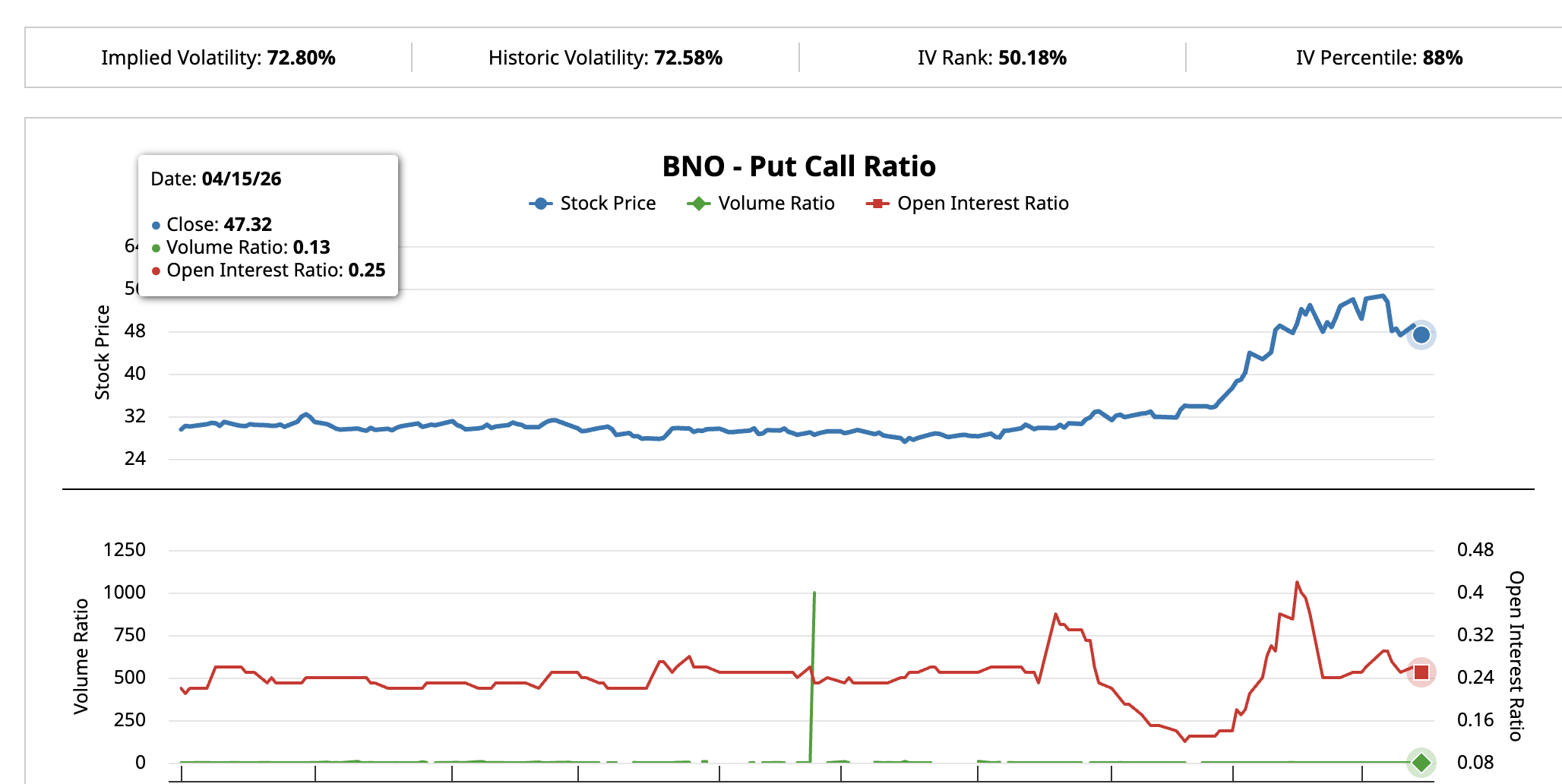
Implied volatility at 72.80% with an IV Percentile of 88% confirms the market is pricing in a large potential oil price move. Yet the IV Rank at 50.18% reveals that this level of volatility has been persistently elevated all year because of the war.
The futures market is losing participation while options traders hedge against a shock. That combination does not support a sustained recovery. Instead, it looks like a bounce-riding opportunity.
Oil Price Levels That Determine the Pattern’s Outcome
The daily Brent price chart maps where oil price resolves the pattern. Brent currently sits at $94.92. The 0.236 Fibonacci level at $97.05 is the first hurdle. A move above that would test $103.90.
However, reclaiming $103.90 alone would not invalidate the bearish structure. Only a daily close above $111.80 would confirm that oil has broken free.
Yet the downside path carries more structural support from the data. A drop below $92.81, the 0.382 Fibonacci, would break the handle. A further loss of $89.39, the 0.5 Fibonacci, would trigger the neckline breakdown.
If the breakdown confirms, the inverted cup-and-handle pattern projects a measured move of roughly 28% from the neckline. That targets the $65 zone, aligning with the $65.04 support level on the chart.
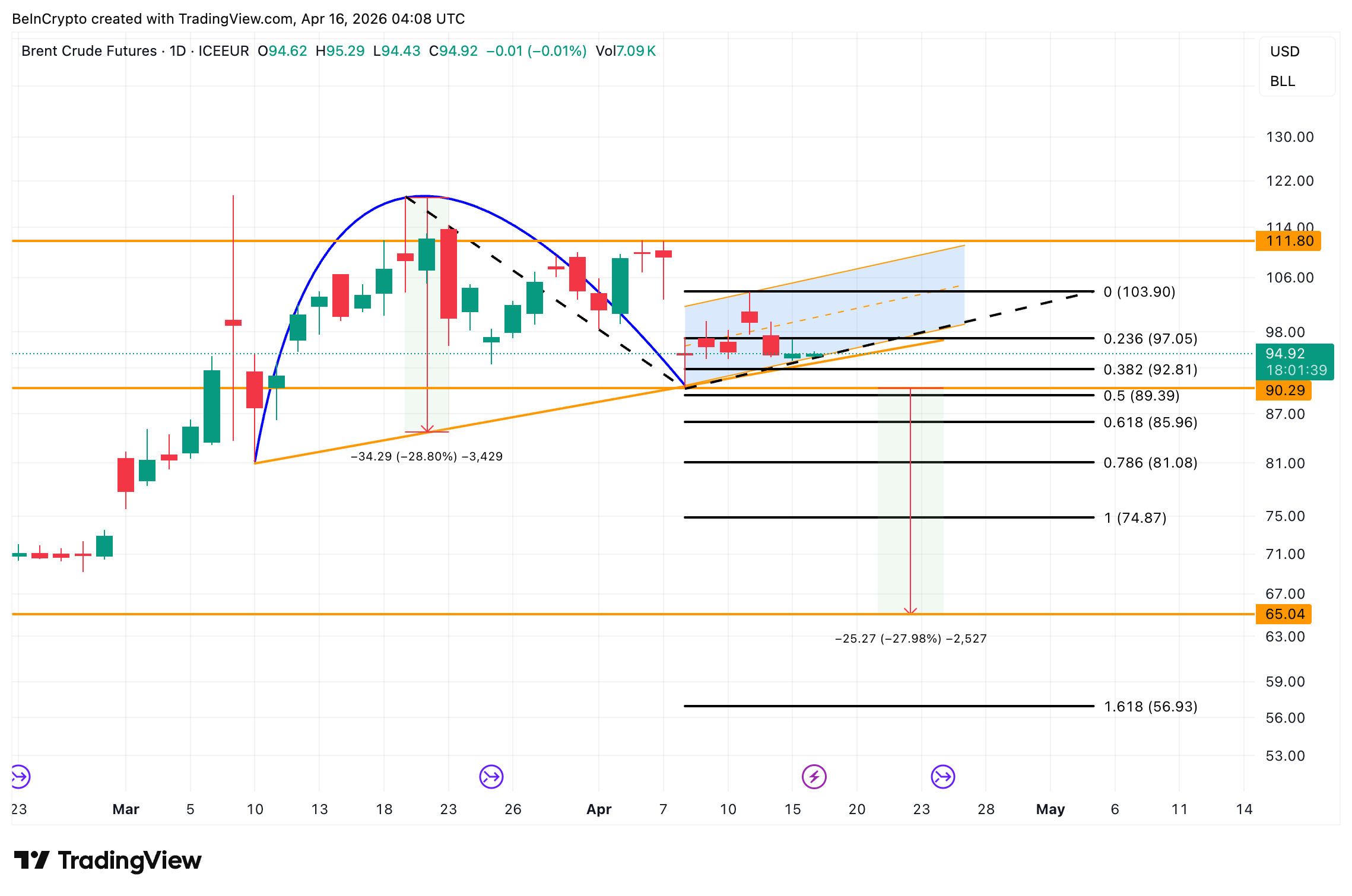
Oil price at $92.81 separates a handle that holds from a pattern that completes. A break below it opens a path toward $65. A close above $111.80 invalidates the entire bearish structure, though neither volume nor open interest currently supports that outcome.
The post Oil Price Bounced From a War Low but 30% of Traders Already Left appeared first on BeInCrypto.
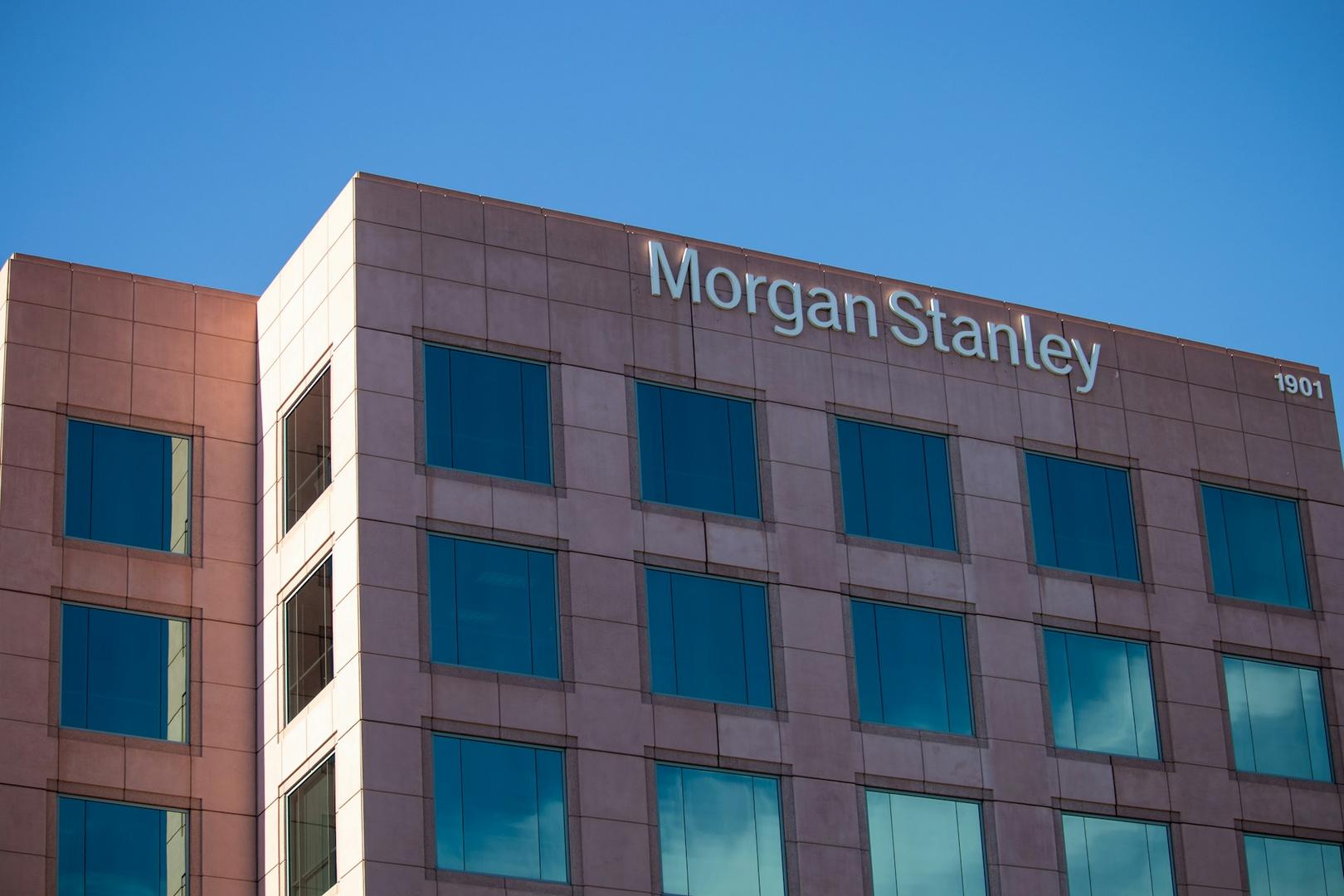
Morgan Stanley’s (MS) spot bitcoin exchange-traded fund (ETF), trading under the ticker MSBT, has drawn more than $100 million in inflows within its first week on the market, signaling strong early demand for the bank’s latest push into digital assets.
The fund, which began trading on April 8, tracks the CoinDesk Bitcoin Benchmark 4 PM New York Settlement Rate and charges a 0.14% expense ratio. That makes it the cheapest product in the category, giving it a pricing edge as competition among issuers intensifies.
Still, cost is only part of the story. MSBT enters the market with a built-in distribution advantage through Morgan Stanley’s vast wealth management business, which oversees trillions of dollars in client assets. The firm’s network of financial advisors provides a direct channel to investors who may prefer gaining exposure to bitcoin through managed portfolios rather than trading on crypto-native platforms.
That reach could prove critical as the spot bitcoin ETF market matures. While MSBT’s early inflows are notable, the fund remains far smaller than BlackRock’s iShares Bitcoin Trust (IBIT), which has amassed more than $53 billion in assets since launching in January 2024 and dominates the category.
Morgan Stanley’s head of digital assets, Amy Oldenburg, said MSBT has already become the firm’s most successful ETF launch in an interview with Bloomberg.
Some analysts expect Morgan Stanley’s product to pull assets from existing funds like IBIT, particularly among clients already within its advisory ecosystem. At the same time, the firm’s entry may help expand the overall market by bringing in new investors.
Goldman filing signals broader Wall Street shift
Morgan Stanley’s move is already prompting responses from peers. Earlier this week, Goldman Sachs filed for a Bitcoin Premium Income ETF, marking one of its first direct entries into the crypto investment space. The proposed fund would use options strategies to generate income, reflecting a growing trend toward packaging bitcoin into products that produce steady cash flow rather than relying solely on price gains.
BlackRock is also preparing a similar income-focused ETF, underscoring how competition is moving beyond simple spot exposure into more structured offerings.
“The significance of Goldman’s filing is that yet another blue-blooded, old guard financial institution is acknowledging it can no longer ignore bitcoin,” Nate Geraci, president of NovaDius Wealth Management, said. “With Morgan Stanley’s recent entry into spot bitcoin ETFs, it’s becoming clear that other legacy Wall Street firms are realizing they can’t just stand pat. I wouldn’t be surprised to see firms like JPMorgan soon follow suit.”
As inflows build and new products list, Wall Street’s role in shaping how investors access bitcoin appears to be expanding quickly.


South Korea’s Ministry of Economy and Finance will begin testing blockchain-based deposit tokens for government spending in the fourth quarter as part of a broader push to modernize how public funds are managed.
The ministry said the pilot to spend Treasury funds as digital currency was approved under a 2026 regulatory sandbox program, local media reported.
The approval allows business promotion expenses, currently processed with government purchasing cards, to be paid using tokenized deposits.
The change alters a long-standing system governed by the Treasury Funds Management Act, which required card-based payments. In the sandbox environment, agencies will be able to operate outside those rules on a limited basis to test new methods.
Officials expect the change to improve oversight. Token-based payments can be programmed with predefined conditions, including limits on when funds can be used and which industries can accept them. This could reduce the need for manual audits, especially when spending occurs outside standard hours.
The system also removes intermediaries such as card networks, which the ministry says could lower transaction fees for small businesses that receive government payments.
This marks the second use of deposit tokens in Treasury operations, following an earlier pilot tied to electric vehicle-charging infrastructure subsidies.
The trial will take place in Sejong City after a selection process for participating firms, the report states. The ministry plans to expand the program if it shows stronger control over spending and measurable cost savings.


South Korea’s Ministry of Economy and Finance (MOEF) is preparing to test blockchain-based payments for certain government expenses under a regulatory sandbox exploring distributed ledger technology (DLT)-based financial infrastructure.
The ministry said on Thursday that it selected a pilot project that will use tokenized deposits to execute government operational spending, with a full rollout targeting the fourth quarter of 2026. The program will initially launch in Sejong City and will test predefined spending conditions, including limits on timing and usage categories.
Tokenized deposits are digital representations of traditional bank deposits on blockchain or other DLT infrastructure. Unlike many stablecoins, they remain bank liabilities and are designed to operate within the existing financial system.
The pilot would move South Korea’s deposit-token experiment beyond subsidies and into day-to-day public spending, offering an early test of whether programmable bank-backed money can make government payments more traceable and harder to misuse.
Sandbox to define scope, test limits of tokenized payments
As part of the sandbox, the ministry will work with participating institutions to define the scope of the trial, with plans to expand the model and consider related legal and regulatory changes based on the results, according to the MOEF announcement.
The initiative will focus on government operational expenses, which are currently processed through government-issued credit and debit cards managed through post-use reporting, the ministry said.
Related: South Korea says API crypto trading now makes up 30% of market: Report
Under the pilot, spending parameters such as time windows and permitted categories will be predefined, allowing authorities to test whether tokenized deposits can improve oversight and reduce misuse of funds.
The sandbox approval also enables the use of tokenized deposits for fund execution despite existing rules that require such expenses to be processed through government cards.
According to the ministry, the trial will serve as a basis for evaluating new payment and settlement methods, with potential implications for broader fiscal operations if the model proves viable.
Related: Bank of Korea floats crypto ‘circuit breakers’ after Bithumb blunder
The move follows South Korea’s earlier decision to use tokenized deposits for electric vehicle charging infrastructure subsidies, a pilot announced on March 19 with the Environment Ministry and Bank of Korea.
At the time, MOEF said it aimed to convert one-quarter of treasury fund execution to digital currency by 2030, suggesting the new operational-spending pilot is part of a broader effort to expand tokenized payment rails in public finance.
Magazine: Bitcoin will not hit $1M by 2030, says veteran trader Peter Brandt

Key Highlights
- Voyager Technologies received NASA’s contract for the seventh Private Astronaut Mission to the International Space Station
- The VOYG-1 mission is set to launch from Florida no earlier than 2028
- Astronauts will spend up to two weeks aboard the ISS during the mission
- Shares climbed 6% in after-hours trading Wednesday and approximately 8% during Thursday’s premarket session
- The award supports NASA’s strategy to transition low-Earth orbit activities to commercial entities
Shares of Voyager Technologies (VOYG) climbed approximately 8% during Thursday’s premarket session, reaching $32.29, following NASA’s announcement that the company secured a contract for a private astronaut mission to the International Space Station.
Voyager Technologies, Inc., VOYG
The announcement came late Wednesday evening when NASA and Voyager jointly revealed they had executed an order for the upcoming mission. The news triggered a 6% increase in after-hours trading the same night.
Dubbed VOYG-1, this mission represents NASA’s seventh Private Astronaut Mission to the ISS and marks Voyager’s inaugural selection for a journey to the orbiting research facility.
The mission is scheduled for liftoff no sooner than 2028 from a Florida launch site. The astronaut crew will remain aboard the station for a maximum duration of 14 days.
Dylan Taylor, Voyager’s Chairman and CEO, described the selection as confirmation of the company’s enduring collaboration with NASA. “This award reflects decades of partnership with NASA and validates our belief that the infrastructure being built in low-Earth orbit today is the launchpad for humanity’s future in deep space,” Taylor stated.
The agreement aligns with NASA’s overarching plan to transfer low-Earth orbit responsibilities to commercial operators. Voyager aims to establish itself as a central participant in this industry transformation.
Mission Objectives and Scope
The VOYG-1 mission extends beyond a simple visit to the space station. The flight will function as an experimental platform for life-support systems, crew management procedures, and integrated infrastructure designs intended for upcoming lunar surface operations.
Voyager describes the mission as the next evolution of its human spaceflight capabilities, connecting current ISS activities with forthcoming commercial orbital stations and deep-space installations.
The company maintains an established presence on the ISS. Its current operations portfolio encompasses ISS mission oversight and management of the station’s inaugural commercial airlock. Voyager has additionally backed Max Space, an organization engineering expandable habitat solutions capable of expanding to 20 times their packed size.
The company is also participating in Starlab, a commercial space station currently in development, which strengthens its position in the crewed spaceflight sector’s evolution.
Stock Performance Analysis
Despite Thursday’s premarket gains, VOYG has experienced challenging market performance since its public debut. The company entered public markets through an IPO in June, and by Wednesday’s closing bell, shares traded merely 3% above the $29 offering price.
Thursday’s upward movement positions the stock more substantially above that initial level, at least temporarily.
Space-focused equities have recently captured investor interest, driven by enthusiasm surrounding NASA’s Artemis II lunar mission and anticipation of expanded space exploration initiatives.
S&P 500 futures advanced 0.2% Thursday morning as market participants evaluated reports of possible advancement in U.S.-Iran diplomatic discussions.
During Thursday’s premarket trading session, VOYG changed hands at $32.29, representing an approximate 8% gain for the day.
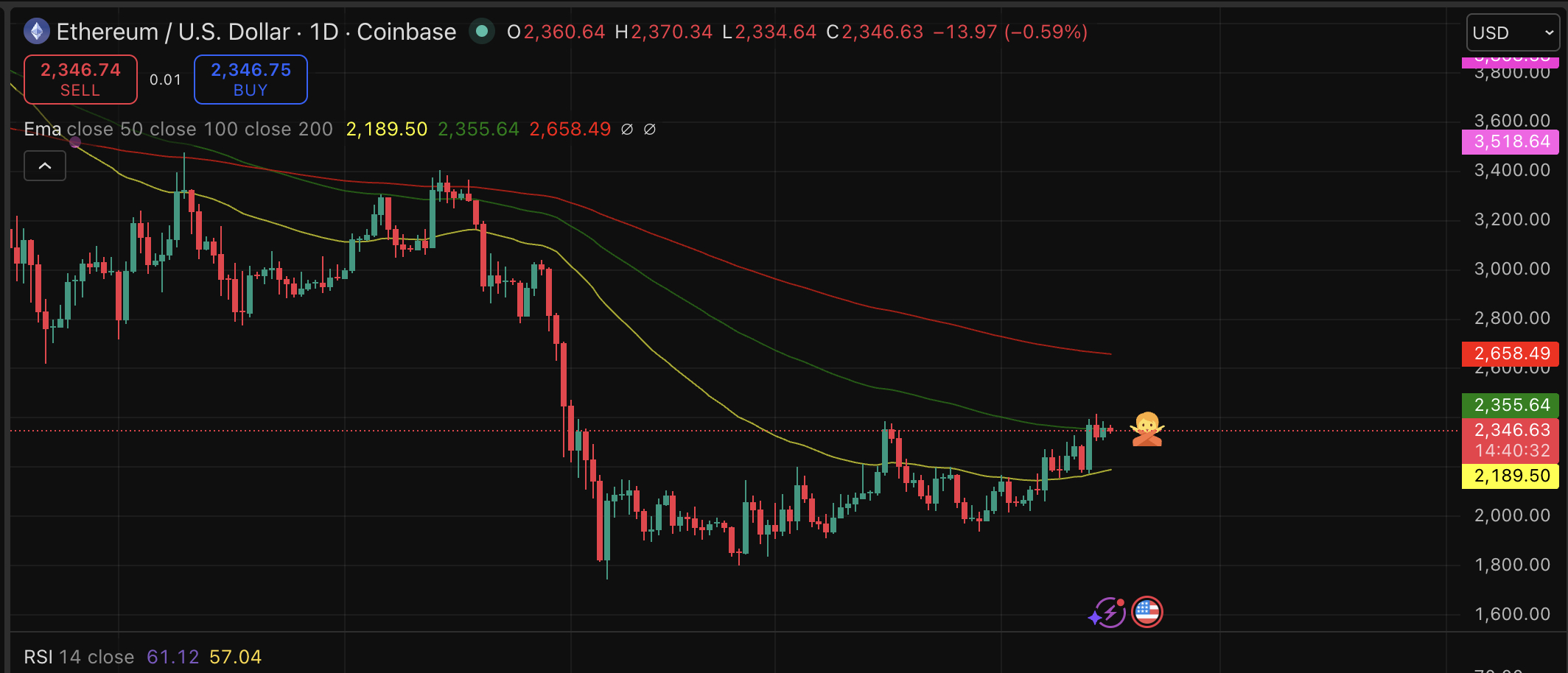
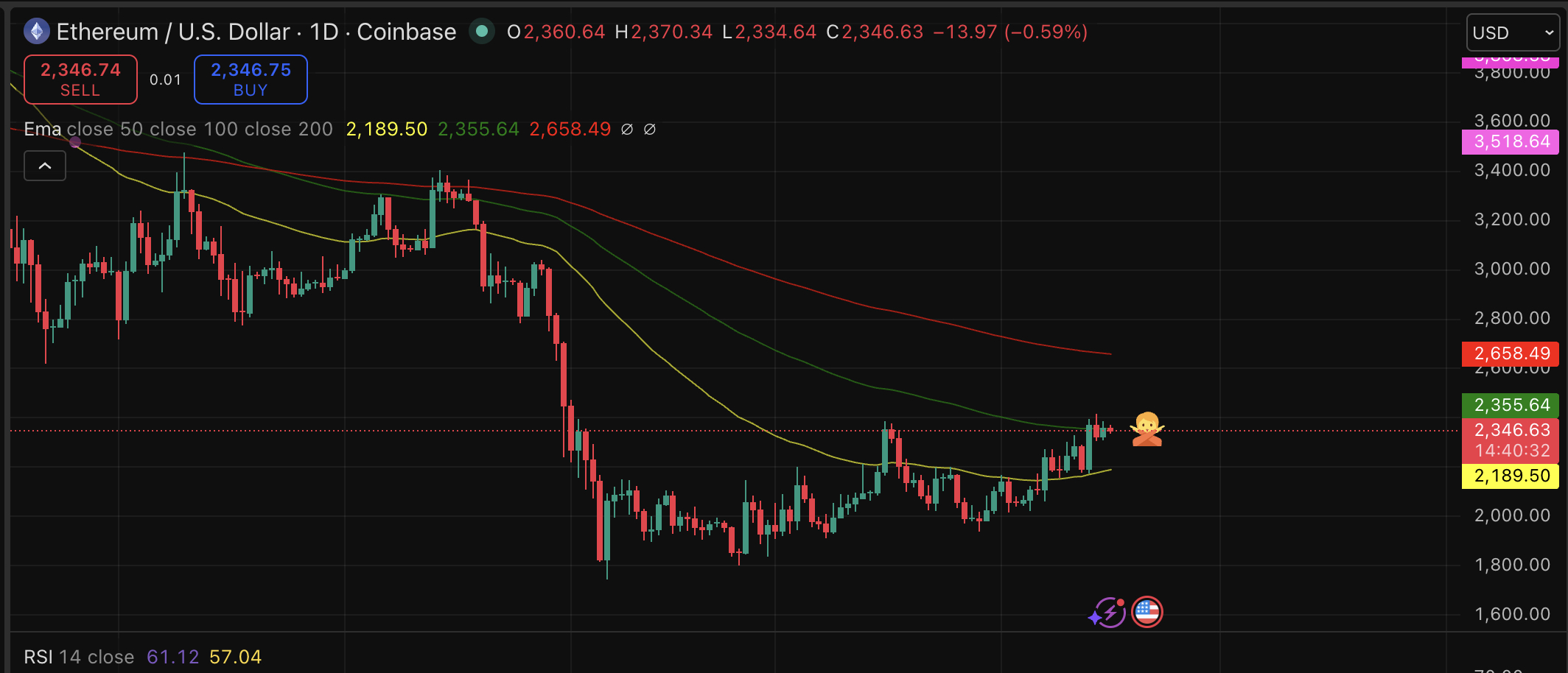
Ethereum price is sitting directly on its 100-day EMA, a level that, even by any prediction standards, has separated bull continuations from deeper corrections. One clean daily close decides the next move. The divergence between smart money positioning and whale behavior makes this setup unusually tense.
The Smart Money Index crossed above zero in early April and has climbed steadily since, displaying that informed traders are positioned long. Against that, Santiment data shows whale holdings dropped 170,000 ETH in 24 hours, or around $400 million in trimmed exposure.
Meanwhile, regulatory momentum around spot ETH ETF approvals has provided modest structural support, lifting ETH modestly on the news. But now, the market sits in a wait-and-see mode.
Discover: The best pre-launch token sales
Ethereum Price Prediction: Hovering Steady at $2,400 Is A Must
Ethereum has traded inside an ascending channel since February 24, when the price bounced from a low near $1,800 in a 30%-plus recovery that still hasn’t confirmed a trend reversal.
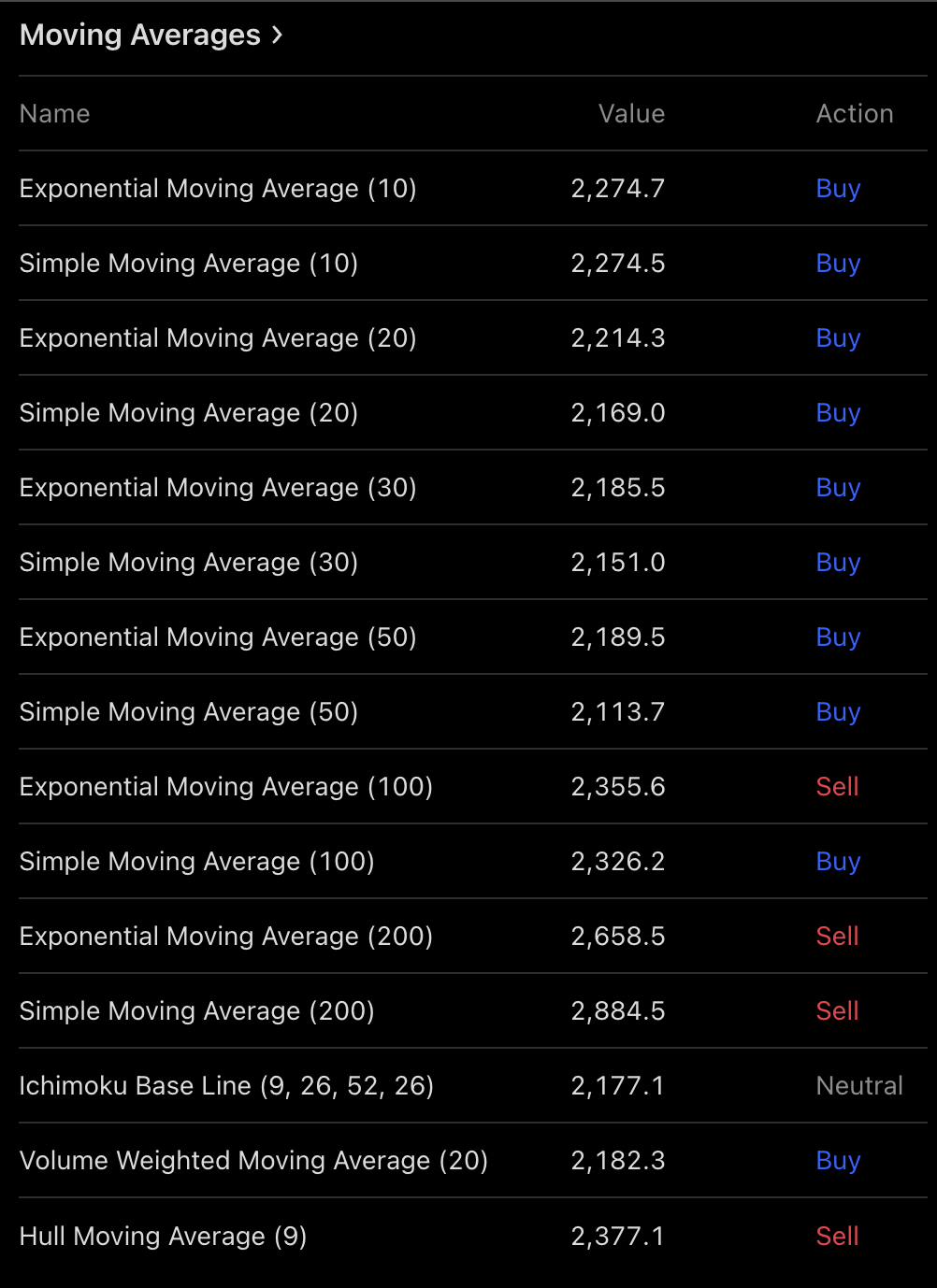
Technical indicators lean cautiously bullish with eight of 17 indicators signaling buy, five signaling sell, and exponential moving averages on the daily chart remain positive with ETH trading above the 10-, 20-, and 50-day EMAs. The $2,400 level is the one to break, and analysts identify it as major uptrend resistance, and a clean close above it would constitute a structural breakout.
Ethereum transfers surged 56% over the past month, climbing from 855,444 to 1.34 million daily transfers. The activity reads as transactional, even with the bears having ammunition.
Discover: The best pre-launch token sales
LiquidChain Targets Early Mover Upside as Ethereum Gets Bullish
ETH at under $2,400 offers a defined setup, but even a breakout to $2,600 represents a gain below 10%. For traders watching Ethereum test resistance for the third time, the risk-reward math gets harder to justify at the current market cap. That’s where early-stage infrastructure plays attract attention.
A new layer emerges. Only a few see it first. — LiquidChain (@getliquidchain) March 24, 2026
The future is LiquidChain  ⟁https://t.co/vqvBcdSj94 pic.twitter.com/R7ZeZ0NPGl
LiquidChain ($LIQUID) is a Layer 3 infrastructure project with a specific mandate: fuse Bitcoin, Ethereum, and Solana liquidity into a single execution environment. The pitch isn’t theoretical; the architecture delivers Unified Liquidity Layer access, Single-Step Execution, Verifiable Settlement, and Deploy-Once compatibility across all three ecosystems.
Developers deploy once; the protocol handles cross-chain complexity underneath. The presale is currently priced at $0.0145, with almost $700K raised to date. Institutional interest in the project has already surfaced in whale accumulation data, especially with its offering 1600% APY on staking rewards.
Traders wanting to assess the mechanics before the window closes can research LiquidChain here.
The post Ethereum Price Prediction: ETH USD is 2% Between Make or Break appeared first on Cryptonews.

Bitcoin SURGES as Iran “Hell” Deadline Approaches

F1: Do you have to be a millionaire to make it to the top of the sport?

Father and Son Hit With Historic $30K Fines for Deliberately Scuttling Fishing Boat Off Ulladulla


-

 Politics6 days ago
US brings back mandatory military draft registration
-
 Sports6 days ago
Man United discover Nico Schlotterbeck transfer fee as defender reaches Dortmund agreement
-

 Fashion6 days ago
Weekend Open Thread: Veronica Beard
-

 Politics6 days ago
Malcolm In The Middle OG Turned Down ‘Buckets Of Money’ To Appear In Reboot
-

 Politics4 days ago
World Cup exit makes Italy enter crisis mode
-

 Crypto World7 days ago
Canary Capital Files SEC Registration for PEPE ETF
-

 Business6 days ago
Tesla Model Y Tops China Auto Sales in March 2026 With 39,827 Registrations, Beating Cheaper EVs and Gas Cars
-

 Crypto World3 days ago
The SEC Conditionalises DeFi Platforms to Be Avoided for Broker Registration
-

 Crypto World3 days ago
SEC Signals Exemption for Crypto Interfaces From Broker Registration
-

 News Videos1 day ago
Secure crypto trading starts with an FIU-registered
-
 NewsBeat4 days ago
Pep Guardiola and Gary Neville agree over Arsenal title problem that benefits Man City
-

 Business6 days ago
OpenAI Halts Stargate UK Data Centre Project Over Energy Costs and Copyright Row
-

 Business5 days ago
Ireland Fuel Protests Enter Day 5 as Blockades Spark Shortages and Government Prepares Support Package
-

 Crypto World5 days ago
Federal judge blocks Arizona from bringing criminal charges against Kalshi
-

 Politics6 days ago
LBC Presenter Mocks Trump Over Iran War Failures
-

 NewsBeat2 days ago
Trump and Pope Leo: Behind their disagreement over Iran war
-
 NewsBeat4 days ago
JD Vance announces ‘no agreement’ with Iran over nuclear weapons fear
-

 Crypto World2 days ago
SEC Proposes Certain Crypto Interfaces Don’t Need to Register as Brokers
-

 Tech6 days ago
A version of Windows 10 released a decade ago is now eligible for additional security patches
-

 Business5 days ago
IMF retains floor for precautionary balances at SDR 20 billion
You must be logged in to post a comment Login