

Crypto World
US CLARITY Act Will Be a ‘Boon For Domestic Innovation’: A16z

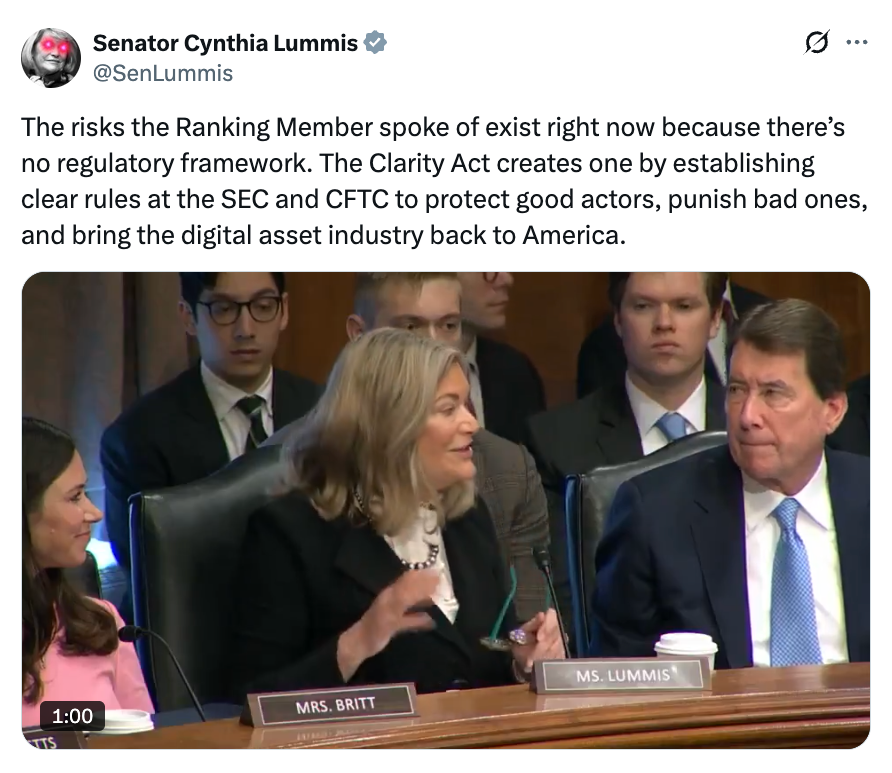
The US CLARITY Act, which aims to provide the US crypto industry with more regulatory clarity, could have a positive ripple effect beyond the crypto sector itself, according to venture capital firm a16z crypto.
“If the US provides builders with regulatory clarity, it will be a boon for domestic innovation,” a16z crypto said in an X post on Friday.
A16z pointed to the passage of the GENIUS Act in July 2025, which created a regulatory framework for stablecoins, as a possible indication of what may happen following the CLARITY Act.
“Its passage led to unprecedented growth and adoption, which is not only good for the U.S. economy, but is also good for long-term dominance of the US dollar,” a16z crypto said. The US dollar index, which tracks the dollar’s strength against a basket of major currencies, is 99.27 at the time of publication, up 1.28% over the past 30 days, according to TradingView. A16z said:
“When our legal frameworks are designed to both foster innovation and protect consumers, America leads and the world benefits.”
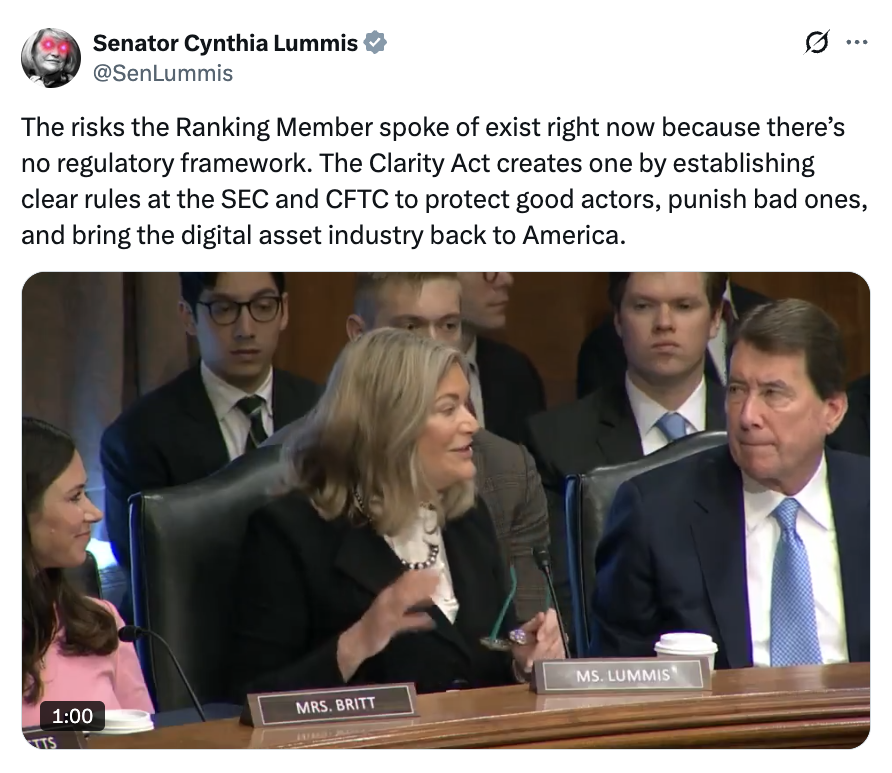
Source: Cynthia Lummis
Since the US CLARITY Act was introduced in July 2025, the crypto industry has been widely speculating about its potential impact on global markets.
Sharplink Gaming CEO Joseph Chalom recently said that while many view the legislation as “a US phenomenon,” it is also being seen as a major signal for other jurisdictions around the world.
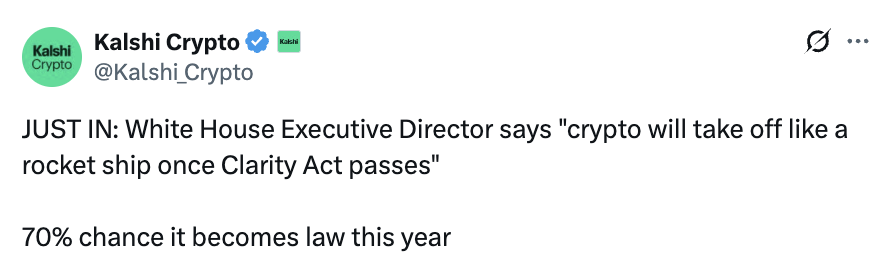
Source: Kalshi Crypto
US asset management firm Grayscale said in a report published on Friday that the odds of the legislation passing are high in the firm’s view, but “the bill will require bipartisan support to clear the full Senate and become law.”
“There are still a few hurdles to clear before CLARITY can become law,” Grayscale said.
Related: US CLARITY Act brings ‘major spike of euphoria’ to Bitcoin: Santiment
The comments came after a Thursday session of the US Senate Banking Committee, in which all 13 Republican members and two Democrats voted to advance the bill, with nine Democrats also voting no on the bill.
Grayscale pointed out that Republicans currently hold 53 seats, meaning at least seven Democrats would need to support the bill. “We believe that’s possible: the GENIUS Act cleared the Senate with 66 votes including 18 Democrats,” Grayscale said.
Magazine: ETH stalls at $2.4K five times, SOL to rally to $120: Market Moves



Ethena Labs has named Anchorage Digital — the only federally chartered crypto bank in the U.S. — as the collateral manager for its institutional lending business, the two companies said in a joint announcement Tuesday. Borrower collateral will sit inside Anchorage's regulated custody framework… Read the full story at The Defiant

Kristin Smith, CEO of the Solana Institute, is pushing the Senate to pass the CLARITY Act with its open-source developer protections fully intact, arguing that validators, non-custodial wallet providers, and software maintainers who do not control user funds should not be classified as financial intermediaries or money transmitters under federal law.
Smith made the case in a thread on X, saying the bill “has a real shot at passing the Senate”, but only if the protective language survives the floor process.
1/ The Clarity Act has a real shot at passing the Senate. — Kristin Smith (@KristinSmith) June 9, 2026
Getting it right means protecting the developers who build public blockchains. Getting it wrong risks pushing them – and the future of this technology – offshore.
The CLARITY Act cleared the Senate Banking Committee 15–9 in May 2026, with two Democrats joining Republicans, and has since been placed on the Senate Legislative Calendar with a potential floor vote expected later this summer.
More than 60 crypto CEOs and founders signed an open letter backing the developer protections, including Solana co-founder Anatoly Yakovenko, Coinbase, a16z crypto, Uniswap, Kraken, Paradigm, and Ledger, an unusually broad coalition spanning exchanges, venture firms, and protocol builders.
Smith has described the coming weeks as make-or-break for securing a vote before the August recess.
Discover: The Best Crypto to Diversify Your Portfolio
CLARITY Act: What Smith Is Actually Asking the Senate to Preserve
Smith’s core argument is a structural one. Open-source developers, validators, and non-custodial wallet providers do not take custody of user funds, do not execute transactions on behalf of users, and exercise no control over how their published code is used.
Treating them as brokers or custodians, or worse, money transmitters under 18 U.S.C. § 1960, would impose financial intermediary obligations on actors who are, in practice, publishing software and maintaining infrastructure.
That is the classification problem Smith wants the Senate to close.
The vehicle for doing so is the Blockchain Regulatory Certainty Act (BRCA), introduced in January 2026 by Senators Cynthia Lummis and Ron Wyden as a bipartisan proposal to codify FinCEN’s 2019 guidance distinguishing software developers from custodial money transmitters.
The BRCA is folded into the CLARITY Act as Section 604, alongside Section 601, which carves out developers from SEC registration requirements. Both provisions are now central bargaining points, not peripheral language.
The stakes of weakening this language are concrete. Without explicit protections, open-source library developers, validator operators, and teams behind non-custodial wallets like Phantom could face liability exposure solely for publishing code, the same legal theory that drove the prosecution of Tornado Cash developer Roman Storm and that has already pushed some builders offshore.
SEC Commissioner Hester Peirce has publicly argued that publishing open-source blockchain code is a protected First Amendment activity and should not automatically create intermediary status, framing that aligns directly with Smith’s Senate push.
The concern for crypto regulation broadly is that, absent clear statutory language, enforcement discretion fills the gap, and discretion is not a compliance standard.
The post Solana Institute CEO Pushes Senate to Pass CLARITY Act With Open-Source Protections appeared first on Cryptonews.

[PRESS RELEASE – Willemstad, Curaçao, June 11th, 2026]
1win is inviting users to compete for a total of 5,000,000 USDT in rewards during the FIFA World Cup 2026. The new Football World Cup tournament by 1win will run between June 11 and July 19, 2026, allowing thousands of users to compete for prizes while enjoying the biggest football event of the year.
In the Football World Cup tournament, registered users can participate in online games and place bets on their favorite teams to compete for rewards of up to 500,000 USDT for top-ranked players. With a total prize pool of 5,000,000 USDT, thousands of participants will have the opportunity to win prizes based on their positions on the leaderboard.
How to Participate
- A minimum bet of 1 USDT (or the equivalent in the account currency) with odds of 1.5 or higher on any FIFA World Cup 2026 match is required.
- Points continue to accumulate through eligible games or qualifying sports bets.
- The leaderboard determines rankings and eligibility for rewards.
Points are awarded based on wager amounts and tournament multipliers. The more points a user earns, the higher their position on the leaderboard.
The Football World Cup tournament is available in selected regions where 1win services are offered, and participation is permitted by local laws and regulations. Regional restrictions apply to users from Australia, the United Kingdom, Hong Kong, Israel, Iran, Kazakhstan, Malaysia, North Korea, Singapore, the United States, Taiwan, and the Philippines.
Winners will be announced no later than August 7, 2026, following the completion of the tournament and verification of results. Full tournament rules, participation requirements, prize distribution details, and applicable restrictions are available on the official 1win website.
About 1win
Founded in 2016, 1win is a global crypto-focused online entertainment platform. 1win offers a wide range of gaming products adapted to regional audiences. The brand has active collaborations with international public figures, including actor Johnny Sins, martial artist Jon Jones, and Olympic champion and UFC fighter Gable Steveson. In 2026, 1win welcomed UFC champion Ilia Topuria and rapper Tyga as new members of the 1win VIP community.
The post Football, Crypto and $5 Million of Rewards in 1win’s World Cup Mega Tournament appeared first on CryptoPotato.
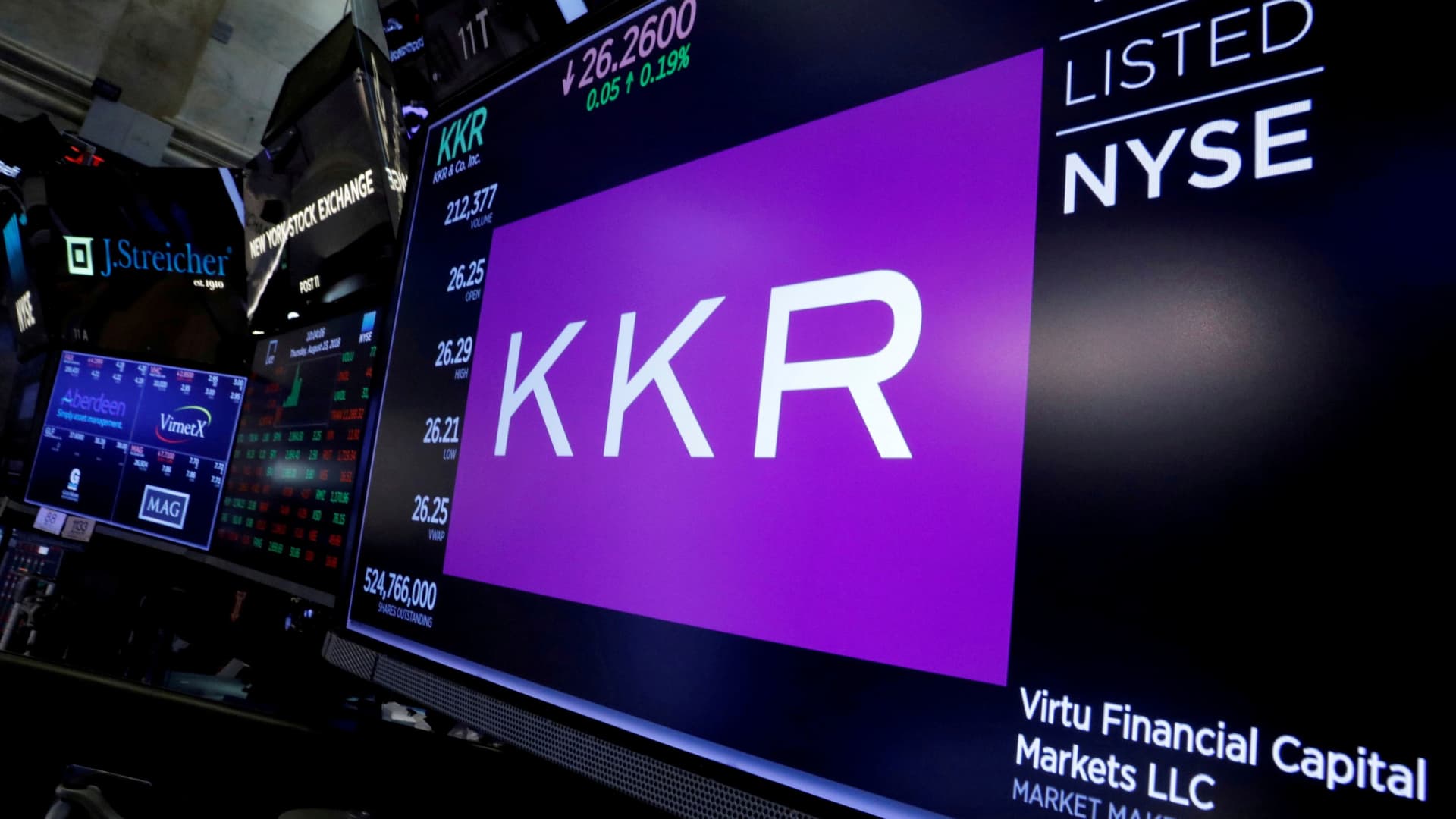
A KKR logo displayed on the floor of the New York Stock Exchange on Aug. 23, 2018.
Brendan McDermid | Reuters
U.S.-based investment giant KKR expects the AI-driven productivity boom is only just getting started, but said it could mean growth is concentrated in just a few sectors.
That’s according to the firm’s mid-year report distributed Thursday.
While AI-driven productivity gains will play out in coming years, “the offset is that intensifying strategic competition will likely make economic growth more concentrated across fewer industries and, at times, more extreme than anything we have seen since the start of the second industrial revolution in the 1870s,” wrote Henry H. McVey, head of global macro and asset allocation and CIO of KKR balance sheet.
McVey described an investing landscape where some parts of the economy and markets are “starved,” while others are “flush.” Technology, high-end services and government spending are areas of “enormously concentrated” growth, he noted.
KKR said the defense and power sectors are the most likely winners when it looked at broader long-term trends. “There is a broad-based and growing focus on the security and resiliency of supply chains across nations and industries, despite higher costs for inputs,” the report said.
Here are three of McVey’s other key takeaways for investors:
Asia will continue to outperform in public and private markets
“We think Japan and Korea still look cheap, as earnings are likely to surprise on the upside in both 2026 and 2027,” McVey said. He noted China’s property drag is the main reason KKR still isn’t overly optimistic on the country’s assets.
Chinese yuan strengthens
However, KKR forecasts the Chinese currency will strengthen as the U.S. dollar peaks, with a forecast of about 6.5 yuan per greenback by 2027.
Wheat
“Agriculture is increasingly joining energy security, defense, and critical minerals as a strategic, policy-backed sector likely to attract sustained investment,” McVey said, noting the USDA forecasts U.S. wheat production for 2026 to 2027 will be the lowest since 1972, with prices rising to three-year highs.
The New York State Department of Financial Services and the European Banking Authority signed a memorandum of understanding on Tuesday establishing the first formal supervisory information-sharing channel between the regulator that licenses the largest US dollar stablecoin issuers and the EU… Read the full story at The Defiant
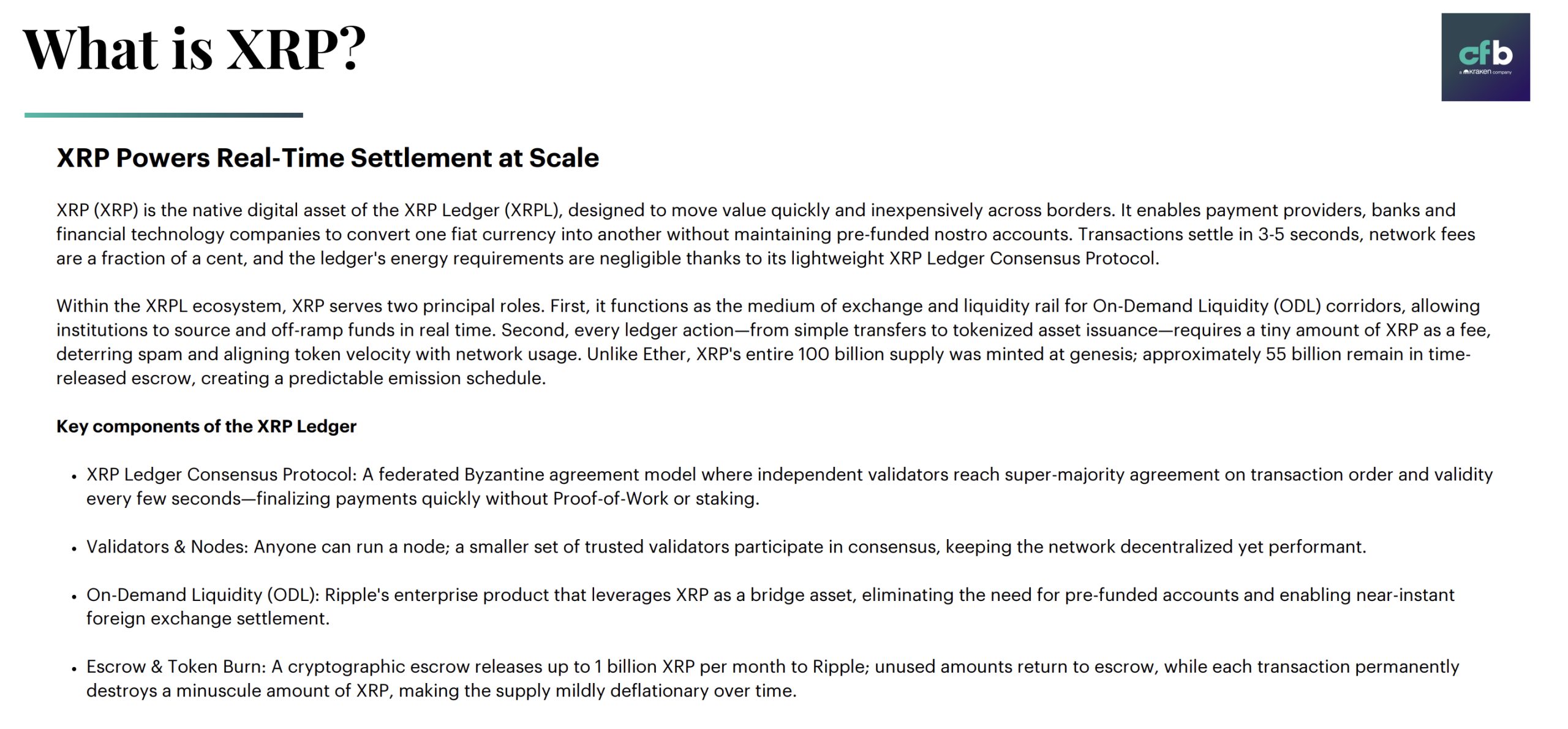
Jesse of Apex Crypto is in the news as he argues that XRP is being deliberately held down in price. His primary exhibit is a 2021 Citibank document that originally used the phrase “Regulated Internet of Value” before the terminology was quietly shifted to “Regulated Liability Network.” According to him, this change was made because the original wording made the connection to Ripple too obvious.
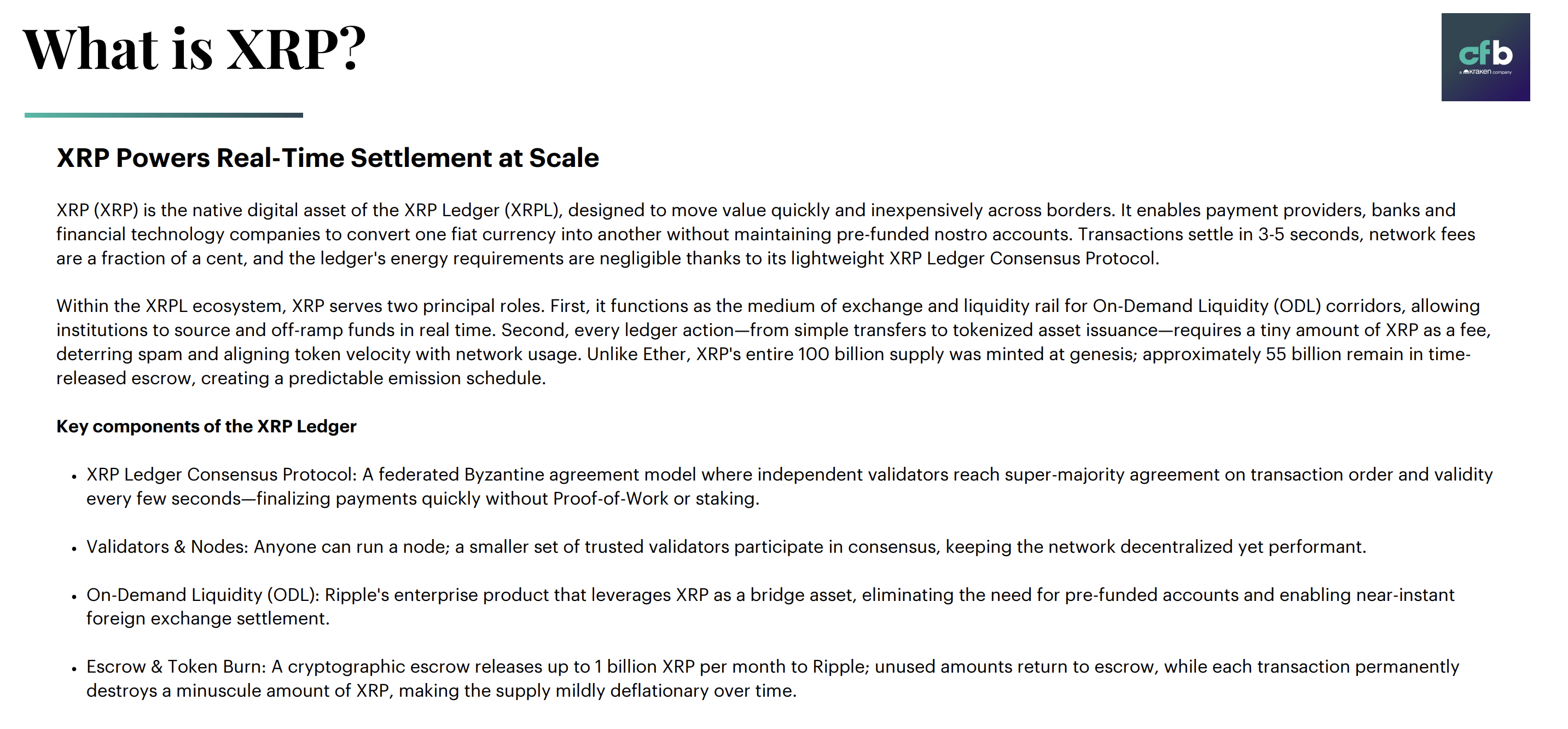
XRP’s price history gives the argument its surface credibility. The token reached $3.84 during the 2018 bull run and touched $3.60 earlier in the current cycle. Between those two peaks, it spent the better part of a decade moving sideways while Bitcoin compounded far higher.

For a token with Ripple’s institutional reach and the Interledger Protocol’s design ambitions, this flat trajectory is, at minimum, a question worth asking. The Regulated Liability Network, as described by Citibank’s Tony McLaughlin, is a shared ledger framework for tokenized bank deposits. It’s a concept that sits structurally close to what Ripple has been building toward since the company’s founding.
Discover: The Best Crypto to Diversify Your Portfolio
Beyond XRP News: The Citibank Document and the Institutional Incentive Logic
Jesse’s argument runs as a causal chain: Citibank published a 2021 document using the “Regulated Internet of Value” phrase that maps directly onto Ripple’s own Internet of Value thesis and the Interledger Protocol. Later, Citi reissued the concept under the name “Regulated Liability Network,” stripping the Ripple association in the process.
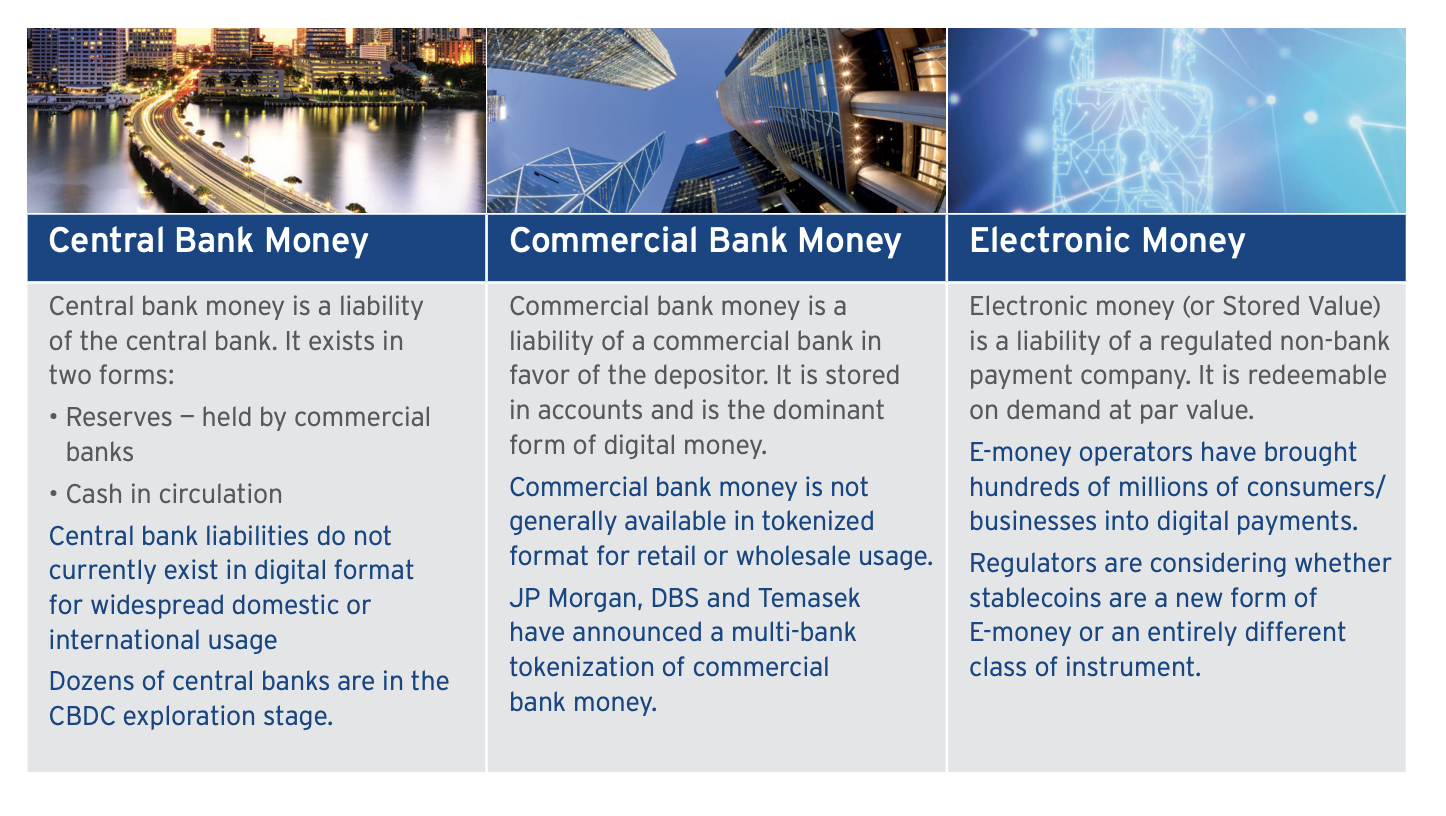
The chain extends further. McLaughlin has publicly described the Regulated Liability Network and the shared ledger concept as the same idea. The Bank for International Settlements has separately discussed a unified ledger architecture that could replace correspondent banking infrastructure and eventually displace SWIFT as the backbone of cross-border settlement.
Jesse’s logic: if XRP or a derivative of Ripple’s protocol sits underneath that infrastructure, the last thing institutional architects want is a wildly volatile asset.
Ripple CEO Brad Garlinghouse has publicly stated in the news that XRP multi-billion-dollar daily volume makes it too liquid for any single entity to control, and Ripple CTO David Schwartz has pointed out that XRP’s performance tracks other large-cap altcoins.
— STEPH IS CRYPTO (@Steph_iscrypto) December 20, 2025
 BREAKING:
RIPPLE CEO BRAD GARLINGHOUSE: “NOBODY IS IN A POSITION TO MANIPULATE $XRP PRICES.” pic.twitter.com/p511UTtR3S
Crucially, the SEC’s roughly 18-month investigation before its 2020 enforcement action produced no findings of price manipulation by Ripple. Jesse does not present hard evidence of coordinated suppression; his case rests on document interpretation and circumstantial institutional linkages, not disclosed trading records or regulatory filings.
The question, as Jesse himself frames it, remains unresolved. But the crypto research community has taken note: pattern-matching between institutional settlement infrastructure and XRP’s decade of flat performance is no longer a fringe exercise.
Discover: The Best Token Presales
The post XRP News: Price Being Suppressed? Researcher Reveals Why Ripple Token Isn’t Soaring appeared first on Cryptonews.

TLDR:
- Senate negotiators failed to resolve a major ethics dispute tied to the Clarity Act this week.
- White House officials met law enforcement groups over concerns about blockchain crime enforcement.
- Democratic support hinges on stronger ethics provisions linked to Trump’s crypto ventures.
- House lawmakers reviewed crypto tax reforms as Congress races against a tight calendar.
The Senate’s push to advance the Clarity Act encountered fresh resistance this week as lawmakers failed to resolve a key ethics dispute tied to the legislation. Negotiators left a closed-door meeting without an agreement, raising new questions about the bill’s path to a floor vote.
At the same time, the White House stepped up efforts to address concerns from law enforcement organizations. The developments arrive as Congress faces a shrinking legislative window before the August recess.
Clarity Act Ethics Debate Delays Senate Progress
A bipartisan group of senators met Tuesday alongside White House Crypto Council Executive Director Patrick Witt to revisit an ethics agreement discussed before the Senate Banking Committee markup in May.
The talks included Senators Kirsten Gillibrand, Ruben Gallego, Bernie Moreno, and Cynthia Lummis. However, participants failed to reach a new consensus.
According to reporting cited by Eleanor Terrett and Crypto In America, Republicans and White House officials withdrew support for parts of a tentative agreement discussed earlier.
One disputed provision would have allowed state attorneys general to challenge the Department of Justice over failures to enforce ethics rules involving President Donald Trump.
Republican negotiators raised concerns that the mechanism could create broader legal risks for members of Congress. Legal questions also emerged regarding whether state officials could compel federal enforcement actions.
Democratic lawmakers viewed the revisions as a departure from previous discussions. As a result, negotiations ended without a breakthrough, and participants reportedly described the process as difficult.
The negotiating group plans to meet again Thursday. Ethics provisions remain a central issue for Democrats seeking stronger safeguards related to Trump’s crypto business interests.
Clarity Act Law Enforcement and Crypto Tax Issues Gain Focus
Beyond ethics concerns, lawmakers continue to debate how the Clarity Act could affect criminal investigations involving blockchain technology.
The White House Crypto Council scheduled a meeting with representatives from the National Sheriffs’ Association, Fraternal Order of Police, National District Attorneys’ Association, and federal agencies.
Discussions will focus on Section 604, also known as the Blockchain Regulatory Certainty Act. The provision seeks to clarify that non-custodial software developers are not responsible for third-party misuse of their code unless they intentionally support illegal activity.
Some law enforcement groups fear the language could complicate efforts to pursue criminals operating through blockchain networks. Administration officials plan to argue that existing enforcement tools would remain intact.
Support from law enforcement remains critical. Senators Mark Warner and Catherine Cortez Masto have indicated that unresolved enforcement concerns could affect support for the legislation.
Meanwhile, the House Ways and Means Committee turned its attention to crypto taxes. During a hearing Tuesday, lawmakers reviewed six Republican-backed bills and a discussion draft covering digital asset taxation.
The proposals address mining rewards, staking income, reporting requirements, crypto donations, tax treatment parity, and disclosure programs. Industry participants welcomed several measures but noted the absence of a de minimis exemption for small Bitcoin transactions.
With only 31 Senate session days remaining before the August recess, lawmakers face increasing pressure to resolve both regulatory and tax issues tied to the broader crypto framework.



The Federal Reserve, the Office of the Comptroller of the Currency and the Federal Deposit Insurance Corporation on Tuesday jointly reissued 15 interagency supervisory documents with every reference to "reputation risk" stripped out — the latest piece of a methodical Trump-era dismantling of the… Read the full story at The Defiant


Crypto caught a modest bid on Thursday after Wednesday’s inflation report showed underlying price pressures staying contained. Bitcoin rose about 1.9% over 24 hours to roughly $62,600, leading the majors, per CoinDesk data.
Headline inflation rose 0.5% on the month and 4.2% over the year, the fastest annual pace since April 2023, but energy did most of the work, climbing 3.9% on the month and accounting for more than 60% of the increase as oil rose on the Iran conflict.
Core inflation, which strips out food and energy and is the gauge the Federal Reserve leans on, rose just 0.2% on the month, below the 0.3% forecast, and 2.9% over the year.
The bounce is shallow and concentrated in bitcoin. BTC is down less than 1% over the past seven days, holding its 200-week average, while the rest of the top tokens remain deep in the red on the week. Ether is off about 6.5% at roughly $1,651, XRP down 7.5% near $1.12, Solana down 7.4% around $65, and dogecoin off 7%. BNB held up better at a 2.1% weekly loss.
Traders now await Fed’s June 17 meeting, where markets expect no change to rates. The hot headline gives hawks cover to stay restrictive, while the soft core gives doves room to argue the pressure is narrow and energy-driven.
Another widely-cited catalyst is the public offering of Elon Musk-owned satellite, rockets and AI company SpaceX, which prices later Thursday and is expected to start trading on Friday at a $1.8 trillion valuation.
Shares for the company are already four times oversubscribed, with some singular entities bidding as much as $10 billion for the stock, per Bloomberg.
TLDR
- Anchorage submitted a public comment letter supporting Treasury’s GENIUS AML proposal.
- The firm backed classifying stablecoin issuers as financial institutions under the Bank Secrecy Act.
- Anchorage urged clarity on secondary-market sanctions liability tied to smart contract transactions.
- It argued issuers should not face strict liability for unknown sanctioned users on open networks.
- The proposal was issued jointly by FinCEN and the Office of Foreign Assets Control.
Anchorage Digital has backed the US Treasury’s proposed GENIUS AML framework while urging targeted clarifications. The federally chartered crypto bank submitted a public comment letter supporting core compliance provisions. However, it asked regulators to refine secondary-market sanctions exposure and enterprise-wide AML expectations.
Anchorage and GENIUS AML Framework Alignment
Anchorage stated that Treasury’s proposal places AML duties on regulated stablecoin issuers in a workable manner. The firm said the structure balances compliance standards with operational certainty for issuers. It added that clear rules will support payment innovation while maintaining oversight under existing law.
The letter responded to rules issued in April by the Treasury and the Financial Crimes Enforcement Network. The proposal would classify payment stablecoin issuers as financial institutions under the Bank Secrecy Act. As a result, issuers would face AML, customer due diligence, and suspicious activity reporting obligations.
Treasury’s Office of Foreign Assets Control joined FinCEN in issuing the proposed rule. The framework would align stablecoin issuers with US sanctions compliance standards. It would also impose enhanced monitoring and recordkeeping duties across issuer operations.
Anchorage wrote that “a final rule that is clear and workable gives regulated institutions the certainty they need to build.”
The firm said such clarity strengthens US leadership in payments and settlement infrastructure. It therefore endorsed the proposal’s general direction while requesting precise adjustments.
Secondary-Market Sanctions and Compliance Scope
Anchorage urged Treasury to clarify liability tied to secondary-market transactions on public blockchains. It argued that issuers should not bear strict liability for unknown sanctioned users. The firm said smart contract interactions may occur without issuer knowledge or direct customer relationships.
Anchorage stated that issuers cannot independently identify all sanctioned actors transacting through open networks. It therefore asked regulators to define limits around secondary-market sanctions exposure. The letter also sought guidance on enterprise-wide AML programs and correspondent account requirements.
The firm requested clarity on how AML obligations apply across affiliated entities. It asked Treasury to outline expectations for correspondent relationships under the proposed framework. According to the letter, defined boundaries would reduce uncertainty for regulated institutions.
Support for the GENIUS AML proposal has varied across the crypto industry. Hyperliquid and Paradigm also submitted a joint comment letter addressing similar concerns. However, they expressed a more critical view of the sanctions perimeter.
The groups argued that OFAC’s draft language extends issuer liability beyond practical visibility. They said the framework treats smart contract use as an ongoing service provision.
“OFAC sweeps secondary market activity into the issuer’s compliance perimeter,” the letter stated.
They added that the draft could impose sanctions duties without direct user relationships. The comment letter said issuers may lack visibility into parties transacting on secondary markets. Treasury has not yet issued a final rule following the April proposal.

Nuveen Churchill Direct Lending: Steady Outperformance Continues In Q1

Anchorage Digital Becomes Collateral Manager for Ethena's Institutional Lending

World Cup: France settle in Boston ahead of 2026 campaign

HarrisX Poll Found 52% of Registered Voters Support the CLARITY Act

BloFin War of Whales 2026 Grand Prix opens registration for $5M trading championship

Blockchain.com files with SEC for U.S. IPO

Financial and Investment Tips #financialplanning #investmenttips #investmentstrategy #investmentstra

The Reality of Crypto ‘Wrench Attacks’ & Kidnapping @TheWeeklyByBitcoincom #gaming #cryptocurrency

Escape Debt My Journey to Financial Freedom#shorts
-

 Fashion6 days ago
Weekend Open Thread: Evereve – Corporette.com
-
 Crypto World6 days ago
Jensen Huang Approves Samsung, SK Hynix, and Micron for NVIDIA (NVDA) HBM4 Memory Supply
-

 Crypto World3 days ago
Anatomy of the June crypto crash: Fed, Iran, Saylor
-
 Entertainment4 days ago
The Best Mystery Series of All Time Is Surging on Streaming 30 Years After It Ended
-

 NewsBeat3 days ago
Alexander Zverev wins the French Open to finally earn a 1st Grand Slam title
-

 Tech5 days ago
Suspicious Polyfill login prompts pop up on Toshiba, Muji websites
-
Crypto World4 days ago
Senator Cynthia Lummis Calls CLARITY Act the Most Consequential Financial Legislation of This Generation
-

 Tech6 days ago
Microsoft launches MXC, an OS-level sandbox for AI agents, with OpenAI and Nvidia already on board
-
 Tech4 days ago
Microsoft unveils seven homegrown AI models in new bid for ‘long term self-sufficiency’
-

 Business6 days ago
(VIDEO) Justin Bieber Delivers Surprise Happy Birthday Serenade to Diners at Los Angeles Mexican Restaurant
-
 Business4 days ago
The Pain Points Taking a Fragile Tech Rally Down a Notch
-
 Crypto World3 days ago
Eli Lilly (LLY) Stock Surges 4% Following Breakthrough Sleep Apnea Trial Results
-
Crypto World6 days ago
LBank Surpasses 25 Million Users Worldwide as AFA Partnership Continues to Drive Global Growth
-

 Tech5 days ago
Von der Leyen’s AI envoy pick draws conflict-of-interest fire
-

 Business3 days ago
High Stakes for Wembanyama as New York Pushes for 3-0 Lead
-

 Tech6 days ago
Meta steals a tactic from Tesla and builds data centers in tents
-

 Crypto World4 days ago
Trump’s AI Ownership Plan Could Benefit Anthropic at OpenAI’s Expense
-

 Tech5 days ago
Hackers now exploit SolarWinds Serv-U flaw to crash servers
-
 Sports2 days ago
Bangladesh beat Australia after 20 years in ODIs, register only their second win over six-time world champions | Cricket News
-

 Tech3 days ago
Notion restores access to Anthropic after service disruption
You must be logged in to post a comment Login