
Crypto World
US Treasury Advances GENIUS Act Rules After July Deadline

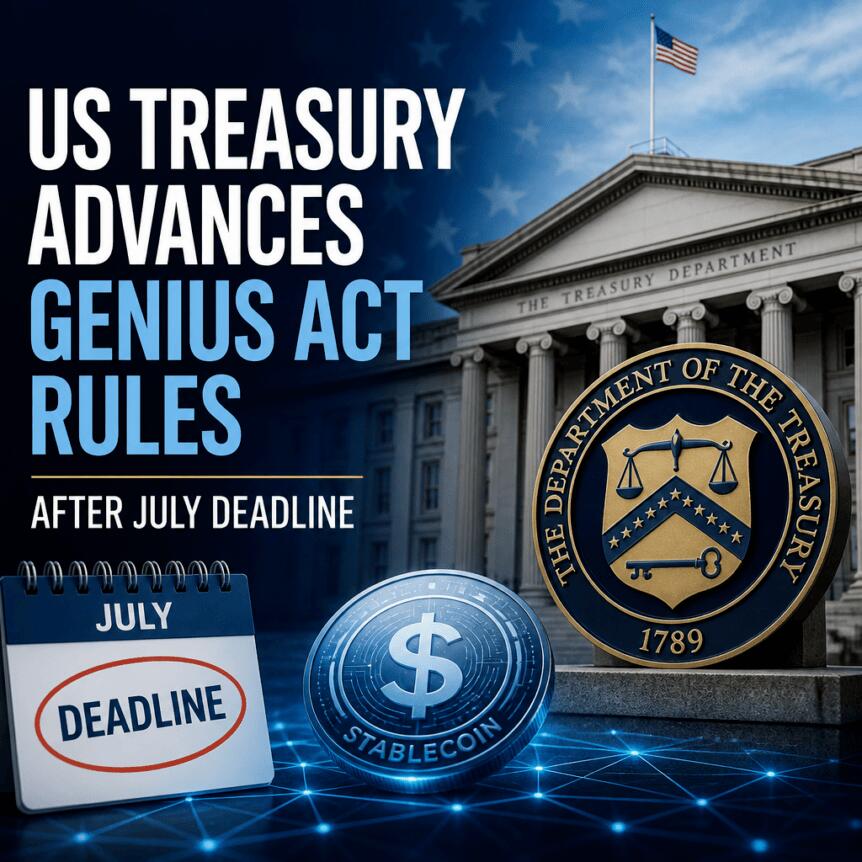
The U.S. Department of the Treasury has begun the formal process of building regulations for the Guiding and Establishing National Innovation for US Stablecoins (GENIUS) Act, launching a notice of proposed rulemaking for public comment. The move is aimed at clarifying how the new stablecoin framework will be implemented ahead of the law’s scheduled start date in January 2027.
In a notice released on Monday, Treasury said it is accepting feedback as it works toward regulatory certainty for businesses operating in the stablecoin payments market. Treasury Secretary Scott Bessent said the department “welcomes input from stakeholders as [it works] to provide the regulatory certainty businesses need to innovate and grow in America.”
Key takeaways
- Treasury has opened a proposed-rulemaking process for GENIUS stablecoin implementation, inviting public comment before the January 2027 effective date.
- Under the GENIUS framework, payment stablecoins generally cannot be issued in the U.S. without an associated federal or state license once the law takes effect.
- The public comment window runs for 60 days after publication in the Federal Register.
- Earlier GENIUS-related proposals from other regulators may still leave uncertainty for market participants, especially given reported missed internal deadlines.
Treasury starts the GENIUS rulemaking process
The GENIUS Act, signed into law last year, is designed to establish a dedicated regulatory structure for “payment stablecoins.” Treasury’s Monday notice signals the next phase: translating statutory requirements into operational rules that regulated entities can plan around.
Treasury’s timeline indicates the law’s effect is tied to the agencies finalizing their rules. Under the bill’s schedule, the stablecoin law was set to begin 120 days after agencies complete final rules, or 18 months after the act’s passage in July 2025—placing the effective date on Jan. 18, 2027. Treasury’s proposed rules are intended to feed into that schedule rather than wait for the very end of the timeline.
Once GENIUS goes into effect, Treasury said an entity generally may not “issue a payment stablecoin” in the U.S. without a related federal or state license. That restriction is central to how market participants will need to structure issuance, compliance, and oversight, and it also underscores why regulators are pushing for rules well ahead of the deadline.
Interested parties will have 60 days to submit comments after the notice is published in the Federal Register, according to Treasury’s disclosure in the proposed-rulemaking notice.
Other agencies issued related proposals in 2026
Treasury is not acting in isolation. Alongside Treasury, other U.S. financial regulators—including the Office of the Comptroller of the Currency (OCC), the Federal Deposit Insurance Corporation (FDIC), and the Federal Reserve Board—have reportedly issued notices of proposed rules in 2026 related to GENIUS implementation. Earlier coverage from Cointelegraph noted that OCC proposals were also aimed at shaping the operating environment for stablecoins and addressing areas of policy debate.
However, the lead time between proposal announcements and final rules matters for businesses planning issuance pathways. The article notes that all departments reportedly missed a July 120-day deadline that would have allowed regulations to be finalized before January. That raises the possibility that GENIUS could take effect even without fully finalized guidance, which would leave some details uncertain for regulated entities and could complicate timelines for compliance readiness.
For market participants, this creates an important distinction: while the effective date is known, the practical contours of licensing and regulatory expectations may not be fully settled by then. That gap is precisely what public comment periods and subsequent rule finalization are meant to close.
GENIUS work is also being discussed with the UK
Beyond Washington, regulators are also coordinating on how stablecoin policy developments may intersect across borders. In July, the UK-US Financial Regulatory Working Group met in London to discuss cooperation between financial agencies, including implementation of the GENIUS Act.
The UK has taken its own steps toward regulating stablecoins, according to the referenced reporting. Still, crypto industry observers have argued that the UK risks falling behind the U.S. in terms of implementation momentum, especially as the U.S. continues to move toward a defined effective date and agency-by-agency rulemaking.
That difference matters for companies planning cross-border stablecoin services, since regulatory timing can affect product deployment, licensing strategy, and operational design—particularly for payment-oriented issuers that need clarity on authorization and compliance obligations.
Why the proposed rules matter before January 2027
The immediate consequence of Treasury’s proposed rulemaking is that stakeholders now have a formal channel to influence how GENIUS translates into enforceable requirements. While the precise contents of the proposed rules aren’t detailed in the excerpt, the framework’s licensing premise is already clear: payment stablecoins are generally not meant to be issued without an appropriate federal or state license once the law is active.
In practical terms, this means issuers and partners—such as payment processors and custody providers that support stablecoin networks—will likely need to map their roles to the future licensing and compliance system. If finalized rules arrive late relative to the effective date, businesses may face a planning problem: they can prepare for the direction of travel, but they may not know every operational requirement until rulemaking concludes.
With public comment open for 60 days after Federal Register publication, the next phase will test how quickly regulators can process feedback and move toward final rules. Market participants should watch for whether agencies can align their proposals into coherent, implementable guidance before the January 2027 milestone.
As Treasury and other regulators work through comments and finalization, the key uncertainty for stablecoin issuers is timing: whether the remaining rule details will be finalized with enough lead time for licensing and operational compliance. The public comment window will offer early signals about the issues regulators prioritize and the expectations that will shape GENIUS implementation.

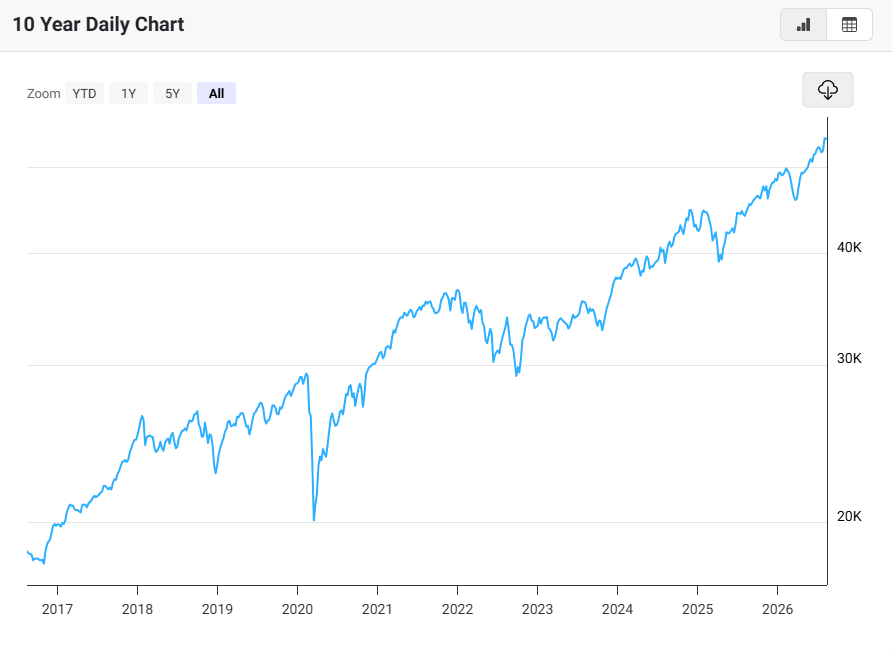
Three straight years of double-digit gains have not raised the odds of a Dow Jones Industrial Average pullback. That is the conclusion of MarketWatch contributor Mark Hulbert. The Dow’s historical baseline chance of another double-digit year still sits at 49%.
A narrative has spread on Wall Street that the streak alone makes a reversal overdue. Hulbert calls that reasoning the gambler’s fallacy, the same error behind coin-flip superstitions.
The Gambler’s Fallacy Behind the Crash Talk
Hulbert compares the market to a coin flip. A coin that lands heads several times in a row is still 50% likely to land heads again.
He points to 129 years of Dow data going back to the late 1890s. The odds of a double-digit year hover near 49%, regardless of how many strong years came before it. Historically, that baseline has barely moved even after multiple consecutive winning years.

Investors weighing whether a real downturn is brewing can compare Hulbert’s data with Cramer’s buyable crash framework. That guide separates mechanical sell-offs from systemic ones.
What the Research Shows About Crash Odds
Hulbert also cites research from Harvard University and the University of Hong Kong. The research uses trailing two-year returns to estimate crash risk. State Street Markets, working with the Harvard researchers, applies that framework to calculate current odds.
The current probability of a 40% drop over the next two years sits at 19%. That compares with a five-year average of 26%. Crash odds, in other words, are currently below normal.
Other Wall Street voices point to different warning signs. Some traders see echoes of the dot-com bust in the recent AI stock rotation. That is a separate concern from the streak-based narrative Hulbert addresses.
What About Other Risks?
Hulbert stresses that his model only reflects trailing returns. It does not account for other risks, including stretched valuations across US equities.
Wall Street sentiment remains split heading into the back half of the year. Fundstrat’s Tom Lee’s correction call shows some strategists still want a pullback before further upside. Meanwhile, raised S&P 500 forecasts from JPMorgan and CFRA signal broader confidence in the rally continuing.
For now, Hulbert’s bottom line holds. The Dow’s odds of finishing 2026 with a double-digit gain remain 49%. That is no better and no worse than in any other year.
The post Dow’s 3-Year Winning Run Isn’t a Crash Signal, Still 49% Odds of Double-Digit Gains appeared first on BeInCrypto.
Neynar has started looking for a new team to run Farcaster, the token launcher Clanker and its own developer platform, co-founder Rish Mukherji said on Aug. 17, seven months after the company acquired the decentralized social protocol from Merkle Manufactory. That puts Farcaster into its second… Read the full story at The Defiant
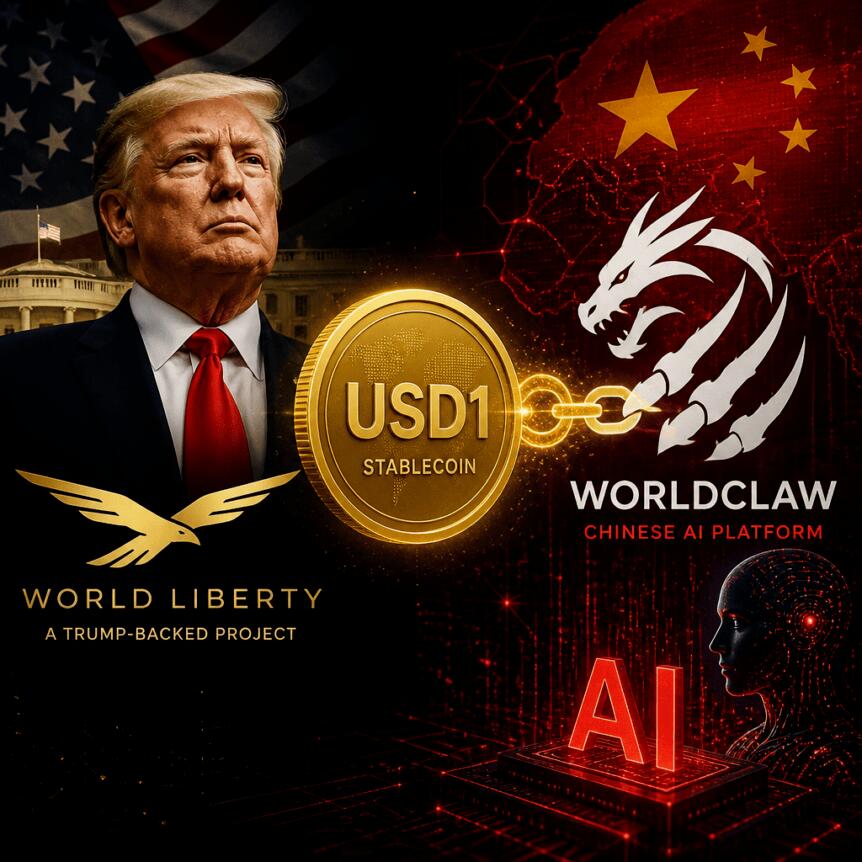
Trump-linked World Liberty Financial has expanded its stablecoin reach through a partnership with Hong Kong-based AI platform WorldClaw. The arrangement gives WorldClaw users access to Chinese and American AI models while allowing payment through USD1. Meanwhile, the relationship raises questions about technology access and links involving companies facing U.S. restrictions across sensitive technology markets today.
WorldClaw offers about 90 models through its WorldRouter service, including 43 developed by Chinese companies. Those models include systems from Alibaba, Baidu, and Z.ai, while American providers include OpenAI and Anthropic across different commercial applications. Additionally, WorldRouter gives users access to models from DeepSeek and Moonshot, expanding its range of available AI systems.
WorldClaw accepts World Liberty Financial’s USD1 stablecoin for payments across its services online. However, the companies have not disclosed the financial terms governing their relationship or payments under the arrangement. World Liberty’s connection also extends through executive Ryan Fang, who advises WorldClaw on USD1 adoption and business partnerships involving users.
U.S. Restrictions Add Pressure To Model Access
Several Chinese developers available through WorldClaw face scrutiny or restrictions from U.S. authorities directly. The Pentagon has designated Alibaba and Baidu as Chinese military-linked companies, while Commerce Department restrictions affect Z.ai. Consequently, their presence on a single platform creates a complex link between U.S. users and restricted Chinese technology providers.
WorldClaw also offers DeepSeek and Moonshot models, which have faced allegations from U.S. officials involving intellectual property practices. Chinese authorities and affected companies have disputed those allegations and rejected claims of technology theft involving American developers. Nevertheless, access through a platform can differ from direct commercial dealings with restricted entities today.
U.S. individuals and companies can generally use Chinese AI models through available services. However, specific rules can restrict certain transactions involving companies placed on government lists and related entities. Therefore, the legal position can depend on the transaction, service structure, entity involved, and applicable U.S. restrictions.
World Liberty And WorldClaw Defend The Arrangement
WorldClaw says model access does not amount to support or approval of the companies that develop those systems. The platform also operates independently from World Liberty, according to its public position and stated business structure. Meanwhile, WorldClaw says it helps American AI companies reach customers beyond the United States.
World Liberty has defended the arrangement by pointing to broader industry practices involving multiple AI providers. The company says major American technology firms also offer access to both Chinese and American models through similar platforms. Additionally, the White House has rejected concerns about conflicts involving President Trump and World Liberty publicly.
WorldRouter reports more than 10,000 users and handles over 50 million requested tasks each day. Its privacy policy says user inputs may reach companies that provide the underlying models, depending on service requests. However, WorldClaw says it applies privacy and security measures across the platform as it manages those requests overall.

USGS reported that roughly 2 million people were exposed to “strong” and “violent” shaking. Hundreds of aftershocks followed.
The province’s governor on Sunday issued a 14-day state of emergency.
President Prabowo Subianto paid tribute to the victims of the earthquake on Monday during a ceremony for the country’s 81st Independence Day, holding a moment of silence in their memory.
Here’s what to know about the earthquake, the ongoing recovery efforts in its aftermath, and how you can help.
How strong was the earthquake?
According to USGS, a 5.3 magnitude earthquake is considered “moderate,” while a 6.3 magnitude earthquake is considered “strong.” The earthquake that hit Indonesia had a magnitude of 7.7, making it a major quake.
It marks the latest of several earthquakes with magnitudes above 7 that have rattled countries this summer. Colombia is still in the process of recovering after it was struck by a 7.4-magnitude quake last week. And in June, Venezuela was devastated by back-to-back quakes with magnitudes of 7.5 and 7.7.


Printr, a token launchpad that deployed assets across eight chains from one interface, said Monday it has begun winding down and will cease all operations by Aug. 31, cancelling the token generation event and airdrop it had told users to expect. The shutdown removes one of the few launchpads that… Read the full story at The Defiant
Crypto World
Kraken’s parent Payward joins Anthropic’s Project Glasswing, taps Claude Mythos 5 for security
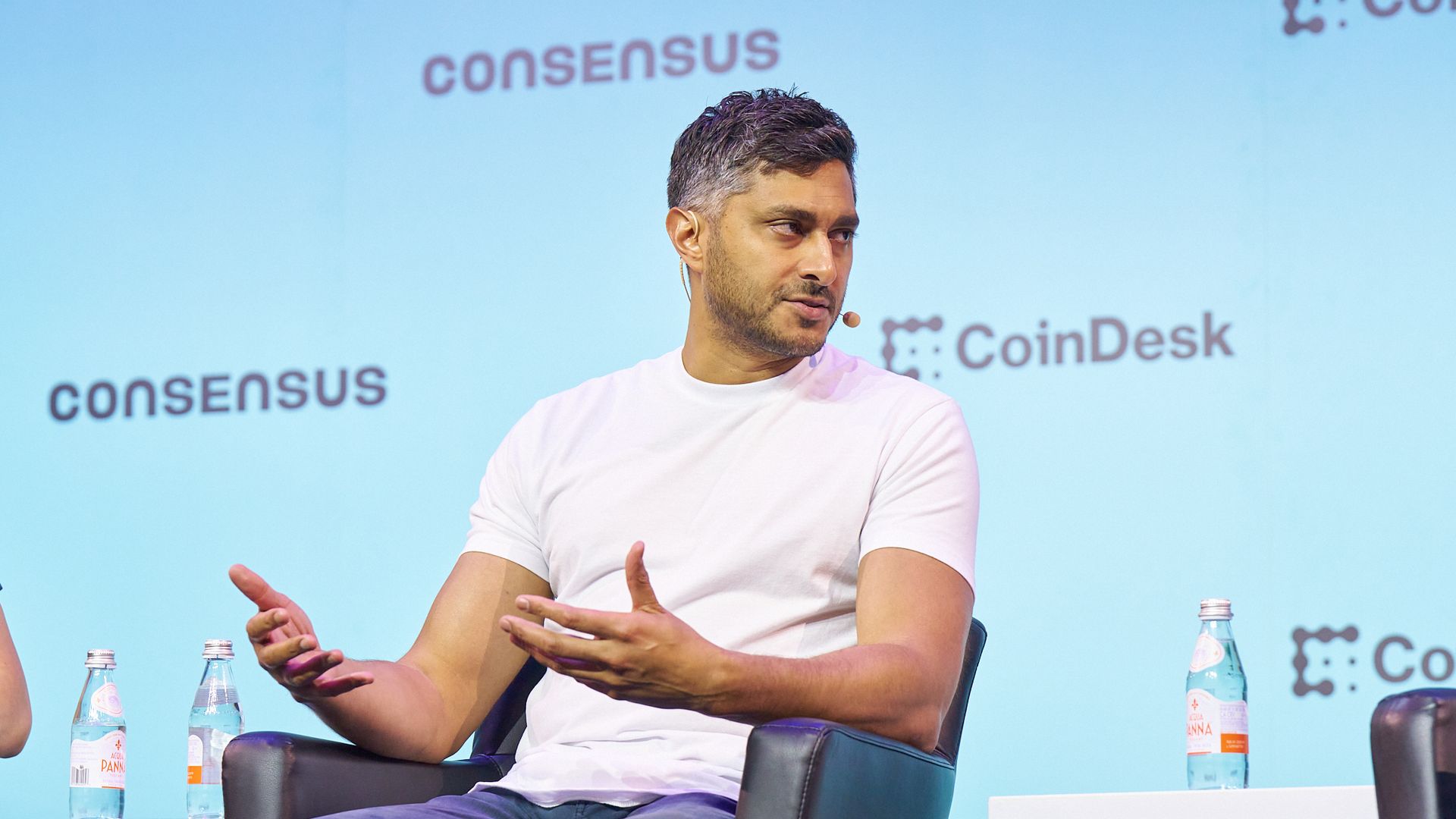
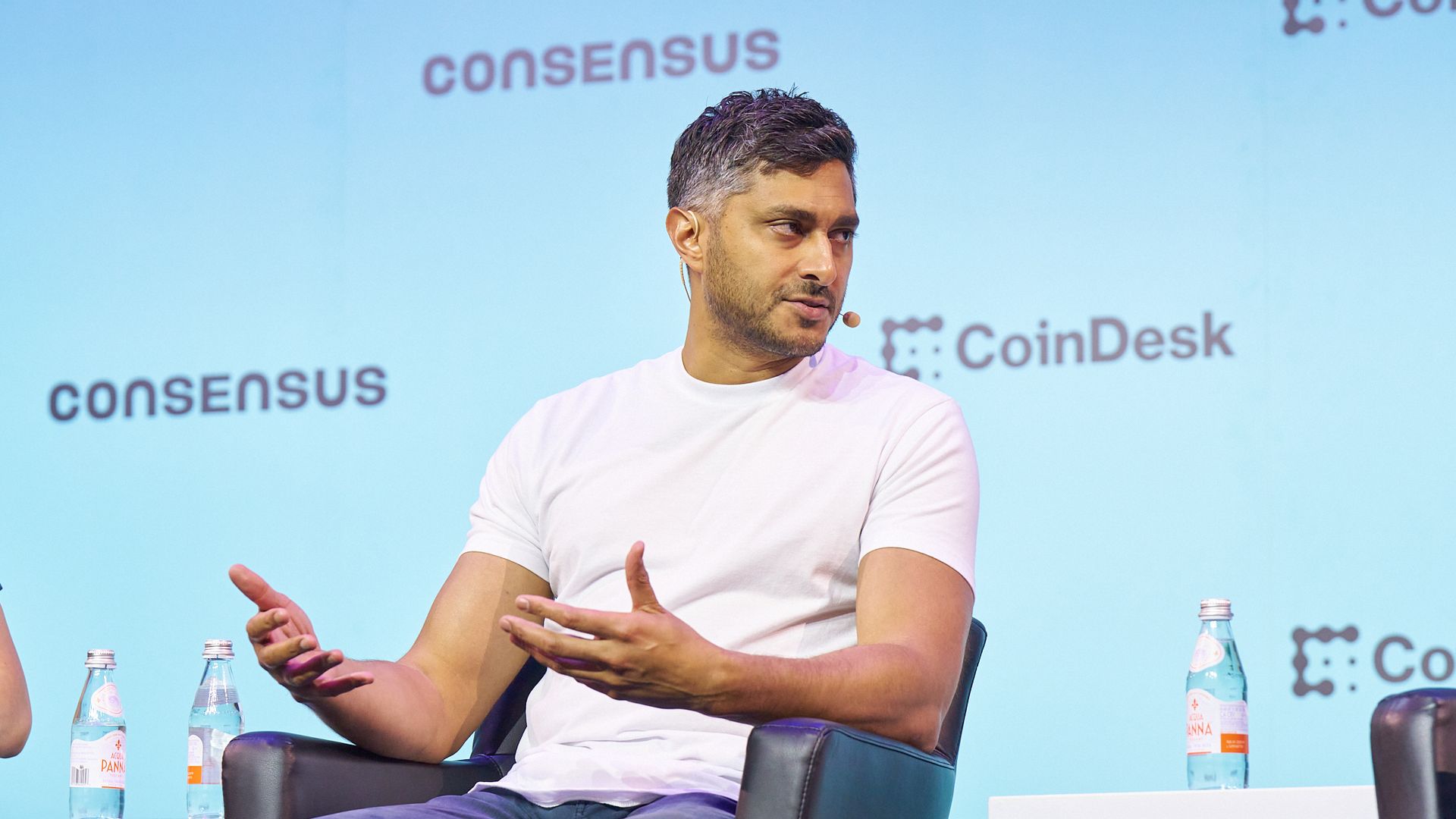
AI is also emerging as a growing threat to crypto companies, giving attackers tools to find vulnerabilities faster, automate attacks and make phishing and social-engineering campaigns more convincing. That raises the stakes for an industry already a frequent target for hackers, while fueling a race to deploy the same technology on the defensive side.
Claude Mythos 5 is Anthropic’s most advanced model for defensive cybersecurity, designed to analyze code at scale, identify vulnerabilities and help developers fix them. Access has initially been limited to organizations that operate or defend critical infrastructure, as Anthropic works on safeguards for a broader rollout.
Payward argued that crypto platforms face security challenges similar to other critical financial infrastructure. Exchanges, custody systems and settlement rails operate around the clock and can present lucrative targets for attackers.
“Security has always been an unfair game. An attacker needs to find one flaw. A defender has to find all of them, first, every single day,” Payward co-CEO Arjun Sethi said in the release. “Frontier AI is the first thing that flips that asymmetry.”
Anthropic has said it plans to expand access to Mythos-class cybersecurity capabilities as it develops safeguards for wider use.
Read more: AI is making crypto security cheaper, faster and harder to ignore


Printr has started closing its token launch platform and will end all operations by Aug. 31 after failing to secure the capital and distribution support needed to continue.
Summary
- Printr will automatically unstake supported positions and claim outstanding rewards beginning Aug. 18.
- Users missing returned assets after Aug. 20 must contact the team through Discord before Aug. 31.
- The platform will not hold a token generation event or distribute an airdrop.
- Existing Printr-issued tokens will remain on their respective blockchains after the application closes.
Printr shutdown begins with automatic unstaking
Printr said in an official Aug. 17 X statement that the team had spent the past three months examining possible ways to keep the platform running. According to the company, none provided the funding and distribution backing required under current market conditions.
Starting Aug. 18, the platform will automatically unstake positions held through its supported blockchain integrations. Any staking rewards available for collection will also be claimed, with the assets sent back to the wallet address that originally supplied them.
Users do not need to submit a separate unstaking request under the process described by Printr. Once the returns are completed, the platform will suspend its staking feature and stop accepting new staking activity.
For positions that have not arrived by Aug. 20, Printr instructed affected users to contact its team through the project’s Discord server. Support will remain available only until Aug. 31, giving users a limited period to raise problems involving missing funds or incomplete reward claims.
The notice did not identify every supported chain covered by the automated process or provide separate completion times for each network. Blockchain congestion, unstaking periods, and protocol-level withdrawal rules can differ between chains, making the original wallet address and transaction history important for tracking each return.
Printr app will stop issuing new tokens
After Aug. 31, the Printr application interface will go offline, and users will no longer be able to create tokens through the platform. The company did not announce a buyer, replacement operator, migration process, or another product that would continue its token issuance service.
Tokens previously created through Printr will not disappear with the application. The team explained that each issued token is an independent on-chain asset and is not owned or controlled by Printr, allowing the contracts and balances to remain on their respective networks.
Continued on-chain existence, however, is separate from access to Printr’s interface. Holders may need blockchain explorers, self-custody wallets, or decentralized trading services that support the relevant chain and token contract after the application becomes unavailable.
The company also ruled out a token generation event and an airdrop after the shutdown. Printr users who accumulated points, used the platform, or expected a future distribution will therefore not receive a project token through either route.
No claim page will be opened for such a distribution under the published plan. Users should rely on Printr’s verified channels while the wind-down remains active, particularly because false claim links can seek wallet approvals or private information from communities affected by a project closure.
A similar warning appeared when decentralized exchange aggregator Odos ended its services in July. As earlier closure coverage reported, Odos told users that it would not open a migration page, claim portal, or airdrop during its shutdown and warned that messages offering such services were scams.
Printr raised $4.5 million before closing
The closure comes less than a year after Printr announced a $2 million seed extension that took its reported funding to $4.5 million. An October 2025 funding report listed Printr’s $2 million round among that week’s crypto investments.
Printr had previously raised $2.5 million in a pre-seed round in January 2025. Crypto.news reported the financing at the time alongside other investments in blockchain infrastructure, trading, and yield platforms.
Sfermion, Draper Dragon, Bitscale, Hermeneutic, the Sui Foundation, the Axelar Foundation, and the Flow Foundation participated in the earlier round, according to the funding announcement. Printr, later named Mantle EcoFund, Mirana Ventures, L1D, Sfermion, and Flowdesk among the backers of its $2 million extension, alongside angel investors linked to LayerZero and crypto trading communities.
At its October 2025 product launch, Printr presented itself as a chain-abstracted platform that allowed creators to issue tokens across multiple networks. Supported ecosystems included Ethereum, Solana, Base, BNB Chain, Mantle, and Sui, while Axelar and LayerZero supplied cross-chain infrastructure.
The service combined token creation with cross-chain swaps and bridging tools. Printr also offered a points and rewards program for creators, traders, and users who brought referrals to the platform.
Bybit Venture Studio incubated the project, while Printr announced partnerships with Mantle and Byreal when the product launched. Despite those funding rounds and relationships, the shutdown notice said the company could not obtain enough new capital and distribution support to maintain operations.
Returned rewards may create U.S. tax records
For American users, the automatic return of principal to the same wallet may not carry the same tax treatment as newly claimed staking rewards. The Internal Revenue Service treats digital assets as property and says income received from staking activities is taxable.
IRS guidance also requires taxpayers to keep records showing the date, quantity, and fair market value in U.S. dollars of digital assets received as income. Users whose pending rewards are claimed during Printr’s wind-down may therefore need transaction records showing when the assets reached their wallets and their value at that time.
Under the IRS instructions, transferring assets between wallets owned or controlled by the same person generally does not require a “Yes” answer to the digital-asset question by itself, unless crypto was used to pay a transaction fee. Receiving staking rewards is listed separately as reportable digital-asset activity.
Printr has not published country-specific instructions for the shutdown, so its Aug. 18 unstaking process and Aug. 20 support checkpoint apply according to the wallet-based timetable in its announcement. Another project facing closure, Step App, recently gave users a separate deadline to manage locked positions before services ended, with its shutdown schedule setting Aug. 21 as the final operating date and separate exchange withdrawal cutoffs for FITFI holders.
Curve Finance founder Michael Egorov has taken a swipe at Solana-based Pump.fun and criticized the platform’s role in the meme coin market.
His comments add to the scrutiny Pump.fun has faced as it has grown into one of the biggest venues for launching new meme coins.
Token Failures and Controversies
Egorov criticized Pump.fun and called it “a casino of scams called meme coins.” ClawPump co-founder Tomas Oliver, however, pushed back and asserted that the platform simply provides a service and users choose how to use it. Oliver added that meme coin activity would exist elsewhere if Pump.fun did not dominate the market.
The Solana-based launchpad has faced controversy before, particularly over the way its platform has been used.
In November 2024, its livestream feature drew heavy backlash after users began using it for extreme and disturbing stunts linked to their token prices. Some streams involved threats of self-harm, violence, and harm to family members. In one case, a user threatened to end their life if a token failed to reach a $25 million market cap. Another incident reportedly involved a couple using their child as part of a campaign to boost a token.
The backlash led Pump.fun to halt livestreams. The feature returned in April 2025, but with stricter moderation rules.
It also faced legal pressure during this period. A proposed class-action lawsuit accused Pump.fun of offering unregistered securities and alleged that it had collected nearly $500 million in fees. The case was brought by a trader who said he lost money on three tokens – FWOG, FRED, and GRIFFAIN.
Growth Paradox
Concerns over the tokens themselves have also continued. A May 2025 report from blockchain analytics firm Solidus Labs found that 98.6% of Pump.fun tokens it analyzed showed characteristics of pump-and-dump schemes or rug pulls. More recently, a CoinGecko analysis of 18.67 million tokens found that more than 68% recorded their final trade on the same day they launched. Only 4.55% remained active for more than 90 days.
Despite this, the platform has also become a major source of revenue on Solana. In fact, it was among seven Solana applications that generated more than $100 million in revenue in 2025. According to the latest newsletter by pseudonymous Pump.fun co-founder Sapijiju, the launchpad surpassed Hyperliquid in revenue measured over 30 days.
The post Pump.fun Under Fire Again: Curve Finance Founder Calls It a ‘Casino’ for Meme Coins appeared first on CryptoPotato.
Fireblocks has appointed former U.S. Securities and Exchange Commission Acting Chairman Elad Roisman as its chief regulatory and policy officer and general counsel for regulatory affairs.
Summary
- Roisman will oversee Fireblocks’ regulatory strategy, policy engagement, and legal work involving regulation.
- The former SEC commissioner will act as the company’s main contact with regulators and standards bodies.
- Fireblocks said its platform has secured more than $14 trillion in digital asset transactions.
- The appointment takes effect immediately, with Roisman joining the leadership team in Washington, D.C.
Roisman will lead Fireblocks’ regulatory work
Fireblocks said in an Aug. 17 press release that Roisman will direct its regulatory strategy and policy engagement while handling legal matters tied to financial rules. Based in Washington, D.C., he will also represent the company in discussions with regulators and organizations that set industry standards.
Joining the company’s leadership team immediately, Roisman arrives as governments in the United States, Europe, Asia, and the Middle East develop separate rules for stablecoins, tokenized assets, and digital asset services. Fireblocks said such requirements affect the banks, payment providers, and asset managers using its platform to build blockchain-based products.
The company described stablecoins as an established settlement tool for institutions, while tokenized products such as money market funds and private credit have started moving from tests into live financial services. According to the release, banks and asset managers are increasingly placing traditional instruments on blockchain networks, creating additional compliance demands for the infrastructure providers supporting them.
Roisman will serve as Fireblocks’ main point of contact during regulatory discussions affecting those services. His remit covers policy communication as well as legal issues, giving him responsibility for both the company’s engagement with public agencies and its response to rules applied across different markets.
Fireblocks co-founder and CEO Michael Shaulov said experience inside regulatory agencies could help the company communicate with policymakers and support customers as new requirements take effect.
“Having people who understand the mindset and missions of regulators enables us to help inform policymakers and support our clients as rules come into place.”
Referring to stablecoin payments and tokenized real-world assets, Shaulov added that Roisman’s experience as both a regulator and an adviser to financial institutions would help Fireblocks adjust its infrastructure as customers enter regulated areas of digital finance.
Former SEC official brings government and private-sector experience
Before joining Fireblocks, Roisman co-led the digital assets practice at Cravath, Swaine & Moore, where the company said he advised financial institutions and financial technology firms on digital asset regulation. He also testified before Congress on proposed legislation covering the structure of U.S. crypto markets.
During his time at the SEC, Roisman served as a commissioner and acting chairman. The release said he voted on more than 100 rulemaking matters and over 1,000 enforcement actions, while representing the agency before Congress and international organizations.
His international work included engagement with the International Organization of Securities Commissions and the Financial Stability Board, according to Fireblocks. Both organizations participate in discussions concerning financial supervision and the coordination of regulatory standards across national markets.
Prior to joining the SEC, Roisman worked as chief counsel for the U.S. Senate Committee on Banking, Housing and Urban Affairs. He also held a chief counsel role at NYSE Euronext, giving him experience across Congress, a federal market regulator, and a major securities exchange operator.
Roisman said lawmakers and regulators are devoting more attention to rules intended to support activity in the digital asset sector. His work at Fireblocks will include engaging with policymakers as financial institutions develop services under recently adopted and pending laws.
“The work now is engaging with these policymakers on the rapidly evolving digital asset environment and supporting institutions as they build and grow the next phase of the financial system under the new regulations and laws.”
U.S. crypto rules add weight to the appointment
In the United States, Fireblocks has added Roisman while Congress and federal regulators continue to address how digital assets should be issued, traded, and supervised. The company cited federal stablecoin legislation and ongoing negotiations over crypto market structure as two policy areas affecting its institutional customers.
The Digital Asset Market Clarity Act passed the U.S. House by a 294–134 vote in July 2025. According to recent crypto.news coverage, the Senate Banking Committee advanced the legislation by a 15–9 vote in May 2026, but the bill had not received a Senate floor vote before lawmakers left for their August recess.
If enacted, the legislation would define the respective roles of the SEC and the Commodity Futures Trading Commission in digital asset markets. It would give the CFTC authority over spot digital commodity trading while leaving digital asset securities under SEC supervision.
Separate regulatory work is also underway inside the SEC. In July, the agency placed three digital asset projects on its 2026 rulemaking agenda, covering crypto offerings, broker-dealers, and market structure, according to an earlier regulatory report. The planned work includes possible exemptions or safe harbors for certain digital asset offerings and potential rule changes for exchanges and alternative trading systems.
Roisman’s role gives Fireblocks a former SEC official as its lead representative during those policy discussions. His previous work before Congress on market structure legislation also places him close to a debate that could determine which federal agency oversees various tokens, trading platforms, and intermediaries.
Stablecoins form a large share of Fireblocks activity
Fireblocks’ regulatory focus also covers stablecoin infrastructure, an area that the company said now accounts for much of the activity handled through its platform. Stablecoins represented 69% of all digital asset transaction volume on Fireblocks during the second quarter of 2026, while USDC had become its leading stablecoin earlier in the year, July reporting showed.
Institutional projects using the platform include a MiCA-compliant euro stablecoin being developed by Qivalis and a group of 12 European banks. The banks selected Fireblocks to provide tokenization, wallet, and lifecycle-management systems, with a launch targeted for the second half of 2026 pending approval from De Nederlandsche Bank, according to April project details.
Fireblocks said the euro project will also use its tools for identity checks and sanctions screening. The group includes banks such as BBVA, BNP Paribas, ING, and UniCredit, while Qivalis plans to operate as an electronic money institution under Dutch supervision.
The company currently supports stablecoin payments, settlement, custody, tokenization, trading, accounting, and compliance reporting across more than 150 blockchain networks. Fireblocks said thousands of organizations use its platform, including Worldpay, BNY, Galaxy, and Revolut, and that it has secured more than $14 trillion in digital asset transactions.
World Liberty Financial has received preliminary OCC approval to establish a national trust bank that would issue USD1, manage its reserves, and provide digital asset custody across the United States.
Summary
- World Liberty Trust must satisfy OCC requirements before it can begin banking operations.
- The proposed Florida-based bank would take over USD1 issuance and reserve assets from BitGo.
- Elizabeth Warren and nine senators have introduced legislation targeting bank ownership by presidents and their families.
- Lawmakers have also questioned a reported $500 million UAE-linked investment in World Liberty.
World Liberty bank cannot open until conditions are met
The Office of the Comptroller of the Currency said in its Aug. 14 decision that it had granted preliminary conditional approval for World Liberty Trust Company, National Association. The proposed bank would operate from Bay Harbor Islands, Florida, as a wholly owned subsidiary of Delaware-registered WLTC Holdings LLC.
Preliminary approval permits the company to organize the bank but does not allow it to start operations. The OCC said World Liberty Trust must complete its preopening requirements and obtain final authorization under federal banking law before conducting business.
Until final approval is issued, the regulator can modify, suspend, or withdraw its decision if new information raises concerns. World Liberty Trust must also apply for stock in a Federal Reserve Bank, maintain at least $20 million in eligible capital, and receive the OCC’s written confirmation that all opening conditions have been met.
Under its proposed business plan, World Liberty Trust would issue and redeem the dollar-backed USD1 stablecoin for institutional clients across the country. The bank would also maintain reserves, offer custody services, and let custody customers convert approved stablecoins into USD1 using assets already held with the institution.
World Liberty Trust would not operate as a standard commercial bank. Its proposed charter does not cover ordinary retail deposits or conventional lending, with the business instead limited to trust, custody, reserve, and related payment services.
Citing the National Bank Act and the GENIUS Act, the OCC said national trust banks may provide digital asset custody and issue payment stablecoins. The agency also reported that uninsured national trust banks under its supervision held $7.2 trillion in assets under administration as of March 31, including $1.7 trillion in custody and safekeeping accounts.
USD1 operations would move from BitGo
Once authorized to open, World Liberty Trust plans to replace BitGo Bank & Trust as the exclusive issuer and custodian of USD1. The OCC said the proposed bank would acquire the token’s reserve assets and assume the liabilities tied to them.
Federal rules governing transactions between banks and their affiliates could apply to the transfer. However, the agency approved an exemption from certain limits, collateral rules, and restrictions on low-quality assets under Regulation W as part of its review of the new institution.
BitGo will remain responsible for USD1 issuance and custody until the proposed bank completes the OCC’s conditions. World Liberty Trust would need additional regulatory clearance if the final structure of the reserve transfer triggers other federal bank merger requirements.
For American institutions using USD1, an operating national trust bank would place issuance, reserve management, and custody under direct OCC supervision. Federal status would also let the bank provide its approved services nationwide under one regulator instead of securing separate state permissions.
World Liberty Chairman and President Zach Witkoff said the structure would put USD1’s main functions under the same federal supervisor.
“A national trust bank brings USD1 issuance, custody, and reserve management together under OCC supervision, examined on the same standards that have governed banks for generations.”
Witkoff also said the company welcomed “continuous scrutiny from federal regulators.”
World Liberty has joined several crypto companies pursuing federal trust structures. The OCC conditionally approved applications involving Circle, Ripple, BitGo, Fidelity Digital Assets, and Paxos in December 2025, while Coinbase, Crypto.com, and Stripe-owned Bridge later received similar decisions.
Circle completed its preopening requirements and obtained final authorization for its national trust bank in July. The process shows that conditional approval alone does not permit a proposed institution to begin banking operations.
Trump family ties trigger a Senate bill
Political scrutiny has followed the application because President Donald Trump and his three sons are affiliated with World Liberty. The company’s website has said that a Trump family-linked entity controls about 38% of its equity interests.
Trump nominated Comptroller Jonathan Gould in 2025, leading several Democratic lawmakers to question whether the regulator could review the application independently. Before the decision, Senator Elizabeth Warren asked the OCC to delay its review until Trump gave up his financial interest in the company.
As crypto.news reported in June, Warren challenged Gould during a Senate Banking Committee hearing and argued that the application presented conflict-of-interest and national security concerns. Gould said the agency would follow its legal duties and handle the review through a nonpartisan process.
Addressing the issue in its approval, the OCC said, “the Comptroller and staff acted consistently with their statutory duties and ethical obligations with respect to the Application.” Career agency employees reviewed the filing, while nonpolitical examiners would supervise the bank, according to the decision.
The OCC also disclosed that it received seven comments from four commenters. Two questioned whether the proposed activities fit the legal powers of a national trust bank, while three argued that the public lacked enough information or time to comment.
Agency officials rejected both objections. The decision said World Liberty submitted the required public and confidential information on time, and the comment period complied with federal rules.
After the approval, Warren and nine other senators introduced the Ending Presidential Corruption in Banking Act. The proposal would prevent a president, vice president, their spouses or their children from owning or controlling a bank.
Senate Banking Committee Democrats said the measure would require federal agencies, within 60 days of enactment, to review banking applications approved after Jan. 20, 2025. Regulators would have to terminate an approval issued while a person covered by the bill owned or controlled the applicant.
“This is the most brazen act of self-dealing our financial system has ever seen — and Congress cannot allow it to stand,” Warren said.
The legislation is backed by Senators Chris Van Hollen, Angela Alsobrooks, Chris Murphy, Bernie Sanders, Richard Blumenthal, Jack Reed, Andy Kim, Tammy Duckworth, and Ruben Gallego.
UAE investment remains under congressional review
Congressional questions also cover World Liberty’s foreign investors and its transactions involving USD1. An Abu Dhabi company backed by UAE National Security Adviser Sheikh Tahnoon bin Zayed Al Nahyan reportedly purchased a 49% interest in World Liberty for $500 million through an agreement signed in January 2025.
In June, five Democratic senators requested congressional hearings into the transaction. Their letter asked whether the investment affected subsequent Trump administration decisions involving UAE arms sales and access to advanced artificial intelligence chips.
The OCC said it considered public comments about World Liberty’s non-US investors. Its decision found that the foreign investors were not principal shareholders of the proposed bank, while several investors signed agreements promising not to control or influence its operations.
StringZ Holdings, DT Marks SC, and AMGUS made those commitments in July. Under the agreements, the investors cannot appoint bank employees, seek board seats, obtain material nonpublic information, or influence management decisions, pricing, personnel, and operations.
Eric Trump signed the commitment for DT Marks in his role as president of the Trump family-linked entity. Any voting interest of 10% or more must remain an investment, while voting power above 9.9% would be exercised through a proxy using the same proportion as votes cast by other shareholders.
Separate scrutiny has centered on MGX, another Abu Dhabi entity chaired by Sheikh Tahnoon. MGX used $2 billion in USD1 for an investment in Binance in May 2025, helping increase the stablecoin’s circulation.
A February report on USD1 cited Arkham Intelligence data showing that Binance-controlled wallets and customer accounts held about $4.7 billion of the token, equal to nearly 87% of its $5.4 billion supply at the time. Binance said exchanges commonly hold large amounts of listed assets, while World Liberty and the exchange denied having an improper relationship.
President Trump later pardoned former Binance CEO Changpeng Zhao. A White House spokesperson has repeatedly rejected allegations that Trump’s investments create conflicts, saying his assets are held in a trust managed by his children and that administration decisions are made independently of family business activities.

York McArthurGlen Designer Outlet Fraser Group change backed

LARRY KUDLOW: Trump and the GOP Actually Have a Strong Election Message as Long as They Make It

Dow’s 3-Year Winning Run Isn’t a Crash Signal, Still 49% Odds of Double-Digit Gains


![Tom Lee: "Ethereum to $40,000 At This Date" [SUPER REALISTIC $40,000 Prediction for Ethereum]](https://wordupnews.com/wp-content/uploads/2026/08/1787004356_maxresdefault-80x80.jpg)

-

 Fashion3 days ago
Weekend Open Thread: Ann Taylor
-
 NewsBeat6 days ago
Communication cards help banking customers access services or report scams
-
 Business7 days ago
Oil Price Today (August 11): Crude oil rises to $88 after Trump’s compensation demand dents Hormuz opening. Here’s why
-

 Crypto World7 days ago
Revolut wins French banking licence, creates second EU banking hub
-
 Sports4 days ago
This U.S. Amateur is a glimpse into golf’s future in more ways than you think
-

 Sports3 days ago
Birmingham 2026: Day 6 Timetable for Irish Athletes
-
 NewsBeat3 days ago
Myanmar says over 300,000 Rohingya refugees verified for repatriation as exodus enters ninth year
-

 Politics2 days ago
SEQ Code: The Three Letter Boarding Pass Code That Could Give You The Worst Seat
-
 Entertainment5 days ago
Keke Palmer Subtly Hints At Sean Evans Drama With Cryptic Post
-
 Entertainment7 days ago
57 Years Later, the Best Sitcom Ever Made Still Deserves a Reboot
-

 Fashion6 days ago
Coffee Break: The Fonteyn Jane Flat
-

 Tech6 days ago
Zoom Screen-Sharing Bug Let People Fully Take Over Other Devices On A Call
-
 Crypto World7 days ago
Bitcoin's BIP Editors Remove Luke Dashjr Two Days After BIP-110 Fork Stalled
-

 Fashion6 days ago
Should you refinance your debt? Pros, cons, and real numbers
-

 Fashion6 days ago
Claire Life: Kicking Off MVAAFF With the C Suite Luncheon Featuring Phylicia Rashad, Letoya Luckett, and More!
-
 Crypto World6 days ago
XRP bridge drained after software mistook fake deposits for real ones
-

 Sports5 days ago
DeQuan Jones in ‘high spirits’ after successful leg surgery
-
 Tech7 days ago
Zuck rekindles open weights Llama drama with Muse Glimmer
-
 Business7 days ago
(VIDEO) Emirates Unveils 2.4-Meter Arsenal Crest Sculpture Built From Recycled A380 And Boeing 777 Jet Parts
-

 Fashion7 days ago
How to Mix Diamond Rings With Gold & Silver Jewelry
You must be logged in to post a comment Login