
Entertainment
10 Most Perfect Rolling Stones Songs, Ranked

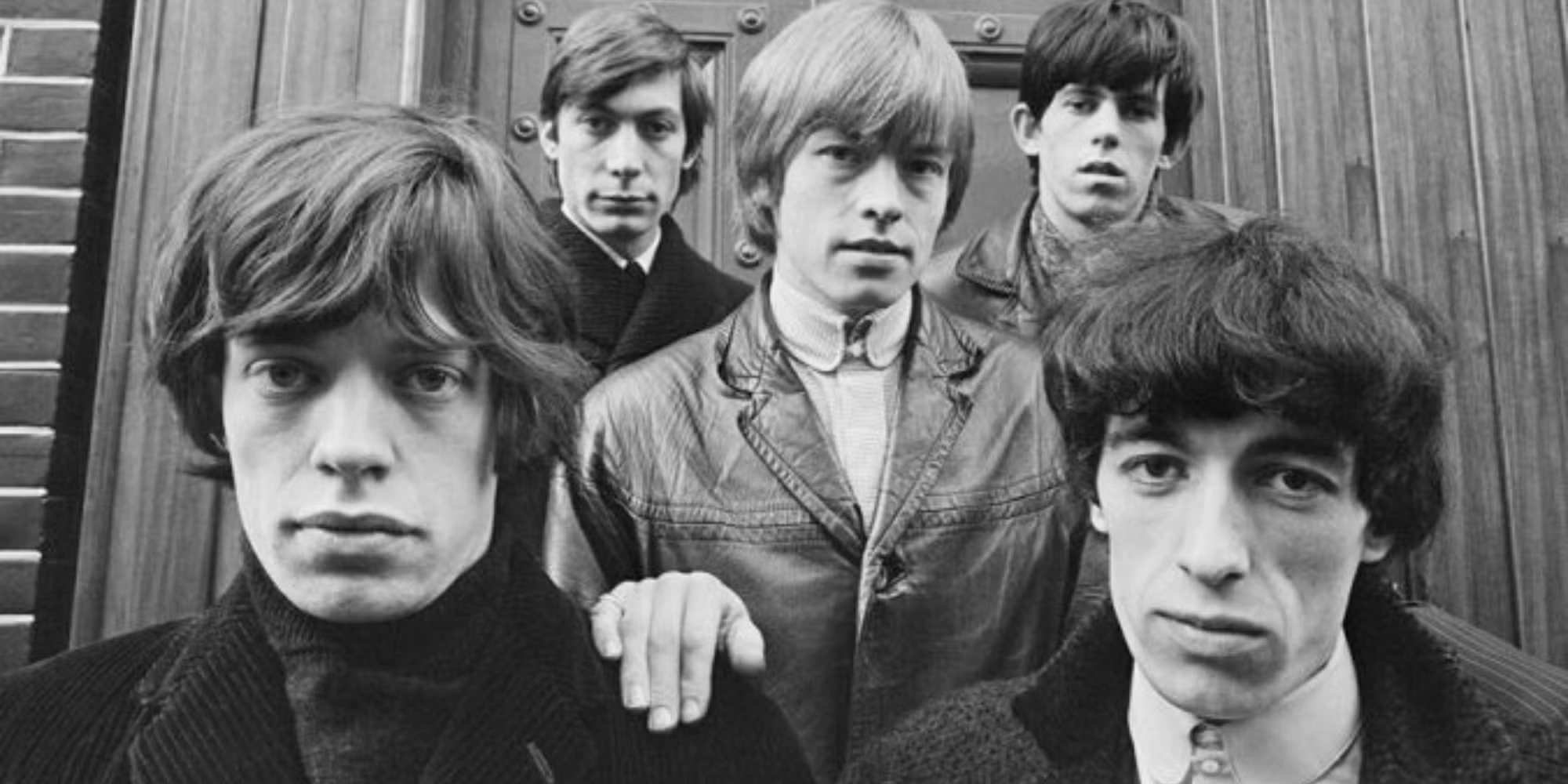
When it comes to longevity in rock and roll, look no further than The Rolling Stones. Active for over six decades, the band is one of the most popular, influential, and enduring bands of the rock era. Rooted in blues and early rock styling, their sound became distinct as they moved further and further into the mainstream. Establishing themselves at the top of the heap of classic rock, their songbook runs deep. With 31 studio albums and more than 340 songs, with eight number-one hits on the US Billboard Hot 100 charts, determining which is their best songs is a near-impossible task.
The task at hand is to select The Rolling Stones’ most perfect songs. Let’s just say it’s no easy task. As each fan of the band will likely have a different list, for the purposes of this list, a song will be considered “perfect” based on songwriting, musical construction, overall influence, and its impact on the band’s musical evolution. This list is meant to celebrate one of the greatest bands and their brilliant contribution to music history.
10
“Honky Tonk Women” (1969)
Despite being a hit track, “Honky Tonk Women” sometimes gets overlooked, but the truth is, the song proved the band’s ability to tap into even more musical styles. Inspired by a holiday Mick Jagger and Keith Richards took in Brazil, the duo drew on their experience at a ranch and turned it into a song about a dancing girl in a western bar. Originally written as a Hank Williams-esque country song, Mick Taylor transformed it into the electric, riff-based hit we became familiar with. Originally released as a non-album single, the song was issued as the B-side to “You Can’t Always Get What You Want” the day after the death of founding member Brian Jones in July 1969.
Raw and bluesy, with an invitation to groove when the cowbell begins, the song’s gin-soaked groove and gritty lyrics became an instant hook for listeners. “Honky Tonk Women” soared to the top of the UK charts for seventeen weeks, five at number one, and a four-week number one run on the Billboard Hot 100. Showcasing the band at their funky best, “Honky Tonk Women” also led to a full country version released on the 1969 album Let It Bleed. “Honky Tonk Women” may be the strongest example of ’60s rock-blues.
9
“She’s A Rainbow” (1967)
The 1960s served as a brilliant opportunity for artists to explore and spread their wings. For The Rolling Stones, an uncharacteristically unique song that Jagger and Richards wrote for the band was also one of their best. Closing out their foray into psychedelic pop rock, “She’s A Rainbow” utilized a vibrant blend of baroque pop, a cascading piano line, and a lighthearted atmosphere, crafting a whimsical, joyous, and timeless masterpiece. The crowning element of the song isn’t the lyrics, it’s the arrangement. Though the classic Stones instruments are present, it’s Nicky Hopkins‘ iconic piano melody and Jones’ hypnotic usage of the Mellotran that make the track. And that string section? It’s often credited to John Paul Jones, who would go on to join Led Zeppelin a year later. Released on Their Satanic Majesties Request, the sixth studio album, the song became the most recognizable track of the album.
Music should be transcendent — “She’s A Rainbow” is proof. For a modern audience, the song has been a recent staple in commercials. Further, it became synonymous with Kristen Wiig‘s final sketch as a cast member on Saturday Night Live. Guest host Jagger, alongside musical guest Arcade Fire, performed it alongside “Ruby Tuesday” as the comedian dances and says goodbye to her co-stars. If there is something that will make you cry from the hit sketch show, it’s this. Now, if we’re talking about how a song can influence an entire movement, Gilbert Baker, the creator of the rainbow pride flag, told the New York Blade in 2008 that it was not Judy Garland‘s “Over the Rainbow” but in fact the Stones’ “She’s A Rainbow.”
8
“Tumbling Dice” (1972)
Introduced as the lead single from the 1972 double album Exile on Main St., “Tumbling Dice” brought back the blues with the boogie-woogie for a song about an unfaithful gambler. Written and recorded during the period when the band became UK tax exiles, the song had some filler lyrics and an initially different intention. Though that song, “Good Time Women,” went unreleased until 2010. The song tells the story of a gambler who simply cannot remain faithful to any woman. A dark lyrical premise, the result ultimately led to the peppy, laid-back groove we know today. The tempo lives in a grey area that’s essentially halfway between slow and straightforward rock speed. Then, turning to the lyrical composition, it’s quite an irregular structure, with line counts changing throughout the verses and choruses. But what makes the song so beloved is the call-and-response in the coda, making it perfect for live performance.
An ambitious song, “Tumbling Dice” can be described as sassy with a casual swagger. Dare I say, it’s got “Swagger Jagger.” It’s credited to Jagger’s vocal charisma. Written after the swinging ’60s and the Summer of Love, the song still has a lyrical essence that explores themes of sex and love. About a half-decade later, Linda Ronstadt recorded her own version of the song, bringing a different vitality to it. And not just because the lyrics were adjusted to suit the singer’s mission. Though it had a troubled road to ultimate creation, “Tumbling Dice” remains one of the band’s most iconic entries.
7
“Beast of Burden” (1978)
Oftentimes, when you see the title of a song, you can automatically hear something from it in your head. When it comes to “Beast of Burden,” almost certainly, you hear Jagger’s soulful vocals singing the title. A vulnerable and raw rock anthem, “Beast of Burden” showcased an evolving maturity from the band. It also helped to establish and further the sound of rock and roll in the late ’70s. The second single off of 1978’s Some Girls, following “Miss You,” the song wasn’t meant to be a personal track; it was all about the attitude and hidden meaning. Taking inspiration from domesticated animals used for human labor, Richards has noted that the song was written as a thank-you to Jagger for “shouldering the burden.”
“Beast of Burden” features a masterful weave of soulful, understated guitar from Richards and Ronnie Wood, a steady groove from Charlie Watts and Bill Wyman, and Jagger’s intimate and controlled vocals, some of which were improvised. The Rolling Stones experienced internal turmoil in the ’70s, but “Beast of Burden” represented a moment of the band’s unity. One that marked a newfound comeback for the band.
6
“Wild Horses” (1971)
There are certainly a handful of Rolling Stones ballads that strike at the heart, but none do so quite like “Wild Horses.” The follow-up single to “Brown Sugar” from the ninth studio album, Sticky Fingers, “Wild Horses” exposed a softer side to the band. A beautifully emotional track that highlights raw vulnerability, “Wild Horses” is a song about longing and endurance. The origin of the song came about after Marianne Faithfull, Jagger’s former partner, woke from an overdose. She said to him, “Wild horses wouldn’t drag me away.” Though the song may not have necessarily been written about her, it was inspired by her. Soon thereafter, it evolved into a song about being a million miles from where you wish to be.
Musically, Richards used the melody as a lullaby for his newborn son. Richards experimented with the twelve-string guitar. Taylor played with a Nashville-strung acoustic guitar. Wyman stayed on the bass guitar. With Jim Dickinson playing tack piano and Watts on drums, the musical roadmap was set, turning “Wild Horses” into an acoustic masterpiece. It was stylistically different from many of the classic Stones’ previous tracks, which helped it earn instant recognition. The change of pace allowed the band to take a newfound direction. They no longer had to stick to pulse-pounding rock and roll. Because of its timelessness, “Wild Horses” is often cited as a fan favorite. A delicate and intimate song that continues to resonate emotionally, “Wild Horses” is just as powerful five decades later.
5
“Sympathy for the Devil” (1968)
“Please allow me to introduce myself. I’m a man of wealth and taste. I’ve been around for a long, long year, stole many a man’s soul and faith.” Pair that with the infectious conga groove at the top of the track, and you get something hypnotizing. “Sympathy for the Devil” was a musical departure for the band, and yet it defined their ability to explore musical experimentation. Taking on a first-person perspective through the eyes of the Devil, the narrative was quite sinister. And yet, that samba-like rhythm transports you, asking you to pay attention to the specificity in the lyrics, focusing on atrocities in human history. The album version, clocking in at over six minutes, pushed the Stones into a new musical era.
“Sympathy for the Devil” caused quite a stir when it was released. Whether it be the accusations of Satanism or that humanity is responsible for evil in the world, including the assassinations of the Kennedys, it doesn’t take away from the sheer brilliance of the composition. Structurally masterful, with nods to African and South American sounds and a gripping “woo-woo” vocal chant, there was no song in the catalog quite like “Sympathy for the Devil.” Very few classic rock songs have a musical break as visceral as that of “Sympathy for the Devil.” That searing guitar solo by Richards may be his best. Fortunately, much of the creation process was captured for Jean-Luc Godard‘s avant-garde film of the same name.
Music that is reactionary to the time often leads to remarkable works of art. In the late ’60s, many singers, songwriters, and musicians found themselves using their talents to help art reflect society. One such example, as a means to comment on the intense social upheaval of 1968 and the broader chaos, was the brilliant “Sympathy for the Devil.” It was referenced in Hunter S. Thompson‘s book and film Fear and Loathing in Las Vegas. Decades later, Guns N’ Roses explored their own take of the track, being featured in the film adaptation of Interview with the Vampire. Needless to say, “Sympathy for the Devil” stands as the band’s most profound artistic achievement.
4
“Paint It, Black” (1966)
When you think of rock music in the ’60s and ’70s, you tend to think of the typical instruments. But can you achieve rock-and-roll success by playing a sitar? It’s a resounding yes. With a groundbreaking fusion of Eastern-influenced sitar with Hammond organ, castanets, and tom-toms, “Paint It, Black” became a chart-topping smash, serving as a reminder that unconventional instrumentation can be a recipe for success. The British Invasion set a standard in sound for the bands that crossed the pond. But as the big acts began to become more musically sophisticated, big risks led to big rewards. An influential song for the burgeoning psychedelic genre, “The Rolling Stones” joined The Beatles in pushing commercial appeal toward artistry outside the mainstream.
From the jump, the track’s introduction became instantly recognizable. From there, the eerie, exotic use of Jones’ sitar made a perfect addition to the song about grief. “Paint It, Black”is, on its surface, a depressing premise about the desire to turn the whole world black to match internal sorrow. And yet, the experimental nature, with its tight structure, added a cinematic element to the song. By straying from the standard pop-rock vibes synonymous with the band, “Paint It, Black” opened the door for new paths to explore. On one of the rare occasions when each member of the band added something to the track, it gave the track a sense of further completion. The song’s vibrancy has inspired countless artists to cover it and many films to include it on their soundtracks. Maybe an unofficial pioneer in emo punk rock, The Rolling Stones found the light by tackling the darkness.
3
“(I Can’t Get No) Satisfaction” (1965)
There is no hook in rock history that matches that of “(I Can’t Get No) Satisfaction.” A song about sexual frustration and commercialism, “(I Can’t Get No) Satisfaction” became one of the band’s most popular songs. The song came to Richards in his sleep, as in he really wrote it, recorded a rough cut, and awoke unaware that he did. With the iconic guitar riff kicking off the track, what followed was a cascade of sound before Jagger came in with the titular line. The song featured a hard-driving blues beat that paired well with the rock sounds already familiar to listeners. It had a catchy hook with a catchy title and captured the spirit of the time. Though the song had difficulty being played on the radio because of its allegedly suggestive lyrics, it didn’t matter, as those lyrics resonated instantly. It thrust the band to superstardom.
“(I Can’t Get No) Satisfaction” became a staple for the Stones, especially during live performances. It made sense as the song hit number one in many countries on multiple charts. In a sense, “(I Can’t Get No) Satisfaction” is a generational song. Otis Redding recorded a version of it that went full-tilt jazzy blues. In the late ’70s, new wave band Devo provided their own rendition. Then, at the start of the new millennium, it was Britney Spears. This may be a stretch, but there may be an entire generation that found The Rolling Stones and classic rock through Spears’ cover of the song. The fact that the princess of pop could reconstruct rock royalty’s song in such a brilliant manner is a testament to the strength of the track.
2
“You Can’t Always Get What You Want” (1969)
Sometimes simplicity is all it takes. Truly, what a profound statement the lyrics made. “You can’t always get what you want. But if you try sometimes, well, you might find you get what you need.” The chorus became a mantra that continues to resonate today. Straight from Let It Bleed, “You Can’t Always Get What You Want” proved to be one of the most defining songs the band ever recorded. Unlike almost any other Stones song, “You Can’t Always Get What You Want” didn’t start with a guitar riff or Jagger’s signature vocals. Instead, it was the London Bach Choir and the soaring horns opening the track on the album. Not there to cover anything up, rather they were present to add something new.
A song about the major topics of the 1960s— love, politics, and drugs—the lyrics take the audience on a journey from initial optimism to eventual disillusionment. Though the chorus may be resigned cynicism, there was hope within. Originally, the B-side for “Honky Tonk Women,” there was no second fiddle about it. “You Can’t Always Get What You Want” remains one of the most popular songs. Said to be a counterpart to “Hey Jude,” the song shared the Stones’ maturity through their philosophical words. The song is timeless, having been covered nonstop and used in a wide range of media. If there was ever a song that marked the end of the Swinging Sixties, it was this song.
1
“Gimme Shelter” (1969)
A sense of urgency and a dire warning in music don’t always need to come from a deeply poetic dissertation in lyrics. Sometimes all it takes is repetition to make a message poignant. With an ominous, moody tone, “Gimme Shelter” expertly conveys intent. Starting from a whisper and crescendoing to a frantic cacophony of controlled vocals, “Gimme Shelter” evoked a sense of panic. The lyrics, which reiterated the main words throughout, became a reflection of war, violence, and fear while marking the closure of ’60s idealism. Encapsulating the doomed decade, the song is a complete masterpiece. What may be a shocker: the song, which was never released as an official single, found prominence when it was included on many of the band’s compilation albums.
At its core, “Gimme Shelter” is an apocalyptic song. With the lyrics evoking that tone, “Gimme Shelter” relied on the vocals. Jagger isn’t the only prominent vocalist on the track. Singer Merry Clayton‘s guest vocals helped launch the song to the stratosphere. Her vocals reached immense emotional peaks, amplifying the desperation of the song’s message. Jagger spoke to NPR and called the song “a very moody piece about the world closing in on you a bit. And yet, that same feeling can be evoked today. There’s no song that defines the band while transcending music more than “Gimme Music.” It’s an anthem for the world.
The Rolling Stones: Rock Royalty
- Release Date
-
April 17, 2018
- Runtime
-
60 minutes
- Director
-
Matt Salmon

Continue Reading
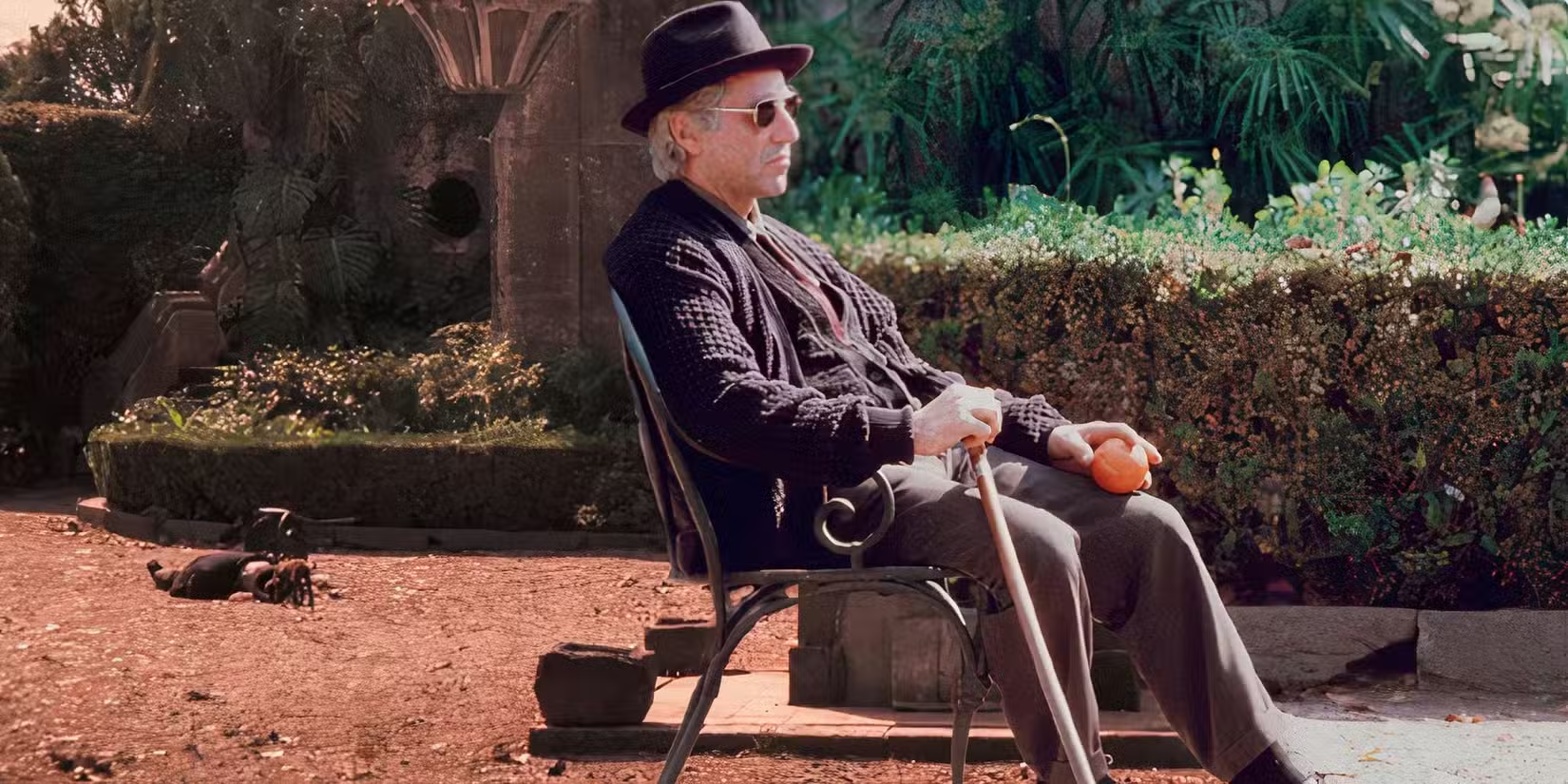
When it comes to discussing the all-time greatest movies in American cinema, two names will always come up: The Godfather and The Godfather Part II. Francis Ford Coppola‘s timeless tale of family tragedy, legacy, and the deterioration of the human spirit has become synonymous with American cinema, a celebrated duology that is often used as the standard to compare all subsequent crime and drama movies. Sure, the third part, 1990’s infamous The Godfather Part III, isn’t as great as its predecessors, but it remains a riveting and poignant conclusion to the tragedy of Michael Corleone (Al Pacino). Together, they form one of the greatest film trilogies in the medium’s history, and their standing keeps improving with each passing year.
With such high praises, it’s easy to understand why these three movies are often considered among cinema’s indisputed masterpieces — yes, even Part III, despite its numerous and well-known shortcomings. Thus, the question arises: which of these three silver screen triumphs is the best one, the cream of the crop, the ultimate triumph among a group of undeniable masterworks? Chances are, you know which of the three isn’t the best one, but the other two are neck-and-neck. You might have another opinion, and many will surely have a lot to say about the one they believe is the best. However, there’s no denying that one of the Godfather movies is so good that it’s almost impossible to believe it’s real.
‘The Godfather Part III’ (1990)

As I said, you probably know which movie is not the best in the Godfather trilogy, and that’s The Godfather Part III. Arriving sixteen years after Part II, this coda to the story of Michael Corleone might be the most uneven of the three, but it remains a satisfying payoff to this decades-spanning tragedy. Set in the late ’70s and early ’80s, with an epilogue set in the mid-’90s, the film tells the final portion of Michael’s story, particularly his efforts to legitimize his family business, much to the chagrin of the other mafia dons. Meanwhile, Michael’s illegitimate nephew, Vincent (Andy Garcia), throws the family into chaos with his arrival and eventual romance with Michael’s daughter, Mary (Sofia Coppola).
For years, Part III has been unfairly maligned as the black sheep of the Godfather trilogy. Now, to be fair, much of the criticism is fair: in their review, Variety called it “two hours of exposition and 40 minutes of payoff,” and you know what? They’re spot on. Yet, there’s some real gold in those two hours of exposition, and the 40-minute payoff packs a strong punch, albeit far less impactful than the first two movies. Pacino is brilliant as the weary and nearly broken Michael, finally bearing the weight of decades of violence, ruthlessness, and moral compromise: his spirit is deteriorated, and his body is barely hanging on. For his part, Garcia is a welcome addition to the cast, making Vincent equal parts charming and reckless. Alas, we can’t discuss Part III without mentioning Sofia Coppola, whose performance has been widely panned for years now. It’s fair to say she was woefully miscast, but it’s also fair to say there is a certain ugliness in the way the film’s shortcomings are often solely placed at her feet. In the end, Part III is convoluted and uneven, but it remains a somber and melancholic culmination to a larger-than-life tale that redefined American cinema.
‘The Godfather’ (1972)
In 1972, Francis Ford Coppola revolutionized the industry with The Godfather, an adaptation of Mario Puzo‘s 1969 pulpy crime novel of the same name. The plot centers on Vito Corleone (Marlon Brando), the aging don of the Corleone crime family, and his efforts to shape his youngest son, Michael, into a worthy heir. Although initially unwilling to commit himself to a life of crime, Michael soon surrenders to his family’s influence, going from a reluctant outsider to a ruthless mafia boss who will stop at nothing to protect his empire. James Caan and John Cazale co-star as Vito’s oldest and middle sons, Sonny and Fredo.
The first Godfather marked a distinct before-and-after in mainstream filmmaking. Arriving in the early years of New Hollywood, it was a formative entry in the movement, challenging notions and reshaping what audiences expected from their crime sagas. There is a pervasive sense of dread looming over the film, an inescapable and nearly suffocating notion that everything can change from one scene to the next. Here, Coppola presents the erosion of the soul with such assuredness that one can’t help but feel empty after it ends. Yet, Michael’s deterioration is so compelling, so brutal yet so operatic that it becomes almost irresistible; you’re watching the very destruction of the human spirit, and there’s an eerie beauty to eat. It’s well known that The Godfather influenced how the real mafia behaved, making it one of the few films that actually changed history. Its legacy is nearly indescribable: much has been written about this film, and much will follow still. The Godfather is among those movies that are as good as everyone says, a true masterpiece that you must simply watch at least once before kicking the bucket.
‘The Godfather Part II’ (1974)

Two years after Coppola wowed the world with The Godfather, he did it all over again. The Godfather Part II presents two stories: the first is the rise of young Vito Corleone (Robert De Niro) at the turn of the century, chronicling how he went from a lowly Italian refugee in New York City into the head of one of the most powerful mafia families. The second continues Michael’s rise in power as the new don of the Corleone family, focusing on his efforts to protect the business and ensure his place following an attempt on his life.
The question of whether The Godfather or The Godfather Part II is better has been going on for decades now. You could make a convincing argument for both, but this time, we have to give it to the sequel. Part II is monumental in scope, brilliant in construction, tragic in storytelling, and outright masterful in execution. The choice to juxtapose Michael’s further descent into darkness with Vito’s rise in the criminal world is a stroke of genius, allowing the parallel stories to build towards the same conclusion. Part II is more operatic, more detailed in its exploration of Vito and Michael’s psyche, and therefore far more tragic. There is a solemnity and melancholic inevitability to the story, the sense that ambition will always come first for the Corleones: they will get everything, only to lose it all because, in a world of absolute power, there can never be absolute trust. Here, commitment becomes imprisonment, and family is a life sentence. In the end, The Godfather Part II surpasses its predecessor in every possible way, presenting a heartbreaking tale of power, a beautiful calamity that is, quite possibly, the greatest achievement in American cinema.
:max_bytes(150000):strip_icc():format(jpeg)/the-girlfriend-adolescence-black-rabbit-022526-a82614090ef6417d9d15b694bbdd4a42.jpg)
For those who can’t commit to dozens of 20-plus-episode seasons, miniseries are a major solution.
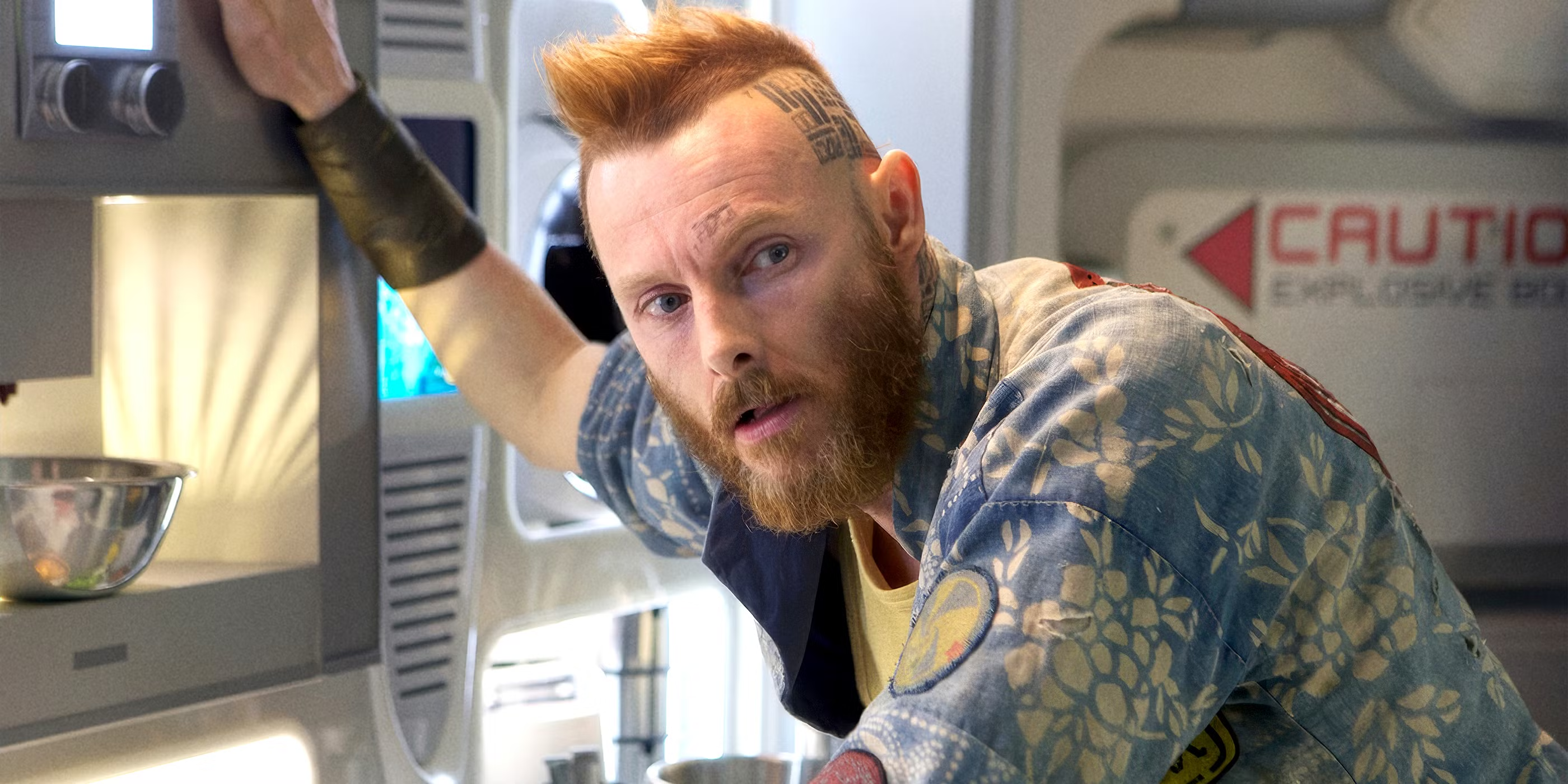
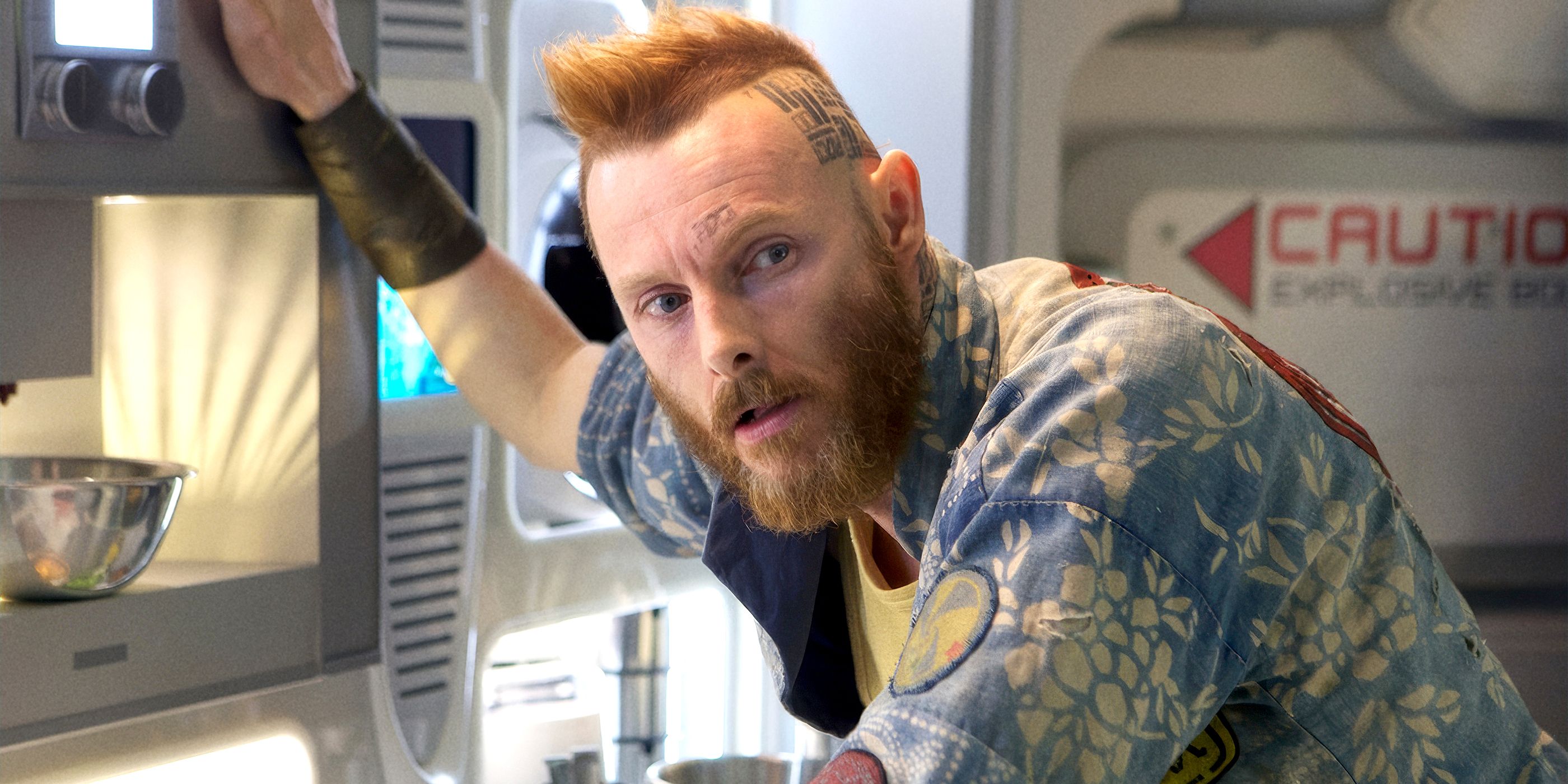
In this day and age, franchise films have overwhelmed the cultural landscape, but one still finds a way to reinvent itself. This IP continues to impress, even decades after it came screaming out of the darkness. Sci-fi horror was in its early days in the ‘70s, but Ridley Scott’s Alien redefined what it meant to be scared.
Starring Sigourney Weaver, the first Alien film was a jarring flip on the script. Instead of slasher films that often victimized women, the pendulum swung the other way. Weaver stars as Ripley, an officer on the spaceship Nostromo who is really the only person concerned when an alien lifeform is found. Instead of adhering to the quarantine protocols, Captain Dallas (Tom Skerritt) brings an infected crew member on board, which allows the Xenomorph to be born — literally and painfully. Alien shows sexual violence pointed at men instead of women, and this first film fueled a sci-fi franchise that continues to impress audiences.
‘Alien’ Is Still Terrorizing Film and Television Audiences
The heart of the Alien films is the “perfect organism” that has been terrorizing viewers since 1979. This concept is what makes the series so addictive — and why the Weyland-Yutani corporation continues to try and capture the ultimate predator for profit. Alien has always been a source of fascination for viewers in the theaters, even with the less-than-popular franchise films. Following Sigourney Weaver’s tenure as Ellen Ripley, the series continued with some unfairly criticized sequels.
Prometheus served as a divisive prequel to the franchise, co-written by Lost co-showrunner Damon Lindelof. Viewers took issue with the Engineers, but the origins of the Xenomorph were still a captivating story. Starring Noomi Rapace, Charlize Theron, and Idris Elba, Prometheus shows the challenges of looking for faith in all the wrong places.
For some, the film was a misfire, but like the Xenomorph, the franchise always returned. Recent additions, such as Alien: Romulus, capitalized on what made the franchise so enduring to begin with. A love letter to the series, Romulus, takes place between Alien and Aliens as a crew imprisoned by Weyland-Yutani gets trapped in another version of Ripley’s story. Horror director Fede Álvarez finds the sweet spot with the film, showing the heartbreaking reality of an android with the character Andy (David Jonsson) and a killer third act – in more ways than one.
It was with FX’s television series, Alien: Earth, that really showed how to do a franchise right. The series elevated the original concept of a victim stuck in a room with a killing machine and broadened the concept even further. Created by Fargo scribe Noah Hawley, the series is set a couple of years before the first Alien film.
At its core, Alien has always been a criticism of capitalism, which Hawley’s series explores. At a time when technology has reached its peak, corporations have been looking for a path to immortality. Humanity has created cyborgs, fully synthetic life, and hybrids. This sets up the main conflict when a research ship crashes into Earth, carrying a deadly secret.
Alien: Earth is just another way to explore the themes set up in Alien with even more specificity. This franchise continues to draw in viewers not just because of the scares, but also because of the social commentary that was always part of the IP’s DNA. Alien defined sci-fi horror and continues to show others in the genre how it’s done.
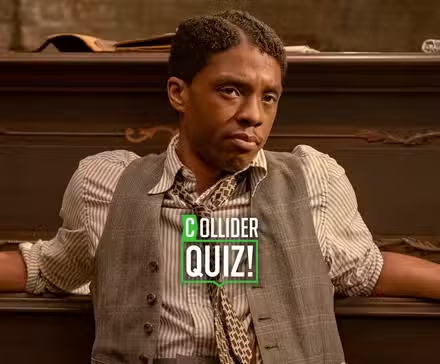
There are some movies that feel like they should have sparked a much bigger conversation than they actually did. Good Fortune is one of them. A comedy about angels, fate, and a messy clash between ordinary people and heavenly interference already sounds like the kind of thing that should click with streaming audiences, especially with Keanu Reeves in the mix. Now that it’s landed on Prime Video, it looks like the movie is finally getting that chance.
Prime Video’s global chart has shown the film surfacing in multiple territories, even if its exact placement is shifting day to day. That still matters. For a title that didn’t exactly arrive with a huge cultural footprint, just breaking through at all is a strong sign that viewers are finding it now in a much more relaxed streaming setting.
The film stars Reeves as the angel Gabriel, with the story following his attempts to meddle in the lives of a struggling worker and a wealthy capitalist. That premise alone makes the movie feel like a spiritual cousin to Dogma, even if it’s playing a much newer game. It may not have exploded in theaters, but on Prime Video, Good Fortune is finally getting to make its case.

Remembering the Icons of Film — Collider Movie Quiz
We pay tribute to the talents who helped define Hollywood.
Is ‘Good Fortune’ Worth Watching?
Collider’s review by Joe Schmidt stated that Good Fortune is a fun and thoughtful comedy that does not always come together as smoothly as it should. The film clearly pulls from stories like It’s a Wonderful Life, using a familiar idea to explore money, privilege, and the struggle of getting by in a big city. It does not go especially deep with those themes, but it stays earnest enough to keep you invested. The strongest part of the movie is the cast. Ansari and Rogen both do what you expect them to do, and they are funny doing it. But Reeves and Keke Palmer are the real standouts. Reeves brings a goofy charm to Gabriel that makes him a constant highlight, while Palmer gives the movie warmth and heart whenever she is on screen.
“That’s not to say Ansari is consistently nuanced throughout this journey. Your mileage may vary on that. After a gigantic middle finger to capitalism, coupled with each character’s realization of what it takes to be a good person and why it’s worth it, Ansari finally takes something that has been prevalent throughout the entire film and puts it in the spotlight. Good Fortune is about love, redemption, and privilege, but it’s also an indictment of exploitative labor and the forces that enable it, even if it takes many clumsy steps to get there. Its greatest strength is a reminder that being a good person doesn’t get you a reward — being a good person is the reward.”
Good Fortune is streaming now.

- Release Date
-
October 17, 2025
- Runtime
-
98 Minutes
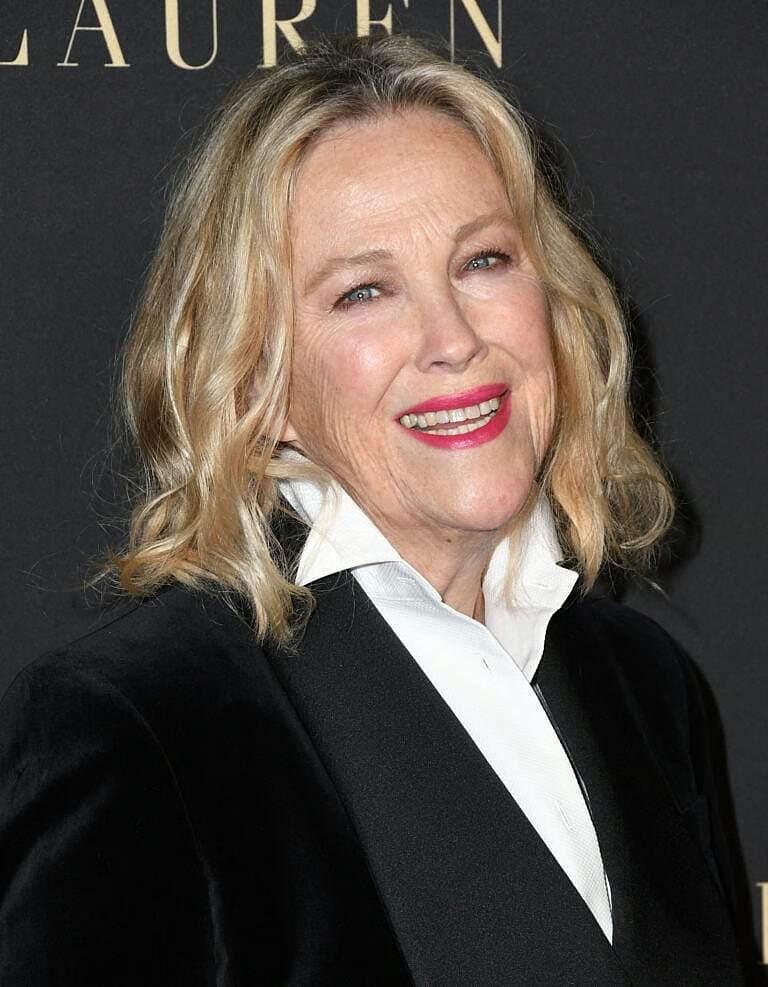
A plan for a “Schitt’s Creek” revival was considered, but it will no longer move forward following Catherine O’Hara‘s death. The series’ co-creator, Dan Levy, who was also the late actress’ co-star, revealed that he was thinking of creating a sequel to the beloved sitcom, but it’s no longer in the cards.
O’Hara’s unforgettable performance as the Rose family matriarch was a defining part of the show, making any continuation without her difficult to imagine.
Dan Levy Shuts Down The Possibility Of A ‘Schitt’s Creek’ Revival
Dan Levy, who co-created “Schitt’s Creek” with his father, Eugene Levy, visited Goodwood, Ontario, with “CBS Sunday Morning.” The town was where the series was shot, and it was Dan’s first time returning since they wrapped up filming in 2020 after six seasons.
“The memories are flooding back, I’ll tell you that,” Dan told CBS’ Anthony Mason. The broadcast journalist then brought up whether there’ll be a sequel, a question that fans have been asking. In a somber voice, Dan answered, “No. Not now.”
Dan, who played O’Hara’s character’s son, David Rose, continued, “No. You can’t.” He revealed that before O’Hara’s death, he was thinking about making a revival. He became visibly emotional, wiping tears from his eyes as he said, “It’s tough,” adding that he’s holding on to the memories of O’Hara.
On a lighter note, he shared, “For someone who was not on the internet, she knew how to meme.”
The Showrunner Said Catherine O’Hara Death Was A ‘Collective Loss’

On March 31, Dan appeared on “The Tonight Show Starring Jimmy Fallon,” where he talked about the late actress. He recalled how his first time on the talk show was with his fellow “Schitt’s Creek” stars. “It’s a collective loss, I think. She was the greatest. She’s irreplaceable,” Dan said.
Despite the grief, he said that he finds great comfort in knowing how much the late actress was loved. “You know what I mean? The outpouring. Everyone felt like they kind of knew her,” Dan explained.
Fallon agreed, saying O’Hara was “one of the funniest comedians,” and not only was she talented, but she was also “gorgeous.” “One of the great, great, great, great queens,” Dan added.
Eugene Levy’s History With The Late Actress

Dan has known O’Hara long before working with her on “Schitt’s Creek.” His father, Eugene Levy, who played O’Hara’s husband Johnny Rose on “Schitt’s Creek,” had a decades-long professional relationship with the actress.
Eugene and O’Hara first met in the ’70s and were both featured on the Canadian sketch comedy series “SCTV,” and they worked on multiple projects together throughout the years. Following her death, he paid tribute to his co-star, saying, “Words seem inadequate to express the loss I feel today. I had the honor of knowing and working with the great Catherine O’Hara for over fifty years.”
Eugene continued to say that more than their working relationship, he also cherished their genuine friendship. “I will miss her,” he noted.
Catherine O’Hara’s Death Will Be Acknowledged In ‘The Studio’

O’Hara starred in Seth Rogen‘s series “The Studio” before her untimely death, playing Patty Leigh, a film producer let go from the fictional studio Continental Pictures. The series is returning for a second season, and according to Rogen, the late actress’ death will be acknowledged.
In an interview with The Times published on April 3, Rogen recalled working with the actress, saying, “We just wanted her to think we were funny.” Following her death, Rogen said dealing with the loss was an “unbelievable challenge,” both emotionally and in terms of the series. He said they wrote the series for O’Hara’s character to be present.
“While we try to not dwell too much on heavy themes in this show, they will be there in this second season. We are not ignoring it,” Rogen said, referring to O’Hara’s absence.
Catherine O’Hara Was Ill Before Her Death

O’Hara’s last public appearance was at the Emmy Awards held in September 2025, where she was nominated for Outstanding Supporting Actress award for her role in “The Studio.”
She died on January 30, 2026, at 71 years old. As reported by The Blast, the veteran actress’ cause of death was determined to be pulmonary embolism, which occurs when lung arteries get blocked by a blood clot. However, there was also an underlying cause, which was rectal cancer. She is survived by her husband, Bo Welch, and their two sons, Matthew and Luke.
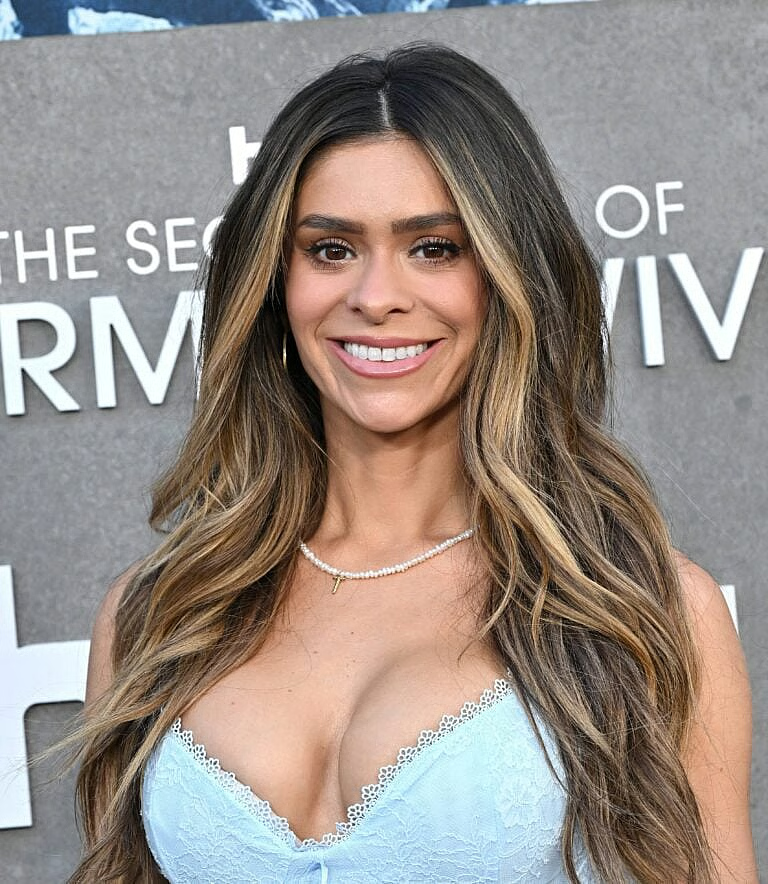
Taylor Frankie Paul is opening up about one of the most chaotic and emotionally draining periods of her life, and she isn’t sugarcoating it.
The reality TV star, currently entangled in domestic violence allegations, a custody battle, and major career setbacks, shared a deeply personal glimpse into her struggles over the past several weeks.
In a raw social media post, Paul described enduring panic attacks, physical stress, and spiritual reflection, giving fans a clearer picture of what she’s been facing behind the headlines.
Taylor Frankie Paul Says Last 40 Days Felt Like ‘Hell’ Amid Ongoing Drama

Taylor Frankie Paul didn’t hold back when describing the emotional toll of her recent experiences.
In a candid Instagram post shared on April 5, she revealed just how intense the past several weeks have been.
“The last 40 days felt like hell on earth,” Paul wrote in the caption, pairing the statement with a video montage capturing unfiltered moments from her daily life.
The 31-year-old described enduring repeated panic attacks, writing, “Through every panic attack I prayed for strength as I could feel my body breaking down and out from the distress of it all.”
The video itself painted a stark picture, showing her physically unwell, reflecting privately, and leaning on her faith.
Over the video, she added a text overlay that read, “He has risen and he is real,” signaling how central her beliefs have been during this time.
She also noted the timing of her realization, writing, “I got chills today when I realized it’s been 40 days exactly today in this frantic state.”
Paul Shares How Faith Became Her Anchor During Crisis

Amid the chaos, Taylor Frankie Paul emphasized how her spirituality has helped her cope.
Referencing Easter, she described feeling supported through what she viewed as divine intervention.
“He sent just that in various ways along with so many undeniable signs saying ‘I am with you’ which I can’t wait to share that part,” she wrote, expressing a deep sense of connection to her Christian faith.
Paul also reflected on how her approach to prayer has evolved. “I’ve prayed since I was young and never strayed away because I believe he wants us to ask for help especially during our lowest points,” she shared.
However, instead of only asking for help, she began shifting her mindset. “However, instead of just asking I switched over to thanking him at the end of each day no matter how I felt,” the influencer wrote.
Taylor Frankie Paul Distances Herself From Mormon Church After Scandal

In another emotional update shared the same day, Paul revealed a major personal decision.
She noted that she’s stepping back from the Mormon church. The move comes in the wake of mounting controversy surrounding her personal life.
In the Instagram story post, the “Secret Lives of Mormon Wives” star explained that she was born and raised Mormon and would always have love and respect toward it.
However, she added that “with that being said, it’s time to detach myself from it.” While Paul noted she may still attend certain events with family, her relationship with organized religion is clearly shifting.
“I strongly believe in Christ, God, the Bible, the divine,” she said, emphasizing that her faith remains intact despite the change. Paul also added, “I believe we are loved whether we are praying in the church building or from a bathroom floor at home.”
The television personality acknowledged that she had received support from people of varying beliefs.
She described the post as a form of release, hinting at the emotional weight she had been carrying.
Paul Faces Legal Battles And Custody Dispute With Ex

At the center of Taylor Frankie Paul’s current struggles are serious legal issues involving her ex, Dakota Mortensen.
He has accused her of domestic violence stemming from an alleged February incident, claiming she “scratched” him and committed physical assault.
According to Us Weekly, Mortensen later alleged there were “two incidents of physical assault,” prompting authorities to open a second investigation.
However, no charges have been filed so far. Paul has denied all allegations and countered with claims that Mortensen was the abusive party, which he has also denied.
The situation has extended into a custody dispute over their 2-year-old son, Ever. Court documents confirmed that Mortensen was granted temporary custody, along with a restraining order against Paul.
She is expected to attend a court hearing on Tuesday regarding her custodial rights.
The fallout has also impacted her career. Filming for “The Secret Lives of Mormon Wives” season 5 has been paused, and her planned appearance on “The Bachelorette” was scrapped.
Taylor Frankie Paul’s Past Incident Resurfaces As New Footage Emerges

Complicating matters further, past incidents involving Paul have resurfaced. Body camera footage from her 2023 arrest has reentered public conversation, offering a glimpse into a previous altercation with Mortensen.
In the clip published by TMZ, the pair were seen arguing as police arrived at the scene.
Mortensen told officers that Paul was “not doing OK” and added, “I can’t even tell you the stuff that’s happened to me,” while showing alleged injuries.
As tensions escalated, the reality TV star reportedly became emotional, while officers worked to separate them.
After her arrest, Mortensen even asked officers if he could go to jail instead, saying he wanted her “to get help.”
The incident ultimately led to Paul pleading guilty to aggravated assault in August 2023, with additional charges dropped as part of a deal. She remains on probation, which is expected to conclude in August 2026.
Entertainment
Savannah Guthrie officially returns to hosting “Today” after mom's disappearance: 'It's good to be home'
:max_bytes(150000):strip_icc():format(jpeg)/Savannah-Guthrie-Nancy-Guthrie-020126-c85b19ac3ad84a1c98bb4871dfbd37ad.jpg)
Guthrie hasn’t appeared on “Today” in a full-time capacity since January, when her mother, Nancy Guthrie, disappeared from her home in Arizona.
Entertainment
Netflix’s 98% Rotten Tomatoes Zombie Thriller Is Still One of the Best Shows Ever Made
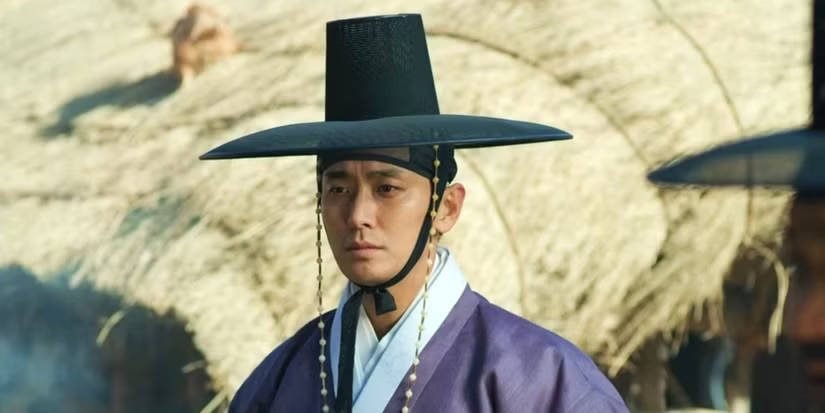
In the past few years, South Korea has become a powerhouse in the entertainment industry. 2019’s Parasite became the first non-English-language movie to win Best Picture at the Oscars, and Squid Game took the streaming world by storm in 2021, beating Bridgerton as the most-watched Netflix premiere. But Netflix was building its Korean-drama fanbase even before Parasite won at the 2020 Oscars, kicking things off with the zombie series Kingdom.
The 2019 series features Bae Doona, Ju Ji-hoon, and Kim Sang-ho fighting against both a zombie outbreak and a political coup in 17th-century Korea. It’s not the first period piece to include zombies, but it is one of the first out of Korea. More than that, it is an excellent combination of political intrigue and impressively gory zombie violence that deserves its place as one of the best Korean shows on Netflix.
‘Kingdom’ Is Netflix’s First South Korean Series

K-dramas are huge on Netflix: in 2022, co-CEO Ted Sarandos stated that over 60% of its users have watched at least one. They also saw a staggering sixfold increase in ‘K-content’ viewership since 2018. And everyone is waiting with bated breath for the second season of the mega-hit Squid Game. And all of this has only happened in the last few years. While Netflix previously offered Korean shows and movies, they only started creating their own original Korean content in 2019.
Kingdom was the start of it all, becoming the first Netflix original series from Korea. The horror/political drama mash-up received rave reviews, quickly becoming one of the top hits of the year due to its strong writing, beautiful (and terrifying) visuals, and excellent cast. Kingdom boasts several familiar faces for both dedicated fans of K-drama and fans of Netflix shows in general. One of the major players in Kingdom, Seo Bi, is portrayed by Bae Doona, star of the popular Sense8 series and the recent Rebel Moon films. Kingdom also features Kim Sang-ho, who fans can watch in Sweet Home‘s third and final season.
What Is ‘Kingdom’ About Exactly?
One of the biggest draws of Kingdom is its historical setting and the fact that it’s unusual to see a zombie movie or show not set in contemporary times. That’s not to say it hasn’t been done before; Pride and Prejudice and Zombies is possibly the most famous example, set in Regency-period England. And 2018’s Overlord is a zombie-adjacent movie set in WWII. But Kingdom offers a fresh take on the genre outside a Western point of view. Kingdom takes place 400 years ago and offers a look at Korea that Western viewers rarely see.
Kingdom also treats its historical setting with gravitas, incorporating it intrinsically into the zombie story it wants to tell, instead of using it as a source of humor or satire. Ju Ji-hoon plays Lee Chang, the only son of the King of Joseon (what would become modern-day Korea), through a concubine. Although Lee Chang has many supporters, the Queen Consort is pregnant with a child who, if a boy, would have a more legitimate claim to the throne. She and her supporters will stop at nothing to ensure her child becomes king instead of Lee Chang.
‘Kingdom’ Balances Politics and Zombies in a Medieval-Inspired Korea
The political plot of Kingdom is well-crafted and nuanced, deserving as much praise for its storytelling as this year’s awards darling, Shōgun, in terms of strong characters and political chess games. But don’t worry, zombie fans — in addition to the social commentary, detailed costumes, and beautiful scenery, there’s plenty of terror and gore in Kingdom. In fact, the zombie outbreak stems directly from the political machinations of the Queen Consort’s clan.
The zombies themselves are the fast-moving, 28 Days Later variety, leading to plenty of tense chase sequences throughout the series. And when the protagonists have to fend off the zombies face-to-face, Kingdom doesn’t shy away from putting all the gore on screen. Whether a zombie horde rips apart a helpless victim or an attacking zombie gets an arrow through the neck, the series makes sure to keep the horror on equal footing with the politics.
In short, Kingdom has something for everyone. For K-drama devotees, there are recognizable faces and familiar story beats to enjoy. For political drama enthusiasts, the social commentary in the show is on point. And, of course, for those who love a good zombie thriller, Kingdom can ratchet up the tension and terror as well as any classic Romero flick.
Kingdom is available to stream in the U.S. on Netflix.


Marshals dedicated a memorial for Monica one year after her death, which also served as a ceremony to Yellowstone star Mo Brings Plenty‘s late nephew Cole.
During the Sunday, April 5, episode of the CBS series, Monica (Kelsey Asbille) was honored in a traditional remembrance ceremony on the Broken Rock reservation with son Tate (Brecken Merrill), husband Kayce (Luke Grimes) and grandfather (Rudy Ramos) paying tribute.
Star Arielle Kebbel later revealed that the fictional event was also a real memorial for Cole Brings Plenty, who appeared on Yellowstone spinoff 1923. His uncle, Mo Brings Plenty, currently plays Mo in Marshals.
Kebbel told People that Mo’s attended the event after Cole’s death. In March 2024, a warrant was issued for Cole’s arrest in relation to a domestic violence incident. According to a press release, authorities were called to the scene after reports of a screaming woman, but Cole had fled in his vehicle before they arrived. Mo and his Yellowstone costar Cole Hauser asked for the public’s assistance in finding his nephew.

Hollywood mourned the deaths of some of its most legendary stars in 2026. The year started off with Broadway performer and influencer Bret Hanna-Shuford’s death at age 46. At the end of the month, comedy acting icon Catherine O’Hara died at age 71. Thank You! You have successfully subscribed. Subscribe to newsletters Enter your email […]
Days later, Cole was found dead at age 27. A cause of death was not released. Mo, however, recently questioned how the investigation into Cole’s disappearance — and death — was handled.
“He was my nephew, but he was like a son to me. And for his murder to go uninvestigated, and for it to be written off as ‘no foul play,’ because they didn’t want to invest anything into it? It’s heartbreaking,” Mo claimed in an interview with The Hollywood Reporter in March. “Because we’re taxpaying people as well. So for them to not work for us, no different than how they work for anyone else is pretty sad.”

Mo accused authorities of not putting “much effort into” investigating the circumstances of Cole’s disappearance and subsequent death.
“In fact, they weren’t even really looking for him. They were hunting him,” he told the outlet.“They weren’t searching for him.”
Mo encouraged others to “spread the message” as Cole’s family is “not letting it go.”
“There are a lot of families such as mine that are going through this right now, and we still have a lot of unanswered questions,” he continued. “Because I saw his body, I saw the evidence that is there, that someone caught him. So for them to say that there was nothing, I can’t believe that. I still can’t.”


He added: “It was a hard loss for us because this was an individual who was speaking our language, singing our songs and carrying on our traditions. He was the future for us. We want more and more of our young people to be inspired to pick up who we are from a cultural perspective.”
The Lawrence Police Department publicly addressed Mo’s comments, telling Us Weekly in a statement, “We understand this was a very difficult loss for the family and our condolences go out to them today just as they did at the time. We provided a complete, in-person, presentation of the evidence to the family which included videos, witness statements, and photographs. The family chose not to release the facts. Out of compassion we complied with their wishes.”
The statement continued: “Once the case concluded, the family petitioned the court to seal the autopsy report, medical examiner’s case file, law enforcement case files of the Lawrence, Kansas Police Department and the Johnson County, Kansas Sheriff’s Department, and the Death Certificate of Cole Brings Plenty. A judge signed it. The entire case contains clear evidence that there was no foul play involved in Cole’s death and that Cole acted alone. Any confusion and speculation are a result of the family’s messaging. With the family’s permission, we are willing to release a full report of our investigative efforts and results.”
Entertainment
5+ Years Later, Kevin Costner’s Western Crime Thriller Finally Redeems Itself on Streaming
While Kevin Costner‘s love for Americana and the Old West precedes that of Taylor Sheridan, the Oscar-winner has found himself playing catch-up to the streaming maven following their fallout. The two worked together on the widely loved neo-Western series Yellowstone, which has spawned several spin-offs and significantly extended Costner’s career as a leading man. However, Costner and Sheridan famously didn’t see eye to eye during the show’s final stages, which eventually led to its abrupt end in 2024. Since then, Costner has devoted himself to producing, directing, and acting in his magnum opus project, a five-film Western franchise titled Horizon: An American Saga. Now viewed as a rival project to Sheridan’s work, the franchise debuted with its first installment in the same year as Yellowstone‘s final season. A second installment has been shot, while the third film is also in development.
Even before he began working on Horizon, however, Costner tried to capitalize on Yellowstone‘s success by targeting its audience with a crime movie that dealt with similar themes. The movie in question was released in 2020, around the time Yellowstone became one of the biggest shows in the country. Directed by Thomas Bezucha, the neo-Western film followed Costner’s character and his wife as they try to protect their grandson from a gang. The movie also featured Diane Lane and Lesley Manville, and was set, like Yellowstone, in Montana.

Find Out if You’re a Wizard of Oz Whiz — The Yellow Brick Collider Movie Quiz!
The Wizard of Oz used to be televised around Easter every year. So in that tradition, we’re taking this opportunity to test your Emerald City acumen.
Here’s the ‘Yellowstone’ Replacement That’s Doing Well on Netflix
We’re talking about Let Him Go, which grossed $11 million at the box office in 2020 against a reported budget of more than $20 million. The movie received positive reviews and now holds a “Certified Fresh” 85% score on the aggregator website Rotten Tomatoes, where the critics’ consensus reads, “Let Him Go‘s uneven blend of adult drama and revenge thriller is smoothed over by strong work from a solid veteran cast.” Despite the feud with Costner bringing Yellowstone to an end, Sheridan has gone on to produce a string of offshoots — the prequels 1883 and 1923, and the sequels Marshals and Dutton Ranch. A third prequel series, tentatively titled 1944, is also in the works. Meanwhile, Let Him Go is staging a resurgence on home video, according to FlixPatrol. It’s currently among the most-watched movies globally on Netflix.
Stay tuned to Collider for more streaming updates.

- Release Date
-
November 6, 2020
- Runtime
-
114 minutes
- Director
-
Thomas Bezucha

NewsBeat3 minutes ago
Investigation launched as top rugby match ends in violent car park brawl

Business4 minutes ago
10 Essential Facts About the Cambridge Rare Disease Drug Discovery Pioneer

Crypto World5 minutes ago
Marc Andreessen Says AI Job Loss Fears Are “All Fake”


-

 NewsBeat4 days ago
Steven Gerrard disagrees with Gary Neville over ‘shock’ Chelsea and Arsenal claim | Football
-

 Business4 days ago
No Jackpot Winner and $194 Million Prize Rolls Over
-

 Fashion3 days ago
Weekend Open Thread: Spanx – Corporette.com
-
Entertainment7 days ago
Fans slam 'heartbreaking' Barbie Dream Fest convention debacle with 'cardboard cutout' experience
-

 Crypto World5 days ago
Gold Price Prediction: Worst Month in 17 Years fo Save Haven Rock
-

 Business13 hours ago
Three Gulf funds agree to back Paramount’s $81 billion takeover of Warner, WSJ reports
-
Crypto World6 days ago
Dems press CFTC, ethics board on prediction-market insider trades
-

 Sports2 days ago
India men’s 4x400m and mixed 4x100m relay teams register big progress | Other Sports News
-

 Business4 days ago
Login and Checkout Issues Spark Merchant Frustration
-

 Tech7 days ago
Apple will hide your email address from apps and websites, but not cops
-

 Tech6 days ago
EE TV is using AI to help you find something to watch
-

 Sports6 days ago
Tallest college basketball player ever, standing at 7-foot-9, entering transfer portal
-

 Politics7 days ago
Should Trump Be Scared Strait?
-
Tech6 days ago
Daily Deal: StackSkills Premium Annual Pass
-

 Tech6 days ago
Flipsnack and the shift toward motion-first business content with living visuals
-

 Sports7 days ago
Women’s hockey camp eyes fitness boost, tactics ahead of WC 2026 campaign | Other Sports News
-

 Crypto World7 days ago
U.S. rule change may open trillions in 401(k) funds to crypto
-

 Tech6 days ago
How to back up your iPhone & iPad to your Mac before something goes wrong
-
 Politics7 days ago
BBC slammed for ignoring author of The Fraud
-

 Tech7 days ago
This is a 3D-Printed Macintosh That Apple Never Built
You must be logged in to post a comment Login