

Entertainment
3 Great New Netflix Shows to Watch in June 2026, Ranked by IMDb

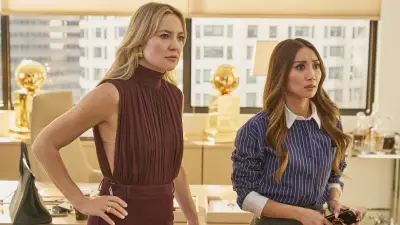
Netflix is bringing back some old favorites this summer, and we doubt that the streamer will field many complaints about that.
There are a handful of new shows premiering in June as well, but it’s usually the established programs that keep people coming back to Netflix.
Now, the Watch With Us team is sharing its roundup of the three new Netflix shows to watch in June 2026 and the reasons why you should watch them.
Our picks include a murder mystery, an acclaimed dramedy and one of TV’s longest-running shows.

Netflix has quite a rich lineup of new and returning shows to enjoy this month, but only a few are likely to break into the streamer’s top 10 chart. That’s the problem with embracing quantity over quality. Sometimes, even the good shows will simply be overshadowed by the bigger hits. That’s why Watch With Us […]
3. ‘A Good Girl’s Guide to Murder’ Season 2
After breaking out on Wednesday, Emma Myers got her own Netflix original series, A Good Girl’s Guide to Murder. In season 1, Myers made her debut as Pippa “Pip” Fitz-Amobi, a teenager who took it upon herself to solve the disappearance of another girl, Andie Bell (India Lillie Davies), five years earlier. Because Andie’s boyfriend, Sal Singh (Rahul Pattni), was widely believed to have killed her, his younger brother, Ravi (Zain Iqbal), had good reasons to help Pip determine if Sal was guilty or innocent.
While that storyline was largely concluded in season 1, the upcoming second season will explore some of the fallout from Pip’s investigation. Someone close to Pip has also gone missing, which means that she’ll soon be wrapped up in yet another mystery that she needs to solve.
A Good Girl’s Guide to Murder season 2 is now streaming on Netflix.
2. ‘The Four Seasons’ Season 2
The Four Seasons had one of Netflix’s most impressive lineups of cast members to date. The show revolves around three couples: Kate (Tina Fey) and Jack (Will Forte), Nick (Steve Carell) and Annie (Kerri Kenney-Silver), and Danny (Colman Domingo) and Claude (Marco Calvani). These six people have been friends for a long time and they vacation together four times a year. However, Nick upset the group’s dynamic by setting his divorce to Annie in motion and by dating a younger woman, Ginny (Erika Henningsen), whom he brought into their circle of friends.

Touching grass is great, but there are plenty of reasons to stay inside even when the weather improves. The TV lineup for this spring is quite stacked, so there will be more than enough entertainment options to tickle your fancy. The Testaments, the highly-anticipated sequel to Margaret Atwood‘s novel-turned-tv-adaption The Handmaid’s Tale, will be gracing […]
After a tragedy near the end of the first season, at least one of the main cast members won’t be around for season 2. As with the first season, there will be eight episodes in season 2 that chronicle another year of vacations among the group.
The Four Seasons season 2 will stream on Netflix on May 28.
1. ‘Law and Order’ (1990 – 2010, 2022 – Present)


Everything old is new again — especially if your show is part of the Law & Order franchise, which never seems to die. Do you ever wonder if NBC executives regretted canceling the OG Law & Order in 2010? Even after an 11-year hiatus, the flagship series is still one of the longest-running shows on TV. Netflix already has seasons 21 and 22, but seasons 23 and 24 just dropped in late May as a double bill for fans of the show.
Law & Order was innovative in the ’90s for the way the first half of the episode dealt with the police attempting to break the case, before turning the story over to the prosecutors who had to earn their convictions in court. Sam Waterston was there for most of the show’s run as District Attorney Jack McCoy. However, season 23 marked Waterston’s final appearance as McCoy, as well as the introduction of his replacement, District Attorney Nicholas Baxter (Tony Goldwyn). The cast lineup always goes through some changes, but the ripped-from-the-headlines stories never seem to run out of material on this show.
Law and Order seasons 23 and 24 are now streaming on Netflix.

Continue Reading
Entertainment
Robert Redford’s Wild War Movie Is the Thrilling American Action Flick You Need to Watch
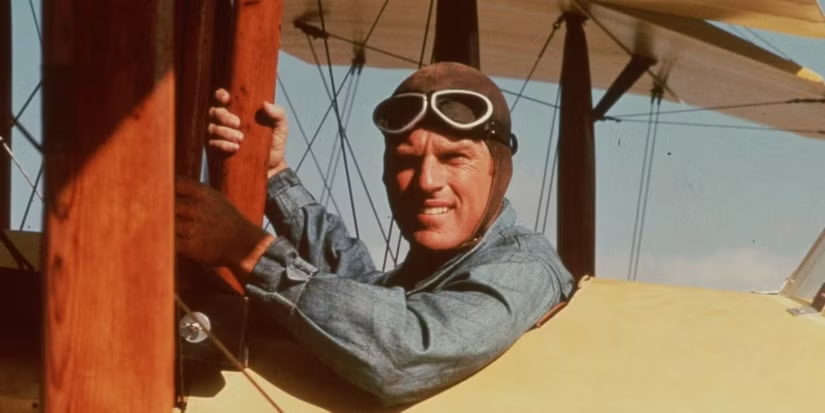
Most people scrolling through Robert Redford’s filmography probably pause at Butch Cassidy and the Sundance Kid, nod respectfully at All the President’s Men, maybe throw The Sting on during a lazy Sunday afternoon, then completely glide past The Great Waldo Pepper like it does not exist. Which is understandable, honestly. The title sounds less like an action movie and more like somebody’s uncle who owns a corner store and complains about parking meters. Nothing about it prepares you for Redford dangling thousands of feet in the air inside airplanes that look assembled from spare parts and blind optimism.
The film starts out with a rambling, carefree energy. Redford’s character charms, annoys, lies constantly, and bounces from one half-baked aviation stunt to another. At first, it all plays like a shaggy comedy about a group of aging pilots refusing to grow up. Then the movie gradually reveals something more complicated. These are men who found purpose in World War I, excitement, and camaraderie in the skies years earlier and never really figured out how to replace it afterward. Flying isn’t just a hobby for them…it’s the one place where they still feel like themselves. That is why they keep climbing into airplanes that look one strong gust away from falling apart over a cornfield. After a while, the flying stops feeling adventurous and starts feeling necessary, as if life on the ground never quite gave them what they were looking for.
Robert Redford Turns Barnstorming Into Pure Chaos

Image via Universal Pictures
Redford plays Waldo Pepper, a former pilot making his way through the 1920s one air show at a time. He takes jobs wherever he finds them, spends most of his money almost as quickly as he earns it, and approaches common sense as more of a loose suggestion than a rule. What keeps the character from becoming exhausting is the feeling that Waldo is chasing something larger than attention. The older he gets, the more it seems like he is trying to recapture a version of himself that only ever existed in the cockpit.
The movie follows Waldo as he chases bigger stunts and bigger attention while trying to outrun the quiet reality that the war may have permanently broken something inside him. Once legendary German ace Ernst Kessler (Bo Brundin) enters the story, the tone shifts slightly. Their rivalry never really feels heroic. It feels sad and haunted, like both men miss the war in ways they are deeply uncomfortable admitting out loud.
Director George Roy Hill shoots the flying scenes with alarming confidence. Modern action movies usually cut every three seconds, as if they’re terrified the audience might notice the actors are sitting safely in front of green screens. The Great Waldo Pepper does the opposite by allowing the shot to linger long enough for your stomach to start tightening. These planes creak and wobble, and sometimes they appear as if they are actively debating whether flight is still worth the effort.
One of the later aerial scenes carries a tangible sense of danger that most modern blockbusters cannot match, no matter how much money they throw at visual effects departments. The flying suddenly stops feeling cinematic and starts feeling deeply concerning. Not exciting—dangerous. The kind where your brain starts calculating survival probabilities if things go sideways.
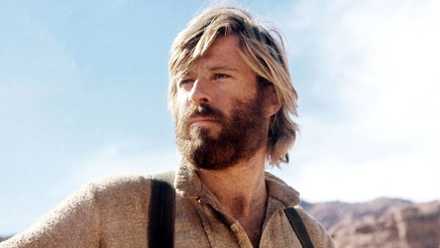
Every Robert Redford Western Movie, Ranked
The #1 movie here might have a title that sounds a bit like “Putsch Placidly and the Folk-Dance Lid.”
The Great Waldo Pepper Feels Weirdly Modern Now
Part of what makes the film work so well by today’s standards is how messy it allows itself to be — Funny one minute, melancholy the next. Then, suddenly, somebody crashes through a wing or barely survives a stunt that should have ended with a funeral. Modern action movies often feel polished, leaving the protagonists within an inch of their lives. Every emotional beat lands exactly where expected. Every character arc arrives gift-wrapped and perfectly timed.
But The Great Waldo Pepper feels loose in a way modern movies usually try to sand down. A little rough around the edges and slightly unpredictable. The tone fits perfectly for a story about people who only seem comfortable when something could go catastrophically wrong. Even the slower scenes feel heavy, as if every actor is shouldering a burden they don’t want to admit exists.
Waldo keeps chasing danger because ordinary life clearly feels too small now. The war gave these men intensity, purpose, adrenaline, and terror all mixed together, and civilian life cannot compete with that. The movie never over explains any of this either. It just lets the emptiness persist between scenes as Waldo keeps throwing himself into the sky, trying not to think too hard.
By the end, the movie stops feeling like an adventure story altogether. It begins to feel like a snapshot of people caught between two versions of America, with one version still romanticizing war heroes while ignoring what came home with them. That is what makes Waldo so interesting. He spends the entire film selling the fantasy of aviation heroism while quietly revealing the cost of living inside that fantasy long after the war and the glory have passed.

- Release Date
-
March 13, 1975
- Runtime
-
108 minutes
- Director
-
George Roy Hill
- Writers
-
William Goldman
Entertainment
“Alaskan Bush People” star Matt Brown found dead at 42, brother Noah helped pull body out of river
:max_bytes(150000):strip_icc():format(jpeg)/Matt-Brown-052926-2d4870411a664f8d92b886c7674b92f4.jpg)
The reality TV star’s brother Bear recently said Brown struggled with substance use and had become estranged from his family.
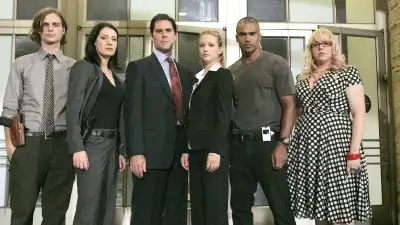
After Criminal Minds kicked off its new season with a surprising loss, showrunner Erica Messer addressed if there would be more onscreen deaths.
During an exclusive interview with Us Weekly, Messer weighed in on possible cameos from original Criminal Minds cast members, saying, “I always feel like it’s got to be a big important reason to have those cameos [like a funeral] and right now we don’t have anything that we’re leaning in that direction for this season. No more funerals.”
Messer’s update came after the Thursday, May 28, return of the hit Paramount+ series, showed Luke (Adam Rodriguez) mourning a personal loss while helping the BAU solve a case. It wasn’t until the end of the two-episode premiere that viewers found out his dog, Roxy, had to be put down.
“I don’t think we can ever be prepared anytime anything has ever happened with a beloved character — whether they’re four-legged or not,” Messer explained. “If you don’t have a pet, you certainly know someone who has a pet.”
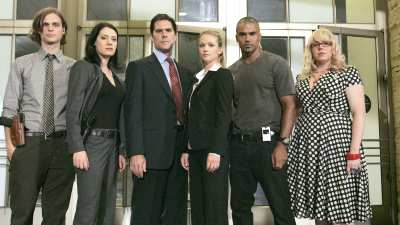
After 19 seasons, Criminal Minds has found opportunities to kill off beloved characters over the years. Criminal Minds, which premiered in 2005, follows a group of criminal profilers who work for the FBI as members of its Behavioral Analysis Unit. The crime drama explores different fictional cases and shows how behavioral analysis helps the team […]
Messer knew the reveal would hurt for viewers.
“It’s a loss of a family member. And for those who did watch the show in the before times [when it was on CBS], you definitely met Roxy when you first meet Luke early on,” she noted. “It was devastating for all of us to break that story. We all really felt the loss.”
She continued: “I had to warn Adam ahead of time that this is the story where we’re sending your way and it’s going to be really hard. I would say there’s probably not a dry eye when we were doing the read through for it and when we were shooting it and certainly in the screening. Everybody was very moved by that. So I would imagine our audience will feel as moved as the rest of us did.”
Criminal Minds, which premiered in 2005, follows a group of criminal profilers who work for the FBI as members of its Behavioral Analysis Unit. The crime drama explores different fictional cases and shows how behavioral analysis helps the team locate their unknown subjects.
Over the years, the show has faced its fair share of onscreen character deaths. Season 18 shocked viewers when Josh Stewart left after playing the role of Will since 2007.
Looking ahead at the rest of season 19, Messer teased the vision for this season.
“It is this idea of new beginnings. It’s been a year in our story world,” the screenwriter noted to Us. “So there are new challenges that they’re faced with — but there’s also a little bit of hope in that. It has the potential for better things to come.”
New episodes of Criminal Minds: Evolution air Thursdays on Paramount+.
:max_bytes(150000):strip_icc():format(jpeg)/love-island-season-8-053026-cb6f1fcea3374cceb61aaaf8ffbd29ee.jpg)
Vasana Montgomery has been pulled from the cast after videos of her using the racial slur emerged online.
:max_bytes(150000):strip_icc():format(jpeg)/dua-lipa-callum-turner-elton-john-aids-foundation-academy-awards-viewing-party-west-hollywood-031626-c4d6aecd6c5248b4bf06824f8aeb8e23.jpg)
The singer and actor tied the knot in an intimate ceremony with friends and family in London.

Us Weekly has affiliate partnerships. We receive compensation when you click on a link and make a purchase. Learn more!
If summer style had an official rich mom uniform, it would probably start with a linen dress. The relaxed fabric, easy silhouettes and quietly polished feel somehow make everything look more elevated — even if you’re just throwing it on and doing the bare minimum before heading to brunch, the farmers market or a beachside dinner. That’s the kind of effortless Hamptons energy that fashion people chase every single summer.
This year, the linen dress selection is especially good. Think striped coastal midis, flowy maxis and understated shirt dresses that appear far more expensive than they actually are. Whether you lean classic, nautical or quiet luxury-inspired, these 13 linen dresses capture that expensive-looking Hamptons rich mom vibe perfectly — and some start at just $10.
13 Expensive-Looking Linen Dresses For Hamptons Rich Mom Style
1. Our Favorite: Spaghetti straps and a contrast trim give this linen maxi dress a tailored look without the stiffness. The flowy cut skims instead of clings, making it ideal for humid summer days.
2. Coastal Classic: Soft ruffle sleeves, classic stripes and actual pockets put this striped linen midi a notch above the usual coastal dress. The midi length hits right above the ankle for most, ensuring it’s timeless and flattering.
3. Throw-On-and-Go: A round neck, loose drape and hidden pockets make this cotton linen maxi the dress you grab when you can’t think. The sleeveless cut keeps it cool through August.
4. Coastal Cool: Sun-faded straw bag, a stack of bracelets and this square-neck midi is the no-effort look for an oceanfront lunch. The linen fabric does the heavy lifting — without the heavy weight.
5. Halter Hero: Halter necklines often gap or pull at the neck, but the adjustable tie back on this halter maxi dress solves that. That means you can dial in support without a bra fight.

Some dresses just hang there, and other flowy options completely transform your shape. Wrap dresses fall into the second category, thanks to their waist-defining ties, flattering V-necks and draped silhouettes that naturally create an hourglass look without feeling restrictive. They’re basically the ultimate summer confidence boost when you want to feel comfortable but still look […]
6. Figure-Flattering: The tie waist on this V-neck linen dress cinches exactly where you want it, and the 100% linen construction means it gets softer with every wash.
7. Deal Alert: Toss this $10 linen maxi in the beach bag without worrying about sunscreen stains. At this price, it’s the dress you actually wear rather than save.
8. Quiet Luxury: The collar, button front and belt on this linen shirt dress give it the structured, understated look that quiet luxury labels charge four figures for.
9. Timelessly Polished: A 100% linen V-neck tank cut makes this sleeveless mini the kind of dress you’ll reach for every July for the next decade.
10. Effortlessly Elegant: Long sleeves and a notch neck make this linen shirt dress the rare maxi you can wear into a cool restaurant without freezing in the AC.
11. Seaside Stripes: Blue and white stripes, short sleeves and a cinched waist give this striped maxi dress a nautical look that’s perfect for beach days and vacations.
12. Brunch Ready: Block heels, small earrings and this midi shirt dress is the perfect uniform for Sunday brunch that turns into a 3 p.m. wine pour. The linen fabric handles long sits with ease.
13. Madewell Must-Have: The faded blue wash on this Madewell shirtdress makes it look like a vintage piece you’d find at a Sag Harbor boutique. With 100% linen and a relaxed cut, it’s a great option for everyday.

You know that feeling when you’re flipping through photos from a trip to Paris (or just scrolling through them on Instagram) and every woman seems to be wearing a dress that looks effortless, romantic and somehow expensive? It’s enough to give Us some serious fashion envy. However, pulling that look off back home doesn’t require […]

Us Weekly has affiliate partnerships. We receive compensation when you click on a link and make a purchase. Learn more!
Some dresses instantly radiate “quiet luxury,” and Gillian Anderson just gave Us a masterclass in the aesthetic at the Cannes Film Festival. While at the iconic Hotel Martinez, Anderson wore a loose white dress with a contrasting black trim — and the entire look screamed effortless elegance. It was polished without feeling stuffy, relaxed without looking sloppy and somehow managed to channel peak “Hamptons rich mom on vacation” energy all at once.
Naturally, we immediately went searching for a way to recreate the vibe without the inevitable designer price tag. Enter this under-$30 Amazon find, which captures that same refined, coastal-inspired feel with its easy silhouette and chic contrast detailing.
Get the Saodimallsu Square-Neck Contrast Midi Dress for $30 (originally $33) at Amazon! Please note, prices are accurate as of the publishing date but are subject to change.
While the Saodimallsu Square-Neck Contrast Midi Dress isn’t an exact replica of Anderson’s Cannes look, it delivers the same elevated effect. It’s the kind of dress you can throw on with oversized sunglasses and simple sandals and suddenly look like you’re summering somewhere with a yacht club nearby. And at just $30, it’s the sort of affordable wardrobe win that’s too good to gatekeep.

Jennifer Aniston has always been the blueprint for effortless off-duty style, but lately, one surprisingly simple piece keeps showing up in her rotation: easy flip-flops. Not chunky designer sandals. Not sky-high heels. Just sleek, minimal rubber flip-flops that somehow make everything she wears look cooler. And we’re calling it now — they’re about to be […]
The sleek square neckline and contrasting trim instantly give the dress that refined, old-money-inspired aesthetic, while the soft knit fabric keeps it wearable for real life. Unlike overly stiff cocktail dresses that feel restrictive after an hour, this one is designed to comfortably skim the body in a flattering way without feeling too tight or fussy. It looks intentionally styled even when you’ve only spent five minutes getting ready.
Shoppers are especially impressed with how flattering and expensive-looking the dress feels in person. “It hangs nicely, skimming over some parts I want skimmed over,” one reviewer wrote, adding that the knit fabric feels “heavier than I expected, yet not too heavy for summer.” Another shopper shared that the dress “far exceeded my expectations,” calling the fit “very flattering” because it “flatters your shape while not accentuating any imperfections.”
The quality also seems to surprise people in the best way possible — especially for an Amazon find. Reviewers say the knit fabric feels soft and smooth, the contrast detailing doesn’t look cheap and the length hits at an elegant, wearable spot below the knee.
It’s polished enough for dinners, parties and vacation nights out, but still relaxed enough to wear to brunch or daytime events with simple sandals and oversized sunglasses. This dress delivers that “wealthy woman summering on the coast” energy without trying too hard — get it today!
Get the Saodimallsu Square-Neck Contrast Midi Dress for $30 (originally $33) at Amazon! Please note, prices are accurate as of the publishing date but are subject to change.
Looking for something else? Explore more from Saodimallsu here and more must-have dresses here! Don’t forget to check out all of Amazon’s Daily Deals for more great finds!

You know that annoying summer struggle: you want a little arm coverage, but anything with sleeves instantly feels too hot. Tight fabrics cling, heavier styles trap heat and suddenly your “cute outfit” turns into a regret the second you step outside. That’s exactly why puff-sleeve dresses have become such a go-to. Instead of sticking to […]
:max_bytes(150000):strip_icc():format(jpeg)/Eddie-Murphy-Mel-Brooks-052926-e36d98a96333432ebef69d8eeac9e022.jpg)
From one comedy legend to another: “Tonight we honor a man full of greater surprises.”
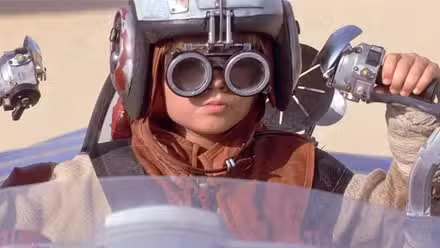
There are very few moments in Star Wars that genuinely feel horrifying. The franchise has always balanced war, tragedy, and darkness against pulpy adventure, but even its most devastating scenes usually carry a sense of mythic spectacle. Deaths happen constantly across the galaxy far, far away, yet very few linger in the same deeply uncomfortable way as one specific moment from Star Wars: Episode 1 – The Phantom Menace. Oddly enough, it happens during the podrace, which is still one of the best Star Wars sequences.
More specifically, it happens when Ratts Tyerell dies screaming in a fiery crash during the Boonta Eve Classic, a moment that has recently gone viral again online after fans revisited just how shockingly brutal the sequence actually is. A post from X user @NudeGunray called it “the most horrifying scene in Star Wars,” while another viral post from creator Jacob Andrews (@jtimsuggs) pointed out that deleted scenes from The Phantom Menace make the entire thing significantly worse.
Ratts Tyerell’s Death Feels Weirdly Real for Star Wars
The death itself happens quickly, but that almost makes it more disturbing. During the race, Ratts loses control of his podracer after a collission. His engines violently spin out, slam into the canyon wall, and explode while he lets out one of the most panicked screams anywhere in the franchise. What makes the moment stand out is how little fantasy softening there is around it. George Lucas does not frame the crash like a heroic sacrifice or dramatic wartime casualty: Ratts dies terrified, and the practical effects make the crash feel especially harsh.
Throughout the sequence, the podracers look unstable and dangerous, constantly rattling apart as they rocket through narrow canyon walls at absurd speeds. Ratts’ crash reminds viewers that these machines are essentially death traps. What makes the scene even sadder is that Ratts was a respected podracer who faced an accelerator malfunction, leaving him with little chance of avoiding the crash. Even stranger is how quickly the movie moves on afterward, because there’s hardly any reaction or acknowledgment that someone just died horribly. The Phantom Menace quietly establishes that podracing is an incredibly lethal spectator sport where racers can explode to death in front of thousands of cheering fans and everyone simply accepts it as part of the event.
27 Years Later, The Worst Star Wars Prequel Gave Us a Quote That Still Lives Rent-Free in Our Heads
The prequels might have divisive dialogue, but this quote still gives us chills.
George Lucas Accidentally Created A Real Racing Tragedy
The reason the scene has resurfaced recently is because of the deleted scene involving Ratts Tyerell’s family. One deleted scene from The Phantom Menace shows Ratts’ wife and children attending the podrace to support him. According to the dialogue referenced online, someone even mentions that his wife had just gotten out of the hospital with their new child. Then Ratts dies, and practically in front of them. That additional context transforms the sequence into one of the bleakest moments anywhere in Star Wars. Suddenly, the terrified alien screaming before impact is not just a random background racer created to raise the stakes. He is a husband and father who dies during a sporting event while his family watches from the stands.
What makes the moment especially unsettling is how closely it mirrors real-world racing tragedies. Lucas famously drew inspiration from Formula 1 and other motorsports while developing the Boonta Eve Classic, incorporating recordings of F1 cars alongside other racing vehicles into the sound design for Anakin Skywalker’s podracer. The goal was to make podracing feel fast, dangerous, and authentic. Viewed through that lens, Ratts’ death takes on an entirely different weight, because the scene suddenly feels uncomfortably close to the kinds of accidents that have haunted real racing events throughout history. The deleted scene only reinforces that feeling by reminding viewers that Ratts had a family waiting for him to come home.
‘The Phantom Menace’ Barely Acknowledges What Happened

Ratts’ death is the moment that fully sells the danger of the Boonta Eve Classic. From that point forward, every turn carries real tension because viewers have already watched one racer die horribly. The scene becomes even stranger because of what happens next. The Phantom Menace immediately pivots back into adventure mode, with the crowd moving on, the race continuing (there’s no safety podracer here to help keep things safe), and the movie barely acknowledges what happened. That emotional coldness is a big part of why Ratts Tyerell’s death still feels so disturbing more than two decades later. Plenty of characters die throughout Star Wars, but very few deaths combine genuine terror, horrific implications, and complete indifference from everyone around them. It is one of the rare moments where the galaxy far, far away feels uncomfortably close to the real world.

- Release Date
-
May 19, 1999
- Runtime
-
136 minutes
- Director
-
George Lucas
- Writers
-
George Lucas
- Producers
-
Rick McCallum
Animation gets talked about too politely. People discuss it like a category, a medium, a craft tradition, a family-movie lane, a technical achievement. All true. Still too polite. The greatest animated films are not only impressive for cartoons but actually happen to be life-moving, with profound life lessons. They are soul-level movies. They enter you early and stay there. Sometimes they stay as comfort. Sometimes as grief. Sometimes as one image you saw at nine years old and never actually recovered from.
And that is why the best animated film of all time is such a vicious argument. You are not only ranking beauty. You are ranking first wounds, first wonders, first tears, first moments when movement and music and color and voice stopped feeling like entertainment and started feeling like life translated into another language. Any of these ten could win depending on what you believe animation is here to do.
10
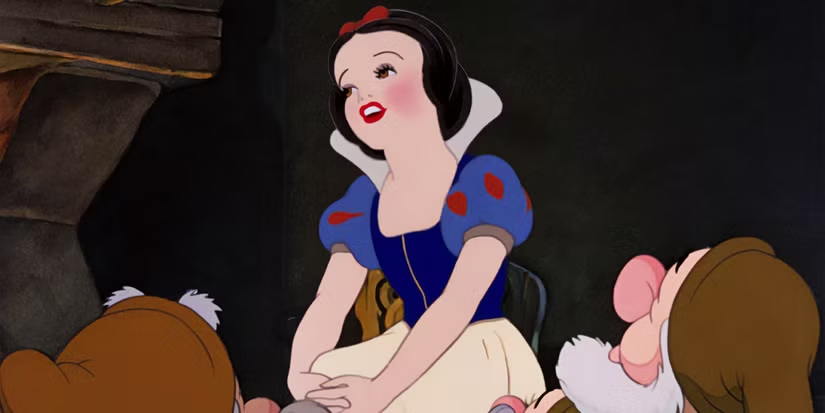
‘Snow White and the Seven Dwarfs’ (1937)

Part of the argument for Snow White and the Seven Dwarfs is simply this: the mountain had to be climbed before anybody else got to build cathedrals on top of it. But I do not want to praise it only like an artifact, because that flattens what still makes it moving. Snow White (Adriana Caselotti) is eerie. It is sweeter than modern animation often allows itself to be, yes, though it is also genuinely haunted. The forest sequence still feels like childhood fear rendered as pure visual panic, branches turning into claws, the world itself suddenly deciding that innocence is no protection. Then the film pivots and becomes almost absurdly tender, a house in the woods, little rituals of labor and domesticity, singing as survival.
That tonal swing is part of what makes it so foundational and so rewatchable. The Evil Queen (Lucille La Verne) is one great early animated villain. She is not just mean but vanity going necrotic. Snow White, meanwhile, works less as a psychological character in the modern sense and more as the center of a fairy-tale moral atmosphere. The film’s greatness comes from how unapologetically it believes in enchantment and terror sharing the same frame. Animation did not begin here, of course, but the idea that a feature-length animated world could carry dread, comedy, beauty, music, and death inside one sustained spell absolutely did.
9
‘Fantastic Mr. Fox’ (2009)

This is one of the best cases for the best animated film ever if your standard is not emotional devastation or mythic scale, but precision of personality. Wes Anderson’s Fantastic Mr. Fox is exquisitely made, every texture, every twitch, every corduroy and leaf and twitching whisker part of a complete tactile world. But the film stays with me because it understands the humiliating, funny pain of being a restless person trapped inside a life that should already be enough. Mr. Fox (George Clooney) is charming because he is a disaster. He wants domestic fulfillment and outlaw exhilaration at the same time, and the wanting makes him lie to everyone, including himself.
That is what gives the movie such emotional mileage on rewatch. Underneath the caper structure and all the perfect deadpan phrasing is a film about fathers embarrassing themselves in front of their sons, husbands mistaking appetite for vitality, and whole families improvising new forms of love while the world tries to dig them out and shoot them. Ash (Jason Schwartzman) gets sadder every time I see it. Kylie (Wallace Wolodarsky) gets funnier. Mrs. Fox (Meryl Streep) gets stronger. And the ending, with all that survival and dancing and fake-smooth style holding off real uncertainty by half an inch, feels almost miraculous. It is a movie about coolness, losing to need and becoming human in the process.
8
‘The Iron Giant’ (1999)

This movie has one of the strongest emotional cases on the list because it understands the exact second childhood wonder turns into moral feeling. The Iron Giant finding Hogarth Hughes (Eli Marienthal) is thrilling at first in the best giant-robot-fairy-tale way. A boy in the 1950s discovers this impossible metal being in the woods and the movie gives you all the initial pleasures, scale, secrecy, friendship, comic clumsiness, junkyard appetite, that beautiful sensation that the world just got bigger and nobody else knows yet. But then the film keeps deepening. The Giant (Vin Diesel) is not merely a machine. He is a consciousness deciding what kind of being he wants to become in a world already eager to define him as weapon.
And that is why the film keeps ruining people, because “You are who you choose to be” is not just a nice line here. It is the whole moral architecture. The Cold War paranoia matters because it turns fear into policy and policy into violence almost instantly. Dean McCoppin (Harry Connick Jr.) matters because he offers a different model of masculinity than the military panic machine. And Hogarth matters because children in great animated films are often the first people to believe that power and gentleness do not have to cancel each other out. The ending remains one of animation’s cleanest emotional detonations because the movie has made sacrificial heroism feel both cosmic and heartbreakingly personal.
7
‘Spirit: Stallion of the Cimarron’ (2002)

I know this is not the entry everyone expects to see this high in the argument, which is part of why I want to defend it emotionally rather than academically. Spirit: Stallion of the Cimarron works because it is all nerve. It has one of the boldest choices an American animated film of its era could make: center an animal, keep him unanthropomorphized in speech, and trust movement, music, and framing to carry almost everything that matters. That decision gives the film an unusual purity. Spirit (Matt Damon) is not delivering cute dialogue or winking one-liners to keep the audience comfortable. He is feeling through force, fear, resistance, and the aching instinct to remain himself while men keep trying to turn him into property.
That gives the movie a very different emotional texture from most studio animation. The train sequence, the taming attempts, the mountain spaces, the relationship with Rain, the bond with Little Creek (Daniel Studi), all of it plays like an ongoing war between freedom and possession. The film’s politics are not subtle, and good. They should not be. Colonization in Spirit feels like violation of land, animal life, and human dignity all at once. The score and songs, by Bryan Adams, may be unabashedly huge, though that hugeness is exactly what makes the movie land for people who love it. It does not hide its heart. It runs with it.
6
‘Toy Story’ (1995)

The argument for Toy Story is not just that it changed animation forever, though it obviously did. The stronger argument is that it changed the emotional possibilities of modern animation by making existential panic funny. Woody (Tom Hanks) is not just jealous of Buzz (Tim Allen). He is facing obsolescence. That is a very adult terror hidden inside a perfect children’s premise. Your worth has been tied to being loved in a certain role, then one day something shinier arrives and suddenly the entire structure that told you who you were starts wobbling. It’s an identity crisis in the toy world.
And what makes the film such a permanent rewatch is how sharply each toy embodies a different relationship to purpose. Buzz lives inside delusion until delusion breaks and leaves him with emptiness. Woody lives inside function until function is threatened and leaves him crueler than he wants to be. Their friendship matters because it is built through humiliation. They become friends by surviving the collapse of the stories they were telling about themselves. That is incredibly rich material for a movie this brisk and funny. And yes, the technical leap is historic. But the reason it lasts in the bloodstream is that it makes being a toy feel like being alive.
5
‘Spider-Man: Into the Spider-Verse’ (2018)

This one belongs in the fight because it did something animation almost never does at this scale, and certainly didn’t in the last few years — making innovation feel emotional instead of ornamental. The first time you see Spider-Man: Into the Spider-Verse, part of the thrill is pure sensation. The frame rate changes, the halftone textures, the comic-book ruptures, the color explosions, the way the image seems to be inventing itself scene by scene. But the movie would not still matter this much if that were all it had. What gives it a claim to best ever is that the visual language is tied to becoming. Miles Morales (Shameik Moore) does not yet move like himself because he does not yet know how to be himself. The form is unstable because he is.
That is such a beautiful use of animation. The multiverse stuff is fun, and the Spider-variants are delicious, and the movie has one of the best ensemble energy mixes in modern studio animation, but the real charge is Miles. He is scared in a very recognizable teenage way, scared of disappointing everyone, scared of not becoming enough, scared that the version of himself others are waiting for may not actually arrive on schedule. Then the leap happens. Not just the literal one, the emotional one. And the film earns that leap so completely that it stops being hype and becomes release.
4
‘The Lion King’ (1994)

This has one of the strongest best animated film ever claims. Everybody knows the skeleton, lost prince, murdered father, exile, guilt, return, but the reason The Lion King stays so powerful is that it does not feel like plot first. It feels like emotional weather. Mufasa (James Earl Jones)’s authority, Simba (Jonathan Taylor Thomas / Matthew Broderick)’s adoration, Scar (Jeremy Irons)’s bitterness, the whole opening sweep of the Pride Lands, everything is calibrated to make the eventual break feel like the world itself being morally disordered. That is why children carry the film so intensely. It is not just sad. It is cosmically wrong in a way they can feel before they can explain it.
And then adulthood changes the film again. Simba’s avoidance gets more painful. Timon and Pumbaa’s philosophy gets funnier and sadder. Nala (Moira Kelly) becomes more than a return-of-duty device. Scar grows richer as a character because his cruelty is so bound up with humiliation and grievance. And the animation itself remains extraordinary, not merely beautiful in the broad Disney sense, but emotionally legible. Fire. dust. moonlight. stampede. sunrise. ghostly cloud-presence. The movie keeps giving its themes elemental bodies. It is one of the clearest examples of animation turning archetype into lived feeling.
3
‘Grave of the Fireflies’ (1988)

If your definition of “best animated film of all time” is the film that most completely proves animation can carry unbearable human truth without softening it, Grave of the Fireflies might be your answer. It is not “great for an animated movie.” That phrase should be buried forever. It is one of the greatest anti-war films ever made, one of the greatest films about sibling love, and one of the most devastating works about social collapse and private pride ever created in any medium.
Seita (Tsutomu Tatsumi) and Setsuko (Ayano Shiraishi) are children trying to continue being children for one more day while the adult world breaks every structure that should protect them. The first time, the hunger and loss overwhelm you. Later, Seita becomes more complicated. His love for Setsuko becomes even more moving, but his pride, shame, and inability to bend before humiliation become part of the tragedy too. Society itself becomes the villain more clearly each time, not in some abstract ideological way, but through ordinary indifference, through people deciding someone else’s suffering is not their emergency. That is where the film destroys you. It makes catastrophe intimate and then refuses to let intimacy save anyone.
2
‘Pinocchio’ (1940)

There is a very serious case that Pinocchio is the greatest animated film ever made because it still feels like animation discovering how dark moral storytelling could become once you let drawings dream properly. This movie is terrifying. Not in a side-scene, “that part scared me as a kid” way. In its actual structure. Pinocchio (Dickie Jones) moves through one predatory adult system after another, exploitation, fraud, temptation, trafficking, transformation, and the movie never truly lies about what is at stake. If he keeps drifting toward appetite without conscience, he will lose himself. That is a brutal story engine for a children’s film, which is one reason it feels so eternal.
And then there is the craftsmanship, which can still make you angry with admiration. The underwater work, the lighting, the dimensionality of the spaces, the texture of Stromboli’s theater and Pleasure Island and Monstro’s violence, it all still feels alive. Jiminy Cricket (Cliff Edwards) matters too much to reduce him to mascot charm. He is the film’s fragile moral witness, constantly outmatched by how seductive irresponsibility can look in the moment. That is why the movie remains so rich. It understands that becoming “real” is not cute. It is painful. It requires choosing integrity repeatedly while the world keeps marketing you easier selves.
1
‘Spirited Away’ (2001)

This is my number one because it feels like the medium remembering everything it can do at once. It can terrify. It can console. It can bewilder. It can make labor sacred. It can turn greed into a monster and loneliness into a train ride and childhood fear into a whole spirit economy. Spirited Away is not just imaginative. Plenty of animated films are imaginative. It feels spiritually complete. Chihiro (Rumi Hiiragi) entering the bathhouse world is one of the greatest passages in cinema because the movie immediately understands that the strange world is not there only to entertain her. It is there to reshape her.
That is what makes it the greatest. Chihiro begins frightened, sulky, overwhelmed, still soft in the way a child can be before responsibility has found its proper shape inside her. The spirit world does not reward specialness. It demands work, memory, courage, patience, and the ability to see beings beyond the role they appear to fill in front of you. Haku (Miyu Irino), No-Face (Akio Nakamura), Yubaba (Mari Natsuki), Zeniba, Kamaji (Bunta Sugawara), Lin (Yumi Tamai), the stink spirit, they all matter because the film is so alive to transformation. Nothing is fixed. Appetite changes people. Love changes them. Naming changes them. Forgetting changes them. Spirited Away feels endless because it is a movie about crossing through fear and coming back with a fuller soul. Animation has produced many masterpieces. This is the one that, for me, feels like the medium in full bloom.



Crypto World2 minutes ago
Saylor’s Latest BTC Chart Revives Strategy Bitcoin Buy Speculation Wave

Sports3 minutes ago
TNT’s Jordan Heading saves best game in clincher vs Meralco

Tech5 minutes ago
Shadow Walker Was a DIY Biped Humanoid Robot

NewsBeat2 months ago
Steven Gerrard disagrees with Gary Neville over ‘shock’ Chelsea and Arsenal claim | Football

Politics2 months ago
US brings back mandatory military draft registration

Tech1 month ago
Register Renaming | Hackaday

News Videos6 minutes ago
Something Is Fundamentally Broken – Workers Reporting CONSTANT FINANCIAL STRESS
![DTCC CEO Drops a BOMBSHELL! They’re Planning XRPL/XRP Integration... THIS IS CRAZY! [HARDCORE POOF]](https://wordupnews.com/wp-content/uploads/2026/05/1780248492_maxresdefault-80x80.jpg)
News Videos19 minutes ago
DTCC CEO Drops a BOMBSHELL! They’re Planning XRPL/XRP Integration… THIS IS CRAZY! [HARDCORE POOF]

News Videos44 minutes ago
Stock Market Will RISE in June 2026 | Vedic Financial Astrology Prediction
-

 Business7 days ago
NYT Strands Answers May 24 2026 Revealed for Puzzle No. 812 Theme Summer Essentials
-

 NewsBeat4 days ago
Israel says it has killed new Hamas military leader in Gaza City airstrikes
-

 Tech4 days ago
NASA taps Blue Origin to deliver lunar rovers for Moon Base initiative
-
 Politics6 days ago
Bridgerton Season 5: Cast, Release Date And Everything We Know So Far
-

 News Videos5 days ago
XRP *JUST* SUCCEEDED!!!! CLARITY ACT EXPOSED!!! (SHE EXPOSED IT)
-
 Sports6 days ago
2026 NBA Finals schedule, odds: Knicks await Thunder or Spurs after winning East
-
Crypto World7 days ago
Brian Armstrong Outlines Crypto Vision for the Future Financial System
-
Crypto World5 days ago
Micron Crosses $1 Trillion Market Cap as AI Demand Reshapes Memory Sector
-

 Business5 days ago
Selena Gomez Reportedly Upset Over Benny Blanco’s Comments on Her ‘Terrible’ Diet
-

 News Videos2 days ago
This is BROKEN! INSANE 5x MONEY CAR WASH WEEK! The NEW GTA Online UPDATE Today! (GTA5 New Update)
-
 Business6 days ago
BTS Sells Out Four Las Vegas Shows at Allegiant Stadium for ARIRANG World Tour
-
 Tech6 days ago
China assigns ID codes to 28,000+ humanoid robots
-
 NewsBeat6 days ago
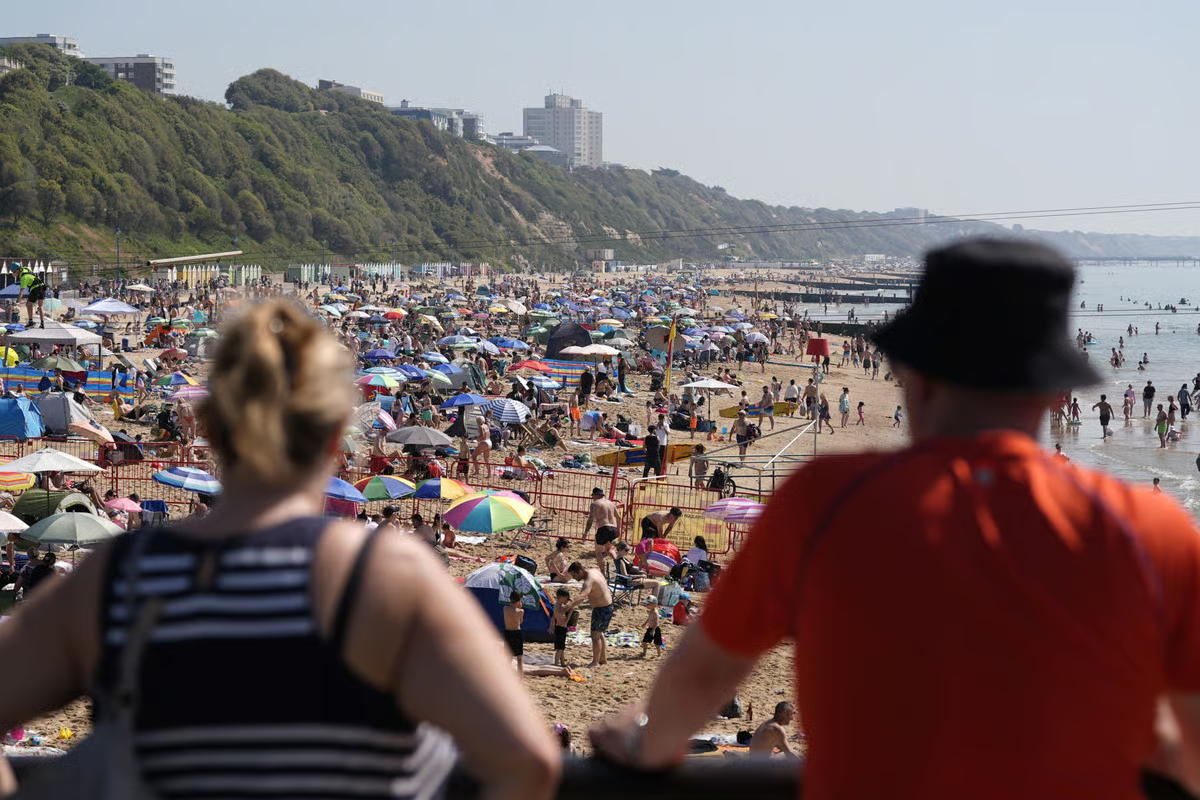
Hottest May day ever as London hits 34.8C in 2C leap from previous records
-

 Tech6 days ago
Microsoft’s quiet Claude Code retreat and the real cost of enterprise AI
-

 Tech3 days ago
Waymo dominates autonomous vehicle registrations as Tesla trails behind
-
 Business6 days ago
Nikkei 225 Surges Past 65,000 for First Time as Iran Peace Hopes Fuel Record Rally
-
Tech4 days ago
The Samsung pay deal is the moment Korean unions changed register
-

 NewsBeat6 days ago
Crowds find riverside shade in York as temperatures soar
-

 Tech6 days ago
Westone Audio and Etymotic Acquired by Fidelity Collective in Major IEM Market Move
-
 Entertainment6 days ago
‘Breaking Bad’ Star’s Easy-to-Binge 6-Part Crime Series Spin-Off Is Finally Heading to Free Streaming
You must be logged in to post a comment Login