Entertainment
Britain’s National Museums Will Stay Free — For Everyone, Ministers Confirm

After months of speculation that overseas tourists might soon have to pay to walk through the halls of the British Museum or gaze up at the Natural History Museum’s blue whale, the UK government has settled the question: admission will remain free for all, regardless of where visitors call home.
The Department for Digital, Culture, Media and Sport confirmed the decision on Tuesday, closing the door on a proposal floated earlier this year that would have seen international visitors charged for entry to England’s 15 national museums, 12 of which are based in London. The idea had been under review since March, as ministers searched for new ways to plug funding gaps at cash-strapped cultural institutions.
In the end, officials concluded the risks outweighed the rewards. A DCMS spokesperson said charging overseas visitors could deter domestic ones too, and that any financial upside “would not be felt equally across the sector” — meaning some museums might have profited while others were left worse off.
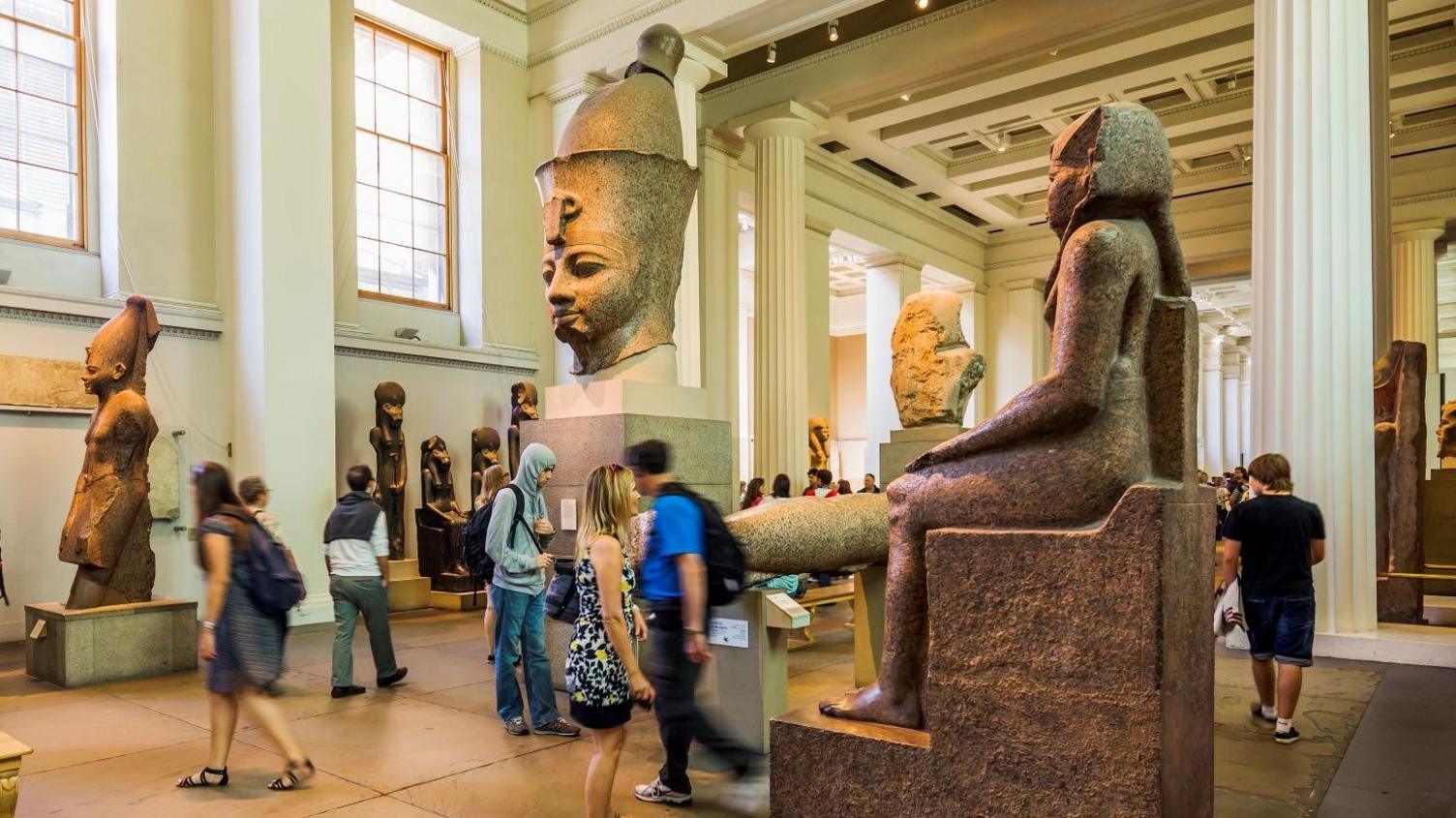

Culture Secretary Lisa Nandy framed the decision as a matter of principle as much as policy. “Our museums are the places that light up the world,” she said. “That’s why they must be free, forever, for everyone to access.”
The debate had been reignited by a review from former Labour minister Baroness Margaret Hodge, published last year, which argued that charging foreign tourists would bring Britain into line with countries such as New Zealand and Singapore, both of which operate tiered pricing models favouring residents. But that argument ultimately failed to sway the government, which has now reaffirmed a policy dating back to 2001, when free admission to national collections was first introduced.
For the institutions themselves, the announcement brings a mix of relief and cautious optimism. The British Museum and the Natural History Museum are among the most visited attractions in the world, drawing 6.4 million and 7.1 million visitors respectively in 2025 alone. Their directors welcomed the news, even while acknowledging that a charging scheme might have offered a short-term financial boost.
Natural History Museum director Dr Doug Gurr put it plainly: “Free museums aren’t a cost to the economy — they’re a key reason the economy benefits from tourism in the first place.” He added that while his own institution stood to gain from charging tourists, the wider museum sector would likely have suffered, and called instead for a share of tourism revenue to be reinvested directly into the attractions that help generate it.
British Museum director Nicholas Cullinan struck a more historical note, pointing out that free access was baked into the institution’s founding mission nearly three centuries ago. “When the British Museum was founded as the world’s first public national museum in 1753 it was to be free for ‘all persons’,” he said. “So, we are delighted by the government’s announcement that free entry for all will be maintained.”
The government insists it isn’t abandoning museums to fend for themselves financially. Alongside the decision, DCMS pointed to a package of support that includes £760m for museums through the broader £1.5bn Arts Everywhere Fund, £600m in infrastructure investment for national collections, and a £13.6m transformation programme designed to help institutions build more sustainable business models for the future. Ministers say they will also work with Arts Council England on a long-term strategic plan for the sector, with further details expected in the coming months.
The stakes are considerable. According to DCMS figures, national museums contribute more than £1bn a year to the UK economy, drawing global visitors who often spend on hotels, restaurants and shops well beyond the museum gift shop. Supporters of free admission argue that any entry fee — however modest — risks undermining that broader economic pull, particularly for budget-conscious travellers weighing up how to spend their limited time and money in London.
Not everyone was pushing for charges, either. Earlier this autumn, several museum leaders publicly warned against introducing fees for overseas visitors, cautioning that the administrative cost of policing who counts as a “tourist” versus a UK resident could itself eat into any revenue gained — to say nothing of the reputational risk of appearing to charge foreign guests more than locals.
For now, the message from Whitehall is unambiguous: Britain’s museums will remain, as they have been for nearly a quarter of a century, open to everyone at no cost. Whether that guarantee proves durable amid ongoing funding pressures across the arts and culture sector remains to be seen — but for millions of visitors planning trips to London and beyond, the free ticket stays firmly in place.
You must be logged in to post a comment Login