Certain trilogies might well only get kind of heavy for one movie out of three, often the second… see the original Star Wars trilogy as well as The Dark Knight within its trilogy. It’s naturally a downer to have people get invested in three movies’ worth of story, only to have to all end up feeling quite hopeless, so that’s why the second movie being the heaviest is a little more expected, if you’re even going to have a bleak chapter in the first place.
But it’s not the only way to tackle a movie trilogy, because some feel heavy throughout, or have, at a minimum, two out of three movies being intense and/or heavy-going. The following trilogies can all count themselves among the heaviest in cinema history, with the bunch of them being depressing for different reasons, and depressing within different genres, too.
Advertisement
8
‘Pusher’ (1996–2005)
Image via Nordisk Film
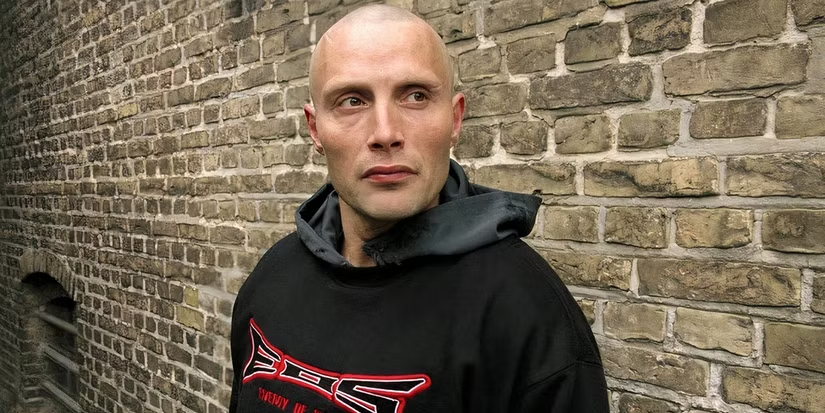
Nicholas Winding Refn might be more well-known for his 2010s English-language movies, with Drive especially being something of a modern cult classic, but his Pusher trilogy shouldn’t be overlooked. These films are incredibly gritty and down-and-dirty, with 1996’s Pusher feeling particularly grimy and low-budget. That goes some way to helping things feel more realistic, and then narratively, it’s also intense, since it’s about a drug dealer losing a great deal of money, and needing to find a way to get it in time, as he’s otherwise in rather hot water.
Things kept going with each subsequent movie focusing on a different protagonist, as a side character played by Mads Mikkelsen in the first movie was the central character in the second, and then the drug lord behind much of the first movie’s conflict/drama was the central character in the third film. They’re all brutal and downbeat in their own ways, but also quite engaging if you don’t mind movies that make you feel like you need a shower right after finishing them.
Advertisement
7
‘Three Colours’ (1993–1994)
A woman in a pool looking upwards in a dark blue roomImage via MK2 Productions
This is a slightly tricky example, since Three Colours is a thematic trilogy, and each one does go for something a bit different tonally, and even different genre-wise. In terms of heaviness, Three Colours: Blue (the first one released) is the most full-on, as it’s an exploration of grief and accompanying feelings of depression, being about a woman navigating life after losing both her husband and daughter very suddenly, in a car accident.
Three Colours: White isn’t as despair-filled, being a bit more comedic, but it’s still something of a psychological drama alongside being a comedy, and not without a dark sense of humor, either. Three Colours: Red is moody again, and maybe a little more mysterious, but ultimately not as heavy-going as Three Colours: Blue. That first film does the heavy-lifting here, though the two movies that follow it (or don’t really follow it, given this trilogy being a thematic one) do still have some darker moments.
Advertisement
6
‘Terrifier’ (2016–2024)
David Howard Thornton as Art the Clown in ‘Terrifier 2’ during Sienna Shaw’s (Lauren LaVera) nightmare sequence.Image via Cinaverse
Terrifier probably won’t be a trilogy for long, but for now, it is made up of three movies, and they’re three immensely gory movies, too. That’s kind of Terrifier’s thing, as a series so far: there’s a pretty much unstoppable villain at the center of things, and his whole thing is that he really likes to inflict maximum pain on his victims before killing them, so that’s where all the blood and gore inevitably come in.
There’s also a good deal of emotional and psychological distress he wants to cause certain victims, toying with them in that way before he actually hurts them, and so Terrifier 2 and Terrifier 3 get kind of heavy in that way, on top of all the violence. They are admittedly tongue-in-cheek at times, and not serious or heavy-going dramas in the way most of these other trilogies here are, but there’s a good bit of distress to be found throughout these three movies if you’re not really on board with what they have to offer.
Advertisement
5
‘X’ (2022–2024)
Pearl closing her eyes praying in ‘Pearl’ (2022).Image via A24
Okay, sorry, it was hard to find heavy-going drama-focused trilogies, so here’s one more trio of horror movies: those belonging to the X trilogy. X (2022) is the first of them, and beyond being pretty savage as far as the violence is concerned, it’s also an oddly sad movie about how miserable it is to get old… once you do get past the kills. It’s not exactly thought-provoking, but it is something.
Pearl (also a 2022 release) is a bit more of a drama and less of a horror movie, and it’s a prequel, laying out the rather somber backstory of the main villain of X, showing who she was when she was younger. Then MaXXXine… well, MaXXXine sort of goes off the deep end, and calling it heavy beyond having some distressingly violent moments would be too much of a stretch, but two out of three ain’t bad and all that.
Advertisement
4
‘The Apu Trilogy’ (1955–1959)
Image via Merchant Ivory Productions
Across three movies, The Apu Trilogy does something that might sound a little similar to what Boyhood did in one movie, but that 2014 film was surprisingly light on drama and narrative, really just being a slice-of-life thing across 12 years. The films in this Indian trilogy, though, are incredibly heavy on drama, and also generally heavy-going, all the while mostly centering on a boy named Apu who grows into a young man by the third and final film, and is played by a total of four different actors across the trilogy.
The first movie, Pather Panchali (1955), has Apu as more of a passive character, since he’s so young, and much of that film is a very emotionally intense family drama. Further hardships happen in Aparajito (1956) and The World of Apu (1959), and while it’s not heavy-going or depressing 100% of the time, it is certainly downbeat stuff for a good chunk of the trilogy.
Advertisement
3
‘The Godfather’ (1972–1990)
Essentially, The Godfather is an epic tragedy in three parts, albeit with only two of those movies being essential to get the point across. The Godfather gets the ball rolling on depicting the downfall of the Corleone crime family, while The Godfather Part II showcases the truly messy and despairing stuff, and makes it feel heavier because much of it’s contrasted with a series of flashbacks that depict the rise of the Corleone empire.
It’s a rise and fall kind of thing, but not in a linear fashion, which sets it apart from other gangster movies about a character’s rise and fall. The Godfather Part III doesn’t mine a great deal of new ground thematically or narratively, but it does have further bleak events happen to the characters who are still standing at that point in the series, so for present purposes, it is still able to count itself as a heavy-going part 3.
2
‘Life of Crime’ (1989–2021)
Image via HBO
Advertisement
While Life of Crime is a documentary trilogy, it’s still worth including here because of how immensely heavy-going it gets, and the fact that it’s all genuinely real does undoubtedly add to that feeling. 1989’s One Year in a Life of Crime began the trilogy, and is what you’d expect, based on that title. It got a follow-up almost a decade later (1998’s Life of Crime 2), and then 2021 saw everything get wrapped up in a distressingly definitive manner.
It’s something of an anti-true crime documentary series, since there’s nothing flashy or intentionally entertaining here.
Advertisement
That final film is called Life of Crime, 1984-2020, and can sort of be watched on its own, given that it summarizes what happened throughout that whole span of time, including the first two documentaries. It’s still worthwhile watching the entire thing, though, as something of an anti-true crime documentary, since there’s nothing flashy or intentionally entertaining here, and it’s just about downtrodden people stuck in a hopeless cycle. The Life of Crime documentaries are also a bit like a much darker spin on the Seven Up documentary series, which also checked in with a group of people over a span of several decades.
1
‘The Human Condition’ (1959–1961)
A man looking ahead in The Human Condition I_ No Greater LoveImage via Shochiku
More than earning masterpiece status, The Human Condition is one huge film separated into three parts, with more coherence than a good many other trilogies, owing to how this three-part movie was made and then released (in an overall short span of time, by trilogy standards). You get a huge story told over all three movies, with the first part mostly being about the lead-up to World War II, the second part involving the main character having to fight in it, and the third part being about surviving the immediate aftermath of the conflict.
Advertisement
The protagonist changes a great deal throughout, since he’s put through so much and is initially a pacifist, yet can’t escape some kind of involvement in the war, at a certain point. The Human Condition might well be the best Japanese-made World War II movie, and is up there as a contender for the best World War II movie made anywhere, really. It’s also absolutely grueling, emotionally intense, and unapologetic with the violence it depicts, with all those things – plus its overall length of approximately 10 hours – making it an inevitably difficult (but worthwhile) watch.
Advertisement
Collider Exclusive · Oscar Best Picture Quiz Which Oscar Best Picture Is Your Perfect Movie? Parasite · Everything Everywhere · Oppenheimer · Birdman · No Country
Five Oscar Best Picture winners. Five completely different visions of what cinema can be — and what it can do to you. One of them is the film that was made for the way your mind works. Ten questions will figure out which one.
🪜Parasite
🌀Everything Everywhere
Advertisement
☢️Oppenheimer
🐦Birdman
🪙No Country for Old Men
Advertisement
01
What kind of film experience do you actually want? The best movies don’t just entertain — they leave something behind.
Advertisement
02
Which idea grabs you most in a film? Great films are driven by a central obsession. What’s yours?
Advertisement
03
How do you like your story told? Form is content. The way a story is shaped changes what it means.
Advertisement
04
What makes a truly great antagonist? The opposition defines the protagonist. What kind of opposition fascinates you?
Advertisement
05
What do you want from a film’s ending? The final note is the one that lingers. What do you want it to sound like?
Advertisement
06
Which setting pulls you in most? Where a film takes place shapes everything — mood, stakes, what’s even possible.
Advertisement
07
What cinematic craft impresses you most? Every great film has a signature — a technical or artistic element that makes it unmistakable.
Advertisement
08
What kind of main character do you root for? The protagonist is the lens. Who you choose to follow says something about you.
Advertisement
09
How do you feel about a film that takes its time? Pace is a choice. Some films sprint; others let tension accumulate slowly, deliberately.
Advertisement
10
What do you want to feel walking out of the cinema? The best films leave a mark. What kind of mark do you want?
Advertisement
The Academy Has Decided Your Perfect Film Is…
Your answers have pointed to one Oscar Best Picture winner above all others. This is the film that was made for the way your mind works.
Advertisement
Parasite
You are drawn to films that operate on multiple levels simultaneously — that begin in one genre and quietly, brilliantly migrate into another. Bong Joon-ho’s Parasite is a film about class, desire, and the architecture of inequality that manages to be darkly funny, deeply suspenseful, and genuinely shocking across a single extraordinary running time. Your instinct is for cinema that hides its true intentions until the moment it’s ready to reveal them. Parasite is exactly that — a film that rewards close attention and punishes assumptions, right up to its devastating final image.
Advertisement
Everything Everywhere All at Once
You want it all — and this film gives you all of it. The Daniels’ Everything Everywhere All at Once is one of the most maximalist films ever made: action comedy, multiverse sci-fi, family drama, existential crisis, and a genuinely earned emotional core that sneaks up on you amid the chaos. You are someone who responds to ambition, who doesn’t want cinema to choose between being entertaining and being meaningful. This film refuses that choice entirely. It is overwhelming by design, and its overwhelming nature is precisely the point — because the feeling of being crushed by infinite possibility is exactly what it’s about.
Advertisement
Oppenheimer
You are drawn to cinema on a grand scale — films that understand history not as a backdrop but as a force, and that place their characters inside that force and watch what happens. Christopher Nolan’s Oppenheimer is a film about the terrifying gap between what we can do and what we should do, told with the full weight of one of the most consequential moments in human history behind it. You want your films to feel important without feeling self-important — to earn their ambition through sheer craft and the gravity of their subject. Oppenheimer does exactly that. It is enormous, complicated, and refuses easy comfort.
Advertisement
Birdman
You are drawn to films that foreground their own construction — that make the how of the filmmaking part of the what it’s about. Alejandro González Iñárritu’s Birdman, shot to appear as a single continuous take, is cinema examining itself through the cracked mirror of a fading actor’s ego. You respond to formal daring, to the feeling that a film is doing something that probably shouldn’t be possible. Michael Keaton’s performance and Emmanuel Lubezki’s restless camera create something genuinely unlike anything else — a film that is simultaneously about creativity, relevance, self-destruction, and the impossibility of ever truly knowing if your work means anything at all.
Advertisement
No Country for Old Men
You are drawn to cinema that trusts silence, that refuses to explain itself, and that treats dread as a form of meaning. The Coen Brothers’ No Country for Old Men is a film about the arrival of a new kind of evil — implacable, arbitrary, and utterly indifferent to the moral frameworks we use to make sense of the world. It is one of the most formally controlled films ever made, and its controlled restraint is what makes it so terrifying. You want your films to haunt you, not comfort you. You are not interested in resolution if resolution would be dishonest. No Country for Old Men is honest in a way that most cinema never dares to be.
The first Star Wars movie in seven years, The Mandalorian and Grogu, is set to release in theaters this week. Latest box-office projections suggest that the space Western could gross as much as $90 million domestically in its first three days, and around $110 million over the four-day Memorial Day frame. This is roughly in the same range as the domestic debut of Solo: A Star Wars Story, which holds the unenviable distinction of being the franchise’s only theatrical bomb. After a tumultuous production that saw directors Phil Lord and Christopher Miller fired and replaced by Ron Howard, the movie’s budget ballooned to a reported $275 million. It grossed around $390 million worldwide, and was effectively a non-starter internationally. The Mandalorian and Grogu wasn’t as expensive to produce as Solo, but the good news ends there.
Directed by Jon Favreau, the movie serves as a spin-off to the beloved Disney+ series The Mandalorian, which premiered as a launch title on the streamer in 2019. The Mandalorian has aired three well-received seasons, and has spawned the streaming spin-offs The Book of Boba Fett and Ahsoka. In many ways, The Mandalorian paved the way for a new wave of Star Wars content on streaming in the aftermath of Star Wars: Episode IX — The Rise of Skywalker‘s underwhelming critical and commercial performance. But the biggest challenge for Disney ahead of The Mandalorian and Grogu‘s release was communicating to the public that it’s a theatrical movie. And now, the recent streaming success of another space Western raises a new question.
Advertisement
Advertisement
Collider Exclusive · Star Wars Quiz Which Force User Are You? Light Side · Dark Side · Or Somewhere Between
The Force is not a binary. It is a spectrum — from the serene halls of the Jedi Temple to the shadowed corridors of Sith space. Ten questions will reveal where you truly fall. The Force has always known. Now you will too.
🔵Jedi Master
🟡Padawan
🔴Sith Lord
Advertisement
⚫Inquisitor
⚪Grey Jedi
Advertisement
01
What is the Force to you? Your relationship with the Force defines everything else.
Advertisement
02
When you feel strong emotions — anger, grief, love — what do you do? The Jedi suppress. The Sith feed. Others choose differently.
Advertisement
03
The Jedi Council gives you an order you disagree with. You: How you handle authority reveals your alignment.
Advertisement
04
You are offered forbidden knowledge that could give you enormous power. The cost is crossing a moral line. You: The dark side’s pull is never more than a choice away.
Advertisement
05
Your approach to training and learning is: A student’s habits become a master’s character.
Advertisement
06
In a duel, your lightsaber fighting style reflects: Combat is the purest expression of a Force user’s philosophy.
Advertisement
07
A defeated enemy lies at your feet, powerless. You: Mercy — or its absence — is the truest test of alignment.
Advertisement
08
The Jedi Code forbids attachment. Your honest view on love and bonds: The source of the greatest falls in the galaxy.
Advertisement
09
Why do you use the Force at all? What’s the point? Purpose is the difference between a knight and a weapon.
Advertisement
10
At the final moment — light side or dark side pulling at you — what wins? In the end, every Force user faces this moment. What does yours look like?
Advertisement
Your Alignment Has Been Determined Your Place in the Force
The scores below reveal how the Force sees you. Your highest number is your true alignment. Read on to understand what that means — and what it will cost you.
Advertisement
🔵 Jedi Master
🟡 Padawan
🔴 Sith Lord
⚫ Inquisitor
Advertisement
⚪ Grey Jedi
Disciplined, compassionate, and deeply attuned to the living Force, you have walked the path long enough to understand its demands — and accept them. You lead not through authority alone, but through example. You have felt the pull of the dark side and chosen otherwise, every time. That is not certainty. That is courage.
Advertisement
You are earnest, powerful, and brimming with potential — and you know it, which is both your greatest asset and your most dangerous flaw. You act before you think, trust your gut over your training, and sometimes confuse impatience for bravery. The Masters see something in you, though. The question isn’t whether you have what it takes — it’s whether you’ll be patient enough to find out.
You are not simply dangerous — you are certain, and that is worse. You have decided what the galaxy needs, and you have decided you are the one to deliver it. Your power is genuine and formidable, earned through sacrifice that would have broken lesser beings. But examine your victories carefully. Every Sith believed their cause was righteous. The dark side’s cruelest trick is that it agrees with you.
Advertisement
You were forged in fire and reshaped by those who found you at your lowest. You serve, because service gave you structure when you had none. Your allegiance is not to an ideology — it is to survival and to the master who gave you purpose. But there is something buried beneath the conditioning. The Jedi you hunt? You recognize them. Because you remember what it felt like before the choice was taken from you.
You have looked at the Jedi Code and the Sith Code and found both of them incomplete. You walk the line not out of indecision but out of conviction — you genuinely believe both extremes miss something essential. The Jedi don’t fully trust you. The Sith think you’re wasting your potential. They’re both partially right. But so are you.
Advertisement
Advertisement
Middling Reviews Aren’t the Only Hurdle ‘The Mandalorian and Grogu’ Is Facing
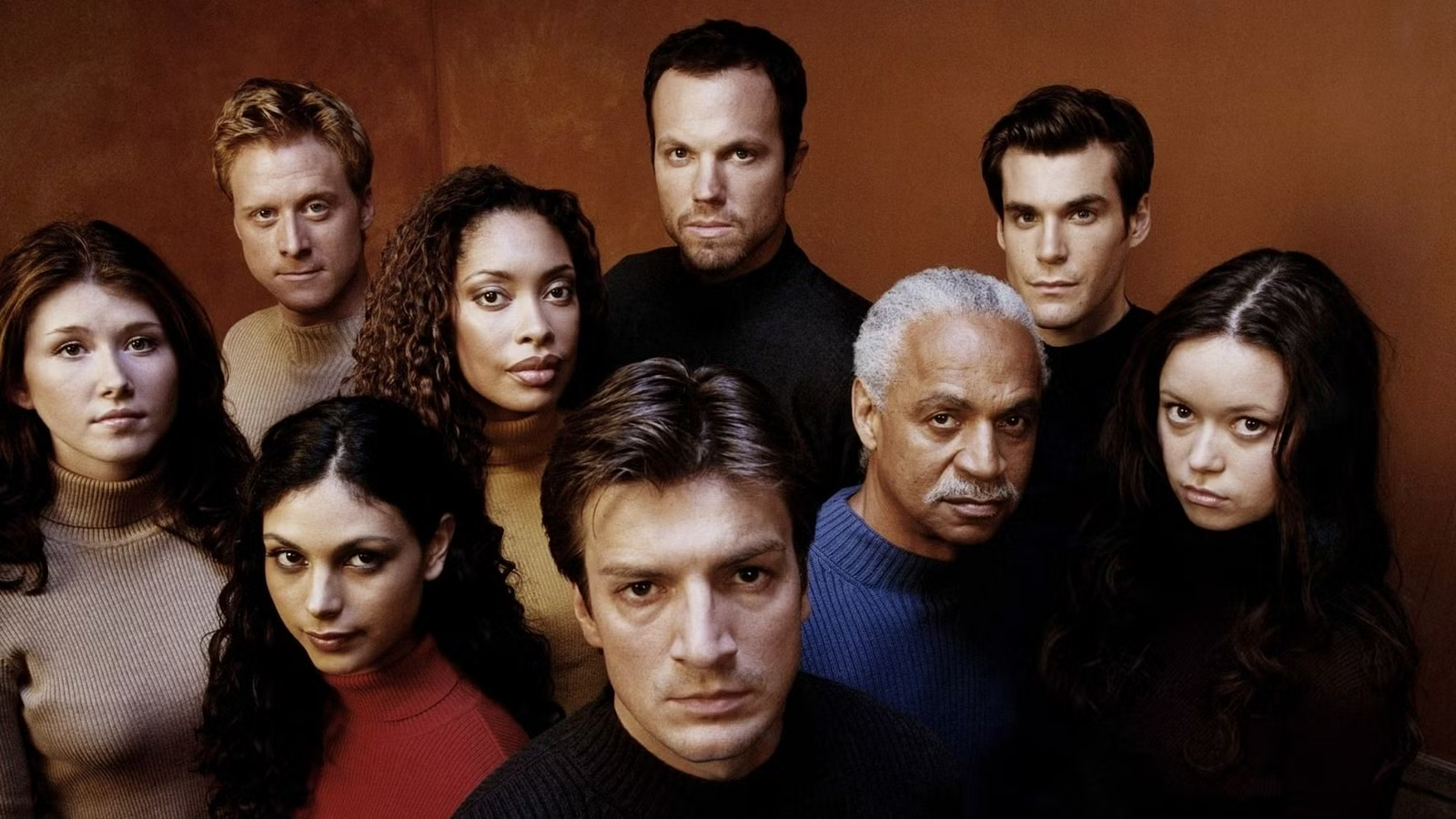
According to FlixPatrol, one of the most-watched movies on Prime Video this week was Serenity, the 2005 theatrical spin-off of Joss Whedon‘s landmark 2002 television series Firefly. The movie was produced when Firefly became a home-video hit following its unceremonious cancellation after just one season. But Serenity, which brought back Whedon and the show’s central cast, underperformed at the box office as well. It grossed $40 million worldwide against a reported budget of $39 million, indicating that converting a small-screen series into a theatrical hit can be more difficult than it seems. The Mandalorian and Grogu has received middling reviews so far, which isn’t an encouraging sign. The movie currently holds a 61% score on Rotten Tomatoes, with Collider’s Aidan Kelley writing in his review that it “could very well be the most forgettable and inconsequential entry the franchise has produced yet.” Stay tuned to Collider for more updates.
Kathy Griffin is sharing a self-described “TMI” update on her health.
Posting via her Instagram on Thursday, May 21, Griffin, 65, revealed that she had been hospitalized after a medical procedure.
“I spent the night in hospital because I had complications from my colonoscopy,” Griffin wrote.
While Griffin did not elaborate on why she underwent the procedure, the comedian assured her fans that she is now on the mend despite the health setback.
Kathy Griffin has revealed that she recently underwent a hysterectomy. “Happy Monday! I had a hysterectomy on Friday,” the comedian, 64, wrote via Instagram on Monday, April 7. “That’s right they took out the uterus, the fallopian tubes & the ovaries. Pre-cancerous [sic], blah blah blah.” While Griffin didn’t expand on her condition, she announced […]
“I know, I know, very sexy but I am home now with the doggies where I belong,” she added.
Advertisement
According to the Mayo Clinic, a colonoscopy “is an examination of the inside of your large intestine (colon). It’s helpful for diagnosing gastrointestinal diseases, such as inflammatory bowel disease and colon cancer. It can also help treat and prevent colon cancer.”
Griffin’s followers flocked to her post’s comments section to send their well wishes after the ordeal.
“Feel better soon ❤️” wrote one, while another added, “Ugh… I’m so sorry this has happened. Bounce back, dear Kathy.”
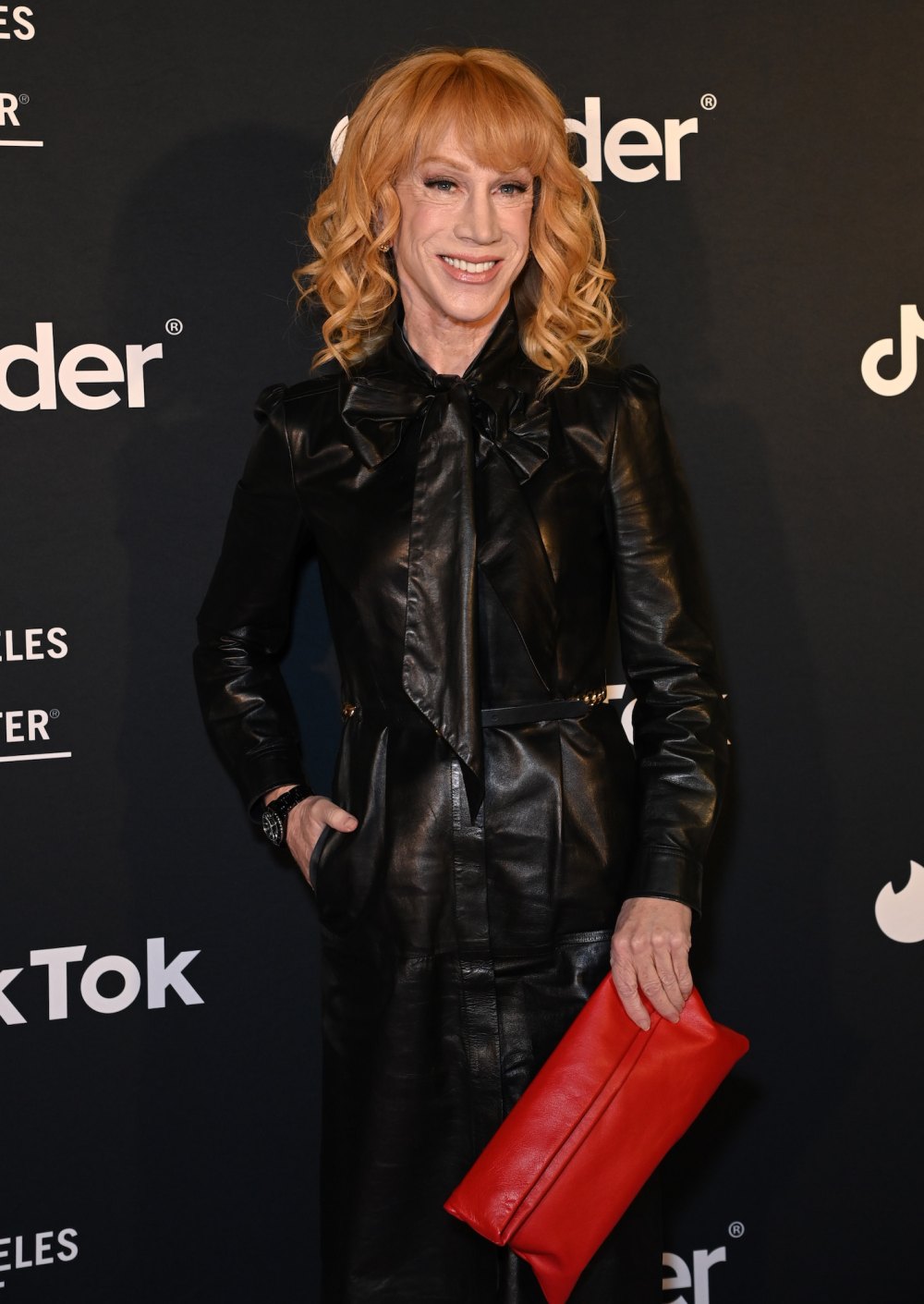
Kathy Griffin.(Photo by Jon Kopaloff/Getty Images for Versace / Los Angeles LGBT Center )
Another follower wrote, “All that matters is that you are better and home!! Keep resting ❤️!” One fan also chimed in with, “Wishing you a speedy recovery!”
It’s not the first time Griffin has been candid about undergoing health procedures. In 2010, Griffin received a poolside pap smear on her show, My Life on the D-List, in order to raise awareness for how important the medical procedure is for women’s health issues.
Kathy Griffin has been open about the highs and lows of her life. Born in November 1960, Griffin grew up in Illinois before moving to Los Angeles in 1978. She joined the famous improv troupe The Groundlings before starting her stand-up career in the 1990s. Of course, most fans have seen her on TV as […]
A pap smear is a medical test that professionals commonly use to help detect cervical cancer early.
Advertisement
Thank You!
You have successfully subscribed.
“I started talking to girlfriends of mine, my age and younger, and I just can’t believe how many women are afraid to get a pap smear or they forget or they’ve gone 10 years without doing one,” Griffin explained to E! News in 2010. “The message is, if you see me doing something so outrageous — some may say repulsive — that should make it easier for you to pick up the phone and call your doctor and go get one in the privacy of your own doctor’s office.”
“I feel happier than I’ve ever been before,” Schumer told Amanda Hirsch during the “Dear Media by Night” event for Hirsch’s “Not Skinny But Not Fat” podcast event. “I actually had, kind of, a botched colonoscopy, so I’m not feeling very sexual.”
Ariana Grande is preparing to step back onto the stage for the first time in seven years, but behind the excitement surrounding her upcoming Eternal Sunshine Tour is a much darker reality.
The singer is reportedly still battling emotional scars connected to the 2017 Manchester Arena bombing that killed 22 people during her Dangerous Woman tour.
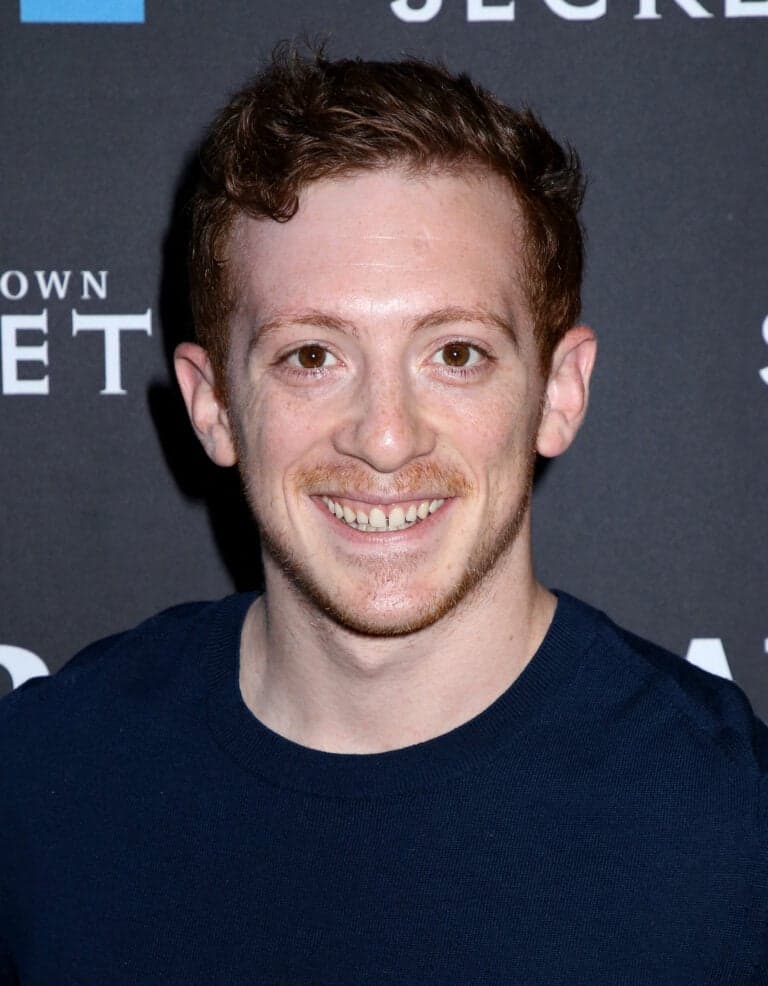
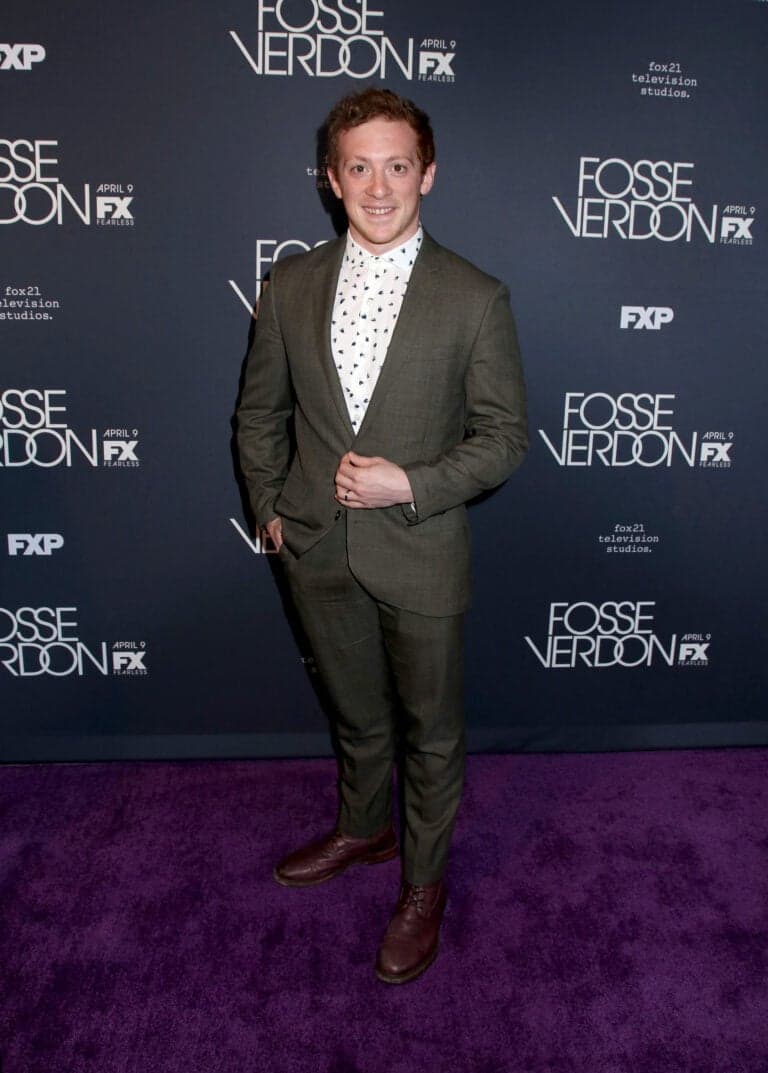
As rehearsals intensify ahead of the summer kickoff, insiders claim Grande’s anxiety remains overwhelming enough that boyfriend Ethan Slater has reportedly reshaped his own career plans just to stay by her side.
Jorge Estrellado/Image Press Agency/MEGA
Ariana Grande may be returning to arenas worldwide, but sources say the trauma from Manchester still heavily shapes every decision surrounding the tour.
The singer reportedly struggled with “nightmares” and “a meltdown” after the terrorist attack that injured more than 1,000 people and forever changed her relationship with touring.
Advertisement
According to insiders, the emotional weight of performing for massive crowds again is something Grande still carries daily.
“Ariana has been prepping for her US and UK concert tour for months, but she’s still haunted by the horrific Manchester Arena bombing,” a source told the Daily Mail, adding, “She had nightmares about it for months. She had a meltdown.”
Grande herself previously opened up about the emotional aftermath while speaking to British Vogue in 2018.
“It’s hard to talk about because so many people have suffered such severe, tremendous loss. But, yeah, it’s a real thing,” she said at the time. The 32-year-old explained that both the victims’ families and her fans experienced lasting anxiety after the attack.
Advertisement
Grande Demands Heavy Security For Upcoming Shows
Newscom/(Mega Agency
Because of those lingering fears, Ariana Grande has reportedly insisted on major security changes before agreeing to tour again.
Insiders claim the pop superstar refused to move forward with the Eternal Sunshine Tour unless stricter protections were guaranteed for both herself and fans attending the concerts.
“She has insisted on double security on all the dates. She refused to go ahead with it if that clause wasn’t agreed to,” a source revealed.
Grande has long admitted that touring after Manchester fundamentally changed how she viewed safety. During an emotional interview with Apple Music’s Ebro Darden, she confessed that even everyday travel became frightening.
“But the truth is that it’s f-cking scary,” the actress said, adding, “It’s scary going anywhere and you look at places differently and traveling.”
Advertisement
She also acknowledged the uncomfortable reality of heightened concert security. “I don’t want to have metal detectors or people taking tiny a** bags into my shows, but you better bring a tiny a** bag and walk through that metal detector,” Grande stated.
Her fears reportedly intensified again after a fan allegedly rushed toward her during a “Wicked: For Good” premiere event in Singapore last November. Sources said the unsettling moment deepened concerns among those close to the star regarding her anxiety levels.
Ariana Grande Scales Back Touring As Pressure Mounts
Unlike her previous world tours, Grande’s newest run of concerts has been intentionally reduced in size. The Eternal Sunshine Tour begins on June 6 in California before moving through North America and later heading to London’s O2 Arena for a 10-show residency.
Advertisement
While previous tours stretched well beyond 70 or even 100 performances, this time the Grammy Award winner is limiting herself to only 30 dates.
Insiders say that decision was directly connected to the emotional pressure touring creates. “The stress of doing around 30 dates is all she can handle,” a source explained.
Grande herself hinted this tour could be her final large-scale concert run for a very long time.
“I do know that I’m very excited to do this small tour, but I think it might not happen again for a long, long, long, long time,” she said during a November appearance on the “Good Hang with Amy Poehler” podcast.
Advertisement
However, Grande promised to give it her all, noting that she believed the tour will be beautiful. The “God is a Woman” singer revealed that she decided to go back on tour because she wanted it to be “one last hurrah.”
Grande And Ethan Slater Face Relationship Strain
MEGA
As Ariana Grande prepares for her return to the stage, distance and scheduling conflicts have reportedly complicated her relationship with Slater.
The couple has recently spent weeks apart, with Grande rehearsing in Los Angeles while Slater remained in New York following his off-Broadway production “Marcel on the Train.”
According to insiders, their separate schedules have created emotional and physical distance despite claims the relationship is still strong.
“Ariana has been in Los Angeles doing tour rehearsals. Ethan has been in New York City while she’s there,” a source told the Daily Mail, further explaining, “He hasn’t visited her and she’s been too busy to get back east for more than a couple days.”
Advertisement
Fans also noticed the pair attending events separately. Still, insiders insist the lovebirds remain committed, even while acknowledging Grande tends to dominate relationships.
“Ariana definitely has a type and likes things in a relationship to be a certain way – her way. She’s usually the dominant one when it comes to who has the say,” the source explained.
Ariana Grande’s Boyfriend Ethan Slater Makes Huge Sacrifice
MEGA
Despite his own acting career continuing to grow, Slater is reportedly putting Grande first as she navigates the emotional demands of touring again.
The actor recently appeared in “Gen V,” guest starred on “Elsbeth,” and reprised his role as Boq in “Wicked: For Good.” Yet insiders say he has already begun sacrificing opportunities in order to support his girlfriend during the tour.
“He plans to be there for her during the tour on as many dates as possible,” an insider shared. The source added that Slater is actively rearranging his work schedule to remain close to her.
Advertisement
“He has a couple of potential conflicts, but he’s trying to work around them so he’s her support system. He’s even turned down an acting role that would have meant him hardly being by her side,” they shared.
Meanwhile, Grande reportedly remains determined not to let fear stop her from reconnecting with fans despite her ongoing struggles.
“She is very excited about returning to the stage to perform for her fans and to release her eighth album this summer,” another insider said.
Even so, those closest to the singer reportedly know Manchester will always remain part of every performance she gives moving forward.
The news about Dutton Ranch losing its showrunner in a surprise shakeup has finally been addressed.
Executive producer Christina Vorosbroke her silence about Chad Feehan‘s reported firing, telling ScreenRant earlier this month that the screenwriter did “an exceptional job building a world of adversaries for Rip and Beth” in the Yellowstone spinoff.
Voros noted that when it came to “dynamics behind his departure,” she didn’t have much to add. She went on to say that Dutton Ranch had at that point not “come out into the world yet” so a future without Feehan was “beyond” her knowledge on the subject.
Taylor Sheridan‘s TV universe has found immense success — but his projects have also come with many showrunner changes. After getting his start as an actor, Sheridan started writing scripts for movies. He began his TV empire with Yellowstone, which aired from 2018 to 2024. Sheridan then created prequels 1883 and 1923, as well as […]
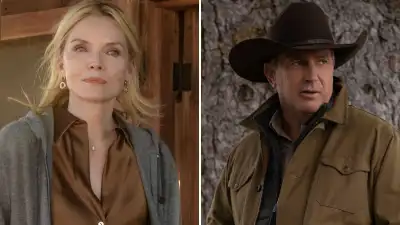
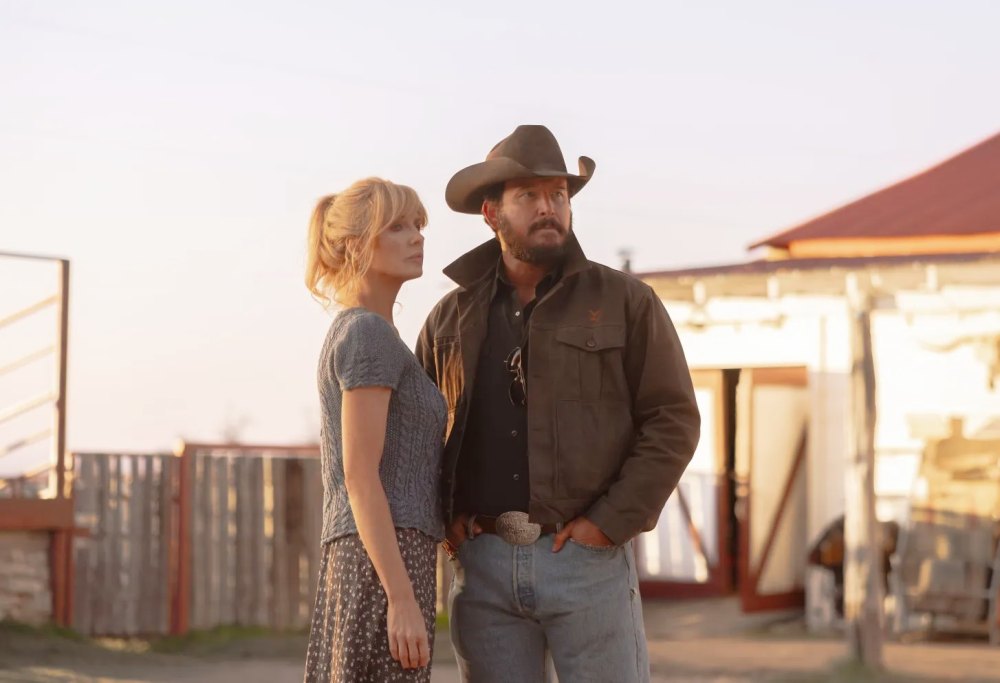
News originally broke in April that Feehan will not return as showrunner after completing work on season 1. Feehan, who created Lawmen: Bass Reeves with Taylor Sheridan, reportedly departed Dutton Ranch after alleged friction with series stars Cole Hauser and Kelly Reilly, among others.
Advertisement
Sheridan and his producing partner David Glasser, along with the two leads, were allegedly more unhappy with how Feehan ran the production than with the scripts. None of the cast has yet to publicly address the producer’s exit.
Kelly Reilly and Cole Hauser in Dutton RanchParamount+
Yellowstone, which premiered in 2018, introduced viewers to the fictional Dutton family, who own the largest ranch in Montana. Rip (Hauser) and Beth (Reilly) quickly became a fan-favorite couple as they navigated major ups and downs together.
Since Yellowstone came to an end in 2024, the TV universe expanded with Luke Grimes‘ CBS show Marshals and more. Dutton Ranch, meanwhile, follows Rip and Beth — as well as Finn Little‘s Carter — adjust to life in Texas after their time in Montana.
Annette Bening and Ed Harris are also featured on the show alongside other newcomers such as Jai Courtney, Natalie Alyn Lind, Marc Menchaca, Juan Pablo Raba and J. R. Villarreal.
CBS’ Marshals spinoff picks up after the Yellowstone series finale — but where did every member of the Dutton family end up? The Paramount Network series wrapped up in December 2024 after five seasons with Beth (Kelly Reilly) avenging father John’s (Kevin Costner) death by killing brother Jamie (Wes Bentley). Beth’s husband, Rip (Cole Hauser), […]
“As Beth and Rip fight to build a future together — far from the ghosts of Yellowstone — they collide with brutal new realities and a ruthless rival ranch that will stop at nothing to protect its empire,” read the show’s synopsis. “In South Texas, blood runs deeper, forgiveness is fleeting, and the cost of survival might just be your soul.”
Thank You!
You have successfully subscribed.
Advertisement
Sheridan, meanwhile, has been focused on his other shows, including Landman, Mayor of Kingstown, Lioness and Tulsa King. News broke in October 2025 that Sheridan closed a major with NBCUniversal. The five-year overall deal for film, TV and streaming will begin January 1, 2029, after Sheridan’s TV deal with Paramount — which goes through 2028 — officially ends.
Paramount will retain the rights to Yellowstone and the other franchises Sheridan created under his deal with the company, so he is expected to create brand new IP for NBCUniversal. Sheridan’s move came after Paramount’s recent merger with Skydance.
The former associate of the “Men in Black” actor accused Pinkett Smith of inflicting emotional distress and orchestrating a “smear campaign” against him.
It hasn’t been too long since the shows 56 Daysand Heated Rivalry captured the imagination of audiences with their steamy romance and heightened drama. Now, a new series is filling the void they left behind by not only taking the number one spot on the Prime Video charts, but also generating incredible buzz online. In addition to its instant success on Prime Video, the show in question has received positive reviews and broken a Rotten Tomatoes record. Its success comes concurrently with the third season run of HBO’s Euphoria, which has also become synonymous with its graphic content.
The new series debuted on Prime Video on May 13, continuing the streamer’s hot streak in the teen drama space. Prime Video previously delivered the pop culture sensation The Summer I Turned Pretty, created by Jenny Han. Like that show, the streamer’s latest sensation is also based on a series of novels. Only a week into its run, the new series has already been renewed for a second season while its leads have been touted as potential future stars. The show, which follows the romance between a music major and the captain of the hockey team, is headlined by Belmont Cameli and Ella Bright, with Mika Abdalla in a supporting role.
Advertisement
Advertisement
Collider Exclusive · The Sorting Hat Awaits Which Hogwarts House Are You? Gryffindor · Slytherin · Hufflepuff · Ravenclaw
Four houses. One destiny. The Sorting Hat has considered thousands of students — now it’s your turn. Answer honestly and discover where you truly belong at Hogwarts School of Witchcraft and Wizardry.
🦁Gryffindor
🐍Slytherin
🦡Hufflepuff
Advertisement
🦅Ravenclaw
Advertisement
01
What quality do you value most in yourself? Answer as honestly as you can — the Hat always knows.
Advertisement
02
A friend is being treated unfairly. What do you do? How you protect others says everything about who you are.
Advertisement
03
What does success look like to you? What you’re working toward defines who you’re becoming.
Advertisement
04
What is your greatest fear? Fear is the most honest thing about a person.
Advertisement
05
The rules say no. Your gut says go. What do you do? Every institution has rules. What you do with them is a choice.
Advertisement
06
What kind of friend are you? Who you are to the people you love is who you really are.
Advertisement
07
You look into the Mirror of Erised. What do you see? The mirror shows the deepest desire of your heart.
Advertisement
08
The Sorting Hat pauses. It whispers: “You could do well in any house. But what matters most to you — truly?” This is your tiebreaker. The Hat always listens.
Advertisement
The Sorting Hat Speaks Your House Has Been Chosen
After careful deliberation, the Sorting Hat has made its decision. This is the house your values, your instincts, and your particular way of being in the world were made for.
Advertisement
Gryffindor Tower · Scarlet & Gold
🦁 Gryffindor
You have nerve. Not the reckless kind, but the deep, quiet courage that shows up even when you’re terrified — especially then.
Gryffindors don’t act because they’re fearless — they act because they understand that some things are worth being afraid for.
You stand up for people when it would be easier to look away.
You charge toward what’s right even when the odds are terrible.
Harry, Hermione, Ron — the heroes of Hogwarts’s greatest chapter — all called the tower with the scarlet and gold home. And now, so do you.
Advertisement
Slytherin Dungeon · Emerald & Silver
🐍 Slytherin
You are driven, sharp, and utterly clear-eyed about what you want and how to get there.
Slytherin has long been misunderstood — painted as the house of villains when it is, at its best, the house of those who refuse to accept limits placed on them by others.
You are resourceful, strategic, and you play the long game.
You know your worth. You protect your own fiercely.
The dungeon common room with its view of the Black Lake is yours — and the ambitions that will take you further than anyone expects are yours too.
Advertisement
Hufflepuff Basement · Yellow & Black
🦡 Hufflepuff
You are the kind of person that makes the world genuinely better just by being in it.
Hufflepuff is not the “safe” house or the “leftover” house — it is the house of those with the greatest heart and the most unwavering integrity.
You show up. You work hard. You don’t need glory or recognition — you do what’s right because it’s right.
Your loyalty never wavers, even when tested.
Nymphadora Tonks, Cedric Diggory, Newt Scamander — some of the wizarding world’s finest. And now you join them.
Advertisement
Ravenclaw Tower · Blue & Bronze
🦅 Ravenclaw
Your mind is your greatest gift, and you’ve always known it.
Ravenclaws are the thinkers, the questioners, the ones who find a puzzle irresistible and a good book better company than most people.
Ravenclaw is not merely about intelligence — it’s about the love of learning, the pursuit of truth, and the rare courage to admit you don’t know something yet.
You see the world with unusual clarity and depth.
Luna Lovegood, Filius Flitwick, Rowena Ravenclaw herself — all extraordinary, all original. And so are you.
Advertisement
Here’s Your New Romance Binge on Prime Video
We’re talking, of course, about Off Campus. Created by Louisa Levy, the show holds a “Certified Fresh” 93% score on Rotten Tomatoes, where the consensus reads, “Off Campus thrives on titillation and the deliberate excavation of relationship dynamics in a whirlwind romance novel adaptation that genuinely cares for the genre and all its pleasurable trappings.” In her review, Collider’s Therese Lacson described it as “the perfect blend of sizzling romance and soapy drama.” More impressively, Off Campus holds the highest combined critics’ and audience score on Rotten Tomatoes for a romance series released in the last year. It also holds the third-highest combined score for a Prime Video series this year, behind Falloutand Invincible. Both Off Campus and Heated Rivalry have been renewed for second seasons, while The Summer I Turned Pretty will return with a feature-length climactic episode following its third and last season in 2025. Stay tuned to Collider for more updates.
Advertisement
Advertisement
Release Date
May 13, 2026
Advertisement
Network
Prime Video
Directors
Advertisement
Dawn Wilkinson, Erica Dunton, Silver Tree, Sam Bailey
Robert Zemeckis‘ Back to the Future was not only the biggest movie of 1985, taking in $190 million at the box office, but nearly four decades later, it’s one of the most loved movies ever made. It turned lead Michael J. Fox into one of the biggest stars on the planet in the ’80s and made everyone want their own DeLorean (even if they were known for not running very well). Despite its success, Back to the Future had many issues getting onto the screen. Zemeckis and co-writer Bob Gale had trouble getting anyone to make it, with even Disney turning it down because they were uncomfortable with the storyline of a mother falling in love with her future son.
When it did finally go into production, it was not with Fox as Marty McFly, but actor Eric Stoltz. When the latter was fired, most of the movie had to be re-shot with Fox. Some of Back to the Future‘s issues were found in the script as well. For example, the cool DeLorean time machine we all love was originally going to be some immobile refrigerator-sized box. Imagine how that would’ve gone! Then there’s the exciting finale where Doc Brown (Christopher Lloyd) sends Marty back to 1985. Originally, it was going to be much different, with Marty McFly driving through a nuclear explosion! So what happened?
Advertisement
How Does ‘Back to the Future’ End?
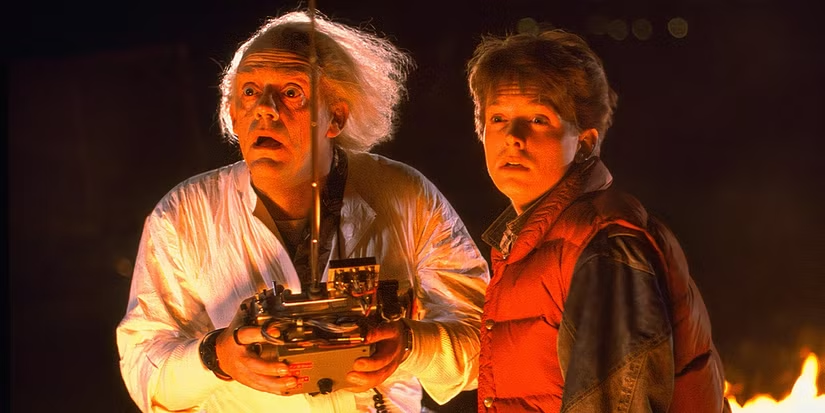
Michael J. Fox and Christopher Lloyd as Marty McFly and Doc Brown in ‘Back to the Future’Image via Universal Pictures
The inciting incident of Back to the Future sees Marty McFly accidentally transported back to 1955 after he uses the DeLorean to escape terrorists. Not only is he now stuck in a world he doesn’t exist in (it’s a little hard to come by plutonium in the ’50s… or any time), but he ruins his birth when he messes up the moment his pervy dad-to-be, George (Crispin Glover), meets his mother, Lorraine (Lea Thompson), while spying on her with binoculars. The ultimate nightmare occurs when his mother becomes smitten with Marty, but overcoming all of that awkwardness doesn’t matter if he can’t get back to his time.
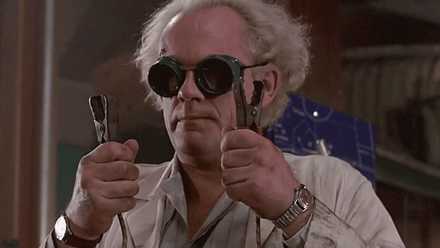
The third act of Back to the Future is a triumph, partly due to George standing up for himself and earning Lorraine’s love, and partly due to how 1955’s Doc Brown decides to get Marty back to his future. Knowing the exact time lightning is going to strike the Hill Valley clocktower, he rigs a wire to the clock, with the plan being for Marty in the DeLorean to snag it right as the lightning strikes, giving the time machine enough power to operate. You don’t become one of the greatest movies of all-time without everything going wrong in the most suspenseful fashion (and of course, this plot hole), but it all works out at the end and Marty is sent back to 1985, though an alternate one where his family is now successful and not the people he once knew. How is Back to the Future not considered a tragedy? As thrilling of an ending as this was, Back to the Future almost did something entirely different.
Advertisement
What Was ‘Back to the Future’s Original Ending?
Originally, Back to the Future was going to have an entirely different ending. In 2016, 113 unknown storyboards, drawn by Andrew Probert, the film’s artist, were found which explored an ending never shot. They ended up being sold for $6,000, but were first shown to the public. What is found in them gives this classic movie a finale way more insane than a lightning strike. What’s more wild than that? How about a nuclear bomb?
In the storyboards, the military is preparing for a bomb test in the desert. Several men are standing in the bomb test tower when they look out to see a DeLorean racing toward them. Doc Brown, who is on a radio, has timed it out just right for Marty to race into the test site as the bomb is going off. There are some similarities to the filmed ending, with Doc Brown finding the letter warning of his death in 1985 and the hunk of junk car not wanting to start, but everything else is different, as a timer ticks down to 5, 4, 3, 2, 1, and then the bomb explodes right as Marty hits 88 miles per hour.
When it goes off, we watch as the fake city is nuked to nothing inside a mushroom cloud. We then move to 1985, where people are gathered around where the test site once stood for a tour. As a guide speaks to them about rumors of the strange phenomena that occurred there, there is a flash of light and a gust of wind as the DeLorean reappears. Marty McFly is home, and his DeLorean, which could barely even start, somehow survives a nuclear bomb. And why wasn’t such an over-the-top ending used for Back to the Future? Co-writer Bob Gale told The Collider Podcast in 2020 that it all came down to money. The studio wanted to cut $1 million from the budget, and one scene, more than any other, was going to be the most expensive. Gale said:
Advertisement
“And the most expensive thing was going on location and building this town. And we said well, if we can cut that out – if we can cut going on location and building a town and do something on a location that we already have, namely the backlot, that would save us $1 million easy.”
‘Back to the Future’s Original Ending Would’ve Robbed the Film of Its Triumphant Note
An old couple react excitedly in ‘Back to the Future’Universal Pictures /Courtesy Everett Collection
The ending filmed for Back to the Future isn’t just a cost-cutting measure: it features a triumphant ending for Marty and Doc Brown. There’s a palpable sense of dread hanging over the entire story. Doc is gunned down by the Libyans. Marty gets stuck in a time he’s clearly unfamiliar with. Oh yeah, and there’s the whole “he has to get his parents back together, or he’ll literally fade out of existence.” But Marty winds up changing the future so that George and Lorraine are successful, and Doc Brown even survives — having learned that not every change to the timestream is a cataclysmic one. If the original ending with the nuclear bomb had been kept in, it would have cast a shadow over the ending. Nobody wants to think about nuclear warfare when watching a time travel comedy.
There’s even one more change to the ending — Doc was originally supposed to rip up Marty’s note and toss it into the DeLorean. Editor Andrew Probert convinced Gale to have Doc stuff the scraps into his jacket instead, feeling it would make his survival in the present a genuine surprise. “If you’re not ready for it, you overlook the fact that he skips past the point of the letter … because it’s no longer important,” Probert told Syfy WIRE. “So Bob says, ‘Okay storyboard that and we’ll see how it works.’ So I did and it worked.” Indeed, this adds to the more triumphant vibe surrounding the ending.
Advertisement
‘Back to the Future’s Ending Proves That Bigger Isn’t Always Better
What big Hollywood blockbuster would even have their character survive a nuclear blast anyway? That’s absurd. Oh, wait, that’s right, our old pal Indiana Jones (Harrison Ford) made it through a nuclear blast by hiding in a fridge for an infamous scene in 2008’s Indiana Jones and the Kingdom of the Crystal Skull. Ironically though, that moment may have been taken from Back to the Future. According to actor Jon Cryer, who auditioned for Marty McFly, the script he read was different from the finished film. In it was a scene where Marty is on the nuclear test site and has to hide when a bomb goes off, so he hides inside a fridge. “Does this sequence sound familiar to anyone?” Cryer asked in a 2020 tweet.
Advertisement
Collider Exclusive · Sci-Fi Survival Quiz Which Sci-Fi World Would You Survive? The Matrix · Mad Max · Blade Runner · Dune · Star Wars
Five universes. Five completely different ways the future went wrong — or sideways, or up in flames. Only one of them is the world your instincts were built for. Eight questions will figure out which dystopia, galaxy, or desert wasteland you’d actually make it out of alive.
💊The Matrix
Advertisement
🔥Mad Max
🌧️Blade Runner
🏜️Dune
🚀Star Wars
Advertisement
01
Advertisement
You sense something is deeply wrong with the world around you. What do you do? The first instinct is often the truest one.
02
Advertisement
In a world of scarcity, what resource do you guard most fiercely? What we protect reveals what we believe survival actually requires.
03
Advertisement
What kind of threat keeps you up at night? Fear is useful data — if you’re honest about what you’re actually afraid of.
04
Advertisement
How do you deal with authority you don’t trust? Every dystopia has a power structure. Your approach to it determines everything.
05
Advertisement
Which environment could you actually endure long-term? Survival isn’t just tactical — it’s physical, psychological, and very much about where you are.
06
Advertisement
Who do you want in your corner when things fall apart? The company you keep is the clearest signal of who you actually are.
07
Advertisement
Where do you draw the line — if you draw one at all? Every survivor eventually faces a moment that tests what they’re actually made of.
08
Advertisement
What would actually make survival worth it? Staying alive is one thing. Having a reason to is another.
Your Fate Has Been Calculated You’d Survive In…
Advertisement
Your answers point to the world your instincts were built for. This is the universe your temperament, your survival instincts, and your particular brand of stubbornness were made for.
The Resistance, Zion
Advertisement
The Matrix
You took the red pill a long time ago — probably before anyone offered it to you. You’re a systems thinker who can’t help but notice the seams in things.
You’re drawn to understanding how the system works before figuring out how to break it.
You’d find the Resistance, or it would find you — your instinct for spotting constructed realities is the machines’ worst nightmare.
You function best when you have access to information and the freedom to act on it.
The Matrix built an airtight prison. You’d be the one probing the walls for the door.
The Wasteland
Advertisement
Mad Max
The wasteland doesn’t reward the clever or the well-connected — it rewards those who are hard to kill and harder to break. That’s you.
You don’t need comfort, community, or a cause larger than the next horizon.
You need a vehicle, a clear threat, and enough fuel to outrun it — and you’re good at all three.
You are unsentimental enough to survive that world, and decent enough — just barely — to be something more than another raider.
In the wasteland, that distinction is everything.
Los Angeles, 2049
Advertisement
Blade Runner
You’d survive here because you know how to exist in moral grey areas without losing yourself completely.
You read people accurately, keep your circle small, and ask the questions others prefer not to answer.
In a city where humanity is a legal designation rather than a feeling, you hold onto something that keeps you functional.
You’re not a hero. But you’re not lost, either.
In Blade Runner’s world, that distinction is everything.
Arrakis
Advertisement
Dune
Arrakis is the most hostile environment in the known universe — and you are precisely the kind of person it rewards.
Patience, discipline, and political awareness are your core strengths — and on Arrakis, they’re survival tools.
You understand that the long game matters more than any single victory.
Others come to Dune and are consumed by it. You’d learn its logic and earn its respect.
In time, you wouldn’t just survive Arrakis — you’d begin to reshape it.
A Galaxy Far, Far Away
Advertisement
Star Wars
The galaxy far, far away is vast, loud, and in a constant state of violent political upheaval — and you wouldn’t have it any other way.
You find meaning in being part of something larger than yourself — a cause, a crew, a rebellion.
You’d gravitate toward the Rebellion, or the fringes, or whatever pocket of the galaxy still believes the Empire’s grip can be broken.
You fight — not because you have to, but because standing aside isn’t something you’re capable of.
In Star Wars, that willingness is what makes all the difference.
Advertisement
Steven Spielberg took a lot of grief for that scene. Indiana Jones is a hero, but a realistic one. Sure, he can go through a lot and live, but having him be able to withstand a nuclear bomb was so far-fetched and silly that it took viewers out of the movie and also made the hero invincible. If he can live through that, why should we ever worry about him? The same can’t exactly be said with Back to the Future since this scene happens right at the end of the film, but it still would have been a bad idea. Yes, Back to the Future centers around time travel and a dude who must make out with his mom, but it’s still set in a world that has limitations and feels like a version of a believable reality. Doc Brown is not J. Robert Oppenheimer, but rather, he is just an eccentric local scientist. A sportscar can’t handle a nuclear bomb, and he knows that. We as the viewer know that as well.
Bigger isn’t always better, and Back to the Future proved that with their alternate idea. Marty and Doc have nothing to do with a nuclear bomb other than driving into it, but instead we get scenes of Doc Brown building an extensive miniature version of Hill Valley just to show Marty how his clocktower theory will work, which gives us the great line of, “Please excuse the crudity of this model. I didn’t have time to build it to scale or to paint it.” With the nuclear bomb ending, we also didn’t get everything going wrong on the clocktower, as the line came unplugged, and Doc had to rush to get it refastened, even sliding down it and getting electrocuted by the lightning strike. The ending we get is of two people trying their best with something they made themselves, which is a lot more fun than what was originally planned.
Advertisement
The Back to the Future Franchise Had a History of Removing Darker Moments
Michael J. Fox as Marty in Back to the Future.Image Via Universal Pictures
Thankfully, the original nuclear blast ending to Back to the Future was never filmed, but there are darker scenes from the franchise that were actually put on camera and can be seen today, although Robert Zemeckis wisely chose not to add them to the final cut. In Back to the Future Part II, Marty ends up in an alternate reality where Biff (Thomas F. Wilson) is now rich, having been given the sports almanac from the future. Rather than using that money for good, he has instead built a giant casino and tower for himself while a crime-ridden Hill Valley rots around him. In a deleted moment, when Marty goes to confront this alternate Biff, he runs into his brother Dave (Marc McClure), who is now a haggard-looking alcoholic. Before Marty can help him, his brother runs off.
In a deleted scene for Back to the Future Part III, the darkness went even further, when the 1855 Hill Valley Sheriff (James Tolkan) is shot dead by Buford Tannen right in front of his young son. It’s done to make Buford more of a threat, but wisely it was removed from the final film.
There’s a reason why the Back to the Future trilogy endures four decades later. That’s because these movies are meant to be fun, and serve as an adventurous escape from reality where we know everything’s going to be okay in the end. We lose that joy if we’re meeting alcoholic siblings, seeing lawmen shot, or using a nuclear bomb to save the day. Back to the Future didn’t need that. All it ever needed was Marty McFly and Doc Brown.



:max_bytes(150000):strip_icc():format(jpeg)/The-Mandalorian-and-Grogu-052026-a0a5809b825340cc8f36f3a8ba5d5bee.jpg)

:max_bytes(150000):strip_icc():format(jpeg)/paula-pell-1-82778910cf354e108af5f3471ca068e5.jpg)




:max_bytes(150000):strip_icc():format(jpeg)/Whoopi-Goldberg-The-View-052126-f73b2c033faf4bcd83212233afcbfc77.jpg)









:max_bytes(150000):strip_icc():format(jpeg)/will-smith-jada-pinkett-smith-02-120225-82edded7a748421484c228249162a18a.jpg)













































You must be logged in to post a comment Login