“Wuthering Heights” director, Emerald Fennell, made a surprising confession about a certain Margot Robbie scene that was cut from the film.
The scene in question featured the actress’s armpits and was meant to portray a historically accurate element of the period it was set in.
While “Wuthering Heights” was hit with negative reviews upon its release, the Margot Robbie-led movie was a commercial success, grossing over $242 million.
Advertisement
ZUMAPRESS.com / MEGA
Fennell, during her appearance at the Hay Festival, admitted that it was “unfortunate” that a scene showing Robbie’s “extremely” hairy armpit was cut from the scene.
The director noted that she tried to take a stand on the matter of body hair after growing tired of seeing women in costume dramas with clean-shaven bodies.
Being the professional that she is, Robbie is said to have grown out her hair for this purpose, deciding to stop shaving for her role as Catherine “Cathy” Earnshaw. However, audiences did not get to see the result of her commitment to the part.
“Cathy does have extremely hairy armpits in this version. Unfortunately, the scene where we see them didn’t make it in,” Fennell shared at the festival in Wales on Friday, per The Telegraph.
She continued, “But it was so important to me, because where are the razors these women were using whenever I watch Jane Austen? They’re all hairless, like eels. What’s going on?”
Advertisement
Fennell’s desire for a historical depiction of body hair on women is likely rooted in the fact that certain grooming practices were not a thing during England’s Regency era.
The 2026 ‘Wuthering Heights’ Film Had Surprisingly Modern Elements
RCF / MEGA
Despite her desire for historical accuracy when it came to body hair, Fennell didn’t seem to mind taking a more modern route when for certain aspects of the movie.
Robbie’s character, Cathy, notably donned clothes made from cellophane and plastic, like her see-through wedding gown, which contrasts with traditional 19-century wardrobe.
Then there was the inclusion of raunchy scenes in the movie, which weren’t in the original book. These scenes have been heavily debated on by fans and critics, with some branding them as “exhuasting.” Also, the movie’s soundtrack was recorded by pop star, Charli XCX.
Regarding these choices, Fennell noted, “I don’t mind having Charli xcx because I understand emotionally why she’s there and I understand what she’s saying. There’s that really wonderful suspension of disbelief between you and somebody watching.”
Advertisement
The Margot Robbie-Led Movie Was Shredded By Critics, But Became A Box Office Hit
MEGA
Following its release, “Wuthering Heights” was met with harsh reviews, with many taking aim at Fennell and the movie’s stars, Robbie and Elordi.
The Times‘ Kevin Maher called out Robbie’s role as Cathy, labeling the actress “Brontë Barbie,” seemingly referencing her performance in the 2023 movie, “Barbie.”
Meanwhile, the Independent‘s Clarisse Loughrey, slammed Robbie and Elordi’s performances, claiming that it was “almost pushed to the border of pantomime.”
As for the sex scenes between the co-stars, Collider labeled them “exhausting,” adding that they sometimes “overstay their welcome.”
Fennell certainly faced the bulk of the backlash, with The Guardian‘s: Peter Bradshaw branding her take on Emily Brontë’s book as “an emotionally hollow, bodice-ripping misfire that misuses Margot Robbie and Jacob Elordi.”
Advertisement
“For Fennell, it looks like a luxurious pose of unserious abandon. It’s quasi-erotic, pseudo-romantic, and then ersatz-sad, a club night of mock emotion,” Bradshaw added in his scathing review.
The Movie Was A Commercial Success
ZUMAPRESS.com / MEGA
Despite the negative reviews, “Wuthering Heights” still did well commercially, grossing $242 million worldwide on an $8O million budget.
It now sits as one of the highest grossing films of 2026 so far. The film is also doing well on streaming, debuting on HBO Max at number one worldwide, and topping the streaming charts in over 32 countries just under 24 hours.
Meanwhile, some critics had a more positive stance on the 2026 “Wuthering Heights” adaptation, with the BBC‘s Caryn James praising Fennell’s directing especially.
James wrote in her review: “Fennell’s approach is an extravagant swirl: sexy, dramatic, melodramatic, occasionally comic and often swoonily romantic.”
Advertisement
The Telegraph‘s Robbie Collin also praised the film, calling it “resplendently lurid, oozy and wild” in a five star review.
Margot Robbie Was Excited About The Movie’s Raunchier Spin On The Book
MEGA
Prior to the film’s release, Robbie seemed excited about fans watching the movie, saying in interviews that they should prepare for more steamy scenes unlike what was written in the book.
“They never really kissed in the book, but we kiss a lot. We kiss everywhere,” the actress admitted, per the Daily Mail. “And there’s so many times where he just picks me up and puts me in a tree, or picks me up with one hand.”
She then talked about how much she enjoyed being lifted by Elordi in certain scenes, noting that it was “really nice, it makes you feel, ‘Oh I’m light as a feather, I’m a tiny little thing.’”
Robbie also shared that she enjoyed Cathy due how emotionally intense the role was. “I loved playing a character who kind of swings from one wild emotion to the other in an instant,” she said.
Westerns hook you in a different rhythm than most genres. And they have a pretty niche audience I must say. So for instance, unless you’re watching the best ones, it’s hard to sit through a western anyway unless you love the whole cowboy vibe. They do not always sprint. The great ones know how to stalk. You are watching pressure ripen through the slightest quirks of the genre and that’s the beauty of it.
These 10, however, are the kind of westerns that you would sit through and actually enjoy them regardless of whether you like the genre or not. That’s how good they are and how well they hook. And they are not all fast in the same way. Some are tense. Some are grand. Some are brutal. Some are funny in dry, lethal little bursts. But they all understand propulsion.
Advertisement
10
‘Open Range’ (2003)
Kevin Costner and Robert Duvall as Charley Waite and Boss Spearman, standing outside while Boss holds a rifle in Open RangeImage via Touchstone Pictures
What I love about Open Range is how confidently it lets its pace breathe without ever letting your attention wander. That is a hard balance, and it gets it exactly right. The early sections are full of ordinary frontier routines, men living out on the land, eating, talking, moving cattle, handling small tensions before they curdle into bigger ones. But none of that feels like stalling. It feels like the movie quietly teaching you what kind of life is being threatened. Boss Spearman (Robert Duvall) and Charley Waite (Kevin Costner) are are men who have made a working moral arrangement with the world, and once that arrangement gets violated by Denton Baxter’s (Michael Gambon) cruelty, the film starts humming with contained anger.
And that anger is what keeps the whole movie hooked into you. Duvall gives Boss such lived-in authority, while Costner makes Charley feel like a man who has spent a long time trying not to become the version of himself violence keeps calling back into existence. The romance thread never drags the movie down either, because it is tied to the larger question of whether a man like Charley can ever belong to ordinary life again. Then that final gunfight justifies every bit of the slow-burn structure.
Advertisement
9
‘3:10 to Yuma’ (2007)
Russell Crowe wearing a cowboy hat and standing outside an old western building in 3:10 to Yuma.Image via Lionsgate
This movie is one of the best examples of a western understanding that movement itself can be suspense. Get Ben Wade (Russell Crowe) to the train. That is the engine. Such a simple goal, and it gives the whole film shape immediately. The beauty is that the shape keeps getting more complicated the longer it runs. Dan Evans (Christian Bale) is trying to hold onto his own idea of himself in front of his son, his debt, his humiliation, and his half-broken place in the world. Ben is not just a prisoner either. He is funny, intelligent, observant, dangerous, and weirdly interested in the weaknesses of the men around him. So the film keeps turning the escort plot into an emotional duel.
3:10 to Yuma never lets either man flatten into an easy type. Dan and Ben’s scenes together are the movie’s real action, even before the bullets start flying. Then once the final race to Contention begins, the film becomes almost unbearably tight. The movie is so exciting by then — the moral stakes have become inseparable from the physical ones.
Advertisement
8
‘The Magnificent Seven’ (1960)
Image via United Artists
The Magnificent Seven hooks you because it understands one of cinema’s oldest pleasures: assembling the right people for the wrong job under the right amount of pressure. The village is under threat. The bandits keep returning. Protection must be bought somehow. Then the film starts bringing in these gunmen, each with a distinct rhythm, ego, sadness, or streak of fatalism, and suddenly you are in a community-building story, a men-in-search-of-purpose story, and a “what does skill mean once the world has stopped paying for it honorably” story. That is rich fuel.
And the film never loses momentum because every phase has its own charge. The recruitment is fun. The training and defense preparation are fun. The uneasy bond between the villagers and the gunmen deepens things without killing pace. Calvera (Eli Wallach) is also a huge reason the movie moves so well, because he gives the threat personality without turning him into a cartoon. You understand exactly why the villagers are terrified of his return. Then the final stand lands because the film has done the essential western work: it has made protection costly and belonging temporary. You stay hooked because the movie keeps asking what these men are actually fighting for once the paycheck becomes the least interesting answer.
Advertisement
7
‘High Noon’ (1952)
Gary Cooper as Will Kane and Grace Kelly as Amy Kane standing together in High NoonImage via United Artists
This one is all tension design. There is almost no wasted motion in High Noon. The film follows a marshal (Gary Cooper) who learns that a man he once sent away is coming back on the noon train, revenge is clearly the mission, and instead of riding out, he stays and tries to gather help from a town that keeps finding more respectable ways to abandon him. That setup is brilliant because it turns suspense into moral exposure. The danger is not just Frank Miller (Ian MacDonald) arriving. The danger is time revealing who the town really is. Every clock shot is not just countdown mechanics. It is accusation.
Cooper’s Will Kane does not feel invincible or swaggering. He feels tired, uneasy, stubborn, and almost humiliated by how badly he needs support from people who keep retreating into excuses. That emotional exposure is what keeps the film hooked into you so hard. The church debate, the deputies backing off, the new bride caught between principle and love, all of it tightens the noose.
Advertisement
6
‘Tombstone’ (1993)
Close up of actor Kurt Russell as Wyatt Earp, smiling in TombstoneImage via Hollywood Pictures
There is a reason Tombstone remains so insanely rewatchable. It has that rare big-cast western electricity where every entrance feels like it might start another movie you would also happily watch. Wyatt Earp (Kurt Russell) is looking for something like peace or at least profitable semi-retirement, and the film knows how funny and doomed that sounds in a place like Tombstone.
The town is already humming with vice, swagger, gang pressure, and men whose personalities seem too large for civilization to contain comfortably. That means the movie never struggles to generate momentum. It is already overheated before the shooting properly starts. And then Doc Holliday (Val Kilmer) gives the whole film a pulse too alive to ignore. He does not just steal scenes. He changes the rhythm of them. Suddenly wit, death drive, loyalty, sickness, elegance, and self-destruction are all in the room at once. Russell is excellent because he keeps Wyatt grounded enough that the larger-than-life material still has a spine. What keeps the movie hooked from start to finish is how well it knows escalation. It never feels like random cowboy incident. It feels like a town moving toward inevitable combustion, and every joke, romance, betrayal, and gunfight is feeding that combustion.
Advertisement
5
‘The Proposition’ (2005)
Ray Winstone as Captain Stanley in ‘The Proposition’Image via Sony Pictures Releasing
The Proposition hooks you like a fever. It is not fun in the same register as some of the others on this list, but it is so tense and so poisoned from the beginning that it becomes impossible to look away. The proposition itself is already a perfect piece of western cruelty: capture or kill your older brother and your younger brother lives. That is savage story architecture. It turns family, law, colonial authority, masculine violence, and moral compromise into one single blade. Then the Australian frontier setting makes everything even harsher.
What makes the film so gripping is that nobody gets to remain clean inside the premise. Captain Stanley (Ray Winstone) is trying to perform civilization through force. Charlie Burns (Guy Pearce) is caught between survival and blood. Arthur Burns (Danny Huston) is less a man than a dreadful magnetic center pulling everyone toward him. The movie is full of heat, flies, dust, and this awful sense that the social order being imposed is already rotten at the root. You stay hooked because the film keeps asking who will finally become monstrous first, and the answer keeps spreading.
Advertisement
4
‘Unforgiven’ (1992)
Clint Eastwood, as William Munny, looking pensive, in Unforgiven.Image via Warner Bros.
This film hooks you by making you wait for violence while teaching you, scene by scene, exactly why violence should no longer be trusted. That is one of the hardest tricks in the genre, because western audiences are trained to anticipate the gunfighter’s return, the old killer riding again, the legend proving itself one more time. Unforgiven knows that expectation is sitting there and uses it against you. William Munny (Clint Eastwood) does not come back into the story as some cool dormant monster waking up. He comes back as a tired farmer, a failing widower, a man telling himself he is not that man anymore while money, need, pride, and old reflexes begin pulling at him.
And every character deepens that pull. The Schofield Kid (Jaimz Woolvett) is all fantasy and nerves. Ned Logan (Morgan Freeman) brings memory and decency. Little Bill Daggett (Gene Hackman) is civilization as bullying performance, a man convinced that order justifies any ugliness if he is the one imposing it. The movie keeps widening the emotional cost of violence long before the final eruption arrives. So when the saloon sequence finally happens, it lands with the force of reckoning rather than payoff. That is why the movie is so gripping. It understands that suspense in a western can come not only from what might happen, but from dreading what will happen once a man stops pretending he left his old self behind.
Advertisement
3
‘The Wild Bunch’ (1969)
William Holden, Ernest Borgnine, Ben Johnson, and Warren Oats walking with weapons in The Wild Bunch.Image via Warner Bros.
The Wild Bunch grabs you immediately because it feels like a world already coming apart before the plot has properly started. Pike Bishop (Sam Peckinpah) opens with children watching scorpions consumed by ants, then erupts into one of the most chaotic and violent openings in western history, and the film never lets the sensation of collapse leave your body after that. The Bunch are not just outlaws on one last score. They are men out of time, dragging old codes through a modernizing world that no longer has room for their kind of criminal honor or even their kind of brutality. That gives every movement in the story an undertow of extinction.
And the movie keeps you hooked because it understands contradiction so well. These men are cruel, loyal, funny, exhausted, pathetic, dangerous, and occasionally noble in ways that never cancel out the rest. Pike Bishop (William Holden) is the center of that contradiction, a leader carrying enough self-knowledge to understand the life is doomed and still unable to imagine another one. The train robbery, the border politics, the Angel situation, the final walk, all of it works because the movie keeps turning momentum into destiny. You are not just watching a gang movie but a species of man head toward its own ritual end.
Advertisement
2
‘Django Unchained’ (2012)
Christoph Waltz as Dr. King Schultz in Django UnchainedImage via The Weinstein Company
Djano Unchained stays entertaining from start to finish because it has one of the most powerful propulsion systems any western has ever built: love plus revenge plus liberation. Django (Jamie Foxx) is not just trying to survive the frontier or outdraw another man or protect a town. He is trying to get his wife back from hell. That gives everything, every conversation, every deception, every bit of comic cruelty, and every gunshot a bigger emotional engine. Quentin Tarantino knew how to exploit that engine. The film can be funny, grotesque, suspenseful, indulgent, outrageous, and still never lose the clean forward movement of Django getting closer to Candieland and closer to the world that stole Broomhilda from him.
And what makes the movie so sticky is how well its different tones feed each other rather than cancel each other out. Dr. King Schultz (Christoph Waltz) gives the film such verbal lightness and moral complexity that he turns every explanatory scene into play. Calvin Candie (Leonardo DiCaprio) is a perfect late-film accelerator because he makes the house itself feel like a theater of violence pretending to be sophistication. Then Foxx keeps Django’s emotional line clean enough that the whole movie never drifts into pure showboating. Yes, it has that modern western swagger. Of course it does. But it also has focus, and that focus is what makes the entertainment feel complete rather than scattered.
Advertisement
1
‘The Good, the Bad and the Ugly’ (1966)
Clint Eastwood smokes a cigarette standing in a dry, arid landscape in The Good, the Bad, and the Ugly.Image via United Artists
The Good, the Bad, and the Ugly may be the most gloriously sustained piece of western entertainment ever made. Not the saddest. Not the most morally profound. Not the most intimate. The most sustained. It is almost absurd how completely it keeps hold of you for its entire running time. Leone understands that a western can be huge and leisurely and still never feel slack if every scene is charged correctly. Blondie (Clint Eastwood), Tuco (Eli Wallach), and Angel Eyes (Lee Van Cleef) are not just three men in a hunt for buried gold. They are three perfectly calibrated narrative energies. One cool and withholding. One frantic and shameless and weirdly lovable. One deathly patient and professional in the ugliest way. Put them into the same story and the film almost cannot stop generating momentum.
And then there is the scale. Civil War wreckage, prison camps, desert crossings, betrayals, reunions, shifting alliances, the bridge sequence, the cemetery, the score, every part of the movie keeps enlarging the journey without losing the dirty little pleasure of wanting to know who gets the money and how. That is the secret of its greatness as entertainment. It is epic, yes, but it never stops being mischievously invested in character friction and game mechanics. Then the final three-way showdown arrives and somehow pays off not just the plot, but the entire accumulated rhythm of the movie. That is why it sits at the top. It does not merely hold your attention. It owns it.
Advertisement
Collider Exclusive · Oscar Best Picture Quiz Which Oscar Best Picture Is Your Perfect Movie? Parasite · Everything Everywhere · Oppenheimer · Birdman · No Country
Advertisement
Five Oscar Best Picture winners. Five completely different visions of what cinema can be — and what it can do to you. One of them is the film that was made for the way your mind works. Ten questions will figure out which one.
🪜Parasite
🌀Everything Everywhere
☢️Oppenheimer
🐦Birdman
Advertisement
🪙No Country for Old Men
Advertisement
01
What kind of film experience do you actually want? The best movies don’t just entertain — they leave something behind.
Advertisement
02
Which idea grabs you most in a film? Great films are driven by a central obsession. What’s yours?
Advertisement
03
How do you like your story told? Form is content. The way a story is shaped changes what it means.
Advertisement
04
What makes a truly great antagonist? The opposition defines the protagonist. What kind of opposition fascinates you?
Advertisement
05
What do you want from a film’s ending? The final note is the one that lingers. What do you want it to sound like?
Advertisement
06
Which setting pulls you in most? Where a film takes place shapes everything — mood, stakes, what’s even possible.
Advertisement
07
What cinematic craft impresses you most? Every great film has a signature — a technical or artistic element that makes it unmistakable.
Advertisement
08
What kind of main character do you root for? The protagonist is the lens. Who you choose to follow says something about you.
Advertisement
09
How do you feel about a film that takes its time? Pace is a choice. Some films sprint; others let tension accumulate slowly, deliberately.
Advertisement
10
What do you want to feel walking out of the cinema? The best films leave a mark. What kind of mark do you want?
Advertisement
The Academy Has Decided Your Perfect Film Is…
Your answers have pointed to one Oscar Best Picture winner above all others. This is the film that was made for the way your mind works.
Advertisement
Parasite
You are drawn to films that operate on multiple levels simultaneously — that begin in one genre and quietly, brilliantly migrate into another. Bong Joon-ho’s Parasite is a film about class, desire, and the architecture of inequality that manages to be darkly funny, deeply suspenseful, and genuinely shocking across a single extraordinary running time. Your instinct is for cinema that hides its true intentions until the moment it’s ready to reveal them. Parasite is exactly that — a film that rewards close attention and punishes assumptions, right up to its devastating final image.
Advertisement
Everything Everywhere All at Once
You want it all — and this film gives you all of it. The Daniels’ Everything Everywhere All at Once is one of the most maximalist films ever made: action comedy, multiverse sci-fi, family drama, existential crisis, and a genuinely earned emotional core that sneaks up on you amid the chaos. You are someone who responds to ambition, who doesn’t want cinema to choose between being entertaining and being meaningful. This film refuses that choice entirely. It is overwhelming by design, and its overwhelming nature is precisely the point — because the feeling of being crushed by infinite possibility is exactly what it’s about.
Advertisement
Oppenheimer
You are drawn to cinema on a grand scale — films that understand history not as a backdrop but as a force, and that place their characters inside that force and watch what happens. Christopher Nolan’s Oppenheimer is a film about the terrifying gap between what we can do and what we should do, told with the full weight of one of the most consequential moments in human history behind it. You want your films to feel important without feeling self-important — to earn their ambition through sheer craft and the gravity of their subject. Oppenheimer does exactly that. It is enormous, complicated, and refuses easy comfort.
Advertisement
Birdman
You are drawn to films that foreground their own construction — that make the how of the filmmaking part of the what it’s about. Alejandro González Iñárritu’s Birdman, shot to appear as a single continuous take, is cinema examining itself through the cracked mirror of a fading actor’s ego. You respond to formal daring, to the feeling that a film is doing something that probably shouldn’t be possible. Michael Keaton’s performance and Emmanuel Lubezki’s restless camera create something genuinely unlike anything else — a film that is simultaneously about creativity, relevance, self-destruction, and the impossibility of ever truly knowing if your work means anything at all.
Advertisement
No Country for Old Men
You are drawn to cinema that trusts silence, that refuses to explain itself, and that treats dread as a form of meaning. The Coen Brothers’ No Country for Old Men is a film about the arrival of a new kind of evil — implacable, arbitrary, and utterly indifferent to the moral frameworks we use to make sense of the world. It is one of the most formally controlled films ever made, and its controlled restraint is what makes it so terrifying. You want your films to haunt you, not comfort you. You are not interested in resolution if resolution would be dishonest. No Country for Old Men is honest in a way that most cinema never dares to be.
Moore has officially signed on to star in and executive-produce a currently untitled multi-generational comedy film backed by the Obamas’ production company.
The project comes as Higher Ground prepares to go independent after its first-look deal with Netflix ends later this year.
Advertisement
Meanwhile, the former president recently stood in solidarity with late-night host Stephen Colbert while appearing to take a subtle swipe at Donald Trump.
ZUMAPRESS.com / MEGA
Barack and Michelle Obama’s production company has tapped Julianne Moore to executive-produce and star in a new Netflix comedy movie, according to Variety.
The film, described as an ensemble piece in the spirit of “Crazy, Stupid, Love,” tackles the chaotic lengths a parent will go to in order to avoid an empty nest.
According to the outlet, the plot centers on a mother, played by Moore, who spirals when her daughter lands a major job promotion that would require her to move across the country.
Desperate to keep her child close to home, Moore’s character kicks into overdrive, concocting a frantic scheme to find her daughter the “perfect” local romantic partner and convince her to stay.
Advertisement
Higher Ground’s Netflix Comedy Begins Casting
Chris Kleponis – CNP / MEGA
According to sources close to the production, the script features four major leading roles. With Moore firmly locked in as the maternal lead, casting is underway for the daughter, the unsuspecting romantic target, and the rest of the ensemble.
The script comes from Maggie Sheridan, who is known for her work as an executive story editor on Apple and Universal Television’s “Loot,” led by Maya Rudolph.
The film is the latest high-profile project to emerge from Higher Ground’s exclusive, multi-year first-look deal with Netflix.
Anikah McLaren is set to produce the project for Higher Ground, while Moore will serve as executive producer.
Michelle And Barack Obama’s Higher Ground Prepares To Go Independent
Advertisement
Higher Ground Productions will reportedly go independent after its first-look deal with Netflix ends later this year, according to Deadline.
The Obamas’ production company has enjoyed a moderately successful partnership with the streaming giant over the years, releasing acclaimed projects like “American Factory” and the feature “Rustin,” which earned actor Colman Domingo an Oscar nomination.
During a recent appearance on a special edition of “HistoryTalks,” Barack noted that one of the main reasons for going independent was to expand Higher Ground’s reach and work with other studios.
He explained that the move is in line with the company’s mission to tell stories that help the country “look at itself and excavate those better angels of our nature.”
Advertisement
“We’re in a process now of transitioning to a more independent [future] where we can work with a bunch of different studios,” Obama added.
Although Higher Ground is set to go independent, the company will reportedly still work with Netflix to wrap up existing projects.
The Obamas’ production company also appears to have been laying the groundwork for its independent future, as reports suggest it has been testing a “selling-to-everyone” model for some time.
That includes projects at HBO, Apple, Amazon, FX, Disney, 20th Century Studios, and even YouTube, among others, while continuing to develop and produce content for Netflix.
Some of the projects in development elsewhere include a half-hour sketch comedy series titled “Life, Larry and the Pursuit of Unhappiness” for HBO, which is slated for a summer 2026 premiere.
Advertisement
Speaking about the partnership over the last eight years, Obama acknowledged that it has been a wonderful ride, according to Deadline.
Barack Obama Shades Trump While Praising Colbert
Barack recently took to Instagram to celebrate Stephen Colbert’s impact on American television and entertainment amid his controversial firing from CBS.
He thanked the comedian for “making us laugh” and, “even more importantly,” for communicating what true American values are while reminding Americans what the country stands for.
Advertisement
“For more than a decade, Stephen Colbert has been one of the top voices of late night,” the 44th president wrote in the caption, adding with a touch of humor that “Michelle and I enjoyed being Stephen’s guests—even when the games were rigged—and we’re grateful to call him a friend.”
In the run-up to the final taping, Barack appeared on the show earlier this month, where he made a subtle swipe at Donald Trump, saying Colbert would perform better as president than “some folks that we’ve seen.”
[Editor’s Note: The following contains spoilers for The Boroughs Season 1]
Summary
Collider’s Steve Weintraub talks with Geena Davis, Denis O’Hare, and Clarke Peters for The Boroughs.
The trio share their insight on Episode 8’s cliffhanger ending and what they know about the future of the series.
This veteran cast also shares on-set camaraderie and acting tips, next-watch recommendations for new fans, and what goes on in the downtime on The Boroughs set.
After the massive success of Stranger Things put Netflix at the forefront of sci-fi television, the Duffer Brothersreturn to the streamer with Upside Down Pictures’ The Boroughs, created by Jeffrey Addiss and Will Matthews (The Dark Crystal: Age of Resistance). From the get, the eight-episode series establishes a familiar Steven Spielberg-inspired whimsy, and immediately confronts viewers with a lurking danger, a threat that won’t let its Season 1 finale end on too much of a high. To break down that telling final shot, Collider’s Steve Weintraub sat down with stars Geena Davis, Denis O’Hare, and Clarke Peters for clues to future seasons.
In the show, retiree Sam Cooper (Alfred Molina) reluctantly moves to a quaint retirement facility, The Boroughs, in the solitary desert of New Mexico. From the outside, the community is a picture-perfect escape, but this little patch of heaven, run by Blaine (Seth Numrich) and Anneliese Shaw (Alice Kremelberg), hides a deadly mystery that Sam and his new friends, Renee (Davis), Judy (Alfre Woodard), Art (Peters), and Wally (O’Hare) are determined to get to the bottom of.
Don’t miss the full conversation in the video above or the transcript below, where Davis, O’Hare, and Peters discuss the meaning of that final Stranger Things Easter egg shot, what they know about The Boroughs’ future, and what goes on between takes on set. The trio also reflects on their careers, recommending next watches for new fans, and sharing their preparation process for ambitious emotional scenes.
Advertisement
‘The Boroughs’ Stars on What to Watch Next
Geena Davis also denies that the Thelma & Louise callback hides any sinister secrets…
Image via Netflix
COLLIDER: So you read the script for Episode 5, and you see that you’re going to be in the front seat of a car overlooking a crevasse. Did you think, “Am I making another Thelma & Louise?”
GEENA DAVIS: Really? Is that what you thought? I’m so surprised. It didn’t occur to me. [Laughs] I don’t go over the cliff! That’s all we know.
Advertisement
When I saw it, though, I was like, “What?” There’s going to be a whole generation of people watching this that are younger, that actually will not have seen your work before. For each of you, after someone who hasn’t seen your work sees this, what’s the first thing you’d like them watching from your resume after this?
DAVIS: That’s an interesting question.
DENIS O’HARE: I definitely have a different fandom because of True Blood and [American] Horror Story. True Blood tends to skew, now, a little older, but Horror Story, some of these fars are, like, 17, 18, 16. The other day in LA, this kid said to me, “I was raised on you,” and I was like, “What?” “Yeah, I started watching you at 13.” And I was like, “Oh my god, how old are you now?” He’s 25. So, I definitely have that. But I would tell them definitely to go back and watch True Blood for me.
CLARKE PETERS: I would say go look at Treme. Yeah, I would say look at Treme because of the mysticism in Treme and the mysticism in this. There is a connection, and if they’re watching them both and they make the connection, then I will have done my job.
Advertisement
DAVIS: The Long Kiss Goodnight, I think, is the most important one to see. I mean, if they haven’t seen Thelma & Louise, I would say that movie. It holds up. It’s 35 years later, but it really does.
When you guys signed on for this, how much were you told about, “If the show’s a hit and we do more than one season, this is what we have planned,” and how much is it sort of like, “We’re just going to tell you nothing?”
PETERS: I got, “They’re going to tell you nothing.”
DAVIS: They tell you nothing. I don’t know anything about next season.
Advertisement
PETERS: Nothing. Notta, notta, notta. The business has changed so much that nowadays you get sides that have nothing. You have no context. Have you experienced this? No one wants to reveal anything, even to the people that they want to hire. So, they’re not going to tell us what’s going to happen in Season 5 — are you?
What Does Episode 8’s Final Shot Really Mean for ‘The Boroughs’?
All we’re saying is this didn’t bode well for Will in Stranger Things…
Image via Netflix
The ending of Episode 8 has Sam, Alfred [Molina]’s character, glitching with the mirror? When you read that in the script, or if you saw the episode, were you asking, “Okay, so, what does this mean?”
Advertisement
O’HARE: Well, the ending is too nice. It’s too jovial. It’s too normal. You know what I mean? You’re looking at it, and you’re going, “What? Where’s the underbelly here?” So when you see that glitch, you’re like, “Ah, right. Things are not solved. Things are not back to normal. Things are still dangerous,” which I love.
DAVIS: Yes. The characters think it’s all over, “We won,” but yeah.
PETERS: But even Sam doesn’t see it.
O’HARE: Exactly. He has his head down, which is great. I love that.
Advertisement
There’s also a part two to this because I studied the ending of the episode, and the last frame is this collapsing thing that almost goes into, like, a black hole, and I’m like, “What the hell is this?” Did you ask about that, or am I alone wondering what that last shot was?
O’HARE: Well, the visual style of the show, I think, is really another character. The very first shot of the very first episode is that the huge drone shot coming in. You’re coming in, coming in, coming in, and you go into the house to see Dee Wallace. That’s an amazing visual statement of someone. Who is that POV? Who is looking into Dee Wallace’s house? And at the end, who is that? You know what I mean?
100%. The Duffers have joked that this show is Stranger Things but with golf carts instead of bicycles. Did you hear that? What was your reaction?
DAVIS: [Laughs] I did hear that. I thought that was pretty clever.
Advertisement
Image via Netflix
What’s cool about the show is that it has this ‘80s, Amblin-esque kind of thing. It’s a cool tone. Can you sort of talk about what it’s like to make one of those shows that has that magic realism, if you will?
O’HARE: Well, part of it is that the set was awesome.
DAVIS: Unbelievable.
Advertisement
O’HARE: The houses that we were living in, some of those houses were completely done. They were complete. You walk in, and it’s an actual house. Some were less complete. But all the visuals, the way the TV looks, even the logo of the Boroughs, it’s sort of ‘40s, ‘50s. Blaine and his wife, they definitely feel like June and Ward. We have a June and Ward line at one point. “Hi! Welcome home, Ward!” “Hi, June!” There are so many references to classic TV, like The Golden Girls are on TV, old movies, and it creates that world where you’re like, “Where are we?” We’re in a world of seeming perfection, which is hiding something else.
Creators Matt and Ross Duffer address fan theories, “Byler,” deleted scenes, and answer our biggest questions after Season 5.
Advertisement
‘The Boroughs’ Cast Share Advice for Younger Generations
The trio also discuss how they prep for big emotional scenes.
The showrunners have mentioned that, according to some napkin math, the cast is like 350 years worth of acting experience. It’s a big number.
Advertisement
DAVIS: That’s a big number!
It is. So when the cameras stopped rolling in between takes, who’s the absolute troublemaker, or did you all have a very similar kind of work ethic/play ethic?
DAVIS: We fooled around a lot. Nobody was like, “Don’t bother me, I’m in my character.”
PETERS: No, it wasn’t like that. “Don’t take me out of my zone.” No, it was fun. Something we discovered last night, it was observed last night, is that in between our takes, we’d talk. In between the takes of younger generations, they go to the phone.
Advertisement
[Laughs] Sure.
PETERS: There’s a big difference in that and how that affects the individual and their performance as an ensemble. This is very much like that. So, what happens in between takes can be anything besides a phone.
I’m always curious how actors get ready for a really big emotional scene, so for all three of you, if you have a really big scene on a Monday, do you like to rehearse the full scene and get into all of it before you get to set, or how much do you sort of go halfway and want to save the the emotion, if you will, for when you’re actually on camera?
O’HARE: I think the weird thing for me to know is what is the shot sequence? What shot are you going to use? You know what I mean? Not that I’m saving it for the close-up, but if this is going to live in the close-up, let me know that so I can pace myself so I’m not blowing my wad on the two-shot. You know what I mean? So, you kind of want to know what they’re thinking about the architecture of how they’re going to build the scene. Because, I’ll speak for me, I’ve only got, like, four or five good takes in me for a big emotional thing. After that, I mean, maybe I’ll come back to something, but always, the first one’s not going to be my best, maybe not the second — I aim for three. Number three.
Advertisement
Image via Netflix
PETERS: That’s something I learned from him because last year, you were having that same conversation about a particular scene. I thought, “I’ve never thought about that.” Because coming from theater, you just do it, you just do it. I’m not worried about pacing. But that is something I learned from you. Thank you. Because recently, I had a big scene, and I was thinking, “I really want to mine that, but I don’t want to blow my wad, so to speak, to begin with,” and that conversation came back, so thank you. What he said. Definitely.
DAVIS: If it’s a big scene, I don’t like to rehearse it too much. I don’t want to just say the words without acting in a rehearsal, but I don’t want to go there, also. So, the less practice, the better for an important scene like that.
The Boroughs is streaming on Netflix now.
Advertisement
Advertisement
Release Date
May 21, 2026
Advertisement
Network
Netflix
Showrunner
Advertisement
Jeffrey Addiss, Will Matthews
Directors
Augustine Frizzell, Kyle Patrick Alvarez, Ben Taylor
A lot of crime movies focus on how the heist is going to go down. The planning of it, deciding what to do with all the riches that will follow, getting a crew together. The glamorous side of things, to be precise. This movie isn’t interested in any of that, but rather it focuses on the irreparable damage committing a crime can cause for the generations that follow yours. It’s got motorbikes, bank robberies, corruption and devastating performances, and chances are, you’ve never even heard of it.
The Place Beyond the Pines follows Luke Glanton, a motorcycle stunt rider who, upon learning he has become a father, decides “hey, I think I’ll start robbing banks.” His exceedingly poor choices mean he soon collides with Avery Cross, an ambitious police officer whose own terrible decisions send ripples through both their families for years, into the next generation. From there, it turns into a generation-spanning crime saga which shows how one wrong choice can change the lives of those who follow, long after they think they’ve moved on.
The Place Beyond the Pines stars Ryan Gosling (Barbie) as Luke Glanton, Bradley Cooper (A Star Is Born) as Avery Cross, Eva Mendes (The Other Guys) as Romina Gutierrez, Dane DeHaan (The Amazing Spider-Man 2) as Jason Kancam, Emory Cohen (Blue Bayou) as AJ Cross, Rose Byrne(Bridesmaids) as Jennifer Cross, Mahershala Ali (Green Book) as Kofi Kancam, Ben Mendelsohn (Rogue One: A Star Wars Story) as Robin Van Der Zee, Ray Liotta (Goodfellas) as Peter Deluca, and Bruce Greenwood (Star Trek) as Bill Killcullen.
Advertisement
Advertisement
Collider Exclusive · Sci-Fi Survival Quiz Which Sci-Fi World Would You Survive? The Matrix · Mad Max · Blade Runner · Dune · Star Wars
Five universes. Five completely different ways the future went wrong — or sideways, or up in flames. Only one of them is the world your instincts were built for. Eight questions will figure out which dystopia, galaxy, or desert wasteland you’d actually make it out of alive.
💊The Matrix
🔥Mad Max
🌧️Blade Runner
Advertisement
🏜️Dune
🚀Star Wars
Advertisement
01
You sense something is deeply wrong with the world around you. What do you do? The first instinct is often the truest one.
Advertisement
02
In a world of scarcity, what resource do you guard most fiercely? What we protect reveals what we believe survival actually requires.
Advertisement
03
What kind of threat keeps you up at night? Fear is useful data — if you’re honest about what you’re actually afraid of.
Advertisement
04
How do you deal with authority you don’t trust? Every dystopia has a power structure. Your approach to it determines everything.
Advertisement
05
Which environment could you actually endure long-term? Survival isn’t just tactical — it’s physical, psychological, and very much about where you are.
Advertisement
06
Who do you want in your corner when things fall apart? The company you keep is the clearest signal of who you actually are.
Advertisement
07
Where do you draw the line — if you draw one at all? Every survivor eventually faces a moment that tests what they’re actually made of.
Advertisement
08
What would actually make survival worth it? Staying alive is one thing. Having a reason to is another.
Advertisement
Your Fate Has Been Calculated You’d Survive In…
Your answers point to the world your instincts were built for. This is the universe your temperament, your survival instincts, and your particular brand of stubbornness were made for.
Advertisement
The Resistance, Zion
The Matrix
You took the red pill a long time ago — probably before anyone offered it to you. You’re a systems thinker who can’t help but notice the seams in things.
Advertisement
You’re drawn to understanding how the system works before figuring out how to break it.
You’d find the Resistance, or it would find you — your instinct for spotting constructed realities is the machines’ worst nightmare.
You function best when you have access to information and the freedom to act on it.
The Matrix built an airtight prison. You’d be the one probing the walls for the door.
The Wasteland
Mad Max
The wasteland doesn’t reward the clever or the well-connected — it rewards those who are hard to kill and harder to break. That’s you.
Advertisement
You don’t need comfort, community, or a cause larger than the next horizon.
You need a vehicle, a clear threat, and enough fuel to outrun it — and you’re good at all three.
You are unsentimental enough to survive that world, and decent enough — just barely — to be something more than another raider.
In the wasteland, that distinction is everything.
Los Angeles, 2049
Blade Runner
You’d survive here because you know how to exist in moral grey areas without losing yourself completely.
Advertisement
You read people accurately, keep your circle small, and ask the questions others prefer not to answer.
In a city where humanity is a legal designation rather than a feeling, you hold onto something that keeps you functional.
You’re not a hero. But you’re not lost, either.
In Blade Runner’s world, that distinction is everything.
Arrakis
Dune
Arrakis is the most hostile environment in the known universe — and you are precisely the kind of person it rewards.
Advertisement
Patience, discipline, and political awareness are your core strengths — and on Arrakis, they’re survival tools.
You understand that the long game matters more than any single victory.
Others come to Dune and are consumed by it. You’d learn its logic and earn its respect.
In time, you wouldn’t just survive Arrakis — you’d begin to reshape it.
A Galaxy Far, Far Away
Star Wars
The galaxy far, far away is vast, loud, and in a constant state of violent political upheaval — and you wouldn’t have it any other way.
Advertisement
You find meaning in being part of something larger than yourself — a cause, a crew, a rebellion.
You’d gravitate toward the Rebellion, or the fringes, or whatever pocket of the galaxy still believes the Empire’s grip can be broken.
You fight — not because you have to, but because standing aside isn’t something you’re capable of.
In Star Wars, that willingness is what makes all the difference.
Advertisement
Was ‘The Place Beyond the Pines’ a Success?
Yes and no. It wasn’t a massive smash, but it made a good return. It grossed around $47 million worldwideagainst a reported $15 million budget, which means it made a little over three times its production cost. That’s not blockbuster money, obviously, but for a slow-burn drama, it was a pretty healthy theatrical result. In terms of critical reception, it did well enough too. It’s got a Metacritic score of 68, so it was well received, and it’s certified fresh on Rotten Tomatoes with a score of 79% from 226 reviews. All in all, not a bad day’s work for director Derek Cianfrance.
The Place Beyond the Pines is leaving Prime Video on May 31.
Nicolas Cage, an Elvis Presley fan, has been the subject of a longtime rumor tied to the King of Rock and Roll’s residence, Graceland. The rumor started circulating in the early 2000s, around the same time the actor was married to The King’s only child, Lisa Marie Presley.
Now, Cage is debunking Graceland lore, sharing what did and didn’t happen when he visited Graceland’s highly restricted second floor, where Elvis’ bedroom was located.
MEGA
Graceland, Elvis Presley’s colonial-style mansion in Memphis, Tennessee, was opened to the public as a museum in 1982, five years after the singer’s death. However, the home’s second floor, where Elvis’ room and the bathroom where he died are located, is entirely closed off. The only people with access are the museum’s curator, Elvis’ immediate family, and vetted staff.
Sometime in the 2000s, a rumor began circulating that Nicolas Cage, who is an avid fan of The King, went to the second floor, tried on Elvis’ clothes, and sat on his toilet.
Elvis died in 1977 at 42 years old. He was found unresponsive on his bathroom floor, and while he was rushed to the hospital, it was believed that he had been deceased for hours before he was discovered.
Advertisement
Nicolas Cage Confirms He Had Visited The Restricted Area
Spread Pictures / MEGA
In an interview with The New York Times, Cage was directly asked about the Graceland rumor. “No, that’s not true at all,” the actor said. However, he confirmed that he had been on the second floor and even got the chance to lie down on his idol’s bed.
Elvis’ bedroom is maintained and preserved by the museum’s archivist, and the items and furniture have been left exactly as they were when the singer died.
According to the actor, he visited Graceland with Lisa Marie while they were still married, and they spent a few nights there. Lisa Marie said she wanted to go upstairs, and Cage went with her. “I remember lying in Elvis’ bed, and he had one of those little fiber optics things that spin and change colors,” he shared.
Cage continued, “I remember staring at that and being very relaxed by it and calmed by it, and I enjoyed thinking of him looking at that and how it must have relaxed him.” Despite the truth being less thrilling than the rumor, the actor recalls it being “a beautiful, poignant little moment” in his life.
The Actor Embodied An Elvis Fan In A Movie
Advertisement
Cage has repeatedly expressed his admiration for Elvis, at one point saying that the King of Rock and Roll and David Bowie were his heroes.
In 1990, he portrayed the role of Sailor Ripley in David Lynch’s “Wild at Heart.” Ripley, a parolee-turned-fugitive, is heavily shaped by his love for Elvis, embodying the singer’s rock and roll swagger and adopting his mannerisms. At one point in the movie, Ripley serenades his love interest with the song “Love Me.”
In another movie, “Honeymoon in Vegas,” Cage, in the role of Jack Singer, finds himself skydiving with a group of Elvis impersonators known as the Flying Elvises.
Nicolas Cage And Lisa Marie Presley’s Relationship
ZUMAPRESS.com / MEGA
Cage and Lisa Marie met in 2000 at a party, and the actor said he was “thunderstruck.” “There’s this beautiful girl standing in the middle of the living room wearing this short leather skirt and this fluffy jacket, and she looks up at me with these big, beautiful, soulful eyes that look like they have a sad story to tell,” he shared.
At that time, they were both in relationships. Lisa Marie later called off her engagement, and Cage divorced Patricia Arquette. They married in 2002. About three months later, however, the actor filed for divorce.
Advertisement
In Priscilla Presley’s memoir, she discussed the couple’s relationship, saying her daughter and Cage broke up and made up a “dizzying number of times.” “When it was good, it was very, very good. And when it was bad, it was horrid.”
The Exes Became Good Friends
MEGA
During Lisa Marie and Cage’s short marriage, the media speculated about their relationship, saying that the actor only married Lisa Marie because she was Elvis’ daughter. Lisa Marie pushed back, saying that Cage saw her for who she was.
In an interview with Barbara Walters in 2003, Cage shared how they connected, both being part of artistic families. However, they both had intense personalities and often clashed, leading to the demise of their relationship.
The exes later became good friends, saying that while they often fought when they were together, they had mutual respect for one another. After learning of Lisa Marie’s death in 2023, Cage mourned his ex, saying, “Lisa had the greatest laugh of anyone I ever met. She lit up every room, and I am heartbroken.”
The Star Wars franchise has created its own sarlacc, in a way, by setting the bar for success so high that even an otherwise excellent box-office performance is viewed as disappointing. In its opening weekend, The Mandalorian and Grogu delivered a haul in the same range as those of Project Hail Mary, Dune: Part Two, and Avatar: Fire and Ash. Considered in isolation, this is an encouraging result for the first Star Wars movie in seven years. However, when you add context, the picture changes. The Mandalorian and Grogu‘s opening weekend haul was also in the same range as Solo: A Star Wars Story, which remains notorious for being the least-successful live-action installment of the franchise. Solo is also largely responsible for bringing about major changes in creative strategy that saw Lucasfilm pivot from a big-screen-first game plan to streaming.
In other words, the failure of Solo influenced The Mandalorian, and now, The Mandalorian and Grogu is in the same pickle as Solo. This is the Way. However, Solo cost a whopping $275 million to produce. And this was the conservative estimate. The movie was effectively shot twice after original directors Phil Lord and Christopher Miller were fired for going off-script and replaced by the steady studio hand Ron Howard. Solo opened to mixed-to-positive reviews, and grossed under $400 million worldwide. The Mandalorian and Grogu, on the other hand, appears to have had an uneventful production that set Disney back by a reported $165 million. This is lower than most tent poles these days, which tend to cost more than $200 million. Project Hail Mary, for instance, had a reported price tag of $250 million. Star Wars: Episode VII — The Force Awakens, on the other hand, remains the most expensive movie ever made with a reported budget of more than $600 million.
Advertisement
Collider Exclusive · Star Wars Quiz Which Force User Are You? Light Side · Dark Side · Or Somewhere Between
Advertisement
The Force is not a binary. It is a spectrum — from the serene halls of the Jedi Temple to the shadowed corridors of Sith space. Ten questions will reveal where you truly fall. The Force has always known. Now you will too.
🔵Jedi Master
🟡Padawan
🔴Sith Lord
⚫Inquisitor
Advertisement
⚪Grey Jedi
Advertisement
01
What is the Force to you? Your relationship with the Force defines everything else.
Advertisement
02
When you feel strong emotions — anger, grief, love — what do you do? The Jedi suppress. The Sith feed. Others choose differently.
Advertisement
03
The Jedi Council gives you an order you disagree with. You: How you handle authority reveals your alignment.
Advertisement
04
You are offered forbidden knowledge that could give you enormous power. The cost is crossing a moral line. You: The dark side’s pull is never more than a choice away.
Advertisement
05
Your approach to training and learning is: A student’s habits become a master’s character.
Advertisement
06
In a duel, your lightsaber fighting style reflects: Combat is the purest expression of a Force user’s philosophy.
Advertisement
07
A defeated enemy lies at your feet, powerless. You: Mercy — or its absence — is the truest test of alignment.
Advertisement
08
The Jedi Code forbids attachment. Your honest view on love and bonds: The source of the greatest falls in the galaxy.
Advertisement
09
Why do you use the Force at all? What’s the point? Purpose is the difference between a knight and a weapon.
Advertisement
10
At the final moment — light side or dark side pulling at you — what wins? In the end, every Force user faces this moment. What does yours look like?
Advertisement
Your Alignment Has Been Determined Your Place in the Force
The scores below reveal how the Force sees you. Your highest number is your true alignment. Read on to understand what that means — and what it will cost you.
🔵 Jedi Master
Advertisement
🟡 Padawan
🔴 Sith Lord
⚫ Inquisitor
⚪ Grey Jedi
Advertisement
Disciplined, compassionate, and deeply attuned to the living Force, you have walked the path long enough to understand its demands — and accept them. You lead not through authority alone, but through example. You have felt the pull of the dark side and chosen otherwise, every time. That is not certainty. That is courage.
You are earnest, powerful, and brimming with potential — and you know it, which is both your greatest asset and your most dangerous flaw. You act before you think, trust your gut over your training, and sometimes confuse impatience for bravery. The Masters see something in you, though. The question isn’t whether you have what it takes — it’s whether you’ll be patient enough to find out.
Advertisement
You are not simply dangerous — you are certain, and that is worse. You have decided what the galaxy needs, and you have decided you are the one to deliver it. Your power is genuine and formidable, earned through sacrifice that would have broken lesser beings. But examine your victories carefully. Every Sith believed their cause was righteous. The dark side’s cruelest trick is that it agrees with you.
You were forged in fire and reshaped by those who found you at your lowest. You serve, because service gave you structure when you had none. Your allegiance is not to an ideology — it is to survival and to the master who gave you purpose. But there is something buried beneath the conditioning. The Jedi you hunt? You recognize them. Because you remember what it felt like before the choice was taken from you.
Advertisement
You have looked at the Jedi Code and the Sith Code and found both of them incomplete. You walk the line not out of indecision but out of conviction — you genuinely believe both extremes miss something essential. The Jedi don’t fully trust you. The Sith think you’re wasting your potential. They’re both partially right. But so are you.
Advertisement
‘The Mandalorian and Grogu’ Doesn’t Need to Gross a Fortune to Break Even
What this also means is that the bar for success is lower for The Mandalorian and Grogu than it was for Solo, which ultimately resulted in more than $100 million in losses for Disney. According to a recent report, the first Star Wars movie in seven years needs to gross between $500 million and $600 million worldwide to break even. This estimate takes into account the film’s combined production and marketing budgets of under $300 million, and the typical 50-50 split that studios have with exhibitors. Movies of this size generally need to gross twice their combined budgets to break even, and The Mandalorian and Grogu has crucial factors going for it. For instance, the movie holds an 89% audience score on Rotten Tomatoes and an A- CinemaScore grade, which counters its lukewarm critical response. It’s also generating interest among the children drawn to Grogu, and the older males who enjoy Western-style action. More importantly, it’s the cheapest Disney-era Star Wars movie. Stay tuned to Collider for more updates.
Clint Eastwood is one of the last remaining stars of Hollywood’s Golden Age who initially made a name for himself in the Western genre with his signature role as the Man With No Name in Sergio Leone‘s Dollars Trilogy and rose to prominence starring in iconic movies such as The Outlaw Josey Wales,Dirty Harry, and the Oscar-winning Western, Unforgiven, making him one of the most versatile talents in American cinema history. Throughout his impressive career, Eastwood established himself as a major box office draw, delivering an array of memorable performances, but like any actor, some of his best work has inevitably faded from the limelight.
For all the praise surrounding Eastwood’s legendary pictures, some of his most fascinating films, such as The Beguiled and Play Misty for Me, have unfortunately been overshadowed by his more mainstream movies like The Good, the Bad, and the Ugly, The Bridges of Madison County, and Million Dollar Baby, and deserve more credit than they generally receive. These overlooked works, including Tightrope and Thunderbolt and Lightfoot, come remarkably close to cinematic perfection and reveal Eastwood at his most daring, vulnerable, and unpredictable.
Advertisement
5
‘Tightrope’ (1984)
Clint Eastwood in Tightrope (1984)Image via Warner Bros.
Released during the height of Eastwood’s action-star era, Tightrope is a neo-noir cop thriller that quietly slipped between Eastwoo’s larger hits, but over time it has gained a reputation as one of his most mature and complex performances. Eastwood stars as a detective and divorced father, Wes Block, whose investigation into a string of murders in New Orleans’ French Quarter forces him to come to terms with his own dark and personal demons. The movie received generally positive reviews from critics, including At the Movies‘ co-host, Gene Siskel, who praised Eastwood for risking his public image and stepping out of his comfort zone.
Compared to Eastwood’s other films, Tightrope doesn’t fit neatly into the actor’s traditional on-screen persona and roles, which is a major reason why the movie has earned its reputation as a forgotten Eastwood gem. While it’s stylish, disturbing, and unusually fearless for a major Hollywood star like Eastwood to take on, Tightrope is the kind of forgotten movie that becomes more impressive the more cinema evolves around and stands as one of the best examples of how Eastwood could use genre filmmaking to explore deeper emotional and moral conflict. It’s too introspective to be a mainstream action movie and too grim and sexually charged to become a nostalgic crowd-pleaser, yet those same qualities are exactly why many modern viewers see Tightrope as one of his hidden masterpieces.
Advertisement
4
‘Play Misty for Me’ (1971)
Eastwood made his directorial debut with the 1971 psychological thriller, Play Misty for Me, which follows a popular California disc jockey, Dave Garver (Eastwood), whose casual relationship with a crazed fan, Evelyn (Jessica Walter), turns into an inescapable nightmare. Similar to Tightrope, Play Misty for Me was vastly different from the Westerns and action films Eastwood was generally associated with at this point in his career, and to make that bold genre shift, not only on-screen but as his first credit as a director, speaks volumes about his talent and ambition as a filmmaker. The main reason why Play Misty for Me is often overshadowed is that, similar to Tightrope, it doesn’t align with what the Eastwood audience expects to see.
Eastwood’s character in Play Misty for Me isn’t a fearless gunslinger or no-nonsense cop, but instead he’s flawed, emotionally careless, and often overwhelmed. The film’s power comes from watching someone accustomed to control slowly lose it completely and, at the time, that kind of defenselessness was unusual for Eastwood and likely contributed to the movie being underrated compared to his more iconic roles. Looking back now, Play Misty for Me feels remarkably modern and also reveals Eastwood’s instincts as a filmmaker long before he established him as one of Hollywood’s most respected directors. What was once seen as a small experimental thriller now stands as one of the most fascinating hidden gems in his entire career.
3
‘A Perfect World’ (1993)
Clint Eastwood and Kevin Costner standing in the open in ‘A Perfect World’Image via Warner Bros
Advertisement
Eastwood’s 1993 thriller, A Perfect World, stars Kevin Costner as an escaped convict from Texas, Robert “Butch” Haynes, who kidnaps and forms a strong bond with a young boy (T.J. Lowther) while being pursed across the country by a Texas Ranger (Eastwood). The movie wasn’t a major financial success, but according to an interview with The New York Times, Eastwood knew the risks that came with A Perfect World and that audiences may be disappointed that it wasn’t an action-packed adventure or a buddy road trip flick. Despite being one of Eastwood’s most emotionally layered and beautifully directed works, A Perfect World had several factors working against it that essentially led to it fading from popular conversation.
Unfortunately, A Perfect World arrived after the massive success of Eastwood’s Oscar-winning film, Unforgiven, which also revived public interest in his bigger and more celebrated films, and essentially cast a shadow over A Perfect World. Today, A Perfect World is credited as one of Eastwood’s finest directorial achievements and described as a deeply humane film about broken people searching for connection in a world that has already failed them. Its emotional maturity, understated storytelling, and haunting final act make A Perfect World feel less like a forgotten studio drama and more like a timeless American tragedy hiding in plain sight.
Jeff Bridges as Lightfoot and Clint Eastwood as Thunderbolt in the 1974 film, ‘Thunderbolt and ‘Lightfoot.’Image via United Artists
Advertisement
Eastwood delivers a rich performance in Michael Cimino‘s crime thriller Thunderbolt and Lightfoot as a notorious bank robber disguised as a minister, John “Thunderbolt” Doherty, who is rescued by an amateur car thief, Lightfoot (Jeff Bridges), and commits a series of robberies with him while being pursued by his former partners in crime. Despite being both a critical and commercial success, Thunderbolt and Lightfoot is another one of those strange near-masterpieces that slipped through the cracks of Eastwood’s career, mainly because it didn’t fit the image people expected to see from the Western icon.
The film earned Bridges an Academy Award nomination for Best Supporting Actor, but many felt that Eastwood’s performance was also worthy of an Oscar nomination and has since been credited as one of his most human and criminally underappreciated performances. Even though Thunderbolt and Lightfoot had a few factors working against it, notably coming before Cimino’s career gained traction with his 1978 Academy Award-winning epic war drama, The Deer Hunter, it’s still a worthwhile Eastwood film that doesn’t announce its greatness as you watch, but instead, it sneaks up on you afterward, which may be exactly why it became forgotten in the first place.
1
‘The Beguiled’ (1971)
Image via Universal Pictures
Advertisement
Don Siegel‘sSouthern gothic drama The Beguiled is one of the most unsettling and psychologically fascinating films in Eastwood’s career, but the film falls in with his other forgotten gems because, at the time, audiences were expecting a cool Eastwood vehicle similar to his Western roles; instead, they got a sexually charged chamber drama where masculinity is exposed as fragile and corrosive. Set during the American Civil War, Eastwood stars in The Beguiled as a Union soldier, John McBurney, who, after being wounded, is taken in by a group of women who run an all-girls school in the South and manipulates them for his own personal gain.
On top of catching audiences off guard with Eastwood taking on an against-type role, it doesn’t help that The Beguiled sits awkwardly between several genres, because almost any movie that resists easy categorization eventually disappears for a while before being rediscovered by later generations of movie fans. Today, The Beguiled has gained a reputation as a cult classic and is considered by many critics and film historians to be not only one of the best collaborations between Siegel and Eastwood but also one of Eastwood’s most daring performances, showcasing his depth and range as an up-and-coming versatile actor.
Advertisement
Collider Exclusive · Action Hero Quiz Which Action Hero Would Be Your Perfect Partner? Rambo · James Bond · Indiana Jones · John McClane · Ethan Hunt
Five legends. Five completely different ways of getting out alive — with style, with muscle, with charm, with luck, or with a plan so intricate it probably shouldn’t work. Ten questions will reveal which action hero was built to have your back.
🎖️Rambo
Advertisement
🍸James Bond
🏺Indiana Jones
🔧John McClane
🎭Ethan Hunt
Advertisement
01
Advertisement
You’re dropped into a dangerous situation with no warning. What do you need most from a partner? The first few seconds tell you everything about who belongs beside you.
02
Advertisement
You have to get somewhere dangerous, fast. How do you travel? How you get there is half the mission.
03
Advertisement
You’re pinned down and outnumbered. What does your ideal partner do? This is when you find out what someone is really made of.
04
Advertisement
The mission is paused. You have one evening to decompress. What does your partner suggest? Who someone is when the pressure drops is who they actually are.
05
Advertisement
How do you prefer your partner to communicate mid-mission? Good communication is the difference between partners and a liability.
06
Advertisement
Your enemy is powerful, well-resourced, and has the upper hand. How should your partner approach them? The approach to the enemy defines the partnership.
07
Advertisement
Things go badly wrong and you’re captured. What do you trust your partner to do? Who someone is when you need them most is the only thing that matters.
08
Advertisement
What does your ideal partner bring to the table that you couldn’t replace? A great partner fills the gap you didn’t know you had.
09
Advertisement
Every partnership has a cost. Which of these can you live with? No one comes without baggage. The question is whether you can carry it together.
10
Advertisement
It’s the final moment. Everything is on the line. What do you need from your partner right now? The last question is the most honest one.
Your Partner Has Been Assigned Your Perfect Partner Is…
Advertisement
Your answers have pointed to one action hero above all others. This is the person built to have your back — for better or considerably, spectacularly worse.
Rambo
Your partner doesn’t talk much, doesn’t need to, and will have assessed every threat in your immediate environment before you’ve finished your first sentence. John Rambo is not a man of plans or politics — he is a force of nature shaped by survival, loyalty, and a capacity for endurance that goes beyond anything training can produce. He will not leave you behind. He has never left anyone behind who deserved to come home. What you get with Rambo is the most capable, most quietly ferocious partner imaginable — one who has been through things that would have broken anyone else, and who chose to keep going anyway. You’ll never need to ask if he has your back. You’ll just know.
Advertisement
James Bond
Your partner will arrive perfectly dressed, perfectly briefed, and with a cover story so convincing it’ll take you a moment to remember what’s actually true. James Bond is the most professionally dangerous person in any room he enters — and the most disarmingly charming, which is the point. He operates in a world of layers, where nothing is what it appears and every advantage is used without apology. You’ll never be bored. You’ll occasionally be furious. But when it matters — when the mission is genuinely on the line and the margin for error has collapsed to nothing — Bond is exactly the partner you want. He has survived things that have no business being survivable. He does it with style. That is not nothing.
Advertisement
Indiana Jones
Your partner will know the history, the language, the cultural context, and exactly why the thing everyone else is ignoring is actually the most important thing in the room. Indiana Jones is brilliant, reckless, and occasionally impossible — but he is also one of the most resourceful, most genuinely knowledgeable partners you could find yourself beside. He approaches every situation with a scholar’s eye and a brawler’s instinct, which is an unusual combination and a remarkably effective one. He hates snakes and gets personally attached to objects of historical significance, both of which will slow you down at least once. It doesn’t matter. What Indy brings is irreplaceable — and the adventures you’ll have together will be the kind people write books about. Assuming you survive them.
John McClane
Advertisement
Your partner was not supposed to be here. He does not have the right equipment, the right information, or anything approaching the right odds. He has a sarcastic remark and an absolute refusal to accept that the situation is as bad as it looks. John McClane is the greatest accidental hero in the history of action cinema — a man whose superpower is stubbornness, whose contingency plan is improvisation, and whose capacity to absorb punishment and keep moving would be alarming if it weren’t so useful. He will complain the entire time. He will make it significantly more chaotic than it needed to be. And he will absolutely, unconditionally, without question come through when it counts. Yippee-ki-yay.
Ethan Hunt
Your partner has already run seventeen scenarios by the time you’ve finished reading the briefing, and the plan he’s settled on involves at least two things that should be physically impossible. Ethan Hunt operates at the absolute edge of human capability — technically, physically, and intellectually — and he brings the same relentless precision to protecting his partners that he brings to dismantling organisations that shouldn’t exist. He is not easy to know and he will never fully tell you everything. But he will carry the weight of the mission so completely, so absolutely, that your job is simply to trust him — and the remarkable thing is that trusting him always turns out to be the right call. The mission will be impossible. He will complete it anyway.
A little self-awareness can go a long way in a business where everyone tends to take themselves too seriously. There’s a difference between paying due respect to serious subject matter in a movie and understanding that the marketing needn’t be as grave as the movie’s themes. The folks behind this week’s new World War II drama, Pressure, seem to have struck a sweet spot in the run-up to its release. On Sunday, a special sneak preview was hosted for a very specific audience. Some would say that this is the film’s target audience. For the marketing to have clarity about this instead of trying to appeal to everyone between the ages of 7 and 70 is a refreshing change of pace — it’s certainly more refreshing than the bald-people-only screening held for Bugonia some months ago.
Pressure unfolds in the tense 72 hours before D-Day, and a meteorologist on a mission to convince Dwight D. Eisenhower to delay the Allied invasion of Europe by a day. The future of civilization was at stake, and something as innocuous such as bad timing could have changed the face of the world as we know it. The film stars Brendan Fraseras Eisenhower and Andrew Scottas the meteorologist on a race against time to delay the invasion. Pressure was directed by Anthony Maras, who broke out with the very tense, fact-based thriller Hotel Mumbai.
Advertisement
Advertisement
Collider Exclusive · Oscar Best Picture Quiz Which Oscar Best Picture Is Your Perfect Movie? Parasite · Everything Everywhere · Oppenheimer · Birdman · No Country
Five Oscar Best Picture winners. Five completely different visions of what cinema can be — and what it can do to you. One of them is the film that was made for the way your mind works. Ten questions will figure out which one.
🪜Parasite
🌀Everything Everywhere
☢️Oppenheimer
Advertisement
🐦Birdman
🪙No Country for Old Men
Advertisement
01
What kind of film experience do you actually want? The best movies don’t just entertain — they leave something behind.
Advertisement
02
Which idea grabs you most in a film? Great films are driven by a central obsession. What’s yours?
Advertisement
03
How do you like your story told? Form is content. The way a story is shaped changes what it means.
Advertisement
04
What makes a truly great antagonist? The opposition defines the protagonist. What kind of opposition fascinates you?
Advertisement
05
What do you want from a film’s ending? The final note is the one that lingers. What do you want it to sound like?
Advertisement
06
Which setting pulls you in most? Where a film takes place shapes everything — mood, stakes, what’s even possible.
Advertisement
07
What cinematic craft impresses you most? Every great film has a signature — a technical or artistic element that makes it unmistakable.
Advertisement
08
What kind of main character do you root for? The protagonist is the lens. Who you choose to follow says something about you.
Advertisement
09
How do you feel about a film that takes its time? Pace is a choice. Some films sprint; others let tension accumulate slowly, deliberately.
Advertisement
10
What do you want to feel walking out of the cinema? The best films leave a mark. What kind of mark do you want?
Advertisement
The Academy Has Decided Your Perfect Film Is…
Your answers have pointed to one Oscar Best Picture winner above all others. This is the film that was made for the way your mind works.
Advertisement
Parasite
You are drawn to films that operate on multiple levels simultaneously — that begin in one genre and quietly, brilliantly migrate into another. Bong Joon-ho’s Parasite is a film about class, desire, and the architecture of inequality that manages to be darkly funny, deeply suspenseful, and genuinely shocking across a single extraordinary running time. Your instinct is for cinema that hides its true intentions until the moment it’s ready to reveal them. Parasite is exactly that — a film that rewards close attention and punishes assumptions, right up to its devastating final image.
Advertisement
Everything Everywhere All at Once
You want it all — and this film gives you all of it. The Daniels’ Everything Everywhere All at Once is one of the most maximalist films ever made: action comedy, multiverse sci-fi, family drama, existential crisis, and a genuinely earned emotional core that sneaks up on you amid the chaos. You are someone who responds to ambition, who doesn’t want cinema to choose between being entertaining and being meaningful. This film refuses that choice entirely. It is overwhelming by design, and its overwhelming nature is precisely the point — because the feeling of being crushed by infinite possibility is exactly what it’s about.
Advertisement
Oppenheimer
You are drawn to cinema on a grand scale — films that understand history not as a backdrop but as a force, and that place their characters inside that force and watch what happens. Christopher Nolan’s Oppenheimer is a film about the terrifying gap between what we can do and what we should do, told with the full weight of one of the most consequential moments in human history behind it. You want your films to feel important without feeling self-important — to earn their ambition through sheer craft and the gravity of their subject. Oppenheimer does exactly that. It is enormous, complicated, and refuses easy comfort.
Advertisement
Birdman
You are drawn to films that foreground their own construction — that make the how of the filmmaking part of the what it’s about. Alejandro González Iñárritu’s Birdman, shot to appear as a single continuous take, is cinema examining itself through the cracked mirror of a fading actor’s ego. You respond to formal daring, to the feeling that a film is doing something that probably shouldn’t be possible. Michael Keaton’s performance and Emmanuel Lubezki’s restless camera create something genuinely unlike anything else — a film that is simultaneously about creativity, relevance, self-destruction, and the impossibility of ever truly knowing if your work means anything at all.
Advertisement
No Country for Old Men
You are drawn to cinema that trusts silence, that refuses to explain itself, and that treats dread as a form of meaning. The Coen Brothers’ No Country for Old Men is a film about the arrival of a new kind of evil — implacable, arbitrary, and utterly indifferent to the moral frameworks we use to make sense of the world. It is one of the most formally controlled films ever made, and its controlled restraint is what makes it so terrifying. You want your films to haunt you, not comfort you. You are not interested in resolution if resolution would be dishonest. No Country for Old Men is honest in a way that most cinema never dares to be.
Advertisement
Advertisement
Find Out More About the ‘Pressure’ Sneak Preview
The movie will be released (in a rather underwhelming number of screens) on May 29, the same day as A24’s Backrooms. It will likely have a difficult time competing with the new horror movie, especially with holdover titles such as The Mandalorian and Grogu and Obsessionstill vying for attention. Pressureneeds all the help it can get, and what better way to generate buzz than by hosting a sneak preview screening for its target audience: dads. The screening took place on Sunday in Culver City, and guests were “encouraged to attend with their dad (or favorite father figure) and fully commit to the bit by dressing like them.” Patrons were also encouraged to embrace the bit and come dressed in “polos, cargo shorts, white sneakers, tucked-in tees, grilling aprons.” Described in the event description as “the most dad movie ever made,” Pressure is certainly designed to appeal to audiences who’ve made similar WWII programming such as Band of Brothers, The Pacific, and more recently, Greyhound and Nurembergsuch massive hits at home. Stay tuned to Collider for more updates.
Fleur Shomo spent years making fans believe her marriage to Caleb Shomo would last forever.
From emotional anniversary tributes to backstage tour memories and romantic captions, the actress constantly celebrated her husband online. That is why followers immediately noticed when their latest anniversary quietly passed without acknowledgement.
Weeks later, Caleb publicly came out as gay and confirmed the marriage was ending, while Fleur admitted the split had left her emotionally devastated. Now, insiders say the painful separation had actually been building behind the scenes for a long time.
MEGA
To outsiders, Fleur and Caleb Shomo appeared inseparable. Their social media pages were packed with affectionate photos, concert memories, and emotional captions celebrating their life together.
Every April, Fleur would celebrate their wedding anniversary by sharing memories from their beachfront wedding in Kauai, Hawaii, once calling it “the most perfect of days.” However, this year, fans noticed the tradition suddenly stopped.
Advertisement
According to a source who spoke to the Daily Mail, the collapse of the marriage did not happen overnight. “This had been building for a long time for Caleb, and it’s been incredibly heartbreaking for Fleur, who truly believed she had found her soulmate,” the insider shared.
The source added that although the split has been devastating, Fleur is beginning to process the reality of the situation. “They went through so much together, and while it’s been difficult, she’s slowly coming to terms with everything,” they explained.
While Fleur struggles emotionally, the insider claimed Caleb has experienced a different kind of emotional shift. “Caleb now feels a huge sense of relief finally being able to live as his authentic self,” the insider noted.
Caleb Publicly Comes Out And Addresses His Personal Journey
Caleb Shomo officially addressed speculation surrounding his personal life in a lengthy Instagram statement shared Saturday.
Advertisement
“I am a proudly gay man,” the Beartooth singer wrote. He explained that he felt compelled to set the record straight before it “affects those I love any further.”
Caleb reflected on years spent battling emotional struggles, pointing to his religious upbringing, depression, self-hatred, and hopelessness as themes that had repeatedly surfaced in his music.
“I spent a decade burying feelings with alcohol, and honestly when I decided to put it down and focus on exploring why I felt this way for so long, it’s been a direct path to me reconciling with my sexuality in hopes that it will eventually lead to me experiencing self-love,” he shared.
Now, the insider says Caleb is fully aware of the criticism and online ridicule that may follow his announcement.
Advertisement
“He stands by his decision and is ready to face the likely backlash, including that from trolls and others that are already making cruel jokes at his expense using his last name, and making it derogatory,” the source told the outlet.
Still, Caleb reportedly feels relief after finally speaking openly about his identity following years of internal struggle.
Caleb Shomo’s Revelation Left Fleur Shomo Emotionally Devastated
Fleur Shomo, l’épouse de Caleb Shomo de Beartooth, a réagit sur Instagram à l’annonce hier du coming out de son mari :
“Je ne sais pas vraiment comment commencer, car est-ce vraiment nécessaire de dire quoi que ce soit ? Mais je suppose que je vais me lancer directement. pic.twitter.com/4Ad1z7L7ay
While Caleb publicly embraced his truth, Fleur used her own social media platform to reveal how deeply the situation has affected her emotionally.
As The Blast reported, the actress shared a video showing the pair dancing and laughing together and admitted the last several months have been “disorienting” and “hurtful.”
“You never want anything more for your person than for them to just be ok,” she wrote. She also confessed that the situation forced her to wrestle with conflicting emotions at the same time.
Fleur explained that she still wanted to support Caleb despite feeling emotionally shattered herself. “You can love and support your person through the hardest time in their life, whilst also be completely demolished & lose yourself at the same time,” she shared.
Advertisement
Fleur continued, “You question everything. But I have learned the one thing I don’t need to question is our history.”
According to her, the love inside their marriage was always genuine, even if the relationship ultimately could not survive.
Caleb And Fleur Once Shared Their Romance Constantly Online
Breaking: Beartooth frontman Caleb Shomo has come out as gay; his wife Fleur has responded. The couple’s statements show a personal moment handled with candour and care – a notable development for fans and the band. More reactions expected… #Beartooth#LGBTQpic.twitter.com/cMK1lXJtef
Before their split became public, Fleur frequently celebrated Caleb Shomo online, regularly referring to him as her “forever.”
Advertisement
The pair dated for roughly two years before marrying in 2012, and Caleb quickly became a major presence across Fleur’s Instagram page. One emotional caption read, “I want to be here long enough to gather dust with you.”
In another tribute praising his music career, Fleur wrote, “forever in awe of you, your ridiculous talent & your frikin’ guts for putting another piece of you out there.”
When Caleb toured with Beartooth, Fleur regularly shared how much she missed him while counting down the days until his return home. She also frequently posted photos of herself traveling with the band during life on the road.
Even earlier this year, the 33-year-old appeared in a Valentine’s Day tribute where Fleur described him as her “favourite person.”
Advertisement
Caleb Shomo Wants Future Relationships Kept Out Of The Spotlight
MEGA
Although the couple’s marriage has ended, sources say Caleb intends to approach future relationships differently. According to the insider, he hopes to keep his dating life private, moving forward out of respect for Fleur and whoever enters his life next.
“He has no interest in turning it into a spectacle or forcing it into the public eye,” the source explained. They also noted that despite being openly gay, Caleb still wanted to carry himself with respect and show the same respect to anyone he would date.
Meanwhile, Fleur admitted that despite the heartbreak, she still values the years they shared together. “Nobody will know anything about our marriage like we do. And no one can ever truly know what depths of love exist between two people unless they are those people,” she wrote.
She also acknowledged how difficult it has been coping with the aftermath privately while struggling emotionally behind the scenes. Her mental health, she revealed, had “suffered” during the breakdown of the marriage.
Still, Fleur made clear that despite everything, the relationship itself had been real. According to her, their romance was wonderful and full of so much fun, adventure and love.
The hit CBS series, which premiered in February 2024, introduced fictional survivalist Colter (Hartley) as he travels the country to help solve various missing persons cases. The ensemble cast grew with characters such as handlers Teddi (Robin Weigert) and Velma (Abby McEnany), hacker Bobby (Eric Graise) and attorney Reenie (Fiona Rene).
“I do think it’s evolving. If I can’t evolve those characters — Randy or Reenie or Bobby — they’re not just people that just pick up the phone and go, ‘OK, here is the answer.’ That’s when the show is phoning it in,” executive producer Elwood Reid exclusively told Us Weekly in May 2025. “The challenge is when you got to learn about them, which I thought was interesting. That’s the challenge of the show is not having it fall into a formula.”
Justin Hartley‘s hit show Tracker has lost several main characters after just two seasons — but who is still left from the cast? CBS found success with Tracker immediately after it premiered in February 2024 to record-breaking ratings. Viewers have since tuned in week after week to see fictional survivalist Colter Shaw (Hartley) travel the […]
“The only rule I really have of the show is each week Colter is going to come to a new place and there’s going to be a new case. How he gets those answers and what he uses on the team, that’s all something that’s up for grabs,” Reid teased. “Meeting these [local] weird characters is something we’re going to try to do more of as the season goes on. Just Colter coming in and interacting with other characters. That’s fun to see Justin flex those muscles with really good guest cast members.”
More recently, Reid weighed in on the onscreen changes. “What we’re realizing is there are characters that come on that if it worked, we’d bring them back,” he told Us in December 2025. “I do think the show can’t always do that. But when it does do that, it makes the world feel a little bit more connected.”
“The audience leans in because they’ve seen that character before. But I think they’re still thinking the central DNA of the show is Colter. With this guy, what makes him appealing is he is a mystery to himself,” he added. “He’s a mystery to the audience. We see him and his off time putting together some pieces of his past.”
Advertisement
He concluded: “I don’t know if we’ll ever put it all together, but he’s going to struggle to continue to do that. That’s just as far as we have thought. The biggest improvement we made this year — in my opinion — was getting people in the same room. Just that connectivity, I do think the audience is enjoying seeing their characters in the same place physically.”
Before filming began on season 4, news broke that the show would be moving production from Vancouver to Los Angeles. Keep scrolling to see which cast members are — and aren’t — coming back:
Justin Hartley
Colin Bentley/CBS
There would be no Tracker without Colter Shaw so Justin Hartley is expected to be front and center in season 4. Hartley, however, hasn’t ruled out Colter dying in the future.
“It’s important to keep upping the stakes. I like being Colter as a hero, finding people and all that. I also really like seeing him in a suspenseful thriller and a dangerous situation,” Hartley told The Hollywood Reporter in April 2025. “I don’t want our audience to forget that this man is mortal, he’s not a superhero. He can die! The things he is doing are very very dangerous.”
Robin Weigert
Michael Courtney/CBS
After joining Tracker in season 1, Robin Weigert’s character was written off in the premiere. She isn’t expected to reprise her role in future seasons.
Abby McEnany
Sergei Bachlakov/CBS
Season 2 caused more concern when Eric Graise was noticeably absent from six episodes. News later broke that Graise and Abby McEnany wouldn’t be coming back — at least for now.
Eric Graise
Sergei Bachlakov/CBS
Eric Graise’s Bobby was missing from several episodes before officially being written off. There has been no word on a return and both Graise and Abby McEnany have yet to break their silence on their respective departures.
Justin Hartley’s Tracker is easily CBS’ biggest hit show — so why has it gone through three cast shakeups in just two seasons? When Tracker premiered in 2024, it introduced Us to survivalist Colter Shaw (Hartley) as he travels the country to help find missing people, track down information on criminal cases and more. The […]
Fiona Rene
Darko Sikman/CBS
In addition to Justin Hartley, Fiona Rene is the only remaining OG cast member on the show.
“There’s going to be an attempt to build out the rest of the characters — particularly what’s happening with Reenie and where we left her off and what her life is looking like,” Reid teased to Us in August 2025. “The show always comes back to that. What makes the show work in my opinion is Colter is a guy that comes in and says, ‘I can help you.’ It works every time.”
“Having Chris Lee in the same space that Fiona Rene is in just gets you [more]. The stuff we’ve seen so far is so much fun. It has made a huge difference,” Reid told TVLine in September 2025. “Now, when Colter calls, it feels like he’s calling into something already in motion. This is all part of my ‘evil plan’ to use Fiona more — the more you can build out her world, the more the show benefits.”
Advertisement
Thank You!
You have successfully subscribed.
Cassady McClincy Zhang
Cassady McClincyCBS
Cassady McClincy Zhang, who was introduced in season 3, will seemingly keep playing Mel in future seasons.







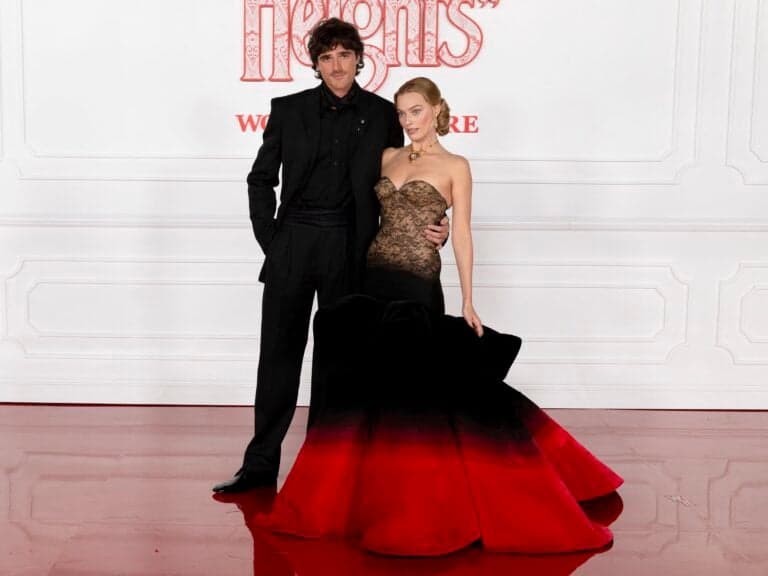


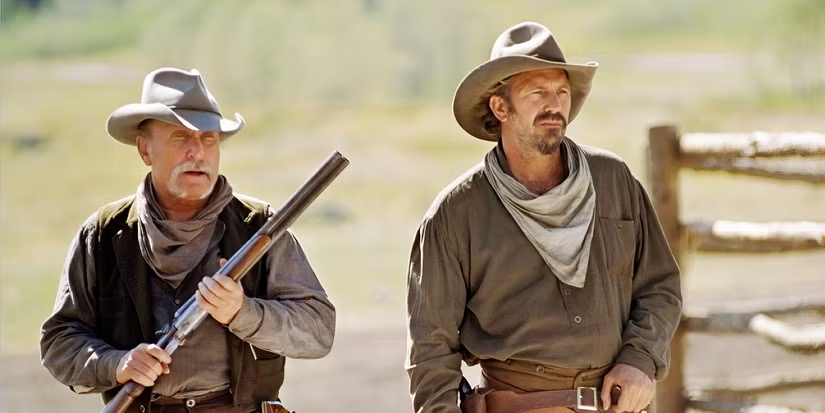


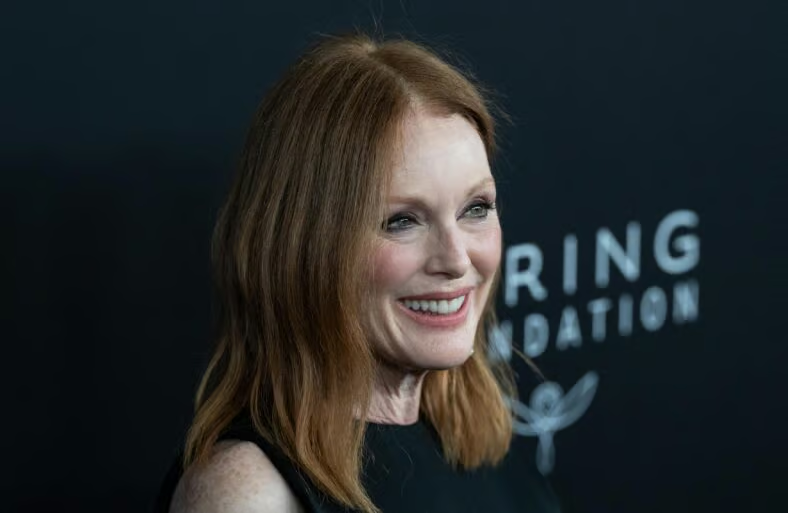
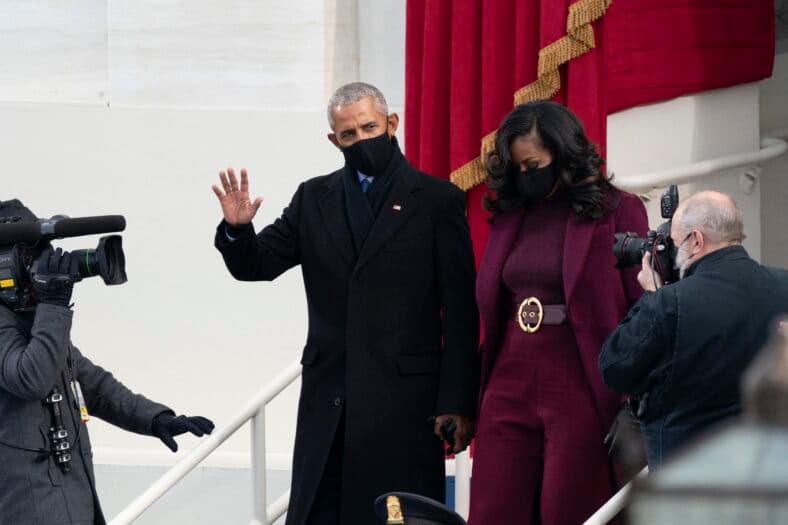
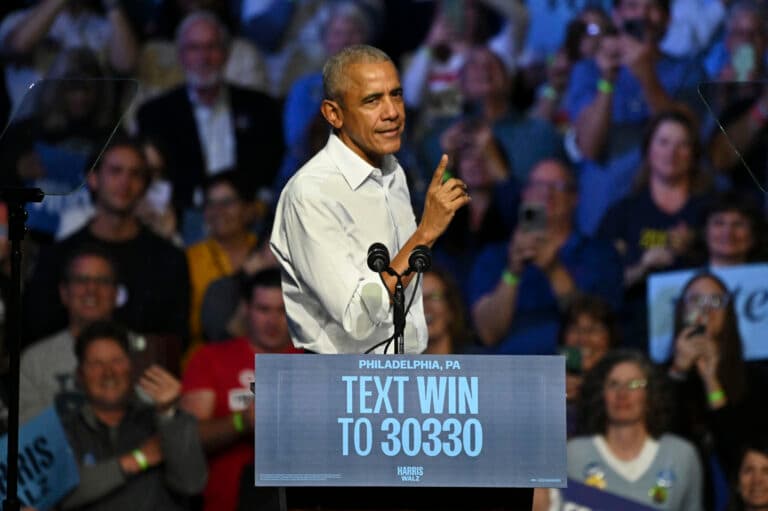
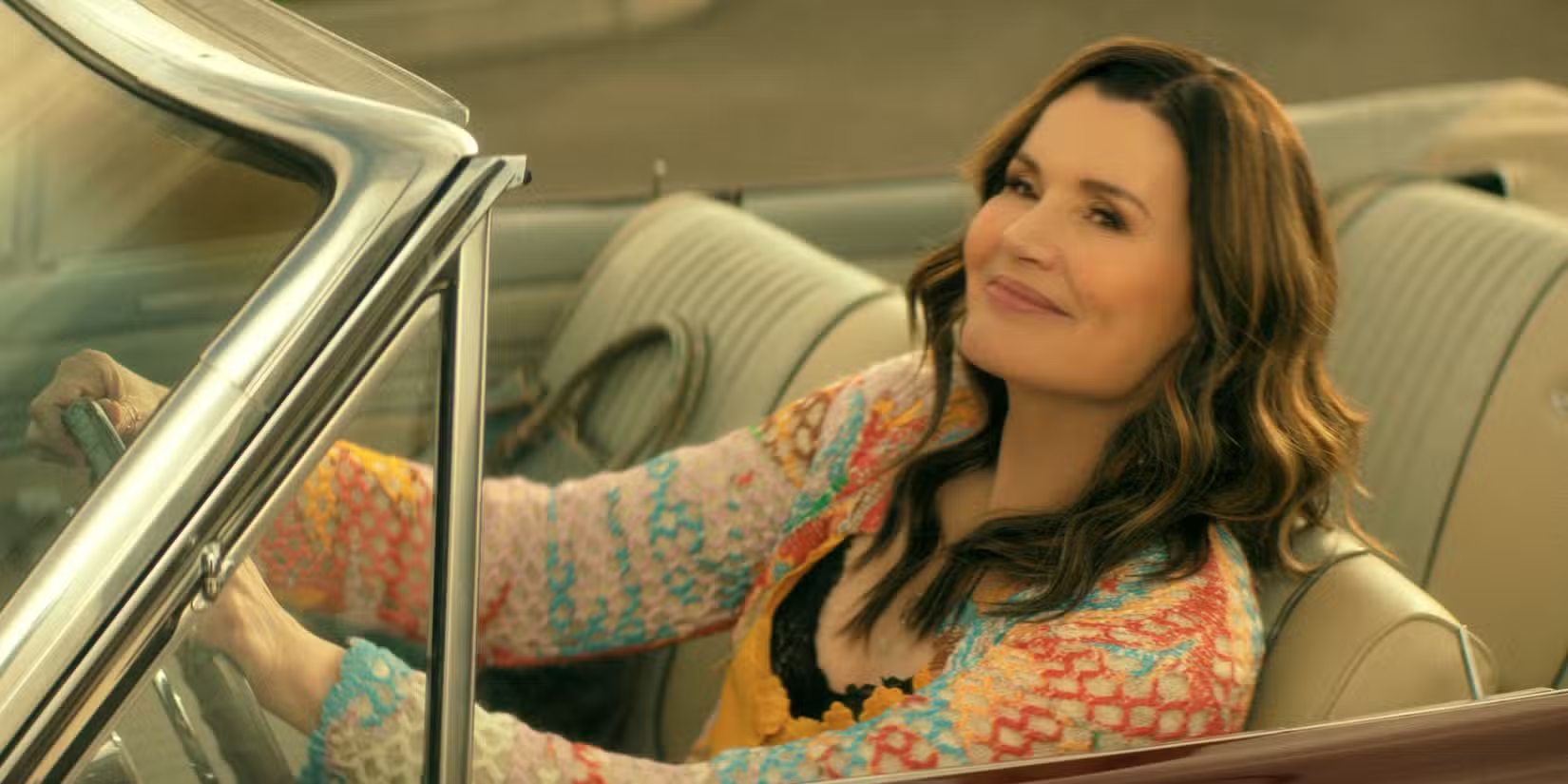


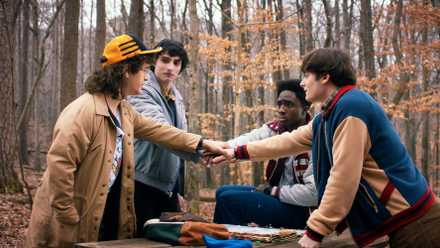







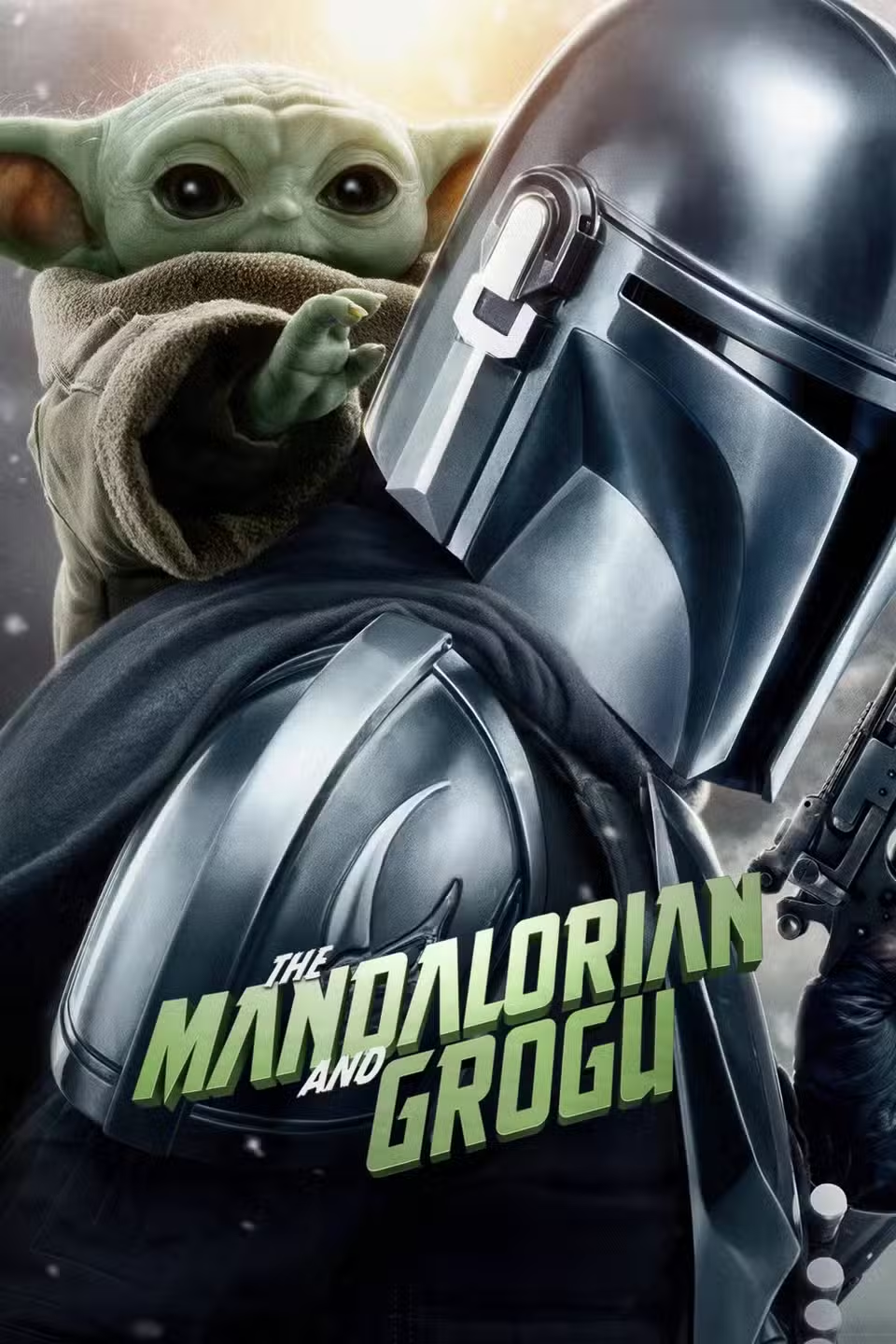

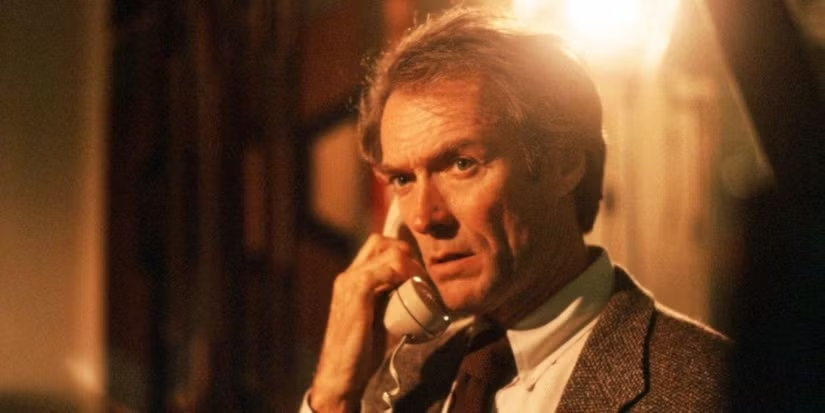


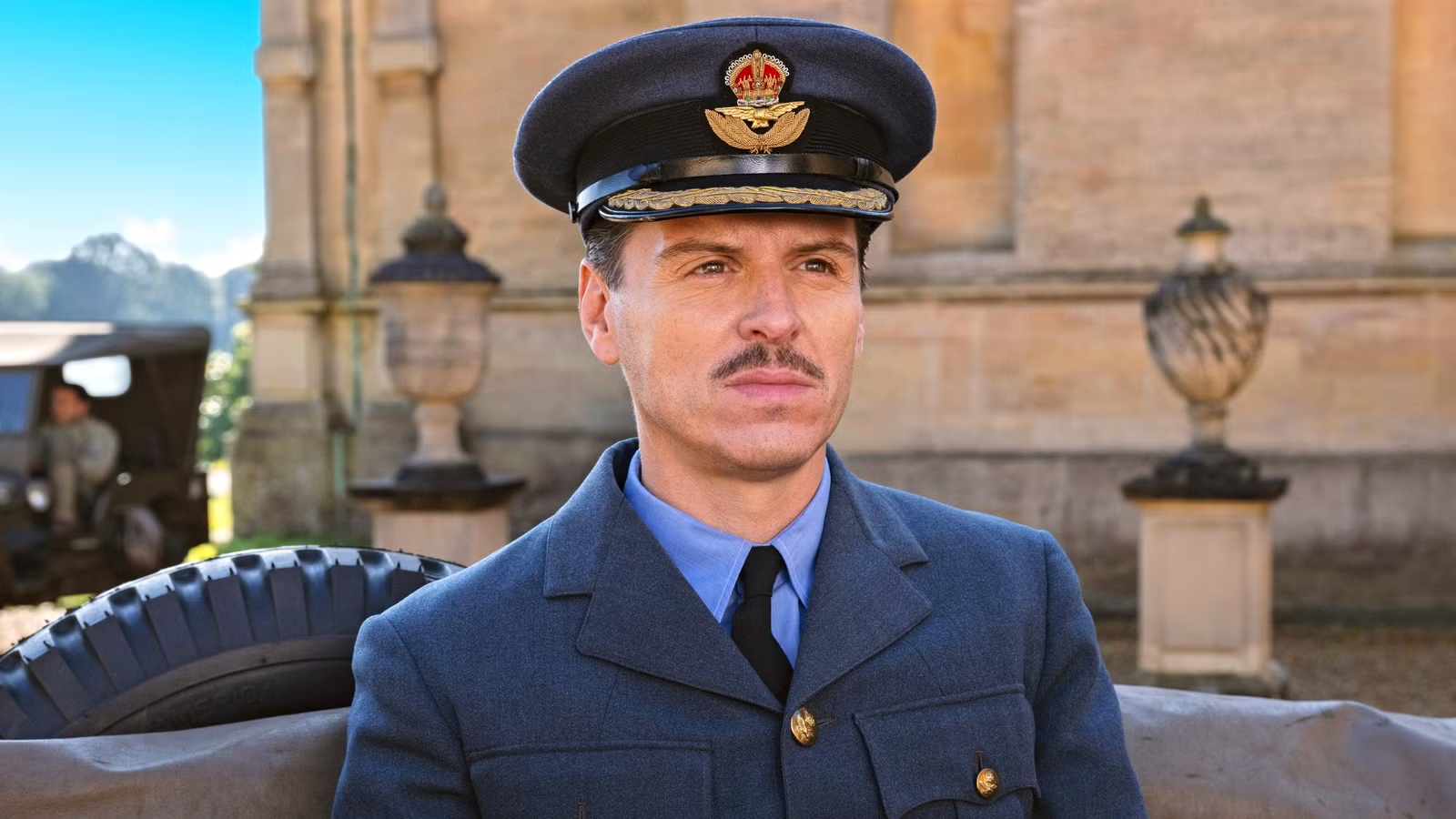













































You must be logged in to post a comment Login