

Entertainment
‘Marshals’ Luke Grimes Thought He Was Done With ‘Yellowstone’ — He Was Wrong

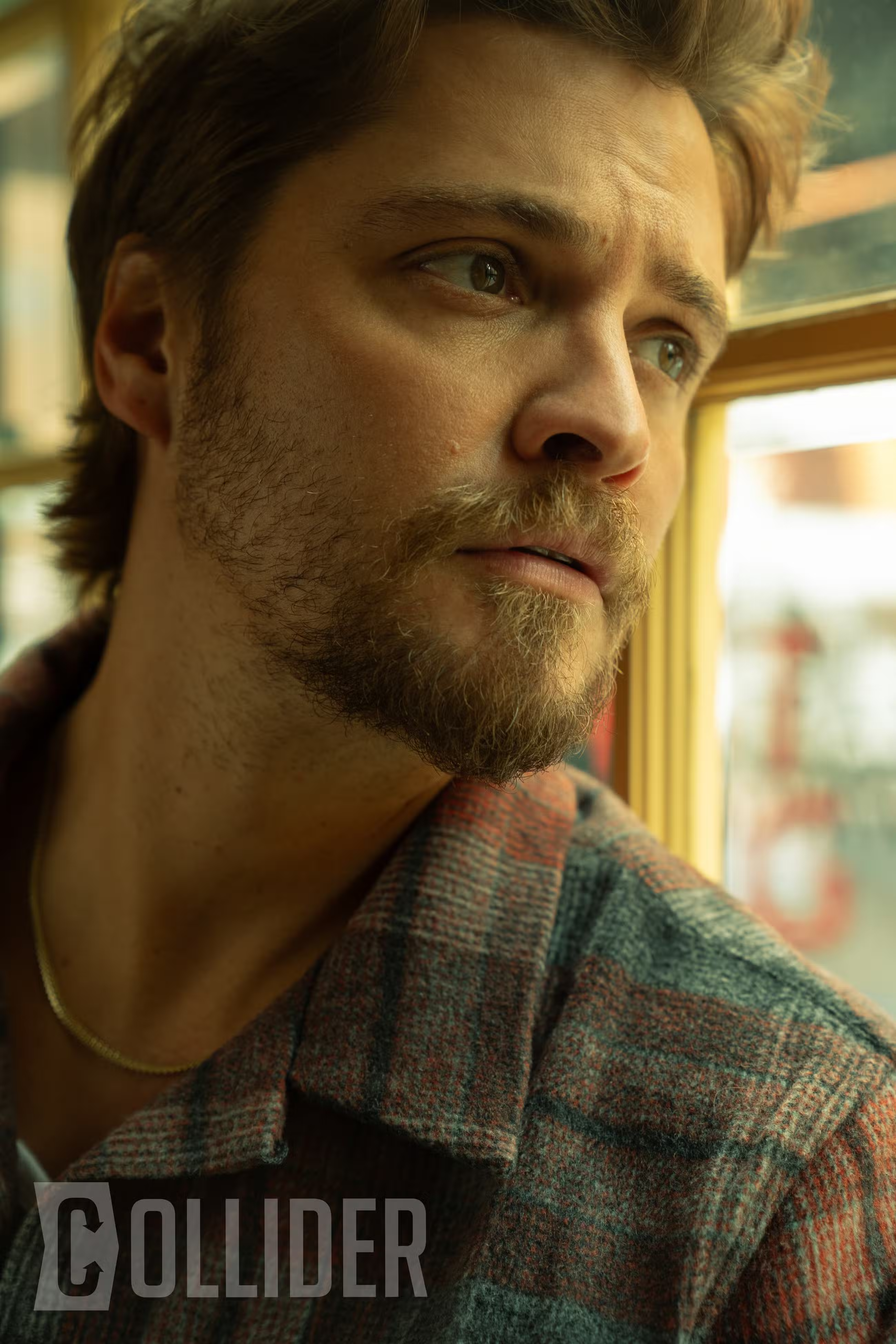
Luke Grimes has worn Kayce Dutton’s boots for nearly a decade. First introduced in Yellowstone, the epic neo-Western series about the family behind the largest cattle ranch in Montana, the youngest son of patriarch John Dutton III (Kevin Costner) evolves from living under his father’s thumb to building up a life of his own and finding peace with his wife and son. As the show’s success skyrocketed, it launched a franchise of prequels and sequels and cemented creator Taylor Sheridan as a force in Hollywood. Before Season 1 had even started shooting, Grimes made a trip to Boot Barn outside of Los Angeles to pick up a pair of Ariat boots, wanting to be ready for cowboy camp after landing the role. As luck would have it, the costumer liked them, bought a few extra pairs, and Grimes is still wearing the same boots, hat, and jacket while leading CBS’ Yellowstone sequel spin-off Marshals.
“The jeans are a little different. I think I was just skinnier back then. But everything else still fits,” Grimes jokes on a sunny day in New York as we talk about the character that he has become most closely associated with — and one that is clearly very special to him. Wearing a plaid Pendleton and looking as if he could have just stepped off a ranch, even though Season 1 has already wrapped, doesn’t feel especially surprising. After all, he has played Kayce through five seasons of Yellowstone and now 13 episodes of Marshals, which has since been renewed for Season 2. Landing the role of the former Navy SEAL-turned-rancher marked a turning point in his life and career — one that has made him more recognizable, but also brought a sense of stability in an unpredictable industry.
“I’m a little more recognizable now than I was when we started,” Grimes says. “I hadn’t really dealt with that at all in my life. It’s not to some crazy level. I’m not Brad Pitt walking around. But I do get recognized a lot, and that was very new and very different.”
Since first becoming a Dutton, he also moved to Montana, got married, had a child, and, by his own account, became a completely different man.
Grimes Is Ready To Play Kayce Dutton for As Long as They’ll Let Him
Before filming began on Yellowstone, Grimes wasn’t quite sure what he’d gotten himself into. He arrived in Montana during a massive wildfire, with ash in the air and zero visibility of the mountains. “I remember thinking, ‘Why are we shooting here? This place is ugly.’ And then, the day before we started, it rained, and it cleared all the smoke out of the air. I was like, ‘Oh, my goodness, this place is absolutely gorgeous.’” That’s where his Yellowstone ride began.
When the series wrapped, five seasons and 53 episodes later, Grimes was convinced he had closed the book on Kayce Dutton and was done forever. “There was no part of me that thought I was going to be going on with any sort of a spin-off,” he says. “For me, it was the last day of Yellowstone. It was like saying goodbye to family. I remember Kelsey [Asbille] and I gave little speeches telling everyone, ‘Thank you,’ and what a beautiful experience it was. Kels was so choked up that she could barely talk. That’s how much it all meant to us. I’ll be lifelong friends with some of the people I worked with there. It was the end of a really beautiful chapter in my life.”
The series finale saw Kayce sell his family’s land to the Broken Rock Reservation on the condition that he could remain there with his wife, Monica (Asbille), and their son, Tate (Becken Merrill), which is about as happy an ending as you could have hoped for on a series with its fair share of violence, murder, and family strife.
When the series wrapped, after having made it out the other side of the reported feud between Sheridan and lead Kevin Costner that resulted in the actor and character’s departure, Grimes was ready to bid Yellowstone farewell. But it turned out that his character wasn’t ready to let him go. The initial pitch of “How about doing a Kayce Dutton procedural?” wasn’t something he was immediately sold on the prospect of.
“I thought it sounded like a really bad idea,” he admits. “I didn’t really, truly know what procedural meant, so I called my friend, and he explained it to me because he’d done one. He said, ‘Dude, that’s going to be a lot of work. It’s a lot more work for you, especially to be the lead of a procedural.’ I was worried about it because it was the unknown.”
After spending five seasons with Sheridan as the driving force behind Yellowstone, Grimes understandably had questions about a Kayce Dutton spin-off on a new network with a new showrunner. What ultimately won Grimes over was a conversation with Marshals showrunner Spencer Hudnut, who brought the experience of seven SEAL Team seasons and a vision for something more than a standard procedural — a hybrid that blends case-of-the-week storytelling into arcs that unfold over a full season or even multiple seasons. “Fundamentally, what it’s about is this team of people, this team of good guys who are going out to find the bad guys. It’s a very simple concept at its core, so the procedural element really works for that.”
I feel very at home with him, and I feel like I would play this guy as long as they would let me.
At the same time, Sheridan is only a phone call away if the need arises, though the goal is for Marshals to stand firmly on its own. “I got a sense from Taylor that he would really appreciate [it] if this thing could stand on its own because he has so much going on,” Grimes says of his former boss. “I also got the sense that if we ever did need him for anything, he was there, and he would make himself available.” In one instance, Grimes did reach out over a casting issue that Sheridan helped resolve. “Honestly, I don’t think it would have been very valuable to anybody had we been bugging him all the time about helping us. That wasn’t the point. The point was he gave us his blessing, and we want to go make something and bring it back done and say, ‘Here it is. I hope you like it.’”
Successfully pulling off a TV series like Marshals is a tricky balancing act: It has to offer enough Yellowstone history to please longtime fans while still telling a story that’s fresh to new viewers. The challenge is reminding audiences why they connected with Kayce in the first place without alienating those unfamiliar with his family’s complicated history. Grimes was keenly aware of that balance. “That was the needle we were trying to thread. If you like the original show, there’s got to be enough in there that you feel like it’s a homage. But also, if you’ve never watched it, we want you to be able to come in fresh and start from Episode 1 and not feel like you were missing out on anything.”
Once Grimes committed to Marshals, his first day on set was very surreal, reminding him of where it all started. “We’re back shooting on the same soundstage that we started Yellowstone on in 2017.” An actor could easily feel boxed in by playing the same character for such a long period of time, but when Grimes says that he feels really blessed, the sincerity is unmistakable. “There are a lot of characters, over the years, that I’ve played that it would feel like torture to have to play for eight or nine years. But with Kayce, if there was going to be one, it would be this one. I feel very at home with him, and I feel like I would play this guy as long as they would let me.”
When Kayce Dutton Lost His Soulmate, Grimes Had To Say Goodbye to a Dear Friend

Kayce Dutton is a character defined by an underlying sadness, carrying a weight that you can feel even when he doesn’t put it into words. Taking a man who seemingly found his happy ending and ripping his soulmate away would understandably have that effect, but as Grimes sees it, pain just finds this guy. “Watching him be happy would be a very lame television show,” he says with a knowing smile. “Part of what’s great about watching him is that he always gets back up. Otherwise, we should have just left them alone and let them be happy. Taylor would be the first to tell you that happiness just isn’t really an option for Kayce Dutton.”
At the start of Marshals, which picks up over a year after the end of Yellowstone, Kayce may have gotten back up after Monica’s death, but he’s still a bit lost with that piece of his life now missing. Grimes himself was heartbroken that Asbille, with whom he had formed a close friendship, wouldn’t be part of the series. “I just felt like, if he still has her, and he still has his dream life, then there’s no show and no point in doing it,” he says. “She’s made her peace with it. She understands that it’s the motor for the whole story.”
Monica’s death — attributed to cancer caused by toxic exposure on the rez — also points to a very real issue. Native American reservations have historically and systematically been targeted as sites for toxic waste disposal, leading to exposure that has long-lasting health impacts. The loss of this wife becomes even more poignant when their son, Tate, holds up her photo (one that they got permission from Asbille to use) at a protest about those toxins underneath the land and clashes with his father as he tries to keep the peace.
“This guy has had the most painful thing that could possibly happen to him happen, after everything else that’s happened to him,” Grimes says, as someone who’s really been through it all with this character. “He’s got to find a whole new direction, or he’s going to fall apart. He’s got to go out and fight for good because otherwise, he will be consumed by his grief. There’s something interesting in watching someone have to find the strength to do something like that.”
Along with procedurals, broadcast TV also tends to love romantic entanglements. Clearly, Kayce isn’t in any kind of space where he could or would entertain that, but Grimes is aware that it won’t stop the network from asking. “I think it’s going to take some time,” he says about whether Kayce will have a love interest. “We’ve talked about it. I understood there were going to be notes from up top about, ‘How do we get this guy back into some sort of romantic thing?’ I just think the audience is going to be mad enough that Monica is dead. If we move on from that too quickly, then I’d be mad, and everybody would be mad. We have to really honor that first, and we do.”
Taylor would be the first to tell you that happiness just isn’t really an option for Kayce Dutton.
He points to a beautiful, profound memorial service scene on the rez in Episode 6’s “Out of the Shadows” as proof of that. “It’s going to be a second,” he continues. “You can maybe play with people coming into Kayce’s life that have some interest, but it’s going to be a while before anything like that is reciprocated.”
With Monica gone, Kayce’s most important relationship is with his son, Tate, his last semblance of family, and the only person who can carry on the Dutton name. That dynamic forces Kayce to confront something uncomfortable: holding onto his dream of a ranch when it’s not what Tate wants mirrors exactly what his father did to him. Now, with his own dream shattered and Tate still too young to know what he wants, the future feels wide open. “Maybe Tate has to move somewhere, and then maybe Kayce has to follow him. Who knows?”
While Yellowstone often felt more like a melodrama for Grimes, Marshals is faster-paced and far more action-packed, forcing him to realize just how unprepared and undertrained he was to shoot 13 episodes. It’s not a mistake he plans to repeat for Season 2. “Honestly, it was unexpected how taxing it was going to be, physically,” he admits. “We started filming, and the scripts kept coming in, and I was like, ‘Oh, another gunfight. Oh, I’m chasing someone in an SUV on a horse.’ It’s just constant. I was like, ‘I’ve made a big mistake. I didn’t train for this. I did not get in shape for this.’” With the plan to do 18-20 episodes in the second season and shooting set to pick back up in May, Grimes jokes that he’ll have to increase cardio and stretch a lot more. “I want to train for longevity. It’s a marathon and a sprint, at the same time.”
Grimes Never Saw ‘American Sniper’ Coming, but Learned Invaluable Lessons From Bradley Cooper

If you rewind to the years before Yellowstone, that marathon arguably began in 2012 with Taken 2, the action-thriller sequel to Liam Neeson’s hit about a retired CIA operative forever being pulled back into danger and forced to rely on his “very particular set of skills.” Grimes was lucky to make it out of that flick alive, and not because of any big fight sequence, but because he played the boyfriend of Neeson’s character’s daughter. “I was only there for one day,” he says with a laugh. “It was very quick. If you blink, you’ll miss me in that movie. It did not feel like I was in a Liam Neeson action movie. It was a very easy day.” Still, he counts the fact that Neeson was very nice to him as a win.
When Grimes moved to New York at 18 to start learning how to act, then to Los Angeles two years later, he wasn’t thinking of anything other than wanting to “get good.” He read every play he could and studied Shakespeare without any real plan to pursue a particular genre or type of character. But growing up hunting, fishing, and watching Westerns with his dad gave him a distinctly American quality. What he never saw coming was that he’d end up playing a Navy SEAL twice.
“I was a very skinny, not athletic, not badass guy at all,” he admits. “To have someone cast me as a Navy SEAL was like, ‘Are they sure? I think they’ve got the wrong guy.’ I could see the Americana thing, and I could see the outdoorsy guy thing, but the team guy/special operator was completely out of left field for me. Don’t get me wrong, I’m so honored to do it. I just never saw it coming.”
His first turn as a Navy SEAL was in American Sniper, where he played Marc Lee, the first SEAL to lose his life in Operation Iraqi Freedom in a fierce firefight. As one would guess, he found the experience of being directed by Clint Eastwood to be incredibly intimidating, not because he wasn’t nice (Grimes called him “a very kind person”), but because he doesn’t coddle anyone. “You’ve just got to be ready and be on. You’re going to get one take, and then you’re moving on.”
Working alongside Bradley Cooper also left a deep impression on Grimes. As one of the younger guys in that cast, he found Cooper gracious and genuinely invested in lifting his co-stars — something Grimes deeply admired. “There was no, ‘I want to be the person who’s good in this movie, and I want to cut you off at the knees, so you have no opportunity to steal my thunder.’ I see that a lot. People do that. It’s very weird, diva behavior. They’re not all like Bradley. I learned a lot by watching him. If I ever get to that position, I want to be like that. I want to be that guy, and not the other guy.”
Thanks to Clint Eastwood, Grimes Found His Way to ‘Yellowstone’

Grimes credits American Sniper with leading him to Kayce Dutton. Sheridan saw the film while writing Yellowstone, a reminder that acting is only partly about talent and skill, while fate and timing have a hand in it, too. “I’ve definitely thought about that,” he admits. “When you get the sort of job that changes your life in every way, you think about everything that could have gone wrong. The fact that I get to do what I get to do and play a character that I love — it very easily could not have happened. There was a 99.9% chance that this didn’t work out for me. I try to never forget that.”
“Any time I want to complain about anything, or I feel like it’s too much or too crazy,” he continues, “I just have to remember, ‘Dude, you made a bet that you should have lost, and you won. No matter what, be grateful and know that not everybody has their dream come true.’ And now, with my family, it’s even more like that. I have a beautiful wife and a child, and not only do I get to do what I love, but it provides for them. I do pinch myself all the time because I know how incredibly lucky I had to be for all this to work out for me.”
Before riding into the modern Western that is Yellowstone, Grimes appeared in Antoine Fuqua’s remake of The Magnificent Seven. Set in 1879, the film follows a frontier town that falls under the control of a ruthless robber baron and gold-mining tycoon, protected by an army of hired guns, prompting a widow and her friend (Grimes’ character) to enlist a group of bounty hunters to help free it. The role found him in scenes alongside Denzel Washington, Ethan Hawke, Chris Pratt, and Vincent D’Onofrio. But unlike American Sniper, his experience on that set was more of a mixed bag. “I felt imposter syndrome,” Grimes says candidly. “That was the first time I’d been around that many big, powerful people in the business. I definitely felt a little bit out of my element. There were some people there who were very gracious, and some who weren’t. I continued to learn about the way that I would like to be, one day, if I ever got to that level.” The experience also clarified the kinds of roles he didn’t want to keep playing.
Grimes Originally Dreamed of a Career in Comedy

While there’s a clear throughline between projects like Taken 2, American Sniper, and The Magnificent Seven, what seems out of place on Grimes’ resume are the Fifty Shades films — Fifty Shades of Grey, Fifty Shades Darker, and Fifty Shades Freed. He admits that when he signed on, he knew the books were popular, but didn’t fully understand what he was stepping into. “When I signed on, Charlie Hunnam, who I was a fan of, was going to play Christian Grey, and I was going to be his brother. The attractive thing to me was that I would be working for two days on the movie. I signed on for all the sequels at the same time, and it was two days on each of those movies.” At the time, it made him more money than he had ever made in his life. “It was a chess move,” he explains. “Not that I’m not grateful. It was amazing. I was able to eat for years because of those movies.”
But then, Hunnam dropped out, and they asked Grimes if he wanted to audition to play Christian instead of Elliot, which he knew wasn’t the right move. “I don’t know if I would have gotten it or not,” he says. “That’s not what I’m trying to say. I knew that I didn’t want that level of responsibility on that movie. I was like, ‘I’ll take my two days, but I don’t know if I’d be very good at being the guy on the poster of this thing.’”
Playing Elliot Grey — and becoming something of the comic relief in the Fifty Shades films — presented another potential path for Grimes: the chance to do comedy. “Believe it or not, when I was growing up, my dream was to be on SNL, as a cast member and not just to host it,” he says. “I was a huge comedy fan. When I was little, I loved Jim Carrey. I loved comedy movies. I always thought that would be something I would do more of, and I hope to. I got to do Eddington last year with Joaquin [Phoenix] and Ari Aster, and that was a dark comedy. I’d love to do more comedy.”
That’s when it felt like, “Okay, I probably will never have to get a normal job again. I can just be an actor now.”
Instead of doing more comedy, Grimes jokes about how he now plays “the saddest guy of all time” as Kayce Dutton. But if Fifty Shades was the job that let him live comfortably for a while, Yellowstone was the one that made him realize he wasn’t going to have to wait tables again. “Yellowstone hit really big around the time we were shooting the fourth season,” he says, “Very early COVID is when the show took on a different life, and everybody started watching it. It wasn’t just middle America anymore. It was New York and L.A., as well. I would get recognized there just as much, which I was very surprised by. That’s when it felt like, ‘Okay, I probably will never have to get a normal job again. I can just be an actor now.’ It took a long time. I was probably 35 years old when that happened.”
Now 42, Grimes is not only more famous but also the guy on the poster. In Marshals, he may just be one member of an elite U.S. Marshals unit — along with Pete Calvin (Logan Marshall-Green), Belle Skinner (Arielle Kebbel), Andrea Cruz (Ash Santos), and Miles Kittle (Tatanka Means) — where Kayce can combine his skills as a cowboy and former Navy SEAL to deliver justice across Montana. But he’s also the face carrying on the Dutton legacy. In Episode 2, “Zone of Death,” there’s a moment where Kayce gives teammate Miles some advice the way that only a Dutton can: “There’s always going to be a snake. You can’t reason with it and hope it will back down. You’ve got to be more dangerous than it is.”
It’s a moment that not only shows that Kayce understands what it means to be a Dutton, but it also hints at what’s still to come. “You’re seeing Kayce really in his element, taking Miles under his wing,” explains Grimes. “We’re not really used to seeing Kayce take that leadership position or give anybody advice, so for him to open up and start becoming someone who’s really taking care of business and taking care of other people, it’s a nice change of pace for him.”
Grimes Hopes There Will Be a Dutton Family Reunion in His Future

The spin-off’s strong performance across both live and streaming platforms earned it an early Season 2 renewal — welcome news, considering Grimes reveals that the first season ends on “a very, very big Yellowstone-style cliffhanger.” He also notes that, because Sheridan never told him anything that was coming on Yellowstone, he enjoys being taken along for the ride with everyone else and not having all the details in advance. “I’m getting the scripts a little bit before we’re making them and shooting them, but not too much before, and I really like that. I get some big, broader story ideas just because Spencer wants to know if I have any input on anything.”
After shooting a season of the CBS series, Grimes has a much clearer sense of what a procedural is and how they can push the boundaries of the genre. He’s excited by what could come next and hopes that they can widen the scope even further in the future. “I think the options are endless,” he adds. “We’re not stuck anywhere location-wise anymore. These marshals can get placed anywhere. Maybe not right away, but maybe at some point, we could all get stationed somewhere else. Maybe for a few episodes, we have to go out of the country somewhere and get them all out of their comfort zone. The world is our oyster, in terms of what these marshals can actually get sent to do.”
Marshals isn’t the only Yellowstone spin-off in production. Beth Dutton (Kelly Reilly) and Rip Wheeler (Cole Hauser) are also headed to South Texas for Dutton Ranch, where there will surely be plenty of drama to follow. That also raises the possibility of siblings Kayce and Beth crossing paths again at some point. Grimes lights up at the idea. “I think it’d be great. I think it’d be super fun. I do know that when I signed my contract, there was a stipulation in there for, if we ever do that, how it would work. They haven’t boxed themselves out of being able to do that. Why not?” It may simply come down to what makes more sense: bringing Beth into the Marshals world or sending Kayce over to Dutton Ranch.
Grimes may not have imagined the path his career would take, or that his journey as Kayce Dutton would carry him from one hit series to another, but he remains grounded and ready to follow wherever it leads. As for what comes next, he’s looking to branch out beyond acting and step behind the camera. Whether that means directing an episode of Marshals or tackling material of his own is still an open question. “We’ve talked about possibly directing,” he says. “I have always wanted to direct and write. I have a couple of ideas right now that I’m tinkering with. It’s definitely on my bucket list to write and direct a film for myself.”
Photography: Andrew Lipovsky | Groomer: Benjamin Thigpen | Location: The East Wing, New York

- Release Date
-
2026 – 2026
- Showrunner
-
Spencer Hudnut
- Writers
-
Spencer Hudnut, Tom Mularz, Dana Greenblatt

Continue Reading

History buffs, World War II-era aficionados, and fans of Tom Hanks began the week with a bang. On Memorial Day, the History Channel premiered its epic, 20-episode documentary series World War II with Tom Hanks. Unsurprisingly, the series climbed to the upper tier of the domestic iTunes chart within a day. It now trails only Rick & Morty, while pacing ahead of popular titles such as Jack Ryan, Westworld, and Dutton Ranch. Hanks’ fascination with World War II history is well-known, and he has taken every opportunity to express it via his art. He famously starred in Steven Spielberg‘s groundbreaking movie Saving Private Ryan, and over two decades later, headlined a new kind of WWII blockbuster.
This film, which was released on Apple TV after being offloaded by Sony and denied a theatrical release, has emerged as a streaming sensation. Hanks once expressed his heartbreak about the movie never seeing the inside of a theater, but he seems to have made his peace with the turn of events and is now working on a sequel. Hanks and Spielberg continued their creative partnership following Saving Private Ryan not by making more movies for themselves, but by producing epic shows that are now considered among the best of all time. The streak began with Band of Brothers, which is charting domestically as we speak, even 25 years after its release on HBO. It was followed by The Pacific, which was also released on HBO, and the more recent Masters of the Air, which cost $250 million and premiered on Apple TV.
Tom Hanks’ Streaming Hit Has Passed a Massive Milestone
Which brings us back to Hanks’ streaming super-hit. We’re talking, of course, about Greyhound. Directed by Aaron Schneider, the film follows a tense naval standoff between Allied ships and enemy vessels in a particularly fierce and unprotected part of the Atlantic. The movie cost a reported $50 million to produce, and was picked up by Apple TV for $70 million. The investment appears to have paid off, with Greyhound having now hit a massive milestone. According to FlixPatrol, the movie has spent 700 days on the streamer’s domestic leaderboard, which happens to be more than any film currently charting, besides The Family Plan. Greyhound received better reviews than the Mark Wahlberg-led comedy, and is now sitting at a “Certified Fresh” 78% score on the aggregator website Rotten Tomatoes. Stay tuned to Collider for more updates.

- Release Date
-
July 9, 2020
- Runtime
-
92 minutes
- Director
-
Aaron Schneider
- Producers
-
Gary Goetzman, Nori Chia
“Euphoria” ended its third season with a finale that leans into the show’s signature intensity, blending emotional turmoil and heightened drama. As the story reached its final chapter, tensions among the characters came to a head, delivering an unsettling farewell that stays true to the show’s tone.
Series creator Sam Levinson has confirmed that “Euphoria” concludes with Season 3 and shared how he brought the characters’ arcs to a purposeful close.
Warning: This article contains spoilers for the “Euphoria” series finale.
On May 31, Season 3, Episode 8 of “Euphoria,” titled “In God We Trust,” premiered, marking the end of the hit series. The show ended with multiple character deaths, including Rue (Zendaya), delivering a devastating final episode.
Laurie (Martha Kelly), the school teacher-turned-drug lord, found herself trapped as DEA agents raided her compound. Not wanting to face the consequences of her actions, she dies by suicide.
Rue met her end tragically after overdosing on pain pills laced with fentanyl, which was provided by the season’s main antagonist, Alamo Brown (Adewale Akinnuoye-Agbaje).
As a result, Rue’s sponsor, Ali (Colman Domingo), seeks revenge. In a dramatic western-style shootout, Ali shoots Alamo to death at the Silver Stripper strip club. Alamo’s right-hand man, G (Marshawn Lynch), also met his end at the hands of Ali.
‘Euphoria’ Actors Discuss The Finale
In an interview with The Hollywood Reporter, Akinnuoye-Agbaje discussed his character’s actions, saying, “He likes the Chess game. When he identifies that Rue is a snitch and a traitor, he’s already made up his mind that he’s going to deal with her in a way that best serves him productively, but also serves his sadistic nature.”
Akinnuoye-Agbaje noted that while he found Alamo an “amazing character” to portray on screen, he was pleased to say goodbye. “I’m happy to leave him with the voracious fans,” he added.
Kelly, on the other hand, said Laurie’s end affected her when she learned the outcome. While she admitted that it was “disturbing,” she also enjoyed doing a stunt. “I never do anything dangerous. I’m not Tom Cruise, but I love doing stunts,” she said, adding that she will never forget the experience.
Sam Levinson Had A Different End In Mind
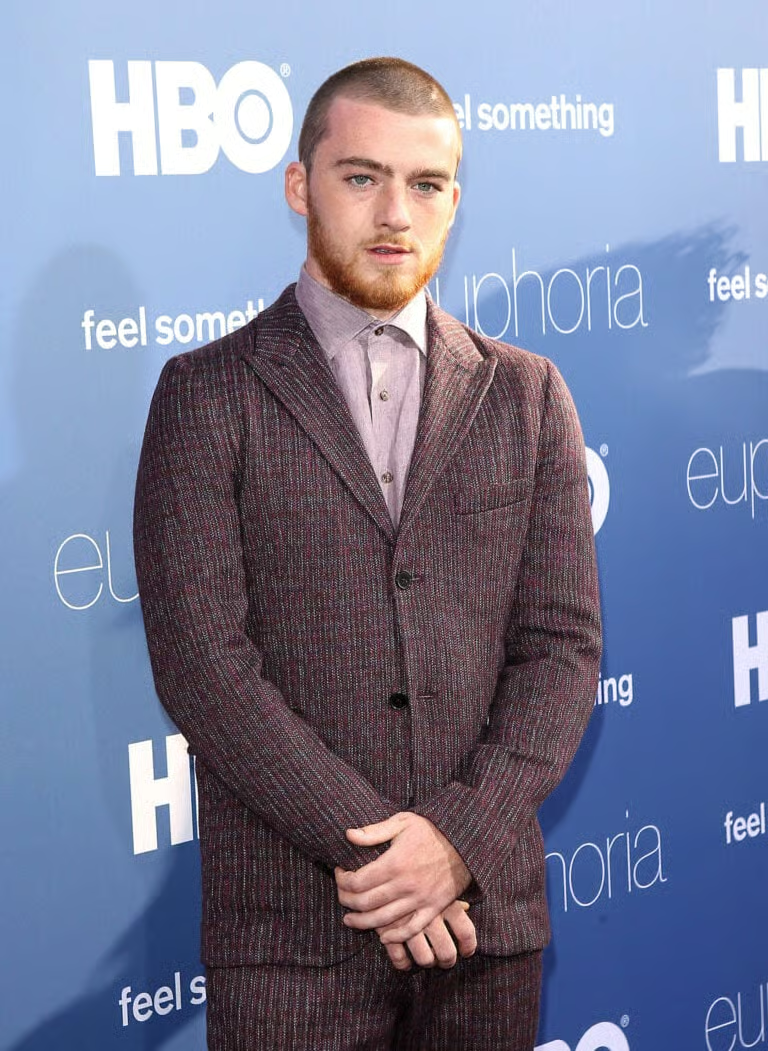
In an interview with The New York Times’ podcast “Popcast,” “Euphoria” creator Sam Levinson said he had a different ending in mind when writing Season 3 in 2023. However, he changed the script following the death of Angus Cloud, who portrayed drug dealer Fezco “Fez” O’Neill. Cloud died of an accidental overdose in July 2023 at just 25 years old.
“Once he passed away, I had to reconceive the script and I thought, you can’t tell a story about addiction today without the very real consequences. Most people don’t get a second chance,” Levinson explained, adding that while he loved Rue, he also wanted the viewers to feel like they were “in the position of a family member who loses someone that they love.”
The “Euphoria” showrunner added that the series finale was a way to honor Cloud.
The Showrunner On Glamorizing Addiction
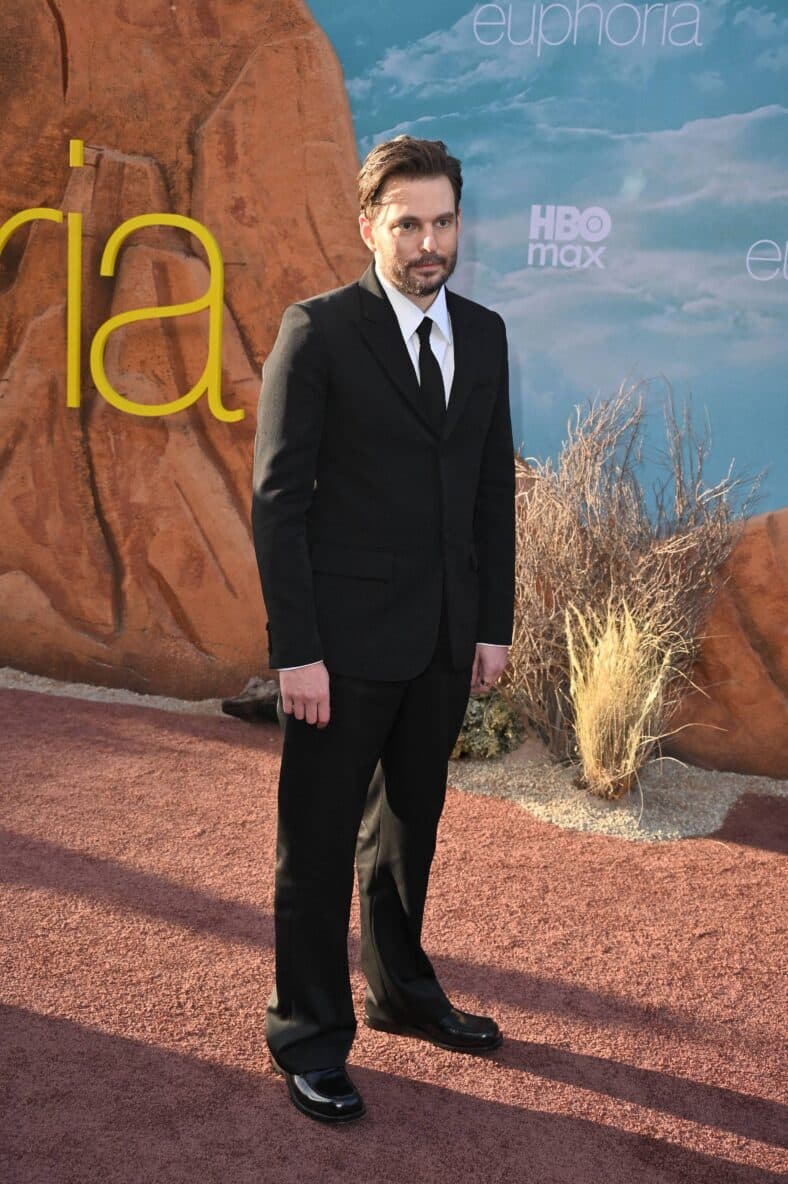
Elsewhere in the podcast interview, Levinson was asked about some “Euphoria” viewers possibly glamorizing drug use and addiction. Admittedly, the showrunner said it’s something he has thought about, and while the show displays the “seduction of these illicit behaviors,” they also expose the consequences.
While many lauded “Euphoria” for depicting the reality of substance abuse, some, including the anti-drug program D.A.R.E., criticized the show for romanticizing drug use and violence.
“I think it’s always a fine line. Have we gotten it right 100 percent of the time? I don’t know. But I think we have shown the psychological, physical, and spiritual consequences of addiction in all of its forms better than almost anything else out there,” Levinson explained, adding that having done so “helps him sleep at night.”
‘Euphoria’ Season 3 Is The Series’ Conclusion
Both HBO and Levinson have confirmed that Season 3 is the end of “Euphoria.” The show debuted its first season in 2019, followed by Season 2 almost two years later. The four-year gap between Season 2 and Season 3 was the result of personal tragedies, industry strikes, and scheduling conflicts for the main cast.
While Zendaya was already a household name when she joined “Euphoria,” several of her co-stars, including Sydney Sweeney, Jacob Elordi, and Hunter Schafer, saw their careers rise significantly after appearing in the series.
As for the show, Levinson said Season 3 wraps up the story. “In terms of the story that we set out to tell, which is a story about addiction and its consequences, this feels like the end to me.”
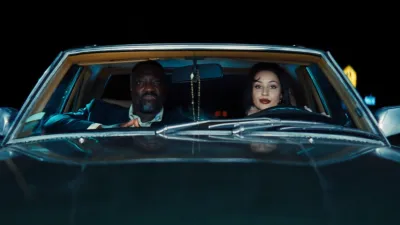
After Euphoria viewers questioned what exactly happened between Alamo and Maddy, the show’s presumed series finale clarified whether they had a sexual relationship.
During the Sunday, May 31, episode, Maddy (Alexa Demie) visited Alamo (Adewale Akinnuoye-Agbaje) at his strip club after striking a deal with him in the past to save Nate’s (Jacob Elordi) life. Cassie’s (Sydney Sweeney) husband died anyway but now Maddy was in debt to Alamo, which he wasn’t in the mood to collect in the finale.
Instead, Alamo contemplated his life choices before making a move on Maddie. More specifically, he propositioned Maddy by asking her to have his kids so he could have a more wholesome family life instead of running drugs and other seedy ventures.
Alamo then started to touch Maddy — who got on his lap — but the scene cut out before the viewer saw what happened next. It was at that point that Ali (Colman Domingo) started to shoot up the club to get Alamo’s attention. Despite the interruption, the audience was meant to assume that Maddy gave in to Alamo’s advances — albeit briefly — in order to keep herself alive.
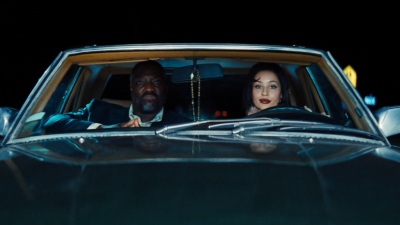
Euphoria has caused a lot of confusion for viewers throughout the seasons — and now they are asking what exactly took place between Maddy and Alamo. Ahead of the season 3 finale, Maddy (Alexa Demie) had to ask Alamo (Adewale Akinnuoye-Agbaje) for money after Cassie (Sydney Sweeney) found out that Nate (Jacob Elordi) only had […]
The confirmation came after a past episode had viewers confused. In an episode earlier in the season, Alamo made Maddy put on a bathing suit and get in the hot tub. He ultimately agreed to help Maddy get the $1 million needed to save Nate and the scene cut off.

Viewers then wondered if the scene hinted at Maddy having to sleep with Alamo to secure the deal but that wasn’t clarified.
The HBO series, which premiered in 2019, originally followed troubled high school student Rue as she struggled to remain sober after rehab, and also unpacked the complicated lives of those around her. Euphoria was quickly renewed for a second season after its premiere, but it took nearly three years for the episodes to air.
The wait between season 2 to season 3 was even longer due to scheduling conflicts, industry strikes, a time jump in the plot and other obligations.

The third season of Euphoria is coming to an end — but viewers are still left confused by several story lines including Alamo and Maddy’s relationship and Angel’s disappearance. Based on the Israeli series of the same name, Euphoria follows troubled high school student Rue (Zendaya) as she struggles to remain sober after rehab. The […]
Creator Sam Levinson’s commitment to his short-lived series The Idol and the dual WGA and SAG-AFTRA strikes led to season 3 being dragged out. The show officially returned in 2026 with Rue getting caught up in the world of drug trafficking, Cassie turning to OnlyFans to make money while her husband, Nate, is pushed to the brink over the debt he owes to some dangerous people.
Before Euphoria wrapped up its third season, Levinson wouldn’t directly confirm — or deny — what is to come for the show.


“[I write] every season like it’s the last season,” he told Variety in April. “[I have] no plans [for season 4].”
He continued: “I want to finish this as strong as I can. I’m cutting [episodes] 7 and 8 still. I’m putting some finishing touches. I just want to deliver a f**king slam dunk season.”
Euphoria is now streaming on HBO Max.

Us Weekly has affiliate partnerships. We receive compensation when you click on a link and make a purchase. Learn more!
Cindy Crawford is stunning in anything, but her latest look might be her chicest yet — and all it took was the right pair of jeans. The supermodel was seen rocking the same straight-leg denim cut as rich moms in London, Paris and Milan, and I found the mega flattering style for just $34!
For an event in Los Angeles, Crawford paired a laid-back denim top with straight-leg jeans that hit right at the ankle, finishing the look with neutral sandals. Her choice of pants further proved the reason she’s been the blueprint for chic, low-effort glamour for three decades running. Her denim style was the timeless alternative to skinny and baggy, classic and cool without trying too hard.
Get the Upnet Stretchy Straight-Leg Jeans for $34 (was $40) at Amazon! Please note, prices are accurate at the date of publication but are subject to change.
These Upnet Stretchy Straight-Leg Jeans nail Crawford’s laid-back yet elevated aesthetic and might even be more flattering, thanks to the high waist that smooths the tummy and creates a long, lean line. The leg doesn’t flare or taper, so this pick pairs beautifully with sneakers, ballet flats and the summer sandals you’ve been dying to wear.
I don’t know what Crawford’s jeans felt like, but this lookalike already seems much comfier. The cotton-blend denim has softness and stretch built in, which matters when you’re sitting through dinner, kids’ soccer practice or a long plane ride.
One happy shopper wrote, “The material is stretchy, but still holds its shape, and the tummy control feature is a total game-changer — super slimming without feeling tight or uncomfortable.”
“These jeans are honestly the most comfortable pair I’ve ever owned,” another five-star fan shared. “The straight leg design is super flattering and gives that classic, effortless look . . . What really surprised me is how soft they feel, almost like a pair of buttery leggings, which makes them so easy to wear all day.”
Crawford’s denim moment was a reminder that straight-leg jeans work wonders on all shapes, sizes and ages, and are especially flattering on those over 40. The fit and shape give you that slim, stylish and pulled-together look in minutes, so you’ll probably reach for them constantly, no matter where you’re headed.
These denim pants even come in petite sizes, so there’s truly a pair for every fashionista. Score your new staple jeans on sale below!
Get the Upnet Stretchy Straight-Leg Jeans for $34 (was $40) at Amazon! Please note, prices are accurate at the date of publication but are subject to change.
Not what you’re looking for? Shop other chic jeans, and don’t forget to check out Amazon’s Daily Deals for more great finds!

Even in New York City, Margot Robbie doesn’t stray from her California-cool aesthetic. While everyone else was decked to the nines at the Meta Gala after-party, Robbie stunned in casual baggy jeans that were arguably even chicer than the fancy outfits. We found the trendy look on sale for 30% off! Slouchy oversized jeans have […]
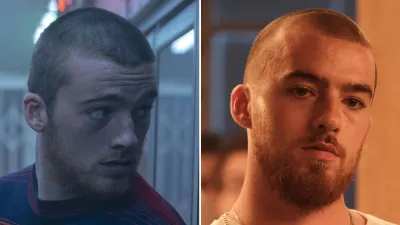
Euphoria shocked viewers by killing off Zendaya‘s beloved character Rue — but how did she die?
On the Sunday, May 31, episode of the show, Rue escaped Laurie’s house and took what she stole from the safe back to Alamo (Adewale Akinnuoye-Agbaje). The drug lord offered Alamo some pain pills after seeing how injured she was — and Rue considered taking them.
The show then followed Rue to urgent care where she got treated for her wounds. She returned back to Ali’s (Colman Domingo) house and seemed to consider taking the pills before going to sleep.
Euphoria then showed a sequence where Rue woke up to find out that Fez (Angus Cloud) escaped prison with his parkour skills. She ran to reunite with him, stopped at her house to share a sweet moment with her mother and then the show confirmed it was all a dream.

The Euphoria cast and crew have mourned the deaths of some of their colleagues over the years. Euphoria, which premiered in 2019, originally followed troubled high school student Rue (Zendaya) as she struggled to remain sober after rehab. The hit HBO series was quickly renewed for a second season after its premiere, but it took […]
Instead, Rue had died from an overdose on Ali’s couch. He discovered the pills, which he tested and found they were positive for fentanyl. This confirmed that Alamo intentionally gave Rue drugs that he knew she would relapse on — and that he planned to have kill her after he previously discovered she was working with the DEA to bring him down.
“The honest ending is that people like Rue don’t make it,” creator Sam Levinson said in a post-finale segment. “People relapse and they f*** up. They’re not ready to get clean. And they weren’t dying like they are now with the influx of fentanyl into this country.”
Levinson recalled his own struggles with addiction.
“I could say with absolute certainty that if I was going through what I went through when I was younger now then I wouldn’t be here either,” he added before referencing Cloud’s death from an accidental overdose. “There’s no reason to sugarcoat it. I wanted to tell the story for Angus and for people who weren’t granted a second chance.”
Levinson called the finale “an honest ending.” He previously mentioned his plan to dedicate the season to Cloud, who died at age 25 before filming on the final episodes started.
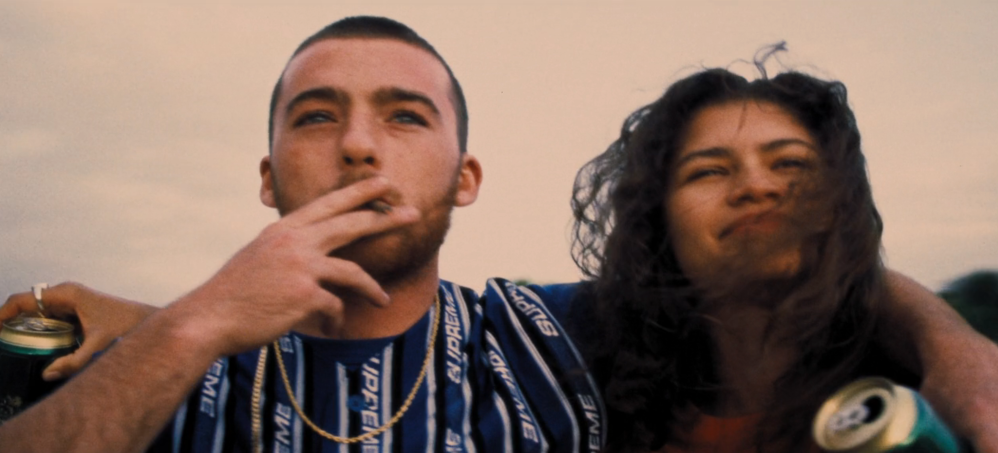
“Some people ask why it took so long between seasons 2 and 3. There were obvious factors — the strikes, trying to make a schedule work with our very in-demand cast, but the real time was in trying to figure out how to find a way to pay respect to those who we lost,” Levinson said at the April premiere event for season 3.
He added: “When Angus died, it was tough. I loved him deeply, and I fought hard to keep him clean. The year he died, in 2023, he was one of 73,000 people in America who died of a fentanyl overdose. I learned a whole lot that year, but what I realized more than anything is that death is what gives life meaning. You can’t be arrogant about existence. You’re forced to reckon with the fact that life itself is a wonder, a gift, a profound blessing.”

Rob Latour/Shutterstock Angus Cloud candidly spoke about his struggles with addiction and mental health before his tragic death. Cloud’s family announced that the actor had died in July 2023 one week after losing his father. He was 25 years old. “It is with the heaviest heart that we had to say goodbye to an incredible […]
Before his death, Cloud was candid about his struggles with mental health and addiction. Levinson recalled making several attempts to help the actor during his journey to stay sober.
“I looked him in the eye and I knew that he wasn’t doing well,” Levinson told People in September 2023 about helping Angus enter a 30-day in-patient program. “At the same time, I’ve been in these situations before where you’re trying to get someone clean. And I just said to him, ‘I love working with you and we’ve got this amazing season planned and stuff, but I need you to be sober because I got to be able to rely on you.’”
Levinson was determined to support Cloud, noting, “I could always feel that he didn’t want [sobriety] as much as we all wanted it for him. That’s where it gets tricky because the whole world can want it for you. But he didn’t want it. It’s just the self-destructive side of addiction and it outweighs everything. But you can’t give up on people. I wasn’t going to let anyone give up on him.”
Euphoria is currently streaming on HBO Max.
If you or someone you know is struggling with substance abuse, contact the Substance Abuse and Mental Health Services Administration (SAMHSA) National Helpline at 1-800-662-HELP (4357).

It’s hard to pinpoint, but there is something about a murder mystery that seems to prick our interest while warming our hearts. Perhaps the trick lies in the opportunity the story affords us to play detective as we put the puzzle together, or the thrill of finally solving the case. No matter, one thing is certain, and that is, the murder mystery is one of the most beloved genres today. ABC’s How to Get Away with Murder is a particular favorite of many, with the esteemed Viola Davis bringing the character of Criminal Law professor Annalise Keating to life.
Streaming services have also gotten in on the action with Netflix‘s The Thursday Murder Club, a cozy murder mystery for the oldies, and Hulu’s hit series, Only Murders in the Building, which stars Steve Martin, Martin Short, and Selena Gomez. Some of the best murder mysteries brought to the screen are products of book adaptations, and one of the most popular ones is currently on Netflix. A television series that brings Holly Jackson‘s popular book trilogy to life, A Good Girl’s Guide to Murder reminds us all of what draws us to this genre in the first place. Season 1 of the six-episode thriller series premiered in July 2024 and stars Emma Myers in the lead role as Pip Fitz-Amobi.
Season 1 saw Pip, a teenage girl, at the center of her own murder investigation. Five years ago, Andie Bell (India Lillie Davies) was murdered, and the death had plagued both Pip and her town. Andie’s boyfriend Sal Singh (Rahul Pattni) confessed to it, and while everyone thought that was the end, Pip’s investigation proved otherwise. The first season added its own plotlines, and that left diehard book fans with a decision to make. Season 2, which adapts the second installment of Jackson’s trilogy, Good Girl, Bad Blood, has just been released on Netflix, and its glowing reviews make it the perfect weekend binge. The new season debuted with a fresh Rotten Tomatoes score of 83%. Collider’s Jasneet Singh, in her review, rated Season 2 an 8/10, noting a notable improvement on Season 1 and a more faithful adaptation to its source material, which will delight fans.
What Is ‘A Good Girl’s Guide to Murder’ Season 2 About?
Season 2 sees Pip face the fallout of her investigation into the murder of Andie. Becca (Carla Woodcock) is in prison, and Max (Henry Ashton) is on trial for drugging and assaulting several women. Also, Pip’s friendship with Cara (Asha Banks) is also tense after her investigation exposed Cara’s father’s secrets, which led to his imprisonment. Pip declares that she will never investigate a case again and hopes for a normal life with her boyfriend Ravi (Zain Iqbal), as she anticipates a decisive court victory over Max.
However, Pip’s plans fall apart when her friend Connor (Jude Morgan-Collie) approaches her after his brother Jamie (Eden H. Davies) disappears. Heightening the stakes, Jamie is a key witness in Max’s trial and is also linked to another anonymous witness dubbed “Woman A,” which means for Pip to ensure justice is served, she must investigate once more.
A Good Girl’s Guide to Murder Season 2 is now streaming on Netflix.

- Release Date
-
July 10, 2024
- Network
-
BBC Three
- Writers
-
Zia Ahmed, Poppy Cogan, Ruby Thomas, Ajoke Ibironke
-

Adam Astill
Toby Hastings
-
Annabel Mullion
Rosie Hastings

Rumer Willis’ bitter custody fight with ex Derek Richard Thomas has already exposed painful details about their fractured relationship, but the situation escalated even further once Demi Moore stepped into the legal battle herself.
The actress shocked many after filing court documents supporting her daughter and describing troubling incidents surrounding the birth of little Louetta.
Now, insiders are revealing how deeply Moore has become invested in protecting both her daughter and granddaughter as the family’s emotional court war continues unfolding behind the scenes.

Rumer Willis and Derek Richard Thomas have been locked in a contentious custody dispute over their three-year-old daughter, Louetta, for nearly a year.
While the legal fight had already become heated, Moore’s recent court filing has intensified public attention after she accused Thomas of displaying “aggressive” behavior during Louetta’s home birth.
According to an insider who spoke with the Daily Mail, Moore has become increasingly uncomfortable around Thomas and has no desire to build any relationship with him moving forward.
The source explained that the 63-year-old’s primary concern remains supporting her daughter and granddaughter while keeping family matters as stable as possible.
“Demi is comfortable with people knowing how she feels about Derek, because she is uncomfortable with him and the less he is around, the better,” the insider said.
The source added that Moore wants everything centered around family rather than ongoing conflict. “Her main focus has always been supporting her daughter Rumer and her granddaughter Louetta, and she stands firmly by them,” the insider shared.
Rumer’s family Bond Stands In Contrast To Derek Thomas Drama

The insider also pointed to the close relationship Moore still shares with ex-husband Bruce Willis despite their divorce over two decades ago.
Moore and Bruce have remained united while navigating the actor’s devastating dementia diagnosis alongside his wife Emma Heming and their blended family.
The source suggested that the “Margin Call” actress’s successful co-parenting experience with Bruce has heavily influenced how she views Thomas.
“It’s clear that Demi knows when a relationship works or not being with Bruce,” the source said before adding, “But to compare Bruce and Derek is like comparing a million dollars to a clogged toilet.”
Another insider explained that Rumer Willis remains extremely close with her mother and relies heavily on her family for support while raising Louetta.
Moore reportedly helps care for the child whenever possible, while sisters Scout and Tallulah also remain actively involved.
“Demi helps with the baby whenever she can,” the source said. “Her family is very close and her sisters are also helpful.”
The insider added that Rumer’s life has become completely centered around her daughter as she attempts to navigate the complicated legal situation.
Rumer Willis Alleged Thomas Created Stress During Pregnancy And Birth

Court filings submitted by Moore painted a disturbing picture of the former couple’s relationship before and after Louetta’s birth.
The actress claimed she witnessed her daughter in “a constant state of stress” throughout the pregnancy and alleged that Thomas frequently prioritized himself over Rumer.
Moore described one alarming moment during the home birth, claiming the musician suddenly entered the birthing tub without warning while Rumer was in labor.
“Everyone was shocked,” Moore alleged in the filing, adding that Rumer immediately told him to leave the tub.
According to the producer, Thomas then spent the remainder of the labor “acting angry and pouting, and making it all about him.”
She further alleged that he later became upset when Moore and Scout returned to help clean the home after the birth.
According to her, Thomas angrily complained about their presence and pressured Rumer to distance herself from family support.
More also alleged that her grandchild’s father demanded “skin to skin contact” with Louetta immediately after birth while the baby was cold and needed to be bundled.
The actress further claimed Thomas attempted to isolate Rumer from her support system and made little effort to contribute financially or physically to parenting responsibilities.
Rumer Claimed She Felt Afraid During Relationship
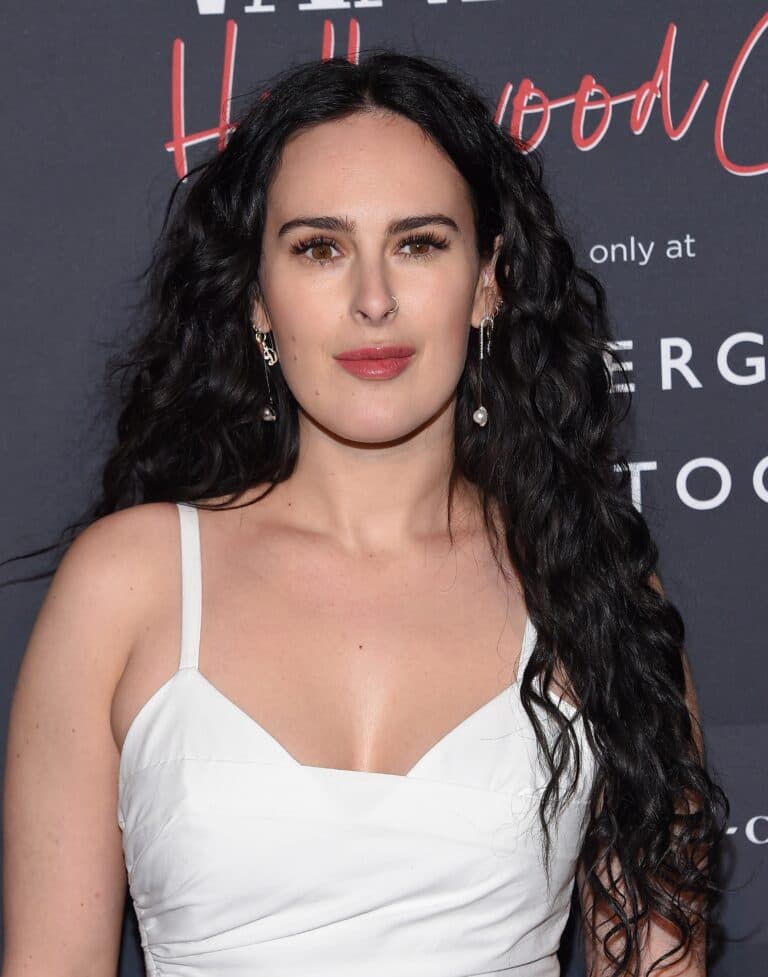
Rumer Willis’ own court filings contained additional allegations about the relationship’s breakdown. She accused her ex-boyfriend of engaging in “incessant domestic violence in the form of coercive control,” claims he has denied.
The 37-year-old alleged she became fearful shortly after Louetta’s birth as Thomas’ behavior allegedly became increasingly “erratic and bizarre.”
“I was in a fragile postpartum state, and he was causing me a lot of stress,” Rumer wrote. “I also became afraid for myself and our baby, so I was constantly trying to keep the peace and walk on eggshells.”
She further accused Thomas of attempting to isolate her from loved ones while repeatedly criticizing her. According to the mom of one, Thomas became paranoid and believed she and Moore were trying to take Louetta away from him.
The actress additionally claimed the singer refused to contribute financially toward their daughter’s expenses despite expecting her and her “wealthy family” to handle everything.
Court documents stated Rumer earns income through her production company and rental property while paying between $15,000 and $21,000 monthly for childcare, groceries, and other expenses.
Rumer Willis’ Ex Strongly Denies All Abuse Allegations
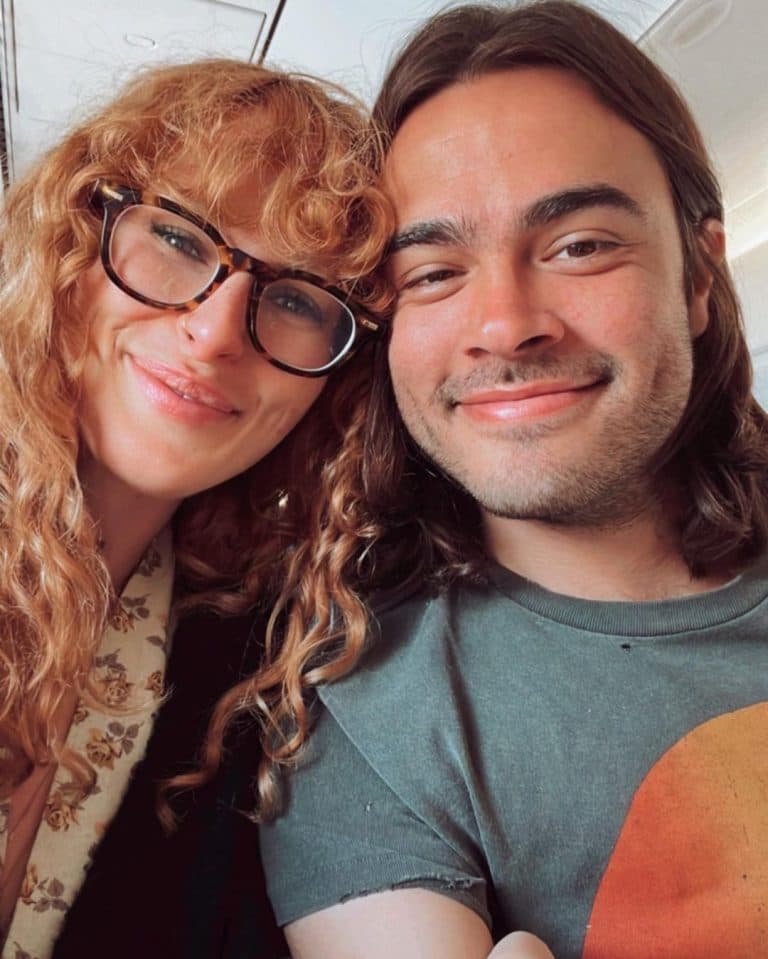
Thomas has firmly denied all accusations made against him in court documents filed earlier this year. He acknowledged that the relationship with Rumer was unhealthy but insisted there was never any abuse or coercive control involved.
“I have committed no acts of domestic violence in any form, including any active ‘coercive control,’” Thomas stated in his filing.
He also disputed claims regarding neglect or mistreatment of Louetta and insisted their daughter had “never been injured in any way” while in his care.
He claimed he only used marijuana legally and denied it ever interfered with his parenting responsibilities. Through attorney Michael J. Kretzmer, Thomas also criticized Rumer for attempting to litigate the case publicly rather than strictly through the courts.
“Mr. Thomas intends to try this matter in Court and not in the press,” the lawyer told the Daily Mail. The attorney added that Thomas is “a caring devoted and loving father to Louetta” and claimed Rumer has attempted to obstruct his relationship with their daughter “without justification of any kind whatsoever.”
Despite the escalating accusations on both sides, insiders say Moore remains focused on one thing above all else, which is “the priority is Louetta’s wellbeing and making sure she’s protected and surrounded by stability.”

Anime has become one of the most popular media in the world thanks to its creativity and animation. Shows like One Piece and Jujutsu Kaisen continue to innovate and attract new viewers. While there is a deeper layer to anime, the first thing people see is the art and animation, making it crucial for the series to be visually stunning.
Film and TV have two different budgets, but while one focuses all its time, effort, and money into around an hour, the other spreads it out over at least 12 episodes. Despite it being harder for anime to be as attractive as movies, they still deliver their unique appeal with every episode. This list will rank the ten most visually stunning anime series based on animation, style, use of color, art style, imagery, aesthetic, and other striking techniques.
15
‘Pluto’ (2023)

Naoki Urasawa is a prolific manga author, and while his magnum opus is Monster, he has an even more beautiful series, Pluto. After a string of murders claims some of the most advanced robots, Gesicht must investigate the cause, only to realize it may involve his own dark past.
Displaying some of the most gorgeous backgrounds in anime, Pluto is an unexpectedly beautiful series thematically, narratively, and visually. It became one of the best cyberpunk anime shows ever because of its themes and worldbuilding, and the anime reflects this in its stunning art and set pieces with dazzling landscape shots of the city.
14
‘Demon Slayer’ (2019–Present)

The most popular anime of modern times is arguably Demon Slayer, and it achieved this success through its visual prowess. Tanjiro must hunt the infamous demon known as Muzan after he turned Tanjiro’s sister into a demon. This will take him on an adventure of strength and pain.
Simply put, Demon Slayer has the best animation in anime, and this also creates a visual style that is unmatched by most. Not to mention, this anime has a beautiful and authentic art style that puts viewers into the time period. With fluid animation and a spectacle of moments and art, Demon Slayer is a visual masterclass.
13
‘City The Animation’ (2025)

Kyoto Animation is known for delivering some of the best animation and visual styles in the medium, and one of their most recent works is City The Animation. The fictional town is full of bright and colorful individuals who make living there fun, chaotic, and surreal, with each episode bringing something new and wacky to the table.
Its comedy, characters, and charm are all reasons why it was one of the best anime of 2025, but City The Animation is widely renowned because of its masterful directing and editing. These unique techniques created a visual collage of beauty, uniqueness, and imagination. With popping colors, a charming art style, and bold choices, City The Animation is a visual feast for the eyes.
12
‘Akebi’s Sailor Uniform’ (2022)

Akebi’s Sailor Uniform is an underrated anime gem that came out not too long ago, but instantly hooked fans with its glamorous style. The titular protagonist has always adored sailor uniforms, but when she is selected to a prestigious school that no longer uses this uniform, she is given special permission to wear the attire and live out her high school dream.
Sometimes, simple is better, and Akebi’s Sailor Uniform proves this by using its fairly standard style with some charming and beautiful changes to really stand out. Its animation is drop-dead gorgeous and excels at using its lighting and detailed line complexity that really puts together a stunning picture.
11
‘The Tatami Galaxy’ (2010)

Masaaki Yuasa is a legendary anime director with some of the greatest avant-garde series and movies under his belt, including The Tatami Galaxy. The protagonist wants a rose-colored university life, and to do this, he tries to get the girl of his dreams. Each episode is set in a parallel world where he joins a new club looking for his one true love.
Avant-garde series in particular usually have stunning visuals because they can experiment with everything, and The Tatami Galaxy does exactly that. The art style is glamorous, and the colors range from warm and cozy to vibrant and exhilarating, which perfectly fits the tone. The Tatami Galaxy is relentless in its pace and acclaimed in its daring style.
10
‘March Comes in Like a Lion’ (2016–2018)
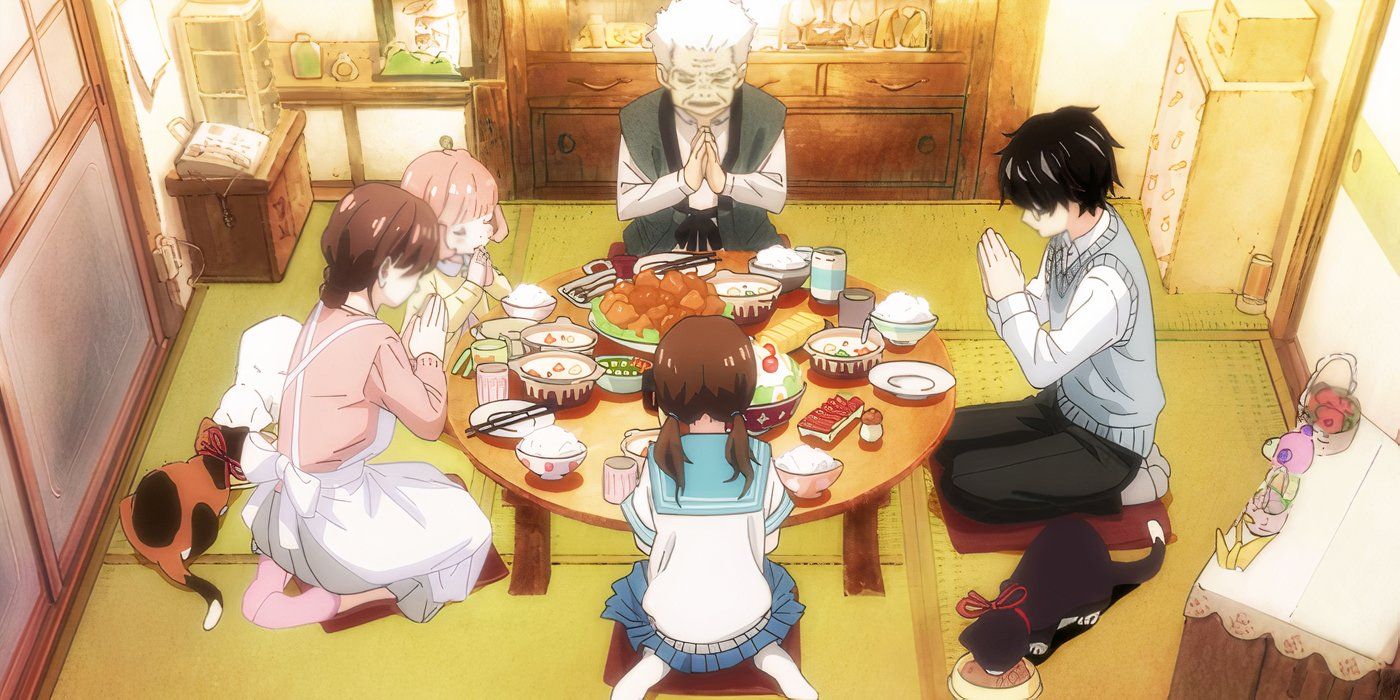
This popular phrase usually describes the weather for the month, but March Comes in Like a Lion is also the title of a popular and profound anime drama. Introverted by nature, Rei is a pro shogi player who rarely finds time to take care of himself or get out of the house. However, when a new family moves next to him, they show him the kindness he needs to improve himself.
Most visually striking anime are fantasy series that take viewers into a new world with dazzling oddities. However, March Comes in Like a Lion delivers a quaint and moving story through its gorgeous animation and style. Through its vibrant color palette and watercolor style, this anime creates a stunning visual style made better by its expressive animation. This is also one of the best-written anime series, making it perfect on more levels than one.
9
‘Made in Abyss’ (2017–2022)

Even with the dullest of stories, anime can suck viewers in with its captivating world, and while Made in Abyss does that, it also has a phenomenal story to boot. Known for its worldbuilding, music, villains, and dark content, this anime follows two young explorers who dive into the titular abyss to discover its secrets and learn some personal questions.
Most anime are visually stunning because of their animation or unique style, but Made in Abyss offers fans a world ripe with stellar backgrounds and mystical settings. While it can be a bit horrific at times, as an anime with wholesome art but disturbing content, the visual appeal is still there and doesn’t get tiresome, no matter how many times fans rewatch it.
8
‘Neon Genesis Evangelion’ (1995–1996)

Neon Genesis Evangelion is one of the most well-known anime of all time. Its influence and legacy have impacted the anime community in many ways that fans can still feel today. Shinji is a mild-mannered boy who must pilot a mech to fight against angel-like aliens. However, he must first battle his own inner demons if he wants to do what’s right for the world.
Many fans consider Neon Genesis Evangelion a masterpiece, and for good reason. However, one of the many excellent aspects of this anime is its animation and style, highlighted by the classic ’90s hand-drawn style with a bit of sci-fi and urban flair. The iconic animation and visual style do a lot to separate Neon Genesis Evangelion from any other 1990s anime, cementing it as a staple anime.
7
‘Space Dandy’ (2014)

Most fans know Shinichirō Watanabe for Cowboy Bebop and may be watching his new series, Lazarus. However, his most stunning work is undoubtedly Space Dandy, which follows the titular protagonist on multiple sci-fi misadventures. Dandy and his robot and cat alien friends travel the cosmos looking for unregistered aliens to make a living, but spend most of their time messing about and running from the Gogol Empire.
Space Dandy may not have fluid motion and great fight scenes like all of Watanabe’s other projects, but the wondrous and imaginative cosmos and planets bring new life to his style. The gorgeous colors and absorbing backgrounds will have viewers in awe, delivering standout visuals and settings. Space Dandy has one of the most visually stunning anime worlds, and it is on the list because of it.
6
‘Kill la Kill’ (2013–2014)

Love it or hate it, the ecchi genre is a staple of anime that has brought in countless viewers for its fan service. However, not every ecchi anime is mindless slop; Kill la Kill, for example, is a highly regarded anime with great style. Looking for her father’s killer, Ryuuko’s only clue is the other half of his missing invention, which she tracks down to be in a prestigious school.
Trigger is a renowned studio and will have other anime on this list, proving their eye for visual spectacle. Kill la Kill uses its inventive animation and popping art style to deliver a punk-like feeling to its gorgeous anime. The animation itself is also spectacular, with great fluidity and spectacle to keep viewers invested. Kill la Kill is one of the best original anime series.

As one 97%‑rated series ends, Apple TV is enjoying the success of another. The new show couldn’t be more different from the first, even though both have identical scores on the aggregator website and are fundamentally comedies. The first of these two new shows is Margo’s Got Money Troubles, and together with the second, they’re proving that Apple’s slate of excellent content isn’t limited to the sci-fi genre. Over the years, Apple has become somewhat synonymous with shows such as Severance, Foundation, Silo, and more recently, Pluribus. The streak continued on May 29 with Star City, a companion piece to the streamer’s first-ever sci-fi series, For All Mankind.
But Apple is just as well known for shows such as Ted Lasso and Platonic. With Margo’s Got Money Troubles, the platform’s library continues to expand in exciting ways. Which brings us to the horror comedy that has gradually become a word-of-mouth hit on the service. The show premiered to stellar reviews last month, and according to FlixPatrol, remained in the middle of the rankings table for some time before starting to spike with every new episode. For a brief moment, the series was the number-one title on Apple worldwide before jumping back to #2 thanks tothe Jon Hamm-led dramedy Your Friends and Neighbors. With just three more episodes to go, the horror comedy series is primed to become an even bigger hit.
A Rewarding Binge Is Awaiting You With ‘Widow’s Bay’
We’re talking, of course, about Widow’s Bay. The show is created by Katie Dippold, a Parks and Recreation alum who appears to have combined that hit sitcom’s absurdity with her love for indie horror. Widow’s Bay stars television veteran Matthew Rhys as a mayor who discovers that his small town believes in the supernatural. The show has a “Certified Fresh” 97% score on Rotten Tomatoes, where the consensus reads, “Katie Dippold successfully continues to invest in eccentricity with this outlandish horror-comedy that stokes the genre’s well-worn tropes to winning effect, bringing scares, laughs, and a game cast.” In her review, Collider’s Emily Bernard hailed Widow’s Bay as “Apple’s boldest show yet.” Stay tuned to Collider for more updates, and catch up with Widow’s Bay before the finale on June 17.

- Release Date
-
April 28, 2026
- Network
-
Apple TV
- Showrunner
-
Katie Dippold
- Directors
-
Sam Donovan, Andrew DeYoung, Hiro Murai, Ti West
- Writers
-
Alberto Roldán, Neil Casey, Kelly Galuska, Colton Dunn, Dave Harris, Katie Dippold, Mackenzie Dohr
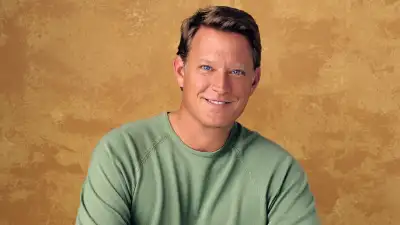
Andy Dick appeared to be in good spirits while signing autographs in a rare public appearance just five months after his alleged near-fatal drug overdose.
Dick, 60, was photographed at a booth at the Hollywood Show convention on Friday, May 29, where he was seen chatting with attendees and singing various pieces of memorabilia.
During the rare outing, the troubled star wore a pinstriped jacket over a black T-shirt for the outing as he sat at a table with various promotional products scattered in front of him, according to photos obtained by Page Six.
Just five months before the outing, Dick was found unconscious after experiencing an apparent overdose in Los Angeles. The incident took place after years of Dick’s known struggles with substance abuse.

Reba alum Christopher Rich candidly discussed his road to recovery after being diagnosed with a traumatic brain injury following a massive stroke. Rich rose to stardom playing Alexander “Sandy” Cory on Another World in the early ’80s. From there, Rich continued to make memorable appearances on shows such as The Nanny, ER and Murphy Brown […]
Dick was filming with friends Adam Carbone and Alexander Bailey in Hollywood on December 9, 2025, when he reportedly left the group and smoked crack cocaine with a random man on the street.
He fell unconscious and was revived after he received four shots of Narcan, a medication that can reverse the effects of opioid overdoses. The health scare was so serious that Dick told Page Six in January that he “legit died.”
“This is not funny, and I don’t remember this, but they say I came back to life, sat up, and the first thing outta my mouth was, ‘Where’s the vodka?’” he recalled.
In January, Dick told TMZ that he checked out of rehab and moved into a sober-living facility. He added that he was “taking things one day at a time and staying focused on sobriety” as he began a new chapter in his life.
Dick continued to open up about the overdose while appearing on the March 4 episode of the “Howie Mandel Does Stuff” podcast, in which he admitted he didn’t remember anything from the incident except “waking up in the ambulance.”
He confirmed he was dead and that his heart stopped, and he also shared that he turned “purple” and was “not breathing.”
Also during the appearance, Dick recalled that he had a scan after the incident and it revealed that he had “about five to seven holes” in his brain.
However, his rep clarified to Entertainment Weekly that the holes are not drug-related but were instead caused during a 2019 incident when a man punched Dick in the head.
“The issue with his brain is from the 2019 attack that almost killed Andy when an unprovoked attacker cold cocked Andy while he was outside of the club he and Paris Dylan had just performed,” the spokesperson explained. “We are assured that his brain will heal.”
The spokesperson continued, “As everyone knows, Andy has been battling his addictions for years. There was an incident this past December, but I am happy to report that Andy is healthy, sober and doing great!”
If you or someone you know is struggling with substance abuse, contact the Substance Abuse and Mental Health Services Administration (SAMHSA) National Helpline at 1-800-662-HELP (4357).

Crypto World22 seconds ago
Ethereum price breaks below $2,000 support, could $1,800 be next?

Politics1 minute ago
The Peter Mandelson Network

Sports2 minutes ago
Gregg Popovich vital to Spurs’ NBA Finals run


-

 NewsBeat5 days ago
Israel says it has killed new Hamas military leader in Gaza City airstrikes
-

 Tech5 days ago
NASA taps Blue Origin to deliver lunar rovers for Moon Base initiative
-
 Politics7 days ago
Bridgerton Season 5: Cast, Release Date And Everything We Know So Far
-
 Sports6 days ago
2026 NBA Finals schedule, odds: Knicks await Thunder or Spurs after winning East
-

 News Videos5 days ago
XRP *JUST* SUCCEEDED!!!! CLARITY ACT EXPOSED!!! (SHE EXPOSED IT)
-

 News Videos3 days ago
This is BROKEN! INSANE 5x MONEY CAR WASH WEEK! The NEW GTA Online UPDATE Today! (GTA5 New Update)
-
 Crypto World6 days ago
Micron Crosses $1 Trillion Market Cap as AI Demand Reshapes Memory Sector
-
 NewsBeat7 days ago
Hottest May day ever as London hits 34.8C in 2C leap from previous records
-

 Business5 days ago
Selena Gomez Reportedly Upset Over Benny Blanco’s Comments on Her ‘Terrible’ Diet
-
 Tech6 days ago
China assigns ID codes to 28,000+ humanoid robots
-

 Business7 days ago
Nikkei 225 Surges Past 65,000 for First Time as Iran Peace Hopes Fuel Record Rally
-

 Tech7 days ago
Microsoft’s quiet Claude Code retreat and the real cost of enterprise AI
-

 Tech3 days ago
Waymo dominates autonomous vehicle registrations as Tesla trails behind
-
 Entertainment6 days ago
‘Breaking Bad’ Star’s Easy-to-Binge 6-Part Crime Series Spin-Off Is Finally Heading to Free Streaming
-

 NewsBeat7 days ago
Crowds find riverside shade in York as temperatures soar
-
Tech5 days ago
The Samsung pay deal is the moment Korean unions changed register
-

 Entertainment6 days ago
Days of our Lives 2-Week Spoilers May 25-June 5: Gwen Rages, Abe Confesses & 2 Tragic Anniversaries!
-
 Tech2 days ago
SpaceX just won a second Golden Dome contract. This one is $4.16 billion.
-

 Tech7 days ago
Westone Audio and Etymotic Acquired by Fidelity Collective in Major IEM Market Move
-
 Entertainment6 days ago
Taylor Swift Fans Label Travis Kelce’s Beer-Chugging A ‘Red Flag
You must be logged in to post a comment Login