Fashion
Paris Still Sets the Pace: Inside the Street Style That Outshines the Runways

Every fashion week produces a familiar ritual: photographers camp outside show venues, lenses trained not on the celebrities filing into their front-row seats but on the ordinary people walking past. Nowhere is that ritual more revealing than in Paris, where the latest edition of Paris Fashion Week has once again confirmed what stylists and editors have long suspected — the street is often more interesting than the show itself.
As the spring/summer 2027 collections unfolded this week, veteran street-style photographer Phil Oh captured hundreds of attendees, passersby and self-styled “civilians” who turned the sidewalks surrounding the shows into an impromptu runway of their own. The resulting images, compiled in a sprawling gallery for British Vogue, offer a sharper snapshot of where fashion is actually heading than any single designer’s collection could.
What makes Paris different, according to those who cover it season after season, isn’t simply money or access to luxury labels. It’s a cultural attitude — a sense that getting dressed well is a form of literacy, as essential as being well-read. That ethos shows up in small, telling details: a teenager cradling her first Gérard Darel bag in the crook of her elbow, her mother a few steps away in a tweed cardigan jacket that looks built to be handed down a generation. These aren’t flashy statement pieces chasing trend cycles; they’re rites of passage, bought once and worn for decades.
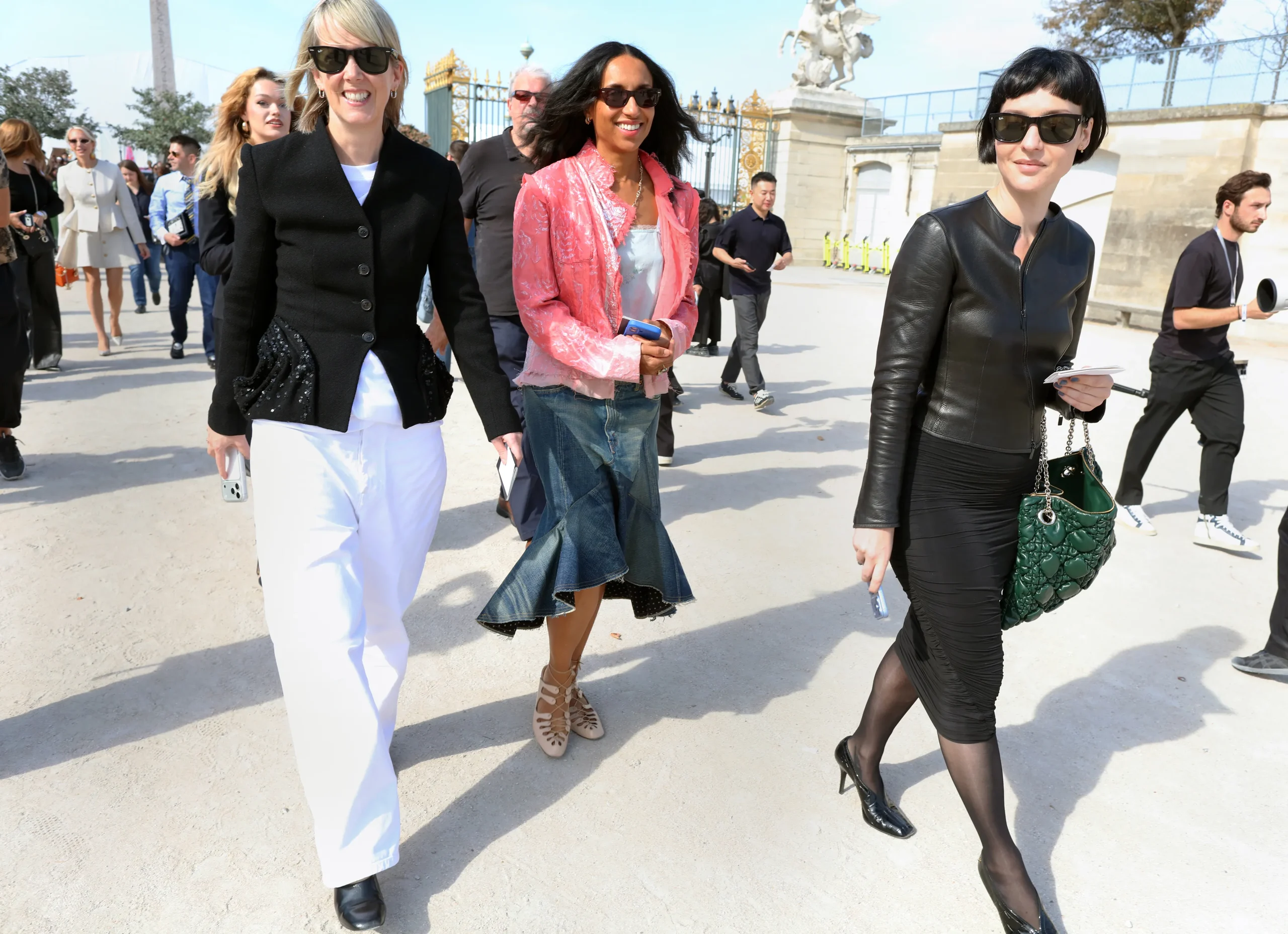

Of course, Paris is not immune to fast fashion. Zara and Shein haunt wardrobes there just as they do in London, New York or Tokyo. But observers argue there’s a higher concentration of genuine style enthusiasts on Parisian streets than almost anywhere else — a density of people who seem to have thought carefully about proportion, texture and silhouette before stepping out the door. Some credit the influx of British creatives who relocated to the city after Brexit for sharpening that edge further, cross-pollinating London’s irreverence with Parisian restraint.
That tension between mass-market convenience and old-world craftsmanship is, in many ways, the real story of fashion week street style. It’s less about what’s on the runway and more about how real people interpret, remix and resist those trends in daily life. A show might debut an avant-garde silhouette; by the time it reaches the pavement outside, it’s been filtered through personal taste, budget and a healthy amount of French nonchalance.
For brands and designers watching from inside the tents, this unofficial parade carries real weight. Street style has become its own marketing engine, often amplified faster and farther online than the collections themselves. A well-dressed stranger photographed outside a Chanel or Dior show can generate as much engagement as the clothes walking the runway minutes later — proof that in the attention economy, authenticity photographed in natural light sometimes beats polished editorial staging.
It also underscores something fashion insiders have said for years: Paris doesn’t just host fashion week, it performs it. The city itself — its cafés, cobblestones and commuters — becomes part of the set design, lending every outfit a backdrop that feels inseparable from the clothes.
As the spring/summer 2027 shows wind down, the real takeaway may not be found on any runway at all, but in the accumulated evidence from the sidewalks: that good style, at its core, isn’t about keeping up with a season’s trends. It’s about dressing with intention — whether that’s a decades-old family cardigan or a bag passed down with its own quiet history. In Paris, at least, that philosophy still reigns.
- See All The Best Paris Fashion Week Street Style (British Vogue)
You must be logged in to post a comment Login