
Gaming
Festering Secret Quest in Phantom Blade Zero: No Verified Walkthrough Yet, but a 5-Step Guide to a Related Quest Exists

Header image: AI-generated illustration by WordUp News.
Players searching for help with the Festering Secret quest in Phantom Blade Zero will have to wait for a reliable answer. The source material gathered for this article does not contain a usable walkthrough, so guessing at objectives, locations or bosses would only send people in the wrong direction.
What the sources say about the Festering Secret quest
The GamesRadar page that carries the Festering Secret headline came through only as site navigation, newsletter prompts and sign-up text. None of the quest’s steps, rewards or requirements appear in it. The second source, from Polygon, is a walkthrough for a different side quest called “Whence the Weeping.” It never mentions the Festering Secret quest, so nothing in it can be applied to that mission.
A related guide: the Whence the Weeping quest
Because the Polygon guide is the only substantive material available, here is what it reports. “Whence the Weeping” begins very early, after the protagonist, Soul, wakes up following the carriage sequence in Weeping Creek Valley. The objective is simply to find the source of a woman’s weeping. The guide says the quest takes far longer to finish than its early start suggests, and that it can only be completed later in the campaign. Following the sound itself does not advance it. Players are told to follow the map icons and pick the dialogue options about the weeping.
Polygon breaks the quest into five steps:
- Talk to Yu’er in Weeping Creek Valley and ask about the woman’s weeping.
- Defeat the final boss of Crimson Forest.
- Ask Jewel in the Village of Lu region about the faint weeping.
- Travel to Meigu Lake.
- Reach the Mountain of Imprisonment and beat its final boss.
The guide adds some detail on the later steps. Reaching Meigu Lake requires beating a boss in Pangzhen, which yields a story item that can be repaired into the Flaming Mane phantom edge. That weapon burns away the roots blocking the path east of the Pavilion of Knowledge Crossroads bell. Before heading to the Mountain of Imprisonment, players should finish the “Illusory Pipa” side quest. The item it provides is needed to disperse the mist at the Weeping Mistgate.
What to do while waiting for a Festering Secret quest guide
Anyone stuck on the Festering Secret quest should check the in-game quest log and map markers first. Players can also look for an updated guide from a publisher that has actually covered it. The Polygon walkthrough does show how this game tends to structure side quests: vague early objectives, steps unlocked by story progress, and dialogue choices that matter. That is a general pattern from one guide, though, and not evidence of how this particular quest works.
Until a source with real details appears, no one can say with confidence where the Festering Secret quest starts, what it asks of players or how it ends.
Explore more on this topic with Vexel Search.
WordUp Morning
Ten stories, both sides of each, in five minutes. Free, every weekday at 7am, plus a Saturday weekend edition.
We'll email you a link to confirm. Unsubscribe any time.

Gaming
BioWare Closure Reportedly Came Down to One Choice: EA Could Afford Battlefront 3 or Mass Effect 5, Not Both
Header image: AI-generated illustration by WordUp News.
The BioWare closure, according to a new Bloomberg report, was less a verdict on one studio than the result of a budget squeeze. People familiar with EA’s strategy say executives concluded the company could back only one expensive sci-fi blockbuster, and they picked a new Star Wars: Battlefront game over Mass Effect 5.
A $18 billion debt and two expensive bets
The report ties the decision to EA’s finances. The publisher is carrying roughly $18 billion in debt after the $55 billion leveraged buyout led by Saudi Arabia’s Public Investment Fund. Against that backdrop, the “recent emergence” of a chance to make a third Battlefront game meant EA suddenly had two sci-fi projects on the table. Each was expected to cost hundreds of millions of dollars.
Battlefront 3 won out because leadership saw it as “a less risky, more predictable bet than a new Mass Effect,” Bloomberg reported. That is notable because, by the report’s account, development on the Star Wars game had not even started. Mass Effect, by contrast, had been in the works for years. IGN says Respawn and DICE are working on Battlefront 3, though little else is known about it.
What EA has said about the BioWare closure
EA has not publicly confirmed the Battlefront trade-off. A spokesperson said the company “collectively reached this decision following months of planning, review, and analysis,” citing “evolving business conditions, industry dynamics, and our long-term priorities.” The statement added that “we ultimately have to make tough decisions to focus our teams on the biggest opportunities for our future.”
That language is broad, and it fits the picture Bloomberg paints of a company reallocating money toward projects it considers safer. Other reported factors point the same way. BioWare’s recent games have a weak commercial record, with Mass Effect: Andromeda, Anthem and Dragon Age: The Veilguard all described as commercial failures. Management ranks were also reportedly reshuffled to include more people from EA Sports, at the expense of voices who championed BioWare. EA bosses are said to have lamented Veilguard’s sales and suggested it might have fared better as a live service game.
What Mass Effect 5 was shaping up to be
The cancelled game, known internally as Mass Effect Universe, was still at an early stage. Bloomberg says around 50 people were working on it after EA had already gutted the studio following Veilguard’s underperformance. An internal trailer made for EA leadership last year has since leaked, and IGN verified it as genuine. It reportedly showed a pre-rendered look at familiar series staples: weapons, powers, alien species, a Mass Effect relay, space travel, a nightclub and a galaxy map aboard the player’s ship.
Details that accompanied the leak describe a game set 600 years after the Reaper war, amid a galactic cold war. The player would be “a cross between John Wick and James Bond,” with “Hitman-style freedom” in how levels are approached. Romance would reportedly not be “sanitised,” and the Milky Way and Andromeda galaxies would be connected. How much of that was playable is unclear, though it was clearly far more developed than Battlefront 3.
Layoffs, a petition and a franchise in limbo
The wider fallout is significant. The latest round of cuts reportedly removes about 400 jobs across EA, around 3% of its workforce. BioWare’s Austin studio is said to remain open, supporting other EA games in development. Fans have responded with a petition to save Mass Effect that is nearing 300,000 signatures. There is no evidence EA plans to part with the franchise, even though it now sits dormant. Amazon’s Mass Effect series for Prime Video is reportedly still in development.
BioWare co-founder Greg Zeschuk, who left in 2012 with fellow co-founder Ray Muzyka, called the buyout “the final nail in the coffin.” He argued that BioWare’s “unusual games that take a long time and they’re complicated” are a harder fit for a company where “it’s easier just to pump out sports games every year.” Taken together with Bloomberg’s account, the BioWare closure looks like a story about risk appetite under heavy debt. EA has chosen a licensed shooter with a mixed but recovering track record over a new entry in one of gaming’s best-loved RPG series.
Battlefront 2 launched in 2017 and initially struggled, partly because of its loot boxes, before years of updates left it in a much better place. EA appears to be betting that history can repeat more reliably than a new Mass Effect could.
- EA reportedly canned BioWare and Mass Effect 5 to make a new Star Wars: Battlefront instead (PC Gamer)
- EA reportedly closed BioWare because it was forced to choose between Mass Effect 5 and Star Wars Battlefront 3 (Eurogamer)
- Mass Effect 5 and BioWare Reportedly Died So Star Wars Battlefront 3 Could Live (IGN)
Explore more on this topic with Vexel Search.
WordUp Morning
Ten stories, both sides of each, in five minutes. Free, every weekday at 7am, plus a Saturday weekend edition.
We'll email you a link to confirm. Unsubscribe any time.
Gaming
No More Assassin’s Creed Remakes in Development, Ubisoft Confirms, as Hexe and Invictus Take Priority
Ubisoft has confirmed that no more Assassin’s Creed remakes are in active development, a notable statement after the company’s recent work on Black Flag Resynced. The announcement came in a fireside-chat-style post from Jean Guesdon, the publisher’s head of content, which also covered the multiplayer project Invictus, the witch-themed Hexe and new updates for games already on the market.
“One thing we want to be transparent about today is that we currently have no other Assassin’s Creed remake actively in development,” Guesdon wrote. He said the teams are focused on the next chapter of the series, including “projects you haven’t heard about yet, featuring new settings and stories.”
A Pause, Not a Ban, on Assassin’s Creed Remakes
Guesdon was careful not to rule remakes out for good. “Don’t mistake that for a closed door,” he wrote, adding that Ubisoft loves the idea of revisiting its classic titles and will keep exploring ways to bring older games back. In other words, the current plan is a change of focus rather than a policy.
The timing is notable. Rock Paper Shotgun points out that Ubisoft recently made layoffs at Ubisoft Singapore, the studio behind Resynced, as part of wider cost-cutting following an investment from Tencent. In May, chief executive Yves Guillemot reportedly told investors the coming financial year would be a “low point,” with stronger returns expected from Assassin’s Creed, Far Cry and Ghost Recon by early 2029.
What Players Told Ubisoft
Guesdon also shared the results of a community survey about what players want from the franchise. Three themes emerged: better communication from Ubisoft, more effort to protect the series’ “unique identity,” and a more coherent narrative that respects and expands its lore. Ubisoft plans more closed-door workshops on the series’ future with prominent fans, held over Discord. The post also introduced the franchise’s new leadership, including Martin Schelling as head of brand.
Invictus and Hexe: What Comes Next
Invictus, the still-unrevealed multiplayer project, held a closed playtest of a new prototype a few months ago. According to Guesdon, testers liked the PvP, the parkour, the map verticality and the range of characters. But they wanted more of the elements that define Assassin’s Creed. The team has spent the months since acting on that feedback, and Invictus is “evolving in an exciting direction” that Ubisoft says stays true to its multiplayer ambitions without drifting from those pillars.
Hexe, reportedly a witch story set in the era of the Holy Roman Empire, will get more detail next year. GamesRadar+ describes the project as “making steady progress” toward a 2027 update. Rock Paper Shotgun adds that Clint Hocking is no longer working on it.
Updates for Resynced and Valhalla
Existing games are still getting attention. Black Flag Resynced has received a New Game+ mode, a “nightmare” difficulty, new takedown animations and fresh cosmetics. Assassin’s Creed Valhalla will get its own New Game+ on 5 November, with an optional progression system, more upgrade resources, a new gear quality level, a stash system and cosmetics.
Guesdon also mentioned the Netflix adaptation and next year’s 20th anniversary of the series, though the post gave few specifics on either.
For fans, the message is mixed. Assassin’s Creed remakes are on hold, but the door is open, and the next few years depend on Hexe, Invictus and projects not yet announced. How well Ubisoft handles the narrative coherence and identity players asked for will likely decide how those bets are received.
Explore more on this topic with Vexel Search.
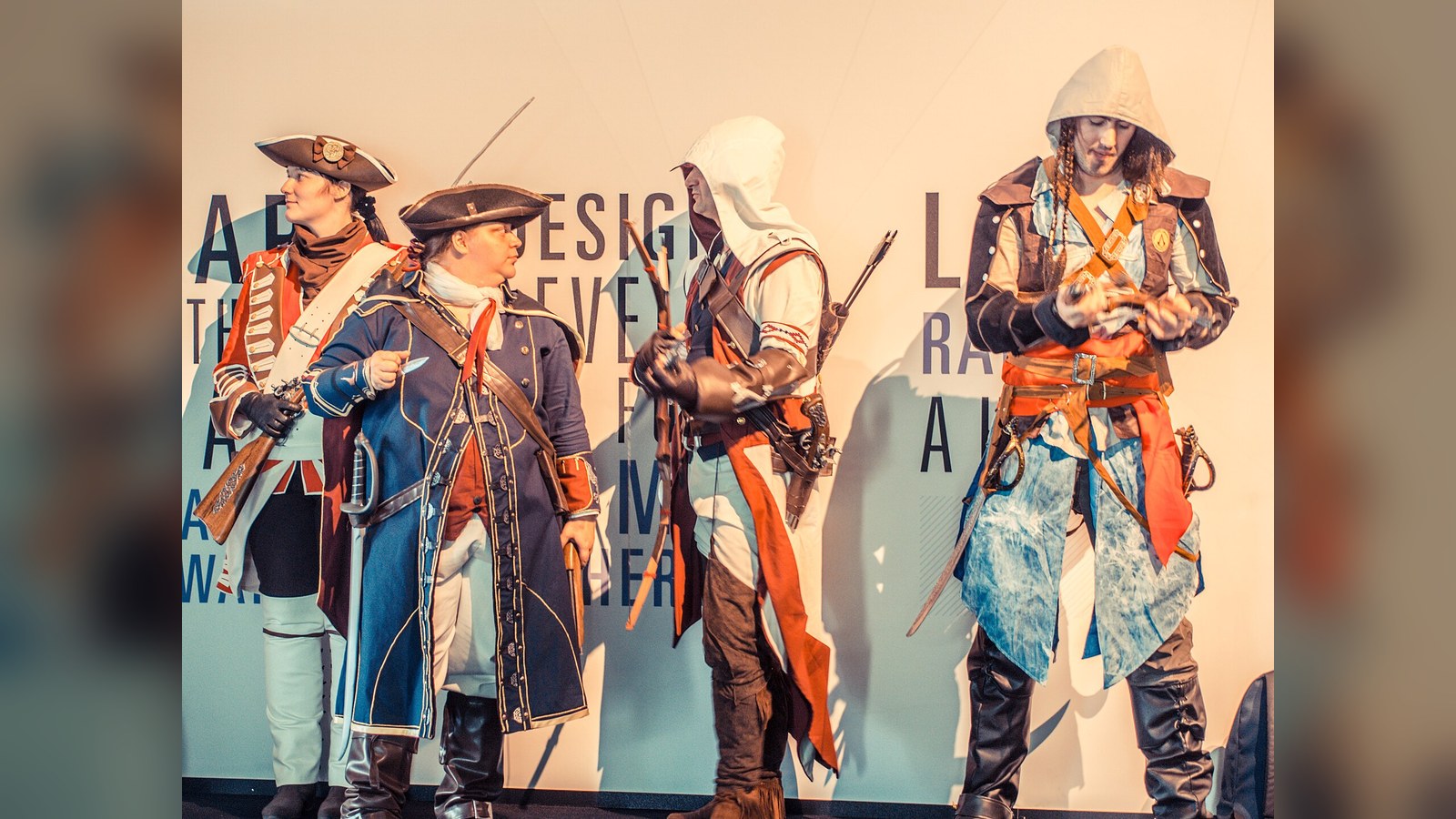
File photo: Assassin’s Creed at Gamescom 2013 (9591221088).jpg by Sergey Galyonkin from Raleigh, USA, CC BY-SA 2.0, via Wikimedia Commons.
WordUp Morning
Ten stories, both sides of each, in five minutes. Free, every weekday at 7am, plus a Saturday weekend edition.
We'll email you a link to confirm. Unsubscribe any time.
Two of indie gaming’s best-known titles have quietly disappeared from Microsoft’s storefront, and their creator says it was deliberate: Maddy Makes Games delisted Celeste and TowerFall from Xbox in support of the BDS boycott. Players noticed the games were missing earlier this week, and on October 29 developer Maddy Thorson confirmed the move on Bluesky. “For those who’re asking, yes we delisted Celeste and TowerFall on Xbox,” she wrote. “We did this to support the BDS boycott.”
Thorson’s post did not elaborate, and the sources reviewed here include no further statement from the studio. Both games remain on sale on PlayStation, PC and Switch. On Xbox, they can no longer be bought. Celeste launched in 2018 and TowerFall in 2013. IGN said it had asked Microsoft for comment, and none had been reported at the time of writing.
What the BDS boycott is asking for
BDS stands for Boycott, Divestment, Sanctions. It describes itself as a Palestinian-led movement for freedom, justice and equality, and it is modelled on campaigns against apartheid-era South Africa. Its stated aim is to pressure Israel to end its occupation of Arab lands, recognise equal rights for Palestinian citizens of Israel and respect refugees’ right of return. Xbox is a priority target because of Microsoft’s relationship with the Israeli government. According to BDS, Microsoft supplies Azure cloud and AI services to the Israeli military. The movement has urged people to cancel Game Pass subscriptions and stop buying Microsoft gaming products.
Microsoft disputes the most serious allegations. It acknowledges providing Israel’s Ministry of Defence with software, professional services, Azure cloud and AI services. But after an internal review it says it has “no evidence to date” that its technology has been used to target or harm people in Gaza. Several outlets note that investigative reporting contradicts that position. Polygon points to 2025 Guardian reporting that Azure was used for mass surveillance of Palestinians’ phone calls. Microsoft later cut off Israel’s access to some of the technology involved, but BDS still lists the company as a target because it continues to supply other services.
A growing list of developers
Maddy Makes Games is not the first studio to act, though it may be the highest-profile so far. Australian studio House House said a few weeks ago that its co-op game Big Walk would skip Xbox. It admitted this runs against the game’s purpose of being played with friends. The studio said it would bring the game to Xbox only once Microsoft and/or Xbox are no longer BDS targets. Developers behind Tenderfoot Tactics, All Will Rise and Luck be a Landlord have also backed the boycott. Penguin Colony’s developer, meanwhile, added a pointed statement to the game’s credits and blocked sales in Israel.
There is a difference between the earlier cases and this one. Big Walk never launched on Xbox, so the boycott cost nothing already earned. Celeste and TowerFall were established products with years of sales behind them. Pulling them means giving up ongoing revenue on a major platform and leaving Xbox players without access. That makes the decision a sterner test of commitment than declining to launch.
For Microsoft, the commercial impact of a few indie delistings is probably small. The reputational signal may matter more. As House House put it, the participating developers believe “coordinated collective action can confront even the most powerful interests.” Whether the BDS boycott spreads from small studios to larger publishers is the question to watch, and so far the sources show only a handful of independent teams taking part.
- Maddy Makes Games removes Celeste and TowerFall from Xbox in support of pro-Palestinian BDS boycott (GamesIndustry.biz)
- Celeste and TowerFall dev explains why both games were suddenly delisted from Xbox (Eurogamer)
- Celeste and TowerFall Developer Explains Why Games Were Abruptly Delisted from Xbox (IGN)
- 'Celeste' and 'Towerfall' Delisted From Xbox as Dev Joins Boycott (Polygon)
Explore more on this topic with Vexel Search.
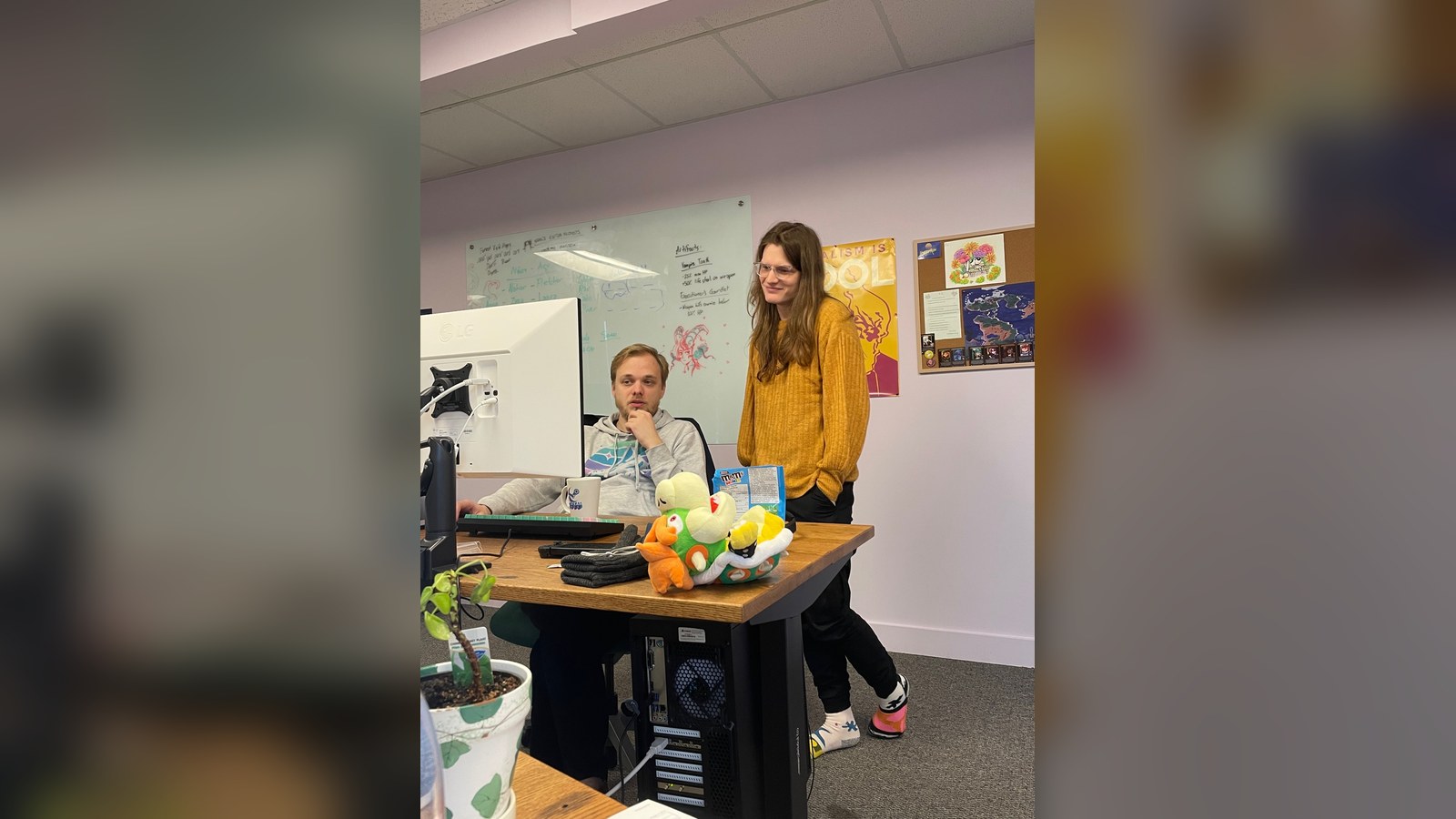
File photo: Maddy Thorson.jpg by Heidy Motta, CC BY-SA 4.0, via Wikimedia Commons.
WordUp Morning
Ten stories, both sides of each, in five minutes. Free, every weekday at 7am, plus a Saturday weekend edition.
We'll email you a link to confirm. Unsubscribe any time.
Header image: AI-generated illustration by WordUp News.
The Duskbloods delay is official: FromSoftware’s Nintendo Switch 2 exclusive will no longer arrive in 2026 and is now slated for an unspecified date in 2027. The studio announced the change on October 29 through the game’s account on X, saying it needs more time for “final adjustments to game rules and balancing.”
What FromSoftware said about the delay
The studio framed the move as a response to the August network test. According to its statement, players showed “active interest in the core concepts of the game,” including combat, strategic depth and player expression. FromSoftware wants to strengthen those areas before launch. The statement also included an apology to fans who had been waiting for the game and thanked them for their patience.
The wording differed slightly between versions. A Japanese-language post described the goal as a game that is enjoyable “not only through direct combat but also through various maneuvers and diverse strategies.” Across every version, the message is that the core design is staying put and the tuning is what needs work. Engadget reports the game is in the final stages of development, and the studio itself uses the phrase “final adjustment stage.”
Why the network test matters
The August test was a major moment for the game, and it was not entirely smooth. Eurogamer reports that the first session ended early because of serious connectivity problems, though later sessions ran better. Demand was strong, however. More people applied to join the closed test than applied for the one for Elden Ring Nightreign, which is notable for a game that can only be played on one console.
The game itself is an unusual FromSoftware project. Polygon describes it as a PvPvE title in which eight players take on the roles of characters called Bloodsworn. They fight monsters and each other in match-based sessions, racing to earn victory points called Virtue, and there are several routes to winning. That is a long way from the repeated-death structure of Dark Souls or Elden Ring. Game director Hidetaka Miyazaki has said he hopes the design produces “unexpected drama.” A system built on competing strategies is the kind of thing that can fall apart if one tactic or character proves too strong, so more balancing time is plausible.
A crowded calendar and a familiar pattern
Timing probably helped make the decision easier. Engadget and Polygon both note that Grand Theft Auto 6 is arriving in November, and Engadget adds that a remake of The Legend of Zelda: Ocarina of Time is also set to dominate attention for the rest of the year. A new multiplayer game with no marketing push in recent weeks would have faced a difficult launch window.
Signs of slippage had been building. Eurogamer notes that a rumored September date came and went, and Nintendo said the game was not releasing on September 24. Fans had also heard nothing from Nintendo or FromSoftware since the August playtests, which left many doubting the 2026 window.
This is also not the first time FromSoftware has held back a Switch 2 release. The Switch 2 port of Elden Ring was originally expected in 2025 but did not land until this August, after reports of performance problems suggested it needed more optimization work. Taken together, the two delays suggest a studio willing to move dates rather than ship Switch 2 games it considers unfinished.
What the Duskbloods delay means for players
The Duskbloods was revealed in April 2025 during a Switch 2 showcase, so the game has already been a long wait. The Duskbloods delay adds more months, with no firm date given. It also means FromSoftware’s next release after last year’s Elden Ring Nightreign will arrive later than planned. Eurogamer notes that Miyazaki has suggested the studio is keen to return to single-player games after these two multiplayer projects.
For fans, the practical takeaway is modest but clear. The game is not canceled, its design is not being overhauled, and the studio says it is fine-tuning rather than rebuilding. Whether the extra time pays off will depend on how the final rules and balance hold up once the game is in players’ hands. Until FromSoftware names a date, 2027 is all anyone has to go on.
Explore more on this topic with Vexel Search.
WordUp Morning
Ten stories, both sides of each, in five minutes. Free, every weekday at 7am, plus a Saturday weekend edition.
We'll email you a link to confirm. Unsubscribe any time.
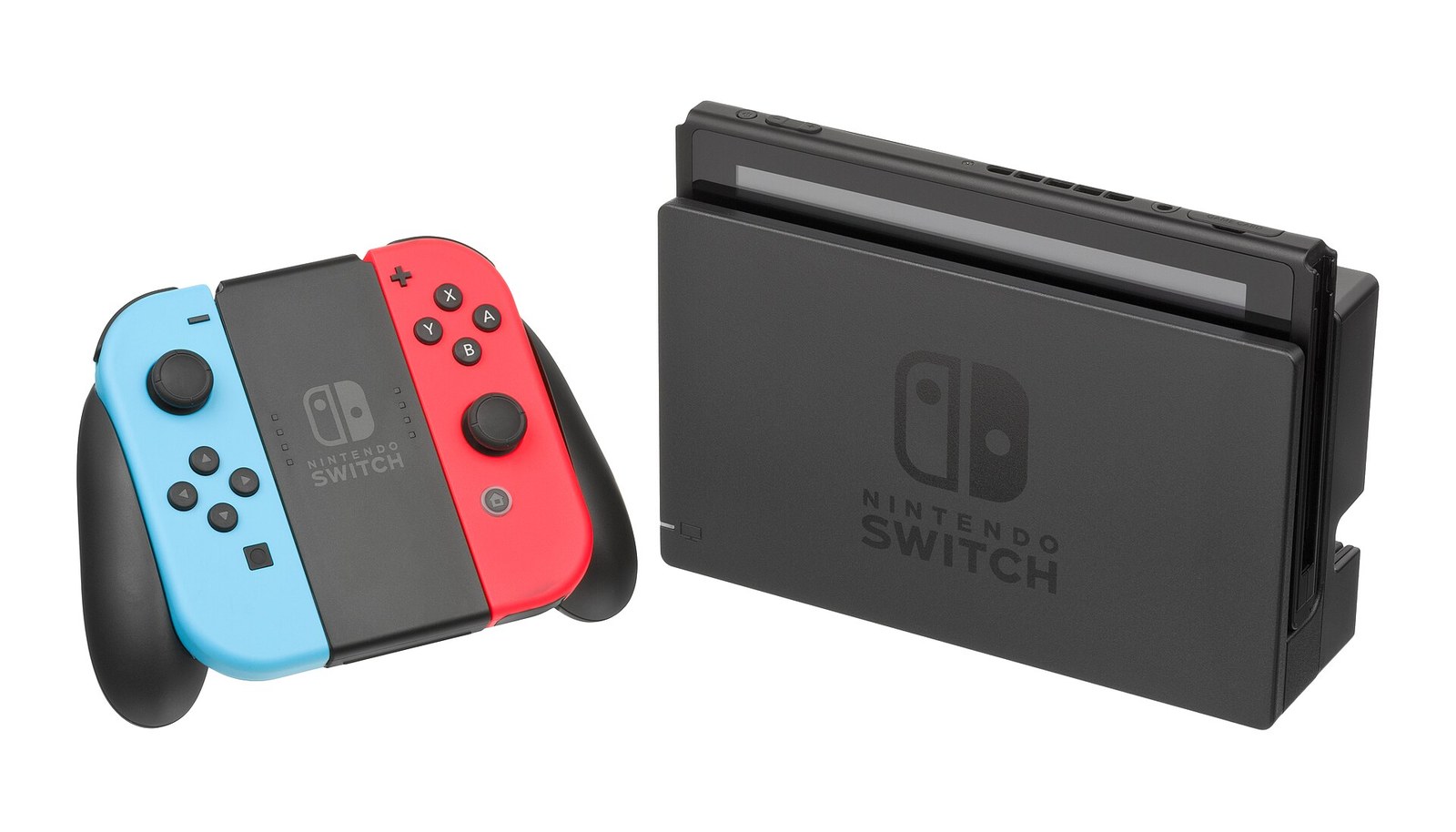
Nintendo has scheduled a new Indie World showcase for Wednesday, October 28, giving Switch and Switch 2 owners a quick look at smaller games headed to the company’s consoles. The presentation begins at 10 a.m. ET (7 a.m. PT) and is expected to last roughly 15 minutes.
The announcement came on short notice, one day ahead of the stream. According to Kotaku, Nintendo shared the details through its Nintendo Today app. Kotaku also pointed to a post from the game-deals account Wario64 that listed the time and the approximate runtime. One note on dates: Kotaku’s article text at one point says the stream is “tomorrow, October 27,” but the embedded announcement and Engadget both give October 28, which is the date to trust.
What to expect from the Indie World showcase
Nintendo says the stream will focus on games coming to Switch and Switch 2. It has not said which titles will appear, and none of the coverage includes a confirmed lineup. Nintendo’s format typically leaves that as a surprise, with a mix of announcements, release dates and possible shadow drops. Nothing in the available reporting confirms any of those, so treat them as the usual pattern, not a promise.
The short runtime is the clearest detail so far. At about a quarter of an hour, this will be a tightly packed rundown instead of a long show. Engadget noted that the previous edition in March was also around 15 minutes, so the length matches Nintendo’s recent habits.
A look back at the March lineup
The last Indie World showcase set a fairly high bar despite its brevity. Engadget’s Kris Holt singled out Denshattack!, Minishoot’ Adventures, the widely acclaimed Blue Prince and Mixtape as games that appeared. Reactions varied. Holt praised some of them and said Mixtape did not work for him, though he noted other players clearly enjoy it. Kotaku also highlighted Denshattack! and Mixtape as standouts, which suggests those two made a real impression.
That history is probably why a 15-minute slot doesn’t read as a disappointment. A compact showcase can still produce games people talk about for months, especially when the audience is already in the Switch ecosystem looking for something new.
The timing around other Nintendo news
Engadget framed the event as coming ahead of Nintendo’s remake of The Legend of Zelda: Ocarina of Time, which it says arrives next week. That puts the spotlight on smaller developers just before a major first-party release is expected to dominate attention. Whether that was deliberate is unclear, but the indie showcase gets a clear run before the Zelda launch.
For anyone planning to tune in, the stream will be available on YouTube, and Kotaku says it will publish coverage for those who can’t watch live. With so little time on the clock, it will be easy to catch up afterward, so missing the broadcast costs little.
Explore more on this topic with Vexel Search.
File photo: Nintendo-Switch-Console-Docked-wJoyConRB.jpg by Evan-Amos, Public domain, via Wikimedia Commons.
WordUp Morning
Ten stories, both sides of each, in five minutes. Free, every weekday at 7am, plus a Saturday weekend edition.
We'll email you a link to confirm. Unsubscribe any time.
Header image: AI-generated illustration by WordUp News.
The latest Black Flag Resynced update is a big one, and Ubisoft says it is the last of its kind. Patch 1.0.8 went live on October 27 at 10 a.m. ET on PC, PS5 and Xbox Series X/S. It adds the long-requested New Game Plus and a new difficulty called Nightmare Mode, and it closes out major content for the remake.
What New Game Plus keeps, and what it takes away
New Game Plus is the headline feature, and by Eurogamer’s account Ubisoft began work on it in July, right after launch. Most of your progress carries over. Edward’s tools, weapons and trinkets stay, as do the Jackdaw’s upgrades, officer abilities and pets. Money, materials, trade goods, outfits, hideout progression, Kenway fleet ships and codex items such as treasure maps also come along, along with store purchases.
The catch is that the world is reset. Officers must be recruited again, quest items are removed, and forts must be retaken because the map’s fog of war returns. The mode also has its own currency, Escudos, earned by completing challenges and looting chests you have already opened. Reales can be exchanged for Escudos at the General Store, and Escudos buy outfits and items exclusive to NG+.
Players can enter New Game Plus up to five times. Each run raises the difficulty, with Elite Soldiers and max-rank ships showing up more often.
Nightmare Mode removes the safety net
The other major addition is Nightmare Mode, which Ubisoft describes as “no second chances, no mercy.” Enemies react faster and hit harder, parry windows are tighter, and ranged enemies target you more often. Ships take extra damage, stealth is harder and wild animals are deadlier. Like the existing difficulty options, it can be applied separately to combat, stealth, naval combat and activities.
Eurogamer points to the most striking change: the one-shot kill safeguard is gone. Heavy burst damage from bullets or explosives can kill you outright even when you still have health left. That fits Ubisoft’s stated goal of a mode “where every duel can be your last.”
Extras, download sizes and what comes next
The patch also adds community chests meant to be found through online collaboration, new takedown animations, more cosmetics and a long list of bug fixes. The full changelog is on the official Assassin’s Creed website. Downloads are modest on most platforms, between 2GB and 4.5GB, but Xbox players face a 15.5GB file.
Development is not stopping entirely. Polygon reports that the team will turn to quality-of-life adjustments in the coming months, and Eurogamer notes the game appears to be headed to Switch 2, where it should include earlier additions.
A strong launch, then a rough aftermath
The timing of this Black Flag Resynced update is notable. The remake, built by Ubisoft Singapore, launched July 9 to positive reviews. Critics praised its visuals and faithful approach, though some questioned the need for a remake of a game only 13 years old. It sold more than 3 million copies in its first week.
The studio’s fortunes have since cooled. Polygon reports Ubisoft laid off 70 employees at its Singapore branch “to align the studio with upcoming production needs,” and Eurogamer’s related coverage mentions the Singapore team being downsized. The sources do not link those cuts directly to the end of major content, but the sequence is hard to ignore.
For players, the practical takeaway is simple. If you finished the story and wanted a reason to sail back, New Game Plus and Nightmare Mode now provide one, and this is the last major content the game is expected to receive.
Explore more on this topic with Vexel Search.
WordUp Morning
Ten stories, both sides of each, in five minutes. Free, every weekday at 7am, plus a Saturday weekend edition.
We'll email you a link to confirm. Unsubscribe any time.
Header image: AI-generated illustration by WordUp News.
The Warhorse cyberattack, confirmed on October 27, 2026, has put one of the games industry’s most closely watched RPG studios in damage-control mode. The Czech developer behind Kingdom Come: Deliverance 2 says intruders gained unauthorized access to its systems and to company data. It has not yet said how much was taken, or by whom.
What Warhorse has confirmed so far
According to the studio’s statement, Warhorse is working with outside cybersecurity experts to lock down its systems, investigate the incident and assess its full impact. It says it is also coordinating with the relevant authorities. Eurogamer reported that the message went out at 11am GMT and that the studio had issued no update since. The shorter version of the notice, addressed to “players and friends,” apologized for the news and thanked the community for its support.
CEO Martin Frývaldský was blunter. “This is a serious incident for Warhorse Studios and everyone affected,” he said, adding that the immediate priorities are securing systems, establishing the full extent of the breach and protecting “our employees, partners, and our community.” Eurogamer noted that his remarks also appeared in a Czech-language report.
Warhorse has said it will not give interviews or further comment until it has verified information to share. That leaves a lot unanswered. Polygon pointed out that the studio hasn’t said whether any user data was involved. The statement refers only to “company data,” which could mean many things, from internal documents to unreleased game material to staff information. None of the sources say which.
Why a studio like Warhorse is a target
Warhorse is not a small outfit working in obscurity. Kingdom Come: Deliverance 2 launched in February 2025 to strong reviews and, per Polygon, sold more than four million copies by the end of that year. The studio is now developing an open-world Lord of the Rings RPG set in Middle-earth, a new Kingdom Come game and a collaboration on a live-action Kingdom Come film. Unreleased projects of that profile are exactly what attackers tend to go after.
The wider record shows how disruptive such breaches can be. Rock Paper Shotgun pointed to CD Projekt Red, Insomniac and Rockstar as studios that have suffered attacks in recent years, with the fallout landing hard on the developers working on the games. Polygon noted that Rockstar has taken a particularly heavy share. Early GTA 6 gameplay footage leaked after one attack, an earlier breach exposed a development build, and the studio was hit again in September by the group ShinyHunters. Capcom, meanwhile, dealt with a Capcom ID data breach only weeks ago.
What we don’t know about the Warhorse cyberattack
Nothing in the available reporting identifies the attackers, their motives or the method they used. Warhorse itself says it is still working out how the breach happened. Rock Paper Shotgun also said it’s unclear whether the incident is connected to a recent rise in AI-enabled hacking, and nothing from the studio suggests it is.
Notably, the studio went public while its investigation was still at an early stage. That candor may help affected people protect themselves sooner, but it also means the company is facing questions it can’t yet answer. Players, partners and staff will be waiting for the follow-up Warhorse has promised “as soon as we responsibly can.” Until then, the main takeaway is that a major studio has confirmed a real intrusion, and the scope of the damage is still being measured.
- "This is a serious incident": Kingdom Come: Deliverance 2 devs Warhorse hit by cyberattack targeting their systems and data (Rock Paper Shotgun)
- "This is a serious incident" – Kingdom Come: Deliverance developer Warhorse suffers cyberattack (Eurogamer)
- 'Kingdom Come: Deliverance' Studio Hit by Major Cyberattack (Polygon)
Explore more on this topic with Vexel Search.
WordUp Morning
Ten stories, both sides of each, in five minutes. Free, every weekday at 7am, plus a Saturday weekend edition.
We'll email you a link to confirm. Unsubscribe any time.
Header image: AI-generated illustration by WordUp News.
GameMaker commercial use is about to get a lot cheaper. From 1 January 2027, developers will be able to publish and sell games made with the latest GameMaker tools on PC, web and mobile without paying for a license, according to a report from Rock Paper Shotgun published on 26 October 2026.
What is actually changing for GameMaker commercial use
Until now, anyone who wanted to sell or otherwise monetise a GameMaker project needed a Professional license. That requirement is being dropped for the latest version of the toolset, which has been rebranded around a new engine called GameMaker Runtime. Console releases are the exception. Developers targeting consoles will still need an Enterprise license and approval as a developer.
Ross Manthorpe, a community developer at the company, laid out the details in a post on the official GameMaker site. He said there will be “no changes to existing tier pricing,” so the paid tiers stay as they are while the free option widens.
What existing Professional license holders get
People who already pay for a Professional license are not left out. Manthorpe wrote that they can keep distributing games commercially on the existing GMS2 runtime. They will also gain access to the GMS2 runtime source code, a perk that gives paying customers a closer look at how the older engine works.
A long road to free
GameMaker is roughly 26 years old, and the step follows an earlier one. Its current developer, YoYo Games, which is now owned by the browser company Opera, made the tools free for non-commercial use on PC in November 2023. The new change removes the remaining barrier for solo creators and small teams: the cost of selling what they make.
The engine’s track record gives the move some weight. It has been used by studios and developers behind some of the best-known indie games around, including Heart Machine (Hyper Light Drifter), Toby Fox (Undertale), Derek Yu (Spelunky), Vlambeer (Nuclear Throne) and Dennaton Games (Hotline Miami).
Why it matters for newcomers
GameMaker has historically leaned toward novice programmers and 2D visuals. The newer GameMaker Runtime is meant to strengthen its 3D capabilities, which could broaden the kind of projects people attempt with it. Pairing that with free GameMaker commercial use on PC, web and mobile lowers the stakes for first-time developers, who can test a commercial release without an upfront license fee.
The console carve-out is the notable limit. Anyone hoping to reach those platforms still faces the Enterprise license and approval process. The source report did not say how many developers that affects or whether the console terms might change later, so for now the dividing line is clear: PC, web and mobile are open, and consoles remain gated.
Explore more on this topic with Vexel Search.
WordUp Morning
Ten stories, both sides of each, in five minutes. Free, every weekday at 7am, plus a Saturday weekend edition.
We'll email you a link to confirm. Unsubscribe any time.
Header image: AI-generated illustration by WordUp News.
TITLE: 12 Years in the Making: Mike Tomlin’s Minecraft City Reveals Gaming’s Quiet Grip on the NFL
KEYWORD: minecraft city
DESCRIPTION: Steelers coach Mike Tomlin spent 12 years secretly building a sprawling Minecraft city, a reminder of how deeply video games now run through sports.
Mike Tomlin’s Minecraft city has finally seen daylight, and it turns out the Pittsburgh Steelers’ head coach has been quietly running a second franchise for more than a decade — one built not from draft picks and film sessions, but from blocks, lighting plans and a very particular obsession with public restrooms.
Tomlin revealed this week that he spent 12 years constructing an elaborate virtual metropolis in Minecraft, the block-building game that has become one of the most enduring phenomena in video games. The project began around 2014, during the Steelers’ AFC North title run, and continued through some of the most chaotic chapters of his coaching tenure — the Le’Veon Bell contract standoff, the Antonio Brown saga, years of playoff frustration. Through all of it, Tomlin says, he was quietly laying foundations, wiring lighting, and planning sightlines in a digital city that only his family knew existed.
Inside the Minecraft City That Took 12 Years to Build
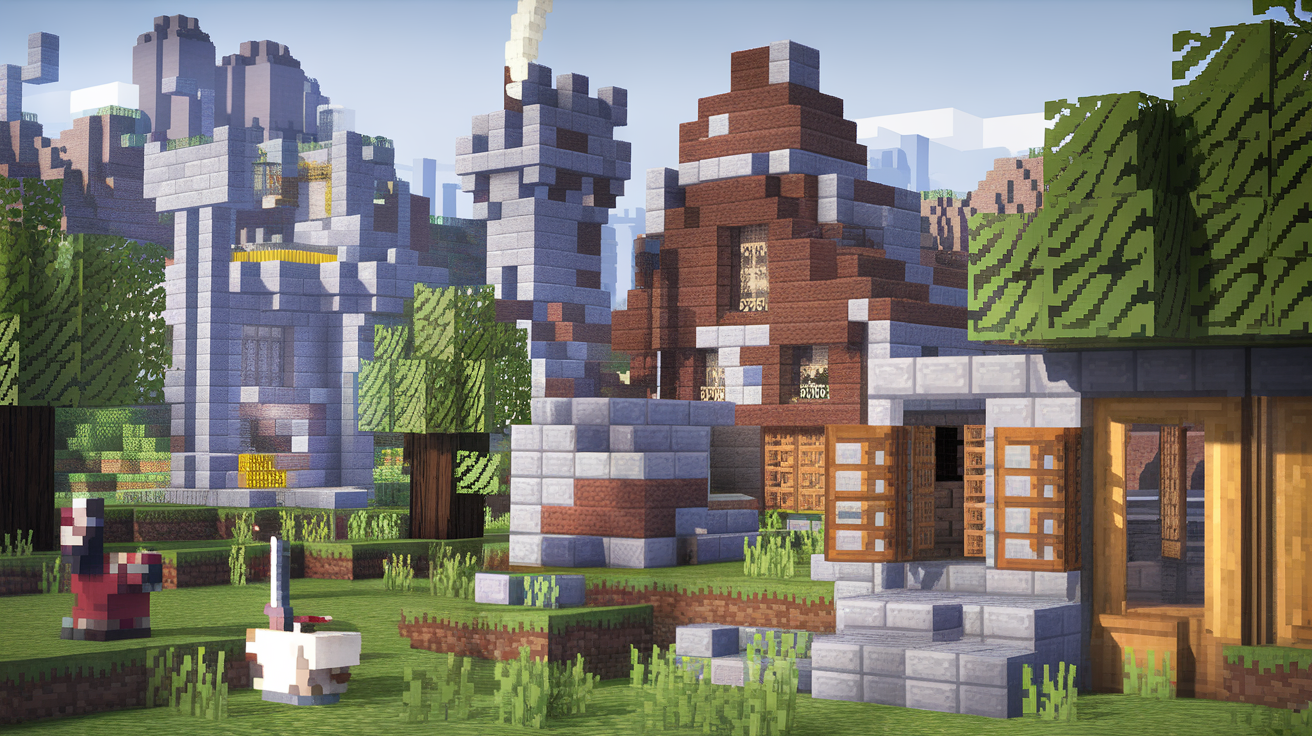
What Tomlin unveiled is not a hobbyist’s sandbox but something closer to an urban planning thesis. The city is arranged around a central lake, an echo of the three rivers that meet in downtown Pittsburgh, and it fans outward into skyscrapers, a boutique hotel with a spa and therapy rooms, an aquarium-themed apartment tower, a CVS, an MLS stadium and a baseball field modeled loosely on PNC Park. Tomlin describes himself as “view-conscious,” making sure residents of his towers get a good look at the ballpark below, and “very lighting conscious,” repeatedly building glass ceilings and tall windows into his structures wherever the design allows.
His son Dino, a former college receiver who now helps produce the reveal video, says the lake alone was a years-long headache to get right. That kind of granular, almost architectural patience is exactly what has made Minecraft such a durable cultural force since its release: it rewards obsessive tinkering in a way few other games do, turning “mindless entertainment,” as Tomlin first called it, into something far more deliberate.
Why Video Games Have Become the NFL’s Favorite Escape
Tomlin’s confession fits a broader pattern among professional athletes and coaches who have turned to video games as a release valve from high-pressure jobs. Where football demands public accountability every single week, a Minecraft city offers total control — no referees, no media scrutiny, no front office second-guessing a glass roof. It is not hard to see why a coach who spent years fielding questions about playoff droughts might find comfort in a private world where every outcome is exactly what he designed.
That crossover between gaming culture and professional sports is only deepening. Madden NFL, Electronic Arts’ long-running football franchise, has effectively become the visual shorthand for NFL broadcasts and marketing, appearing in promotional art for major games including this season’s Super Bowl coverage. EA itself is now navigating a major ownership shift after being acquired by Saudi Arabia’s Public Investment Fund alongside private equity partners, a deal that underscores how much money and influence now flows through sports-adjacent video games. Meanwhile, streaming platforms are locking up NFL rights the way publishers once locked up console exclusives, with Disney Plus set to stream Super Bowl LXI in February 2027 across more than 55 international markets, joining Prime Video, Netflix and Peacock in a scramble that mirrors the competitive instincts of the gaming industry itself.
None of that diminishes what Tomlin built. If anything, it reinforces the point: video games have quietly become infrastructure for how athletes relax, how leagues market themselves, and how fans engage with sports outside the stadium. A Super Bowl broadcast now arrives dressed in the visual language of a football video game, streamed through apps battling for subscribers the same way studios battle for players. Tomlin’s Minecraft city, patient and strange and twelve years in the making, is simply the most human version of that story — a reminder that even the person calling plays on Sundays needed somewhere else to build.
Whatever Tomlin’s win-loss record says about his final years in Pittsburgh, his Minecraft city stands as proof of a different kind of legacy: one measured in lake water, glass ceilings, and a baseball field nobody but his family knew was coming.
Explore more on this topic with Vexel Search.
WordUp Morning
Ten stories, both sides of each, in five minutes. Free, every weekday at 7am, plus a Saturday weekend edition.
We'll email you a link to confirm. Unsubscribe any time.
Gaming
GTA 6 Won’t Stream to PC at Launch: Xbox Exec Denies Exclusive Cloud Deal Ahead of Nov. 19 Release
Header image: AI-generated illustration by WordUp News.
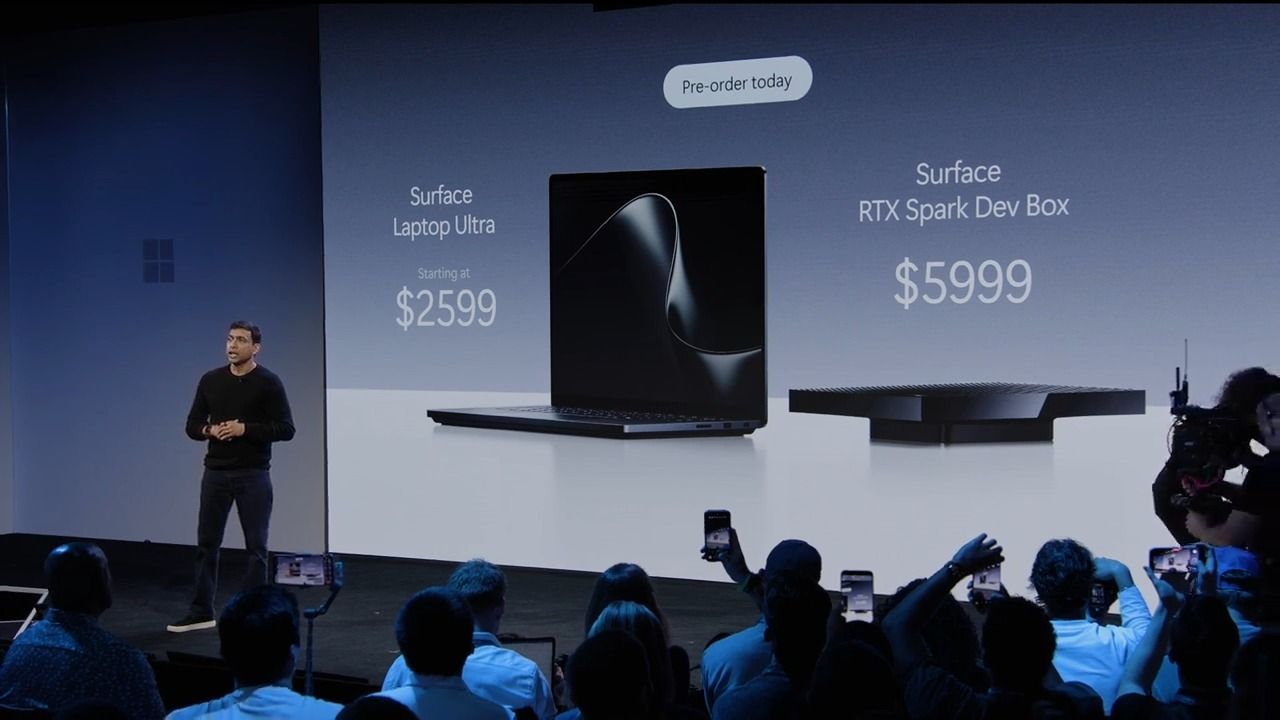
Hopes that players without a console might sneak into Grand Theft Auto VI through the cloud on day one have been dashed. Xbox chief strategy officer Matthew Ball has publicly shot down a report claiming Microsoft secured an exclusive streaming deal for GTA 6 that would have let PC users stream the game before an official GTA 6 PC port arrives.
The speculation began after The Verge reported that Xbox CEO Asha Sharma had teased, during an internal all-hands meeting, that Microsoft was “doing something no other platform holder is doing” with Rockstar’s blockbuster. Sources cited by the outlet suggested that tease referred to an exclusive cloud-streaming arrangement for GTA 6, one that could theoretically have let PC players access the game through Xbox’s streaming infrastructure ahead of a native PC release.
Ball moved quickly to quash that narrative. “While the excitement for GTA 6 and Xbox is great to see, it has also led to some misreporting,” he wrote, confirming that Xbox is “looking forward to launching GTAVI on XBOX November 19,” but clarifying unambiguously that the game “will not be streaming exclusively or to PC.”
Why the GTA 6 PC Question Matters So Much
Rockstar still hasn’t confirmed a release window for GTA 6’s eventual arrival on PC, a silence that has only fueled speculation and wishful thinking among the platform’s enormous player base. Given that previous entries in the series, including GTA 5, eventually made their way to PC after console-first launches, most observers expect history to repeat itself. But “eventually” has done little to satisfy fans hungry for any legitimate way to play sooner.
That’s precisely why the cloud-streaming rumor took off. There’s no obvious technical reason a streamed version of GTA 6 couldn’t function on a PC the same way it would on a tablet or a budget laptop — streaming simply routes the game’s processing to remote servers and beams video back to the device. If anything was blocking that path, the thinking went, it would be a business decision rather than an engineering one.
With Ball’s statement, that door appears closed, at least for now. Players hoping to experience the game on GTA 6 PC hardware, whether through native installation or streaming, will have to wait for Rockstar to make its next move, and the company has given no indication of timing.
Scarcity by Design?
The framing of Ball’s denial leaves plenty of room for scrutiny. By ruling out streaming “exclusively or to PC” while confirming the November 19 console launch, Microsoft has effectively confirmed that whatever advantage it negotiated with Rockstar doesn’t extend to the platform most clamored for. Critics have pointed out that this looks less like a technical limitation and more like a calculated move to preserve console sales momentum and make a future PC release, whenever it comes, feel like a genuine event rather than a redundant option.
For a series with the cultural weight of Grand Theft Auto, that kind of staggered rollout is nothing new, but it does mean PC players are once again left in limbo, uncertain whether their wait will be measured in months or years.
A Launch Overshadowed by Legal Battles
The streaming controversy arrives at an already turbulent moment for Rockstar. The studio is currently in the midst of an employment tribunal hearing concerning its dismissal of 34 developers last year. Rockstar has alleged the employees risked leaking sensitive information about GTA 6, while the union representing the workers has countered that the firings amounted to union-busting. The final hearing began with a rally organized by the union, whose members have described the fight as a matter of basic workplace justice.
None of that legal drama appears to be affecting the game’s scheduled console debut, but it adds another layer of tension to what is already one of the most scrutinized releases in gaming history.
For now, the message from Microsoft is clear: GTA 6 is coming to Xbox on November 19, and whatever innovation Asha Sharma was alluding to, it isn’t a shortcut to playing on a PC. Until Rockstar says otherwise, anyone waiting for the game to land on their desktop will simply have to keep waiting.
Explore more on this topic with Vexel Search.
WordUp Morning
Ten stories, both sides of each, in five minutes. Free, every weekday at 7am, plus a Saturday weekend edition.
We'll email you a link to confirm. Unsubscribe any time.

Leclerc Fastest by 0.659s at Mexico City Grand Prix as Antonelli Needs Only Ninth for the Title

‘Prelude To The End’: Billie Eilish, Phoebe Bridgers and Hideo Kojima Lend Voices to a 9-Minute My Chemical Romance Film

Poundland administrators lined up as 12,000 jobs hang on a 10-working-day rescue window


-

 Tech & AI6 days ago
New conversion kit lets builders fit ATX motherboards and standard PC GPUs inside Apple Mac Pro case
-

 Tech & AI7 days ago
S’pore’s NTU ranks 1st globally in AI & NUS dominates engineering
-

 Fashion7 days ago
Breaking the Color Rules – Julia Berolzheimer
-

 Tech & AI6 days ago
Pushing Bluetooth Out To 12 Kilometers
-
 Crypto5 days ago
Pump Fun’s Kimchi partnership has turned into chaos
-

 Business & Hustles7 days ago
Slideshow: Operators lean on limited-time menu innovations
-

 Fashion4 days ago
Tuesday’s Workwear Report: Classic Shetland Blazer
-
 Crypto7 days ago
Grayscale Names 3 Cryptocurrencies That Could Benefit From AI Growth
-
 Tech & AI6 days ago
Greece Enacts Social Media Ban For Kids Under 15
-

 Tech & AI7 days ago
Instacart reportedly discussed selling itself with DoorDash and Uber
-

 Crypto7 days ago
IRS Targets 120-Day Tax Disclosure Process: Forbes
-

 Crypto6 days ago
Bitcoin ETFs reversed course in a day. Who is buying when the funds sell?
-
 Tech & AI6 days ago
The AI agents Muse and Dots, explained: What are they and what they do
-

 Tech & AI5 days ago
When an AI Agent Is the Incident, the Identity Record Is the Evidence
-

 Fashion5 days ago
Recap: Inside the Culture Bowl Murder Mystery Dinner in Atlanta Hosted by Bryon Javar and Kim Blackwell
-

 Tech & AI5 days ago
Anker Soundcore Space 2 Pro Review
-

 Tech & AI5 days ago
Former pentester used ARTEX AI to steal 8.2 million data records
-

 Tech & AI5 days ago
AI will keep uncovering critical software flaws for years, says Cloudflare CEO
-

 Tech & AI7 days ago
ETH Zurich ANYmal Robot Solves Giant Rubik’s Cube Using Only Its Feet
-
 Tech & AI6 days ago
Exit interview: Microsoft’s comms chief on CEOs, reporters, what he got wrong, and stories that stuck
You must be logged in to post a comment Login