If you’re searching for an event in your area this should help
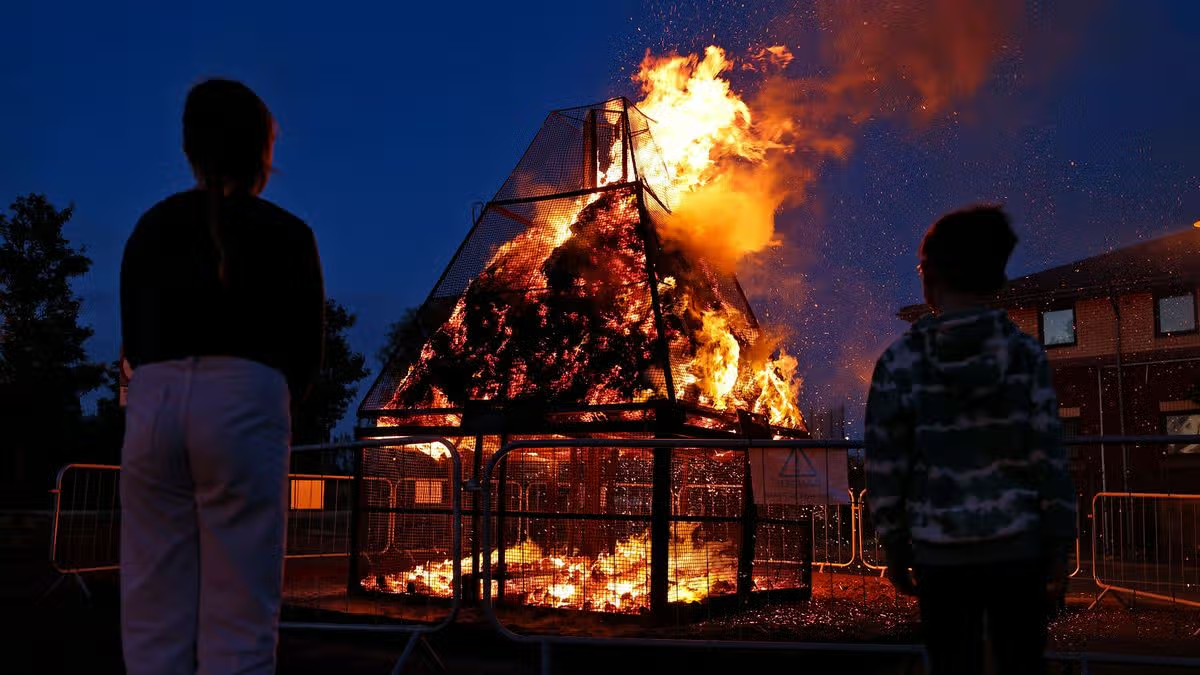
The countdown to the Twelfth of July is well underway with preparations for Eleventh Night bonfires now in their final hours.
Advertisement
Community groups across Northern Ireland have been getting ready for the annual celebration with family, friends and neighbours for months, with music, parties, bands and family fun all planned.
Beacons supported by Belfast City Council will be lit over the coming days in commemoration of the pyres set across the hills of Antrim and Down to help King William’s warships to find their way into Belfast Lough.
If you would like to join the celebrations, we’ve put together this handy guide to official Eleventh Night bonfire beacons that will be lit across Belfast.
The Beacon Programme has been in place for over 15 years to support constituted community and voluntary organisations in replacing traditional bonfires with beacons. Beacons can be requested by eligible groups, and their allocation is subject to agreement by elected members.
Advertisement
The council initially approved the provision of 18 beacons for 2026 – six in east Belfast, two in south Belfast, four in north Belfast and three in west Belfast.
15 beacons have now been provided to groups following site risk assessments. They are located at:
The popular theme park attraction will take visitors for a last spin next year as developments are expected to come to the theme park that have been opened since 1966
Advertisement
A popular theme park its set to close one of its busiest attractions.
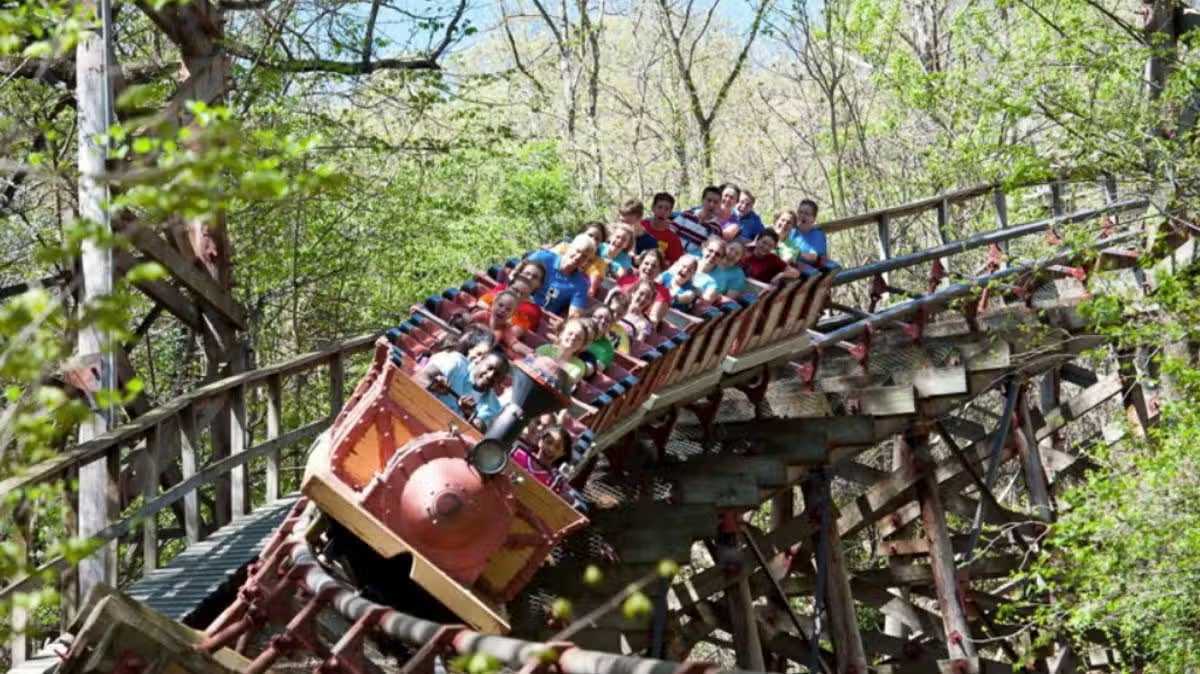
The Silver Dollar City theme park in the Ozark Mountains of southwestern Missouri has announced that the Thunderation roller coaster will close in January 2027.
The theme park first opened to visitors in 1966, between the towns of Branson and Branson West.
Since then the amusement park has expanded to more than 40 rides and seven roller coasters.
The Thunderation roller coaster was added to the park in 1993, taking visitors through what looks like a mine from the 1880s.
It reached a huge 80 feet and travels at 48 miles per hour.
Advertisement
It has become one of the most popular rides at the theme park.
The last day to take a ride on the coaster will be January 2, 2027.
Silver Dollar City are teasing new attractions as part of the development however there has not been a formal announcement explaining the reasonings behind the ride closing.
As the ride is set to shut a range of commemorative memorabilia including T-shirts, hats, and mugs have been made available for those who want to remember the roller coaster.
The news comes as other popular theme parks in the US are closing.
Fun Spot America in Atlanta, Georgia, originally opened as Dixieland Fun Park in 1990 and will open its gates for the final time on August 2.
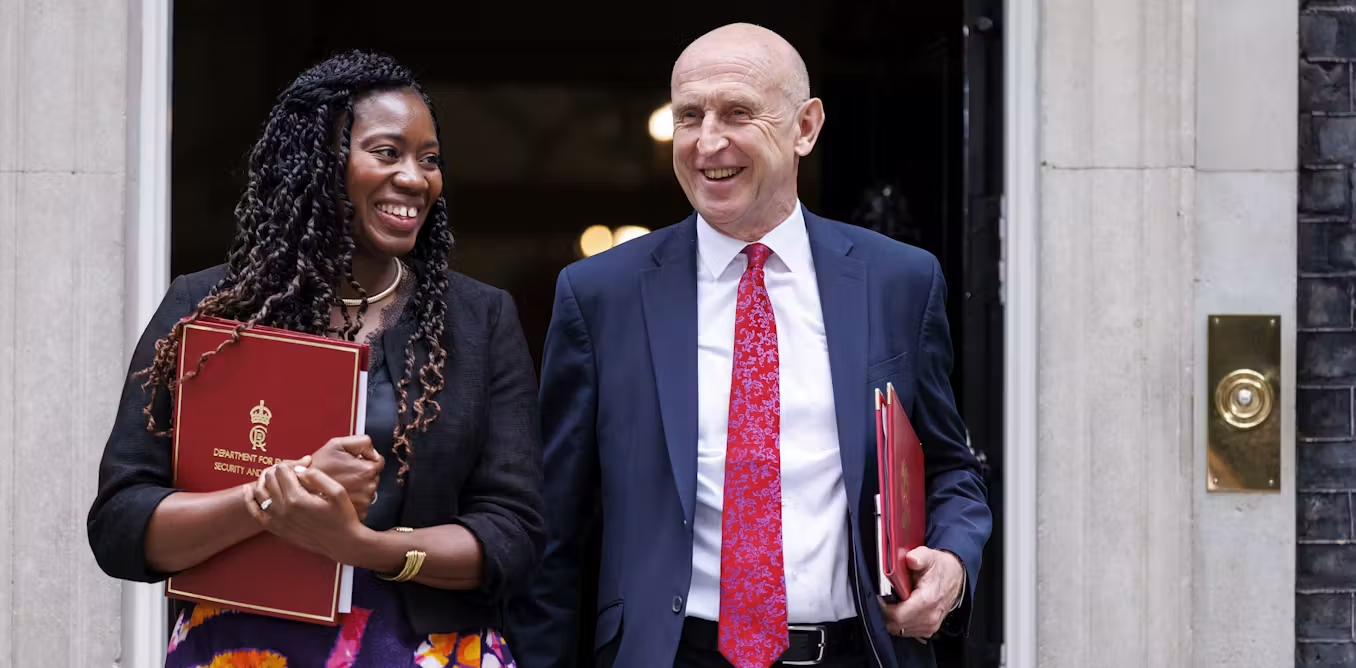
Andy Burnham’s first cabinet includes four ministers from visible ethnic minority backgrounds: home secretary Shabana Mahmood, energy security secretary Miatta Fahnbulleh, AI minister Kanishka Narayan, and Lisa Nandy as culture secretary. A decade ago, this team alone would probably have generated headlines. Now, it has barely registered.
This silence on the makeup of the cabinet tells us something important about ethnic diversity in British politics. We have entered what might be called the “post-first” era of minority representation. For the past 40 years, the politics of representation revolved around one question: could ethnic minorities reach the highest levels of political office?
The election of Diane Abbott, Bernie Grant, Paul Boateng and Keith Vaz in 1987 transformed British politics because it challenged assumptions about who belonged in parliament. Later came a succession of symbolic milestones: Britain’s first Muslim MP (Mohammad Sarwar), first Black cabinet minister (Paul Boateng), first British Asian home secretary (Sajid Javid) and first British Asian and Hindu prime minister (Rishi Sunak).
Political scientists call this “descriptive representation” – the idea that elected institutions should broadly reflect the populations they govern. These “firsts” mattered because they widened ideas of belonging. And they demonstrated that public office was open to people who had previously been excluded.
Advertisement
Beyond ethnicity
As more ethnic minority politicians entered parliament – and government – diversity became increasingly normalised. Cabinet appointments were no longer remarkable simply because of a minister’s ethnicity. Minority politicians became part of the establishment, occupying senior positions and taking on some of the most contentious policy areas.
One of the defining features of this period was that minority politicians increasingly fronted politically difficult agendas. Javid, Priti Patel and Suella Braverman became the face of tough immigration and asylum policies under Conservative governments. Under Labour, Mahmood also became associated with the government’s tougher approach to immigration, publicly defending aspects of the policy and becoming one of its most prominent advocates. This included overseeing a more restrictive approach to the rules governing entry to the UK.
Minority politicians were no longer valued solely for the symbolic message their appointments conveyed. They were increasingly entrusted with, and publicly identified with, some of the trickiest areas of government.
Today, Britain appears to have entered a new stage. The defining feature of the “post-first” era is that ethnicity has ceased to be a predictor of ideology.
Advertisement
For many years, debates about representation often assumed that greater ethnic diversity would lead to more progressive politics. Yet today’s political landscape tells a very different story.
Minority politicians can be found across the ideological spectrum. Your Party MP Zarah Sultana represents an insurgent left politics. Mahmood sits firmly within Labour’s more socially conservative and fiscally cautious tradition. Kemi Badenoch is leading the right-of-centre Conservative Party. And Zia Yusuf has become one of the most prominent figures within the right-wing populist Reform UK.
Reform UK’s home affairs spokesman Zia Yusuf has argued for tighter controls on immigration. EPA/ADAM VAUGHAN
Ethnicity tells us remarkably little about where politicians stand on immigration, taxation, foreign policy or the role of the state. They disagree with one another as profoundly as their white colleagues do.
Advertisement
This reflects a broader transformation in British democracy. Minority politicians are increasingly judged as politicians first. Their careers rise or fall because of competence, ideology and electoral appeal, rather than the communities they come from.
The 2024 general election demonstrated this particularly clearly. In several constituencies with large Muslim electorates, Muslim Labour candidates lost support despite sharing the ethnic and religious backgrounds of many of their constituents. Instead, many voters backed independent candidates whose position on Gaza more closely aligned with their own.
The election illustrated that descriptive representation alone was no longer sufficient. Substantive representation had become the decisive consideration for many voters.
The question is not whether a Conservative or Reform government would reverse gains made for minority representation. That seems unlikely. Ethnic minority politicians now occupy senior positions across every major political party. The era in which ethnic minority representation was itself the story has largely passed. The more important issue now is the politics those representatives pursue.
Advertisement
A more significant challenge is what minority representation will mean in the future. A diverse cabinet can still pursue policies that many minority communities oppose. Inclusion at the top no longer guarantees substantive representation below.
That is the defining political challenge of Britain’s “post-first” era. The politics of representation have moved beyond celebrating symbolic milestones. The politics of the “first” have given way to the politics of governing. The central question is no longer who gets into the room, but what they do once they are there.
York Maze will host the edible spectacle on Saturday, August 1, as part of its annual Yorkshire Day celebrations.
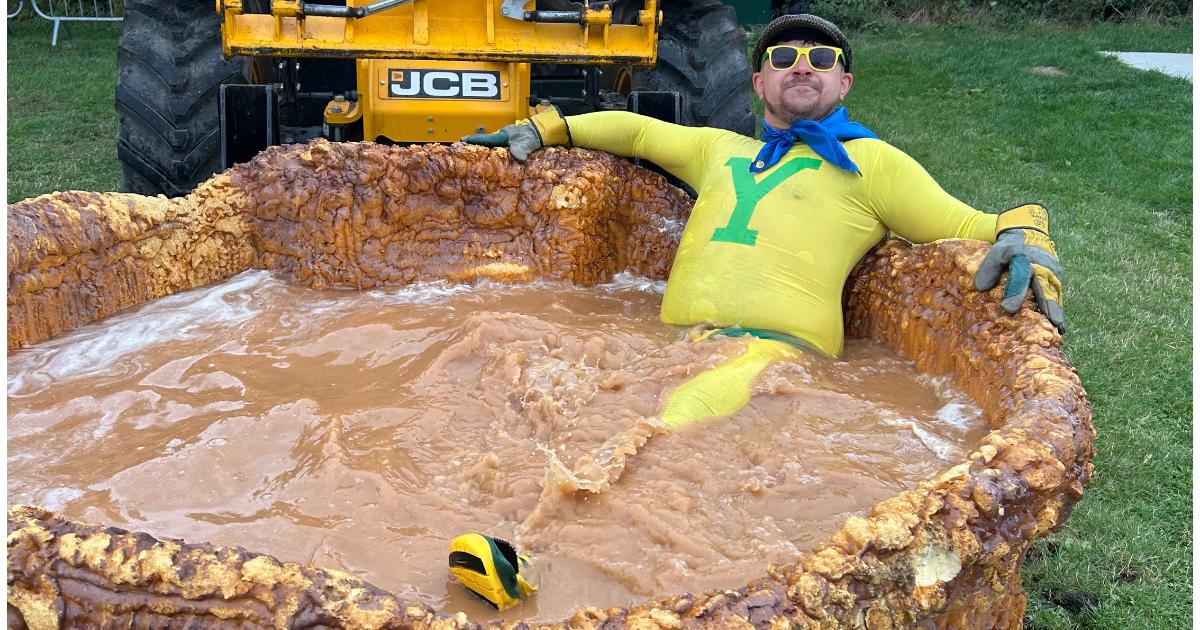
The event will feature the county’s hero YorkshireMan, who will walk a narrow beam above what’s billed as the world’s biggest Lancashire hotpot before diving into a giant, gravy-filled Yorkshire pudding.
Recommended reading:
Speaking about this, Yorkshireman said: “In recent years I’ve celebrated Yorkshire Day at York Maze by diving into the world’s biggest mug of Yorkshire tea.
Advertisement
“I’ve plunged into a giant Yorkshire pudding filled with gravy, and this year I’m risking it all by attempting to walk a narrow beam above a steaming bowl of Lancashire hotpot.
“As everyone knows, Lancashire hotpot is poisonous to Yorkshireman, so I have a giant Yorkshire pudding filled with gravy to dive into as the antidote in case I do come into contact with the Lancashire hotpot.”
Yorkshireman before the big dive in 2025 (Image: York Maze)
The Yorkshire pudding measures more than six feet across and holds 2,000 litres of gravy, while the hotpot is of similar size and topped with giant potato slices.
The fun begins at 1pm with a Yorkshire pudding tossing competition.
Advertisement
The child and adult with the biggest throws will be crowned the winners.
The main event with Yorkshireman will take place from 2.45pm.
God’s own Yorkshireman (Image: York Maze)
York Maze staff will also don flat caps, and visitors who wear one on the day will be treated to a complimentary mug of Yorkshire Tea.
Entertainment will be provided by the New York Brass Band, and a face painter will be on hand to decorate visitors’ cheeks with the Yorkshire Rose.
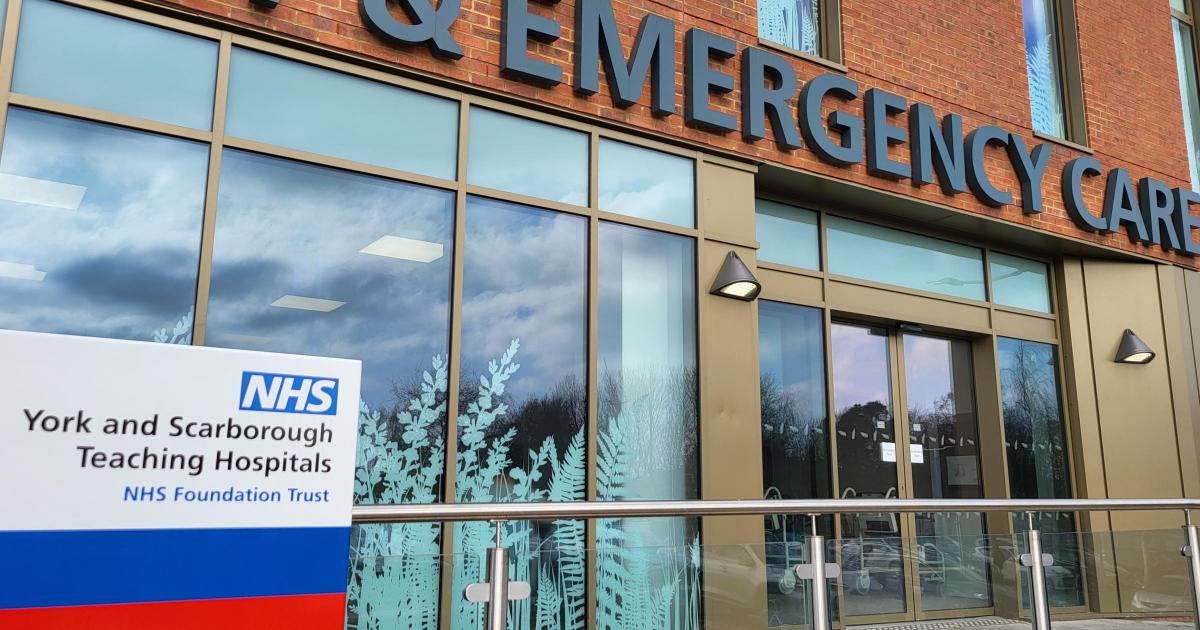
It comes as health bosses said that the number of attendances at Scarborough Hospital this week “far outstripped anything that has ever been seen before” at this time of year.
Clare Smith, chief executive of the York and Scarborough Teaching Hospitals NHS Foundation Trust, said: “The numbers that were seen on Monday far outstripped anything that we’d ever seen before at Scarborough Hospital, which placed it under significant pressure.”
Advertisement
“Of course, it’s the time of year where we have a lot more visitors to Scarborough and to Bridlington and those types of areas,” she added at a meeting of the trust’s board of directors on Wednesday, July 29.
She added: “There have been significant challenges across our sites over the last few weeks, with really, really high levels of attendance.”
Advertisement
It comes as the number of 12-hour trolley waits increased in both May and June across the trust’s emergency departments, after figures had fallen between February and April.
Commenting on Facebook, one resident said: “Honestly, I feel for the doctors and nurses – they all look so stressed. I’ve been there over the past four days with a family member who has been unwell, and the staff are doing an amazing job with how they treat the patients.
Advertisement
“But there are so many people who go up to hospital, who could’ve gone to the GP if there was a chance to actually get an appointment.”
They added: “GP surgeries need to be fixed up because the hospital is taking on the strain of multiple services failing people.”
Advertisement
Rachel said: “I work in A&E, and all I can do is apologise to everyone who has had a negative experience; we are so overwhelmed, as you can see.
“We are all working tirelessly to do our clinical jobs that have to be prioritised. If we don’t get back to you it’s definitely not intentional; we are just so so busy.
Advertisement
“But the staff that are on, I promise you, are doing their very best to get to you.”
Scarborough Hospital. Courtesy Numminen/Ldrs
Commenting on social media, a Whitby resident said: “We live in Whitby, but our minor unit shuts at 8pm, so then it’s a trip to Scarborough. Most of the time it’s a minimum of a four-hour wait, but I have often been there until the following morning.”
Advertisement
Mel said: “I don’t know why there isn’t an urgent medical centre in town where people with problems they would usually take to their GP but cannot get appointments can go to.
“It would take so much pressure off the hospital emergency department.”
Advertisement
Last month, Scarborough’s new community diagnostics centre opened in Eastfield, giving people access to faster access to vital tests and scans.
The purpose-built facility provides a range of non-acute diagnostic services closer to home, helping to reduce waiting times, support earlier diagnosis and improve access to care.
Advertisement
Scarborough CDC. York And Scarborough Teaching Hospitals NHS Foundation Trust
Also commenting on Facebook, Glenn said: “I’ve been to Scarborough Hospital many times for myself and my family, and despite the pressure the staff are under, they still manage to have a smile on their faces and do their jobs exceptionally well.”
He added: “If people went when it is absolutely necessary and not just something that can be fixed at the chemist, it would really help.”
Advertisement
The NHS website states: “NHS 111 can help if you think you need medical help right now. 111 can direct you to the best place to get help if you cannot contact your GP during the day, or when your GP is closed (out-of-hours).”
The incident was reported to Dublin’s emergency services at 4:30am on Wednesday.
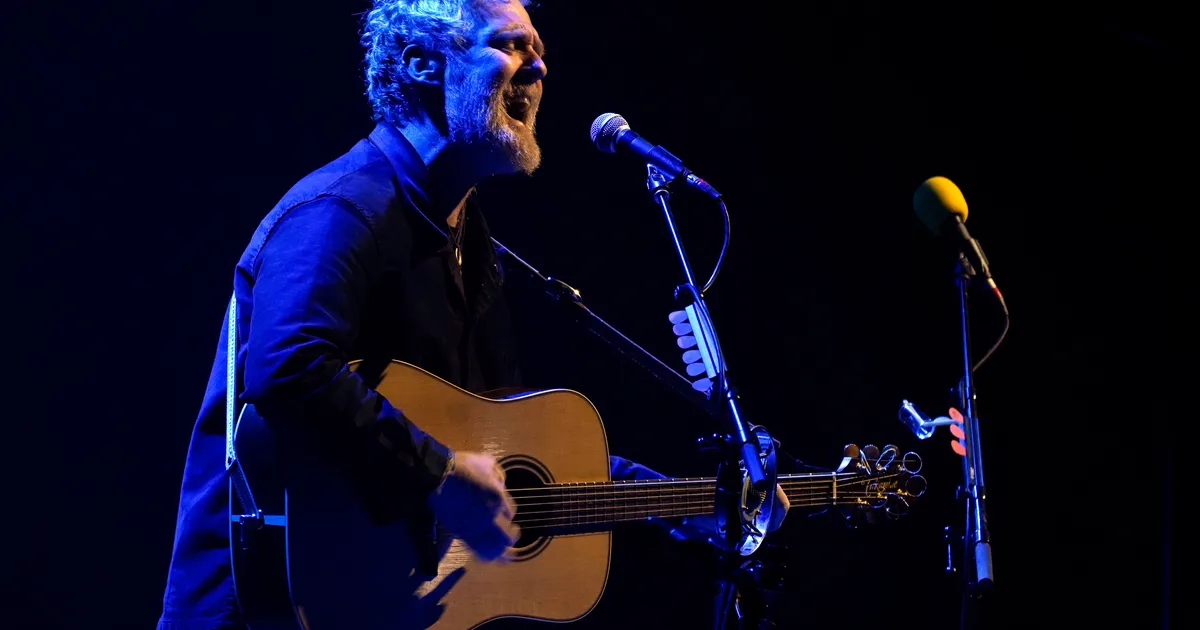
Hansard, who won a Best Original Song Academy Award for Once’s Falling Slowly in 2008, is survived by his wife, poet Maire Saaritsa, and their three-year-old.
Since Wednesday, tributes have poured in from the likes of Bono, Ireland’s Taoiseach (similar to the UK’s Prime Minister) Micheál Martin, Rachel Zegler, and Bruce Springsteen, among many others.
Advertisement
Ireland’s president, Catherine Connolly, said: “Glen Hansard will be remembered as one of Ireland’s great singer-songwriters… Glen and his band the Frames stood out as one of the leaders of the thriving wave of Irish bands who emerged in the 1990s and were the source of so much inspiration to a generation of young people and musicians.”
Glen’s The Frames bandmate Colm Mac Con Iomaire shared a picture of the group on Instagram with the caption “Fadó fadó ar maidin…” (“long, long ago this morning”).
Micheál Martin shared on X, “Deeply saddened to learn of the passing of Glen Hansard. A talented musician and actor who made a significant contribution to Ireland’s cultural landscape over many years. My sincere sympathies to his family, friends, and fans. Ar dheis Dé go raibh a anam [God rest his soul].”
Deeply saddened to learn of the passing of Glen Hansard.
A talented musician and actor who made a significant contribution to Ireland’s cultural landscape over many years.
Advertisement
My sincere sympathies to his family, friends, and fans.
Musician Damien Dempsey wrote on Instagram, “Your power was unfathomable, otherworldly… a monumental power and a monumental loss.”
Advertisement
Comedian and actor Chris O’Dowd said, “Can’t believe Glen has left the world so terribly early. I recently encountered a Basquiat quote… ‘Art is how we decorate [space, and music] is how we decorate time’. Glen was an incredible decorator of our time.”
U2 star Bono shared on Instagram, “Sometimes I would wonder if Glen Hansard really existed… Seriously, he was such an angelic presence… this most musical and mischievous archangel of Ballymun… no airs, plenty of graces.
“He could never walk by a person living rough without checking they were OK… and more than that, he worked very hard so that less people had to live on the streets in the first place.”
Singer-songwriter Cat Power said: “In bonds of affection, you are tethered to our hearts forever. I ache for your beautiful family, Ed, Mike, & Oli.”
Advertisement
On BlueSky, folk band The Mountain Goats wrote: “His love of music was palpable, infectious, radiant.”
Waterboys singer Mike Scott posted on X, “Just heard that Glen Hansard has died. Travel on well, Buddy. You made your dreams come true. I’m so sorry that he leaves his wife and 3-year-old child.”
Just heard that Glen Hansard has died. Travel on well, Buddy. You made your dreams come true. I’m so sorry that he leaves his wife and 3-year-old child.
Musician Courtney Marie Andrews, who toured with Glen earlier this year, said: “am shocked and heartbroken to learn of @glenhansard passing… Our time together reminded me what it’s all about, the love of music. Glen embodied what it means to be a lifelong musician. He made a great impact on us all.”
Advertisement
Rachel Zegler, who performed a rendition of Once’s Falling Slowly alongside Glen in New York, posted pictures of herself alongside the musician with the caption: “oh i will love you forever. rest now, my friend.”
And Bruce Springsteen shared, “We met in Ireland many years ago and he was always nothing but a great musician, a good friend and a generous and gracious man. Always positive, smiling and ready to sing. God bless him and his loved ones.”
ISLAMABAD (AP) — Ten international climbers led by a renowned Nepal-born mountaineer were missing after an avalanche struck Broad Peak, one of the world’s highest mountains in northern Pakistan.
The Alpine Club of Pakistan received initial reports that the avalanche struck the team led by Nirmal Purja and the climbers have been out of communication since then, club Vice President Karrar Haidri said in a statement late Thursday.
The expedition includes five Nepalese climbers, Pakistani mountaineer Sohail Sakhi of Hunza, Omani climber Nathira, American climber Mallory Geis, a Chinese climber identified as Wang, and another foreign climber, Haidri said.
The club’s president, Maj. Gen. Irfan Arshad, and its senior leaders were in contact with government officials to facilitate an immediate search-and-rescue operation.
Advertisement
The club said every effort was being made to mobilize helicopters and other rescue resources quickly, subject to weather and operational conditions.
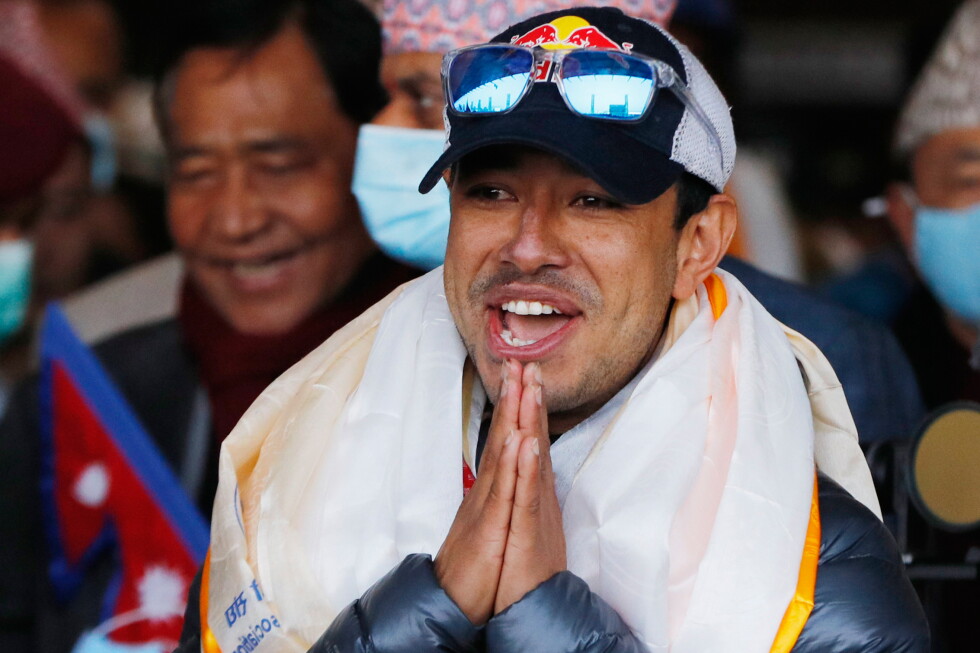
Nirmal Purja, whom the club identified by a second name, Nims Dai, is a Nepal-born British citizen who scaled the world’s 14 highest peaks in 189 days in 2019, holding a record for the fastest climb until a Norwegian woman and her Nepali Sherpa guide set a new record in 2023. Purja’s climbs were made into a popular Netflix documentary, “14 Peaks: Nothing is Impossible.”
The 8,047-meter (26,401-foot) Broad Peak in the Karakoram range is the world’s 12th highest mountain. Pakistan is home to several top mountain peaks and climbers flock from all over the world to attempt to scale the summits.
“The Alpine Club of Pakistan is closely monitoring the situation and coordinating with all concerned stakeholders,” the statement said. It added that the club stands in solidarity with the climbers’ families and the international mountaineering community.
Muhammad Ans left his victims living with ‘the impact of these events’ which ‘affected almost every aspect’ of their lives, one said
21:00, 30 Jul 2026Updated 21:00, 30 Jul 2026
A ‘monster’ rapist who targeted women on dating apps has been locked up for two decades.
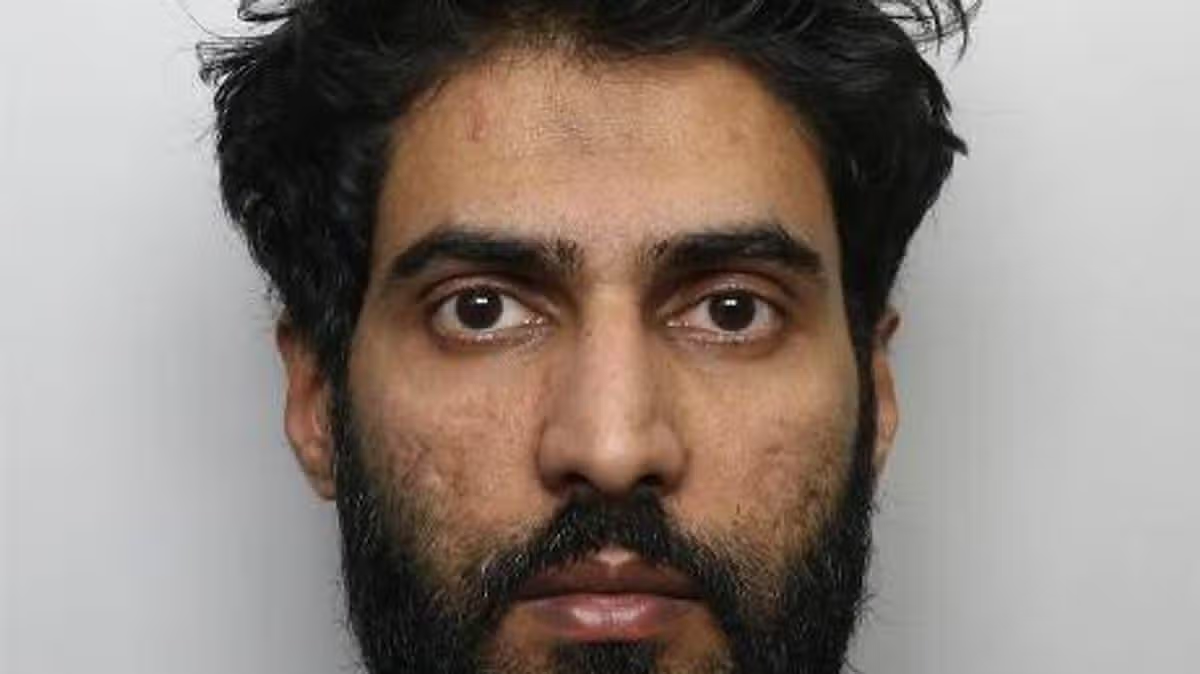
Muhammad Ans, 29, was jailed for 20 years, with another three years tacked on under an extended licence, after a court heard how he preyed on victims he met online.
Ans used Bumble, Badoo and Tinder to lure three women between 2023 and 2025. His first victim met him on Bumble at the end of 2023, and after a seemingly innocent meal, he took her back to his Coventry digs and raped her. He struck again in early 2024, Devon Live reports.
Advertisement
Shockingly, he messaged her again in August 2024, trying to meet up as though nothing had happened. She challenged him about the rapes through a string of messages, and he “apologised and offered to take her out shopping and to go for meals together” – she declined.
Just seven days later, Ans met his second victim through the Baddoo app. By this point, he had relocated to Tavistock and was residing in a flat.
After exchanging messages, he collected his second victim in his car and drove her back to his flat, where they consumed alcohol. Despite the victim making it explicitly clear she did not wish to engage in sexual activity, Ans raped her.
Advertisement
Court messages exchanged between Ans and his second victim revealed that after he drove her home, she confronted him about the rape. Ans responded by apologising, stating “that he couldn’t stop himself”.
Ans offered to take his second victim on a shopping trip, claiming he wished to spend time getting to know her and visit the beach together. The victim declined and informed him she intended to report him for rape.
That same day, the victim reported Ans to the authorities, and Detective Constable Craig Ferguson was assigned as the investigating officer. Police successfully identified Ans and established details of his vehicle. A wanted appeal was subsequently issued, and he was tracked down in Leeds after fleeing Tavistock.
During questioning, Ans denied the offence but acknowledged having met the victim. He insisted all sexual contact had been consensual, dismissing his admissions in the messages as “confusion on his part despite his clear acknowledgement and apologies.”
Advertisement
Officers seized Ans’ mobile phone for forensic examination, and he was released on bail with conditions prohibiting any contact with the victim.
In August 2025, police identified a further victim. She informed officers she had matched with Ans on Tinder, gone for drinks with him, and returned to her home address, where he raped her. Ans was subsequently arrested in connection with the third victim, charged, and remanded into custody.
During the forensic examination of Ans’ phone, DC Ferguson uncovered messages between Ans and his first victim, who was then traced and confirmed she had also been raped by Ans.
Advertisement
He was charged with these additional offences, and the cases involving all three victims were consolidated. At sentencing, the court heard testimony from all three women raped by Ans. The first victim said: “I’m finding it hard to describe the initial impact of Ans’ rape. After the violent event occurred, it felt like I had to burn everything that made up the woman I was, so that then it would have happened to her rather than me.
“I rarely slept, and when I did, nightmares accompanied me. My anxiety was through the roof, supplemented by intrusive thoughts, intense nausea, and debilitating panic attacks.
“Ans clearly saw the pain he had inflicted on me and then went on to hurt others in the same way. I truly believe that he is a dangerous and predatory man. No sentence can undo the damage he has caused or the years I will continue to live with the consequences of his actions.”
In a statement, the second victim said: “When I think about what Ans did to me; him raping me started a chain of events that have led to some of the darkest and most difficult times that I have faced in my life.
Advertisement
“I still feel an intense amount of anger and rage towards him. I had told him ‘NO’, and I had pushed his hands away and pulled my leggings back up. My words meant nothing to him, and I now recognise that he had already decided what was going to happen to me, regardless of whether I consented to it or not.
“People think that a rapist is someone hiding down an alley, or in a bush with a knife, that will drag you away and force themselves on you… but Ans made me realise that a rapist can be charismatic, educated and can arrive with a smile.
“Regardless of how he portrayed himself to me and others he is nothing but a rapist monster. He is a disgusting human being, and I hate him with every part of me.”
Ensure our latest stories always appear at the top of your Google Search by making us a Preferred Source. Click here to activate or add us as your Preferred Source in your Google search settings.
Advertisement
The third victim said: “In terms of the physical impact, it took me many weeks before I was able to sleep properly again. Even now, I continue to experience nightmares and flashbacks relating to what happened. I became scared to be at home on my own in-case he showed up, my own home felt wrong and unsafe.
“Psychologically, the impact of these events has affected almost every aspect of my life. I have suffered from severe anxiety and panic attacks as a result of my experience with Ans.
“The events have significantly affected my ability to trust others, particularly men. I find it difficult to form new relationships now as a result. As a girl who just wanted her happy ending, I feel I have paid a high price for trying to find it.
“I see Ans as directly responsible for my current symptoms and state of mind. If I hadn’t met him and he hadn’t done these things to me, I believe that I would be in a very different position now in my life. I feel that he is a risk to women, and that he used me sexually despite me making my boundaries clear.”
Advertisement
Passing sentence, Judge Matthew Turner KC stated that each victim had been in “a vulnerable position” in their lives when Ans committed his appalling crimes. He noted that the women had initially been taken in by Ans’s charm, which he ruthlessly exploited to rape them and fulfil his own sexual gratification.
Judge Turner stated that Ans’s failure to acknowledge his criminal behaviour was “deeply troubling”, noting a complete disconnect between his perception of his actions and the “single-minded pursuit of your own sexual gratification”. Ans has additionally been placed on the sex offenders register indefinitely.
DC Ferguson commented: “I welcome the sentence of Muhammad Ans today. In this case all three women were unknown to each other yet their experiences of Ans were all incredibly similar. The evidence clearly showed that he made the same types of comments and offers towards each victim after raping them.
“This included apologising to them, telling them that it was a mistake, and that people make mistakes when first meeting, as well as offers of giving certain victims money and to take them shopping. In relation to one of the victims, it was also explained that he had offered to pay her $3,000 in compensation if she would ‘leave it’. This victim refused his offer and had screenshot the messages he had sent, and sent these on as part of her evidence.
Advertisement
“Ans is a sexual predator who targeted these women on dating sites with the sole purpose of meeting up with them for sex. His motivation was clear. These women were looking for meaningful relationships, and were not seeking casual sexual encounters, and they made this clear to Ans.
“Despite this Ans created situations where they were each caused to be alone with him, and he then proceeded to rape them, and forced them into depraved sexual acts. Ans was driven by his sexual appetite, and the voices of his victims did not matter to him. He chose what was going to happen, and he forced his will onto others.
“Their clear boundaries and lack of consent did not matter to him. I want to pay tribute to the bravery and resilience of the three victims in this case who have each displayed tremendous courage and strength, both in giving their evidence to the police, but also in attending the court to give their evidence in a lengthy trial.
“The trial has been complex process, and the victims have shown patience and resolve in waiting to provide their evidence to the court. This case could not have brought without their support, and I want to thank each of them personally. Ans has been found guilty of these heinous crimes and he will now be imprisoned for a lengthy period in custody.
Advertisement
“We remain committed to supporting women and girls who are victims of violence, and those persons who have been the victim of sexual offences. We will listen and will actively seek charges and prosecutions against those responsible for such offending.”
A missing teenager has not been seen in nearly two weeks. Alfie Caney, 15, was last seen leaving his home in Yaxley at around 2.30pm on July 17.
Advertisement
He is described as “white, a medium build, 5’9” and has short brown hair”. He was last seen wearing a black tracksuit bottoms and a green hoody, but police said he could have changed clothing since.
Alfie is originally from Kent, but is known to travel to London and the Greater London areas. He also has connections to Slough and Hayes.
A Cambridgeshire Police spokesperson said: “We are concerned for Alfie’s welfare and would urge anyone with information about his whereabouts to contact police.”
Anyone who may have seen Alfie or knows of his whereabouts should call police on 101 or report it online and quote incident 310 of July 17.
A major incident has been declared after a wildfire broke out near Sizewell B nuclear power station in Suffolk
Carrington Walker Live News Journalist and Rosie Shead and Eleanor Barlow Press Association
16:13, 30 Jul 2026
A nuclear power station has said it is ‘monitoring a wildfire’ nearby as the blaze has seen dozens evacuated. A major incident has been declared in Suffolk, as Prime Minister Andy Burnham said that the region will receive “all the support” they require.
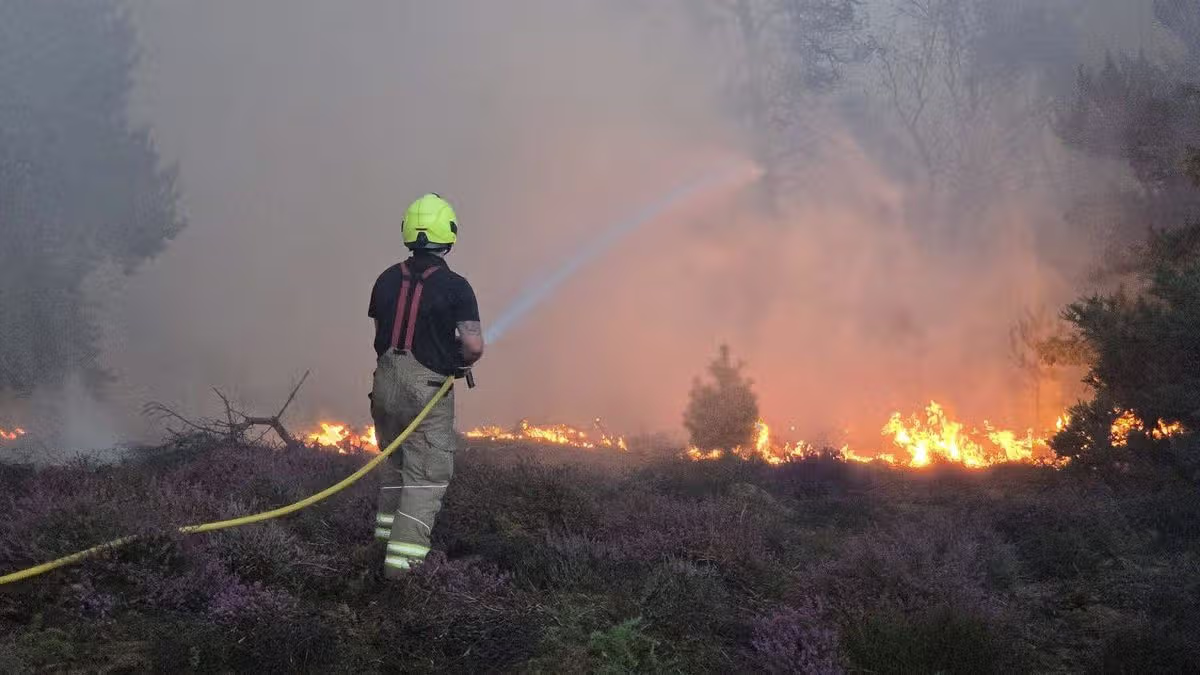
Suffolk Fire and Rescue Service were called to reports of a blaze at Dunwich Heath, near Leiston, shortly after 5.30pm on Wednesday (July 29). By Thursday afternoon, the service confirmed the fire remained active, covering approximately 100 hectares, with 18 fire engines and more than 100 firefighters deployed at the scene.
Advertisement
Speaking to journalists during a visit to Cumbria, Prime Minister Andy Burnham said: “We’ve got the situation under close monitoring, and I’m receiving regular updates. It is a very serious incident.
“I will make sure that Suffolk Fire and Rescue Service have all of the support, the mutual aid, the other services that they need, and any other resources that need to be brought to bear.”
The blaze is located several miles from nuclear power station Sizewell B and the construction site for new power station Sizewell C.
Advertisement
Jon Lacey, chief fire officer for Suffolk Fire and Rescue Service, acknowledged that Sizewell B was a cause for concern, though the fire is not presently anticipated to reach the area.
“We’re not expecting the wind direction to change to push the fire towards Sizewell C or B,” he told a press conference on Thursday, adding that the fire service is working with the Met Office and the Environment Agency to monitor weather conditions. “B is the main concern, but the big building site is also a priority for us.
“The terrain and land between us, the fire, and Sizewell B and C means that it’s not a significant fire spread concern. So at the moment, Sizewell B and C are being monitored. We’re in consultation with them, but we’re not worried about fire spread in that direction.”
Mr Lacey further described the blaze as “difficult and dangerous” to combat, and amongst the most significant he can recall in Suffolk’s history.
Advertisement
“It is a difficult fire because they’re so widespread and the resources are so widespread,” he told the press conference. And normally, with a building fire, you can see it right in front of you, in one place, whereas this is much larger.
“You can understand that that is difficult and dangerous for firefighters. It’s an ongoing incident. It’s very dynamic. It’s very challenging. Access to the incident is also very difficult.
“It is definitely one of the more challenging incidents that we’ve had here in Suffolk, and is one of the largest that I remember in the history of Suffolk.”
On Thursday, an EDF spokesperson confirmed the fire was “not affecting operations at Sizewell B power station”.
The energy provider stated it was “closely monitoring the situation”, and it is understood that Sizewell B has an emergency plan in place that covers a range of scenarios, including a fire on site. A spokesperson for Sizewell C confirmed that the construction site was also “closely monitoring” the fire, adding “it currently poses low risk to Sizewell C, given its distance from site and watercourses in between”.
“Sizewell C sites and offices continue to operate as normal, but we are continuously assessing the impacts of smoke and the effects on the road network to ensure that our people remain safe and emergency services have priority,” they said.
Suffolk County Council confirmed that Cliff House Holiday Park, home to around 200 caravans, had been fully evacuated as a precautionary measure.
Advertisement
Deputy leader of East Suffolk Council Paul Ashton stated on Thursday afternoon that the local community’s response to the incident had been “outstanding”, though the blaze remained “raging” and “not under control”.
He said: “However, everybody that is in any risk, depending on how it spreads, has been evacuated. So there’s getting on for a couple of hundred people from a caravan park, so both a combination of static caravans and tourers, most of those people have driven away and left. Just probably gone home.
“We’ve got 40 people at Westleton – so Westleton Village Hall is acting as a rest centre. The villagers of Westleton last night put up all of those people in their own homes, so all 47.
“No-one had to sleep in the village hall. They’ve cooked them breakfast, they’ve cooked them lunch, they’re planning on what to get them for supper.”
Advertisement
Mr Ashton added: “I think the local community has been outstanding in their response, and I think all those affected are really appreciative of what the people of Westleton have done.”
The fire service released footage of the destruction wrought by the blaze, which has encroached upon parts of the RSPB Minsmere nature reserve, with the video revealing blackened trees and scorched ground.
Speaking close to the scene, RSPB Suffolk area manager Adam Rowlands described the scale of the fire as “unprecedented in living memory”, adding that the damage was “quite devastating”.
Advertisement
He said: “It’s been tinder dry so with the drought conditions, all the vegetation, the ground is extremely dry and so once this fire took off, it spread dramatically and quickly. It’s spreading through the pine trees, so in places that’s 20 metres high.”
Mr Rowlands noted that the affected land, portions of which are managed by the National Trust and the RSPB, provided a habitat for rare wildlife, including nightjars, and that it would take “more than a decade” for the ecosystem to fully recover.
He added: “It’s been years of effort to get the habitats in such good condition. You know, the record numbers of nightjars and Dartford warblers and nightingales breeding on the site this summer – so years of hard work to get those bird populations to really evolve, and then absolutely devastated and wiped out by this one event, so it’s really heartbreaking for the team and all the effort they do.”
Green Party leader Zack Polanski urged Mr Burnham to convene an emergency Cobra meeting to address the wave of wildfires sweeping across Britain, including those in Suffolk.
Advertisement
“Across the country terrifying wildfires are raging, forcing people to leave their homes not knowing what they will come back to find,” Mr Polanski said.
“Thousands of people have been killed by deadly temperatures in the most extreme heatwaves we’ve ever faced. And yet our Prime Minister is silent in the face of this existential threat.
“Burnham should call a Cobra meeting and set out urgently how his Government will keep people safe amid this crisis.”
Temperatures climbed sharply across swathes of the UK on Wednesday, hitting the 30s in certain areas. Meanwhile, in Scotland, crews said they were making “significant progress” tackling a wildfire in the Cairngorms that broke out two weeks ago.
Advertisement
A number of homes in the remote region were evacuated as plumes of smoke billowed into the sky, and vast swathes of trees, heather and grasslands have been left charred and blackened.
Even though people will be the same age as others getting the money, they will miss out
A BBC expert has confirmed a ‘cliff edge’ cut off for this year’s £300 winter fuel payment – which means some people who are 66 when it pays out won’t get it – even though others will. The Radio 4 show Moneybox was told that the key date is June 27 – anyone born afterwards won’t get it.
Advertisement
This will mean thousands of people be 66 and still not get the winter fuel payment – even though many people the same age – just born a bit earlier – will get it. Presenter Paul Lewis said people whose 66th birth date is on June 27 – ie they were born in 1960 are key to the payment. He said: “They are the last group born in 1960 who will get the winter fuel payment in December, despite many being 66 for most of the winter. The qualifying date is in the autumn, but the rising state pension age means that only people born on this day in 1960 or earlier reach state pension age in time to qualify.
“This winter there will be more than ever who will reach 66 but are too young to get the money they need to take the chill off their bills.”
The DWP has said: “You can get a Winter Fuel Payment if you were born on or before 27 June 1960 and usually live in England, Wales or Northern Ireland.” Payments range from £100, £200 or £300, depending on age and living arrangements.
Pensions Minister Torsten Bell said the key birth date for eligibility was linked to State Pension age and the qualifying week, which runs from September 21 to 27 for the 2026/27 payment: “The Winter Fuel Payment is an age-related payment payable to everyone who has reached State Pension age on or before the end of the qualifying week and is ordinarily resident in England or Wales.”
Advertisement
More than nine million older people received support with energy bills after the Government restored Winter Fuel Payment eligibility for pensioners with annual incomes below £35,000 last year.
However, as the State Pension age was gradually rising from 66 to 67 between now and 2028, not everyone approaching retirement age would qualify this year.
Mr Bell said those born between April 6, 1960 and March 5, 1961 now reach State Pension age at 66, plus a specified number of additional months, depending on their exact date of birth.
Her said: “Therefore, a person needs to be born on or before 27 June 1960 to have reached State Pension age by the end of the qualifying week to be eligible for a Winter Fuel Payment for winter 2026/27.”
Advertisement
Sarah Weston technical officer at the Low Incomes Tax Reform Group said: There is no need to apply for the winter fuel payment it’s made automatically to anyone who’s eligible. In limited circumstances you may need to claim if you’ve deferred yur state pension, but the vast majority of people will just receive it automatically.”
Mr Lewis said: “We should warn people that if they get a text about claiming, that’s from a thief it’s not from the government. “ Ms Weston said: “The way you’ll be informed is you’ll get a letter in the early autumn and that will confirm the amount that you’re entitled to and also it’ll tell you how you’ll receive it. Usually it’s into the same bank account that you receive your state pension or any other state benefits. You certainly shouldn’t be notified by text or email from HMRC or any other body.”
Mr Lewis said: “Everyone that age gets it, but as we heard some have to pay it back if their income is more than £35,000. Indeed, those people are already paying back last winter’s payment. How is that money taken back by HMRC?”
Ms Weston said: ”So if your taxable income in the year you received the winter payment is over £35,000 you will have to pay it back, and it’s taken back in the form of a tax charge. So HMRC will collect that through the tax system. If you’ve filed a tax return it’ll be collected that way, through the self-assessment system.
Advertisement
“If you pay tax through PAYE which will be the case for a lot of pensioners because they’ve got some income from a personal or a workplace pension the winter fuel payment would be collected by an adjustment to the tax code.”
Asked if the payment was still vital for pensioners, she added: “There’s no denying that for many this payment is going to be a very helpful amount to help them meet their living costs and live comfortably. Obviously it arrives in the winter just as the heating costs are spiking. We know that particularly for people on lower fixed incomes this is particularly helpful.
“There may be people receiving it who don’;t need it and haven’t opted out for whatever reason and they will have it taken back. You can opt out voluntarily even if your income isn’t over £35,000.”















































You must be logged in to post a comment Login