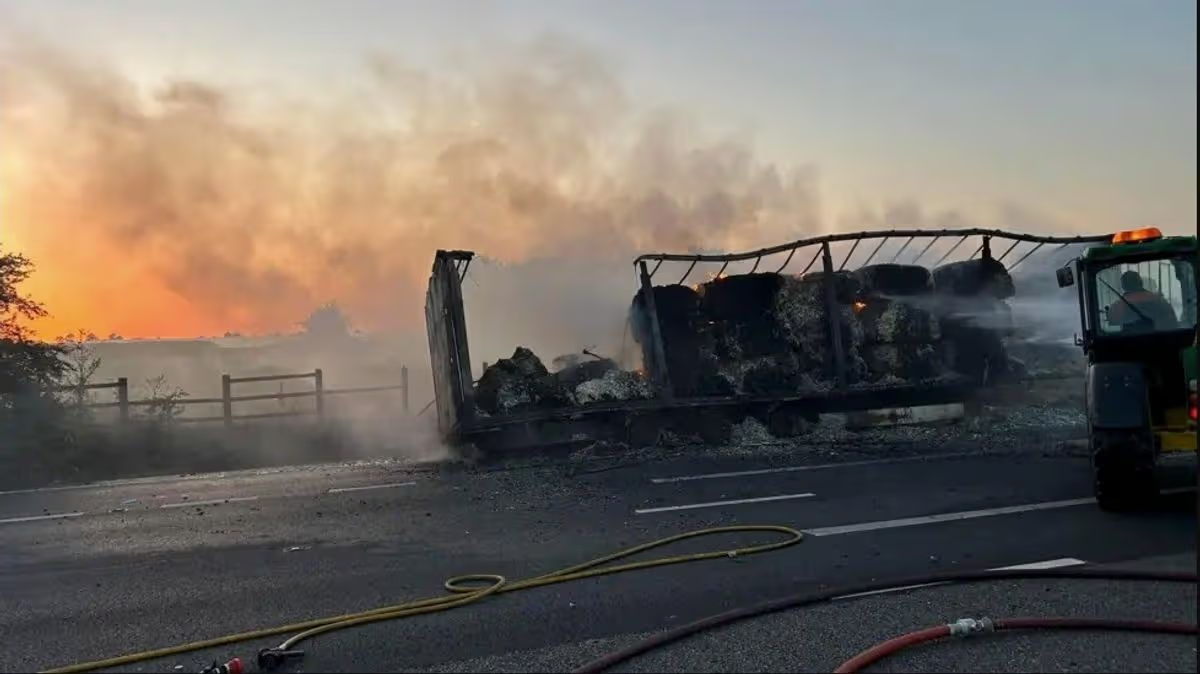
Two major roads in Cambridgeshire are closed due to a huge lorry fire.
Firefighters are on the scene working to tackle the blaze as the A14 and A11 are partially shut.
The A14 is closed eastbound between J33 (Milton) and J37 (Exning) and the A11 northbound is closed between the A1304 (Six Mile Bottom) and the A14 at J36.
Advertisement
National Highways Traffic Officers are also on scene assisting with traffic management.
This is a live news story, follow below for further updates.
Saudi Arabia squad: Mohammed Al Owais, Nawaf Al Aqidi, Ahmed Al Kassar, Abdulelah Al Amri, Hassan Tambakti, Jehad Thikri, Ali Lajami, Hassan Kadesh, Saud Abdulhamid, Mohammed Abu Al Shamat, Ali Majrashi, Moteb Al Harbi, Nawaf Boushal, Sultan Al-Ghannam, Mohammed Kanno, Abdullah Al Khaibari, Ziyad Al Johani, Nasser Al Dawsari, Musab Al Juwayr, Alaa Al Hajji, Salem Al Dawsari, Khalid Al Ghannam, Ayman Yahya, Firas Al Buraikan, Saleh Al Shehri, Abdullah Al Hamdan.
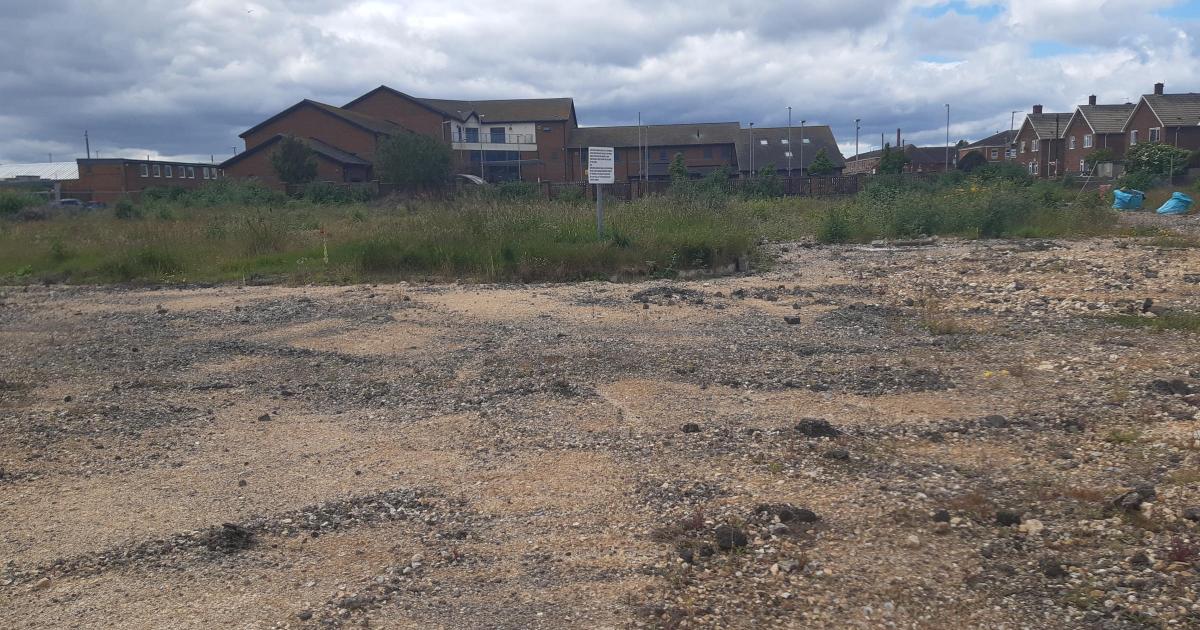
New plans for the cleared site sought permission for 17 “commercial business units” distributed across three, two-storey blocks located along the site’s boundaries.
Associated parking was proposed centrally within the site with 28 spaces, with access taken from Mainsforth Terrace and vehicles being “required to exit through the existing site access along Burbank Street (north).”
Advertisement
Proposed planning uses for the business units included “research and development of products or processes”, industrial processes and storage and distribution uses, with ancillary first floor office units associated with respective ground floor uses.
During a council public consultation on the plans there were objection comments from four separate residential properties, with concerns raised about the location and scale of the buildings, traffic parking and highway safety, noise impacts and more.
Although the development passed several key planning tests, Hartlepool Borough Council’s planning department had recommended the application for refusal over its scale and design.
A report published ahead of the planning committee noted the development’s “extensive scale and mass” and said it would “create an undue, overly dominant and unsympathetic development that fails to respect the character of the application site and wider surrounding area.”
Advertisement
Arguments for and against the proposal were put forward at a planning committee meeting on June 17, 2026, at Hartlepool Civic Centre.
A representative for the applicant said technical issues, including flood risk, drainage and highway safety, had been resolved and that the council’s economic development team “actively supports the scheme”.
The applicant’s agent added the refusal recommendation from council planners was a “matter of planning judgement” and listed the benefits of the scheme, including regenerating a derelict brownfield site, local investment and jobs and enhanced biodiversity.
Council planners argued that the plans would “not be compatible with the character and appearance of the site and the surrounding area”, in conflict with planning policies.
Advertisement
However following debate an alternative motion to approve the application, against the refusal recommendation of council planners, was proposed.
After being put to a final vote, the plans were approved by a majority of councillors present.
The heat is likely to impact health and daily lives of those within the warning area
12:36, 21 Jun 2026Updated 12:50, 21 Jun 2026
Parts of the UK are under an extreme heat alert with forecasters predicting near 40C temperatures. The Met Office has expanded an Amber heat warning into next week, which will likely impact residents of affected areas.
The alert is in place for Monday, June 22, until Thursday, June 25, and covers South East England and parts of Wales. The incoming heat is a result of band of pressure that is currently migrating from France. While the alert is not in place for Scotland, high temperatures of up to 30C are to reach the country next week.
Met Office Deputy Chief Forecaster Tom Crabtree, said: “The forecast heatwave is developing into an impactful severe weather event, with record breaking June temperatures and very high humidity. The combination of heat and humidity will be oppressive and bring impacts across society from public health and infrastructure, to power and water supplies.”
Advertisement
Temperatures will quickly rise on Monday morning (June 22) and are forecast to reach 34C in southern parts of England. heat will rise further into Tuesday (June 23), with highs of 37C forecast for southern England and 35C southeast Wales.
Conditions are set to peak on Wednesday and Thursday (June 24 and 25) when temperatures are expected to climb to 38C. By Friday conditions will be less hot, with highs of 33C forecast across eastern areas.
It is now likely the current highest temperature on record for June will be broken, this being 35.6C recorded in Southampton in June 1976 and Camden Square in June 1957.
Advertisement
Forecasters say that the heat will not be specific to day time, as “Tropical Night” temperatures are set to remain in the low twenties. The warning highlights potential health impacts for the wider population, not just those vulnerable to extreme heat.
Crabtree added: “As well as very high daytime temperatures, there will be consecutive nights where temperatures do not drop below 20C, which is called a Tropical Night. This will make it very hard for people to recover from the daytime heat, exacerbating the heat stress impacts.”
This extreme heat alert is not in store for Scotland, but residual warm air is set to move upwards, bringing scorching temperatures next week. The latest figures from WX Charts show areas in the north of Scotland reaching 26C by next Tuesday in Edinburgh and the east coast.
By Wednesday, temperatures are to reach 25C predominantly below the Central Belt. However by Thursday, the UK’s extreme heat will finally arrive in Scotland, with areas furthest south set to reach a sweltering 30C.
Advertisement
The Amber alert highlights the potential rise in water safety incidents due to resident seeking respite in coastal areas. Those heading to the sea should be mindful that surface temperatures are not as high as those seen in mid-summer. Sudden impact with cold water can lead to shock, which in turn raises heart rate and could trigger panic.
Samantha Hughes is the National Water Safety Partner at the RNLI. She said: “If you find yourself struggling in the water, remember to Float to Live: tilt your head back so your ears are submerged, relax and control your breathing. You may need to gently use your hands to help you stay afloat, and it’s ok if your legs sink—everyone floats differently.
“Where possible, always choose a lifeguarded beach, and swim between the red and yellow flags. In a coastal emergency remember to call 999 for the coastguard.”
Millions of people could be affected by the two medications
The Met Office has issued a rare amber heat warning for Monday to Thursday across parts of Wales and South England. It warns that the general population are likely to experience some symptoms and people that are ‘vulnerable’ to heat have been urged to take extra precautions.
Advertisement
Two commonly prescribed medications have been highlighted as particular areas of concern during the heatwave – beta blockers and metformin. Used by millions throughout the UK, both drugs can increase dehydration risk in hot weather, interfere with the body’s temperature control, or hide warning signs of heat-related conditions.
The British Heart Foundation states that beta blockers are among the most widely prescribed treatments for heart and circulatory problems, frequently used to treat irregular heart rhythms, angina and high blood pressure. By slowing the heart rate, this medicine – generally prescribed for heart conditions or high blood pressure – can hinder the body’s natural cooling systems, making users considerably more vulnerable to overheating.
The Medicines and Healthcare products Regulatory Agency has warned: “Blood pressure medicines such as ACE inhibitors, beta-blockers, or calcium channel blockers can also make it harder for your body to regulate temperature, especially during sudden hot spells.”
Research from 2022 also found that people on beta blockers or antiplatelet medication could be at greater risk of heart attacks during hot weather than in cooler conditions. Beta blockers specifically demonstrated a 65% stronger association between high temperatures and heart problems.
Advertisement
Metformin, insulin and other diabetic medications can increase your susceptibility to dehydration while masking the early warning signs. If left untreated, dehydration can lead to worsening symptoms and in extreme cases may cause kidney and urinary problems, seizures or even damage to the brain.
Important symptoms of dehydration:
feeling thirsty
headache and feeling light-headed
dark yellow, strong-smelling pee
peeing less often than usual
feeling dizzy or lightheaded
feeling tired
a dry mouth, lips and tongue
sunken eyes
Dehydration can be simple to treat by drinking fluids or using oral rehydration solutions bought from pharmacists. People taking beta blockers or metformin shouldn’t stop their medication just because it’s getting warmer. However, they need to act quickly if they start noticing any signs of dehydration or symptoms related to heat illness.
Those aged over 75 already face heightened susceptibility to temperature-related ailments including heat stroke, heat exhaustion and dehydration. Family members are being encouraged to keep a close eye on their elderly relatives during spells of hot weather, especially if they’re on these medications.
The MHRA has recommended that anyone on medication should check their patient information leaflet or have a word with their pharmacist to verify whether sun sensitivity is noted as a possible side effect.
Advertisement
The Met Office has issued a rare amber warning for extreme heat, in force from 1am on Monday 22 June until 23:59pm on Thursday 25 June. It represents the most serious heat warning the Met Office has released in four years, with the last one having been issued in August 2022.
Officials have cautioned of a “widespread impact” on both the public and infrastructure, warning that some employees may need to modify their working patterns during this spell. The warning additionally notes: “The wider population are likely to experience some adverse health effects including sunburn or heat exhaustion and other heat related illnesses.”
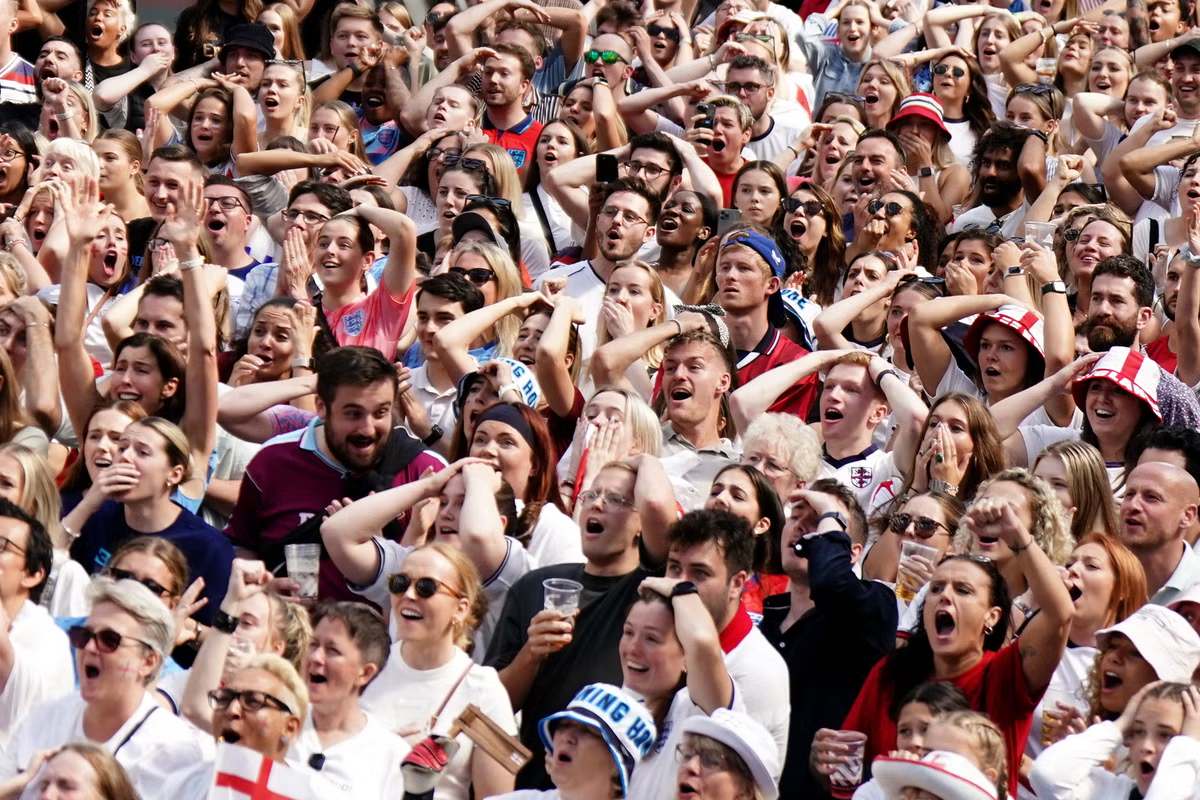
England fans will be keen to follow the Three Lions’ progress despite time differences (PA)
Of course, you do have to factor in the time difference, with the kinder kick-off times including slots at 6pm BST and 8pm BST, while there are games throughout the night for UK viewers.
Here’s how you can watch every game at the 2026 World Cup on the BBC and ITV – and STV in Scotland.
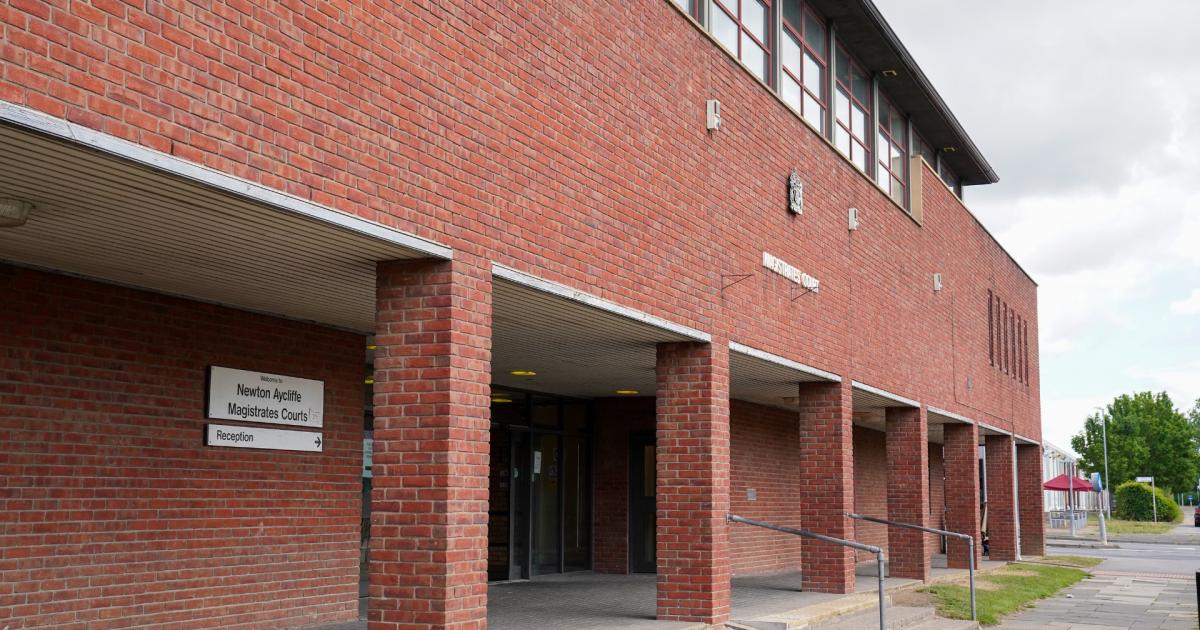
David Tilley was arrested near his home when the illicit goods were recovered from inside his Volkswagen car, Newton Aycliffe Magistrates’ Court heard.
The 43-year-old told officers the cocaine was for his own use and he had found the extendable baton while out walking his dog.
Marcus Blakelock, prosecuting, said the defendant maintained that he had put the weapon on the door pocket of his car with the intention of disposing of it but had forgotten about it.
Advertisement
Tilley, of Coniston Road, Ferryhill, pleaded guilty to possession of cocaine and possession of an offensive weapon when his car was searched on January 15, 2025.
Georgia Snowdon, mitigating, said her client had turned to using cocaine as he was having difficulties in his life at the time.
She said: “A lot was going on and he was relying on cocaine to take his mind off things.”
Miss Snowdon said Tilley suffered from post-traumatic stress disorder after losing his left arm in a road traffic accident.
Advertisement
David Thompson, the chairman of the magistrates’ bench, sentence Tilley to four months in prison suspended for 12 months.
The defendant was also ordered to attend ten rehabilitation activity days, made subject of a six-month drug rehabilitation requirement order and told to pay £234 in court costs
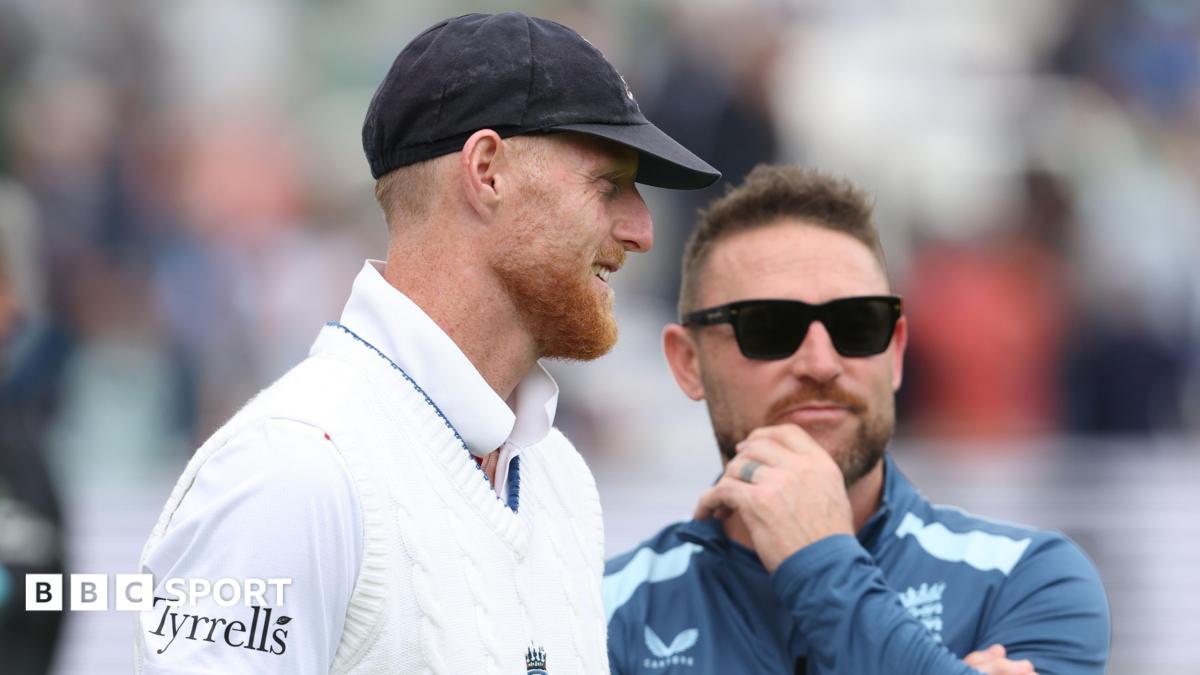
England head coach Brendon McCullum says he is ready to work with Ben Stokes when the captain returns for the third Test against New Zealand at Trent Bridge.
The results of the investigation are still to be confirmed, but McCullum has confirmed Stokes will return as captain, a position he has held since 2022, in Nottingham.
“Ben will be back,” said McCullum. “He’ll be back and he’ll be captain.”
Advertisement
Following a 4-1 Ashes series defeat that was dogged by off-field problems, both Stokes and McCullum denied their relationship had deteriorated in Australia.
Then, following England’s win in the first Test since the Ashes – against New Zealand at Lord’s – Stokes broke the team’s midnight curfew in celebrating the victory.
On his relationship with Stokes, McCullum told BBC Test Match Special: “You’re just trying to make sure you’re very communicative right throughout.
“We all got the same ambition, which is to make English cricket a very good team and to try to achieve results on the field, and that hasn’t changed.”
Advertisement
McCullum said he has spoken to Stokes “every day” since the nightclub incident, which occurred in the early hours of Monday, 8 June.
The New Zealander also confirmed England director of cricket Rob Key has visited Stokes this week.
U.S. and Iranian negotiators were in Switzerland on Sunday for talks on their interim agreement to end the Iran war. Pakistani and Qatari mediators were also at the scene for the technical-level discussions on resolving the conflict that began in late February.
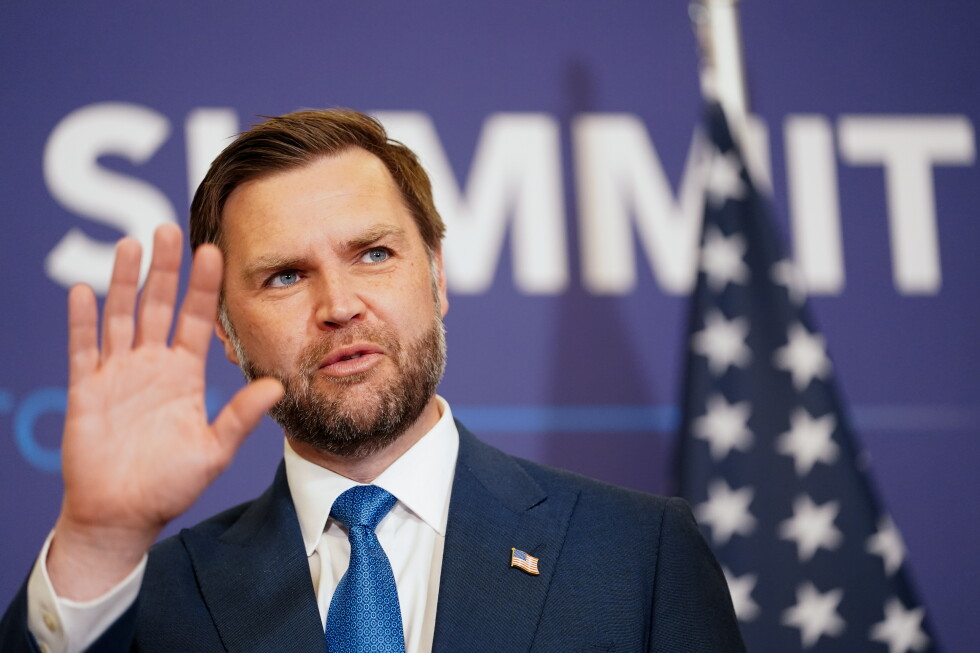
The U.S. team is led by Vice President JD Vance and includes Jared Kushner and Steve Witkoff. They will meet with Iranian negotiators led by Parliament Speaker Mohammad Bagher Qalibaf and Foreign Minister Abbas Araghchi.
On the eve of the talks, Tehran announced it has closed the Strait of Hormuz again over Israel’s ongoing military campaign in Lebanon. The interim deal between the U.S. and Iran is meant to stop fighting on all fronts, including Lebanon, as well as calling for billions of dollars of Iran’s assets to be unfrozen.
U.S. President Donald Trump has threatened to impose American tolls in the strait if a final deal with Iran isn’t reached in 60 days. The interim agreement calls for toll-free travel for 60 days in the waterway that is vital for the world’s oil supply.
Advertisement
Here is the latest:
Israel says it killed 2 militants in Gaza involved in Hamas’ financial arm
The Israeli military says it killed two militants who were involved in helping transfer up to half a billion dollars to Hamas. The military says the two — Hussein Qadra and Mohammed Farra, who worked with Hamas and the militant group Palestinian Islamic Jihad — were killed in a strike last week.
It said on Sunday that the men oversaw a network of couriers and money exchange spots in both Gaza and Turkey that funneled money towards Hamas militants and infrastructure.
Both men were killed on Wednesday and buried on Thursday, according to their families. Farra’s family said his father, mother and sister were killed in an Israeli strike earlier in the war.
Advertisement
The conflict in Gaza is not part of the U.S-Iran talks underway in Switzerland.
Pakistani team meets separately with US, Iranian delegations
Pakistan’s Prime Minister Shehbaz Sharif has separately met with JD Vance and with the Iranian delegation at the Bürgenstock Resort near Lucerne in Switzerland where the high-level talks are taking place.
Islamabad says Pakistan’s army chief, Field Marshal Asim Munir, accompanied Sharif at the meetings. It did not provide further details.
Sharif has repeatedly said Munir played a key role in brokering the memorandum of understanding between the U.S. and Iran.
Advertisement
A video released by Sharif’s office shows him warmly embracing Qalibaf, Iran’s parliament speaker, and Araghchi, Iran’s foreign minister, as Munir looks on.
The head of the UN nuclear watchdog is also at the scene of the talks
Rafael Grossi, chief of the U.N. nuclear watchdog — the International Atomic Energy Agency — met with Swiss Foreign Minister Ignazio Cassis on the sidelines of the gathering at the picturesque mountainside resort near Lake Lucerne on Sunday morning.
The agency had monitored the 2015 nuclear deal negotiated between the U.S. and Iran under the Obama administration.
Trump in 2018 withdrew the U.S. from that agreement.
Advertisement
Talks in Switzerland will focus on the Israel-Hezbollah war, Iran says
Iran’s Foreign Ministry spokesman Esmail Baghaei says Tehran will mainly focus during the talks on Sunday on the ongoing fighting in Lebanon.
Tehran insists that the deal’s implementation start with a cessation of all fighting — including between Israel and Hezbollah.
Iran will meet in the morning with Pakistani and Qatari mediators, and in the afternoon, there will be a four-way meeting including the U.S. negotiating team. There is currently only one day of negotiations planned, Baghaei told the state news agency.
Advertisement
Sign up for Morning Wire:
Our flagship newsletter breaks down the biggest headlines of the day.
Advertisement
“The implementation of any document is more important than its signing,” Baghaei also said Sunday.
Iran’s president has said that Iran will maintain its right to a nuclear program.
Advertisement
“What is certain is that we will never back down from the right to enrich uranium, and the other side is also forced to accept it,” Masoud Pezeshkian said on Sunday, according to state media.
A temporary lull in Israeli strikes in Lebanon
As the U.S.-Iran talks were to kick off in Switzerland, a ceasefire appears to be holding in Lebanon, a lull that came after another day of heavy fighting.
Since the ceasefire, Israeli strikes on Friday and Saturday killed 97 people, including eight women and four children, Lebanese officials said. Five Israeli soldiers were also killed.
Israel says it targeted Hezbollah infrastructure on Saturday, including a tunnel network in the southern Lebanese town of Kfar Tebnit.
Advertisement
But by Sunday morning, residents in southern Lebanon reported a lull in Israeli strikes. There also were no reports of Hezbollah fire from the Israeli side.
Israel’s military has received instructions to uphold the ceasefire, and said it is only acting defensively, according to an Israeli military official who spoke on condition of anonymity in line with military guidelines.
—Melanie Lidman in Tel Aviv, Israel
Pakistani mediators also in place in Switzerland
Pakistani Prime Minister Shehbaz Sharif and army chief Field Marshal Asim Munir are also in Switzerland for the high-level U.S.-Iran talks, the prime minister’s office said without providing further details.
Advertisement
The technical-level talks at Bürgenstock Resort near the Swiss city of Lucerne are being held after Sharif dispatched his special envoy, Interior Minister Mohsin Naqvi, to Tehran to persuade Iranian authorities to send a delegation to Switzerland. The meeting was originally scheduled for Friday but was delayed because of concerns raised by Iran.
Naqvi later informed Islamabad that Iran was willing to attend the talks. Pakistan subsequently conveyed the development to Washington.
Strait of Hormuz is once again a challenge
The strait has emerged as a key focus, with Iran’s joint military command saying on Saturday that it was closed again because of the U.S. “clear breach of its commitments” by failing to end the war. The interim deal is meant to stop fighting on all fronts, including in Lebanon where Israeli forces are battling the militant Hezbollah group.
The U.S. disputed Iran’s announcement, with the U.S. Central Command saying that traffic continues to flow and that 55 merchant ships transited on Saturday with more than 17 million barrels of oil.
Advertisement
Ships began transiting after the interim U.S.-Iran agreement was signed last week. The U.S. lifted its blockade of Iran’s ports and now allows Tehran to sell its oil freely — terms that have left some in U.S. Congress asking whether the war was worth it.
The interim deal signed by Trump and Iranian President Masoud Pezeshkian gives negotiators 60 days to reach a nuclear agreement, but the time can be extended.
The debate surrounding Roberto Martinez’s side remains the same: will he, or Portugal ever drop 41-year-old Cristiano Ronaldo?
After the No7 was criticised for robbing Bruno Fernandes of a goalscoring opportunity, Thierry Henry said: “The team needs to score, not you”.
Uzbekistan will feel confident of their chances despite a defeat to Colombia. Manchester City defender Abdukodir Khusanov will be tasked to shackle Ronaldo.
Advertisement
Date, kick-off time and venue
Portugal vs Uzbekistan is scheduled for a 6pm BST kick-off on Tuesday, June 23, 2026.
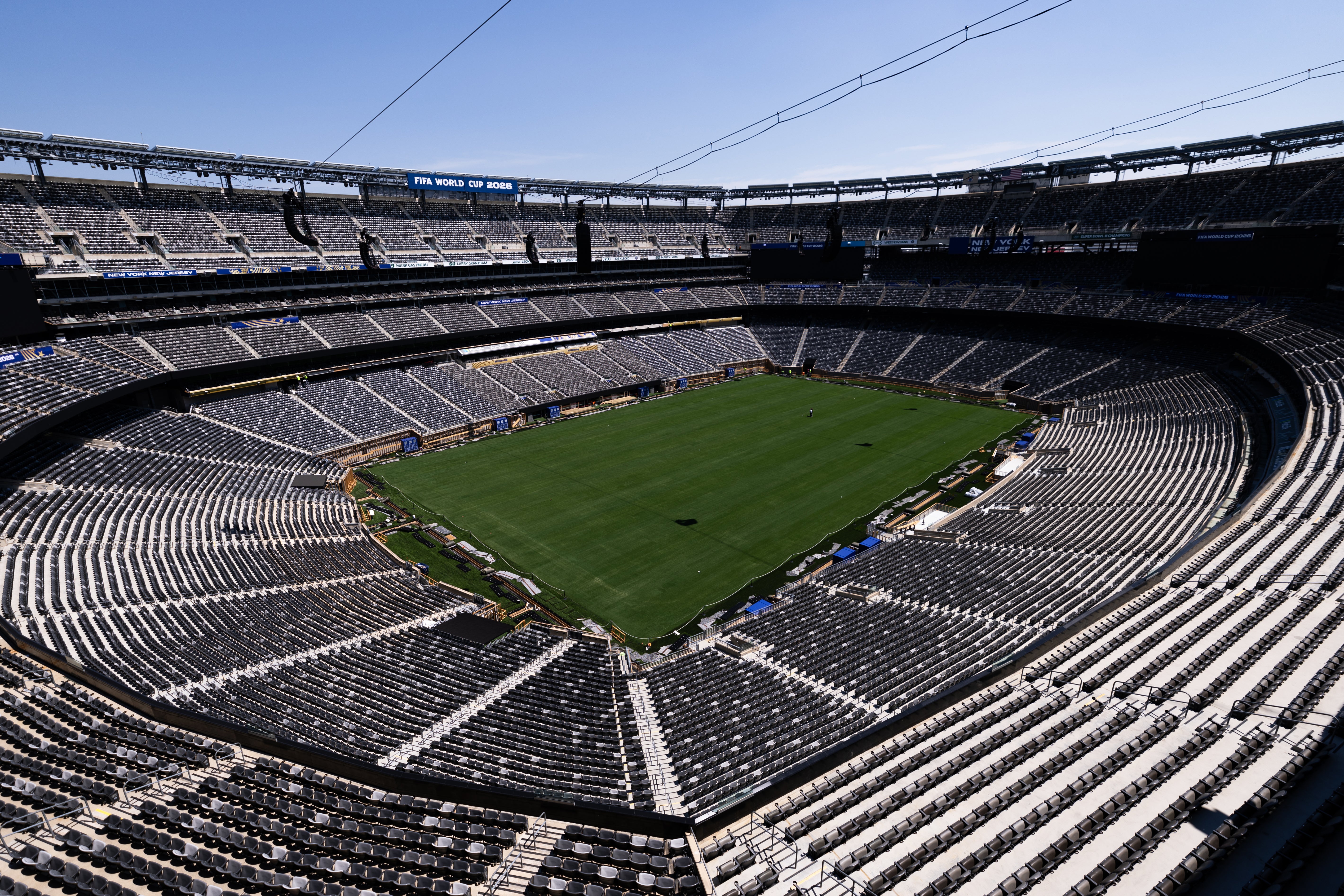
The match will take place at the NRG Stadium in Houston, Texas.
Where to watch Portugal vs Uzbekistan for FREE
Advertisement
TV channel: In the UK, the game will be televised live on ITV1, with coverage starting at 5pm BST.
Live stream: UK viewers can also catch the contest live online via ITVX app or the channel’s website.
Live blog: You can follow all the action on matchday via Standard Sport’s live blog.
Free highlights: World Cup highlights are available on FIFA’s official YouTube channel, along with ITVX app and their websites.
Advertisement
Portugal vs Uzbekistan team news
All the talk about the Portugal squad surrounds Ronaldo, but this does a disservice to their other talents: Fernandes, Vitinha, Neves and new Real Madrid signing Bernardo Silva form the tournament’s best midfield.
Ruben Dias was a notable absentee from the starting XI in their opener, with Martinez revealing the Manchester City was “not 100% fit”.
Portugal squad: Diogo Costa, Jose Sa, Rui Silva, Ricardo Velho, Diogo Dalot, Matheus Nunes, Ruben Dias, Nelson Semedo, Joao Cancelo, Nuno Mendes, Goncalo Inacio, Renato Veiga, Tomas Araujo, Ruben Neves, Samu Costa, Joao Neves, Vitinha, Bruno Fernandes, Bernardo Silva, Cristiano Ronaldo, Joao Felix, Francisco Trincao, Francisco Conceicao, Pedro Neto, Rafael Leao, Goncalo Guedes, Goncalo Ramos
Advertisement
Khusanov, 21, is Uzbekistan’s leading light after his £40m move to City last year, while their goalscorer against Colombia, Abbosbek Fayzullaev can threaten the A Selecao’s backline.
But it’s Uzbek veteran Eldor Shomorudov who is the real dangerman here: Shomorudov has 44 goals in 93 caps for his country. If he finds his shooting boots here the debutants could cause another upset.
With such a strong midfield, Portugal should be able to dictate play against almost any team in the tournament, but against DR Congo their only shot on target was Neves’ early header – clearly it’s not leading into enough attacks.
Will that change with this game? CR7 will be up front again, so I’m not sure it will.
But Uzbekistan lack pedigree at this level, and a single goal could decide it.
Head to head (h2h) history and results
Advertisement
The two sides have never played each other before.
Portugal vs Uzbekistan match odds
We aim to offer every online gambler and reader of The Standard a safe and fair platform through unbiased reviews and offers from the UK’s best online gambling companies.
Gambling can be addictive, always play responsibly and only bet what you can afford to lose. Gambling sites have a number of tools to assist you to stay in control, including deposit limits and time outs. If you think you have a problem, advice and support is available for you now from BeGambleAware or Gamcare.
Advertisement
Any offers or odds listed in this article are correct at the time of publication but are subject to change. Terms & Conditions apply to all offers.
Network Rail said it would be a ‘complex recovery operation’
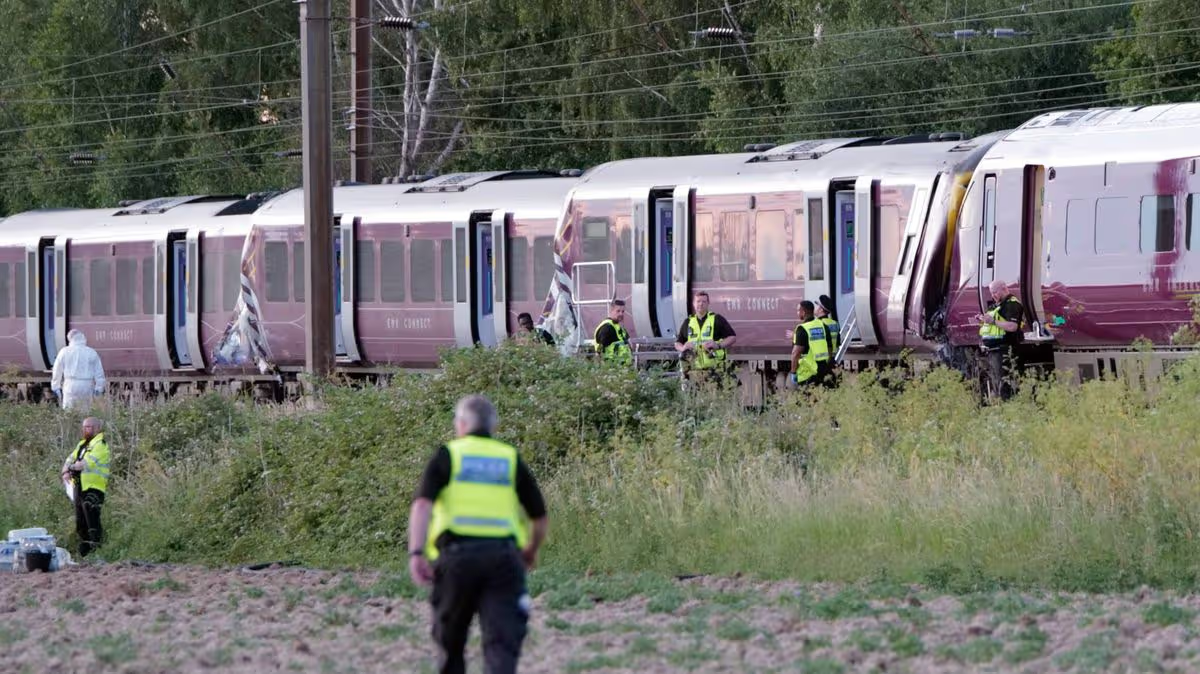
The fatal train crash near Bedford was a “tragic, isolated incident”, Network Rail has said, as it announced that rail services will be disrupted until June 28 while a “complex recovery operation” to remove the damaged trains and carriages from the track continued.
Advertisement
The collision, which killed a train driver and left 100 others injured, involved two East Midlands Railway (EMR) trains – with one smashing into the back of the other on the same line shortly after 5pm on Friday.
On Sunday, Network Rail said a “complex recovery operation” to remove the damaged trains and carriages from the railway had begun.
Click here to get the biggest stories straight to your inbox in our Daily Newsletter
Engineers will then need to assess the damage and complete repairs.
Advertisement
Rail passengers have been warned to expect disruption to services to and from Bedford for another week, and were urged to only travel if it is “absolutely necessary”.
There will be no services north of Luton on the busy commuter Thameslink line and no EMR services south of Bedford, with a limited rail replacement bus service in operation between Luton and Bedford, Network Rail said.
British Transport Police said more than 80 people were treated in hospital on Friday night, and as of Saturday morning 28 remained in hospital, with nine in a critical condition.
Of the 100 victims, 11 people were very seriously injured, a further 32 were seriously hurt and 57 others suffered minor injuries, the East of England Ambulance Service (EEAS) said.
Advertisement
“While investigations are still at an early stage, current indications are that this was a tragic, isolated incident,” said Ellie Burrows, Network Rail Eastern regional managing director.
“We are focused on the safe reopening of the railway and getting services running as quickly as possible.
“During this time, our message to passengers is clear – please expect disruption to services through this area for the majority of next week and only travel if absolutely necessary.”











































You must be logged in to post a comment Login