

Connect with us

NewsBeat

At least 22 people killed in a landslide in capital of Guinea, officials say

Published

on

Jury says The New York Times defamed Alabama player

CONAKRY, Guinea (AP) — A mountainous heap of refuse collapsed at the largest landfill in Guinea ‘s capital Conakry early Sunday killing at least 22 people, according to a provisional toll by the country’s civil protection service.

Heavy rains, which started at around 3 a.m. washed over the refuse at Dar Es Salam, triggering a landslide that buried nearby shacks. A search and rescue operation was underway to find survivors.

The site had been designated for closure on Sunday, according to Lt. Col. Baldé Mamadou Bailo, the sanitation officer for the military engineering battalion.

Locals living around the landfill had been given eviction notices, which forced many to vacate the area, but many were still around at the time of the disaster, according to authorities.

Advertisement

“We will ensure that the remaining families are relocated elsewhere,” said Dienabou Touré, the minister of territorial administration and decentralization, at the scene.

Source link

Advertisement
Continue Reading
Click to comment

You must be logged in to post a comment Login

Leave a Reply

NewsBeat

The National Grid collapses, Britain goes dark… chaos is unleashed: Nightmare scenario that Britain’s Net Zero obsession is pushing us ever closer to, by energy expert KATHRYN PORTER

Published

on

Wind turbines stand next to a solar farm near the Anglesey village of Rhosgoch in Wales

Imagine this. At 8.37pm tonight, as one section of the national grid is hit by a sharp imbalance between electricity supply and demand, the entire network starts to go down. One piece topples the next, like dominoes.

The country goes dark. The lights switch off in every home and business. Airports, hospitals and other essential utilities scramble to switch to back-up generators.

Trains and lifts judder to a halt. Mobile phone transmitter towers switch to battery and back-up power, but networks rapidly become congested and coverage progressively deteriorates.

Firefighters struggling to contain wildfires across the country face catastrophic disruption as computer systems and terrestrial communications fail or become overloaded.

Advertisement

Emergency service radio networks and satellite phones continue to function at first, but communications become increasingly difficult as back-up systems are stretched, batteries run down and generators exhaust their fuel.

With the blazes spreading, the services find it harder to establish which towns and villages are most in danger. Orderly evacuation becomes impossible, with confusion and panic spreading in the worst-affected areas.

By 10pm, with millions of homes in complete darkness, the risk of house fires begins to rise as people turn to candles, camping stoves, barbecues, portable generators and improvised methods of cooking and lighting.

Because fire crews are already stretched beyond capacity, some fires cannot be reached quickly and spread rapidly.

Advertisement

Wind turbines stand next to a solar farm near the Anglesey village of Rhosgoch in Wales

Road accidents increase as traffic lights, street lighting and electronic road signs fail. Police and safety crews are slower to respond because communications are degraded and roads obstructed, meaning some minor incidents develop into more serious collisions and create congestion.

With roads blocked and petrol stations unable to supply fuel because the pumps need electricity, thousands of drivers are stranded, spending the night in their cars or at the roadside, many without water, unable to tell loved ones what is happening.

Advertisement

By morning, the streets are crowded with people demanding to know what’s going on. The absence of internet, wifi and reliable phone signals stokes the confusion. Sporadic rioting breaks out, forcing the government to consider deploying the Army.

And this is just the first 12 hours.

Recent warnings from whistleblowers inside the National Energy System Operator (Neso) – which is responsible for the operation of the national grid – suggest that restoring the system after a total shutdown like this would be neither quick nor straightforward.

Although parts of the country might be ‘re-energised’ quickly, a complete restoration could take days, with some areas potentially without power for much longer.

Advertisement

Of course, all this hasn’t happened – yet. But the truth is that the national grid is more fragile than at any time since privatisation in 1990.

On Monday, it emerged that Neso would like to operate the grid with reduced levels of ‘inertia’, the kinetic energy stored in the spinning components of generators that carry on revolving even in the event of them losing power.

This move is designed to save £96million a year and help the government hit its Net Zero targets. But I consider this to be a very dangerous proposal as it will increase the possibility of blackouts – and I wrote to Ofgem last year to object to it.

The national grid is already under strain thanks to the ongoing heatwave. It was last month forced to halt exports to certain European neighbours via four of its ten interconnector cables for several hours.

Advertisement

This incident followed an even more serious event the month before. The gravity of the situation was highlighted by Conservative shadow energy secretary Claire Coutinho, who told MPs in early July that whistleblowers claimed Britain had narrowly avoided a ‘blackout’ on June 23 as temperatures reached 34C (93F).

Kathryn Porter, an energy consultant and founder of Watt-Logic, says she wrote to Ofgem last year to oppose the plan to operate the grid with reduced levels of ¿inertia¿

Kathryn Porter, an energy consultant and founder of Watt-Logic, says she wrote to Ofgem last year to oppose the plan to operate the grid with reduced levels of ‘inertia’

Dawn breaks over a dark London skyline in 2021 ¿ Kathryn says if millions of homes were in complete darkness due to a blackout, 'the risk of house fires' would rise

Dawn breaks over a dark London skyline in 2021 – Kathryn says if millions of homes were in complete darkness due to a blackout, ‘the risk of house fires’ would rise

No one in a senior post at Neso wants to admit the scale of the looming crisis. Doing so would invite hard questions about senior management decisions and the adequacy of the systems on which the country relies.

Advertisement

Thanks to successive governments’ obsession with Net Zero, Britain’s approach to power generation has been transformed out of all recognition in a few short years.

When the Climate Change Act was passed in 2008, around four-fifths of our electricity came from fossil fuels. Fast forward 18 years and we have no coal-fired power stations at all, with the closure of the final plant – Ratcliffe-on-Soar Power Station in Nottinghamshire – bringing to an end 140 years of coal-fired electricity generation on September 30, 2024.

But while renewables are now responsible for 47 per cent of our domestic electricity production, gas remains a vital power source as it is impossible to predict with any great accuracy when the sun will shine and the wind will blow.

Indeed, Neso missed its target of running the electricity network for at least 30 minutes in 2025 without any fossil fuels. Yes, you read that correctly: renewables are incapable of meeting our power needs for even half an hour in a single year.

Advertisement

Our supply difficulties were made worse last year by the fact that, after years of decline, there was a 1 per cent rise in UK electricity demand in 2025, driven by cold weather and some recovery from the demand destruction caused by the 2022-23 energy crisis.

We also import far more of our electricity than at any time in our history – 14 per cent in 2025 compared with around 1 per cent in 2008.

And therein lies the problem. Our biggest sources of imported electricity are two countries experiencing generation problems of their own.

France, which has more nuclear power stations than any other European country, faces shutdowns due to age-related defects, with the French nuclear regulator warning of further risks as time goes on.

Advertisement

Meanwhile, Norway – which relies on a network of 1,100 reservoirs and 1,700 hydroelectric power stations to produce 90 per cent of its power – is suffering from a shortage of water.

As a result, both may be forced to restrict exports.

An electricity pylon surrounded by dark clouds – Britain's towns and cities are linked by 4,500 miles of overhead power lines supported by pylons

An electricity pylon surrounded by dark clouds – Britain’s towns and cities are linked by 4,500 miles of overhead power lines supported by pylons

The other countries which export to us rely, as we do, on wind and solar and – as we share similar weather – can experience shortages when we do. With low European gas stocks heading into this winter, there are real concerns about the availability of electricity for export in these countries.

Advertisement

When Claire Coutinho attempted to raise the alarm in Parliament last month, the then Energy Secretary Ed Miliband accused her of scaremongering.

The reality is that, if anything, she was understating the peril we face. It’s no exaggeration to say our electricity system increasingly runs on hope and blind optimism.

This is because Neso’s engineers have no way of knowing how much solar energy is entering the system at any one time.

Britain’s towns and cities are linked by 4,500 miles of overhead power lines supported by pylons and around 900 miles of underground cables, and this high-voltage grid moves electricity at tens or hundreds of thousands of volts.

Advertisement

It’s a highly efficient way of sending electricity across country but impractical and dangerous for use in the home, where most appliances require a 230-volt supply.

And so the power first passes through a series of substations where transformers reduce the voltage to standard household levels.

However, electricity from most solar panels flows directly into the low voltage grid that feeds homes and businesses, which makes it very difficult for Neso engineers – who operate the high-voltage grid – to plan around it.

In effect, they have to guess how much is entering the system. To make matters worse, the software the engineers use to balance the grid was written back in the 1980s and is increasingly unreliable.

Advertisement

Just this week the entire balancing software failed, forcing engineers to revert to the use of spreadsheets and telephone instructions to hundreds of power stations in order to keep the grid running.

Because, absurdly, the software they use to balance the grid was written back in the 1980s.

The Houses of Parliament in central London sit in darkness after the lights were switched off for Earth Hour on March 29, 2014

The Houses of Parliament in central London sit in darkness after the lights were switched off for Earth Hour on March 29, 2014

To the casual eye it looks more like Ceefax, the BBC’s long-discontinued precursor to online news, than a modern operating system for a crucial national resource.

Advertisement

Unable to see where demand is rising or falling, they are – as one whistleblower told The Mail on Sunday recently – ‘flying blind’.

It also emerged this week that hundreds of power stations had their meters installed backwards, so they look as if they are using electricity instead of generating it. That Neso didn’t identify these problems during commissioning testing is astonishing.

In a fundamentally flawed system, this Heath Robinson approach goes only so far. Sometimes more drastic measures are called for. And on June 23 this year, as we have seen, the grid reached a crisis point.

Leaked reports from Neso insiders revealed that, as the summer heatwave pushed temperatures above 34C (93F), a spike in demand to power fans and air conditioning systems created a perfect storm.

Advertisement

As solar generation dropped steeply in the early evening and wind generation slumped to near zero, several gas-fired power stations suffered unexpected outages.

This led to grid conditions that exceeded safe operating limits for extended periods and NESO went into panic mode.

At the time, it was exporting electricity to the Netherlands through its cross-border cable but, in its desperation to bring the grid back into balance, Neso fell back on emergency protocols and abruptly halted those exports.

This was done without warning and without the prior agreement of the Dutch operator TenneT. And it still wasn’t enough to rectify the problem.

Advertisement

And so Neso decided it needed to stop sending electricity to the French, too. Given France’s status as a net exporter of power to this country, however, they had the sense to ask nicely before flicking the ‘off’ switch.

Such disruptions of service are far from ideal in a world where the exchange of energy between nations is vital to maintain a constant supply of electricity.

All this indicates that Neso didn’t see this crisis coming. It’s clear that they weren’t prepared for a shortfall of such proportions until it hit them – and then they started making increasingly drastic decisions.

Incredibly, inside sources say these decisions were influenced by Neso’s corporate affairs team, which was apparently keen to avoid any grid-stabilising actions that might involve rationing, with all the reputational damage that would involve.

Advertisement

Neso has since confirmed that its PR team was present in the control room as the events of June 23 unfolded but says it was just one source of ‘input’ into operational decisions.

Despite the accounts given by whistleblowers, Neso now claims there was no real crisis on June 23. Such a reaction does not instil confidence. If Neso flatly refuses to admit the problem exists, it’s bound to re-occur.

And next time we might not be so lucky. Nationwide blackouts could become a familiar reality.

Two of our European neighbours know just how calamitous a full electricity shutdown can be. In April last year, both Spain and Portugal lost power, with the outage lasting for 16 hours in some regions.

Advertisement

Officially, the incident caused eight deaths, including several people who suffocated after their mechanical ventilators shut off.

Three other victims died from carbon-monoxide poisoning as faulty generators pumped out the lethal gas, and one person perished in a house fire caused by a candle.

However, a subsequent study estimated that the toll was far higher, with 165 ‘excess deaths’ over two days attributed to the blackout, most likely from falls, delays to treatment and other causes.

The European regulator ENTSO-E described it as ‘the most severe and unprecedented blackout that had occurred in Europe in the past 20 years’.

Advertisement

Fortunately, the blackout occurred during benign weather. Many more people could have died if it had happened in the middle of winter or during a heatwave because – without electricity – heating and cooling systems generally won’t function.

And a resumption of power supply is not straightforward. In Britain, getting the lights back on once power is restored is a major undertaking, as it involves using a seat-of-the-pants method known as a ‘black start’ that has never been fully tested.

When a power station has been offline for maintenance, it is usually restarted using power from the national grid. But this isn’t an option when the whole grid is down.

In a black-start situation, some large power stations use diesel generators to get going. They then have to trickle just enough power to the grid to energise other power stations until enough generation is available on the high-voltage grid to meet expected demand on the low-voltage grids.

Advertisement

But if that demand is not estimated correctly, not only would the grid immediately trip off, but some equipment could be overloaded and break.

For that to happen after the country has already been in a nationwide blackout for days would be catastrophic.

Little wonder that the mood among national grid engineers is close to despair. In a letter to The Mail on Sunday last month they literally begged the public for help in persuading Ofgem to investigate their fears over grid security.

Given that almost every aspect of modern life is reliant on electricity, maintaining a safe, robust national grid ought to be a top priority. Instead, we have become dangerously complacent.

Advertisement

Britain is living with an unimaginable risk, yet most people know nothing about it, and the government doesn’t seem to want to know.

When we are finally forced to face reality, it will be too late.

Kathryn Porter is an energy consultant and founder of Watt-Logic

Source link

Advertisement
Continue Reading

NewsBeat

Sugary treats could fuel bowel, liver and lung cancers, major study suggests

Published

on

Toddlers who eat more sugar could be at greater risk of five major types of cancer in later life, a study has suggested

Toddlers who eat sugary treats could be at greater risk of five major types of cancer in later life, a study has suggested.

Researchers found children born during wartime, when sugar rationing was in place, were 69 per cent less likely to develop liver cancer, and 40 per cent less likely to get bowel cancer, compared to those born after restrictions were lifted.

They also went on to have healthier diets, which could protect against conditions like obesity, and a younger biological age – the term for damage to the body over time.

‘Children may not remember what they ate before age two,’ Dr Weilong Zhang, a professor of economics at the University of Cambridge and a co-author of the study, wrote in The Conversation.  

Advertisement

‘But their later health, their bodies and even their taste preferences may still carry the imprint of those very early-life experiences.’

With scientists from China Agricultural University, Dr Zhang analysed data from 64,000 Britons born between 1951 and 1956 – either side of the rationing which ended in September 1953.

During the restrictions Britons consumed around 41g of sugar per day – around as much as is found in a 330ml can of Coca Cola. 

After rationing, however, intake doubled to 80g.

Advertisement

Toddlers who eat more sugar could be at greater risk of five major types of cancer in later life, a study has suggested

This acted as what researchers dubbed a rare ‘natural experiment’, as kids born just months apart may have had vastly different sugar intakes during their early years.

Dr Zhang told the Daily Mail that, while they could not measure exactly how much sugar children consumed after rationing ended, it would have been ‘substantially more’ than before.

Advertisement

The researchers focused on the 1,000 days from conception until a child’s second birthday, as this is when organs and the immune system are developing, and when food preferences begin to form.

Their findings – published in the Proceedings of the National Academy of Sciences journal – found that those who spent longer under the rationing were at lower risk of breast, prostate, liver, rectal and lung cancer decades later.

Liver cancer risk – including intrahepatic bile duct cancer – was found to be 69 per cent lower for the rationed group.

Around 7,000 people are diagnosed with liver cancer each year, which kills more than 90 per cent of its patients within a decade.

Advertisement

The study found that those who consumed less sugar were also at a 52 per cent lower risk of prostate cancer, the most common type of the disease among men, with 64,000 diagnoses every year – around one in every eight.

Prostate cancer kills more than 12,000 every year.

There was a 41 per cent lower risk of lung cancer for the group who ate less sugar, the researchers also found.

Lung cancer is the deadliest in the UK, causing around 33,000 deaths every year. 

Advertisement

Meanwhile, rectal cancer – a type of bowel cancer that starts in the rectum – was at a 40 per cent lower risk.

The findings come amid a backdrop of soaring rates of bowel cancer in the UK, particularly among under 50s.

There are more than 48,200 cases of the disease in Britain every year, and it is being diagnosed among 25 to 49-year-olds at a 50 per cent higher rate than in the mid 1990s.

Dr Zhang said that the findings do not mean higher sugar intake is behind this rise.

Advertisement

But, he says the findings ‘suggest dietary exposure very early in life may be one factor that influences bowel, and particularly rectal, cancer risk many decades later’.

Breast cancer was found to be at a 36 per cent lower rate in the new study, which was the smallest among the five but a result Dr Zhang said was ‘still substantial’.

There are around 60,000 new breast cancer diagnoses every year in the UK, and 11,200 deaths. 

The researchers said the differences in cancer risk were only discovered decades after sugar rationing had ended, suggesting the health consequences of early-life sugar intake may take years to become clear.

Advertisement

Dr Zhang said their study also found that those exposed to more sugar in early life were at a higher risk of biological ageing. 

Biological age is important because it shows the so-called ‘wear and tear’ to the body.

Two people may look visibly similar at 60, for example, but their cells and immune systems can show different signs of ageing.

The study found that those who consumed less sugar had around 2.2 fewer years of biological ageing.

Advertisement

This means their body was younger than the people who ate more sugar, and suggests they could be better-protected against diseases that come with age. 

Furthermore, the researchers discovered that early sugar intake affected people’s diet choices even decades later.

‘We found that people who experienced sugar rationing early in life still consumed less sugar in adulthood, around age 50,’ Dr Zhang said.

‘They also ate less overall, and their diets were healthier and more diverse. This suggests that the level of sweetness people are exposed to very early in life may shape their taste preferences for a long time.’

Advertisement

A healthier diet has been linked to fewer complications such as obesity, which can increase the risk of dangerous conditions like type 2 diabetes, heart disease and stroke.

The findings follow separate research that linked low early-life sugar intake to lower risks of conditions like diabetes, high blood pressure, cardiovascular disease and dementia.

Source link

Advertisement
Continue Reading

NewsBeat

All the things you didn’t know about cult classic John Tucker Must Die – from a cheating scandal that rocked the cast to plans for a sequel – as film marks its 20th anniversary

Published

on

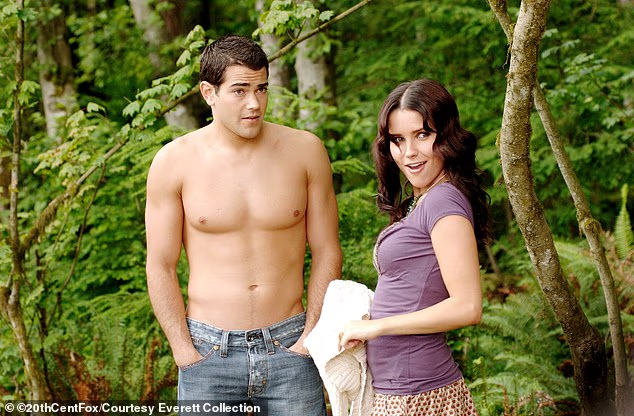
It's one of the great American teen comedy films. And this August marks 20 years since John Tucker Must Die was released (Jesse Metcalfe and Sophia Bush seen in the movie)

It’s one of the great American teen comedy films.

And this August marks 20 years since John Tucker Must Die was released and we fell in love with characters Heather (Ashanti), Beth (Sophia Bush) Carrie (Arielle Kebbel) and Kate (Brittany Snow).

The story follows three ex-girlfriends – played by Kebbel, Bush and Ashanti – who set up the title character John (Jesse Metcalfe), a serial cheater, to fall for the new girl in town, played by Brittany Snow, so they can show him how it feels to have his heart broken.

In spite of lacklustre reviews, the romcom made nearly $70million worldwide at the box office and has become a cult classic. 

Advertisement

But there’s plenty of facts from the film that you might not know:

It’s one of the great American teen comedy films. And this August marks 20 years since John Tucker Must Die was released (Jesse Metcalfe and Sophia Bush seen in the movie)

Viewers fell in love with characters Heather (Ashanti), Beth (Sophia Bush) Carrie (Arielle Kebbel) and Kate (Brittany Snow)

Viewers fell in love with characters Heather (Ashanti), Beth (Sophia Bush) Carrie (Arielle Kebbel) and Kate (Brittany Snow)

Advertisement

First up – Jesse was actually cast in the film before any of the women were and they then worked around him.

‘I had a little bit of input as to who they cast – not a lot, but a little bit,’ the actor shared with E! News in 2006.

‘It was tough to cut anybody. I mean, I didn’t really have that much power where I could say, “No, I don’t want her in the movie,” but they definitely took my suggestions into consideration.’

For the final casting decision, he said, ‘I think they really did a great job putting together a really all-star young, hot cast.’

Advertisement

Desperate Housewives star Jesse, now 47, watched teen comedies Ferris Bueller’s Day Off and Can’t Buy Me Love in order to prepare for his role as John.

But he has said in the past that when he was at high school he was nothing like his popular lothario character in the film – noting that he was a bit of a ‘loner’. 

He added that he actually related more to his brother’s character in the film – played by Penn Badgley – who was quieter and went under the radar. 

Penn went on to star as Dan in Gossip Girl and become a huge Hollywood actor, recently appearing as protagonist Joe Goldberg in Netflix series You.

Advertisement

In terms of the four main girls – the actresses have all spoken over the years about how close they became during filming and remained friends.

Sophia said after filming: ‘These girls, I couldn’t get through a month without talking to them if I tried.

‘And we all, whether it was amazing things or not-so-great things, we all had a lot going last summer and we all pulled each other through a lot. And I knew that there was something to it when, at 4am, if one of us was having a problem we could call the other and we’d all end up sleeping in each other’s beds all the time. 

Back in 2024 it was reported that John Tucker Must Die may be getting a sequel (Sophia, Jesse and Arielle reuniting at Epics Con in Chicago)

Back in 2024 it was reported that John Tucker Must Die may be getting a sequel (Sophia, Jesse and Arielle reuniting at Epics Con in Chicago)

Advertisement
In spite of lacklustre reviews, the romcom made nearly $70million worldwide at the box office and has become a cult classic

In spite of lacklustre reviews, the romcom made nearly $70million worldwide at the box office and has become a cult classic

Penn (seen left with Brittany) went on to star as Dan in Gossip Girl and become a huge Hollywood actor, recently appearing as protagonist Joe Goldberg in Netflix series You

Penn (seen left with Brittany) went on to star as Dan in Gossip Girl and become a huge Hollywood actor, recently appearing as protagonist Joe Goldberg in Netflix series You

‘It was sleep-away camp, it was slumber party time, it was incredible and fun.’

She recalled one night during filming where they all hung out in Brittany’s room. 

Advertisement

Sophia said: ‘Brittany and I were on the couch and we’d ordered food and we’re chowing down, and Arielle’s over in the armchair and we’re all writing and she’s putting together a package, and Ashanti’s over sitting at the desk and she’s got her headphones on and she’s working on her new song.

‘And we’re jamming and we’re at that point where we weren’t even talking, we just wanted to be together. And I was like, this is what I have with my best girlfriends, and this is amazing.’

And mirroring the film’s storyline, Brittany actually found out that her boyfriend of two years had been cheating on her while they were filming and found support from her co-stars.

It was a busy time in all the women’s lives as during the filming of John Tucker Must Die, Sophia was also working on One Tree Hill and Ashanti was writing new music.

Advertisement

Another surprising fact from the film is that its director Betty Thomas is actually a famous actress herself.

She is famous for playing Phyllis Nefler’s archnemesis, Velda Plendor, in the 1989 classic Troop Beverly Hills. 

Her other filmmaking credits include The Brady Bunch Movie, Private Parts, Dr. Dolittle and 28 Days. 

Another star who made their film debut in John Tucker Must Die would go on to have an impressive career: Taylor Kitsch. 

Advertisement

He has a brief role in the film playing a neighbour who brings Kate’s hot mum Lori a moving-in gift.

Less than three months later, Friday Night Lights premiered and he became a global star. 

It’s clear that the cast have fond memories of their time filming the movie and some of them even kept certain bits from set.

Brittany kept the flowers that were in her hair during the romantic scene where John kissed Kate on a boat. 

Advertisement

She said of that day’s filming: ‘I told the hair and makeup lady that I wanted a fun up-do on the boat so it didn’t get messed up when it was windy,’ she told Us Weekly.

‘And she did this elaborate updo that’s so ridiculous! If you go back and watch the movie it’s like, “Why would Kate ever have that elaborate of a hairdo?” And she put flowers in my hair… so I think I still have those flowers somewhere.’

Back in 2024 it was reported that John Tucker Must Die may be getting a sequel.

At the time all the main stars said that they were up for the challenge.

Advertisement

‘I’ve heard rumors of this script – there’s a script,’ Jesse revealed during their panel at Epics Con in Chicago, according to People. ‘Apparently it’s amazing.’

‘I’d definitely love to be a part of it,’ the Divine Influencer actor added. ‘Can’t wait to read it.’

However, the project was shelved by the studio and is currently on pause. 

Source link

Advertisement
Continue Reading

NewsBeat

German politician dubbed ‘craziest councillor’ wants to turn city of Mannheim into ‘swinger’s paradise’ by hosting sex party at council building

Published

on

Julien Ferrat, 35, is the leader of the liberal Die Mannheimer (Citizens of Mannheim) party

Advertisement

A politician dubbed Germany‘s ‘craziest councillor’ has announced plans to host a sex party in his local City Hall. 

While most councillors are focused on fixing problems with traffic lights or bin collections, Julien Ferrat wants to turn the city of Mannheim into a ‘swinger’s paradise’.

But Mr Ferrat, the leader of the liberal Die Mannheimer (Citizens of Mannheim) party, is facing pushback from the local government, in which the largest party is the socially conservative Christian Democratic Union.

The 35-year-old is an eager swinger and nudist, who previously invited German citizens on an eight-day fact-finding trip to the naturist village in Cap d’Agde, southern France to spread the word about non-monogamy. 

Advertisement

That visit inspired him to try and turn his own city into a stopover destination for wife-swappers on their way to Cap d’Agde. 

‘For people in northern Germany or Scandinavia, Cap d’Agde is too far to reach in one day,’ he told The Metro. 

‘If they are looking for somewhere to stay, we can attract them to Mannheim. If we can attract more nudists and swingers it would be a good way to create more income for the city of Mannheim.’

Mr Ferrat says the town hall is ‘perfectly suited’ to a sex party and has so far secured 50 potential attendees to the saucy soiree. He plans to speak to them all individually to make sure they are genuine in their intentions. 

Advertisement

Julien Ferrat, 35, is the leader of the liberal Die Mannheimer (Citizens of Mannheim) party 

Ferrat was elected as a member of the city council in 2024, having previously served between 2014 and 2019

Ferrat was elected as a member of the city council in 2024, having previously served between 2014 and 2019

‘At the moment, the focus is on determining which of the citizens who contacted me are seriously interested,’ Mr Ferrat told The Telegraph.

Advertisement

‘Some of the 50 people who contacted me are part of the local swingers community, so they are ‘legit’. Some are people I don’t know yet. This week, I will start meeting the ‘unknown’ people in person.’

Home to around 330,000 people, Mannheim is a major industrial and university city in south-west Germany – and the birthplace of both the first gasoline-powered automobile and the precursor to the bicycle. 

There are an estimated 128,000 swingers in Germany and Mr Ferrat believes becoming a mecca for kinky travellers could provide the city with an economic boost.

His other goal in hosting the sex party is to challenge the taboos against swinging, he told the newspaper.   

Advertisement

However, his free love approach has not been warmly embraced by local civic leaders.  

‘Based on the rudimentary information available so far, there are considerable doubts about the admissibility and feasibility of the plans,’ a Mannheim city hall spokesman told German news outlet SWR. 

The city’s administration said he had not specified a date or a room, or explained how the proposed event related to his role as a member of the municipal council.  

Mr Ferrat was elected as a member of the city council in 2024, having previously served between 2014 and 2019. 

Advertisement

He was dubbed Germany’s ‘craziest councillor’ by the newspaper Die Zeit in 2017. On the party’s website he lists his key priorities as ‘combating rising rents, increasing security, and ensuring good healthcare’.

Advertisement

Source link

Advertisement
Continue Reading

NewsBeat

A66 crash: Tributes to five young men and teenagers killed in wrong-way crash with Cleveland police car

Published

on

A66 crash: Tributes to five young men and teenagers killed in wrong-way crash with Cleveland police car

Five teenagers and young men who died driving on the wrong side of the road in a crash which also killed two police officers have been named.

Makai Saddington, 18, Michael Robert Cahill, 23, Theo Rae, 17, Cole Robert Worthy, 17, and Jakub Matusiak, 23, were in a Volkswagen Passat which struck a police car in the early hours of Saturday.

Cleveland Police had launched a pursuit after spotting the VW acting “suspiciously”, the force said in the aftermath of the fatal crash.

Officers began following the car in South Bank, near Middlesbrough in Teesside, before it joined the A66 in the wrong direction.

Advertisement

Officers ended their pursuit, but just 10 seconds later the VW collided with an oncoming police armed response unit at 3.39am. The police car, which was travelling in the right direction, was not part of the pursuit.

Jakub Matusiak, Theo Rae, Michael Robert Cahill, Makai Saddington and Cole Robert Worthy were killed in the crash
Jakub Matusiak, Theo Rae, Michael Robert Cahill, Makai Saddington and Cole Robert Worthy were killed in the crash (Social Media)

No-one survived the collision, which is being investigated by the police watchdog.

Tributes have been paid to the “brave” officers, who were named as PC Matthew Blades, 37, and PC Tom Clough, 38, by Cleveland Police chief constable Victoria Fuller.

Friends and family of the teenagers and young men have also spoken of their heartbreak.

In a post on Facebook, Sharon Morgan said she had lost her “beloved nephew” Makai Saddington, aged 18, from Middlesbrough.

Advertisement

“There are no words that can truly express the pain of losing someone so young, so loved, and so full of life,” she wrote.

“You brought so much love and happiness into our family, and your memory will stay with us forever. This loss has left a space in our hearts that can never be filled. Rest peacefully, my beautiful nephew. You will never be forgotten.”

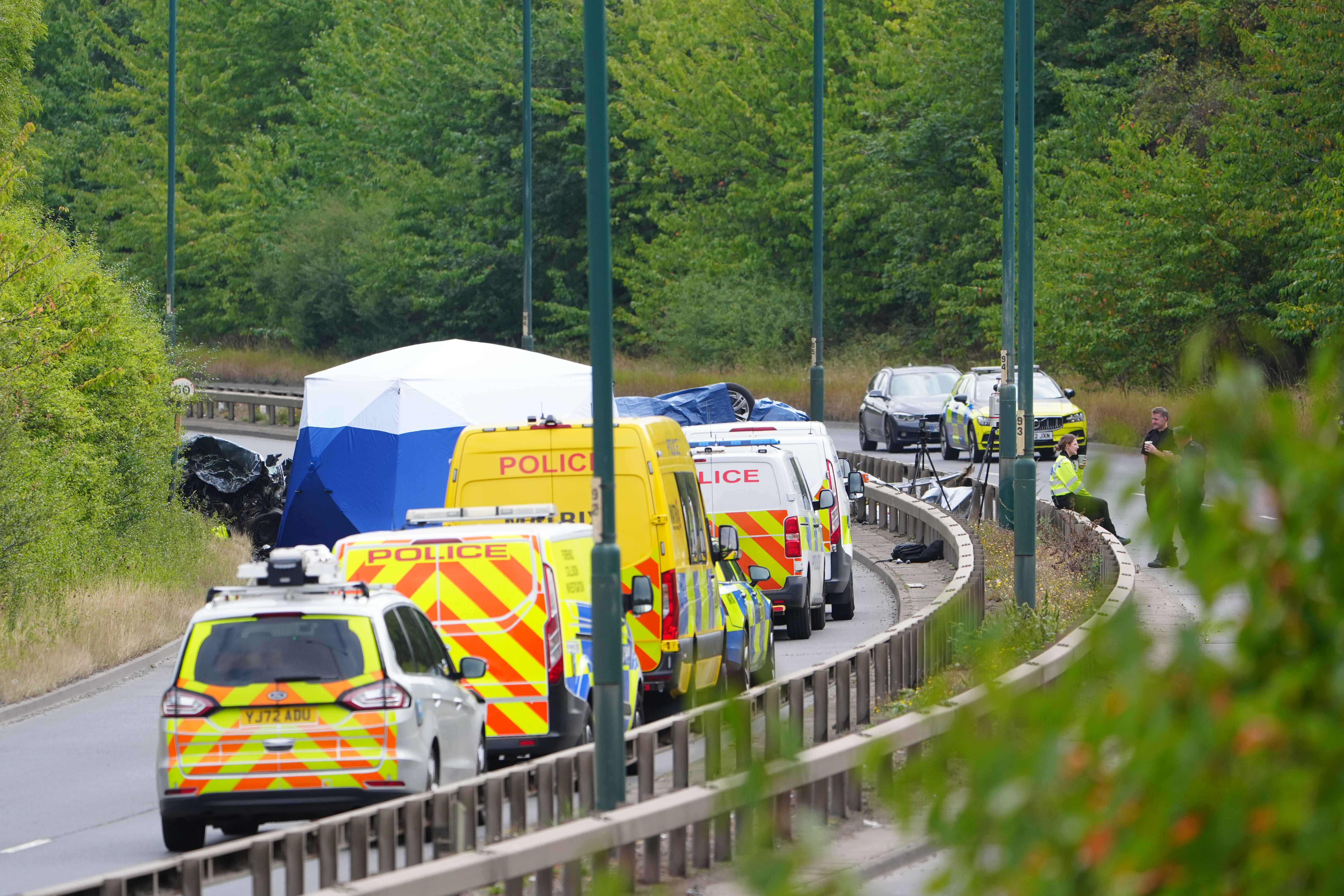
Police officers at the scene of a fatal crash on the A66
Police officers at the scene of a fatal crash on the A66 (PA Wire)

Grieving mother, Kelly Cahill, paid tribute to Michael Robert Cahill, adding: “Fly high my boy forever 23 go and be at peace with ya dad keep me a place up there till will we meet again.”

Ellie Webster, who described herself as a close friend of Theo Rae, said watching his family’s hearts being broken was one of the hardest things she had ever done.

“Theo Rae you’ve left so many people broken,” she said.

Advertisement

“I’m gunna miss your daily checkins making sure we’re all okay. I wish I could take the pain away from your mam, how are we going to get her through this I’ll never know! It just doesn’t seem real. Rest in peace Theo.”

Channy Brown shared pictures of all five VW occupants as she called for their faces to “light up” social media.

Paying tribute, she said they were “top lads” with “kind hearts”. “Forever young forever going to be missed and loved by everyone who new them,” she added.

Others posted details of balloon releases in the coming days in memory of some of the five.

Advertisement
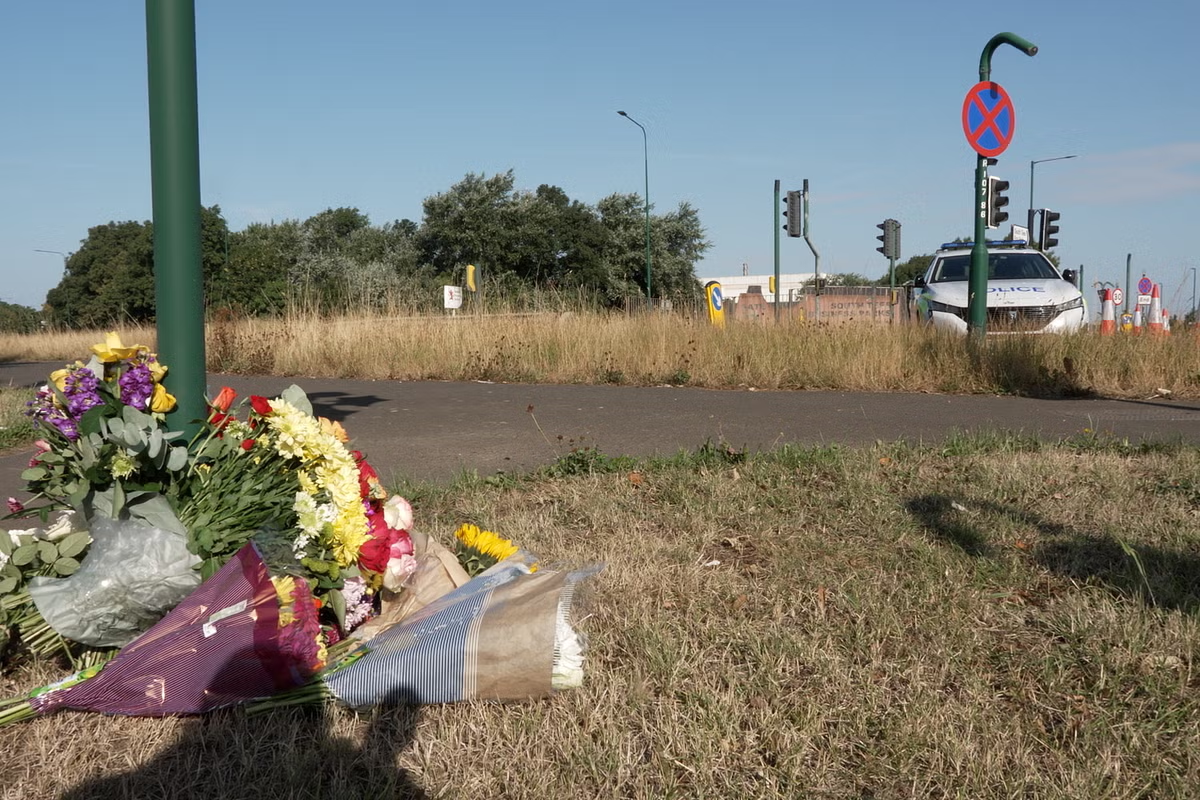
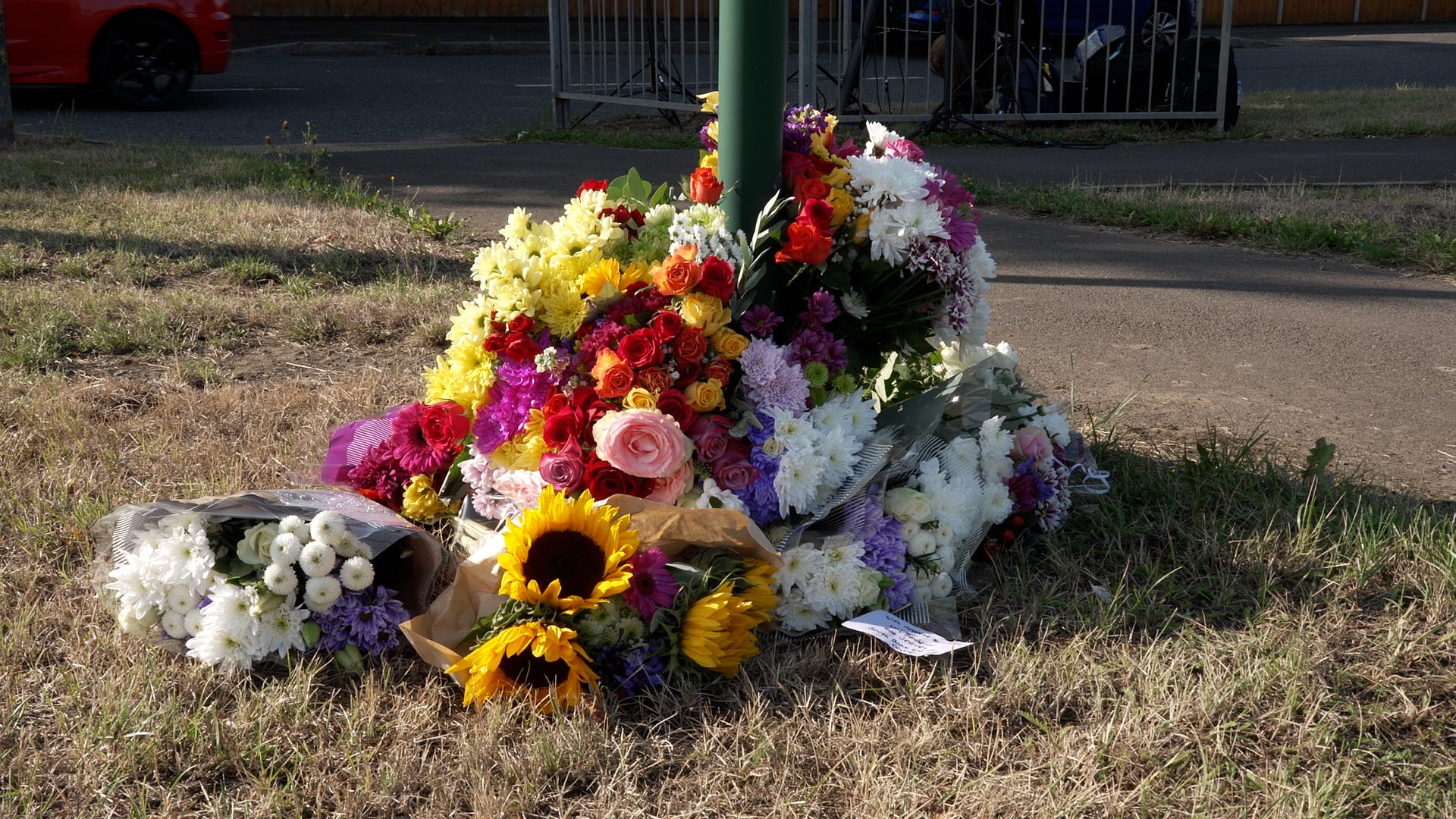
Flowers left near the scene on the A66 in South Bank
Flowers left near the scene on the A66 in South Bank (PA)

Doorbell footage from nearby Lime Road appears to show multiple police vehicles chasing a car at speed. The footage was filmed at 3.36am, three minutes before the fatal crash.

Teesville resident Neil Hutchinson told the Mail on Sunday: “There were police cars tearing down the street at 3.30am with lights flashing and their sirens going, it woke me up.”

The police watchdog, the Independent Office for Police Conduct (IOPC), confirmed it had launched an investigation into the “tragic incident” following a mandatory referral from the local force.

In an update on Sunday, the watchdog revealed Cleveland officers had been chasing the Passat for seven minutes, but ended the pursuit when it entered the A66 in the wrong direction.

The force had received intelligence regarding numerous incidents linked to the car, which was suspected of having cloned number plates.

Advertisement

The Passat struck the oncoming police response vehicle just 10 seconds after the chase was abandoned. The officers who were killed had not been involved in the pursuit but were in the area to assist in the search for the car.

IOPC director of engagement Derrick Campbell said: “We recognise the devastating impact the incident has had on those in the force, and the wider policing community, and offer our condolences.

“We have obtained initial accounts of officers involved in the pursuit, the incident log and in-car footage of the incident. Work is ongoing to obtain additional material.”

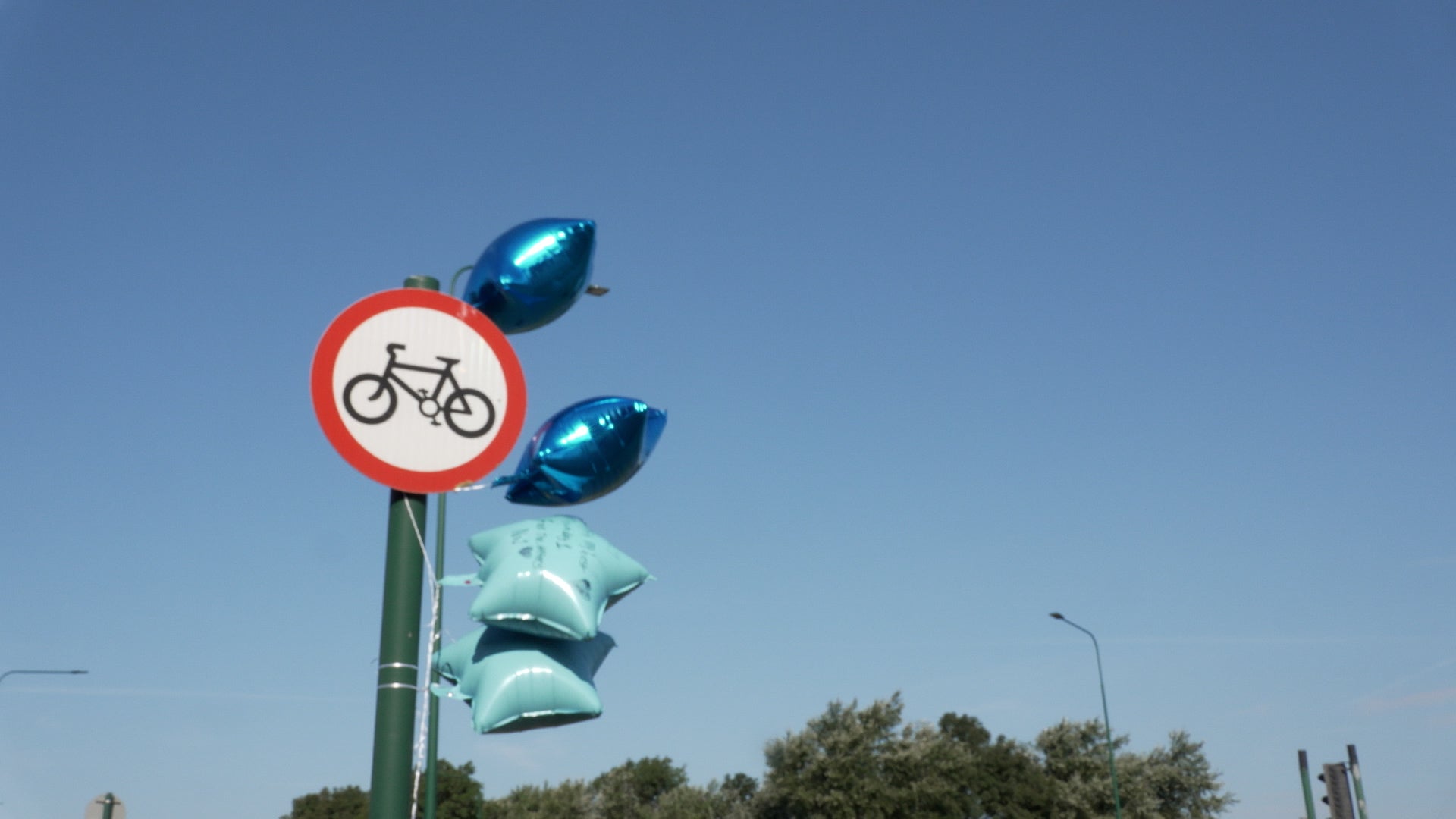
Balloons left near the scene on the A66
Balloons left near the scene on the A66 (PA)

PC Clough’s family paid moving tribute to him on Sunday, calling him “our hero” and saying he was “always on public duty throughout his short life”.

“He was our hero with a fantastic sense of humour,” they said. “Jumped into action whenever needed, and willing to help anyone for any reason. Proudly fought for his country to make the world a better place. Always on public duty throughout his short life.

Advertisement

“We as a family and Tom’s partner would like to express our sincere gratitude for the overwhelming support and condolences from friends, colleagues and the wider community.”

The wife of father-of-two PC Blades also paid tribute to him on Sunday night, saying he was a “devoted” father and her “best friend”.

“”He was an adored son and brother, a perfect son-in-law, and the most fun uncle,” she said. “He was loved beyond words by all his family and friends, and his loss has left a space that can never be filled.

“He gave his life in the line of duty, protecting and serving others with courage, dedication and selflessness. The pain of losing him is beyond words, and our lives will never be the same. Neither will the love he gave us ever fade.”

Advertisement

She added: “”Forever loved. Forever missed. Forever our superhero. Our Matt and Dad.”

had recently become a Seaton Carew FC coach and was preparing for his first turn teaching its under-sevens Seahawks squad.

“He was looking forward to being part of the team and, most importantly, to coaching his own son, who is going to be playing for the Seahawks this season,” the club said on social media.

“Matty and his oldest son are much-loved members of our club and our U10 Lions football family.”

Advertisement

FC Hartlepool also described PC Blades as a “much-loved member of our football family” and “so much more than a coach”.

“He was a role model, a mentor, a friend, and someone the children looked up to and admired,” the club said.

“He was able to share his love of football with his son while inspiring and supporting every child on the team.”

The A66 has been closed in both directions between Normanby Road and Church Lane in Eston as investigators examine the wreckage. A large white tent was erected over the scene, with multiple emergency service vehicles around.

Advertisement

The closed section of the A66 is bordered by large industrial units to the north and is close to the major Teesworks site.

Source link

Continue Reading

NewsBeat

Two officers killed in A66 crash pictured as families issue heartbreaking tributes

Published

on

Wales Online

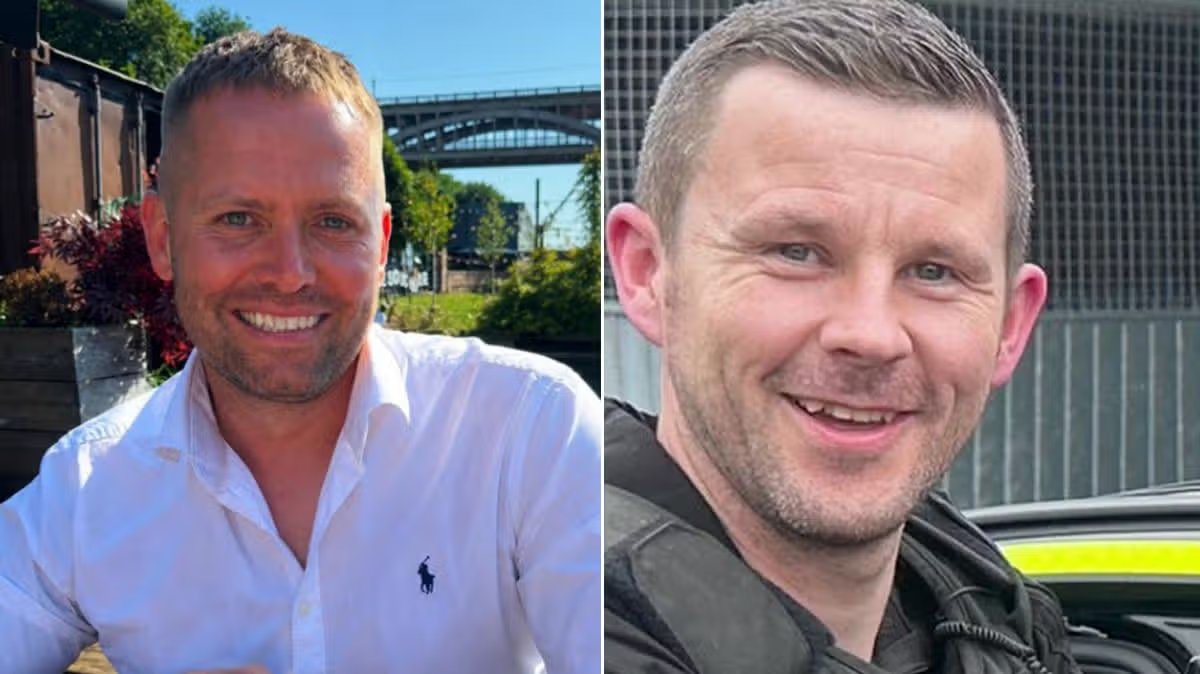
Pc Tom Clough, 38, and Pc Matthew Blades, 37, both died when a Volkswagen Passat hit their marked armed response vehicle

The families of the two officers killed after a car travelling the wrong way along the A66 dual carriageway collided with their police vehicle have issued heartbreaking tributes to the men.

Pc Tom Clough, 38, and Pc Matthew Blades, 37, both died when a Volkswagen Passat, which had been pursued by police, struck their marked armed response vehicle in Teesside in the early hours of Saturday morning.

Five males aged between 17 and 23 who were travelling in the Volkswagen also died in the collision.

Advertisement

PC Clough’s family said in a statement issued by Cleveland Police: “He was our hero with a fantastic of humour. Jumped into action whenever needed, and willing to help anyone for any reason.

“Proudly fought for his country to make the world a better place. Always on public duty throughout his short life.”

The wife of PC Matthew Blades, said: “No words will ever feel like the right words to honour our Matt — my beloved husband, my best friend, and the most devoted father to our two young boys. He was an adored son and brother, a perfect son-in-law, and the most fun uncle.

Advertisement

“He was loved beyond words by all his family and friends, and his loss has left a space that can never be filled. He gave his life in the line of duty, protecting and serving others with courage, dedication and selflessness.

“The pain of losing him is beyond words, and our lives will never be the same. Neither will the love he gave us ever fade.

“Our children will grow up knowing what an incredible father he was and will always be, and I will carry his love, his memory and everything we shared with me always. He may have left this world committed to the duty he believed in, but his greatest legacy will always be the love he gave to his family.

“We would also like to express our deepest gratitude and heartfelt thanks to all of the emergency services and to our police family who have stood beside us through the most difficult time of our lives. The kindness, compassion, love and unwavering support we have received as a family has meant more to us than words could ever express.

Advertisement

“Every message, visit, gesture of support and every person who has stood alongside us will never be forgotten.

“Forever loved. Forever missed. Forever our superhero. Our Matt and Dad.”

The circumstances surrounding PC Clough’s death were referred to the Independent Office for Police Conduct (IOPC), which confirmed on Sunday that neither PC Blades nor PC Clough had been involved in the original pursuit, but had instead been deployed to the area to assist in locating the Passat.

Advertisement

Cleveland Police had received intelligence relating to “numerous incidents” connected to the Passat, the watchdog stated in its account of events.

The vehicle, which was carrying five occupants and was believed to have been fitted with cloned number plates, was subsequently spotted after the plates triggered an ANPR camera, the IOPC added. An armed response vehicle initiated a chase lasting just under seven minutes before the Passat turned on to the A66 in South Bank, travelling against oncoming traffic.

Officers called off the pursuit and continued along the correct side of the carriageway.

The Passat collided with the vehicle carrying Pc Blades and Pc Clough approximately 10 seconds after the chase was abandoned.

Advertisement

IOPC director of engagement Derrick Campbell extended his sympathies to all those affected, saying: “We recognise the devastating impact the incident has had on those in the force, and the wider policing community, and offer our condolences.

“We have obtained initial accounts of officers involved in the pursuit, the incident log and in-car footage of the incident.

“Work is ongoing to obtain additional material.”

Ensure our latest news and sport headlines always appear at the top of your Google Search by making us a Preferred Source. Click here to activate or add us as Preferred Source.

Advertisement

Source link

Continue Reading

NewsBeat

EastEnders boss reveals changes to Sean Slater amid ‘exciting’ plans | Soaps

Published

on

EastEnders boss reveals changes to Sean Slater amid ‘exciting’ plans | Soaps
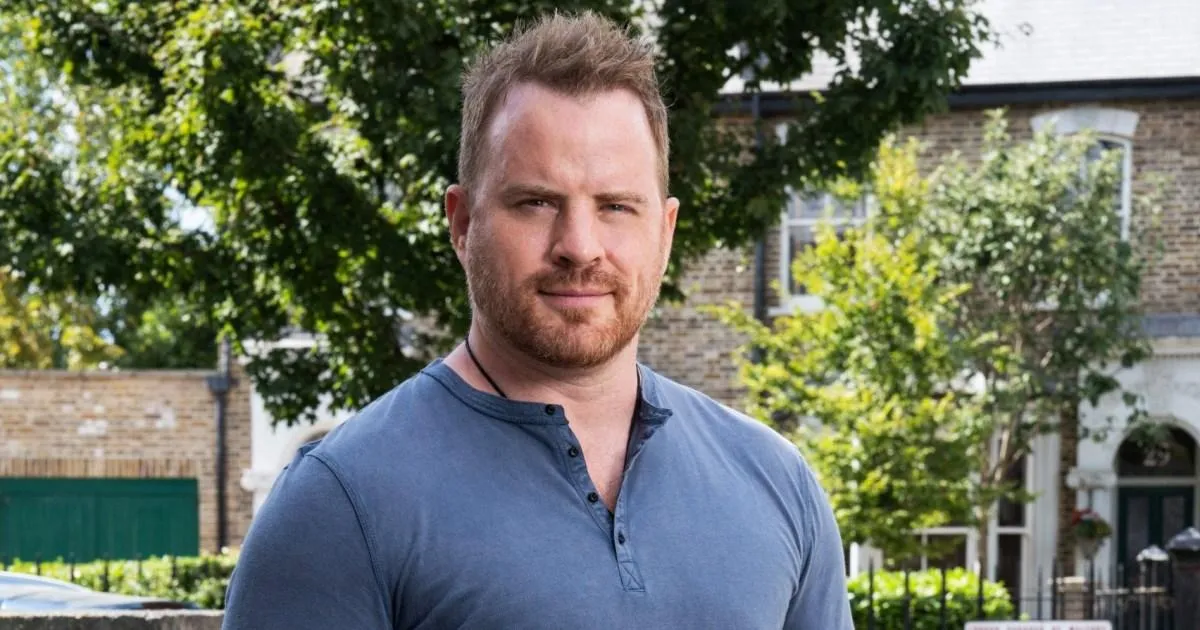
Sean Slater is back, and we can’t wait! (Picture: BBC/Jack Barnes/PA Wire)

EastEnders boss Ben Wadey has opened up about Sean Slater’s permanent return to Walford, teasing some big plans for the much-loved character as he comes back to the Square.

Rob Kazinsky is reprising his role as Sean, with the character set to make his comeback after more than a decade away.

Sean has already been a huge presence in EastEnders history, known for his unpredictable behaviour, complicated relationships and ability to cause chaos wherever he goes.

And while fans can expect plenty of the classic Sean when he returns, executive producer Ben Wadey has hinted that there will be some changes as viewers meet him as a 40-year-old man.

Advertisement

Speaking about bringing Sean back permanently, Ben said: ‘Sean is one of those characters who just promises chaos and energy and unpredictability.’

The producer admitted he was a big fan of Sean during his original stint on the BBC soap in the noughties, making the character’s return particularly exciting for him.

‘I was such a big fan in the noughties when he was so prevalent in the show,’ he explained.

Sean sits in the park looking sad in EastEnders
Sean was a staple of noughties EastEnders (Picture: BBC)

Sean’s return also comes at an interesting time for the Slater family, who have remained at the heart of plenty of drama in Walford.

And according to Ben, Sean has enough history with the residents of Albert Square to immediately make an impact.

Advertisement

Ask Metro


Use AI to go deeper into the stories you care about – powered by Metro and trusted publications.

‘He is arriving at an interesting point for that Slater clan. He has connections all over the place,’ he said.

Advertisement

One of the relationships Ben is particularly interested in revisiting is Sean’s connection with Amy Mitchell (Ellie Dadd).

Sean knew Amy when she was a child and, despite all the years that have passed, that history is something he still remembers.

‘He saw Amy as a child briefly and still holds onto that a little bit,’ Ben teased.

But Amy isn’t the only familiar face Sean has unfinished business with.

Advertisement

His complicated history with Max Branning (Jake Wood) is also set to come back into play, while his relationship with Jack Branning (Scott Maslen) is similarly far from straightforward.

Max Branning standing in the market in EastEnders, holding his smartphone and looking thoughtful.
How will Max take Sean’s return?(Picture: BBC/Jack Barnes/PA Wire)

‘He and Max have somewhat of a checkered past. He and Jack are also very complicated,’ Ben revealed.

That means Sean isn’t simply returning to Walford to reconnect with his family – he is stepping straight back into a Square filled with people who already have strong opinions about him.

‘He is one of those characters who can land back into the show and immediately have conflict or love with everyone,’ Ben said.

However, fans shouldn’t expect Sean to be exactly the same man they remember.

Advertisement

With Rob now returning to the role as Sean reaches his forties, Ben is keen to explore what all those years away have done to him.

‘I am interested in who Sean is at this age. As a forty-year-old man,’ he explained.

The good news for viewers is that growing older doesn’t necessarily mean Sean has suddenly become sensible.

Ben is keen to retain the qualities that made him such a memorable character in the first place.

Advertisement

‘Seeing him grow up a little bit, but not too much, because you still want the fun of classic Sean Slater.’

And it sounds like the cast and crew are already enjoying having him back.

Rob has been filming for several weeks, and Ben revealed that seeing the first footage of Sean’s return has been a particularly exciting experience.

Sean Slater with his arms folded, stood in the doorway in EastEnders
‘It’s been great. He’s been filming for a couple of weeks now,’ Ben said(Picture: BBC)

‘It’s been great. He’s been filming for a couple of weeks now,’ he said.

‘I get to go in and look at the daily footage, and just looking at some of those early scenes and be like ‘Okay Sean is back’.’

Advertisement

For fans who have been waiting years to see Sean back in Albert Square, that should be music to their ears.

And Ben has promised there is plenty more to come.

‘I cannot wait for you guys to see him. We have very exciting plans.’

So, while Sean may have grown up since his last full-time stint in Walford, it sounds like viewers can still expect the same unpredictable energy that made him such a fan favourite.

Advertisement

The question is, who will be the first person to feel the full force of Sean Slater’s return?

Advertisement
Advertisement

Source link

Continue Reading

NewsBeat

Richard E Grant says he permanently cut friends out of his life over how they handled his wife’s death

Published

on

Richard E Grant says he permanently cut friends out of his life over how they handled his wife’s death

Richard E Grant has revealed that he “edited” friends out of his life after they avoided him following the death of his wife, Joan Washington.

Washington — a renowned dialect coach — died in 2021, aged 74, eight months after being diagnosed with lung cancer. She and Grant, 69, had been married for 35 years and shared one daughter, Olivia, 37.

In the past, Grant has described how friends would avoid him following Washington’s death to avoid an awkward conversation.

In a new interview with The Times of London, Grant said he would never forgive those who kept their distance during that time.

Advertisement

“I’m very unequivocal, black and white, all or nothing,” he said.

British actor Richard E Grant has revealed he ‘edited’ friends out of his life after they avoided him following his wife’s death
British actor Richard E Grant has revealed he ‘edited’ friends out of his life after they avoided him following his wife’s death (AFP/Getty)
Grant’s wife, Joan Washington (right), died in 2021, less than a year after being diagnosed with lung cancer
Grant’s wife, Joan Washington (right), died in 2021, less than a year after being diagnosed with lung cancer (AFP/Getty)

“I’ve tried to go for the grey areas but it’s not succeeded for very long. There are people that have been edited out of my life and I will never see them again. If I had done that to them, I wouldn’t be able to look them in the face.”

“No, portcullis down,” he added. “Goodbye.”

Grant went on to share that he still writes to Washington every night before bed and that the idea of finding companionship again was incomprehensible. “I know it happens but I’ve not had any twinkles of that yet,” he said.

It’s not the first time that Grant has been ruthless about cutting friends out of his life.

Advertisement

Earlier this year, the Withnail and I actor revealed he cut off a friend of 29 years after he was accidentally CC’d on an email filled with “brutal” comments about him.

During a February episode of the Mad, Sad, & Bad podcast, Grant described the person as someone who he “thought was one of the five best friends in my life.”

Apple TV+ logo

Watch Apple TV+ free for 7 day

New subscribers only. £9.99/mo. after free trial. Plan auto-renews until cancelled.

Advertisement

Try for free

ADVERTISEMENT. If you sign up to this service we will earn commission. This revenue helps to fund journalism across The Independent.

“She sent an email from Africa to a mutual friend in Australia who’d asked for my email address, and, because my name was in the body of the email, I got inadvertently sent this email.”

Grant explained that the message “arrived on a day when I had heard for a third time that a film that I’d written and was about to direct, the finances had collapsed. And I was doing the final episode of Frasier,” which aired in May 2004.

He said that the email contained “such toxicity” that he immediately decided to cut off the friendship.

Advertisement

“And I thought, ‘That’s not a real friend anymore.’ And I was absolutely devastated,” Grant said. “So I copied and pasted that and then sent it back. And I said, ‘29 years of friendship?’”

Asked what the offensive comments were about, Grant replied: “It was of my script that I had written, which was entirely autobiographical.” Grant’s 2005 comedy Wah-Wah was loosely based on his own life. “And she had read this script.”

He said that years later, his daughter, now 37, had questioned whether the friendship was really genuine in the first place.

“Our daughter was very smart, because she was 16, so exactly 20 years ago. She said to me, ‘In your heart of hearts, haven’t you always known this about that person?’”

Advertisement

Grant added that the turn of events was “just brutal.”

“Because that person knows you in the most formative part of your life, when you’re still dreaming of getting regular work out there as an actor,” Grant said. “Nevermind the other things that have happened to me since. So when you’re betrayed like that, there’s no going back for me.”

Source link

Advertisement
Continue Reading

NewsBeat

CrossCountry expects ‘full service’ return after power cut cancels Scots trains

Published

on

Daily Record

It comes after ‘almost all’ services were cancelled on Sunday including popular routes linking Glasgow and Edinburgh to various cities across England.

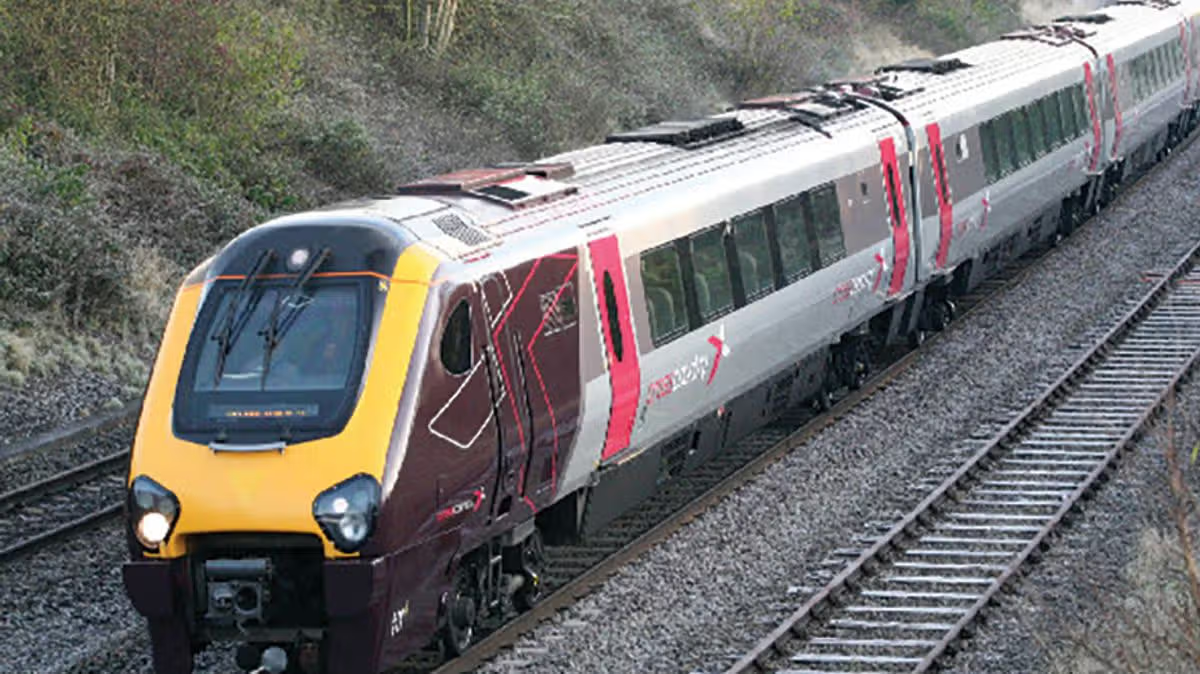
CrossCountry said it will run a “full service” on Monday after a power cut resulted in major cancellations across its network. The train operator said a “very limited” number of trains would run from around 6pm on Sunday, with a return to normal service expected on Monday.

A power outage in Birmingham, which started on Saturday, affected the company’s control centre, resulting in many of the systems used to manage the railway being unavailable, the operator said. “Almost all” services were cancelled on Sunday – including popular routes linking Glasgow to Edinburgh, Manchester to Birmingham, Cheltenham to Cardiff and Newcastle to Edinburgh.

Advertisement

A near-normal service was running between Peterborough, Cambridge and Stansted Airport “due to the impact of planned engineering work”, the company said. A rail replacement bus service remained in place as planned between Leicester and Peterborough.

A CrossCountry spokesperson said on Sunday evening: “Our key priority is now to restore as close to a normal service as possible for our customers tomorrow. With most facilities now reinstated, we are planning to operate a very limited number of services from around 6pm this evening, primarily on routes towards Leicester and Derby.

“Planning is underway to support a full train service on Monday and we are working closely with National Grid and industry partners as recovery efforts continue. We would like to thank our customers for their patience and understanding during today’s disruption.”

Transport Secretary Heidi Alexander previously said she was “concerned” about the power outage affecting CrossCountry services, adding she knew it would be “very frustrating to passengers”. Customers complained about Sunday’s disruption on social media, with some describing the cancellations as “very frustrating”.

Advertisement

CrossCountry responded to many posts from ticket-holders on X, apologising and advising of alternative routes. Tickets bought for travel on CrossCountry services on Sunday can still be used with other train operators on the same route.

The tickets will also remain valid on CrossCountry services until Wednesday. Chiltern Railways said it had added services between Birmingham Moor Street and Oxford to help with the disruption, adding it would accept “all CrossCountry tickets via any reasonable route”.

London North Eastern Railway also confirmed it would accept CrossCountry tickets “to help get affected customers to their destination”. Customers can apply for Delay Repay compensation if their train is delayed by 30 minutes or more, while those who choose not to travel can claim a refund.

People planning to travel on Sunday evening and Monday are advised to check their journey before leaving. Another power outage earlier in August had caused delays and cancellations on CrossCountry services across the Midlands and the North West.

Electricity had cut out in the main control hub for north-west England’s railways – the Manchester Rail Operating Centre – also affecting Avanti West Coast, East Midlands Railway, London Northwestern, Northern, TransPennine Express and Transport for Wales services. Earlier this year, CrossCountry was told to raise its performance after receiving the worst score in a survey of more than 100,000 passengers.

Advertisement

Watchdog Transport Focus said in June that 79% of passengers were satisfied with the Arriva Group-owned operator. Hull Trains achieved the best overall satisfaction score at 94%, followed by LNER (93%).

Get more Daily Record exclusives by signing up for free to Google’s preferred sources. Click HERE.

Source link

Advertisement
Continue Reading

NewsBeat

Two women, 19 and 20, arrested as boy, 3, fights for life after ‘falling from window’ in Rochdale

Published

on

Daily Mirror

Two women have been arrested after a three-year-old boy was left fighting for his life in hospital following an incident in Rochdale on Sunday

Two women have been arrested after a three-year-old boy who reportedly fell from a window in Rochdale was left fighting for his life.

Advertisement

The women, aged 19 and 20, were arrested at a property in Blackburn earlier today (Sunday) on suspicion of causing serious injury to a child.

Emergency services were called to Spotland Tops, in the Cutgate area of Rochdale, shortly after 4.15pm on Saturday. Police and paramedics attended the residential estate, and an air ambulance was also seen landing nearby.

The Manchester Evening News, one of our sister titles, understands that the boy fell from a window on the first floor of a property. Greater Manchester Police said on Saturday that the child was taken to hospital and that he was in a critical condition.

In an update on Sunday evening, the force said the child remains in a critical condition and added that “enquiries into the full circumstances around this incident are ongoing”.

Advertisement

Source link

Continue Reading

Trending

Copyright © 2025