






Connect with us
DAPA Banner
DAPA Coin
DAPA
COIN PAYMENT ASSET
PRIVACY · BLOCKDAG · HOMOMORPHIC ENCRYPTION · RUST
ElGamal Encrypted MINE DAPA
🚫 GENESIS SOLD OUT
DAPAPAY COMING

NewsBeat

Billingham teenager traced to sawn-off shotgun by his DNA

Published

on

Billingham teenager traced to sawn-off shotgun by his DNA

The weapon was found in the rear garden of a property on Lansdown Way in Billingham following a 999 call to police on December 3 last year.

Teesside Crown Court heard the shortened shotgun was traced to Leighton Watson through his DNA and fingerprints.

Tabitha Buck, prosecuting, said the shotgun was a viable weapon and ballistic tests were carried out by firearms specialists.

She said: “Forensic testing of the bin bag came back positive with the DNA and fingerprints from this defendant on six different areas of the wrapping.”

Advertisement

The court heard how Watson was also arrested on July 11 last year following a high-speed chase through Billingham town centre where he reached speeds in excess of 60mph in 30mph zones.

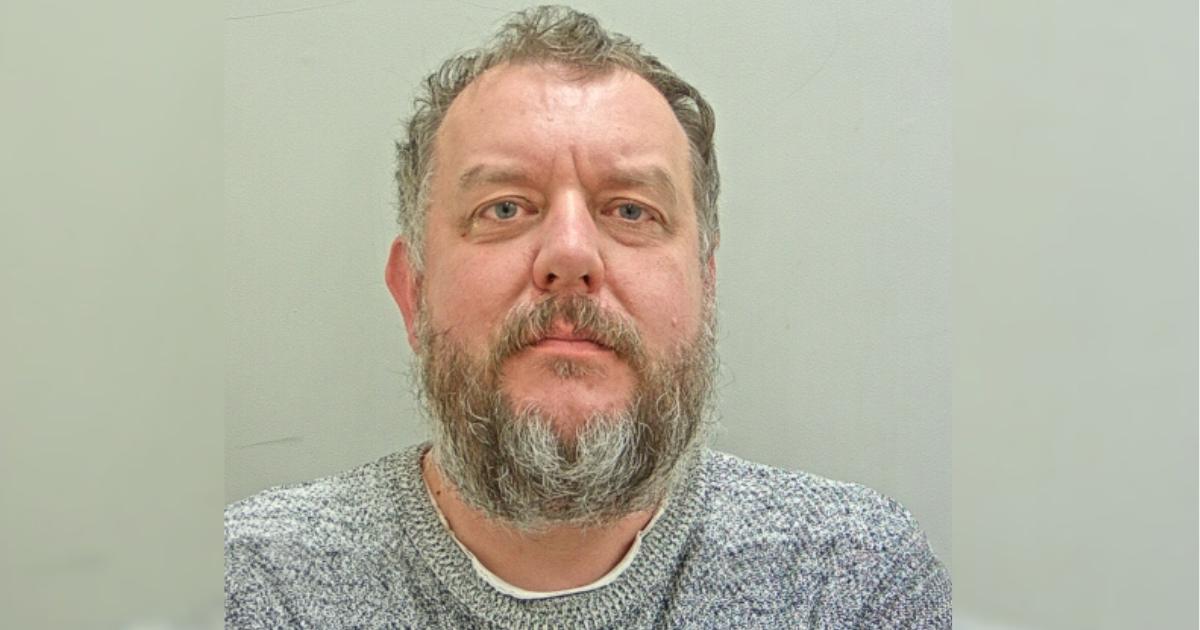
Leighton Watson (Image: Cleveland Police)

Miss Buck said police pursued the defendant when they spotted him driving erratically.

“During the pursuit, the Honda was being driven dangerously,” she said. “The vehicle was weaving in and out of traffic and was travelling nearly double the speed limit.”

The court heard how Watson drove through a hedge and across a field in a desperate attempt to avoid arrest before he crashed into a bollard and fled the scene.

Advertisement

Miss Buck said he was found hiding in a garden and 11 Pregabalin tablets were recovered from him following his arrest.

Watson, of Sidlaw Road, Billingham, pleaded guilty to possession of a prohibited weapon, dangerous driving, driving without a licence, driving without insurance and possession of a Class C drug.


Paul Abrahams, mitigating, said his client had pleaded guilty to the charges and urged the judge to take into account the defendant’s age at the time of the offences.

Judge Nathan Adams sentenced the teenager to a total of five years in a young offenders’ institute and disqualified him from driving for five years.

Advertisement

He said: “A five-year prison sentence is an incredibly long time to serve at the age of 19 and you have a lot of growing up between now and your early 20s.”

Source link

Advertisement
Continue Reading
Click to comment

You must be logged in to post a comment Login

Leave a Reply

NewsBeat

Robots can’t travel on Southwest planes as passengers – or luggage, airline announces

Published

on

Robots can’t travel on Southwest planes as passengers - or luggage, airline announces

Southwest Airlines has banned all humanoid or animal-like robots from its flights, according to a new update on the carrier’s website.

The Dallas-based airline confirmed that these types of robots are now banned from both the cabin and the cargo hold, regardless of their size or intended use.

The carrier defines a “human-like robot” as any machine designed to imitate human appearance, movement or behavior. Similar definitions were applied to animal-like robots.

The policy change follows several incidents involving robots on Southwest flights that gained traction on social media.

Advertisement

In one instance, a flight departing from Oakland was delayed while crew members determined how to secure a robot. While the airline initially treated the machine as a carry-on item that could not occupy a seat, the flight eventually proceeded after the robot was moved to a window seat and its battery was removed.

Under the updated policy, Southwest Airlines officially defines prohibited items as any machine designed to mimic human or animal appearance, movement or behavior
Under the updated policy, Southwest Airlines officially defines prohibited items as any machine designed to mimic human or animal appearance, movement or behavior (Getty Images)

A more recent case involved a 3.5-foot humanoid robot named “Stewie,” owned by Dallas entrepreneur Aaron Mehdizadeh.

As reported by CBS News Texas, Mehdizadeh purchased a separate seat for the robot for a flight from Las Vegas to Dallas rather than shipping it as freight.

“Most people were very excited to see a robot flying and [it] provided so much entertainment,” Mehdizadeh told the outlet. To meet security protocols, the robot was fitted with a smaller battery and filmed walking through the airport terminal.

Southwest has cited the lithium-ion batteries used to power such machines as a primary safety concern. According to the airline, these batteries have previously caused onboard fires, including one incident that resulted in an emergency landing in San Diego, NBC 5 Dallas reported.

Advertisement

Under the new guidelines, smaller robots and toys are still permitted on board, provided they fit within standard carry-on dimensions and adhere to existing hazardous materials regulations regarding battery size.

The airline’s updated baggage policy now explicitly states: “Southwest Airlines does not allow human-like or animal-like robots to be transported in the cabin or as checked baggage, regardless of size or purpose.”

Source link

Advertisement
Continue Reading

NewsBeat

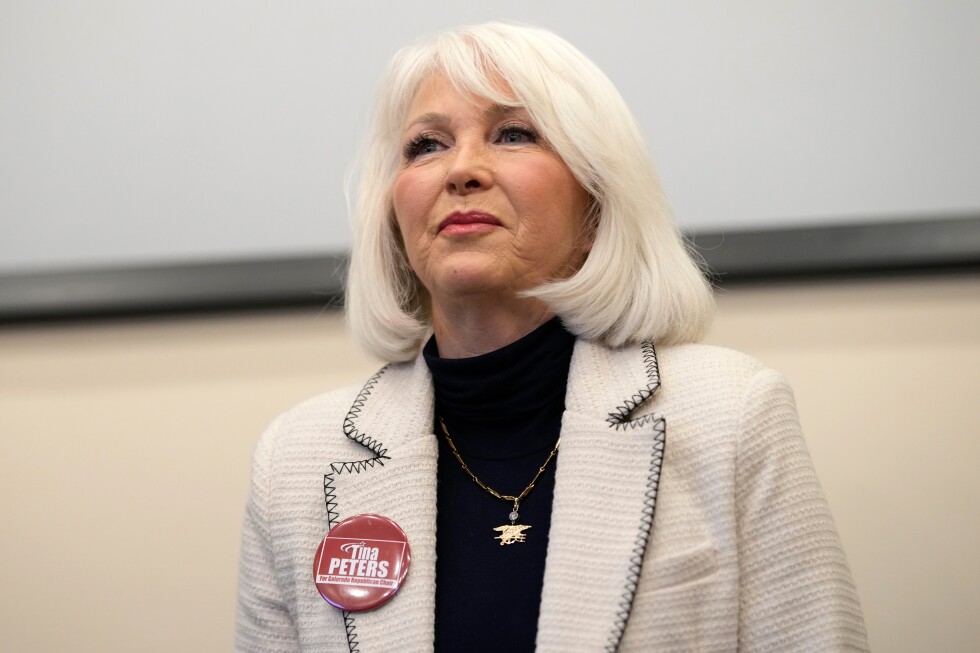
Colorado governor commutes sentence of ex-elections clerk Tina Peters

Published

on

Colorado governor commutes sentence of ex-elections clerk Tina Peters

DENVER (AP) — Colorado Gov. Jared Polis on Friday commuted the sentence of election conspiracy theorist Tina Peters following pressure from President Donald Trump, the latest instance of the president using his powers to reward those who echoed his baseless claims of mass fraud as the cause of his 2020 loss.

Trump has championed the case of Peters, a 70-year-old former county clerk who was sentenced to nine years behind bars after being convicted in a scheme to make a copy of her county’s election computer system. She gets released June 1.

In April, a Colorado appeals court upheld her conviction but ordered Peters to be resentenced because it said the judge who sent her to prison wrongly punished her for speaking out about election fraud, a decision that Polis praised.

In a letter to Peters, Polis wrote that Peters was convicted of serious crimes and deserved to spend time in prison. “However, this is an extremely unusual and lengthy sentence for a first time offender who committed nonviolent crimes,” the governor wrote.

Advertisement

He added Peters’ application “demonstrates taking responsibility for your crimes, and a commitment to follow the law going forward.”

President Donald Trump posted around the time of the announcement on his Truth Social platform: “FREE TINA!”

‘Affront to the rule of law’

Colorado Secretary of State Jena Griswold, a Democrat, said “it was a dark day for democracy” and ”selling out our state’s justice system for Trump is an affront to the rule of law.”

Advertisement

“A clear message is being sent to those willing to break the law and attack democracy for the president — they will likely not face consequences for their actions,” Griswold said at a news conference.

Peters has been serving her sentence at a prison in Pueblo after being convicted in 2024 by jurors in Mesa County, a Republican stronghold that supported Trump.

Peters snuck in an outside computer expert, an associate of MyPillow CEO Mike Lindell, to make a copy of her county’s Dominion Voting Systems election computer server as state officials updated it in 2021. After Peters joined Lindell onstage at a “cybersymposium” that promised to reveal proof of election rigging, video and photos of the upgrade, including passwords, were posted online.

After the commutation, Peters issued a statement through her attorney thanking Polis and apologizing.

Advertisement

“Five years ago I misled the Secretary of State when allowing a person to gain access to county voting equipment. That was wrong,” Peters said. “I have learned and grown during my time in prison and going forward I will make sure that my actions always follow the law, and I will avoid the mistakes of the past.”

She also condemned threats and violence against voters, county clerks and election workers.

Sen Michael Bennet, a Democrat who is running for Colorado governor, said he vehemently disagreed with the commutation and that Peters knowingly broke the law, undermined elections and was convicted by a jury.

“Lawlessness only breeds more lawlessness,” Bennet said. “With President Trump continuing to attack Colorado, we must do everything we can to stand strong for our institutions and the rule of law.”

Advertisement

Trump championed her cause

Peters was convicted of state, not federal, crimes, which put her beyond the reach of Trump’s pardon power that he used to free those convicted of crimes for the Jan. 6, 2021, attacks on the U.S. Capitol. But the president still championed her cause.

Trump has lambasted both Polis, calling him a “Scumbag Governor,” and the Republican district attorney who prosecuted her, Daniel Rubinstein, for keeping Peters in prison. He has referred to Peters, as “elderly” and “sick.” Earlier this year, Trump uninvited Polis from a White House meeting with governors over the case.

The president said Colorado was “suffering a big price” for refusing to release her. His administration has been choking off funds, ending federal programs and denying disaster aid. It also announced the dismantling of the National Center for Atmospheric Research in Colorado and relocated the U.S. Space Command to Alabama.

Matt Crane, executive director of the Colorado County Clerks Association, said the commutation “signals that it is open season on our election and election officials.”

Advertisement

“Gov. Polis is bending the knee to the same political voices and conspiracy theories that are undermining belief in our democratic institutions,” Crane said. “This is now Gov. Polis’ legacy. He will not be able to run from it.”

Tina Peters’ declining health in prison

Peters’ lawyers have said her health has declined in prison. Peters, who had part of her right lung removed in 2017, started coughing frequently after the prison’s heating system was turned on for the winter and has had trouble sleeping on her mattress because of chronic pain from fibromyalgia, her lawyers said.

In January, Peters was involved in a scuffle with another inmate but was found not guilty of assault following a prison disciplinary hearing, Colorado Department of Corrections spokesperson Alondra Gonzalez-Garcia said. Peters was found guilty of being in a location without authorization.

The federal Bureau of Prisons tried but failed to get Peters moved to a federal prison. But in January, Polis said he was considering granting clemency for Peters, calling her sentence “unusual and harsh“ for a first-time, nonviolent offender. In March he repeated those arguments in a lengthy post on the social media platform X.

Advertisement

“Justice in Colorado and America needs to be applied evenly,” Polis wrote.

After receiving blowback from other top Democratic leaders in the state, including the attorney general and Colorado’s top elections official, Polis told a Denver television station that Peters would have to show “appropriate contrition, apology” to be considered for clemency.

In contrast to some other Democratic governors, Polis, who prides himself on being a political iconoclast, has taken a sometimes accommodating stance toward Trump. While he criticized Trump’s stance on tariffs and immigration, Polis praised earlier moves by the president such as the Department of Government Efficiency, run by billionaire Elon Musk, and the nomination of vaccine critic Robert F. Kennedy, Jr. to run the Department of Health and Human Service.

Advertisement

Source link

Continue Reading

NewsBeat

Ben Shapiro’s Daily Wire cuts 13% of staff after reports his media empire is ‘collapsing’

Published

on

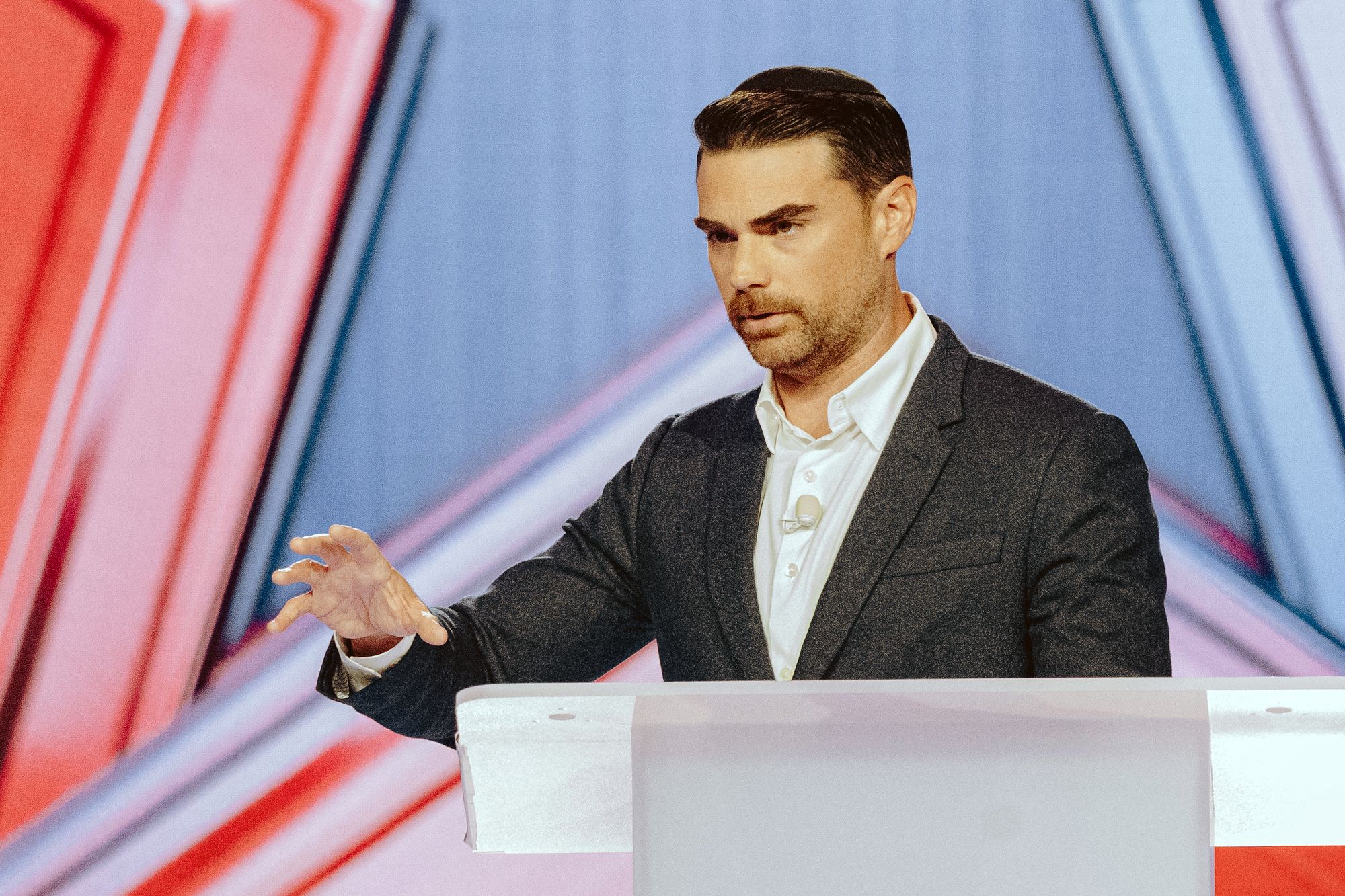
Ben Shapiro’s Daily Wire cuts 13% of staff after reports his media empire is ‘collapsing’

Ben Shapiro has announced that his conservative outlet, the Daily Wire, cut 13 percent of staff this year, following reports that his media empire was “collapsing.”

Shapiro called the layoffs “truly sad” in a video clip from his podcast, The Ben Shapiro Show, released on social media Friday.

After reports from The Washington Post and New York Magazine’s Intelligencer about sizable layoffs at the Daily Wire, Shapiro admitted, “It’s true.”

“The Daily Wire laid off some 13 percent of our workforce since the beginning of the year. And that really sucked. It was truly sad because all those people are great,” he said.

Advertisement
Ben Shapiro has announced that his conservative outlet, the Daily Wire, cut 13 percent of staff this year, following reports that his media empire was ‘collapsing’
Ben Shapiro has announced that his conservative outlet, the Daily Wire, cut 13 percent of staff this year, following reports that his media empire was ‘collapsing’ (AFP via Getty Images)

Shapiro said he is personally helping as many of his laid-off workers find new jobs as he can “because everybody who we let go deserves a job somewhere else. They’re great folks.”

The Daily Wire was co-founded by Shapiro in 2015. The outlet describes itself as “opinionated” and “noisy.”

The Washington Post reported Saturday that Shapiro’s critics believe the Daily Wire’s “relevance to the right has irrevocably collapsed.”

Daily Wire spokesman Brad Bishop told The Washington Post that the company still has more than 200 employees and that most of the layoffs mainly occurred at its headquarters in Nashville.

Intelligencer then published a piece called “Why Ben Shapiro’s Media Empire Is Collapsing” on Thursday, which noted the Daily Wire’s website has become “one of the great traffic losers in conservative media.”

Advertisement
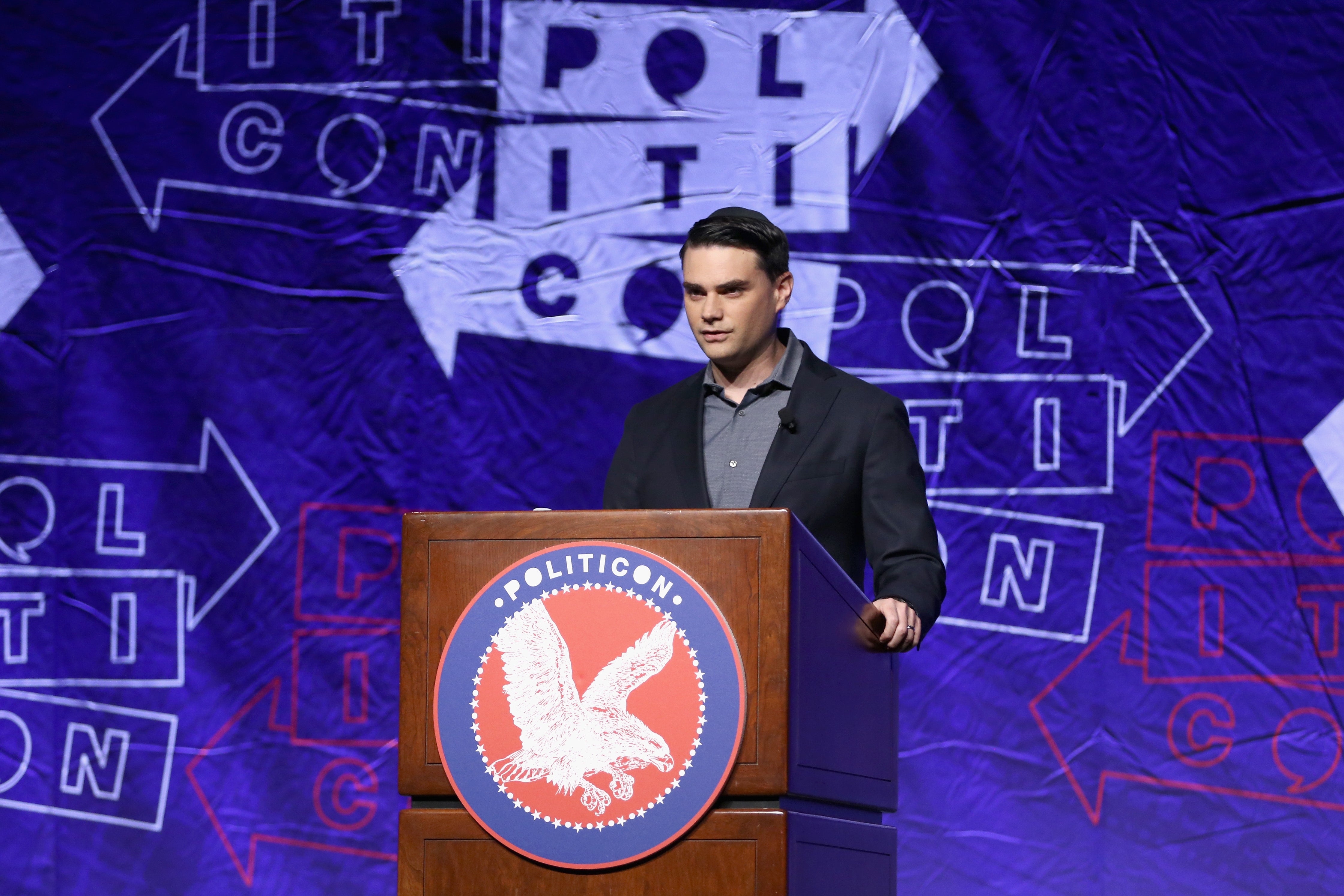
The Daily Wire was co-founded by Shapiro in 2015
The Daily Wire was co-founded by Shapiro in 2015 (Getty Images for Politicon)

Shapiro defended his outlet’s popularity, noting in Friday’s video that DailyWire+ is ranked sixth on Podtrac’s top global podcast chart with more than 41 million streams, downloads and views as of April. The Daily Wire is one of Podtrac’s supporters.

At the center of both reports on the layoffs are claims that the outlet’s traditional conservatism no longer aligns with other members of the right.

“Ben Shapiro has become the avatar of a strand of conservatism that has been taking it on the chin for years,” Nicole Hemmer, a conservative-media historian at Vanderbilt University, told The Washington Post.

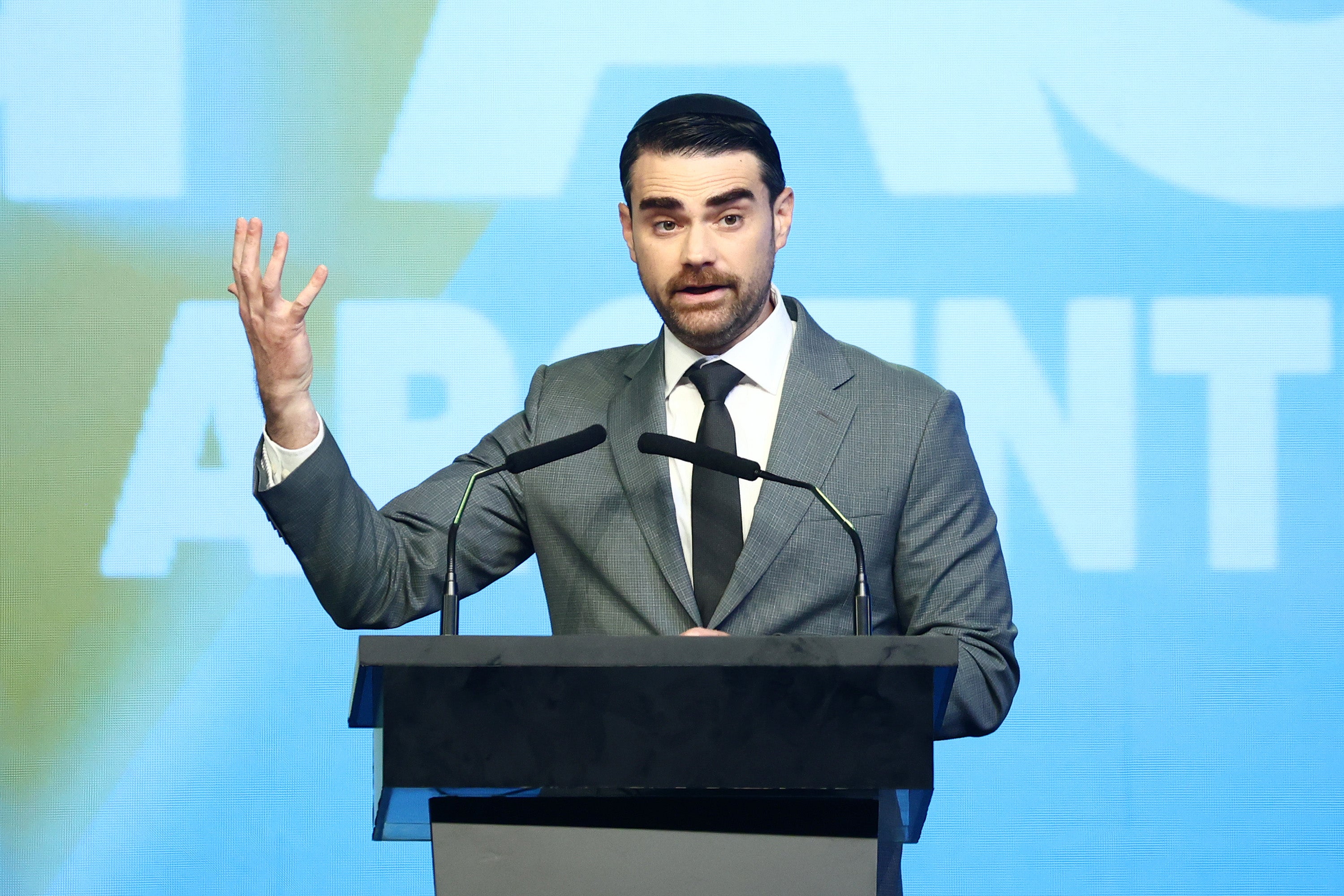
‘It was truly sad because all those people are great,’ Shapiro said of the laid off workers
‘It was truly sad because all those people are great,’ Shapiro said of the laid off workers (Getty Images)

“And they are now losing favor within the conservative movement, which is as much a problem for [President Donald] Trump as it is for Ben Shapiro,” Hemmer added.

Shapiro claimed in his video that “the media left and the woke right…they are attempting to destroy traditional conservatism.”

The Daily Wire co-founder wrote on social media alongside his video, “All the haters can kiss my a**.”

Advertisement

The Independent reached out to the Daily Wire for comment, which referred to Shapiro’s podcast clip.

Source link

Continue Reading

NewsBeat

Man caught upskirting had 5,000 indecent images and videos

Published

on

Man caught upskirting had 5,000 indecent images and videos

Mathew Gilkes, 47, from Chorley, has been jailed for 16 years, having previously pleaded guilty to 42 offences, including so-called ‘upskirting’ and child sex offences.

An indefinite sexual harm prevention order was also imposed to prevent further offending.

Gilkes was arrested after his car was traced from the leisure centre, where children reported seeing him with his phone held under their cubicle, taking photographs whilst they were changing.

Advertisement

More than 80 electronic devices, including mobile phones, computers, cameras, memory cards and spy pens were recovered from his address, which included over 5,000 indecent images and videos of children.

His devices also revealed he has been posing online as two different teenage boys, as well as a woman, in order to groom and manipulate young girls via social media.

Stacey Gosling for the Crown Prosecution Service said: “Mathew Gilkes is a sexual predator and a danger to children.

“Not only did he abuse his position as a teacher by taking covert intimate images of children, but he also sought out other victims online and at the leisure centre for his own sexual gratification.

Advertisement

“He gave no thought to the lasting damage his abuse would have on young victims and, when caught by police, was found to have a staggering number of indecent images showing his depraved offending knew no limits.

“I would like to thank the victims for reporting the abuse and supporting the prosecution, as without their intervention, Gilkes’ online grooming operation may well have continued in secret.

“I hope today’s outcome sends a clear message that the Crown Prosecution Service are dedicated to bringing those who exploit children to justice.”

Gilkes’s offending came to light when two children in the changing rooms of a leisure centre reported that they saw a mobile phone under the door as they were changing after swimming on August 1, 2024.

Advertisement

Two weeks later, a similar incident was reported with Gilkes caught on CCTV at the centre.

Police arrested Gilkes near his home address on August 14 of the same year.

He did not comment in his police interview, and when his home was searched, over 80 electronic devices were found, including mobile phones, computers, cameras, memory cards and spy pens.

More than 5,000 indecent images and videos were found on his devices, of which more than half were images or videos taken under clothing without consent, offences more commonly known as ‘upskirting’.

Advertisement

Officers also found two fake social media accounts, where he was posing as a teenage boy.

Gilkes had spoken to a large number of girls under 16, where he engaged in sexualised communication, shared intimate images and encouraged them to engage in sexual activity despite being unable to consent as they were underage.

Conversations were also found on another platform where Gilkes was posing as a 29-year-old woman. He engaged in sexual communication with the profile of a girl who was just 14 years old.

His school-issued laptop also contained indecent images and search terms indicating he was seeking out indecent images of children.

Advertisement

One victim said it has impacted every part of her life, and another said she is frightened, insecure and has become distrustful.

Gilkes pleaded guilty to 42 charges on November 12, 2025, during a hearing at Preston Crown Court.

Source link

Advertisement
Continue Reading

NewsBeat

Former Greater Manchester teacher Mathew Gilkes jailed for upskirting

Published

on

Former Greater Manchester teacher Mathew Gilkes jailed for upskirting

Sexual predator Mathew Gilkes’ prolific offending was unmasked when he was caught taking pictures of children at a leisure centre in Chorley in August 2024.

A trace of his vehicle leaving the leisure centre car park led to him being identified and arrested.

A search of his home and workplace uncovered more than 80 devices including mobile devices, computers and laptops.

This included a school issue laptop, spy pens, handheld cameras and memory cards containing thousands of indecent images of children.

Advertisement

(Image: CPS)

Many of the images Gilkes had taken were of pupils at his school where he worked as an ICT teacher using cameras disguised as pens and tiny cube cameras.

As well as taking images Gilkes also posed online as a teenage boy talking to a large number of underage girls, grooming them and pressurising them to send images to him.

Gilkes, 47, formerly of Harrison Road, Chorley, who taught at a high school in Greater Manchester, pleaded guilty in November last year to 42 charges.

The charges included operate equipment beneath clothing of another without consent, commonly known as upskirting, engaging in sexual communication with a child, indecent images of children offences and cause / incite a girl 13 to 15 to engage in sexual activity.

Advertisement

He appeared at Preston Crown Court this week where he was jailed for 16 years with an additional five year licence.

He was also given an indefinite sexual harm prevention order.

Mathew Gilkes (Image: Lancashire Police)

Det Con Holly McClave and Det Con Rachel Phillips, of Lancashire Police’s South Exploitation Team, helped bring Gilkes to justice.

DC McClave said: “Mathew Gilkes is a highly dangerous man who has shown persistent predatory behaviour towards young girls who he has taking advantage of, groomed and exploited for his own sexual gratification.

Advertisement

“The victims in this case have shown incredible bravery in speaking about what happened to them and I commend them for their courage. I hope this sentence gives them some sense that justice has been done.

“We will continue to target those who exploit and abuse young people, we will listen to victims, and we will do all we can to put offenders before the courts, as we have done here.”

If you or someone you know has been the victim of a sexual offence report it online via https://doitonline.lancashire.police.uk/ or call 101. You should do so knowing you will be believed, you will be listened to, and we will do everything in our power to put the perpetrator before the courts.

Specialist support for anyone in Lancashire affected by sexual violence is available through Victim Support. Funded by Police and Crime Commissioner Clive Grunshaw, their specially trained professionals offer free, confidential, and non-judgemental support. They listen, provide emotional and practical help, and prioritise safety and confidentiality. Further information is available at victimsupport.org.uk/lancashire.

Advertisement

Source link

Continue Reading

NewsBeat

Sweeteners and the quest for the perfect alternative to sugar

Published

on

Sweeteners and the quest for the perfect alternative to sugar

Designing a series of sweetener trials seemed straightforward enough to us as behavioural scientists who specialise in human appetite and obesity. The plan was simple: replace the added sugar in a range of foods with different classes of alternative sweeteners, holding everything else constant.

We would start with a simple biscuit with a fruit filling and work from there. In each case we would measure the effects on participants’ eating choices, metabolism and health outcomes.

We put this to our collaborator, Alain Le Bail, a professor and senior food scientist in France with more than 30 years’ experience. He looked as if we’d asked him to build a bridge using marshmallows.

Sugar, he said, isn’t just sweet. It provides structure, texture, browning, moisture and mouthfeel. Removing it doesn’t just alter the biscuit; it breaks the rules that make it a biscuit in the first place.

Advertisement

If even we researchers on appetite and nutrition need to be educated on these complexities, what hope does the average consumer have?


Welcome to our new series exploring the cutting edge of food science. From the latest advances in meat alternatives to weird and wonderful new additives, science is transforming what we eat like never before. This series will bring you up to speed on all the latest and give you plenty of, er, food for thought.

Advertisement

Sweeteners, as we’ll call the broad category of sugar alternatives and sweetness enhancers, were once fairly niche. They were used to lighten a soft drink or sweeten a low-calorie yoghurt, but not much more besides. Now, they are on almost every shelf of the supermarket.

They go to the heart of global debates on obesity, diabetes, child nutrition and ultra-processed foods. Whether it’s politicians deciding on sugar taxes, doctors helping diabetic patients manage their diets, or parents wrestling with product labels, sweeteners are unavoidable.

They attract endlessly conflicting headlines. While we try to reconcile our very human desire for a healthy win-win with our deep cultural unease over “artificial” additives, sweeteners are alternately framed as helpful diet liberators or harmful hormone disruptors. Far more rarely are they seen as ingredients with a specific, measurable function. It doesn’t help that the science in this area is still surprisingly thin on the ground.

Understanding what sweeteners can (and can’t) do for us requires looking beyond the binary of “good” or “bad” to more grounded questions. What are they replacing? In what context? For whom? According to what desired outcomes?

Advertisement

And beyond all this is the question of where sweeteners are heading. Will new technologies like artificial intelligence be transformational? Will we ever make the perfect sugar alternative? Look down the decades and you realise we’ve been trying for a very long time.

A brief history of sweeteners

For over a century, sweeteners have promised the same taste as sugar without the calories or health risks – guilt-free pleasure, in other words. But every breakthrough has been followed by a backlash, leaving a trail of safety scares and shifting public attitudes.

The modern story of sweeteners begins in the late 19th century with the accidental discovery of saccharin at Johns Hopkins University in Baltimore, USA. Derived from coal tar, saccharin is 300-500 times sweeter than sugar.

Advertisement
Saccharin ad from 1893.

Saccharin ad from 1893.
Wikimedia

It quickly found favour among diabetic patients and later, calorie-conscious consumers. Critics questioned its taste, safety and “unnatural” origins, yet its presence grew – particularly amid sugar shortages during the world wars.

In the decades that followed, saccharin became widely used in diet drinks and tabletop products, before safety scares and the arrival of newer sweeteners reduced its popularity.


The Insights section is committed to high-quality longform journalism. Our editors work with academics from many different backgrounds who are tackling a wide range of societal and scientific challenges.


In the early 20th century, other synthetic compounds such as dulcin and P-4000 also emerged, but safety concerns led to their withdrawal a few years later. More prominent was cyclamate, discovered in 1937, which gained popularity in the post-war years, especially in the US.

Marketed as a diet aid and used widely in soft drinks, cyclamate was abruptly banned in 1969 by the US Food and Drug Administration (FDA) following concerns about bladder cancer. Though the evidence was contested – rats in one pivotal study were consuming the equivalent of 550 cans of diet soft drink each day – the US ban was never lifted, leaving a lasting scar on public trust in sweeteners.

Advertisement
Magazine advert from 1960s for Coca Cola Tab

Coca-Cola Tab was one of numerous soft drinks made using cyclamate in the 1960s.
Retro AdArchives

The next turning point came with FDA approval of aspartame in soft drinks in 1983, ushering in what might be called the Diet Coke era. It was also approved as a general purpose sweetener in 1996.

Compared to saccharin, aspartame tasted more sugar-like: in an early comparative study of soft drinks, those sweetened with aspartame were found to be statistically equivalent to sugar (sucrose) on every descriptive scale. Drinks sweetened by saccharin, with its bitter/metallic aftertaste, were among the most different from sucrose.

Aspartame does still taste somewhat different to sugar, but duly became the sweetener of choice for weight-conscious consumers and the food industry, especially in the US and UK. It has drawn negative comparisons to the alternatives, however. In one Canadian study from 2021, 52% of respondents rated aspartame as less healthy than table sugar, while more favourably judging other sweeteners they saw as more “natural”.

Aspartame’s chemical origins admittedly lead to relatively minor drawbacks. It contains the amino acid phenylalanine, which harms individuals with the rare metabolic disorder phenylketonuria. Products containing aspartame must therefore warn about this risk in many jurisdictions, including the US and UK.

Advertisement

Journalists have also amplified speculative risks around aspartame, such as brain cancer, albeit without robust evidence. Regulators including the FDA and the European Food Safety Authority (EFSA) continue to regard aspartame as safe at current permitted intake levels.

Yet consumer scepticism has persisted – and with commercial consequences. In 2015 PepsiCo reformulated Diet Pepsi in the US as “aspartame-free”. Yet the ingredient was not displaced more broadly, and Pepsi later reintroduced aspartame after the reformulated product performed poorly.

The next wave of sweeteners focused on improved sensory profile and functionality. Acesulfame-K (ace-K) and sucralose were adopted in the 1990s and 2000s because they generally tolerate heat and storage better. For example you can’t use aspartame for baking or making sauces because it breaks down at high temperatures. It’s also not useful for items with long shelf lives including certain condiments, dried mixes and confectionery because it can lose sweetness over time.

Advertisement

However, ace-K and sucralose tend only to work in combinations. Ace-K, for example, boosts upfront sweetness, but has a bitter aftertaste that other sweeteners can help “round out”.

In general, uptake of “artificial” sweeteners has varied. They appear more accepted in the UK and Germany, and less, for example, in Portugal and Romania. Influencing factors include regulatory approvals, cultural preferences and health attitudes.

In the 2010s, consumers came to favour natural sweeteners with more botanical origins. The first to become a big deal was stevia, a sweetener extracted from the leaves of Latin America’s Stevia rebaundiana plant (below). It was followed by monk fruit, from the Siraitia grosvenorii vine of southern China.

Advertisement
Stevia plant and sweetener in a bowl

Stevia wonder?
Photoongraphy

These too come with trade-offs, however. For instance, stevia has unpalatable bitter or liquorice notes. And with various natural sweeteners, there are again challenges when sugar’s structural properties matter, including mouthfeel, browning and moisture retention.

This is one reason bulk sweeteners called polyols have become an important, parallel additive. Also known as sugar alcohols, polyols include erythritol, isomalt, maltitol and sorbitol. They are usually synthesised industrially using corn and wheat syrups.

Polyols can be added to products in much larger amounts, since they are not as sweet as the likes of aspartame and stevia. Used to replace sugar’s volume and texture, they can lower the calorie content of foods and also reduce the risk of tooth decay.

However, excessive consumption can give people gastrointestinal discomfort and make them go to the toilet. So when polyols make up more than 10% of the weight of most food products in the UK and EU, for instance, they require a laxative warning on the label.

Overall, the UK permits around 20 different sweeteners. But such are the pros and cons of each that there is still no simple sugar replacement.

Advertisement

Instead, manufacturers mix, match and blend ingredients to approximate the sweetness and structure that sugar provides. The resulting products generate huge annual sales around the world, but each advance is up against a public whose view of sweeteners is continually shifting. And sure enough, the same cycle has been repeating yet again in the 2020s.

How sweeteners became controversial (again)

To understand why sweeteners keep cycling back into controversy, it helps to look at the machinery that translates scientific evidence into public health messages and government policy. The World Health Organization (WHO) sets international norms, standards and evidence-based policy options in this area. It has traditionally focused on free sugars, meaning any sugars added to products as well as those in everything from honeys to fruit-juice concentrates.

The WHO has consistently recommended that adults and children keep free sugars below 10% of their total calorie intake to lower the risk of tooth decay and excess body weight, and below 5% to ensure life-long protection against tooth decay.

Most guidance on sweeteners has instead come from food safety authorities, and focused on safety and exposure rather than potential health benefits. In the UK, whose guidance has been broadly positive, the government launched a sugar reduction programme in 2016. This was ahead of a wider obesity strategy, under guidance from both the WHO and the UK Scientific Advisory Committee on Nutrition.

Advertisement

The sugar programme actively pushed industry and consumers towards replacing sugar with sweeteners. This included introducing a soft drinks industry levy (“sugar tax”) in 2018, on manufacturers for drinks with excessive sugar content.

This led to higher quantities of sweeteners in consumer products, but then in 2023, to the surprise of many in this space, the WHO got directly involved in the sweetener debate. It recommended against using sweeteners as a strategy for weight control or reducing the risk of diseases.

The advice was based on a 2022 systematic review – meaning a summary of various studies – by the WTO. The review found that while rigorous short-term trials (up to one year) suggested minor weight-loss benefits from substituting sugar with sweeteners, long-term observational studies pointed to increased risks of obesity, type 2 diabetes and cardiovascular disease.

In observational studies, researchers observe how people consume sweeteners of their own volition and track their health outcomes. As we’ll see, there are various drawbacks with these studies that make the results less reliable.

Advertisement

The strongest designs for reaching conclusions about the causes of particular health conditions are randomised controlled trials. In this context, that means studies where participants are randomly given foods made with different types of sweeteners to compare outcomes.

We’ll get into the details shortly, but when sweeteners are used in place of sugars in these studies, they typically see modest reductions in body weight and energy intake. In randomised trials comparing sweeteners with water, nothing or a placebo, there are generally no adverse effects on participants’ body weight or energy intake, and no other reported adverse events either.

WHO logo

UK sweetener policy has been complicated by a recent intervention by the WHO.
Richard Juilliart

The drawbacks with observational studies help explain why the WHO framed its recommendation as conditional – in other words, countries can still promote sweeteners if there’s evidence demonstrating their safety and benefits. This conditionality is standard when the WHO is less certain about the balance between benefits and harms, and may think a case-by-case approach is appropriate.

In the UK, that uncertainty didn’t calm the waters. Instead, it arguably legitimised the sense that sweeteners are “controversial”.

Advertisement

In 2025, the Scientific Advisory Committee on Nutrition published a detailed response noting that the WHO placed more weight on observational studies than randomised controlled trials, and that the underlying evidence for the recommendation was mixed. Nevertheless, the committee said people should minimise their overall intake of sweeteners, and that younger children should avoid drinks sweetened with either sugar or sweeteners.

At the international level, there are also more recent cases of policy outpacing evidence. Products containing sweeteners qualify as “ultra-processed foods” under the Nova classification criteria, a controversial system developed by Brazilian researchers around 15 years ago. Nova’s definitions are argued to be value-laden, ambiguous, and to blur the distinction between processing, formulation and nutritional quality.

This Nova classification has probably contributed to a major shift in US sweetener policy. New US dietary guidelines state that no amount of added sugars or sweeteners should be “considered part of a healthy or nutritious diet”.

Generally, the international conversation has shifted from “swap sugar for sweeteners” to “reduce overall sweetness in the diet”. Possible in principle, but poorly evidenced, and politically difficult to engineer.

Advertisement

Why sweetener research can be confusing

Broadly, the science of sweeteners and health consists of:

  1. Mechanistic experiments designed to show how sweeteners affect the body at a biological level;
  2. Observational studies designed to show what outcomes are associated with consuming them;
  3. Randomised controlled trials designed to show what, if any, health conditions they cause under controlled conditions.

Mechanistically, sweeteners have measurable biological effects on the body. They activate taste receptors in the mouth, for instance. They can affect blood sugar responses after eating and drinking, alter hormone release, change how parts of the brain respond to sweetness, switch certain genes on or off, and shift the abundance of some microbes in the gut.

These findings show that sweeteners do have effects on the body. But that is not proof of real-world harm or benefit. A change in hormones, brain activity or gut microbes does not automatically mean that people will eat more, gain weight or face higher disease risk. Mechanistic findings are therefore best treated as clues about what might matter in everyday life.

The gut microbiome is a good example of this gap. Sweeteners potentially alter gut microbial profiles in ways that affect human metabolism. But microbiome findings may differ depending on which sweetener is studied, how much is consumed, who is consuming it, and what else is in the diet. A microbiome finding can therefore be scientifically interesting while still saying little about whether sweeteners, consumed in everyday diets, do net harm or net good.

Advertisement
illustration of the gut microbiome

One swallow does not a microbiome make.
AlphaTauri 3D Graphics

Observational studies follow large groups of people over time and relate reported sweetener use to outcomes such as weight gain, diabetes, heart disease and death. These studies are indispensable for studying questions that randomised trials usually cannot answer well, especially rare outcomes and diseases that may take many years to develop. They are also useful for tracking patterns of consumption and for generating hypotheses. Yet they are also especially easy to misread.

One issue is the precision of measurements. Researchers typically infer people’s sweetener intake from self-reported diet questionnaires that use broad food categories, such as “diet soft drinks”.

These rarely capture the type or dose of sweeteners, not to mention that manufacturers regularly change the ingredients in their products. Researchers can easily link certain sweeteners to health outcomes through misclassifying data.

A bigger issue is known as reverse causality. Sweeteners are disproportionately used by people already trying to manage weight, control their blood sugar, or improve their diet. This is often because their risk of diet-related health problems is already high or rising.

In such situations, sweetener intake is likely a sign of underlying health vulnerabilities and attempts to change behaviour, not a cause of later disease. Researchers can adjust their statistics to account for such people, but this cannot fully untangle people’s motivations and lifestyles.

Advertisement

Finally, sweeteners sit inside what we call an additive vs substitutive problem. The comparison in research is rarely sweeteners versus nothing (additive), but sweeteners instead of sugar (substitutive). Rarer still are studies comparing unique sweetener types or blends.

When you change the comparisons you often reach different conclusions, yet debates around the safety of sweeteners often conflate research findings that compare different things. It’s only once you account for all these complexities that the best human evidence becomes easier to interpret.

To be clear, we’re not saying all the blame lies with policymakers misinterpreting science. The way studies are designed, analysed and communicated can also make the evidence seem more contradictory. The risks of misunderstanding are especially high when a tentative mechanistic signal is discussed as if it were proof of harm in everyday life, or if an observational link is presented as if it carries the same weight as a randomised trial.

What the best human evidence shows

The most important point about sweeteners is what happens when they replace sugar, not when they are consumed on top of an otherwise unchanged diet. That distinction matters because if someone consumes less sugar, you would expect lower calorie intake and smaller peaks in their blood sugar and insulin after meals.

Advertisement

This leads to two key scientific questions. One, do sweeteners change people’s eating behaviour by increasing how much food they eat or altering their food preferences? Two, do any short-term changes translate into meaningful long-term differences in body weight and health?

Some of the clearest evidence comes from a string of recent randomised controlled trials testing sweeteners in realistic dietary settings. Each has involved teams of researchers at different institutions and sometimes different countries, and are known by their short names: Sweet Tooth, Switch and Sweet.

In one trial within the Sweet project, adults with overweight or obesity consumed different drinks. These were sweetened with one of three different blends of sweeteners, alongside a fourth alternative that was sweetened purely with sugar.

Two of the three sweetener blends were new plant-based combinations containing stevia – one with monk fruit and one with katemfe fruit (thaumatin). The third was a common artificial combination of sucralose and ace-K. All participants were given either one of these or the sugar-sweetener drink, then ate a carbohydrate-rich breakfast.

Advertisement

The experiments were carried out by multiple teams of researchers at different universities. These were crossover trials, meaning they were repeated multiple times with the same participants consuming a different drink on each occasion.

All three blends of sweeteners led to people producing less insulin after their meal than those who had the sugar drink. The blends containing sucralose/ace-K and stevia/katemfe fruit also saw lower increases in blood sugar.

There were some small differences between blends in how they affected participants’ appetites, but these did not translate into higher calorie intake over the following 24 hours. In other words, the benefits to blood sugar and insulin didn’t induce participants to eat more to make up for it. Gastrointestinal symptoms were also mostly mild.

It’s harder to swap out sugar for sweeteners in solid foods because of the previously mentioned additional structural benefits that sugar brings. We had to overcome these issues to test the effects of sweeteners in biscuits in our study – mentioned at the beginning of the article – which was also part of the Sweet project.

Advertisement

We tested biscuits with fruit fillings made in three ways: with sugar, stevia or an artificial sweetener similar to aspartame called neotame. We examined how participants were affected in the hours after eating them, then after two weeks of daily consumption. Again, this was a crossover trial.

jammy biscuit broken in half

I think therefore I jam.
Oksana2010

Participants who ate the biscuits containing the sweeteners again saw lower blood-sugar and insulin spikes after a meal – both after one serving and after the two-week test. Participants’ hunger levels and appetite-related hormones did not differ meaningfully either. This is one of the more direct tests of the claim that sweeteners in solid foods increase people’s hunger or disrupt their appetite hormones in a way that makes them eat more.

These results are reassuring, but the real policy question is what happens over months. Sweet has covered this too, in a 12-month randomised controlled trial of adults with overweight or obesity. Involving multiple research teams, the trial was designed to more closely reflect how people use sweeteners in daily life.

Participants first had to complete a two-month low-calorie diet to lose at least 5% of their weight (on average they each lost about 10kg or 22lb). They then had to eat a healthy diet for ten months in which no more than 10% of their calories could come from sugars.

Advertisement

One group had to meet the 10% requirement by replacing sugar-rich foods and drinks with products containing sweeteners, while the other group had to achieve it by avoiding both sugars and sweeteners.

At the end of the year, both groups had kept off most of the weight they had lost. But the group eating sweeteners had regained less weight – about 1.6kg on average – whereas the other group regained about 3.5kg. In other words, within a healthier low-sugar diet, sweeteners may help people to keep weight off.

The trial did detect differences in the two groups’ gut microbiomes, with the sweetener group showing relatively more microbes linked to short-chain fatty acid production and methane production. These could potentially lead to bloating or constipation. But there were no signs that sweetener use worsened measures linked to diabetes or heart disease risk (also known as cardiometabolic markers).

What could explain the difference in weight maintenance with sweeteners? One possible explanation is that the group avoiding both sugar and sweeteners found the diet harder to sustain. Reducing sugar and sweetened foods may have increased the appeal of sweet-tasting foods, making it more difficult to maintain a low-sugar, lower-calorie eating pattern over time.

Advertisement

This interpretation was supported by the psychological data collected in the study, which showed lower diet satisfaction and more cravings for sweet food in the no-sweetener group, but no comparable change in the sweetener group.

Evidence from weight-management programmes points in the same general direction. A year-long randomised trial from the Switch study at the University of Liverpool compared beverages with added sweeteners to just drinking water. This was during a structured programme that helps people change habits related to eating, exercise and lifestyle to lose weight and keep it off. Both groups lost weight and maintained clinically meaningful reductions.

The group having drinks with sweeteners lost slightly more weight than the water group, though the difference was small. The key take-home was that diet soft drinks are not associated with poorer weight control than plain water in a structured programme. This all runs counter to common claims that these drinks drive sweet cravings, reinvigorate people’s appetites and induce them to put weight back on.

Finally, the Sweet Tooth project recently carried out a randomised trial that helps address another popular narrative, namely that exposure to a sweet taste increases a person’s preference for sweetness and drives overeating.

Advertisement

For six months, participants were either given low, moderate or high exposure to sweet-tasting foods and drinks. In all cases, the sweetness came from sugars, sweeteners, fruit and dairy.

By the end of the study, groups did not differ in their liking for sweet tastes or to what extent they chose sweet foods. It also made no difference to their calorie intake, body weight or cardiometabolic markers. In subsequent months, participants drifted back towards the preferences for sweetness they had had before the study.

This weakens the idea that simply “training the palate” by stripping sweet tastes from the diet is a reliable route to lowering calorie intake or improving weight control in the long term.

These trials provide some of the strongest human evidence available and show the science is more coherent than the public debate suggests. In controlled settings, replacing sugar with approved sweeteners tends to lower post-meal spikes in blood sugar and insulin, does not increase appetite or energy intake, and can support weight management when used as part of a healthier, sugar-reduced diet.

Advertisement

The effects are not dramatic, and sweeteners are not a standalone solution to obesity. Overall dietary patterns, food choices and calorie density still dominate. But high-quality human trials do not support the claim that sweeteners, when used as substitutes for sugar, drive weight gain or cause metabolic harm.

One caveat readers may have in mind is aspartame, which was classified by the International Agency for Research on Cancer as “possibly carcinogenic to humans”. However, it was based on limited evidence, mainly concerning liver cancer, and was a hazard classification, referring to the potential of a substance to cause harm in principle. It wasn’t a finding that normal consumption has been shown to cause cancer in everyday life.

The Joint FAO/WHO Expert Committee on Food Additives has concluded that the evidence in humans is not convincing and kept the acceptable daily intake unchanged. The FDA said the classification did not mean aspartame was actually linked to cancer at current permitted levels of use.

The future

The next phase is to deepen what we know already. When people use sweeteners over years, does it help sustain lower sugar intake, or do people simply shift preferences and purchasing patterns? And when studies detect changes in the gut microbiome, does this matter for metabolic health in any meaningful way?

Advertisement

We need better evidence in some of the groups that those who shape policy care most about: children, people with diabetes, and those at highest risk of heart problems and diabetes. Not because current trials suggest clear harm, but because public health guidance should rest on data that reflects real life.

Children having lunch together

Children are one of several groups where the research evidence remains more limited.
Gorodenkoff

The science also needs to answer some practical consumer-facing questions. For instance, we still don’t know enough about which sweeteners, or blends of sweeteners, work best in which products; how much sugar can be removed without making foods and drinks less acceptable; and whether the answers differ for children, adults, people with diabetes or people who already consume sweeteners regularly.

Another frontier is the attempt to get closer to sugar itself. Sweet proteins such as brazzein and monellin, first identified in tropical fruits, are attracting attention because they deliver intense sweetness in tiny amounts. The FDA has recently issued “no questions” letters for both as food ingredients, meaning they can legally be used in commercial foods.

Rare sugars such as tagatose and allulose are also interesting. They are not as intensely sweet, but come closer to sugar in taste and functionality.

Advertisement

But none of this means the perfect substitute has arrived. Sweet proteins can provide sweetness, but not sugar’s bulk, browning or moisture retention. Rare sugars may behave more like sugar, but their performance is still product-specific and manufacturing remains a challenge – they are not naturally abundant so must be produced through complex processes. All these are better seen as promising advances than a single, definitive replacement.

Artificial intelligence may help, though not as a magic wand either. Researchers are now using machine-learning tools to predict sweetness, bitterness, safety and other properties before candidate molecules are ever tested in foods.

That could speed up the search for better sweeteners and, perhaps more importantly, better blends for specific products. The future may lie less in one miraculous ingredient than in smarter combinations: sweet proteins for intensity, rare sugars for bulk and mouthfeel, and improved formulation to bring them closer to the real thing.

Will we ever be able to have our cake and eat it? Probably not in the literal sense of recreating sugar’s chemistry with a single substitute. Sugar is sweetness plus structure, and no one ingredient does both. But the evidence increasingly suggests that we can keep sweetness (and the pleasure it brings) in our diets while reducing sugar intake. In other words, we may not get the same cake, but we can still enjoy a version that costs the body less.

Advertisement

For you: more from our Insights series:

To hear about new Insights articles, join the hundreds of thousands of people who value The Conversation’s evidence-based news. Subscribe to our newsletter.


Source link

Advertisement
Continue Reading

NewsBeat

why climate change will become a more pressing economic problem for UK households

Published

on

why climate change will become a more pressing economic problem for UK households

New Orleans could be surrounded by sea water in a matter of decades according to new research. The study says the US city has reached a “point of no return”, and that rising temperatures and sea levels mean the process of relocating residents should start immediately.

For the city’s 360,000 residents, the financial effects of climate change will probably arrive before the water itself. Long before streets become permanently flooded, household finances can begin to deteriorate.

Properties at extreme risk of flooding can lose value, becoming harder to insure and then harder to sell.

And while New Orleans is an extreme example, situated as it is below sea level on the low-lying Louisiana coast, the financial risks of climate change apply elsewhere.

Advertisement

In many countries, the home is often the largest family asset, offering security in retirement or for younger generations. But, long before any place becomes physically uninhabitable, insurance premiums, mortgage costs, property valuations and market confidence can all take a hit if an asset is considered to be at risk.

Recent evidence suggests this is already happening in the UK. It has been estimated that the owners of around 430,000 homes in England could become “climate mortgage prisoners” by 2050.

These are households that may struggle to insure, sell, or remortgage their homes because flood exposure makes the property financially unattractive or unacceptable to lenders. Flood risk can turn a family home from a saleable asset into a trapped asset. A homeowner may still live in the property, still make mortgage payments, and still maintain the house, yet find that the market has changed around them.

If insurers raise premiums or withdraw cover, mortgage lenders may become more cautious. And if lenders become more cautious, buyers may disappear.

Advertisement

When buyers disappear, the home no longer performs its basic financial role as a saleable asset.

There are also official estimates that around 6.3 million properties in England are currently in areas at risk of flooding, with this figure expected to rise to 8 million by 2050.

Flooded market

All of this is likely to become more of an issue for the less well off. Wealthier households might be able to move earlier, absorb transaction costs, pay higher premiums, or buy in lower-risk areas.

Poorer households will have fewer options. They may remain in exposed properties because they cannot afford to move, even as the value of those properties deteriorates. In that sense, climate risk can widen wealth inequality – not only through physical destruction, but through unequal access to an escape route.

Advertisement

New Orleans offers an extreme version of this logic, and the danger is that forced relocation becomes necessary only after households have already lost out financially.

The UK should be able to avoid reaching that stage. But it cannot wait until communities are visibly failing. It should identify where flood and coastal risks are likely to impair household financial resilience, and intervene before families become trapped.

A walk during a storm in New Orleans, 2020.
William A. Morgan/Shutterstock

Governments need to combine climate adaptation measures with ideas to protect household finances. Flood defences remain essential, but they are not enough.

The UK also needs stronger rules against building new homes in high-risk areas without credible protection. And it will require long-term planning after an initiative set up in 2016 between the government and the insurance industry to make flood insurance more affordable comes to an end in 2039.

Advertisement

Banks, insurers, regulators and local authorities should treat flood exposure as a shared financial risk issue, as well as an environmental concern.

British coastal towns or flood-exposed communities are not destined to suffer the same fate as New Orleans. But both risk physical climate change gradually turning into severely damaged household finances. By the time a family cannot insure, remortgage, or sell its home, the crisis has already begun.

The UK still has time to act. But the starting point must be honesty about the fact that dealing with climate risk is not only about protecting land. It is also about protecting family assets, mortgage access, insurance markets and the financial security of ordinary households.

Advertisement

Source link

Continue Reading

NewsBeat

The puppet shows bringing storytelling and solace to bomb shelters in Ukraine

Published

on

The puppet shows bringing storytelling and solace to bomb shelters in Ukraine

As war threatens to erase everyday life in Ukraine, artists have turned to puppetry, one of the oldest forms of storytelling. Light enough to travel, intimate enough to gather a crowd and able to capture the attention of children, puppet shows have become resilient tools of resistance, support and relief for the people of a country at war.

Contemporary Ukrainian puppetry is part of a long tradition, from the 16th-century travelling folk theatre known as vertep, to the establishment of theatres in Kyiv and Odesa in the 1930s. Although later repressed and censored for satirising Soviet leaders, puppetry survived these periods of repression and is now enjoying a comeback in a time of conflict.

Meaning “secret place” or “cave”, vertep historically staged nativity scenes, secular tales and satirical folk performances. It emerged around the time that Ukraine’s early national liberation movement was gaining traction in the late 16th and early 17th centuries, as it sought to gain independence from Poland and Lithuania.

Much of the puppet theatre from this period reflected society at the time, with Zaporozhian Cossacks dominating the stage, portrayed as protectors of the people against foreign powers and enduring symbols of resistance. Later, during the early Soviet rule – which sought to crush expressions of national Ukrainian identity – puppetry faced severe restrictions for popularising folk traditions and political satire.

Advertisement

Today, this legacy continues underground in basements, metro stations and bomb shelters in cities and towns across Ukraine. Puppet theatres like the Karpenko-Karyi Kyiv National University (below) are staging contemporary interpretations of vertep, reflecting on the events and effects of Russia’s war against Ukraine.

As a frontline city, Kharkiv has seen the deaths of hundreds of civilians and the wide-scale destruction of infrastructure. This has forced many people to seek shelter from bombing in underground shelters.

Ukraine’s vertep-style puppetry.

My work as an anthropologist considers how cultural heritage and art are used as forms of resistance and resilience by communities both during and after conflict. In a new ongoing study, this work examines how Ukrainian artists and cultural institutions continue to use puppetry and its rich traditions to sustain cultural life under extreme conditions, and for those among the Ukrainian diaspora.

Advertisement

I have examined images, videos and archival collections and conducted interviews with puppeteers, theatre directors, museum curators, artists and audience members. This work shows how Ukrainian artists have turned to a traditional form of storytelling using humour, folktales and performance to recall their history and heritage. For them it is a constructive way of fostering hope and keeping spirits up in difficult times.

How art and culture brings hope

During Russia’s initial full-scale invasion in February and March of 2022, intense shelling followed displacing thousands. Conscious that large numbers of children were having to shelter for extended periods, Oksana Dmitrieva, director of the Kharkiv Academic Puppet Theatre, decided to stage puppet shows in the city’s underground metro stations.

She developed stories that addressed the experiences of communities living through the fear and uncertainty of war. This included Giraffe Mons, the story of a giraffe living in Kharkiv Zoo during the second world war, a tale that examines the dislocation caused by conflict that young children can relate to.

A 2022 puppet from a show called Giraffe Mons, about a giraffe trapped in Kharkiv Zoo during the second world war.
Oksana Dmitrieva

The parable nature of the story makes it possible to create a performance that deals with painful topics, but does not traumatise the viewer, framing war from a child’s perspective, foregrounding fear, compassion and mutual support.

Advertisement

Dmitrieva emphasised the importance of sustaining cultural work during conflict, saying: “Where there is a puppet there is always mystery and beauty.” For her the performances are mechanisms of resilience, an “important experience that allows us to see how important art is – an opportunity to distract, to feel, to be together”.

Mykhailo Urytskyi, puppet director and lecturer at the Karpenko-Karyi Kyiv University also stages performances with his students in shelters and metro stations. During power outages, performances are lit with battery-powered lamps and supported by power banks, attesting to the persistence of art even in precarious circumstances.

Children watching a puppet show in Kharkiv’s metro.
Oksana Dmitrieva

Urytskyi told me that in times like these, this kind of performance is “not only relevant but necessary”. His work
engages with the topic of war, exploring what it means to be human and questioning whether forgiveness is possible.

In a show called Vertep Hope, he reinterprets the nativity as a story about the birth of Ukraine, which a modern-day Herod seeks to destroy. This he said, “is our way of shouting about the tragedy in Ukraine through the language of art”.

When Kherson was occupied in March 2022, the Kherson Puppet Theatre set off on tour on a bus flying the national blue and yellow flag. The company drew on Ukrainian history for a show inspired by the life of Taras Shevchenko, the revered poet and painter whose writing and political activism helped shape modern Ukrainian identity. Born into serfdom in 1814, Shevchenko took part in the struggle against Russian imperial oppression, becoming a fierce critic of Tsarist Russia and a national hero.

Advertisement
A theatre troupe on stage with the large head of a puppet.
Kharkiv Puppet Theatre’s production of Moliere’s The Imaginary Patient.
Oksana Dmitrieva

Beyond Ukraine’s borders where the diaspora has spread out across Europe and further afield, puppetry offers cultural preservation and a sense of connection for displaced people. The Ukrainian-Slovak Hub, for example, established in Kežmarok, eastern Slovakia, provides a space where refugees can find support. The hub’s puppet workshops have helped traumatised children articulate emotions that can be difficult to express.

But these shows do not only help support people in difficult times such as war. Stemming from a rich national heritage that bolsters feelings of unity and belonging, this deceptively simple storytelling medium helps to sustain cultural life as Ukraine’s 21st-century war rumbles on.

Source link

Advertisement
Continue Reading

NewsBeat

Paul Scholes names Arsenal star as his ‘dream’ Manchester United signing | Football

Published

on

Paul Scholes names Arsenal star as his 'dream' Manchester United signing | Football

Close Overlay

In The Mixer’s World Cup special

Get previews of every single team at the World Cup sent directly to your inbox, featuring the players to look out for, games you shouldn’t miss and Metro’s big England predictions.

Source link

Advertisement
Continue Reading

NewsBeat

Developer accused of ‘making a mockery’ after rolling back pledge to fund local services

Published

on

Cambridgeshire Live

The developer said it was no longer possible to deliver the promised nine affordable homes and £50,000 towards local services

Councillors have accused a developer of “making a mockery” of the planning committee after rolling back a pledge to put money towards services. Plans to build 36 homes in March were approved in 2023 on the condition that nine be affordable and a £50,000 contribution to local services.

Advertisement

The money was to be put towards libraries, education, and healthcare. But Fenland District Council’s planning committee was presented with an application from developer Cannon Kirk to remove these conditions on Wednesday (May 13).

The planning officer’s report said an independent viability review had shown that it was no longer possible for the scheme to deliver these conditions. They said that if “market conditions change” they could reassess this in the future.

Officers said these changes would cause a “clear shortfall in affordable housing” but found the benefits still outweighed any harm and recommended they be approved.

Another application from Fenland Future Ltd, the council’s social housing arm, had been approved earlier in the meeting for land east of The Elms in Chatteris.

Advertisement

John Mason, the agent, told councillors the 54 homes would provide “much-needed local housing” and “additional revenue” for the council – but proposed affordable homes had been removed from the earlier application.

Cllr Jan French called the change “disappointing”, adding that it “seems to be common practice with agents and developers at this time”. An off-site contribution of £67,000 was agreed for improvements to Wenny Recreation Ground and the plan was approved unanimously.

Cannon Kirk, the developer behind the March proposal, was slammed by councillors for going back on their contributions. Cllr David Connor, chair of the committee, said: “36 houses, no infrastructure at all, no affordable houses – they’re taking not only the kitchen sink, they’re taking the rug away from us as well. My goodness me.

“We can’t get any doctors, I know a friend of mine can’t and she’s been trying to get in the doctors now for two or three weeks – they’re all full. It’s only going to increase the pressure on local services and they can’t even give us £50,000 for doctors, schools or the library either. They’ve taken the whole lot away – this cannot be right.”
Advertisement

Cllr Charlie Marks agreed, expressing frustration that the council was unable to do anything other than accept the plans. He said: “Things arrive here and it all glitters – it’s all gold, all sparkly and wonderful, and then they start coming back like this.

“It’s not right, but unfortunately having spoken to legal there’s very little we can do about it. I think what speaks more volumes is the agent can’t even be bothered to turn up – to come to this planning committee to explain their reasoning why.”

He hit back at their suggestion that if the market changes they may be able to contribute, and said, “we know we’re not going to see any more money from this site”.

Cllr Marks said: “They’re just making a mockery of us as a planning committee, and the planners themselves. I think it’s very, very, unjust and I really think they ought to have a look at their conscience.”

Advertisement

Cllr French said: “To say we’re disappointed is an understatement – I really do feel that our legs have been lifted this time.” She said removing the condition will “set a very dangerous precedent” and the developer could return to remove conditions from their other approved schemes.

Cllr Connor said: “This is what we’re up against as a planning committee – people say, ‘we can’t get doctors, we can’t get this’. This is a typical application that we have had in the past many times and we’re going to see, certainly, a lot more times – just to sum it all up, we’re getting nothing.

“If we, as a committee, turn this down – it would certainly go to appeal, and we would lose the appeal almost certainly. Then maybe there would be some costs awarded, which is obviously taxpayers’ money.”

Councillors “very reluctantly” moved to approve the application and it passed unanimously.

Advertisement

Source link

Continue Reading

Trending

Copyright © 2025