Connect with us

NewsBeat

Brothers who battered civil servant to death when they were teenagers because they had a ‘hobby’ of attacking men they thought were gay are jailed for life 42 years later

Published

on

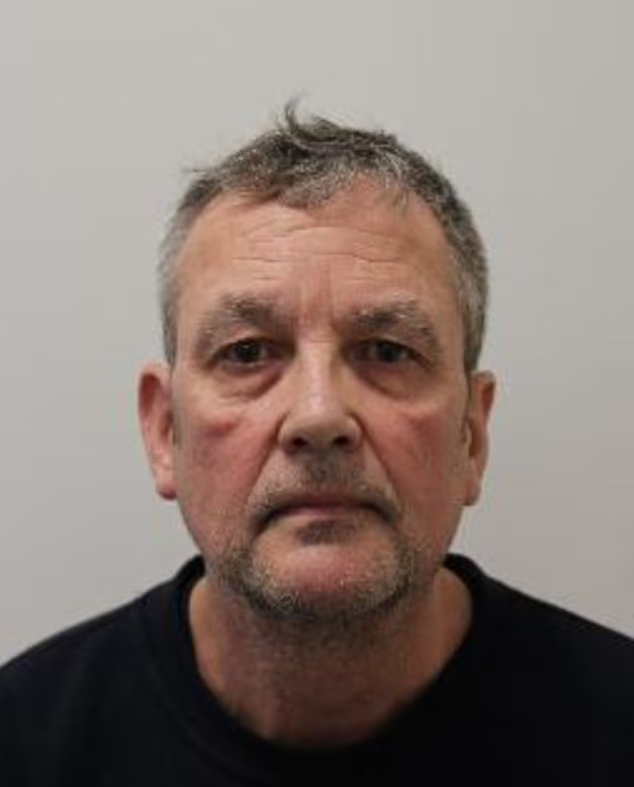
Anthony Stewart, 60, was 18 when he murdered Mr Littler with his brother in 1984. Anthony was a binman at the time and confessed the murder to a girlfriend and his younger brother Daniel who went to police

Two homophobic brothers who had a ‘hobby’ of attacking men they believed were gay have been jailed for life for murdering a civil servant ‘for fun’ in 1984. 

Michael Stewart, 57, and Anthony Stewart, 60, were just 15 and 18 when they set upon Anthony Littler as he walked home in East Finchley, north London.

Mr Littler, a 45-year-old civil servant, was bludgeoned twice over the head with a blunt weapon and was found mortally wounded half an hour later, still with his briefcase, £80 cash and credit cards.

The Stewarts were finally brought to justice after their younger brother reported them 29 years later, saying his siblings had confessed to the killing and boasted about ‘queer bashing’. 

Advertisement

Anthony Stewart, who was likely to have delivered the fatal blow, was handed a minimum term of 15 years in prison and ‘lookout’ Michael Stewart was jailed for at least 10 years. 

In a televised sentencing, senior judge Mrs Justice Cutts said: ‘Anthony Littler was in 1984 aged 45. 

‘He was, according to those who knew him, a quiet, kind and gentle man. He lived a quiet, decent and honest life. He worked as a civil servant and lived alone in East Finchley.’

She told the defendants: “This was not an impulsive attack, I am quite sure your group was lying in wait for a victim, someone to attack and rob.’

Advertisement

Anthony Stewart, 60, was 18 when he murdered Mr Littler with his brother in 1984. Anthony was a binman at the time and confessed the murder to a girlfriend and his younger brother Daniel who went to police

Michael Stewart, 57, was just 15 at the time of the attack. He called an ambulance anonymously after the attack but hung up before emergency services could find Mr Littler who was bleeding to death in the alleyway nearby

Michael Stewart, 57, was just 15 at the time of the attack. He called an ambulance anonymously after the attack but hung up before emergency services could find Mr Littler who was bleeding to death in the alleyway nearby

Anthony Littler (pictured) was beaten to death in an alleyway near East Finchley Tube station on May 1, 1984

Anthony Littler (pictured) was beaten to death in an alleyway near East Finchley Tube station on May 1, 1984

Advertisement

While there was no evidence Mr Littler was gay, the judge noted the defendants had targeted gay men to rob, saying: ‘1984 was a different time and in many respects a different place.’

In a statement, Mr Littler’s cousin Patricia McClure said: ‘I am particularly angry these murderers have had 42 years of freedom and they picked Anthony at random for fun, while I am glad that people have been found accountable.’

On the night of his murder, real ale enthusiast Mr Littler had been to a pub in Carshalton, Surrey, at a meeting of the Ponds Branch of The Society for the Preservation of Beer from the Wood.

He was ambushed and left for dead as he walked home down a narrow alleyway from East Finchley Tube station at 12.18am.

Advertisement

Michael Stewart called for an ambulance anonymously minutes after the attack from a phone box, but did not give enough information for emergency services to find Mr Littler, so the search was called off after Michael hung up.

A couple, Annalieze and James Hainge, found Mr Littler in a pool of his own blood while walking home from work. He was suffering from ‘catastrophic’ brain injuries.

By the spring of 1984 the Stewart siblings and their friends had made a ‘hobby’ of targeting lone men who they believed to be gay, jurors were told.

But they lied to police during house-to-house enquiries and said they were home at the time of the attack on Mr Littler, with binman Anthony Stewart insisting he never used the alley.

Advertisement

But a breakthrough came on the 29th anniversary of Mr Littler’s death when the thugs’ younger brother Daniel, who was 10 at the time, came forward to police after a family falling out.

He told officers his older brothers had confessed to the killing and boasted about being involved in ‘queer bashing’, jurors were told.

Michael had also admitted killing Mr Littler to his girlfriend and even showed her the scene of the crime down the alleyway at East Finchley Tube station, north London, jurors were told.

Anthony was said to be a man of few words but Michael proved to have a ‘loose tongue’ and bragged about what he did in 1984, the court heard.

Advertisement

The jurors deliberated for less than three hours to deliver their guilty verdict last week after the Old Bailey trial.

Today, Michael and Anthony Stewart have been jailed for life with minimum terms of 10 years and 15 years respectively. 

Senior Crown prosecutor Samantha Yelland said investigators had faced ‘challenges’ bringing a case, with the loss of key evidence, including a potential murder weapon.

The ‘unusual’ decision to deploy covert tactics was made in the absence of other evidence to prosecute the historic hate crime, she said.

Advertisement

After sentencing, Ms Yelland said: ‘My deepest condolences go to Anthony’s family and to all those who loved him. 

‘They have carried this loss for decades, and sadly many who waited so long for answers have not lived to see this day. 

‘Nothing can undo what happened to Anthony that night, but I hope today goes some way to honouring him and giving him the justice he deserved.

‘Anthony was walking home alone at night when he was ambushed from behind in what was an unprovoked and cowardly attack. 

Advertisement

‘It is devastating that he was targeted and killed, in part, because of his perceived sexuality. 

‘This was recognised by the court and reflected in the sentences handed down to Michael and Anthony Stewart.

‘This was not a straightforward case. Despite the passage of time and the defendants’ repeated denials, we worked in close collaboration with the Metropolitan Police to piece together decades of admissions, historic evidence, and new material from a reopened investigation, to robustly pursue a prosecution.

‘No matter how much time has passed, the Crown Prosecution Service will always seek to prosecute perpetrators of these horrific crimes and ensure they face the consequences of their actions.’

Advertisement

Detective Chief Inspector Neil John, of Scotland Yard, said: ‘Anthony’s life was suddenly cut short when he was killed in a brutal attack by two teenagers who we now know had a clear propensity for the most sickening kind of violence.

‘They targeted Anthony because he was alone, defenceless and walking down a dark alley in which they knew no one would see them carrying out their horrendous assault.

‘They lay in wait for someone to cross their path, and tragically for Anthony he became their unsuspecting victim.

‘We know Anthony’s murder has continued to cause his family pain all these years later, and we are pleased that they now know who was responsible for his death.’

Advertisement
Mr Littler was murdered by the homophobic Stewart brothers in this alleyway. This is a handout photo issued by the Metropolitan police in 1984

Mr Littler was murdered by the homophobic Stewart brothers in this alleyway. This is a handout photo issued by the Metropolitan police in 1984

During the trial, prosecuting barrister John Price KC described the events leading up to Mr Littler’s death.

He had taken a train to a pub in Carshalton, Surrey, after work to attend a meeting with a real ale group, Ponds Branch of The Society for the Preservation of Beer from the Wood.

He took the train back home and got off at East Finchley Tube station at 12.18am on May 1, then walked down a narrow alleyway towards his house.

Advertisement

It was there the Stewart brothers ‘ambushed’ him.

Mr Price said the assailants lay in wait and attacked Mr Littler, immediately striking him over the head, even though there was no evidence they knew their victim.

He suggested they may have panicked and fled the scene without going through his pockets when it became clear from the amount of blood that they had killed him.

Late resident Edward Dyer had been walking his dog and heard a loud shout which ‘sounded like a cry of pain’, jurors were told.

Advertisement

About half an hour later, Annalieze and James Hainge found Mr Littler lying injured in the alleyway as they walked home from the station.

Mrs Hainge ran to call emergency services from a phone box while her husband stayed with Mr Littler.

But he died at the scene.

Medics found him with two skull fractures and a ‘catastrophic brain injury’ which proved fatal.

Advertisement

Mrs Hainge’s call to emergency services had been the second 999 alert from a public phone kiosk, jurors were told.

At 12.22am, an unknown person had called an operator and asked for an ‘ambulance – quick’.

He told her: ‘I can’t stop, just get an ambulance to East Finchley station, there’s a man hurt outside the station.’

London Ambulance Service recorded the caller saying the casualty was ‘bleeding heavily’ before putting the phone down.

Advertisement

The call handler had noted the male seemed ‘abnormally concerned over the matter’, was ‘well spoken’ and had a ‘young sounding voice’.

Station staff searched the area and found no trace of a bleeding man so the incident was stood down, the court was told.

Mr Price told jurors that given the timing of the call, the unknown person must have been there when Mr Littler was attacked but gave ‘wholly inaccurate information’.

He said: ‘The prosecution submits that 42 years later, the evidence now available shows that it was Michael Stewart who had made that first 999 call at 12.22am and then hung up without giving the operator his name or the information she needed.’

Advertisement
Met Police reopened Mr Littler's case in 2022 and employed covert investigative techniques before arresting the brothers

Met Police reopened Mr Littler’s case in 2022 and employed covert investigative techniques before arresting the brothers

Staff at the station were told to check for signs of a bleeding or injured man in the ‘immediate vicinity’ of the station.

‘Of course, none could be found. That is not where Mr Littler was,’ Mr Price said.

The call was stood down as a false alarm at 00.40am.

Advertisement

‘Then, within about two minutes, an unknown caller using a phone in a public call box was telling Ms Rogers [the telephone operator] something of what had happened to leave him lying bleeding and dead in the alley,’ said Mr Price.

‘Anthony Littler had been alive and well and entering the alley at 00.20 and before 00.22 was dead or dying where he was later found by Mr and Mrs Hainge [who called the ambulance].

‘Given the time of that first call and the distance between where Anthony Littler was found in the alley and the nearest local phone kiosks from which it could have been made, is it not established that the caller could only have been able to report the fate of Mr Littler just seconds after it will have occurred, because he had been there to see it happen for himself?

‘Occurring at that time of night, in this enclosed alley, nobody would have been able to see what had happened to him unless they had been there, in the alley, and nearby.

Advertisement

‘Though asked to do so, he did not give the number of the call box he was using to make the call. 

‘He gave imprecise, if not wholly inaccurate information about where Anthony Littler was, and then he put the phone down rather than giving the operator the detail she needed.’

The prosecutor said, 42 years later, the evidence now available shows it was Michael Stewart who made that first 999 call at 00.22 and then hung up without giving the operator the information she needed.

‘He has confessed to someone that it was he who made a phone call on this occasion, as he put it, “I called the old bill”, and to much more besides. Now 57 years of age, he was then a schoolboy aged just fifteen.

Advertisement

Mr Price explained the difficulties faced by the police in the original investigation: there was no CCTV, no eyewitnesses, no weapons.

The court was shown stills from a BBC Crimewatch episode about the murder on 1 October 1984.

A serving police officer played Mr Littler in the TV programme because he looked like the murder victim.

He reenacted his journey from the Tube carriage, out of the station to where his body was found.

Advertisement

‘No meaningful leads were generated by any of the publicity,’ Mr Price said.

Police went ‘house to house’ in 1984 asking local people where they were on the night of 30 April 1984.

They went to the Stewarts’ home at 1 Prospect Ring, where Michael and Anthony were living with their mother Gloria and brother Daniel.

Both brothers claimed they were at home on the night of the murder.

Advertisement

They were not arrested until Daniel reported them to police in 2013.

He described how Michael had threatened to burn down his home and kill him.

‘He said that Anthony Stewart and the two sons of Anthony Stewart had then become involved in this dispute.

‘He, Daniel, had told them he would go to the police to tell them what he knew about the murder in the alley many years ago, when he was a child living in Prospect Ring. And now, in the spring of 2013, he did so.’

Advertisement

When he was arrested in 2025, Michael Stewart said, referring to where Daniel was living: ‘If you want a murder let me out and I’ll go and kill that little **** in Cheshunt.’

Daniel said his older brothers were always talking about going out and doing what they called ‘queer bashing’.

Their sister, Gaynor Stewart, who was 16 at the time of the murder, said she also remembered them talking about going out ‘gay bashing’.

Daniel told police in May 2013: ‘[Michael] told me that they had robbed a bloke and that he had died. I don’t think they meant to kill him, they just wanted to rob him but he died so it was a robbery gone wrong.

Advertisement

‘He said they bashed his head in with a wooden object, like a rounder’s bat and that Tony was the one who actually had the weapon and that he was the one that hit the bloke.’

Daniel also recalled a conversation with Anthony Stewart in 1992 or 1993, in which Anthony also confessed to him over a drink in a pub.

Daniel said: ‘It wasn’t until several years later that Tony confessed to me that he was involved in the murder. I think I was about 18 or 19 at the time and we were in a pub somewhere in Finchley.

‘I remember we talked about the murder, and he broke down and started crying. Tony admitted to me that he was involved in the chap’s murder and so was Mick.’

Advertisement

‘I never told anyone about it until 2013 when I spoke to the police.’

Daniel Stewart contacted Herefordshire Police and explained that he was coming forward with this information now ‘because recently they had threatened him’.

Jurors had heard how Michael told a girlfriend years later ‘that’s where we killed that bloke!’

But in his police interview he insisted he never took her to East Finchley.

Advertisement

He claimed that Daniel had told him that ‘Tony and his mates hurt someone in an alleyway.’

He said: ‘The story goes Tony got grabbed by this guy and one of the others hit him on the head with a crash helmet.’

He said he did not know the man had died.

Michael said he knew someone had been killed in the alleyway but never made the connection.

Advertisement

He said he was not aware of Anthony going ‘robbing’ or ‘gay bashing’.

Asked why he did not tell police what Daniel had said earlier, Michael said: ‘Because the way I look at it even though I’ve got a f***** up family they’re my brothers and they, you know what I mean, you don’t f****** grass on your own.’

He said he decided to tell police because he did not want to go to prison while his mother was ill.

Referring to Daniel, he said in his police interview: ‘My brother can manipulate people.’

Advertisement

He said his brother had repeatedly got him into trouble with the police for no reason.

‘My brother was jealous of me,’ he said.

‘It’s bad having a s**** family sometimes you want to curl up in corner and cry about it but you can’t pick your family can you.’

Michael said he slept rough and went into care as a teenager before getting a council flat with his brother.

Advertisement

This is a breaking news story. More to follow 

Source link

Continue Reading
Click to comment

You must be logged in to post a comment Login

Leave a Reply

NewsBeat

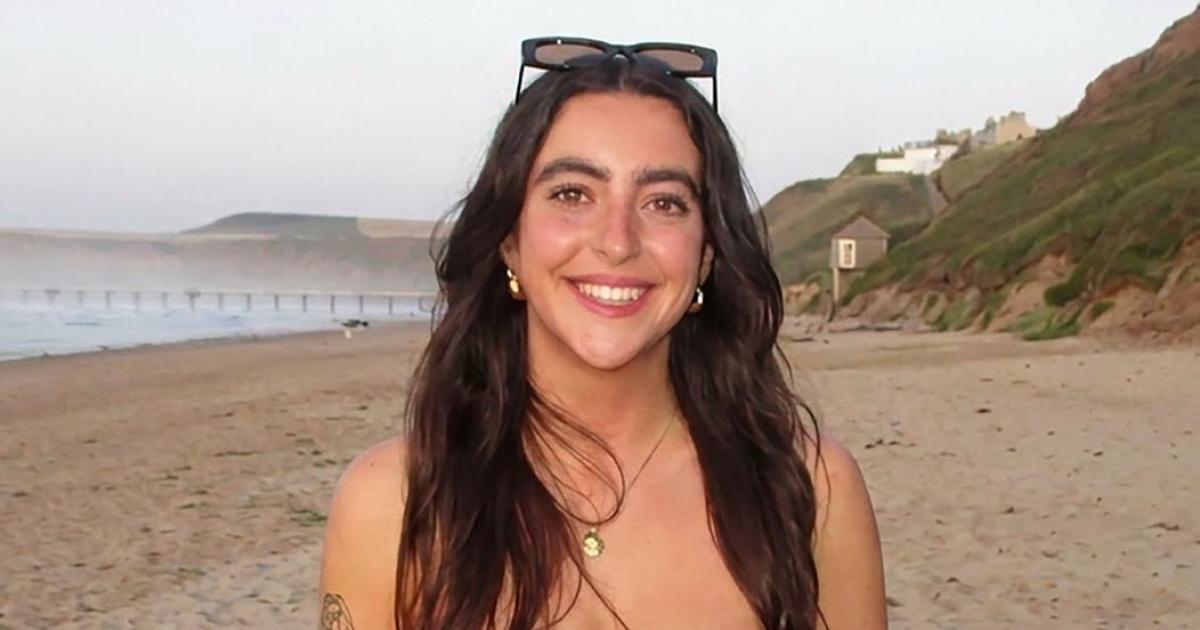
Family tributes to Ava Gillies following crash on A170

Published

on

Family tributes to Ava Gillies following crash on A170

Ava Gillies, 26, was involved in a two-vehicle road traffic collision on the A170 near Wrelton at 1.30am on Wednesday, July 29, which saw a black Audi A4 collide with her white Volkswagen Polo.

Despite the best efforts of the emergency services, Ava was sadly pronounced dead at the scene.

RECOMMENDED READING:

Advertisement

In a heartfelt tribute, her family, who are from the Wrelton area. said Ava was a” beautiful daughter, sister and granddaughter”.

“Ava, we will always, always miss you, your wit, your charm, your beauty, your feisty confidence, your many talents and your excellence in your field: hair & makeup for film and TV.

“In almost 27 years with us, you packed in so much, study, travel, and work. It was a privilege to have raised you and loved you. Our beautiful daughter, sister and granddaughter, your loss is immeasurable.

“We are so proud of your hard work and success, your BAFTA Connect membership and the opportunities that brought your career path from talented artist to new designer.”

Advertisement

They continued, saying: “what’s becoming clearer with every passing day is you were loved by so many people outside the family, your friends and the community in which you were raised.

“We take great comfort from the comments, cards and messages from people within the film industry and their expressions of love and respect for your talent.

“It was a privilege to have raised you and loved you.”

“Our family will be forever grateful for the help, love and support we have received from our village, family and friends at this time.

Advertisement

“We would like to thank the emergency services and the Police family liaison officers. We would ask that members of the media refrain from contacting us directly.

“Plans for Ava’s funeral and a celebration of her life will be announced in due course.”

A spokesperson for North Yorkshire Police said: “Our thoughts remain with Ava’s family, friends, and all who knew her during this incredibly sad time.”

The London-based Delamar Academy of Make-up & Hair, where Ava trained posted on social media: “We are broken hearted to announce that our wonderful and talented graduate Ava Gillies has tragically died in a car accident.

Advertisement

” Ava was an exceptionally gifted artist, and has been successfully building her career since training at Delamar in 2018. Ava was a kind, creative, hardworking and lovely person who will be greatly missed by all who knew her. Our hearts go out to her parents and brother, and all her family and friends.”

Source link

Advertisement
Continue Reading

NewsBeat

Marilyn Monroe: A Portrait exhibition review at the NPG, London

Published

on

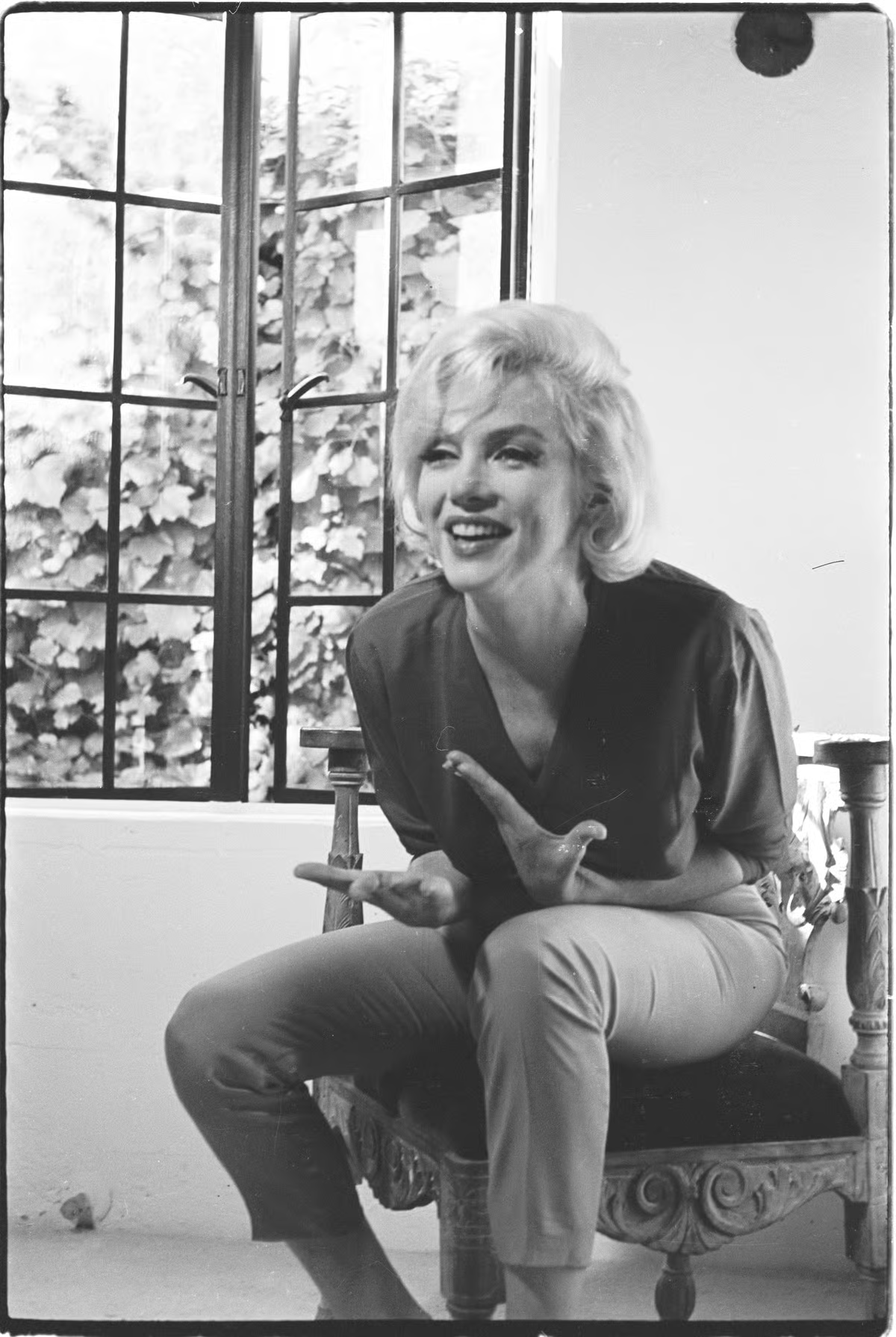
Marilyn Monroe: A Portrait exhibition review at the NPG, London

The show mostly demurs on the scandals, the battles with husbands and studio heads, the mistreatment and abuse she suffered. Instead we see how Marilyn Monroe, as a true icon, a venerated idol of the day, came under artistic interrogation. This is where the exhibition begins to depress. Works by artists from her era and beyond make up much of the second half, and they are mostly awful. Willem de Kooning’s ghastly portrait is a mocking mannequin; her then husband Arthur Miller was furious when he saw it but Monroe sagely said artists should be free to depict her how they wished. With this democratic outlook — one eye on the endless proliferation of her own image — she was essentially Warhol before Warhol. The man himself was, of course, obsessed by her and his work is the best art here, a perfect alliance — his Nine Multicolored Marilyns (Reversal Series), silk screened negatives that unveil the darkness behind the image, have a haunting immediacy.

Source link

Continue Reading

NewsBeat

Journalist Rod Liddle dies aged 66 after short illness

Published

on

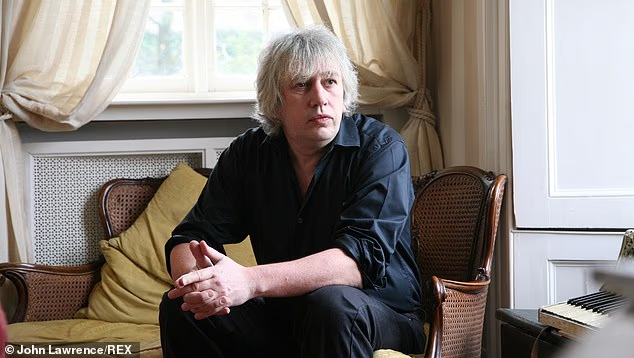
Journalist Rod Liddle dies aged 66 after short illness

Advertisement

Journalist and broadcaster Rod Liddle has died at the age of 66 after a short illness, it has been announced.

The Sunday Times and Sun columnist previously served as editor of BBC Radio 4’s Today programme and has more recently been presenting shows on Times Radio.

The news of his passing was announced this afternoon by his employers News UK.

He also had a weekly column in The Spectator, where he met his wife Alicia Monckton while in his role there as an associate editor. They wed in 2008, with Liddle previously having been married to fellow journalist Rachel Royce.

Advertisement

His children today paid tribute to their father who they say was their guide ‘on how to live an extraordinary life’.

Liddle died at The James Cook University Hospital in Middlesbrough on Sunday evening.

In a statement, his children Wilder, Tyler and Emmy said: ‘We’re all very saddened and shocked at the sudden passing of our wonderful father. He raised us much as you might imagine, to be inquisitive, brave and always humorous.

‘Even in hospital in the last few weeks, he consistently held the room and never let the awful situation show.

Advertisement

‘He has left a legacy that we are all incredibly proud of, he will always be our guide on how to live an extraordinary life.’

Rod Liddle has died at the age of 66 after a short illness, his employers News UK announced

Rod Liddle is pictured at a The Spectator party with Alicia Monckton - the pair wed in 2008

Rod Liddle is pictured at a The Spectator party with Alicia Monckton – the pair wed in 2008

Advertisement

Rebekah Brooks, CEO of News UK, said: ‘Everyone at News UK is deeply shocked and saddened to learn of the sudden death of Rod Liddle.

‘Rod was an inimitable journalistic force – brilliant, provocative and immensely talented – whose sharp wit and uncompromising voice graced our pages and airwaves for decades.

‘Whether writing for The Sunday Times and The Sun or broadcasting on Times Radio, he challenged conventional thinking and left an indelible mark on British journalism.

‘Rod will be greatly missed by all his friends and colleagues at News, as well as by his many readers, listeners and viewers.

Advertisement

‘Our thoughts and sincerest condolences are with his family and loved ones.’

Sunday Times editor Ben Taylor said: ‘Rod Liddle had a wonderful way with words and used his unique talent to speak for the readers, highlighting the cant and absurdity that bedevils modern life.

‘He was also supremely entertaining and for years his column was the first that many turned to every Sunday. We will miss him desperately.’

Victoria Newton, editor-in-chief of the Sun, said: ‘Rod was a brilliant, fearless columnist who was much loved by all at the Sun.

Advertisement

‘A champion of press freedom, no topic was off-limits, and his writing – as funny as it was excoriating – was simply exceptional.

‘A terrific observer of the frailties of our political class, he will be remembered for his razor sharp wit and for his huge intellect.

‘But on the Sun floor he will also be remembered for his warmth and humour and for the belly laughs we had at his wildly entertaining lunches and dinners where he would hold court.

‘He will be hugely missed by the Sun’s staff and by his many, many loyal readers.’

Advertisement

Tim Levell, programme director of Times Radio, said: ‘Rod burst out of the speakers when he started his show on Times Radio. Listeners already knew about his wit and his proudly anti-conventional views.

‘But his wide learning, dedication and comedic timing were a delight and surprise to many. His show brightened Saturday mornings enormously and he will be greatly missed.’

Advertisement

Source link

Advertisement
Continue Reading

NewsBeat

London’s Royal Observatory staff to strike over pay on day of eclipse

Published

on

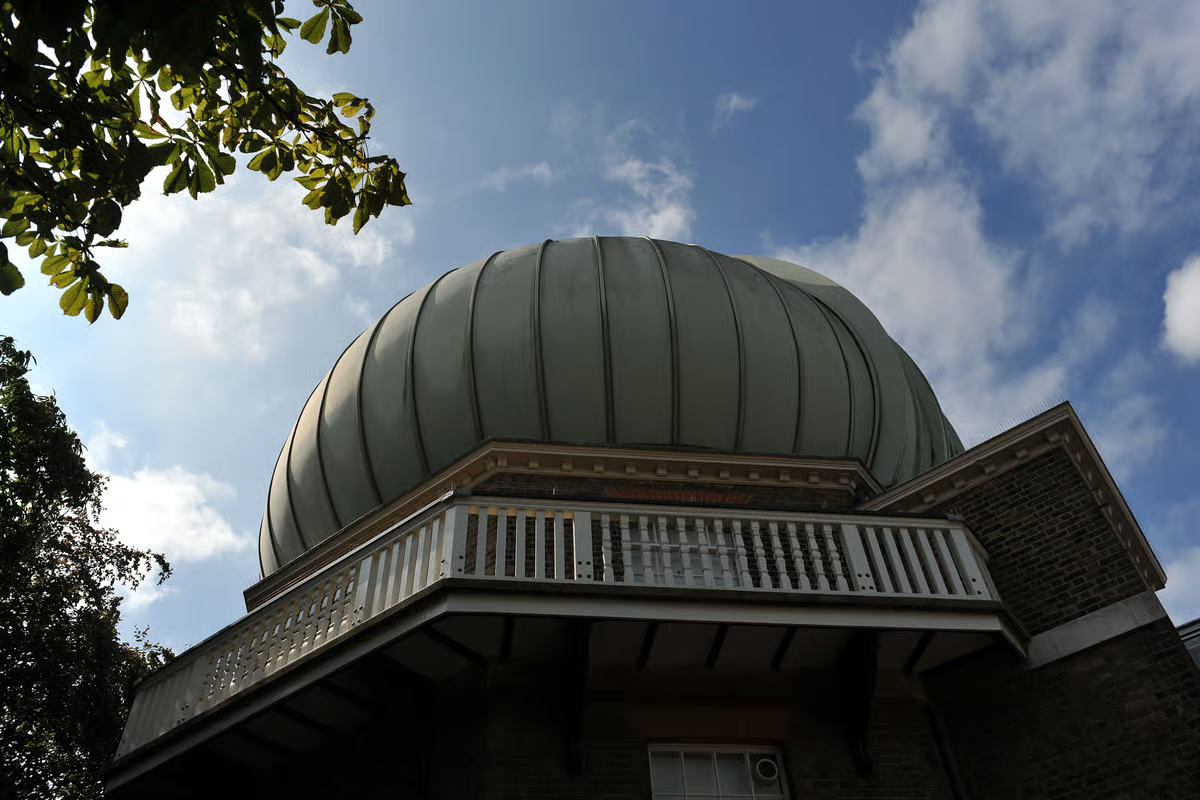
London's Royal Observatory staff to strike over pay on day of eclipse

In a statement, Royal Museums Greenwich said: “RMG has been in constructive negotiations with Prospect including a formal ACAS conciliation meeting in July. Those negotiations have already produced a two-year pay settlement covering 2026/27 and 2027/28, which has been agreed by Prospect and implemented.

Source link

Continue Reading

NewsBeat

how Indian and Bangladeshi artists turned craft traditions into contemporary sculpture

Published

on

how Indian and Bangladeshi artists turned craft traditions into contemporary sculpture

Craft traditions are often imagined as practices rooted in the past: carefully preserved techniques passed from one generation to the next. But Unbound Forms at The Hepworth Wakefield reveals a more dynamic story. Bringing together the work of five pioneering women artists from India and Bangladesh, the exhibition shows how materials such as textiles, metal, ceramic, wood and paint can be transformed into works that honour inherited skills while pushing them into new territory.

The artists in the exhibition lived through a period of enormous change. Four were alive when India gained independence in 1947, while Mrinalini Mukherjee was born just two years later, in 1949. Their work emerged from the newly formed nations of India and Bangladesh, where traditions of making, craft and cultural identity were being reasserted. Across the galleries, familiar processes including wood carving, metal casting, weaving and knotting, are reimagined as tools for experimentation and personal expression.

One of the themes that recurs throughout the exhibition is that of sculptures as deities. Ritu Raja, meaning “ruler of seasons”, by Mrinalini is made from two shades of natural hemp, folded to imply both male and female genitalia. The cylinder at the base of the sculpture recalls a lingam – a phallus representing the god Shiva in Hinduism. The male structure is enveloped or held by a series of folds, recalling female anatomy or botanical forms. In Nag Devta II, also by Mrinalini, the lingam surfaces as a snake deity.

Installation image of Mrinalini Mukherjee: Unbound Forms – Women sculptors of India and Bangladesh at The Hepworth Wakefield.
Anya Fiáine-Fox

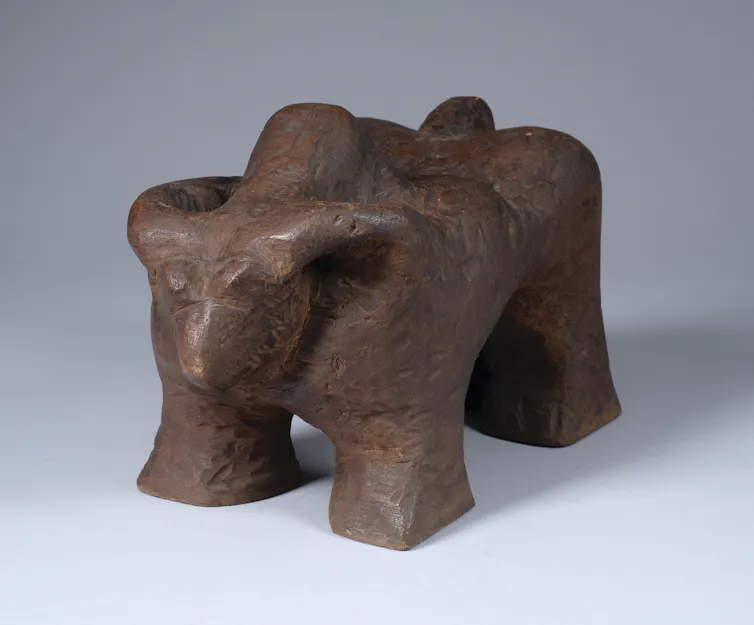
Leela Mukherjee is the mother of Mrinalini. Her carved wooden sculptures, Bull and Buffalo, depict important cultural animals in South Asia with additional associations as the vehicles for Hindu gods.

Advertisement

Novera Ahmed’s sculptures also imply the presence of divinities. Her works Shurjo (sun) and Chand (moon) are abstracted personifications of celestial forms, from stars to planets, with folkloric connotations. In Ahmed’s La Dame Lune “Chondraboti”, a highly textured steel sculpture with discernible facial features, Greek mythology is combined with a reference to a Bengali female poet, projecting female power and agency.

Snakes are also referenced throughout the exhibition, present in both Ahmed and Mrinalini’s work. These serpents or nagas – divine or semi-divine creatures that take both snake and human form – embody the borderline between animals and the anthropomorphic categories of beings (men, gods and demons).

An abstract wooden sculpture of a buffalo
Buffalo by Leela Mukherjee.
Mrinalini Mukherjee Foundation

In Hinduism the snake is both a sacred and sinister presence, often appearing in cobra-like form. In L’envoûtement (The Spell) and Un Serpent Nommé Désir (A Snake Called Desire), Ahmed alludes to an image of Buddha framed by the hood of a cobra.

Crafting with inbetween materials

Across the artworks on display, the way in which the materials are used – rather like the mythologies and deities – are open in their connotations, transmitting a sense of in-betweenness.

Mrinalini’s knotted hemp sculptures turn textiles into solid objects that are both dynamic and robust. Hemp was historically used in South Asia for garments, ropes and sails. These works combine decoration created through knots and folds with a material associated with the practicality of ropes and carrying heavy loads.

Advertisement
Leela Mukherjee with her work.

Leela Mukherjee with her work.
Mrinalini Mukherjee Foundation

In Mrinalini’s work, ceramic and metal fold to mimic fabric or botanical and fabric becomes dense. Metal has a basket-like appearance in Meera Mukherjee’s (no relation) two works, Untitled and Boatmen, as if it has been woven not cast. In contrast, in her sculptures Atomic Couple and Time Past, Pilloo Pochkhanawala uses leftover industrial metal scraps combined with stones to create jagged sculptures like ruins or remnants in a post-industrial landscape.

Ahmed’s Bangladesh, a bronze sculpture featuring seemingly cut out shapes could arguably sit in relation to these two works, yet here possibly sinister figures with cut out eyes emerge from the landscape. Having spent time in Nepal learning traditional wood carving, Leela’s wooden sculptures are bulbous chiselled forms, in which the bulges can be seen as a series of heavy but overinflated folds.

Folds also feature in Meera’s work in bronze, Bou, which depicts a Bengali woman perhaps wearing a hijab. The patterning framing her face recalls the folds of the head covering and textile patterns of a sari. Created in the 1980s, this work was made in aftermath of the religious violence of partition and in the decade after the Bangladesh liberation war. The relationship between garments and folds is underlined by photographs of Mrinalini in her studio, working in a sari.

Advertisement
Mrinalini Mukherjee with large colourful hemp sculptures

Mrinalini Mukherjee with her work, Experiments, in 1985.
Ranjit Singh/Digitised by Asia Art Archive, India/Mrinalini Mukherjee Foundation

The versatility of sari folding perhaps bears some resemblance to the folds in Mrinalini’s work, with the female form implied in many instances. She has described sculpture as “a kind of organic unfolding”. The fold as the cusp of unfurling or unfolding, of providing a revelation.

The work of these five artists form connections between themselves and craft practices stretching back in these locations for hundreds of years and the contemporary worlds of post-independence India and Bangladesh. The works represent the fluidity of female voices as shape-shifters that navigate the material cultures and traditions around them in diverse and individual ways, allowing their voices to create a powerful throng.

Unbound Forms is on show at The Hepworth Wakefield until 1 November.

Source link

Advertisement
Continue Reading

NewsBeat

Shoppers warned of higher prices and shortages due to drought conditions

Published

on

Daily Mirror

Farming leaders call on government to step in as extreme weather forces many to complete harvest weeks early – with reports of unprecedented numbers throwing in the towel and selling up

The government has been urged to take action amid warnings that shoppers face higher food prices and possible shortages because of the prolonged drought.

Advertisement

Tom Bradshaw, president of the National Farmers’ Union, called on ministers to help support the building of reservoirs on farms as part of wider measures. “Water security is food security and food security is part of our national security,” Mr Bradshaw said.

It came as heat health alerts were issued for most of England as temperatures are forecast to reach the mid-30s centigrade. That followed what has been the driest July on record for England and Wales.

Parched conditions have caused havoc for farmers. Many arable farmers have been forced to bring forward their wheat harvest by several weeks – in some cases the earliest for at least 20 years – because of the extreme weather, with an impact on yields – the amount produced.

Advertisement

Mr Bradshaw also explained that livestock farmers are using their winter feed rations because they cannot grow grass. He said: “It does feel like there is going to be some shortages of (food) products.”

Potato production is another crop heavily impacted as about half of what is produced needs irrigation. “The reservoirs are almost empty,” Mr Bradshaw added.

He went on: “We need to think about the resilience of our food system as a national priority. We need to adapt, we want to adapt, but we also need the government to recognise that this needs to happen urgently and we need their support.

Mr Bradshaw argued tor farmers to be given tax breaks to build water storage systems on their land.

“Those other countries around the world that we currently rely on to produce our food and vegetables, their climates are changing as well,” he said.

Anthony Hopkins, director of cereals and oilseeds at the Agriculture and Horticulture Development Board, said: “Across much of the UK, combine (harvesters) have been rolling earlier than usual this year, with many farmers working through the night to avoid the most extreme daytime temperatures.”

Some farmers, already reeling from soaring fertiliser and other costs, have decided to throw in the towel, with reports from agents of unprecedented numbers of farms being put up for sale.

Advertisement

There are warnings that food prices in shops could rise, adding to the cost of living squeeze on millions of families. New PM Andy Burnham has made tackling living costs a key priority for his new government.

Dr Anna Murgatroyd, a lecturer in hydrology at Newcastle University, said: “One thing I imagine we will start to see is food prices increasing, and we are probably likely to see fewer food products from Britain on our shelves – we might even start to see shortages depending on what happens over the next couple of weeks and months.”

Farmer Andrew Ward, in Lincolnshire, said the last rain it had was on June 11, with 4mm. “You cannot grow crops and produce food without water, it’s as simple as that,” he said, adding that it had finished its wheat harvest a month early and with a lower yield because of the weather. “Across the country we are going to be short of wheat, there is no doubt about it,” he warned.

Source link

Advertisement
Continue Reading

NewsBeat

Boyfriend of woman murdered by Hamas in October 7 massacre shoots himself dead beside her grave

Published

on

Asraf was found by his sister with a gunshot to the chest at the cemetery in Elkana in the West Bank

The boyfriend of an Israeli woman murdered by Hamas during the October 7, 2023 massacre has taken his own life beside his late girlfriend’s grave.

The tragic incident occurred last Saturday, when 30-year-old Bar Asraf, shot himself by Liron Barda’s grave. Barda had been killed while attending the Nova Music Festival.

Asraf was found by his sister with a gunshot to the chest at the cemetery in Elkana in the West Bank. Despite the rapid intervention of emergency services, the man was pronounced dead.

Speaking to Israeli outlet Walla, his sister Lehi described the heartbreaking moment she found her brother’s body.

Advertisement

‘We were at my [other] brother’s wedding, and he apparently started to feel lonely…he left. I thought he went to be alone and think like he usually does. 

‘An hour, two hours passed, my older sister said, ‘Come on, let’s go look for him. First in the most logical places, and then we said at Liron’s grave. He liked to talk there and be with her.’

‘Suddenly I see him lying next to Liron’s grave. I told him, “Get up, what are you doing again”, Then I realized he was covered in blood. I stepped on a gun next to him. I screamed. I couldn’t function…. I knew it was the end.

‘He died in the place he wanted to be most, with the woman he wanted to be most.’

Advertisement

Asraf was found by his sister with a gunshot to the chest at the cemetery in Elkana in the West Bank

Barda had been working as a bar manager at the Nova festival

Barda had been working as a bar manager at the Nova festival 

Asraf and his girlfriend Barda, who was killed at the Nova Music Festival almost three years ago

Asraf and his girlfriend Barda, who was killed at the Nova Music Festival almost three years ago

Advertisement
Barda tending to the injured at the Nova festival before she was murdered

Barda tending to the injured at the Nova festival before she was murdered

Barda had been working as a bar manager at the  Nova festival. Although her friends and family begged her to flee during the terror attack, she stayed behind to tend to the injured.

Speaking previously to Israel Hayom, her father Avi said: ‘I spoke to her that morning, I asked her to leave the area – she refused, she said there were wounded people and she was staying.’

‘This was Liron – I would have been surprised if she agreed to flee.’ 

Advertisement

Asraf had been struggling for nearly three years with the death of his girlfriend, people close to him revealed. 

Asraf’s mother told Walla that her son was never the same after Barda’s death. She described Barda as his ‘soulmate’ and noted that his grief had completely consumed him. 

‘There were three days when we didn’t know what happened to her in Nova, a nerve-wracking experience,’ his mother Bracha said. 

‘He slept at my house and didn’t move from me from morning until night. He sat with her entire family. He’s stayed in touch with them ever since, brought his mother bouquets of flowers, got a tattoo in her honour.’

Advertisement

A short while before taking his own life, Bracha says her son expressed that he was very sad and that it was hard for him without Barda. 

‘I miss her. There’s no one to replace her, to encourage me,’ he told his mother.

Asraf’s funeral took place on Sunday where he was buried at the new Nahal Rabbah Cemetery.

Shiran Maor, chairman of the Safe Heart organisation, which provides psychological assistance to Nova survivours and their families, said, ‘Our hearts are broken by this terrible tragedy. 

Advertisement

‘We share the family’s deep sorrow and embrace everyone who knew and loved him.’ 

In April 2024, it was reported that 50 Nova survivours had taken their own lives in the six months following the massacre.

There have been other cases since, such as that of Roei Shalev, a 28-year-old who set himself on fire in October of last year.

Shalev was found dead in a burning vehicle on a highway exit near Netanya, two years after he witnessed his girlfriend’s murder.

Advertisement

Shalev’s girlfriend, Mapal Adam, and his best friend, Hili Solomon, were murdered before his very eyes at the hands of Hamas militants at the Nova festival.

Roei Shalev, 28, set himself on fire in October of last year (Pictured with his girlfriend who was murdered by Hamas)

Roei Shalev, 28, set himself on fire in October of last year (Pictured with his girlfriend who was murdered by Hamas)

Shalev had to pretend he was dead for hours after being shot in the back during the devastating assault

Shalev had to pretend he was dead for hours after being shot in the back during the devastating assault

In October 2025, Yelena Giler (R), mother of Slava Giler (L), who was murdered at the Nova music festival in Israel, took her own life

In October 2025, Yelena Giler (R), mother of Slava Giler (L), who was murdered at the Nova music festival in Israel, took her own life

Advertisement

He had to pretend he was dead for hours after being shot in the back during the devastating assault. 

He had been trying to hide under cars with Adam and Solomon before they were killed. 

Shalev’s devastating final message read: ‘I’m truly sorry. I can’t bear this pain any longer.’

Also in October 2025, Yelena Giler, 56, mother of Slava Giler, who was murdered at the Nova music festival in Israel, took her own life.

Advertisement

Since the attack, Yelena had been hospitalised every two-to-three months due to psychological damage.

‘That day broke her,’ wrote Slava’s brother, Alex ‘Sasha’ Giler, in a social media post following the tragic death.

‘Until October 7, her condition was stable,’ Sasha said. ‘She was taking her medication and living a normal routine. But October 7 completely broke her.

‘Since Slava’s murder, she couldn’t bear the pain anymore. She reached a point where I didn’t recognise her. She really lost touch with reality.’

Advertisement

Yelena was buried beside her son at the Karmiel Cemetery.

For help and support, call the Samaritans for free from a UK phone, completely anonymously, on 116 123 or go to samaritans.org 

Source link

Advertisement
Continue Reading

NewsBeat

Iran denies Trump’s claim that new talks will begin on Monday

Published

on

A map of Iran showing the location of hydro, gas, oil or nuclear power plants.

Iran has denied Donald Trump’s claim that new talks on ending the conflict would begin on Monday, after the US president called off what he said would have been “massive” strikes on the country.

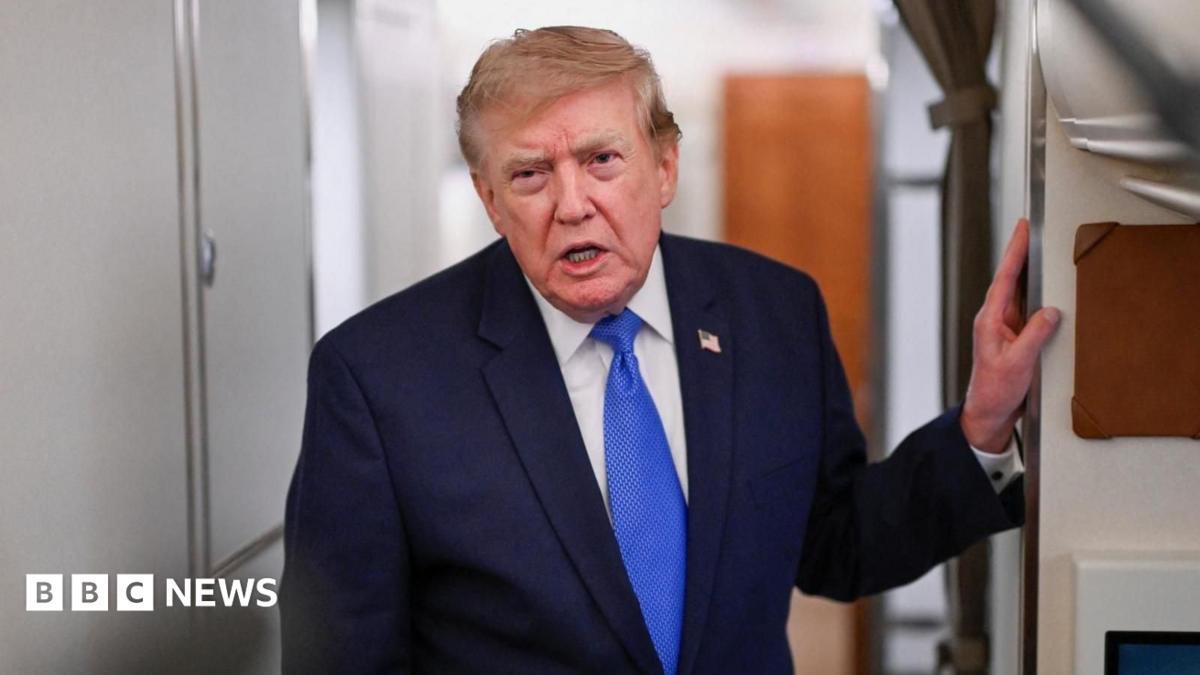
Speaking on board Air Force One on Sunday, he said Iran “knew the extent of the attack because they saw it forming”, adding: “We’re talking to them in the form of a negotiation. It begins tomorrow afternoon.”

In an earlier post on Truth Social, Trump said he had been asked by Iran and US allies in the Middle East to “hold off” as the “perimeters” of a deal had been agreed.

But on Monday Iran’s foreign ministry denied they were negotiating with the US, or that there were any plans to do so.

Advertisement

Spokesperson Esmaeil Baghaei added that Tehran was negotiating with Oman to reach “an understanding over a path to ensure the security of shipping passage through the Strait of Hormuz”.

Earlier talks between the US and Iran have been facilitated through mediators.

Trump has repeatedly vowed that a negotiated end to the war is near, only for tit-for-tat strikes to resume.

In his remarks on Air Force One, Trump declined to outline a deadline for a deal to be struck with Tehran, adding: “We’ll just see how it is. We’re ready to go anytime we want… I’m not looking to kill people.”

Advertisement

The US president did not specify where the talks on Monday would be held or who would attend.

Trump added that Saudi Arabia’s Crown Prince Mohammed Bin Salman – as well as US partners such as the United Arab Emirates and Qatar – had urged him against conducting strikes over the weekend.

“We were all set to go,” Trump said. “The reason they asked is [that] they think there’s a deal,” he said. “There’s a deal on Hormuz, and there will be a deal on the nuclear.”

Global oil prices fell on Monday morning in Asia trading after Trump’s announcement. Brent Crude oil was down by 4.5% at $83.98 (£62.26), while US-traded oil was 4.6% lower at $80.74 (£59.85).

Advertisement

Energy prices have fluctuated since the conflict started on 28 February as traders reacted to disruptions to shipping through the Strait of Hormuz.

Around 20% of the world’s crude oil and liquefied natural gas (LNG) usually flows through the strait.

Vessel-tracking data from trade intelligence company Kpler suggests commercial shipping through the strait has slowed.

According to the data, 51 vessel crossings occurred through the strait between 30 July and 2 August. This is a drop of around 28% compared to the previous 4 days, in which 71 crossings were recorded through the strait.

Advertisement

Iran’s semi-official Mehr news agency denied that Tehran had asked the US to hold off on further military action, saying Trump’s claims were “nothing but a new lie”.

During his remarks on Air Force One, Trump said that the planned strikes would have been “the biggest attack since World War Two”, and could have derailed prospects of a negotiated end to the months-long war.

Trump declined to answer if he had been planning to strike Iranian energy infrastructure, which international law experts have said could constitute a war crime.

Source link

Advertisement
Continue Reading

NewsBeat

Arsenal get new Vinicius Jr update after key development in transfer saga

Published

on

Arsenal get new Vinicius Jr update after key development in transfer saga

Madrid have seen their move for RB Leipzig winger Yan Diomande worth more than £100million stall in the last week, while they remain in pursuit of Manchester City star Rodri after already signing Marc Cucurella, Denzel Dumfries, Bernardo Silva, Ibrahima Konate and Carlos Espi so far this summer.

Source link

Continue Reading

NewsBeat

Cause of 17-hour Washington factory fire still unknown

Published

on

Cause of 17-hour Washington factory fire still unknown

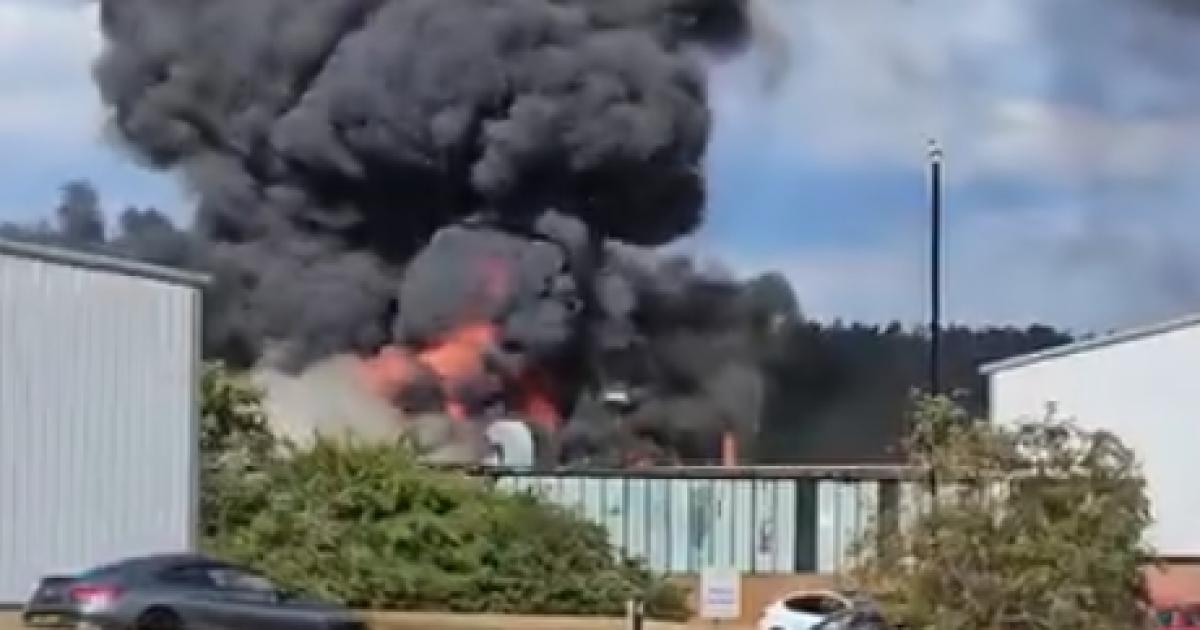
Emergency services were called to the Crowther Industrial Estate in Washington on the afternoon of Friday, July 31.

Flames and thick plumes of smoke were visible for miles, with 999 calls pouring in from drivers on the A1 and other major roads.

The fire visible from Sacriston, Durham. (Image: NORTHERN ECHO CAMERA CLUB)

Tyne and Wear Fire and Rescue Service said they sent eight fire engines to the scene.

A spokesperson said: “The emergency call was received by our fire control team at 3.40pm and crews from Marley Park, Farringdon, South Shields, Gateshead, West Denton, Byker and Newcastle Central Community Fire Stations were dispatched to the scene near to Crowther Industrial Estate in Washington.

Advertisement

“Crews left the scene at 8.14am, once the fire had been safely extinguished.

“The cause is unconfirmed at present.”

Firefighters in Washington extinguishing the flames on Friday (Image: Ryan Atkinson/CAMERA CLUB)

At the time, the scene was cordoned off by police while firefighters tackled the flames.

The North East Ambulance Service later confirmed that no patients required treatment and there were no serious injuries reported.

Advertisement

Residents were advised to keep windows and doors closed due to the volume of smoke.

One woman said on social media: “Actually felt the house shake when it happened.”

Another resident said that smoke was visible as far away as Durham.

Investigations into the cause of the fire are ongoing.

Advertisement

Source link

Continue Reading

Trending

Copyright © 2025