People living nearby are being urged to keep doors and windows shut
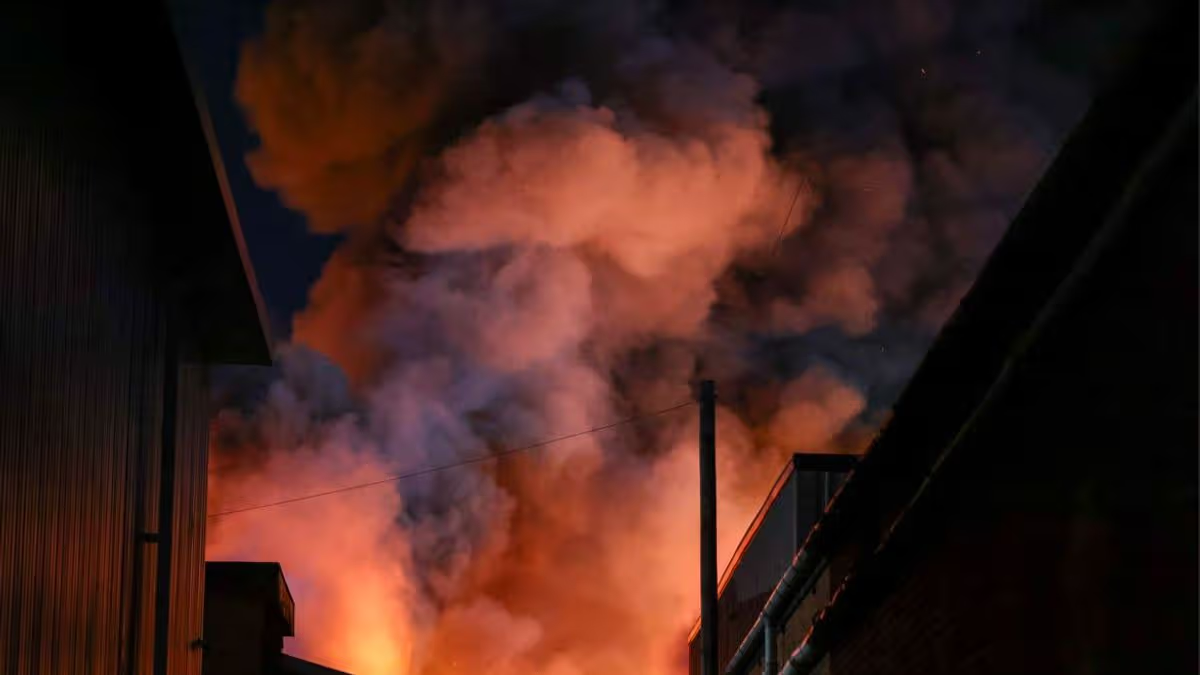
The fire in Cheetham Hill(Image: David Murphy )
Tom Burnett Content Editor
Firefighters are dealing with a huge building fire in Manchester in the early hours of Saturday morning (June 27).
Advertisement
Emergency services are at the scene of the blaze on Broughton Street, Cheetham.
The incident has been ongoing since at least 1am, with the fire understood to involve a warehouse.
Click here to get the biggest stories straight to your inbox in our Daily Newsletter
Smoke from the blaze is visible for miles around, with a number of road closures in place.
Advertisement
In a statement shortly after 2.30am, a Greater Manchester Fire and Rescue Service spokesperson said: “Our crews are currently dealing with a building fire on Broughton Street, Cheetham Hill in Manchester. Nearby residents are advised to keep their windows and doors closed and to avoid the area.
“Road closures are in place.”
This is a breaking incident. We will bring you further updates as they become available.
Advertisement
Another photo of the blaze
Firefighters are working to bring the fire under control tonight.
Smoke rising from the scene in Cheetham Hill(Image: Amber Greenwood)
Advertisement
People urged to keep doors and windows closed
A Greater Manchester Fire and Rescue Service spokesperson said:
Our crews are currently dealing with a building fire on Broughton Street, Cheetham Hill in Manchester. Nearby residents are advised to keep their windows and doors closed and to avoid the area. Road closures are in place.”
Incident ongoing since at least around 1am
Advertisement
The Manchester Evening News started receiving reports of an incident at around 1am. The fire is understood to be ongoing.
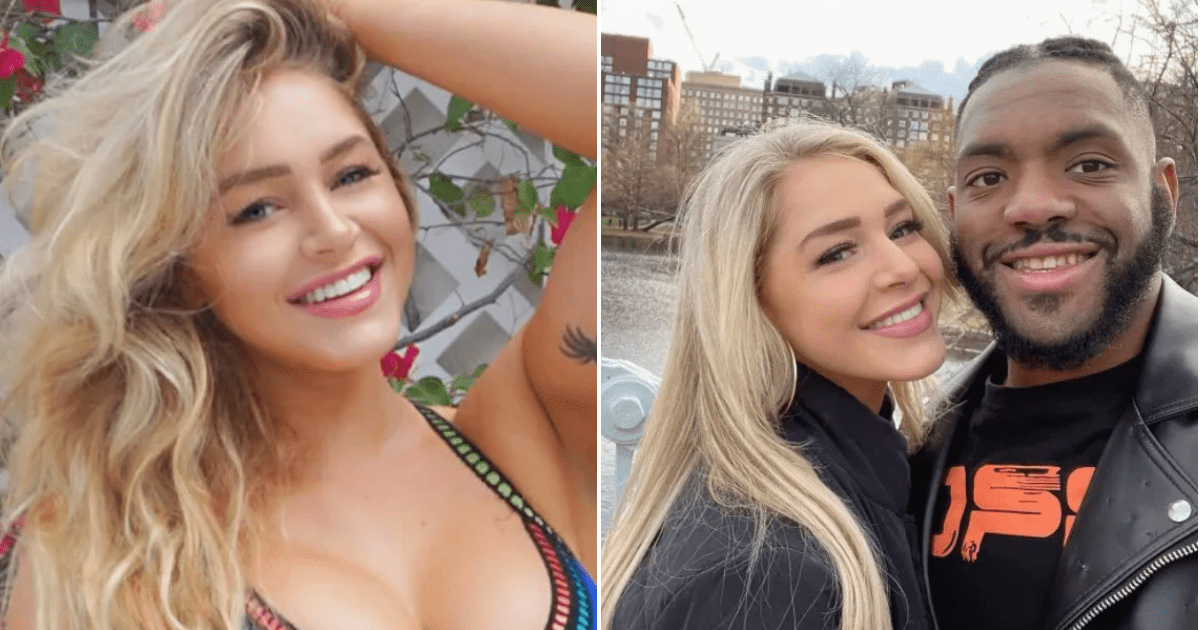
OnlyFans creator Courtney Clenney has been in jail for four years after being charged with murdering her boyfriend (Picture: Instagram/@courtneytailor)
OnlyFans model Courtney Clenney has reached a plea deal, one month before she was due to stand trial for allegedly murdering her boyfriend.
Clenney, 30, was charged with second-degree murder in 2022 after her partner, 27-year-old Christian Obumseli, was found with a three-inch deep stab wound at their Miami, Florida, luxury apartment.
She called 911 herself, with first responders finding Obumseli had been knifed in the shoulder and Clenney covered in his blood.
He was taken to hospital for treatment, but he died shortly after.
Advertisement
At the time, officers determined that his death followed a domestic dispute, with a Miami PD spokesperson confirming there had been a ‘physical altercation’.
Following her arrest, Clenney has not denied responsibility for Obumseli’s fatal injuries but has claimed she threw the knife at her boyfriend from approximately 10 feet away in self-defence after he shoved her to the ground and tried to strangle her.
The 30-year-old claimed she acted in self-defence (Picture: Instagram/@courtneytailor)
Christian Obumseli was found with a knife wound in his shoulder (Picture: Instagram/@courtneytailor)
She also allegedly threatened to kill herself, leading to police evaluating the threat and implementing the Baker Act, which allows law enforcement, as well as medical professionals, to commit a person to mental health treatment for up to 72 hours.
Now, the content creator has struck a deal to plead guilty, with the terms to be made public on August 10 when presented to the Miami-Dade County court.
Advertisement
Clenney’s attorney, Sabrina Puglisi, told Court TV on Friday afternoon that an agreement was reached with prosecutors to resolve the charges without a trial, and awaiting a judge’s approval.
‘We will reserve further comment on the specific terms until they are placed on the record before the court.’
An attorney representing Obumseli’s family confirmed there is a deal in place, too, but said commenting further would be premature and irresponsible.
During previous hearings, the court heard how Clenney and Obumseli had a ‘tempestuous and combative relationship’, with mutual friends claiming they saw both parties hit each other.
Advertisement
The social media model has now reached a plea deal (Picture: AP)
Meanwhile, neighbours reported hearing arguments on several occasions, which had required police intervention.
Having recently moved to the Edgewater neighbourhood of Miami, Obumseli lived with his girlfriend at the One Paraiso apartment building.
Questions were also raised in the immediate aftermath of Obumseli’s death, as Clenney appeared active on her OnlyFans platform.
She was detained on April 3, but explicit content was posted on the subscription site on April 4.
Clenney used the name Courtney Tailor on social media and had over two million Instagram followers.
Advertisement
As for Obumseli’s family, they denied Clenney’s defence’s accusations that he was the violent one in the relationship, insisting it was actually her.
Clenney and Obumseli were known to have a ‘combative’ relationship (Picture: Instagram/@courtneytailor)
A GoFundMe was also established for them after he was killed and raised over $60,000.
The page’s bio said he died just one week before his 28th birthday.
‘Christian was extremely compassionate with a desire always to uplift those around him,’ it added.
‘He did not deserve for his life to be cut short by a heinous act of violence.’
Advertisement
Clenney, who has remained in jail in Miami without bond for the past four years, will be sentenced immediately after giving her guilty plea later this month.
Inside Ben Shephard’s private life with wife Annie as he shares a very rare glimpse into their family holiday in Cornwall – after the This Morning star revealed they ‘live separate lives’
While much of his career has been on screen, Ben Shephard has kept his marriage to his wife, Annie Perks, largely out of the spotlight.
The pair met as students at the University of Birmingham, where the This Morning star studied dance, drama and theatre arts, while Annie studied philosophy and headed the Philosophy & Epistemology Society.
After embarking on their blossoming romance in 1995, the two eventually got married in 2004.
Although they have made red carpet appearances together, the couple maintain a private life with their two sons, Sam and Jack.
Advertisement
But earlier this week, Ben gave a very rare glimpse into his family as they enjoyed a trip down to Cornwall.
Taking to Instagram, the presenter shared a series of photos from his week down the British coastline to celebrate his Auntie Jan’s retirement.
Inside Ben Shephard’s private life with wife Annie as he shares a very rare glimpse into their family holiday in Cornwall
Advertisement
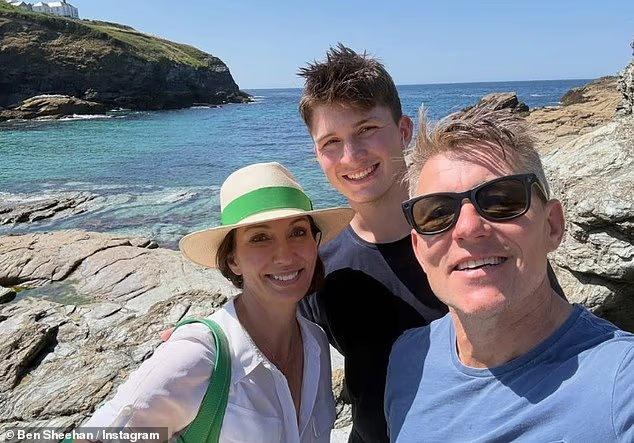
Earlier this week, Ben gave a very rare glimpse into his family as they enjoyed a trip down to the British coastline
In one snap, he posed for a beaming selfie with Annie and their son Sam, before sharing a series of sweet family moments, including a stunning family lunch at Paul Ainsworth’s restaurant and a walk along the coast.
Alongside the snaps, Ben wrote: ‘One week like this! Family, sunshine + Cornwall❤️
‘We had a wonderful celebration of my Auntie Jan’s retirement from her musical endeavors at 85 with an amazing lunch @stenodoc which under @paulainsw6rth and his wife Emma is just as stunning as the view it overlooks.
Advertisement
‘Honestly, we can’t recommend it enough it’s stunning!! Port Isaac and Port Gaverne couldn’t have looked more inviting and charming and I even squeezed some golf @stenodocholf with mates – as weeks go not sure they get much better!’
The rare family snaps come just months after Ben revealed that he and Annie live ‘separate lives’.
Explaining their differing attitudes towards spending time together, Ben told the Daily Mail: ‘Annie is much more solitary than me.
‘She’s much happier in her own company. Half the time she’s like, “I need a bit of space. Can you leave me alone for five seconds, please?”‘
Advertisement
He continued: ‘We do live quite separate lives.’
Taking to Instagram, the This Morning presenter shared a series of photos of his family celebrating his Auntie Jan’s retirement
Alongside the snaps, Ben wrote: ‘One week like this! Family, sunshine + Cornwall❤️’
Ben and Annie met as students at the University of Birmingham (pictured during their younger days)
Advertisement
‘I’m off working, she has her job, which is garden and interior design. If I’ve got spare time I want to do something physical.’
While she keeps out of the public eye, Annie has an impressive career of her own in the media.
She runs an interiors website called The House Edit, and in recent years, she’s also qualified as a garden designer.
Before she became a mum, she had built a career writing for fashion and interior magazines, working for the likes of House & Garden, Glamour, Elle Deco, Elle and Red.
Advertisement
On her website, Annie writes: ‘For the last 15 years I’ve been raising our boys, knocking down and remodelling houses, building gardens out of mud-pits and running interiors projects.
‘I’ve studied hard and taken excellent courses, so I’ve learned both the theory of design and I’ve also learned the hard way, by creating from the ground up, wellies on and spade in hand.
Ben and Annie married in 2004 in Salcombe, Devon
They went on to welcome two sons, Sam and Jack
Advertisement
Ben said of his sons: ‘Jack’s working as a teaching assistant before travelling. Sam’s studying maths at university and having a ball’
‘After a few mistakes and a few more successes, my friends started to ask for help with their own interiors and gardens.’
Currently, she helps people ‘create stylish, meaningful interiors and gardens that tell their story’.
Ben and Annie are currently preparing for the ‘imminent’ moment that they become ’empty-nesters’.
Advertisement
Their son Jack is working as a teaching assistant before going off travelling, and their eldest child, Sam, is currently studying maths at university.
Ben revealed that Jack has funded his travels by himself.
Speaking on the White Wine Question Time podcast, he told former Loose Women anchor Kate Thornton: ‘He worked really hard for his A-Levels, then worked really hard as a teaching assistant, got some money together to be able to fund his trip.
‘He’s learned how to budget, clean his clothes and make sure he’s fed and watered and all those sorts of things.
Advertisement
‘I did that to varying degrees when I was 19. We do miss him and Annie misses him dearly, but it’s just such an exciting time. I’m jealous they’ve got so much ahead.’
Not having young children to care for has allowed Ben to prioritise his personal health.
His physical transformation in recent years also coincided with his milestone 50th birthday last year, which inspired the broadcaster to become the fittest he’s ever been.
He often shares updates on his social media from his workout regime, including workouts with his sons.
Advertisement
Ben told Men’s Health that he gets very competitive when it comes to proving to Sam and Jack that he can keep up with his sons.
Given Ben’s priority on health and fitness, he previously told the publication that his ‘wife does most of the cooking’.
As he noted: ‘And I’m turning around saying, “I’ve got to have enough protein”.’
However, Ben added, they share an unconventional ‘agreement’ to strike the perfect balance.
Advertisement
He added: ‘We came up with an agreement, I’d get what I needed during the day, so I could enjoy our dinners together.
‘You can leave stuff out that you don’t necessarily want, but we still want to share that moment in the evening.’
Ben gushed over Annie earlier this year: ‘This amazing influence who created the home for our boys to become who they are and certainly made me better at being a dad’
With their kids no longer at home, the Tipping Point host said that they’re working on finding activities that they can enjoy together.
Advertisement
He told the Daily Mail: ‘It’s about finding things that work for both of us – but as I say, that feels really exciting.’
Ben was eager to emphasise that, despite their differences, Annie remains the ‘most important factor in our lives as a family’.
He said: ‘This amazing influence who created the home for our boys to become who they are and certainly made me better at being a dad.’
In March, Ben marked his 22nd anniversary with Annie by sharing a rare photo of ‘the best thing to ever happen to me’.
Advertisement
He reminisced about their relationship as he shared a selfie of the couple from the early days of their romance.
‘So 22 yrs ago today @mrsannieshephard said “oh go on then” and that was that!’ he gushed in the caption.
‘It might have taken me 9 yrs to realise it and to ask her to marry me but she’s still the best thing to happen to me,’ he continued before joking about his other great love – West Ham legend Mark Noble.
“Today” show host Savannah Guthrie on Saturday said on social media that her family was “desperate” and “begging for help” in the disappearance of her mother, a day after authorities released two ransom notes including one saying that she had died.
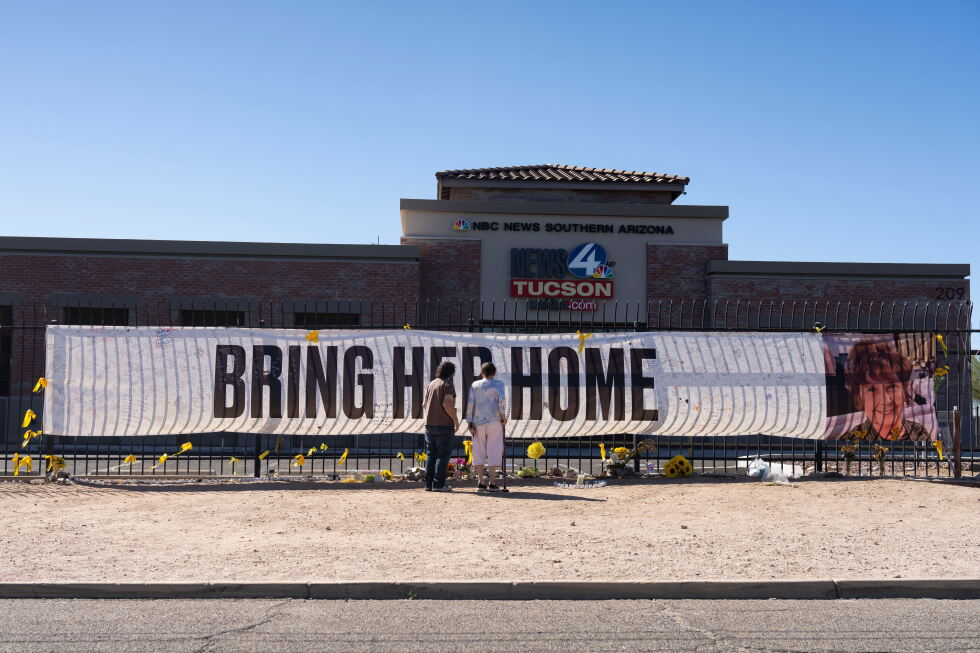
Authorities released an early note in the investigation into the disappearance of 84-year-old Nancy Guthrie, hoping that someone will recognize the writing style. A second note said Guthrie died shortly after she was kidnapped and “is buried in nature now.” Both notes initially were sent to a Tucson television station days after Guthrie went missing from her home outside Tucson on Feb. 1.
Desperate plea
“We are begging for help. We are desperate. We need someone to come forward. Someone knows something. Someone suspects something. Someone recognizes the writing in the ransom demand notes,” Guthrie wrote on her Instagram account, alongside a photo of her mother.
“Someone has noticed something different, strange, troubling or just unusual – perhaps with someone they deeply love,” she wrote. “Perhaps they are afraid to come forward. Perhaps they are conflicted. Perhaps they are angry or upset for being in this situation. There is a way out – to tell what you know.”
Advertisement
Guthrie went on to say they “wanted to find out what happened to her, so that we can give her the dignity of a proper goodbye – a celebration of her remarkable life that she so deserves.”
Missing since February
Saturday is the six-month mark since Guthrie disappeared. No suspects have been arrested. The investigation has been dogged by unanswered questions, such as how many people are believed to have taken part in her abduction and whether she was taken by someone who knew her.
The FBI in Washington did not respond to questions about the ransom notes, including whether both messages sent to the Tucson station have been deemed legitimate.
In releasing the notes, the Pima County Sheriff’s Department said “we believe these distinctive linguistic characteristics may be recognizable to someone who knows or has interacted with the notes’ writer.”
Advertisement
Ransom notes released
The first note, sent Feb. 2, said Guthrie was safe but scared and would be released unharmed once her captors received $4 million in cryptocurrency, with the ransom amount increasing if the first demand was not met. It said Guthrie would be released within 12 hours if the payment was received. It also included a threat to kill her if the ransom wasn’t paid.
“Your mother is aware of this and her life is in your hands,” the first note read. “It is in the best interest of everyone to have this completed as soon as possible.”
Advertisement
Sign up for Morning Wire:
Our flagship newsletter breaks down the biggest headlines of the day.
Advertisement
The second note was sent Feb. 6 and said Guthrie died shortly after she was taken. “She is buried in nature now,” it said. “Nothing you could have done could have changed the outcome.” The note ended with an apology: “We are truly sorry.”
The sheriff’s department said the notes reveal a distinctive pattern of word choices and provide insight into the writer’s mindset. The agency said someone who knows the notes’ writer may recognize the patterns.
Authorities similarly used a suspect’s own writings as a tool to apprehend Theodore “Ted” Kaczynski, branded the “Unabomber” by the FBI. Kaczynski, who killed three people and injured 23 others with mail bombs over a 17-year span, pressured The Washington Post, in conjunction with The New York Times, to publish his 35,000-word manifesto in 1995.
Signs of preparations
The sheriff’s office also said Friday that two videos recovered from Guthrie’s doorbell camera might be from two separate days and indicate an unidentified male prepared ahead of when Guthrie was taken. Authorities are seeking information on anyone who was behaving differently, changed their physical appearance, suddenly left the Tucson area, or had a noticeable or unexplained interest or disinterest in the case.
Advertisement
“Investigators continue to pursue every available technological and investigative lead,” the sheriff’s office said. “However, community members remain a vital resource as we seek to provide answers for Nancy’s family.”
The FBI had released surveillance videos of a masked person who authorities said appeared to tamper with a camera on Nancy Guthrie’s front porch and block it with a plant. They described the person as a male about 5 feet, 9 inches (1.75 meters) tall.
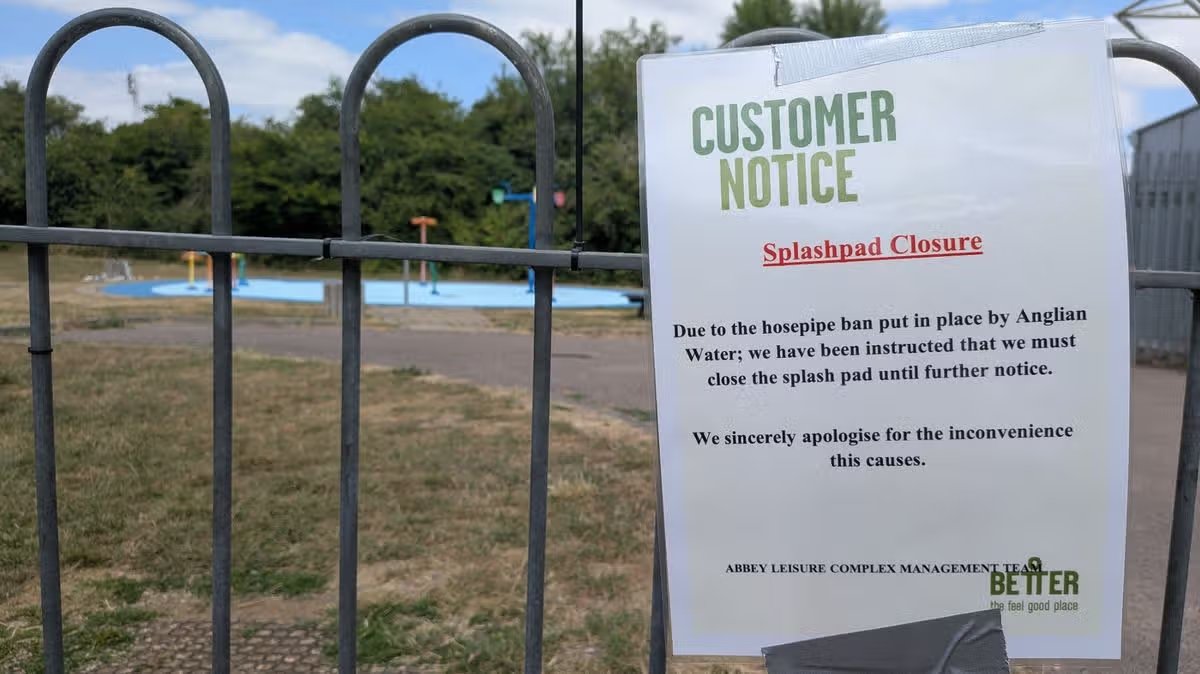
The two splash pads were closed in response to a hosepipe ban
Questions have been raised over why two Cambridge splash pads have been closed during a hosepipe ban, but others in the city remain open. Parts of England, including Cambridgeshire, were officially declared in drought on Wednesday (July 29) after a hot summer to date.
A Cambridge Water spokesperson said: “We have worked closely with Cambridge City Council since implementing the hosepipe restrictions. Most of the splash pads recycle water and these are still in use. There are a couple that do not recycle water and these will remain closed.”
A spokesperson on behalf of Cambridge City Council and Better Leisure, which oversees the splash pads, said the decision to close two splash pads was “not taken lightly”.
The spokesperson added: “Following Cambridge Water’s introduction of the hosepipe ban in our region, a decision was made to temporarily close the Abbey splash pad. This was not a decision taken lightly but was made to help protect local water supplies during a period when water resources were under significant pressure.
Advertisement
“Unlike our other splash pads and paddling pools, the Abbey splash pad does not operate on a water filtration and recirculation system. It is a single-use system, meaning the water used is not recycled and instead drains away after use.
“We recognise how popular the splash pad is with local families, particularly during the summer holidays. The splash pad will be reopened at the earliest opportunity once pressures on water supplies have eased.
“The King’s Hedges splash pad was already closed for refurbishment before the hosepipe ban was introduced. In the meantime, our other splash pads and paddling pools that provide more efficient water usage remain open as normal. We encourage residents looking to cool off this summer to make use of our other free splash pads and paddling pools.”
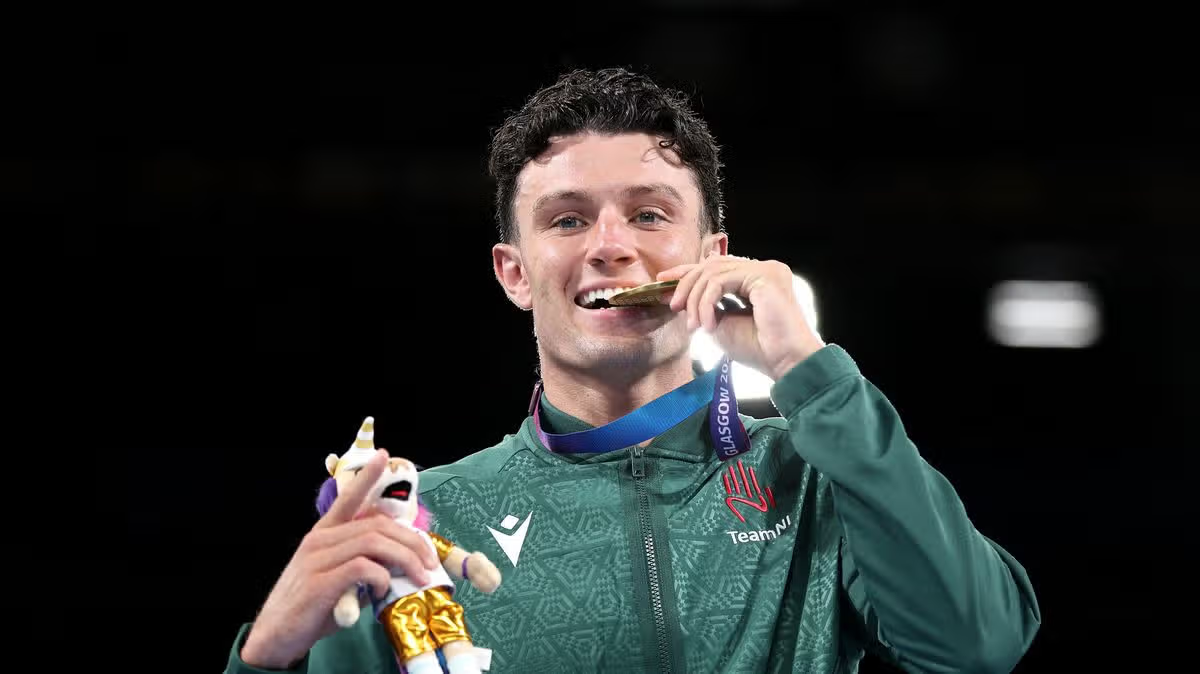
Jon McConnell and Kaci Rock both applied for Love Island before the Commonwealth Games but turned down interviews with the show’s producers, with McConnell going on to claim boxing gold in the men’s 60kg category in Glasgow
Mark Staniforth, Press Association
16:04, 01 Aug 2026
Jon McConnell’s choice to turn down Love Island in favour of pursuing Commonwealth Games glory proved worthwhile as he stormed to victory in the men’s 60kg boxing division in Glasgow.
The 23 year old from Belfast’s renowned Holy Trinity club had previously disclosed during the Games that both he and Northern Ireland colleague Kaci Rock had submitted applications for the popular ITV programme before declining interviews with the show’s producers.
Advertisement
McConnell emerged victorious from an enthralling bout against Wales’s Orlando Holley-Sotomi and confirmed he would reject any future temptation to reapply in order to chase his ambition of competing at the 2028 Olympics.
McConnell said: “If I hadn’t got through the early rounds, maybe I’d have thought I didn’t make the right decision, but I’ve got the gold medal now.
“He put me under a lot of pressure but I have a lot of belief in myself. Everybody thinks I’m just this pretty boxer type of thing, but I’m a hard, hard man to beat – and I showed it today.”
Meanwhile, Rock suffered a unanimous points loss to England’s Sacha Hickey in the women’s 65kg category, extending the 22 year old Londoner’s remarkable rise in the sport.
Advertisement
Millwall supporter Hickey began boxing aged six after trying it on her Nintendo Wii. She was brought to the celebrated Fisher club in Rotherhithe where she quickly flourished despite being the sole female participant.
“I’ve gone from Nintendo Wii to the big leagues,” Hickey joked following a commanding display against her Northern Irish opponent. “I remember shadow-boxing in front of the TV and somehow I’ve ended up here today.
“It’s put me in a great position. I’m sixth in the world rankings now and I’ve got the European Championships next, where I’m going for gold. After that it’s all about the World Championships and qualifying for LA.”
England’s Patris Mughalzai secured gold in the men’s 65kg category with a unanimous decision over Australia’s Jacob Cassar, while Isaac Okoh dominated Connor Williams of Wales to complete a hat-trick for his nation within an hour at 90kg.
Advertisement
Northern Ireland’s Michaela Walsh claimed her fourth successive Commonwealth Games gold medal but had to be content with silver after losing on points to India’s Jaismine Lamboria at 57kg.
CAIRO (AP) — For Palestinians in Gaza, President Donald Trump’s announcement that Hamas had agreed to disarm was a small sign of hope that Israel’s attacks might end, allowing them to rebuild their lives and what remains of their homes.
But it also clashed with the reality on the ground, where Israeli strikes have continued since Trump first touted the deal late Thursday in Washington, and where few steps have been taken to advance a broader ceasefire agreement that went into effect in October.
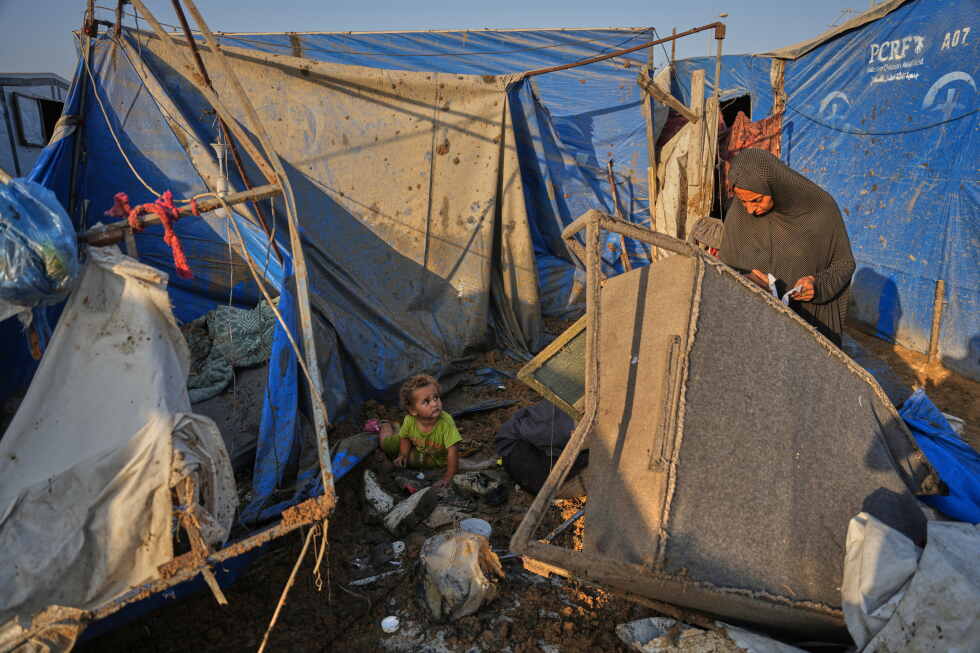
Most of Gaza’s 2 million Palestinians are still displaced or live in tent camps, where poor conditions and overcrowding have led to rodent infestations and outbreaks of infectious diseases such as chickenpox.
“They can talk about withdrawal and disarmament,” said Abdel Moneim Aboul-Roos, 24, a tuk-tuk driver who lost his leg in an Israeli airstrike. “I don’t care about any of it as long as there is no food or medicine.”
Advertisement
Israel and Hamas signed a U.S.-backed ceasefire plan last year that ended major combat operations, saw the return of Israeli hostages and allowed for an increase in humanitarian aid to the Palestinian enclave. It also called for the gradual withdrawal of Israeli troops, the creation of an international stabilization force and a program to decommission weapons held by Hamas.
But as each side accused the other of violating the ceasefire, negotiations stalled. Hamas held onto its weapons and the Israeli military refused to withdraw. Since October, Israel has killed more than 1,200 Palestinians in Gaza and expanded the amount of territory it controls. Five Israeli soldiers have also been killed in militant attacks.
Many Palestinians don’t trust Israel or Hamas
The road map Trump announced — and that Hamas confirmed — addresses in more specific terms the type of weapons the militant group and its allies will be required to hand over to a new technocratic government. The document says Israel will not be involved in the decommission of Hamas’ weapons and that it should halt all military operations in Gaza so the transition can proceed and recovery can begin.
Advertisement
Advertisement
But residents in Gaza say they have been repeatedly promised that the war will stop and their lives will improve. They see the road map as a positive development but remain skeptical that either Israel or Hamas will adhere to the terms.
“This is enough. We need improvement in our lives,” said Ayman Ahmed, a displaced Palestinian living in southern Gaza. He said he hopes Hamas gives up its arms but does not see it happening anytime soon.
“They don’t care about Palestinians’ lives,” he said.
The war began when Hamas-led militants attacked southern Israel on Oct. 7, 2023, killing around 1,200 people and taking 251 others back to Gaza as hostages. Israel’s retaliatory offensive has killed more than 73,300 people, according to the Gaza Health Ministry, which was part of the Hamas-run government.
Advertisement
Sign up for Morning Wire:
Our flagship newsletter breaks down the biggest headlines of the day.
Advertisement
The ministry maintains detailed records viewed as generally reliable by U.N. agencies and international organizations. It does not distinguish between civilians and militants, but says women and children make up around half of all fatalities.
Because of the high death toll and ongoing attacks, other Palestinians say they believe Israel will refuse to make concessions.
Advertisement
In southern Gaza, Ghazal Astal lives among the rubble. She said there is near-constant Israeli gunfire and that the territory has been transformed into an “indescribable battlefield.”
Ammar Kaskeen, 30, said he doesn’t believe the road map will force Israeli troops to withdraw. For Israel, according to Kaskeen, the goal is not only to disarm Hamas but to also drive the Palestinian population out of Gaza.
“They will make us suffer,” he said.
Even as Israel digs in, Palestinians dream of returning home
Israel has not commented publicly on the road map but Israeli officials, speaking anonymously over the past two days, have signaled that the document does not align with the country’s interests.
Advertisement
The officials also reiterated that Israel would not withdraw from the Yellow Line in Gaza, which divides Israeli-controlled territory in the east with the western part of the enclave.
In recent months, the military has built a massive earthen barrier roughly along the same line, developing what it described as a “security zone” adjacent to the berm, equipped with intelligence and technological assets.
Israel has also carried out controlled demolitions and clearing operations across much of the territory it controls. Palestinians who lived there have yet to return — and are unsure whether their homes are still standing.
Anas Nakla was displaced from Rafah in southern Gaza during the war. He said he knows his house has been destroyed but still wants to return home with his wife and children.
Advertisement
“It doesn’t exist anymore,” he said. “But we can return and rebuild.”
Similarly, Mohamed Hamad, who had to leave his home behind in northern Gaza, hopes that the U.S.-backed road map will pressure Israel to leave some of the areas it controls. He believes that even if only a small number of people could go back to their homes, “it will give hope to the rest that some day they may also return.”
___
Melanie Lidman and Sam Mednick contributed to this report from Tel Aviv, Israel.
Modern spiritualism began as a religious movement in the 19th century. It promised to bring the living and dead together in conversation, usually through a medium – a person who claimed an ability to directly contact the deceased.
The core foundational belief of spiritualism was that death was not the end – a typical tenet of many religions – but was the point at which a person departed their physical body and ascended to the spiritual realm.
As a faith, spiritualism was an innovation of Christianity. It drew on spiritual communications referenced in the Old Testament and adapted them for those who had become disillusioned with the traditional faith by integrating it with mysticism and science.
In Victorian Britain, new rituals that became attached to death expected more from the living. Mourning periods were longer and identifiable by the clothing people wore. Funerals became more elaborate and ritualised. Mourners could also pay for memento mori photographs that captured keepsake images of the dead. Within this exaggerated culture of morbidity, spiritualism became an appealing movement for those who were overcome with grief.
Advertisement
In the United States, the movement was galvanised by the huge loss of life and loved ones in the civil war. Many of the dead were unidentified, leading to a lack of closure for those grieving.
Making contact
The methods spiritualists and mediums used were varied. Seances were conducted where the methods of communication ranged from knocking sounds to levitation, while spirit photography claimed to capture images of the dead standing by their living loved ones.
The spirit photo of Mary Todd Lincoln with the ‘ghost’ of her husband, created by William H. Mumler in 1872. The Lincoln Financial Foundation Collection
The first spirit photo was taken in 1861 by William Mumler in Boston. It led to a decade of his studio being frequented by bereaved people who hoped to have an image showing that their departed were still with them.
Advertisement
Mumler’s studio produced these photos for the price of US$10 (£280 in 2026). They featured the same ghost for multiple images – faded and vague enough to convince those looking for comfort. Mumler was tried for fraud in 1869, but acquitted due to lack of evidence. He went on to photograph Mary Todd Lincoln with the apparent apparition of Abraham Lincoln.
Spirit photography was convincing in the 19th century in part because of the lack of likenesses that were left behind when a person died. A shaded photo or likewise a knock at a table, perhaps with a message of assurance from the mouth of a medium, were a balm that gave mourners comfort.
Our 21st-century ghosts
In the present day, our existence is preserved on phones, cameras and social media. There are recordings that keep peoples’ voices alive after they leave us. But for some, as with those who were drawn to spiritualism, that limited snapshot isn’t enough.
AI grief tech is developing to patch the holes that bereavement leaves – and clearly when so much remains of a person’s life, a spirit photo will no longer do. These systems, known as griefbots, AI ghosts, deathbots or postmortem avatars, offer services from text interaction to phone calls to full video calls.
In 2020 the South Korean documentary Meeting You showed a grieving mother being reunited with her deceased daughter through the use of a VR headset and gloves. The documentary showed Jang Ji-sung trying to touch the projection of her daughter – an action reminiscent of Victorian séance attendees reaching to try to touch the glowing ghosts that had seemingly manifested.
Clips from the South Korean VR documentary Meeting You.
Since 2020, grief tech has developed significantly and caters to a range of budgets. Grief tech companies like You, Only Virtual allow users to build and chat with a virtual personality for US$20 (£15) a month.
Advertisement
AI-generated photos and videos of deceased or missing serviceman have meanwhile increased in popularity in Russia. They cost between 200 and 10,000 roubles (£2-£100), with significantly varied quality.
There are also systems that offer enhanced “companions”, depending on someone’s budget. AI ghosts can be pre-made by the living, recording their voice and image for their loved ones to aid with grief therapy. These set ups can cost up to US$15,000.
A spectre (from an album of doppelgängers and spectres, early 1900s), artist unknown. John Rylands Research Institute and Library, CC BY-NC
There are concerns and studies discussing both the ethics of AI griefbots and the impact that these services may have on the grieving process. Issues of consent are a key consideration. Where Victorian mediums represented the deceased through words and actions, griefbots are a recreation of a person’s life based off their data. These concerns are lessened when the deceased has pre-consented, but not for those that are created by living loved ones.
In a way reminiscent to followers of spiritualism continuing to pay to attend séances, the subscription nature of some of these AI systems keep the bereaved coming back. This raises a concerning question: are you losing your loved one again if you cancel the subscription? The onus lies with the living users to be able to know when they have grieved enough.
Advertisement
Similar concerns were raised over exploitation by spiritualists of their patrons when they were most vulnerable. English author M. E. Darby wrote his 1888 book An Investigation of Modern Spiritualism: An Exposé “a warning and guide to the innocent and over-credulous young men”, who were “a ready prey for the unscrupulous and inhuman professional practitioner of legerdemain, who cruelly, out of the most tender ties, feelings, and emotions of human bosoms, make a harvest and find a ready spoil”.
Concerns over the financial exploitation of the spiritualism movement were still being raised in the early 20th century by the illusionist Harry Houdini, who tried to expose frauds. One of Houdini’s earliest acts, with his wife Bess, had been a séance show through which Houdini became familiar with the ways in which a medium could deceive their audience. By the 1920s, he used his reputation to demonstrate how electrical wires created floating objects, how mediums used their feet to ring bells, and other tricks immediately familiar to a fellow magician.
Houdini’s scepticism of spiritualism led to him promising that upon his death, if possible, he would return on a set date and give his widow Bess a code phrase to identify himself. No such contact was made.
The rise of grief tech, with its parallels to spiritualism, confirms one consistency in the human condition: a desire to minimise the pain of loss. While understandable, the latest advancements add a confusing twist to the process and psychology of grief, without data currently available to better understand the long-term impact. Until we have better clarity, and have navigated the ethics more thoroughly, we should consider closing the parlour doors on grief tech.
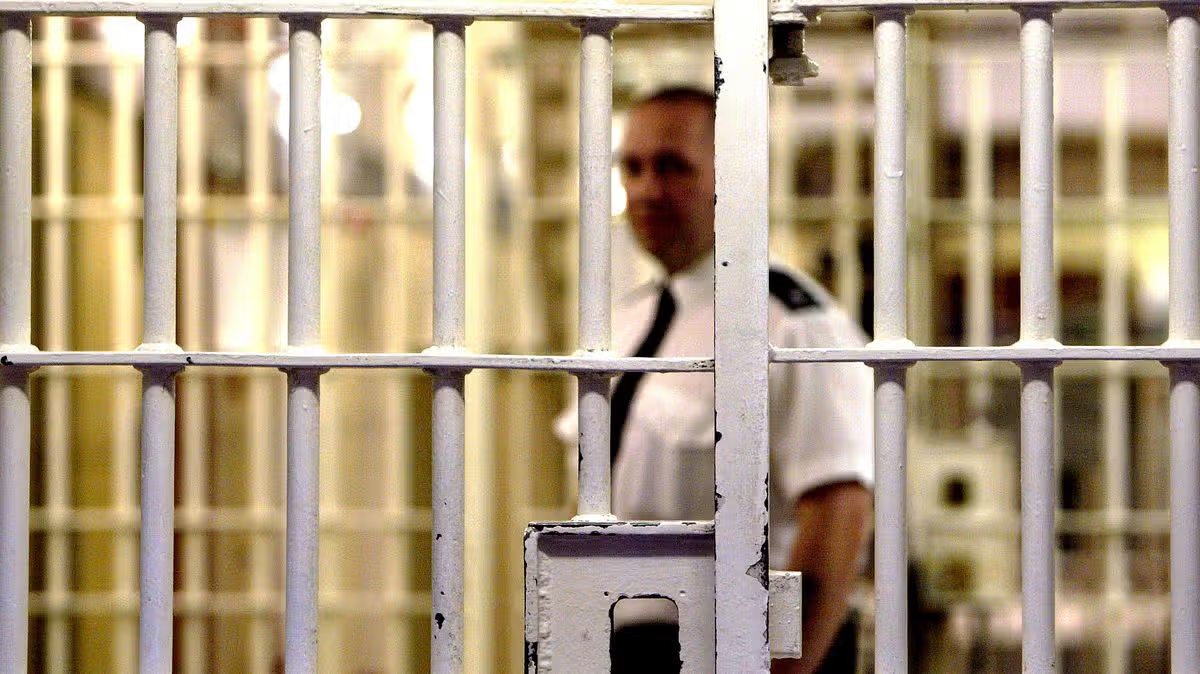
EXCLUSIVE: The Government will provide staff with real-time electronic monitoring data to follow offenders more closely and identify potential risks or breaching of compliance
Probation staff are set to be given real time data and powers to issue offenders random drug tests to help beat crime and keep communities safe.
Advertisement
The Government will provide staff with real-time electronic monitoring data to follow offenders more closely and identify potential risks or breaching of compliance.
Electronic tagging uses devices, usually worn around the ankle, monitor whether people under probation supervision comply with conditions, such as house arrest.
Under the plans, there will also be random tests for 1,000 offenders on licence each month for drugs for both the welfare of those being monitored and the public.
Currently being piloted in London, officials believe the new Electronic Monitoring Data Insights service will give frontline probation teams faster access to information from offenders’ tags.
The real-time monitoring will go live across London, the West Midlands and the East of England in mid-August.
Once the pilots finish, the technology will be available to all probation staff nationwide by the end of 2026, strengthening offender supervision and helping to keep communities safe across the country.
A Government source said: “The new Justice Secretary wants to look at ramping up the use of technology to protect the public and ensure probation officers are always one step ahead of offenders.”
Advertisement
New PM Andy Burnham has said “keeping the public safe” will be his top priority, and last week announced he would pause the early prisoner release scheme in a dramatic intervention.
The controversial programme was set up in response to the prison overcrowding crisis left behind by the Tories – but criticised by the widow of PC Andrew Harper in recent days.
Under the new Sentencing Act – set to come into force in September – some 6,000 criminals were due to be released under the early prison release scheme.
Earlier this year Napo, the union representing probation staff, passed a no-confidence motion in HM Prison and Probation Service (HMPPS) leadership.
Advertisement
They warned excessive workloads, understaffing, and burnout posed a “direct risk to the public” because staff were unable to manage clients’ risk effectively.
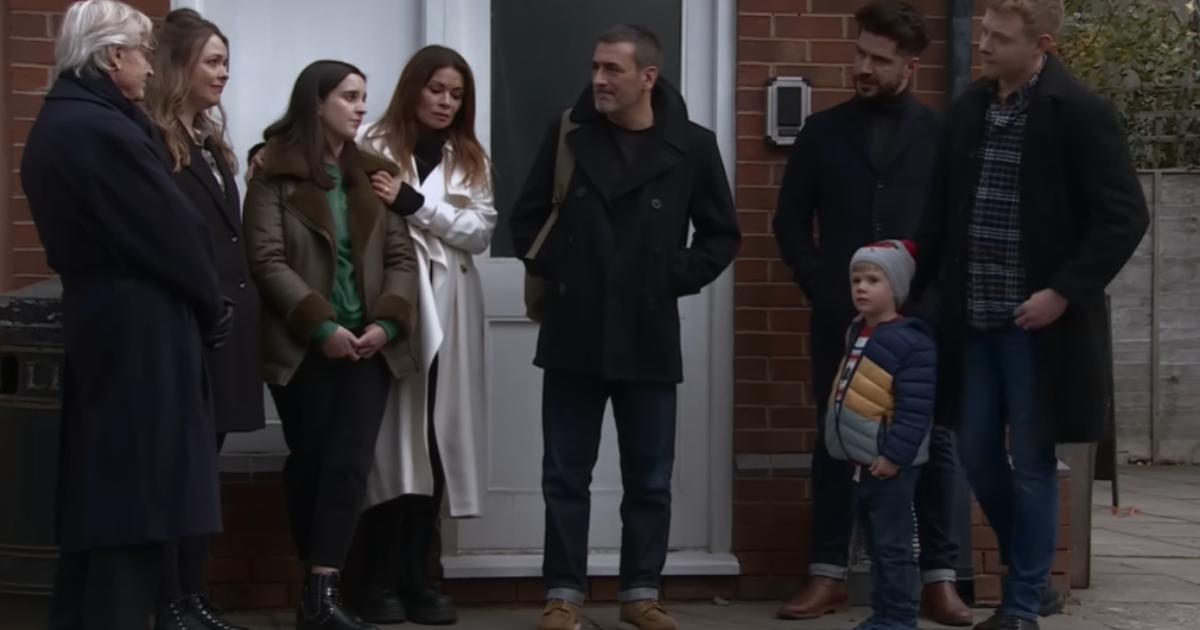
Chris Gascoyne, aged 58, who played Peter Barlow on Coronation Street, will star in the BBC’s upcoming daytime drama The Northumbria Mysteries, set in the North East.
The series, led by Robson Green, follows Joe Ruby, an ex-convict and gambler who teams up with Oxford-educated DI Rose O’Connell to solve crimes in the region.
Coronation Street’s Chris Gascoyne teases new TV show on BBC
Filming has been taking place across the North East, including in the village of Earsdon, just outside Whitley Bay.
Mr Gascoyne shared behind-the-scenes photos from the shoot on Instagram, writing: “I’m back – lots to catch up on…”
One of the photos, showing the actor holding a pint, appeared to be taken at The Red Lion pub in Earsdon.
Advertisement
Landlords at the Red Lion said: “What an incredible day here at The Red Lion.
“We were delighted to welcome the cast and crew of a brand-new BBC drama, who spent the day filming at the pub.
“It was fantastic to see our newly refurbished restaurant transformed into a TV set, with parts of our beautiful beer garden also featured.”
On the series, Mr Green said: “Set against this amazing backdrop, you have this really unusual, likeable and oddball pairing, who slowly realise they have a connection.
Advertisement
Robson Green will star in the new BBC series The Northumbria Mysteries (Image: BBC/Rivers Meet Productions/Signpost Entertainment/Zoila Brozas)
“They’re trying to work out what that connection is and then later on through the series, what to do with that connection.”
The Northumbria Mysteries will also feature Liz White, known for her roles in Life on Mars and Call the Midwife, as DI Rose O’Connell.
Simon Callow, best known for Four Weddings and a Funeral, is also set to appear.
Mr Gascoyne played Peter Barlow on Coronation Street from 2016 to 2023, having first left the soap in 2003 and returned briefly in 2007.
Advertisement
He is the seventh actor to portray Ken Barlow’s eldest son.
Coronation Street star’s new career after exit
Chris Gascoyne may be enjoying more acting roles since leaving Corrie, but another star is trying out a new creative venture since their exit.
Luca Toolan, known for his role as school bully Mason Radcliffe, was killed off in a January storyline last year.
Now, the actor is making strides in his post-Corrie career with the launch of his own production company.
Advertisement
Speaking in a recent TikTok interview with Phil Roberts on Cheshire’s Mix 56, the 22-year-old said: “Life after Corrie, I’m not actually dead.
“Life continues, I’m making my own stuff now, I’ve got my own production company so that’s my passion is making projects.”
He continued: “It’s a dream come true, that’s the stuff that really excites me, having that creative licence and writing, directing, making, hearing stuff.
“Honestly, that’s the most fun stuff.”
Who is your favourite character on Coronation Street? Let us know in the comments.
The Arts Council has been accused of ‘an appalling waste of taxpayers’ money’ for funding ‘woke‘ projects such as tackling the ‘divisive’ use of the St George’s flag – at a time when traditional museums are being forced to close due to lack of funds.
Recent awards by the organisation – which dishes out more than £840 million a year in taxpayer cash and the National Lottery – included £100,000 for the Migration Matters Festival in Sheffield in June, which featured a flag-making workshop ‘exploring identity, protest and belonging’.
The organisers of the workshop said that its purpose was to push back against public displays of England’s national flag, which has been condemned by left-wing groups as indicative of racism and xenophobia rather than patriotism. The organisers said: ‘Responding to the divisive use of the St George’s flag, this project reclaims public space with inclusive narratives’.
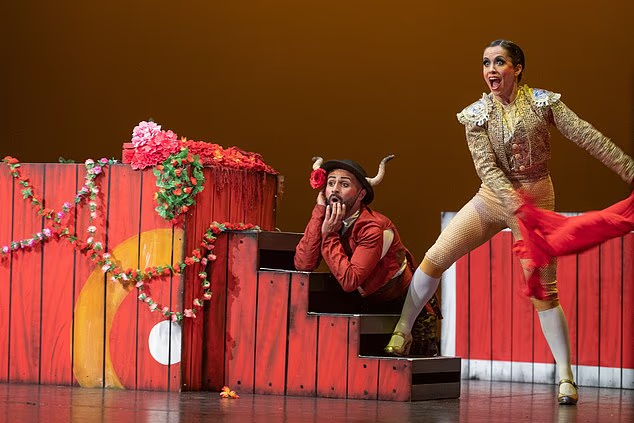
The festival also featured ‘The Bull and the Moon’, a dance show for children aged three and over about ‘Lolo’, a Spanish bull who dreams of becoming ‘Lola’, a flamenco-dancing cow, in a story its makers billed as a ‘celebration of gender diversity’ and being oneself.
Advertisement
Other recipients of Arts Council England largesse included £29,950 to The Bitten Peach Ltd, which calls itself the UK’s only queer, pan-Asian cabaret collective: its shows have featured puppets, whips and a poppadom-eating contest.
Curl Girl Productions received £35,434 for ‘Panjabi Princesses,’ about two Queer Panjabi princesses, while playwright Aisha Zia was awarded £32,547 for Refugee! – a theatre production in which characters uncover evidence of the Government’s ‘complicity’ in war crimes.
The festival featured ‘The Bull and the Moon’, a dance show for children aged three and over about ‘Lolo’, a Spanish bull who dreams of becoming ‘Lola’
Advertisement
Playwright Aisha Zia was awarded £32,547 for Refugee! – a theatre production in which characters uncover evidence of the Government’s ‘complicity’ in war crimes
Other recipients of Arts Council England largesse included £29,950 to The Bitten Peach Ltd, which calls itself the UK’s only queer, pan-Asian cabaret collective
Curl Girl Productions received £35,434 for ‘Panjabi Princesses,’ about two Queer Panjabi princesses
Join the discussion
Advertisement
Should public arts funding celebrate new voices or protect traditional heritage first?
A gay retelling of Romeo and Juliet in which Shakespeare’s hero falls for a Muslim man named Mohammed at a rave in Croydon has secured £30,807 in taxpayer funding after being deemed ‘culturally significant.’
The production will run for a single week at Riverside Studios in Hammersmith, with an Arts Council grant covering mental health support and industry-standard wages for its seven-strong cast.
Promotional material for the show describes it as ‘feral, sexy and unafraid to ask difficult questions’ and ‘unlike anything currently on London stages.’
Advertisement
The script, written in ‘relentless, lyrical verse,’ is said to surge with ‘a pounding soundtrack’ and ‘huge emotional swings.’
The Council says it is ‘the national development agency for museums in England… to help develop museums for as many people as possible across the country’.
But a total of 16 museums across the UK were forced to close in the same 12 month period that those grants were awarded.
These included the RAF Signals Museum, which told the history of RAF signals and communications equipment from the First World War to modern times.
Advertisement
Others which shut their doors included Durham Museum, which closed in 2024 after it could not meet the cost of repairs to the building, Llancaiach Fawr Living History Museum in south Wales, Westbury Manor Museum in Hampshire, and Alyth Museum in Perthshire, which told the story of the town through local industries such as farming and weaving and celebrated its working-class culture.
Reform UK’s Treasury spokesman Jenrick told the Mail on Sunday: ‘This is yet another appalling waste of taxpayer money. A Reform government will end this gravy train and restore common sense. We will unashamedly promote and defend our history and culture and root out this divisive woke nonsense.’
Tory shadow minister Neil O’Brien OBE MP said: ‘It is disgraceful that the government is handing out hundreds of thousands of pounds of taxpayers’ money to fund its culture wars, at the same time as it is slashing funds for historic churches and letting museums of genuine national significance fall by the wayside.
‘It’s time the government got its priorities straight, and started acting as proper custodians of our history and traditions, rather than wasting taxpayers’ cash on a narrow set of ideological interest groups.’
Advertisement
An Arts Council England spokesperson said: ‘We support a wide range of artists and organisations to produce work that caters to the broad interests, tastes, voices and experiences of people across the country.
‘Projects can often explore different issues through their work, including social and political subjects.’




















































You must be logged in to post a comment Login