About 40% of Brits hadn’t finished a book in the 12 months between 2024-2025, YouGov reported.
Of those who had, 30% listened to an audiobook; 18% had ticked titles off their list through headphones, without ever picking up a physical book.
Some people think that shouldn’t “count,” though. For instance, author Nathan Bransford said in his blog, “Consuming an audiobook is a fundamentally different activity than reading. We already have a word for it: LISTENING”.
He also argued that reading from a page engages the brain differently. But not everyone agrees.
Advertisement
What does science say?
In 2016, Dr Beth Rogowsky, a professor specialising in language learning styles from Bloomsburg University of Pennsylvania, co-authored a study comparing comprehension rates for people listening to audiobooks to those who read from an e-reader page and another group who did both.
It tracked how much they remembered right after taking in the information and two weeks later.
Speaking to NPR, Dr Rogowsky said, “We found that there was no significant difference between reading a book using a Kindle or listening to a book or doing both – listening and reading simultaneously.”
Advertisement
Of course, that was only for adults who already knew how to read; the professor said physical books might be more helpful to children who can’t yet read.
But, to be fair, the “do audiobooks count?” debate does not rage among three-year-olds so much as it does those with Goodreads accounts and access to Reddit.
OK, but what about the word “reading”?
Fine, you might take in information from listening to an audiobook. But that isn’t the definition of the word reading – is it?
Advertisement
Well, major dictionaries don’t seem to agree about that.
Merriam-Webster defines “to read” as “to receive or take in the sense of (letters, symbols, etc.) especially [but not exclusively!] by sight or touch”.
Another definition – “to learn from what one has seen or found in writing or printing” – does not technically preclude listening.
Cambridge Dictionary, however, puts the first definition as “to look at words or symbols and understand what they mean,” and Collins Dictionary puts “look” in their main definition too.
Advertisement
TBH – who cares?
A very compelling article, written by visually impaired author James Tate Hill for Literary Hub, reads: “It was hard to say if the words read with my ears reached my brain differently from everything I had read with my eyes”.
For instance, he said, the narration of audiobooks placed a new layer on top of the experience – but it took “minutes” for the author’s words to override the narrator’s voice.
He identified as a “reader” thanks to his love of audiobooks, and added it “didn’t matter if I was reading or listening” to his favourite titles; “the words in my ears were the same words other people saw when they held a book in their hands.”
Advertisement
I have to agree. The strongest argument I can find against calling listening to audiobooks “reading” is a (disputed) semantic nuance, but I don’t find that compelling enough to stop someone calling themselves a reader if they want to (side note: self-identifying as a reader is linked to increased happiness).
It’s true that you can’t fold laundry while you’re rifling through War and Peace, and accents and pace changes are more in your control when you read from a page.
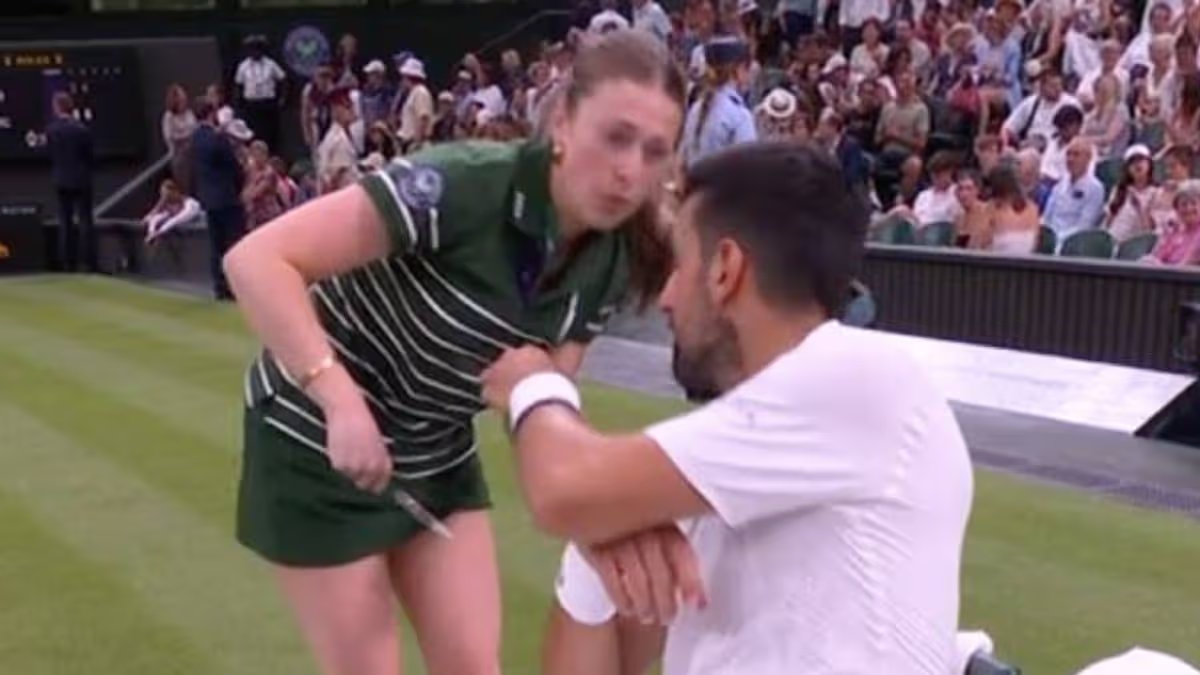
Novak Djokovic left a ball girl horrified at Wimbledon
Novak Djokovic pranked a Wimbledon ball girl by feigning injury during his match with Stefanos Tsitsipas on Centre Court.
Advertisement
The Serbian tennis legend had just won the second set to establish a 2-0 lead on Wednesday night when he asked the young girl for some help with cutting the taping on his shoulder.
Djokovic handed his unlikely helper a pair of scissors to trim the tape. And, as she began snipping, the 24-time Grand Slam winner pretended he had been nicked by the scissors.
The youngster had a face of horror as the seven-time Wimbledon champion winced. But he quickly burst into laughter as the girl put her hand on her chest.
Watching on the BBC’s coverage, presenter Clare Balding said: “He’s going to get help from one of the ball girls.
“Oh that’s funny. He’s joking. He’s joking. Oh you’re so funny! Poor girl, she was absolutely terrified there.
“Needle work is complete, Tsitsipas has gone off court for a bathroom break and Djokovic will be hoping very much he can wrap this up in double quick time.”
Djokovic offered an apology for the prank during his post-match on-court interview, saying: “Stefanos went to change so I had some spare time. I’m sorry if I scared her.”
He stormed to a dominant 6-3 first-set victory under the Centre Court roof against a tricky opponent who has tumbled from No.3 to No.87 in the world rankings. He broke serve to lead 3-1 before recovering from 0-40 down to clinch the set in just 26 minutes.
The second set proved no more challenging for the seven-time Wimbledon champion and he had established a two-set lead within 63 minutes. He maintained that momentum in the third set to cruise to a 6-3, 6-4, 6-2 victory.
Djokovic will meet No.25 seed Arthur Rinderknech in the third round on Friday.
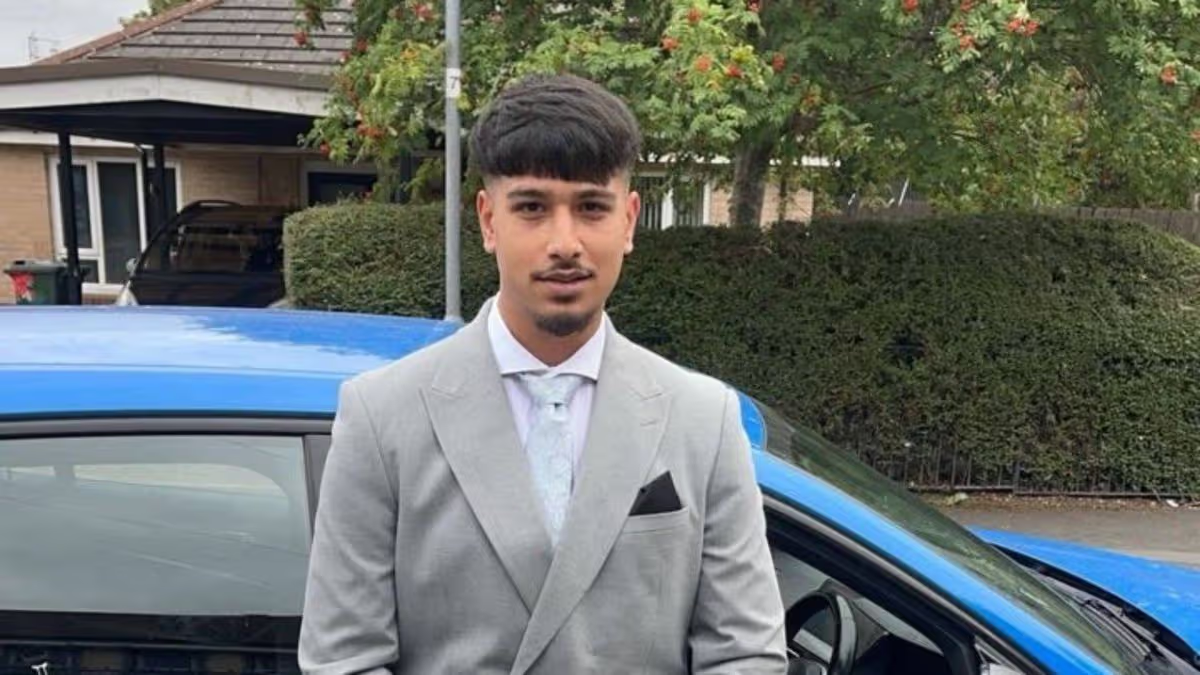
Imath Uddin Choudhury, 23, has been named in a JustGiving fundraiser launched in his memory following the fatal Bradford crash
Kirstie McCrum and Samuel Port
21:00, 01 Jul 2026
A fundraising appeal has been established in honour of a man identified locally as one of two fatalities following a 100ft crash in Bradford.
Imath Uddin Choudhury, 23, has been named in a JustGiving campaign set up in his memory. The fundraiser states he passed away on Wednesday (July 1) after spending just over a week in hospital with severe injuries sustained in the collision.
Advertisement
Reports indicate an Audi A3 convertible veered off Hawksworth Road in Baildon, close to the Potter Brow Road junction, at approximately 7.24pm on Monday, June 22.
A 20 year old also lost their life at the scene. The 24-year-old driver was detained on suspicion of causing death by dangerous driving, while a 23-year-old passenger sustained minor injuries, West Yorkshire Police confirmed previously.
The fundraiser, initiated by the Grains Of Hope Foundation on JustGiving, had already exceeded its £2,000 goal by Wednesday, reports Yorkshire Live.
The foundation stated: “In memory of Imad, Grains of Hope Foundation is raising funds to support the most needy families in The Gambia and provide water pumps in Pakistan, helping those in need whilst creating a source of ongoing reward for him, by the will of Allah.”
Advertisement
They continued: “May Allah forgive Imath Choudhury, grant him Jannatul Firdaus, widen and illuminate his grave, and make every donation a means of Sadaqah Jariyah for him. Ameen.”
Ensure our latest stories always appear at the top of your Google Search by making us a Preferred Source. Click here to activate or add us as your Preferred Source in your Google search settings.
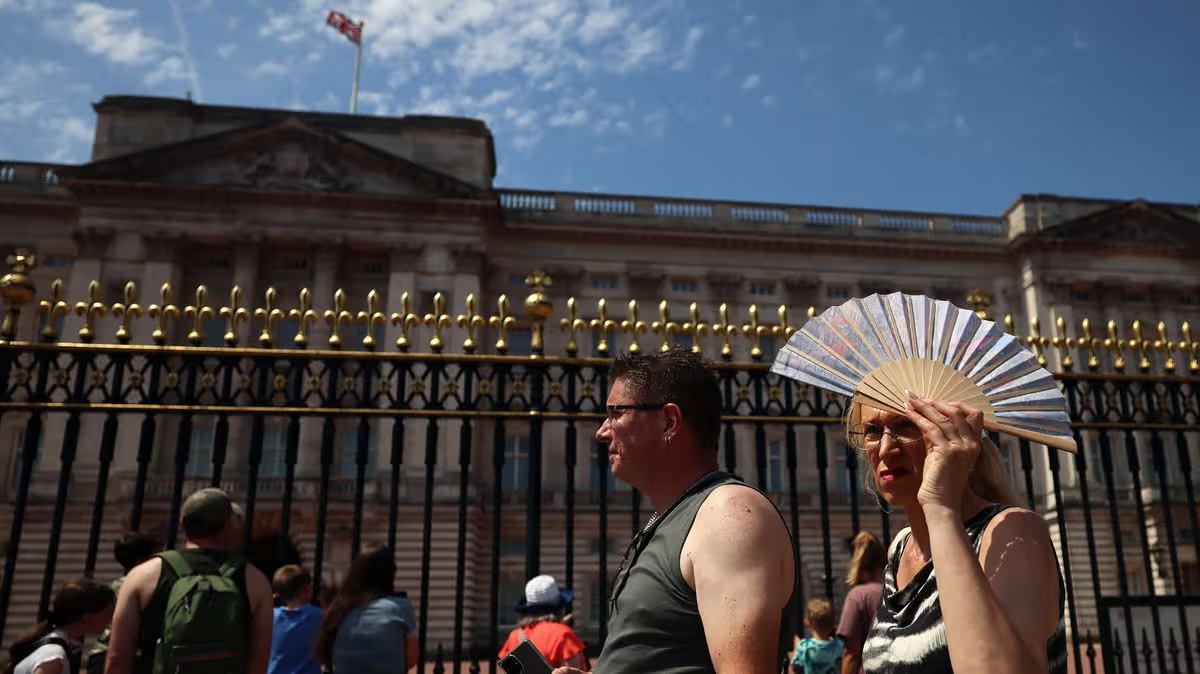
Weather maps show another wave of scorching conditions ahead for the UK with highs reaching 35Cs next week on the back of record breaking temperatures in June
Brits are set for more sweltering conditions ahead with temperatures climbing towards 35C after a record breaking June.
Advertisement
Weather maps are turning red next week with 30 counties set to see the mercury rise to 30C or more for next Wednesday (July 8) to Thursday as a plume of hot air sweeps across England.
It comes after the UK set a provisional June temperature record of 37.7C last Friday in Lingwood in Norfolk, according to the Met Office. It beats the previous June record for the UK of 35.6C dating back to 1976 by more than 2C.
The Met Office has said temperatures in the south this week will be in the low to mid-20s before they are expected to rise to the high 20s or early 30s this weekend and into next week.
And the latest Netweather charts show the hottest conditions next Wednesday will initially develop across central and southern England before shifting eastwards the following day, bringing the highest temperatures into London, the Home Counties, Essex, Kent and East Anglia.
On Wednesday, temperatures are forecast to climb into the low 30s across large swathes of southern and central England, with an isolated high of 35C developing across parts of Oxfordshire and neighbouring counties.
By Thursday, the zone of extreme heat expands and moves further east, according to the maps, with more counties expected to exceed highs of 30C as the mercury again soars. Large parts of the Midlands are also expected to remain above 30C, while the area of intense heat stretches across much of England.
Further north, the maps show parts of Yorkshire, Greater Manchester and Merseyside nearing highs of 30C, as the warm air pushes up through England.
Across Wednesday and Thursday, the maps show the core of the heat shifting eastwards, with southern and eastern England turning deep red as temperature highs climb into the low and mid-30s.
Wales is forecast to see temperatures widely reach the mid to high 20s, while eastern Scotland could warm to around 27C or 28C. Northern Ireland, western Scotland and the far north are expected to stay cooler, largely escaping the most intense heat.
The Met Office forecast for July 6-15 says: “High pressure will dominate across England and Wales into next week, likely extending its influence across more on the northern UK with time. This will bring dry and warm conditions with plenty of sunshine for most.
Advertisement
“Scotland and Northern Ireland will probably see more cloud at first, with periods of rain at times. Through next week though the high pressure may extend northwards to bring periods of drier and warmer weather to Scotland and Northern Ireland. Temperatures becoming widely warm, perhaps locally hot in parts of the southeast, although not as hot nor humid as seen in the past week.”
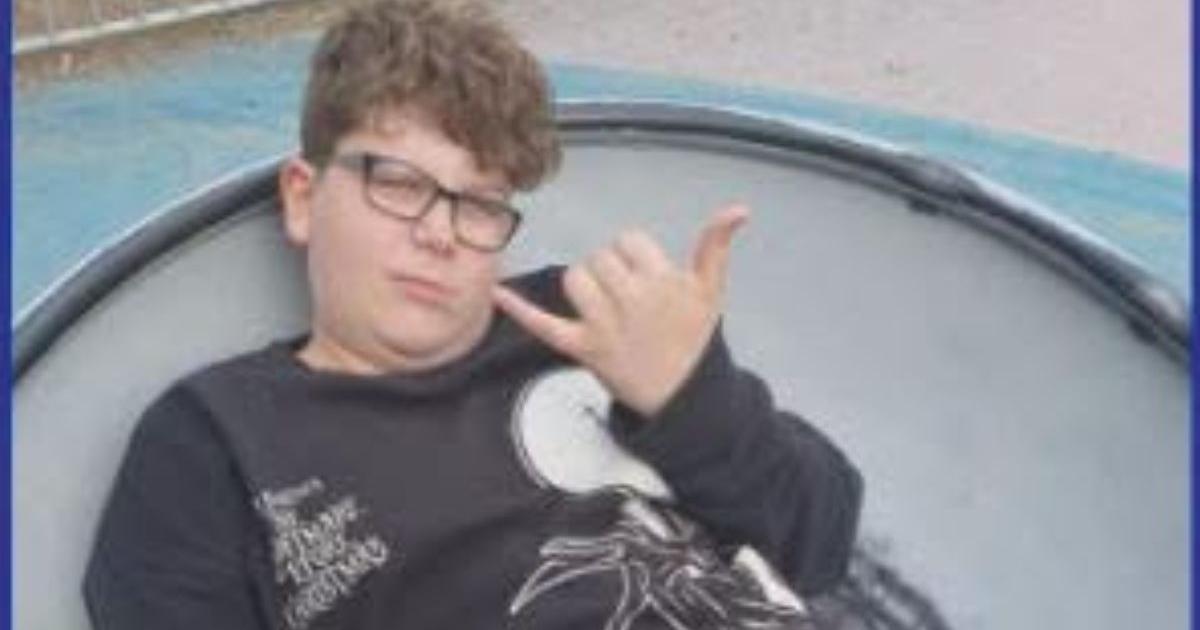
Josh was last seen on Crompton Way at 4.30pm on Wednesday, July 1.
He is described as a white male, around 5ft 7in tall, of large build, with short blonde hair and black-framed glasses.
Josh was last wearing black shorts, a green t-shirt and a green sleeve-less puffer jacket with black slippers.A police spokesperson said: “Have you seen from Josh from Bolton?
Advertisement
“Josh, 15, was last seen on Crompton Way in Bolton at 4.30pm today (Wednesday 1 July 2026).
“Josh, is described as a white male, 5ft 7inch, of large build, with cut-short blonde air with black framed glasses.
“He was last wearing black shorts, a green t-shirt and a green sleeve-less puffer jacket with black slippers.
“Officers are becoming increasingly concerned about him and want to make sure he is safe and well.
Advertisement
“Anyone with information about his whereabouts should contact police on 0161 856 5511, quoting log 2610 of 01/07/2026.”
Caoimhe Dylan Keenan was diagnosed with a rare form of cancer months after her 10th birthday
Andrew E Quinn Audience Editor and Kirstie McCrum
22:14, 01 Jul 2026
Heartfelt condolences and remembrances are pouring in for an extraordinarily courageous 11-year-old girl from Co Wicklow who has died following her diagnosis with cancer.
Young Caoimhe Dylan Keenan received a diagnosis mere months after turning 10 of an uncommon cancer known as Rhabdomyosarcoma. Caoimhe died peacefully at home on Sunday (June 28), encircled by her dedicated and adoring family, reports the Irish Mirror.
Advertisement
During a conversation with DublinLive last July, Caoimhe’s sister, Cara, detailed how the family initially became concerned when a GP identified a stomach bug
“It was only after a week that we said she really does need to be seen. Mum and Dad brought her into the hospital, and the doctors had notice a lump in her mouth.
“They suggested it could be dental. The dentist said it wasn’t dental. From there things escalated quite quickly. She had a scope put in and they said it wasn’t nasal. They took a biopsy. She was diagnosed with Rhabdomyosarcoma on July 14,” she said.
Advertisement
In 2025, a close family acquaintance established a GoFundMe fundraising page to assist wee Caoimhe and her relatives – over €55,000 was collected.
Caoimhe’s death notice on RIP.ie states: “Caoimhe Dylan Keenan, aged 11, passed peacefully in her home, surrounded by her family, close friends, and pets, in the early hours of Sunday 28th of June 2026. Caoimhe will be remembered by her loving parents Matt and Martina, siblings Cara and Jonathan, grandmothers Catherine and Geraldine, aunts, uncles, cousins, friends, classmates and pets Willow and Kitkat.
“Caoimhe’s memory will be celebrated through her Funeral Mass in the Church of Our Lady Queen of Peace, Putland Road, Bray, on Friday 3rd July at 10.30am and afterwards at her Committal Service in the Victorian Chapel at Mount Jerome Crematorium, Harold’s Cross at 1.00pm. The family invite everyone to wear bright and vibrant colours in honour of her fiery and energetic spirit.
“The Keenan family would like to thank all those who supported Caoimhe through her battle with cancer, including the staff of St John’s Ward in Crumlin, the North Wicklow Hospice team, the Keeley D Foundation, and the Gavin Glynn Foundation. They kindly request that donations be sent to the Gavin Glynn and Keeley D Foundation in lieu of any flowers, in gratitude for the incredible support Caoimhe has received over the past year. Time’s forever frozen still.”
Heartfelt tributes from family members, friends and members of the public continue to pour in for courageous Caoimhe.
“Matt, Martina, Cara and JJ we are truly heartbroken for you all to know Caoimhe was to love her and by goodness did we love her. She showed so much strength and resilience over the last 12 months, she fought so hard.
“She was and always will be our warrior. Hope you get the best bed up there sweetheart. Watch over mum, dad, Cara and JJ, Willow and Kit Kat. Until we all meet again,” one family wrote.
Advertisement
Another person wrote: “We are so deeply saddened for your immeasurable loss. Martina, Matt, Cara and JJ, and your extended family, we are thinking of you all with such love and care. Caoimhe was a beautiful and special young girl, and we will continue to think of her and remember her with awe. Sending you so much love and strength.”
A further tribute read: “Caoimhe was one of the most determined, fun loving and kind children I’ve ever had the pleasure to know. I will miss that wicked sense of humour which brought such joy. There are no words to make sense of this. I’m sending you hugs, positive thoughts and healing wishes and keeping you all in my prayers.”
Ensure our latest stories always appear at the top of your Google Search by making us a Preferred Source. Click here to activate or add us as your Preferred Source in your Google search settings.
A 16-year-old boy has suffered severe gunshot wounds following a shooting in Birmingham.
West Midlands Police said the shooting occurred just before 17:30BST on Bowyer Road in Alum Rock.
The boy was taken to hospital to be treated for “potentially life-threatening” gunshot injuries, police said in a statement.
“Although this happened near a mosque, at this stage we do not believe the shooting to be connected to this place of worship.”
Advertisement
The statement added: “We understand this is extremely worrying for people in the area, and local officers will be remaining there to speak to anyone with concerns.”
Investigators remain at the scene.
Police are urging anyone with further information to get in contact or speak to Crimestoppers.
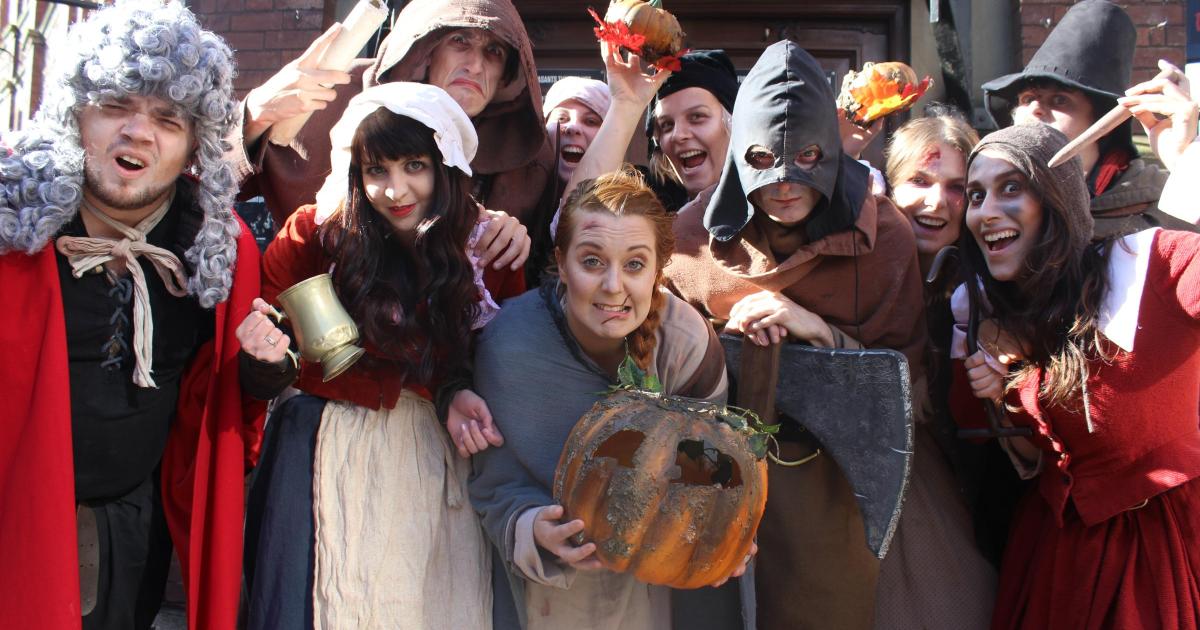
A TOP city attraction is celebrating 40 years in York by giving away free entry tickets to residents.
York Dungeon will celebrate four decades of scaring locals and tourists on Friday with a special giveaway.
The Clifford Street attraction is offering York residents exclusive access to the first 40 tickets Friday, July 3 for free, and 40 per cent off tickets for anyone else who, as they put it, are “brave enough to visit on that day”.
Advertisement
Ticket prices normally start from £19.
A spokesperson said: “Since opening its doors in 1986, York Dungeon has been at the forefront of immersive, live-action storytelling, plunging visitors into the city’s most gruesome and gripping moments from history, from plague-ridden street and Viking raiders, to witchcraft, highwaymen, and the legendary Guy Fawkes.
“The 40th anniversary marks not only a milestone for the York’s must-visit attraction, but a celebration of the city itself, a place steeped in extraordinary history that has provided no shortage of material for York Dungeon to explore through its iconic combination of education, theatre, and spine-chilling storytelling.”
Recommended reading:
Advertisement
The official anniversary celebrations will kick off on Friday morning with a town crier and invited civic dignitaries in attendance.
Mark Mattinson, of the York Dungeon, said: “York Dungeon is about bringing history to life in a way that’s thrilling, surprising and genuinely unforgettable.
“To celebrate 40 years of fear, we wanted to do something really special for our visitors, and what better way to celebrate than inviting everyone to join the fun? If you haven’t been to York’s must-visit attraction yet, this is your sign. And if you have… trust us, there’s always something new to be afraid of…”
He said the free tickets were reserved for local people.
“The first 40 tickets being offered for free on July 3 are exclusively for anybody with a YO postcode, and proof of address and photo ID will be required to be shown on arrival that day.
“These free tickets must be booked online using the above link only while stocks last, and no free entry will be available to secure in person on the day.”
York Dungeon is among a group of attractions across the UK and Europe: there are dungeons located in London, Amsterdam, Berlin, Hamburg, Edinburgh, Warwick Castle and York. Each Dungeon offers a unique experience tailored to the history of each location.
There have long been tensions, political, economic and cultural, between Poland and Ukraine. But that hasn’t prevented Poland from being the biggest supporter of its neighbour, taking in millions of Ukrainians fleeing the war, about 1 million of whom have remained.
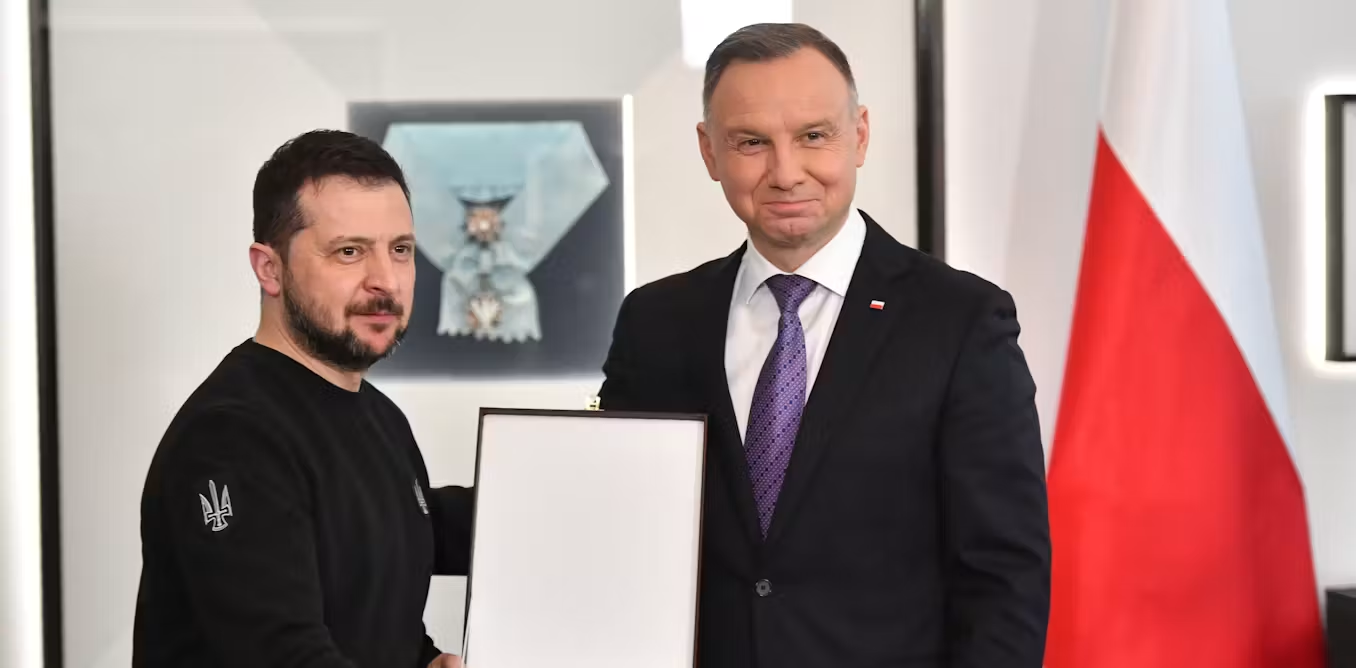
And in 2023, Poland conferred its highest honour, the Order of the White Eagle, on Ukraine’s president Volodymyr Zelensky. At the time, then-president Andrzej Duda told the Ukrainian president: “It is difficult to hide the tears of emotion watching your service to your homeland.”
But on June 19, the current president, Karol Nawrocki, announced he was rescinding the order and stripping Zelensky of the honour. He did so after Zelensky awarded the honorary title “Heroes of the UPA” to an elite unit of Ukraine’s special forces. Zelensky said he had awarded the honour at the unit’s request. He said it was his duty as commander-in-chief, who “must provide them with everything they need to protect our people and our land”. He added: “And if they are motivated by our heroes … and if this is very important to them, I must do whatever they tell me.”
Political spats between the two countries over historical memory are nothing new. But this is the first since Russia’s full-scale invasion of Ukraine to escalate to this degree. And the fact is that it has more to do with domestic Polish politics than any long-term rift between Poland and Ukraine.
Advertisement
First, some background. The Ukrainian Insurgent Army (UPA) was a Ukrainian nationalist formation that fought against the Soviets during the second world war. After harsh Soviet rule in Ukraine many in the UPA saw the German military invasion as liberating them from Soviet repression.
But it turned out that the Nazis were even worse than the Soviets. For the Poles, though, memories of the massacre of ethnic Poles in Volhynia, now Volyn, in Ukraine, by members of the UPA, remain raw.
As American historian Timothy Snyder has written: “Ukrainians think about the UPA mainly through … the struggle against the Red Army after 1945. Poles remember … 1943, when the UPA killed tens of thousands of Poles in Volhynia.”
These memories lead to different interpretations which are used to serve often divergent domestic political purposes in the two countries. Despite the UPA’s history, Ukraine continues to award UPA-related honours because the nationalist movement has become a symbol of resistance to Soviet and Russian rule, which fits with the broader post-2014 campaign to rid Ukraine of vestiges of its communist past.
Advertisement
Russia’s invasion of Ukraine has reinforced this trend, making such honours less about revisiting the past than about mobilising contemporary symbols of national resistance in Ukraine – even if they remain deeply controversial in Poland.
The Polish prime minister, Donald Tusk, was more restrained, urging both countries to stop quarrelling about the past for the sake of the future. His deputy Radosław Sikorski, who is also Poland’s minister of foreign affairs, pointed out that while Zelensky’s decree was inappropriate, that Nawrocki’s reaction was disproportionate and had been welcomed in Moscow.
Jockeying for political advantage
This contrast between the responses of Nawrocki, a rightwing populist, and the centre-left government suggests that the dispute cannot be explained by history alone. It illustrates the friction between the right-leaning president and the left-leaning government. Nawrocki has unofficially started a campaign for next year’s parliamentary election and is rallying for his Law and Justice party (PiS) by playing up anti-Ukrainian sentiment.
Advertisement
Electioneering: the Polish president, Karol Nawrocki, is in campaign mode on behalf of his Law and Justice party for parliamentary elections in 2027. EPA/Piotr Polak
Before being elected, Nawrocki promised to block Ukraine’s accession to Nato. He has also been against Ukraine’s membership of the EU. Zelensky has given him an opportunity to capitalise on anti-Ukrainian narratives that play well to Poles disaffected by the war.
Additionally, by revoking Zelensky’s honour, Nawrocki has laid down a challenge to Tusk. The prime minister’s countersignature is required to validate the decision – and this would put him in a difficult political situation domestically.
Following the dispute, Nawrocki’s approval ranking is at a historic high of 54.8% – up by 8.4 percentage points from a month before.
Jerzy Wójcik, a prominent Polish journalist and media executive, who has led major humanitarian campaigns like Warmth from Poland for Kyiv, initiated a petition to present Zelenskyy with Citizen’s Order of the Future award. He said that “the Polish right wing has launched a campaign ahead of the parliamentary elections and is ruthlessly exploiting the Volhynia tragedy for political gain”.
UPA’s past links to genocide are felt by most Poles. But there is still a strong tension when it comes to Nawrocki’s revocation of Zelensky’s order. This, along with Polish public support for Ukraine, suggests that the dispute is more complex than the political rhetoric implies.
The dispute is not primarily about the UPA – nor is it evidence of a fundamental shift in Polish foreign policy. While it has the potential to become a bigger diplomatic challenge for the two countries, it illustrates a broader phenomenon: political leaders mobilising contested history to solve present-day domestic political problems.
Similar dynamics can be seen in relations between Serbia and Kosovo. Their political leaders regularly invoke competing historical narratives surrounding the 14th-century Battle of Kosovo to strengthen their domestic political standing, often at the expense of dialogue between the two sides.
Advertisement
These strategies may generate short-term domestic political gains. But they risk undermining strategically important relationships.
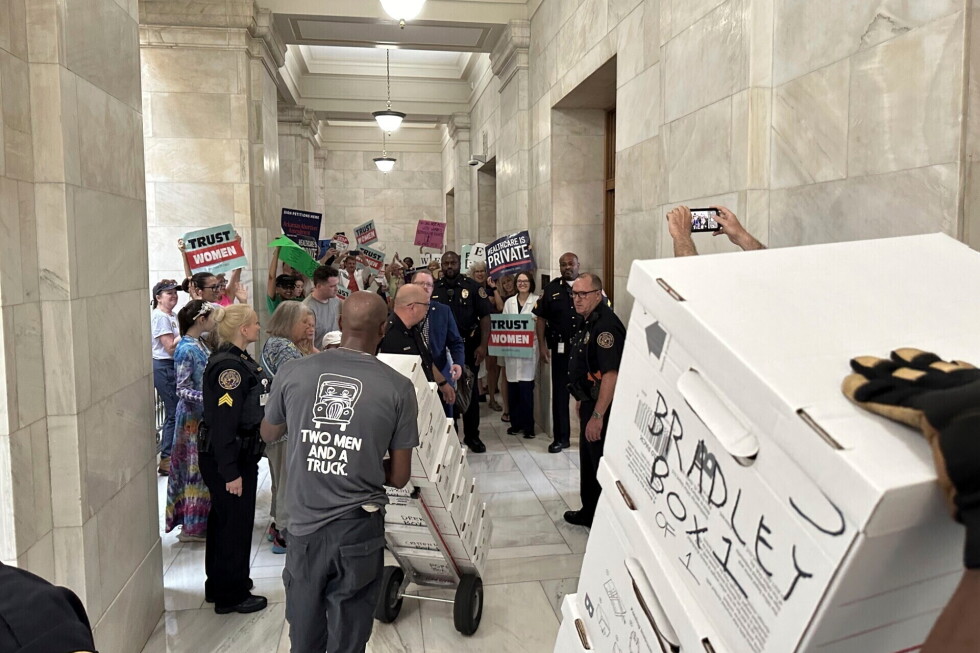
A federal judge in Arkansas has thrown out a handful of state laws that put extra restrictions on citizen efforts to gather signatures for ballot initiatives, agreeing with challengers that they violated the constitutional free speech rights of voters.
The decision handed several victories to the League of Women Voters of Arkansas and other plaintiffs, which sued last year amid efforts in various states to make it harder for regular citizens to make laws or amend their states’ constitution through ballot initiatives.
One such measure required someone signing a petition to show photo ID. That and other additional ballot-initiative restrictions were imposed by Arkansas’ GOP-controlled state government after election officials cited a legal technicality to reject petitions submitted by abortion rights supporters in a 2024 effort to legalize abortion in the conservative state.
One of the plaintiffs, Protect AR Rights, called the decision an “important victory for the people of Arkansas and their constitutional right to direct democracy.”
Advertisement
The decision, issued Tuesday by U.S. District Judge Timothy Brooks, also rejected some challenges by the league and its fellow plaintiffs, while Brooks sent three other disputes to trial.
The defendant, Arkansas Secretary of State Cole Jester, a Republican who had defended the laws in court, said in a statement that his office plans to appeal Brooks’ decision and “will fight tirelessly for common sense safeguards like voter ID.”
Among the laws Brooks struck down are 2025 measures requiring canvassers to verify a petition signers’ identity through a photo ID and to read the ballot question aloud or require a petition signer to read the entire ballot question before signing it. The ballot questions are often hundreds of words long.
Requiring a petition signer to possess and present a photo ID “before engaging in core political speech” plainly violates free speech laws, Brooks wrote, and noted that the Arkansas secretary of state’s office reviews every signature to confirm that the petition signer is a registered voter.
Advertisement
The ID requirement regulates what a registered voter “must do before signing a petition and what a canvasser must do before allowing them to,” Brooks wrote. “This impedes supporters of a measure from expressing their views by signing a petition.”
State officials had contended that requiring a reading of the ballot question before anyone can sign a petition was necessary to prevent a canvasser from misrepresenting the ballot question.
But Brooks wrote that the state had refused to prosecute reported cases of such canvasser misconduct, and that it should enforce its existing laws before it chose a more restrictive alternative of “imposing burdensome speech codes on good and bad actors alike.”
Andy Burnham has said that ‘nothing is off the table’ as pressure grows for the leader of the notorious Rochdale grooming gang to be deported.
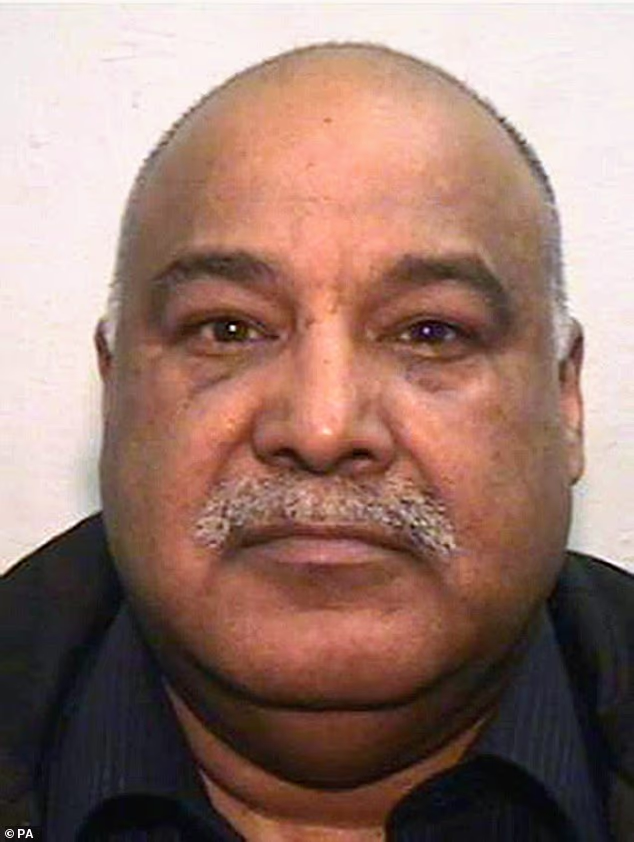
The prospective prime minister weighed into the row after it emerged that Shabir Ahmed, 73, will be freed from jail on Thursday.
Despite his conviction in 2012 for multiple rape and sexual offences against young girls, his victims have been told that he cannot be deported to Pakistan.
They have also expressed fears for their safety once the Rochdale gang leader is out of prison after serving 14 years in jail.
Advertisement
Ahmed had dual British-Pakistani citizenship and was stripped of his British citizenship following his conviction.
Mr Burnham – who is expected to replace Sir Keir Starmer by the end of this month – has said he would ask senior ministers to find a way to deport him.
He tweeted: ‘Like everyone, I want this vile criminal out of the country. Victims must come first.
‘I will ask the home and foreign secretaries to review all possible options – and they should consider nothing is off the table.’
Advertisement
Shabir Ahmed, 73, will be released from prison on July 2 – but cannot be deported
In 2022, when he was mayor of Greater Manchester, Mr Burnham called on the Tory government ‘to do everything within [its] power’ to deport grooming gang members.
The failure to deport members of grooming gangs has caused deep anger in communities and among victims.
Advertisement
In 2012, Sir Keir – then head of the Crown Prosecution Service – oversaw the jailing of the gang.
But last year, one of those jailed – Abdul Aziz – won a human rights battle that prevented his deportation to Pakistan.
Justice minister Jake Richards told the BBC’s Politics Live there were long-standing issues with ‘our ability to deport foreign national offenders to Pakistan’.
‘We need to try and work on that and see whether it’s possible, but in this case, it seems unlikely,’ he said.
Advertisement
When asked if the law should be changed to allow the deportation, he said: ‘I think it’s very difficult to change the law to look retrospectively.’
But he added he was ‘absolutely looking at this individual and if he is to be released from prison, looking at what we are doing to ensure, firstly, to look after his victims and keeping the community safe’.
Meanwhile, one victim – identified only as ‘Ruby’ – said: ‘I’m scared for my safety and my kids’ safety.
‘The main ringleader is getting out of prison, who is well known in Rochdale, Oldham and Middleton, so even if he’s not in that area, he still knows people and has a chance to talk to people from that area and that makes me unsafe.’
Advertisement
She said victims of abuse had been given ‘false promises’ and left to ‘fend for themselves’ through a lack of support from the authorities.
Documents published online – understood to be from the Probation Service – state that he cannot be deported back to Pakistan due to provisions in the Immigration Act 1971 which bar his removal.
These are that he arrived in the UK before 1973 and has lived in the UK for at least five years before his deportation was considered.
A national inquiry into grooming gangs was announced earlier this year after the Government came under increasing criticism.
Advertisement
The Home Office said Ahmed’s crimes were ‘appalling’ and that he would be subject to stringent licence conditions upon his release from prison.
He must initially live in supervised accommodation 24/7 and will be subject to an ‘exclusion zone’ centred on Rochdale.
Ahmed was jailed for 19 years in 2012 at Liverpool Crown Court as one of nine men in the Rochdale grooming gang convicted of offences against five girls.
Police said as many as 50 girls could have been victims of the gang, and that many of them had come from ‘chaotic’, ‘council estate’ backgrounds.
Advertisement
Judge Gerald Clifton said victims were treated ‘as though they were worthless and beyond any respect’ because they were not part of the gang’s community or religion.
Greater Manchester Police said at the time there was no ‘racial or cultural’ element to the crimes.
A report later found that police had not acted despite multiple concerns being raised. It said there had been ‘serious multiple failures’ by police and local authorities.


















































You must be logged in to post a comment Login