A former Royal Navy officer has dismissed Reform UK’s plan to use the military to turn back small boats crossing the Channel as “a crock of shit”.
John Foreman hit out after the French government also rejected the policy.
Reform leader Nigel Farage and Zia Yusuf, the party’s home affairs spokesman, unveiled the plan – called Operation Fortress – on Monday.
It would see the Royal Navy intercept the boats and return the asylum seekers on board to where they came from in “the largest military operation in the English Channel since World War Two”.
Advertisement
Farage said the plan did not break international law because they would be carrying out a “humanitarian” mission.
But in a statement, the French interior ministry said: “This would constitute a violation of French sovereignty, as well as a violation of the law of the sea and international law.”
A Reform UK spokesman said: “We will always stand up for British interests and protect our people, whether Emmanuel Macron likes it or not.
“Humanitarian missions do not violate maritime or international law.”
Advertisement
In response, Foreman said on X: “What, and I use the phrase carefully, a crock of shit their plan is.”
As well as commanding two warships during his time in the Navy, Foreman is also a former UK Defence Attaché to both the Russian Federation and in in Kyiv.
He has also had military and diplomatic appointments in the US, with Nato, and the EU.
What, and I use the phrase carefully, a crock of shit their plan is.
He told the BBC: “A billion pound warship that’s configured for anti-air warfare or anti-submarine warfare, which are both threats to the UK, is not best used ferrying people around,” he said. “You’re better off using an actual ferry.”
Listen to Commons People, the podcast that makes politics easy. Every week, Kevin Schofield and Kate Nicholson unpack the week’s biggest stories to keep you informed. Join us for straightforward analysis of what’s going on at Westminster.
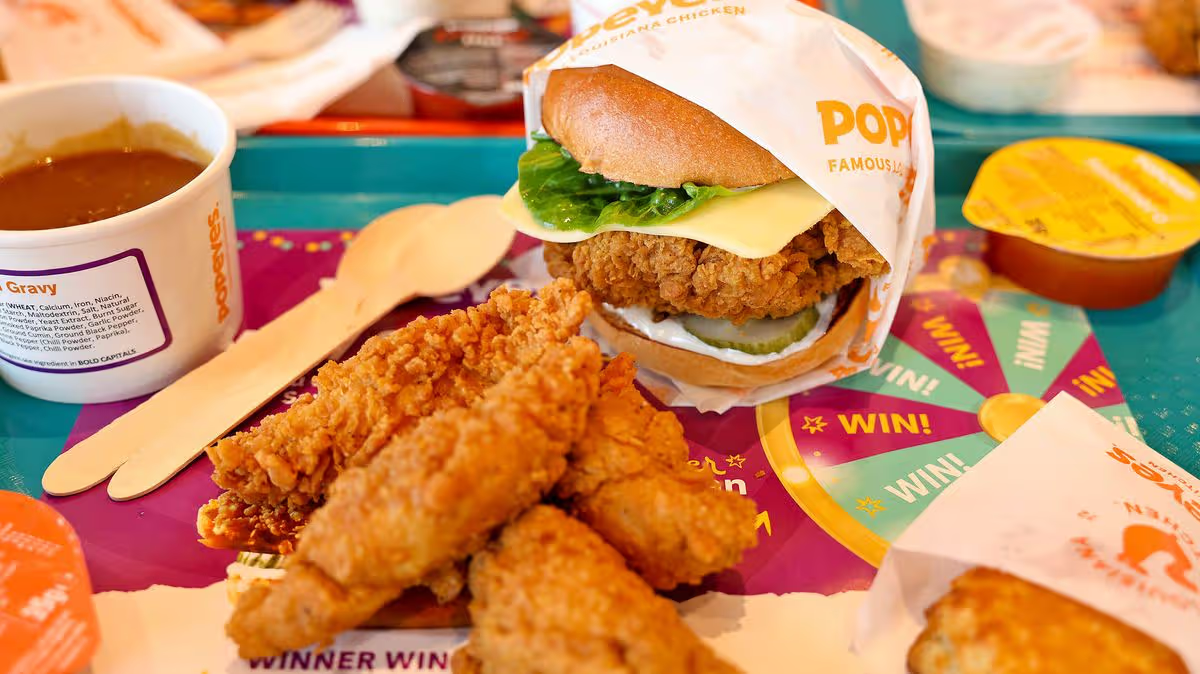
The first 50 customers in the queue will receive exclusive Popeyes merchandise and the first 100 customers will bag a free Chicken Sandwich
Popeyes has confirmed the opening date of its third location in Belfast.
Advertisement
Located at 5 Donegall Arcade in the heart of Belfast City Centre, the new restaurant will open at 11am on Friday, August 11, bringing the brand’s famous New Orleans hospitality to the former GAME unit.
On opening day, the first three customers will win the ultimate prize of free Chicken Sandwiches for an entire year.
The first 50 customers in the queue will receive exclusive Popeyes merchandise and the first 100 customers will bag a free Chicken Sandwich.
A spokesperson said: “Popeyes® has become known for its round the block queues on opening day across the UK, with fans regularly arriving from the early hours to be among the first through the doors.
Advertisement
“To be part of the action in Belfast, hungry customers are encouraged to arrive early to avoid missing out on the opening day giveaways.
“With dine in and speedy takeaway options available, fried chicken fans will soon be able to enjoy Popeyes® favourites like the iconic Chicken Sandwich, Signature Wraps and the Saucin’ Boneless & Hot Wings range.”
All Popeyes chicken is marinated for 12 hours in its signature blend of bold Louisiana seasoning, then hand breaded and battered to deliver that world famous “Shatter Crunch”.
Advertisement
The new Belfast store will create 50 new jobs for the local area.
Tom Crowley, Popeyes® UK&I CEO, said: “We’re excited to continue growing our presence in Belfast with the opening of our third restaurant but first in the city centre.
“Located right in the heart of Belfast, we can’t wait to welcome locals and visitors alike to experience our famous Louisiana hospitality, bold flavours and unmistakable crunch.”
Breast cancer is a leading cause of death in women under 50 in the UK.
About one in seven women develop breast cancer in their lifetime, yet only 5-10% of cases are linked to inherited genes.
Most cases – 96% – are in women over 40, while 25% are in women over 75.
Men can get breast cancer too, with about 420 new cases every year in the UK.
Advertisement
In England, guidance from Nice recommends GPs ask about family history if a woman is worried that she might have a higher risk of breast cancer, and sometimes if they are over 35 and using an oral contraceptive pill or considering taking hormone replacement therapy (HRT).
Hormones have been linked to a slightly increased risk of breast cancer, although larger risk factors include alcohol intake and obesity.
The study, by a team from Cambridge University and the Institute of Cancer Research, looks at how to predict breast cancer risk in younger women.
They used a risk calculator called Boadicea that combines factors such as family history, lifestyle, reproductive history and genetic information to give a risk score.
Advertisement
If all women under 50 were to have this done, they estimate about a quarter (26.5%) would be categorised as at above-average risk and referred for further assessment.
This would include a third of women under 50 (34.8%) who develop breast cancer within 10 years.
By comparison, the current Nice criteria would result in 1.4% of women under 50 being referred for further assessment, which would include just 4.4% of those women who develop breast cancer.
A main reason for the disparity, the researchers say, is because three-quarters of women (73%) under 50 who develop breast cancer within a decade have no family history of breast cancer – the key criterion in the Nice guidelines.
The Garden Kitchen at the Pioneering Care Centre (PCC) in Newton Aycliffe welcomed back customers on Monday (August 3).
It will offer a changing menu of homemade food and coffee, and is promising affordable prices.
The café also hopes to support people with disabilities and health conditions to get hands-on experience in catering, customer service and hospitality.
Jenny, the Marketing and Communications Manager at the centre, said: “It’s been really busy in the café, I’ve recognised some faces, but I’ve also seen some new faces which is nice.
Advertisement
“All the prices, they’ve been designed to be quite affordable, so we’re hoping it’ll bring people in.
“The response has been really positive.
“We’ve had a lot of comments about how good the prices are and you can’t go wrong with a home-cooked meal.”
Carol Gaskarth, chief executive of the Pioneering Care Partnership (PCP) , said: “We are delighted to be partnering with Hiyed CIC to relaunch the Garden Kitchen.
Advertisement
“This partnership reflects our shared commitment to building stronger, more inclusive communities where everyone has the opportunity to thrive.
“The Garden Kitchen will provide a high-quality, welcoming service for customers while creating valuable supported employment, work experience and skills development opportunities for people with disabilities and health conditions.
(Image: PIONEERING CARE PARTNERSHIP)
“By offering real-world experience in a supportive environment, we can help individuals build confidence, develop skills for work and progress towards sustainable employment.”
Hiyed CIC is a social enterprise dedicated to supporting people who are neurodivergent, have learning disabilities or face other barriers to employment.
Advertisement
It offers supported internships, volunteering placements and work-based learning to help individuals gain practical experience.
Tracy Fee, director and founder of Hiyed CIC, said: “The partnership with PCP is so important because both organisations share the same values of improving people’s lives, promoting wellbeing and supporting the local community.
(Image: PIONEERING CARE PARTNERSHIP)
“By working together, we can provide real work experience, supported internships, volunteering opportunities and clear pathways into paid employment within the hospitality sector.
“Every purchase made at the Garden Kitchen will help support training and employment opportunities for local people, creating a positive impact on the wider community.”
Advertisement
The Garden Kitchen is open Monday to Friday, 9am to 3pm, and Saturdays from 9am to 1.30pm at the Pioneering Care Centre, Carer’s Way, Newton Aycliffe, County Durham, DL5 4SF.
From August 17, the railcard will be valid for a full year from the date of purchase, even if the holder turns 18 during that time, allowing more young people to continue benefiting from 50 per cent off train fares.
Previously, the railcard expired on a passenger’s 18th birthday, leaving more than 70,000 young people each year without access to the maximum 50 per cent discount on rail fares.
The government says the change will help more students afford travel during a key stage of their education or training.
Advertisement
Lord Peter Hendy, rail minister, said: “This kind of common-sense change is exactly what passengers should expect from the railway.
“I’m proud that this change will support young people and their families to lower the cost of travel at a critical time for teenagers, whether they’re pursuing further education, vocational pathways or getting their footing in the jobs market.
“Making travel fairer and more affordable is central to the vision for Great British Railways.
“By delivering simpler fares and putting passengers first, we’re creating a railway that’s easier to use, better value for money and focused on meeting the everyday needs of the people who rely on it.”
Advertisement
The announcement comes ahead of broader reform plans tied to the launch of Great British Railways.
Other changes include the expansion of contactless payment options and digital ticketing trials in regions beyond London, such as Manchester, Yorkshire, the East Midlands, and the West Midlands.
Jacqueline Starr, executive chair and CEO at Rail Delivery Group, said: “The extension of the 16–17 Saver’s validity demonstrates the rail industry’s commitment to offering better value fares and delivering a more joined-up railway for customers.
“By enabling customers who turn 18 during their academic year to receive a full year of savings from the date of purchase, we’re ensuring that young people can continue to benefit from 50% off rail travel throughout this important stage of their education.
Advertisement
“Whether it’s getting to school or college, seeing friends or exploring new places, this change provides greater flexibility and more opportunities to make the most of their journeys.”
Priced at £35, the 16-17 Saver offers a full year of half-price travel for the eligible age group.
The National Union of Students (NUS) welcomed the change.
Kaynat Ahmad, NUS vice president for further education, said: “The 16-17 Saver is essential for young people reliant on trains to get to college, work or training.
Advertisement
“Allowing young people to access the savings past their 18th birthday will ease the financial pressures that commuting brings.”
Some support more radical measures, such as banning vehicles from the centre. Others believe the emphasis should fall on cyclist behaviour or on reopening some roads. A handful argue that one straightforward limit across the city might help drivers.
Advertisement
A cycling charity has urged that proposals for 20mph zones should be expanded to encompass all routes within Cambridge’s city boundary. Cambridgeshire County Council is presently consulting on schemes to introduce new 20mph restrictions on roads around the city – but CamCycle wants the plans to be more ambitious.
A new Traffic Regulation Order (TRO) would establish 20mph limits on nearly 20 additional streets, including Queen’s Road, Northampton Street, Chesterton Road until Mitcham’s Corner, Victoria Avenue, East Road and Lensfield Road. Further streets and sections include the Mitcham’s Corner gyratory, Corona Road, Brooklands Avenue, and the northern section of Coldhams Lane.
A county council spokesperson said of the proposals: “Over 100 people have been seriously injured across these routes since 2017. This proposal follows on from widespread engagement to put in 20mph limits on roads across Cambridge in 2024. Since then, there has been a positive response from communities to more focussed proposals for new 20mph limits in residential areas including Orchard Park.”
One commenter, Skipper, feels: “One of the problems is that councillors who force these unwanted anti-car measures on the majority in spite of consultations showing most are against (e.g., Cottenham, Ely 2000 signature petition against) are members of Camcycle. Vested interest or what?
Advertisement
“‘Over 100 people have been seriously injured across these routes since 2017.’ So, over 22 streets, that’s 10 per year, one per street occurring in half of the streets, the others being accident-free. This kind of record does not justify the imposition of blanket 20 mph limits. No accident records are given for individual streets.”
Aljan says: “Perhaps they should teach children road safety and not expect every vehicle driver to be subject to a permanent 20 mph limit. If children are not of an age of responsibility, then they should be supervised.
Over on our Facebook page, SD Lawrie writes: “I live in Wales. You do not want 20mph.”
Jane A suggests: “Why not open up all the closed roads and Mill Road Bridge?”
Advertisement
Kieth B mentions: “Only if cyclists are made to use cycle paths & cycle lanes. And stop at crossings & traffic lights. Everyone needs to adhere to rules & laws before altering anything. The most dangerous thing where cyclists are concerned is cyclists.”
Adam B comments: “To be honest, I drive all day in Cambridge for my job. A complete 20mph zone throughout the city would make it easier.”
So what are your thoughts on 20’s plenty? Comment below or HERE to have your say.
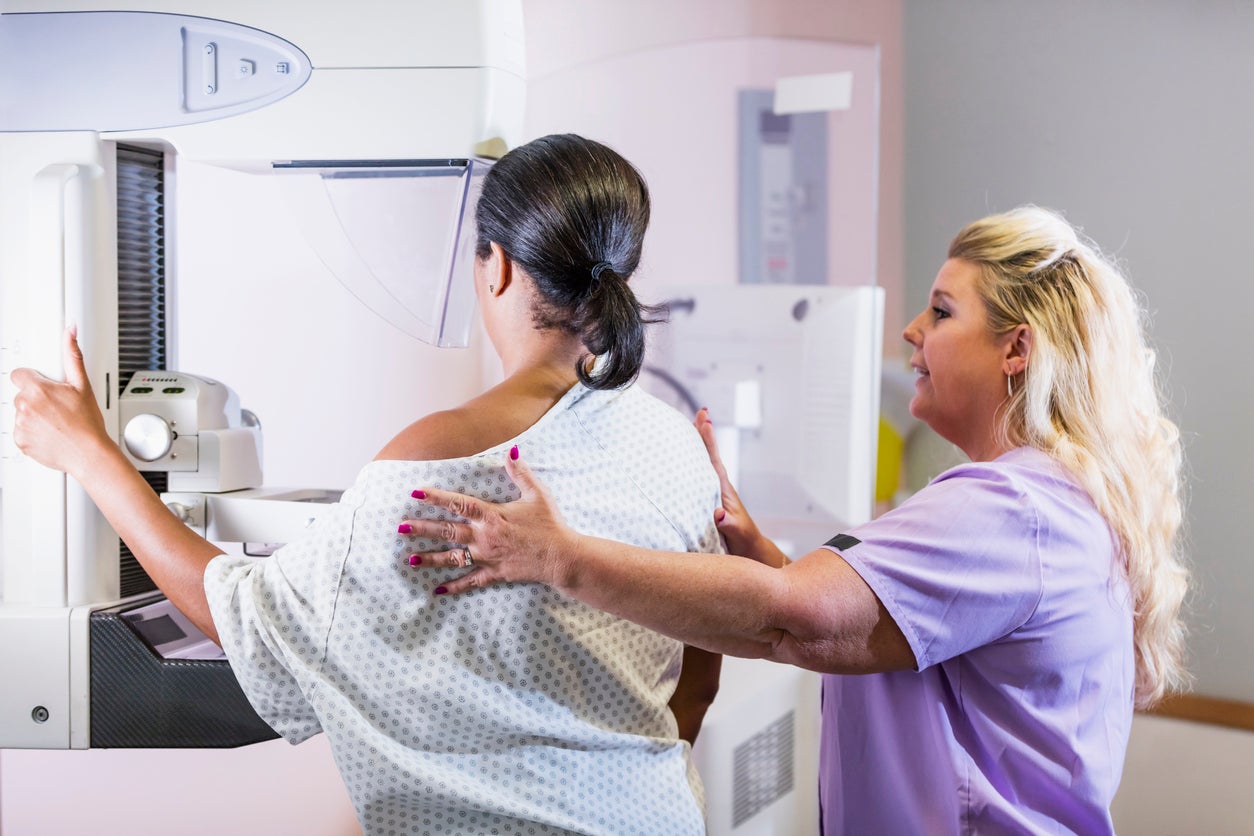
University of Cambridge researchers analysed data from 1,258 women under 50 in the Breast Cancer Now Generations Study (2004-2011).
It suggests that the Nice criteria miss up to 95% of women in this age group who have a higher-than-average risk of breast cancer, and 95% of women who go on to develop the disease within 10 years.
Using a new risk assessment system, experts identified eight times as many women in the age group who developed breast cancer.
In England, GPs refer women for specialist assessment based on family history and National Institute for Health and Care Excellence (NICE) criteria (Getty/iStock)
The tool, known as Boadicea, looked at factors such as family history, reproductive history, lifestyle and genetics.
The analysis, published in the British Journal of Cancer, suggests that using the Boadicea model for all women under 50 would lead to 26.5% being classed as above-population level risk and referred for further assessment.
Advertisement
This includes almost 35% of women under 50 who develop breast cancer within a decade.
Meanwhile, researchers found the current Nice criteria would result in 1.4% women being referred for tests, including 4.4% who go on to develop breast cancer.
Dr Juliet Usher-Smith, of the department of public health and primary care at the University of Cambridge, said: “We need to get better at identifying women at highest risk of breast cancer so that we can intervene early, when there are more options for treating, or even preventing, their disease.
“The current Nice criteria used in general practice are missing up to 95% of women under 50 who will go on to develop breast cancer.
Advertisement
“It’s time to look again at these criteria in the light of our findings.”
Dr Simon Vincent, chief scientific officer at Breast Cancer Now, which supported the study, said: “Finding new ways to identify women at increased risk could help to prevent some breast cancers or detect them earlier, when treatment is more likely to be successful.
“These findings highlight the limitations of Nice’s current referral criteria, and so this research must now be carefully considered as part of the current review of its family history guidelines.”
However, Dr Vincent said it is “equally important” that any changes are backed by investment so they can be implemented fairly across the NHS.
Advertisement
University of Cambridge researchers analysed data from 1,258 women under 50 in the Breast Cancer Now Generations Study (2004-2011) (Getty/iStock)
Professor Montserrat Garcia-Closas, of the Institute of Cancer Research, London, said: “There will be a balance to strike: the Nice criteria are much easier to implement, but miss a large proportion of women at elevated risk.
“But a full risk assessment including genetic testing will place a heavy burden on resources.
“Ultimately, it will be a trade-off between the practical, resource, and cost implications of data collection and risk assessment, and the potential benefits and harms associated with accurate and inaccurate classification of women.”
Dr Sowmiya Moorthie, senior strategic evidence manager at Cancer Research UK, which funded the study, said: “Exploring different ways to identify women with a higher risk of breast cancer could help people receive more personalised care.
“The current UK approach, which relies on women under 50 self-presenting, misses many women with a higher risk of breast cancer who could benefit from targeted support and guidance on how to manage their risk.
Advertisement
“Further research is needed, however, to understand the impact of adopting a different approach, including on staffing and equipment.
“Any changes must be accessible and equitable, taking into consideration the anxiety that extra referrals might cause for women.”
A Nice spokesperson said: “Nice welcomes the findings of this study and recognises the potential of multifactorial risk models in improving the identification of women at increased risk of breast cancer in the future.
“However, the current evidence does not warrant a change to our existing familial breast cancer guideline at this time.
Advertisement
“Nice remains committed to reviewing new evidence and will consider further updates as more data on feasibility and clinical outcomes become available.”
Jet lag threatens to turn even a dream vacation into a slog.
And with peak travel season underway, millions of people may have to contend with this disorienting condition, which can cause sleep disturbances, daytime tiredness, headaches and nasty gastrointestinal symptoms.
But you can minimize the effects of jet lag — and not just by adjusting your sleep-wake schedule. What and how you eat and drink can make a difference too.
Jet lag occurs when your body’s biological clock is out of sync with the time zone you find yourself in. Usually, environmental cues such as sunrises and sunsets help set your internal clock. But when you cross time zones, it may take a few days for your body to adjust.
Advertisement
“I’ve personally experienced pretty severe jet lag before,” during two European trips, said Tara Schmidt, a registered dietitian at Mayo Clinic in Rochester, Minnesota. “It really kind of ruined the first few days of my vacation.”
This article is part of AP’s Be Well coverage, focusing on wellness, fitness, diet and mental health. Read more Be Well.
Eat on the local schedule at your destination
While symptoms of jet lag vary, digestive problems such as bloating, constipation or diarrhea are not uncommon, said Joanne Slavin, a nutrition expert at the University of Minnesota, Twin Cities.
One way to minimize jet lag is to begin gradually shifting the timing of your meals as you get ready for travel. Schmidt suggested first moving them by 15 minutes, then a half hour, then an hour closer to the destination time zone.
Advertisement
Then, after you get where you’re going, eat when the locals eat.
If it’s morning, have breakfast. A hearty one aligned with your new time zone can help you recover from jet lag, a 2023 study co-authored by Northwestern University researchers suggests.
As the day goes on, keep to the same schedule, having lunch and dinner at times appropriate for the location.
“Immediately go on your new schedule,” Slavin said.
Advertisement
To avoid stomachaches, the U.S. Centers for Disease Control and Prevention advises keeping meals smaller just before and during travel. Schmidt said this is particularly important in the early days of a trip.
“Smaller meals tend to be more easily tolerated for people, especially if you have a sensitive stomach or maybe are dealing with some of those GI discomforts,” Schmidt said.
Later in the trip, she said, you may be able to ease into eating more at one sitting. Just be mindful about foods that you might not be used to, especially greasy or high-fat items.
“Enjoying a meal abroad is so fun, especially when you’re experiencing a new culture, a new food,” she said.
Advertisement
Watch what you drink on vacation
It’s also best to skip that glass of wine or pint of beer.
“As fun as it is sometimes when we travel, we really do endorse avoiding alcohol because alcohol is such a huge sleep disruptor,” Schmidt said.
Another pro tip: Use caffeine strategically. If you normally have a cup of coffee or tea in the morning, it’s fine to do that while traveling. But don’t have caffeine so late in the day that it will keep you up. And be aware that both caffeine and alcohol can make you more dehydrated.
“Dehydration can certainly worsen fatigue and those perceived jet lag symptoms,” Schmidt said.
Advertisement
Drink water before, during and after your flight to combat the effects of dry cabin air. At your destination, eight glasses of water a day is a good, easy-to-remember goal, but keep in mind that some people may need more fluids, others less, depending on things like weather and exercise. Cleveland Clinic experts suggest choosing bottled water if you have any questions about water safety.
When the trip is over, get back to your normal schedule
Experts say how and what you consume while traveling is only part of the equation for minimizing jet lag. But these changes complement the better known tips for adjusting your sleep schedule to the new time zone.
When your vacation begins winding down, the advice is much the same for sleep and eating: Ease back into your normal schedule and try to fully resume it at home.
“The sooner you get back to it, to all of your habits,” Slavin said, “the better off you’re going to be.”
Advertisement
___
The Associated Press Health and Science Department receives support from the Howard Hughes Medical Institute’s Science and Educational Media Group and the Robert Wood Johnson Foundation. The AP is solely responsible for all content.
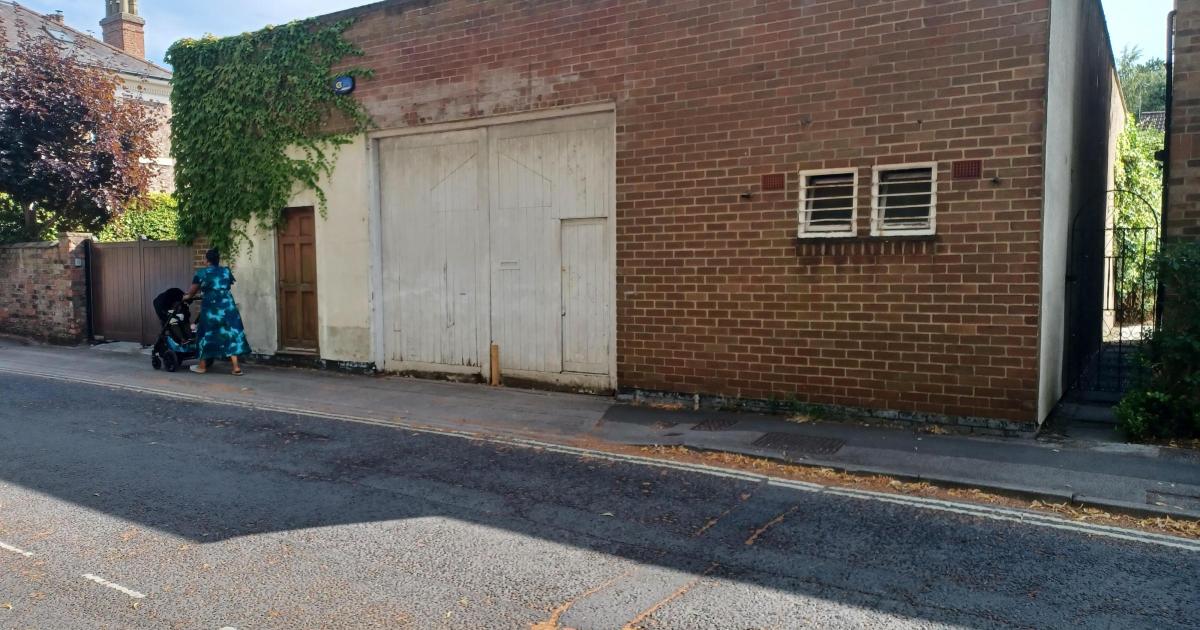
Plans have been submitted to City of York Council to repurpose and change the use of Prestige Autocare York at 1 Avenue Road, Clifton.
The commercial premises in an urban space in York appears to have been empty since at least late 2022, when plans were submitted to demolish the site and build three flats.
Recommended reading:
Advertisement
The 454 square metre site could see the adaptation of the existing structure and would lead to the creation of a boat store and three additional car parking spaces, taking the total up to five, according to plans.
Alterations would be limited to bring the building into domestic use and “ensure that the adapted building sits comfortably within its setting”, say the plans.
The former Prestige Autocare repairers could become a private garage and storage under plans submitted to City of York Council (Image: The Planning & Design Associates / City of York Council Planning)
Planning documents said: “The proposal adapts the existing structure by removing portal and the corrugated roof to form an open-air enclosed courtyard, with garages positioned along one side of the retained enclosure and a boat store located opposite.
“The principal alteration is the removal of the existing corrugated asbestos roof to form an open-air courtyard, which reduces the overall built form while retaining the existing enclosure.”
Advertisement
The former Prestige Autocare repairers could become a private garage and storage under plans submitted to City of York Council (Image: The Planning & Design Associates / City of York Council Planning)
The proposed layout is designed around the existing footprint, with perimeter walls forming the basis of the conversion.
Alterations to access are described as minimal, though plans include creating a single shared access point and introducing a new “pedestrian access point.”
The overall arrangement reflects the existing character of the site whilst providing a practical and efficient layout for the long-term use of the building, according to the plans.
City of York Council said consultation on the plans runs until Tuesday, August 18
Many of Tuesday’s papers lead with the latest on the early prisoner release scheme. “Cop killers will go free”, headlines The Sun. The paper says police officer Andrew Harper’s widow has called the plans, which will not exclude prisoners such as Harper’s killers, “disgusting”.
President Donald Trump’s supporters and aides are calling for the ouster of Homeland Security Secretary Markwayne Mullin — with a senior White House official saying there’s a consensus he “sucks donkey butt,” according to a report Monday.
Mullin drew the ire of MAGA influencers over a Saturday discussion in which he supported migrant work visas to address labor shortages in the U.S., according to Politico.
Right-wing podcaster Jake Posobiec told Politico that Mullin’s remarks at the summer meeting of the National Governors Association fed a “growing wave among MAGA to find a DHS secretary who puts deportations first.”
A senior White House official also sarcastically said that Mullin “deserves credit” for uniting the Trump “administration around a cohesive point of view.”
Advertisement
“Everyone agrees he sucks donkey butt,” the official said.
A senior White House official also sarcastically said that Mullin ‘deserves credit’ for uniting the Trump ‘administration around a cohesive point of view’ (Getty)
In a statement to The Independent, White House spokeswoman Abigail Jackson said: “The President has confidence in Secretary Mullin and his entire Administration to carry out the agenda the American people voted for.”
A DHS spokesperson also told The Independent: “Secretary Mullin has been clear: if you come to the United States illegally, you will be detained and deported.”
“Anyone who says otherwise is just trying to sow division and create an illusion of chaos,” the spokesperson added.
The controversy came just days after Mullin reportedly was behind “growing tensions” in the White House after unilaterally ordering ICE to cease making traffic stops following the fatal shootings of Mexican national Lorenzo Salgado Araujo in Houston, Texas, and Colombian national Johan Sebastián Durán in Biddeford, Maine.
Advertisement
Trump later contradicted Mullin, formerly a Republican senator from Oklahoma, saying on social media that “we CANNOT give up one of I.C.E.’s most important and effective Crime Fighting tools, THE TRAFFIC STOP!”
The controversy came just days after Mullin reportedly was behind “growing tensions” in the White House after unilaterally ordering ICE to cease making traffic stops following the fatal shootings of Mexican national Lorenzo Salgado Araujo in Houston, Texas, and Colombian national Johan Sebastián Durán in Biddeford, Maine (Getty)
Mullin’s critics include former high-profile Border Patrol official Gregory Bovino, who reposted a video clip of the DHS secretary’s speech on social media Sunday.
“He proudly announces nearly 900,000 naturalizations in 12 months (95% third world immigrants), then lectures us about the legal process,” Bovino wrote.
Bovino retired from the Border Patrol in March after being removed from his position as “commander at large” for immigration enforcement operations following the fatal shootings of American citizens Renee Good and Alex Pretti during anti-ICE protests in Minneapolis.
Trump picked Mullin to replace former DHS Secretary Kristi Noem, who was also removed from her post in the wake of the killings by federal law enforcement officers.
Advertisement
Former Trump White House adviser Steve Bannon floated the notion of replacing Mullin with former acting Director of National Intelligence Bill Pulte.
Former Border Patrol ‘commander at large’ Gregory Bovino is among Mullin’s critics (AFP/Getty)
“MAGA wants President Trump to detail ‘Pitbull’ Pulte to DHS,” Bannon told Politico. “Mullin is the wrong guy at the wrong time for the wrong job — a time when we need focus on ‘mass deportations,’ we get an amnesty advocate.”
Hours after his appearance before the National Governors Association, Mullin posted on social media: “NO amnesty for illegal aliens. Ever.”
“We are a nation of laws. If you are illegally present in the United States of America — you will be detained and deported. Period,” he added.
ICE figures show that more than 356,000 people have been deported from the U.S. since October 1, with almost 66,000 in custody pending deportation proceedings, ABC News reported last month.
Advertisement
Trump has repeatedly pledged to carry out the “largest mass deportation program in history,” with multiple reports saying the White House has set a goal of expelling 1 million people a year.





























































You must be logged in to post a comment Login