Connect with us
DAPA Banner
DAPA Coin
DAPA
COIN PAYMENT ASSET
PRIVACY · BLOCKDAG · HOMOMORPHIC ENCRYPTION · RUST
ElGamal Encrypted MINE DAPA
🚫 GENESIS SOLD OUT
DAPAPAY COMING

NewsBeat

French Open 2026: Alexander Zverev and Flavio Cobolli will put friendship aside with Grand Slam title at stake

Published

on

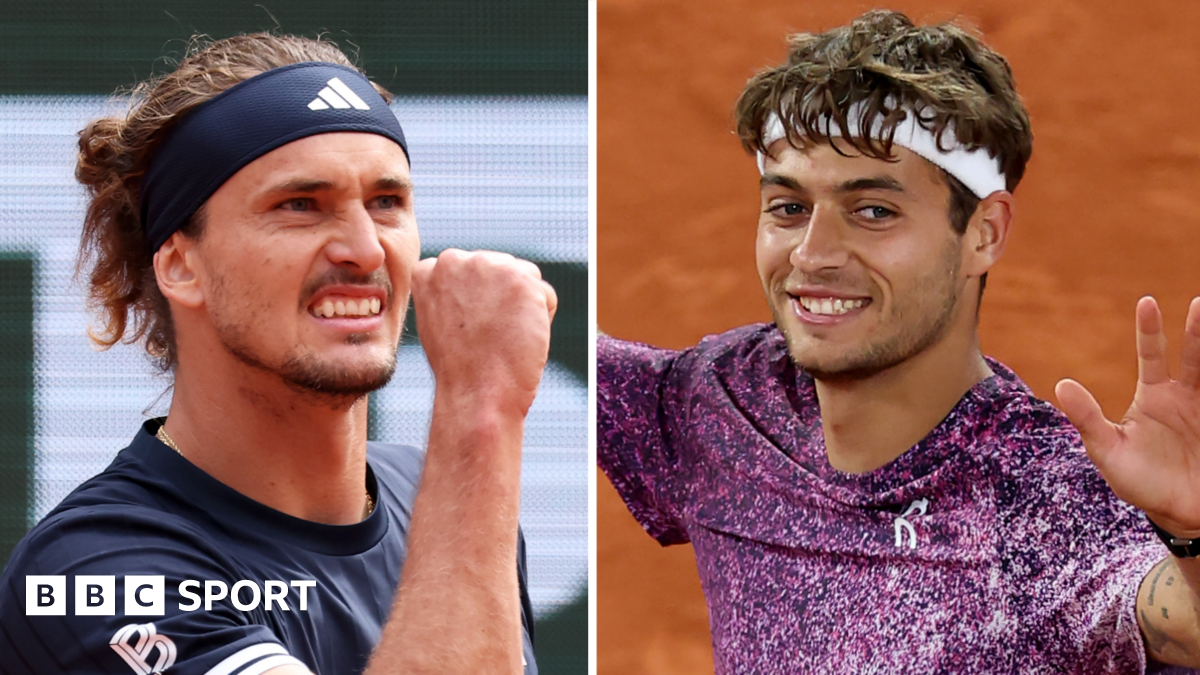
Alexander Zverev and Flavio Cobolli celebrate at the French Open

How do professional athletes manage to be friends while competing for the sport’s biggest prizes?

The current generation of tennis players seem to be closer than ever, with French Open finalists Alexander Zverev and Flavio Cobolli among those who are good mates.

But both men insist it will not be difficult to separate their personal friendship from their professional focus – which on Sunday will be winning a Grand Slam title for the first time.

Second seed Zverev and Italian 10th seed Cobolli will meet for a third time on clay this season, with Cobolli having won in Munich before Zverev beat him in Madrid at the next tournament.

Advertisement

The pair became friends when they were team-mates at the 2024 Laver Cup – where an Europe side takes on a World team – and have gone on to form what Zverev calls a “natural” bond.

After his Roland Garros semi-final, Zverev described how 24-year-old Cobolli regularly picks his brains about the sport.

Cobolli said they enjoy chatting about movies, while their fathers – who are also their coaches – are friendly.

“He’s a great player, a great guy,” said Zverev.

Advertisement

“I like him. I like his dad a lot. They are very good people. It’s his first final, so I’m happy for him that he reached it.”

Germany’s Zverev is the favourite to finally land the major title he has long been predicted to win – although the 29-year-old has lost his three previous Grand Slam finals, including the Roland Garros championship match two years ago.

“When you play a Grand Slam final, it’s not that difficult [to put friendship aside] because it means you reached the best stage in tennis,” Zverev said.

“You still try to beat each other and you still try to win, but that’s OK.”

Advertisement

Cobolli was due to play another friend in the semi-finals, but he received a walkover when compatriot Matteo Arnaldi withdrew because of a virus.

It means Cobolli has not played a competitive match since Wednesday.

“I will be ready but I also know that I will be fresh. Maybe [not playing] helped, maybe not. I will tell you after the final,” Cobolli said.

Source link

Advertisement
Continue Reading
Click to comment

You must be logged in to post a comment Login

Leave a Reply

NewsBeat

What Kevin Keegan’s cancer diagnosis reveals about how we find disease

Published

on

What Kevin Keegan’s cancer diagnosis reveals about how we find disease

When the former England and Newcastle manager Kevin Keegan recently revealed that he had stage 4 cancer, the footballing world responded with an overwhelming show of support. But hidden within his story is a surprising lesson about how cancer is often discovered – not through symptoms, but by chance.

Keegan was in a car crash just weeks before his diagnosis. Studies have found that people who suffer car crash injuries are more likely to be diagnosed with cancer than similar people who haven’t.

Most experts agree that car crash injuries don’t actually cause cancer. So what explains the link?

One possibility is a shared underlying cause. People who drive a lot, simply by spending more time on the road, are more likely to have accidents. They may also lead more sedentary lives, a factor linked to higher cancer rates. Frequent drivers may be more likely to be overweight or to spend long hours in the sun (exposed to harmful UV radiation), both of which raise cancer risk. Sleep deprivation is another candidate: it raises the risk of both crashes and cancer.

Advertisement

To resolve the conundrum, we have to consider how we detect cancer. Typically, we diagnose cancer in people who undergo some type of medical examination – either because their cancer has caused them to feel unwell or for some other reason.

When people are involved in car crashes, they often end up in hospital, where CT scans and MRIs are routinely used to check for internal injuries. In the process, doctors may stumble across a tumour that would otherwise have gone unnoticed. The crash hasn’t made them more likely to have cancer – it has just made them more likely to have it found.

Keegan described it himself: “I was in a car accident and, through that, I had to have an operation. Whilst having the scan for the operation, they found out I had cancer.” People who have been in car crashes are no more likely to have cancer than anyone else – they’re just more likely to have it discovered, because the accident brings them into contact with the medical system.

Car-crash victims aren’t the only ones affected. Anyone who ends up in accident and emergency – for whatever reason – faces the same increased medical scrutiny, and is therefore more likely to have an unrelated cancer picked up in the process.

Advertisement

Detection bias

As I outline in my new book, You Don’t Know What You’re Missing, this is a classic example of a detection bias – the idea that increased monitoring of one situation compared with another can make a phenomenon appear more common than it really is. Take sharks. Despite, on average, 80 attacks and only a handful of deaths worldwide each year, people are disproportionately afraid of them.

In large part, this is probably due to an availability bias. Shark attacks are so graphic and feature so prominently in popular culture – including in films like Jaws, The Reef and The Shallows – that they occupy a disproportionate amount of space in our imaginations. However, in part, this may also be due to the misconception that sharks are attracted to crowded beaches.

Most sharks aren’t really attracted to more crowded beaches.
Vaclav Sebek/Shutterstock.com

While there is evidence that some species of sharks might be attracted by splashing, because it sounds like struggling prey, other species are put off by it. There is no strong evidence to suggest that more people in the water will lead to a higher probability of attracting a shark.

It is true, however, that there are more shark attacks in places where lots of people swim, but this isn’t primarily because sharks are disproportionately attracted to these popular areas. Popular beaches may see more attacks simply because there are more people in the water, not because sharks have a preference for popular beaches.

Advertisement

It’s also true that busy beaches are disproportionately more likely to report shark sightings. But again, this is purely a function of the fact that more people are around to spot their telltale fins poking out of the water – another detection bias.

Indeed, well-frequented beaches are more likely to have lifeguards who may be on the lookout for sharks or even to employ drones to help reassure beach users that it’s safe to go in the water.

Detection bias turns up in all sorts of unexpected places. When policing is increased in an area, you might expect recorded crime to fall. Often it rises – not because the area has become more dangerous, but because more officers means more crimes are spotted and logged. The underlying crime rate may not have changed at all.

The same thing happens in workplaces. Organisations with rigorous safety protocols can appear to have more safety breaches than those without, simply because they’re better at catching and recording them.

Advertisement

And medicine is no different. Many cancers are first spotted incidentally in A&E in patients who have attended for completely unrelated reasons. This doesn’t mean that being ill or injured causes cancer. If anything, there is evidence that people who end up requiring urgent medical care sometimes live longer as a result because conditions like cancer get caught earlier than they otherwise would have.

This article features references to books that have been included for editorial reasons, and may contain links to bookshop.org. If you click on one of the links and go on to buy something from bookshop.org The Conversation UK may earn a commission.

Source link

Advertisement
Continue Reading

NewsBeat

Liam Neeson says Americans always discuss one thing with him when visiting US

Published

on

Belfast Live

Hollywood star Liam Neeson has noticed a pattern when it comes to chatting to American during an appearance on Conan O’Brien’s podcast

Taken star Liam Neeson has revealed that, no matter where he travels in the US, Americans consistently want to share the same piece of information with him as he reflects on his early visits across the pond.

Marking his 74th birthday today, the Ballymena native has become one of Northern Ireland’s most celebrated actors over the decades.

Advertisement

His impressive body of work includes numerous beloved films, including Schindler’s List, Star Wars: Episode I – The Phantom Menace and the action-thriller franchise Taken.

Beyond his achievements on the big screen, Liam recently reflected on his experiences in America during an appearance on the Conan O’Brien Needs A Friend podcast.

Recalling one of his earliest visits to the United States in 1988, he spoke warmly of the welcome he invariably received, saying: “When I came to the States in 1988, I’m an American citizen, a very proud one too, and an Irish citizen.

“But everybody I’d meet wanted to tell me they had a connection with either Ireland or Scotland,” reports Belfast Live.

Advertisement

Finding it amusing how rarely he met someone who simply identified as American, Liam joked: “I was dying for someone to say, I’m an American. Do you know what I mean? They always wanted to make a connection.”

As he tried to understand the strong Irish links across the US, he began to appreciate the historical reasons behind them, explaining: “It made me think, okay, there was a million and a half during the potato famine in Ireland in 1845 and 1852 (who) came out here on coffin boats and coffin ships, you know.

“I was like, oh, of course. 1845, that was a nanosecond ago, you know.”

Advertisement

The Irish famine of the 1840s triggered a mass exodus, with around two million people leaving Ireland, many travelling to America in search of survival.

According to figures released this year, an estimated 31.5 million Americans claim Irish ancestry.

Having captivated audiences around the world throughout his career, Liam returned to the big screen in The Naked Gun last year.

The father of two played Lt. Frank Drebin Jr, while Pamela Anderson also starred in the film, which was directed by Seth MacFarlane, creator of Family Guy.

Advertisement

However, one iconic role fans should not expect him to revisit is Taken, with the actor jokingly telling Stephen Colbert: “There’s only so many times your daughter can be taken.”

Source link

Continue Reading

NewsBeat

Man Utd told to make ‘no brainer’ signing of axed Barcelona star in bargain transfer

Published

on

Daily Mirror

Robert Lewandowski is a man in the market for a new club after his Barcelona contract expired and Manchester United have been urged to go after the Polish striker

Manchester United have been urged to go after Robert Lewandowski after his Barcelona exit with a move described as a “no-brainer”.

Advertisement

The Pole has seen his contract expire at the Nou Camp with the Catalans opting against keeping the striker, who is now 37. Despite that Lewandowski has continued to find the net with regularity and will be an asset to whatever club he ends up at.

Lewandowski is no stranger to playing for major clubs given he has a CV that boasts Borussia Dortmund, Bayern Munich and Barcelona. He scored 120 times in his four seasons in Spain and former United star Gusieppe Rossi believes he would be an ideal addition.

United have Benjamin Sesko as their main man in attack but Rossi sees Lewandowski as the ideal man for him to learn off. The Italian told Ozoon: “Robert Lewandowski to Man Utd? Yeah, why not?

“Of course, Lewandowski would be an incredible asset for the young players, providing his experience and big-game knowledge. With Benjamin Sesko being a young, growing player, having someone like Lewandowski on the team would only benefit him. It’s a no-brainer. He has a huge resume and on a short-term deal, it’s a win-win.”

Advertisement
Content cannot be displayed without consent

United spent big on their frontline last summer, adding Sesko, Bryan Mbeumo and Matheus Cunha. All three players proved to be hits at the club, scoring 34 times between them, as they secured a return to the Champions League, which will aid their recruitment this summer.

Michael Carrick and the club’s priority is on adding a midfielder over the coming months and they’re close to finalising a deal for Ederson from Atalanta. They will still look to add another player in the middle of the pitch if they can identify one and land him for the right price with several Premier League stars linked.

United have seen Rasmus Hojlund join Napoli on a permanent deal after his loan stint in Italy, leaving the club light in attack. Lewandowski would present a cut-price option should they want to bolster their ranks in the final third.

Advertisement

The Red Devils have previously landed an elite veteran striker, signing Edinson Cavani in 2020. The Uruguayan had been prolific at PSG, becoming their all-time top scorer for a period, and moved to Manchester on a free transfer. He scored 17 times in his first year at the club.

Join our new WhatsApp community and receive your daily dose of Mirror Football content. We also treat our community members to special offers, promotions, and adverts from us and our partners. If you don’t like our community, you can check out any time you like. If you’re curious, you can read our Privacy Notice.

Upgrade your World Cup TV setup with the Sky Glass ‘designed for football’

This article contains affiliate links, we will receive a commission on any sales we generate from it. Learn more
Content Image

from £4.50

Sky

Advertisement

Get the deal here

Sky is knocking 20% off its entire range of Glass TVs to mark the start of the 2026 FIFA World Cup. Until June 17, shoppers can upgrade to the Sky smart TV that’s ‘designed for football’ from £4.50 per month when taken alongside a Sky TV and Netflix package.

Source link

Continue Reading

NewsBeat

Sara Cox confirms final BBC Radio 2 Teatime show date

Published

on

Sara Cox confirms final BBC Radio 2 Teatime show date

In April, it was confirmed that Cox would be replacing former Breakfast show host Scott Mills after the BBC fired him.

Cox hosts the weekday Teatime show from 4pm to 7pm and will launch her first Breakfast show this summer.

Currently, the BBC has not confirmed Cox’s start date for the new show.

Advertisement

Sara Cox confirms final date for Radio 2 Teatime show

Speaking to listeners, Cox announced that Monday, June 8, will mark the start of her final week on Teatime.

Sharing, “Monday is the start of Teatime’s final-ever week.

“New Breakfast Show incoming guys. Incoming, brace, brace, brace!

“Next week’s our final week of Teatime with you’s lot.

“I love each and every one of you.”

Advertisement

Adding, “So yeah, final week, bosh, is next week and then the brand-new Sara Cox Breakfast Show will be starting at some point, but I can’t tell you when.”

Previously, Cox said that hosting the Breakfast show was a “dream” following the announcement.

The DJ commented: “There are not enough adjectives to really sum up how I’m feeling about being trusted with such an iconic show but let’s start with ecstatic, honoured and incredibly chuffed.

“It’s been a dream to host the Breakfast Show since I joined Radio 2, and it feels like a bit of a full circle for me.

Advertisement

“I’ve had the most glorious seven years of my career on Teatime so thank you to my brilliant Teatime listeners who hopefully will join me at Breakfast for excellent music and all my usual nonsense plus some superstar guests.

“I honestly can’t wait to wake the nation up with the biggest, most fun breakfast show ever.”

Are you pleased that Sara Cox is the new host for Radio 2’s Breakfast Show? Let us know in the comments below.

Advertisement

Source link

Continue Reading

NewsBeat

1 million turn out for pope’s Mass in Spain and iconic procession along flower-carpeted route

Published

on

1 million turn out for pope's Mass in Spain and iconic procession along flower-carpeted route

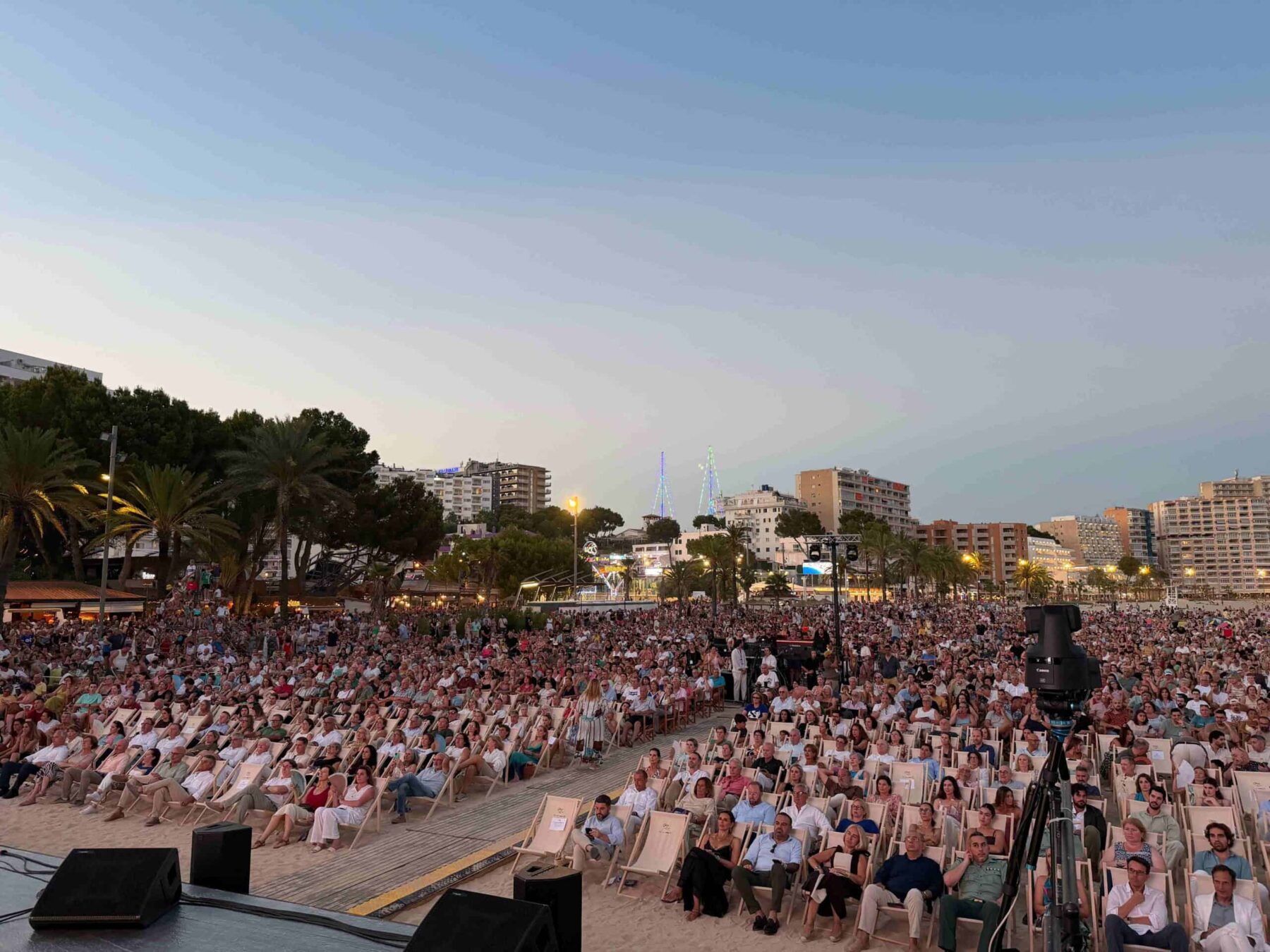
MADRID (AP) — More than a million people poured into a central Madrid plaza on Sunday for Pope Leo XIV ’s main Mass and a procession highlighting one of the most iconic expressions of Spanish popular piety: flower carpets.

They cheered and shouted “This is the youth of the pope!” as Leo arrived for the Mass, looping around the plaza and surrounding streets in his popemobile to a crowd packed several rows deep behind barricades.

Sunday’s Mass falls on the Catholic Corpus Domini feast day, which often features processions of faithful through towns and cities led by a priest carrying the Eucharist. In Spain as in other predominantly Catholic countries, the processions often feature elaborate floral carpets arranged along the route.

Leo, who arrived in Spain on Saturday at the start of his weeklong visit, has been keen to highlight the long tradition of Catholic devotion here to encourage especially young generations to find their faith.

Advertisement

At a vigil service Saturday night, an estimated 600,000 young Spaniards knelt for several minutes in silent prayer alongside Leo, suggesting that there is indeed interest among young people despite Spain’s heavily secularized society.

“Let me take the opportunity to tell all of you: Don’t ever be afraid of thinking about a vocation to the priesthood or religious life, or other services in the church!” Leo told the crowd.

Irati Valda and Javier Hormazal, a young couple, held up a cardboard sign announcing they are going to get married on June 13 and were ushered up close to receive Leo’s blessing during the vigil.

“To see so many young people together, it’s incredible. Half a million people in silence, this is something you will only live once,” Valda said.

Advertisement

A form of popular piety dating back centuries

For Sunday’s Mass and procession, local organizers said 1.2 million people had turned out on a brilliant spring morning at the central Plaza Cibeles and surrounding streets, with more trying to get in.

The tradition of laying flower carpets — and destroying them when the procession tramples them — dates back two centuries and is popular also in Latin America, where elaborate sand designs are also made. The painstaking displays are considered an offering to the Eucharist.

Poland has already had its tradition of Corpus Domini flower carpets recognized by UNESCO, and Spain’s Galicia region is trying to have its tradition listed along with other countries as part of the world’s intangible cultural heritage.

According to Spanish organizers, the 16 flower carpets decorating the half-kilometer (mile) procession route were prepared by a Spanish florists association from Galicia. Florists used more than 30,000 flowers, most the yellow and white colors of the Holy See flag, for the carpets that feature decorations such as the Holy See keys.

Advertisement

Wildly popular religious processions, pilgrimages and feasts continue to be held in most Spanish regions. The most recognizable are Holy Week processions during the final week of Lent where brotherhoods and robed penitents parade ornate statues of Christ and the Virgin Mary through cities, towns and villages alongside marching bands. Such processions draw the faithful as well as droves of non-believers and tourists.

Spanish towns and cities also regularly honor local patron saints with fiestas. Religious pilgrimages to local shrines mix piety with communal festivities and music. In Andalusia, the El Rocío pilgrimage fetches a million people that make a long, dusty journey over the Pentecost weekend on horseback and decorated covered wagons to venerate an icon of the Virgin Mary.

Leo arrived in Spain on Saturday and urged its people to put an end to polarization and work for unity. Later Sunday he is to meet privately with members of his Augustinian religious order and address cultural leaders.

___

Advertisement

AP visual journalist Helena Alves contributed.

___

Associated Press religion coverage receives support through the AP’s collaboration with The Conversation US, with funding from Lilly Endowment Inc. The AP is solely responsible for this content.

Advertisement

Source link

Continue Reading

NewsBeat

the infuriating reason you’ve never heard of this brilliant 18th-century composer

Published

on

the infuriating reason you’ve never heard of this brilliant 18th-century composer

Imagine if the only musical artists from the 1980s you had access to were Madonna, Prince and Michael Jackson. Others, such as David Bowie, Whitney Houston or George Michael are not available because, we’re told, these artists fail to exhibit the same type of creativity as the other three “geniuses”.

It’s clearly madness, yet this in a nutshell is the gatekeeping situation that exists in classical music today.

Zoom back to the 1780s and the musical landscape was astonishingly diverse, with composers across the globe writing bucketloads of music not only for the church, but for theatres, salons, concerts and performance at home. And, contrary to what we seem meant to believe, none of this music was auditioned by a panel of experts with the “best of the best” selected for our moral betterment.

But what we have access to today from the classical era is the tiniest fraction of what was composed then. And of that fraction, we hear a still smaller subset, dominated by just three composers: Mozart, Haydn and Beethoven – as classical music website Bachtrack’s 2025 statistics attest.

Advertisement

Many significant composers haven’t survived as part of the modern classical canon. Take Marianna Martines (1744–1812), for example. She was an extremely popular Viennese composer, singer and keyboardist whose prolific compositional output was so highly rated in her own time that she was the first woman to be inducted into the Accademia Filarmonica di Bologna as a “master” composer.

Performing regularly for Austria’s empress Maria Theresa and sharing the keyboard with Mozart for four-hand duets at her own popular musical salons, she was at the heart of a booming Viennese musical culture.

Where is her music today?

Talent flourishes with investment, and Martines had it all: money, time, geography, social networks and an elite education. In fact, court poet and famed opera librettist Pietro Metastasio personally oversaw her education from childhood.

Advertisement

Martines’ compositional catalogue is substantial, including – strikingly – several large-scale choral-orchestral works such as the impressive Dixit Dominus (1774), 12 keyboard concerti (four of which survive), and 31 keyboard sonatas (three of which survive). Her music isn’t just fine – it is exceptionally good. Just listen for yourself. So why do we not hear her music today?

It wasn’t that she lacked contemporary advocates, and it wasn’t even that she was immediately forgotten after her death. Indeed, she was significant enough to have active detractors who worked to discredit her authority, as music scholar Judith Valerie Engel details in her research.

The problem, then, was not absence of talent, nor even absence of recognition, but the failure of later institutions to keep investing in the conditions that ensure music like Martines’ is heard.

Ensemble music – particularly larger forms such as choral and orchestral music – requires a rather different type of investment. We’re not able to access it without the complex and expensive assembly of notated scores, instruments, large spaces and dozens of people with specialist skills who know how to transform those dots on the page into musical sounds.

Advertisement

At the root of this are repetition and publication, both in text and in sound. Text, for the obvious reason that without access to printed materials – and I mean well-edited printed materials – the music cannot be played and therefore endure.

Music publishers have long been gatekeepers of musical taste, providing editorial credibility and a supply of materials to the market. This curatorial role was usurped by record producers, who determine what gets recorded and circulated – the new modern legitimising “text” of a musical work, as it were.

Repetition is absolutely essential. This crazy process of putting dots of ink on paper to communicate complex sonic and emotional ideas means that musical works rarely reveal their secrets the first time they are played.

Advertisement

In re-performance and re-recording, musical problems are solved and the infinite dimensions of the possible sound worlds are explored. This dialogue between performers does two crucial things in the establishment of a work within the canon. First, it refines the quality of performance and, with that, enhances the evaluation of the work itself. Second, the frequency of performance or recording generates familiarity – a significant driver of musical preference.

My heart genuinely aches when I think about how different my own life would have been had I grown up listening to Marianna Martines’ music alongside that of her contemporaries. So many limiting myths about women’s inherent musical – and therefore artistic and intellectual – abilities might never have taken root in my subconscious.

While in general the ability to produce knowledge and exert influence is increasingly moving away from historical centres of power, public reclamation of received music history still lags far behind, despite the herculean efforts of numerous musicians, musicologists and advocates.

Advertisement

The good news is that listeners have more ability than ever to discover the music that moves them. The intellectual shackles imposed by commercial and academic institutions when it comes to deciding what constitutes “good” music are slowly losing their potency. There is no doubt though, we are now facing a new era of curatorial power in the form of AI algorithms that shape the discovery of music and much else besides.

However, restorative projects such as this first recording of Marianna Martines’s complete surviving keyboard works provide that essential first step of the music’s modern publication.

It is now possible for listeners to discover this music, and for musicians to begin the long, necessary dialogue with it. Only then are we able to reclaim our rightful musical heritage.

Advertisement

Source link

Continue Reading

NewsBeat

Royals attend wedding of Peter Phillips and Harriet Sperling

Published

on

Royals attend wedding of Peter Phillips and Harriet Sperling

The King’s nephew, Peter Phillips, married NHS nurse Harriet Sperling during a private ceremony in Gloucestershire on Saturday, which was attended by King Charles III and Queen Camilla.

The King and Queen joined members of the royal family, including the Prince and Princess of Wales, Princess Beatrice and Princess Eugenie and Princess Anne.

The venue, All Saints Church in Kemble, was chosen because Sperling lived in the village when the couple met.

Read more about the day here.

Advertisement

Source link

Continue Reading

NewsBeat

Eight F1 stars have made their feelings clear after driver’s call to scrap Monaco GP

Published

on

Daily Mirror

The Monaco Grand Prix has been a source of anger and frustration for many F1 stars

The Monaco Grand Prix is arguably the most recognisable and famous race on the Formula 1 calendar. It’s also the most contentious.

Advertisement

This year’s race will get underway on Sunday afternoon, with Kimi Antonelli taking pole ahead of Max Verstappen and Lewis Hamilton. Despite being one of sport’s most eye-catching events, the circuit has come in for strong criticism from drivers, with George Russell even calling for the event to be ‘scrapped’

Complaints have raged about the lack of space to overtake on the iconic track due to modern cars that are too wide. Due to Cadillac’s involvement this season, 22 cars will race around the tight streets for the first time since 2016, only heightening the tension, with many drivers branding the race “boring”.

The Monaco GP is set to remain on the calendar until 2035, however. Here, Mirror Sport takes a look at what several F1 stars have said about the Grand Prix.

Lewis Hamilton

Charles Leclerc won his first Monaco Grand Prix in May 2024, but Lewis Hamilton was unhappy with the processional nature of the race.

Advertisement

JOIN US ON FACEBOOK! All the best sports news and much more on our dedicated Facebook page

He said: “It was non-eventful. Everyone drove so slowly. It didn’t matter what tyre you were on. We were driving seconds off the pace. I don’t know what it was like watching but I am sure people were falling asleep. We have to find ways of spicing it up a bit more, maybe three mandatory stops?”

Speaking after the 2018 edition, he said: “We were just cruising around from lap six, literally cruising. So it wasn’t really racing. If that was exciting for you to watch, no problem.”

Hamilton said the race was “the longest 78 laps ever”, telling BBC Sport: “It was a super-unexciting race for everyone. We are driving at high speed, there is not a lot of action, you’re just trying to bring it home, for 56 laps. Oh my God, it was long. Forty laps to go, I was like, ‘Oh God, please’. When it finished, I was like, ‘Thank goodness’.”

Max Verstappen

Also voicing his concerns in the 2024 race, four-time world champion Verstappen, while sitting in in sixth, told his team across the radio: “F*** me, this is really boring. I should’ve brought my pillow.”

He later said: “We are driving literally half-throttle on the straights, in a higher gear than you would normally do, four seconds off the pace. That’s not really racing.

“We all know in Monaco what it is like. In the last few years it is even more difficult with the width of the cars but it is nothing new. First I would like to change if possible a few little things because it would make will make it more exciting.

Advertisement

“Overall the weekend is really cool but it’s the Sunday race that is a little bit boring. The scenery is still great but if we could find a way to race better that would be my preferred solution. And if they asked for my opinion I would try to see what is possible.”

Fernando Alonso

The 2018 edition was particularly controversial, as drivers slowed to ensure the ‘hyper-soft’ and ‘ultra-soft’ tyres reached the required stint lengths.

The race was won by Daniel Ricciardo, with Sebastian Vettel coming second and Hamilton in third. Fernando Alonso was unhappy with the result. He said: “Extremely boring. This is probably the most boring race ever.”

Advertisement

The experienced Alonso claimed Monaco’s races had always been the same, saying the wider current cars are not an issue. He said: “I never overtook any car. You see one overtake every 10 years.”

Lando Norris

Speaking at Thursday’s pre-race press conference, the McLaren star was asked how challenging the circuit would be in qualifying with 22 drivers on the track.

Norris said: “Probably pretty [challenging]. I mean, well, I have three in a practice session with a lot more cars on track. It’ll be tough. It’s already been tough in previous years with people not getting out of the way in the right places and things. It’s tricky.”

Speaking in 2025 on how Monaco could be improved, he said: “I don’t think you can really change the race apart from if you make the cars half the size of what they are now.

Advertisement

“I don’t think it needs to change that much. It’s never been anything else than what it has been now. So I think people should just be happy with what it is.

“Monaco has never been a race that’s been good on Sunday. Never has. Yet it’s the race everyone wants to win. It’s always been like that. Even some of the best races that you’ve ever seen, zero overtakes.

“I don’t think you’re ever going to get it to be a great race. It’s never been, not saying it can never be, I’m just saying it never has been. Yet everyone still knows it as just the best race of the season.”

Advertisement

Lance Stroll

Following the 2024 race, the Aston Martin driver was blunt about his feelings, stating that the organisers “really need to do something with the track.” He also branded the Sunday races in Monaco as “horrendous.”

Alex Albon

During the 2024 race, Alex Albon spent 78 laps stuck behind Yuki Tsunoda’s deliberately slow-paced car. He voiced his annoyance over the radio and later explained that the extreme tyre management makes the race dangerously dull for the drivers.

“It’s actually hard to stay focused when you’re going that slowly because you’re just not even near anything. You’re not near any limits,” he complained.

George Russell

Despite cars this year being smaller, narrower, and lighter than in 2025, comments from Russell last year suggesting that the race should be cancelled altogether have resurfaced.

Advertisement

“For all the drivers, qualifying is the most exhilarating moment of the weekend,” Russell said. “Do we accept that? There should be no race, and it’s a qualifying race.”

Speaking in 2025, Russell said: “Monaco has always been the same. I think I have seen some of the proposed track changes that definitely will not make it worse. The small problem you have in Monaco is the one overtaking opportunity, which is out of the tunnel.

“The natural racing line is you’re going from the left, braking through the middle of the track and then you pull over to the right. So it’s very easy for a driver to position his car.

Advertisement

“But I honestly right now I don’t have the answer. Maybe the manual override would be a solution and you know you’ve to do all of this management through the race and if you’ve got a lot more power just to pass somebody in an unconventional space, it isn’t going to make the show worse.

“But part of me just thinks we need to accept Monaco for what it is. Formula 1 is better by having Monaco on the calendar. It is the most exhilarating qualifying of the season. And the race is always pretty boring, but it also makes us appreciate the other races as well.”

Charles Leclerc

Leclerc has been adamant that the increased number of cars will be an issue for drivers during qualifying at his home race.

The Monegasque said: “I think it’s a problem. I mean, 22 cars on such a short track I think will be quite tricky, especially because with these cars.

Advertisement

“I mean, a bit less now, still whenever you are like three, four seconds on tracks like this, you lose a bit of time. So it’s going to be tricky, but it’s the same for everybody and we’ll have to adapt to it. But it’s not ideal for Q1, I think.”

Oliver Bearman

Young British star Bearman labelled Monaco “boring”, stating that the real action takes place in the days leading up to the famous race.

“I think people just need to accept that the thrill of Monaco is on Saturday in qualifying,” he said last year. “It’s always going to be a boring race with a track of that size and unfortunately with the cars of this size, nothing’s going to happen.

Advertisement

“I think smaller cars will be better but I don’t think it’s going to fix everything because 20, 30 years ago it was the same scenario, not many overtakes. Quali is where the fun is in Monaco and I think that’s even more reason to qualify well, then you don’t get stuck in the train.”

Sky Sports, HBO Max, Netflix and Disney+ with Ultimate TV package

This article contains affiliate links, we will receive a commission on any sales we generate from it. Learn more
Content Image

Sky has upgraded its Ultimate TV and Sky Sports bundle to now include HBO Max, Netflix, Disney+, discovery+ and Hayu, as well as 135 channels and full Sky coverage of the Premier League and EFL.

Sky broadcasts more than 1,400 live matches across the Premier League, EFL and more with at least 215 live from the top flight alongside Formula 1, darts and golf.

Source link

Advertisement
Continue Reading

NewsBeat

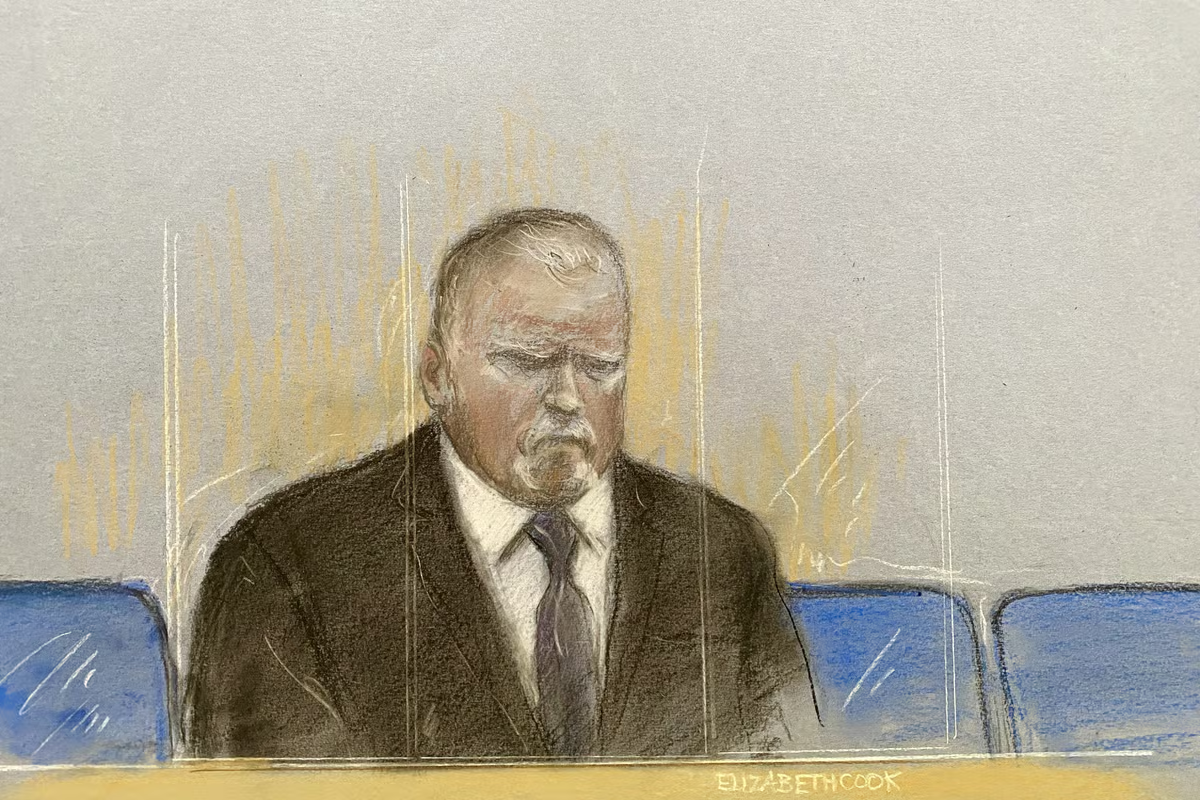
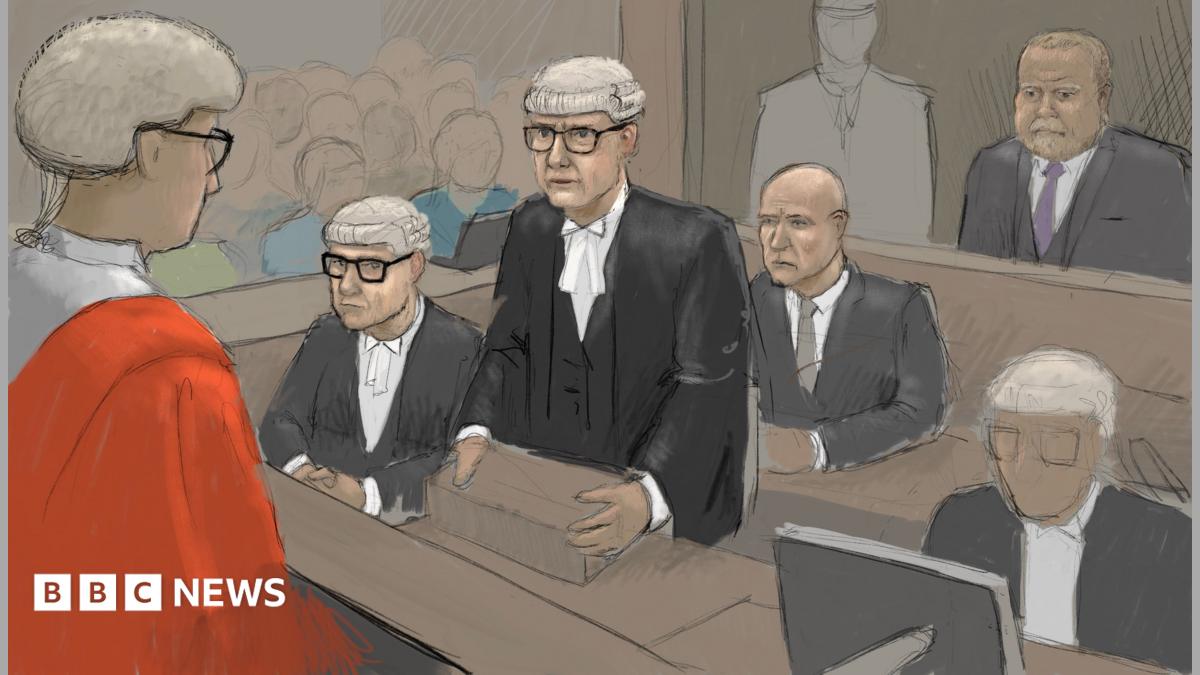
Lammy called Vance to tell him ‘you’re wrong’ after he blamed Henry Nowak murder on migration

Published

on

Lammy called Vance to tell him ‘you’re wrong’ after he blamed Henry Nowak murder on migration

Deputy prime minister David Lammy has said he rang JD Vance to tell him he was “wrong” to claim an “invasion of migrants” in Europe is to blame for the murder of Henry Nowak.

The US vice-president said the 18-year-old, who was fatally stabbed by Vickrum Digwa, would still be alive if Europeans “stood their ground” against “politics of self-hatred”.

On Friday Downing Street hit out at outside actors “trying to interfere in our democracy” as it urged people to “respect the wishes” of Nowak’s family, who said they did not wish his death to be used to create division.

Bodycam footage from the night Nowak was killed by Digwa shows police handcuffed him as he lay on the ground, despite his repeated pleas that he could not breathe, after his killer falsely claimed he had been the victim of a racist attack. He died shortly after.

Advertisement

Mr Lammy told Sky News: “This has got nothing to do with mass migration. This young man (who killed Henry Nowak) was a Brit. Let’s be clear about that. And I said: “Look, Mr vice president, you’re wrong about this.”

He said that he spoke to the vice president on Saturday to “emphasise a number of things”.

They included that “our democratic process is working well”, he said, adding that the murderer had been convicted, there were ongoing investigations into the police and the attorney general was “looking at the sentencing in relation to this”.

He said he also told Mr Vance that “it’s also the case that actually murder is coming down in the United Kingdom.

Advertisement

“So, we had an agreeable conversation, but we disagree.”

Mr Lammy said Mr Vance “has a longstanding concern about what he calls Western values, he actually was at pains to say, both in the United States and in here in Europe, which he believes are under attack”.

He said that they “disagree on that” and that they ended the conversation “very amicably (and) talked about when we’re next going to see each other.”

But, Mr Lammy added: “I also urged him that it’s not helpful to tweet in this way, partly because of what the Nowak family have asked for and reminded him about their desire not to make this an issue of division and hatred, but to make this an issue of common sense.”

Advertisement

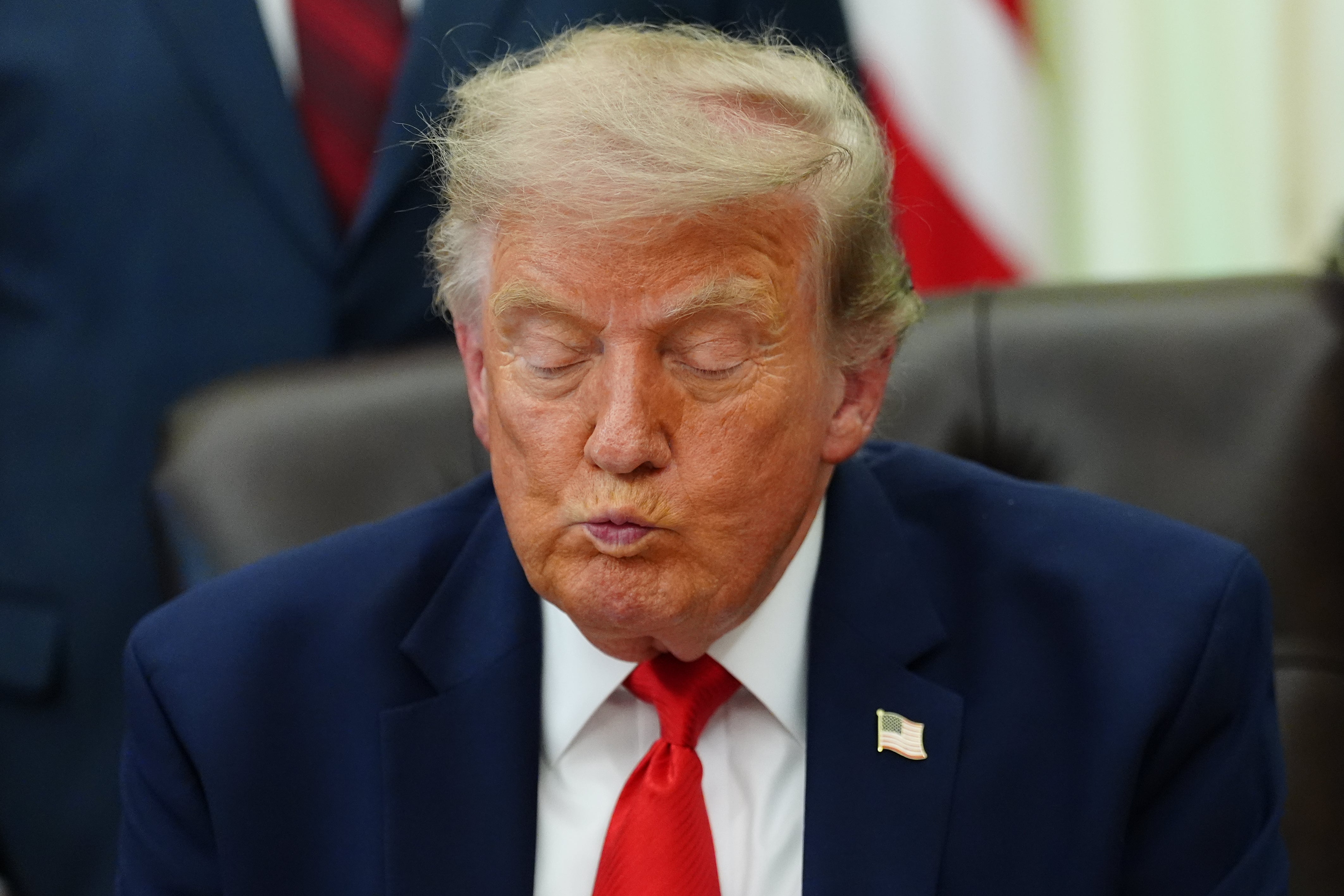
On Friday, Mr Vance tweeted, in what is the latest intervention by the Trump administration over the murder: “Henry Nowak died the same way a civilisation dies: abandoned, handcuffed by authorities who neither trusted nor cared for him, and accused of hate crimes he did not commit.

“His murder is as tragic as it is enraging.

“He should still be alive today, and he would be if the last few generations of European elites had stood their ground against the politics of self-hatred and the mass invasion of migrants, many of whom despise the West and the people who love it.”

This is a developing news story, more follows …

Advertisement

Source link

Continue Reading

NewsBeat

Monaco Grand Prix 2026: Start time, grid positions, how to watch and weather forecast today

Published

on

Monaco Grand Prix 2026: Start time, grid positions, how to watch and weather forecast today

The 19-year-old is racing away from the competition in the early stages of this season, having won four of the five races so far. That puts him 43 points clear atop the drivers’ standings, with George Russell growing ever smaller in his rear-view mirror.

Source link

Advertisement
Continue Reading

Trending

Copyright © 2025