Connect with us
DAPA Banner
DAPA Coin
DAPA
COIN PAYMENT ASSET
PRIVACY · BLOCKDAG · HOMOMORPHIC ENCRYPTION · RUST
ElGamal Encrypted MINE DAPA
🚫 GENESIS SOLD OUT
DAPAPAY COMING

NewsBeat

How fatigue shapes World Cup interceptions

Published

on

How fatigue shapes World Cup interceptions

An interception can last less than a second. A defender reads a pass, steps into its path and reaches the ball before its intended recipient. Yet that brief movement requires the brain to judge speed, distance and direction while the body accelerates, changes course and maintains balance.

Interceptions show how closely thought and movement are connected, and how mental and physical fatigue can disrupt that connection. As players tire, they must still decide whether to move and continually adjust their speed. A fraction too late, and both the player and their defence can be left exposed.

At the start of the 2026 World Cup semi-final week, France defender Dayot Upamecano led the tournament with 12 interceptions. His tally shows how often an elite defender must make these rapid judgments during a major tournament.

Interceptions also featured prominently in Cape Verde’s first World Cup campaign. The tournament debutants recorded 15 in their Group H opener as they held Euro 2024 winners Spain to a 0-0 draw. They averaged roughly 13 interceptions per match across four games, advancing from their group before losing 3-2 after extra time to defending champions Argentina in the round of 32.

Advertisement

Those figures do not prove that interceptions caused Cape Verde’s success. A high total can also show that a team spent long periods defending. But cutting out passes helped them disrupt opponents who had more of the ball and create chances to counterattack before those opponents could reorganise.

Player fatigue

To understand how fatigue can affect this work, it helps to examine what an interception demands from the brain and body.

A player must predict where the ball will travel and whether they can reach it first. Research on anticipation in sport suggests that skilled athletes combine their knowledge of the situation with visual information from an opponent’s movement. A defender may use the passer’s posture and approach to the ball to anticipate the direction of the pass.

Advertisement

Once the ball is played, its speed becomes critical. In an experimental study of well-trained amateur footballers, players were less likely to attempt an interception as passes became faster, and their chances of success also fell.

Distance influences the decision too. A study of senior male futsal players found that the defender’s initial distance from the ball helped determine whether an interception was possible. Yet players kept changing their speed in relation to the ball’s path until the action ended. An interception is therefore an unfolding process rather than a single decision.

Experience improves these judgments without making them infallible. A football-specific study comparing expert and less-expert athletes found that participants initially overestimated their ability to complete an interception task. Their estimates became more accurate with practice, suggesting that players can recalibrate their judgments when given direct information about what their bodies can do.

That calibration may become harder as fatigue develops. Mental fatigue is the tiredness and reduced alertness that can follow sustained concentration. In a study of 20 professional male footballers, completing a demanding 30-minute mental task impaired passing decisions during a subsequent training match.

Advertisement

Another study of well-trained male players found that mental fatigue reduced the speed and accuracy of football-specific decisions.

These studies examined passing and general football decisions rather than interceptions, so they cannot show that mental fatigue directly causes missed interceptions. But interceptions draw on many of the same processes: selecting visual information, judging speed and distance, predicting what will happen and choosing an action under time pressure.

Physical fatigue adds another difficulty because a pass that was reachable earlier in a match may no longer be reachable at the same speed. Research involving 24 trained male players found that acute physical fatigue reduced how far and how intensely they moved. It also changed some aspects of their positioning and team play.

Advertisement

A related study found that players with stronger decision-making skills maintained their positioning and effectiveness under acute physical fatigue, partly by moving at a slower pace. Those with weaker decision-making skills maintained more of their physical output but became less effective in their positioning and defensive play.

This suggests that better decision-makers may adapt their movement as their physical capacity changes. A tired defender must estimate where the ball is going while responding to what their body can still do without abandoning a useful position.

Deception and disguise

Opponents can make that judgment harder by manipulating the information available. Research on deception in competitive sport describes how athletes disguise their intentions. A passer might shape towards one teammate before sending the ball elsewhere. By the time the true direction becomes clear, the defender may already have shifted their weight towards the wrong passing lane.

Waiting can provide better information, but it gives the ball more time to travel. Moving early increases the chance of arriving first, but also makes the defender more vulnerable to disguise.

Advertisement

The findings have implications for training, workload management and recovery. Research on designing realistic practice argues that training should preserve the important information and actions found in competition. Interception drills should therefore include moving opponents, varied pass speeds, realistic starting distances and deception.

Coaches must also consider the condition in which players make these decisions. Fatigue can reduce their physical capacity and, in some circumstances, affect the decision itself. Monitoring how far and how intensely players run may therefore overlook changes in their ability to make rapid judgments.

The aim is not simply to produce more interceptions. Effective defenders learn which opportunities are reachable and continue adjusting as the pass unfolds. They must also adapt their decisions as fatigue changes what their bodies can achieve. By the time Upamecano reaches the ball, the visible action is only the final part of a demanding calculation made under pressure.


Advertisement

Source link

Continue Reading
Click to comment

You must be logged in to post a comment Login

Leave a Reply

NewsBeat

Can speaking multiple languages really lower dementia risk? It’s not that simple

Published

on

Can speaking multiple languages really lower dementia risk? It’s not that simple

The risk of dementia rises as the brain ages. One reason is that connections between brain cells weaken over time. Diseases of the brain, such as Alzheimer’s and stroke, can speed this up, eventually leading to dementia, a loss of mental abilities and a loss of independence.

Scientists can now estimate a person’s brain age from brain scans, and compare it with their actual age. This difference, known as the brain-age gap, can predict who is more likely to see faster mental decline and go on to develop dementia. One study followed around 39,000 people and found exactly that link. The good news is that lifestyle changes – stopping smoking, drinking less alcohol and exercising regularly – can slow this decline.

But what about learning another language? Could that help keep the brain younger for longer and delay dementia?

Preliminary findings presented at a recent scientific conference suggested that people who speak more languages tend to have younger brains. Speaking two languages was linked to a six-year delay in brain ageing, and speaking four languages was linked to a delay of up to 13 years.

Advertisement

A separate study of more than 86,000 people across 27 European countries found that people who spoke only one language were more than twice as likely to show faster brain ageing. Speaking two languages cut that risk by 30%, according to the findings.

The theory is that learning languages builds what scientists call brain reserve – extra connections between nerve cells that help the brain withstand the damage caused by ageing and disease.

But the picture may not be so simple. It could depend on how the research is done, who is being studied, and why someone speaks more than one language in the first place.

Delayed diagnosis, not lower risk

When researchers combined the results of several studies, they found that speaking more than one language didn’t actually lower a person’s risk of developing dementia. What it did do was delay diagnosis by two to five years.

Advertisement

One explanation is that learning another language builds vocabulary and problem-solving skills, which may help hide the early signs of dementia rather than prevent the disease itself.

There’s another complication. Most studies on this topic have focused on white, middle-class people in the US and Europe – people who often grew up speaking several languages thanks to a good education and supportive parents.

This same group is also more likely to do other things that protect the brain, such as reading for pleasure, playing sport or learning a musical instrument, all of which have been linked to a lower risk of dementia.

There’s also a chicken-and-egg problem. People with good memories for words and language rules – and the support and motivation to use them – may simply be more likely to become multilingual in the first place.

Advertisement

And being middle class generally means a healthier lifestyle: better food, better healthcare, more time for leisure and less stress – all of which reduce dementia risk on their own.

Why migrants don’t fit the pattern

If speaking multiple languages were simply protective, you’d expect migrants – who often need to learn a new language – to have a lower dementia risk. In fact, the opposite is true. Several studies have found migrants face a higher risk.

The reasons are complicated. Poor health, social isolation and depression, particularly among migrant women, may all play a part, sometimes linked to limited language skills stemming from a lack of education.

This suggests that being able to communicate well enough to express your needs and get support may matter more than simply speaking another language.

Advertisement

Indonesia has the largest multilingual population in the world, with more than 200 million people speaking more than one language. Yet dementia rates in some parts of the country are double those in wealthier western nations, according to research my colleagues and I conducted.

Indonesia has the largest multilingual population of any country.
N.A.Wicaksono/Shutterstock.com

This is especially true in poorer rural areas with low levels of education, and among women. But even there, staying socially active and exercising reduced dementia risk.

If the brain reserve theory holds up, learning a language later in life could help the brain form new connections and cope better with ageing. The process also increases blood flow – and with it, oxygen and nutrients – to the parts of the brain being used. This fits with the “use it or lose it” idea, that the brain works a bit like a muscle.

As dementia takes hold, people often lose their weaker, second language first. That would explain why its protective effect on the brain fades and why diagnosis is often delayed rather than prevented.

Advertisement

To really test whether learning a language protects the brain, we need studies that compare older people who learn a new language with those who don’t. So far, this kind of research has produced mixed results. About half of the studies found no effect on cognition.

As with most dementia research, one thing is clear: no single habit – including learning a language – is likely to be the deciding factor in whether someone develops the condition.

Source link

Advertisement
Continue Reading

NewsBeat

Crying Jude Bellingham is consoled by his parents and WAG Ashlyn Castro after England’s World Cup semi-final heartbreak

Published

on

Footage showed the Real Madrid star embracing his father, Mark Bellingham, while wiping away tears

Jude Bellingham fought back tears as he was comforted by family and friends after England‘s World Cup campaign came to an end with a defeat to Argentina in Atlanta on Wednesday.

Bellingham, arguably England’s standout player of the tournament, was unable to reproduce the heroics that inspired victory over Norway as the Three Lions fell to a 2-1 defeat against the defending world champions.

Anthony Gordon had given England the lead before Enzo Fernandez and Lautaro Martinez struck late on to book Argentina’s place in Sunday’s showpiece at the New York-New Jersey Stadium.

Long after the final whistle, and following a feisty confrontation with Argentina substitute Valentin Barco, Bellingham turned to his family for support. 

Advertisement

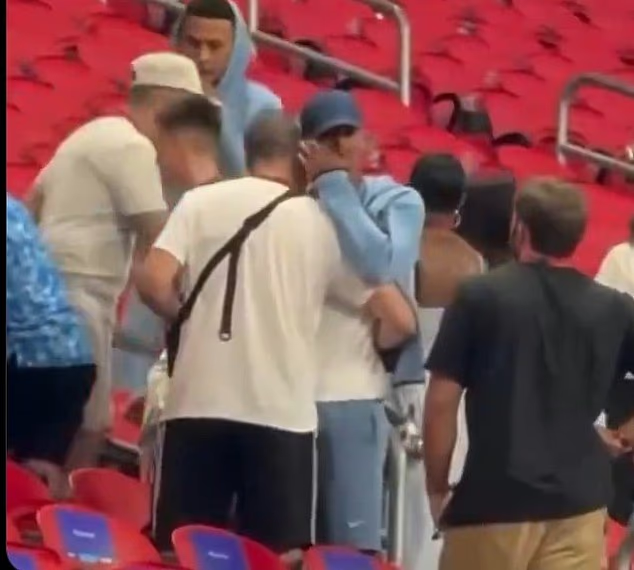
Footage showed the Real Madrid star embracing his father, Mark Bellingham, and mother, Denise Bellingham, while wiping away tears. His close friend and England team-mate Morgan Rogers was also seen hugging his parents.

The 23-year-old was also spotted sitting alongside his girlfriend, Ashlyn Castro, 28, appearing visibly downcast by the afternoon’s events.

Footage showed the Real Madrid star embracing his father, Mark Bellingham, while wiping away tears

Advertisement
Bellingham was spotted sitting alongside his girlfriend, Ashlyn Castro, 28, appearing visibly downcast by the afternoon's events

Bellingham was spotted sitting alongside his girlfriend, Ashlyn Castro, 28, appearing visibly downcast by the afternoon’s events

The pair were joined by Bellingham's father, Mark, and his mother, Denise in the stands after the final whistle

The pair were joined by Bellingham’s father, Mark, and his mother, Denise in the stands after the final whistle

It was a change in mood from what had preceded it, with Bellingham having become embroiled in a heated altercation with Barco in the moments after the final whistle.

Bellingham slapped the young Strasbourg player’s head from behind, sparking a brief melee involving players from both sides.

Advertisement

It remains unclear what triggered the reaction from the Real Madrid midfielder, though footage has circulated showing Barco running onto the pitch after Fernandez’s 85th-minute equaliser and celebrating in front of the England players rather than joining his team-mates by the corner flag.

Former England goalkeeper Paul Robinson, commentating for BBC Radio 5 Live, described Barco’s actions as ‘probably the worst example of sportsmanship we’ve seen at this World Cup’.

Barco, 21, plays for French side Strasbourg and previously spent time at Brighton. He is reportedly set to join Chelsea ahead of the upcoming Premier League season.

The Argentine has featured just once at the tournament, coming off the bench in the second half of his side’s 3-1 group-stage victory over Jordan.

Advertisement

The match itself was incredibly attritional, with 19 fouls committed in the first half, as American referee Ismail Elfath struggled to keep a lid on things.

In the very first minute, Alexis Mac Allister set the tone for what was about to unfold, flooring Elliot Anderson just 19 seconds after the first whistle. 

A few minutes later, Bellingham appeared to confront Messi for another foul on Anderson.

‘We were really just discussing a foul, actually,’ Bellingham is reported to have said after the match.

Advertisement

‘It wasn’t anything bad. I’m sure everyone will do their thing and make it a big deal, but it was nothing.’

Bellingham became embroiled in a heated altercation with Argentina substitute Valentin Barco in the moments after the final whistle

Bellingham became embroiled in a heated altercation with Argentina substitute Valentin Barco in the moments after the final whistle

'I wish I could say more. I wish I could give one more win or two more wins. But at the moment I'm kind of - my head's a bit fuzzy with disappointment,' he said in his post-match interview

‘I wish I could say more. I wish I could give one more win or two more wins. But at the moment I’m kind of – my head’s a bit fuzzy with disappointment,’ he said in his post-match interview

As for his post-match assessment, Bellingham said: ‘I think we can take a lot from the experience, but it’s so gutting.

Advertisement

‘I wanted to be a part of an England squad that had finally done it, finally got it over the line. And to be here telling the fans unfortunately the same things that they’ve probably heard for years and years, it’s really gutting.

‘I wish I could say more. I wish I could give one more win or two more wins. But at the moment I’m kind of – my head’s a bit fuzzy with disappointment.’

During the post-match celebrations, Argentina’s stars held aloft a banner that read: ‘The Malvinas (Falklands) are ours.’

That has led to calls for the players involved to face disciplinary action from FIFA.

Advertisement

Despite FIFA’s ban on political flags, Tottenham captain Romero, Manchester United defender Lisandro Martinez and ex-Spurs midfielder Giovani Lo Celso celebrated with the controversial sign after the final whistle.

Captain and star player Messi was also seen dancing alongside the banner.

FIFA has yet to comment, but the governing body is under huge pressure to punish Argentina for flouting its rules. Manchester United and Spurs are being urged to punish Romero and Martinez.

Twelve years ago, the team carried the same banner at an international friendly and was fined just £20,000.

Advertisement

But there are growing calls for the players who carried the banner at a match of such magnitude – watched by an estimated 950 million people worldwide – to face tougher sanctions.

How much is David Beckham set to pocket from his World Cup brand deals? Take on our quiz in our newsletter HERE.

Source link

Advertisement
Continue Reading

NewsBeat

Argentina fans burn England flags and Union Jack coffin after World Cup win

Published

on

Belfast Live

Supporters of Argentina in Buenos Aires revelled in their World Cup triumph against England, setting fire to flags and parading a coffin draped with the Union Jack across the capital’s streets.

The Wednesday evening encounter rekindled a long-standing rivalry that had lain quiet for 20 years, yet the reigning world champions pressed forward in their quest for a fourth World Cup title, shattering English hopes – much to their delight.

Building on tournament successes in 1986 and 1998, Argentina secured victory with an injury-time goal against the Three Lions. Lautaro Martinez nodded in the decisive strike after Anthony Gordon had put England ahead in the second period.

The heated fixture carried significant political undertones, with the Falklands War remaining a point of contention amongst South Americans. Argentine players have repeatedly alluded to it throughout the competition, and supporters at home took immense satisfaction in defeating England.

Advertisement

Amid the festivities in Buenos Aires, fans were seen torching English flags while a coffin covered in a Union Jack was paraded as thousands flooded the streets, reports the Mirror.

England manager Thomas Tuchel has faced substantial criticism for his tactical decisions, particularly after the Three Lions took the lead. The side shifted to a considerably more cautious strategy, with his substitutions bringing on several defenders in an attempt to preserve the result.

Advertisement

Lionel Messi’s impact intensified, and following Enzo Fernandez’s equaliser on 85 minutes, they continued to bombard the England goal before securing their winner in added time. The eight-time Ballon d’Or holder has his sights set on a second World Cup triumph, which would further solidify his legendary status.

He made reference to those back home in Argentina who are facing difficult times, expressing his hope that the victory brought them some happiness.

“We are proud and happy to be able to give this to the people, we know that the World Cups are special for us,” he said. “

Advertisement

We forget all the bad things we have to go through, there are people who have a hard time, who don’t have a job, who don’t make ends meet, it’s our life, what we’ve always had to deal with, it’s beautiful to be able to give this joy to them.”

He went on to add: “We Argentinians always demand more. If we had lost to England today, there would have been people saying stupid things, and we didn’t give them the chance… we knew that we were better than them at football, but it’s still special because of everything it means.”

Sign up to our free sports newsletter to get the latest headlines to your inbox

Source link

Advertisement
Continue Reading

NewsBeat

‘Safety risk’ means Cambridgeshire paddling pool will not open this summer

Published

on

Cambridgeshire Live

‘Unforeseen’ issues were found which means that the pool cannot open in 2026

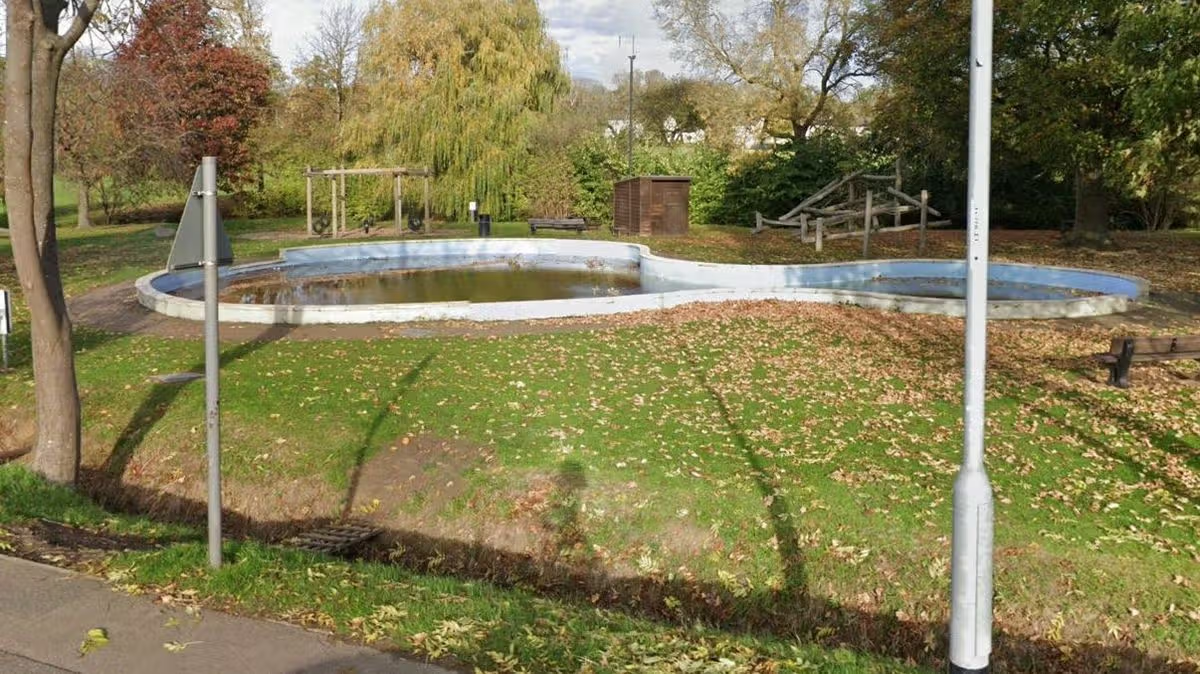
A Cambridgeshire village paddling pool will not open this summer after a “safety risk” was discovered. Papworth Everard Parish Council announced on Tuesday (July 14) that the village paddling pool would not be opening for the 2026 summer season.

Advertisement

After the pool was cleaned and cleared, a full inspection was carried out. The inspector found issues with the base of the pool, after a fibreglass surface refurbishment in 2025.

A parish council spokesperson said the authority was “bitterly disappointed” that the pool couldn’t open for 2026. It added: “The inspection found fundamental issues with the base of the pool, which were unforeseen.

“We are in the process of undertaking a risk assessment and obtaining a second opinion; however, the recommendations from the inspection indicate that the damage presents a safety risk that cannot be remediated within a timeframe that would allow safe use of the pool this summer.”

The council will next conduct a full risk assessment and review the experts’ findings, recommendations, and financial implications. It will then look at the available options and determine the most appropriate long-term course of action.

Advertisement

Do you want more of the latest Cambridgeshire news as it comes in from across the county? Sign up to our dedicated newsletter to make sure you never miss a big story from Cambridge or anywhere else in the county. You can also sign up to our dedicated Traffic and Crime newsletters for the latest updates on the topics you are most interested in .

Source link

Continue Reading

NewsBeat

Trafford Centre announce Christmas Grotto for 2026 – in ‘dream’ partnership with Haribo

Published

on

Manchester Evening News

Prepare for a very sweet Santa’s grotto at the Trafford Centre this year, as details have now been confirmed for the 2026 event

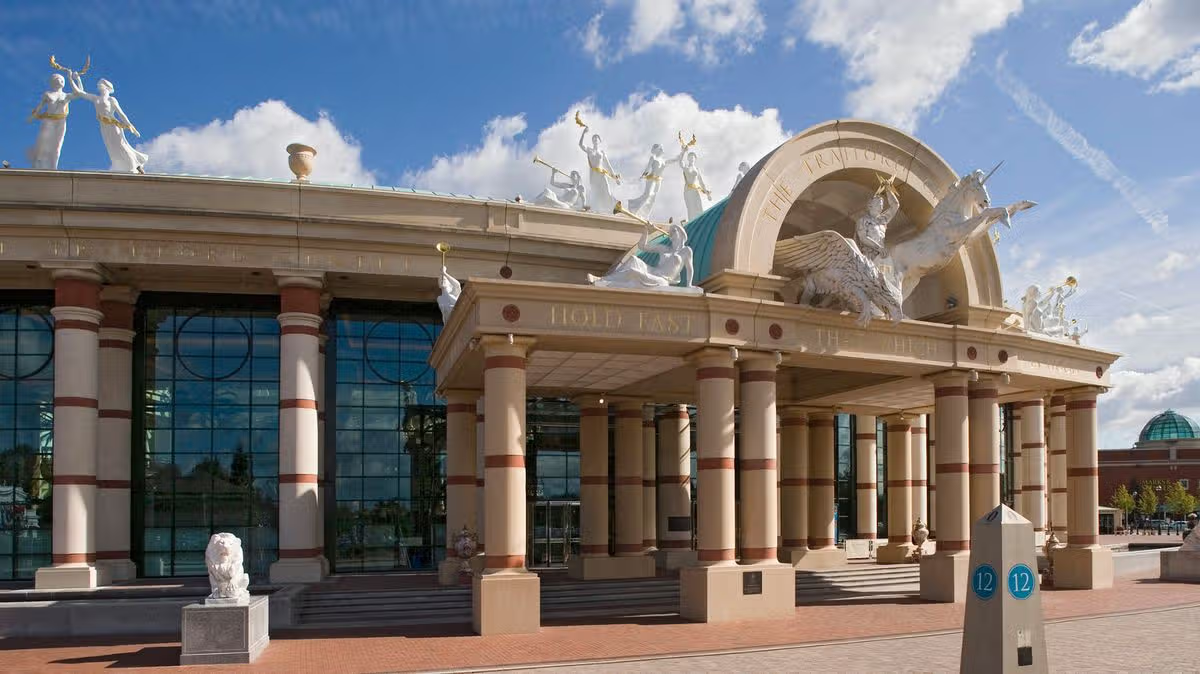
The Trafford Centre has announced the details for this year’s big Christmas Grotto – and it will have a rather unique new theme for the 2026 return. For the shopping centre is collaborating with sweetie giant Haribo for the first time for a new “interactive family adventure”.

Advertisement

Haribo opened its first standalone store at the Trafford Centre last year to the delight of shoppers. Now, it is partnering with the mall to bring the brand new “HARIBO Holly Jolly Grotto” to life this November and December.

A statement from the mall said: “Trafford Centre is bringing even more festive magic to Manchester this Christmas with the launch of the brand-new HARIBO Holly Jolly Grotto – an interactive family adventure where children can help Santa prepare for the big day.”

Click here to keep up to date with the latest Manchester Family news in our newsletter

Families are already praising the news on social media, with one shopper saying: “Haribo Santa… Is this a dream?” and another adding: “What a partnership”. Bosses say it will “combine the magic of a traditional Santa visit with the playful world of HARIBO”.

Advertisement

The festive experience will feature larger than-life installations, hands-on games, memorable family moments and plenty of Christmas cheer. Throughout the experience, every child will become an official “Holly Jolly Helper”, joining Santa and his elves on a mission to make sure everything is ready in time for Christmas.

Along the way, families will take part in a series of interactive activities inspired by some of HARIBO’s best-loved sweets, collecting stamps on their Jolly Holly Helper Checklist before enjoying a magical one-to-one visit with Santa himself.

Simon Layton, Centre Director at Trafford Centre, said: “We’re delighted to be welcoming the HARIBO Holly Jolly Grotto to Trafford Centre this Christmas. Families are always looking for magical experiences they can enjoy together during the festive season, and this exciting new attraction combines the much-loved tradition of meeting Santa with the colourful, playful world of HARIBO.

Advertisement

“We can’t wait to welcome visitors to experience all the festive fun and create memories they’ll treasure for years to come.”

Phil Murphy, Chief Marketing Officer, HARIBO UK & Ireland said: “At HARIBO, our mission is to create moments of childlike happiness and Christmas is one of the most special times of year to bring that to life for families and loved ones. After opening our Trafford store during the festive season last year, we’re delighted to build on that relationship with the Trafford Centre community through the HARIBO Holly Jolly Grotto.

“It is another exciting opportunity to serve our customers here, bringing the colourful world of HARIBO to life and helping families create sweet Christmas memories together.”

Advertisement

The festive journey includes designing your own digital sweet treat at a Creation Station, bringing a giant cola bottle to life through animated bubbles at the Fizz the Festive Cola Lab, exploring the glowing HARIBO Ring Reflections installation and sharing magical moments together at the interactive Cherry Seat.

Designed to delight children of all ages, and the young at heart, the HARIBO Holly Jolly Grotto promises a “festive day out full of laughter, imagination and magical memories, making Trafford Centre the ultimate destination for Christmas celebrations in 2026” bosses say.

This event is produced and delivered by the award-winning creators of interactive theatrical events, Bakehouse Factory, in collaboration with HARIBO and the Trafford Centre.

Trafford Centre bosses have confirmed that the new Christmas experience will be located in a new purpose-built structure outside the Great Hall.

Advertisement

How to book tickets

Tickets are on sale now for the Trafford Centre HARIBO Holly Jolly Grotto. It will run daily from November 20 through to December 23 this year.

Tickets are available from £20 for children and £8 for adults during off-peak periods, with standard tickets from £25 for children and £10 for adults. Family bundle ticket options will also be available.

Quieter sessions for SEND and carers are also now available to book.

For more information and to book, see the Trafford Centre website here.

Advertisement

Source link

Continue Reading

NewsBeat

Carl Friedrik is the luxury luggage brand I never travel without

Published

on

Carl Friedrik is the luxury luggage brand I never travel without

Over the years, I’ve accumulated various Carl Friedrik luggage items, including the carry-on hybrid in silver and tan, the Granville weekender in chestnut, and the compact weekender in nubuck. Durable, stylish and designed for ease while on the go, this trio has travelled with me around the world, from Marrakech to Vietnam and Australia.

Source link

Continue Reading

NewsBeat

Downing Street Pushes Back As Argentina Accuses UK Warship Of ‘Illegal Journey’

Published

on

Downing Street Pushes Back As Argentina Accuses UK Warship Of 'Illegal Journey'

The prime minister’s spokesperson has rejected Argentine claims that a British warship had made an “illegal journey” into its waters.

Argentina’s foreign minister Pablo Quirno accused the Royal Navy’s HMS Medway of making a “military incursion” in July.

In a formal statement released hours after Argentina’s 2-1 victory over England in the World Cup semi-final last night, Quirno claimed the ship had not notified his government of HMS Medway’s movements.

But No.10 rejected his claims, insisting the government did notify Argentina of its planned trip.

Advertisement

The prime minister’s official spokesperson said: “The facts here are that we notified the Argentinian government in advance of HMS Medway undertaking a routine logistics visit to Chile between 5 and 8 July to support British Antarctic survey operations, which will deliver essential stores and supplies to sustain scientific research in Antarctica.

“The Royal Navy always operates in full compliance with international law, and the transit from the Falkland Islands to Chile was carried out via the most direct practical route, considering operational safety and weather factors to ensure timely delivery.”

HMS Medway is normally based in the Falklands Islands as a patrol vessel.

Quirno lodged this “formal note of protest” with the British embassy to register his “strongest objection” to the UK move.

Advertisement

His statement came shortly after Argentina’s team sparked controversy by holding up a banner claiming the “Falkland Islands are Argentine” while celebrating their win over England.

Cabinet minister Peter Kyle urged football’s governing body FIFA to investigate the incident for breaching the apolitical nature of the game.

The archipelago, known as Las Malvinas in Argentina, is a British overseas territory, but the South American country continues to contest its sovereignty.

The cluster of islands sit approximately 300 miles from Argentina and 8,000 miles from the UK.

Advertisement

Argentina invaded the islands back in 1982, sparking a ten-week war with Britain which it lost.

The Falkland Islands also overwhelmingly voted to remain part of Britain in a 2013 referendum rather than join Argentina.

When asked about the banner, Downing Street’s spokesperson said: “The UK’s position is clear, the islanders have repeatedly expressed their wish to remain a British territory and their right to self-determination is paramount.

“The Falkland Islanders are British with the right to determine their own future.”

Advertisement

Listen to Commons People, the podcast that makes politics easy. Every week, Kevin Schofield and Kate Nicholson unpack the week’s biggest stories to keep you informed. Join us for straightforward analysis of what’s going on at Westminster.

Source link

Advertisement
Continue Reading

NewsBeat

York nursery plans to expand blocked by council over noise

Published

on

York nursery plans to expand blocked by council over noise

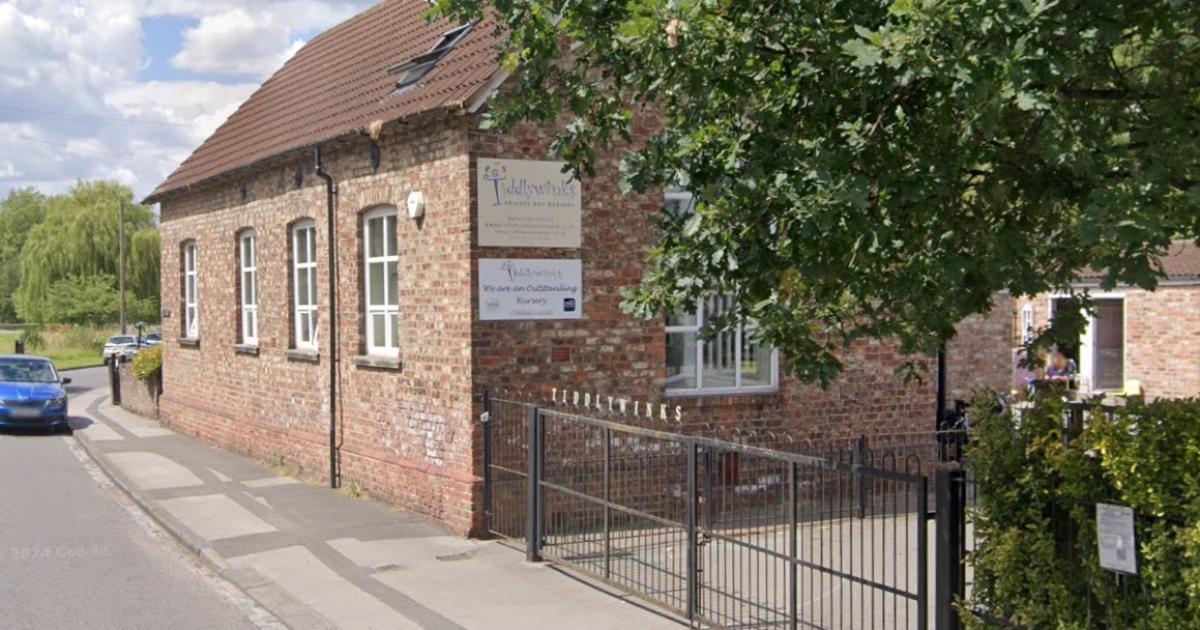
York Council planning officers have refused Tiddlywinks Nursery’s application to convert a bungalow in Osbaldwick Village so it can increase the number of spaces by 15 to 73.

The nursery’s plans stated it was an important community resource, looked after local children and provided them with a safe environment where they could build their confidence.

But objectors including the local ward councillor and the council’s public protection team called for the plans to be blocked because of the impact of noise on neighbouring homes.

Council planning officers stated complaints against the nursery were already being investigated and extending it to bring in more children would likely make the noise worse.

Advertisement

RECOMMENDED READING:


Refusal of the plans follows several attempts by the nursery to convert the bungalow since 2023, with an application refused in 2024 prior to the latest bid.

Applications to extend the existing nursery, which is in an old school house, and to construct a new building were also refused prior to the bungalow plans.

The nursery first opened in 2004.

Advertisement

The latest plans would have seen changes made to the bungalow including building a new porch and converting its garage into an office and staff room.

Children aged between nine months and two years would have used the building and the number of staff onsite at any given time would have increased to 17.

The plans are the latest in attempt by the nursery to expand (Image: Supplied)

A separate but related application also applied to allow the nursery to use the bungalow’s garden as an outdoor ‘forest school’ twice a day for an hour a time.

The nursery’s plans stated it had twice been rated ‘Outstanding’ by Ofsted and the expansion would help meet the demand for extra places in York.

Advertisement

Plans stated: “This expansion is in accordance with the well-established and ongoing need for additional nursery places in York.

“This is demonstrated by the applicant’s extensive waiting list which has grown following the recent Government childcare reforms.

“The works will enhance the appearance and functionality of the bungalow without causing harm.”

But 40 objections from 15 people were lodged against the plans, including Osbaldwick and Derwent’s Restore UK councillor Mark Warters and the local parish council.

Advertisement

They claimed it would make existing noise problems worse and disturb neighbouring residents in their gardens and raised concerns about traffic attracted by the increase in places.

Council public protection officers stated the nursery’s application had not provided enough information to show that noise would not be an issue.

Officials said: “Public Protection are still investigating complaints about noise from the current activities at the nursery.

“This proposal for additional children and an additional external play area will increase noise levels.”

Advertisement

Source link

Continue Reading

NewsBeat

Fire service issues Tintwistle update as eerie photos show smoke-covered moorland

Published

on

Manchester Evening News

Derbyshire Fire and Rescue Service shared an update on wildfire near Glossop with people urged to stay away

New eerie pictures show crews battling a huge wildfire in smoke-covered moorland at Tintwistle as the blaze rages on.

Advertisement

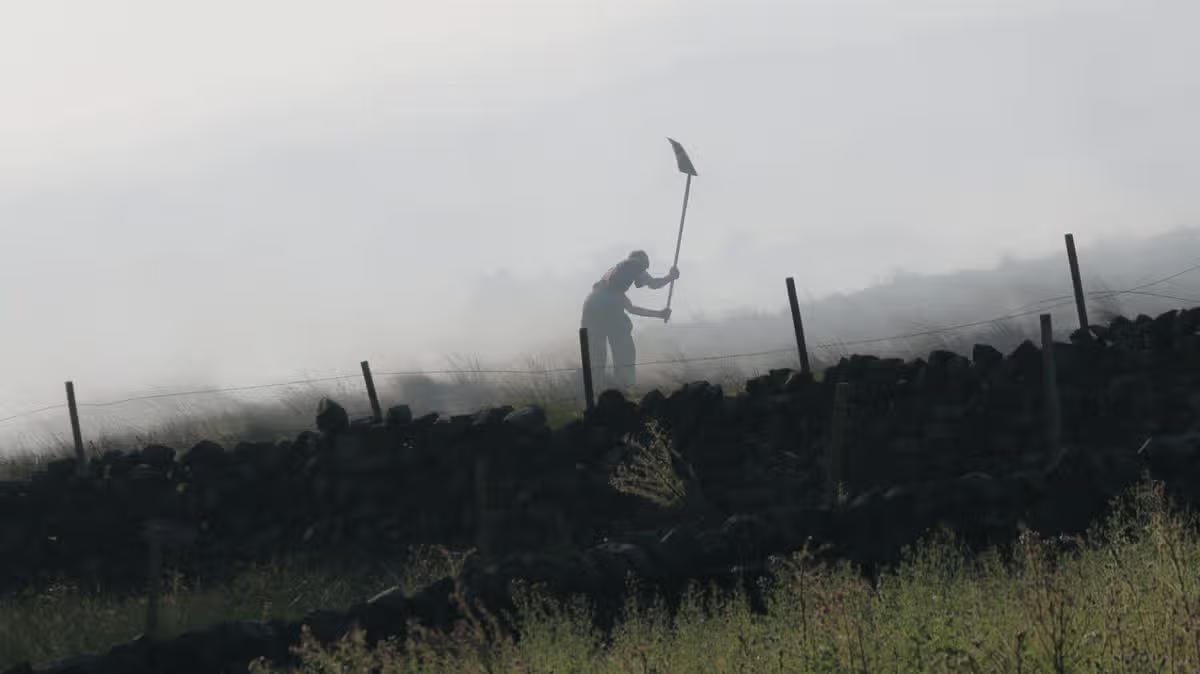
The photos show masked firefighters and crews tackling hotspots on the moorland near Glossop. The area is blanketed in thick smoke with the features of the crew lost in the hazy scenes.

Derbyshire Fire and Rescue Service (DFRS) shared the pictures alongside an update on the fire on Thursday (July 16). The service said around 80 firefighters worked on the scene on Wednesday with crews working to ‘contain and supress’ the fire today.

Follow live updates from the scene here

The wildfire at Tintwistle, above Woodhead Road in Glossop, first broke out nearly three weeks ago. DFRS declared a major incident as it spread over the moorland and burned an area the size of at least 350 football pitches.

Advertisement

The blaze, which is burning at the same time as another major fire near Dovestone Reservoir, has sent huge plumes of smoke across our region and beyond. The main focus of firefighting operations today is at Arnfield Moor, the fire service said.

Crews will ‘remain in action’ throughout the day and people have been urged to continue to stay off the moorland. The fire service also urged people to keep their windows and shut if affected by the smoke.

In full, the update at 10.15am today said: “Firefighters returned this morning to the major wildfire incident at Tintwistle after scaling back operations overnight. Yesterday, around 80 firefighting personnel were working at the scene. Crews continue to contain and supress the fire while protecting nearby communities, property and the environment.

Advertisement

“Today, firefighters are tackling hotspots in the Digsbury Intake, Featherbed Moss and Crowden areas. The main focus of operations is currently near Arnfield Moor.

“Ground crews and aerial firefighting resources will remain in action throughout the day, supported by neighbouring fire and rescue services and partner agencies. Please continue to support us by avoiding the area and staying off the moorland.

“If you must travel through the area, please expect some disruption on the nearby section of the A628 while safe access to the incident scene is maintained. People in the surrounding area may continue to see or smell smoke from the wildfire at Tintwistle Moor, or from the nearby wildfire at Dovestones Reservoir in Greater Manchester.

Advertisement

“Smoke levels may vary depending on wind direction and weather conditions. If affected, please keep your windows and doors closed.”

The blaze at Dovestone is also continuing to rage on today after the Greater Manchester Fire and Rescue Service (GMFRS) declared a major incident. On Wednesday Paul Fearnhead, Incident Commander at GMFRS, described the area near Dovestone as ‘really, really challenging’ as the ‘extensive wildfire’ continued.

“Currently we have around just short of ten fire engines, including our wildfire capabilities at this scene and they’re deployed across the moorlands in this warm weather, which is being hampered by smoke and wind”, he said.

Advertisement

Click here to get the biggest stories straight to your inbox in our Daily Newsletter

“If you’re a member of the public in the area, we are asking you to stay away. It’s a small area for us to work in, and the moors at this time are very smoky, and we’d ask you not to come across this area.”

Firefighters were first called to Dovestone on Saturday night. A major incident was declared on Monday afternoon with 70 firefighters tackling the blaze.

Residents reported hearing ‘loud bangs’ prior to the fire taking hold with videos of youths setting off fireworks. The incident came after Karl Holland, 18, died after getting into difficulty at Dovestone Reservoir.

Advertisement

A woman, aged 20, was arrested on suspicion of arson. Shania Care-Slede, of Market Street, Hyde, has been charged and appeared in court on Tuesday.

Source link

Continue Reading

NewsBeat

Best pizza ovens 2026, tried and tested for cooking alfresco

Published

on

Best pizza ovens 2026, tried and tested for cooking alfresco

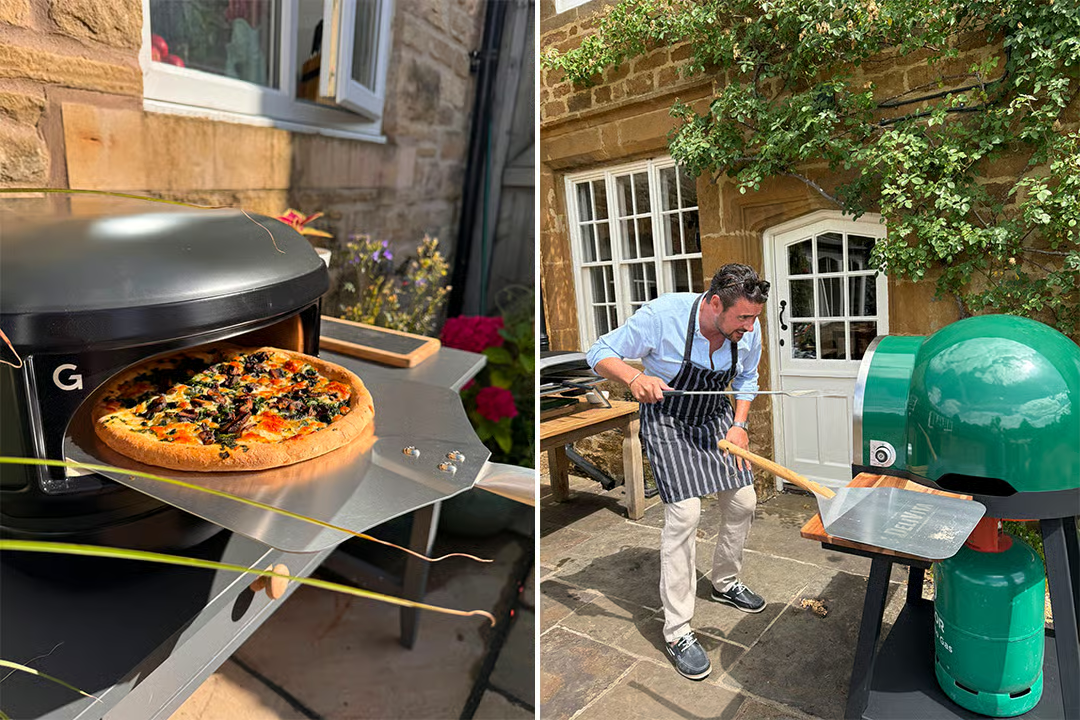
While the oven does undoubtedly make a difference to the resulting pizza, at the end of the day a hot stone is a hot stone, so I’d recommend choosing one that suits your space, budget and style. Gozney’s arc XL is a stellar all-rounder, but DelVita’s flow dual pizza oven gives it a serious run for its money. What is most essential to the perfect pizza is properly proven dough, as well as a good pizza oven and turning wheel.

As a freelance editor with bylines in Sunday Times Style, The Telegraph, The Mail, Forbes, Livingetc, House Beautiful and, of course, The Standard, I’m an expert on things lifestyle. I also work with some of the biggest brands on the high street to advise and create content, so I understand products, what goes into making them and how they perform. In particular, I’m a foodie and a keen cook – although I’m the first to admit my husband is better and does the more complicated recipes – so I demand a lot from my kitchen kit, which now includes a pizza oven.

Source link

Advertisement
Continue Reading

Trending

Copyright © 2025