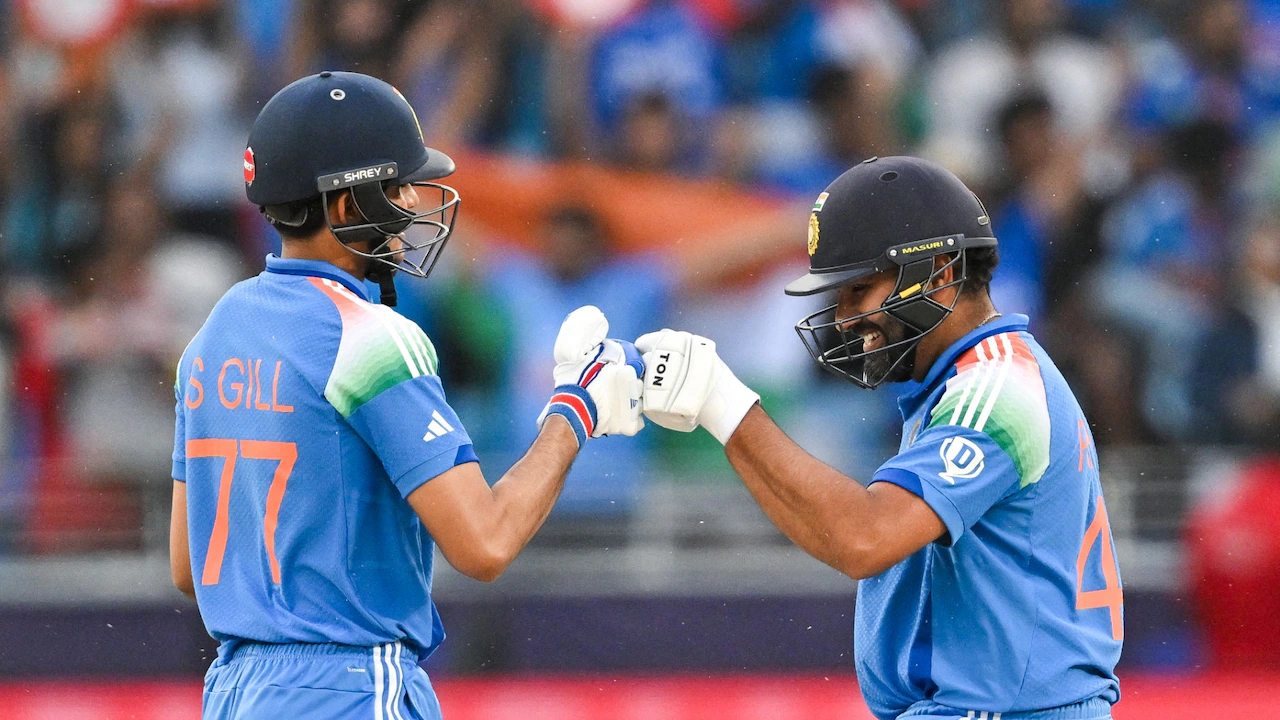
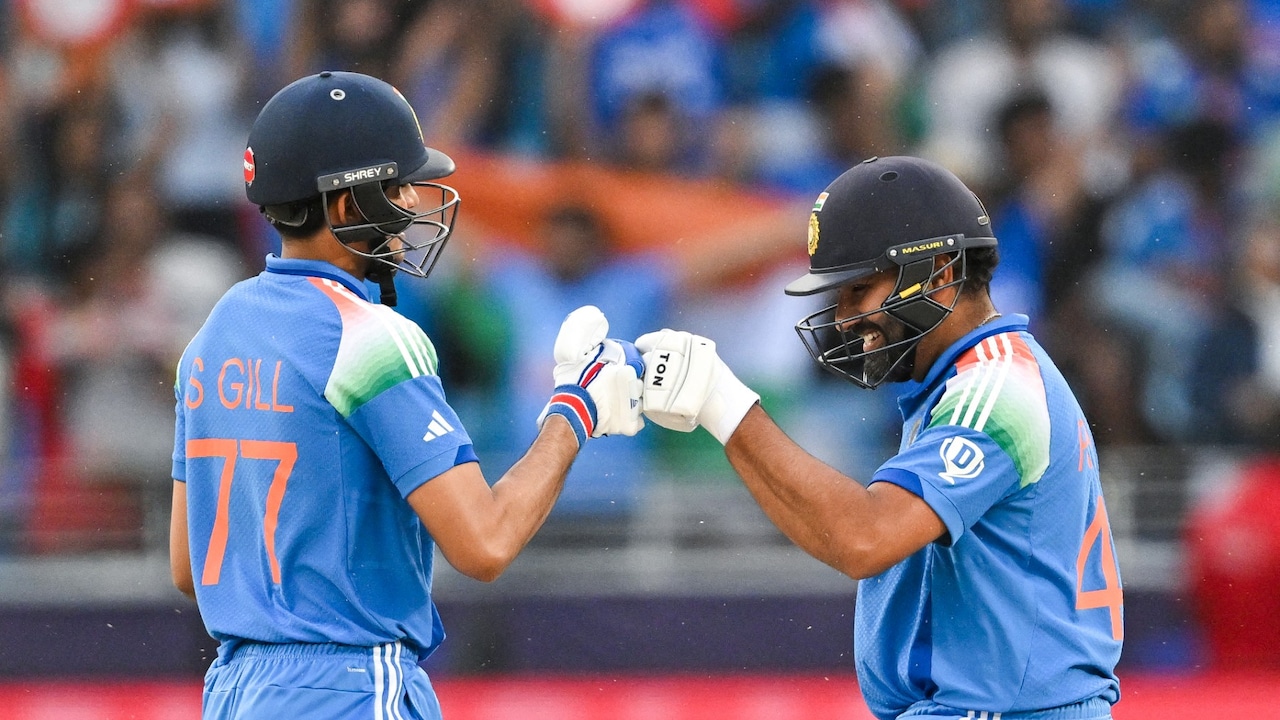
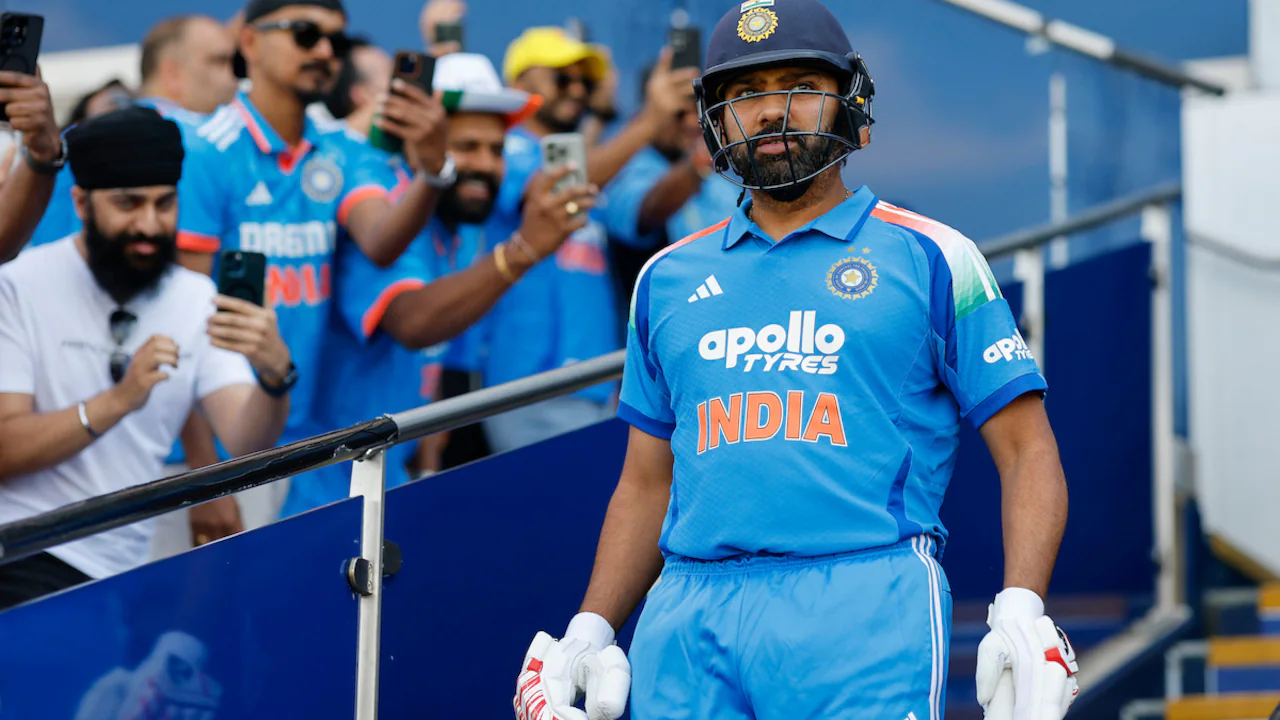
India vs England 2nd ODI LIVE Updates: India’s star opener Rohit Sharma has been handed a huge lifeline in the third over of the match, as England’s Gus Atkinson dropped him on 5, in the second ODI of the three-match series in Cardiff. India have reached 22/0 after 4 overs, with Rohit and skipper Shubman Gill at the crease. England captain Harry Brook won the toss and opted to bowl. India captain Gill announced a big change to India’s playing XI, with KL Rahul missing out due to illness, and being replaced by Ishan Kishan. England made two changes, dropping Liam Dawson and Josh Tongue for Saqib Mahmood and Gus Atkinson. The focus is on India’s veteran duo of Rohit Sharma and Virat Kohli, as both will look for improved performances after failing in the first game. The visitors took a 1-0 lead after winning the first game by a comfortable margin of six wickets. (LIVE SCORECARD)
India XI vs England: Rohit Sharma, Shubman Gill (c), Virat Kohli, Ishan Kishan (wk), Shreyas Iyer, Washington Sundar, Shivam Dube, Axar Patel, Gurnoor Brar, Jasprit Bumrah, Prasidh Krishna.
England XI vs India: Ben Duckett, Jacob Bethell, Joe Root, Harry Brook (c), Jos Buttler (wk), Sam Curran, Will Jacks, Gus Atkinson, Jofra Archer, Adil Rashid, Saqib Mahmood.
Here are the Live Scores and Updates from the India vs England 2nd ODI:
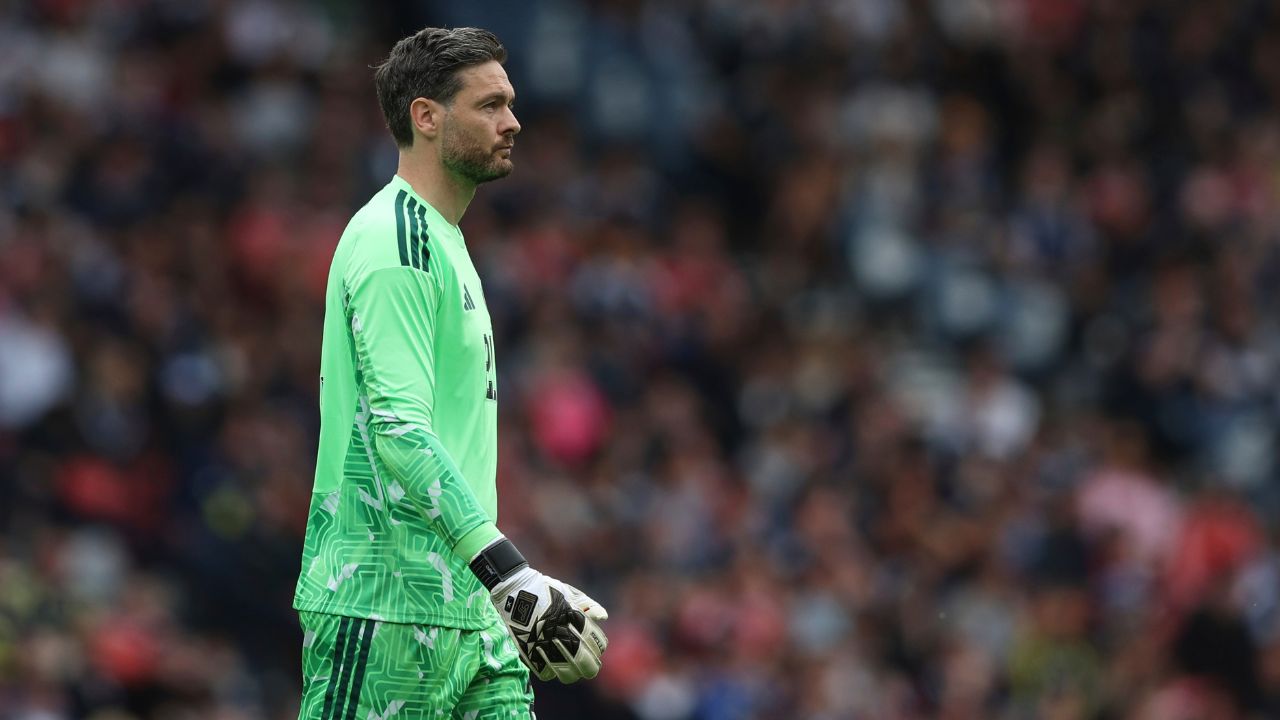
EDINBURGH, Scotland — Scotland’s 43-year-old goalkeeper Craig Gordon announced his retirement from soccer Thursday after being the oldest among more than 1,250 players picked for the World Cup.
“It has been a privilege to represent you,” Gordon, the Heart of Midlothian and former Celtic and Sunderland goalie, said in a video message on social media.
“I hope you have enjoyed it as much as I have. From the bottom of my heart, thank you.”
Gordon did not play at the World Cup as backup in three group games to Angus Gunn, who last week joined the San Jose Earthquakes in Major League Soccer.
Advertisement
Gordon made his Scotland debut in 2004 and played 84 times to be fifth on the national team’s all-time list.
The oldest player to get on the field at the World Cup was Cristiano Ronaldo, who turned 41 in February.
A few stars who missed time last year with torn ligaments and broken bones still face uphill battles to get back on the field for 2026. Big names like Patrick Mahomes and Malik Nabers are among those on recovery watch, as it is no guarantee that they are ready to suit up in Week 1.
Players on the mend offered updates on their situations earlier this summer at OTAs and minicamp, though, so in many cases their rehabilitation timelines are already roughly defined.
Here is the latest on all of the most notable injuries across the NFL heading into training camp.
The Chiefs watched their 2025 postseason hopes end when Patrick Mahomes went down with a knee injury in the Week 15 loss to the Chargers. Tearing both ligaments generally makes the recovery timeline longer than that for an ACL tear alone, but Mahomes has been on or ahead of schedule all offseason. Whether or not he is ready to suit up for the opener, the arrival of star running back Kenneth Walker III will take some of the pressure off him in the backfield.
Rashee Rice, WR, Chiefs
Injury: Loose bodies in knee
Timeline: Expected to start Week 1
Advertisement
The timing of Rashee Rice’s surgery to remove loose bodies from his knee could not have been much worse, as he was jailed days later for violating his probation. The Chiefs’ medical staff constructed a recovery plan that allowed the wide receiver to rehabilitate his knee as well as possible during his month behind bars. Coach Andy Reid said he anticipates Rice being ready for training camp.
Drake Maye, QB, Patriots
Injury: Shoulder pain
Timeline: Already returned to full participation
Drake Maye landed on his throwing shoulder on a run in the AFC Championship Game, and the result was an injury that lasted through the Super Bowl. He received a pain-killing injection ahead of the 29-13 loss to the Seahawks but did not require surgery after the Patriots‘ postseason run. Maye instead rested in the early part of the offseason and was back to full strength by the start of OTAs.
Advertisement
Bo Nix, QB, Broncos
Injury: Fractured ankle; bone spurs
Timeline: Expected to start Week 1
A broken ankle cut Bo Nix’s 2025 season short and contributed to the Broncos falling short of the Super Bowl. Not only did Nix have a procedure to repair the ankle, but he also underwent a second surgery in April to remove bone spurs, which caused swelling during his recovery from the initial injury. He was a limited participant in minicamp and said he will be back to full speed for the start of training camp.
The fractured fibula Daniel Jones played through in the middle of last season became secondary to the Achilles tear he sustained in December. While this particular tendon injury was in many cases a career-ender until very recently, Jones is already back on the practice field and said last week that he is “cleared to do everything,” which sets him up to start the opener. The question is whether he will return to the breakout form he displayed in 2025.
Alec Pierce, WR, Colts
Injury: Ankle soreness
Timeline: Could miss entire preseason
Advertisement
The same month he signed a four-year, $114 million extension with the Colts, Alec Pierce underwent ankle surgery to address soreness that had popped up in 2024 and had become progressively worse last season. Pierce had the procedure after PRP treatment in January, which did not deliver the desired improvement. The four-to-six-month recovery period puts him at risk of missing all of training camp since he had the surgery in late March.
Micah Parsons, EDGE, Packers
Injury: Torn ACL; damaged meniscus
Timeline: Targeting return for postseason
The Packers‘ prized 2025 acquisition did not even complete one full season with his new team before sustaining a serious injury. Micah Parsons tore his ACL the same day Mahomes sustained that injury in December, but it appears highly unlikely he will beat the quarterback back onto the field. Parsons said last month that he will not be cleared to practice until September, which makes him a candidate to open the season on the PUP list. His stated goal is to avoid reinjury and to be available for the playoffs, so he might not return until the later end of his recovery timeline.
Advertisement
George Kittle, TE, 49ers
Injury: Torn Achilles
Timeline: Targeting Week 1 return
Although his injury generally carries a rehab window in the 8-12 month range, George Kittle is optimistic about being available for Week 1. He tore his Achilles in a January playoff game and is ahead of schedule in his recovery, thanks to the fact that he suffered a clean tear relatively high up the tendon. That the 49ers open the season in Australia potentially throws a wrench in his availability, but even if he suits up one week later, he would still be on the field far earlier than initially anticipated.
While he did not participate in on-field practice during OTAs and minicamp, Nick Bosa said last month at the 49ers’ facility that he has been working out in preparation for his availability in the early stages of training camp. Bosa was one of countless 49ers to suffer season-ending injuries early in 2025. Because his knee issue occurred in Week 3, he had nearly all year to work through his rehab, setting him up to play right out of the gate in 2026.
Mykel Williams, EDGE, 49ers
Injury: Torn ACL
Timeline: Expected to start Week 1
Advertisement
Six weeks after Bosa tore his ACL, his young position mate went down with the same injury. Mykel Williams shouldered a heavy load as a rookie, starting all nine games before his promising debut campaign came to a premature end. He should have an opportunity to put together a full Year 2, as the expectation is that he will be available early in training camp, if not for the start. It is imperative for the 49ers that both Williams and Bosa get back to full speed, as the pass rush was abysmal without them.
Michael Penix Jr., QB, Falcons
Injury: Torn ACL
Timeline: Aiming to participate in training camp
Michael Penix Jr. tore his right ACL twice in college and suffered the same injury in his left knee during his second NFL season. While he said he will be fully cleared for the start of training camp, it is not known whether or not that will come to fruition. His absence from live drills has provided Tua Tagovailoa the opportunity to take command of the quarterback competition, and even if Penix is able to practice between now and Week 1, it is far from a guarantee that he will beat out his new veteran teammate for the starting job.
Advertisement
Zach Charbonnet, RB, Seahawks
Injury: Torn ACL
Timeline: Could start Week 1; Initially anticipated to miss multiple weeks
If Zach Charbonnet’s recovery follows the typical torn ACL timeline, he might not make his season debut until at least October. But coach Mike Macdonald said that “everything’s possible” when asked if the Seahawks’ projected No. 1 running back could play in the Week 1 Super Bowl rematch against the Patriots. If he sits until later in the year, it will test Seattle’s running back depth and likely elevate rookie first-round pick Jadarian Price into the lineup.
Jim Harbaugh said that the issue Malik Nabers sustained last September was “not a simple knee” injury, which clouded the outlook for his availability at the start of 2026. In addition to the ACL reconstruction and meniscus surgery he underwent late last October, Nabers also required a cleanup procedure this spring to remove scar tissue that caused stiffness in his knee. While each update this offseason seemed to make matters more uncertain, Harbaugh said Tuesday that he expects Nabers to work his way into training camp “one way or another,” which could set him up to miss minimal time at the start of the year.
Cam Skattebo, RB, Giants
Injury: Open tibia fracture; dislocated ankle
Timeline: Expected to start Week 1
Advertisement
A gruesome lower-leg injury cut Cam Skattebo’s thrilling rookie season short in October. His ankle was in strong enough shape, however, for him to participate in team drills during minicamp. Harbaugh said Tuesday that Skattebo will also participate in full early on in training camp and that he remains further along in his recovery than Nabers.
Quinshon Judkins, RB, Browns
Injury: Fractured fibula; dislocated ankle
Timeline: Expected to start Week 1
Quinshon Judkins nearly made it through his promising rookie season unscathed but suffered a devastating lower-leg injury in Week 16, ending his campaign after 14 starts. The broken bone and dislocation were only expected to hamper him for four to six months, though, and that timeline played out as he became a full participant in OTAs and minicamp. Judkins should be on the field in Week 1 and aims to add to an already strong early-career tally of 827 yards and seven touchdowns.
Advertisement
Kerby Joseph, S, Lions
Injury: Bone bruise in knee; chronic knee issue
Timeline: Uncertain
The Lions seem to be in the dark about Kerby Joseph and when he will return to game action, if ever. Coach Dan Campbell said, “I honestly do not know” when asked what to expect. The knee ailment first popped up in last year’s training camp, and while Joseph attempted to play through it, he missed more than half the season and remains shut down from football activities. Campbell said he anticipates learning more in camp.
Timeline: Expected to return no earlier than December
Joseph is not the only star Lions safety battling a significant injury as Brian Branch continues to battle back from a torn Achilles he suffered last Dec. 4. Campbell said Branch is unlikely to return before December and that anything before that would be a bonus. That makes him a clear candidate to open the season on the PUP list and contributes to immense concern on the back end of a Detroit defense that was obliterated by injuries last year.
Travis Hunter, CB/WR, Jaguars
Injury: Torn LCL
Timeline: Expected to start Week 1
Advertisement
A torn LCL robbed Travis Hunter of a potentially magical rookie season, as he was just starting to find his footing in the Jaguars‘ offense when he sustained the injury in an October practice. He underwent surgery about a month later and has now completed his rehab, setting him up to participate in Jacksonville’s training camp in full capacity. Jaguars leadership said the plan is to primarily play Hunter at cornerback during his sophomore season, but that he will continue to weave into the wide receiver rotation, as well.
Maxx Crosby, EDGE, Raiders
Injury: Torn meniscus
Timeline: Expected to start Week 1
When Maxx Crosby injured his meniscus in Week 7 last year, nobody could have foreseen the implications it would have on his status with the Raiders. He and the team butted heads over his placement on injured reserve later in the year, and about two months after his surgery, his health was the reason a blockbuster trade to the Ravens fell through. Crosby says all of that is in the past and that he is committed to Las Vegas this year, and if so, he could be in the lineup come Week 1. The two-time All-Pro edge rusher rehabbed during OTAs but may be a full participant at the start of training camp.
Advertisement
De’Von Achane, RB, Dolphins
Injury: Shoulder surgery
Timeline: Expected to start Week 1
De’Von Achane underwent minor surgery to address a shoulder issue and was therefore not ready for a full workload during OTAs and minicamp. New Dolphins coach Jeff Hafley said the procedure was related to the injury that sidelined Achane for the final game of the 2025 regular season. So long as he avoids any setbacks this summer, the dynamic running back should be available at the start of the campaign.
Man Utd have signed two midfielders for the first team, and they have also added a midfielder to their academy ranks.
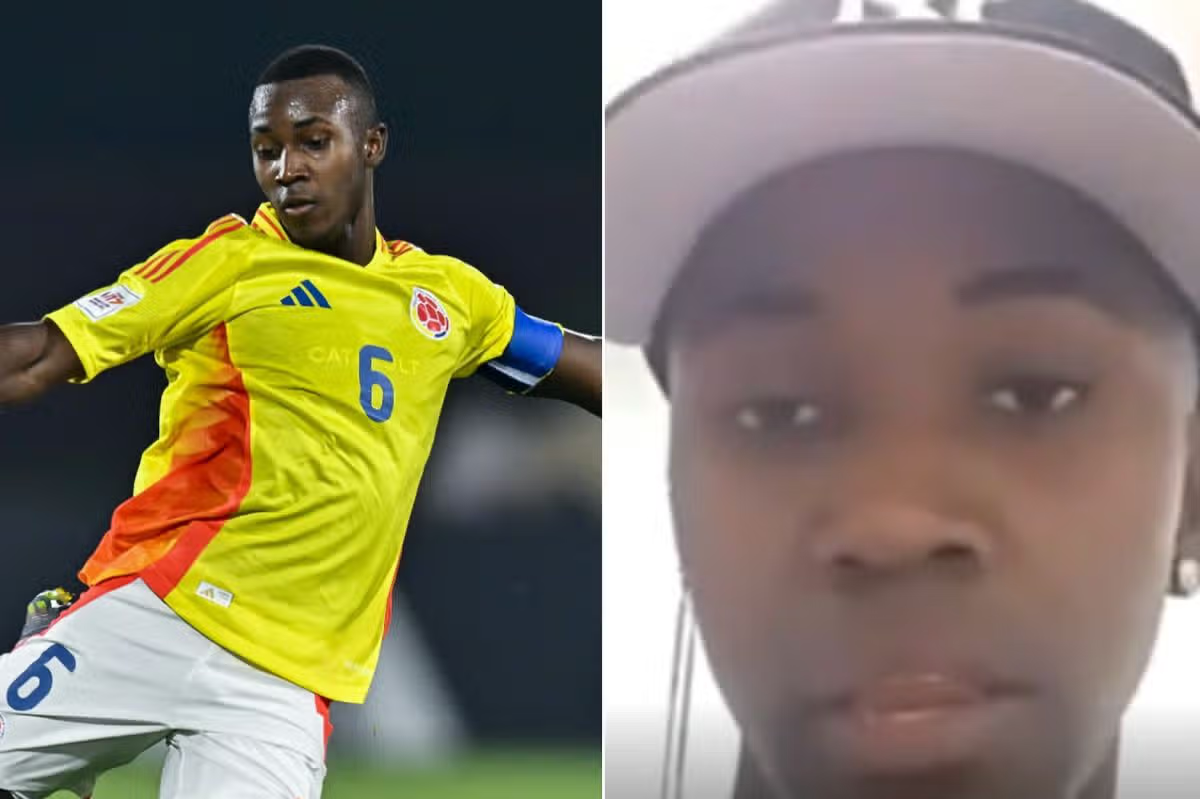
Manchester United’s new signing Cristian Orozco has said his strengths are his “physicality and technique.” Orozco’s move to United was rubber-stamped on Monday when he celebrated his 18th birthday.
United reached an agreement with Fortaleza CEIF to sign Orozco nine months ago, but the deal outlined that he would join in the summer transfer window, as he needed to be 18 to complete the move.
Advertisement
The Reds have signed the Colombian teenager because they believe he possesses first-team potential.
Orozco has started life at United by joining the academy, and he will be assessed by coaches before his next steps are decided. Orozco playing for the Under-21s this season is the most likely outcome.
United will be patient with Orozco as he settles into his new surroundings. The club has made similar signings over the last 18 months, having signed Sekou Kone from Mali and Diego Leon from Paraguay.
Advertisement
Orozco spoke to ESPN Colombia about his transfer, and he explained what fans can expect.
“I know my strengths are my physicality and my technique,” he said. “I have those qualities and, with the gift God gave me, I don’t think it will be too difficult. But everything is about adapting. I’m very young and that’s what I’ll need to do.”
United will provide English lessons for Orozco to help him settle in. “I expect to learn a lot of English. When I was there, I realised just how, how important it is,” he said, referencing his visit to Carrington in December.
“I want to arrive and learn as quickly as possible. That’s what’s required so I can show my level and everything I’m capable of. I want to adapt to everything that comes my way as quickly as possible.”
Advertisement
Orozco was welcomed to Manchester in the winter and shown around Carrington and Old Trafford. The trip included a taste of training sessions with United’s academy teams.
United’s deal for the midfielder is the latest in a string of transfers for talented young players with high potential, a strategy that Ineos rolled out after taking control of the club’s football operations.
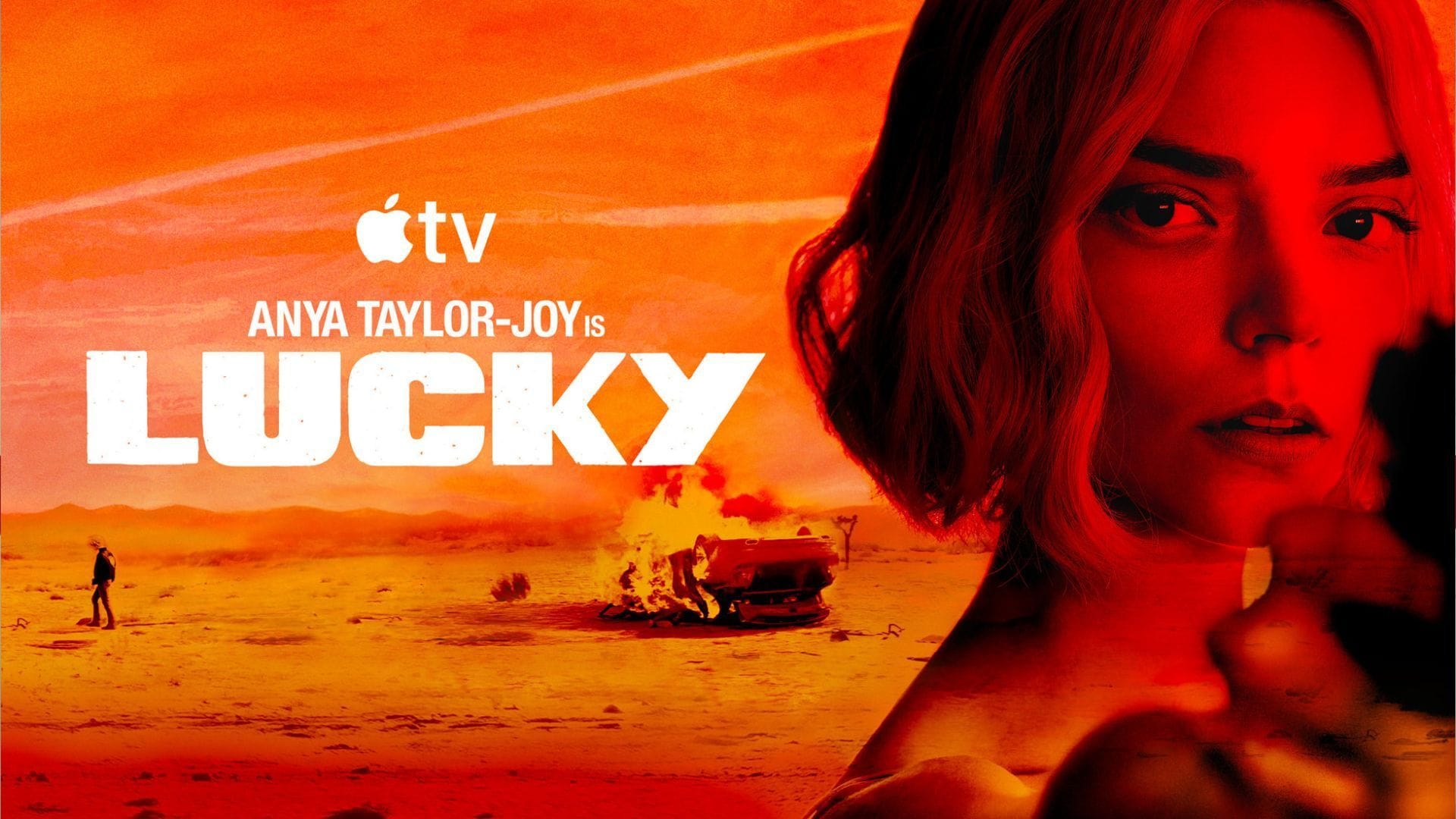
Lucky Season 1 Episode 3 is set to premiere on Apple TV+ on Wednesday, July 22. The miniseries will release episodes weekly on Wednesdays until the season finale on August 19.
The crime drama follows Lucky Armstrong, a talented con artist whose life is thrown into chaos after a multimillion-dollar scam ends in betrayal. Left without the stolen money and hunted by both dangerous criminals and the FBI, Lucky has to rely on her instincts to survive.
As Season 1 unfolds, she continues to search for answers while staying ahead of those determined to find her. The upcoming episode is expected to build on the growing mystery, deepen the conflicts, and reveal more about Lucky’s situation.
Advertisement
When will Lucky Season 1 Episode 3 release?
Titled “Read the Room,” Lucky Season 1 Episode 3 will be released on Apple TV+ on Wednesday, July 22, 2026. Like the previous episodes, it will debut first in the United States before becoming available across the world at the corresponding local times.
Depending on where you live, the episode will either arrive late on Tuesday night or during the day on Wednesday. The expected release timing for Lucky Season 1 Episode 3 in major regions is listed below.
Pacific Time (PT): 9:00 PM (Tuesday night, July 21)
Mountain Time (MT): 10:00 PM (Tuesday night, July 21)
Central Time (CT): 11:00 PM (Tuesday night, July 21)
Eastern Time (ET): 12:00 AM (Wednesday morning, July 22)
British Summer Time (BST): 5:00 AM (Wednesday, July 22)
Central European Summer Time (CEST): 6:00 AM (Wednesday, July 22)
Indian Standard Time (IST): 9:30 AM (Wednesday, July 22)
Australian Eastern Standard Time (AEST): 2:00 PM (Wednesday, July 22)
Where to watch Lucky Season 1?
To watch Lucky Season 1, you will need an active Apple TV+ subscription. The series is available exclusively on the streaming service, with no additional channel or cable subscription required. You can stream it through the Apple TV app on smartphones, tablets, smart TVs, streaming devices, gaming consoles, and supported web browsers.
New episodes will arrive on Wednesdays or late Tuesday night depending on your location. It will be included with the standard Apple TV+ subscription at no extra cost. Depending on the region, new subscribers may also be eligible for a free trial or promotional offer before starting their subscription.
Advertisement
What is Lucky about and who stars in it?
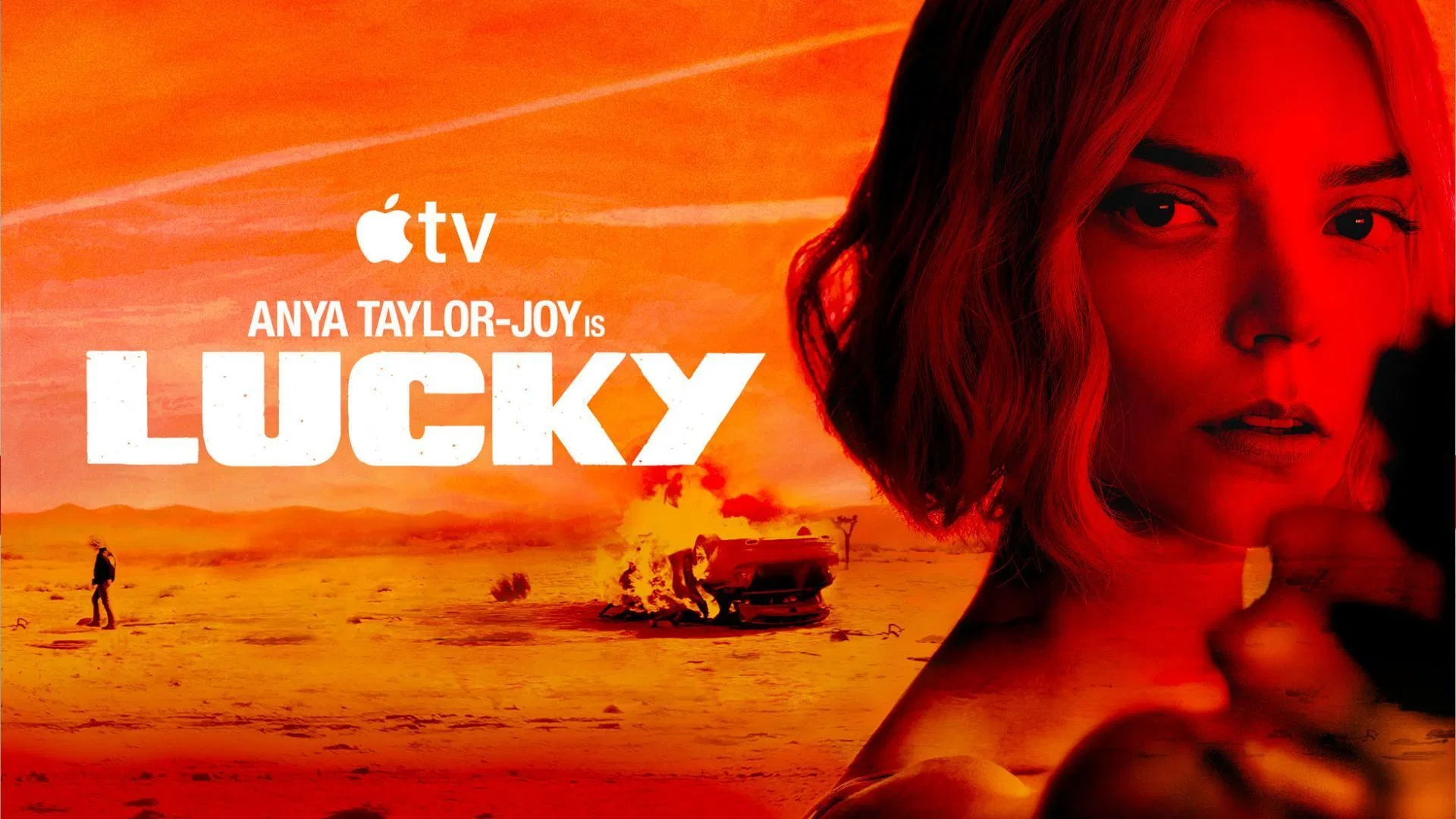
Anya Taylor-Joy as Luciana “Lucky” Armstrong (Image vai Apple TV)
Lucky follows Luciana “Lucky” Armstrong, a former con artist whose attempt to leave her criminal past behind falls apart after a multimillion-dollar heist ends in betrayal. Forced to go on the run, she must evade both the FBI and a ruthless crime syndicate while searching for a way out of her dangerous situation.
The series stars Anya Taylor-Joy as Lucky Armstrong alongside Annette Bening, Timothy Olyphant, Aunjanue Ellis-Taylor, Drew Starkey, Clifton Collins Jr., and William Fichtner. Together, they bring to life the show’s mix of crime, suspense, and family drama.
Lucky Season 1 Episode 3 premieres July 22. Stay tuned for more updates.
It was a huge day for Lamine Yamal as Spain pulled off a brilliant 2-0 win over France to reach the FIFA World Cup 2026 final. Yamal was instrumental in the first goal for Spain, winning the penalty that was ultimately converted by Mikel Oyarzabal. Pedro Porro scored the second goal of the game to clinch the victory. Following the win, Yamal was seen celebrating with his family in the stands. In a video that went viral on social media, Yamal was seen coming into the stands and hugging his three-year-old half-brother, Keyne, before celebrating with the rest of his family and some fans.
O momento em que Lamine Yamal foi comemorar a classificação da Espanha em cima da França pegando seu irmãozinho o Keyne no colo. #FRAXESPpic.twitter.com/1y63wcyhri
Meanwhile, Spain midfielder Rodri hailed teenage winger Lamine Yamal for his selfless display in the FIFA World Cup semi-final against France while also calling for greater protection from match officials after La Roja secured a 2-0 victory.
Although Spain booked their place in the title clash with a composed performance, Rodri voiced his concern over the repeated challenges on the 19-year-old Barcelona star, saying referees need to intervene more consistently to prevent defenders from targeting creative players.
“What is clear is that we have been dealing with this situation of the number of fouls for three games now,” Rodri told TVE after the match as quoted by Goal.com.
Advertisement
“I understand that some might not be fouls, but we’re talking about 10 or 15 fouls where the kid goes to the ground, gets tackled, and they have to call it, because otherwise the defenders are going to keep doing the same thing. The permissiveness has been quite blatant today,” he added.
Yamal once again played a key role in Spain’s attack despite facing close marking throughout the contest. His movement and pressing also helped Spain maintain control as they shut down France’s attacking threats on the way to another World Cup final.
Rodri was particularly impressed by the youngster’s contribution without possession, highlighting the maturity he has shown on the biggest stage.
“Lamine Yamal played a fantastic game, especially off the ball; he was sensational and helped us a lot,” he said.
Advertisement
The Manchester City midfielder also reflected on Spain’s achievement after reaching the final, where they will meet the winner of the other semi-final.
“Very happy, very proud, especially of my team, of my country, of what this represents for us. We have to rest and recover well because we surely have the most important match of our lives ahead of us. Rest and a huge match,” Rodri added.
Spain will now turn their attention to the World Cup final as they aim to lift the trophy after another impressive run in the tournament, with Yamal expected to remain one of the team’s key attacking threats
(With agency inputs)
Advertisement
Featured Video Of The Day
FIFA World Cup 2026 | Argentina Fans Sing & Dance After Dramatic Comeback Against Egypt
The 2026 Open Championship will provide one last major championship stage for the best golfers in the world this season. Royal Birkdale will host the 156-man field vying for the iconic Claret Jug and the coveted title of Champion Golfer of the Year, and the action begins Thursday morning. Don’t miss a moment by diving into the 2026 Open TV schedule and coverage guide so you can watch as much golf as possible through the weekend.
The R&A has given fans a chance to plan their viewing schedule — particularly for those stateside who will have to determine exactly how early to wake up to watch their favorites here in the United States. The first notable group in the first round will tee off at 2:19 a.m. ET, as Robert MacIntyre, Rickie Fowler and Alex Fitzpatrick serve as the main attraction in the first wave, for those who decide to wake up early or stay up late for the start of the tournament.
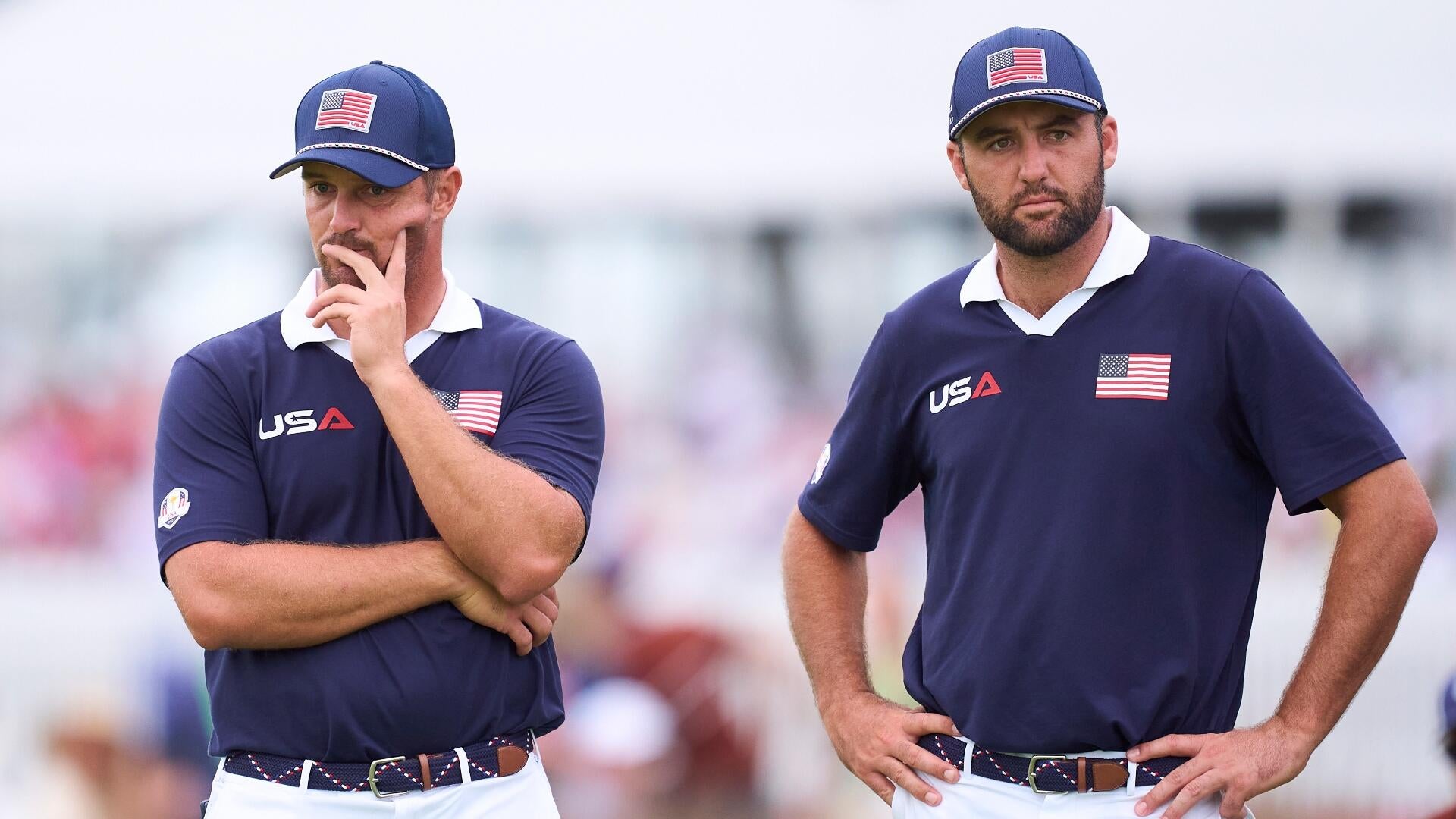
The most notable groups in the second wave start around 4 a.m. with the headliners being the 4:58 a.m. tee time featuring reigning champion Scottie Scheffler alongside Bryson DeChambeau and Tyrrell Hatton in a group that could produce fireworks — both positive and negative. The group behind them will feature Jordan Spieth, Tommy Fleetwood and Jon Rahm at 5:09 a.m., as golf fans stateside can pencil in a 5 a.m. alarm for Thursday to catch some of the top stars in action.
In the late wave, action picks up with Chris Gotterup, Sam Burns and Adam Scott at 9:31 a.m. and then heavy hitters Cameron Young, Wyndham Clark and Ludivg Åberg at 10:04 a.m. They’ll be followed by the marquee group of the later tee times when Rory McIlroy, Xander Schauffele and Matt Fitzpatrick tee off at 10:15 a.m.
2026 Open Championship tee times, Thursday pairings
All times Eastern
1:35 a.m. — Matthew Baldwin, Thomas Detry, James Nicholas 1:46 a.m. — Michael Kim, Daniel Hillier, Andy Sullivan 1:57 a.m. — Ryan Fox, Andrew Novak, Matthew Jordan 2:08 a.m. — Henrik Stenson, Max Homa, Joe Dean 2:19 a.m. — Robert MacIntyre, Rickie Fowler, Alex Fitzpatrick 2:30 a.m. — David Duval, Martin Couvra, Matthew Southgate 2:41 a.m. — Sungjae Im, Daniel Brown, Fifa Laopakdee (a) 2:52 a.m. — Gary Woodland, Jake Knapp, Jordan Smith 3:03 a.m. — Francesco Molinari, Tom McKibbin, Lev Grinberg (a) 3:14 a.m. — Hennie Du Plessis, Jose Luis Ballester, Dan Bradbury 3:25 a.m. — Angel Ayora, Victor Perez, Mateo Pulcini (a) 3:36 a.m. — Stewart Cink, Scott Vincent, Joakim Lagergren 3:47 a.m. — Michael Thorbjornsen, Kota Kaneko, Travis Smyth 4:03 a.m. — Alex Smalley, Sam Stevens, Ryo Hisatsune 4:14 a.m. — Akshay Bhatia, Harris English, Rasmus Højgaard 4:25 a.m. — Ben Griffin, Hideki Matsuyama, Min Woo Lee 4:36 a.m. — Russell Henley, Justin Rose, Viktor Hovland 4:47 a.m. — Justin Thomas, Alex Noren, Jason Day 4:58 a.m. — Scottie Scheffler, Tyrrell Hatton, Bryson DeChambeau 5:09 a.m. — Jordan Spieth, Tommy Fleetwood, Jon Rahm 5:20 a.m. — Brian Harman, Si Woo Kim, Nick Taylor 5:31 a.m. — Ryan Gerard, Maverick McNealy, David Puig 5:42 a.m. — Kazuma Kobori, Tom Sloman, David Howard (a) 5:53 a.m. — Antoine Rozner, Ren Yonexawa, Caleb Surratt 6:04 a.m. — M.J. Daffue, Frederic Lacroix, Jack McDonald 6:15 a.m. — Jeongwoo Ham, Ryutaro Nagano, Alejandro De Castro Piera (a) 6:41 a.m. — John Parry, Eric Cole, Tiger Christensen 6:52 a.m. — Eugenio Chacarra, Matt Wallace, Max Greyserman 7:03 a.m. — Michael Brennan, Sahith Theegala, Laurie Canter 7:14 a.m. — Cameron Smith, Keith Mitchell, Stuart Grehan (a) 7:25 a.m. — Sepp Straka Joaquin Niemann, Kurt Kitayama 7:36 a.m. — Sami Valimaki, Shaun Norris, Jackson Suber 7:47 a.m. — Darren Clarke, Adrien Saddier, Bernd Wiesberger 7:58 a.m. — Keegan Bradley, Corey Conners, Casey Jarvis 8:09 a.m. — Matt McCarty, Harry Hall, Haotong Li 8:20 a.m. — Padraig Harrington, Marco Penge, Michael Hollick 8:31 a.m. — Tom Kim, Billy Horschel, Mason Howell (a) 8:42 a.m. — Johnny Keefer, Pierceson Coody, Keita Nakajima 8:53 a.m. — Louis Oosthuizen, Jesper Svensson, Jack Buchanan (a) 9:09 a.m. — Bud Cauley, Jayden Schaper, Lucas Herbert 9:20 a.m. — Kristoffer Reitan, Patrick Reed, J.T. Poston 9:31 a.m. — Chris Gotterup, Sam Burns, Adam Scott 9:42 a.m. — Collin Morikawa, J.J. Spaun, Nicolai Højgaard 9:53 a.m. — Shane Lowry, Aaron Rai, Brooks Koepka 10:04 a.m. — Cameron Young, Wyndham Clark, Ludivg Åberg 10:15 a.m. — Rory McIlroy, Xander Schauffele, Matt Fitzpatrick 10:26 a.m. — Jacob Bridgeman, Rasmus Neergaard-Petersen, Tim Wiedemeyer (a) 10:37 a.m. — Patrick Cantlay, Daniel Berger, Nico Echavarria 10:48 a.m. — Peter Uihlein, Alistair Docherty, Francesco LaPorta 10:59 a.m. — Cameron John, Austen Truslow, Sam Bairstow 11:10 a.m. — Naoyuki Kataoka, Marcus Plunkett, Baard Skogen 11:21 a.m. — Kazuki Higa, Jiho Yang, Nevill Ruiter (a)
Advertisement
Who will win the 2026 Open Championship, and which longshots will stun the golfing world? Visit SportsLine now to see the projected leaderboard, all from the model that’s nailed 17 golf majors heading into the weekend, including the past five Masters, and find out.
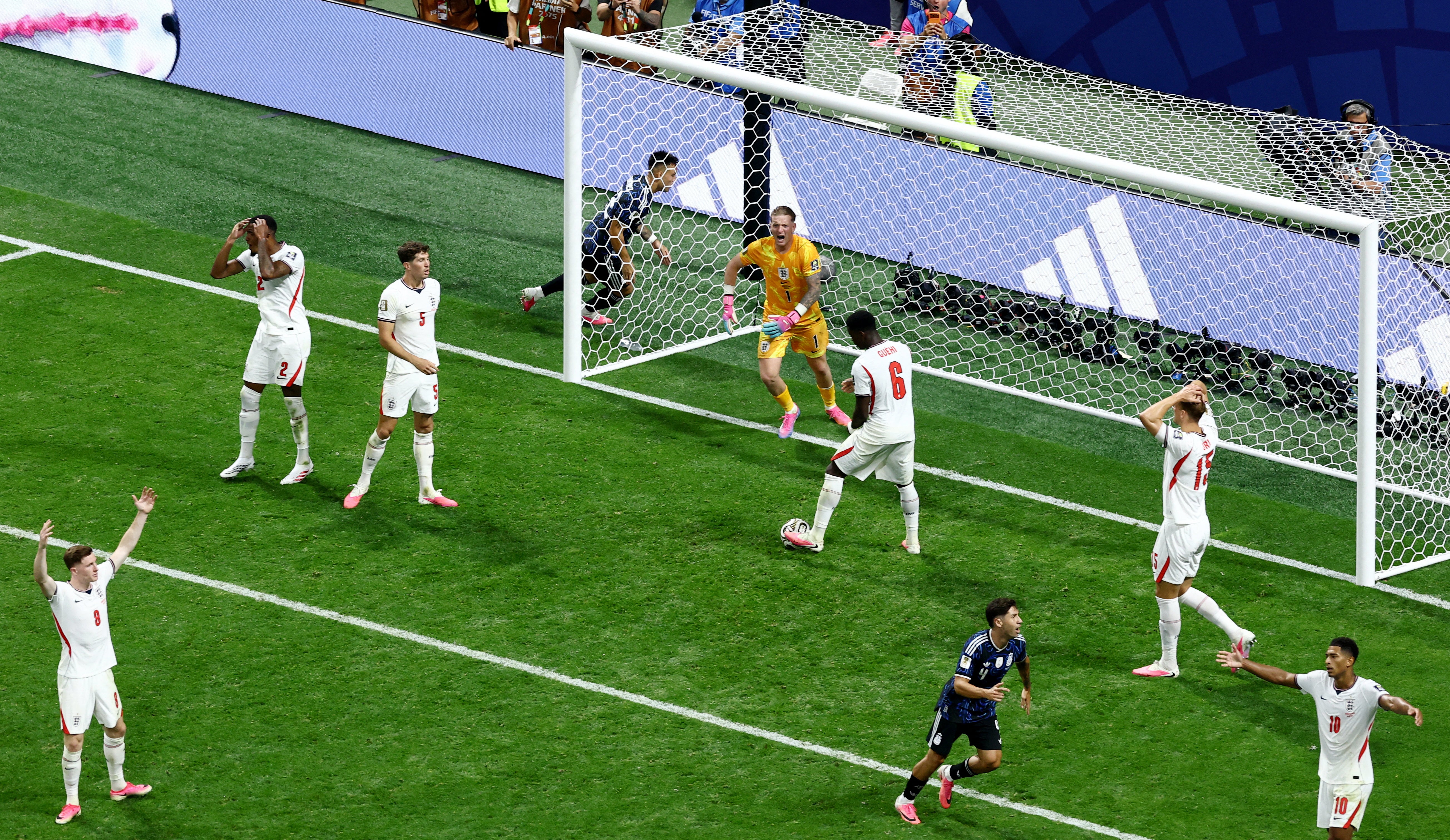
Argentina have secured their spot in the World Cup final, after defeating England 2-1. It had been England who initially took the lead, with Anthony Gordon scoring in the 55th minute. However, the remainder of the match saw a reversal of fortune, as Lautaro Martinez and Enzo Fernandez both netted late in the match. Argentina will face Spain in the final on July 19.
India vs England, 2nd ODI Live Streaming: Skipper Shubman Gill proved his leadership credentials while Axar Patel showed his all-round skills as India recovered from a morale-shattering T20I series loss against England to win the first ODI. As the focus shifts to the second ODI, fans are keeping their fingers crossed, hoping to see Gill feature in the XI in Cardiff. The captain was retired hurt in the ODI series opener but is expected to be available for Thursday’s match. Gurnoor Brar was another player who had some fitness-related struggles in the last game, but India have Prince Yadav as backup if he is unavailable. The primary focus, however, would remain on the veteran duo of Rohit Sharma and Virat Kohli, who failed to fire in the first ODI.
When will the India vs England, 2nd ODI be played?
The India vs England, 2nd ODI will be played on Tuesday, July 16.
Advertisement
Where will the India vs England, 2nd ODI be played?
The India vs England, 2nd ODI will be played at the Sophia Gardens, Cardiff
What time will the India vs England, 2nd ODI start?
The India vs England, 2nd ODI will start at 5:30 PM IST. The toss will take place 30 minutes before.
Advertisement
Which TV channels will telecast the India vs England, 2nd ODI?
The India vs England, 2nd ODI will be aired live on the Sony Sports Network.
Where to follow the live streaming of the India vs England, 2nd ODI?
The India vs England, 2nd ODI will be streamed live on the JioHotstar app.
Advertisement
(All the details are as per the information provided by the broadcaster)
Featured Video Of The Day
France vs Morocco Highlights | Mbappé Inspires France to FIFA World Cup Semifinal Victory
For the players contesting the Fifa World Cup final, half-time is usually a tightly managed 15-minute race against the clock.
There is little room for ceremony. Players must leave the field, recover physically, receive tactical instructions, undergo treatment, change equipment when required and return in time for the second half.
Advertisement
At MetLife Stadium on Sunday, that familiar routine could be disrupted by something unprecedented at a World Cup: a full-scale half-time performance staged on the pitch.
Fifa is targeting an interval of around 20 minutes for the final, with an 11-minute show curated by Coldplay frontman Chris Martin. The line-up is expected to include Justin Bieber, Shakira, BTS, Madonna, Burna Boy, conductor Gustavo Dudamel and the PS22 Chorus, along with characters from Sesame Street and The Muppets.
Advertisement
Fifa has described the performance as a “landmark celebration at the intersection of sport, music and global impact”.
Yet, behind the scale and spectacle lies an important sporting question: can football’s biggest match absorb an extended entertainment break without losing its rhythm?
Advertisement
The proposed interval would be only about five minutes longer than the standard break allowed under the Laws of the Game. But the challenge is not merely the duration of the performance. A stage must be erected on the pitch, the artists must perform, the equipment must be removed and the playing surface must be cleared before the teams can return.
In a match in which momentum, concentration and physical readiness could determine the world champion, those additional minutes may carry greater significance than they appear to on paper.
Advertisement
What do football’s rules say about half-time?
The International Football Association Board (Ifab), which writes the game’s laws, states that the half-time interval must not exceed 15 minutes.
Advertisement
The duration may be changed only with the referee’s permission.
That provision gives the match officials some flexibility, but an extension remains highly unusual in elite football. Players, coaching staff and match-day operations are all conditioned around the traditional 15-minute interval.
Advertisement
For the World Cup final, Fifa has said the performance itself will last 11 minutes but has not officially confirmed the total break. Multiple sources have indicated that organisers are working towards a restart within approximately 20 minutes.
That would require a tightly choreographed operation.
Advertisement
If the show uses all 11 minutes, only around nine minutes would remain for constructing and dismantling the stage, moving performers and equipment, checking the pitch and positioning both teams for the restart.
Any delay in one part of the operation could push the interval beyond the intended target.
Advertisement
How the World Cup final break compares
Event
Usual interval
Reported half-time duration
Entertainment format
Regular football match
Up to 15 minutes
15 minutes
No major on-field show
Fifa World Cup 2026 final
Up to 15 minutes under Ifab laws
Target of around 20 minutes
11-minute show on the pitch
2025 Club World Cup final
Up to 15 minutes ordinarily
Just over 24 minutes
Stage positioned in the stands
2024 Copa America final
Up to 15 minutes ordinarily
Around 26 minutes
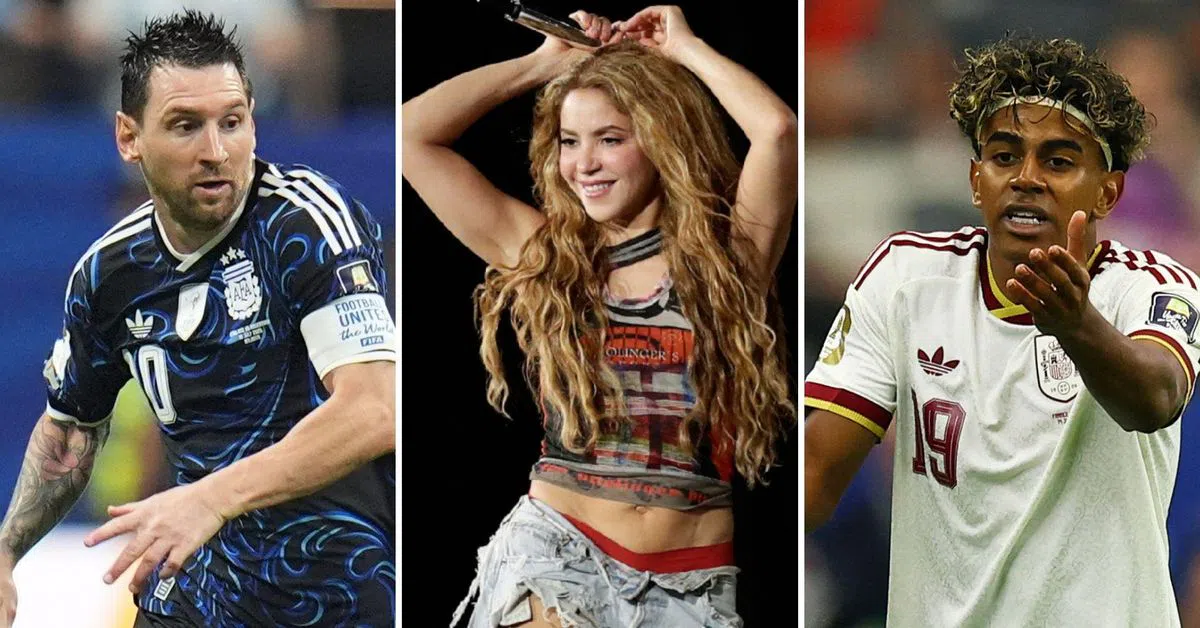
Shakira performed during the interval
NFL regular-season match
13 minutes
13 minutes
Limited entertainment
Super Bowl
13 minutes ordinarily
Commonly 20-30 minutes
Large-scale on-field production
Why five extra minutes could matter
A five-minute extension may appear modest compared with the prolonged intervals seen in American football. The difference lies in how the two sports operate.
Advertisement
NFL players are accustomed to frequent stoppages, specialist substitutions and segmented periods of action. The Super Bowl’s extended half-time show has also become an established part of the event.
Football is built around two almost uninterrupted 45-minute periods. Players are trained to manage their effort across that continuous rhythm, with half-time serving as a brief reset rather than a prolonged intermission.
Advertisement
An extended pause could affect players in different ways.
A team controlling the match before half-time may feel that its momentum has been interrupted. A side under pressure could benefit from additional time to recover and reorganise. Players carrying minor injuries may welcome the longer treatment window, while others could find it harder to maintain physical sharpness.
Advertisement
Coaching staffs may have to introduce more detailed re-warm-up routines inside the dressing room or near the tunnel. Players are likely to remain active rather than seated for the entire interval, particularly if the restart is delayed beyond 20 minutes.
The challenge becomes greater because teams may not know exactly when they will be called back to the pitch. A normal half-time countdown is predictable. A live performance involving multiple artists and temporary infrastructure creates more variables.
Advertisement
A World Cup first, but not Fifa’s first experiment
The final will be the first World Cup match to feature a formal half-time show, but Fifa tested the concept at the 2025 Club World Cup final between Chelsea and Paris Saint-Germain.
Advertisement
That match was also held at MetLife Stadium.
Tems, J Balvin and Doja Cat performed during an interval that lasted slightly more than 24 minutes. Importantly, the stage was positioned high in the stands rather than on the playing surface.
Advertisement
That reduced the logistical burden around the pitch. There was no need to build and remove a major platform from the field before the players could return.
The World Cup final plan is more ambitious.
Advertisement
By placing the stage on the pitch, Fifa can create a more visually powerful performance for the stadium audience and global television coverage. It also introduces concerns around construction time, equipment movement and the condition of the playing surface.
MetLife Stadium’s previous experience gives organisers a useful operational template, but the stakes will be considerably higher. The Club World Cup final was a major match; the World Cup final is the most watched and scrutinised fixture in international football.
Advertisement
A delay that might have been treated as a novelty during the earlier tournament could become a source of controversy if either finalist feels the interruption affected the match.
Shakira performing during 2026 Fifa World Cup 2026. Photo: AP | PTI
Advertisement
What happened during Shakira’s Copa America show?
The most relevant football precedent came during the 2024 Copa America final between Argentina and Colombia at Hard Rock Stadium.
Advertisement
Shakira performed at half-time, extending the interval to around 26 minutes before the second half began.
The decision attracted attention because the tournament had otherwise enforced the standard interval. Coaches and players were required to wait significantly longer than usual, and the extended pause became part of the discussion surrounding the final.
Advertisement
The incident demonstrated the central challenge of combining football with a major entertainment production: the advertised length of the musical performance does not represent the full interruption.
Artists must enter and leave, sound and lighting systems must be positioned, the stage must be prepared and the pitch must be cleared. Even a tightly produced show can add several minutes beyond its running time.
Advertisement
The Copa America final also showed that football authorities are willing to alter established match routines for commercial and entertainment purposes during showpiece events.
Fifa’s reported 20-minute target suggests it wants to avoid a repeat of the longer Copa America delay. Whether that target is realistic will depend on how quickly the temporary stage can be assembled and removed.
Advertisement
Why the Super Bowl model cannot simply be copied
The Super Bowl has made the half-time show one of the most valuable entertainment slots in global broadcasting.
Advertisement
Its performances routinely involve elaborate staging, complex lighting, large groups of dancers and headline artists. NFL players commonly remain off the field for between 20 and 30 minutes during the show, far longer than the strict 13-minute interval used during the regular season.
But the extended break is expected.
Advertisement
Teams know before the match that the interval will be prolonged. Coaches build it into their preparation, while players conduct structured warm-ups before returning.
The football World Cup has no such tradition.
Advertisement
The players in Sunday’s final will have spent their careers treating the half-time interval as a short tactical and recovery window. Even with advance warning, the change presents an unfamiliar competitive condition in the most important match of their lives.
There is also a difference in playing surfaces. A football pitch must remain clear and consistent for a game involving continuous ball movement. Temporary platforms, equipment and large production teams must be removed without damaging the turf or leaving debris.
Advertisement
The Super Bowl shows that an extended interval can become an accepted part of a major sporting event. It does not prove that the same format can be inserted into football without consequences.
Advertisement
Can the performance fit into 20 minutes?
The planned 11-minute performance leaves organisers with a demanding timetable.
Advertisement
The stage must be moved into position immediately after the first-half whistle. Performers and technical personnel must enter, the show must begin on schedule and all equipment must be removed quickly afterwards.
The process must also account for television requirements, safety checks and communication between match officials, broadcasters and the two teams.
Advertisement
A delay of only two or three minutes at any stage could stretch the break closer to the 24-minute interval seen at the Club World Cup final.
Fifa’s task is further complicated by the size of the announced line-up. Bringing together global pop stars, musicians, a children’s chorus and television characters within an 11-minute production will require rapid transitions.
Advertisement
The show may use pre-positioned elements or a compact stage design to save time. Even then, taking the structure off the field may be more difficult than bringing it on.
The referee will ultimately need confirmation that the pitch is safe and both teams are ready before restarting the game.
Advertisement
Will one team benefit more?
The effect of an extended break may depend on the first-half score and pattern.
Advertisement
A team leading comfortably could use the additional time to recover and reinforce its defensive plan. It could also lose the intensity that allowed it to dominate.
A side trailing at half-time would gain extra minutes for tactical adjustments, treatment and emotional recovery. Coaches could analyse the opposition’s structure in greater detail and communicate more changes than the standard interval allows.
Advertisement
The longer pause may therefore act as an unintended competitive variable.
Suppose one finalist finishes the first half applying sustained pressure. The show could interrupt that momentum and allow the opponent to reset. Conversely, a team physically exhausted by pressing may receive a valuable recovery period.
Advertisement
Neither effect would automatically make the format unfair because both sides would receive the same interval. Yet equal time does not necessarily produce an equal sporting impact.
Football’s momentum is shaped by circumstances. The state of the match at the interval will determine whether the extra minutes feel like an advantage or an obstacle.
Advertisement
The commercial logic behind the spectacle
The planned show reflects Fifa’s effort to turn the World Cup final into an entertainment event extending beyond the match itself.
Advertisement
Coldplay’s Martin has curated a line-up designed to reach audiences across continents and musical genres. The inclusion of Bieber, Shakira, BTS, Madonna and Burna Boy gives the programme enormous global appeal.
The event is being produced by Global Citizen. Artists are reportedly not receiving performance fees.
Advertisement
The show is also tied to the Global Citizen Education Fund, which aims to raise $100 million to expand access to education and football opportunities for children worldwide.
This gives the ceremony a philanthropic purpose alongside its commercial and broadcasting value.
Advertisement
For Fifa, the attraction is clear. The Super Bowl has demonstrated how a half-time performance can become a cultural event in its own right, drawing viewers who may not otherwise watch the match.
The risk is that the entertainment becomes more intrusive than complementary.
Advertisement
A test that could reshape future World Cups
Sunday’s half-time show will be judged on two separate standards.
Advertisement
As an entertainment production, it will be measured by its scale, performances and global audience. As part of a football match, it will be assessed by whether the second half begins smoothly and whether players or coaches feel the extended interval affected the contest.
A 20-minute break completed without operational problems could encourage Fifa to repeat the concept at future tournaments.
Advertisement
A prolonged delay, damaged pitch or visible loss of player readiness could strengthen arguments that football’s traditional interval should remain untouched.
The governing body is trying to insert a Super Bowl-style spectacle into a sport whose rhythm has developed around a short and predictable break.
Advertisement
That collision between tradition and entertainment will play out on the biggest possible stage.
The artists will have 11 minutes to deliver the show. Fifa may have only a few additional minutes to prove that the World Cup final can accommodate it without changing the match itself.
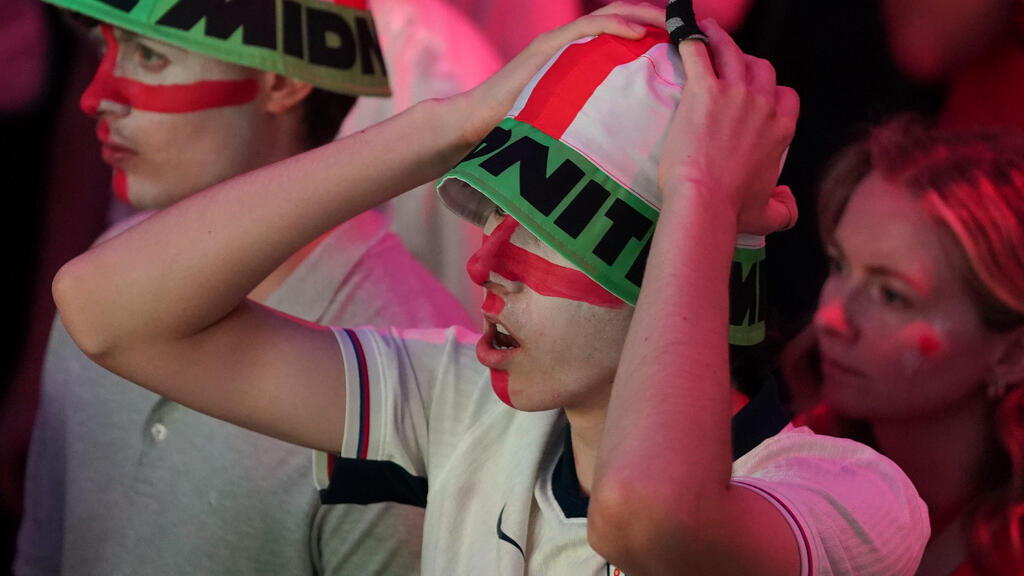
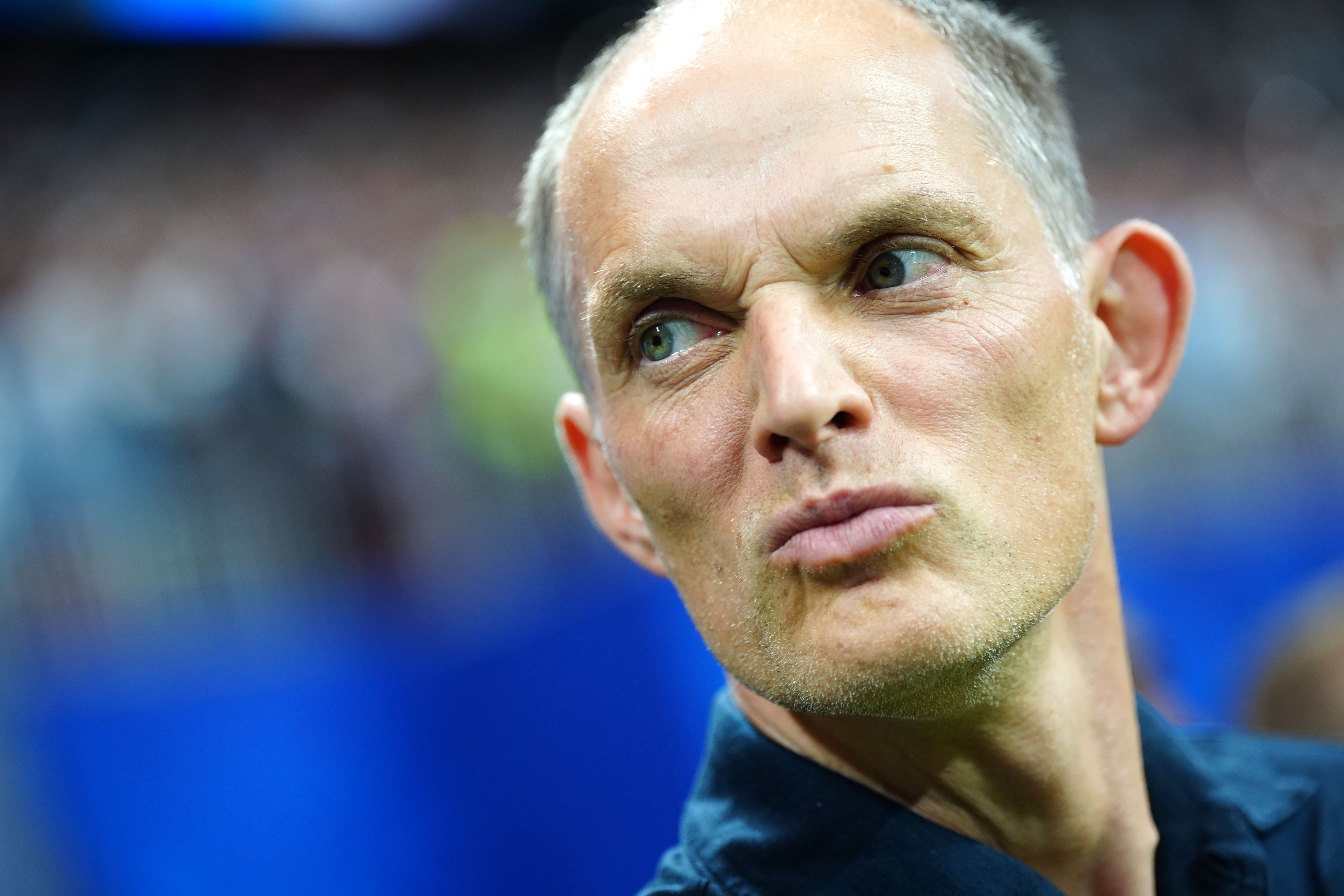
England might have gone out of the World Cup with the kind of performance that would cause deep introspection in other countries, but there was none of it from the Football Association.
After a bland public statement about how “the players and Thomas gave it everything”, there were strong private indications that no consideration was being given to change – or much else.
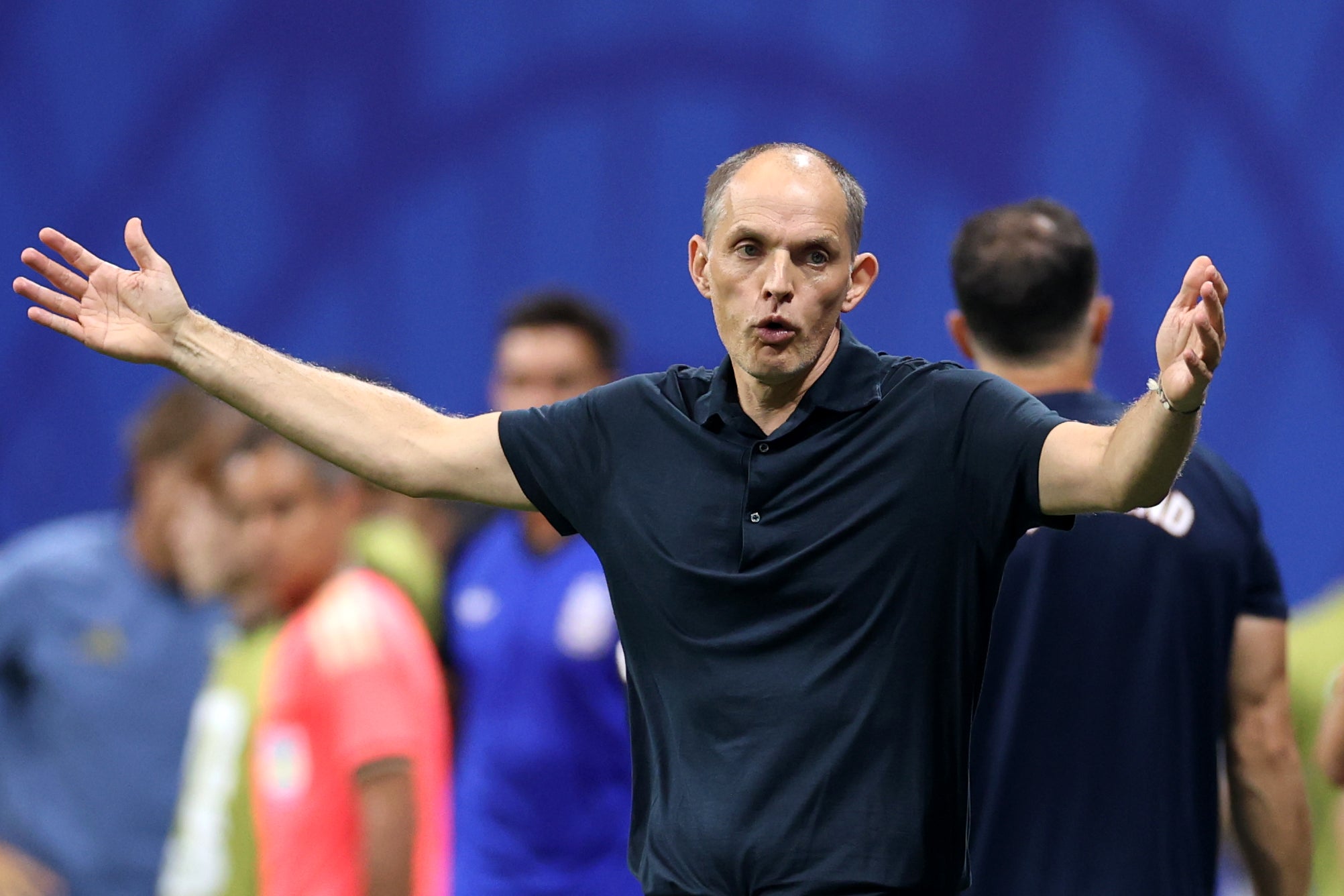
The deeper arguments about the future are for another day but, even in this moment, there is actually a real danger in Tuchel’s spell being broken with the players.
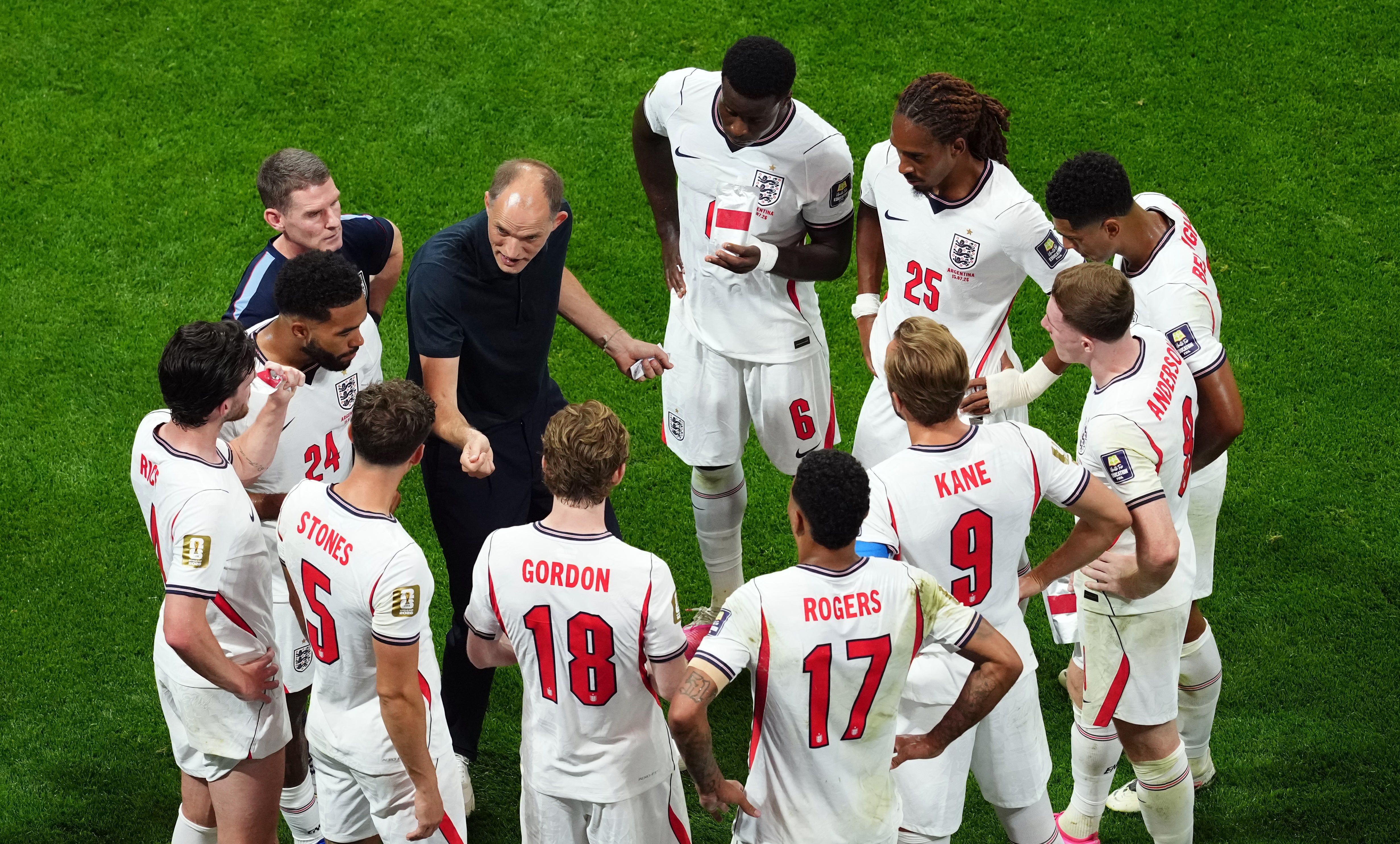
He was specifically appointed because of his reputation as a tactical genius who is a “winner”, well versed in getting teams over the line. And yet here were the most rudimentary tactics possible, that have cost the players a chance at history, amid inferred criticism about their “belief”.
Advertisement
Thomas Tuchel has been heavily criticised since England’s semi-final defeat (PA Wire)
Will Thomas Tuchel retain the faith of his England players? (PA)
It isn’t exactly hard to see how this could go wrong.
For now, those around the England camp are left to lament what happened at this World Cup. Some are even feeling a sense of cosmic injustice, that it will simply never be them, that it’s somehow going to go at least 62 years without a major trophy.
That failure represents almost a reverse alchemy, especially when the FA invested so much money. And yet that is precisely why there is actually a football justice to this outcome.
This will be hard for many England fans to hear but some – especially in the FA – arguably need to.
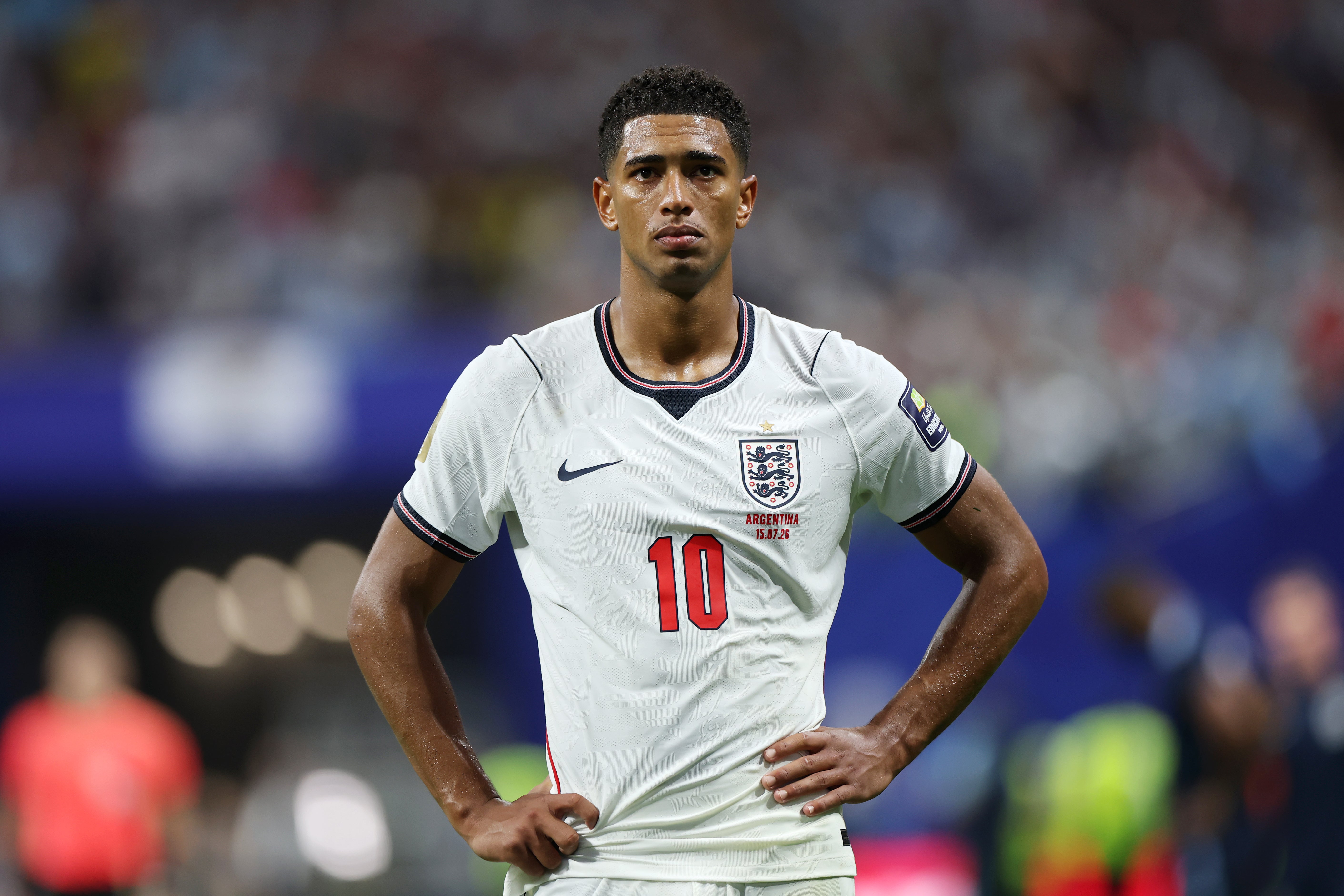
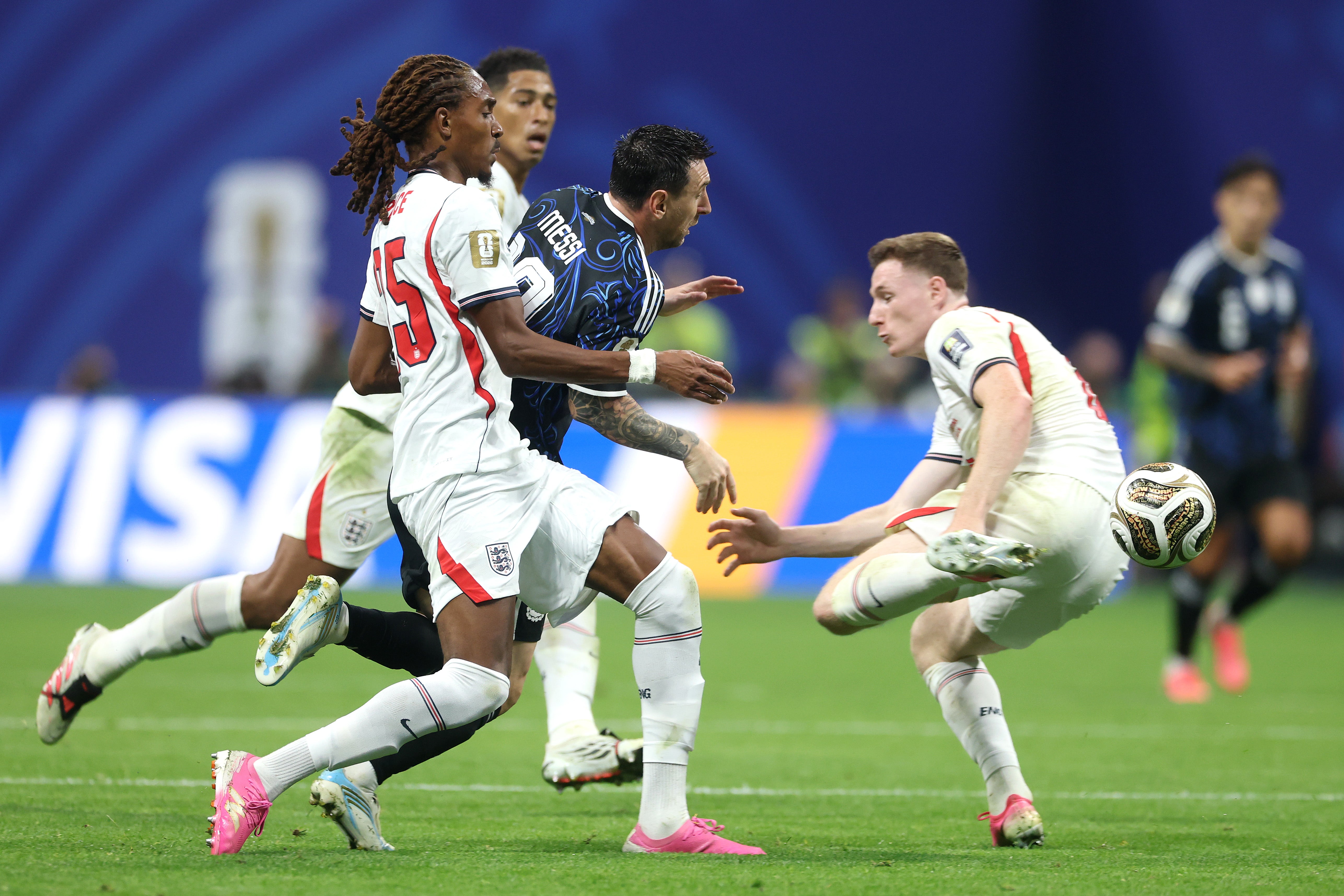
England were stunned late on by Argentina (Reuters)
England splashed the cash to appoint Thomas Tuchel and appear to have made little progress (Getty)
It is probably a good thing for international football that one of the wealthiest countries – already blessed with so many advantages – do not win just because they can afford to appoint the most expensive coach available.
What, after all, would the message be? What would the lesson be? That wealth is enough? That you can just bolt on a “winner” if you have enough money?
Advertisement
There’s already too much of that in the club game. It is a good thing that it doesn’t infect international level in the same way, that deeper ideas are needed, and it would actually be a better thing for the FA if they were forced to properly think about this.
But will they?
The response so far suggests not.
The greater frustration is that they’ve done most of the work.
Advertisement
English football has used its immense wealth to create a talent production system that is the envy of most of the world. There is a conveyor belt of players, especially in certain positions. The Elite Player Performance Plan has worked.
It is still a plan, however, that is not really within a bigger idea.
This is where the very appointment of Tuchel is central to a wider debate, and why it is arguably just that the FA fail – for now.
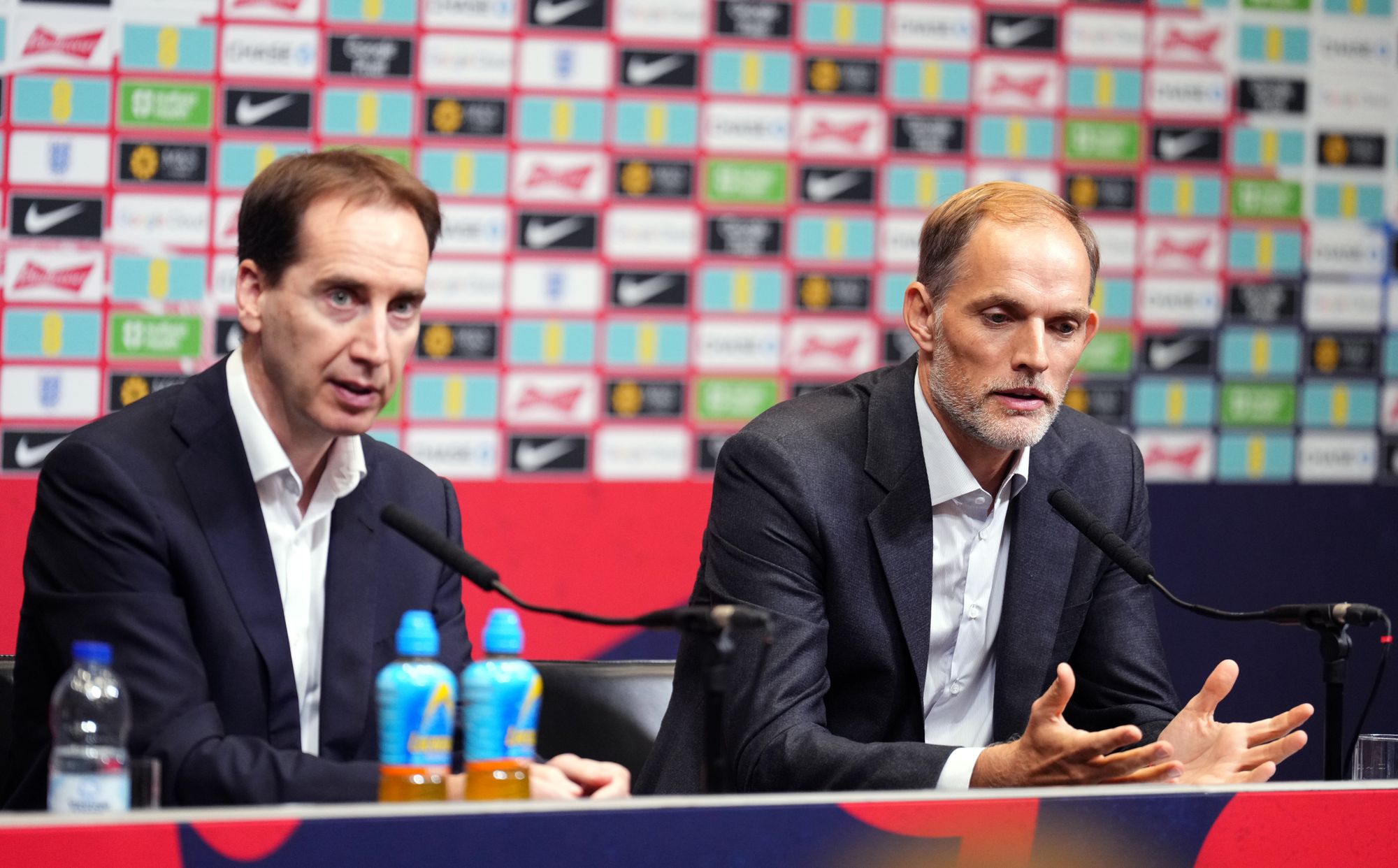
Mark Bullingham (left) has given his backing to Thomas Tuchel – but should he consider a change? (John Walton/PA Wire)
What they should actually be thinking about is what they want the English team to look like; about what the identity of the national team should be.
What are the cultural football qualities they want to enhance and build on, within a coaching framework that fits with the modern game?
Advertisement
The only person that actually seemed to be thinking about that, for his part, was Tuchel. He at least talked a good game about wanting England to play with “a Premier League style”. In other words, the kind of intensity that does actually fit with some of the more positive attributes of the English game.
The reality was just completely different, something that does happen with Tuchel a bit. He may have talked a good game but, outside 15 minutes against Croatia, he didn’t play one.
England failed to deliver on Thomas Tuchel’s promises (Getty)
Rather than performing with a Premier League style, his very appointment just reflected another model of Premier League thinking.
If you have an issue, just buy your way out of it. Don’t think it through.
It is damning, if possibly inevitable, that the FA have pursued that same approach in the same era when they have institutional freedom from the Premier League.
Advertisement
And, to also make some allowances for Tuchel, it’s impossible not to link at least some of his performances to these wider issues.
England still don’t produce that key type of midfield controller, which may well be connected to this argument that the team still didn’t have the belief; that there’s something tactically shallow about the game intelligence of English teams.
It really is incredible how we’re back here again, as if it was 2016 or 2010 or 1998: England unable to control a game and losing to the first proper team they play.
England were outthought by Argentina (Getty)
That may sound harsh when they were on the brink of a second successive major tournament final and third in four, but that’s exactly where the line lies between success and failure.
English football is so wealthy that it can of course produce the critical mass of quality players that get you so far. But to go the distance? That rightly requires something deeper.
Advertisement
By the same token, this came very close to being the fourth successive year where Spain met England in major tournament finals – a women’s World Cup, a men’s Euros, a women’s Euros and now not, ultimately, a men’s World Cup.
And for all that some will bristle at the idea of including the women’s game with the men’s, it is acutely relevant here because of how they speak to the football cultures.
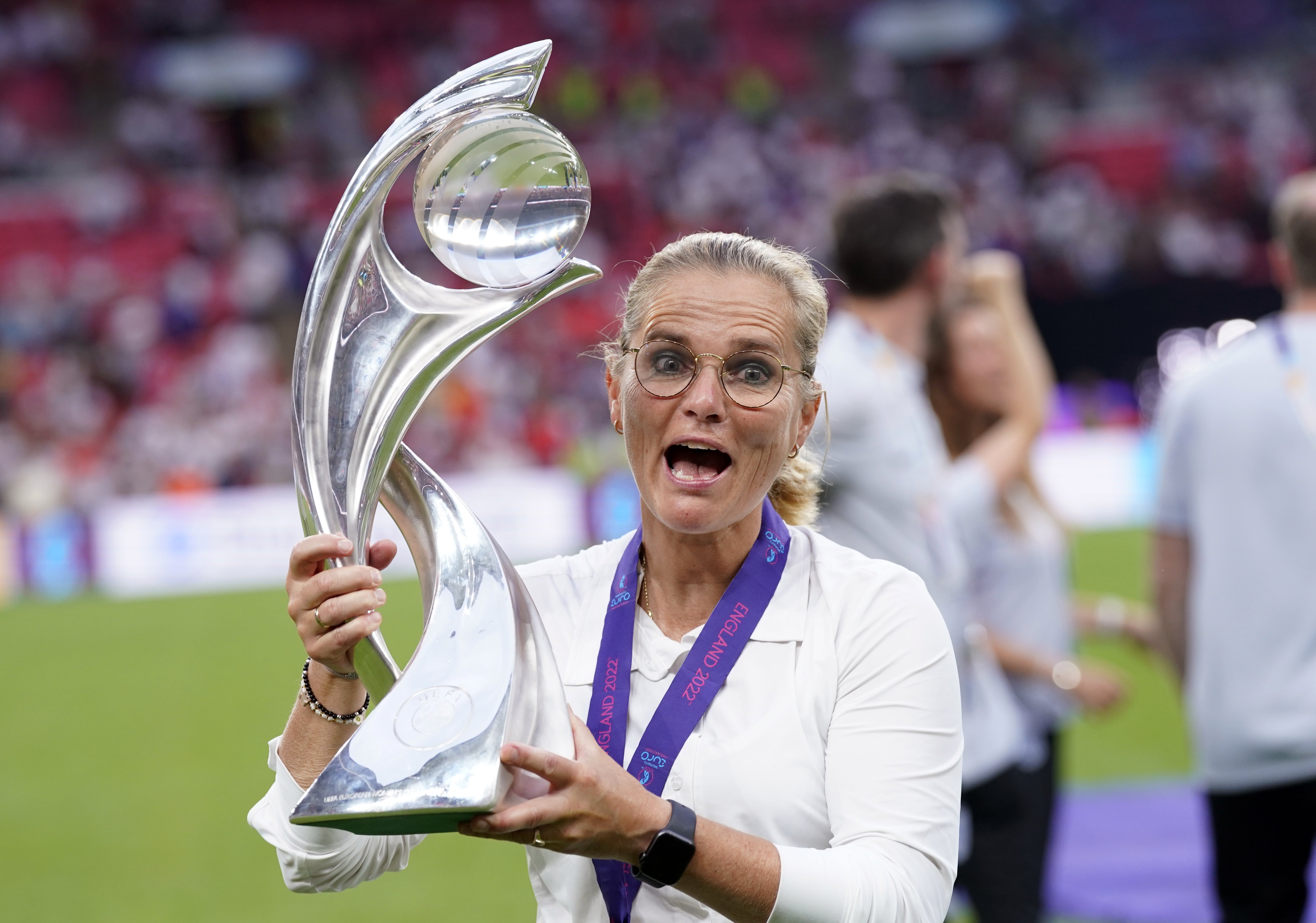
England did win one under Sarina Wiegman, but that was largely down to her in-game acumen, a lot of luck and the strength in depth that came from substitutes.
Advertisement
Sarina Wiegman’s Lionesses have managed to overcome some structural limitations (PA Wire)
Again, it doesn’t exactly say much for England as an idea of play.
By contrast, consider the two managers to now have knocked England out of the most recent men’s competitions, who also happen to be those in the final. They are two classic national federation men: Lionel Scaloni and Luis de la Fuente.
In other words, the kind of coaches that the FA wouldn’t dream of looking at. Where is their Champions League, after all?
The FA are actually correct not to look at them, but only because their actual value comes from knowing their own football cultures so well. De la Fuente has worked with the majority of the Spanish players as kids.
There is an argument that Lee Carsley would be a better fit for international football than Thomas Tuchel (Getty)
He fits an idea that England don’t have.
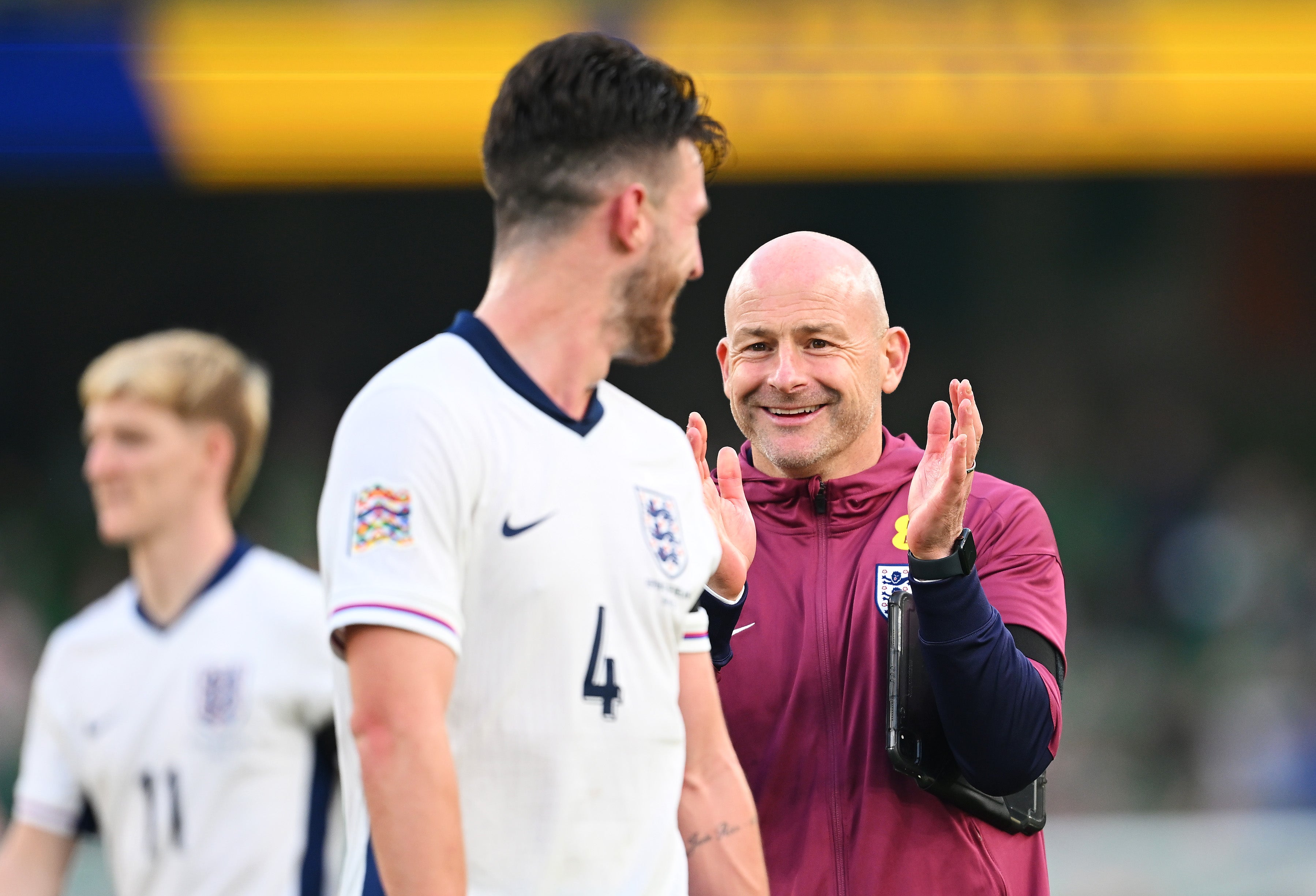
And while it is also correct that the English system isn’t producing coaches in the same way it is producing players, there is talent coming through. England arguably even have their own De la Fuente in Lee Carsley. His six matches ended up producing a better idea of football more frequently than Tuchel.
Advertisement
And for all that it may seem preposterous for England to appoint such a lowly name, this was exactly the reaction others had when Scaloni and De la Fuente were appointed, respectively.
There is one final point worth repeating in all of this.
This is absolutely nothing to do with Tuchel being a German, or any other nationality.
It is about the national game’s authorities not having a proper idea about what it is to be an English team.
















































You must be logged in to post a comment Login