After U.S. and Israeli missiles struck Iran’s nuclear sites in June 2025, Tehran responded with a limited attack on the American airbase in Qatar.
Five years before that, a U.S. drone strike against Qasem Soleimani, head of the powerful Islamic Revolutionary Guard Corps Quds Force, was met with followed by an attack on two American bases in Iraq shortly thereafter.
Expect none of that restraint by Iran’s leaders following the latest U.S. and Israeli military operation currently playing out in the Gulf nation.
But they also come after apparent diplomatic efforts, in the shape of a series of nuclear talks in Oman and Geneva aimed at a peaceful resolution.
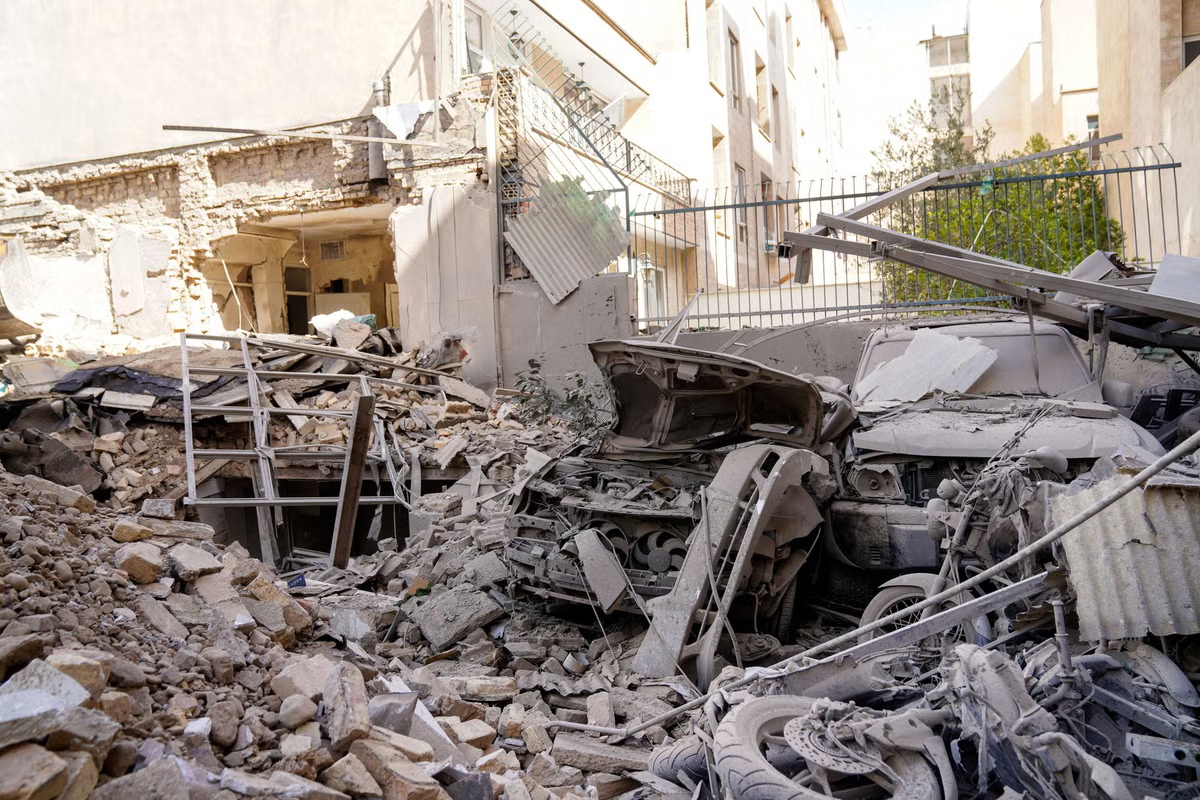
The Trump administration appears to have expanded its aims beyond removing Iran’s nuclear and non-nuclear military threat (ISNA/AFP via Getty Images)
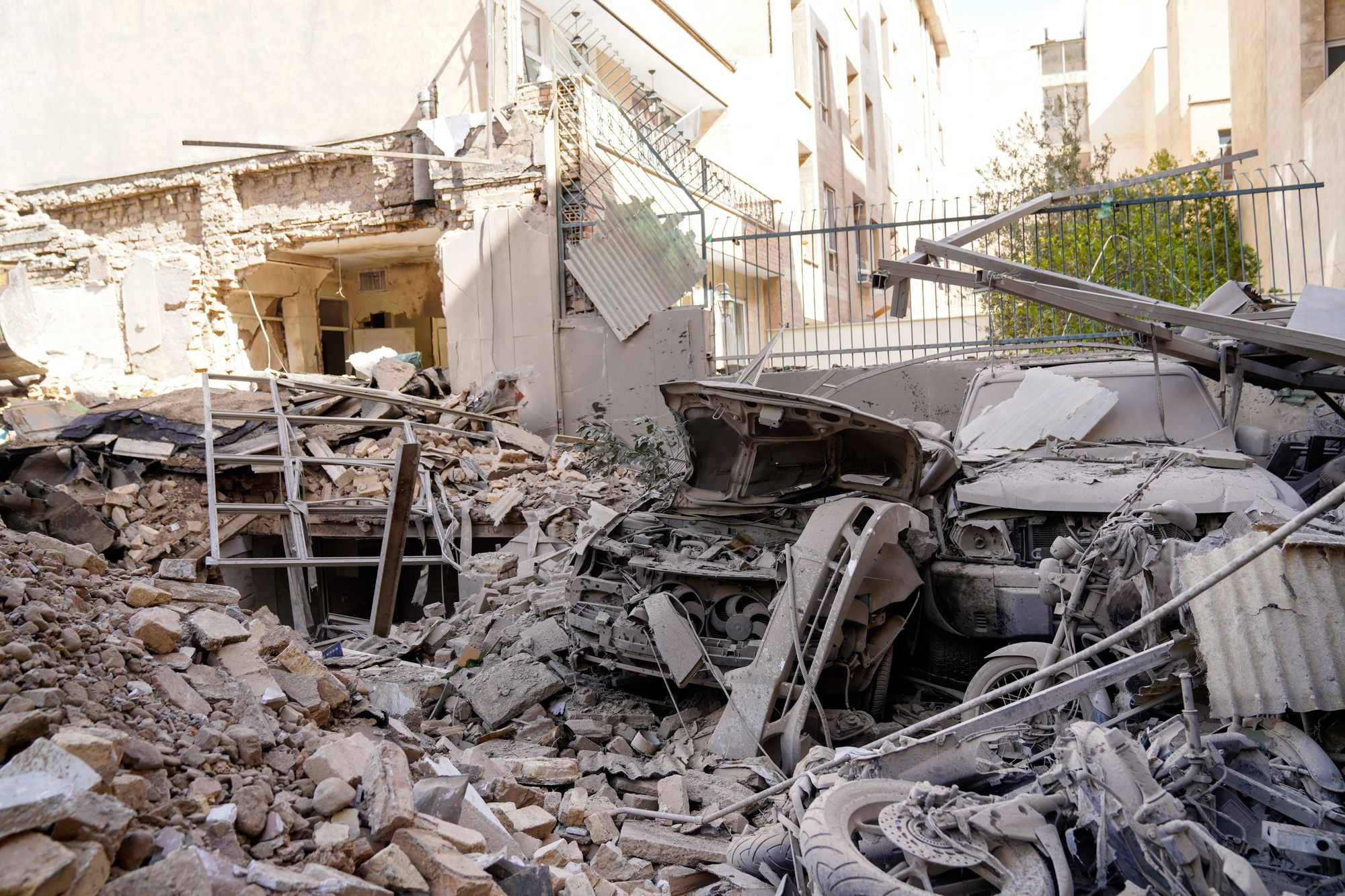
Any such deal is surely now completely off the table. In scale and scope, the U.S. and Israel attack goes far beyond any previous strikes on the Gulf nation.
In response, Iran has said it will use “crushing” force. As an expert on Middle East affairs and a former senior official at the National Security Council during the first Trump administration, I believe the calculus both in Washington and more so in Tehran is very different from earlier confrontations: Iran’s leaders almost certainly see this as an existential threat given President Donald Trump’s statement and the military campaign already underway. And there appears to be no obvious off-ramp to avoid further escalation.
What we should expect now is a response from Tehran that utilizes all of its capabilities – even though they have been significantly degraded. And that should be a worry for all nations in the region and beyond.
The apparent aims of the US operation
Advertisement
It is important to note that we are in the early stages of this conflict – much is unknown.
As of Feb. 28, it is unclear who has been killed among Iran’s leadership and to what extent Iran’s ballistic missile capabilities have been degraded. The fact that ballistic missiles have been launched at regional states that host U.S. military bases suggests that, at a minimum, Iran’s military capabilities have not been entirely wiped out.
Iran fired over 600 missiles against Israel last June during their 12-day war, but media reporting and Iranian statements over the past month suggested that Iran managed to replenish some of its missile inventory, which it is now using.
Clearly Washington is intent on crippling Iran’s ballistic program, as it is that capability that allows Iran to threaten the region most directly.
Advertisement
A sticking point in the negotiations in Geneva and Oman was U.S. officials’ insistence that both Iran’s ballistic missiles and its funneling of support to proxy groups in the region be on the table, along with the longstanding condition that Tehran ends all uranium enrichment. Tehran has long resisted attempts to have limits on its ballistic missiles as part of any negotiated nuclear deal given their importance in Iran’s national security doctrine.
This explains why some U.S. and Israeli strikes appear to be aimed at taking out Iran’s ballistic and cruise missile launch sites and production facilities and storage locations for such weapons.
With no nuclear weapon, Iran’s ballistic missiles have been the country’s go-to method for responding to any threat. And so far in the current conflict, they have been used on nations including the United Arab Emirates, Qatar, Kuwait and Bahrain.
‘It will be yours to take’
Advertisement
But the Trump administration appears to have expanded its aims beyond removing Iran’s nuclear and non-nuclear military threat. The latest strikes have gone after leadership, too.
Among the locations of the first U.S.-Israeli strikes was a Tehran compound in which the Supreme Leader Ayatollah Ali Khamenei in known to reside, and Israel’s prime minister has confirmed that the 86-year-old leader was a target of the operation.
While the status of the supreme leader and other key members of Iran’s leadership remains unknown as of this writing, it is clear that the U.S. administration hopes that regime change will follow Operation Epic Fury. “When we are finished, take over your government. It will be yours to take,” Trump told Iranians via a video message recorded during the early hours of the attack.
Regime change carries risks for Trump
Advertisement
Signaling a regime change operation may encourage Iranians unhappy with decades of repressive rule and economic woes to continue where they left off in January – when hundreds of thousands took to the street to protest.
But it carries risks for the U.S. and its interests. Iran’s leaders will no longer feel constrained, as they did after the Soleimani assassination and the June 2025 conflict. On those occasions, Iran responded in a way that was not even proportionate to its losses – limited strikes on American military bases in the region.
About the author
Javed Ali is an Associate Professor of Practice of Public Policy, University of Michigan. This article is republished from The Conversation under a Creative Commons license. Read the original article.
Now the gloves are off, and each side will be trying to land a knockout blow. But what does that constitute? The U.S. administration appears to be set on regime change. Iran’s leadership will be looking for something that goes beyond its previous retaliatory strikes – and that likely means American deaths. That eventuality has been anticipated by Trump, who warned that there might be American casualties.
Advertisement
So why is Trump willing to risk that now? It is clear to me that despite talk of progress in the rounds of diplomatic talks, Trump has lost his patience with the process.
On Feb. 26, after the latest round of talks in Geneva, we didn’t hear much from the U.S. side. Trump’s calculus may have been that Iran wasn’t taking the hint – made clear by adding a second carrier strike group to the other warships and hundreds of fighter aircraft sent to the region over the past several weeks – that Tehran had no option other than agreeing to the U.S. demands.
What happens next
What we don’t know is whether the U.S. strategy is now to pause and see if an initial round of strikes has forced Iran to sue for peace – or whether the initial strikes are just a prelude to more to come.
Advertisement
For now, the diplomatic ship appears to have sailed. Trump seems to have no appetite for a deal now – he just wants Iran’s regime gone.
In order to do that, he has made a number of calculated gambles. First politically and legally: Trump did not go through Congress before ordering Operation Epic Fury. Unlike 23 years ago when President George W. Bush took the U.S. into Iraq, there is no war authorization giving the president cover.
Instead, White House lawyers must have assessed that Trump can carry out this operation under his Article 2 powers to act as commander in chief. Even so, the 1973 War Powers Act will mean the clock is now ticking. If the attacks are not concluded in 60 days, the administration will have to go back to Congress and say the operation is complete, or work with Congress for an authorization to use force or a formal declaration of war.
The second gamble is whether Iranians will heed his call to remove a regime that many have long wanted gone. Given the ferocity of the regime’s response to the protests in January, which resulted in the deaths of thousands of Iranians, are Iranians willing to face down Iran’s internal security forces and drive what remains of the regime from power?
Advertisement
Third, the U.S. administration has made a bet that the Iranian regime – even confronted with an existential threat – does not have the capability to drag the U.S. into a lengthy conflict to inflict massive casualties.
And this last point is crucial. Experts know Tehran has no nuclear bomb and only has a limited stockpile of drones and cruise and ballistic missiles.
But it can lean on unconventional capabilities. Terrorism is a real concern – either through the Islamic Revolutionary Guard Corps’ Quds Force, which coordinates Iran’s unconventional warfare, or through its partnership with Hezbollah in Lebanon. Or actors like the Houthis in Yemen or Shia militias in Iraq may seek to conduct attacks against U.S. interests in solidarity with Iran or directed to do so by the regime.
A mass casualty event may put political pressure on Trump, but I cannot see it leading to U.S. boots on ground in Iran. The American public doesn’t have the appetite for such an eventuality, and that would necessitate Trump gaining Congressional approval, which for now has not yet materialized.
Advertisement
No one has a crystal ball, and it is early in an operation that will likely go on for days, if not longer. But one thing is clear: Iran’s regime is facing an existential threat. Do not expect it to show restraint.
The Coronation Street legend shared an update as she awaits news following her early-stage breast cancer diagnosis
Beverley Callard has been flooded with messages of support as she shared a tearful update on her cancer diagnosis. The actress first announced in January that she had been diagnosed with early-stage breast cancer.
Advertisement
She told how the news came just 20 minutes before she filmed her first scenes on Irish soap, Fair City, where she now plays Lily Patterson, having relocated to Ireland for the role.
But Beverley, who is famed for playing Liz McDonald in Coronation Street, recently revealed she was thrilled to learn that she does not need a second operation after she had two lymph nodes removed as a precaution to ensure the cancer does not spread, but she is waiting results which will indicate whether she is cancer-free or not.
Click here to sign up for more Coronation Street updates in our newsletter
However, Beverley, who is currently on-screens having returned to I’m A Celebrity… Get Me Out of Here for its South Africa spin-off, shared at the beginning of April that she’d suffered a setback, explaining that there was a “backlog” in the system delaying her results.
Advertisement
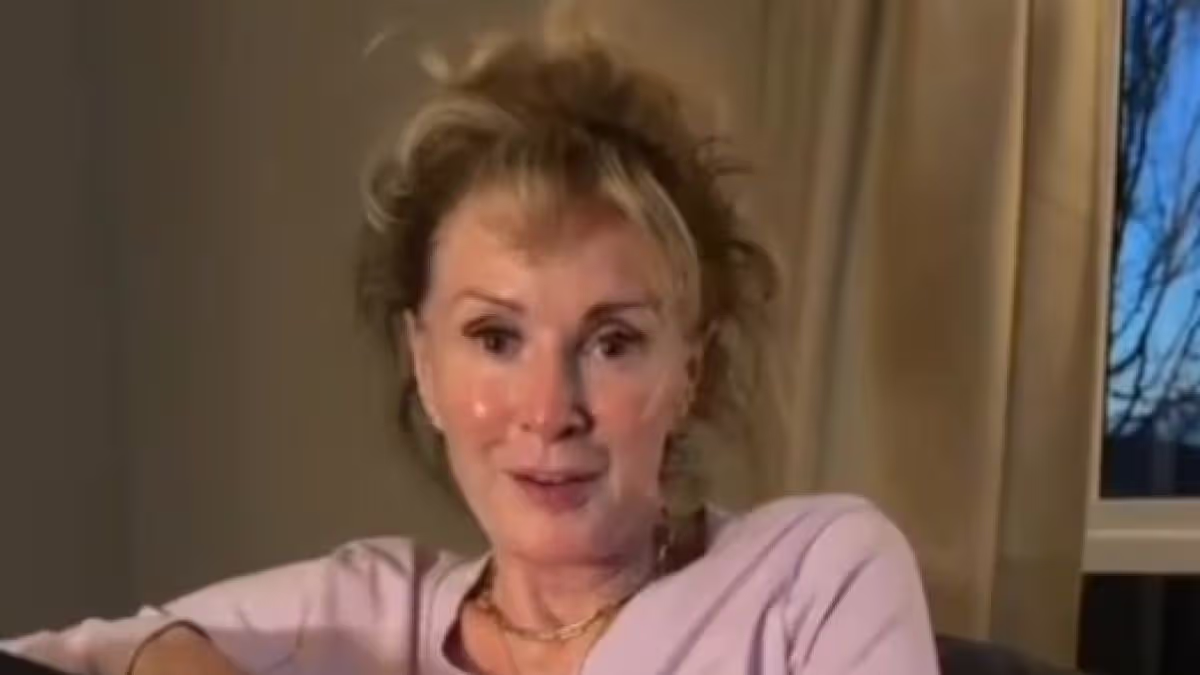
Now, the soap star has taken to Instagram to update her followers once again on the situation, with her captioning the update: ” “Had a bit of a weird update and not sure how to feel about it…trying to be brave and strong.”
Speaking to the camera, Beverley said: “Oh well, I’ve been painting all day again and I’ve nearly finished it, which is amazing. God, I’ve put some hours in that room, but I really want it finished for when Jon gets back. As you know, I’m waiting for my results, which has made me paint for England, well, for Ireland!
“Anyway, I got a text just a couple of hours ago. It says that my consultant is away at the moment, but there is someone else who I have seen before, another consultant, who wants to discuss my results on Thursday at 12 o’clock, so I’ve got a consultation then. I don’t know what that means. So I’m sort of like, ‘Okay… I just thought that the nurse was going to ring.’
Advertisement
“I spoke to one of the cancer nurses last week, she was great, and she said they would ring me as soon as they know anything. So I’m thinking, ‘Well, why have they not rung me then?’ Or am I mistaken? I don’t know but I will know more on Thursday at 12 o’clock so I will be glad when Jon is home.”
Appearing tearful, she added: ” I wasn’t going to tell him but [my daughter] Rebecca said to tell him, so I have just told him. There we are. I just wondered if this has happened to anyone else. Lots of love everyone – I’m being strong.”
And she was soon flooded with messages of support. @kate290669 said: “Sending loads of love- the wait is awful but you are tackling it in the best way – staying busy & talking . I’ve said it before but you’re such an inspiration Bev – on screen in I’m a Celeb & on here . Sending the biggest hug.”
@melissaknight90 commented: “We are all rooting for you. Sending positive vibes your waymrbenbryantactor wrote: “Be strong, stay strong. These times will pass and better ones are ahead!” @mauralyons13 replied: “Try not to overthink things Beverley. You are strong. Thoughts and prayers are with you.” @susparkes added: “Stay strong girl you got this.”
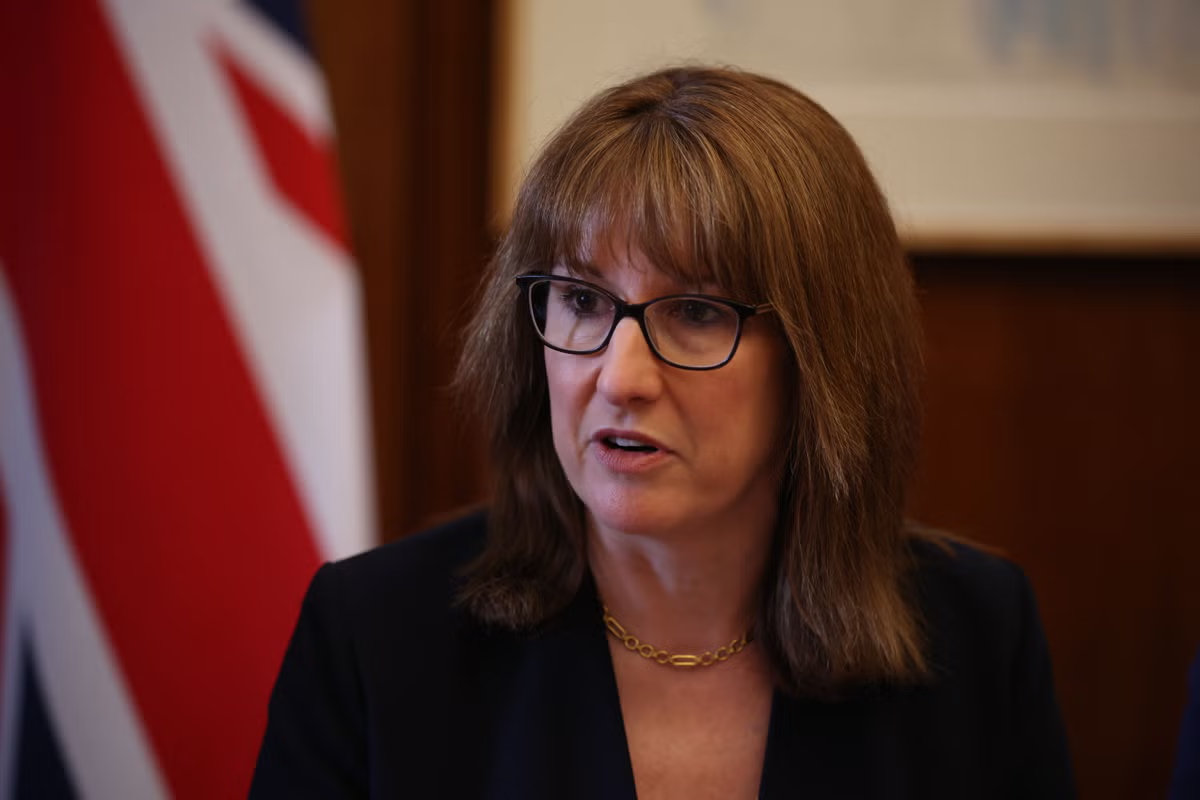
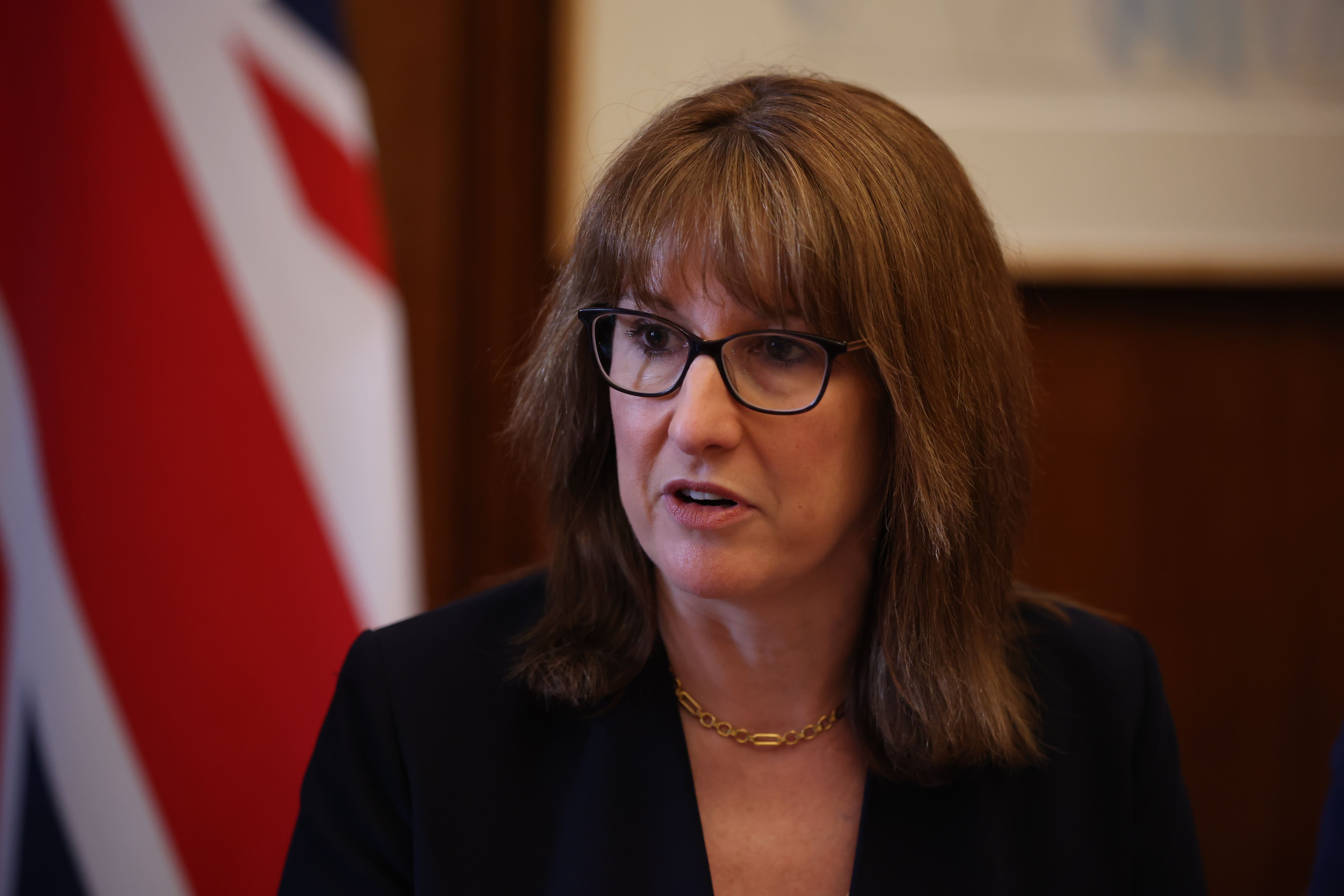
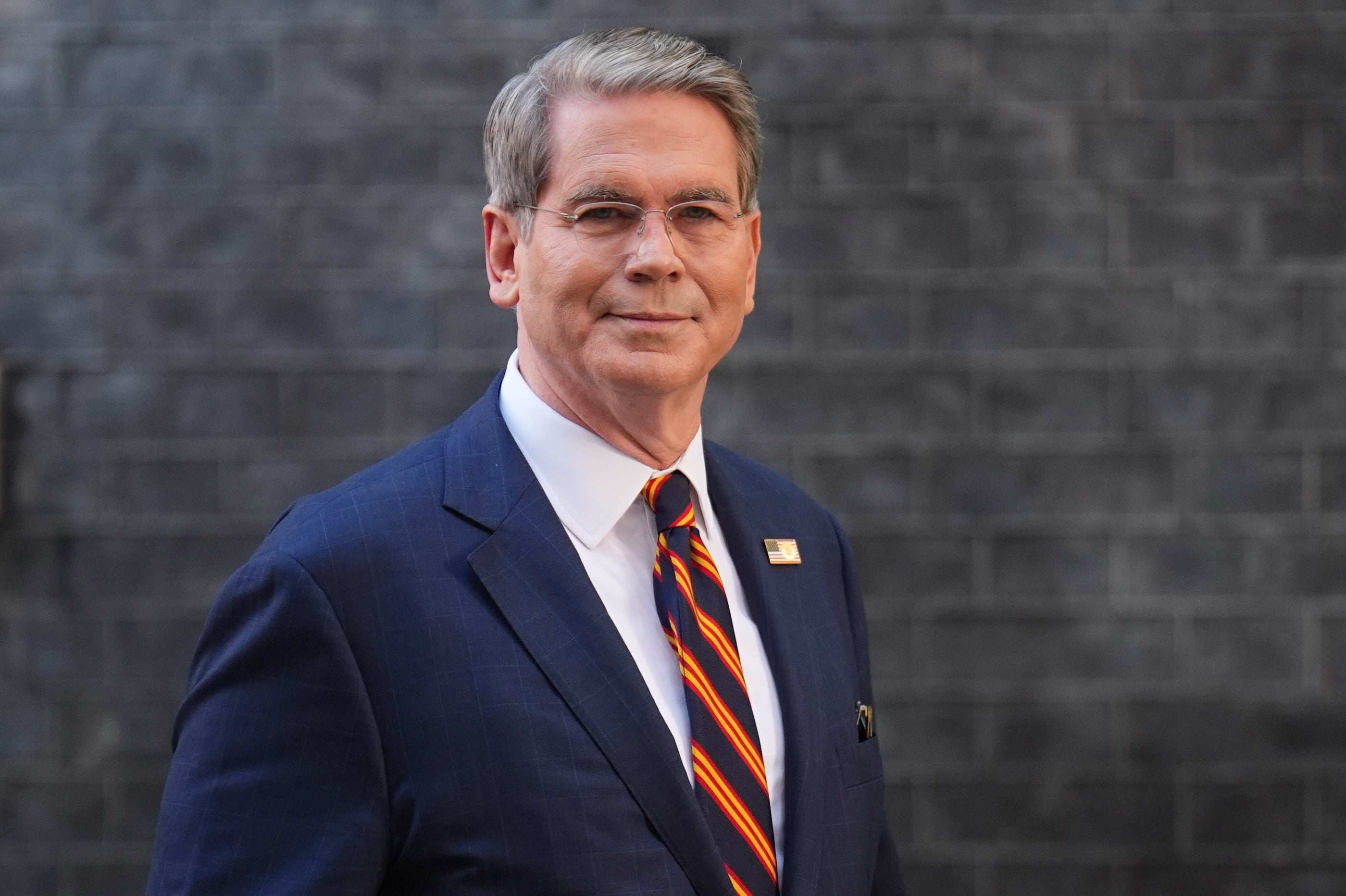
The comments by US treasury secretary Scott Bessent put him at odds with the chancellor, who has gone public with her anger and frustration at the “folly” of America’s actions in the Middle East and its financial fallout on families.
The pair were due to hold face-to-face talks in Washington DC on Wednesday during the spring meetings of the International Monetary Fund (IMF), which will be dominated by the ongoing crisis in the Gulf, which has inflicted a global economic shock and sent energy prices soaring.
Families are bearing the cost of the conflict in the Middle East, said the chancellor (PA)
Prior to the chancellor heading stateside, the influential financial body slashed Britain’s economic growth forecast as a result of the conflict and warned a worldwide recession could be a “close call” in a severe scenario.
Of the major economies, the UK faces the biggest hit to growth, the IMF said, with forecasts slashed for the next two years. In a further blow to Sir Keir Starmer, the IMF also warned that inflation and unemployment will rise.
However, despite the “large” jolt to the global economy, Bank of England governor Andrew Bailey insisted the UK was much better placed to deal with it because of its resilient banking system, forged in the wake of the 2007-2009 financial crisis.
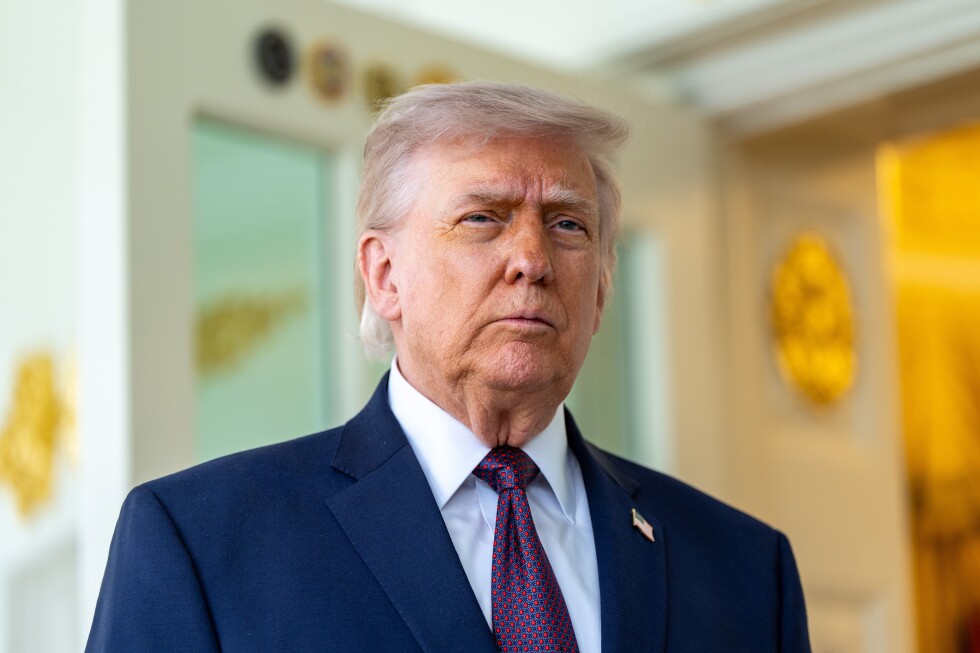
Meanwhile, President Donald Trump has said a second round of talks between the US and Iran could happen “over the next two days”, after negotiations at the weekend collapsed.
Rachel Reeves is set to meet with US treasury secretary Scott Bessent (PA)
In an interview which is due to be broadcast on Wednesday, Mr Trump told the Fox Business Network he viewed the conflict as nearing completion and said Iran was keen to make a deal.
“If I pulled up stakes right now, it would take them 20 years to rebuild that country,” he said. “And we’re not finished. We’ll see what happens. I think they want to make a deal very badly.”
Advertisement
Tehran’s nuclear ambitions were a key sticking point.
Diplomats have been working behind the scenes as the US imposed its blockade of Iranian ports and Tehran threatened retaliatory strikes across the region, amid a shaky ceasefire.
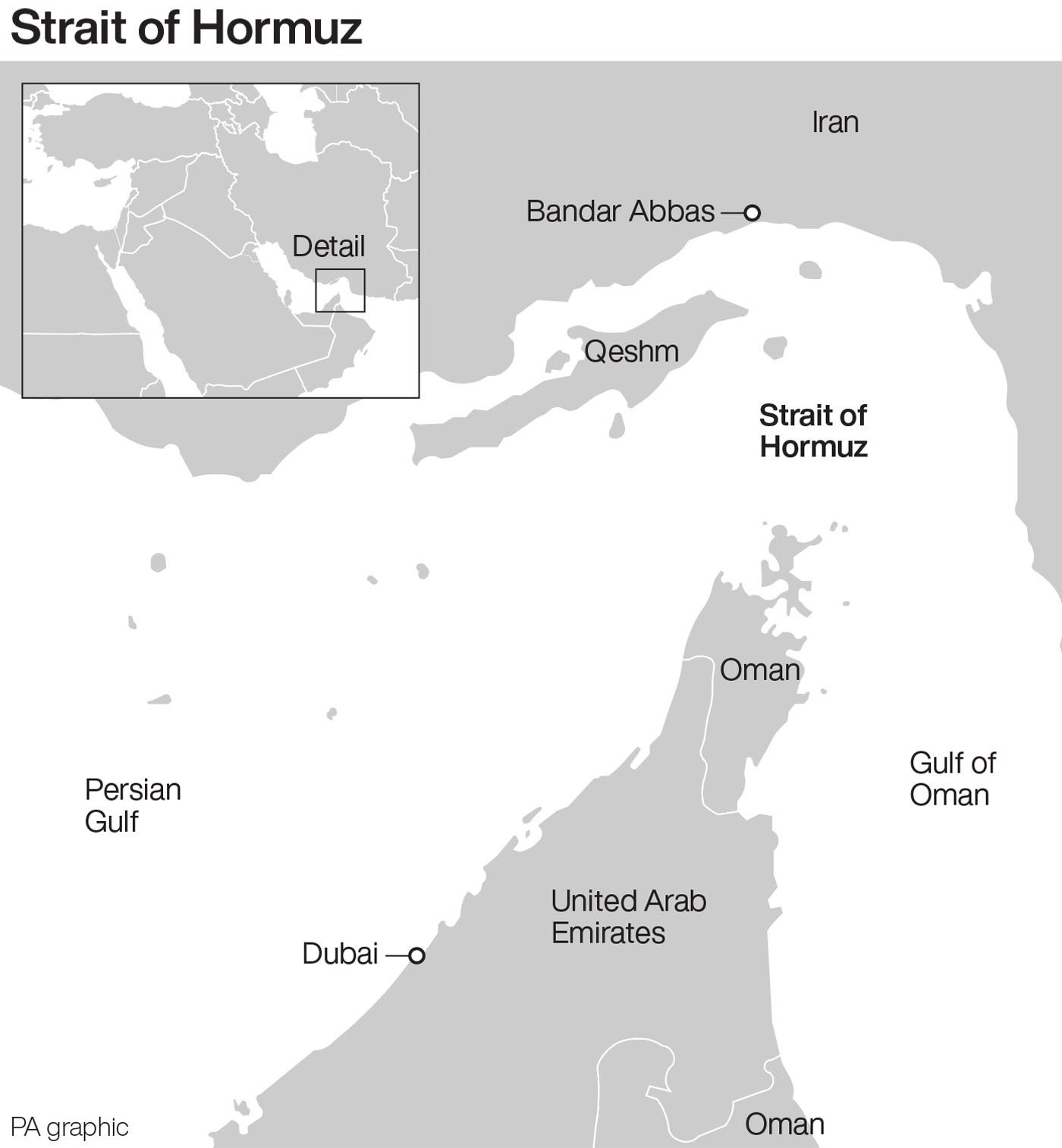
At the same time, Sir Keir Starmer is seeking to coordinate international efforts to ensure the strategic Strait of Hormuz can remain open to shipping after hostilities end.
The critical waterway, used to move one fifth of the world’s oil and gas supplies, has become a major flashpoint in the conflict, with its effective closure by Iran hiking the cost of fuel, food and other basic goods.
Advertisement
However, responding to the spike in prices, Mr Bessent said “a small bit of economic pain for a few weeks is worth taking off the incalculable tail risk of either a nuclear Iran or a nuclear Iran that uses that weapon”.
The US has put in place a blockade of the Strait of Hormuz (PA Graphics)
He insisted “there is nothing more transient than what we are seeing now”, and added: “So the conflict will end, prices will come down, and then headline inflation will come down, and with that, gasoline prices will come down.”
Mr Bessent made his remarks after Ms Reeves told The Mirror: “I feel very frustrated and angry that the US went into this war without a clear exit plan, without a clear idea of what they were trying to achieve.”
She branded it a “folly” that impacted households in the UK and around the world.
The Resolution Foundation think tank has warned the average UK household could be £480 worse off over the current financial year as a result of the conflict, a figure Ms Reeves claimed she did not recognise.
Advertisement
The chancellor also took aim at Mr Trump’s blockade of the Strait of Hormuz, saying: “We’re not getting involved in the US blockade, we don’t think that is the right approach.
“All the way through this conflict, we have said de-escalate, de-escalate. The Conservatives and Reform – they both wanted to jump in feet first into this conflict and for us to play a part in active, aggressive, offensive action.”
The US president has defended the blockade aimed at putting pressure on Iran, arguing its control of the strait amounted to blackmail and extortion. He has warned that any hostile Iranian boats approaching American warships would be “immediately eliminated”.
US Central Command, which directs military operations in the Middle East, said no vessels have so far run the blockade.
Advertisement
Among those ships being barred are Chinese tankers. In response, the country’s president Xi Jinping said nations should “oppose the world’s retrogression to the law of the jungle”.
A key provision of the Foreign Intelligence Surveillance Act permits the CIA, National Security Agency, FBI and other agencies to collect and analyze vast amounts of overseas communications without a warrant. It incidentally sweeps up the conversations of any Americans who interact with those foreigners targeted for surveillance.
The program expires Monday, and critics want changes, including a requirement for warrants before authorities can access the emails, phone calls or text messages of Americans. They also want limits on the government’s use of internet data brokers, who sell large volumes of personal information gleaned online, offering the government what critics say amounts to an end-run around the Constitution.
Despite bipartisan criticism, the chances of significant reforms dropped when Trump announced his support for the program’s renewal, saying it had proven its worth in supplying information vital to recent U.S. actions in Venezuela and Iran.
Advertisement
“The fact is, whether you like FISA or not, it is extremely important to our military,” Trump said on social media Tuesday.
U.S. authorities say the program, known as Section 702 of the law, is vital to national security and has saved lives by uncovering terror plots. Critics question what they call a dangerous infringement on civil liberties and privacy.
In a Truth Social post, Trump said a different FISA provision was used to spy on his 2016 campaign but that he supported Section 702’s renewal despite misgivings that political adversaries could use parts of the law against him in the future. He called on lawmakers to extend the foreign surveillance program for another 18 months.
Advertisement
“My administration has worked tirelessly to ensure these FISA reforms are being aggressively executed at every level of the Executive Branch to keep Americans safe, while protecting our sacred Civil Liberties guaranteed by our Great Constitution,” Trump wrote.
Trump is a longtime critic of the nation’s intelligence services and was once opposed to Section 702 before he reversed himself. “KILL FISA” Trump posted on social media in 2024, when the provision was last reauthorized.
Trump isn’t the only one-time critic to change their mind: Director of National Intelligence Tulsi Gabbard sponsored legislation to repeal Section 702 as a Hawaii congresswoman but now supports it after being tapped to coordinate the nation’s 18 intelligence agencies.
Gabbard says new protections added since her time in Congress helped change her mind.
Advertisement
Sign up for Morning Wire:
Our flagship newsletter breaks down the biggest headlines of the day.
Advertisement
Greater protections are sought
for Americans’ communications
In addition to a requirement for a warrant to access Americans’ data, critics also want greater protections on how the FBI or other agencies can search communications and how that is reported to the public.
“Journalists, foreign aid workers, people with family overseas, all could have their communications swept up in this surveillance merely because they talked to someone outside of this country,” said Sen. Ron Wyden, D-Ore. The longtime critic of the law is pushing for changes that he said will ensure the government isn’t violating civil rights in secret.
Advertisement
Several Republicans also have suggested changes, such as the warrant requirement.
“National security and civil liberties are not mutually exclusive,” said Rep. Andy Biggs, R-Ariz. “We can give our intelligence professionals the tools they need to target foreign threats while ensuring that Americans are not subjected to unconstitutional surveillance.”
Gabbard’s office releases an annual report showing the number of foreign surveillance targets and number of searches likely to identify an American.
For 2025, the number of foreign surveillance targets increased to nearly 350,000 from almost 292,000 in 2024. Searches using terms likely to identify an American decreased slightly to 7,724 from 7,845 in 2024.
Advertisement
The totals are incomplete because agencies like the FBI have found ways to access the data without reporting the searches publicly, said Elizabeth Goitein, senior director of the Liberty and National Security Program at the Brennan Center for Justice at New York University.
“It’s reminiscent of J. Edgar Hoover’s tenure at the FBI,” Goitein said, referring to the FBI’s founding director who used illegal surveillance to harass and spy on Americans. “They can pretty much target anyone.”
There’s little time to make changes to the law
Despite bipartisan concerns about the law and its implications for civil liberties, time is running out for Congress to make any changes before Monday’s expiration.
Advertisement
Trump’s support also reduces the odds that enough Republicans will break ranks and join Democrats to push for reforms.
Wyden said Section 702 votes are routinely delayed until the last minute, then lawmakers are told that national security demands they vote yes. Lawmakers are told, he said, that “if they vote for any amendments, the program will die and terrible things will happen and it will be all their fault.”
The best chance for inserting changes likely is the House, where a large number of lawmakers from both parties have expressed concerns.
But Rep. Rick Crawford, an Arkansas Republican who chairs the House Intelligence Committee, is backing Trump’s call for an 18-month renewal.
Advertisement
Crawford has taken aim in the past at what he calls the weaponization of intelligence but said last month that he believes the government can empower spy agencies while also holding them accountable.
“We can walk and chew gum at the same time,” Crawford said.
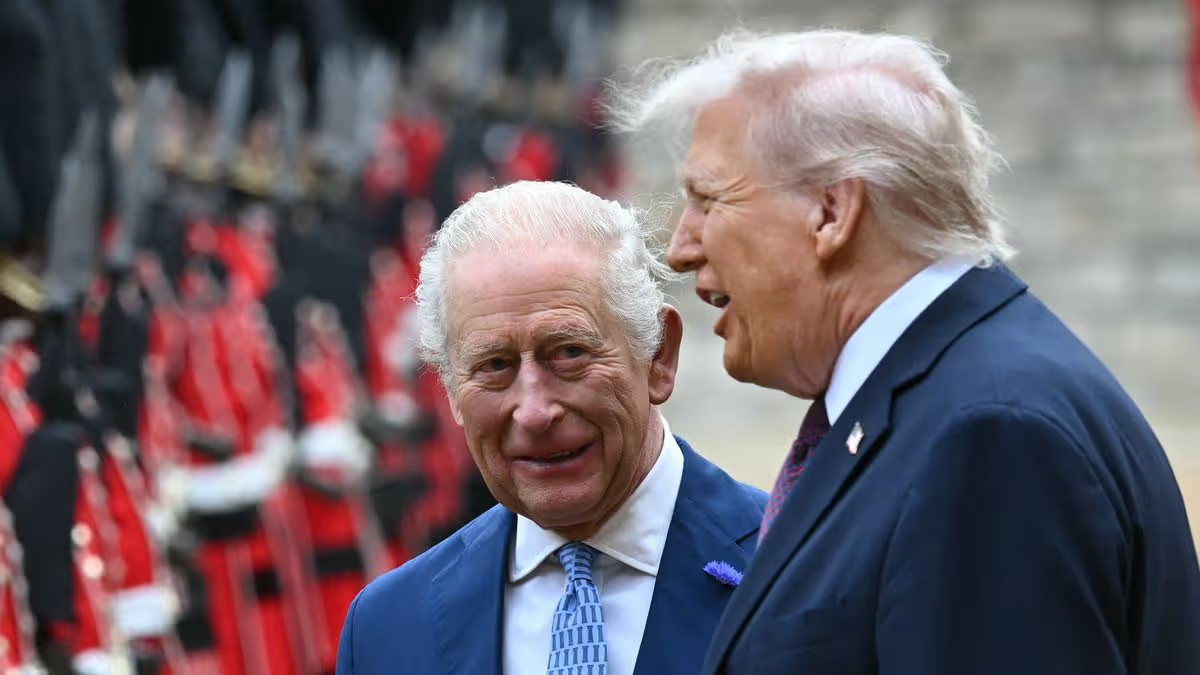
Donald Trump is to host King Charles and Queen Camilla later this month.
08:07, 15 Apr 2026Updated 08:07, 15 Apr 2026
Donald Trump has revealed what he really thinks about King Charles in a bombshell phone call, during which he spoke warmly about the monarch ahead of his upcoming trip to America. Speaking to Sky News, the US President described the King as “a great gentleman”, “a great friend of mine” and “a fantastic person”. Trump made the remarks in a conversation that took place just an hour after Buckingham Palace announced details of the King and Queen Camilla’s historic four-day visit to the United States.
The King and Queen are due to start their trip in Washington to meet the US President before travelling to New York and Virginia. In a call to presenter Mark Stone’s personal mobile, Trump appeared enthusiastic about the visit and made clear his admiration for the monarch. However, despite his warm words for the King, the President also launched into criticism of Sir Keir Starmer and the UK Government. During the exchange, he hit out at Britain’s current immigration and energy policies, highlighting a sharp contrast between his views on the monarchy and the administration, reports Express.
Asked whether his repeated criticism of the Prime Minister risked making things awkward for the King during the visit, Trump insisted that would not be the case.
Advertisement
He said: “No, not at all. I like Starmer.” But he then went on to attack what he described as the “tragic mistakes” made by Sir Keir and his Government.
Stone said that when he first asked Trump about the UK and US’ special relationship, the presenter said: “At one point, he didn’t appear to even know what I was talking about when I asked him about the special relationship, which one he said.
“His assessment of the British government, of Kier Starmer, of Britain’s policies, when it comes to immigration, when it comes to energy, we’re really quite surprising.
” I mean, we know he’s talked about this sort of stuff before, but I felt his tone was different. He seemed really, well, ‘sad’, as you say, was how he described the special relationship.
Advertisement
“But then, you know, almost in the same sentence, he was saying how much he loved the king, how much he loved the royal family, how much he was looking forward to the state, visit the details of which we had only been revealed by Buckingham Palace an hour before we spoke.”
Trump was also reported to have given a ‘veiled threat to the UK’ in regard to the two countries relationship.
Stone reported: “He said to me: ‘Well, it’s been better, but it’s sad, and we gave them a good trade deal, better than I had to, which can always be changed.”
“I think that is very interesting. There was a threat there – barely veiled – from the President that he could potentially change the trade deal Britain has done with the United States.
Advertisement
“Remember, the UK was the envy of much of the world when it secured this preferential trade arrangement with the US.
“He is now suggesting that, because of the state of the special relationship, because he does not think Britain was supportive enough of his stance on Iran, and because he disagrees with UK Government policies, the deal could be revisited.
“The sense I got was that he believes Britain is heading in the wrong direction.”
Speaking more broadly about the relationship between the two countries and UK policy, he said: “I love your country.
Advertisement
“I would love to see it succeed, but if you have bad immigration policies and bad energy policies, you have the worst of both. You can’t succeed. Not possible.”
Trump was desrcibed as ‘completeley differentiating’ the King, the Royals and the pomp from the politics.
Stone pointed out that the King’s visit to Washington was taking place at the request of the UK Government, to which Trump was reportedlysurprised by that and did not seem to realise that Royal visits are arranged in that way.
Stone added: ” I think he thought almost as if the king was coming here because he wanted to come here. So an interesting point there.”
The Chorley Old Road Methodist Hall and Sunday School, dating back to 1892, forms part of a retrospective planning application submitted on April 9, 2026.
The building, rub by charity organisation Qasr-e-Sajjad AS, has been operating as a community centre and madrassah since November 4, 2024.
The Grade II listed former Methodist hall in Bolton (Image: Bolton Council)
The application was submitted by Shabaz Hussain on behalf of Qasr-e-Sajjad AS, with the scheme prepared by RA Design & Project Management Ltd.
The centre is intended to serve the Shia Muslim community, described as a “relatively small and underrepresented group in Bolton.”
Advertisement
Chorley Old Road Methodist Hall, which could be formally approved as a Shia community centre and prayer room. (Image: Bolton Council)
The charity aims to advance the Islamic faith, promote mutual understanding between different faiths, and provide a base for worship, religious education, and cultural activities for the Shi’ite community in Bolton and Manchester.
The planning documents state the site would not be used for congregational Friday prayers but will function as a community facility with an ancillary prayer room.
Madrassah classes for up to 50 children are expected to run between 5pm and 7pm on weekdays.
The building is intended to serve Bolton’s Shia Muslim community as a centre for worship and education. (Image: Bolton Council)
The proposed opening hours are listed as 9am to 11pm, Monday to Sunday.
Advertisement
The plans indicate only minor internal changes, including the removal of a small internal wall in the ladies’ area to create a larger hall.
No significant external changes are planned, although the proposal seeks to retain a flagpole at the front of the site.
A heritage statement concluded the reuse would not harm the character or significance of the listed building, arguing the new use aligns with its historic role as a religious and community space.
Married at First Sight Australia’s annual couples retreat was far from relaxing as Bec Zacharia ended up upsetting Rachel Gilmore by sharing intimate details with the group
Dan Laurie Deputy Editor of Screen Time
07:57, 15 Apr 2026
Bec Zacharia has apologised to Rachel Gilmore for the “vulgar” comment she made during the Married at First Sight Australia couples retreat.
Jaws were left on the floor when Bec took it upon herself to share with the group that Rachel and her husband Steven Danyluk had progressed in their intimacy after recent struggles to connect in the bedroom.
Advertisement
Some of the group already knew of their progress but were shocked when Bec announced it to everyone else.
It has since been revealed that an unaired conversation between Bec and Steven happened before her “disrespectful” speech.
Although there is now more context to the situation, Bec has apologised for how the evening unfolded and the decisions she made.
Appearing on the After The Dinner Party show together, Rachel, Steven, and Bec all spoke about the eventful trip with all the brides and grooms.
Rachel admitted she would have “squashed” it earlier with Bec if she had known about the conversation between Bec and Steven prior to her speech.
She explained: “Genuinely, like, it kind of gives context because then I would have gone out of my way then to approach Bec and like, ‘I get why you’ve said it now’, I could have squashed it. I was overreacting.”
Bec interrupted and disagreed saying: “No, no, no, no, no, no, no, no, you’re not overreacting, because what you feel is what you feel and you are allowed to feel what you feel.
Advertisement
“What I said was completely politically incorrect. I have the most vulgar sense of humour.”
Bec added that she wouldn’t allow Rachel to “blame” herself for the situation as she was the one who made the comment.
In the unaired conversation, Steven can been seen sitting and chatting with Bec and Alissa Fay.
Advertisement
Before Bec says to him, “I’m so glad you got…stuck a finger in babes…” Steven questioned her, saying: “How do you know it’s even one finger?”
Bec immediately responded, “I guessing it’s two”, before adding that she was “so happy” for the couple.
After watching the conversation unfold, Rachel admitted at the time she thought Steve had “supported” her. However, he essentially created an environment in which jokes could be openly made.
Advertisement
She told Mamamia: “In private, Steven was telling me how crude Bec is and how she was ‘bang out of line’… Well, you said it too, sweetie. He never owned it. He let Bec take the fall.”
In the same interview she said that while Bec apologised, she didn’t believe she was “sorry for the impact” of her comment.
Rachel said: “She was sorry for the intent — the joke — but she wasn’t sorry for the impact. The impact was that I felt humiliated and shamed.
“A joke at my expense — especially one that is extremely sexual and puts my body on display — is not okay.”
Advertisement
Married at First Sight Australia airs Monday to Thursday on E4 at 7.30pm
The figures, released by Darlington Borough Council through a freedom of information request, reveal that only three fixed penalty notices were issued in 2025, all by the council’s dedicated dog warden. Civic enforcement officers issued none.
A concerned Darlington resident told The Northern Echo: “We’ve lived in the area for almost five years now and have two dogs, and over the last year or so I have noticed an increase in dog fouling on the streets in our area.
“It is more noticeable on the footpaths than it is down Cemetery Lane or Stanhope Park for example – particularly on Abbey Road – where there are multiple public bins for people to dispose of the mess.
“There are a few occasions where there have been full poo bags left on walls of residential properties by parents on the school run – again despite there being bins on Abbey Road.”
Advertisement
The data also showed that 188 stray dogs were found in 2025, with 40 of them unchipped.
College ward representative Cllr Matthew Snedker said he “absolutely understands” the anger of residents who do not see poo being picked up.
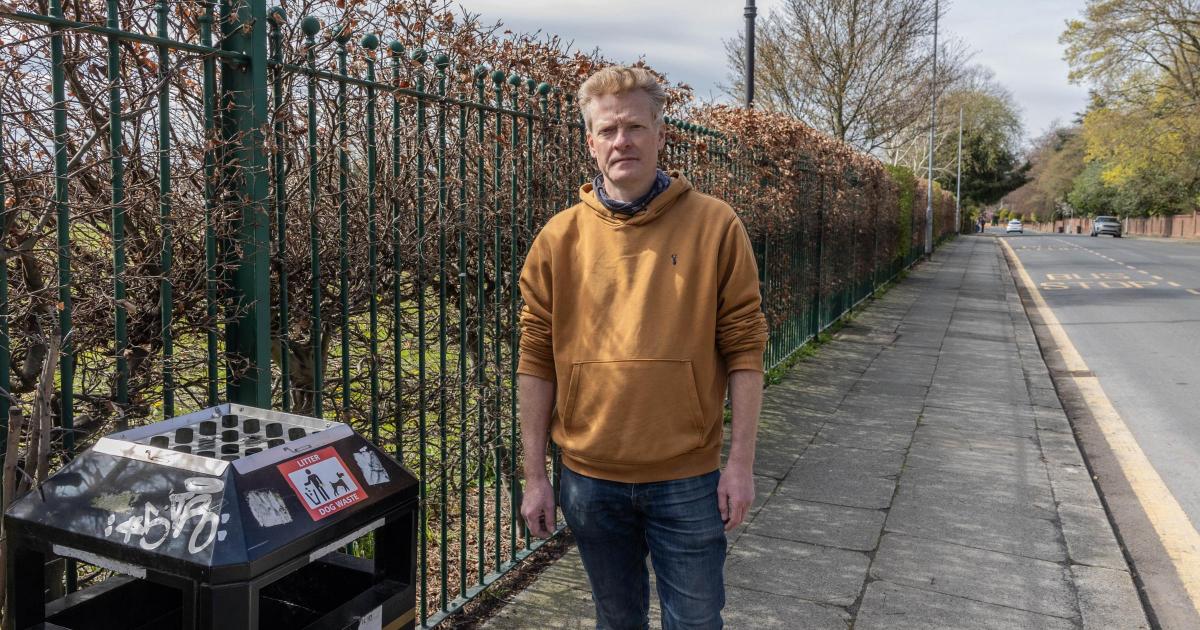
Cllr Matthew Snedker with a dog poo bin. (Image: SARAH CALDECOTT)
“This is a huge issue, it is unacceptable for people not to pick up after their dogs,” he said
“I have been out with the dog warden and when people see them out and about, they pick up the mess, or are warned.”
Advertisement
He explained that issuing fines is challenging, unless there is direct evidence.
Cllr Snedker said: “I speak with the dog warden and council officers regularly, they are doing a difficult job.”
Darlington Borough Council said the problem, while caused by a minority, affects the whole community.
A spokesperson said: “We know that the vast majority of pet owners are responsible and the actions of a few inconsiderate people can cause misery.
Advertisement
“We take dog fouling very seriously.
“In order to issue a fixed penalty notice, we have to catch a dog owner failing to pick up after their pet.
“We therefore rely on information from the public so we can build up a picture of when and where it is happening to catch people in the act.”
One of the I’m A Celebrity… South Africa stars will be leaving camp ‘for good’ as the eliminations are set to begin
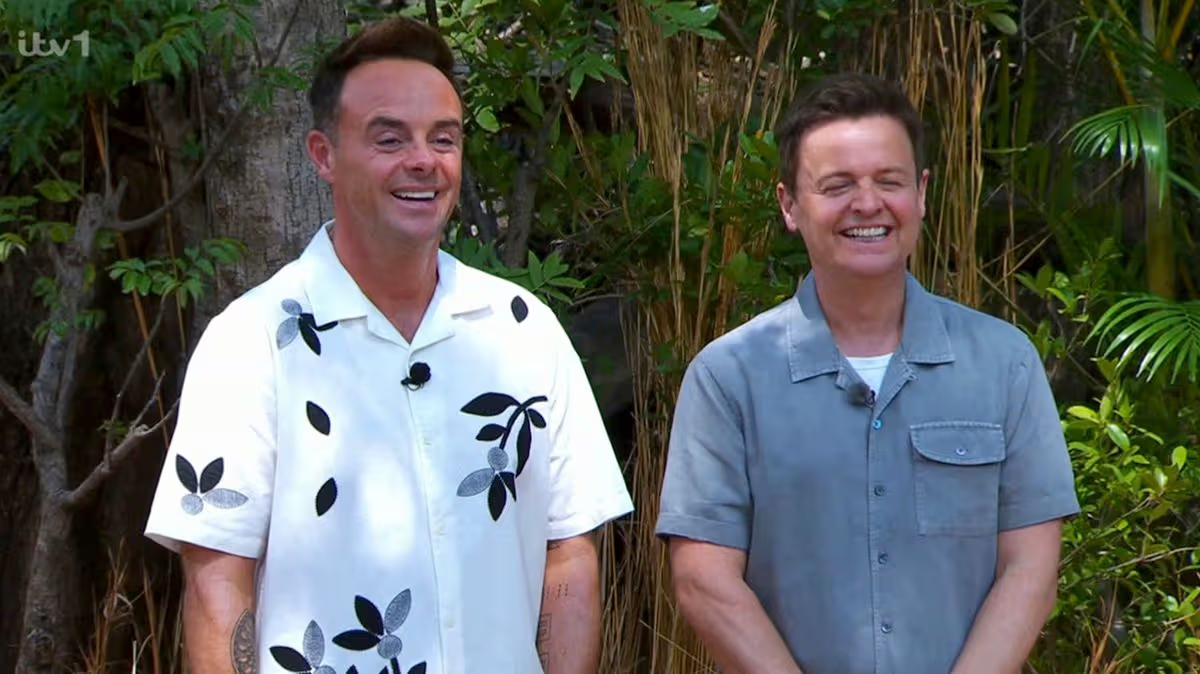
Ant McPartlin and Dec Donnelly have confirmed one of the I’m A Celebrity… South Africa stars will be leaving camp ‘for good’ as the eliminations are set to begin.
Advertisement
The second series of the I’m A Celebrity… Get Me Out of Here spin-off got underway last week with the hosts welcoming back 12 former campmates as they agreed to return for more Bushtucker Trials in a bid to be crowned a “legend” of the ITV reality show.
This week, Harry Redknapp and Jimmy Bullard finally joined their ten campmates – including Adam Thomas, Sir Mo Farah, Gemma Collins and David Haye – for the remainder of the series.
Click here to get the biggest stories straight to your inbox in our Daily Newsletter
But unlike the Australian main series which is broadcast live each night with an 11-hour time difference, the South African series was pre-recorded last year, thought to be in September.
Advertisement
That means that instead of the public voting to eliminate the celebrities, the campmates themselves will choose who to bid farewell to after various tough challenges are completed. But in a twist to the first series of I’m A Celeb South Africa, there will be a live final on April 24 where viewers will get to choose their winner.
And after fans recently started to question when the eliminations would begin, it was at the end of Tuesday (April 14) night’s episode that Ant and Dec announced that the next edition of the programme would see the first exit from camp.
“It is time for the first celebrity to leave the camp for good,” the hosts informed the campmates during a teaser for that is to come in Wednesday’s (April 15) episode, whilst it was also revealed that Scarlett Moffatt and Gemma Collins will face the next Bushtucker Trial.
Advertisement
As a new week got underway in South Africa, the campmates were surprised as they were joined by two new celebrities. Heading to the trial clearing, The Royal Express arrived at the platform, with the campmates eager to see which new faces will be joining them.
It was then revealed that Harry Redknapp and Jimmy Bullard were entering the camp. Taking their place on the thrones, the pair were introduced as the Lion King (Harry) and the Rhino King (Jimmy), with them taking it in turns to create their new teams.
With the new teams chosen, it was up to Adam and Craig Charles to fight for glory on behalf of Jimmy, as Ashley Roberts and David worked hard for Harry. As the stars were tied to bungee ropes, they dug through mud to find golden nuggets.
It was then revealed that Adam and Craig had collected more than their opposition, and therefore won. Upon returning back to their respective camps, tensions ran high as the Rhinos cheered loudly as they celebrated. With only a tall screen separating them, the Lion camp couldn’t hide their disappointment.
The East West Railway Company has released an updated proposal for a new rail line connecting Oxford, Milton Keynes, Bedford and Cambridge
David Prince and Cambridgeshire Live readers
07:00, 15 Apr 2026
Cambridgeshire Live readers have voiced their opinions on proposals for a new rail line in the county, with many sharing strong views. Comments centred on whether the route is necessary, how it will be operated, and whether it is suited to future travel needs.
East West Railway Company (EWR Co) has released an updated proposal for a new railway line in Cambridgeshire. The new route would connect Oxford, Milton Keynes, Bedford, and Cambridge, with up to five trains per hour planned.
Advertisement
The revised proposals now factor in the new Universal Resort near Bedford and the heightened passenger demand anticipated as a result of the development. A station at Stewartby has been earmarked to serve the theme park.
Some readers questioned whether the demand exists to justify the line. Camssurvivor writes: “Five trains an hour? Brilliant. Over the past 60 years, freight transport on the railways has fallen by 63 per cent. If you look at cross-country passenger trains, there aren’t many passengers on them. Only the London commuter lines are busy.”
Alydavid comments: “We wait at our local level crossing every day, watching empty trains hurtle by. The actual plan is to build many more houses and further strain the overstretched poor infrastructure.”
Marlesherbes feels: “EWR has but a single problem. The Unions; there are still no trains between Bedford & Oxford as the unions refuse to allow trains unless there’s both a driver and a guard, the latter to operate the doors, which are automatic anyway!”
Advertisement
Creda1 adds: “Perhaps closer to Cambridge City centre would be a good idea and not nearly 2 miles out.”
Feelgood66 comments: “So five trains an hour plus the trains from Kings Cross coming in from Royston direction, plus the trains coming up from Stansted direction. All funnelling into Shelford. Wouldn’t want to live near that junction, it’s bad enough living next to the Kings Cross line as I do, right next to the area the lines will meet near Harston.”
Drdpy says: “With small trains running four times an hour, that is 231,840 people a week. The population of Cambridge is 157,697, and Oxford is about 165,000. Is it possible that there are insufficient trains running between the two cities? Is there sufficient parking for cars and bicycles if everyone in the city actually used the train? Is that why the new stations, South Cambridge and the proposed East Cambridge, have no car parks?
“There is no available land on which to build mass transport. That is why the newly proposed busway from Cambourne to Cambridge through Coton Orchard is stopping a mile outside the city. The University does not agree that the city needs better transport and has stopped development for decades. The new stations will have bike racks, but not enough for the number of passengers proposed. The city will need new pedestrian ways to cope with the numbers.”
Advertisement
Is there a need for this route? Comment below or HERE to join in the conversation.
Two AA-owned driving schools have been ordered by the UK competition watchdog to refund more than 80,000 customers and have been fined £4.2 million over drip-pricing.
The Competition and Markets Authority (CMA) said the AA Driving School and BSM Driving School did not include a mandatory £3 booking fee in upfront prices.
This is an illegal practice known as drip-pricing.
The amount repaid to individuals will vary depending on how many lesson packages they bought, with the average being about £9.
Advertisement
This will total more than £760,000.
The refunds and fine combined will almost be £5 million.
This is the first financial penalty the CMA has imposed for breach of consumer law since it was handed new enforcement powers.
CMA chief executive Sarah Cardell said: “If a fee is mandatory, the law is clear: it must be included in the price from the very start – not added at checkout – so consumers always know what they need to pay.
Advertisement
“At a time when people are watching every pound, dripped fees can tip the balance. And when it comes to something as important – and costly – as learning to drive, people deserve clarity.
“With our new powers, it will never pay to break the law or treat consumers unfairly. Where the rules are ignored, we’ll step in to put things right.”
A spokesperson for AA driving schools said: “Although the £3 booking fee was made clear to customers prior to their purchase, we acknowledge it should have also been displayed at the start of the online booking journey.
“Having listened to the regulator, we made immediate changes to our website to make the £3 booking fee more prominent.
Advertisement
“We are now refunding all relevant customers. Whilst we are disappointed with the outcome of the investigation, we have fully co-operated with the CMA throughout and would emphasise that protecting consumer rights has been central to our business for more than 120 years.”
Affected customers do not need to take any action, the CMA said.
The AA Driving School or BSM Driving School will write to them stating that the money will be automatically refunded onto the card they used to pay for their lessons.
If that is not possible, they will be sent a cheque.
Advertisement
In 2023, the Department for Business and Trade found nearly half of online businesses used dripped fees, with consumers spending up to £3.5 billion per year as a result.


















































You must be logged in to post a comment Login