Connect with us
DAPA Banner
DAPA Coin
DAPA
COIN PAYMENT ASSET
PRIVACY · BLOCKDAG · HOMOMORPHIC ENCRYPTION · RUST
ElGamal Encrypted MINE DAPA
🚫 GENESIS SOLD OUT
DAPAPAY COMING

NewsBeat

Israel booed as five countries are eliminated in Eurovision semi-final

Published

on

Israel booed as five countries are eliminated in Eurovision semi-final

Elsewhere, Tuesday’s semi-final was opened by Moldova’s Satoshi, who performed his song Viva, Moldova!, while interesting performances came from Croatia’s Lelek, who performed with face tattoos against a fantasy-themed backdrop, and Greece, whose entrant Akylas performed in a striking tiger print outfit.

Source link

Continue Reading
Click to comment

You must be logged in to post a comment Login

Leave a Reply

NewsBeat

Paedophile who pretended to be disabled to dodge court is jailed

Published

on

Paedophile who pretended to be disabled to dodge court is jailed

To view this video please enable JavaScript, and consider upgrading to a web
browser that
supports HTML5
video

A paedophile who pretended to be mute and wheelchair-bound in a bid to evade prosecution has been jailed for 15 years after his ‘not-so-covert double life’ was finally rumbled.

Advertisement

John Siddell, 41, convinced psychiatrists he was unfit to take part in a criminal trial by fabricating a severe illness while being investigated over sexual offences against three young boys between 2018 and 2021.

He ‘presented as wheelchair-bound, refused to open his eyes and was unable to hold his own head up’, prosecutor Claudia James told Leicester Crown Court.

But she told the court Siddell and his 44-year-old brother James’s ‘busy social lives in part unravelled their deception, as documented by social media, photos taken on their phones and their own home CCTV’.

John Siddell was recorded attending Elvis Presley nights at a social club, going to watch a Newcastle United match and walking around unaided.

Advertisement

He also took selfies in which he was able to smile and pose with his head up and eyes open, and in one photo was drinking a pint of Guinness.

One clip even caught him using his wheelchair like a ‘trolley’ to move household items over a mile in June 2022.

Siddell being pushed in the wheelchair he didn’t need (Picture: Leicestershire Police)
John Siddell out socialising abd drinking Guinness while supposedly unable to even hold his own head up (Picture: Leicestershire Police/SWNS)

The ruse continued through the police investigation (Picture: Leicestershire Police/SWNS)

A statement provided by someone who cared for him in hospital in July 2024 said he was ‘the most verbal non-verbal person I have ever seen’.

After being charged with perverting the course of justice, the defendants did not attend a plea hearing in July last year, when it was claimed that John Siddell had suffered a seizure and was taken to hospital.

In September, he pleaded guilty to five counts of sexual assault of a child under 13, five counts of sexual assault, one count of causing or inciting a child to engage in sexual activity, and four counts of causing or inciting a child under 13 to engage in sexual activity.

Advertisement

Both brothers admitted perverting the course of justice between November 2021 and August 2025.

In his sentencing remarks, Judge Keith Raynor said the brothers’ behaviour was ‘scheming and devious’.

He said: ‘They misrepresented John Siddell’s mental and physical abilities, the behaviour of both of them entirely corrupting and undermining the course of justice.’

A statement read to court on behalf of the victims, who cannot be identified, said they are ‘still dealing with the effects of the abuse’.

Advertisement

The brothers, of Ashington, Northumberland, did not attend their sentencing hearing on Tuesday.

John Siddell was jailed for 15 years at Leicester Crown Court (Picture: Leicestershire Police/SWNS)

Defending John Siddell, Jamie Adams said the defendant is a ‘very vulnerable and disadvantaged human being’ who has been diagnosed with epilepsy, autism and learning disabilities.

Mr Adams added that Siddell’s relatives have ‘exaggerated John’s ill-health throughout his life to get some financial benefit’.

James Siddell’s barrister, Nicholas Peacock, told the court his client was in a ‘generationally dysfunctional family who largely survived on the benefits system’.

Nicola Potts, of the Crown Prosecution Service, said: ‘While much of the attention in this case will be the lies and antics of the Siddell brothers, at the heart of this are three sexual abuse victims who had their childhood snatched from them by John Siddell’s cruel manipulation.

Advertisement

‘His cynical lies and the support he received from James was a further insult to these victims.’

Get in touch with our news team by emailing us at webnews@metro.co.uk.

For more stories like this, check our news page.

Source link

Advertisement
Continue Reading

NewsBeat

Fleur East speaks out on Strictly Come Dancing snub and admits ‘I’m kind of bothered’

Published

on

Wales Online

Strictly Come Dancing: It Takes Two presenter Fleur East was among the favourites to take over on the main show, but reports this week emerged saying another star had landed the role

Fleur East says she is “kind of bothered” after missing out on the Strictly Come Dancing job. The BBC is searching for two new hosts after Tess Daly and Claudia Winkleman left the popular show last year.

Advertisement

Fleur, 38, took part in the twentieth series of Strictly in 2022, making it to the final with Vito Coppola. A year later she was unveiled as the new presenter of companion show It Takes Two, along with former Strictly pro Janette Manrara.

The former X Factor contestant was said to be among the favourites for the Strictly role. But earlier this week it emerged Emma Willis is reportedly set for the role, although the BBC has yet to confirm the decision.

Fleur has now addressed missing out on the role during her Hits Radio show with Will Best and James Barr. She said: “I did say initially, after Tess and Claudia announced they were leaving Strictly you know, it’s probably not going to happen [for me] and I’m happy for whoever gets it.

“And we were just talking about Emma Willis being announced and I was like, yeah, great, amazing and I’ve kind of lied to myself that I’d be all right with not doing it or not being considered for the job. But I’m kind of bothered…”

Advertisement

The Sax singer went on to say that it was “okay” to be disappointed by not getting the job. She explained that she never “allowed” herself to “fully go there” by thinking she would get it.

Fleur continued: “I think it’s okay to admit that being faced with the opportunity of such an incredible job. I mean, it’s an amazing show. I’ve not only had the privilege and pleasure of being on it, but then also hosting It Takes Two and being part of the family, it’s been an incredible job to be a part of.

“So, when you’re within touching distance of something like that, and even considering it for a minute, I never allowed myself to really go fully there, but I did think about it. I was like, that would be amazing.”

Advertisement

She confessed that she had been “lying to myself” by trying to say she was fine. Fleur however is now “coming to terms” with missing out on the role.

She added: “Until it was confirmed, I was like, well, they might call me one day. They might do all the tests and they go, actually, yeah, we haven’t seen Fleur. Let’s give her a little call. But it’s gone to the right person.”

Former BBC Radio 2 star Zoe Ball also confirmed this week that she had missed out on the Strictly job. Zoe also competed on the show before presenting Strictly Come Dancing: It Takes Two between 2011 and 2020.

Advertisement

In the latest episode of her Dig It podcast, Zoe put on a brave face as she said she was thrilled to be “in the mix” of presenters who were invited to audition.

“I didn’t get it, but it’s okay,” said Zoe. “I have worked through the seven stages of grief and rejection over the last couple of days. I was so chuffed to even be in the mix. There were some pretty amazing people who didn’t even make it into the mix.

“So I made it in the mix, and I had a really fun time having one last little play at a show that I love and adore. And I’m so thrilled for the gang that has got it. I think there’s been so many eyes on this whole process, everyone’s quite relieved now that a decision has been made and the right ­decision has been made.”

Source link

Advertisement
Continue Reading

NewsBeat

Barratt and David Wilson Homes donates to The Junction charity

Published

on

Barratt and David Wilson Homes donates to The Junction charity

The Junction Foundation, based in Redcar and operating across the Tees Valley, was awarded £1,500 by Barratt and David Wilson Homes through the Barratt Redrow Foundation.

The foundation donated as part of its commitment to supporting national and local charities across the UK.

Barratt Homes Community Fund donation to The Junction Foundation (Image: Supplied)

Since 1991, The Junction Foundation has delivered specialist services to children, young people, and families—covering emotional wellbeing, youth support, and help for young carers.

Rebecca Jones, fundraising and events manager at The Junction Foundation, said: “It is always uplifting when a local business recognises the work we do and wants to support it.

Advertisement

“This funding will allow us to keep offering the support that so many young people rely on, especially those dealing with difficult circumstances at home or challenges with their mental health.

“Every donation helps us to reach more young people and families who are struggling and without this kind of generosity, many wouldn’t get the help they need.”

The charity also runs the Junction Multibank, launched in 2024 to address rising poverty in the region.

It has distributed more than three million essential items to families, including toiletries, clothing, bedding, and baby items.

Advertisement

Ms Jones said the latest donation will have a lasting impact.

She said: “We would like to say a huge thank you to Barratt and David Wilson Homes for its donation.

“Its support will have a real, lasting impact on the children, young people and families we work with.

“It means a great deal to us to know they stand alongside our charity and are helping us make life a little brighter for young people across the Tees Valley.”

Advertisement

The contribution is part of the wider work of the Barratt Redrow Foundation, which will celebrate its fifth anniversary in 2026.

Since launch, the foundation has pledged £20 million to good causes, supported over 2,000 charities, and is estimated to directly benefit 100,000 young people annually.

Joanne Ainsley, managing director at Barratt and David Wilson Homes North East, said: “We are honoured to be able to donate towards the vital work of The Junction Foundation.

“They are an essential resource for young people and families across the Tees Valley, and as a homebuilder, we are dedicated to supporting the communities in which we build to thrive.”

Advertisement

The donation will directly support The Junction Foundation’s core services, helping more young people feel safer and more confident, and offering hope for their future.

The charity is known for its safe, supportive spaces and targeted programmes, including those focused on emotional wellbeing and practical support.

It continues to work towards its mission of ensuring no child, young person, or family is left to face their struggles alone.

Advertisement

Source link

Continue Reading

NewsBeat

Common food items you can no longer recycle as new rules come into force

Published

on

Daily Mirror

Putting the food packaging items in the wrong bin could mean it isn’t collected

There has been a major change to recycling across England, as common food waste items do not need to be collected anymore. Households have been urged not to be caught out by the new bin rules when it comes to disposing items.

Advertisement

If you ignore the latest guidelines, your bin might not be collected. The UK’s Simpler Recycling reforms, under the Environment Act 2021, have enforced mandatory and consistent recycling for businesses and households in England.

There are now separate collections for food waste, paper and card, glass, metal and plastic. Local authorities need to provide clear information about what can and can’t be recycled, with some councils exempt until at least 2040.

It is important to check to see if the new rules apply where you live. Under the new rules, authorities now do not have to recycle a range of common food items.

Laminated foil

Items such as pet food pouches and coffee pouches now do not have to be collected as recycling by local authorities. Instead, you can dispose of these items in general household waste bins.

If you want to recycle the likes of baby food, pet food and detergent pouches, these can be taken to selected retailers. Recycle Now added: “Some coffee pouches are currently recyclable at plastic bags and wrapping collection points. Check the packet for recycling guidance.”

Small ‘compostable’ or ‘biodegradable’ items

Food that has come in plastic packaging that has been described as “compostable” and “biodegradable” do not need to be collected in recycling bins. These include coffee pods.

Recycle Now said: “Coffee, tea and hot chocolate pods are made of recyclable materials, but because they are too small for most sorting machinery and contain ‘organic’ material, they need to be collected separately to ensure they reach the correct recycling facility.”

Advertisement

Podback is a non-for-profit recycling service that has drop-off points at local authority recycling centres, supermarkets and coffee shops to recycle these items.

Food and drink cartons

Food and drink cartons that contain more than 5% plastic should be recycled along with the plastic waste, not with paper and cardboard. While they do contain paperboard, there is plastic in them.

These cartons are typically used for milk, juice and soup products. Check the back of the packaging to ensure you are recycling them in the correct bins, or your bin might not be collected.

Tea bags or ground coffee

The new rules mean local authorities do not have to collect tea bags or ground coffee for recycling. Instead, you can put these in your food waste bin or in your own compost heap at home.

Advertisement

Source link

Continue Reading

NewsBeat

Young Red Squirrel arrives at Castle Howard Arboretum

Published

on

Young Red Squirrel arrives at Castle Howard Arboretum

The two-year-old male is settling into his new home in the Arboretum’s on-site Red Squirrel Enclosure, with his arrival marking the next phase of one of the UK’s most successful Red Squirrel breeding programmes.

A young Red Squirrel has arrived at the Castle Howard Arboretum - with visitors invited to help choose his name.A young Red Squirrel has arrived at the Castle Howard Arboretum – with visitors invited to help choose his name. (Image: Castle Howard Arboretum)

Since the programme started in 2023, 15 kits (baby squirrels) have been born and have gone on to partner breeding programmes, and into the wild at suitable locations in Wales.

The male, who has spent the first two years of his life at Peak Wildlife Park in Derbyshire, will gradually be introduced to females with the hope to see more kits born in Yorkshire in the coming years.

Visitors can see the new male from Monday, May 25, inside the Red Squirrel Enclosure.

Advertisement

A young Red Squirrel has arrived at the Castle Howard Arboretum - with visitors invited to help choose his name.A young Red Squirrel has arrived at the Castle Howard Arboretum – with visitors invited to help choose his name. (Image: Castle Howard Arboretum)

The enclosure was designed and built by Arboretum staff and volunteers, where the fence circles 2500m2 of ground, including a grove of oaks and other trees, in which the squirrels live natural lives.

Ben Paterson, Arborist and Red Squirrel Officer at the Castle Howard Arboretum Trust, said: ‘We are absolutely thrilled to welcome our new arrival, as we know how much joy he will bring to our staff, volunteers and visitors.

“He is also an essential next step in continuing our great work in protecting this beautiful native animal.

“The young male is spending some time in private, acclimatising in his new home, but should be more active and viewable to visitors from Monday, May 25, the first day of May half term. Visitors are also invited to help us give him a name, by taking part in our competition the Castle Howard and Arboretum social media accounts.”

Advertisement

Access to the Red Squirrel Enclosure is included in Arboretum admission tickets. Although Red Squirrels may be seen throughout the day, they tend to be most active in the morning and later afternoon.

For full booking information please see www.castlehoward.co.uk/arboretum For information about sponsoring a squirrel, or supporting the Castle Howard Arboretum Trust, see castlehowardarboretumtrust.org

Source link

Advertisement
Continue Reading

NewsBeat

Good Morning Britain host says ‘it’s a nightmare’ in candid admission

Published

on

Wales Online

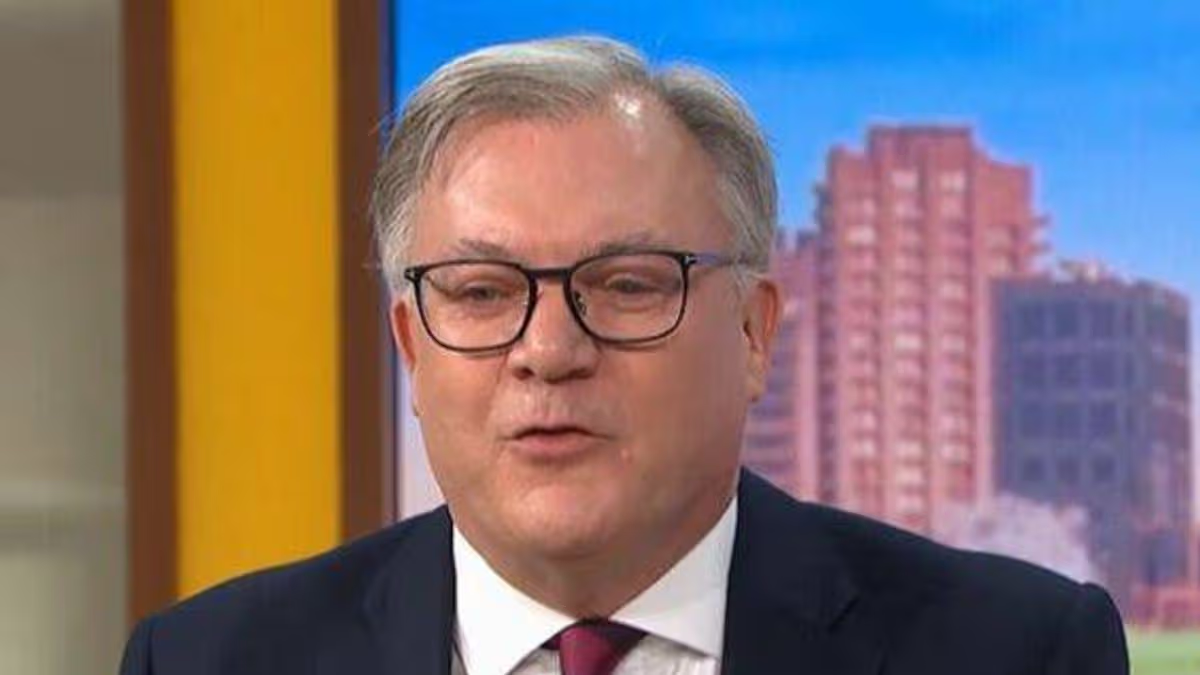
Good Morning Britain presenter Ed Balls has opened up about his personal battle with a stammer while discussing the STAMMA charity campaign.

Presenter Ed Balls revealed his personal struggle during the most recent Good Morning Britain.

The ITV host was discussing with BBC Traitors participant Jessie Roux her participation in the campaign, Don’t Hang Up. Hang On.

Advertisement

Providing further details about the initiative, which is run by the charity STAMMA, Susanna Reid emphasised that call handlers frequently disconnect when there’s an extended silence on the line.

Jessie explained, “It is hard because I’ve had it where I have been hung up on, and ‘H’ is hard. Like,’ Hello’ on its own is a nightmare.”

Ed responded: “I can’t do H’s! From the autocue, every now and again, and there is one, it’s a nightmare!”

The BBC personality expressed her frustration when attempting to articulate her words over the phone and the other person disconnects, reports the Mirror.

Advertisement

She continued: “It is hard, it’d help if people would just wait, that is all any of us ask, just wait. We’ll get there eventually.”

Throughout the years, Ed has been candid about his stammer, admitting he wasn’t aware he had one until he was deep into his political career.

It wasn’t until 2009 that the broadcaster publicly acknowledged his struggle with a stammer, before becoming a patron for the British Stammering Association twelve months later.

Advertisement

Discussing presenting on Good Morning Britain back in 2021, he remarked: “Sometimes it goes wrong, but that’s fine, we all are a little bit in-fluent in our speaking in normal life.

“But the idea that I could be on Good Morning Britain, looking at the screen, reading the auto-cue and getting through a morning like this with all this noise in my ear. Twelve years ago, I would be in meltdown, and in fact today, loving it!”

The ITV presenter became emotional during the programme recently while discussing his stammer with Gareth Gates.

Advertisement

He expressed gratitude to the Pop Idol singer for motivating him to speak candidly about his own speech impediment. In 2024 he said: “You inspired me. I thought, ‘If Gareth Gates can do this, I can too.

“And if he can be public, I can be public too. It was really hard, but I did it because you showed me how to do it.”

As he became tearful, Gareth rose from his seat and pulled Ed into an embrace while Susanna remarked: “Nothing to be ashamed about, it’s part of your identity, isn’t it? He broke the ground for you, didn’t he, Ed?”

Advertisement

Good Morning Britain is available to watch weekdays on ITV from 6am.

Source link

Continue Reading

NewsBeat

Streeting leaves No 10 after brief talks with Starmer as PM fights on

Published

on

Streeting leaves No 10 after brief talks with Starmer as PM fights on

“I think people who are articulating their dissatisfaction with the Prime Minister in private, they do have a responsibility to say that in public and directly to him, because this situation is unsustainable. It is now unstable and I think, therefore, we do need an expedient and orderly transition,” he told BBC Radio 4’s Today programme.

Source link

Continue Reading

NewsBeat

What happens to gift cards and loyalty points when companies go bust

Published

on

What happens to gift cards and loyalty points when companies go bust

With almost every Brit signed up to supermarket and high street reward schemes, shoppers are being urged not to stockpile points for Christmas or large purchases because they may not be protected if a company goes bust.

The warning could affect customers using schemes linked to major retailers including supermarkets, pharmacies and fashion chains.

According to insolvency specialist Molly Monks from Parker Walsh, many consumers wrongly assume loyalty rewards are protected like cash savings – when legally they often are not.

Advertisement

The warning comes as high street retailers continue facing pressure from:

  1. Rising wage costs
  2. Higher energy bills
  3. Increasing business rates
  4. Weak consumer spending

Research from the Competition and Markets Authority found 97% of shoppers belong to at least one supermarket loyalty scheme.


Recommended reading:


But Monks warned those points may effectively become worthless if a retailer falls into administration or liquidation.

She explained: “Loyalty points and vouchers are essentially a liability on a retailer’s balance sheet, a promise to give you something in the future in exchange for your past spending.

Advertisement

“When a business enters administration or liquidation, that promise is not protected in the way most people assume.”

Why loyalty points may disappear

If a retailer enters administration:

  • Stores may continue trading temporarily
  • Administrators can refuse to accept vouchers or points

If a company enters liquidation:

  • Assets are distributed in strict legal order
  • Customers with vouchers rank as unsecured creditors
  • Loyalty point holders are even lower down the queue

Monks warned shoppers are unlikely to recover anything.

“When a company collapses, the queue for its remaining money is long,” she said.

“Banks and secured lenders are at the front. Employees come next. Loyal customers with a points balance or a voucher saved up for Christmas are right at the back.”

Advertisement

Shoppers told not to ‘bank’ points for too long

The insolvency specialist urged consumers to stop treating loyalty points like savings accounts.

She said shoppers should:

  1. Spend points little and often
  2. Avoid stockpiling rewards for long periods
  3. Check expiry dates on vouchers
  4. Use rewards quickly if a retailer shows signs of financial trouble

“There’s a temptation to save up loyalty points for a big redemption,” Monks said.

“But the longer you leave them sitting there, the longer you are exposed to the risk that the business runs into trouble.”

Warning signs can include:

Advertisement
  • Store closures
  • Reports of financial losses
  • Missed supplier payments
  • Rescue talks
  • Discounting or clearance sales

What happens to gift vouchers when a company goes into administration?

Gift vouchers with a cash value may offer slightly stronger protection than loyalty points, but shoppers could still lose money if a retailer fails.

Experts say many customers wrongly assume vouchers are automatically protected by law.

In reality, whether they are honoured often depends on decisions made by administrators after collapse.

Source link

Advertisement
Continue Reading

NewsBeat

Iran war’s full impact on US grocery prices may take months to appear

Published

on

Iran war's full impact on US grocery prices may take months to appear

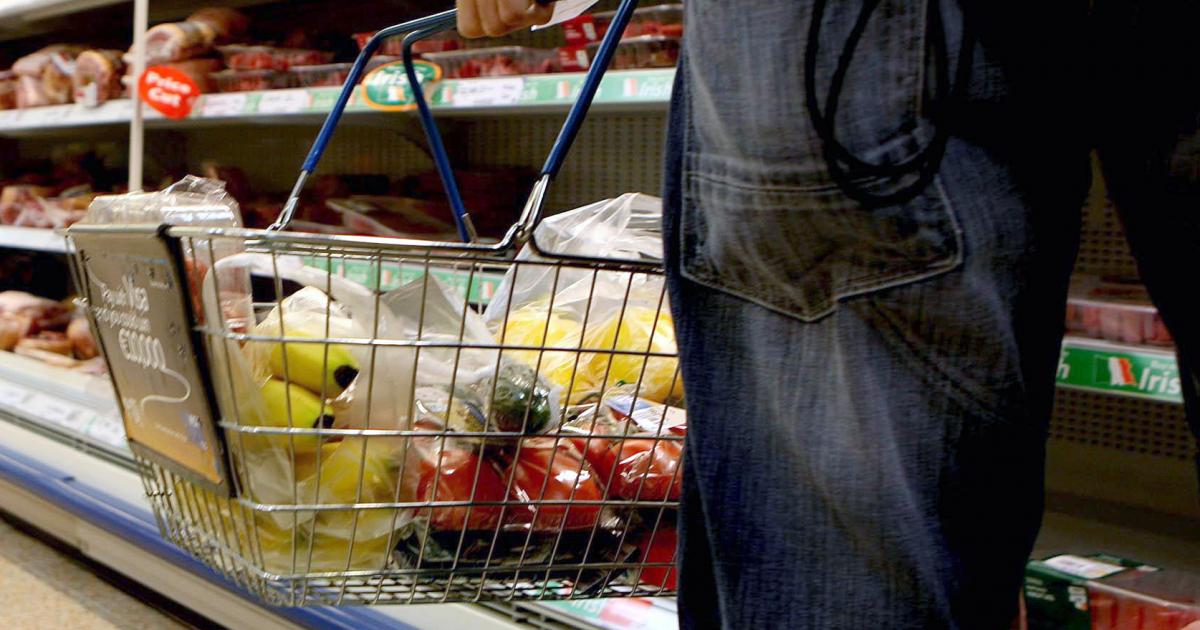
Americans paid more for their groceries last month, but high gasoline prices resulting from the Iran war were only one of the reasons why.

Prices for food eaten at home rose 2.9% in April compared to the same month a year earlier, according to government figures released Tuesday. That was the highest year-over-year inflation rate for the category since August 2023.

Prices at restaurants, fast-food chains and other places to get prepared meals also increased, putting overall food prices up 3.2% in the last year, the Labor Department’s consumer price index showed.

Fuel prices have soared while the Iran war prevents cargo ships from passing through the Strait of Hormuz, a vital corridor for global oil supplies. Diesel fuel powers fishing boats, tractors and the trucks that ship 83% of U.S. agricultural products. As of Tuesday, the average price per gallon was up 61% from a year ago, according to AAA.

Advertisement

The meat, produce and dry goods vendors that supply Sparrow Market, a small independent grocer in Ann Arbor, Michigan, all added fuel surcharges to their deliveries in recent weeks, owner Raymond Campise said. Wholesale prices for meat, produce and some other products also have gone up, he said.

“For independent markets operating on narrow margins, even small increases can have a major impact,” Campise said.

The full impact of rising energy costs on food likely has not hit retail grocery prices yet in the U.S., according to Purdue University economists Ken Foster and Bernhard Dalheimer. Higher costs to produce, process, store and transport food can take three to six months to show up on supermarket shelves, where prices typically fall slowly once increased, they said.

“Most of what we’re seeing now in the food price chain probably predates the conflict,” Foster, a professor of agricultural economics, said. “We’re cautiously waiting to see what the June numbers and the May numbers might show as they come out in terms of … the extent to which energy shocks in the Strait of Hormuz and shipping blockades and so forth are going to impact food prices.”

Advertisement

The consumer price index measures changes in what people in U.S. cities paid at retail stores for meat, bread, milk, produce and other grocery staples. Over the last 20 years, grocery prices increased an average of 2.6%, according to the U.S. Department of Agriculture.

Prices for perishable and refrigerated products tend to increase faster than prices for packaged goods when energy is an issue. Consumers paid 6.5% more for fresh fruit and vegetables in U.S. cities last month than they did in April 2025, and 8.8% more for meat, the Labor Department reported.

But U.S. trade policies and extreme weather also have weighed on U.S. food prices in the last year. In July 2025, the Trump administration imposed a 17% duty on fresh tomatoes imported from Mexico; consumer prices rose 40% in the 12 months before April.

Dry weather in the Western U.S. has been one of many factors pushing up beef prices, which in April were 15% higher year-over-year. Coffee prices were up 18.5%, partly due to drought and other weather conditions that have hurt global coffee production in recent years.

Advertisement

“Today’s CPI showed that food prices have been rising 3.2 percent in the past year, but the story behind that number is more complicated than just an energy shock,” said Dalheimer, an assistant professor of macroeconomics and trade in Purdue’s Department of Agricultural Economics.

Prices for some foods remained more or less flat or declined over 12 months. Milk and chicken dipped slightly. Butter cost 5.8% less in April than it did a year earlier. Egg prices fell 39% as farmers rebuilt flocks that were decimated by an ongoing bird flu outbreak.

Food prices and broader inflation are likely to feature prominently in November’s midterm elections. During his 2024 campaign, President Donald Trump often cited the prices of bacon, cereal, crackers and other groceries as reasons why voters should return him to the White House.

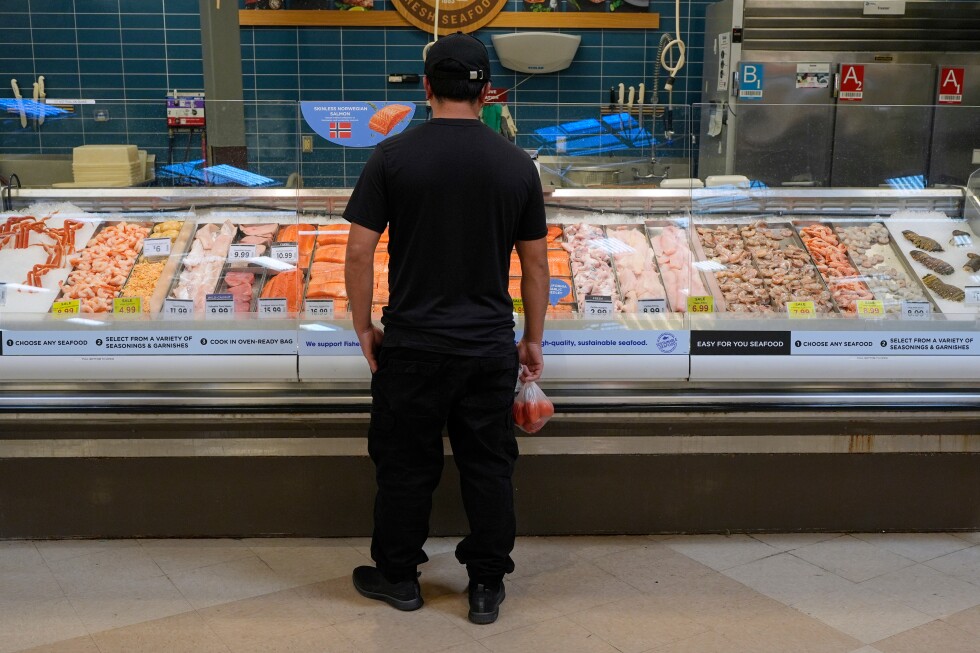
Some food producers say they’re struggling now because of higher fuel costs. The Southern Shrimp Alliance, which represents shrimpers in eight states, said some boats haven’t left the dock this spring because they can’t catch enough shrimp to compensate for the cost of diesel.

Advertisement

Fuel typically makes up 30% to 50% of the costs for U.S. shrimpers, but because they supply only 6% of the shrimp that Americans consume, they have limited ability to raise prices or add surcharges for fuel, the organization said.

Higher fuel prices may also be impacting food costs in other ways. Part of April’s 5% annual increase in prices for nonalcoholic beverages may be due to the petroleum derivative that goes into making plastic bottles, Foster said.

“It’s possible some of that’s starting to seep down the supply chain and get into those prices,” he said.

Over the next year or more, Americans could also see higher food prices due to spiking fertilizer costs, since around 30% of the world’s fertilizer travels through the Strait of Hormuz.

Advertisement

Fertilizer costs are less of an issue for U.S. farmers this year, since many already had fertilizer supplies in place before the war began, according to Foster. But the effects could become more noticeable next year if the war drags on, he said.

“I expect the Iran conflict to impact the coming years’ food prices through a couple of channels. One, the energy costs and transportation handling. The other would be through packaging costs,” Foster said. “If the conflict were to last longer, then we might see more coming online as fertilizer prices start to impact longer-term planting decisions and cropping decisions.”

Advertisement

Source link

Continue Reading

NewsBeat

Soaring inflation and plummeting economy test Iran in wartime

Published

on

Soaring inflation and plummeting economy test Iran in wartime

TEHRAN, Iran (AP) — Iran’s grip on the Strait of Hormuz is throttling the world’s energy supplies and inflicting global economic pain, but the struggles of the Islamic Republic’s own economy are testing its ability to withstand the war and defy Washington’s demands.

Iranians have been hit by spiraling prices for food, medicine and other goods. At the same time, the country has seen mass job losses and business closures caused by strike damage to key industries and the government’s monthslong shutdown of the internet.

The economic cost of the war and the U.S. naval blockade “has been very substantial and unprecedented for Iran,” said Hadi Kahalzadeh, an Iranian economist and research fellow at Brandeis University.

But Iran has withstood decades of economic pressure and sanctions and its capacity to adapt has not been dismantled, Kahalzadeh said.

Advertisement

“Iran can probably avoid a complete economic collapse or total shortage of essential goods, but at a very high cost,” he said. “The main cost will be passed to ordinary Iranians through higher inflation, more poverty, weaker services and a much harder daily life.”

The International Monetary Fund has predicted the Iranian economy will shrink by about 6 percentage points in the next year. Iran’s official statistics center reported in mid-April that annual inflation was 53.7%, while inflation for food breached 115% compared with the same period last year.

Meanwhile, Iran’s rial currency has lost over half its value in the past year, falling to a record low of 1.9 million to the dollar at the end of last month. The economic woes helped fuel massive protests that spread across the country in January.

Steep prices on staples

Parked beneath an overpass in central Tehran, 56-year-old Hossein Farmani was idling alongside other taxi drivers waiting for customers. He popped open the trunk of his car to take out a kettle before pouring himself a glass of tea. He reflected on the wild price increases in the past year. Alongside items such as milk, the price of tea has risen over 50% since the war began.

Advertisement

“If things keep heading in this direction, we’re going to suffer a lot more,” Farmani said.

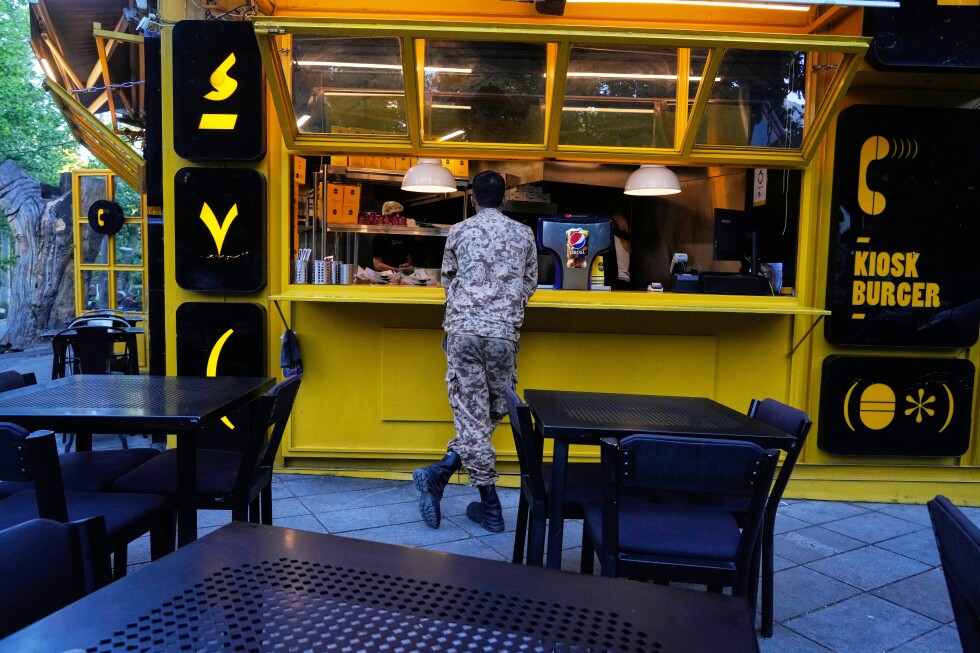
Prices had already climbed steadily over the past two years, but an Associated Press tour of grocery stores in Tehran found large jumps from February, before the war began: Chicken and lamb were up 45%, rice 31% and eggs 60%.

Iranian authorities have announced measures to help Iranians bear the crippling prices. But many of these policies — including a 60% hike in the minimum wage and coupon programs for essential goods — are stoking inflation, Taymur Rahmani, an economist at the University of Tehran, wrote recently in a leading business newspaper, Dunya-ye Eqtesad.

Since the war began, free bus and metro fares in the capital are also not helping the city’s struggling taxi drivers.

Advertisement

Another driver waiting nearby, Mohammad Deljoo, 73, said he was supporting his family of two children on a daily income of $4. He said there was no shortage of goods in shops and instead blamed the problem on “price gouging.”

“We only buy what’s absolutely necessary, things like bread and potatoes. Even eggs have become too expensive for us,” Deljoo said. He said the price for tires and other car parts rose fivefold in less than a year.

“One price today, another tomorrow. How is that possible?” he said.

Amid job losses, many Iranians are scrambling to find new ways to make money. Ali Asghar Nahardani, 32, said the ride-hailing app he works for had not paid him in over a month. He turned to street vending to cover his living expenses.

Advertisement

“We’re just living day by day, trying to get through this situation while the war conditions continue,” he said.

War contributes to collapse of Iranian middle class

The closure of the strait has hiked energy prices across the world. But in Iran, the war has marked another step in the ruin of a once large and prosperous middle class following decades of sanctions.

By 2019, Iran’s middle class had already shrunk to around 55% of the population, explained Mohammad Farzanegan, a professor of Middle Eastern economics at the University of Marburg. New rounds of sanctions as well as wars, corruption and economic mismanagement have further cut that number, he said.

The war will likely push several million Iranians below the poverty line, according to a report published by the U.N.’s development agency in late March.

Advertisement

A physical trainer who lives in downtown Tehran described the economic crisis as a mental health crisis for Iranian society. She said many of her clients could no longer afford her fees and training sessions. The few clients she has left have turned to discussing ways to handle signs of depression.

“The system is just collapsing. The layoffs are in factories, in companies, in startups, in whatever your work is,” she said in a voice note by Telegram. She spoke on condition of anonymity out of security fears.

The trainer said she had severely cut back on groceries.

“The last time I bought meat was about two months ago.” She has also given up paying for therapy sessions that she began after divorcing her spouse a year ago. “I am pursuing a master’s in psychology so it’s given me the tools to handle my anxieties,” she said.

Advertisement

A resident of Karaj, near the capital, said his insurance company had seen plummeting sales for car and home policies. Families are being dragged down into poverty, he said, also speaking on condition of anonymity out of fear of reprisal.

The Karaj resident, who joined the mass anti-government protests in January, blamed the yearslong decline on “severe systemic corruption” and the Islamic Republic’s costly support for militant groups in Lebanon, Yemen and Iraq.

“Most people blame the government and its ambitions,” he wrote by WhatsApp message.

Leaders urge public to endure

Iran’s leaders have been trying to shore up the homefront by showing sympathy while also urging the public to endure the economic pain for the sake of the war effort.

Advertisement

In a series of messages on his official Telegram channel Friday, the new supreme leader, Mojtaba Khamenei, described the current phase of the conflict as an “economic battlefield” and asked employers to “avoid layoffs as much as possible.” Khamenei is believed to have been wounded early in the war by Israeli strikes and has yet to appear in public.

Parliament speaker Mohammad Bagher Qalibaf — who has emerged as a key player in the war effort and U.S. talks — urged Iranians to “be frugal” in their spending. He said on his official Telegram account that government administrators and the public “have a duty to help each other” to ease economic effects.

The U.S. blockade has restricted Iran’s critical Gulf trade. Over 90% of Iranian trade, particularly the oil exports that bring in billions of dollars, flows through its southern ports, Farzanegan estimated.

Farmani, the taxi driver, said he did not want to accept what he called a “humiliating” peace with the U.S. and Israel.

Advertisement

“A country that has sacrificed so many martyrs and has so many people willing to give their lives cannot simply let others from across the world dictate terms to us.”

___

Radjy reported from Cairo. Associated Press writer Nasser Karimi contributed to this report.

Advertisement

Source link

Continue Reading

Trending

Copyright © 2025