Labour approaches the May 7 elections struggling in the polls and facing challenges from both Reform UK to the right and a resurgent Green Party to the left
Tom Burnett Content Editor
22:51, 29 Mar 2026
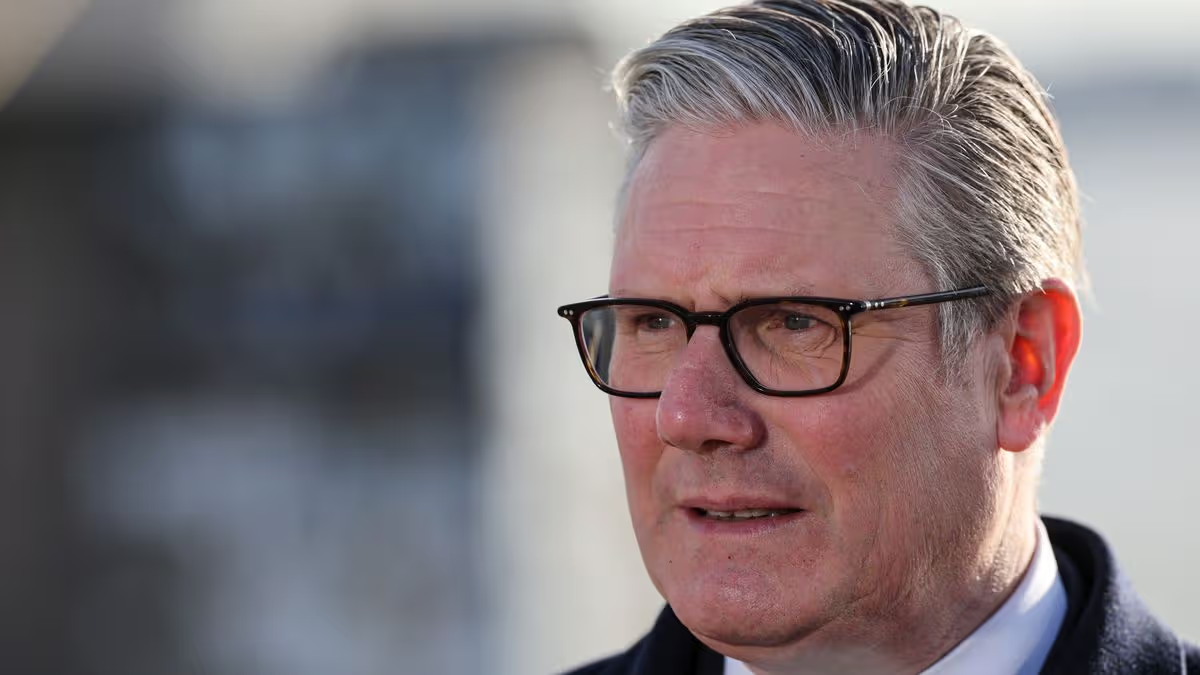
Sir Keir Starmer will pledge to “fight for our values” in a volatile world as he kicks off Labour’s local election campaign on Monday.
Labour approaches the May 7 elections struggling in the polls and facing challenges from both Reform UK to the right and a resurgent Green Party to the left.
Advertisement
But despite predictions of heavy losses, the Prime Minister is expected to begin the campaign urging the country to “stand together” under Labour’s election slogan: “Pride in Britain.”
Get MEN Premium now for just £1 HERE – or get involved in our WhatsApp group by clicking HERE. And don’t miss out on our brilliant selection of newsletters HERE.
He will say: “This is about pride and hope.
“That is the political choice in this election.
Advertisement
“Our opponents respond to this war on two fronts by dividing our communities.
“We meet this test by unlocking the pride that is our communities.”
Joined by deputy leader Lucy Powell and his Cabinet colleagues, Sir Keir is expected to tell the launch event in the West Midlands: “We’re going to fight to earn every vote. Fight for our values. And fight for the country we are building together, a Britain built for all.
“Because, in the context of everything that is happening in the world.
Advertisement
“Those values, that fairness we stand for, it’s never been more important.”
May’s local elections represent a major test for the Prime Minister, with some warning a disastrous result could spell the end of his premiership.
Pollster Lord Robert Hayward warned earlier in March that Labour faced a “very substantial” threat, especially following a series of “absolutely horrendous” council by-election results.
But Sir Keir will hope that a series of measures intended to help with the cost of living, including a lower energy price cap and an increase in the minimum wage, will translate into votes.
Advertisement
He will say: “We meet this moment with hope.
“The hope of an NHS where waiting lists are coming down – and they are.
“The hope of a country where wages for working people are rising – and they are.
“And the hope of a country where poverty is being slashed and our children have a better future – and it is.
Advertisement
“That is what we are building. That is what we are fighting for.”
Conservative Party chairman Kevin Hollinrake said: “Under Labour, Britain isn’t working.
“Rachel Reeves has stifled growth with her tax hikes and economic incompetence.
“Keir Starmer is too distracted by threats from within his own party to focus on his job.
Advertisement
“And Ed Miliband, who is running the country, has sacrificed our energy security on the altar of his net-zero zealotry.
“Labour have nothing to offer hardworking families and businesses other than higher taxes to pay for higher welfare.
“At the local level, council tax is soaring on Labour’s watch, leaving residents paying more and getting less.”
The free community event, backed by Darlington Borough Council, took over the Market Hall on Sunday (May 31) from midday until 4pm, with stalls, food and activities.
Eid al-Adha, known as the “Festival of Sacrifice”, is one of the most important dates in the Islamic calendar, marking Prophet Ibrahim’s obedience to God and falling on the 10th day of Dhu al-Hijjah.
Pictures show visitors at the market sampling a range of food and drink, with Rumi’s Kitchen, Deli-cious and Ambi Ambi Mocktails among those serving up dishes and alcohol-free cocktails.
Families headed to Darlington Market today as the town came together to celebrate Eid al-Adha (Image: THE NORTHERN ECHO)
Families headed to Darlington Market today as the town came together to celebrate Eid al-Adha (Image: THE NORTHERN ECHO)
Families headed to Darlington Market today as the town came together to celebrate Eid al-Adha (Image: THE NORTHERN ECHO)
Families headed to Darlington Market today as the town came together to celebrate Eid al-Adha (Image: THE NORTHERN ECHO)
Stalls also offered sweets and savoury treats, adding to the festive atmosphere.
Advertisement
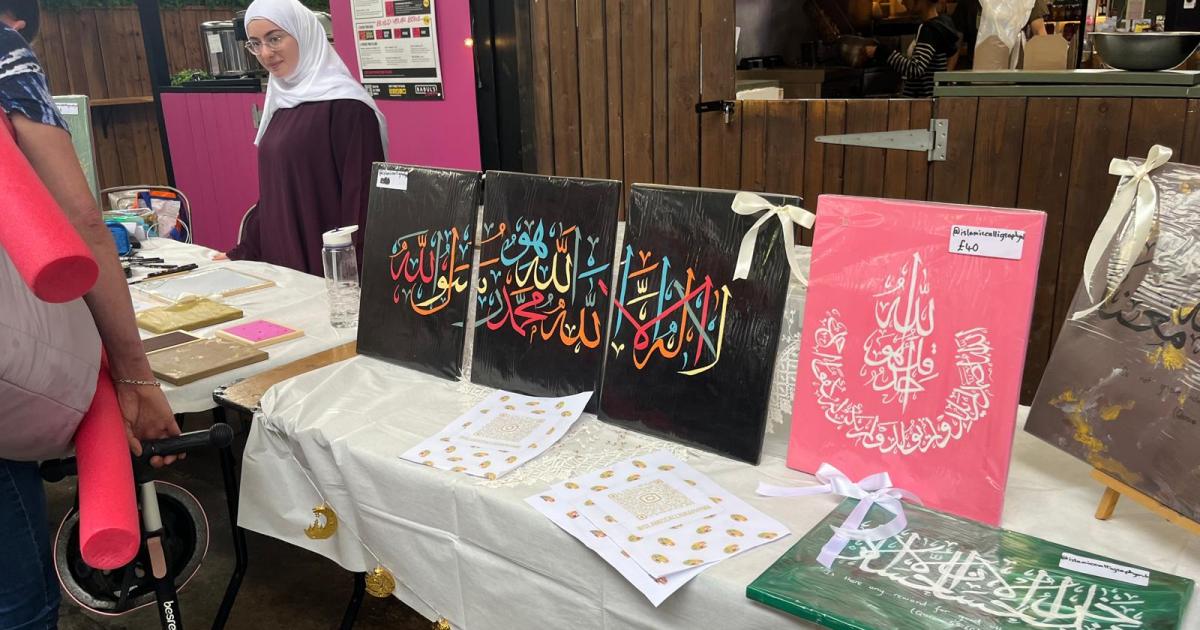
There was a variety of arts and crafts, with Islamiccalligraphymb creating personalised Arabic calligraphy and canvases, and Khurshada showcasing handmade arts, crafts and henna.
Families headed to Darlington Market today as the town came together to celebrate Eid al-Adha (Image: THE NORTHERN ECHO)
Families headed to Darlington Market today as the town came together to celebrate Eid al-Adha (Image: THE NORTHERN ECHO)
Families headed to Darlington Market today as the town came together to celebrate Eid al-Adha (Image: THE NORTHERN ECHO)
Meedhi Mehendi Henna Artist was also there offering traditional henna designs.
Shoppers browsed clothes, jewellery, accessories, knitwear and other items from a variety of traders.
The event formed part of a series of council-supported activities aimed at bringing communities together in the town centre.
The five-part drama follows Leo and Clive, two neighbours in Manchester who have always managed to tolerate one another despite their many differences. However, they suddenly find themselves in an all-out war spurred on by the divided world they’re immersed in.
Given the past success of Russell’s shows, it’s no great surprise that Tip Toe’s cast features a mix of acclaimed British drama veterans who you might recognise for their past work, as well as some exciting upcoming TV stars.
Here’s a quick guide to where you have seen some of the stars of Tip Toe before…
Advertisement
Alan Cumming
Alan Cumming in The Good Wife
Reality TV fans will likely recognise Scottish actor Alan Cumming for his Emmy-winning work as the host of the American version of The Traitors.
However, long before he entered the castle, he had a long and illustrious career on both stage and screen.
Alan began his TV career with a stint on the Scottish soap opera Take The High Road before going on to become an international household name.
Advertisement
Some of his best-known movies include projects as varied as the James Bond film GoldenEye, cult comedy Romy And Michele’s High School Reunion, 90s pop explosion Spice World and Stanley Kubrick’s final offering Eyes Wide Shut. No stranger to a franchise, Alan also played Fegan Floop in the Spy Kids trilogy and blue-skinned mutant Nightcrawler in the world of X-Men, a role he’ll reprise in the upcoming Avengers: Doomsday.
On TV, Alan was nominated for three Emmy Awards for his role as political manipulator Eli Gold in The Good Wife, starred as the Mayor in Apple TV+ musical series Schmigadoon! and hosted both the Tony Awards and Baftas.
A modern icon of the West End and Broadway, Alan is a two-time Tony and one-time Olivier award winner. Although he has played a string of eclectic roles, he is best known for his seminal work as the Emcee in Cabaret.
David Morrissey
Advertisement
David Morrissey in The Walking Dead
David Morrissey has been consistently appearing on our screens since the 1990s, although to many he’s best known for his work as Gordon Brown in 2003’s The Deal and for playing The Governor in The Walking Dead.
He also appeared in the crime drama Red Riding and the BBC series Sherwood, as well as playing Aimee Lou Wood’s hapless dad in the sitcom Daddy Issues.
On the big screen, he played John Lennon’s stepfather in the biopic Nowhere Boy, appeared in Steve McQueen’s Blitz and recently acted with Keira Knightley in The Woman in Cabin 10.
His next role is Beatles-related once more, as he’s expected to star in Sam Mendes’ biopics as Paul McCartney’s father.
Pooky Quesnel
Advertisement
Pooky Quesnel in The A Word
Pooky found fame playing Dr Monica Brome in the first series of Cardiac Arrest, before playing John Thompson’s love interest Emma Keaton in Cold Feet.
She will also be recognisable to soap fans, as she played Diane Short in Family Affairs, before taking over the role of Rachel Branning in EastEnders.
Her other TV credits include the 2007 BBC drama True Dare Kiss, the Doctor Who spin-off Class and the comedy W1A.
Like many of her Tip Toe co-stars, she appeared in Waterloo Road, playing geography teacher Olga in series 10 of the school-set drama.
More recently, she acted in the BBC drama The A Word and its spinoff Ralph & Katie as Maurice’s music teacher, as well as co-starring with Leslie Manville in Moonflower Murder.
Advertisement
Jackson Connor
Jackson Connor as George in Tip Toe
Playing troubled teen George in Tip Toe is definitely Jackson Connor’s biggest role to date.
However, you might have seen him in the BBC series Phoenix Rise, or the star-studded Apple TV+ drama Masters Of The Air, in which he made a blink-and-you’ll-miss-it appearance as a soldier.
Joseph Evans
Joseph Evans in Coronation Street
A star on the rise, Joseph Evans can currently be seen treading the boards in the West End revival of David Hare’s Teeth N Smiles, as well as the adorable big-screen rom com Finding Emily.
He previously played Jackson Hodge, the father of Faye Windass’ child, in Coronation Street back in 2023 and, impressively, wrote an episode of Industry.
Advertisement
Elizabeth Berrington
Elizabeth Berrington in The Syndicate
While you might not immediately recognise her name, you’ll definitely be familiar with Elizabeth Berrington’s work, as she’s one of the busiest character actors on British television, working across both comedy and drama.
Elizabeth first rose to prominence working with Mike Leigh in her on-screen debut in Naked, as well as his follow-up Secrets & Lies.
From there, she went on to appear alongside Tony Robinson in the 1997 comedy-drama My Wonderful Life, before landing roles in everything from the period drama Sanditon and the sci-fi drama The Nevers, to The Responder, The Syndicate and the feature-length episode of Black Mirror, Hated In The Nation.
As for her film career, Elizabeth appeared alongside her Tip Toe co-star David Morrissey in The Deal, playing Cherie Blair, in addition to her supporting roles in Nanny McPhee, In Bruges and the 2016 adaptation of Swallows And Amazons.
Advertisement
Her most recent roles on the small screen include Lost Boys And Fairies, Virdee, Frauds and the Nick Cave penned Sky dramedy The Death Of Bunny Munro – and while her CV is long and impressive, there’s every chance that, like us, you know her best for playing food tech teacher Ruby Fry in Waterloo Road.
Iz Hesketh
Actor and drag performer Iz Hesketh is best known to TV fans for playing the groundbreaking Hollyoaks character Kitty Draper, as well as appearing as Valerian in the Disney+ drama Renegade Nell.
On stage, Iz has played Margot in Legally Blonde at the Regent’s Park Open Air Theatre, and appeared in productions of both Head Over Heels and Fury And Elysium.
The drag daughter of Drag Race UK winner Tia Kofi, Iz also performs across the country as Seriah Sis, in addition to her acting career.
Advertisement
Luyanda Unati Lewis-Nyawo
Luyanda Unati Lewis-Nyawo in Wednesday
Luyanda Unati Lewis-Nyawo is an actor who you’ll likely recognise for their role as Deputy Ritchie Santiago in Netflix show Wednesday.
Their other credits include minor roles in 2020 Alex Garland miniseries Devs, a 2023 episode of Top Boy and the 2025 Cameron Diaz comedy Back In Action.
Luyanda is a prolific video game voice actor, too, lending their dulcet tones to Legends of Runeterra, Baldur’s Gate III and Eternal Strands.
Paul Rhys
Advertisement
Paul Rhys’ most recent on-screen role came when he appeared briefly in Emerald Fennell’s controversial adaptation of Wuthering Heights as Heathcliff’s father, having also worked with the Oscar-winning filmmaker in Saltburn, where he played butler Duncan.
The British star made his film debut in 1986’s Absolute Beginners, before sharing the screen with Robert Downey Jr in the Oscar-nominated Chaplin, Johnny Depp in From Hell and Joaquin Phoenix in Ridley Scott’s Napoleon.
On the small screen, he had a supporting role in the BBC supernatural drama Being Human, played Vlad the Impaler in Da Vinci’s Demons and appeared as real-life military officer Sir John Conroy in ITV historical drama Victoria.
Charlie Condou
Charlie Condou in Coronation Street in 2014
Charlie Condou is best known to TV fans for playing sonographer Marcus Dent in Coronation Street on-and-off between 2007 and 2014, as well as playing the lothario Ben Sherwood in Holby City.
More recently, Charlie had a guest role in The Madame Blanc Mysteries and played Gary Gabbastone in the Eurovision-themed Doctor Who episode The Interstellar Song Contest.
Advertisement
Denise Welch
Denise Welch in the Loose Women studio
Ken McKay/ITV/Shutterstock
Denise Welch is a British TV icon making her first on-screen appearance in 1981’s Barriers, followed by her breakthrough role as Jean in Auf Wiedersehen, Pet. From there, she went on to appear in Geordie staples Byker Grove and Spender, before being cast as Marsha Stubbs in Soldier, Soldier.
Her best-known acting roles include Natalie Barnes in Coronation Street, Steph Haydock in Waterloo Road and Mitzeee’s mother Trish Minniver in Hollyoaks. You may also know her for being a regular Loose Women panellist since 2005.
A lot of people think fitness has to stop when they go on holiday. They switch off completely, then struggle to get back into routine when they return home.
The good news is, it does not have to be all or nothing. You can enjoy yourself and still look after your body at the same time.
The key is to keep things simple. You do not need a gym or structured workouts. You just need a bit of movement each day. Walking is one of the best ways to do this.
Whether you are exploring, heading to the beach, or just moving around more than usual, steps quickly add up without it feeling like exercise.
Advertisement
Swimming is another great holiday activity. It is easy on the joints and a brilliant full body workout without feeling like hard work. Even a short swim can help you feel refreshed and energised.
You can also do short bodyweight sessions in your room or outside. Ten minutes is more than enough to keep your body moving. Simple exercises like squats, lunges and press ups can help you stay on track without taking time away from your holiday.
One of the biggest mistakes people make is thinking they need to be perfect. Holidays are meant to be enjoyed. Food, drinks and treats are part of the experience. The goal is not to restrict yourself. The goal is to find balance.
A good approach is to focus on one healthy habit each day. It might be a walk in the morning, drinking more water, or doing a short workout before heading out for the day. Small actions like this keep you feeling good without taking away from your holiday.
Advertisement
Hydration is also important, especially in warmer weather. Drinking enough water will help with energy, recovery and how you feel day to day. If you are drinking alcohol, try to balance it with water throughout the day.
The main thing to remember is that holidays should not undo your progress. In fact, they can actually help you reset mentally. A bit of movement, fresh air and balance can leave you feeling better than when you left.
Enjoy your time away, stay active in simple ways, and you will come back feeling refreshed rather than needing to start again from scratch.
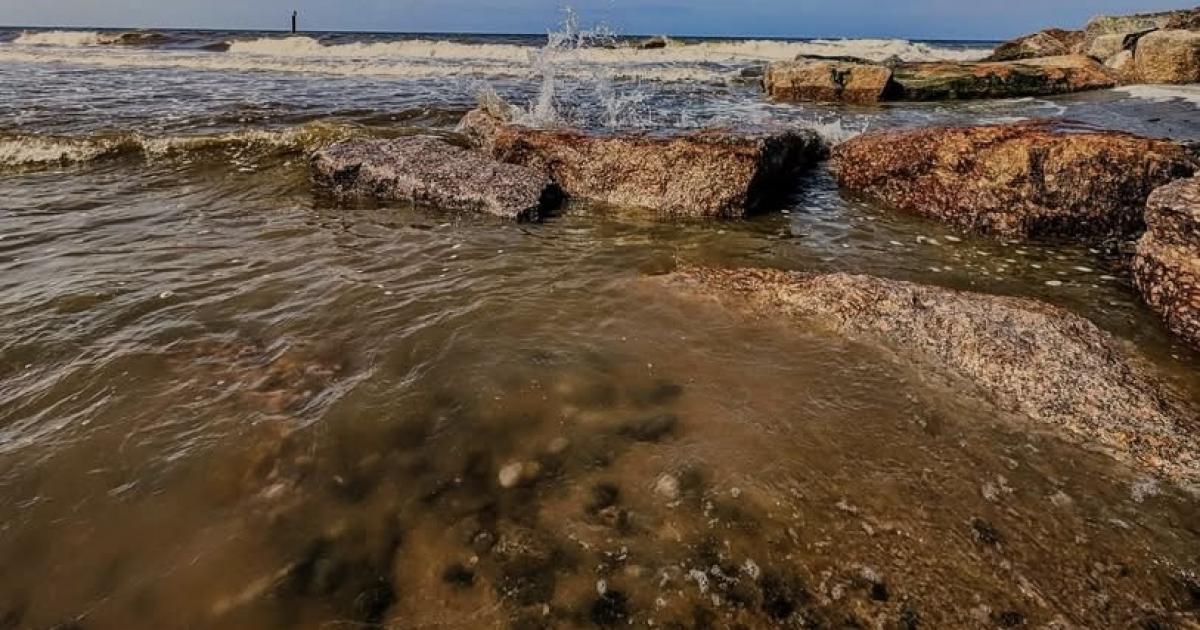
Lancashire Police said they were contacted at 8.31pm on Saturday by the ambulance service informing the force it was treating two people who had been recovered from the sea off Rossall beach in Thornton Cleveleys by the coastguard.
Police said that, currently, they understand the pair had got into difficulty in the water after entering to rescue their dog which had become stuck.
The woman in her 60s was treated at the scene near Fleetwood Beach Cafe but was pronounced dead later in hospital.
Advertisement
Inquiries to identify her next of kin are ongoing, the force added.
The man, also in his 60s, was taken to hospital where he remains in critical condition, while the dog was recovered safe and well.
Police said there are no suspicious circumstances surrounding the woman’s death and a report will be passed to the coroner in due course.
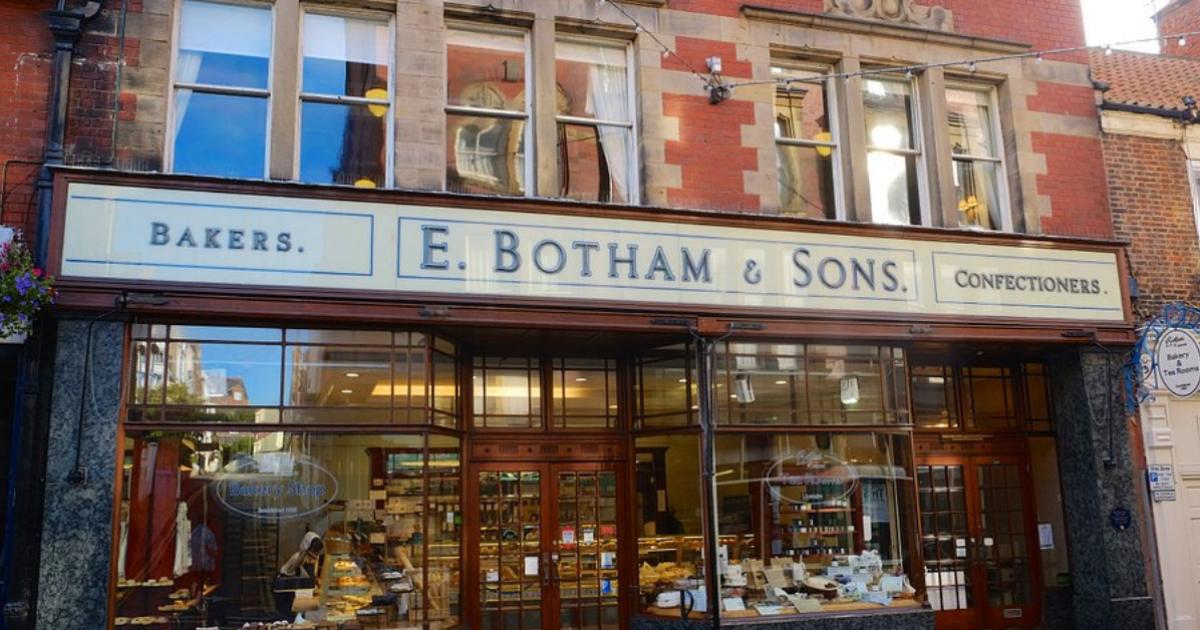
Botham’s of Whitby, founded in 1865 by Elizabeth Botham, has become one of the town’s best-known businesses, with generations of visitors making a stop there part of any trip to the North Yorkshire coast.
The family-run bakery began when Elizabeth sold bread and cakes from a basket at Whitby market before eventually opening on Skinner Street, where the business still operates today.
Botham’s of Whitby on Skinner Street (Image: TRIPADVISOR)
Now run by the fifth generation of the Botham family, the bakery has built a reputation for traditional Yorkshire baking alongside sweet treats strongly connected to Whitby and the surrounding region.
Among its best-known products are Whitby Lemon Buns, lightly fruited teacakes topped with lemon icing that have been made for more than a century.
Advertisement
The buns have become so associated with Whitby that many visitors see trying one as essential during a trip to the seaside town.
One long-running debate even centres around how they should be eaten, with some insisting they should be sliced and buttered before being turned inside out like a sandwich.
Celebrity chef James Martin has previously aired his own views on the subject.
The bakery is also known for Yorkshire Brack, Shah Ginger Biscuits and its Chocolate Japonaise cakes.
Many of the bakes are inspired by Whitby’s heritage and maritime history.
Advertisement
Botham’s house blend Resolution Tea takes its name from HMS Resolution, the ship commanded by Captain James Cook during his Pacific voyages, while products such as Captain Cookies and Cobbled Road cakes draw inspiration from Whitby’s cobbled streets and seafaring connections.
Though steeped in tradition, Botham’s has continued to evolve over the years.
What started as a small market bakery now includes several shops and tea rooms across Whitby, Pickering and Sleights, as well as a nationwide mail-order business supplying Yorkshire hampers and baked goods across the UK.
The bakery’s original Skinner Street shop remains particularly popular with tourists and locals alike.
It currently holds a 4.4-star rating on TripAdvisor from more than 1,100 reviews, with visitors regularly praising the bakery’s fresh bread, cakes, sandwiches and traditional tea room experience.
Advertisement
One visitor wrote: “A visit here is of course when we are in Whitby.”
Another described the bakery as “a must during a visit to Whitby,” while others praised its “friendly service,” “excellent coffee”, and “scones to die for.”
Many reviews also mention the bakery’s famous lemon buns, with one customer calling them “high up on any Whitby itinerary.”
As well as attracting tourists, Botham’s remains closely tied to the local community and Yorkshire traditions.
Advertisement
The company continues to work with Yorkshire suppliers and still produces many traditional regional favourites, including Yorkshire Curd Tarts, Simnel Cakes and seasonal fruit loaves.
For many visitors, Botham’s represents more than just a bakery.
It has become part of the Whitby experience itself, a business rooted in the town’s history, where generations of families have continued baking recipes linked to Yorkshire’s coastal heritage for more than a century and a half.
Recently, an EasyJet flight from Egypt to London took an unexpected stop in Rome. The reason? A passenger was charging a power bank in their luggage, which was placed in the plane’s hold.
The airline cited “safety reasons” for the diversion, explaining, “The safety of its passengers and crew is EasyJet’s highest priority, and EasyJet operates its fleet of aircraft in strict compliance with all manufacturers’ guidelines”.
Here’s why power banks pose risks on flight, as well as the rules you may have to follow if you want to bring one on board:
Why are power banks considered a risk on flights?
Advertisement
They use lithium batteries, which carry more energy than lots of other batteries and run a higher risk of catching fire. This is especially likely if the battery is damaged, short-circuits, gets wet, or is overcharged.
Devon & Somerset Fire & Rescue Service explained that “If one cell of a lithium-ion battery overheats, it can enter a state of thermal runaway, which can quickly spread to other cells in the battery. This is an explosive chemical reaction similar to several fireworks going off at once”.
This has had real-life effects on airports and flights before. An exploded power bank led Melbourne Airport to evacuate passengers in 2025. South Korean airline Air Busan attributed a plane-destroying fire to a portable power bank, too.
For that reason, power banks and other lithium batteries – including those in smart bags – usually aren’t allowed in the hold. Customers typically have to bring these on board with them, where they can be more carefully monitored.
Advertisement
What rules do I need to follow when bringing a power bank on a flight?
These apply to all commercial airlines. But some have additional rules too.
Jet2
For instance, Jet2 has said that power banks that don’t show the “watt-hour rating or lithium metal content, or where the watt-hour rating cannot easily be otherwise ascertained, are forbidden” on their flights.
Advertisement
Ryanair
Ryanair said that spare lithium batteries, including power banks, should “be placed in your small cabin baggage underneath the seat in front of you or on your person”. They have a 100wH limit, too.
British Airways
British Airways, meanwhile, asks passengers to place their power banks (under 110Wh) either in the pocket at the back of the chair in front of you or in a bag under the seat.
Advertisement
easyJet
While easyJet’s site says they automatically allow power banks up to 160Wh, they warn that “if a product that contains a lithium battery is subject to a safety recall related to the battery, it must not be carried aboard an aircraft”.
TUI
“Loose batteries and power banks should be individually protected against short circuits by carrying them in their original packaging, with terminals taped or in a plastic bag in hand luggage,” the carrier’s site reads.
Advertisement
This is what the CAA means by saying that power banks not in use need to be “individually protected”.
And, TUI added, the device needs to be completely switched off, not just in standby or hibernation mode.
Virgin Airlines
You’ll need airline approval for power banks above 100Wh and under 160Wh, Virgin Airlines said. Contact their Customer Centre before you travel if this applies to you.
Advertisement
Regardless of its battery strength, your power bank must be in good condition with no signs of damage.
Additionally, power banks “must be able to fit inside our onboard Fire Containment Bag (37×28×10cm) in the event of an emergency”, their site reads.
Don’t keep power banks in the overhead locker, either, the airline said.
Check the rules of the airline you’re flying with before your trip so you won’t get caught out (or, you know, accidentally cause a day-long flight diversion).
The Light That Failed was based on a Rudyard Kipling story about an artist who is losing his eyesight as a result of a wound sustained fighting on the frontiers of Queen Victoria’s empire.
The film was made in Hollywood in 1939, starring Ronald Colman and Ida Lupino, but it was considered too depressing for wartime Britain, and so it didn’t appear on British cinema screens until 1946.
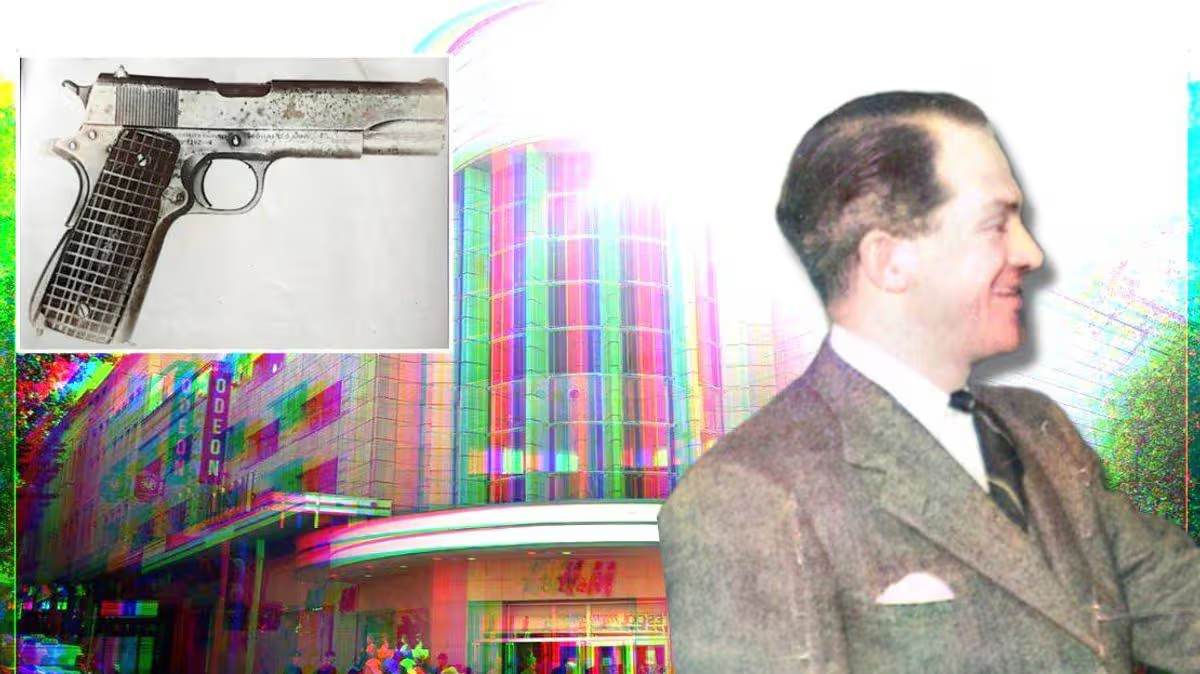
On the evening of Wednesday May 29, it was showing to a full house – around 2,000 people – at the Union Street Odeon.
The cinema was much bigger then that it was in more recent times before it closed. What’s now a Lidl supermarket was then the cinema foyer. As well as a huge single auditorium, it also had a restaurant.
Advertisement
The film started showing at 6.25. Early on in the film, the gunshots rang out onscreen.
It’s passed into local legend that the shots in the film masked the sound of real gunshots in the cinema manager’s office. The earliest reference to this is a newspaper report that there were five shots on the soundtrack followed by a sixth in the office. Actually there are loads of gunshots in the film, and in the manager’s office two bullets were fired.
Between 6.40pm and 6.45pm, the supervisor of the cinema’s cafeteria entered the office of the manager, Robert Parrington Jackson, to ask him if he was ready for his tea. She went into shock as she found him lying on the office floor bleeding from a wound in the head.
The police were called and detectives came running from the Bridewell station close by.
Two uniformed constables guarded the office door, but the screening continued. Aside from a message flashed up on the screen asking if there was a doctor in the house, the audience knew nothing until later.
Robert Parrington Jackson died at the BRI the following morning without having regained consciousness.
Advertisement
He was 33 years old, and a glamorous figure. He had tried his hand at acting, car racing and had briefly been a radio presenter. He had taken over the running of the Odeon in 1939, but left almost immediately for wartime service in the Royal Navy.
He had only been back in his old job for a few weeks when he died. He was married with a wife and four-year-old son.
Superintendent Fred Carter of Bristol Constabulary took charge of the case and started looking for a motive.
Shortly before being shot, Jackson had put the day’s takings into the office safe. By one account this was around £800. If true, this was a huge sum – the equivalent of £40,000-£50,000 today.
Advertisement
Yet the keys to the safe were still in Jackson’s pocket, and the money in the safe was untouched.
Suicide was ruled out. There was no gun beside his body, and besides, Jackson had been laughing and joking with the staff shortly before he was shot.
Two shots had been fired. One missed. Both came from a US Army issue Colt.45 automatic pistol, and a search for the weapon was launched immediately. For a time it was thought that the same gun had been used in the murder of a 12-year-old girl in south Wales.
A few days after the killing, an anonymous note to the police gave them a description of a possible suspect. Aged 30-35, clean-shaven, about five foot seven tall, medium build, dark suit, white shirt, dark tie.
Police also said they were looking for a second suspect, a possible accomplice, a younger man who had been seen looking shifty and nervous in the Odeon restaurant just before the murder.
Police questioned one man in Bristol, while at their request a former American soldier was questioned by US military police in Britain. Both men were cleared.
The murder weapon was found later that summer. It had been thrown into a water-tank, one of the many which had been set up around town during the war to ensure water supplies for firefighters during the Blitz and which had still not been dismantled.
Advertisement
The case generated a lot of media attention, though perhaps it was not as sensational as we might expect. The post-war years saw a massive crime-wave across Britain generated by the black market (because everything was still rationed), and the ready availability of firearms, whether stolen from the armed forces or as “souvenirs” brought home by returning servicemen.
Added to this was the widespread view that many young men had grown up without the influence of fathers who were away fighting and succumbed to the temptations of a life of crime. Whatever nostalgic view we might have of the time, crime was rife.
The trail went cold, though the police maintained that they were seeking two men whose likely motive was robbery.
Advertisement
In the years that followed, though, the mystery generated more press coverage locally than it had done in the weeks after the murder. All manner of stories and theories were traded around town. Many centred on Jackson’s love-life; he’d supposedly been shot by a jealous lover, or the boyfriend of an usherette who had become pregnant by him, or something along those lines.
In the mid-1970s, a man living in Bristol’s Salvation Army hostel, Fred Jesser, told the Post that he’d told police in 1946 that he believed Jackson was killed because he was over-familiar with his female staff.
“Jacko was the sort of bloke who would always greet his usherettes, waitresses and kiosk girls with a hug or a kiss,” he told a reporter.
“It was nothing more than well- meant fun but I believe it led to one of their boyfriends becoming jealous. Something happened to one of the girls in the kiosk and although Jacko had nothing to do with it, he apparently got the blame.”
Advertisement
One of the detectives working on the case interviewed 30 years ago said that the police never took the jealous lover theory seriously.
Then came the ghost stories. The cinema was haunted by the manager, but he only ever appeared to female members of staff. In the 1990s, the then-manager told a local magazine that the ghost had appeared to a cleaner late at night. It was a hot summer evening, the cleaner said, but suddenly the auditorium went freezing cold, she saw a man, and then he wasn’t there.
The Reverend Lionel Fanthorpe, a minor TV celebrity investigator of the paranormal, visited the cinema with an exorcist.
Finally, in later 1993, came a resolution of sorts … That year, a man named Jeff Fisher walked into a police station in Cardiff and announced that his father was the killer.
Advertisement
Billy “the Fish” Fisher had been a petty crook in the 1940s. He and his mate Dukey Leonard had travelled to Bristol from south Wales that day in 1946 with the intention of robbing the cinema.
They had panicked, he said, when the manager walked into his office when they were trying to open the safe, and Fisher shot him.
He confessed his crime to his son when he was on his deathbed in 1989. Jeff Fisher told the police he believed that his father may have murdered more than once.
But for official purposes, the case is still unsolved.
Gemma Arterton and Bill Nighy star in this acclaimed wartime drama about London screenwriters during the Blitz — viewers are calling it a ‘delight from start to finish’
Enthusiasts of period dramas seeking the ideal film should search no further.
Advertisement
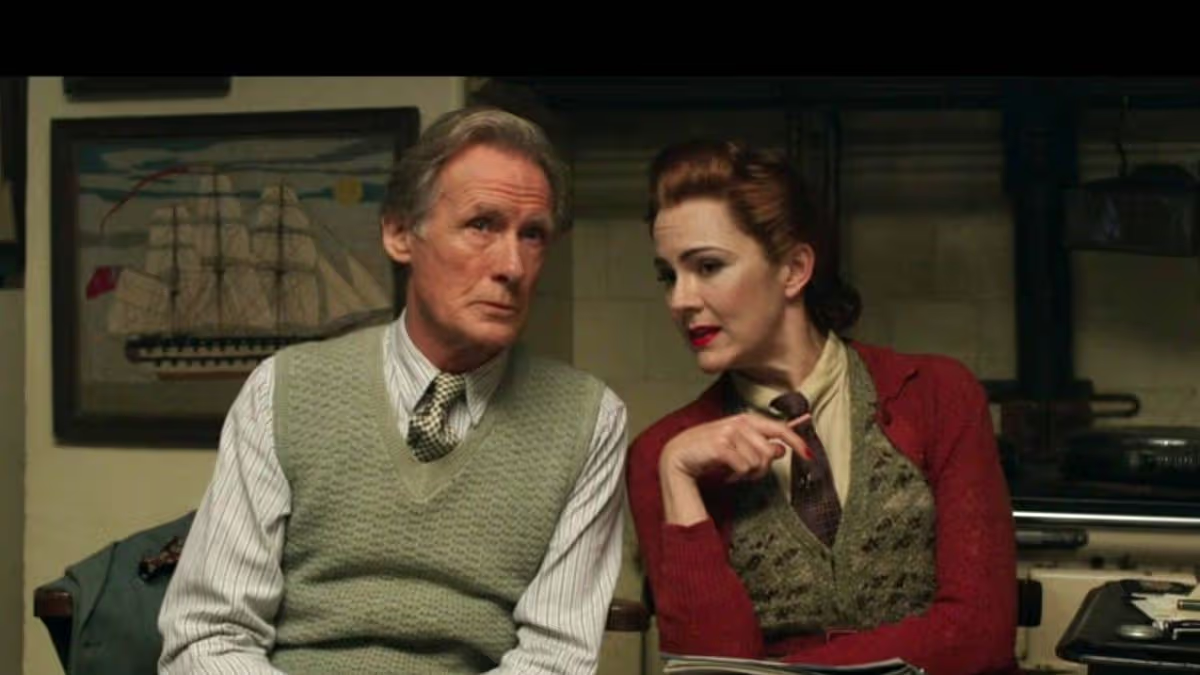
The historical picture Their Finest unfolds in wartime London and features former James Bond star Gemma Arterton as Catrin Cole, a screenwriter who unwittingly battles gender discrimination in Britain’s film industry.
Set in 1940, Catrin secures employment creating a propaganda film designed to lift spirits, featuring declining star Ambrose Hilliard, portrayed by Bill Nighy, who initially resists the project.
Teaming up with co-writer Buckley (Sam Claflin), the threesome embarks on producing a picture intended to inspire the nation while captivating American audiences.
Their Finest draws on Lissa Evans’ novel Their Finest Hour and a Half, presenting a romantic, humorous, yet poignant depiction of a young woman discovering her path and voice amid wartime chaos, reports the Mirror.
Advertisement
Following its release seven years ago, Their Finest has garnered an exceptional 90% score on Rotten Tomatoes alongside numerous glowing critiques.
One admirer described the picture as “escapism”, noting: “There’s a sweet love story and some wonderful work by an array of British actors. My heavens, this is charming, rib-tickling escapism.”
Another viewer observed: “It feels inappropriate to be moved by a film about propaganda during an era of ‘alternative facts’. Yet I found my soul soothed by Their Finest.”
Advertisement
A third remarked: “A delight from start to finish, except for the part where the film rips your heart out.” Another viewer admitted: “Love this movie so much, I’ve watched it at least 4 times. Give me more.”
“Tremendous, witty, moving”, one viewer simply commented, while another shared similar praise: “This is one of the most beautiful movies I’ve seen. Great story, great message!”
Who stars in Their Finest?
Gemma Arterton as Catrin Cole
Sam Claflin as Tom Buckley
Bill Nighy as Ambrose Hilliard
Helen McCrory as Sophie Smith
Jack Huston as Ellis Cole
Eddie Marsan as Sammy Smith
Claudia Jessie as Doris Cleavely
Jake Lacy as Carl Lundbeck
Richard E Grant as Roger Swain
Where can I watch Their Finest?
Their Finest is presently available to stream on BBC iPlayer, though it won’t remain online for much longer. It’ll be accessible until Monday, 15 June, meaning fans must act swiftly.
The reality TV star and Kiss breakfast show host surprised Soccer Aid viewers during her England debut
Soccer Aid fans said Love Island star Chloe Burrows was ‘robbed’ after delivering the ‘best ball of the match’. The star-studded football match returned for 2026 on ITV on Sunday (May 31) with footballing legends and celebrities joining together to raise money for UNICEF.
Advertisement
The game sees England take on a World XI, with both teams aiming to lift the trophy. World XI won last year, reclaiming the title back from England after the team’s sixth win in the last seven years.
Playing for England this year were former professionals Wayne Rooney, Jermain Defoe, Jill Scott and Jack Wilshere, who were joined by celebrities such as Tom Hiddleston, GK Barry Danny Dyer, Jack Whitewall, Olly Murs, Chloe Burrows and Joe Marler.
Get MEN Premium now for just £1 HERE – or get involved in our WhatsApp group by clicking HERE. And don’t miss out on our brilliant selection of newsletters HERE.
Jordi Alba, Leonardo Bonucci, Dimitar Berbatov and Nemanja Matic played for the Rest of the World XI, joined by the likes of Nicky Byrne, Dermot Kennedy and Nitro (Harry Aikines-Aryeetey) from Gladiators.
Advertisement
The World XI team looked set to equalise at the last minute, but Lukas Podolski opted to square the ball instead of take a shot at Joe Marler. Not long after, the referee blew the whistle to signify the end of the match and England were victorious. The final score was England 3-2 World XI.
For the second year in a row, Angry Ginge was handed the man of the match award. The YouTuber has put in another impressive display, playing the full match and making one crucial clearance of the line earlier in the game.
More than £16million has been raised for UNICEF this evening, taking the historic total from the event to around £137million.
But viewers appeared to be impressed by Chloe Burrows, who came on in the second half. Chloe rose to fame on the seventh series of Love Island in 2021, and now has her own podcast Chloe vs The World and co-presents the Kiss breakfast show alongside Tyler West.
Advertisement
The Love Island and Celebs Go Dating star exclusively told Mirror that she played at semi-pro level ahead of making her debut at Soccer Aid for England.
Impressed by her play, Soccer Aid fans took to X as @kiyburkeera said: “Chloe burrows I wasn’t familiar with your game fair play c money !!!,” as @Si_23Q said: “Chloe Burrows robbed of a superb assist #SoccerAid.”
@svnxvx wrote: “All the talent on the pitch and Chloe Burrows played the best ball of the entire match. Shame it fell to Theo Walcott #SoccerAid.”
Advertisement
@Larsson_Maeda said: “Chloe Burrows should’ve had assist of the match, Theo Walcott finishing is atrocious #SoccerAid.”
@LJ1862 wrote: “Chloe Burrows putting Kouhyar to shame tonight #socceraid,” as @occfox added: “Chloe Burrows has got a kick on her you know fair play- me with minimal ball knowledge #socceraid.”
@iGeorgiaWalton also said: “What a knock that was from Chloe Burrows #socceraid,” as @Makka_pakz added: “Chloe Burrows pinging a ball to Theo Walcott was not on my 2026 bingo card #socceraid.”
@Siiel12 also wrote: “Chloe Burrows came on and said ‘what am I doing?’ then made that outrageous pass #socceraid,” as @gbenson77 echoed: “Can we all just appreciate that through ball by Chloe Burrows #socceraid.”










































You must be logged in to post a comment Login