Connect with us

NewsBeat

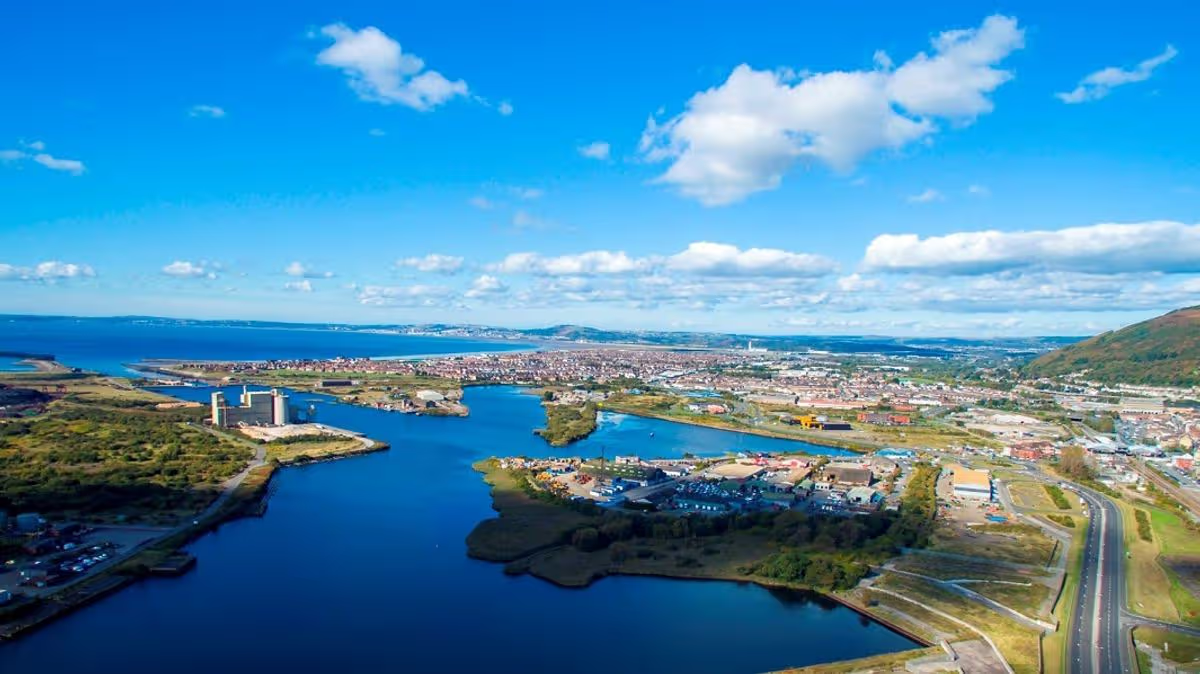
Latest on plans to develop Port Talbot’s port ready for wind turbines off Welsh coast

Published

on

Wales Online

It could see the creation of assembly and manufacturing facilities for the offshore wind industry

Plans for a “transformative programme” of works to redevelop the port of Port Talbot have taken a step forward after an early stage application to the local council.

Advertisement

The project known as the ‘Future Port Talbot’ programme will look to construct new marine and land-side infrastructure at the south Wales port in order to facilitate the creation of huge floating offshore wind-farms in the Celtic Sea.

The work could eventually see the creation of assembly and manufacturing facilities for the offshore wind industry along with a new quay wall, land-side material and equipment storage if taken forward. Stay in the know by making sure you’re receiving our daily newsletter.

It comes after The UK Government announced a £64m investment into the port of Port Talbot in March of 2026 to enable Associated British Ports, (ABP) to complete the essential design and engineering work needed.

Additionally, in 2025 the Crown Estate struck a leasing agreement with developers to build three floating offshore wind-farms in the Celtic Sea, one in English waters, one in Welsh waters and a third straddling both.

Advertisement

As a result it is hoped that the port could support thousands of new jobs once completed, potentially unlocking over £500m of investment for the town and wider area.

The latest submission to Neath Port Talbot Council was revealed as part of officers delegated decisions made between March 13 and May 14, 2026.

It confirmed the intention of ABP to submit a Harbour Revision Order for the works in Port Talbot.

A scoping direction also confirmed the full plans would need to include an environmental impact assessment as well as an application for a Marine Licence from Natural Resources Wales.

Advertisement

A section of the Associated British Ports website which discusses the Future Port Talbot Programme said: “Port Talbot has been at the forefront of industrial change before, and ABP’s vision is to lead that change again.

“Port Talbot has a natural sheltered deep-water harbour and large land that can be developed.

“It is close to floating offshore wind in the Celtic Sea and has strong export potential.

“The port sits within communities with a rich industrial heritage and a strong base of relevant skills and experience.

Advertisement

“These plans support growth in Wales and the UK and can help drive wider economic regeneration across South Wales.”

Get daily breaking news updates on your phone by joining our WhatsApp community here. We occasionally treat members to special offers, promotions and ads from us and our partners. See our Privacy Notice.

Do you get a good service from your council?

Do you get a good service from your council?

Advertisement

Source link

Continue Reading
Click to comment

You must be logged in to post a comment Login

Leave a Reply

NewsBeat

One Day Meets Normal People: Claire Foy And Matthew Macfadyen To Star In Epic BBC Romance

Published

on

One Day Meets Normal People: Claire Foy And Matthew Macfadyen To Star In Epic BBC Romance

Claire Foy and Matthew Macfadyen are going to star in an adaptation of One Day author David Nicholls’ novel, You Are Here.

Made with the BBC and Starz, the broadcaster explained that the series will be written by Nicholls himself and directed by Normal People director Lenny Abrahamson. It’ll be filmed in the Lake District and around Manchester.

Claire will play Marnie, while Pride & Prejudice star Matthew will take on the role of Michael. In the book, the pair embark on a long walk after a friend’s unexpected introduction.

“Against the odds, they end up on the brink of a relationship that neither was looking for, but which might be exactly the one they both need,” said the BBC.

Advertisement

Writer David Nicholls said, “I’m so delighted to be working on You Are Here with Element, the BBC, Starz and Lenny, whose work I’ve admired for many years. And Matthew and Claire are both just dream casting, wonderful in comedy and drama, so detailed and thoughtful and sympathetic.

“The intention with the novel was to write a close-up study of a relationship, but set against this magnificent landscape, and that’s our ambition here too; to make something both intimate and epic, funny and dramatic, a romantic comedy with real emotion. We can’t wait to bring Marnie and Michael’s journey to the screen.”

Director Lenny Abrahamson, meanwhile, said he was an “admirer” of David’s work.

He continued, “The novel is such a beautiful love story – funny, profound and ultimately deeply hopeful. I’m also extremely excited to have Claire and Matthew, two actors I hugely admire, playing Michael and Marnie.”

Advertisement

And Kathryn Busby, the president of original programming at STARZ, said: “You Are Here is disarming, sly and deeply romantic. It captures something true and aching about the way we love now.

“Together with our partners at the BBC, we are thrilled to be working with the dream team of David, Lenny, Claire, Matthew and Element Pictures to bring this beautiful love story to life. It’s a perfect fit for our STARZ audience.”

We don’t yet have a release date.

Still, we’re stockpiling tissues already…

Advertisement

Source link

Continue Reading

NewsBeat

Wellness teacher who injured her back during year-long Buddhist retreat on remote Scottish island took her own life because she could no longer live with the pain, inquest hears

Published

on

Wellness teacher Claire Rodway, 52, had been fit and active before she went to stay at the remote monastery and performed hundreds of prostrations a day

A woman who suffered a bad back injury during a year-long Buddhist retreat took her own life because she could no longer live with the pain, an inquest has heard.

Wellness teacher Claire Rodway, 52, had been fit and active before she went to stay at the remote monastery.

The challenging retreat involved her performing 650 prostrations – a bowing motion that involves fully extending the body on the floor – every day.

It was said that this ritual ultimately left her in debilitating pain.

Advertisement

She also endured a disrupted sleep pattern as many teachings took place remotely from Nepal at 2am, an inquest into her death heard. 

After five months the former nurse left the Kagyu Samye Ling Monastery on the Holy Isle, an island off Scotland’s west coast.

Ms Rodway, from Christchurch, Dorset, was diagnosed with fibromyalgia a few months later, which caused her unbearable pain and meant she was unable to volunteer or work.

Ms Rodway was found drowned in the River Avon on October 2 2025. She had left notes for friends and family describing how the condition had ‘destroyed my life’.

Advertisement

Her family claimed the retreat put vulnerable people’s lives in danger as no risk assessments on participants’ health were carried out when they joined.

Wellness teacher Claire Rodway, 52, had been fit and active before she went to stay at the remote monastery and performed hundreds of prostrations a day

Senior Buddhist nun Elise Jacobsen, known as Lama Zangmo, told the Bournemouth inquest adjustments were made to address Ms Rodway's back pain

Senior Buddhist nun Elise Jacobsen, known as Lama Zangmo, told the Bournemouth inquest adjustments were made to address Ms Rodway’s back pain

Advertisement

The inquest in Bournemouth heard Ms Rodway joined the religious refuge in October 2024.

Her close friend Rosemarie Roberts, who met Ms Rodway when they volunteered for a Buddhist centre in Scarborough, East Yorks, said she had warned her the intense retreat would be ‘very difficult and challenging’.

Ms Rodway said she was confident she could deal with the challenge, but later told Ms Roberts she regretted going to the Holy Isle.

During her stay, Ms Rodway wrote to Ms Roberts to say she was ‘feeling lost’, that her pain ‘was worse’.

Advertisement

As well as the prostrations the retreat also involved evenings spent in complete silence for several hours.

Senior Buddhist nun Elise Jacobsen, known as Lama Zangmo, told the Bournemouth inquest that adjustments were made to address Ms Rodway’s back pain.

She was given advice that the prostrations could be modified, such as to a kneeling or sitting position, but said Ms Rodway preferred to do the full-length pose.

She said Ms Rodway had completed 100,000 prostrations in five months, but others had taken years to do them, adding: ‘It’s not a numbers game’.

Advertisement

After leaving the retreat on February 16 2025, Ms Rodway stayed elsewhere on the island until April 2. She went to see her GP about the back pain two weeks later.

By June the pain was so debilitating she had to move in with her mother Christine and was then diagnosed with fibromyalgia on July 3.

Her doctor said she was really struggling with the pain. She was put on strong painkillers and antidepressants and given referrals to the mental health and pain management teams.

She was on a six-week waiting list for pain management when her family reported her missing on October 2 and her body was found on the same day.

Advertisement
Ms Rodway, from Christchurch, Dorset, was diagnosed with fibromyalgia a few months later, which caused her unbearable pain and meant she was unable to volunteer or work

Ms Rodway, from Christchurch, Dorset, was diagnosed with fibromyalgia a few months later, which caused her unbearable pain and meant she was unable to volunteer or work

A post-mortem examination confirmed the cause of death as drowning.

The inquest heard police officers searched her bedroom and found closed letters addressed to family and friends.

They read: ‘Fibromyalgia has destroyed my life. I have fought it and tried many things to improve it.

Advertisement

‘I have taken many medications to help but it just slowly robs me of more and more.

‘The pain is unbearable by the end of the day, it never goes away from first thing onwards. I feel I already have poor quality of life. I have nothing to give – I can’t volunteer or work.’

Ms Rodway’s family raised concerns about a lack of risk assessment and evaluation of potential participants at the retreat by medical professionals.

Ellen Robertson, counsel for the family, said: ‘It’s a remote island with no medical facilities available.

Advertisement

‘A great deal of people on the retreat will have taken vows of silence, people are undergoing a huge change in their environment.

‘These retreats will always, by their nature, involve a risk of attracting vulnerable people and make people more vulnerable when they are there.

‘The way in which this organisation is operating is not safe.

‘Lama Zangmo said there were no major risks. That as a belief is horrifying, that culture is one that puts people in danger.’

Advertisement

But Helen Richardson, a trustee of the ROKPA Trust, who ran the monastery, said they had a consistent high safety record for their longer retreats.

She said in over 30 years only 6 per cent of retreatants had left early and there were no known occasions of them leaving early due to physical complications relating to the ngondro procedure.

Assistant coroner Richard Middleton gave a conclusion of suicide and said he did not believe Ms Rodway’s death was preventable.

He said he was satisfied the monastery had taken appropriate action to address issues when they arose and doctors had made clinical decisions and appropriate referrals.

Advertisement

Mr Middleton said: ‘I do not believe I can establish a causal link between her time at the retreat and her death.

‘Ms Roberts gave evidence following her meeting with Ms Rodway in June 2025 she described how she had pain throughout her body and fear for the future as she knew it was getting worse and she would not be able to do things that gave her life meaning.

‘She also described the debilitating nature of her condition in notes of intent left immediately prior to her death.

‘Dr Mukherjee said it is difficult to diagnose what may trigger the onset of fibromyalgia.

Advertisement

‘It may not be a single event. It may be events over months or years. It may be possible to isolate a moment in time someone starts to suffer – for example Covid, menopause or the break up of a serious relationship.

‘It may be the boom and bust experience from some sort of strenuous task.

‘Ms Robertson suggested on behalf of the family the unearthing of trauma, the potential one is completing 650 prostrations a day for six months and a fairly disrupted sleep pattern, those three elements could have caused the onset.

‘He said he was unable to say but common sense will say it is possible those three elements could have worsened the fibromyalgia.’

Advertisement

But Mr Middleton said he would not make a preventing future deaths report as the trust had carried out investigations and reviews since Ms Rodway’s death which had ‘raised the bar’ for their rules, principles and standards.

Source link

Continue Reading

NewsBeat

Heatwave horror: Deaths from heat are already DOUBLE last year’s total, with over 2,800 Britons killed in May and June alone

Published

on

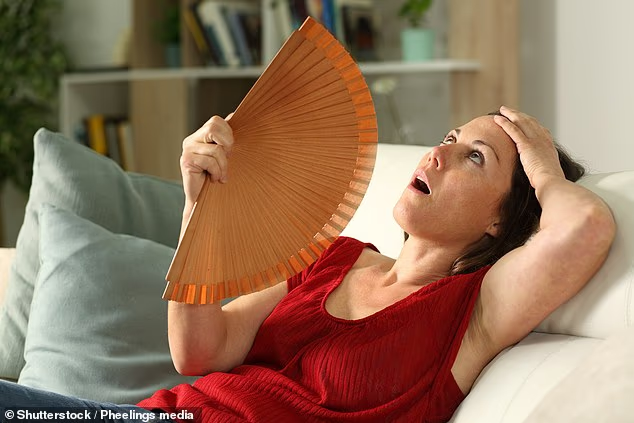
Britons are sweltering beneath a heat dome - and their health could be at risk

Advertisement

Deaths in Britain linked to soaring temperatures in May and June this year were almost double the entire figure for 2025, with 2,877 deaths linked to hot weather, new data has revealed.

The UK Health Security Agency (UKHSA) published the report following two ‘exceptional’ heat events, with record-breaking temperatures taking a considerable toll on public health. 

Last year, there were 1,504 heat deaths recorded.

Across May and June this year there have already been 2,877 heat-related fatalities, with numbers expected to rise. 

Advertisement

An estimated 753 deaths were associated with the heatwave between May 24-27, which occurred ‘unusually early’ in the year following a period of cooler weather. 

A further 2,124 deaths have been linked to sustained high temperatures in June. 

The UKHSA says these are early estimates, but already suggest heat deaths are rapidly approaching the annual record reported in 2022. 

‘These figures highlight the significant danger that very hot weather can pose to people’s health. This is particularly true for those who are more vulnerable including older adults and people with underlying medical conditions,’ Dr Ross Thompson, Principal Environmental Public Health Scientist at UKHSA said. 

Advertisement

Britons are sweltering beneath a heat dome – and their health could be at risk

Britain experienced its hottest ever June day last month after temperatures reached a blistering 38C. 

Amber and yellow heat health alerts are currently in place, as parts of the UK endure the fourth heatwave of the year so far. 

Advertisement

In response, Health and Social Care Secretary, Yvette Cooper, said: ‘For many years, we have been used to winter pressures in our NHS and the need to support those who are vulnerable in the coldest weather. 

‘But now we are seeing the summer heat have an increasingly serious impact on the health of thousands of people, and on the pressures facing our NHS too.’

A heat episode is defined as days when the average temperature in England is at least 20C. 

The May heatwave saw a maximum temperature of 35.1 in Kew Gardens, London whilst average temperatures sat at around 23.2C. 

Advertisement

Daily deaths over this period peaked on 26 May, the hottest day of the heatwave. 

The June heatwave lasted even longer, from 21 to 28 June, resulting in approximately 266 heat-related deaths a day. 

 ‘The estimated 2,877 heat-associated deaths observed across the May and June episodes represent a substantial public health impact,’ the UKHSA states. 

‘The timing of these events are particularly noteworthy. 

‘Early-season heat can pose particular risks as unusually hot weather may occur before people, communities and services have fully prepared and are ready to respond to hot weather conditions.’ 

Advertisement

This is because soaring temperatures place intense strain on the body’s organs, which can prove fatal. 

As body temperatures rise, more blood is diverted to the skin to help cool the body, increasing the workload on the heart and raising the risk of heat stroke and exhaustion. 

Dehydration also thickens the blood, raising the risk of heart attacks and strokes. 

Advertisement

Advertisement

Source link

Continue Reading

NewsBeat

Residents of the UK’s most unhealthy town blame the Government for their problems… while Britain’s healthiest claim they do it on their own

Published

on

Residents of the UK's most unhealthy town blame the Government for their problems... while Britain's healthiest claim they do it on their own

Reading books, walking and bike riding are among the secrets of a long and healthy life, say residents in the English neighbourhoods with the longest life expectancy.

But people in the worst place, Blackpool – where men die an average of 10 years earlier – bemoaned drug abuse, cheap booze and fast food, as well as poor housing.

In the areas where people lived longest, residents told the Daily Mail how there are more activities and facilities such as leisure centres and libraries to keep people active physically and mentally as they got older.

There were also better shops selling a good range of healthy food, as well as easy access to medical services and GP appointments.

Advertisement

Locals in the healthiest places praised green space, parks and countryside giving opportunities for exercise and spending time outdoors in pleasant environments.

Analysis by The King’s Fund published this week found the Lancashire seaside resort has the lowest life expectancy of anywhere in the country, at 73.7 years for men and 79.1 years for women.

The health and social care think tank’s study also found there was low life expectancy across the former industrial and urban areas of northern England – although life expectancy shot up in rural and more affluent parts of the North.

Meanwhile, in Hampshire’s prosperous Hart district – which has previously been voted the best place to live in a national survey – life expectancy averages 83.7 years for men and 86.2 years for women.

Advertisement

Blackpool: Analysis this week found the Lancashire seaside resort has the lowest life expectancy of anywhere in the country, at 73.7 years for men and 79.1 years for women

Kensington: In the London borough, women can expect to live even longer, averaging 87.1 years, while the figure is 82.2 for men

Kensington: In the London borough, women can expect to live even longer, averaging 87.1 years, while the figure is 82.2 for men

In Hart, life expectancy averages are 83.7 years for men and 86.2 years for women. Jane Nicholson, 60, said there were plenty of active spaces, a golf club, leisure centres - and great healthcare

In Hart, life expectancy averages are 83.7 years for men and 86.2 years for women. Jane Nicholson, 60, said there were plenty of active spaces, a golf club, leisure centres – and great healthcare

In the London borough of Kensington and Chelsea, women can expect to live even longer, averaging 87.1 years, while the figure is 82.2 for men.

Life expectancy is also very high in areas such as the Uttlesford district of rural Essex, where it averages 86.4 years for women.

Residents of Britain’s top borough for living a long life praised the area’s green spaces, places for walking and cycling – as well as good healthcare and opportunities for older people to keep active.

Advertisement

Hart, centred around the town of Fleet, has been ranked near the top of the Halifax Quality of Life Survey on several occasions, coming top in 2012 and third in 2020.

Much of the area remains rural – despite large-scale housebuilding – and facilities for sport and leisure have been rated ‘excellent’.

Residents of the district also reported higher than average levels of life satisfaction – 8.2 out of 10, compared to 7.8 for the UK in general. Employment levels were also significantly higher for Hart at 87.2 per cent, compared to 75 per cent for the rest of the country.

In data from the 2021 census, 54.8 per cent of people reported being in ‘very good health’, placing Hart in the top 20 per cent for local authority areas across the UK.

Advertisement

But the cost of buying a home in the district is 4.5 times that of Blackpool, with provisional Office for National Statistics data from May showing the average home in Hart cost £487,000, compared with £134,000 in Blackpool.

Adrian Mann, 79, moved to the Hart area from London 18 months ago. He said: ‘When we moved to Fleet, we really noticed the difference. 

‘There are always people in their 80s walking around the town centre. The cemetery is also full of people who have lived well into their 90s – a good age.

‘I think this is down to the clean air. There are also lots of walks, parks and also the pond. There are quite a lot of churches, the library as well – it has the facilities for older people.’

Advertisement

Mr Mann’s partner, who wished to remain anonymous, said: ‘I hadn’t been well before we moved here and then suddenly after living in the area, my symptoms completely went.

‘I put it down to the clean air. With the number of trees, it is basically the countryside. People are encouraged to get out and about in Fleet.

‘The medical care is good and there are a lot of organisations for older people which get them out of their houses.’

Retired solicitor Robert Cook, 79, and his wife Linda, 84, have lived in Fleet for 35 years during which they say it has undergone a huge population increase and independent retailers have closed – but it remains ‘very pleasant’.

Advertisement

Mr Cook said: ‘To stay healthy, we try to go out most days; we don’t stay at home watching the telly all day. We often go out to Waitrose, M&S and some of the other shops.

‘You see a lot of the older population around the town. People come to retire here. Hart in general is very pleasant.’

Mrs Cook added: ‘The healthcare in the area is excellent. There are a few practices in Fleet and you can get an appointment often on the same day or the following day.’

Charlotte Dando, 44, moved to Hart with her mother Christine Swain, 82.

Advertisement

She said: ‘I love living here. We’ve been here seven years, and we moved from Camberley. The schools are great. We are in walking distance from the town.

‘My mother moved here too and she lives in an annex in our garden. We are not surprised at all that people here live the longest in the UK. There’s lot going on – all the parks, there are also really good cycle paths. You can cycle down the canal. My husband cycles to work. There are just a lot of outdoorsy things on your doorstep.’

Blackpool: Analysis this week found the Lancashire seaside resort has the lowest life expectancy of anywhere in the country, at 73.7 years for men and 79.1 years for women

Blackpool: Analysis this week found the Lancashire seaside resort has the lowest life expectancy of anywhere in the country, at 73.7 years for men and 79.1 years for women

Retired solicitor Robert Cook, 79, and wife Linda, 84, have lived in Fleet for 35 years

Retired solicitor Robert Cook, 79, and wife Linda, 84, have lived in Fleet for 35 years

Advertisement
Residents in Blackpool bemoaned a 'shocking' string of social problems for contributing to low life expectancy

Residents in Blackpool bemoaned a ‘shocking’ string of social problems for contributing to low life expectancy

Hart, centred around the town of Fleet, has been ranked near the top of the Halifax Quality of Life Survey on several occasions, coming top in 2012 and third in 2020

Hart, centred around the town of Fleet, has been ranked near the top of the Halifax Quality of Life Survey on several occasions, coming top in 2012 and third in 2020

Kensington: Residents of Britain's top borough for living a long life praised the area's green spaces, places for walking and cycling ¿ as well as good healthcare and opportunities for older people to keep active

Kensington: Residents of Britain’s top borough for living a long life praised the area’s green spaces, places for walking and cycling – as well as good healthcare and opportunities for older people to keep active

Mrs Dando said she believes diet and exercise help keep people healthy, with walking ‘massively important’. She also praised the availability of health food shops and places selling fresh and organic foods.

Advertisement

Jane Nicholson, 60, said: ‘Hart is a lovely area to live in and it’s been known to be so for quite a long time.

‘In terms of active spaces, there is North Hants golf club just down the road. There are also leisure centres. The healthcare is also great. I have always had a good experience.’

In contrast, residents in Blackpool bemoaned a ‘shocking’ string of social problems for contributing to low life expectancy.

Locals claimed to have seen drug addicts shooting up heroin in the street as well as drunk homeless people passed out.

Advertisement

The area also has a chronic shortage of NHS dentists – with one man admitting he had to pull out four of his own teeth.

Cheap fast food shops in the Lancashire tourist mecca sell burgers for £1, while pubs advertise pints of beer for as little as £1.69.

Expectant mother-of-one Tegan Milner, 23, said: ‘Some of the things you see are shocking.

‘There’s a lot of drunk people fighting in the street which has led to stabbings.

Advertisement

‘I don’t feel safe going out at night. I just go out in the day.’

The former hotel worker added: ‘You also see a lot of drug taking.

‘I saw one druggie take out a needle and inject himself with heroin right in the middle of the street in the middle of the day.

‘You don’t want to see that and I don’t want my kids around it.’

Advertisement

Plasterer Jamie Hornby, 54, who was out walking his dog Skye, said: ‘It doesn’t surprise me the life expectancy is so low here.

‘There’s a lot of drug taking and homeless people drunk in the street.

‘They have cleaned up the sea front but you see a lot of druggies around the public toilets.

‘And having lots of cheap fast food doesn’t help.

Advertisement

‘I keep fit taking the dog for a walk every day but a lot of people don’t look after themselves.’

Pensioner Colin Stead, 65, said: ‘You see a lot of poverty here but is pretty devastating.

‘A lot of people can’t afford to buy healthy food or they just buy cheap stuff.

‘Prices have gone up all the time and people have struggled to make ends meet.’

Advertisement

Retired John Ellis, 66, said: ‘Blackpool has a lot of problems.

‘There are a lot of cheap drugs and alcohol sold which doesn’t help. Some of the housing is very poor – it’s also very cheap.’

The health of the local population has not been helped by a dearth of NHS dentists.

Father-of-four Andrew Abernethy, 45, revealed he had been forced to pull out four of his own teeth.

Advertisement

He said: ‘I couldn’t get a dentist and so I just did it myself. I just got a pair of pliers and pulled them out.

‘Fortunately, I have a high threshold for pain but you don’t really want to have to do it yourself.

‘There’s a lot of problems in Blackpool – I blame the government for a lot of it.’

Some 250 miles south, people on the streets of Kensington espoused the benefits of exercise, keeping mentally active and a healthy diet.

Advertisement

Chrissie Fraser, 77, said: ‘I continue with my healthy outlook like going out walking, being careful with my diet, and I don’t really drink.

‘Probably the secret for everybody is if they go and read a few more books.

‘(For) every individual person, it’s nothing to do with access, it’s to do with what’s going on in your head.

‘You can now access the most fantastic information that I didn’t have as a girl. It was the library and my bicycle, I think the answer is a book and a bike.

Advertisement

‘It’s cheaper to eat well, isn’t it? I think it’s to do with who you think you are, I think it’s a bit more about the individual.’

She added: ‘I would be happier mentally [in the north] because it’s cheaper to live there. If I sold my flat in Kensington, I could buy something spectacular in Newcastle. So my mental well-being would probably be quite good, the only thing is I don’t want to go to Newcastle.’

Some people in Kensington were surprised northerners weren’t more healthy given their better access to outdoor space.

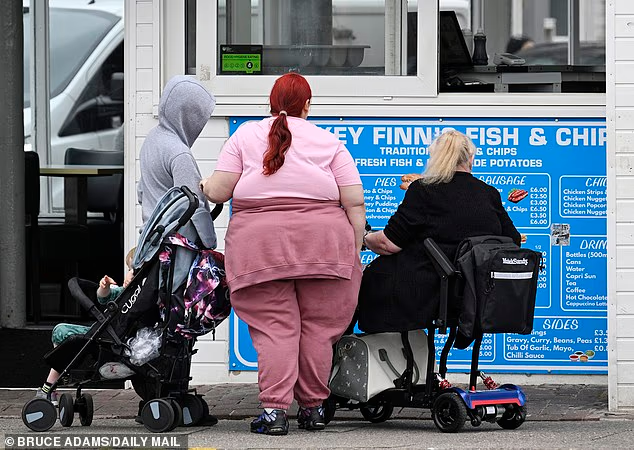
The health and social care think tank's study also found there was low life expectancy across the former industrial and urban areas of northern England ¿ although life expectancy shot up in rural and more affluent parts of the North. Pictured, Blackpool

The health and social care think tank’s study also found there was low life expectancy across the former industrial and urban areas of northern England – although life expectancy shot up in rural and more affluent parts of the North. Pictured, Blackpool

Advertisement

Marion Bennett, 70, said: ‘They should be healthier (in the North) shouldn’t they?’

She said she would have expected northerners to be healthier because of ‘better access’ to outdoor space.

Ms Bennett, who used to play netball, tennis and go skiing, added: ‘I do a tremendous amount of walking, I think it stands you in good stead for your later life.

‘Make sure you get your vegetables every day, I’m not so good at drinking water though.’

Advertisement

A healthy diet was important for Francis Ley, 79, who said: ‘I would recommend organic stuff, apples, pears, oranges, blueberries, potatoes, tomatoes, everything that’s organic.

‘Years ago, everything used to be organic before pesticides, and then that came but now they’re going back to organic.

‘But they’re having to pay more now because the earth now is saturated with the so-called chemicals. It’s fast living.

‘That’s why a lot of people are ill and sick because when you go into fast food restaurants, it’s all fried.’

Advertisement

But Lawrence Oji, 73, admitted he could improve his lifestyle as he ‘hardly exercises’ which he knows is ‘not good’.

He said: ‘Only my youngest daughter is particular about what she eats. She’s in a boarding school and she’s so concerned about it. She drinks up to two litres of water every day, I don’t.

‘I’m shocked to hear that people in London live longer because (in the North) you get less pollution, you get more greenery, you get more trees and all that so I would’ve thought it was the other way around.’

And Matthew Martin, 62, who lives in a housing association flat in Earl’s Court but was homeless at one time, said that even with a ‘very small amount of money’ a healthy diet is possible.

Advertisement

He said: ‘I’ve been homeless myself and I know with a very small amount of money you can buy eggs, pasta, tomatoes, you can make soup. It’s not a grand living but you can live reasonably well.’

Paul Edwards, 53, a father of two from Maidstone, Kent, who was visiting Kensington, said he paid attention to his health.

He said: ‘I take supplements, go to the gym and try to avoid saturated fats, salts and all that.

‘My mum’s family’s from Cumbria so I’m quite aware of the difference between housing and lifestyle between northern and southern communities.

Advertisement

‘When I visit there I know exactly the difference and I feel really fortunate to live in south-east, though it feels crowded and overpopulated at times, the standard of housing is better and the awareness of healthy lifestyles, in my opinion, is more prevalent in the southeast than it is up there.’

The King’s Fund said life expectancy in England in 2025 reached the highest levels ever recorded, but the gains in longevity were not shared equally.

It said geographical inequalities reflect socio-economic inequalities and greater levels of deprivation in northern regions – and called the problem a ‘mark of shame’.

People living in the most deprived 30 per cent of areas experienced a fall or no improvement in life expectancy in the decade to 2022-24. And geographical and socio-economic inequalities in life expectancy have been widening since 2010, and people in all regions spend fewer years in good health.

Advertisement

Veena Raleigh, Senior Fellow at The King’s Fund said: ‘That people in our northern and deprived communities have seen little or no improvement in longevity over a decade, in contrast to the health gains in their southern and more well-off counterparts, is a mark of shame for an affluent country. 

‘Addressing this inequity in the nation’s health is not just a matter of social justice, it would reduce pressures on the NHS and the high economic costs of ill health.’

Source link

Advertisement
Continue Reading

NewsBeat

Arsenal boss Mikel Arteta delivers Declan Rice fitness update | Football

Published

on

Arsenal boss Mikel Arteta delivers Declan Rice fitness update | Football


Source link

Advertisement
Continue Reading

NewsBeat

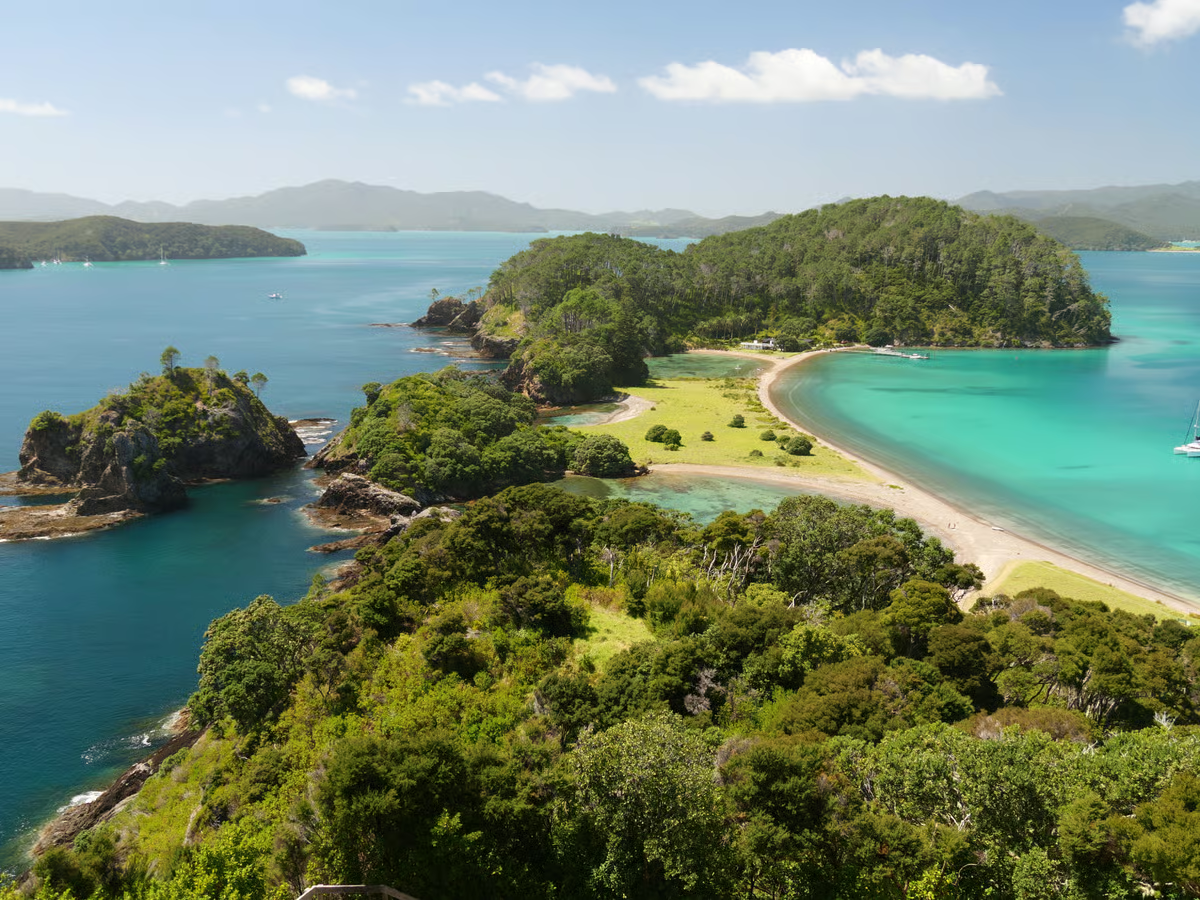
North Island, New Zealand: A one-week travel guide

Published

on

North Island, New Zealand: A one-week travel guide

There’s something oddly dismissive about the way people divvy up New Zealand when planning a trip. If you have four weeks to do the whole thing, most people will probably tell you to spend three of them on the South Island and one week on the North Island — which is probably the right ratio, if you’re wanting to maximise your month and capitalise on all the things that make a trip to this magnificent country so unforgettable.

The problem with doing so is it leads to the assumption that the North Island is just an add-on: a one-week warm-up before the real deal. The North might be smaller and less dramatic in terms of scenery, but it’s far from a warm-up — it’s a full holiday in itself, and the best bits come when you stop trying to compare it and start seeing it as a destination in its own right.

There are tropical beaches, world-class wineries and landscapes straight out of Lord of the Rings (I’m talking about the Tongariro Crossing, one of most popular day hikes in the world). The weather is warmer and generally more reliable, it’s home to some of the most beautiful lakes in the world, and you’ll see more of the Māori culture there than in the South.

Source link

Advertisement
Continue Reading

NewsBeat

Missile that left crater deep inside Poland was probably Russian – Polish PM Tusk

Published

on

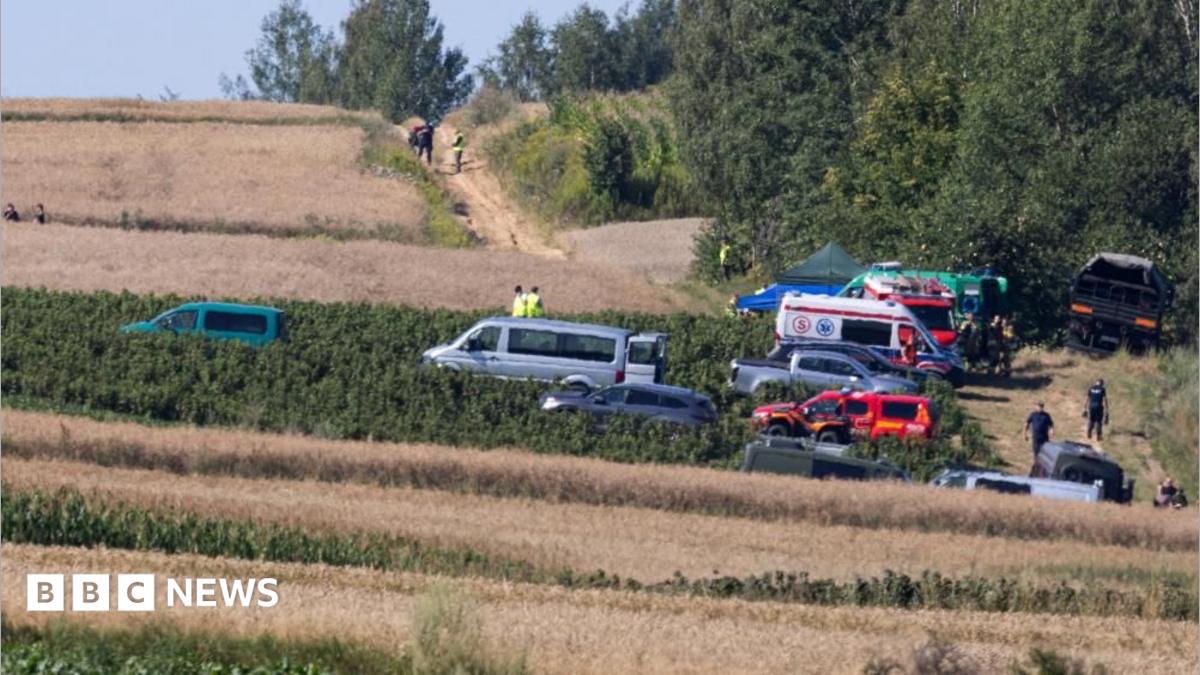
Emergency services work at the site where an unidentified flying object, believed to be a Russian cruise missile, as Ukraine's foreign minister said on Thursday, fell after violating Polish airspace

Polish Prime Minister Donald Tusk has said an object that crashed into a field in eastern Poland in the early hours of Thursday was probably a Russian missile.

The unidentified object caused a 10m-wide (33ft) crater a short distance from the village of Tarnawa Kolonia, about 100km (62 miles) from the border with Ukraine during a Russian attack on the city of Lviv.

“All the indications are that it was a Russian Kh-101 ballistic missile, but we want to be 100% certain about the type of missile and who launched it,” Tusk said during a specially convened meeting in nearby Lublin.

Ukraine’s acting Foreign Minister Andriy Sybiha said earlier on Thursday that a Russian Kh-101 cruise missile had “crossed into Poland as part of Russia’s massive strike against Ukraine, violating Nato airspace”.

Advertisement

Tusk said he was in contact with fellow European leaders before heading to the scene of Thursday’s incident. There were no reports of casualties in Thursday’s incident, he said, but it was being treated as serious.

A number of Russian drones and one unarmed Russian missile have landed in Poland since Russia’s full-scale war in Ukraine began in February 2022.

Two Polish farmers were killed by a missile that landed just over the border from Ukraine In November 2022, but that was believed to have been a Ukrainian air defence missile responding to a Russian attack.

Defence Minister Wladyslaw Kosiniak-Kamysz said about 20 objects were seen close to Polish airspace overnight and pyrotechnical analysis was being carried out to determine the identity of the object that fell near Tarnawa Kolonia.

Advertisement

Poland’s military detected the object at about 03:40 on Thursday (01:40 GMT) and sent an F-16 fighter jet to intercept it before it disappeared minutes later from radar systems. A military helicopter was then sent to search the area.

Air raid sirens blared in Lublin and Krasnystaw further to the south-east because of the Russian airstrikes that killed eight people in neighbouring Ukraine. Residents in Tarnawa Kolonia reported hearing a loud bang at about 04:00 and police found the crash site about an hour later.

The Polish leader had met Ukrainian President Volodymyr Zelensky in Lublin the previous evening as Zelensky was returning from talks with US President Donald Trump.

Source link

Advertisement
Continue Reading

NewsBeat

Wildfires burn ‘out-of-control’ in Crete with tourists among 8,000 evacuated as gale-force winds drive deadly inferno near holiday resort

Published

on

Flames and ember rise as a wildfire burns next to the village of Krya Vrysi on the island of Crete

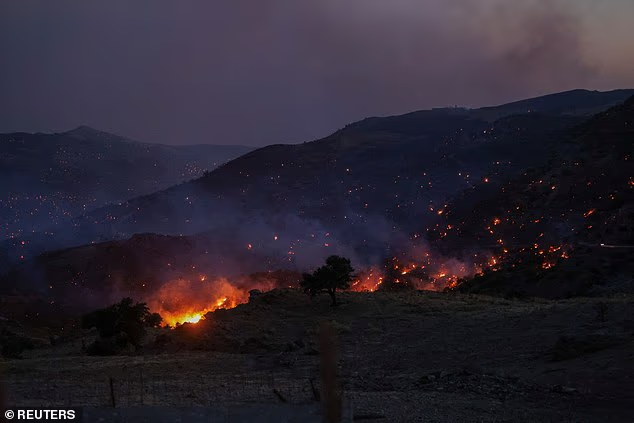
Thousands of people including tourists were evacuated late on Wednesday as fires threatened a tourist resort on the Greek island of Crete and continued to rage on Thursday, fanned by violent winds.

‘We evacuated (some) 8,000 people’ from the resort village of Agia Galini, Maria Lioni, deputy governor of the Rethymno area, told state TV ERT.

The evacuations were decided as the fire, which broke out Wednesday and had earlier killed two firefighters, got to within a kilometre of the village before changing direction in the evening.

The fire is believed to have burned down homes, agricultural facilities and farm animals, but the toll is unclear as the fire is ongoing, Lioni said, calling it a ‘dark day.’

Advertisement

Two firefighters were trapped on a mountain road near the village of Krya Vrysi and died as the winds kept changing direction.

A third firefighter collapsed and died during efforts to put out a separate fire near Gytheio in the Peloponnese peninsula.

It comes as Europe is battling some of the worst wildfires in living memory across multiple popular holiday destinations including France, Spain and Turkey:

  • A wildfire broke out on Thursday morning in Germany’s Chiemgau Alps mountain range. 200 firefighters and emergency personnel are on the scene. 
  •  In Spain, 207,000 hectares (511,000 acres) of land have burned nationwide, as firefighters continue to tackle a week-long wildfire outside Madrid. A new wildfire broke out on Wednesday near Spain’s border with Portugal, forcing the evacuation of more than 600 people.
  • In France, some 92,000 hectares have burned after a devastating fire swept through Bordeaux. New fires have now erupted between the cities of Marseille and Nice and in the Burgundy region.
  • Turkish firefighters on Wednesday battled wildfires near the country’s southern tourist beaches that have forced the evacuation of hundreds of people.

Flames and ember rise as a wildfire burns next to the village of Krya Vrysi on the island of Crete

Advertisement
A volunteer works to extinguish a fire in low-lying vegetation in Krya Vrysi, Rethymno, Crete

A volunteer works to extinguish a fire in low-lying vegetation in Krya Vrysi, Rethymno, Crete

Advertisement
A volunteer uses a shovel as they battle a wildfire at Seydikemer district in Mugla, Turkey

A volunteer uses a shovel as they battle a wildfire at Seydikemer district in Mugla, Turkey

This picture shows burnt-out cars and properties ravaged by a wildfire in the Encinar del Alberche residential area in Villa del Prado, south-west of Madrid

This picture shows burnt-out cars and properties ravaged by a wildfire in the Encinar del Alberche residential area in Villa del Prado, south-west of Madrid

The Crete fire department had dedicated a force of over 200 firefighters and 53 fire engines in the Rethymno area in southwestern Crete, but winds of up to 102 kilometres (63 miles) an hour was preventing most aircraft from taking on seawater. 

The fire front in Rethymno is over 15 kilometres long according to local civil protection official Giorgos Tsapakos.

Advertisement

But inhabited areas are ‘not under immediate threat’ as the fire is mainly burning forest and agricultural land, Tsapakos told Skai TV.

A coastguard spokesman said there were four patrol boats at Agia Galini ready to help with additional evacuations, including one from EU border agency Frontex.

‘But conditions are extremely difficult, there are (violent) wind shears,’ he said.

Prime Minister Kyriakos Mitsotakis paid tribute to the fallen firefighters on Wednesday.

Advertisement

‘Our thoughts are with them, as well as with all the firefighters, volunteers and members of the security forces who are battling the fire fronts, in the midst of a new harsh reality that they are called upon to face every year,’ the prime minister said.

Nearly 100 firefighters were separately tackling a fire near the village of Plomari on the island of Lesbos.

The civil protection ministry placed several areas on near-maximum fire alert for Thursday, including Crete, the greater Athens area, the eastern Peloponnese and most of the Aegean islands.

The National Observatory’s weather website meteo.gr said wind shears in the Rethymno area had been recorded at up to 125 kilometres per hour, and wind intensity was expected to remain high on Thursday.

Advertisement

Greece faces destructive wildfires almost every summer as prolonged drought, high temperatures and strong winds create ideal conditions for blazes to spread rapidly.

A wildfire broke out on Thursday morning in Germany’s Chiemgau Alps mountain range, near the village of Unterwossen.

200 members of the fire departments, mountain rescue, emergency medical services, and the police are on the scene tackling the blaze.

‘People are being asked to keep their windows and doors closed, turn off their ventilation and air conditioning systems, and avoid the area around the incident site,’ said a spokesperson for the district fire department association. 

Advertisement

Meanwhile in Spain,  207,000 hectares (511,000 acres) of land have burned nationwide, among the largest areas in any January to July period on record according to the European Forest Fire Information System. 

Emergency services have been working since last Thursday to put out a blaze in the Madrid region, and another in the nearby province of Avila, which officials said is the worst in Spain’s recent history.

The blazes forced the evacuation of tens of thousands of people, many of whom have now been allowed to return home.

Spain’s Prime Minister Pedro Sanchez said Wednesday that efforts to extinguish a major wildfire near Madrid were progressing ‘favourably’ and the coming hours would be ‘decisive’.

Advertisement
Tourists prepare to be transferred on a bus from the town of Moires as a wildfire burns on the island of Crete

Tourists prepare to be transferred on a bus from the town of Moires as a wildfire burns on the island of Crete

An aerial view shows firefighting teams continue aerial and ground operations to contain a forest fire that spread due to strong winds in the Alanya district of Antalya

An aerial view shows firefighting teams continue aerial and ground operations to contain a forest fire that spread due to strong winds in the Alanya district of Antalya

A helicopter drops water to extinguish a fire in the mountain forest in the Chiemgau Alps, near the village of Unterwossen, Germany

A helicopter drops water to extinguish a fire in the mountain forest in the Chiemgau Alps, near the village of Unterwossen, Germany

A house and belongings destroyed by a wildfire are photographed as the fire continues to spread in Pelayos de la Presa, Madrid province

A house and belongings destroyed by a wildfire are photographed as the fire continues to spread in Pelayos de la Presa, Madrid province

Advertisement
Smoke rises in a wooden area during a wildfire, south of Rethymno in the Greek island of Crete

Smoke rises in a wooden area during a wildfire, south of Rethymno in the Greek island of Crete

Firefighters take a break after working to extinguish a fire in the forest near Blagon, during wildfires in southwestern France

Firefighters take a break after working to extinguish a fire in the forest near Blagon, during wildfires in southwestern France

 ‘Today I believe we are closer to that final objective’ of ‘defeating the fire’, Sanchez told reporters in televised comments at a command centre in the town of Navalcarnero near the fire zone.

‘Things are progressing favourably, with the greatest of caution,’ he added.

Advertisement

‘I believe the next 12 hours will be very important – they will be decisive for consolidating the work that has been done’ by firefighters.

A new wildfire broke out on Wednesday near Spain’s border with Portugal, forcing the evacuation of more than 600 people, emergency services said.

A total of 11 areas were evacuated, and residents of two others were ordered to shelter in place, the services said.

Authorities did not say the area burned in the fire in Fermosselle region, but several roads have been closed.

Advertisement

Spain’s Military Emergency Unit (UME) was deployed to the Level 2 fire – a classification that triggers extra support from the central government.

Two other Level 2 fires – at Val de la Loba and San Cipriano del Condado – are active in the same Zamora province, in the Castile and Leon region which has already been hit by the largest fire in Spanish history since record-keeping began.

In France, some 92,000 hectares have burned between January and July – the largest area ever documented in records that date back two decades. 

The Gironde region reported a second calm night and said the massive fire west of France’s wine-making capital of Bordeaux remained stable despite a spike in temperatures on Wednesday as the fourth heatwave of the summer roasted the area.

Advertisement

‘If the night goes well, we can reasonably be more optimistic for tomorrow and the days to come,’ Sophie Brocas, a senior regional official, said.

In the southeastern region of Var, however, more than 600 people were forced to flee after a fresh fire erupted in the region nestled along France’s Mediterranean coast between the cities of Marseille and Nice.

The new fire erupted less than a day after another blaze in the Var was brought under control.

Another forest fire erupted in the eastern region of Burgundy near the city of Dijon, sweeping across 125 hectares but without causing any casualties or damage to homes, local officials said.

Advertisement

And Turkish firefighters on Wednesday battled wildfires near the country’s southern tourist beaches that have forced the evacuation of hundreds of people, authorities said.

Hundreds of firefighters went up against the biggest fire in Mugla province, with more than 20 planes and helicopters bombing water on the flames, the agriculture ministry said.

Media reports said the main highway from the tourist city of Antalya to the beach resort of Fethiye had been closed because of the smoke.

NTV television said that access to the ancient ruins at Olympos in Antalya province had been closed.

Advertisement

In Mugla province, the wildfire started on agricultural land and spread to a forest, the provincial governor’s office said. It added that 202 residents and some patients from a hospital had been evacuated.

Another major fire burned in the Balikesir region on the Aegean coast along the road connecting Izmir, the country’s third-largest city, to the Dardanelles region.

President Recep Tayyip Erdogan said late Wednesday that some 90 fires had broken out on Wednesday in the country, with 81 brought under control.

People walk on a beach as smoke rises from a wildfire burning next to the village of Plomari

People walk on a beach as smoke rises from a wildfire burning next to the village of Plomari

Advertisement
A fire rages in the forest near Blagon, during wildfires in southwestern France

A fire rages in the forest near Blagon, during wildfires in southwestern France 

Tourists take shelter at the sports hall of the town of Moires as a wildfire burns on the island of Crete

Tourists take shelter at the sports hall of the town of Moires as a wildfire burns on the island of Crete

Several wildfires are affecting the southern part of Brignoles and threatening the village of Camps-la-Source

Several wildfires are affecting the southern part of Brignoles and threatening the village of Camps-la-Source

A firefighter uses a waterhose as they operate to battle a wildfire at Seydikemer district in Mugla

A firefighter uses a waterhose as they operate to battle a wildfire at Seydikemer district in Mugla

Advertisement
Fire burns on the Greek island of Crete

Fire burns on the Greek island of Crete

 More than 3,000 firefighters are working to contain the remaining fires, he said.

Turkey has sent two firefighting planes to Spain to help with its wildfires and two others to France, which has also been battling forest fires.

On Wednesday, nine villages were evacuated on the Greek holiday island of Paros.

Advertisement

Footage shared on social media shows bright orange flames rising above the mountains as dark clouds of smoke engulf the island.

 Local media has reported that residents are fleeing to the beaches on the instructions of emergency services.

According to Greek news outlet ProtoThema, emergency crews have been battling the blaze non-stop since Tuesday afternoon. 

The response team in Paros includes 66 firefighters, specialised forest firefighting units from Athens, five helicopters, and two water-bombing planes. 

Advertisement

One resident who fled to the neighbouring island of Antiparos told Swiss outlet Blick: ‘This is turning into a real catastrophe! The fire spread further south with the wind in just three hours.’

Early on Wednesday, residents in Trypiti, Glyfa, Pyrgaki and Aspro Chorio were ordered to evacuate towards Dryos, after an earlier alert told people in Agkairia to flee to Aliki beach. 

The orders followed Tuesday’s evacuations from Agios Charalambos, Kambi, Bougados, Aneratza and Kamari as the blaze continued to spread.

Deputy Mayor Haris Giourtzidis said authorities did not yet have ‘a clear picture of the extent of the damage’, adding: ‘So far, we know that two barns have burned down.’

Advertisement

He said strong, persistent winds were hampering firefighting efforts and revealed emergency crews had been forced to remove some residents from their homes after they refused to leave their animals behind.

Source link

Continue Reading

NewsBeat

Transfer news LIVE: Shock Arsenal FC signing close, Guimaraes, Vinicius Jr boosts; Barcola to Liverpool; Man Utd

Published

on

Transfer news LIVE: Shock Arsenal FC signing close, Guimaraes, Vinicius Jr boosts; Barcola to Liverpool; Man Utd

Danny Welbeck is set for a medical at Chelsea, who have clinched another shock signing in the form of Jordan Henderson as they also get ready to announce the arrival of Maxence Lacroix. Liverpool are launching their first bid for Bradley Barcola, who wants to move to Anfield, while Manchester United remain in pursuit of a third midfielder as they target the likes of Aurelien Tchouameni, Eduardo Camavinga, Manu Kone and Carlos Baleba.

Source link

Continue Reading

NewsBeat

Moy Road crash sees one person taken to hospital after single-vehicle crash

Published

on

Belfast Live

The road remains closed on Thursday morning

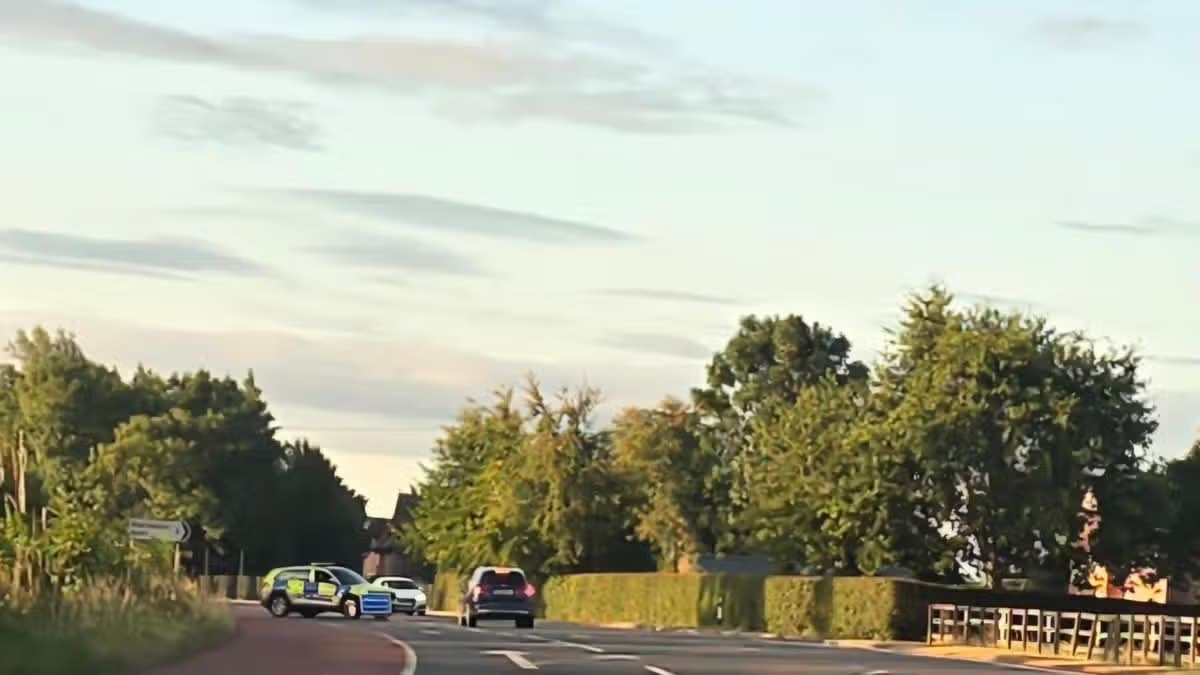
A person has been taken to hosptial after an early morning crash in Co Armagh.

Advertisement

Police are appealing for information following a single-vehicle collision in the Moy Road area just before 1am on July 30.

The road remains closed to traffic on Thursday morning.

A PSNI spokesperson said: “At approximately 12.40am, a report was received of a single-vehicle collision in the Moy Road area.

“Officers along with colleagues from other emergency services attended and one person was taken to hospital for treatment for their injuries.

Advertisement

“Anyone who may have witnessed the collision or with CCTV or other footage that could assist with enquiries, is asked to contact police on 101 quoting reference 47 30/07/26.

“The Moy Road between Drumcairn Road and Cabragh Road remains closed at this time.”

For all the latest news, visit the Belfast Live homepage here and sign up to our daily newsletter here.

Source link

Advertisement
Continue Reading

Trending

Copyright © 2025