Connect with us
DAPA Banner
DAPA Coin
DAPA
COIN PAYMENT ASSET
PRIVACY · BLOCKDAG · HOMOMORPHIC ENCRYPTION · RUST
ElGamal Encrypted MINE DAPA
🚫 GENESIS SOLD OUT
DAPAPAY COMING

NewsBeat

Liverpool news: Hugo Ekitike takes drastic action as Darwin Nunez transfer truth emerges

Published

on

Daily Mirror

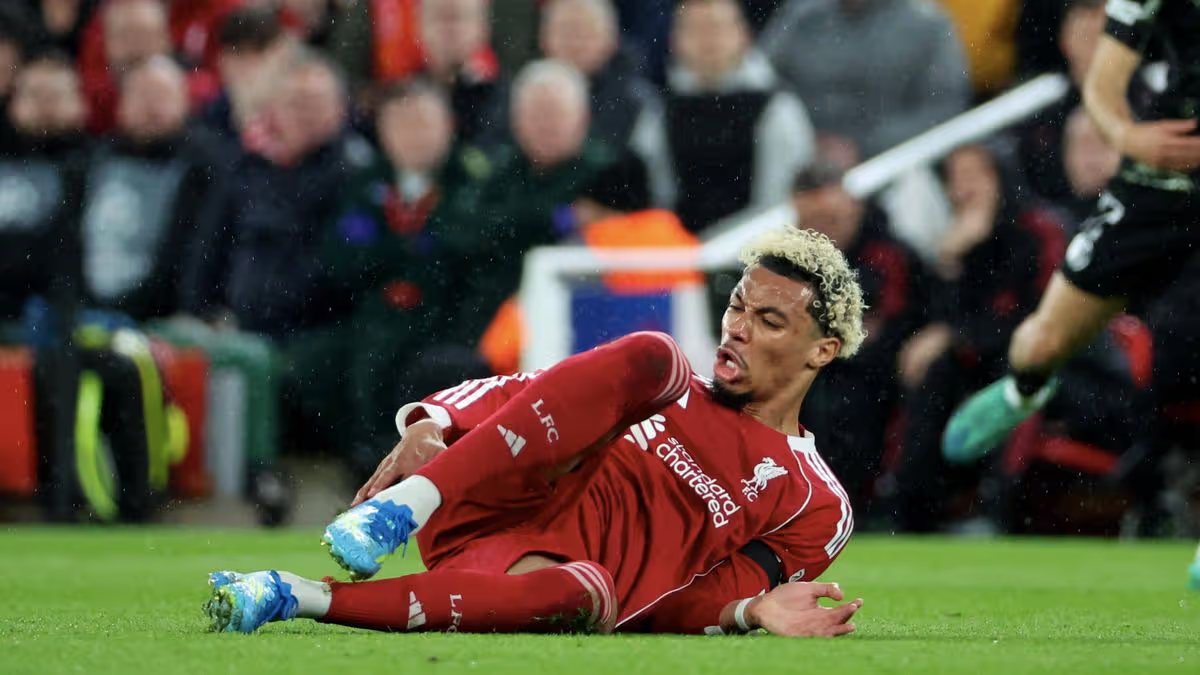
Injured striker Hugo Ekitike has revealed how he is coping with life on the sidelines, while the truth about Darwin Nunez returning to Anfield has been revealed

Replacing Mohamed Salah has been Liverpool’s top transfer priority since former Bournemouth boss Andoni Iraola arrived at Anfield. The Reds have been linked to a string of wingers ahead of the new season – including Yohan Diomande, Bradley Barcola and Rayan.

Advertisement

But attention has shifted to the striker department, where injuries and player departures have left the club alarmingly short of options.

Former Reds boss Arne Slot spent big last summer but struggled to get the best from his new recruits, with record-breaking signing Alexander Isak missing much of the season through injury. Iraola will be hoping for more luck than his predecessor, and, with some signings of his own, could quickly turn Liverpool back into title contenders this coming campaign.

Fresh developments involving one current and one former striker have now set tongues wagging on Merseyside. Here we look at two big stories involving the Reds.

Ekitike takes drastic injury action

Liverpool striker Hugo Ekitike has taken the drastic step of pretending football no longer exists as he battles back from a horrific Achilles injury that wrecked his World Cup 2026 dreams. The 23-year-old Frenchman suffered the blow during Liverpool’s Champions League quarter-final clash against Paris Saint-Germain in April.

Advertisement

FOLLOW OUR LIVERPOOL FB PAGE! Latest Reds news and more on our dedicated Facebook page

Subsequent tests confirmed he had ruptured his Achilles tendon, forcing surgery that will rule him out for the remainder of the calendar year. The setback was particularly cruel for Ekitike, who had been hoping to force his way into France’s World Cup squad following an impressive goalscoring season for the Reds.

According to French outlet L’Equipe, the forward has been left in “immense pain” in the months since the injury and, in an effort to protect his own mental health, has pretended that football “ceased to exist”. The approach appears to be paying off, with Liverpool said to be pleased with the progress he has made so far in his recovery.

Taking to social media after his injury blow was confirmed, a downbeat Ekitike wrote: “It’s hard, maybe even unfair. But I’m grateful this is happening to me here, among you. I’m not alone.”

Advertisement

Liverpool react to Nunez claims

With Liverpool sweating over the long-term absence of Ekitike, supporters were briefly handed what appeared to be a shock solution – the return of former fan favourite Darwin Nunez. Reports emerging from Uruguay claimed the Reds were preparing to re-sign the 27-year-old as a free agent, with an official announcement pencilled in for after his country’s World Cup campaign.

The rumour quickly gained traction on social media after respected Uruguayan journalist Martin Charquero told his followers on X that Nunez was on his way back to Anfield, prompting excitement among some Liverpool supporters. But the reaction has been very different behind the scenes, with club insiders telling the ECHO they were baffled by the suggestion.

Nunez’s representatives have also privately rebuffed the developments as inaccurate. The speculation was particularly surprising given that it is less than a year since the Uruguay international left Merseyside to join Saudi Pro League club Al-Hilal.

Advertisement

Nunez notched up 143 appearances and 40 goals in all competitions during a three-year spell at Anfield, having joined from Benfica in 2022 for an £85 million fee.

Join our LFC WhatsApp community and get all the latest LFC news, views, transfer gossip and more, as it happens We also treat our community members to special offers, promotions, and adverts from us and our partners. If you don’t like our community, you can check out any time you like. If you’re curious, you can read our Privacy Notice.

Upgrade your World Cup TV setup with the Sky Glass ‘designed for football’

This article contains affiliate links, we will receive a commission on any sales we generate from it. Learn more
Content Image

from £4.50

Sky

Advertisement

Get the deal here

Sky is knocking 20% off its entire range of Glass TVs to mark the start of the 2026 FIFA World Cup. Until June 17, shoppers can upgrade to the Sky smart TV that’s ‘designed for football’ from £4.50 per month when taken alongside a Sky TV and Netflix package.

Source link

Continue Reading
Click to comment

You must be logged in to post a comment Login

Leave a Reply

NewsBeat

Lidl applies for alcohol licence for possible Linthorpe store

Published

on

Lidl applies for alcohol licence for possible Linthorpe store

Permission is being sought from Middlesbrough Council so that the prospective shop can sell booze for consumption off of the premises between 7am and 11pm daily.

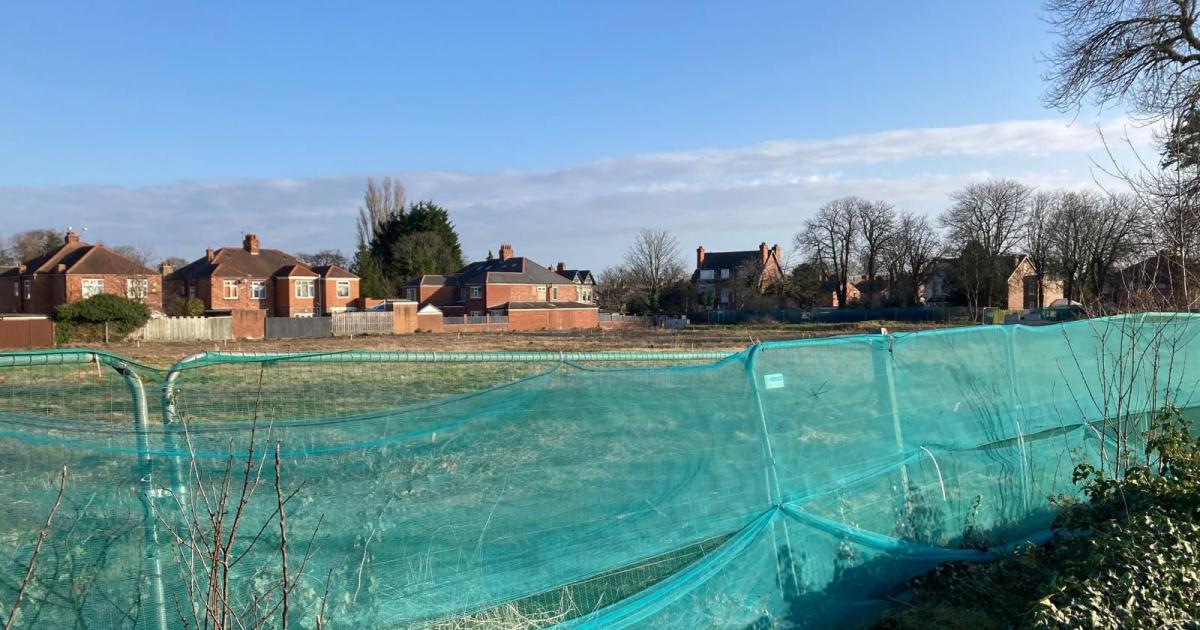
The German discount supermarket has been hoping to build a store in Linthorpe for several years, but has faced setbacks after a planning refusal, inspectorate dismissal and committee deferral. Its application for the site on the corner of Green Lane and Roman Road is likely to appear in front of the planning committee again in the next few months, potentially as soon as Thursday, July 2.

The company is in the process of trying to secure a similar premises licence for a potential store in the south of the town, on the site of the former Marton Hotel & Country Club, located on Stokesley Road, which is also yet to gain planning permission, but is likely to receive a decision from Middlesbrough ’s planning committee before the end of the year.

CGI of Lidl's latest proposal for Green Lane, Linthorpe. Credit: Lidl GB. Free for LDRS use.CGI of Lidl’s latest proposal for Green Lane, Linthorpe.

The premises licence application for the Green Lane location was made on Thursday, June 11, and any representations must be made to the council’s licensing department by Thursday, July 9. If the authority grants permission, the licence will run for 16 hours each day, seven days a week – although the store likely wouldn’t be open for such lengthy periods, with the two current stores in Middlesbrough operating from 8am to 10pm, Monday to Saturday, and 10am to 4pm on Sundays.

Advertisement

Documents state steps will be taken to promote four licensing objectives, which are:

  • prevention of crime and disorder,
  • public safety,
  • prevention of public nuisance,
  • protection of children from harm.

The application form discusses how staff will be trained “regarding appropriate precautions” to prevent the sale of alcohol to children under the age of 18, as well as the signs and symptoms of drunk persons and the “refusal of sale due to intoxication”. Staff are also to be trained so that they can recognise “proxy purchases”.

If an employee suspects a customer to be under the age of 25, a street drinker, or attempting a proxy purchase, they will “immediately” call the duty manager, who will then decide if the sale should be allowed.

Source link

Advertisement
Continue Reading

NewsBeat

Why LGBTQ+ patients are paying for gaps in fertility care

Published

on

Why LGBTQ+ patients are paying for gaps in fertility care

In some parts of England, a female same-sex couple may have to spend up to £25,000 of their own money on fertility treatment before the NHS will help them have a baby. A heterosexual couple may also face restrictions, but they can usually meet the NHS requirement to show that they have struggled to conceive without paying for repeated clinical procedures.

The gap even has a nickname: the “gay tax”.

In vitro fertilisation, or IVF, involves fertilising an egg with sperm in a laboratory before transferring an embryo to the womb. Before the NHS will fund IVF for two women, some local NHS bodies require them to pay privately for repeated rounds of artificial insemination. This involves placing sperm into the reproductive system to increase the chance of pregnancy. In intrauterine insemination, or IUI, sperm is placed directly into the womb.

The aim is to show that the couple has not been able to conceive. Heterosexual couples are usually expected to show that they have tried unsuccessfully for a baby for two years, alongside meeting other eligibility criteria. They are rarely asked to pay for repeated clinical procedures to prove it.

Advertisement

The decision is made locally by integrated care boards, or ICBs: the NHS bodies that decide which treatments will be funded in their areas. A 2023 investigation by the BBC found that only four offer fertility treatment to same-sex couples who have not already paid privately for artificial insemination. Government guidance updated in 2025 states that some ICBs may require female same-sex couples to fund up to 12 rounds of artificial insemination privately before entering the NHS pathway.

Earlier figures from the UK’s fertility regulator illustrate the gap. In 2018, the NHS funded 39% of IVF cycles for heterosexual couples, compared with 14% for women in same-sex relationships.

Beyond the bill

The money, though, is only the part you can see.

We conducted 36 interviews with 54 people, including LGBTQ+ people who had used UK fertility clinics and professionals working in fertility care, to understand how LGBTQ+ patients navigate services that place additional barriers in their way. What stood out was the amount of hidden work they take on simply to be treated fairly. It is work that heterosexual couples are rarely asked to do.

Advertisement

Some of it is physical. Because there is, as one woman put it, “no NHS tick box for same-sex couples”, many arrive at a private clinic without the basic tests that a GP, or family doctor, would normally arrange. One couple had their tests done on the NHS, only for the clinic to reject the results and make them pay to repeat everything.

For transgender patients, the bodily toll can be greater still. One transgender woman wanted to store sperm before continuing her transition but was refused funded treatment because of her weight. She paid privately and temporarily stopped taking the hormones used as part of her transition. She described this as going back to “living as a man” for several months before facing the procedure in what she called “the strangest room I’ve been in in my life”.

‘Relentlessly delightful’

Then there is the emotional work. Fertility care can be saturated with forced cheerfulness: positivity planners, gratitude journals and promises that it will all be fine. Patients learn to play along.

One gay father pursuing surrogacy, having a child with the help of a woman who carries the pregnancy, described the pressure to seem “relentlessly delightful”. He felt he had to prove that he was warm and “parently” at all times. It took energy to put on this front and energy to resist it. One woman who went through seven rounds of IVF wanted honesty about her chances, rather than false hope that made each disappointment land harder.

Advertisement

Much of the work is also mental: a steady stream of high-stakes decisions. Whose egg should be used? Who will carry the pregnancy? Which donor should they choose? Which clinic?

One woman and her wife spent weeks choosing a sperm donor, only to be told afterwards that the clinic would not allow them to use him. The decision, and the cost, began again.

Choosing the clinic itself also carries risk. One transgender man and his partner carefully selected two local options, then encountered such ignorance and prejudice that they ended up travelling 230 miles to a clinic that was, in his words, “basically designed for queer people”. All the effort they had already put in was wasted. They had to start again.

A 2024 audit of fertility clinics across the UK found widespread gaps in clinical knowledge and cultural understanding, despite efforts to improve LGBTQ+ inclusion.

Advertisement

Their own experts

When clinics offer little guidance, patients become their own experts. They teach themselves through online groups, peer networks and, in one case, “hundreds of voice notes” from other queer women explaining how treatment actually works. As one woman said of learning about her options this way: “that’s the only way we knew what to do”.

This self-teaching can be powerful. One gay man researched his surrogate’s failed cycle, realised that the clinic’s reasoning was flawed, pushed for a different approach and achieved the pregnancy he had been told was unlikely.

But becoming your own expert depends on having the time and confidence to challenge a doctor. Those without that head start are left further behind. The current system tends to reward people who are already advantaged.

These problems are not confined to Britain. The UK case is revealing because LGBTQ+ people can legally access fertility treatment, yet the system still places additional barriers in their way. The obstacles are embedded in the daily running of clinics built around a heterosexual couple with a fertility problem.

Advertisement

The result is a hidden second shift. One couple’s path through the clinic is smoothed and paved. Another couple, hoping for the same outcome, has to lay every slab themselves and pay for the privilege.

Source link

Advertisement
Continue Reading

NewsBeat

Parts of Tyne and Wear Metro suspended due to cable theft

Published

on

Parts of Tyne and Wear Metro suspended due to cable theft

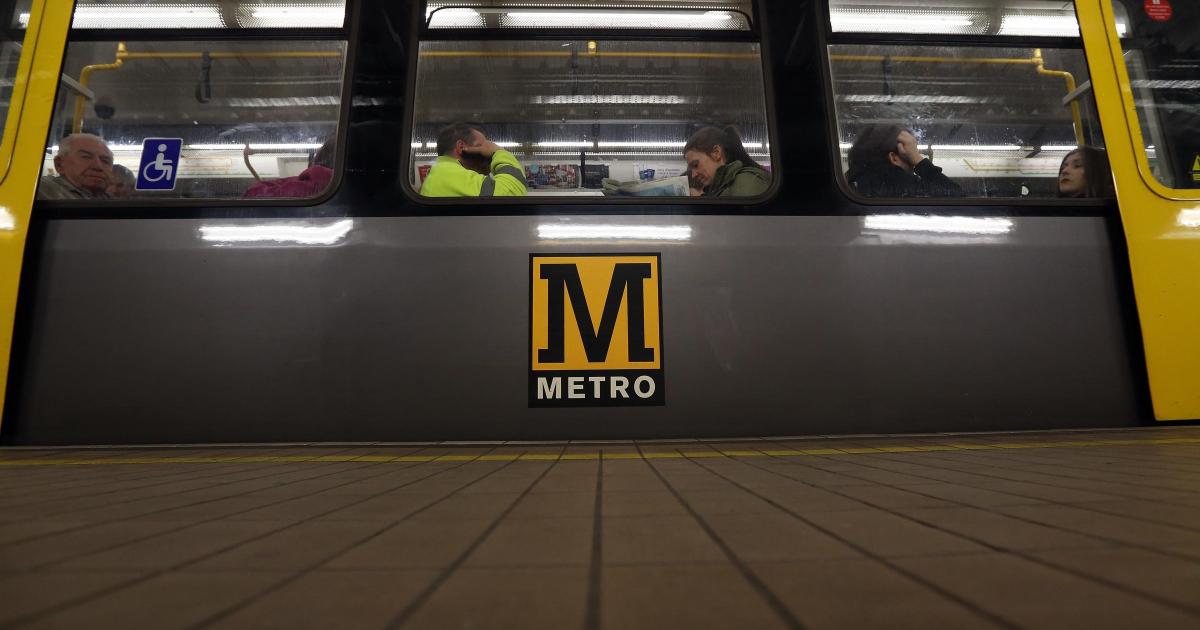
No trains are running between Monument and both South Shields and South Hylton, due to cable theft.

A Metro service (Image: LDR)

The suspension affects all Metro services south of the Tyne and is expected to remain in place for the “foreseeable future” while engineers work to get the line back in operation.

Shortly after 6.30am, Metro operator Nexus said: “We have a service suspension between Monument and South Shields/South Hylton due to a cable theft.

“Ticket acceptance has been arranged on Go North East and Stagecoach services in the affected areas. Thank you for your continued patience during this time.”

Advertisement

Metro tickets are being accepted on several local bus services while the suspension remains in place.

Passengers can use all Go North East services between Monument and South Shields, the 56 between Newcastle and Sunderland, the service nine between Jarrow and Sunderland, the 24 between South Shields and Sunderland, and the four between Heworth and Concord.

Stagecoach services accepting Metro tickets include the X24 between Newcastle and Sunderland, the E2 between South Shields and Sunderland, the 18 between South Shields and Brockley Whins, and all Stagecoach services between Sunderland and South Hylton.

Advertisement

Tickets can also be used on Northern Rail services between Newcastle, Heworth and Sunderland.

Nexus has urged passengers to allow extra time for their journeys while the disruption continues. The operator’s live travel page and social media pages are also providing Metro service updates.

Further updates are expected as engineers work to restore services.

Advertisement

Source link

Continue Reading

NewsBeat

Does screen time mean children are missing out on play?

Published

on

Does screen time mean children are missing out on play?

In Toy Story 5, Woody, Buzz, Jessie and the gang are up against a new challenge: Bonnie’s tablet. Even Rex the toy dinosaur is worried about going extinct again.

The storyline reflects a broader shift in childhood. Traditional toys increasingly share space with digital devices as part of children’s everyday play experiences.

There is substantial evidence showing a decline in traditional free play and an increase in digital play among children around Bonnie’s age (eight to ten years). Research has suggested that children in this age group spend an average of four hours per day on screens. This has approximately doubled compared to previous studies from 2009 to 2010, which mainly focused on traditional TV and video viewing for children of similar ages.

Play is essential in early childhood. It promotes cognitive, emotional and physical growth. Through play, children have opportunities to develop language and self-regulation skills.

Advertisement

It is important to recognise that digital play is still a form of play. While defining play can be challenging, it is often described in terms of how and why someone engages in an activity to have fun rather than solely by the activity itself.

Some experts argue that play is defined more by a child’s motivation and mental attitude than by the specific activity taking place. This means that using a tablet or smartphone can still be considered play, depending on how children interact with it.

Different – but still play

In 2002, play theorist Bob Hughes developed a framework categorising 16 distinct forms of play. These ranged from imaginative and socio-dramatic play, where children create stories and act out roles, to creative play, exploratory play and rough-and-tumble play.

More recently, other scholars have examined the place of digital play within this framework. The findings suggest that all forms of play, except two previously defined types – “recapitulative play” (play that involves re-enacting aspects of human history, such as building dens or making camps) and “rough and tumble” – can be adapted to the digital context. The authors contend that it is not necessarily the type of play that changes when screens are introduced, but rather the nature of the play experience itself.

Advertisement

Another study compared tablet play with traditional toy play by observing 98 different activities, both digital and non-digital. The authors concluded that tablet play was more likely to involve exploration, problem solving and skill acquisition. Traditional play involved more imagination and fantasy-based activities. Both forms of play may be important for development.

Play focused on exploration and problem solving (epistemic play) can support learning and skill acquisition. Imaginative (ludic) play can help children develop flexibility in their thinking, understanding of symbols and emotional processing. Rather than one form of play being better than the other, research suggests that different play experiences may provide different developmental opportunities.

A recent study randomly assigned children to play with either dolls or a tablet featuring open-ended creative games. The results indicated that children who played with dolls exhibited greater social understanding compared to those who interacted with tablets. This suggests that traditional imaginative play may provide opportunities for children to practise empathy and perspective taking.

Advertisement


À lire aussi :
Dolls beat screens for building children’s social skills, study finds


Research has also raised questions about whether digital play may displace other forms of play. A large study found that greater screen time in young children was associated with less playtime with peers. This, in turn, was linked to developmental outcomes, including motor, communication, social and cognitive skills.

At the same time, research suggests that some forms of interactive digital play may support aspects of language development, executive function, memory and problem solving. Educational games and apps can provide opportunities for exploration and learning, particularly when children are actively engaged and supported by adults. The benefits of digital technologies often depend on factors such as the content being used, the child’s age and whether parents are involved in the activity.

Not all screen time is equal

These findings highlight why, in our research, we are moving beyond simple measures of screen time. A child passively watching videos for long periods is having a very different experience from a child creating digital artwork, solving puzzles, exploring an educational app or video-calling family members. Understanding how children engage with screens may be just as important as assessing how long they spend using them.

Advertisement

Setting time limits and designating screen-free periods can provide children with a better balance between free play and digital play. However, it is important to note that the decline in play is not solely due to children’s choices.

For instance, fewer opportunities for free play – child-led play that is unstructured and directed by children’s own interests and imagination – may contribute to this shift. Limits on children’s free play are often linked to concerns about neighbourhood safety. It is important to recognise that children have not lost their ability to engage in free play and, if given the opportunity, will do so.


À lire aussi :
How to give children the freedom to play all across the city – not just in playgrounds


While Toy Story 5 may treat the tablet as the antagonist, the truth is more complicated. The use of electronic devices is a regular part of growing up now, and some forms of digital play can actually build useful skills. At the same time, traditional imaginative play continues to provide significant opportunities for social and emotional development.

Advertisement

The challenge may not be about choosing between toys and tablets. Instead, it may be about ensuring children have opportunities to experience a wide range of play experiences.

Source link

Advertisement
Continue Reading

NewsBeat

Preston Davey sentencing LIVE as murderer Jamie Varley and partner to learn their fate

Published

on

Manchester Evening News

Preston was born on June 16, 2022. He went into foster care five days after his birth.

The tot was the son of notorious convicted murderer Sarah Davey, who brutally tortured and killed a pensioner in Failsworth in Oldham in 1998. Ms Davey was 14 when she was jailed for the ‘unspeakably wicked’ murder.

The identity of Preston’s mother was never revealed to the jury. She has since been in and out of prison.

In April 2023, Jamie Varley, a former secondary school head of year, and his partner, John McGowan-Fazakerley, adopted Preston when he was nine-months-old.

Advertisement

In the next four months up until his murder, Preston was used as a ‘plaything’ being routinely physically and emotionally abused, sexually assaulted and had indecent photos and videos taken of him.

He was killed when he was aged just 13-months-old. Varley claiming he had accidentally drowned in a bath at their Blackpool home on July, 27 2023.

But a post-mortem examination identified more than 40 injuries on his body, as well as internal injuries indicating sexual abuse. His cause of death was established as acute upper airway obstruction, suggesting something had been inserted into his mouth blocking his airway.

He had been admitted to hospital three times in the months before his death and a social services investigation is under way.

Advertisement

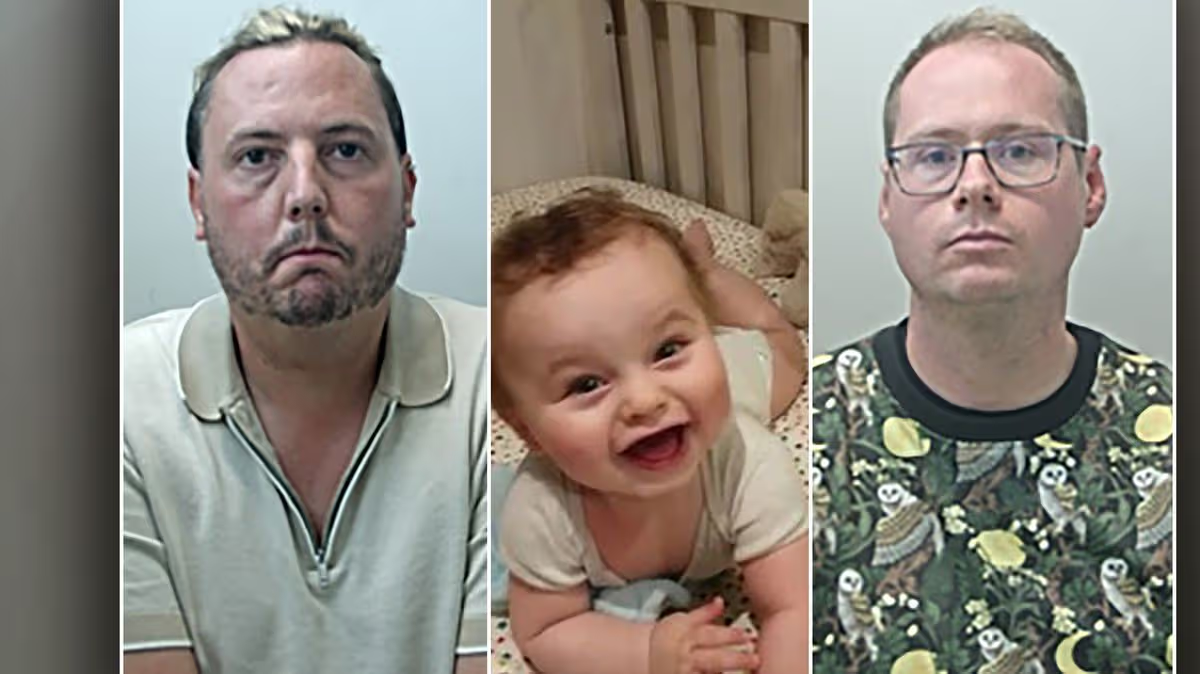
Jamie Varley, left; Preston Davey, middle; and John McGowan-Fazakerley(Image: Lancashire Constabulary/M.E.N.)

Source link

Continue Reading

NewsBeat

Oil prices drop further below 80 dollars a barrel as US-Iran peace deal signed

Published

on

Oil prices drop further below 80 dollars a barrel as US-Iran peace deal signed

Susannah Streeter, chief investment strategist at the Wealth Club, said: “The digital signing of the interim agreement between the US and Iran, ahead of an official ceremony on Friday, is exerting a fresh downward force on (oil) prices, as new supplies are expected to hit the market just as demand has been weakened by rationing and energy-efficiency measures.”

Source link

Continue Reading

NewsBeat

TV soap star shares update after years of depression and body dysmorphia | Soaps

Published

on

TV soap star shares update after years of depression and body dysmorphia | Soaps
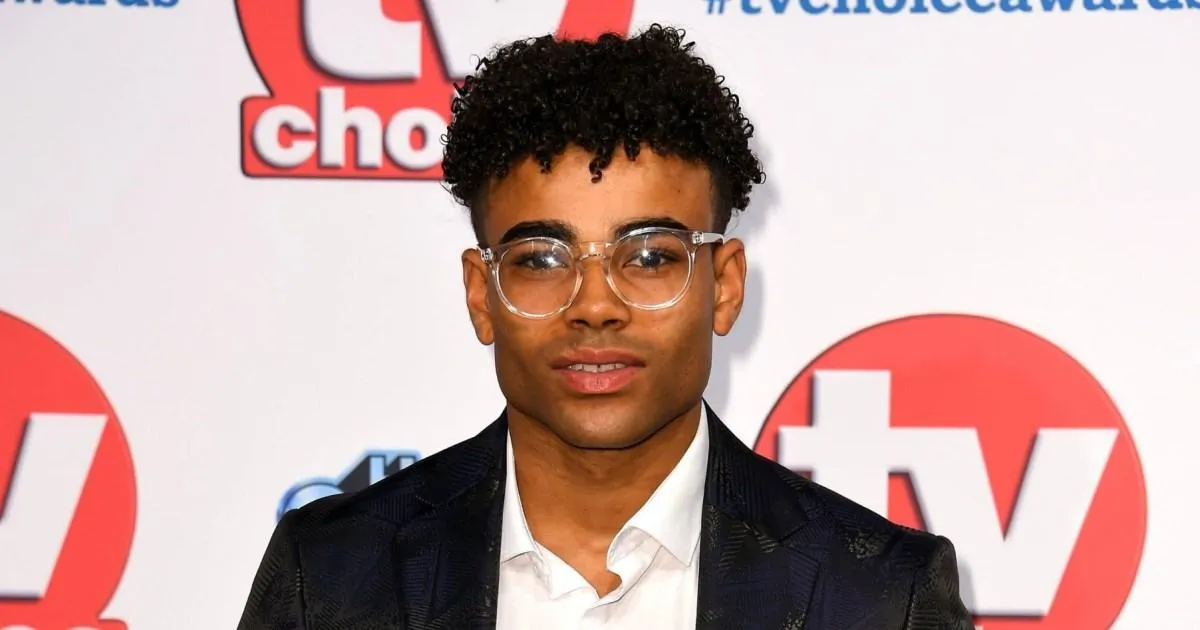
Malique Thompson-Dwyer is best known for playing Prince McQueen in Hollyoaks (Picture: Lime)

Hollyoaks star Malique Thompson-Dwyer has shared a very honest post about his mental health.

The actor, who is 28, is best known for playing Prince McQueen in the Channel 4 soap.

Malique, who has also appeared in I’m A Celebrity and Celebs Go Dating, often shares pictures on his Instagram that give followers a small insight into the life he lives when he isn’t filming as Prince.

Recently, he took to his social media page to post an update on his life and how he’s been feeling.

Advertisement

The images Malique shared feature him out and about, on the Hollyoaks set, and with some of his loved ones. In the caption, the star admits that the last two years of his life ‘haven’t been easy’.

‘Life lately’, he begins.

photo issued by Lime Pictures of Prince McQueen (Malique Thompson Dwyer) holding back Mercedes McQueen (Jennifer Metcalfe) an image from a special hour-long Hollyoaks episode which will premiere on E4 on January 11. Issue date: Wednesday December 22, 2021. PA Photo. See PA story SHOWBIZ Hollyoaks . Photo credit should read: Lime Pictures/PA Wire NOTE TO EDITORS: This handout photo may only be used in for editorial reporting purposes for the contemporaneous illustration of events, things or the people in the image or facts mentioned in the caption. Reuse of the picture may require further permission from the copyright holder.
Prince has endured a lot of drama while living in the Hollyoaks village (Picture: PA)

‘Life is one big learning curve, full of lessons that shape into who you’re meant to be. The last two years haven’t been easy. Feelings of depression, body dysmorphia, anxiety, days where I couldn’t see a way forward. But God had a plan bigger than my pain’.

‘Here I am. Still standing’.

Malique added: ‘My faith in Jesus Christ, the gym, work, family, and learning to believe in myself again. Consistency and prayer changed everything. Praise the Lord.’

Advertisement

Offering some words of advice to anyone else in a similar position to him, Malique said: ‘Life is you vs. you. Get out of your own way. Buy the clothes. Book the flight. Learn to love yourself.

‘Nothing is impossible. I’m living proof.

‘If you’re in a dark place right now, it doesn’t have to be the end of your story.’

Don’t miss a Soaps scoop! Add us as a Preferred Source

As a loyal Metro Soaps reader, we want to make sure you never miss our articles when searching for stories. We have all the latest soaps news, spoilers, videos, and interviews, with a vibrant community of highly engaged readers.

Advertisement

Click the button below and tick Metro.co.uk to ensure you see stories from us first in Google Search.

Add us as a Preferred Source

Soaps authors collage Fact box image only Picture: Metro
Now you can ensure you never miss a story from the Soaps team

Malique has played the role of Prince in Hollyoaks on and off since 2016.

Advertisement

The character is the son of Goldie McQueen and Shane Sweeney and has endured a great deal of drama while living in the Hollyoaks village.

Prince returned to our screens in September 2021, and was accompanied by his fiancée Olivia Bradshaw.

Malique Thompson-Dwyer attending the Inside Soap Awards 2018 held at 100 Wardour Street, Soho, London. PRESS ASSOCIATION Photo. Picture date: Monday October 22, 2018. See PA story SHOWBIZ Soap. Photo credit should read: Ian West/PA Wire
Malique has played Prince since 2016 (Picture: PA)

Not keen on Prince’s new partner, Goldie was left devastated when the couple revealed their plans to move to New Zealand so Olivia could begin a teaching job. Goldie purposefully ruined Olivia’s job application, leaving her and Prince forced to stay in England.

Olivia and Prince began working at Hollyoaks High School, but Prince got fired after vodka bottles hidden by John Paul McQueen were found by students DeMarcus and Leah.

Most recently, Prince attempted to connect with Vicky Grant, but she made it clear that she wanted Prince to stop using steroids before their romance could continue.

Advertisement

Source link

Advertisement
Continue Reading

NewsBeat

Ukraine targets Moscow oil refinery in major drone attack

Published

on

Shootings at school and home in northeastern British Columbia leave 10 dead, including shooter

Ukraine hit a Moscow oil refinery for a second time in a week and disrupted commercial flights at Moscow airports in one of its biggest drone attacks since Russia’s invasion more than four years ago, Russian officials said Thursday.

The Russian Defense Ministry said that its air defenses overnight shot down 555 Ukrainian drones over multiple regions, with almost 200 intercepted as they were approaching the Russian capital.

Several drones hit the Moscow Oil Refinery on the southeastern outskirts of the city, Moscow Mayor Sergei Sobyanin said.

The Russian Transport Ministry said that flights from four Moscow airports were halted.

Advertisement

The attack came hours after Ukrainian President Volodymyr Zelenskyy said he had held “an important coordination call” with U.S. President Donald Trump and French President Emmanuel Macron that may “bring about significant change.”

Zelenskyy said Wednesday his country had won key pledges of further support from world leaders attending the G7 summit in France.

″These last few days were very important for Ukraine because it is the reunification of the G7 around Ukraine,″ Macron told reporters as he and Trump left the Palace of Versailles near Paris.

″And now we will continue to advance to help Ukraine to resist″ and to build up its ″capacity to defend itself and capacity to counterattack,” Macron said.

Advertisement

The attack comes as President Vladimir Putin is in Kazan, 700 kilometers (430 miles) east of Moscow, hosting leaders of the Association of Southeast Asian Nations as Russia seeks to bolster business and other ties.

The two-day meeting is set to consider ways to expand Russia’s “strategic partnership” with ASEAN nations that include Brunei, Cambodia, Indonesia, Laos, Malaysia, Myanmar, the Philippines, Singapore, Thailand, East Timor and Vietnam, according to Kremlin foreign affairs adviser Yuri Ushakov.

Advertisement

Source link

Continue Reading

NewsBeat

Gunfire heard at Niger capital’s airport

Published

on

Trump ups tariffs day after Supreme Court ruling against him

Niger has been fighting a militant Islamist insurgency for a decade and in January suspected jihadists launched an attack on the same airport. Like its neighbours, Burkina Faso and Mali, Niger is run by a military junta that came to power in part because of the failure to deal with the violence.

Source link

Continue Reading

NewsBeat

Hegseth calls for Europe to take lead in revamping NATO

Published

on

Hegseth calls for Europe to take lead in revamping NATO

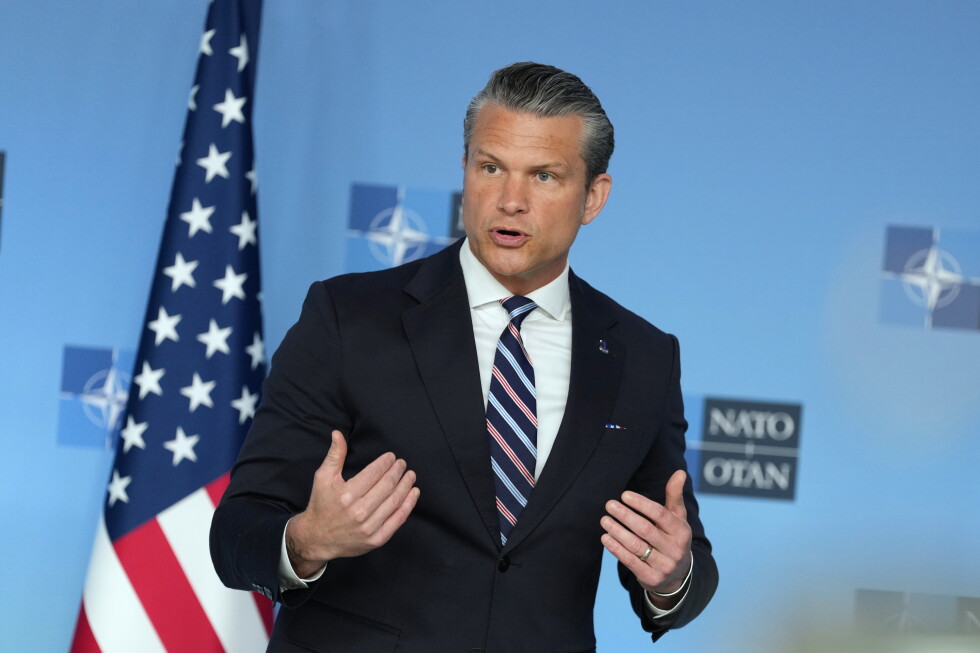
BRUSSELS (AP) — U.S. Defense Secretary Pete Hegseth said Thursday that America’s allies in Europe must take the lead on the defense of their own continent and help turn NATO into “a read hard-line military alliance.”

At a meeting of NATO defense ministers, Hegseth called for a reboot of the 32-nation organization to turn it into a “NATO 3.0” capable of deterring any threat.

His remarks came a few weeks after the United States told its allies that it would no longer supply certain warships and aircraft if one of them comes under attack. European allies and Canada are trying to work out how to plug the gaps.

“NATO 3.0 is post-Cold War recognition that (NATO) needs to go back to a real hard-line military alliance that has real military capabilities capable of deterring right here on the continent and taking the lead for the conventional defense of Europe,” Hegseth said.

Advertisement

As part of that, he told reporters, the United States would be investing $1.5 trillion in its own defense in 2027, sending “a message to the world” that America is building an “arsenal of freedom.”

Hegseth said that this arsenal “first and foremost protects America and American interests but also backstops the strength of NATO and our allies.”

He said he would tell U.S. allies they “have to be willing to stand up and do something in a strong way about” the defense of their own continent.

NATO’s supreme allied commander, an American, is working on backup plans to defend Europe after the U.S. signaled on June 3 that it would no longer supply an aircraft carrier and support ships, aerial refueling planes and dozens of fighter jets, among other military assets, in a crisis.

Advertisement

The Trump administration insists that it needs to be able to plan for two simultaneous conflicts and wants more military resources at hand should a conflict break out with China in the Indo-Pacific region.

Under NATO’s collective security guarantee – Article 5 of its founding treaty – the 32 allies pledge that an attack on one of them will be considered an attack on all. It does not oblige them to provide military support, although many likely would.

In essence, the United States is scaling back how it might help should an ally trigger Article 5. The U.S. has by far NATO’s biggest armed forces. It does not intend to withdraw its nuclear weapons in Europe, which are key to NATO’s deterrence.

Advertisement

Source link

Continue Reading

Trending

Copyright © 2025