


Connect with us

NewsBeat

London travel news LIVE: Northern line suspension after person hit by train at Highgate

Published

on

London travel news LIVE: Northern line suspension after person hit by train at Highgate

A TfL spokesman said tickets are being accepted on London buses. He also pointed to other train services available on the Weaver and Suffragette lines, Great Northern, Thameslink, Greater Anglia, South Western Railway and Southeastern, taking any reasonable route to complete a journey during the delays.

Source link

Continue Reading
Click to comment

You must be logged in to post a comment Login

Leave a Reply

NewsBeat

Why Raspberries And Blueberries Have Black Sheets In Their Trays

Published

on

Why Raspberries Have Black Sheets But Strawberries Don't

It’s amazing how much of everyday life I didn’t question for years – like what “wi-fi” really means, where we get paprika from, and what ASDA actually stands for.

And opening my fridge this afternoon, another banal mystery confronted me. What’s that squidgy black mat at the bottom of raspberry trays for, and why isn’t it in the bottom of my strawberry tray?

It seems I’m not alone. Posting to r/NoStupidQuestions, Redditor u/GrumpyOldSophon asked about the addition, wondering why you “never find this in packages of blueberries or strawberries”.

The sheet is absorbent, but it may have other qualities

Advertisement

It probably won’t shock you to learn that the sheet is there to absorb some moisture. Packaging specialists Packaging World described these sheets as “dual ply absorbent” material, “applied to a totally absorbent, yet sealed, topcoat”.

They’re designed for softer fruits, like raspberries and blueberries, as these aren’t as hardy as, e.g., strawberries or grapes. Speaking to Eating Well, Robert Schueller, a produce expert at Melissa’s Produce, said: “A raspberry is one of the most delicate fruits out there, so they have to be packaged very carefully”.

They provide some cushioning for the delicate fruits as they’re transported, too. And because they wick away moisture, they can help to prevent mould.

It makes sense for it to be black or red as it’s designed to catch berry juices, which would otherwise stain it.

Advertisement

Though there may be another, unexpected benefit here: pitching their black cartonboard packaging for strawberries, MM Karton said: “The contrast of black cartonboard and red strawberries is a real eye-catcher at the point of sale”.

Perhaps the red berry/black sheet colour combo makes our raspberries look more inviting, too.

That’s also why raspberries are packed into smaller containers

I have enjoyed many a mega-size box of strawberries this year.

Advertisement

But it turns out retailers aren’t being stingy for limiting their raspberry carton sizes; the berries are too delicate to be stacked on top of each other, unlike strawberries and even blueberries.

And, Schueller added, “you need to allow space for air in each package, too”.

Source link

Advertisement
Continue Reading

NewsBeat

FA ‘deeply concerned’ after being left in the dark over FIFA’s controversial proposal to sell the World Cup – as UEFA ‘threaten to boycott the tournament’

Published

on

The FA have deep concerns over FIFA's leaked plans to sell stakes in the World Cup

FIFA are attempting to pressure their 211 member associations into backing plans to sell stakes in the World Cup – just hours after the FA voiced deep concerns over Gianni Infantino’s divisive proposals.

News broke on Tuesday that FIFA boss Infantino was considering selling parts of the tournament to private investors and forming a new company in a deal that could be worth around £15billion, which the governing body later confirmed in a hastily-issued statement.

In a letter to the associations, Infantino says member nations must decide on the proposal by September 19 and explains the financial benefits of approving the project.

He says that a funding package around £35.5million per nation will become available if associations sign up, but if they reject it their earnings will be almost 75 per cent less.

Advertisement

The letter from Infantino says: ‘The decision on whether or not to proceed with this proposal belongs entirely to you. Should you wish to proceed this $10billion package will become available as of January 1, 2027, ushering in the next phase of our journey together.

‘Should you wish to retain the status quo and reject this proposal we still have our planned expansion of the Forward programme [development money] of $2.7billion as previously presented.

‘In total for the upcoming cycle starting as of January 1, 2027 each member association will have the possibility of access up to $40million per member association under this proposal.’

Advertisement

The FA have deep concerns over FIFA’s leaked plans to sell stakes in the World Cup

The report added that Infantino could become the commissioner of that company once his role at FIFA ends in 2031, although FIFA claim that has not been discussed.

Investment bank J.P. Morgan is FIFA’s financial advisor on the project while Joshua Kushner’s Thrive Capital is expected to lead the proposed investor group. Kushner is the brother of Donald Trump’s son-in-law Jared. The Trump administration is understood to have been consulted.

FIFA hope to raise more than £3 billion for the venture from a diversified, global investor group. The group is thought to include sovereign wealth funds.

Advertisement

Should their plans be successful, FIFA intend to give each of their 211 member associations a stake in the company – which they can choose to keep or sell – worth £15million each.

The FA, meanwhile, have deep concerns over FIFA’s leaked plans to sell stakes in the World Cup.

In a statement, an FA spokesperson confirmed they had been left in the dark over the controversial proposals which have sparked outrage amongst the football community.

The statement said: ‘We were completely unaware of this proposal and have no substantive details, including what the proposition actually is, and what conditions are attached.

Advertisement

‘Based on the limited information, we are deeply concerned about the lack of process and governance to get to this point, and the apparent substance and principles involved.

‘When the proposal is shared in the full and transparent way now promised by FIFA, we will make our views clear, and comment further.’

European Football Clubs, who represent over 800 European clubs, have also voiced their opposition. Crucially, the body is chaired by PSG President Nasser Al-Khelaifi and Qatar Sports Investments, who are owned by the Qatari state. Al-Khelaifi has been touted as a potential leadership challenger to Infantino. 

‘European Football Clubs (EFC) notes with serious concern the sudden, unilateral media briefings and announcement by FIFA about a potential new corporate structure for the commercialisation of certain football competitions,’ the statement read.

Advertisement

‘As an institution that represents over 850 football clubs – whose member clubs, their players and communities are fundamental participants in football worldwide, not least in FIFA’s competitions including all the international club competitions – it would be wholly appropriate for EFC to be fully consulted on a proposal of such magnitude. EFC learned about this proposal in the same way as most global football stakeholders – without warning and through the media.

‘EFC always seeks to work collaboratively and supportively with all stakeholders – FIFA, UEFA and all confederations, national associations, leagues, player and fan associations. In that vein, we urge for calm and thorough consultation on all topics affecting the football ecosystem, together with more rigorous and transparent governance processes put in place to protect the game for the long term. Only in this way can we build the right institutional frameworks and relationships required to promote the true success, stability and sustainability of football.’

Prime Minister Andy Burnham has also voiced opposition to the proposition.

‘Let me say this very directly,’ Burnham posted on X. ‘Football does not belong to investors. It belongs to the people who fill the stands and who stand on the touchline week in, week out, rain or shine.

Advertisement

‘The World Cup is not a product. It is the greatest competition in world sport, and it was never anyone’s to sell.

‘Dress the deal up however you like. Once you have sold a piece of it, you have sold out. Football belongs to the fans. It always has, and it always will.’

The plans would see FIFA set up by FIFA Forward Enterprise (FFE), a new company responsible for the ‘operational delivery of FIFA tournaments’ – including both the men’s and women’s World Cup.

FIFA claim their plans would help advance the FIFA Forward development programme, which distributes capital to member associations. The governing body hopes to increase funding from £6m to £15m for the 2027-30 international cycle.

Advertisement

FIFA would need approval from the FIFA Council and majority support from the FIFA Congress (the 211 member associations) to launch the new enterprise.

UEFA have already opposed the plans, while Concacaf and now the FA have raised concerns about the lack of consultation.

There are major concerns over what the proposals could mean for the game, including whether FIFA could increase the frequency of tournaments to create more opportunities for financial backers to see a return on their investment.

The Club World Cup and men’s World Cup are currently held every four years. FIFA have previously explored the possibility of staging both tournaments every two years.

Advertisement

FIFA maintain that they have a duty to control the development of this project, with external investors holding only a minority stake in FFE and having no operational role.

‘Concacaf was only made aware of this matter through media reports and, subsequently, via a media release,’ their statement read on Wednesday morning.

‘We are deeply concerned by the lack of due process.

‘We share the disappointment of many within our region and the game that this level of detail has been designed and shared publicly before any discussion with the relevant governance bodies and stakeholders has taken place.

Advertisement

‘As leaders within football, we are the custodians of the game. Collectively, FIFA, the Confederations and every Member Association have a responsibility to always act in the best interests of the sport. Every decision we make must be guided by good governance, robust processes and long-term stewardship.

‘This is the framework within which Concacaf operates. We trust that all within the FIFA family will act in the same manner.’

Source link

Advertisement
Continue Reading

NewsBeat

Drought declared across Cambridgeshire after very low rainfall and hot weather

Published

on

Cambridgeshire Live

The chair of the National Drought Group said water is being used faster than it can be replenished

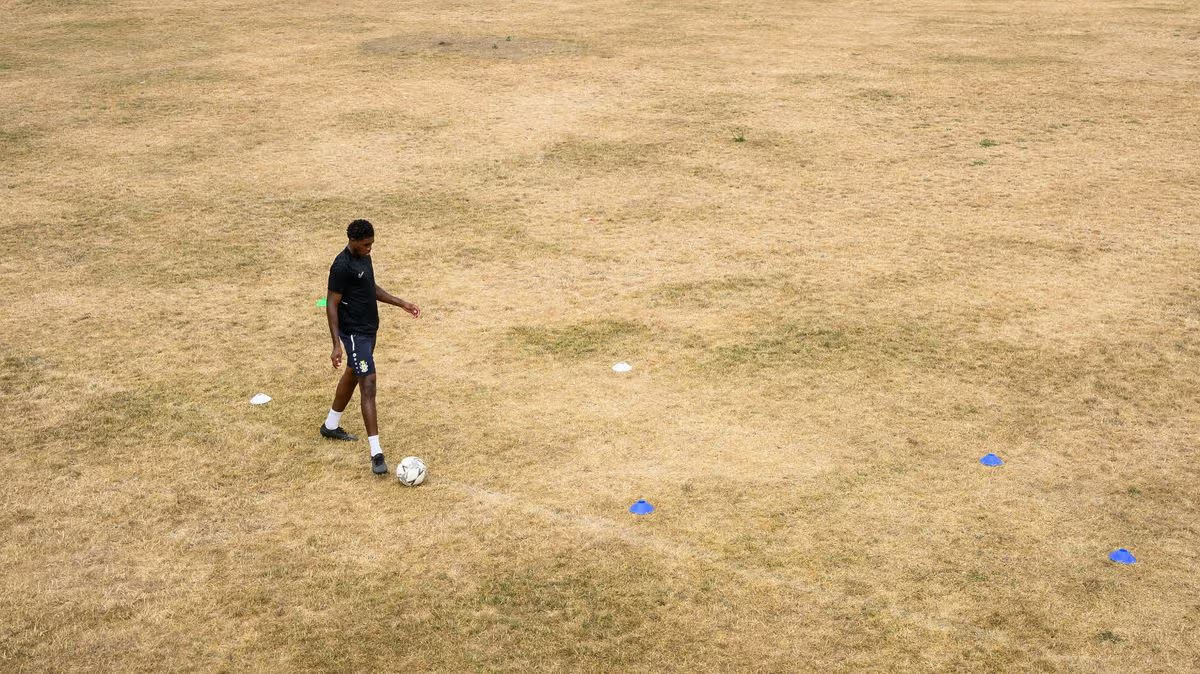
Cambridgeshire is officially in drought, according to the Environment Agency. Seven regions across the country, including East Anglia, have been declared as being in drought.

Advertisement

They are East Anglia; Hertfordshire and London; Thames Valley; Hampshire and the Isle of Wight; Devon and Cornwall; the West Midlands; and Wessex. It follows record low rain and high temperatures.

The fourth heatwave of the year is set to peak on Wednesday (July 29) with temperatures of up to 35C, as experts warn wildfires could be “exceptionally severe”. The UK Health Security Agency (UKHSA) has issued an amber heat-health alert for the East Midlands, the East, South East and London.

Helen Wakeham, director of water at the Environment Agency and chair of the National Drought Group, said: “The hot and dry weather means we are currently using water faster than nature can replenish it.”

A Met Office assessment showed fires could be exceptionally severe by Wednesday if they start in parts of London, the South East, and eastern England, as a result of the hot, dry conditions.

Advertisement

Fire and rescue services in England and Wales have responded to 706 wildfires so far in 2026, with 208 incidents recorded between July 16 and 28 alone, the National Fire Chiefs Council (NFCC) said.

It added that the latest figures, which do not account for wildfires across the rest of the UK such as a major wildfire in the Cairngorms in Scotland, show “how quickly wildfire activity can increase during prolonged periods of hot and dry weather”.

Fire chiefs warned that wildfire risk “remains elevated across the UK”, with the NFCC adding there were “currently eight live wildfire incidents being monitored through national reporting systems”.

Wildfire numbers in England and Wales remain below the 788 recorded by the same point last year. However, fire chiefs warned “continued dry conditions, combined with warmer temperatures and harvesting activity in many rural areas”, were creating conditions in which fires can start and spread rapidly.

Advertisement

The NFCC said UK wildfires are typically smaller and different in nature to those seen in southern Europe, adding, however, that the “long-term effects of climate change are increasing the likelihood of larger, more complex and more resource-intensive wildfire incidents occurring”.

Phil Garrigan, chairman of the NFCC, said: “More than 200 wildfires in just 12 days shows how quickly the risk can escalate when hot, dry conditions take hold. The scenes we’re seeing across parts of Europe are a stark reminder of what a changing climate means for fire and rescue services.

“We are not seeing fires of that scale in the UK today, but the science tells us we should expect larger, more frequent and more complex wildfires in the future. That’s why we need continued investment in specialist wildfire capabilities, including aerial firefighting support, so we’re prepared for the risks ahead.

“But prevention remains our strongest defence. Most wildfires are avoidable, and we’re asking everyone to take extra care during the hot weather to help keep their communities safe.”

Advertisement

Source link

Continue Reading

NewsBeat

British Touring Shakespeare Bring His Greatest Love Story to Hampshire's Historic “Jane Austen” House

Published

on

British Touring Shakespeare Bring His Greatest Love Story to Hampshire's Historic “Jane Austen” House

Internationally acclaimed theatre company British Touring Shakespeare will bring William Shakespeare’s timeless romance Romeo and Juliet to the beautiful gardens of historic Chawton House in Hampshire known for its association with Jane Austen, on Friday 7th August at 6:00 PM, as part of their 2026 summer UK tour.

Source link

Continue Reading

NewsBeat

Tottenham vs Sydney FC LIVE: Pre-season friendly result, latest updates and fan reaction

Published

on

Tottenham vs Sydney FC LIVE: Pre-season friendly result, latest updates and fan reaction

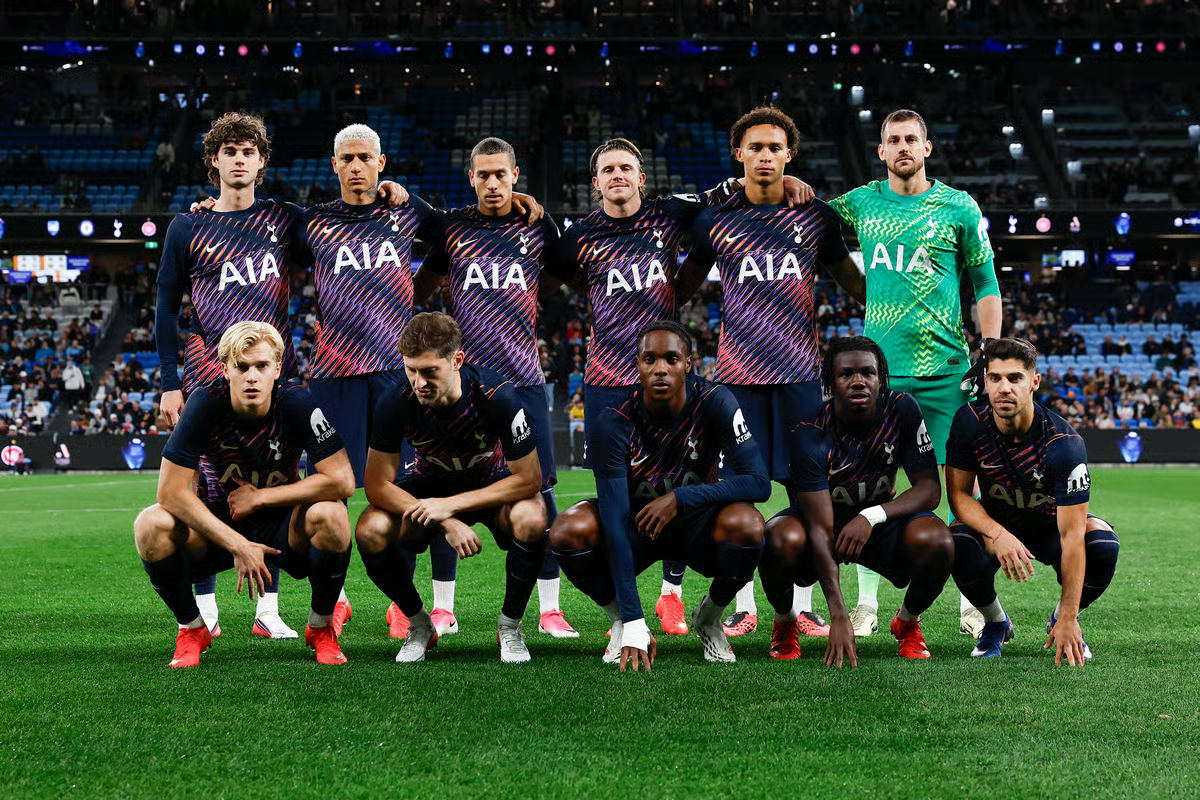
This will technically be the third friendly Spurs have played this summer, having also beaten Milton Keynes in a behind-closed-doors affair before they flew across the world. Tottenham face Chelsea on Saturday but first take on the team who finished fourth in the Australian A-League last term, and they will play in front of a sell-out Allianz Stadium crowd in New South Wales.

Source link

Continue Reading

NewsBeat

Why Do People Keep Pooping Themselves At Concerts?

Published

on

Why Do People Keep Pooping Themselves At Concerts?

Look, I understand that an hours-long show can be tough on the bladder. We’ve written before at HuffPost UK about the many tricks artists use if they have to “go” mid-performance.

But the fecal fiascos that have taken place in recent concerts are a different beast entirely.

First, Olivia Rodrigo told KISS Radio that she could smell her fans’ nappies from the stage.

“Everyone is wearing diapers… they sit there all day,” she shared. “I think about it kind of often… It’s a real thing.

Advertisement

Noah Kahan, meanwhile, took to X after a woman reportedly defecated near the singer’s stage. “If you have to poop at a show please dear god just go to the bathroom lmao,” he wrote.

At later gigs, he made fans “solemnly swear I will not shit my pants. And if I do, I won’t take it from my pants and put it on the floor”, and beseeched his soiling-inclined fans to “fucking put some diapers on next time”.

On Monday 27 July, meanwhile, a Devilskin metal concert was derailed by an attendee’s baffling and “vomit”-inducing decision to crap in a moshpit.

Advertisement

What, I beg my fellow grown adults, is going on?

I mean, in the case of Rodrigo, there’s at least a vile logic to the odorous decision. “I have been to certain concerts and certain festivals where people wear diapers so that they can be front row of the show,” she explained.

“And that’s been an experience as a performer that I have… smelled.”

It’s not something I think someone who has probably filed their own taxes and may even share an office loo should ever voluntarily do, to be clear.

Advertisement

However, I guess that’s what commitment looks like to some superfans – Noah himself joked(?), “I shit myself onstage in Charlottesville, but that’s because I am dedicated to my craft.”

What “craft” is refined or gig-going fantasy realised by a mid-show floor poop, though?

Please, for the love of music: can we keep that extra fetid “o” out of “pop concerts” going forwards?

Advertisement

Source link

Continue Reading

NewsBeat

Searches continue for missing Cambridgeshire man not seen for nearly a month

Published

on

Cambridgeshire Live

Police are continuing to appeal for information on the man’s whereabouts

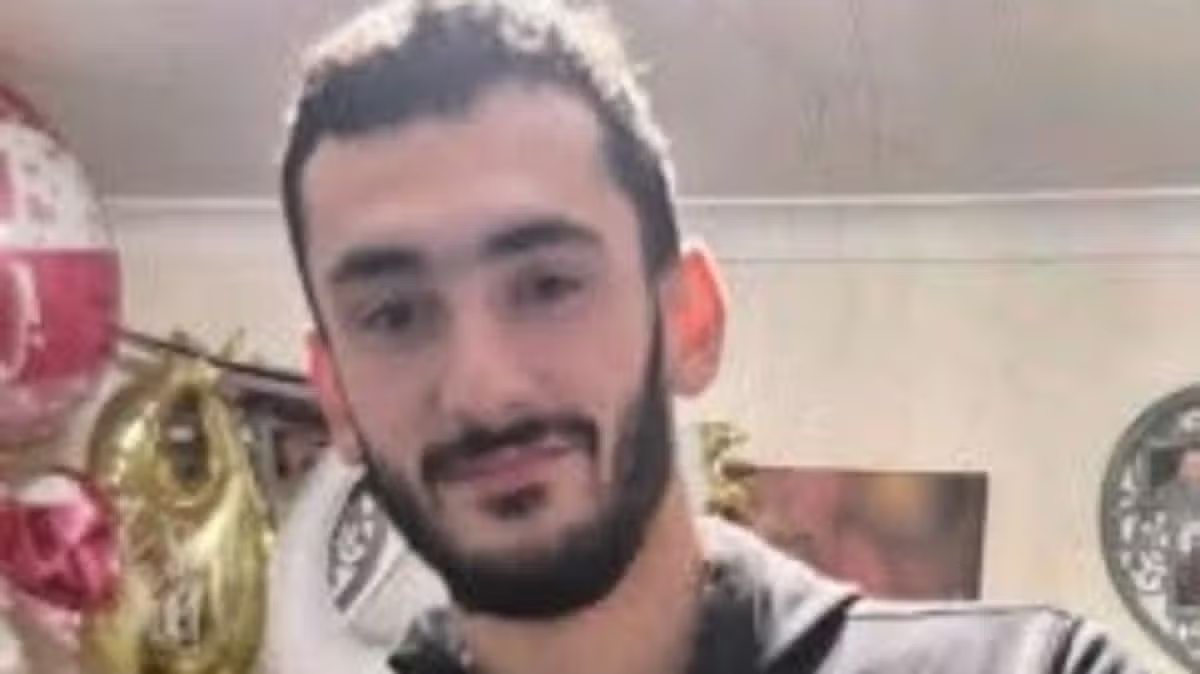
Searches continue for a man who hasn’t been seen in nearly a month. Lewis Winter, 25, was first reported missing from Eye, near Peterborough, on July 16.

Advertisement

However, he had not been seen for some time prior to this date. Here is a timeline of Lewis’ last whereabouts:

  • CCTV released by Cambridgeshire Police shows Lewis leaving the Tasman Caravan Park in Eye at around 7pm on July 5
  • Lewis is reported missing on July 16, but it is believed he went missing before this date
  • Cambridgeshire Police has said today (Wednesday, July 29) that Lewis is still missing and searches continue for the 25-year-old

Anyone with information of Lewis’ whereabouts or has seen him should call 101 and quote incident 254 of July 16.

Do you want more of the latest Cambridgeshire news as it comes in from across the county? Sign up to our dedicated newsletter to make sure you never miss a big story from Cambridge or anywhere else in the county. You can also sign up to our dedicated Traffic and Crime newsletters for the latest updates on the topics you are most interested in.

Source link

Advertisement
Continue Reading

NewsBeat

Real reason why Prince William never wears a wedding ring

Published

on

Cambridgeshire Live

Princess Kate has been seen wearing her wedding band for years, but her husband, Prince William, is never seen with a ring on his finger – but there’s a reason for it

Among the most celebrated and instantly recognisable pieces of jewellery in history is the Princess of Wales’s engagement ring. Originally presented to the late Princess Diana upon her engagement to then-Prince Charles, the 12-carat sapphire and diamond ring enjoyed a remarkable resurgence in popularity when Prince William proposed to Kate in October 2010, sparking a widespread trend for sapphire jewellery.

Following their wedding, Kate added a gold wedding band to her ring collection, in keeping with royal matrimonial tradition. The band is crafted from Welsh gold — one of the rarest varieties of gold in the world.

Advertisement

She has since added three more rings to her collection. William is thought to have gifted Kate her first eternity band, featuring diamonds set on a white-gold band, following the birth of Prince George in 2013.

She later showed off her sapphire-and-diamond band, believed to be Cartier’s Étincelle de Cartier wedding band, in a 2024 video in which she announced she had completed her chemotherapy treatment. She also wears a delicate pavé diamond band.

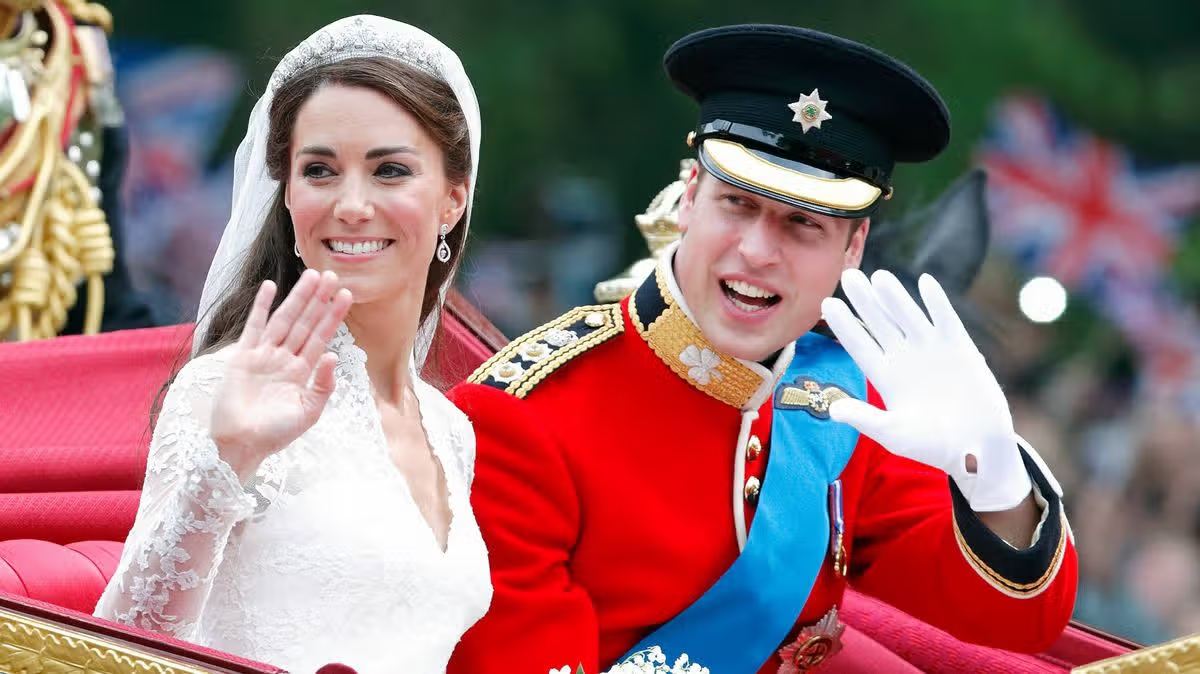
Despite the Princess of Wales’s enviable collection of rings, many royal watchers have observed over the years that her husband has never been spotted wearing a wedding band — not even on their wedding day itself.

Advertisement

This stood in notable contrast to Harry and Meghan’s Windsor wedding, during which she placed a ring on his finger as part of the ceremony. St James’s Palace confirmed ahead of Prince William’s wedding to Kate Middleton on 29 April 2011 that he would not receive a ring during the ceremony at Westminster Abbey.

Why doesn’t Prince William wear a wedding ring?

While some may consider it unusual that the royal prince forgoes a wedding ring, there’s a straightforward explanation – Prince William simply dislikes wearing jewellery of any kind.

A palace source disclosed at the time of the wedding, to The Mirror, that William’s decision was purely a matter of personal taste. “He’s not one for jewellery,” they explained.

“He’s never worn any. He decided he didn’t want to wear one now. It’s all down to personal preference.”

Advertisement

William isn’t alone amongst male family members in declining to wear a wedding band, as his grandfather, Prince Philip, also chose not to wear one – a practice which is a relatively recent tradition.

According to the BBC, “World War II is considered to have heralded a seismic shift, as many Western men fighting overseas chose to wear wedding rings as a comforting reminder of their wives and families back home.”

By contrast, William’s father King Charles does wear one – a signet ring on the little finger of his left hand. While the King sports a classic gold band, Harry is believed to have preferred a more contemporary aesthetic for his special piece of jewellery, selecting a sleek platinum design for his band.

In a long-standing royal tradition, every bride who has married into the royal family has had a bespoke wedding band crafted for their special day, with gold sourced from the Clogau St David’s mine in North Wales having been used for several royal wedding rings, among them those belonging to the late Queen, Diana, Princess of Wales, Princess Kate, and Meghan Markle.

Advertisement

Source link

Continue Reading

NewsBeat

What really happens to your data when you click ‘delete’?

Published

on

What really happens to your data when you click ‘delete’?

Deletion is a common part of modern life. We send files and folders to the recycle bin all the time, and often get rid of unwanted personal accounts. But do you know what really happens when you hit the “delete” button?

The process of deletion is often poorly explained by tech providers. Lack of transparency around how requests are processed, and the absence of clear confirmation that data has been removed, are frequently highlighted in research.

These issues are not limited to operating systems. On social media platforms and a wide range of subscription services, deletion mechanisms are often just as unclear. Such misconceptions can have serious implications for the wellbeing of users, exposing them to security and privacy vulnerabilities.

A further complication is that many users fear losing data, files, photos and videos through accidental deletion – a condition dubbed “diagraphephobia”. Though this is not a recognised pathology, studies of digital hoarding behaviour show that some people get very anxious at the thought of losing or accidentally deleting personal information such as photos and music.

Advertisement

Such concerns extend the amount of personal data that sits untended but undeleted, ready for potential misappropriation.

Deletion vs erasure

A common misconception is thinking deletion means erasure – the idea that once a deleted item is no longer visible, it has been completely erased with no means of retrieving it. This is largely wrong.

When users delete files – moving them to the trash bin, then deleting permanently – the data isn’t actually erased. Rather, the system marks storage space as reusable and updates metadata to unlink the file. But the underlying content often remains recoverable with the right tools, especially when data is duplicated across multiple systems or devices.

More robust forms of deletion include physical destruction of the storage medium, overwriting the memory blocks with new data to bury the original, or encrypting the data and then destroying the key.

Advertisement

However, such methods can be expensive and may render the storage device unusable (for example, when overwriting data on magnetic media). The characteristics of cloud infrastructure also pose challenges to secure data deletion.

Similarly, content on public social networks may not really be erased after deletion due to replies, comments and internet archives which can all store the posts in some fashion. The meaning of a deleted tweet can, for example, be recreated based on replies and mentions.

Zombie accounts

Another misconception is that deleting an app from a device automatically deletes the associated account. Users often leave mobile app accounts undeleted because they are unaware of their existence, having deleted the related app.

These are called zombie accounts – abandoned profiles for a wide array of services, from shopping and storage to dating, finance and streaming. Millions of users possess zombie accounts, with personal data that is vulnerable to cyber-attacks and data breaches.

Advertisement

The exponential growth of AI raises a further question: can data really be deleted once it has been used to train AI models? Machine learning modules easily memorise the data they have been trained on, but “unlearning” is difficult.

In theory, people in Europe and many other countries around the world have a leagal “right to be forgotten”. This means they can request the full erasure of any personal data a platform or a company may hold. AI developers are considered data controllers under the EU’s General Data Protection Regulation (GDPR) laws, for example, and are subject to this obligation.

However, there are no clear guidelines on how erasure should be enforced within AI systems. Regulators may request deletion, but AI companies can argue that compliance is infeasible on account of technical constraints.

Explainable deletion

To counter the risks posed by incomplete deletion, I believe there is a pressing need for provision of concise, accessible and clear information about how deletion really works.

Advertisement

One potential approach is “explainable deletion” – a protocol developed by Marvin Ramokapane at the UK’s National Research Centre on Privacy, Harm Reduction and Adversarial Influence Online (Rephrain), based at the University of Bristol.

The intention is to make deletion processes more transparent and understandable without overwhelming the user with too much information in one go.

Explainable deletion breaks down information into six categories: what, how, when, who, where and why (see diagram). Each offers a user bite-size information about that part of the process.

Explainable deletion’s six categories:

Advertisement


Marvin Ramokapane and Dana Lungu, CC BY-SA

Explainable deletion is designed to give users control over their actions, the autonomy to choose the deletion type that is right for them, and the assurance that their desired actions have been fulfilled. It may also tackle the anxiety of accidentally losing data by giving options for data recovery.

While explainable deletion has not yet been adopted in practice, service providers – both platforms and developers – could heighten user trust by adopting such protocols. This framework can also be proof of compliance with GDPR regulations and the right to be forgotten.

Most of us use systems that collect and store our data on a daily basis. If these systems clearly explained what they store and what deletion really means, it could help us to spot the accounts and data that pose a real risk – and to take back control of our digital footprints.

Advertisement

Source link

Continue Reading

NewsBeat

Missing child at Queens Park, Bolton, causes police turnout

Published

on

Missing child at Queens Park, Bolton, causes police turnout

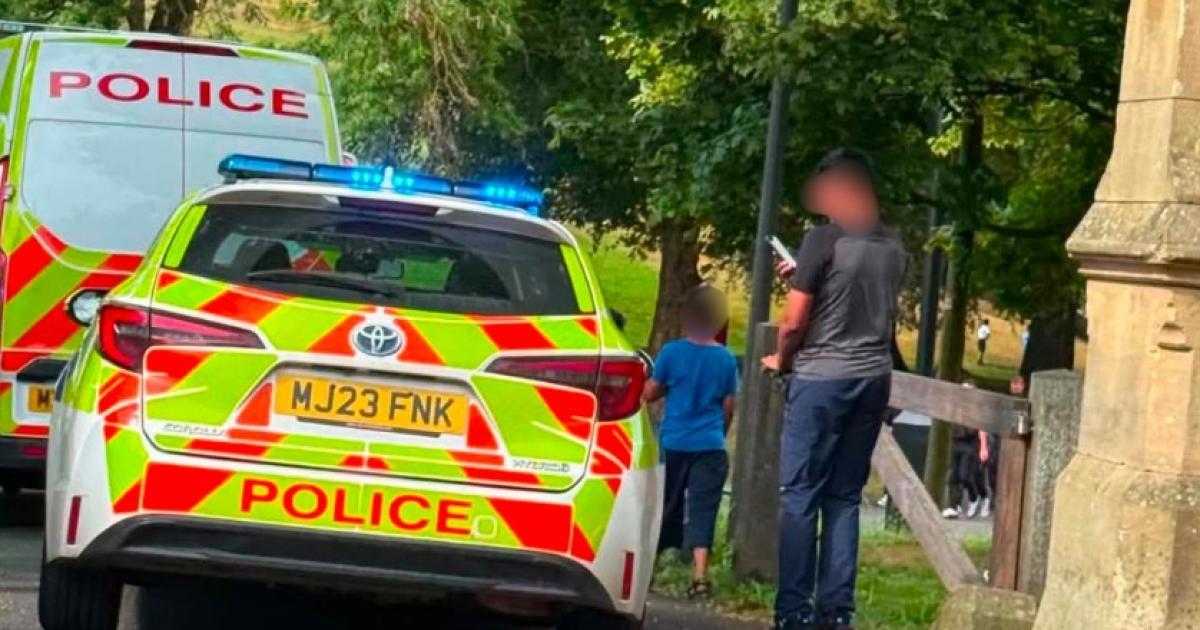
Officers were alerted just before 5pm that a child could be located at Queens Park.

Fortunately the youngster was found within half-an-hour after it is thought being spotted by a woman who lived nearby who made sure the child was okay and took them to police.

One van and three police cars were parked at the Mayor St/Park Rd entrance of Queens Park.

Advertisement

The investigation was underway yesterday, on Tuesday, July 29.

The Bolton News understands the child was found by members of the community who noticed she was alone.

They stayed with her until she was passed into the care of police.

After The Bolton News contacted police for a comment to find out more on the incident, they confirmed the incident and said the girl was returned to her family.

Advertisement

Source link

Continue Reading

Trending

Copyright © 2025